
Retirement Guide
Retire in Vietnam
Last updated: October 2026
Vietnam offers the lowest cost of living among major Southeast Asian retirement destinations, combined with a rich cultural heritage, rapidly improving infrastructure, and stunning natural landscapes. While not as established as Thailand for foreign retirees, Vietnam is growing quickly as a retirement destination, particularly for adventurous retirees who want maximum value and an authentic Asian experience.
Quick Stats
Why Retire in Vietnam?
- 1
Lowest cost of living in SE Asia: a comfortable retirement lifestyle costs $800-1,200/month, stretching retirement savings further than almost anywhere else.
- 2
Rapidly improving infrastructure: new highways, airports, metro systems, and modern hospitals are being built across major cities.
- 3
Rich cultural heritage: thousands of years of history, UNESCO World Heritage sites, and a vibrant food culture considered among the best in the world.
- 4
Geographic diversity: from mountain retreats in Da Lat to beaches in Da Nang to the energy of Ho Chi Minh City.
- 5
Fast, reliable internet: Vietnam has some of the fastest and most affordable internet in SE Asia, important for staying connected.
Cost of Living Breakdown in Vietnam
Here is a detailed breakdown of monthly costs for a retiree in Vietnam. All figures are in USD.
| Category | Item | Low | High | Notes |
|---|---|---|---|---|
| Housing | One-bedroom apartment (city center) | $250 | $550 | Modern apartments in HCMC or Da Nang |
| Housing | One-bedroom apartment (outside center) | $150 | $350 | Local neighborhoods |
| Food | Local restaurant meal | $1 | $3 | Pho for $1-2 everywhere |
| Food | Monthly groceries | $100 | $200 | Local markets extremely cheap |
| Healthcare | Doctor visit (private hospital) | $15 | $50 | International clinics in major cities |
| Healthcare | Health insurance (annual, age 60-70) | $1,000 | $3,500 | International plans recommended |
| Transport | Monthly transport | $30 | $100 | Grab rides very affordable |
| Utilities | Monthly utilities | $40 | $90 | Electricity, water, internet, phone |
| Entertainment | Monthly entertainment | $60 | $200 | Dining, activities, domestic travel |
Read our full guide: Detailed Cost of Living in Vietnam
Visa and Residency Requirements for Vietnam
Visa options (no dedicated retirement visa)
Duration: 3-month tourist visa, renewable; or 5-year visa exemption for some nationalities
Cost: $25-50 for e-visa; $100-200 for visa run costs every 90 days
Requirements:
- No dedicated retirement visa exists: most retirees use tourist visas or business visas
- E-visa: 90 days, single/multiple entry, available online
- Visa runs every 90 days are common but not ideal long-term
- Investment visa available for those investing in Vietnamese businesses
- Some nationalities qualify for 5-year visa exemptions
Read our full guide: Complete Vietnam Retirement Visa Guide
Healthcare and Medical Services in Vietnam
Healthcare in Vietnam is improving rapidly but still uneven. Ho Chi Minh City and Hanoi have modern international hospitals like FV Hospital and Vinmec, with English-speaking doctors trained abroad. Da Nang has growing options. Public hospitals should generally be avoided by foreign retirees. International health insurance is strongly recommended. Costs are very low: a private hospital consultation costs $15-50.
Read our full guide: Healthcare in Vietnam for Expat Retirees
Best Cities for Retirees in Vietnam
See all cities: Best Cities to Retire in Vietnam
What Vietnam actually looks like
Authentic, unedited photos from the retirement cities in Vietnam, each dated, including the downsides. Click a photo to open that city's gallery.
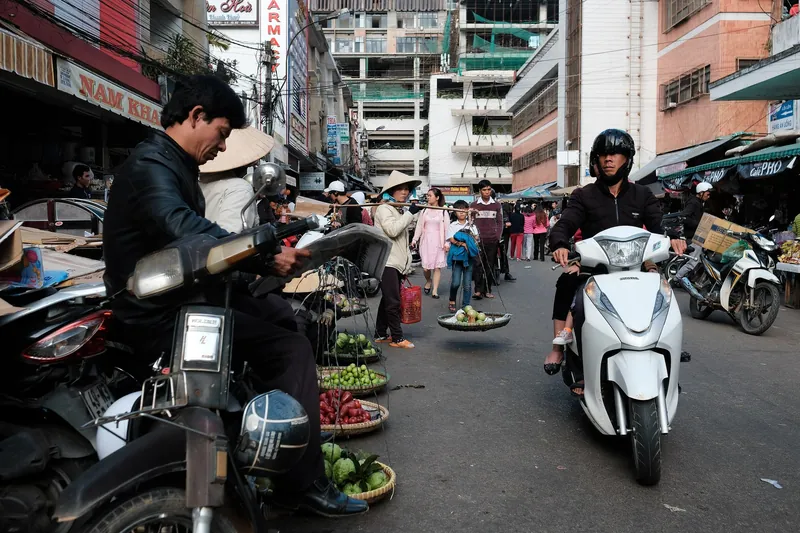
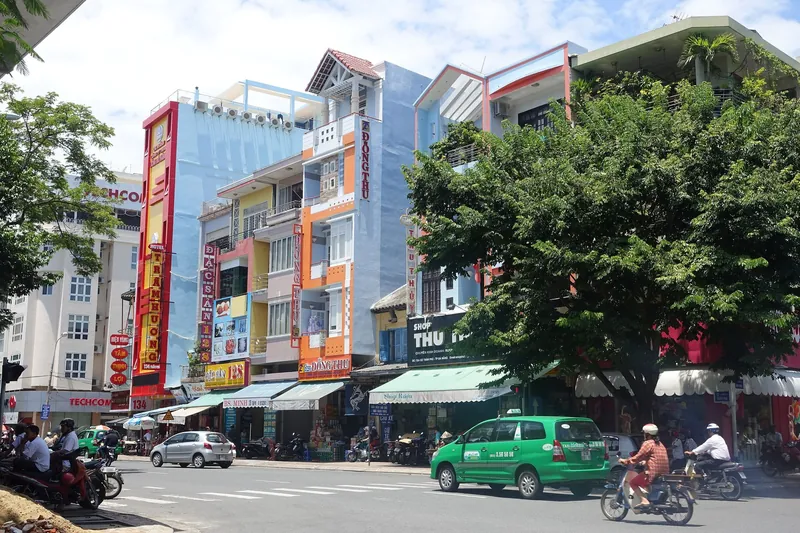
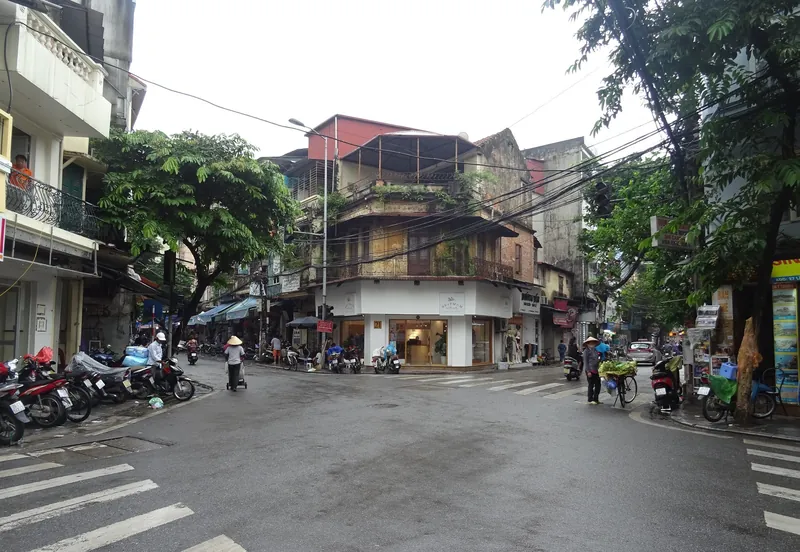
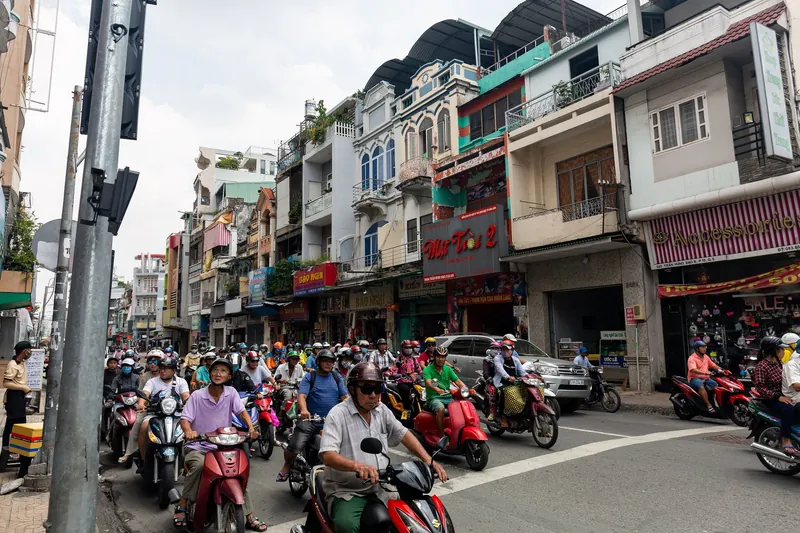
Assisted Living and Care Options in Vietnam
Vietnam's elder care infrastructure for international retirees is still developing. Home care services with Vietnamese caregivers cost $300-500/month for full-time care. Formal assisted living facilities catering to foreigners are limited but emerging in HCMC. Vietnamese culture values filial piety, and local caregivers tend to be genuinely caring and attentive.
Pros and Cons of Retiring in Vietnam
Pros
- Lowest cost of living in major SE Asian countries
- Rapidly improving modern infrastructure
- Incredible food culture: among the world's best
- Fast, affordable internet throughout the country
- Beautiful geographic diversity: beaches, mountains, cities
- Safe country with low violent crime rates
Cons
- NO retirement visa: retirees must rely on 90-day tourist visa renewals, which is legally uncertain and stressful
- Severe language barrier: Vietnamese is extremely difficult; very little English spoken outside tourist areas
- Healthcare outside HCMC and Hanoi can be very basic: may require medical evacuation for serious conditions
- Chaotic traffic is genuinely dangerous for elderly pedestrians: crossing streets is hazardous
- Air pollution in Hanoi and HCMC frequently reaches unhealthy levels (AQI 150+)
- Food hygiene standards vary widely: gastrointestinal illness is common for newcomers and risky for seniors
- Typhoon season (Jun-Nov) brings severe flooding, especially in central Vietnam (Da Nang, Hoi An)
- Limited elder care infrastructure: no English-speaking assisted living facilities
- Property ownership restricted: foreigners can only lease, not own
Is Vietnam Right for You?
Take our free 3-minute retirement quiz to see how Vietnam compares to other destinations based on your personal preferences, budget, and needs.
Take the Retirement QuizFrequently Asked Questions About Retiring in Vietnam
Can I retire in Vietnam without a retirement visa?
Vietnam does not offer a dedicated retirement visa. Most foreign retirees use 90-day tourist visas (e-visa) and do visa runs every 3 months, or qualify for 5-year visa exemptions based on nationality. Some set up small businesses to qualify for business visas. The lack of a retirement visa is the biggest drawback of retiring in Vietnam.
How much does it cost to retire in Vietnam?
Vietnam is the cheapest major retirement destination in SE Asia. A comfortable lifestyle costs $800-1,200/month in Da Nang, $1,000-1,500 in HCMC, and $800-1,200 in Hanoi. A modest lifestyle is possible on $600-800/month in smaller cities.
Is Vietnam safe for retirees?
Vietnam is one of the safest countries in SE Asia. Violent crime is very rare, and the government maintains strict public order. The main safety concerns for elderly retirees are the chaotic traffic (crossing streets requires practice), petty theft in tourist areas, and occasional extreme weather events.
Is the food in Vietnam safe?
Vietnamese food is generally safe and considered among the best in the world. Street food is widely consumed by locals and tourists alike. Standard precautions apply: eat at busy, high-turnover establishments, drink bottled water, and introduce your system gradually. Most retirees adjust quickly and enjoy the incredible variety.
How is the internet in Vietnam?
Excellent. Vietnam has some of the fastest and most affordable internet in SE Asia. Fiber broadband is widely available in cities at $10-20/month for 50-100 Mbps. 4G mobile coverage is extensive. This makes Vietnam particularly attractive for retirees who want to stay connected with family or work remotely.
Explore More About Vietnam
Sources & References
- Vietnam Immigration Department, Visa categories, temporary residence cards, and long-stay regulations for foreign nationals
- WHO Vietnam Country Profile, Health system overview, healthcare expenditure, and population health indicators
- Numbeo, Cost of living index and price comparisons for Ho Chi Minh City, Da Nang, and Hanoi
- General Statistics Office of Vietnam, Economic indicators, consumer price index, and demographic statistics
Key Takeaways: Retiring in Vietnam
- Best for: Budget-conscious retirees seeking the lowest cost of living with rich culture and great food.
- Monthly budget: $700-1,800 covers a comfortable lifestyle, the cheapest in SE Asia.
- Visa: No retirement visa exists: requires 90-day tourist visa renewals or visa exemptions.
- Healthcare: Improving rapidly in HCMC and Hanoi; international insurance strongly recommended.
- Top city: Da Nang for best overall retirement value; HCMC for healthcare and amenities.
- Internet: Among the fastest and cheapest in SE Asia, great for staying connected.
- Watch out for: No retirement visa, language barriers, chaotic traffic, and limited elder care infrastructure.