
City Retirement Guide
Retire in Da Lat, Vietnam
Vietnam's mountain city at 1,500 m, where the air conditioning stays off all year
Da Lat at a Glance
- Elevation & setting
- ~1,500 m in the Central Highlands, Lam Dong province — the highest city of any size in Vietnam; ~11.9°N
- Annual temperature
- Around 20°C year-round; mornings 15-17°C, afternoons 22-25°C; record high ~32°C; subtropical highland (Köppen Cwb)
- Nearest international airport
- Lien Khuong (DLI), ~30 km south of the city
- Nearest major hospital
- Lam Dong General Hospital, in the city; international-standard care in Ho Chi Minh City (~6 h by road)
- Primary retirement visa
- Vietnam has no dedicated retirement visa — long-stay foreigners use renewable tourist or business visas and temporary residence cards
- Language environment
- Vietnamese; very little English outside a handful of cafés and hotels
Da Lat is the only city in Vietnam where homes are routinely built without air conditioning — at 1,500 m the temperature has never been recorded above about 32°C.
Overview of Da Lat for Retirees
Da Lat sits at about 1,500 metres in Vietnam's Central Highlands, the highest city of any size in the country, roughly 300 kilometres north-east of Ho Chi Minh City in Lam Dong province. The altitude does something no coastal Vietnamese city can match: average temperatures hover around 20°C year-round, and neither heating nor air conditioning is needed. The highest temperature ever recorded here is about 32°C.
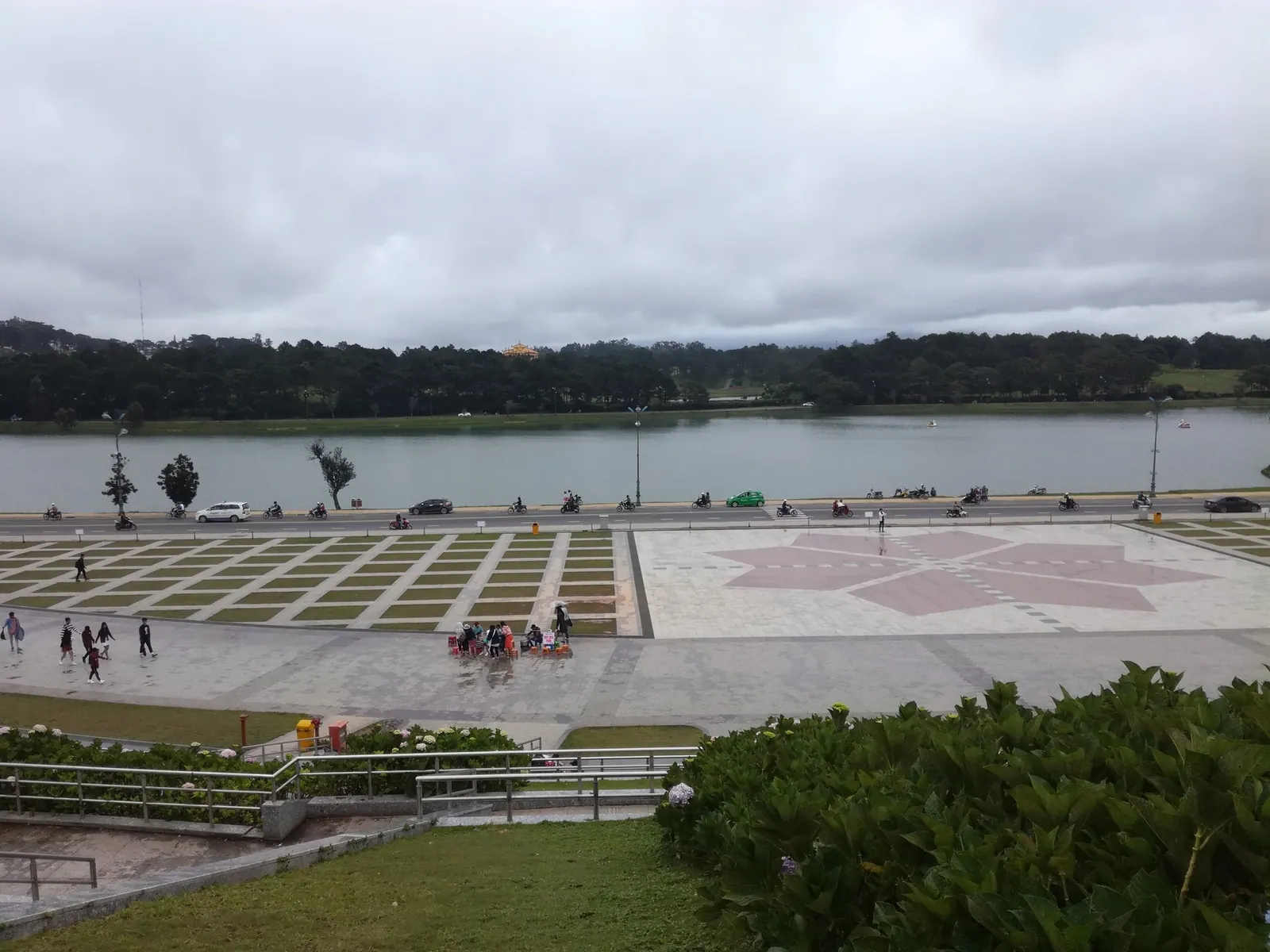
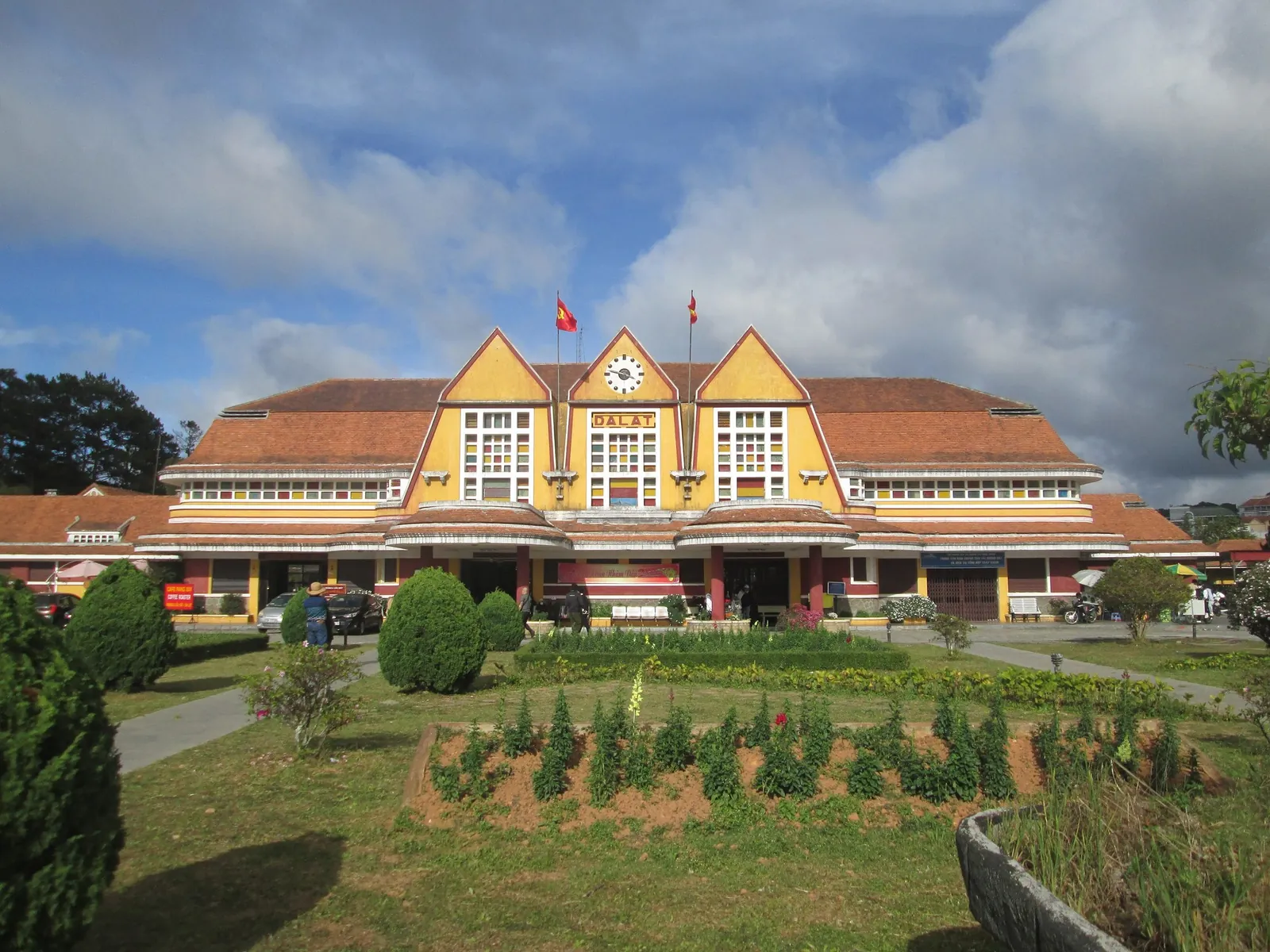
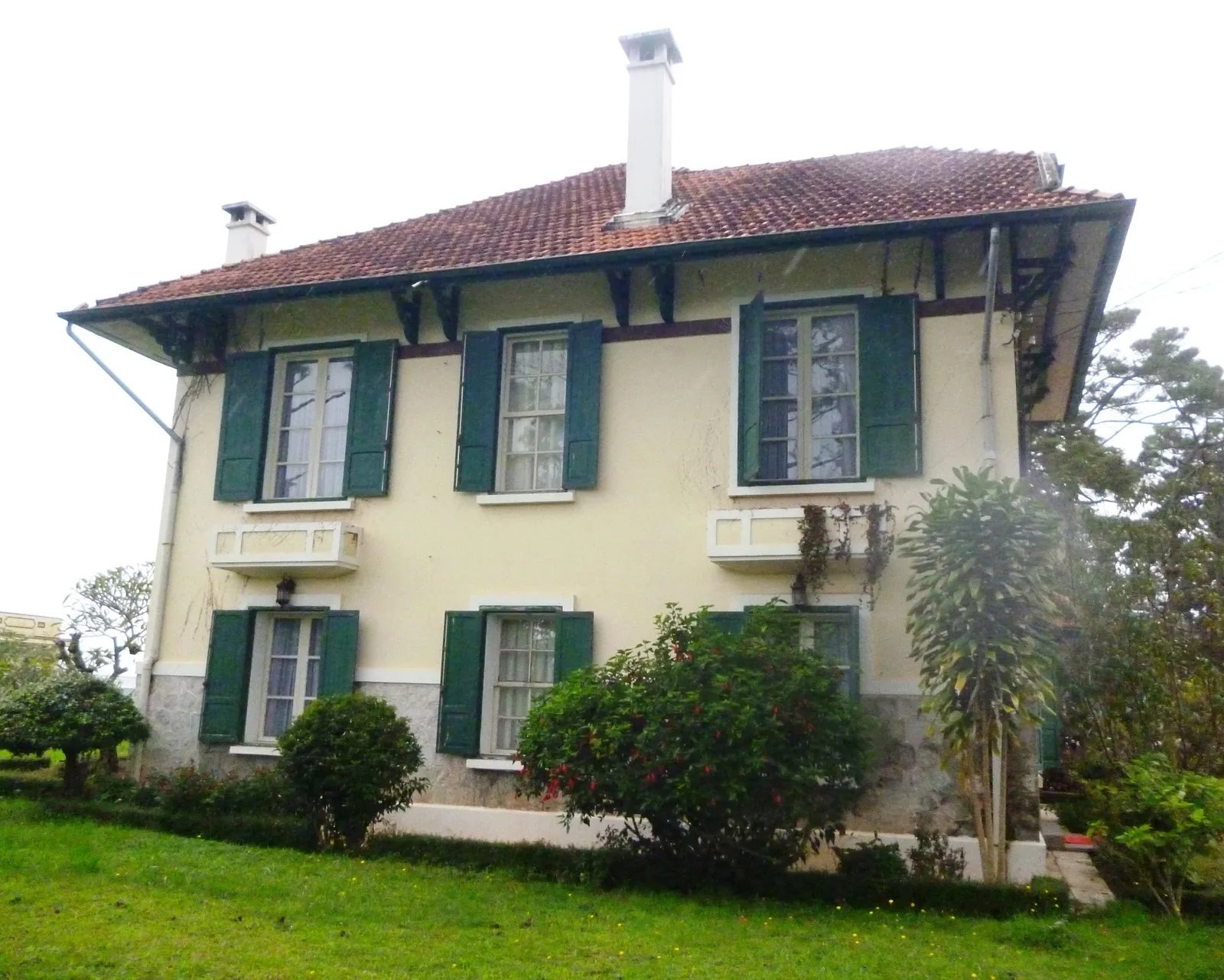
The city was built as a French hill station in the early 1900s precisely because of that climate, and the legacy is still visible in the villas around Xuan Huong Lake and the art deco railway station. Today it is Vietnam's flower and vegetable capital, ringed by greenhouses, strawberry farms, and coffee plantations, with pine forest and waterfalls beyond.
The trade-off is medical. Lam Dong General Hospital does not operate to international standards and does not keep an English-speaking doctor on duty; anything serious means travelling to Ho Chi Minh City. Lien Khuong International Airport (DLI) is about 30 kilometres south of the city. Costs are among the lowest of any destination on this site — a single retiree can live well on roughly $1,200 a month.
What Da Lat actually looks like
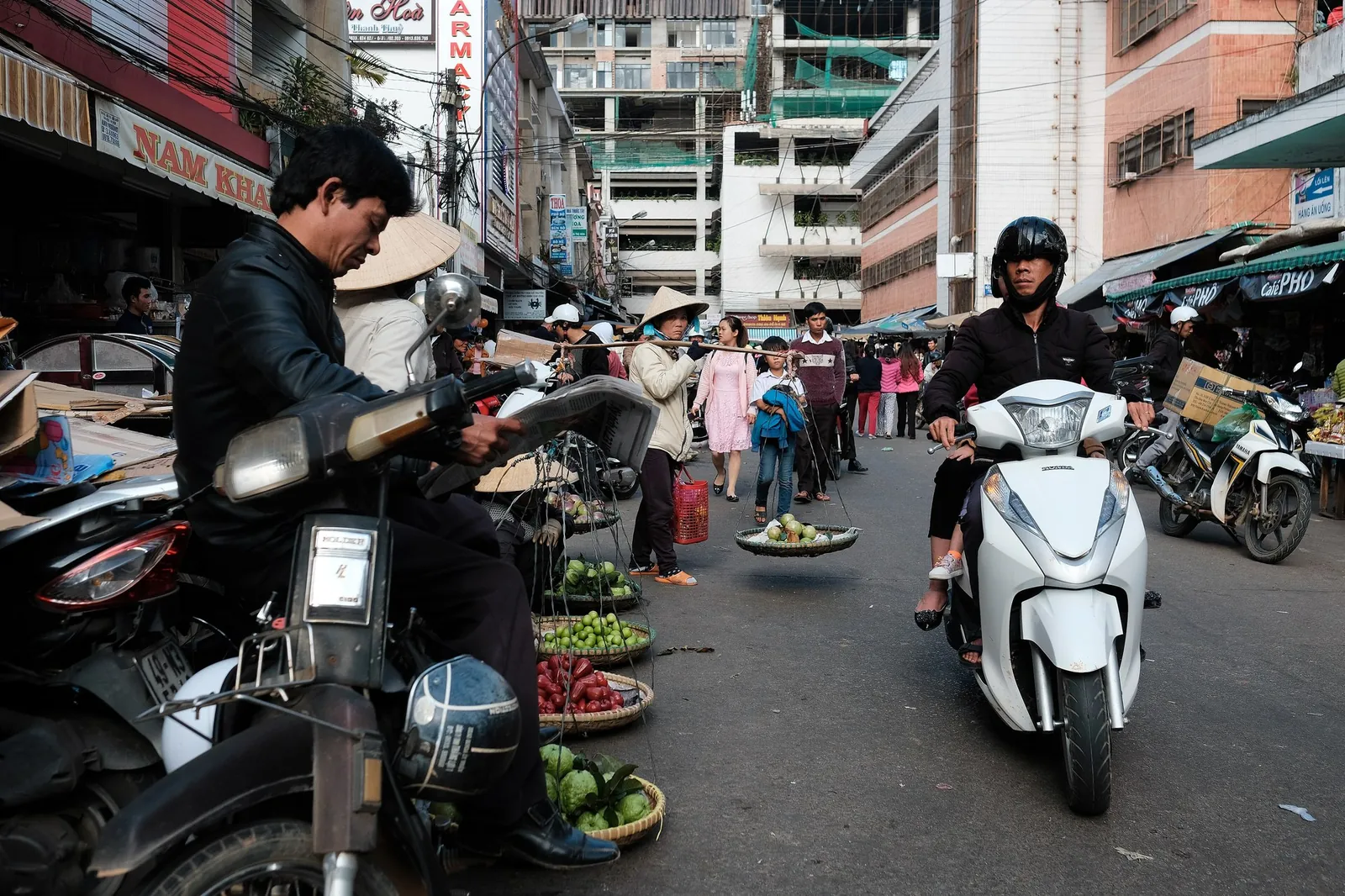
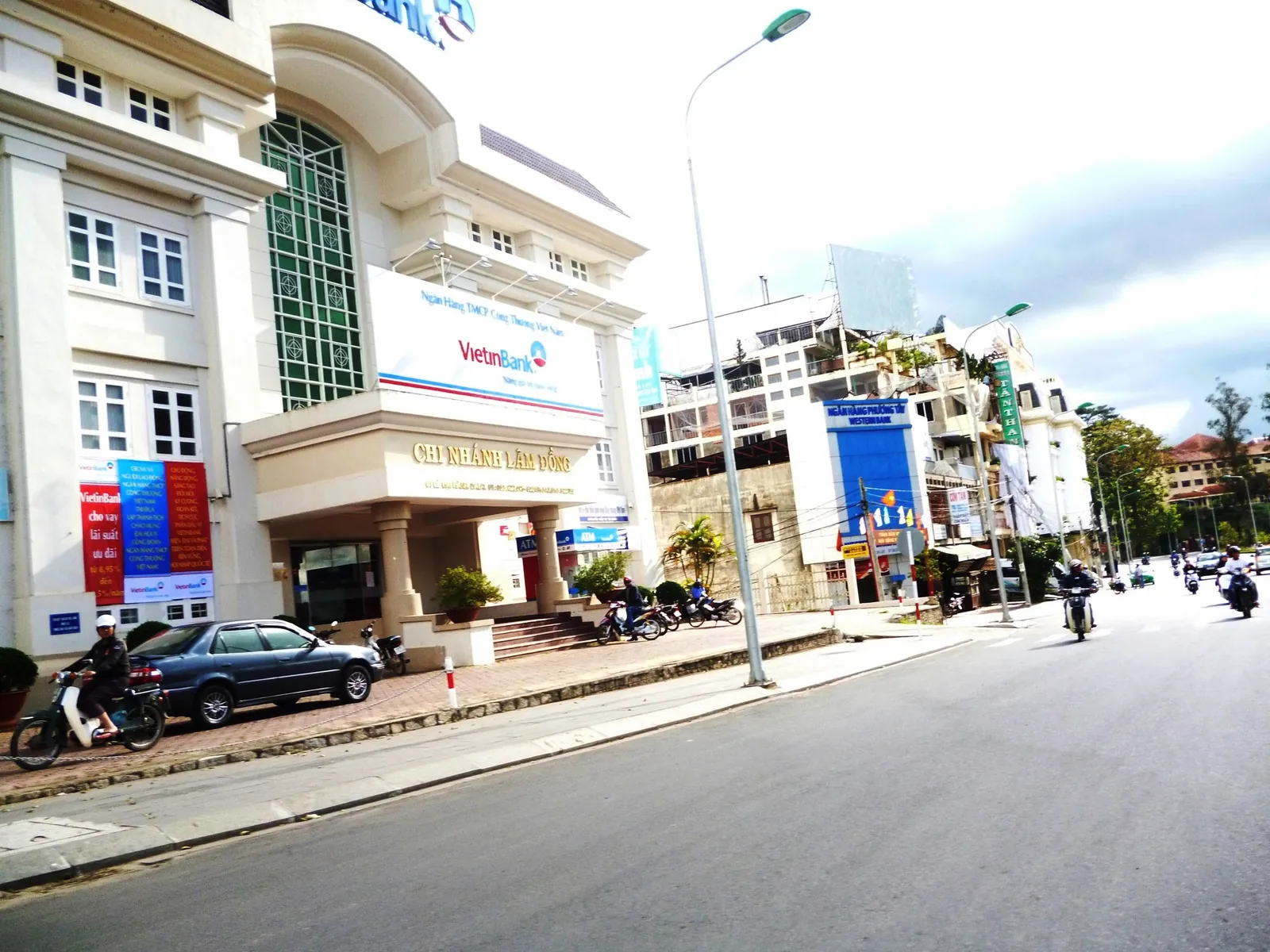
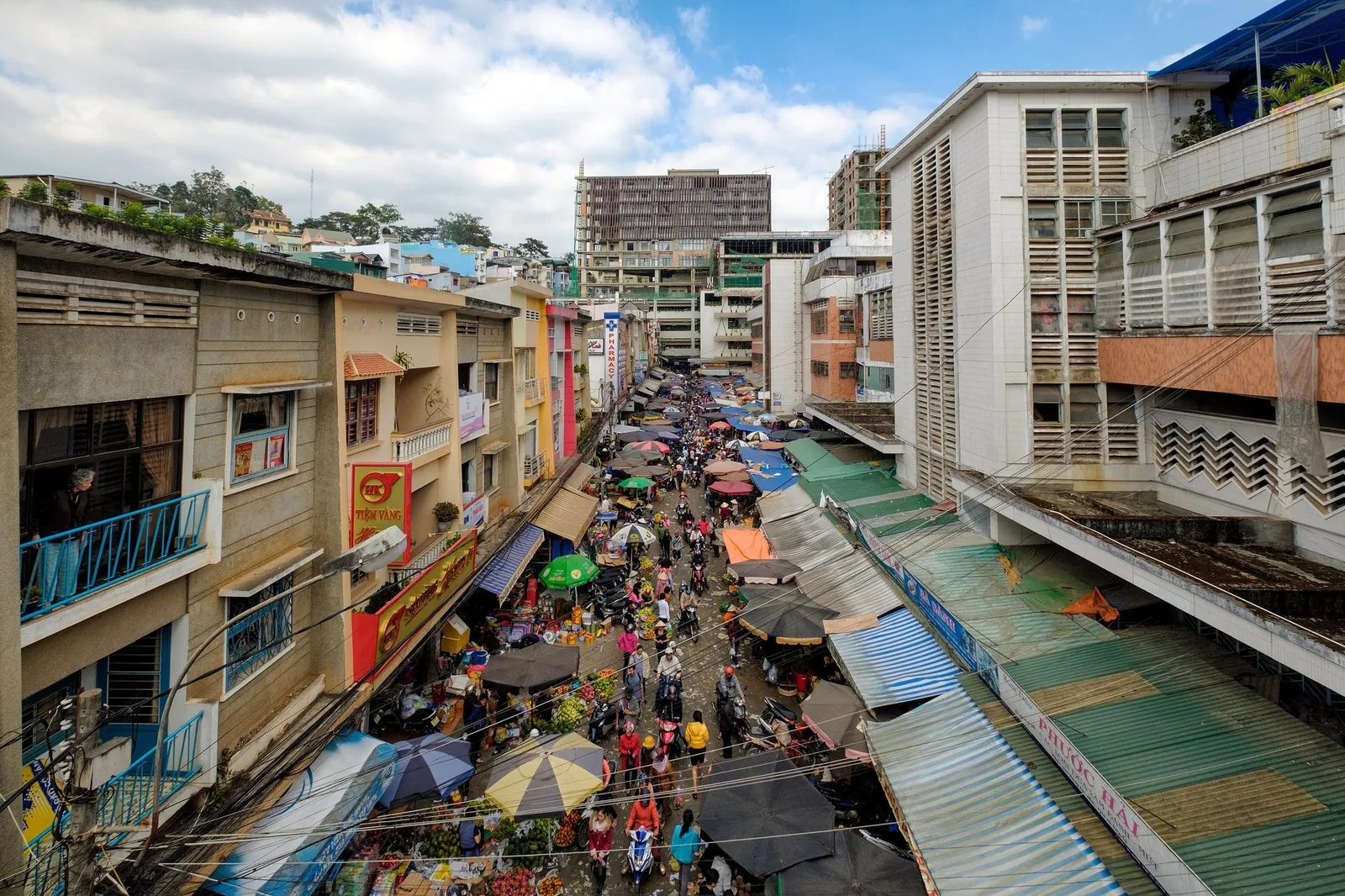
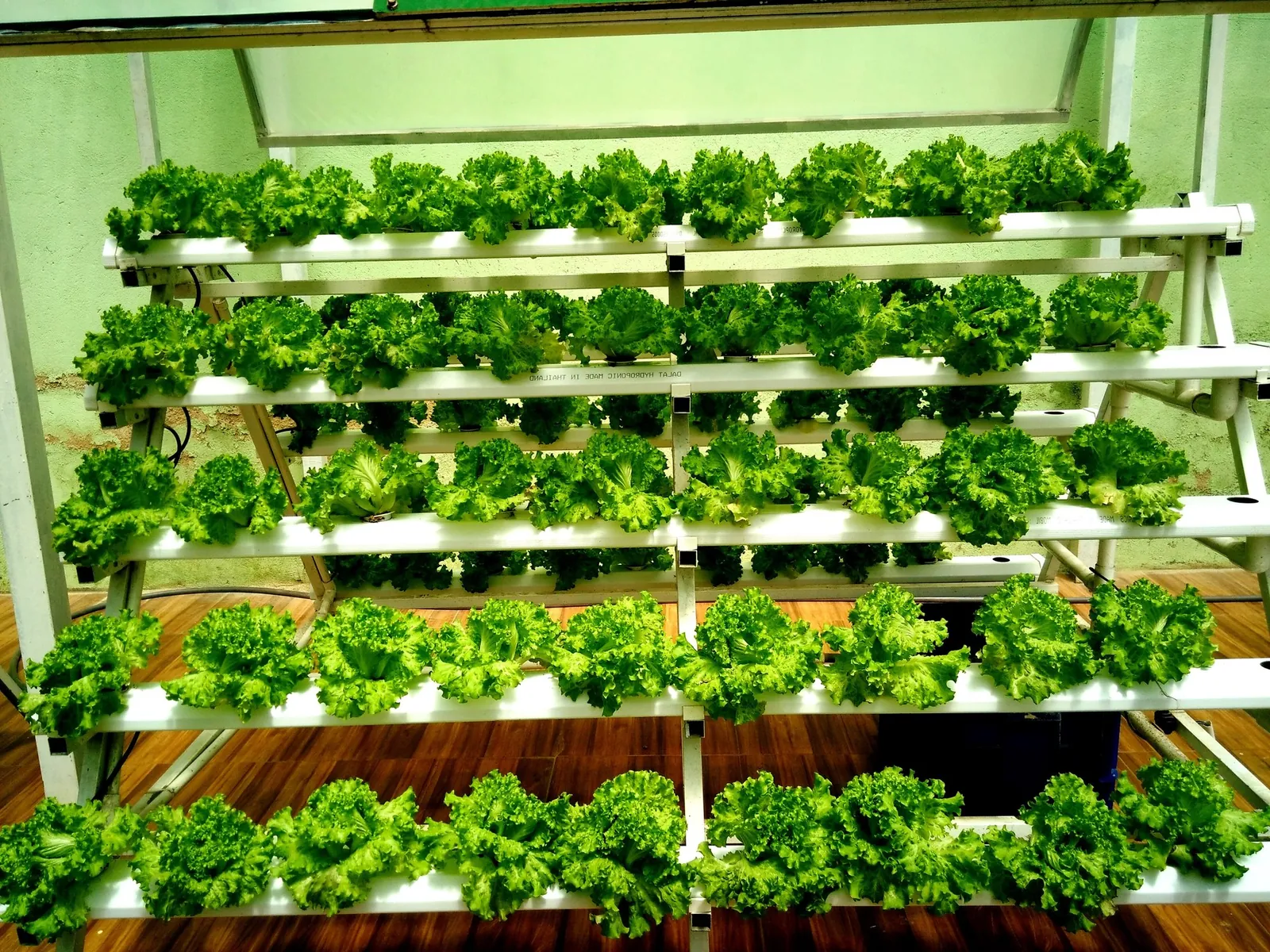
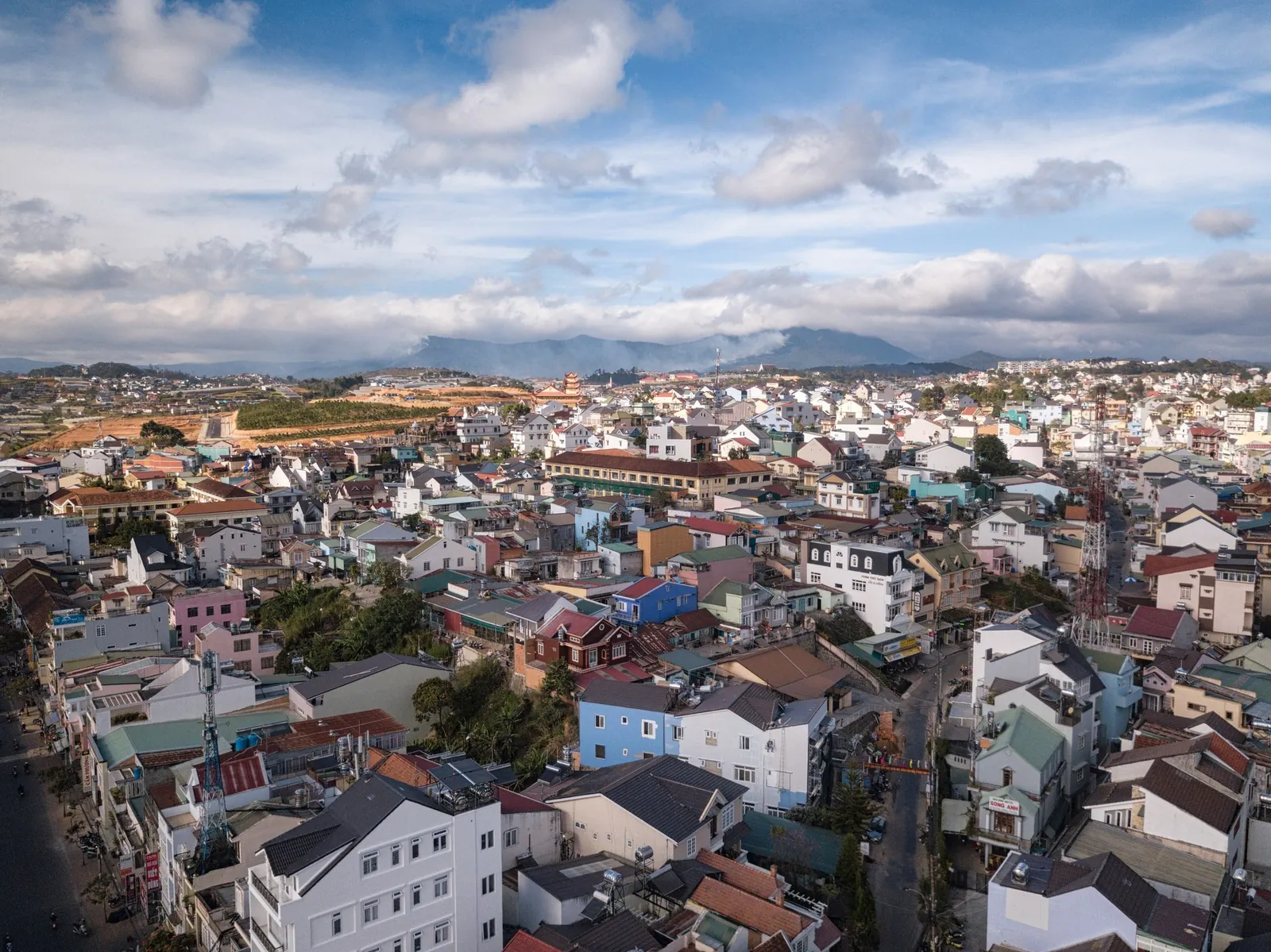
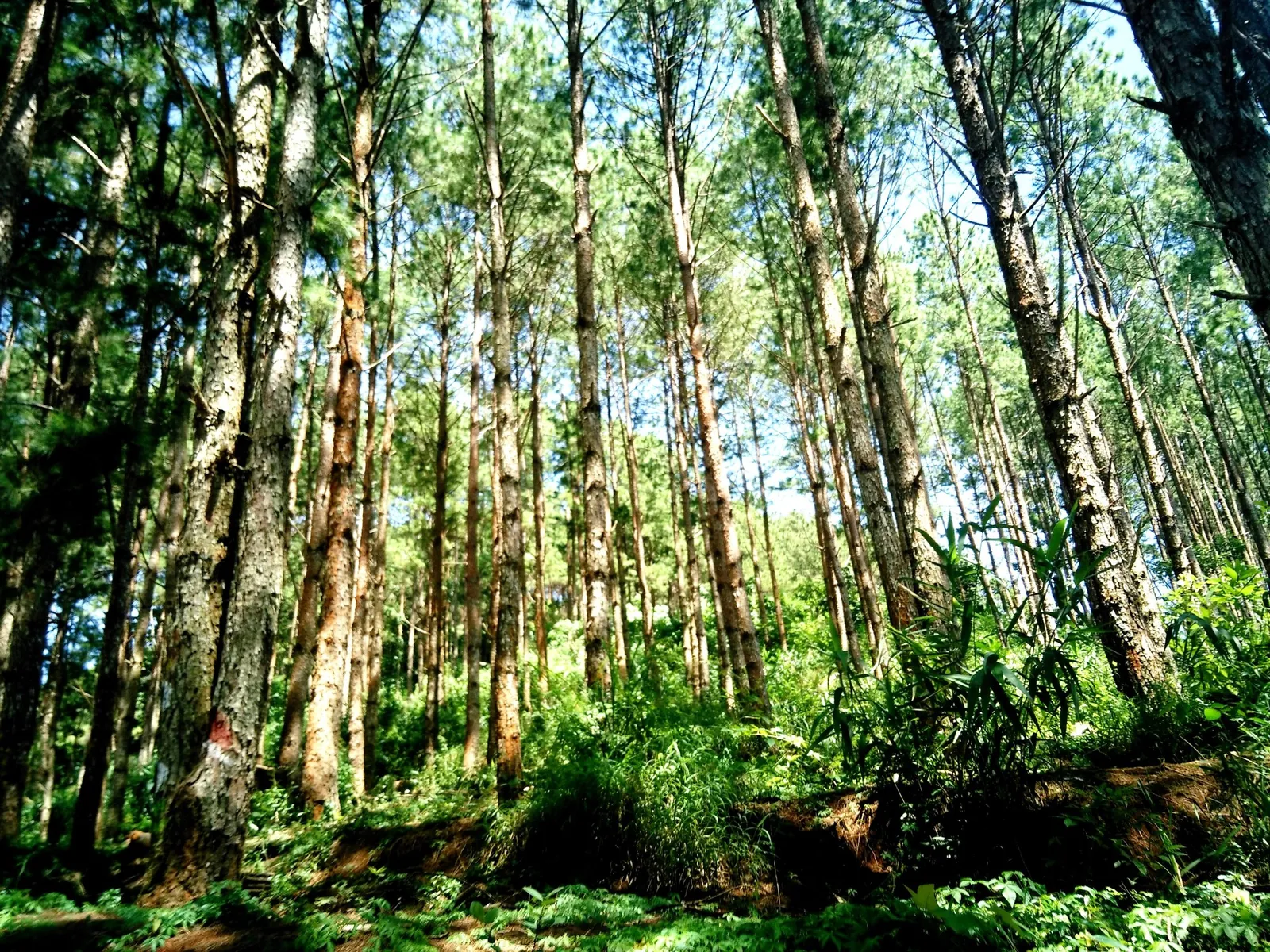
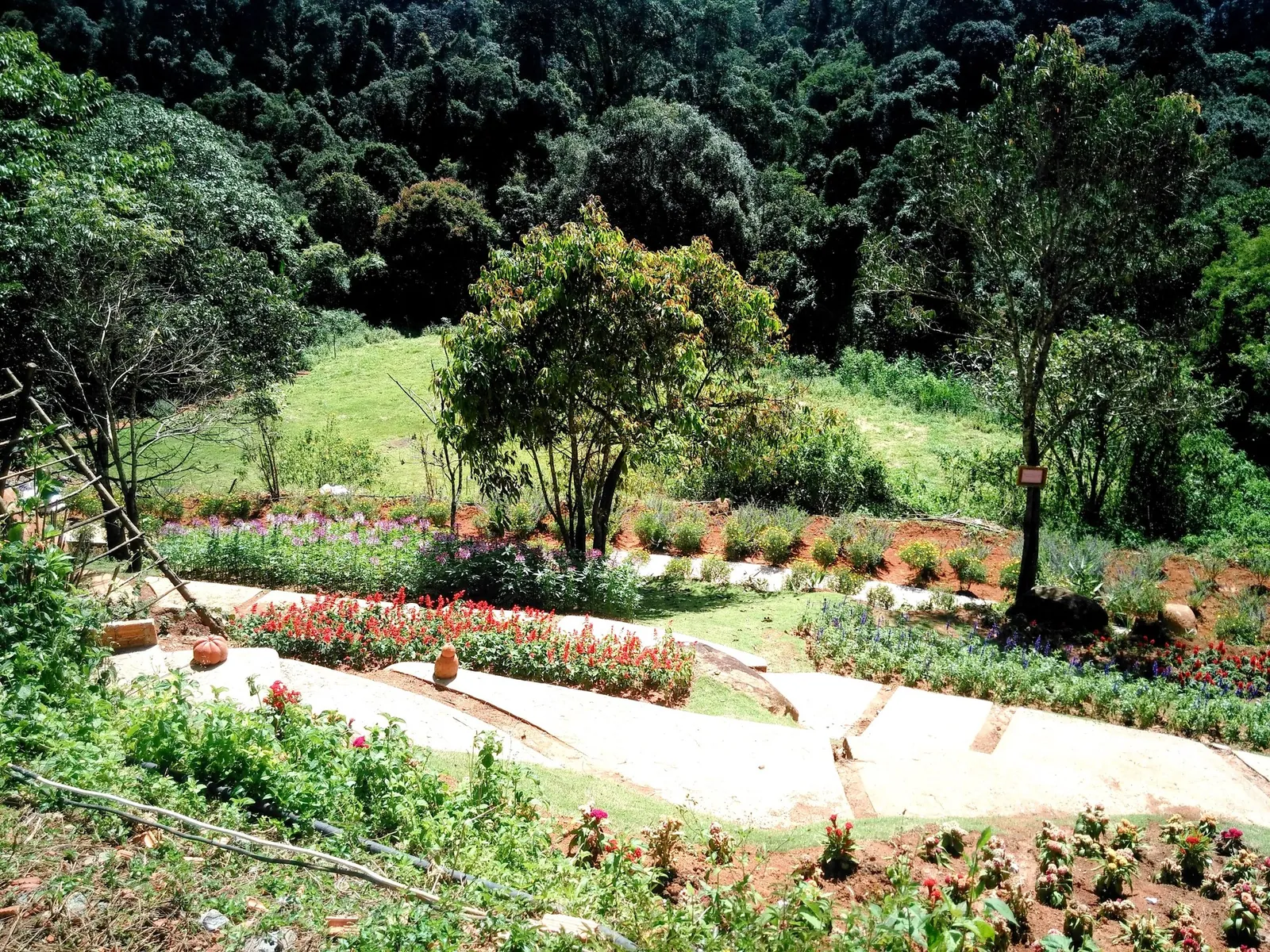
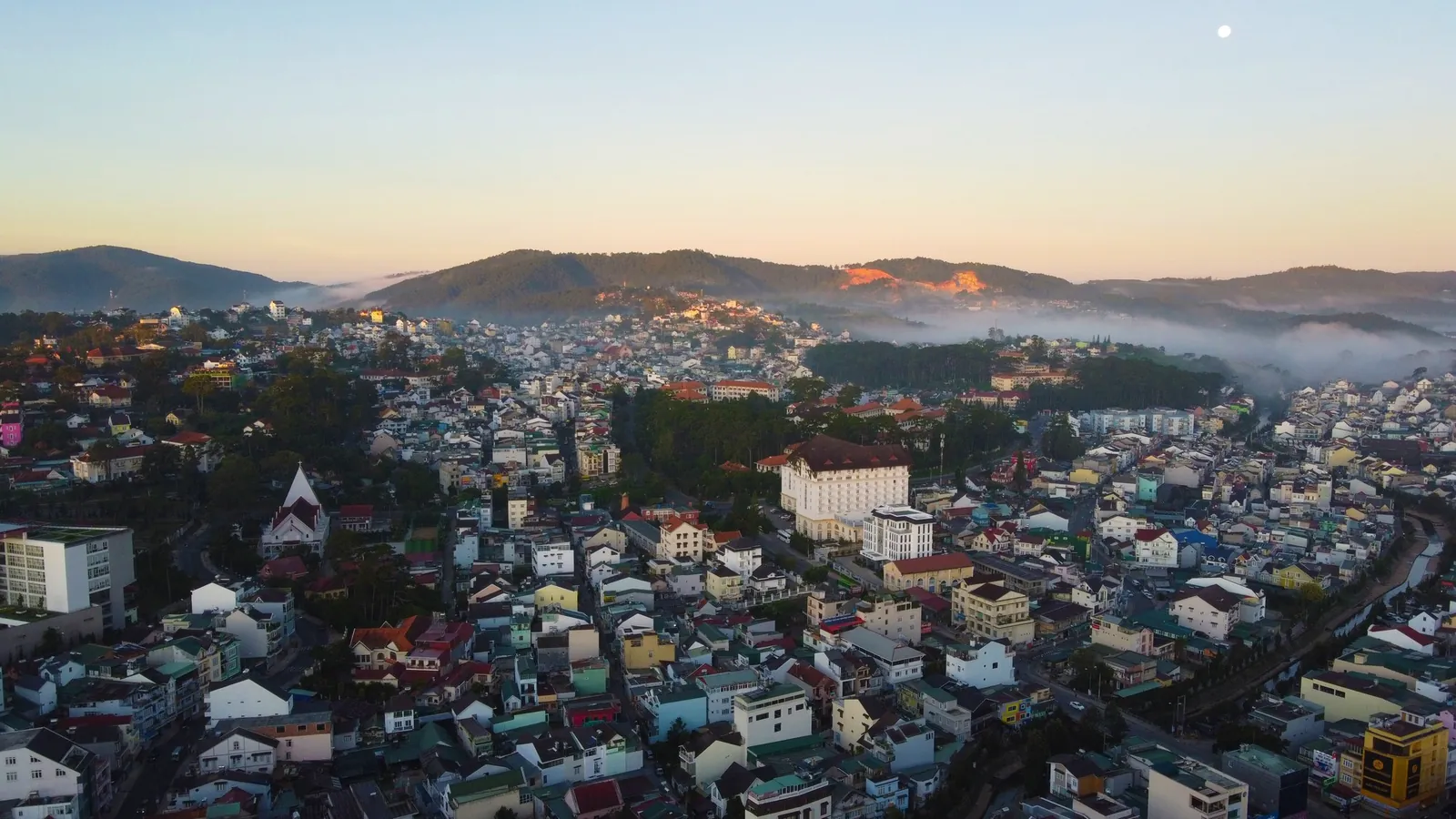
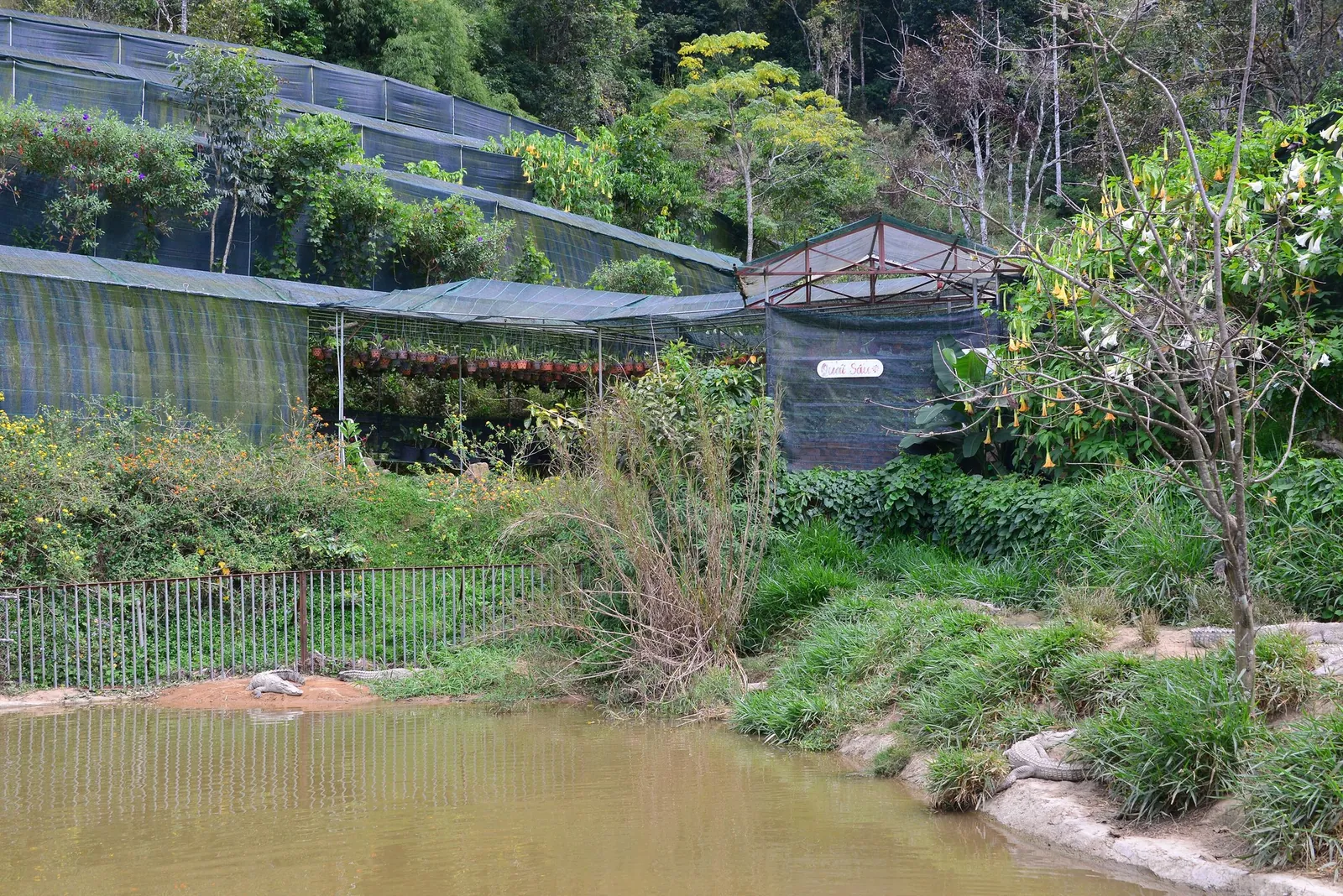
Authentic, unedited photos of Da Lat by residents and visitors, taken on ordinary days rather than chosen by a tourist board. Each one shows when it was taken. Browse photos of all 83 cities →
.jpg)
.jpg)
.jpg)
_(1).jpg)
_(29079784067).jpg)

.jpg)
.jpg)
_(6).jpg)
.jpg)

The other side
.jpg)
Cost of Living in Da Lat
1-Bedroom Rent
$200-$450/month
Local Restaurant Meal
$2-$5 at local restaurants
Cup of Coffee
$1-$2.50
Estimated Monthly Total
$700-$1,300
Want a personalized estimate? Use our cost of living calculator
Healthcare in Da Lat
Healthcare is Da Lat's clearest weakness and should drive the decision. Lam Dong General Hospital is the main public facility and handles routine and emergency care for the province, but it does not operate to international standards and does not keep an English-speaking doctor on duty. Private clinics in the city cover consultations, basic diagnostics, and dentistry at $15-$40 a visit. For anything beyond that — surgery, cardiac care, oncology, or any condition needing an English-speaking specialist — residents travel to Ho Chi Minh City, where FV Hospital and Vinmec Central Park provide international-standard care. That journey is roughly six hours by road or a short flight from Lien Khuong. Retirees with ongoing medical needs generally choose Nha Trang, Da Nang, or Ho Chi Minh City instead; Da Lat suits those who are currently well and value climate above medical proximity.
Daily Life and Lifestyle in Da Lat
Da Lat's daily rhythm is set by its temperature. Mornings are genuinely cool, often 15-17°C, and residents wear jackets — an experience unavailable anywhere else in Vietnam. The central market operates all day and is stocked with produce grown within a few kilometres: artichokes, avocados, strawberries, and vegetables that will not grow in the lowland heat. Coffee culture here is serious, with the surrounding hills producing much of Vietnam's arabica rather than the robusta grown further south. Walking is pleasant year-round, though the city is built on hills and is not flat like Nha Trang or Hoi An. The international community is small and diverse rather than concentrated, so most residents mix with locals more than in the established expat towns, and English is far less common than on the coast.
Climate and Weather in Da Lat
Da Lat has a subtropical highland climate created entirely by its 1,500 m elevation. Average temperatures sit around 20°C year-round, typically 15-17°C in the early morning and 22-25°C by afternoon, with the record high only around 32°C. There is no hot season in any meaningful sense and no cold season either — neither heating nor air conditioning is required, which is close to unique in Vietnam. The dry season runs December to March with clear skies and cool mornings; the rainy season runs May to October, when afternoon downpours are frequent and the humidity rises, though temperatures barely move. Mist is common in the mornings year-round.
Pros and Cons of Retiring in Da Lat
Pros
- Around 20°C year-round — no air conditioning and no heating needed
- Among the lowest costs of any destination on this site
- Fresh highland produce and serious local arabica coffee
- Pine forest, lakes, and waterfalls immediately outside the city
- Its own airport with domestic connections to Ho Chi Minh City and Hanoi
Cons
- Weakest healthcare of any city in this guide — no English-speaking doctor on duty at the general hospital
- Ho Chi Minh City is about six hours by road for serious medical care
- Very little English spoken; the international community is small
- Built on hills — not a flat, walkable city
- Rainy season from May to October brings frequent afternoon downpours
Who Is Da Lat Best For?
Retirees in good health who put climate above everything else and want a genuinely cool, low-cost base — and who accept that any serious medical need means travelling to Ho Chi Minh City.
Where to Live in Da Lat
City centre & Xuan Huong Lake
The core around the lake, central market, and the old French quarter. One-bedrooms run $250-$450/month. Everything within walking distance, though the streets are hilly. The most practical base for residents without a motorbike.
Ward 8 & the northern hills
Quieter residential streets above the centre, surrounded by greenhouses and flower farms. Rents run $200-$400/month. More space and better views for less money; a motorbike or car is effectively required.
Tuyen Lam Lake area
Pine forest and lakeside south of the city towards the airport road. Rents run $250-$500/month for houses. Very quiet and scenic, popular with residents wanting a rural setting, but 20-30 minutes from shops and the hospital.
Hospitals and Healthcare Facilities in Da Lat
Lam Dong General Hospital
The main public hospital for Lam Dong province, covering emergency and routine care. Does not operate to international standards and does not keep an English-speaking doctor on duty — a significant limitation for international residents.
Private clinics, Da Lat
Several private clinics in the city cover general consultations, basic diagnostics, and dental work at roughly $15-$40 per visit. Adequate for everyday needs; not equipped for complex or specialist care.
FV Hospital & Vinmec Central Park, Ho Chi Minh City
The international-standard referral hospitals residents use for serious care. Roughly six hours from Da Lat by road, or a short flight from Lien Khuong Airport.
Facility details may change. Verify accreditation status and services directly with each hospital before making healthcare decisions.
Dining and Food Scene in Da Lat
Da Lat eats differently from the rest of Vietnam because it grows differently. The highland climate supports artichokes, avocados, strawberries, and temperate vegetables that will not grow in the lowlands, and they turn up everywhere from the night market to home kitchens. Artichoke tea is a local staple.
Street food centres on the night market by Xuan Huong Lake — banh trang nuong (grilled rice paper, often called Da Lat pizza), grilled corn and sweet potato, and hot soy milk, all under $2. Sit-down restaurants serve full meals for $3-$6, and the city has a growing number of small cafés built around locally grown arabica, which is unusual in a country dominated by robusta.
Weekly groceries for two run $30-$50, among the lowest figures on this site, helped by buying produce directly at the central market from farms a few kilometres away. Imported Western goods are limited compared with Ho Chi Minh City or Da Nang, so residents who want familiar brands generally stock up on trips to the coast.
Is Da Lat Right for You?
Take our free 3-minute retirement quiz to see how Da Lat and Vietnam compare to other destinations based on your preferences, budget, and needs.
Take the Retirement QuizFrequently Asked Questions About Retiring in Da Lat
Is Da Lat really cool enough to skip air conditioning?
Yes. At 1,500 metres the average temperature is around 20°C year-round, mornings run 15-17°C, and the highest temperature ever recorded is about 32°C. Neither air conditioning nor heating is normally installed or needed. This is the single reason most international residents choose Da Lat over the Vietnamese coast, where 30-35°C and high humidity are the year-round norm.
What happens if I need serious medical care in Da Lat?
You travel. Lam Dong General Hospital handles emergencies and routine care but is not an international-standard facility and does not keep an English-speaking doctor on duty. For surgery, cardiac care, oncology, or anything requiring an English-speaking specialist, residents go to Ho Chi Minh City — roughly six hours by road, or a short flight from Lien Khuong Airport. Anyone with ongoing medical needs should look at Nha Trang, Da Nang, or Ho Chi Minh City instead.
How large is the international community in Da Lat?
Small. Da Lat attracts a diverse but thin international population drawn by the climate, cost, and quiet rather than by an established expat infrastructure. There is no equivalent of the organised social scene found in Hoi An or Nha Trang. Residents who settle happily here tend to be independent, comfortable with limited English, and looking for integration into local life rather than an international bubble.
Sources & References
- Lam Dong General Hospital — Provincial hospital services, capabilities, and language provision
- Climates to Travel — Monthly temperature, rainfall, and seasonal averages for Da Lat
- Lien Khuong International Airport — Location, domestic route network, and connections to Ho Chi Minh City and Hanoi
- Vietnam Immigration Department — Visa categories, temporary residence cards, and renewal requirements for long-stay foreigners