
City Retirement Guide
Retire in Da Nang, Vietnam
Beachside city with modern infrastructure and low costs
What are the key facts about retiring in Da Nang?
- Elevation & setting
- ~11 m, coastal on the South China Sea, Han River bisects the city, My Khe Beach fronts the east side
- Climate
- Coolest month January 20–25°C, hottest June 26–35°C; 2,399 mm of rain a year, most in October (daily low to high, 1991–2020)
- Nearest international airport
- Da Nang International Airport (DAD), ~3 km west of the city centre inside the urban area
- Nearest major hospital
- Hoan My Da Nang Hospital (Thanh Khe district), central Vietnam's leading private cardiac centre
- Primary retirement visa
- No formal retirement visa; retirees typically use DL (tourist, renewable) or TT (family-reunion) visas, or the 2025 10-year Golden Visa investment route
- Language environment
- Vietnamese primary; English is common at Hoan My, Vinmec Da Nang and in the An Thuong expat zone behind My Khe Beach
Vietnam has no dedicated retirement visa, so most foreign retirees in Da Nang stack DL1 tourist-visa extensions or obtain a TT temporary residence card through a Vietnamese spouse rather than a single long-stay permit.
What is retirement like in Da Nang?
Da Nang lies on Vietnam's central coast at 16.05 degrees north, with the city core sitting at roughly 11 metres elevation between the Han River and the 10-kilometre stretch of My Khe Beach. The Marble Mountains rise 10 kilometres southeast of the Dragon Bridge, and Da Nang International Airport (IATA: DAD) is unusual in being embedded inside the city itself, roughly 3 kilometres west of the central business district in Hai Chau district. Hoan My Da Nang Hospital on Nguyen Van Linh anchors private healthcare in the Thanh Khe district.
The My Khe Beach area, stretching for kilometers along the coast, is the focal point for expat living. Modern apartment buildings with ocean views line the beach road, and rents remain astonishingly affordable. The Hoi An ancient town, a UNESCO World Heritage Site, is just 30 minutes south, offering weekend excursions to one of the most charming towns in Vietnam. To the north, the Hai Van Pass provides dramatic mountain scenery.
While Vietnam does not yet have a dedicated retirement visa, many retirees use a combination of tourist visas, business visas, or the new e-visa system. The legal situation is evolving, and Vietnam is expected to introduce more retiree-friendly visa options as it increasingly attracts long-stay visitors. Da Nang's international airport offers direct flights to major Asian hubs.
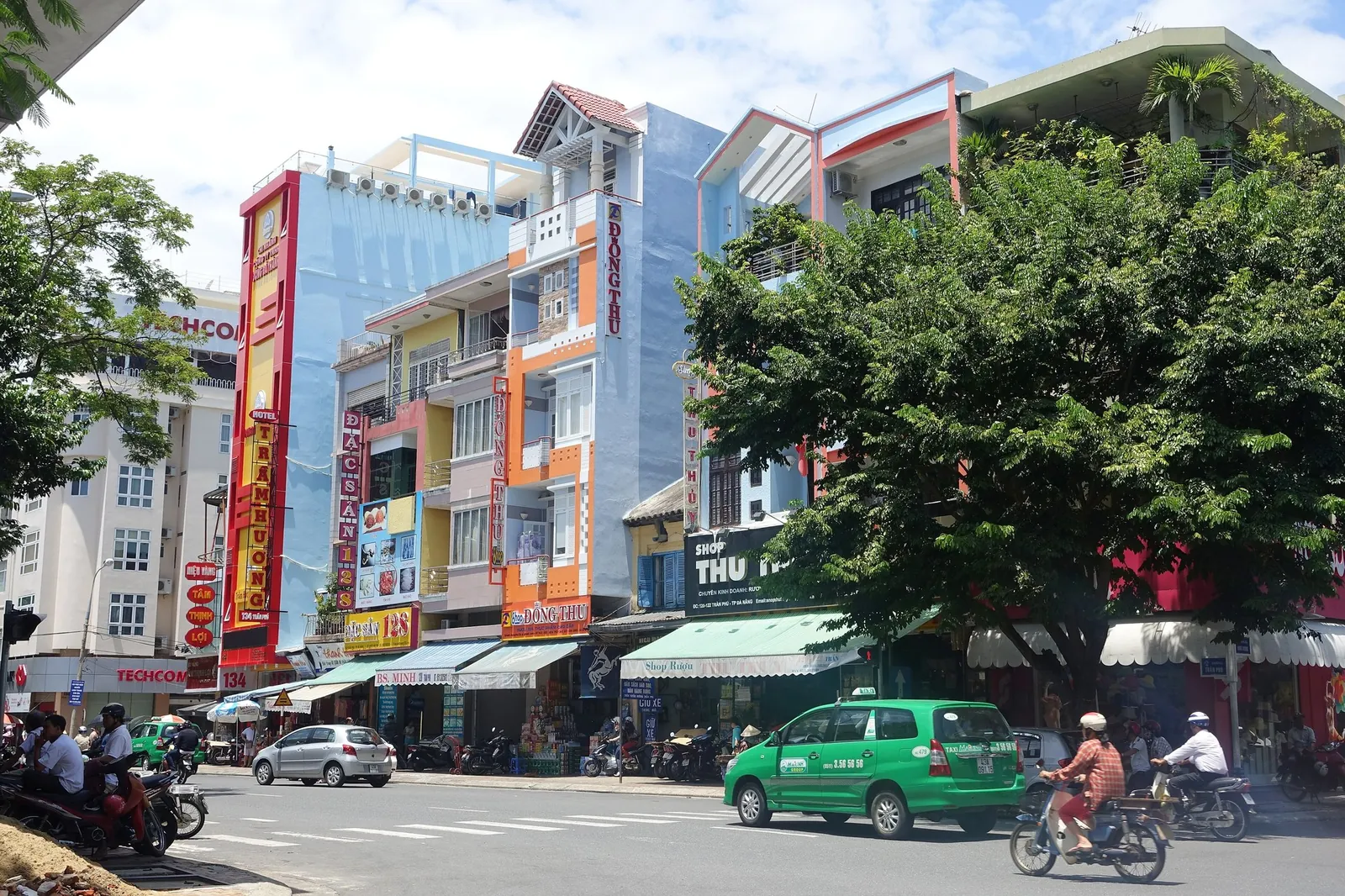
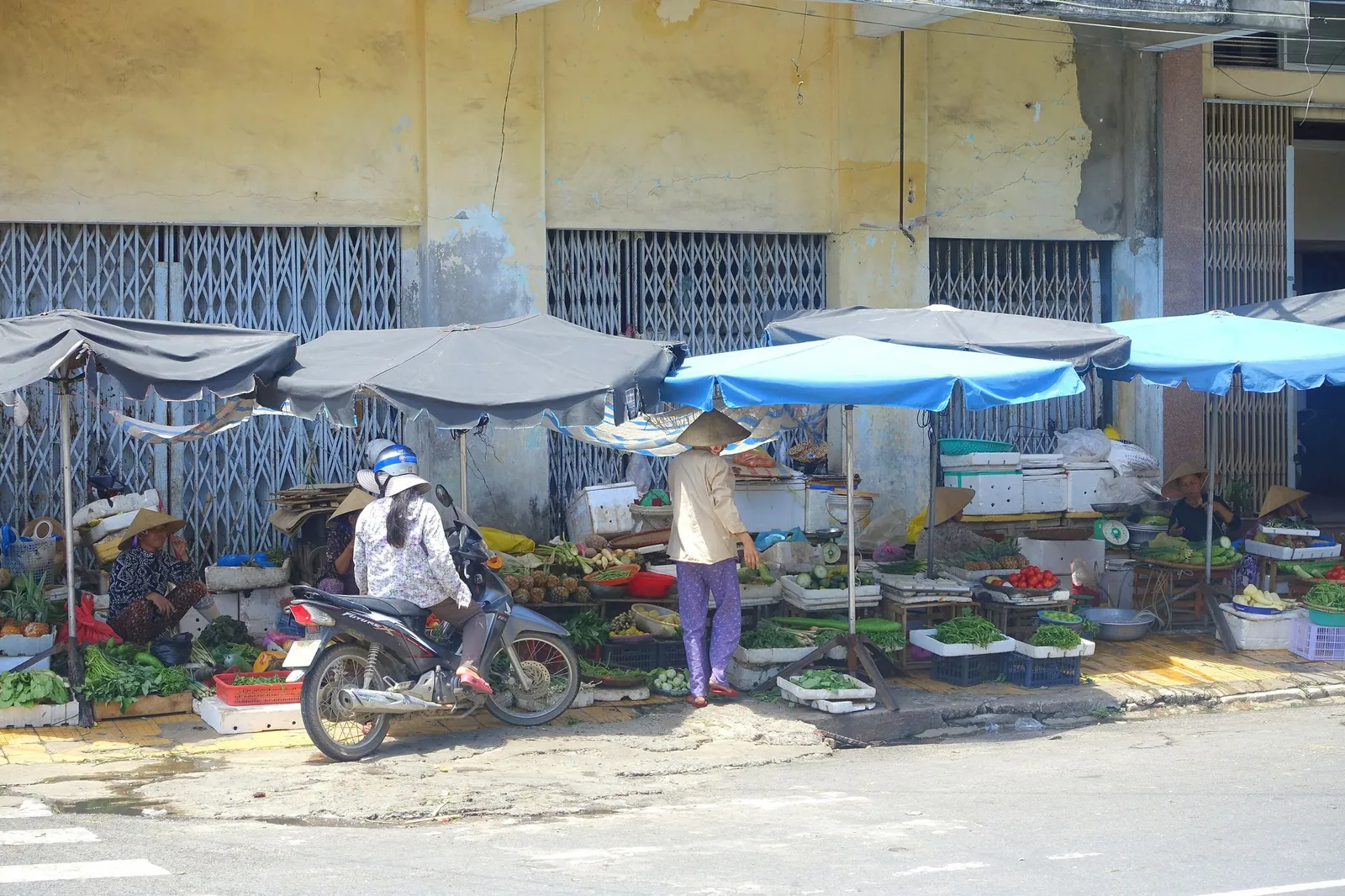
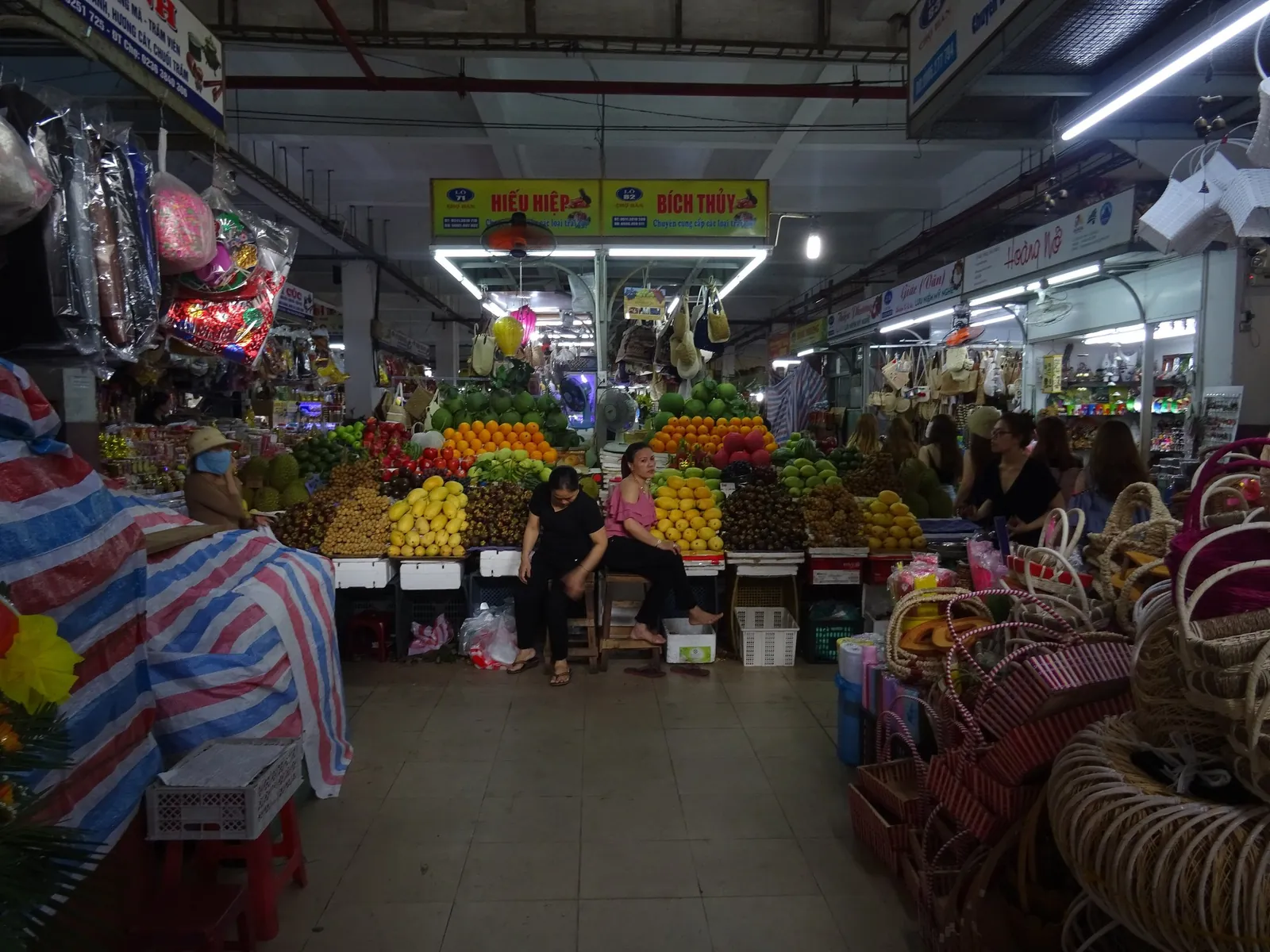
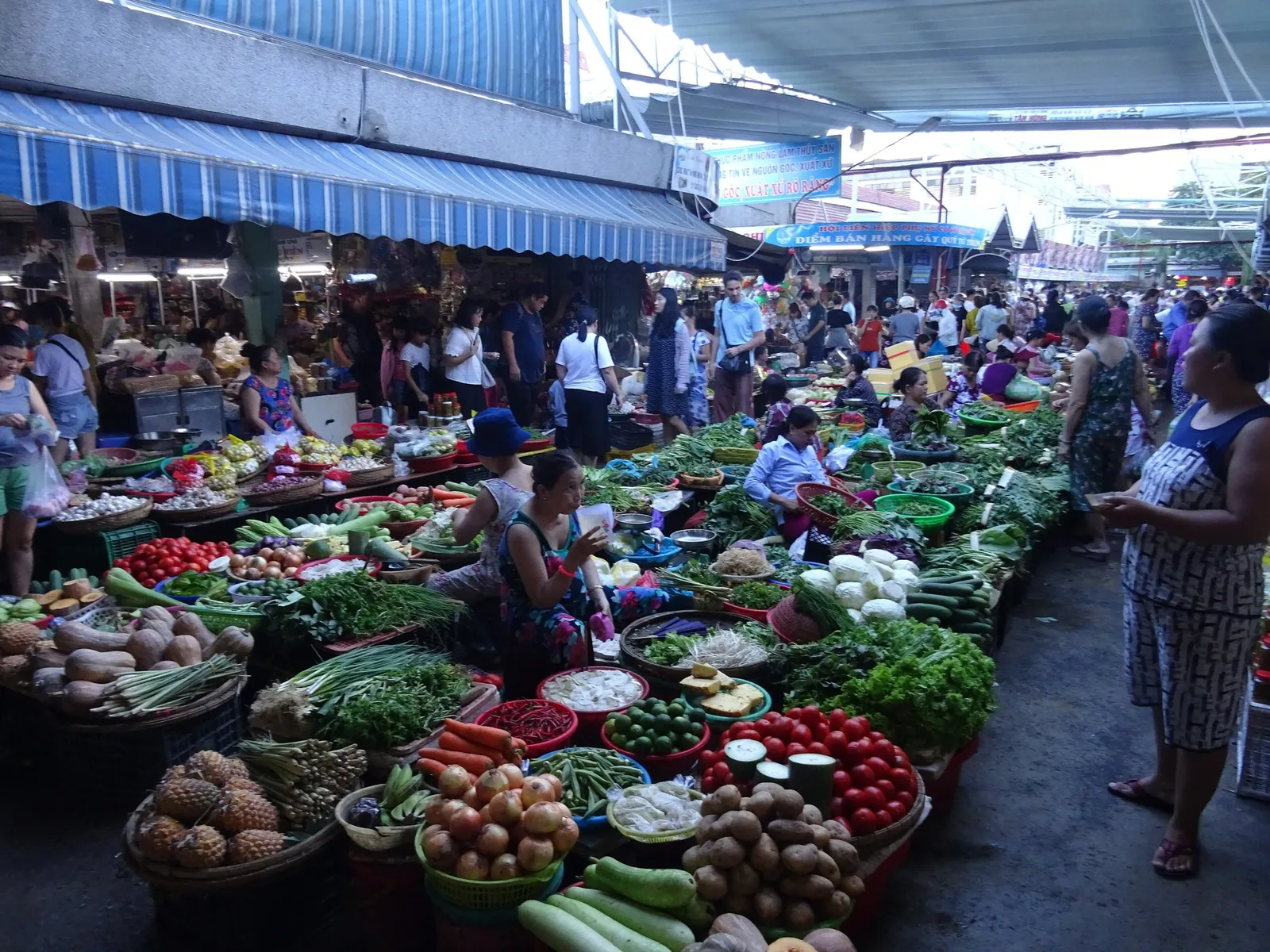
What does it really look like in Da Nang?
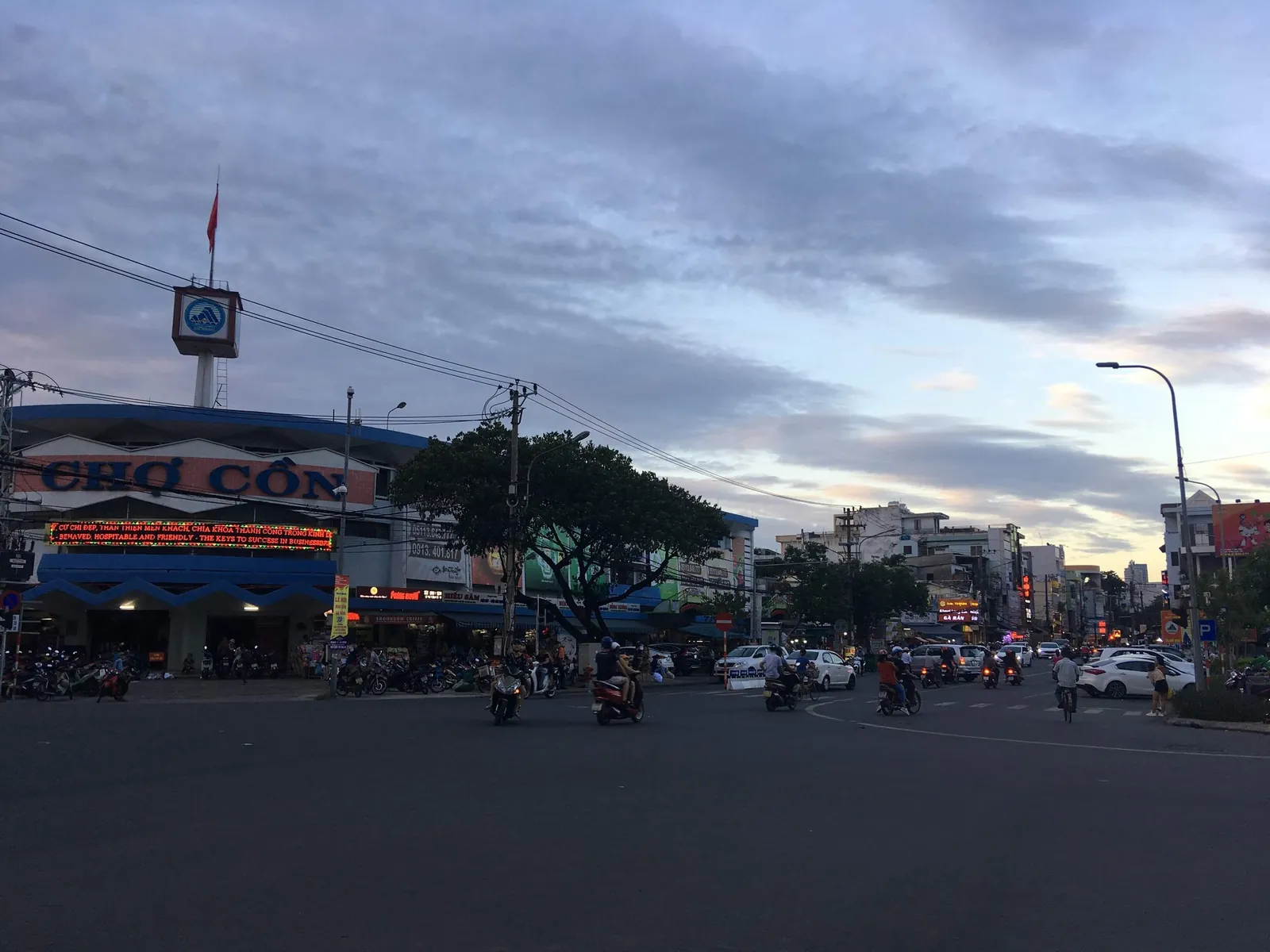
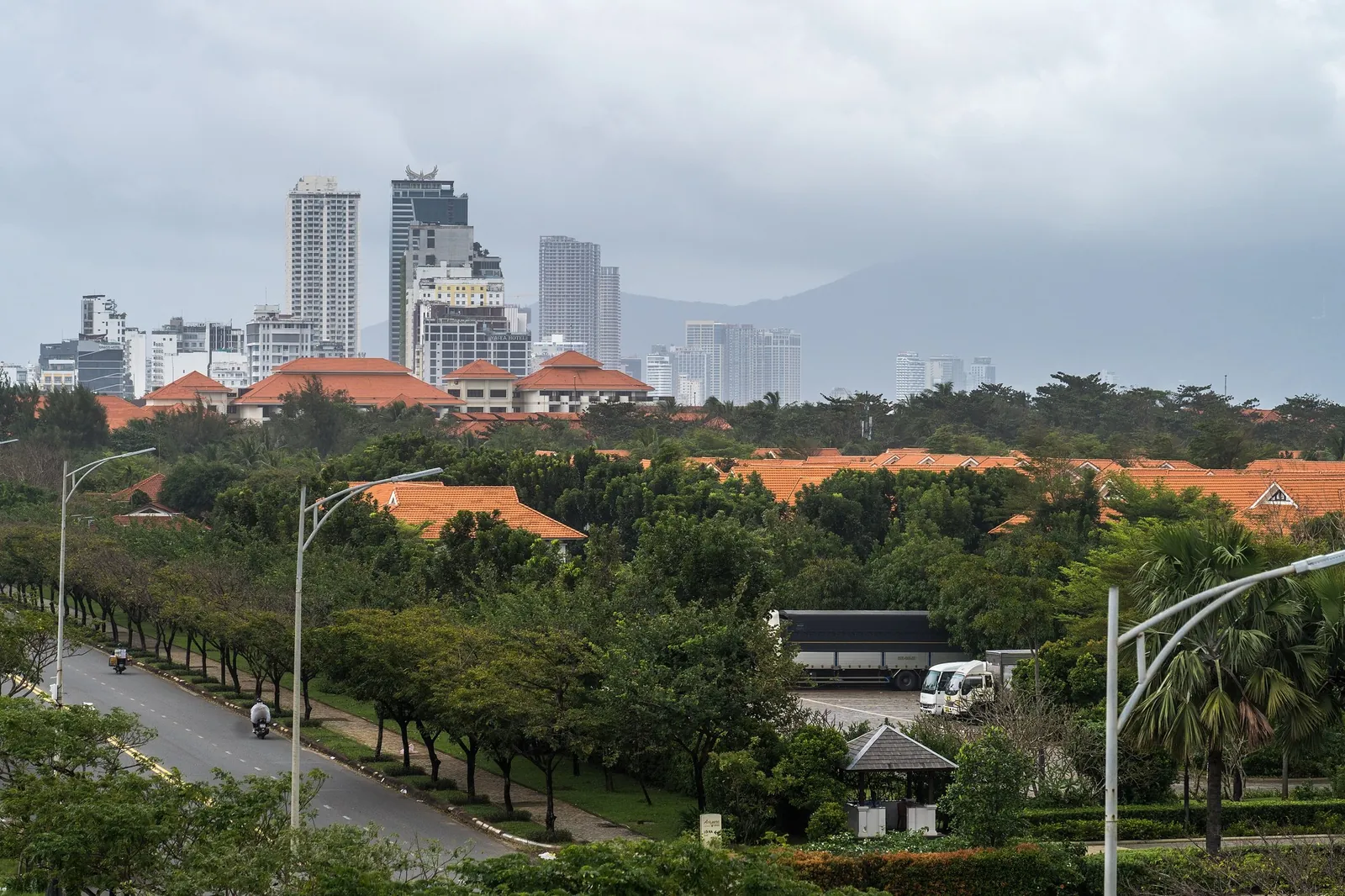
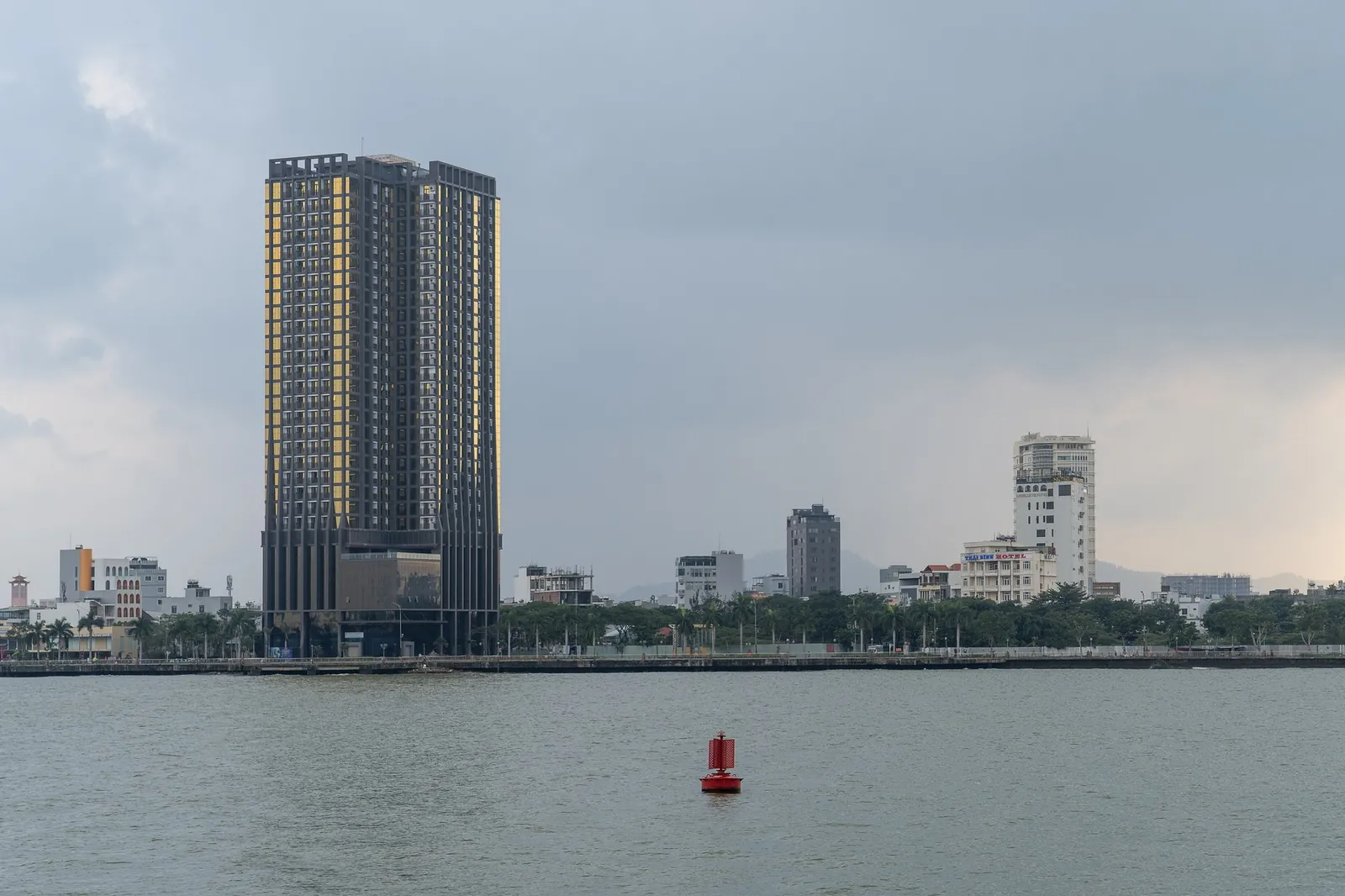
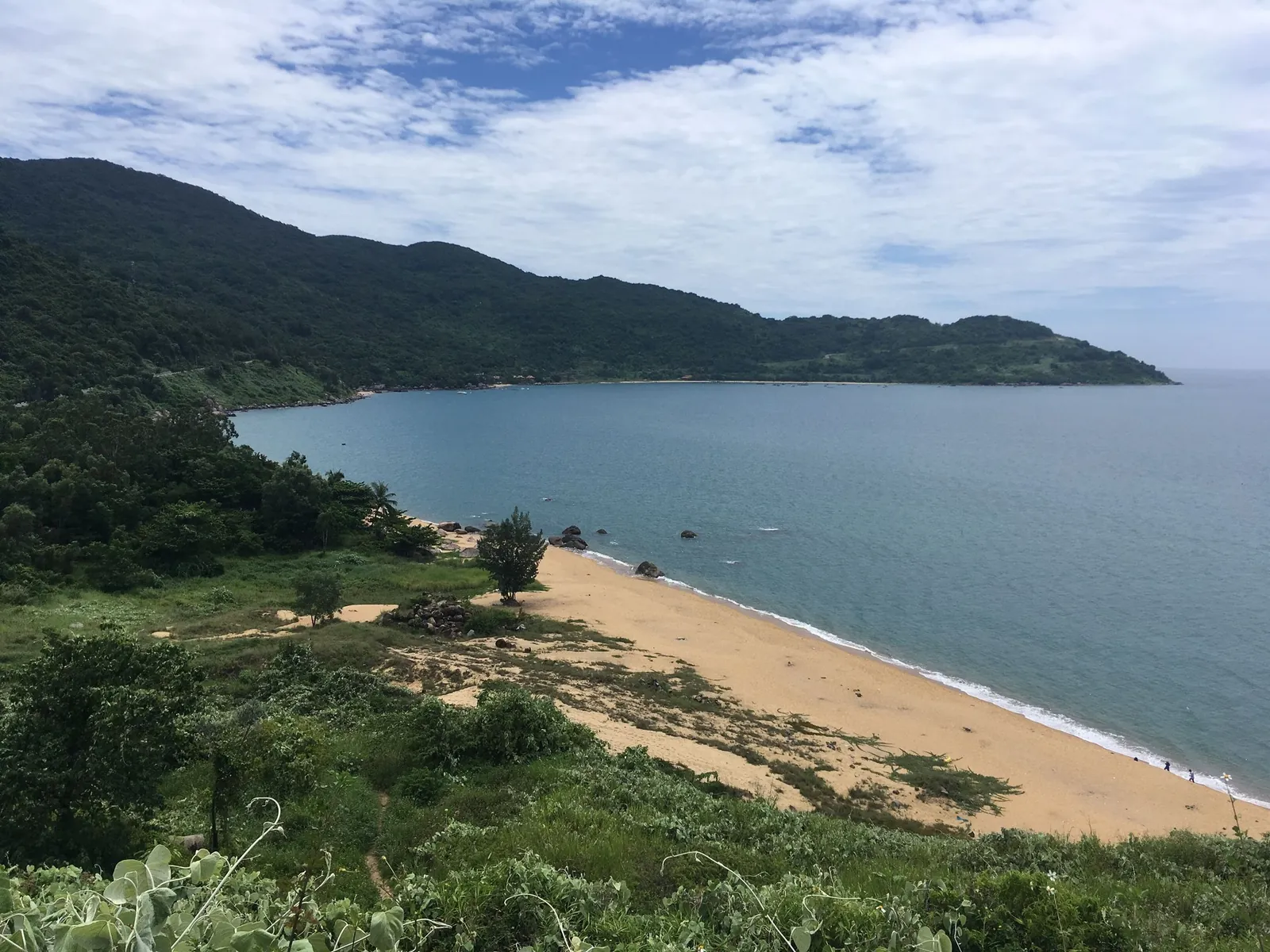
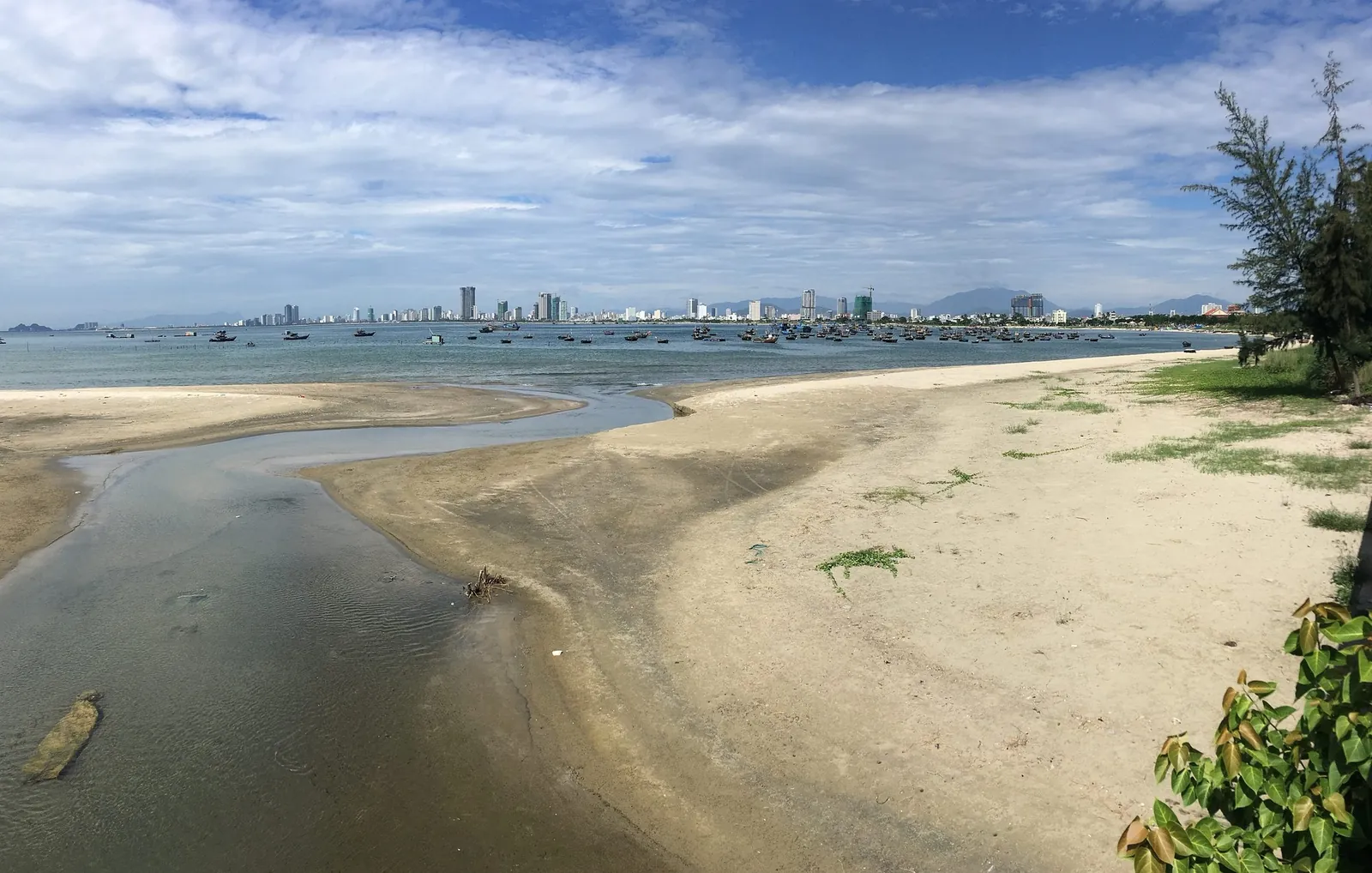
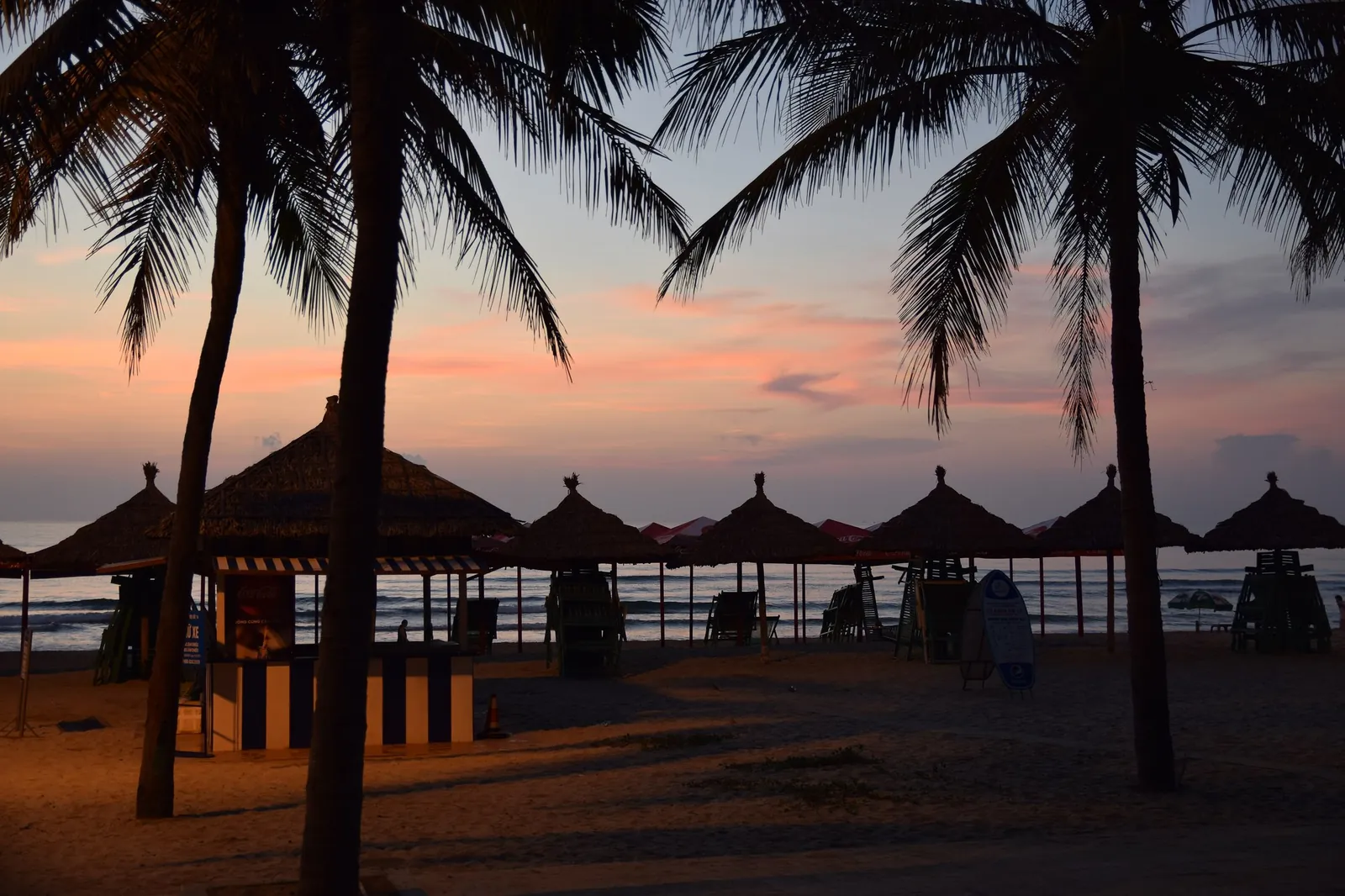
Authentic, unedited photos of Da Nang by residents and visitors, taken on ordinary days rather than chosen by a tourist board. Each one shows when it was taken. Browse photos of 105 cities →











.jpg)
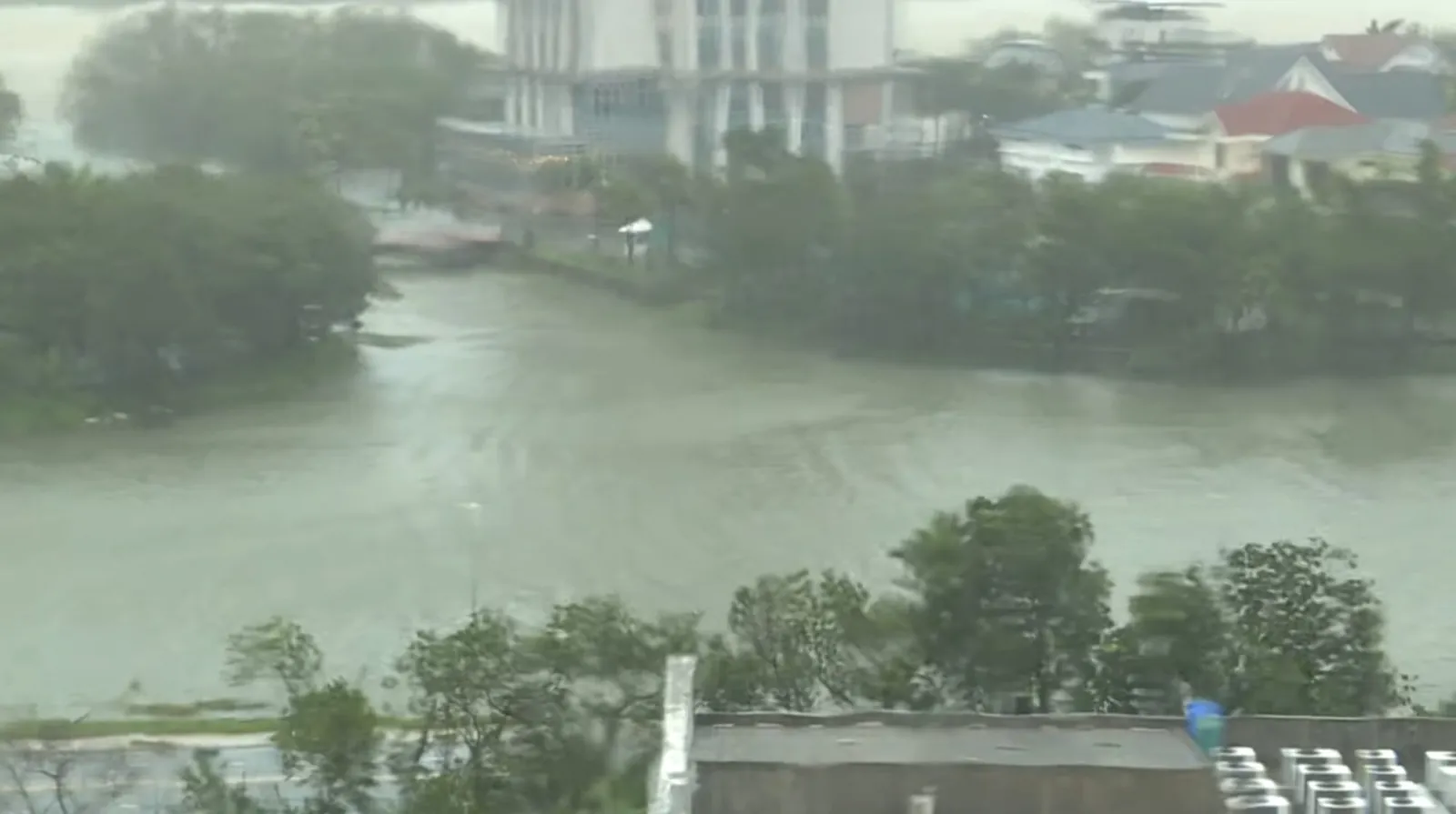
The other side

What does it cost to live in Da Nang?
1-Bedroom Rent
$250-$500/month
Local Restaurant Meal
$1-$3 at local restaurants
Cup of Coffee
$0.50-$2
Estimated Monthly Total
$700-$1,300
Want a personalized estimate? Use our cost of living calculator
How good is healthcare in Da Nang?
Da Nang's healthcare has improved significantly, with Vinmec International Hospital Da Nang being the standout facility. Vinmec offers modern equipment, international standards, and some English-speaking doctors. Da Nang Hospital and Hoan My Hospital also provide competent care. However, healthcare options are more limited than in Ho Chi Minh City or Hanoi, and for complex procedures, retirees often travel to HCMC or even Bangkok. Health insurance is essential, and policies with medical evacuation coverage are strongly recommended.
What is daily life like in Da Nang?
Daily life in Da Nang centers on the beach and food. Morning swims, beach walks, and seaside coffee are daily rituals for many retirees. The city's food scene is excellent, with local specialties like mi quang (turmeric noodles), banh xeo (crispy pancakes), and incredibly fresh seafood. The expat community is growing but still small, giving Da Nang a frontier feel that appeals to more independent-minded retirees. Day trips to Hoi An for shopping, dining, and cultural exploration are a highlight.
What is the climate like in Da Nang?
Da Nang has a tropical monsoon climate with a dry season (February-August) and a wet season (September-January). The wet season can bring significant rainfall and occasional typhoons. Temperatures range from 22-34°C, with the warmest months being June-August. The winter months (December-February) can feel cool by tropical standards, with temperatures dropping to 18-22°C, providing a pleasant break from the heat.
| Month | High | Low | Rain |
|---|---|---|---|
| January | 25.2 °C | 19.7 °C | 83 mm |
| February | 26.3 °C | 20.4 °C | 22 mm |
| March | 28.4 °C | 22.1 °C | 36 mm |
| April | 30.9 °C | 24.0 °C | 50 mm |
| May | 33.4 °C | 25.4 °C | 71 mm |
| June | 34.9 °C | 26.3 °C | 68 mm |
| July | 34.4 °C | 26.0 °C | 92 mm |
| August | 34.0 °C | 25.8 °C | 167 mm |
| September | 32.0 °C | 24.8 °C | 394 mm |
| October | 29.6 °C | 23.7 °C | 658 mm |
| November | 27.7 °C | 22.5 °C | 486 mm |
| December | 25.3 °C | 20.5 °C | 272 mm |
Weather station: Da Nang (2 km away). Source: Viet Nam Meteorological and Hydrological Administration (WMO World Weather Information Service)
What are the pros and cons of retiring in Da Nang?
Pros
- Beautiful beaches right in the city
- Remarkably low cost of living, even by Vietnamese standards
- Clean, modern, well-planned city infrastructure
- Proximity to Hoi An (UNESCO) and stunning natural scenery
- International airport with good regional connections
Cons
- No dedicated retirement visa for Vietnam
- Healthcare good but limited compared to larger cities
- Small expat community compared to HCMC or Bangkok
- Significant typhoon risk during wet season (Sep-Nov)
Who should retire in Da Nang?
Adventurous, independent retirees who love the beach, want extremely low costs, and are comfortable being pioneers in a growing expat scene.
Which neighborhoods suit retirees in Da Nang?
My An / An Thuong
The popular expat beach neighborhood south of the Han River with a high concentration of Western restaurants, cafes, and bars along An Thuong Street. One-bedroom apartments rent for $350-600/month. Walkable to My Khe Beach and well-suited for retirees who want a social, internationally-oriented lifestyle.
Son Tra Peninsula
A quieter, more upscale area between the city center and the Monkey Mountain nature reserve. Apartments and houses rent for $400-700/month. Appeals to retirees seeking tranquility, sea views, and proximity to nature while remaining within 10-15 minutes of downtown amenities.
Hai Chau (City Center)
The downtown district on the west bank of the Han River with a mix of modern condos and local neighborhoods. Rent ranges $250-500/month. Close to Han Market, the Dragon Bridge, and local hospitals. Suits retirees who prefer an authentic Vietnamese urban setting over the beach strip.
Which hospitals serve retirees in Da Nang?
Da Nang Hospital (Benh Vien Da Nang)
The largest public hospital in central Vietnam with approximately 1,500 beds. Provides comprehensive care across major specialties including emergency, surgery, and oncology. English availability can be limited; consider bringing a Vietnamese-speaking companion for complex consultations.
Vinmec International Hospital Da Nang
A modern private hospital in the Vinmec healthcare chain with international-standard facilities and equipment. Offers general practice, diagnostics, cardiology, and orthopedics. English-speaking staff available. Higher costs than public hospitals but shorter wait times and more comfortable facilities.
Family Hospital Da Nang (Benh Vien Gia Dinh)
A well-regarded private hospital offering general and specialty care at moderate prices. Popular with expats for routine check-ups and minor procedures. Some English-speaking doctors on staff. For serious or complex conditions, Saigon or Bangkok may offer more specialized options.
Facility details may change. Verify accreditation status and services directly with each hospital before making healthcare decisions.
What is the food scene like in Da Nang?
Da Nang's food scene is a highlight of central Vietnamese cuisine, known for its bold flavors and fresh ingredients. Mi Quang (turmeric noodles with pork and shrimp) and bun cha ca (fish cake noodle soup) are local specialties found at street stalls for $1-2 per bowl. Ba Duong on Hoang Dieu Street is legendary for its mi quang and consistently packed with locals.
The An Thuong neighborhood has become a hub for international dining, with restaurants serving Italian, Indian, Mexican, and Japanese food at $5-15 per meal. Fatfish serves excellent seafood and Western fare, while Burger Bros and Pizza 4P's cater to comfort food cravings. The beachfront restaurants along My Khe Beach offer grilled seafood dinners with ocean views for $8-20.
For authentic Vietnamese eating, the Han Market area and surrounding streets are filled with vendors and small restaurants where a com tam (broken rice) or banh mi costs $1-2. Con Market is another local favorite for fresh produce and cooked food. Da Nang is also a gateway to Hoi An's renowned food scene, just 30 minutes south, where white rose dumplings and cao lau noodles await.
Is retiring in Da Nang right for you?
Take our free 3-minute retirement quiz to see how life in Da Nang, Vietnam, compares to other destinations based on your preferences, budget, and needs.
Take the Retirement QuizFrequently Asked Questions About Retiring in Da Nang
Can I get a retirement visa for Vietnam?
Vietnam does not currently offer a dedicated retirement visa. Most long-term retirees use a combination of 90-day e-visas (renewable), 1-year or 5-year multiple-entry tourist visas, or business visas arranged through local sponsors. The visa situation requires active management and periodic renewals. Consult a local immigration advisor for the latest options.
Is Da Nang or Hoi An better for retirement?
Da Nang offers better infrastructure, hospitals, airport access, and modern amenities. Hoi An offers more charm, heritage, and a tighter expat community, but is a much smaller town with fewer services. Many retirees live in Da Nang and visit Hoi An regularly (30-minute drive). Some split the difference by living in the area between the two cities.
How is the English level in Da Nang?
English proficiency in Da Nang is moderate. Younger Vietnamese in the service and tourism industry speak basic to good English. Hospital staff in international departments speak English. However, daily interactions with taxi drivers, market vendors, and older locals will often require a translation app. Learning basic Vietnamese phrases is helpful and appreciated.
Sources & References
- Numbeo, Cost of living index and price data for Da Nang: rent, groceries, restaurants, and transportation
- Da Nang Family Hospital, Facility services, international patient department, and healthcare capabilities in Da Nang
- Vietnam Immigration Department, Visa requirements, temporary residence cards, and extension procedures applicable to Da Nang
- Da Nang Department of Tourism, Regional development data, infrastructure projects, and livability indicators for Da Nang