
City Retirement Guide
Retire in Hanoi, Vietnam
Ancient capital with four seasons and deep cultural heritage
What are the key facts about retiring in Hanoi?
- Elevation & setting
- ~16 m, Red River Delta plain, ~90 km inland from the Gulf of Tonkin
- Climate
- Coolest month January 15–20°C, hottest June 26–34°C; 1,628 mm of rain a year, most in August (daily low to high, 1991–2020)
- Nearest international airport
- Noi Bai International (HAN), 35 km north in Soc Son district across the Nhat Tan Bridge
- Nearest major hospital
- Vinmec Times City International Hospital (Hai Ba Trung district), Vietnam's first JCI-accredited private hospital group
- Primary retirement visa
- No formal retirement visa; retirees rely on DL tourist visas (extendable), DT investor visas, TT family visas, or the 2025 10-year Golden Visa
- Language environment
- Vietnamese primary; English common at Vinmec and Raffles Medical, and in Tay Ho's expat zone around West Lake
Hanoi is the only major Vietnamese retirement city with a pronounced cool winter - January minimums of about 14 C - so expats with cardiovascular or respiratory conditions often schedule Vinmec check-ups in the Dec-Feb window.
What is retirement like in Hanoi?
Hanoi sits in the Red River Delta of northern Vietnam at roughly 16 metres elevation, about 90 kilometres inland from the Gulf of Tonkin. Noi Bai International Airport (IATA: HAN) lies 35 kilometres north of the city centre in the Soc Son district, linked by the Nhat Tan cable-stay bridge across the Red River. Vinmec Times City International Hospital in Hai Ba Trung district anchors private healthcare, while most long-stay foreign retirees settle around West Lake (Ho Tay) in Tay Ho district or in the Old Quarter near Hoan Kiem Lake.
The cultural depth of Hanoi is its greatest draw. This is a city of pagodas and poetry, water puppetry and world-class pho. Hoan Kiem Lake, in the city center, provides a serene focal point where locals practice tai chi at dawn and couples stroll at dusk. The West Lake (Tay Ho) neighborhood has become the preferred area for expats, offering lakeside living, international restaurants, and a quieter atmosphere than the bustling Old Quarter.
Hanoi is evolving rapidly, with new metro lines under construction, modern apartment towers rising, and a growing middle class driving improvements in services and dining. The expat community is substantial, centered around the Tay Ho and Ba Dinh districts. Like other Vietnamese cities, the visa situation requires management, but the low cost of living, cultural richness, and seasonal variety make Hanoi a deeply rewarding place to retire.
What does it really look like in Hanoi?
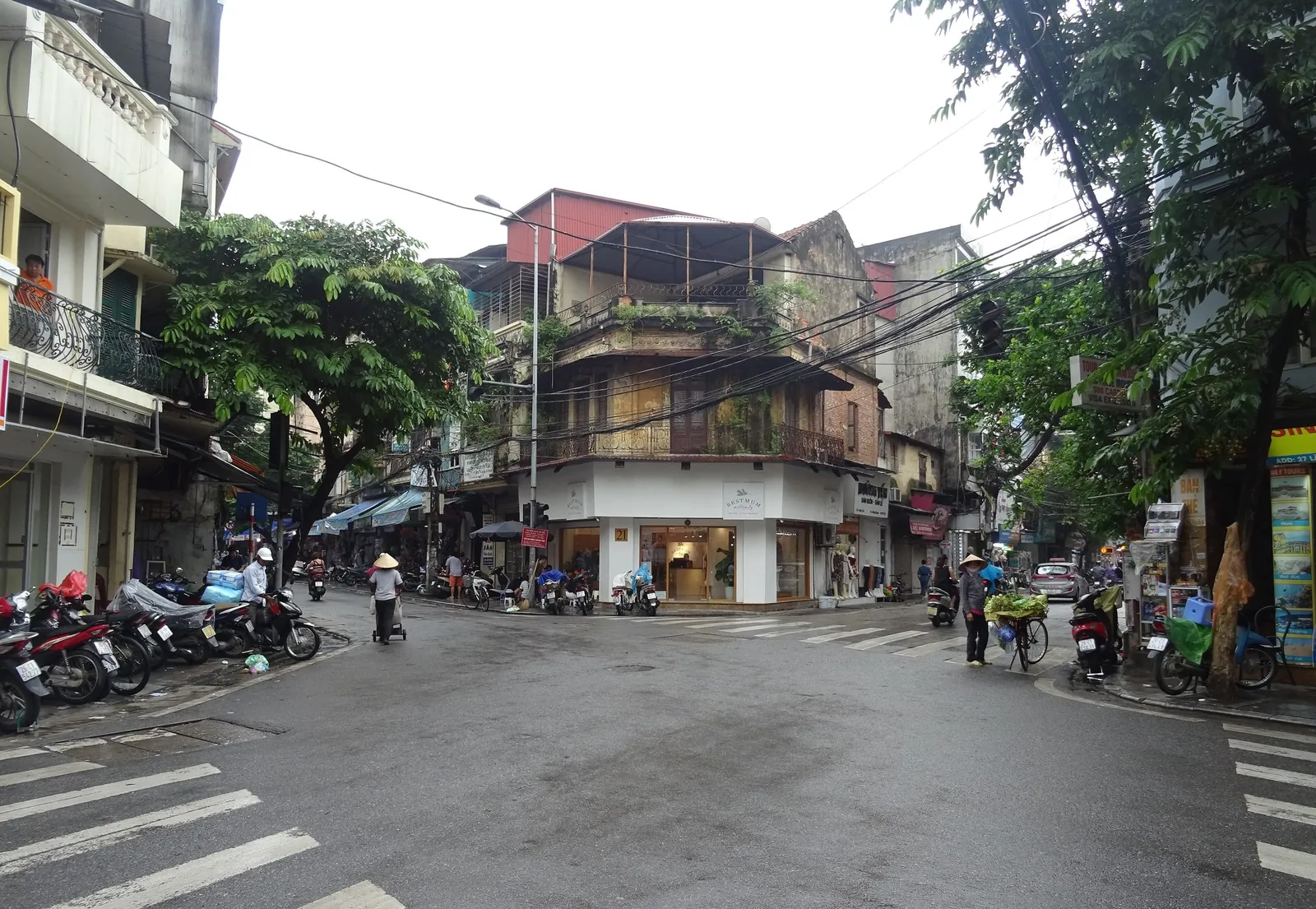
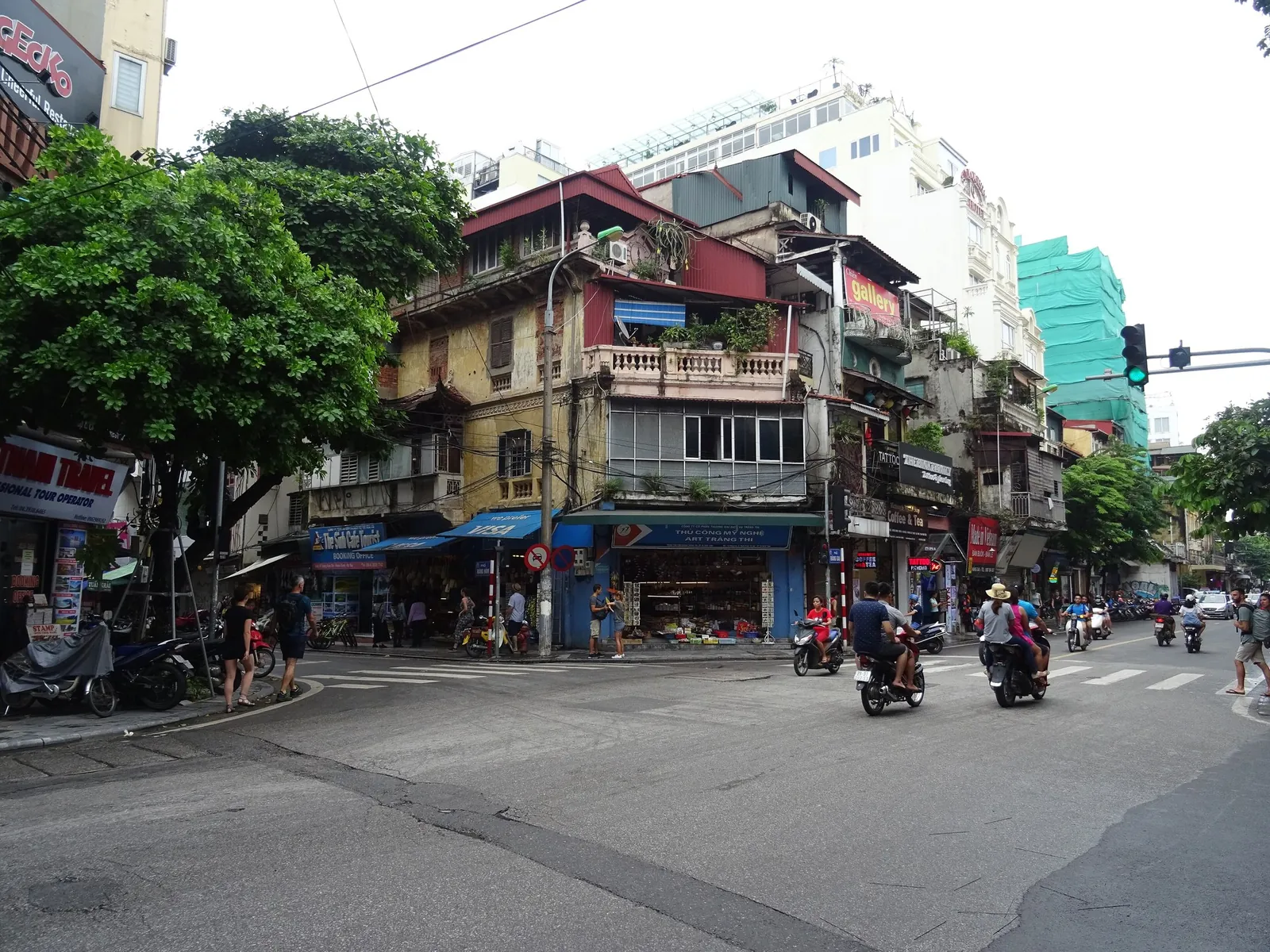
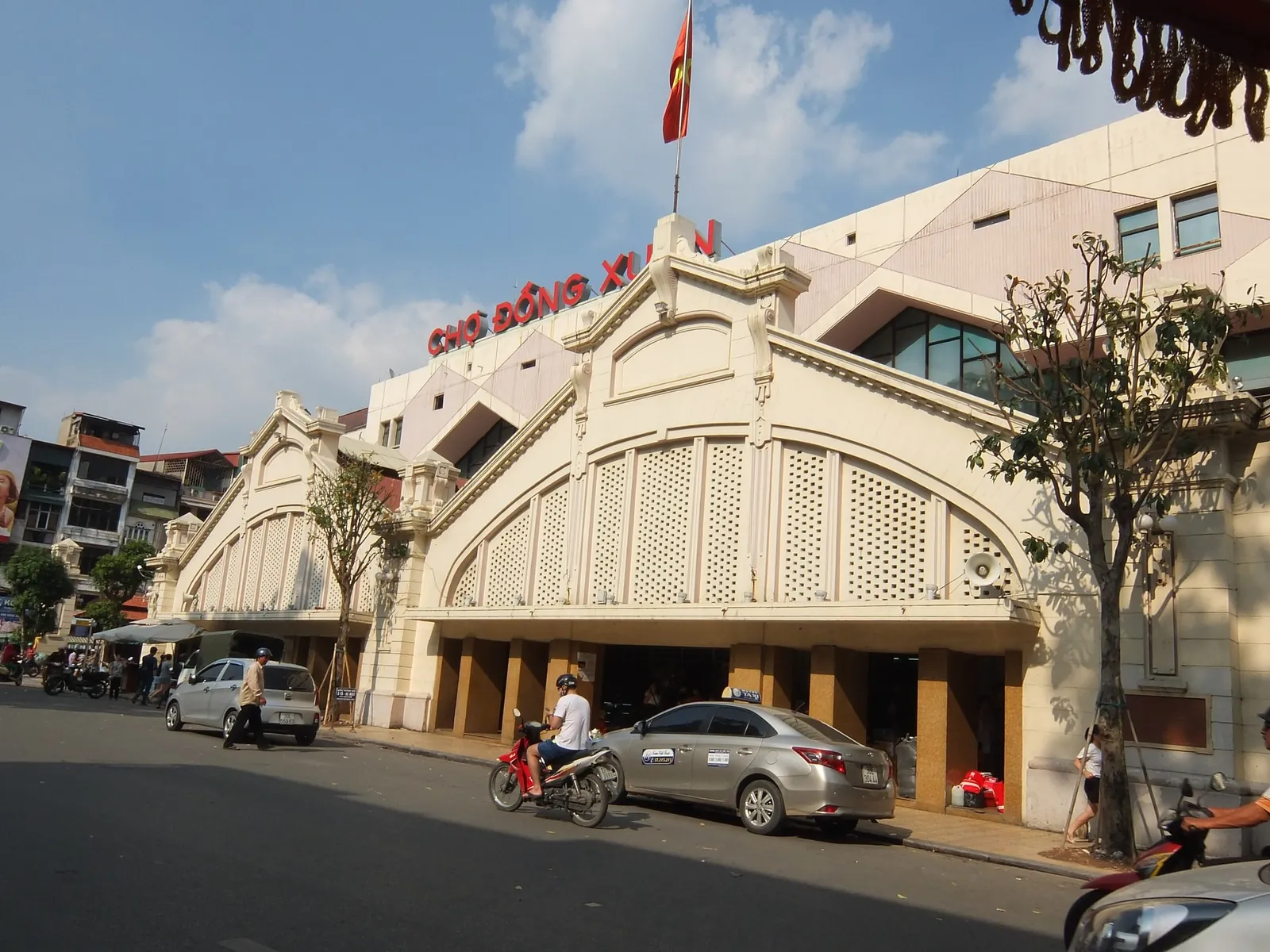
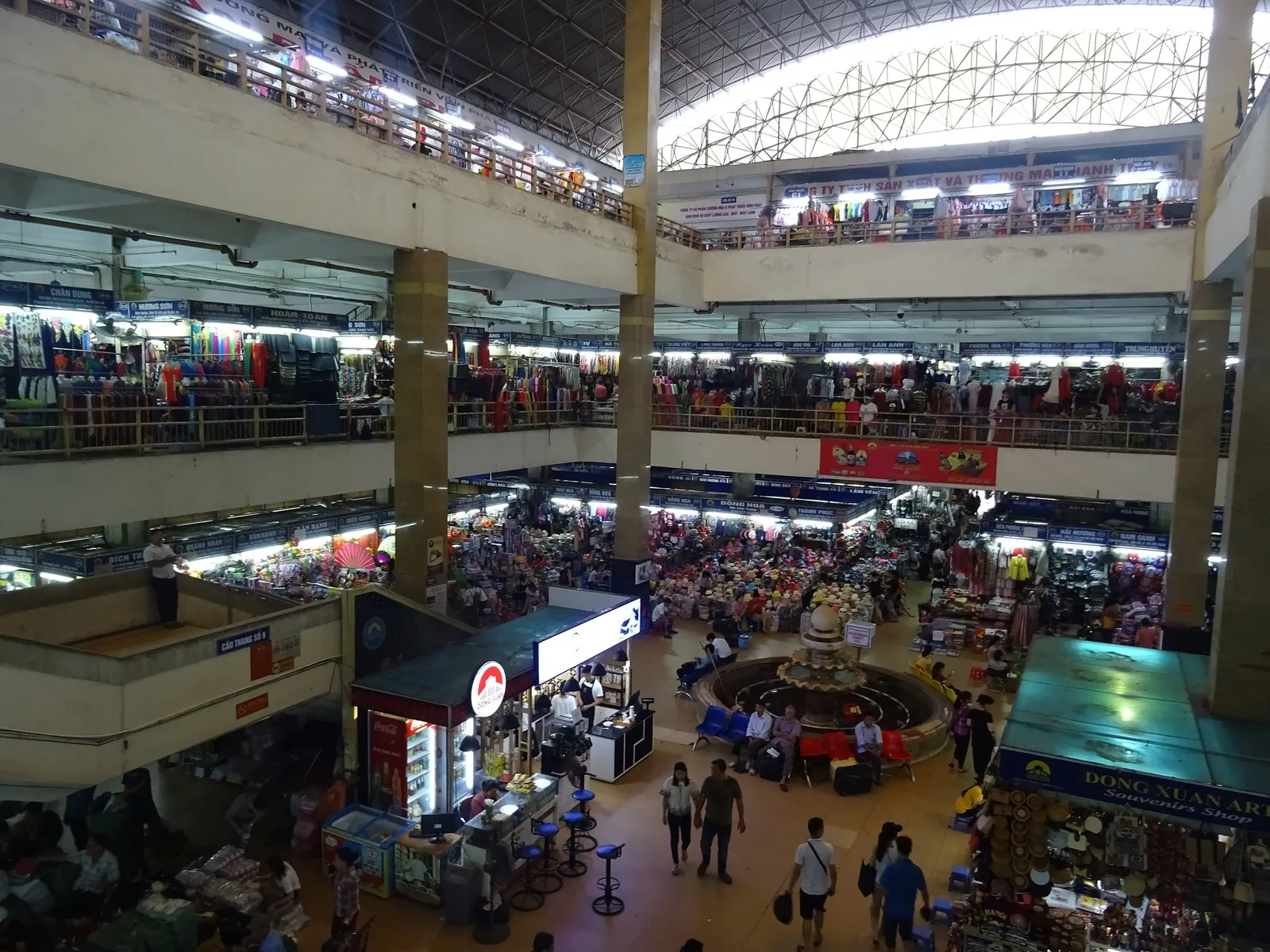
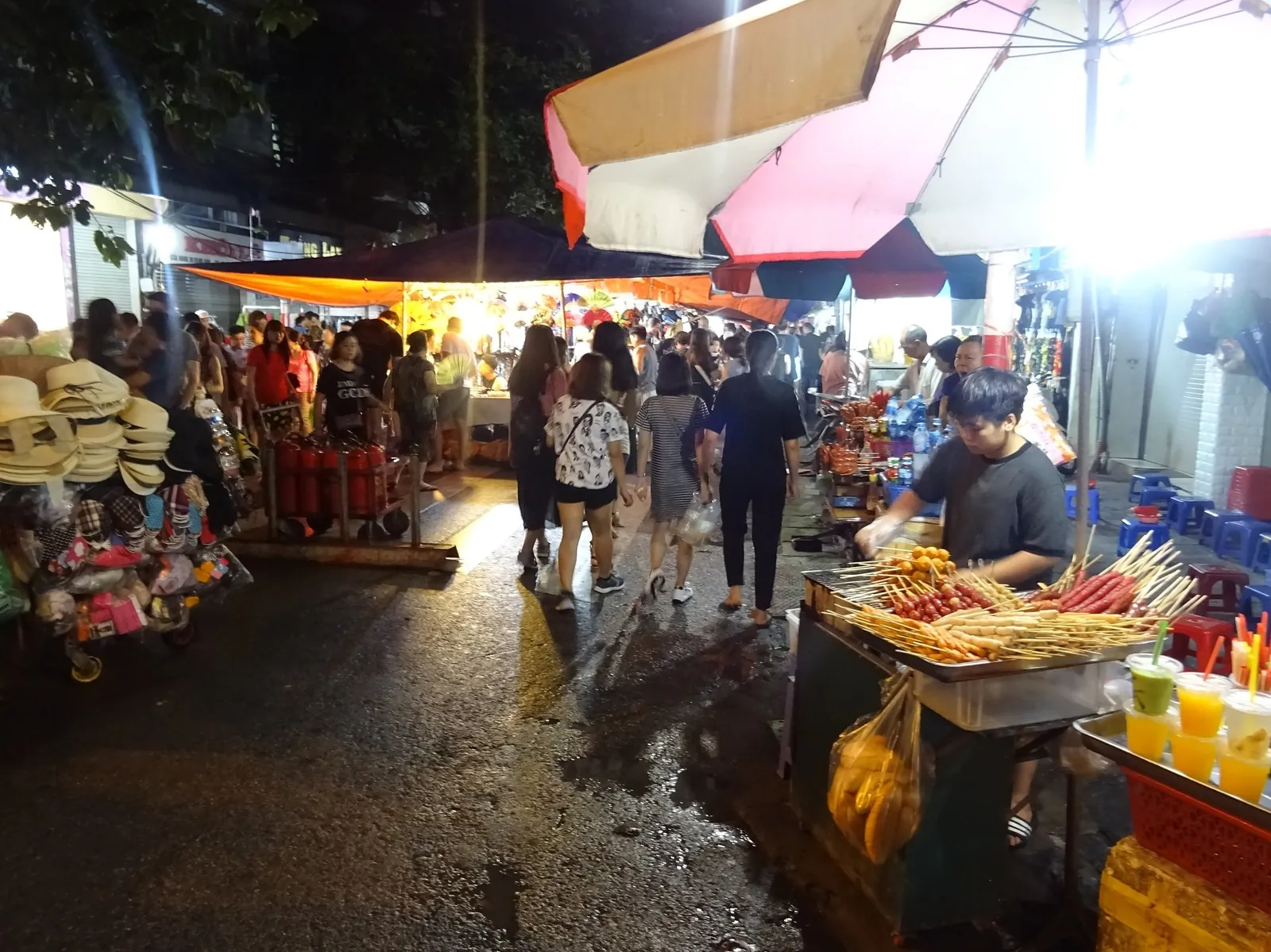
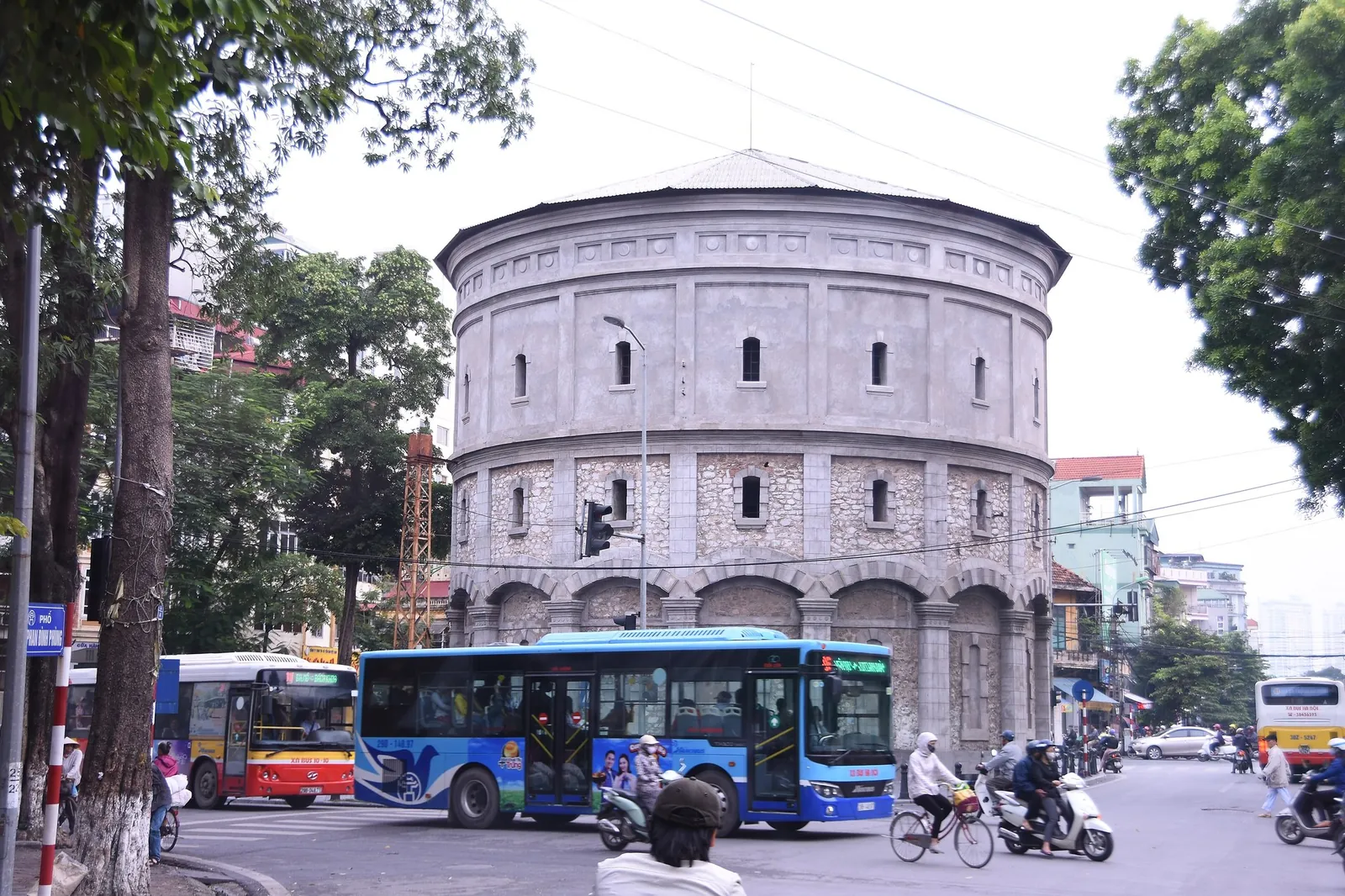
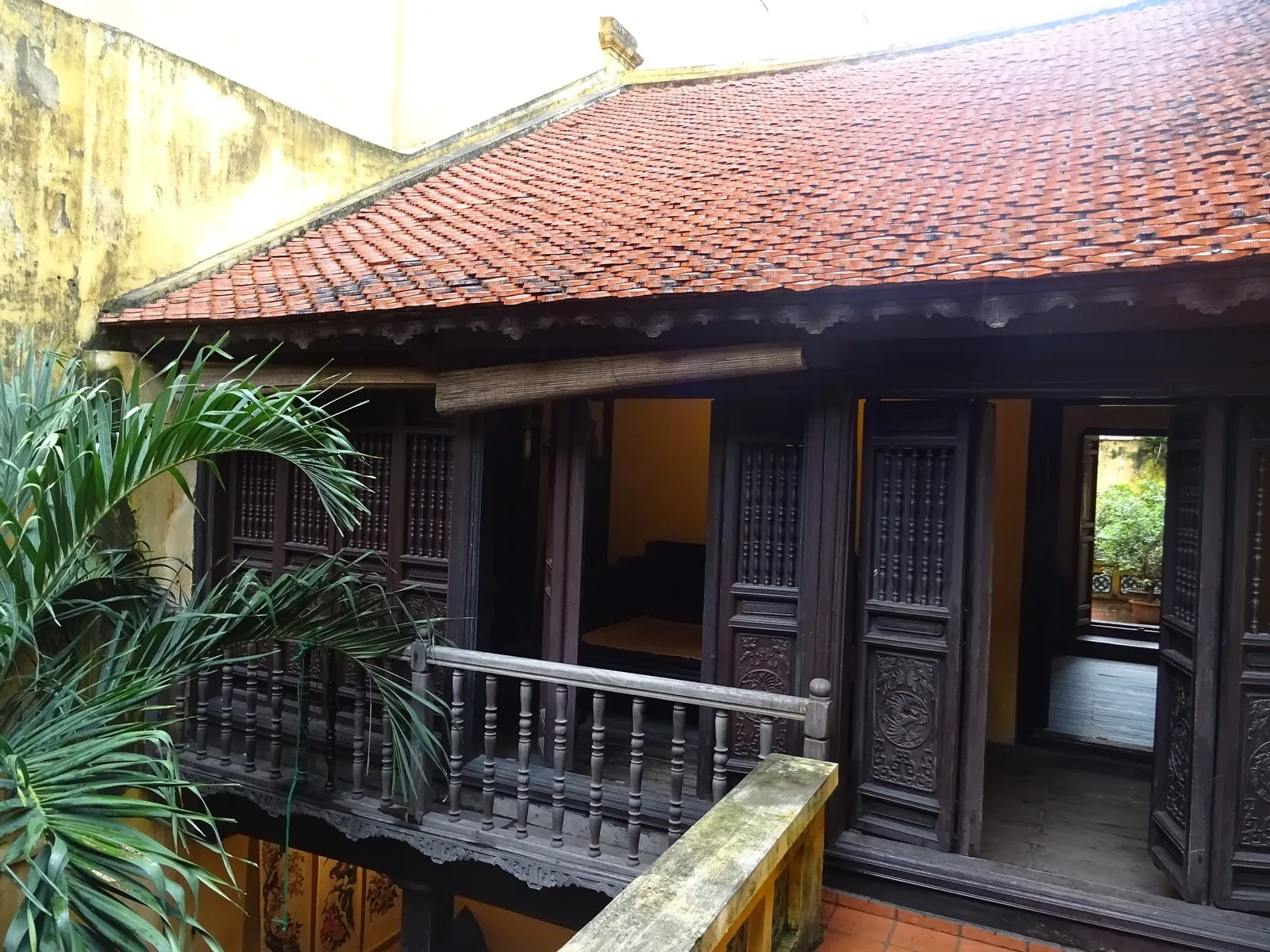
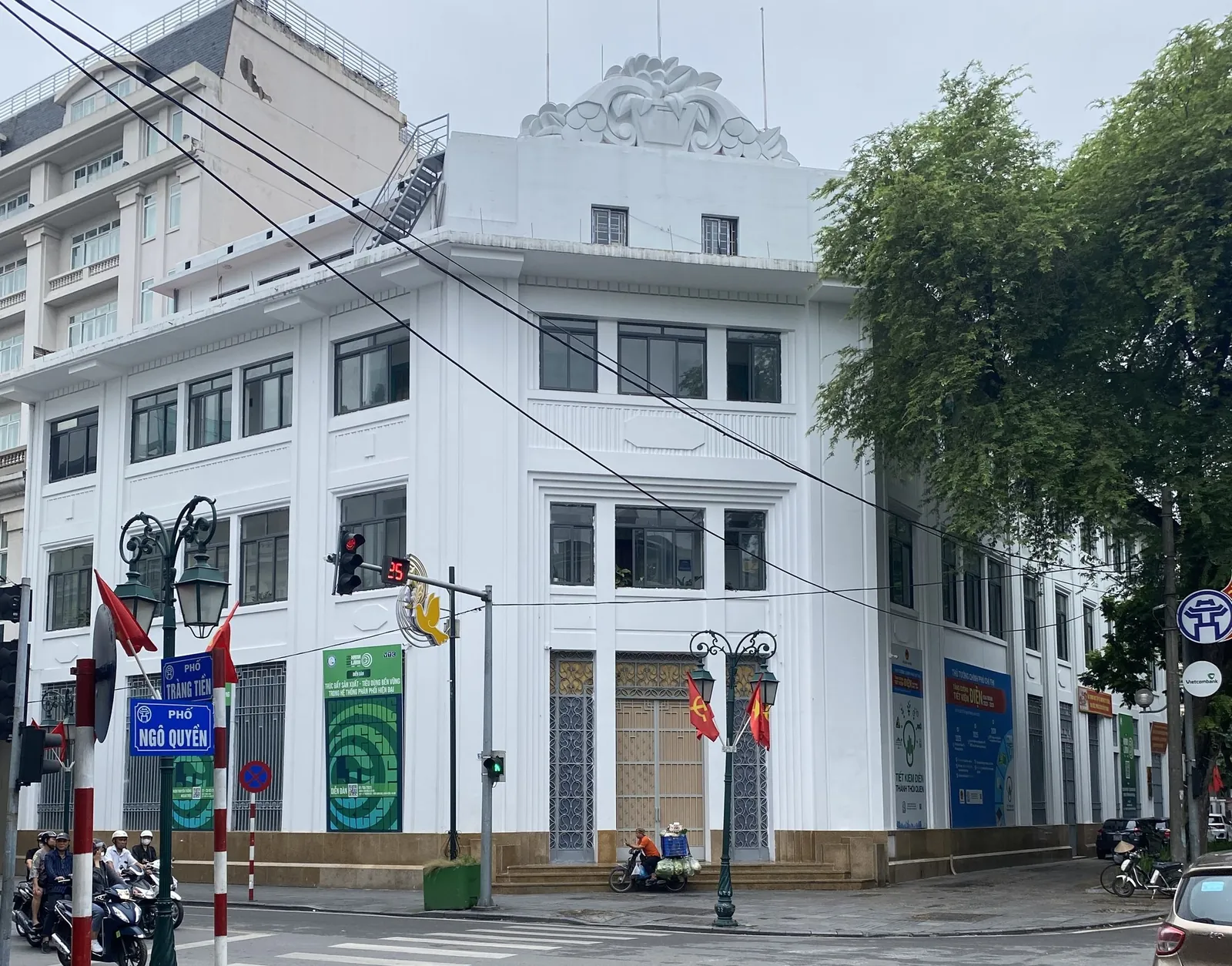
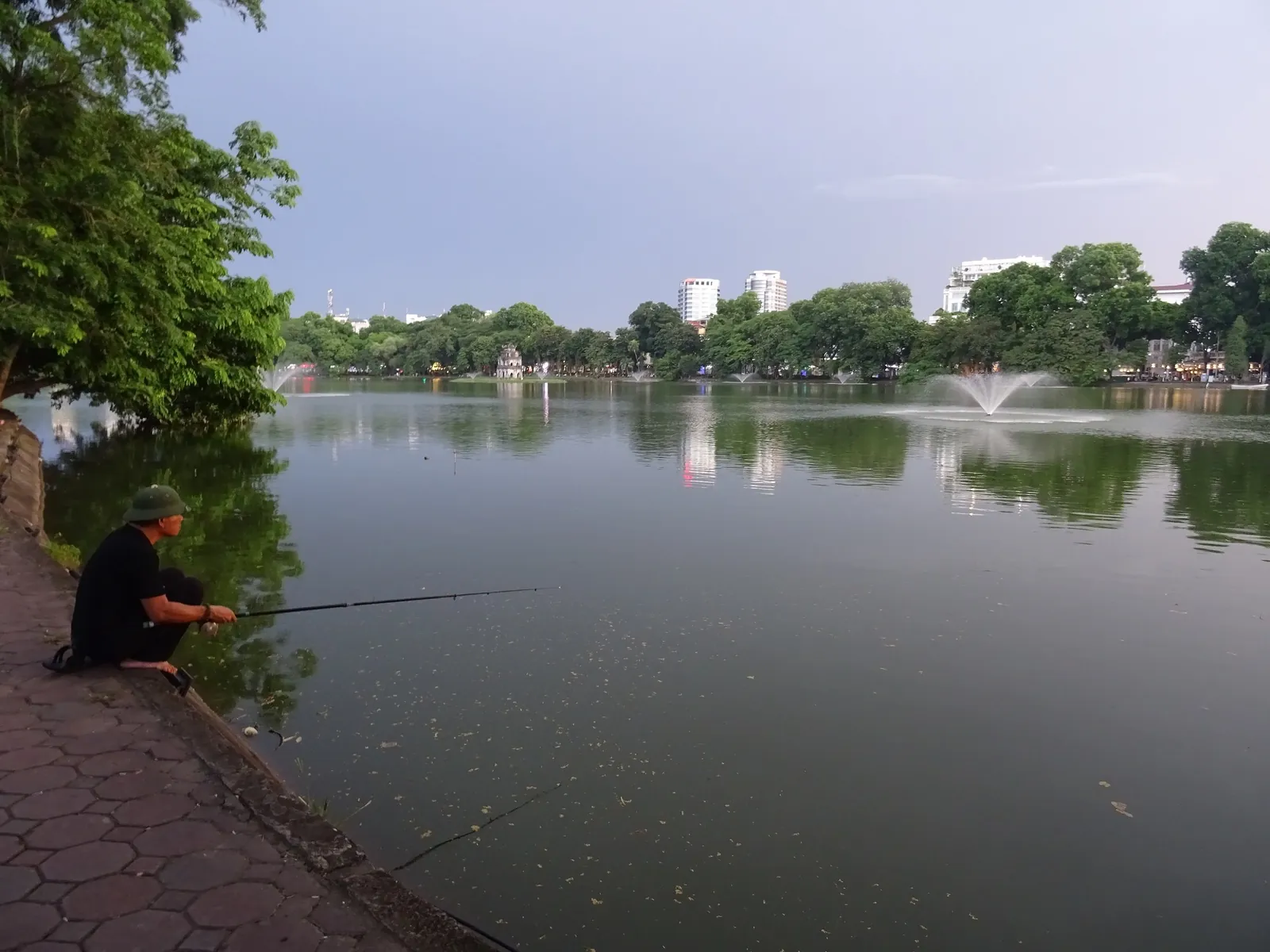
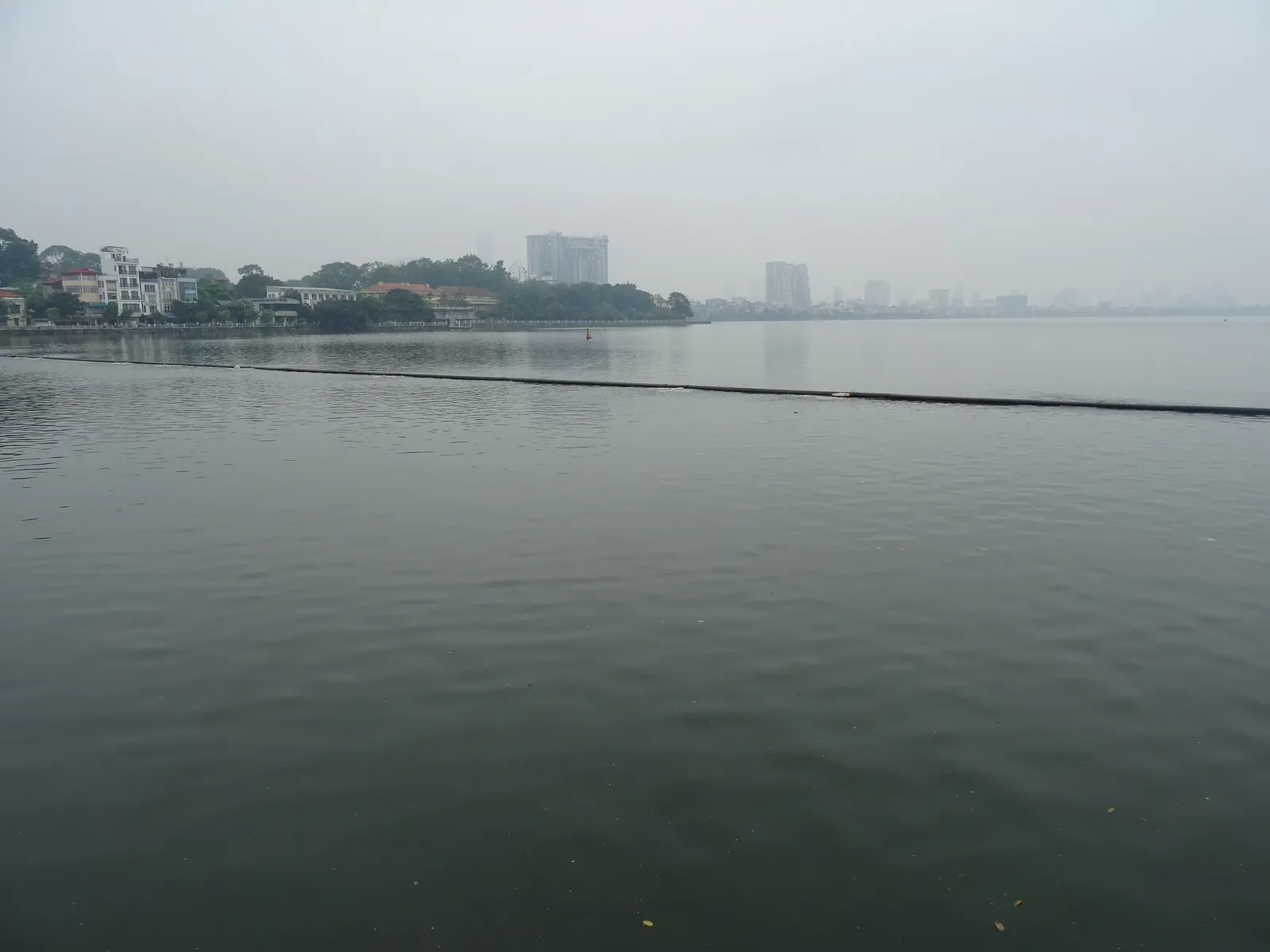
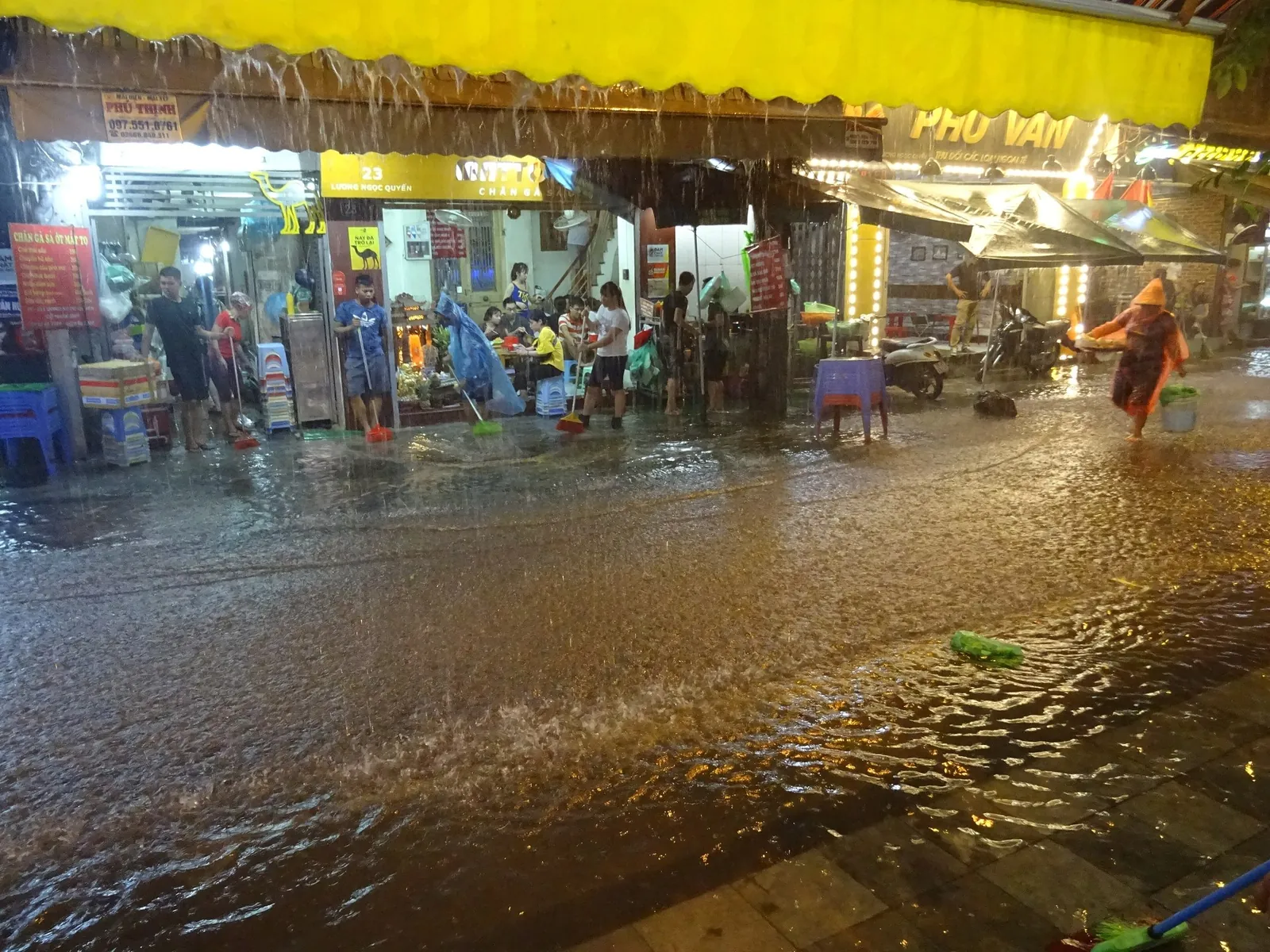
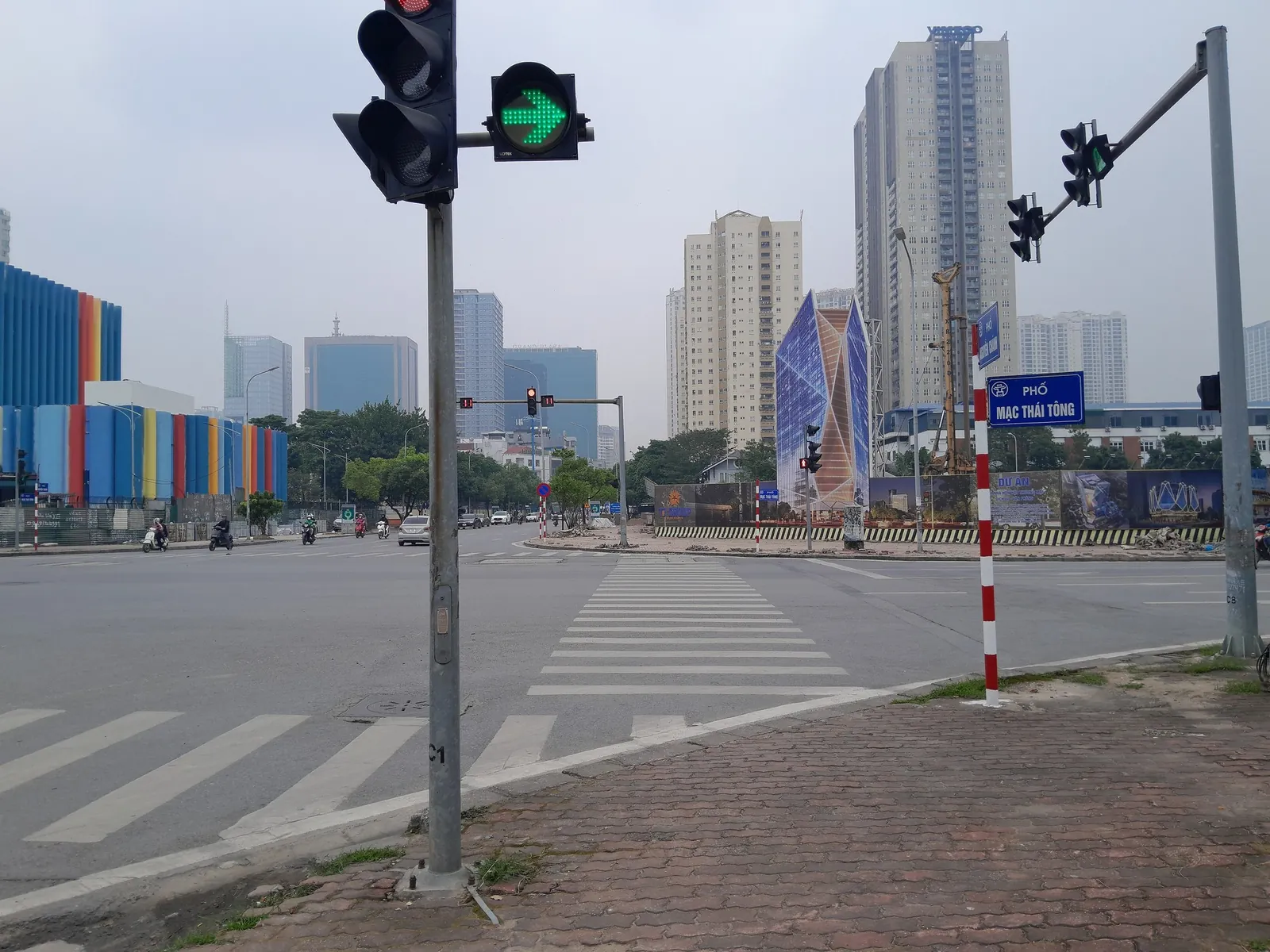
Authentic, unedited photos of Hanoi by residents and visitors, taken on ordinary days rather than chosen by a tourist board. Each one shows when it was taken. Browse photos of 105 cities →


.jpg)


.jpg)




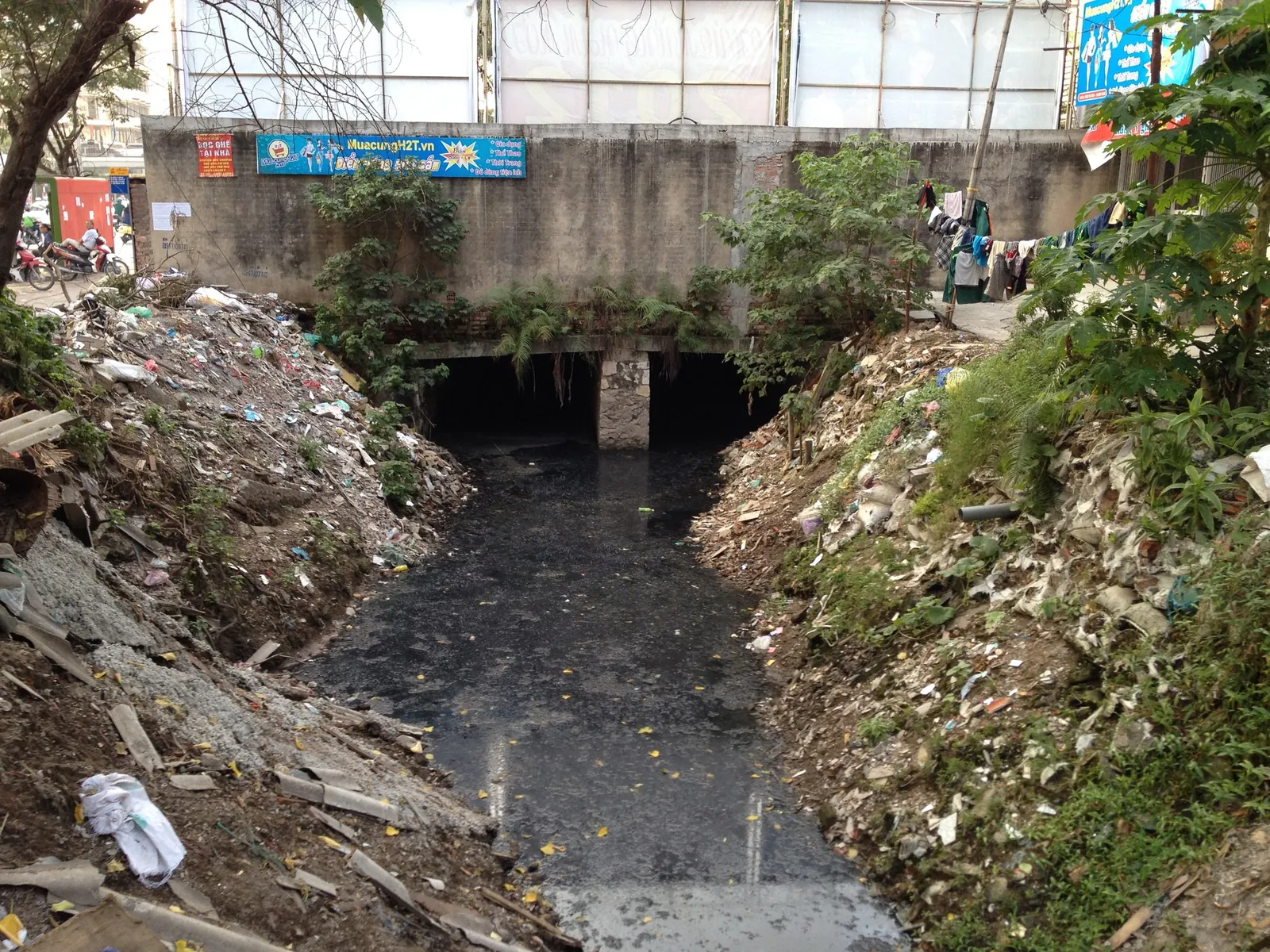
The other side



What does it cost to live in Hanoi?
1-Bedroom Rent
$300-$600/month
Local Restaurant Meal
$1-$3 at local restaurants
Cup of Coffee
$0.50-$2
Estimated Monthly Total
$800-$1,500
Want a personalized estimate? Use our cost of living calculator
How good is healthcare in Hanoi?
Hanoi's healthcare is centered around Vinmec Times City Hospital and the French Hospital of Hanoi (Viet Phap), both offering international-standard care with English and French-speaking doctors. The Hong Ngoc Hospital group also provides quality care. Traditional Vietnamese medicine is widely practiced and can complement Western treatments. For complex procedures, Bangkok and Singapore are accessible by short flights. Health insurance with evacuation coverage is recommended.
What is daily life like in Hanoi?
Hanoi life is deeply cultured. Morning tai chi by Hoan Kiem Lake, egg coffee at a tiny cafe, a bowl of bun cha for lunch, and an evening walk through the Old Quarter--this is a typical retiree day. The city has excellent museums (including the Vietnam Museum of Ethnology), theaters, and a growing gallery scene. Weekend trips to Ha Long Bay (3 hours), Sapa (6 hours or overnight train), or Ninh Binh (2 hours) provide stunning natural escapes.
What is the climate like in Hanoi?
Hanoi has a humid subtropical climate with four distinct seasons--unique among Southeast Asian retirement destinations. Spring (March-April) and autumn (October-November) are delightful, with mild temperatures of 20-28°C. Summer (May-September) is hot and humid at 30-38°C with heavy rain. Winter (December-February) is cool and drizzly, with temperatures of 10-18°C. Heating may be needed in winter--most apartments lack central heating, so space heaters are common.
| Month | High | Low | Rain |
|---|---|---|---|
| January | 20.0 °C | 14.6 °C | 28 mm |
| February | 21.3 °C | 16.2 °C | 19 mm |
| March | 23.5 °C | 18.7 °C | 55 mm |
| April | 27.7 °C | 21.9 °C | 79 mm |
| May | 31.7 °C | 24.5 °C | 188 mm |
| June | 33.8 °C | 26.3 °C | 231 mm |
| July | 33.3 °C | 26.5 °C | 300 mm |
| August | 32.5 °C | 25.8 °C | 335 mm |
| September | 31.6 °C | 24.7 °C | 195 mm |
| October | 29.6 °C | 22.4 °C | 126 mm |
| November | 26.3 °C | 19.2 °C | 48 mm |
| December | 22.1 °C | 15.4 °C | 24 mm |
Weather station: Lang, Hanoi (5.6 km away). Source: Viet Nam Meteorological and Hydrological Administration (WMO World Weather Information Service)
What are the pros and cons of retiring in Hanoi?
Pros
- Four distinct seasons, including a cool winter--rare in Southeast Asia
- Deep cultural heritage with pagodas, lakes, and historic neighborhoods
- World-renowned cuisine, especially pho, bun cha, and egg coffee
- Very affordable cost of living
- Expanding modern infrastructure including new metro system
Cons
- Cold, damp winters can be uncomfortable (10-18°C)
- No retirement visa--requires ongoing visa management
- Air pollution can be significant, especially in winter
- Chaotic traffic with limited public transit (metro still expanding)
Who should retire in Hanoi?
Culturally curious retirees who enjoy seasonal variety, appreciate deep history, and want to immerse themselves in authentic Vietnamese life at a very low cost.
Which neighborhoods suit retirees in Hanoi?
Tay Ho (West Lake)
The most popular expat district in Hanoi, wrapped around the scenic West Lake with tree-lined streets, lakeside cafes, and a cosmopolitan atmosphere. One-bedroom apartments rent for $450-800/month. Offers a relaxed village-like feel despite being in the capital, with many international restaurants and boutiques.
Ba Dinh / Doi Can
A centrally located district near the Ho Chi Minh Mausoleum and many embassies, with a mix of traditional Vietnamese neighborhoods and modern apartment buildings. Rent ranges $350-650/month. Quiet, well-connected, and popular with diplomats and retirees who value history and walkability.
Hoan Kiem (Old Quarter)
The historic heart of Hanoi with narrow streets, French colonial architecture, and Hoan Kiem Lake. Apartments rent for $400-700/month. The most culturally rich and walkable area, ideal for retirees who thrive on energy, street food, and being at the center of city life, but it can be noisy.
Which hospitals serve retirees in Hanoi?
Vinmec International Hospital (Times City)
A premium private hospital in Hanoi's Times City complex with modern facilities and a patient-centered approach. Covers a wide range of specialties including cardiology, oncology, IVF, and pediatrics. English-speaking doctors and international patient coordinators available. Check current JCI accreditation status.
Hanoi French Hospital (L'Hopital Francais de Hanoi)
A well-established private hospital founded on French medical standards. Popular with the expat community for general practice, health screenings, and emergency care. English and French spoken by key staff. Generally considered one of the most internationally accessible hospitals in Hanoi.
Bach Mai Hospital
Hanoi's largest public teaching hospital with approximately 2,900 beds and a national referral role. Offers advanced care across most major specialties at very affordable prices. Can be extremely crowded. English availability is limited; a translator is strongly recommended for foreign patients.
Facility details may change. Verify accreditation status and services directly with each hospital before making healthcare decisions.
What is the food scene like in Hanoi?
Hanoi is the birthplace of pho, and the city takes its food heritage seriously. Pho Thin on Lo Duc Street and Pho Gia Truyen on Bat Dan Street are two iconic spots where a steaming bowl of beef pho costs $1.50-2. Bun cha (grilled pork patties with rice noodles and herbs) is another Hanoi essential, best experienced at Bun Cha Huong Lien (famously visited by Anthony Bourdain) for around $2.
The Tay Ho (West Lake) area is the hub of expat dining, with restaurants spanning Vietnamese, Italian, Indian, and Middle Eastern cuisines. Cousins offers excellent brunch and Western comfort food ($8-15), while Maison de Tet Decor serves refined Vietnamese cuisine in a beautifully restored colonial house ($10-20). The Xuan Dieu strip along the lake is packed with international options.
For everyday Vietnamese eating, Hanoi's Old Quarter is an unending food adventure. Cha ca La Vong serves the city's famous turmeric fish dish in a restaurant that's been operating since 1871. Banh cuon (steamed rice rolls) vendors set up at dawn throughout the city, serving delicate rolls with mushroom and pork for under $1. Egg coffee (ca phe trung), a Hanoi original, is best sipped at Cafe Giang near Hoan Kiem Lake.
Is retiring in Hanoi right for you?
Take our free 3-minute retirement quiz to see how life in Hanoi, Vietnam, compares to other destinations based on your preferences, budget, and needs.
Take the Retirement QuizFrequently Asked Questions About Retiring in Hanoi
Does Hanoi really get cold?
Yes, by Southeast Asian standards. Winter temperatures of 10-15°C with high humidity and persistent drizzle can feel genuinely cold, especially since most buildings lack central heating. You will need warm clothing and a space heater. For retirees with arthritis or cold sensitivity, the winters may be uncomfortable. Many long-term residents travel south to warmer areas during December-February.
Where should retirees live in Hanoi?
The Tay Ho (West Lake) district is the most popular expat area, offering lakeside living, international restaurants, and a sense of community. Ba Dinh is quieter with tree-lined streets. The Old Quarter is charming but noisy and congested. New developments in Long Bien and Cau Giay districts offer modern apartments at lower prices.
How does Hanoi compare to Ho Chi Minh City for retirement?
Hanoi offers more cultural depth, four seasons, and a more traditional Vietnamese atmosphere. HCMC is more modern, dynamic, and has a larger expat community. HCMC has better healthcare and is warmer year-round. Hanoi is slightly cheaper but has colder winters. The choice often comes down to personality--contemplative types prefer Hanoi, while social and energetic types prefer HCMC.
Sources & References
- Numbeo, Cost of living index and price data for Hanoi: rent, groceries, restaurants, and transportation
- Vinmec International Hospital Hanoi, Facility services, specialist departments, and JCI accreditation status in Hanoi
- Vietnam Immigration Department, Visa requirements, temporary residence cards, and extension procedures applicable to Hanoi residents
- WHO Vietnam Country Profile, National health system indicators and healthcare quality benchmarks