
Retirement Guide
Retire in Thailand
The Non-Immigrant O-A retirement visa from age 50, monthly costs, private hospitals and the best cities from Chiang Mai to Hua Hin.
Last updated: October 2026
Thailand is the most popular retirement destination in Southeast Asia, offering world-class healthcare at a fraction of Western costs, a well-established expat community, excellent infrastructure, and a warm tropical climate. The country has decades of experience welcoming foreign retirees, with dedicated visa programs and a growing number of assisted living facilities catering to international residents.
Quick Stats
Why Retire in Thailand?
- 1
World-class healthcare at 50-80% less than Western countries: Bangkok has 60+ JCI-accredited hospitals, more than any other city in the world.
- 2
Established expat community with decades of experience welcoming retirees: an estimated 100,000+ Western retirees currently live in Thailand.
- 3
Exceptional value for money: a comfortable retirement lifestyle costs $1,500-2,000/month including housing, food, healthcare, and entertainment.
- 4
Incredible food culture: Thailand is consistently ranked as having some of the best street food and cuisine in the world, with meals starting at $1-2.
- 5
Excellent domestic travel infrastructure: affordable flights, trains, and buses make it easy to explore the country and neighboring destinations.
Cost of Living Breakdown in Thailand
Here is a detailed breakdown of monthly costs for a retiree in Thailand. All figures are in USD.
| Category | Item | Low | High | Notes |
|---|---|---|---|---|
| Housing | One-bedroom apartment (city center) | $300 | $700 | Modern condos with pool and gym |
| Housing | One-bedroom apartment (outside center) | $200 | $450 | Quieter neighborhoods |
| Food | Local restaurant meal | $1.50 | $4 | Street food even cheaper |
| Food | Monthly groceries | $150 | $300 | Mix of local and imported goods |
| Healthcare | Doctor visit (private hospital) | $15 | $50 | No appointment needed at most hospitals |
| Healthcare | Health insurance (annual, age 60-70) | $1,500 | $4,000 | Comprehensive international coverage |
| Transport | Monthly transport | $50 | $150 | Mix of Grab rides and public transport |
| Utilities | Monthly utilities | $50 | $120 | Electricity, water, internet, phone |
| Entertainment | Monthly entertainment | $100 | $300 | Dining out, activities, travel |
Read our full guide: Detailed Cost of Living in Thailand
Visa and Residency Requirements for Thailand
Non-Immigrant O-A (Long Stay) Visa
Duration: 1 year, renewable
Cost: 2,000 THB (~$55) application fee
Requirements:
- Age 50 or older
- 800,000 THB (~$22,000) in a Thai bank account OR monthly income of 65,000 THB (~$1,800)
- Clean criminal record
- Health insurance with at least 3,000,000 THB (USD 100,000) of cover
Read our full guide: Complete Thailand Retirement Visa Guide
Healthcare and Medical Services in Thailand
Thailand has one of the best healthcare systems in Southeast Asia. Bangkok alone has over 60 JCI-accredited hospitals, including Bumrungrad International and Bangkok Hospital, which treat over 1 million international patients annually. Private hospital costs are 50-80% less than the US, with no wait times. Major hospitals have international patient departments with English-speaking staff. Outside Bangkok, Chiang Mai and Phuket also have excellent international hospitals.
Read our full guide: Healthcare in Thailand for Expat Retirees
Best Cities for Retirees in Thailand
See all cities: Best Cities to Retire in Thailand
What Thailand actually looks like
Authentic, unedited photos from the retirement cities in Thailand, each dated, including the downsides. Click a photo to open that city's gallery.
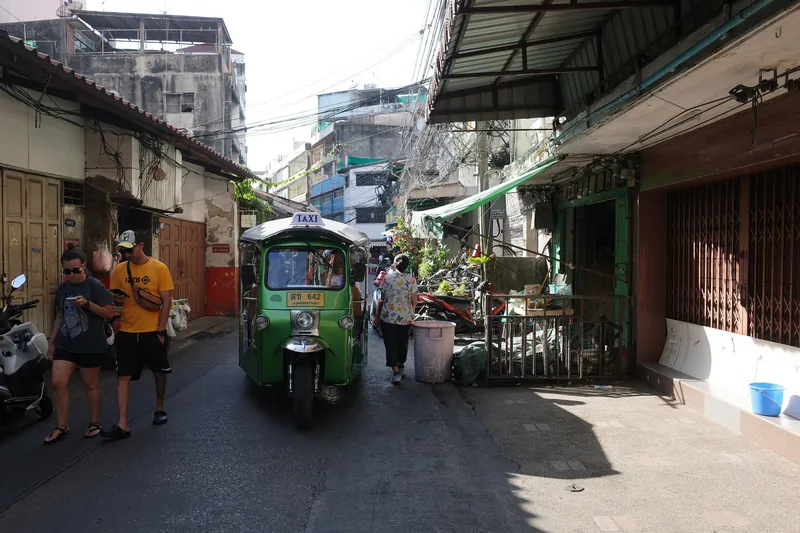

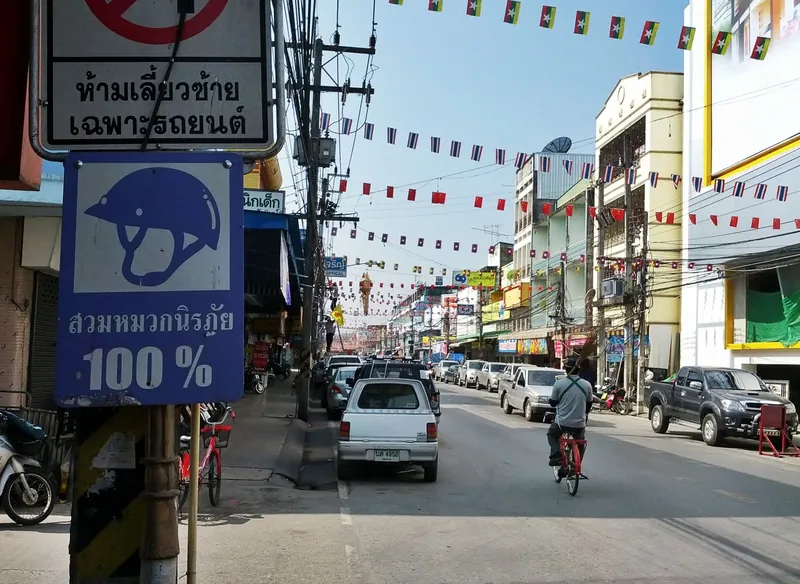
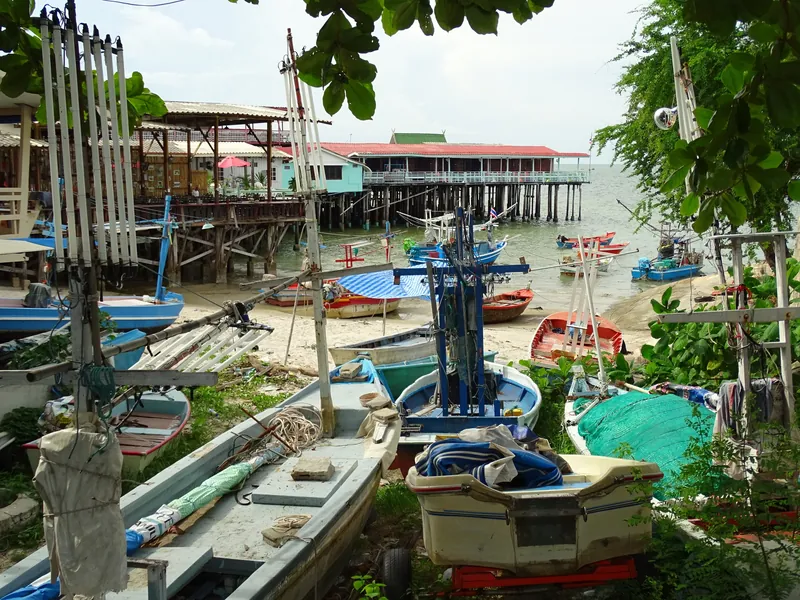
Assisted Living and Care Options in Thailand
Thailand has a growing number of assisted living facilities and home care services specifically catering to international retirees. Thai-run nursing homes such as the Baan Lalisa chain publish prices of THB 15,000-60,000 (about $420-$1,670) a month including 24-hour care, while premium facilities with English-speaking care, such as Vivobene near Chiang Mai, charge $3,300-$5,200 a month.
Pros and Cons of Retiring in Thailand
Pros
- World-class healthcare at affordable prices
- Well-established and welcoming expat community
- Exceptional food and dining culture
- Low cost of living with high quality of life
- Modern infrastructure and conveniences
- Easy domestic and regional travel
Cons
- Retirement visa requires ~$22,000 locked in a Thai bank account
- Significant language barrier outside tourist areas: Thai script is difficult to read
- Extreme heat and humidity (35°C+) can be dangerous for seniors with heart or respiratory conditions
- Severe air pollution in Chiang Mai during burning season (Feb-Apr): AQI regularly exceeds 200, hazardous for elderly
- Monsoon flooding affects Bangkok and southern regions (Jun-Nov): streets can flood for days
- Foreign property ownership heavily restricted: foreigners cannot own land
- Food hygiene varies: street food carries risk of gastrointestinal illness, especially for seniors
- Annual visa renewals and 90-day reporting are bureaucratic and time-consuming
- Tropical diseases (dengue fever, malaria in rural areas) require precautions
Is Thailand Right for You?
Take our free 3-minute retirement quiz to see how Thailand compares to other destinations based on your personal preferences, budget, and needs.
Take the Retirement QuizFrequently Asked Questions About Retiring in Thailand
How much money do I need to retire in Thailand?
A comfortable retirement in Thailand costs $1,200-2,000 per month, including housing, food, healthcare, and entertainment. Chiang Mai is the most affordable major city at $1,000-1,500/month, while Bangkok and Phuket cost $1,500-2,500/month. You will also need 800,000 THB (~$22,000) in a Thai bank account for visa purposes.
Is healthcare in Thailand good enough for retirees?
Thailand has some of the best healthcare in Asia. Bangkok has 60+ JCI-accredited hospitals, and medical tourism is a major industry. Private hospitals like Bumrungrad International offer world-class care at 50-80% less than US prices. Health insurance for retirees aged 60-70 costs $1,500-4,000 per year for comprehensive coverage.
Can I get a retirement visa for Thailand?
Yes. The Non-Immigrant O-A visa is available to anyone aged 50 or older who can demonstrate either 800,000 THB (~$22,000) in a Thai bank account or monthly income of 65,000 THB (~$1,800). The visa is valid for one year and is renewable. You will also need health insurance and a clean criminal record.
What is the best city to retire in Thailand?
Chiang Mai is the most popular choice due to its low cost of living, cool season climate, large expat community, and excellent hospitals. Hua Hin is ideal for beach lovers who prefer a quieter pace. Pattaya has the largest international community and most conveniences. Phuket offers premium island living at higher costs.
Is Thailand safe for retirees?
Thailand is generally very safe for retirees. Violent crime against foreigners is rare, and Thai culture is hospitable toward elderly visitors and residents. Common concerns include road safety (traffic can be chaotic), petty theft in tourist areas, and occasional political protests in Bangkok. Most expat retirees report feeling very safe in their daily lives.
Can I find assisted living or nursing care in Thailand?
Yes, and this is a growing sector. Thai-run nursing homes such as Baan Lalisa, with branches in Bangkok, Chiang Mai and Pattaya, publish prices of THB 15,000-60,000 (about $420-$1,670) a month including 24-hour care. Premium facilities with English-speaking care, such as Vivobene and Care Resort Chiang Mai, cost more: Vivobene publishes $3,300-$5,200 a month, and Care Resort quotes prices individually. Home care services are also widely available at $800-1,500/month for a full-time caregiver.
Explore More About Thailand
Sources & References
- Thai Immigration Bureau, Official retirement visa requirements, financial thresholds, and application procedures
- WHO Thailand Country Profile, Health system overview, life expectancy, and healthcare infrastructure data
- Numbeo, Cost of living index and price comparisons for major Thai cities
- Bank of Thailand, Economic statistics, exchange rates, and financial regulations for foreign nationals
Key Takeaways: Retiring in Thailand
- Best for: Retirees seeking world-class healthcare, an established expat community, and exceptional value for money.
- Monthly budget: $1,000-2,500 covers a comfortable lifestyle including housing, food, healthcare, and entertainment.
- Visa: Non-Immigrant O-A requires age 50+, $22,000 in savings or $1,800/month income, and health insurance.
- Healthcare: 60+ JCI hospitals in Bangkok alone; private care costs 50-80% less than Western countries.
- Top city: Chiang Mai for budget and community; Hua Hin for beach and quiet; Pattaya for convenience.
- Care options: Growing number of English-speaking assisted living facilities at $1,500-3,000/month.
- Watch out for: Visa renewal requirements, language barriers outside expat areas, and burning season air quality in the north.