
City Retirement Guide
Retire in Chiang Mai, Thailand
Affordable mountain living with a creative expat community
What are the key facts about retiring in Chiang Mai?
- Elevation & setting
- ~310 m; broad basin in Thai highlands, west bank of the Ping River, 700 km north of Bangkok
- Climate
- Coolest month January 16–30°C, hottest April 23–37°C; 1,139 mm of rain a year, most in August (daily low to high, 1991–2020)
- Nearest international airport
- Chiang Mai International (CNX), ~4 km southwest of old city
- Nearest major hospital
- Bangkok Hospital Chiang Mai (Nong Pa Khrang, JCI-accredited) and Chiangmai Ram Hospital (Sri Phum, city centre)
- Primary retirement visa
- Thailand Non-Immigrant O-A: age 50+, 800,000 THB deposit or 65,000 THB/month income; mandatory health insurance with at least 3,000,000 THB (USD 100,000) of cover
- Language environment
- Thai (Northern Thai/Kam Mueang widely spoken); English common in Nimman, Santitham and around private hospitals
O-A visa holders in Chiang Mai must report their address every 90 days to the Immigration office at the Promenada Resort Mall in Tambon Tha Sala, a routine stop many retirees plan around monthly market errands.
What is retirement like in Chiang Mai?
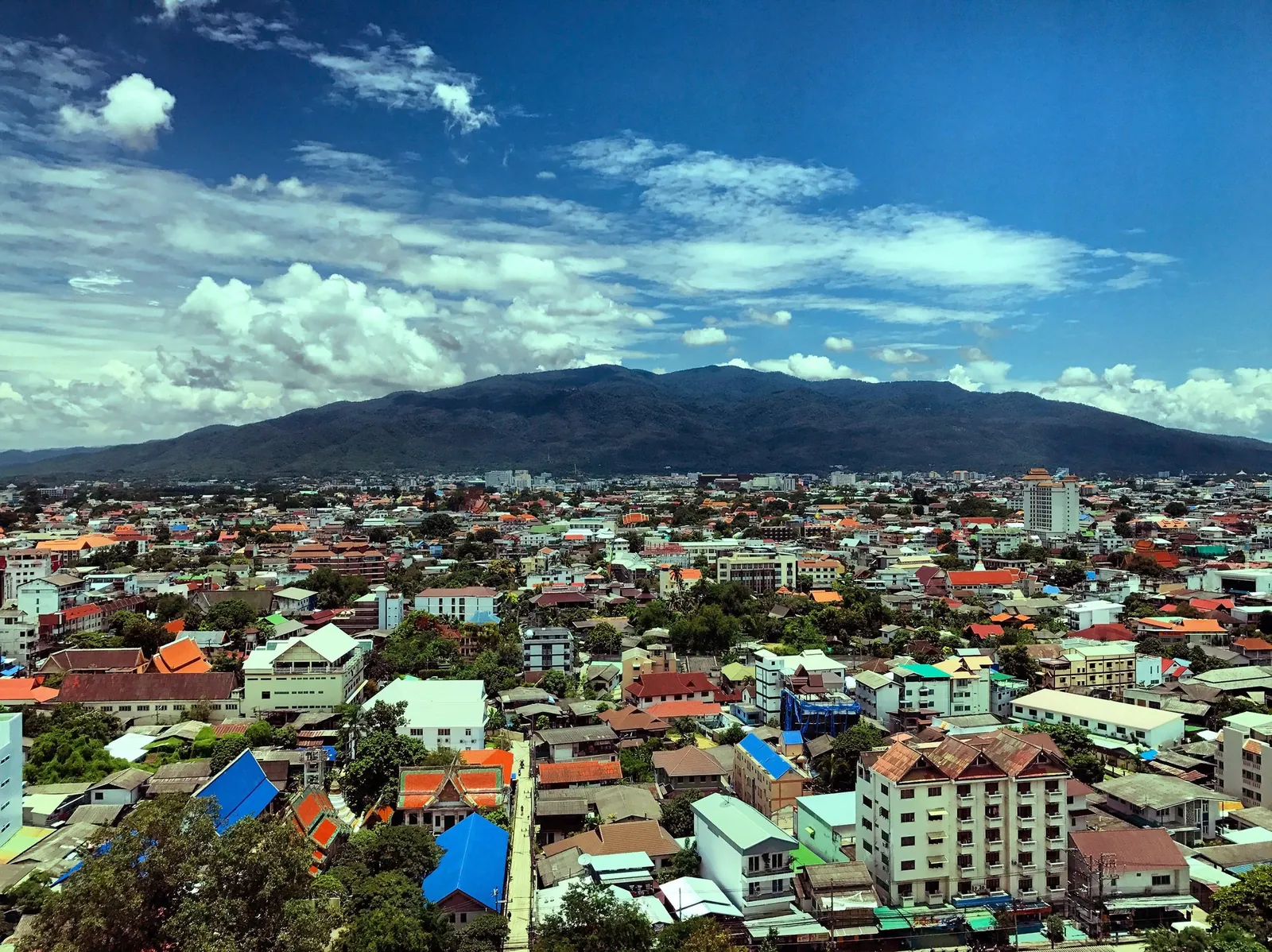
Chiang Mai sits in a broad mountain basin in northern Thailand at roughly 310 metres elevation, about 700 kilometres north of Bangkok and west of the Ping River, a tributary of the Chao Phraya. Bangkok Hospital Chiang Mai holds JCI accreditation (cycle 2024 to 2027), and Chiangmai Ram Hospital in the city centre is the other large private hospital foreign residents use. This places it second only to Bangkok among Thai cities for internationally accredited retiree healthcare. Most foreign retirees cluster in the Nimmanhaemin district west of the old walled city and in the Hang Dong and Mae Rim corridors, within a ten-minute drive of Chiang Mai International Airport (CNX).
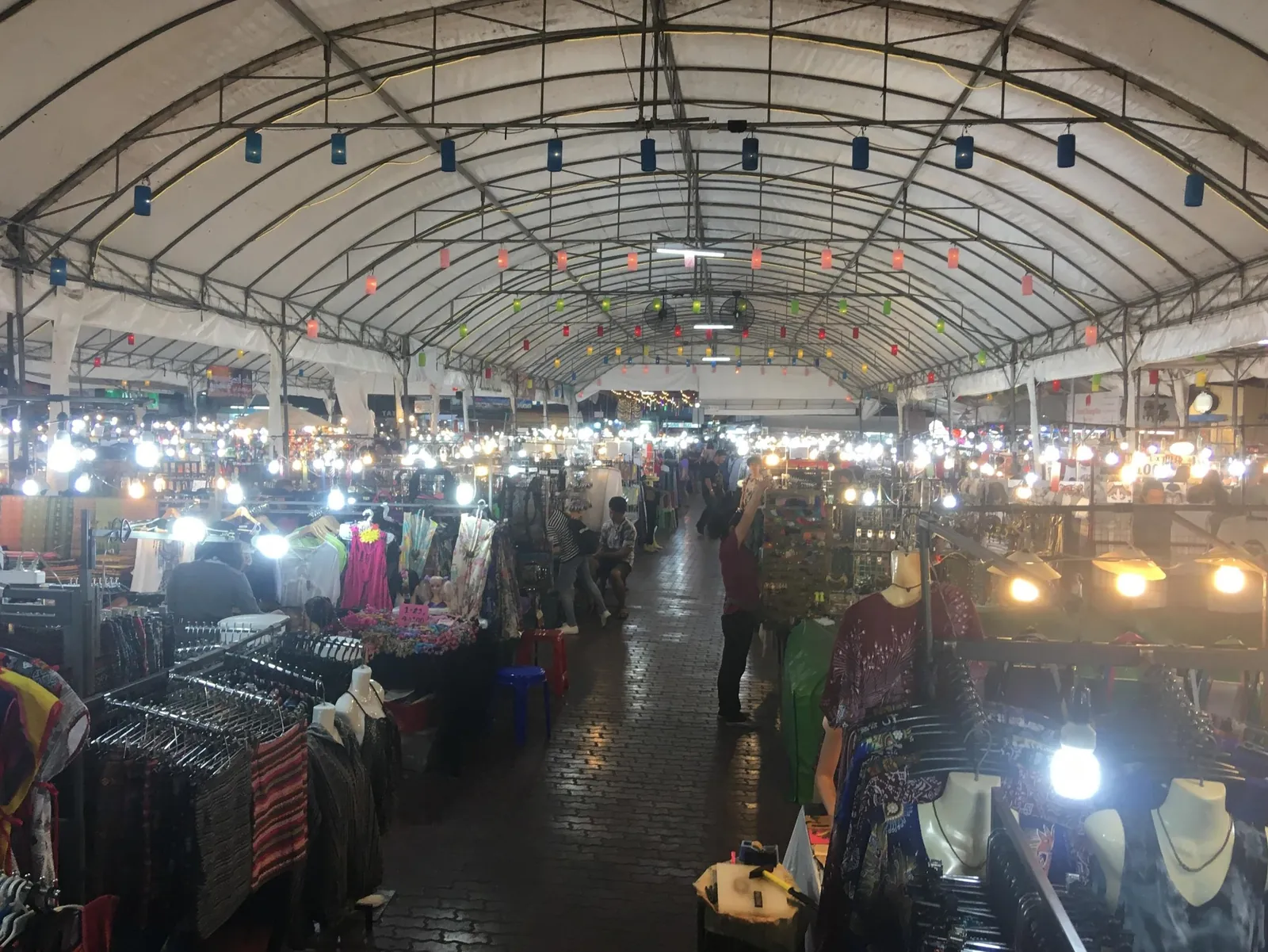
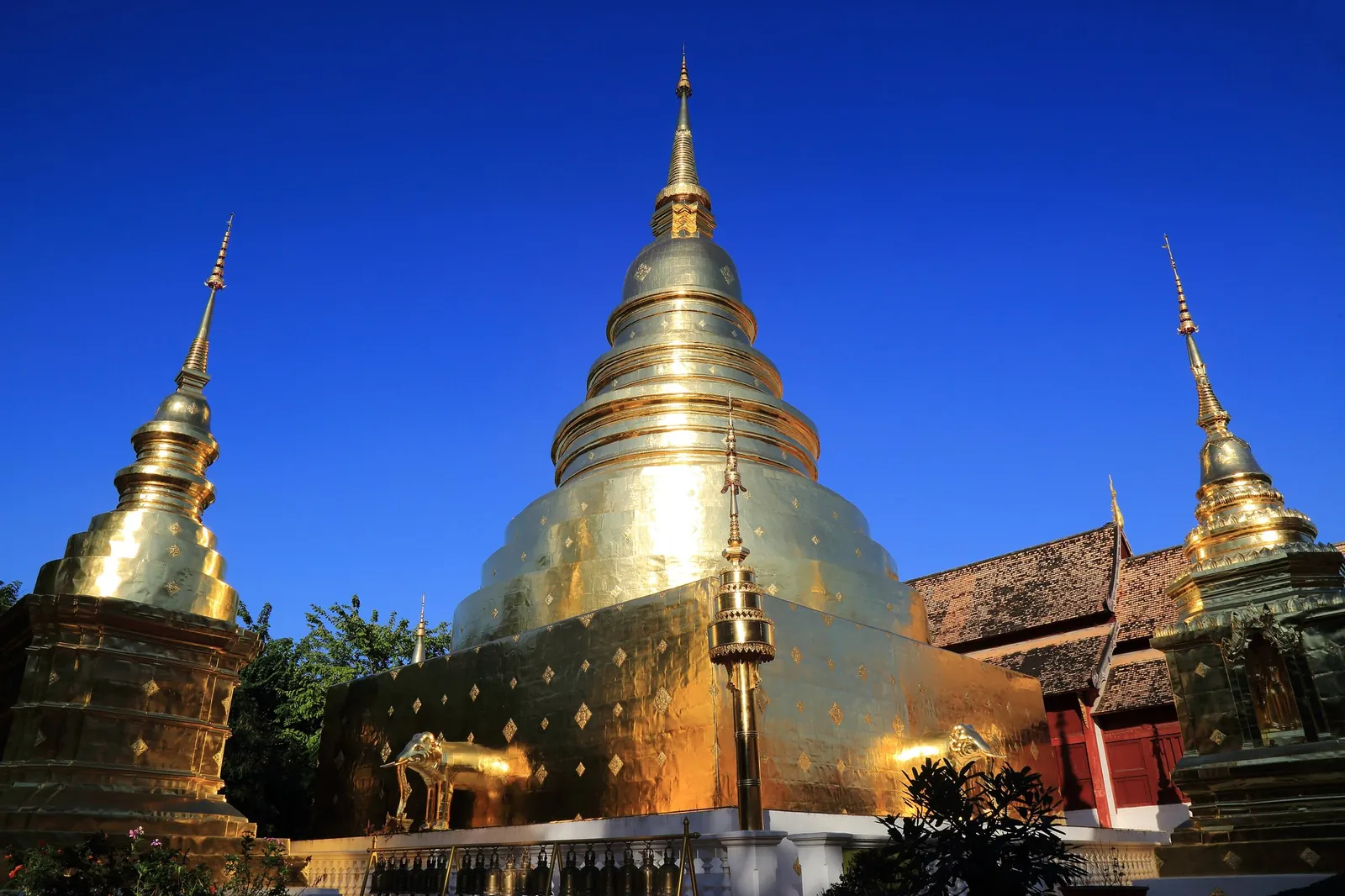
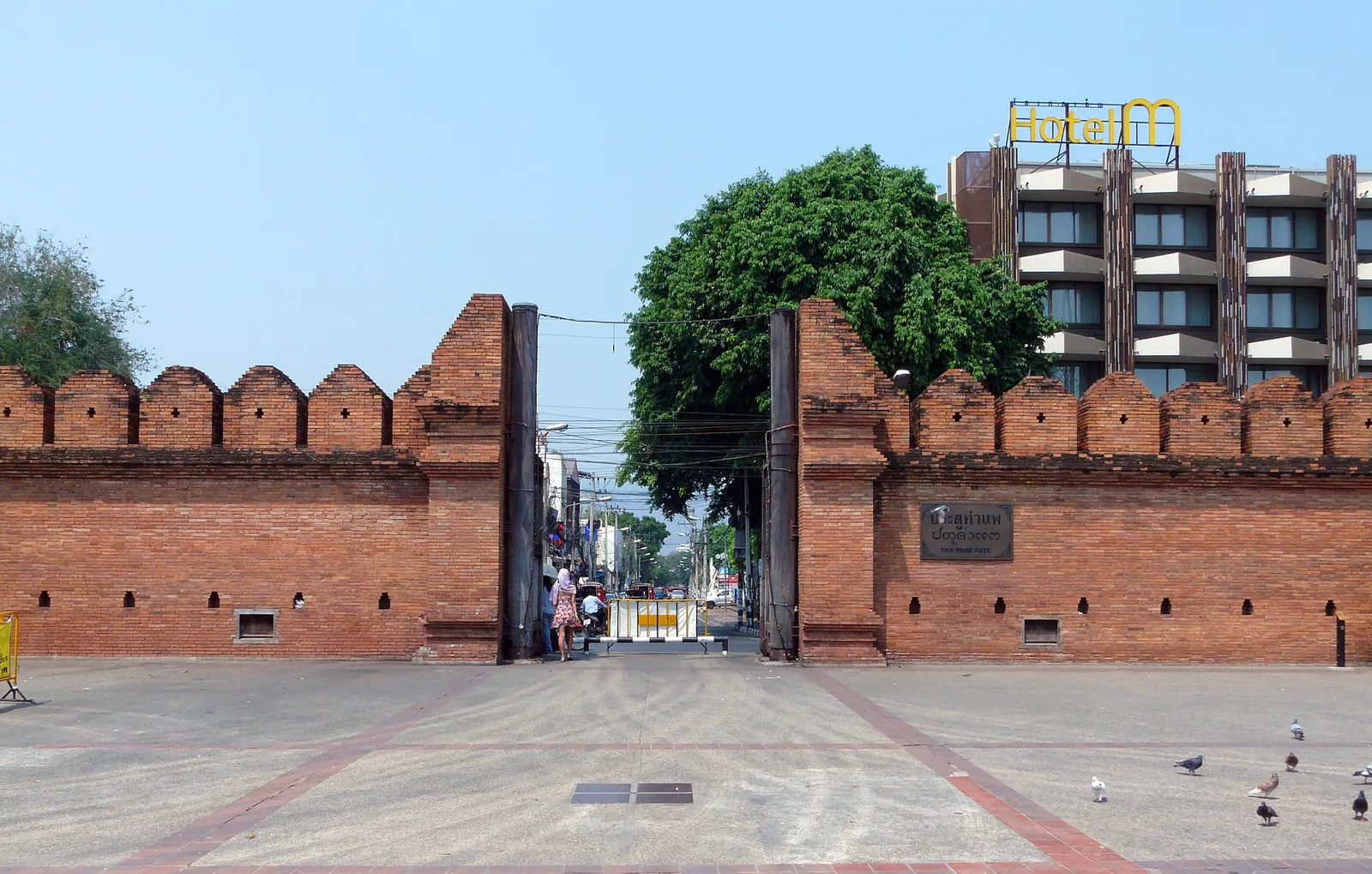
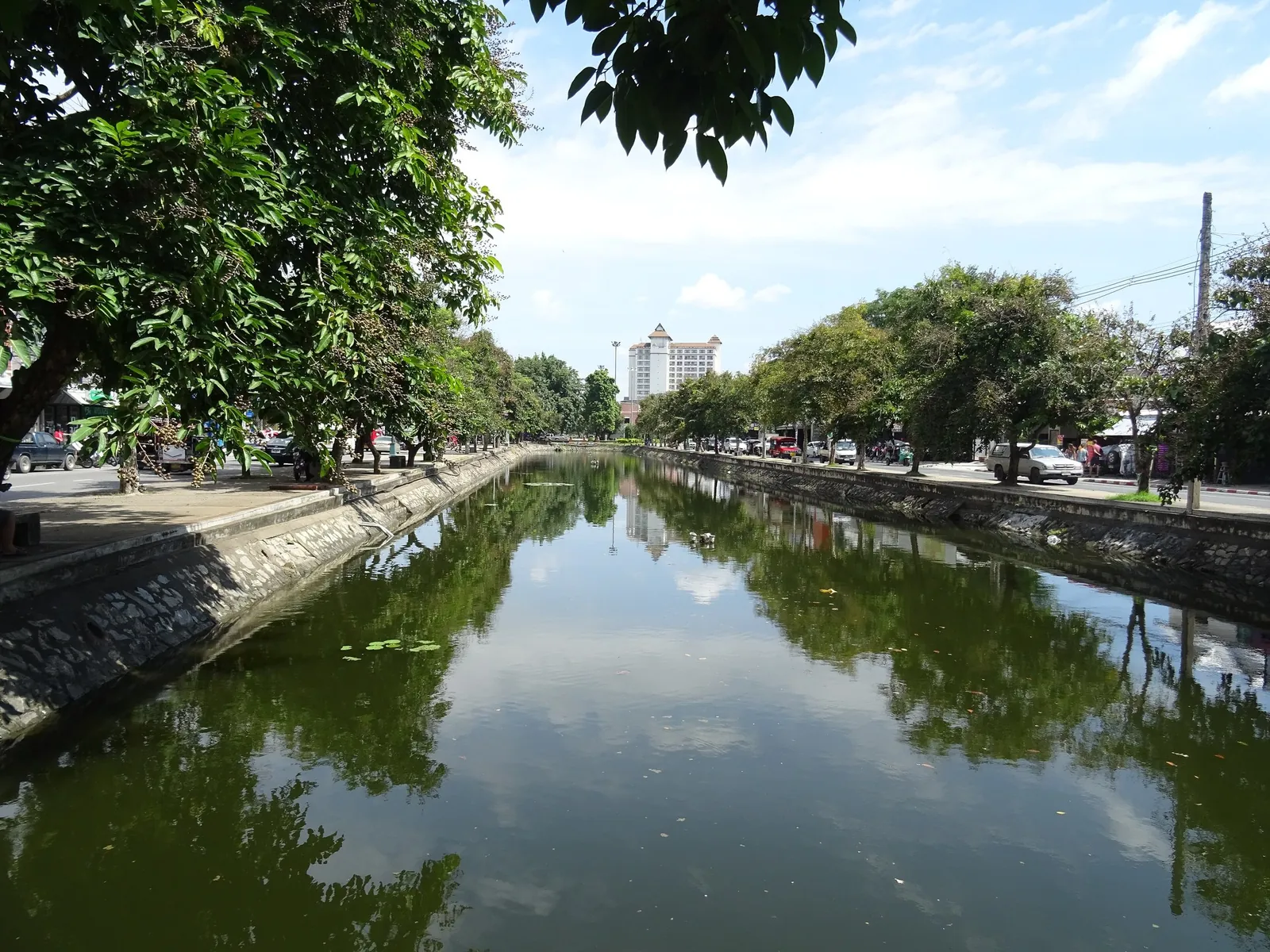
The Old City, surrounded by ancient walls and a moat, provides a charming base for retirees who enjoy walkable neighborhoods, night markets, and temple-dotted streets. Meanwhile, modern developments along the Nimmanhaemin Road area and the suburbs of Hang Dong and San Kamphaeng offer newer condominiums and housing estates with all the amenities retirees need, including international hospitals, Western supermarkets, and fitness centers.
Chiang Mai's expat community is famously welcoming and active. There are clubs for everything from hiking and cycling to painting, language exchange, and bridge. The city also hosts a vibrant arts and crafts scene, cooking classes, and wellness retreats. For retirees who want an affordable, culturally rich lifestyle surrounded by natural beauty, Chiang Mai is hard to beat.
What does it really look like in Chiang Mai?
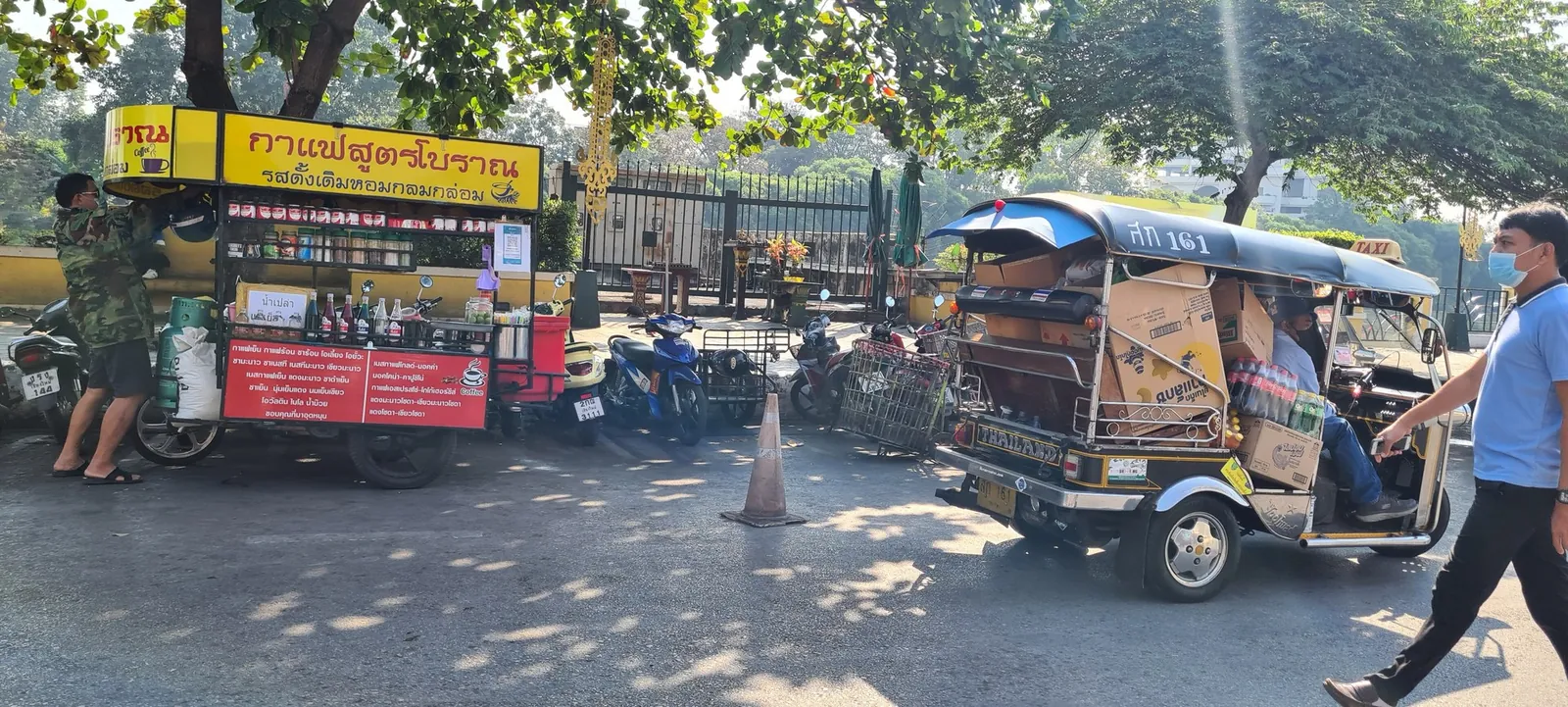
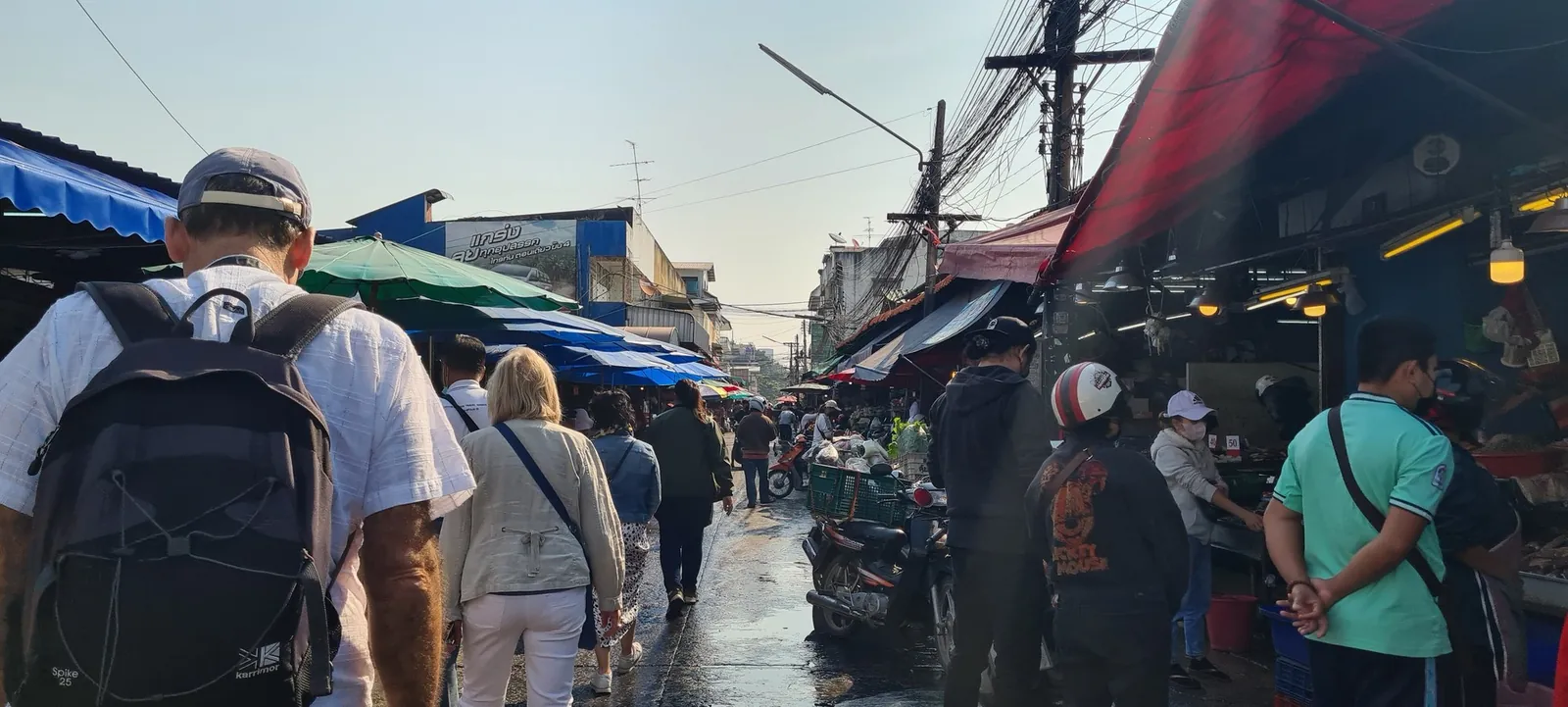
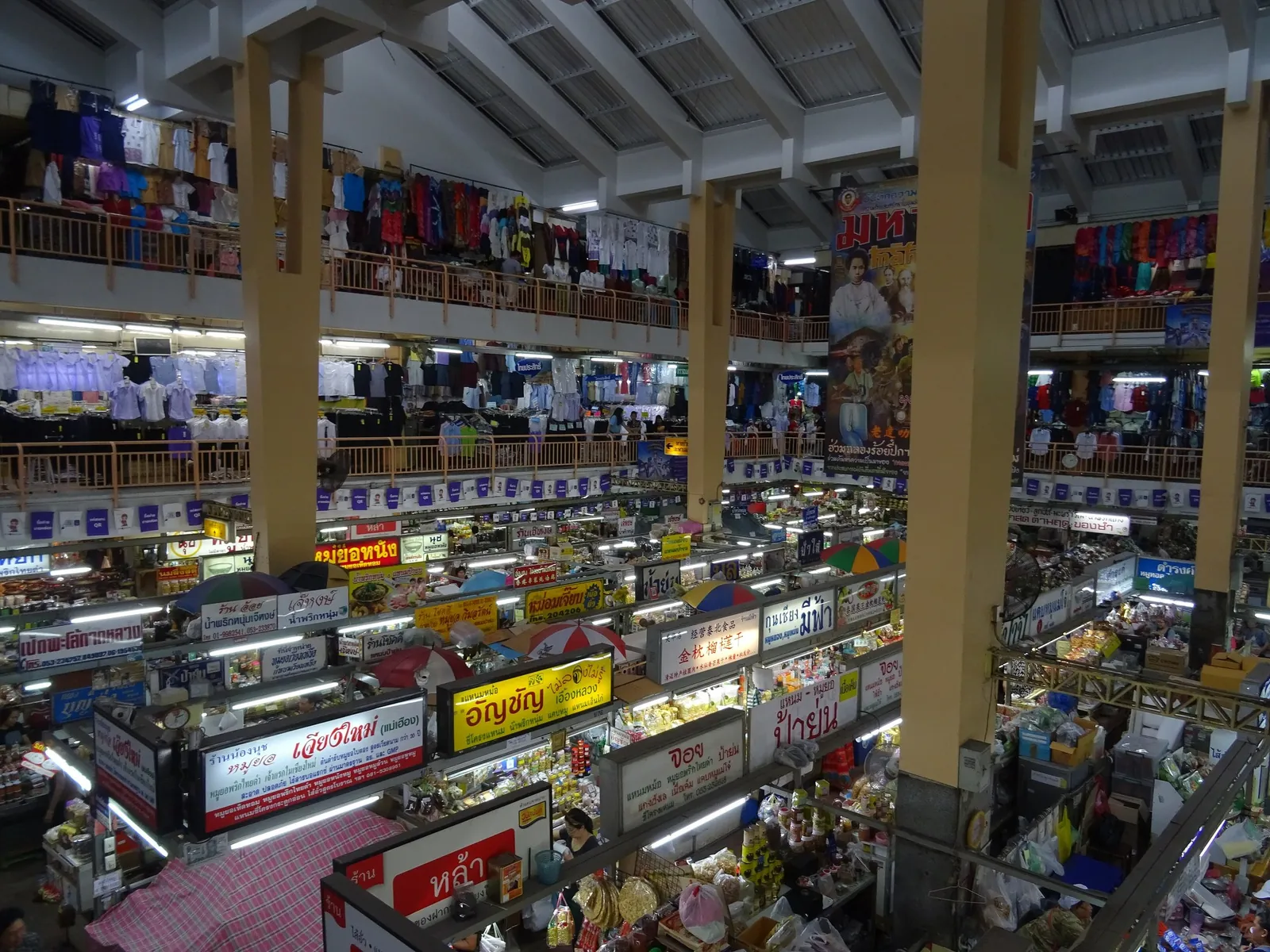
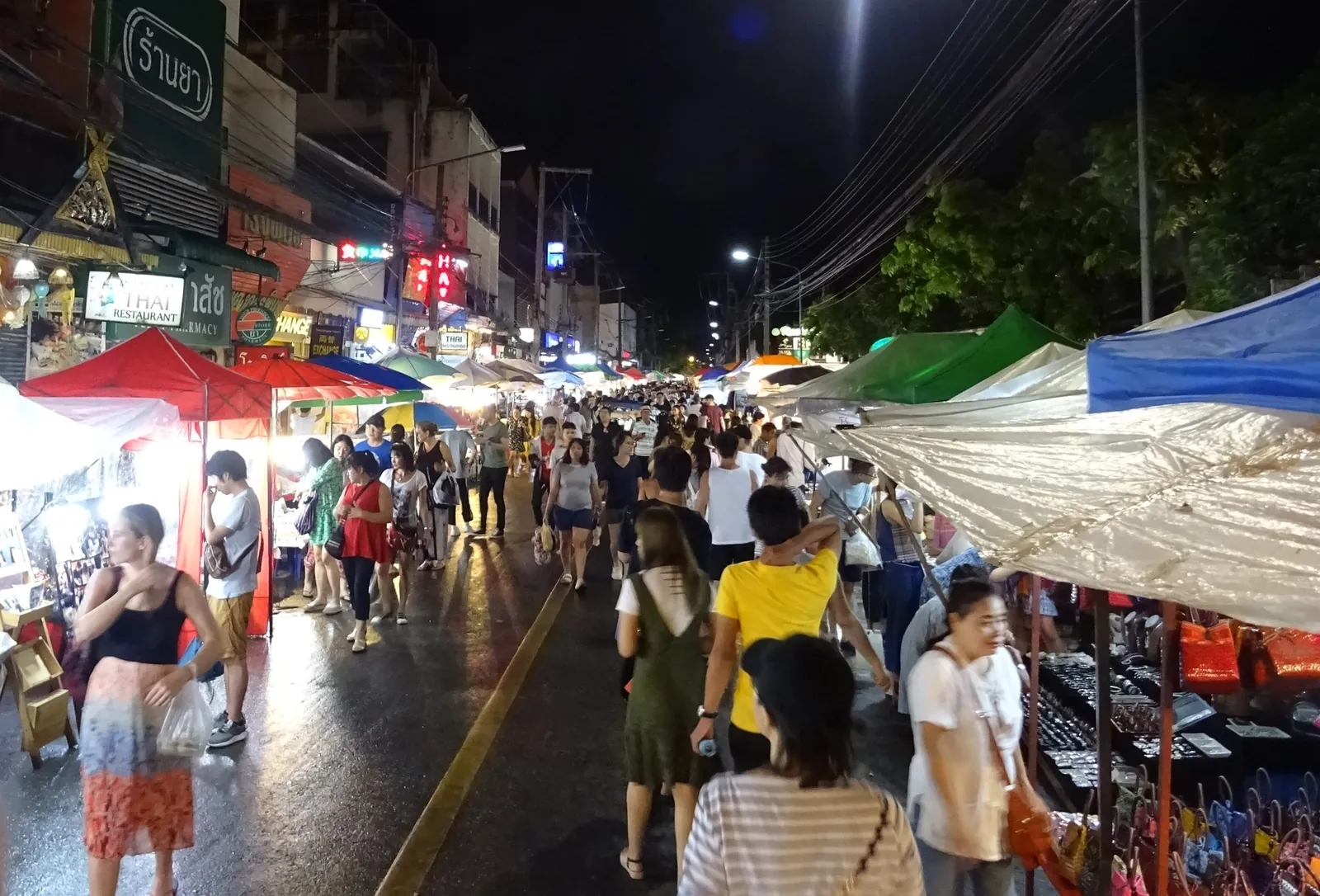
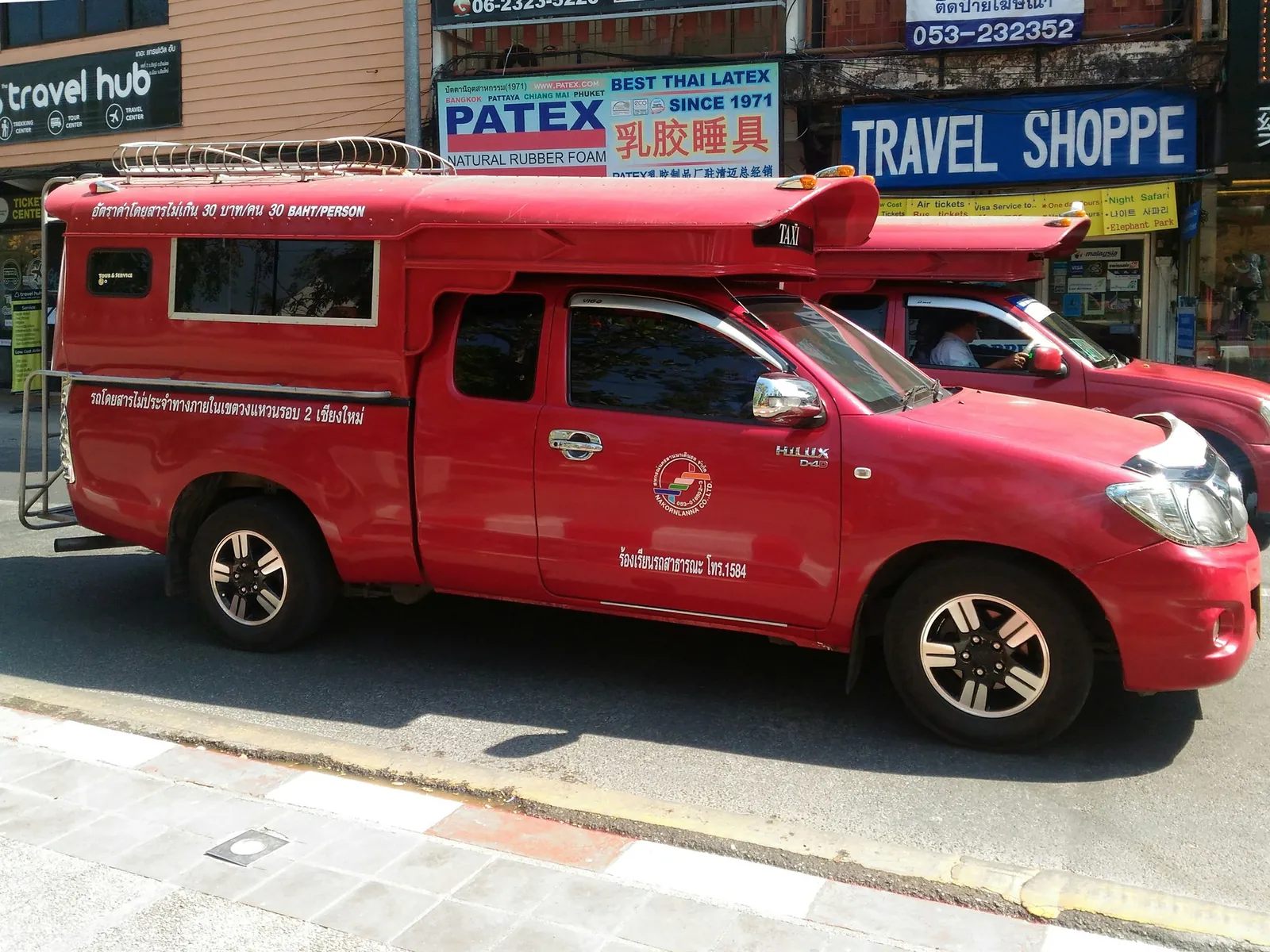
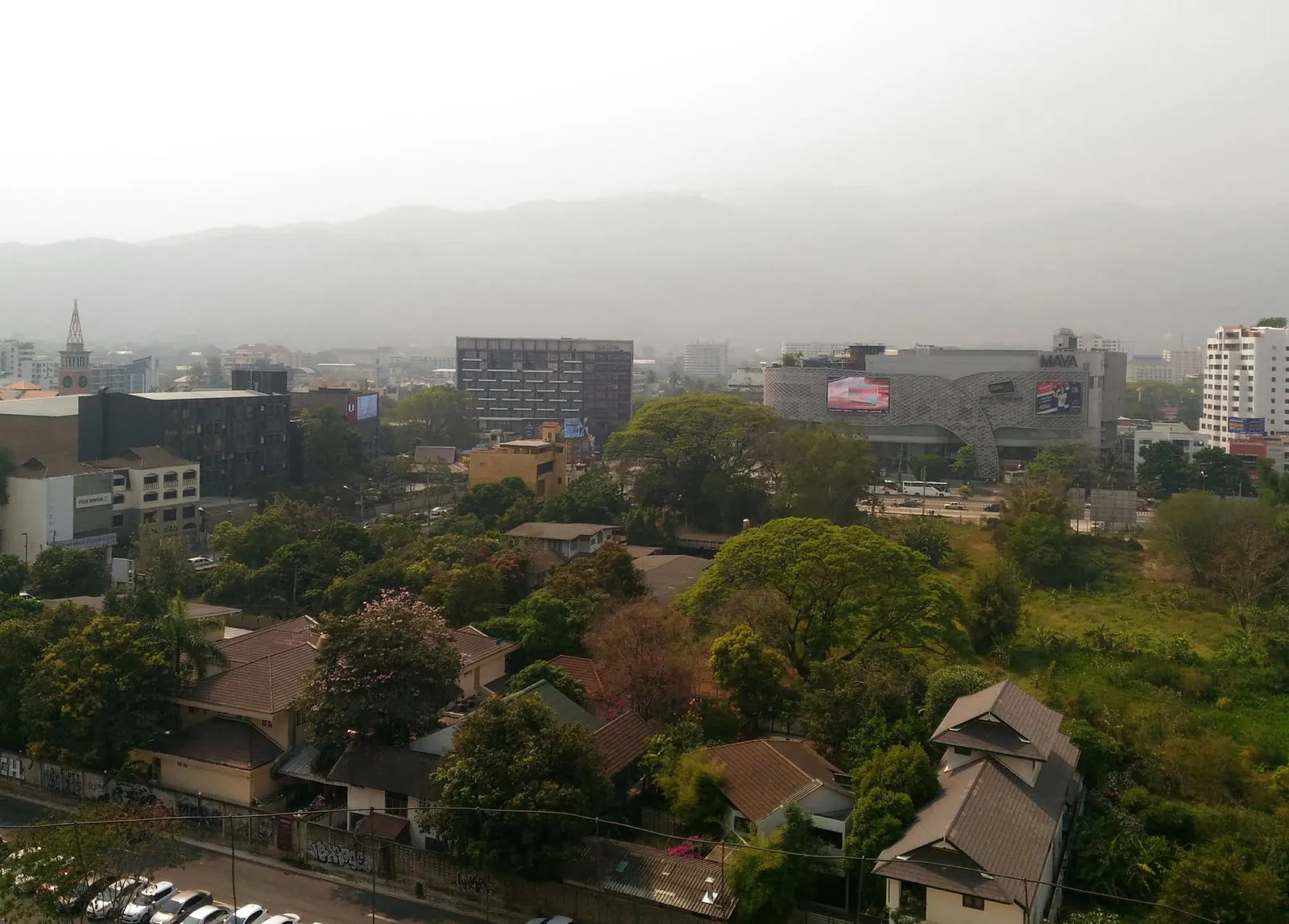
Authentic, unedited photos of Chiang Mai by residents and visitors, taken on ordinary days rather than chosen by a tourist board. Each one shows when it was taken. Browse photos of 105 cities →












The other side

What does it cost to live in Chiang Mai?
1-Bedroom Rent
$250-$550/month
Local Restaurant Meal
$1.50-$4 at local restaurants
Cup of Coffee
$1-$2.50
Estimated Monthly Total
$900-$1,600
Want a personalized estimate? Use our cost of living calculator
How good is healthcare in Chiang Mai?
Chiang Mai has several excellent hospitals, including Chiang Mai Ram, Lanna Hospital, and the newly expanded Bangkok Hospital Chiang Mai. While not quite at the level of Bangkok's top facilities, these hospitals offer high-quality care with English-speaking doctors, modern equipment, and international patient services. A routine doctor visit costs $15-$30 and dental cleanings run $20-$40. Many expat retirees use a combination of international health insurance and out-of-pocket payments for routine care.
What is daily life like in Chiang Mai?
Daily life in Chiang Mai revolves around the outdoors, culture, and community. Mornings might start with a walk along the Ping River or a visit to a local temple. The city's famous night markets and weekend walking streets provide endless entertainment and some of the best street food in Thailand. Yoga studios, meditation retreats, and Thai massage shops are abundant and affordable. The pace of life is notably slower than Bangkok, which many retirees find deeply appealing.
What is the climate like in Chiang Mai?
Chiang Mai has a more comfortable climate than Bangkok, especially during the cool season (November-February), when temperatures drop to 15-25°C--pleasant enough for light jackets in the evenings. The hot season (March-May) brings temperatures of 35-40°C, and the rainy season (June-October) sees regular afternoon showers. The most serious climate concern is smoke from agricultural burning in February-April, which can cause severe air quality issues.
| Month | High | Low | Rain |
|---|---|---|---|
| January | 30.0 °C | 15.7 °C | 11 mm |
| February | 32.9 °C | 16.8 °C | 10 mm |
| March | 35.4 °C | 20.1 °C | 20 mm |
| April | 36.7 °C | 23.4 °C | 54 mm |
| May | 34.7 °C | 24.2 °C | 168 mm |
| June | 33.2 °C | 24.5 °C | 118 mm |
| July | 32.1 °C | 24.3 °C | 149 mm |
| August | 31.6 °C | 24.0 °C | 223 mm |
| September | 32.0 °C | 23.7 °C | 207 mm |
| October | 31.7 °C | 22.6 °C | 124 mm |
| November | 30.8 °C | 19.9 °C | 41 mm |
| December | 29.2 °C | 16.9 °C | 14 mm |
Weather station: Chiang Mai (2 km away). Source: WMO Climatological Normals 1991-2020 (NOAA NCEI)
What are the pros and cons of retiring in Chiang Mai?
Pros
- Significantly lower cost of living than Bangkok or Western countries
- Cooler mountain climate with a pleasant cool season
- Tight-knit, active expat retiree community
- Rich cultural scene with temples, markets, and festivals
- Easy access to nature: mountains, national parks, hot springs
Cons
- Severe air pollution from burning season (Feb-Apr)
- Smaller city with fewer entertainment options than Bangkok
- Healthcare good but not as extensive as Bangkok
- Limited public transit--most people rely on scooters or cars
Who should retire in Chiang Mai?
Budget-conscious retirees who love nature, culture, and community, and prefer a relaxed small-city atmosphere over big-city hustle.
Which neighborhoods suit retirees in Chiang Mai?
Nimmanhaemin (Nimman)
The trendiest area in Chiang Mai, packed with cafes, art galleries, and boutique shops. Modern condos rent for $300-$550/month. Walking distance to Maya Mall and CAMP co-working space. Best for active, social retirees who want a vibrant neighborhood.
Old City
Inside the ancient moat walls. Charming guesthouses and low-rise condos for $200-$400/month. Temples, night markets, and traditional restaurants at your doorstep. Quieter pace but limited modern amenities. Best for culture-focused retirees.
Hang Dong / San Kamphaeng
Suburban areas south and east of the city. Houses with gardens for $300-$600/month. Popular with retirees who want space, quiet, and lower costs. A car or scooter is needed for daily errands. Close to international schools and handicraft villages.
How do you meet people in Chiang Mai?
Most newcomers in Chiang Mai find their first contacts through clubs, regular meetups and congregations. We checked these 9 groups in October 2026, for example Chiang Mai Expats Club (CEC): Expat Connection meetings, Chiang Mai Expats Club: Saturday Breakfast at The Duke's, Chiang Mai International Rotary Club (CMIRC).
Clubs, groups and meetups for everyone
Chiang Mai Expats Club (CEC): Expat Connection meetings · The Duangtawan Hotel
The Chiang Mai Expats Club is a non-profit club with the motto "Expats Helping Expats". Its Expat Connection meetings have several speakers on visa updates, legal issues, health and Thai culture, with coffee beforehand, which makes them a practical first contact for a newcomer.
When: 4th Saturday of January, March, May, July, September and November; coffee from 9:45, meeting 10:30 to 12:00
Chiang Mai Expats Club: Saturday Breakfast at The Duke's · The Duke's, Ruamchok branch
A monthly breakfast run by the Chiang Mai Expats Club, open to guests and walk-ins for a fee. It is a relaxed way to sit down with long-term residents and ask about daily life.
When: First Saturday of each month, 9:30 to 11:30
Chiang Mai International Rotary Club (CMIRC) · Chiangmai S.P. Hotel, 69 Soi Sirithorn Rd, Chang Phueak
The Chiang Mai International Rotary Club holds all of its meetings in English and runs local service projects. Visitors can meet residents who are involved in charity work around Chiang Mai.
When: 1st Tuesday of each month, 7:00 pm
CM Geeks · The Gymkhana Club
A weekly technology help and discussion group listed by the Chiang Mai Expats Club, with lunch before the main meeting. Entry is free, with voluntary contributions to the venue.
When: Tuesdays, 12:00 lunch, 1:00 to 2:30 pm main meeting
Source: chiangmaiexpatsclub.com
Expats Ladies Lunch Group
A lunch group open to all women that meets at a different local restaurant each time, listed by the Chiang Mai Expats Club.
When: Twice a month
Source: chiangmaiexpatsclub.com
Chiang Mai Travel Club
A monthly dinner with a travel presentation, listed by the Chiang Mai Expats Club. Contact is by email (chiangmaitravelclub@gmail.com).
When: Monthly
Source: chiangmaiexpatsclub.com
Lannacapella
A community choir that sings weekly and performs occasionally, listed by the Chiang Mai Expats Club.
When: Weekly
Source: chiangmaiexpatsclub.com
Chiang Mai Hiking
A hiking group that posts hikes almost every Sunday, usually 4 to 7 hours and 10 to 15 km, listed by the Chiang Mai Expats Club.
When: Almost every Sunday
Source: chiangmaiexpatsclub.com
For Americans
VFW Post 12074 (Ken Chapman Post), Chiang Mai · The Gymkhana Club (349 Chiang Mai-Lamphun Rd)
The Chiang Mai post of the US Veterans of Foreign Wars holds a monthly meeting followed by lunch and fellowship, and takes part in community outreach and US Consulate events. It is the natural first contact for American veterans.
When: First Saturday of each month, 10:00 to 12:00
Official contact points
- Honorarkonsulat der Bundesrepublik Deutschland, Chiang Mai (Honorarkonsul Sebastian-Justus Schmidt): German honorary consulate for Chiang Mai, Chiang Rai, Mae Hong Son, Lamphun, Lampang, Phrae, Nan and Phayao. Address Kankklongchonpratan 199/163 Moo 3, 50100 Chiang Mai. Office hours Monday to Friday 9:00 to 12:00. Reports to the Embassy in Bangkok.
- U.S. Consulate General Chiang Mai: The only US consulate in Thailand, serving more than 21,000 US citizens in northern Thailand. A new building on the Chiang Mai to Lampang Super Highway (Nong Pa Khrang subdistrict) was dedicated on 23 January 2026.
- British Embassy Bangkok (Chiang Mai honorary consul post): Consular help for Britons is run from the British Embassy Bangkok. In November 2025 the Embassy advertised for a new Honorary British Consul in Chiang Mai, so check with the Embassy whether the post has been filled.
Getting a feel for daily life in Chiang Mai
- Avoid scouting in the burning season. From February to April PM2.5 smoke pollution spikes in Chiang Mai and many long-term residents leave the city during that period.
- Shop where residents shop: Warorot and Siri Wattana markets sell fresh produce and ready-to-eat Thai meals.
- Go early to Jing Jai Market on a Saturday or Sunday morning (6:30 to 14:00). It combines Chiang Mai's first organic farmers market with a crafts market on Atsadathon Road, just north of the old city.
- Red songthaew trucks have no standard prices, so many residents use the Grab or Bolt apps for predictable fares.
- Time the trip to catch a Chiang Mai Expats Club event. Most newcomers start there, and the first-Saturday breakfast and the bi-monthly Expat Connection meeting are both open to visitors.
Researched October 2026. Groups change: please check the link before you go.
Planning a scouting trip or a trial stay? The trip planner in My RetireFinder puts these contacts together with entry rules, health advice and a checklist.
Open the trip plannerWhich hospitals serve retirees in Chiang Mai?
Chiang Mai Ram Hospital
One of the largest private hospitals in northern Thailand, in the city centre. Strong cardiology, orthopedics, and diagnostic imaging departments. English-speaking international patient center. 24/7 emergency room. Located in the city center.
Bangkok Hospital Chiang Mai
Part of the Bangkok Hospital Group network. Recently expanded facilities with modern equipment. International patient department handles insurance claims. Located on the Chiang Mai-Lampang highway, about 15 minutes from Nimman.
Facility details may change. Verify accreditation status and services directly with each hospital before making healthcare decisions.
What is the food scene like in Chiang Mai?
Chiang Mai is widely regarded as having the best food in Thailand outside Bangkok, with northern Thai cuisine (khao soi, sai oua, nam prik ong) as the crown jewel. A bowl of khao soi at a local shop costs $1-$2. The Night Bazaar and Sunday Walking Street market offer endless street food options.
For Western food, Nimman has dozens of cafes, Italian restaurants, and burger joints at $5-$12 per meal. Retirees praise the Rimping supermarket chain for its imported goods section. The organic food scene is strong: weekly farmers markets at JJ Market and Royal Park Rajapruek sell fresh produce at very low prices. Fine dining options like David's Kitchen and Dash! serve international cuisine at $15-$30 per person.
Is retiring in Chiang Mai right for you?
Take our free 3-minute retirement quiz to see how life in Chiang Mai, Thailand, compares to other destinations based on your preferences, budget, and needs.
Take the Retirement QuizFrequently Asked Questions About Retiring in Chiang Mai
Is the air quality in Chiang Mai really that bad?
From late February through April, smoke from crop burning in northern Thailand and neighboring countries can push air quality to unhealthy levels. Many retirees leave Chiang Mai during this period, traveling south to the beaches or to other countries. Air purifiers are essential for your condo during these months.
Can I drive in Chiang Mai?
Yes, you can drive with an International Driving Permit or a Thai license. Many retirees use scooters, though a car is more practical and safer for older adults. Ride-hailing apps like Grab are also available. The city is not well served by public transit, so personal transportation is important.
What is the expat community like in Chiang Mai?
Chiang Mai has one of the most active expat communities in Southeast Asia. There are multiple social clubs, volunteer organizations, church groups, and hobby clubs. The Chiang Mai Expats Club hosts regular meetings and events. You will find retirees from the US, UK, Australia, Scandinavia, and many other countries.
Sources & References
- Numbeo, Cost of living index and price data for Chiang Mai: rent, groceries, restaurants, and transportation
- Chiang Mai Ram Hospital, Facility services, international patient department, and specialties available in Chiang Mai
- Thai Immigration Bureau, Visa requirements and retirement extension procedures applicable to Chiang Mai residents
- Chiang Mai Expats Club, Community resources, local guides, and practical information for retirees in Chiang Mai