
City Retirement Guide
Retire in Phuket, Thailand
Tropical island retirement with beach-town comforts
What are the key facts about retiring in Phuket?
- Elevation & setting
- Sea level to ~100 m; tropical island on the Andaman Sea, connected to mainland by Sarasin Bridge
- Climate
- Coolest month October 25–32°C, hottest April 26–34°C; 2,272 mm of rain a year, most in September (daily low to high, 1991–2020)
- Nearest international airport
- Phuket International (HKT), ~32 km north of Phuket Town
- Nearest major hospital
- Bangkok Hospital Phuket (Yaowarat Road, Phuket Town), JCI-accredited; Bangkok Hospital Siriroj nearby
- Primary retirement visa
- Thailand Non-Immigrant O-A: age 50+, 800,000 THB deposit or 65,000 THB/month income; mandatory Thai-approved health insurance
- Language environment
- Thai primary; English widely spoken in Patong, Kata, Rawai and at private hospitals due to decades of international tourism
Phuket Immigration enforces the O-A 90-day address report at its office in Phuket Town (Tha Chatchai branch handles new arrivals at the bridge), and the island's southwest monsoon can disrupt small-boat ferry access to nearby islands from May through October.
What is retirement like in Phuket?
Phuket is Thailand's largest island, separated from the mainland by the narrow Sarasin Bridge and sitting on the Andaman Sea coast roughly 860 kilometres south of Bangkok. Bangkok Hospital Phuket (the island's first JCI-accredited facility) and Bangkok Hospital Siriroj, both in Phuket Town near Yaowarat Road, give the island two internationally accredited tertiary hospitals within the same six-kilometre radius. Most foreign retirees settle along the western beaches (Rawai, Kata, Karon and Bang Tao) or inside Phuket Town's old Sino-Portuguese core, all within 30-45 minutes of Phuket International Airport (HKT) at the island's northern tip.
The infrastructure on Phuket is excellent for an island. You will find international schools, modern hospitals, large supermarkets stocking Western goods, and a wide variety of dining options from authentic Thai food to Italian, French, and Japanese cuisine. The island is well connected by Phuket International Airport, which offers direct flights to Bangkok, Singapore, Kuala Lumpur, and many other Asian hubs.
Phuket's retiree community tends to be slightly more affluent than Chiang Mai's, reflecting the higher cost of living. However, by Western standards, Phuket remains remarkably affordable. Pool villas that would cost millions in the West can be rented for $1,000-$2,000 per month. The combination of tropical beauty, modern amenities, and an active social scene makes Phuket compelling for retirees who want beach living without sacrificing comfort.
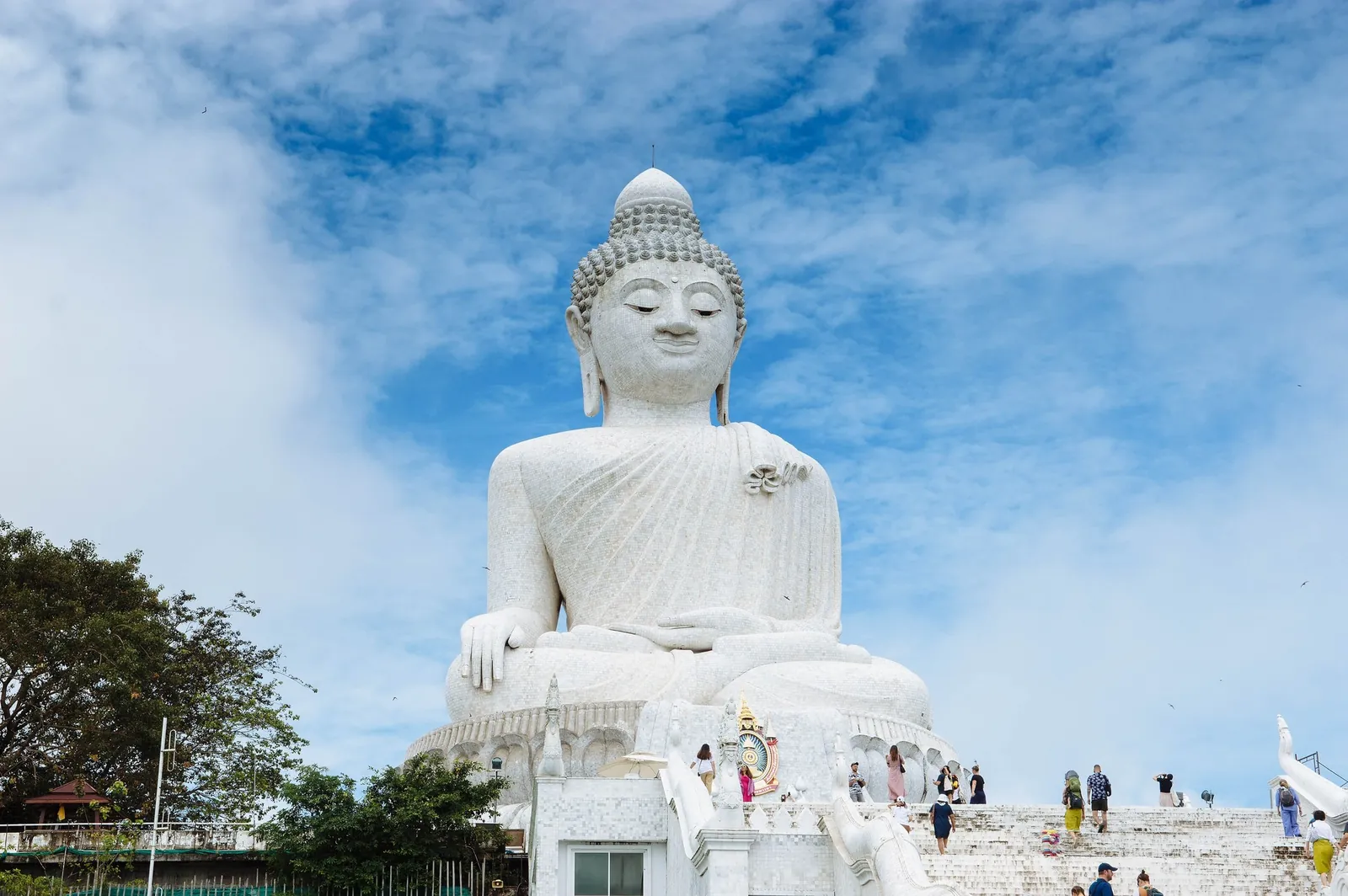
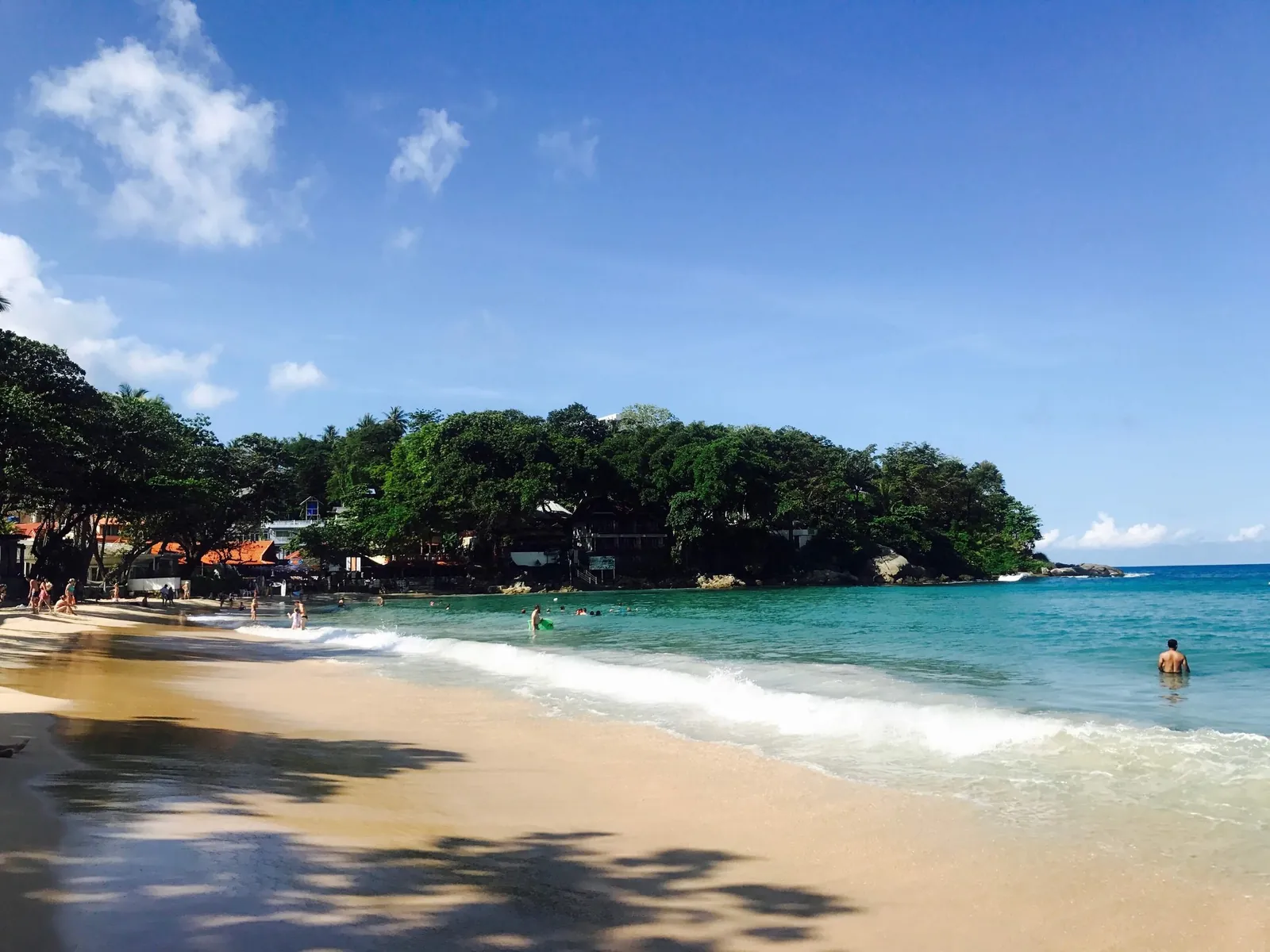
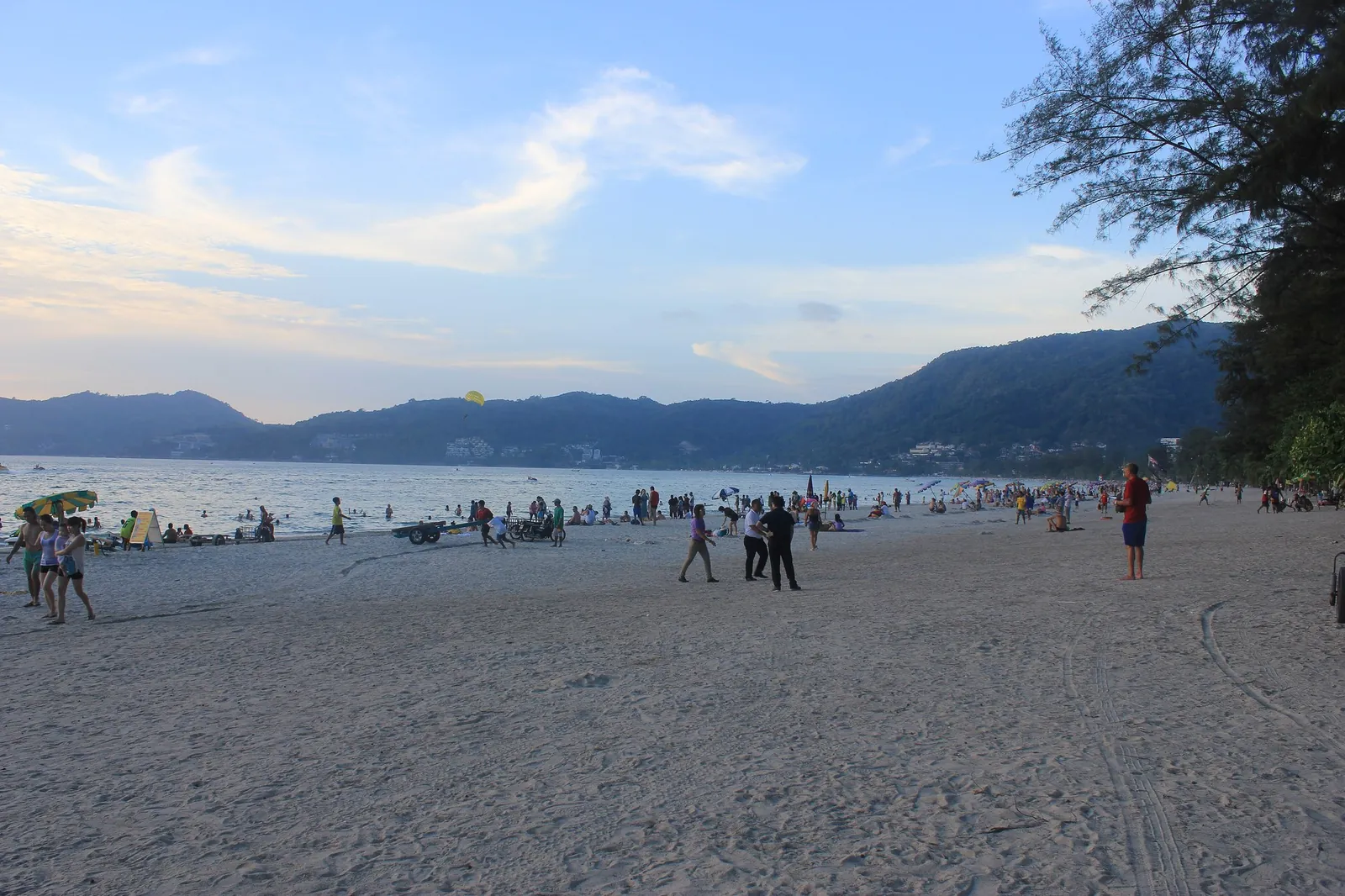
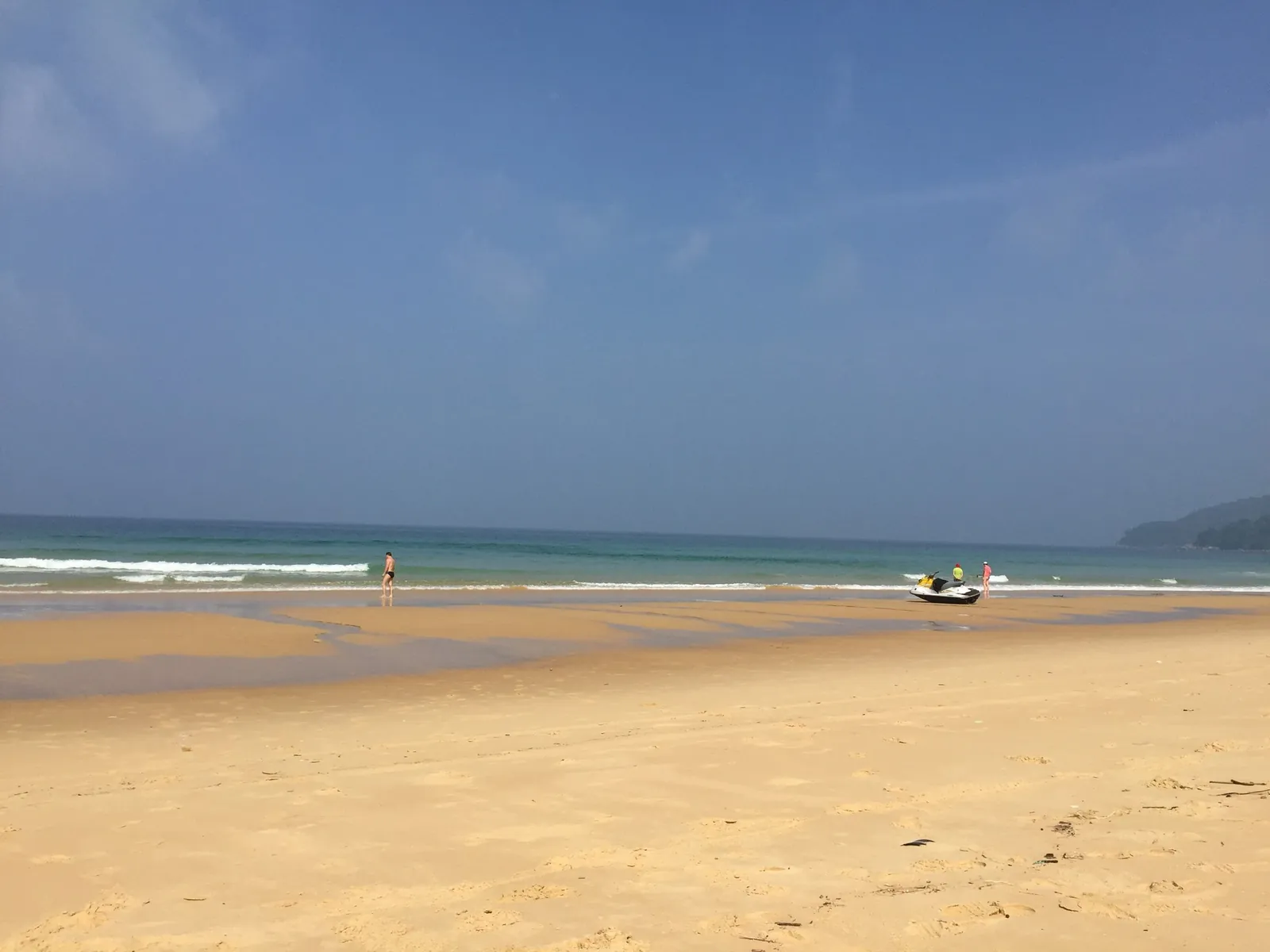
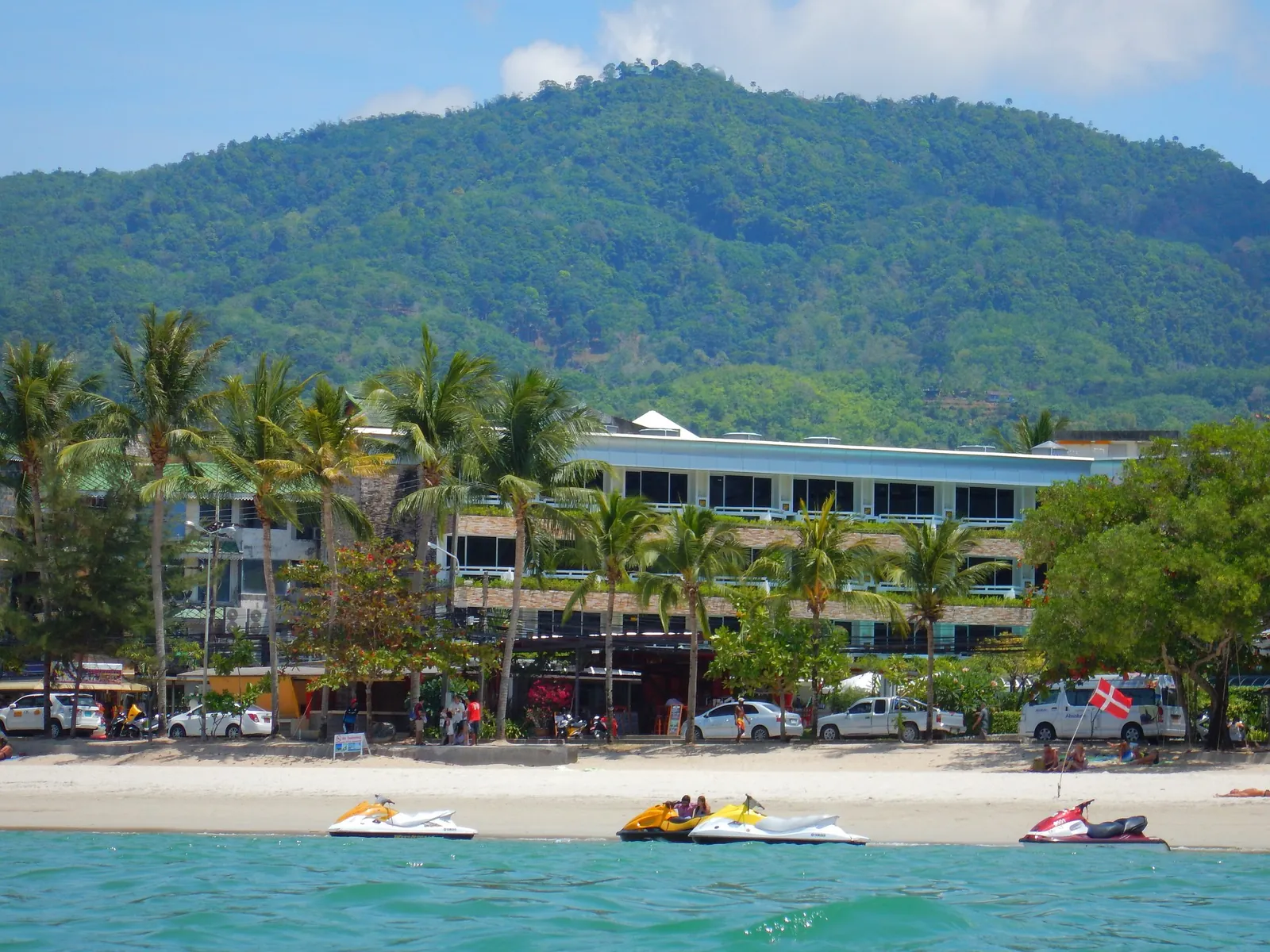
What does it really look like in Phuket?
Authentic, unedited photos of Phuket by residents and visitors, taken on ordinary days rather than chosen by a tourist board. Each one shows when it was taken. Browse photos of 105 cities →
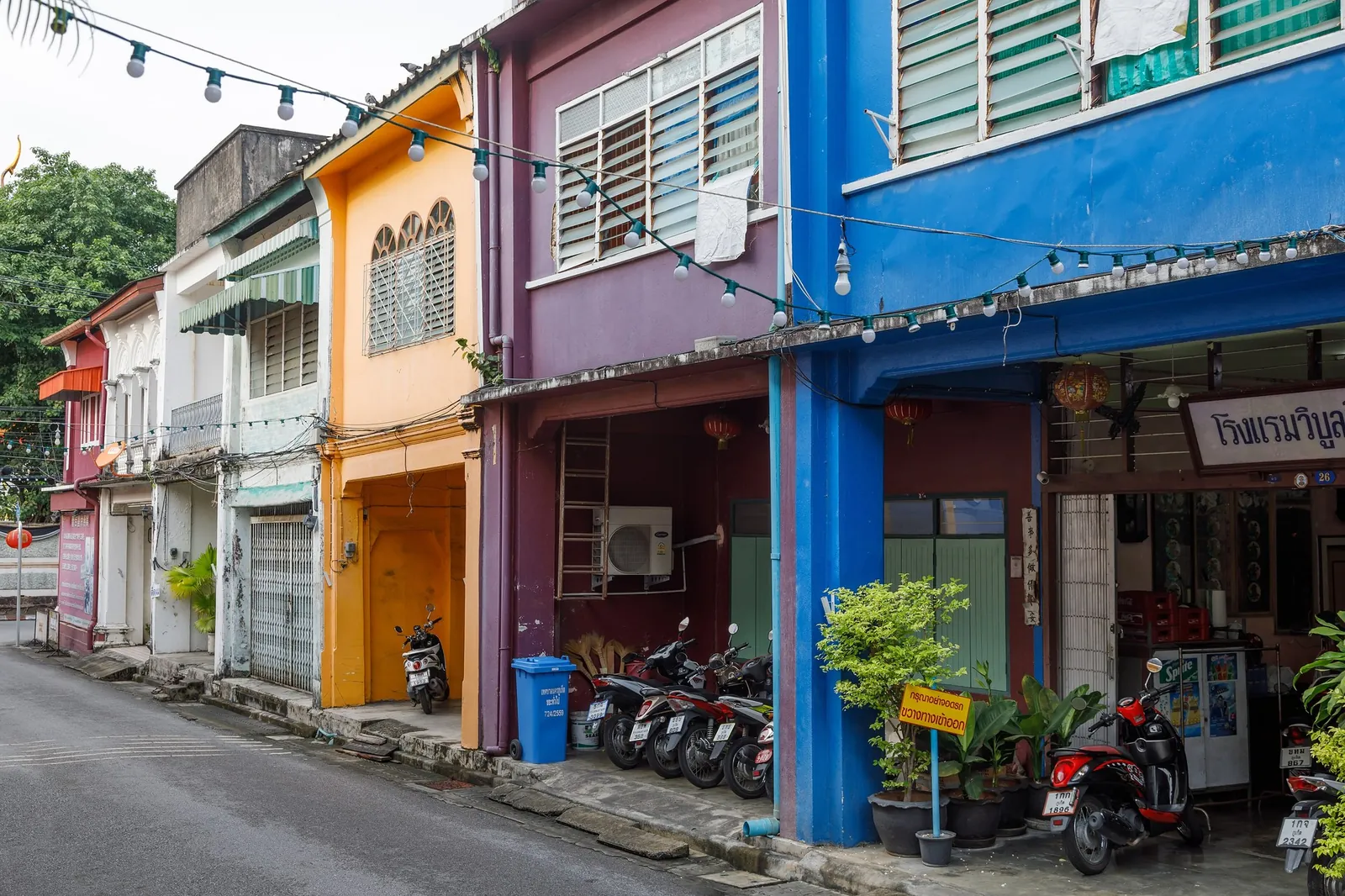
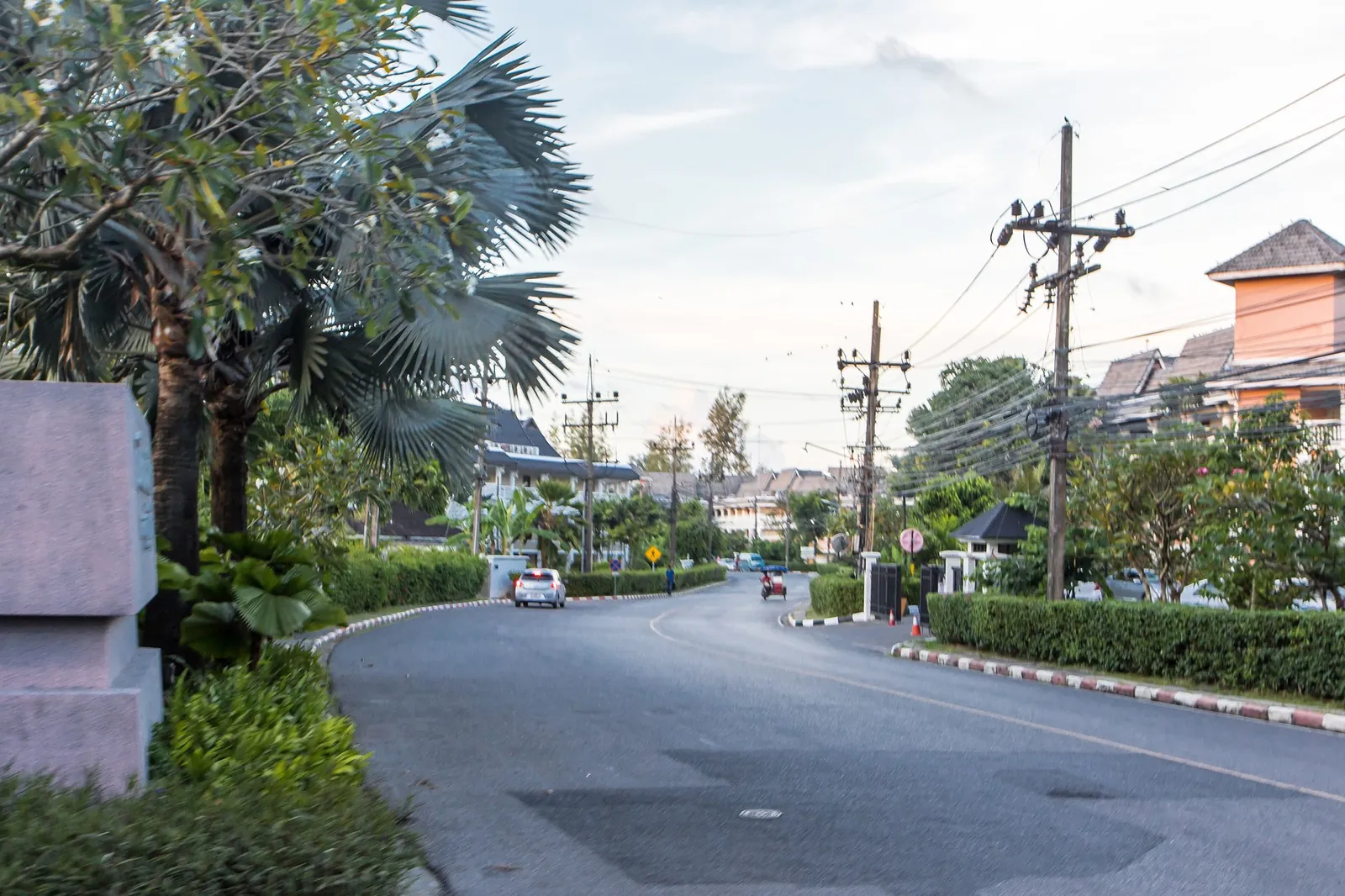
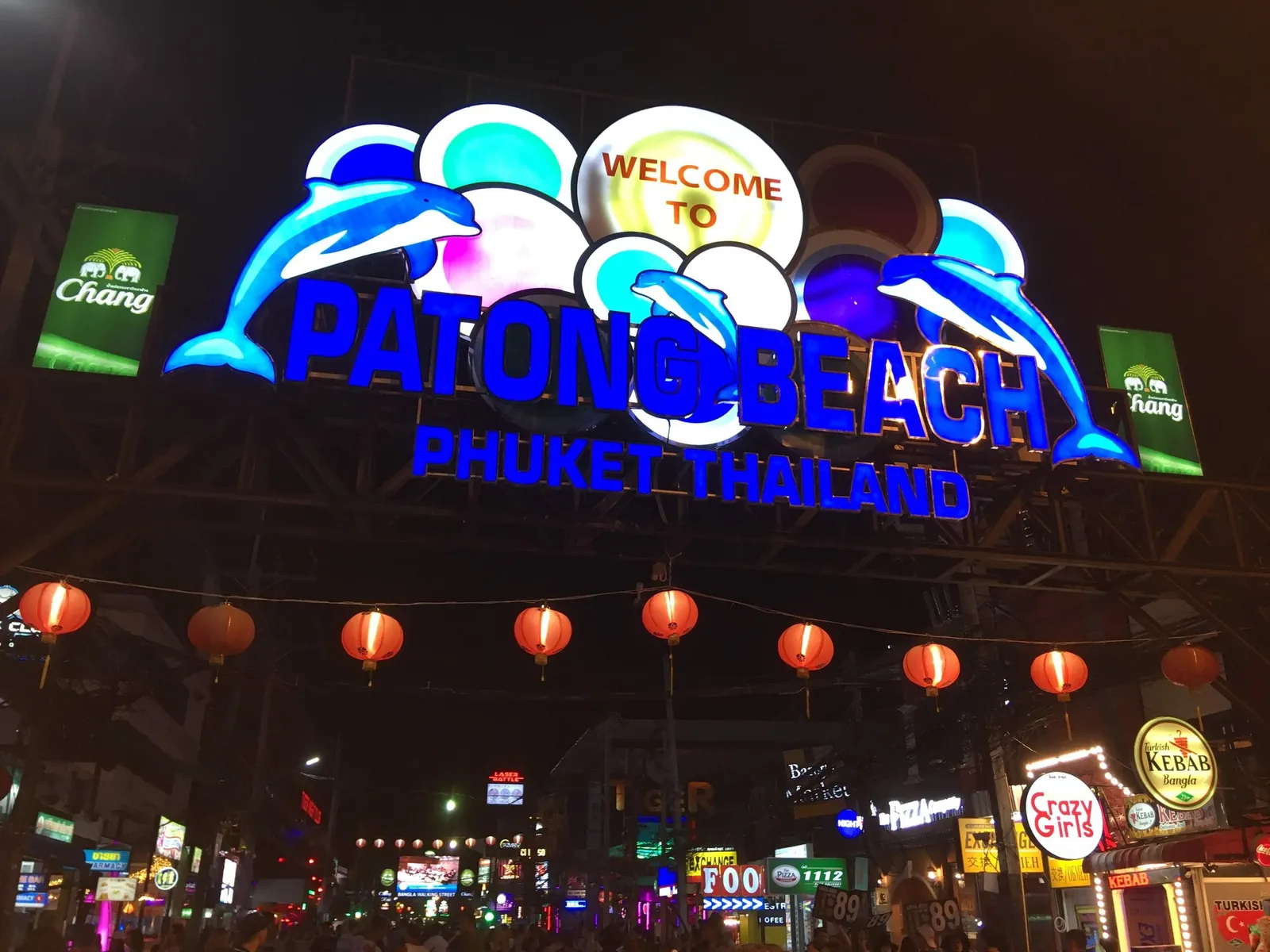
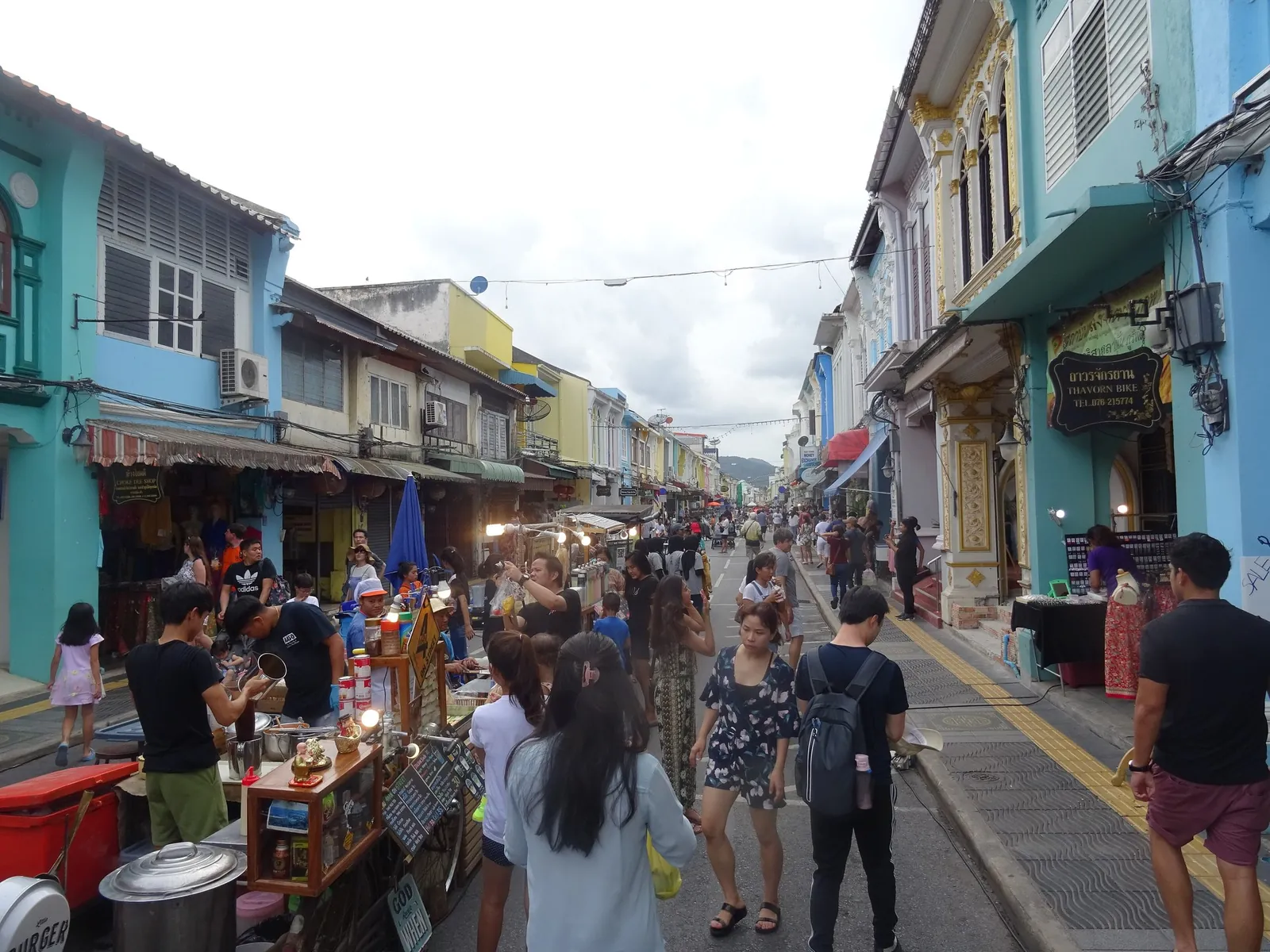
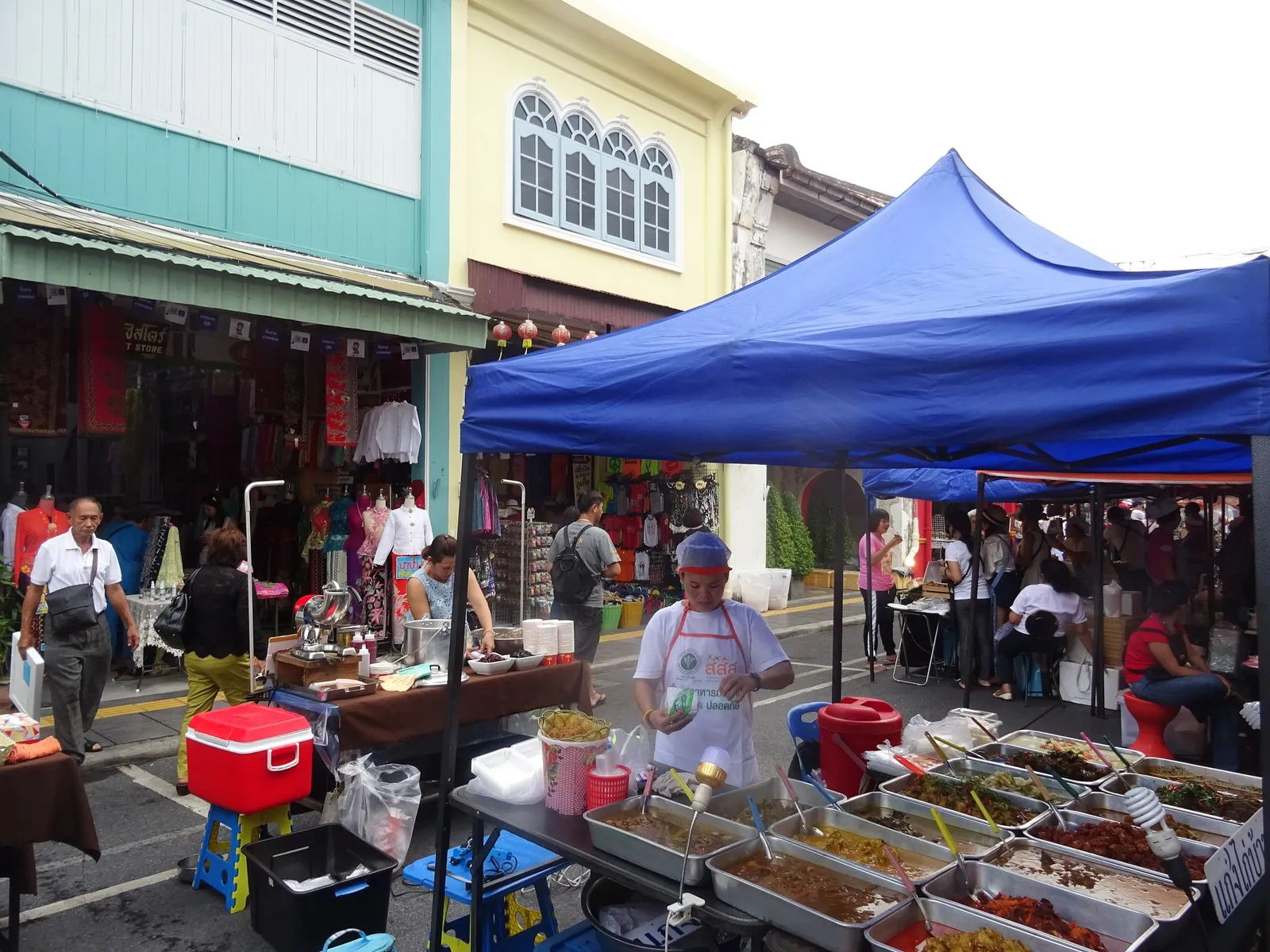
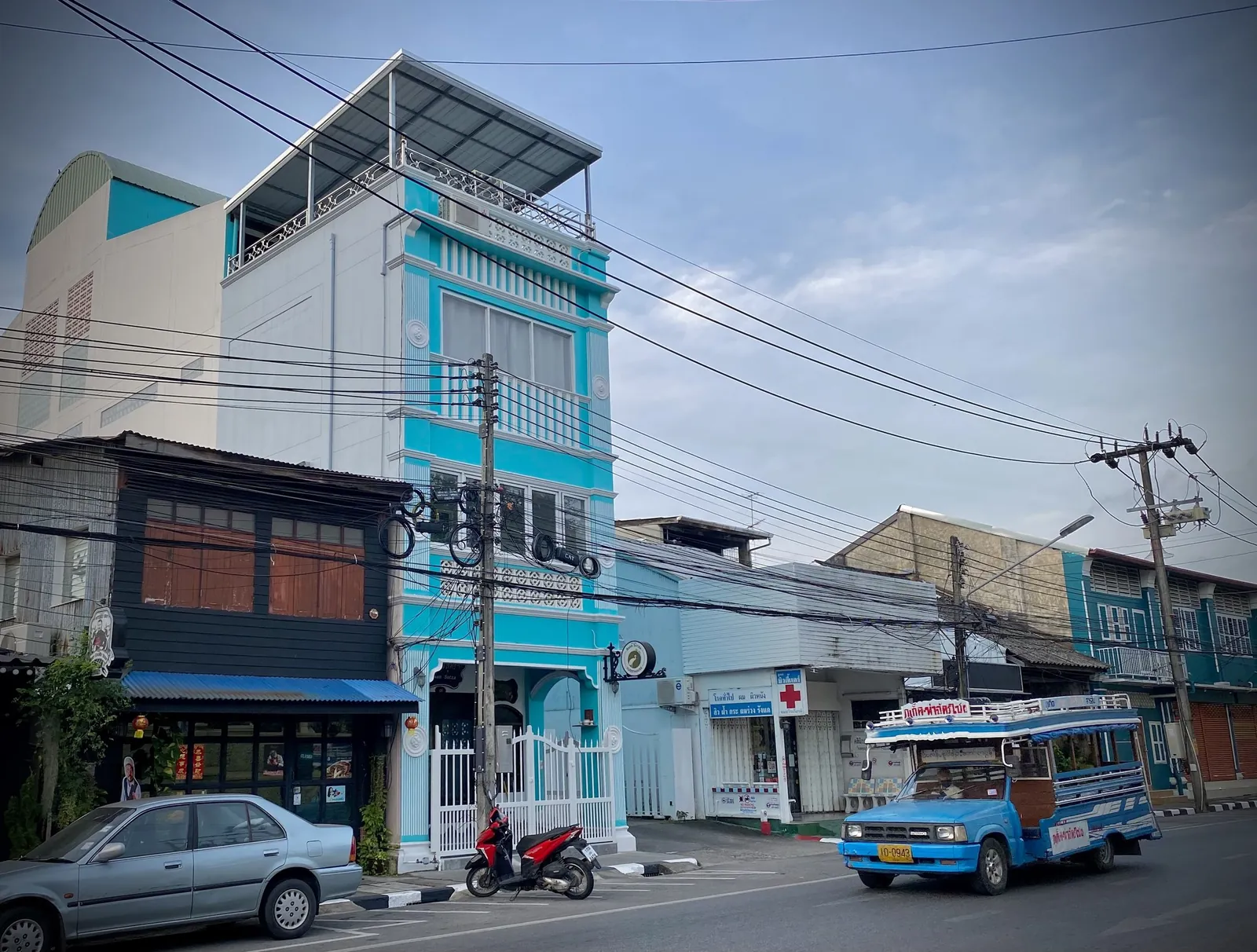
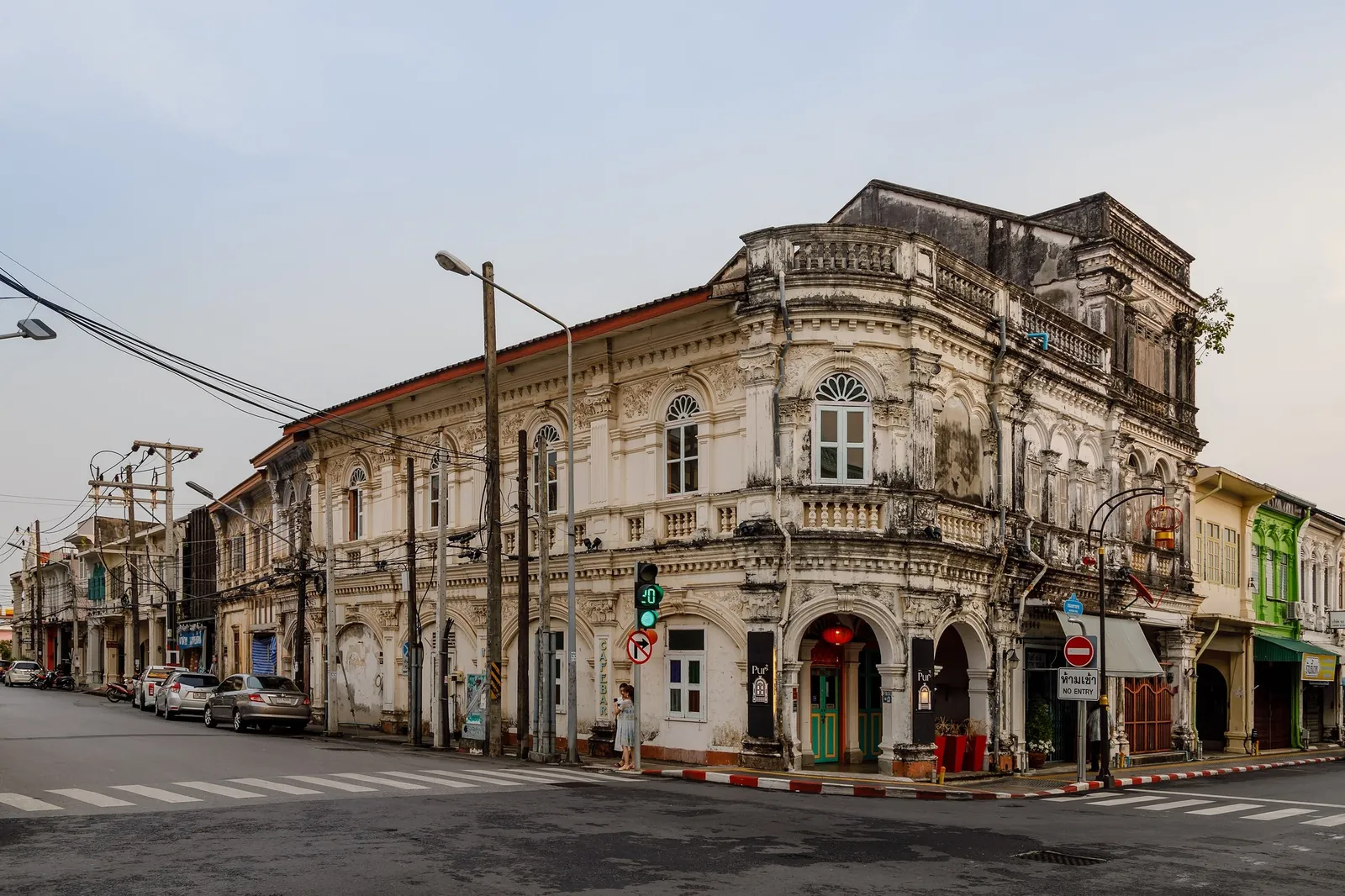
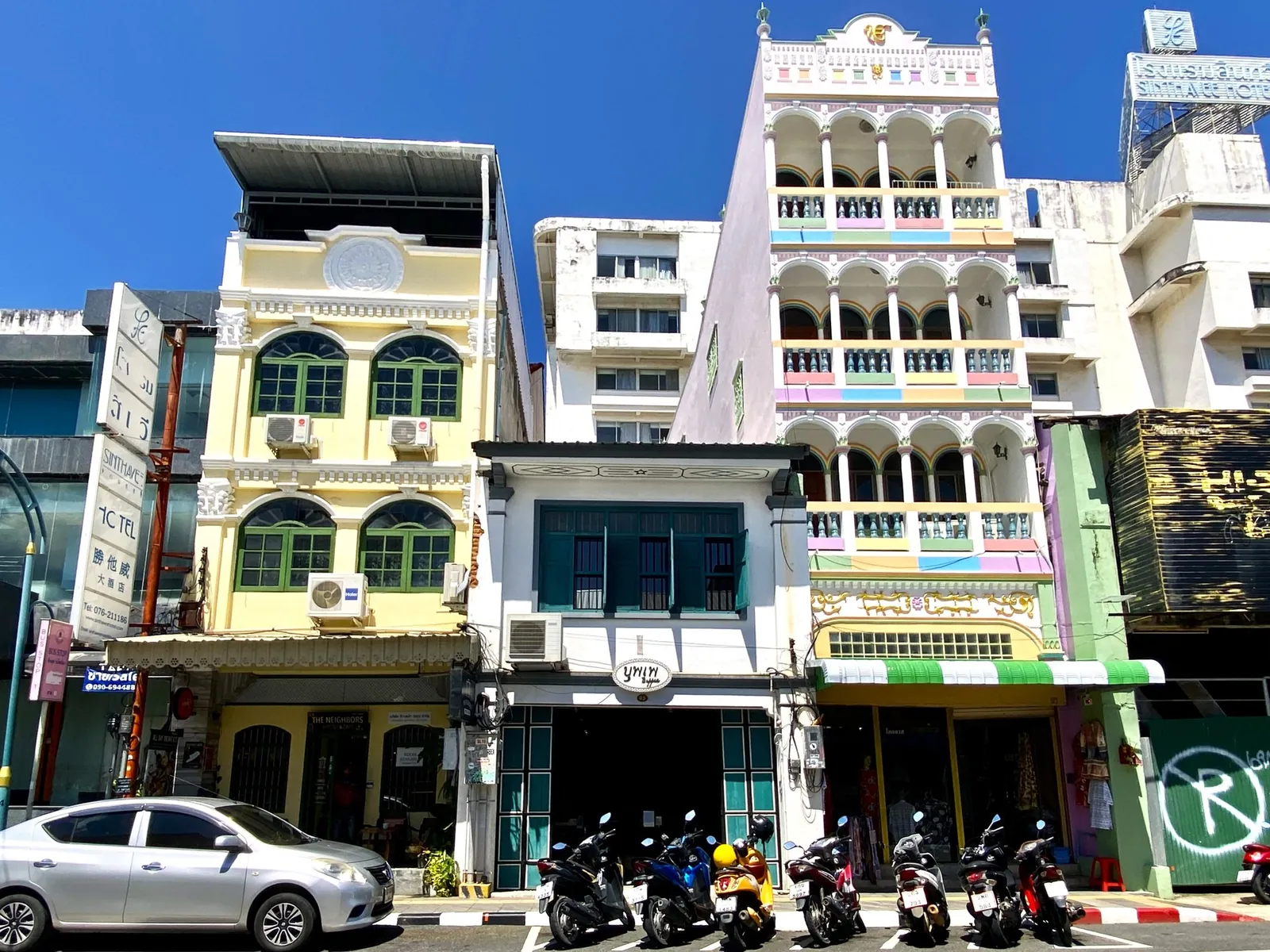

.jpg)


.jpg)


.jpg)
What does it cost to live in Phuket?
1-Bedroom Rent
$450-$900/month
Local Restaurant Meal
$3-$7 at local restaurants
Cup of Coffee
$2-$4
Estimated Monthly Total
$1,400-$2,800
Want a personalized estimate? Use our cost of living calculator
How good is healthcare in Phuket?
Phuket has several modern hospitals including Bangkok Hospital Phuket, Vachira Phuket Hospital, and Dibuk Hospital. Bangkok Hospital Phuket is the flagship facility on the island, with international-standard care, English-speaking staff, and departments covering most specialties. For highly specialized procedures, Bangkok is a short flight away. Health insurance is recommended, though many routine services are affordable out of pocket. Dental care is excellent and very affordable compared to Western countries.
What is daily life like in Phuket?
Retirement life on Phuket revolves around the outdoors. Many retirees start their day with a swim or beach walk, followed by coffee at a seaside cafe. Golf is extremely popular, with several world-class courses on the island. Sailing, fishing, and diving are available year-round. The island has a strong social scene centered around beach clubs, restaurants, and expat organizations. Weekend trips to nearby islands like Phi Phi or Phang Nga Bay add variety.
What is the climate like in Phuket?
Phuket has a tropical monsoon climate with two main seasons. The dry season (November-April) brings warm, sunny weather with temperatures of 27-33°C and low humidity--perfect beach weather. The wet season (May-October) sees regular rain, often in intense afternoon downpours, though sunny mornings are common. Temperatures remain warm year-round. Unlike Chiang Mai, Phuket does not suffer from burning season smoke.
| Month | High | Low | Rain |
|---|---|---|---|
| January | 33.0 °C | 25.0 °C | 50 mm |
| February | 34.0 °C | 25.4 °C | 24 mm |
| March | 34.4 °C | 25.9 °C | 81 mm |
| April | 34.2 °C | 26.3 °C | 135 mm |
| May | 33.2 °C | 26.1 °C | 237 mm |
| June | 32.6 °C | 25.8 °C | 249 mm |
| July | 32.3 °C | 25.6 °C | 240 mm |
| August | 32.2 °C | 25.6 °C | 309 mm |
| September | 31.8 °C | 25.1 °C | 350 mm |
| October | 31.8 °C | 24.9 °C | 336 mm |
| November | 32.1 °C | 25.2 °C | 178 mm |
| December | 32.1 °C | 25.0 °C | 82 mm |
Weather station: Phuket (1 km away). Source: WMO Climatological Normals 1991-2020 (NOAA NCEI)
What are the pros and cons of retiring in Phuket?
Pros
- Beautiful beaches and tropical scenery right at your doorstep
- Modern hospitals and international-standard healthcare
- International airport with connections across Asia
- Excellent dining, golf, and outdoor recreation
- No burning-season air quality issues like northern Thailand
Cons
- Higher cost of living than Bangkok or Chiang Mai
- Traffic can be heavy, especially in high season (Dec-Feb)
- Tourist crowds in popular beach areas
- Driving can be hazardous on hilly, winding roads
Who should retire in Phuket?
Retirees who want a beach-oriented lifestyle with modern amenities, good healthcare, and easy international travel access.
Which neighborhoods suit retirees in Phuket?
Rawai / Nai Harn
The southern tip of Phuket, home to the largest expat retiree community on the island. Quiet beaches, seafood restaurants along the pier, and condos for $400-$700/month. Less touristy than Patong. Close to Nai Harn Beach, regularly ranked among Thailand's best.
Chalong
Central Phuket residential area with easy access to both coasts. Houses and condos for $350-$600/month. Major shopping (Central Phuket, Tesco Lotus), Bangkok Hospital Phuket, and the main traffic circle are all nearby. Practical base for daily life.
Kamala / Surin
Mid-range west coast neighborhoods between Patong and the airport. Quieter beaches, upscale villa rentals from $600-$1,200/month. Growing expat community with several international restaurants. Best for retirees seeking beach lifestyle with some luxury.
Which hospitals serve retirees in Phuket?
Bangkok Hospital Phuket
JCI-accredited and the top private hospital on the island. Full international patient department with insurance coordination. Strong emergency and surgical departments. Located in Phuket Town, about 20-30 minutes from the western beaches.
Vachira Phuket Hospital
The main public hospital in Phuket Town. Lower cost than private options. Adequate for routine care and emergencies but longer wait times. English ability varies. Good option for retirees on a modest fixed income.
Facility details may change. Verify accreditation status and services directly with each hospital before making healthcare decisions.
What is the food scene like in Phuket?
Phuket's food scene combines fresh seafood, southern Thai cuisine, and international dining catering to its large tourism and expat population. The Rawai seafood market lets you buy fish, prawns, and crab direct from boats and have them cooked at adjacent restaurants for $5-$15 per person.
Local Thai food in Phuket Town's Old Town district is excellent and cheap: mee hokkien, oh tao, and roti are Phuket specialties at $1-$3 per dish. For Western food, Rawai and Chalong have Italian, German, and Scandinavian restaurants reflecting the European expat population, with mains at $8-$15. Supermarkets include Makro, Big C, and the Villa Market at Central Phuket for imported goods.
Is retiring in Phuket right for you?
Take our free 3-minute retirement quiz to see how life in Phuket, Thailand, compares to other destinations based on your preferences, budget, and needs.
Take the Retirement QuizFrequently Asked Questions About Retiring in Phuket
Where is the best area in Phuket for retirees to live?
Rawai and Nai Harn in the south are the most popular areas for retirees. They offer a quieter atmosphere, good restaurants, a local market, and proximity to beautiful beaches without the tourist chaos of Patong. Kamala and Bang Tao on the west coast are also excellent, slightly more upscale options.
Do I need a car to live in Phuket?
Yes, a car or motorbike is essential in Phuket as there is no public transit system. Most retirees rent or buy a car. Grab ride-hailing is available but can be expensive for daily use. Roads are generally good but can be steep and winding in places.
How does Phuket compare to Chiang Mai for retirement?
Phuket offers beach living, better air quality year-round, and a more resort-like atmosphere, but at a higher cost. Chiang Mai is more affordable, has a cooler climate, and a larger expat community, but suffers from air pollution in spring. The choice depends on whether you prefer mountains or beaches and your budget.
Sources & References
- Numbeo, Cost of living index and price data for Phuket: rent, groceries, restaurants, and transportation
- Bangkok Hospital Phuket, Facility services, international patient programs, and accreditation status in Phuket
- Thai Immigration Bureau, Visa requirements and retirement extension procedures applicable to Phuket residents
- Tourism Authority of Thailand: Phuket, Regional tourism data, infrastructure developments, and visitor statistics for Phuket