
City Retirement Guide
Retire in Ho Chi Minh City, Vietnam
Dynamic metropolis with extraordinary value for money
What are the key facts about retiring in Ho Chi Minh City?
- Elevation & setting
- ~19 m, delta plain on the Saigon River, ~60 km inland from the South China Sea
- Climate
- Coolest month January 23–32°C, hottest May 26–35°C; 1,653 mm of rain a year, most in September (daily low to high, 1991–2020)
- Nearest international airport
- Tan Son Nhat International (SGN), ~6 km north of District 1 inside the city
- Nearest major hospital
- FV Hospital (District 7, Phu My Hung), French-standard; Vinmec Central Park in Binh Thanh
- Primary retirement visa
- No formal retirement visa; retirees use DL tourist visas, DT4 investor visas (annual renewal), TT family visas, or the 2025 10-year Golden Visa programme
- Language environment
- Vietnamese primary; English widely used in District 1, District 2 (Thao Dien/Thu Duc) and Phu My Hung; French at FV Hospital
Vietnam taxes worldwide income for individuals resident 183+ days per tax year, so retirees on stacked DL or DT visas must monitor day counts carefully to avoid becoming tax-resident on overseas pensions.
What is retirement like in Ho Chi Minh City?
Ho Chi Minh City sits in the Saigon River delta at roughly 19 metres average elevation, about 60 kilometres inland from the South China Sea at its nearest coast. Tan Son Nhat International Airport (IATA: SGN) is only 6 kilometres north of District 1 inside the urban footprint, making it one of the closest major international airports to a city centre in Southeast Asia. FV Hospital in District 7 (Phu My Hung) is the only French-standard multi-speciality hospital in southern Vietnam, while most foreign retirees cluster in Thao Dien (District 2/Thu Duc City) or around Le Thanh Ton in District 1.
For retirees, the key to enjoying HCMC is choosing the right district. District 2 (Thao Dien) is the expat heartland, with leafy streets, international restaurants, Western supermarkets, and a village-like community atmosphere despite being in a major city. District 7 (Phu My Hung) is a master-planned township with wide streets, parks, and a large Korean and Japanese expat community. District 1 is the bustling center with colonial landmarks, riverside promenades, and nightlife.
HCMC offers the best healthcare in southern Vietnam, excellent international connectivity via Tan Son Nhat Airport, and a vibrant food and culture scene. The cost of living is remarkably low--retirees living comfortably here spend a fraction of what they would in virtually any Western city. The trade-off is the noise, heat, and traffic that come with any megacity.
What does it really look like in Ho Chi Minh City?
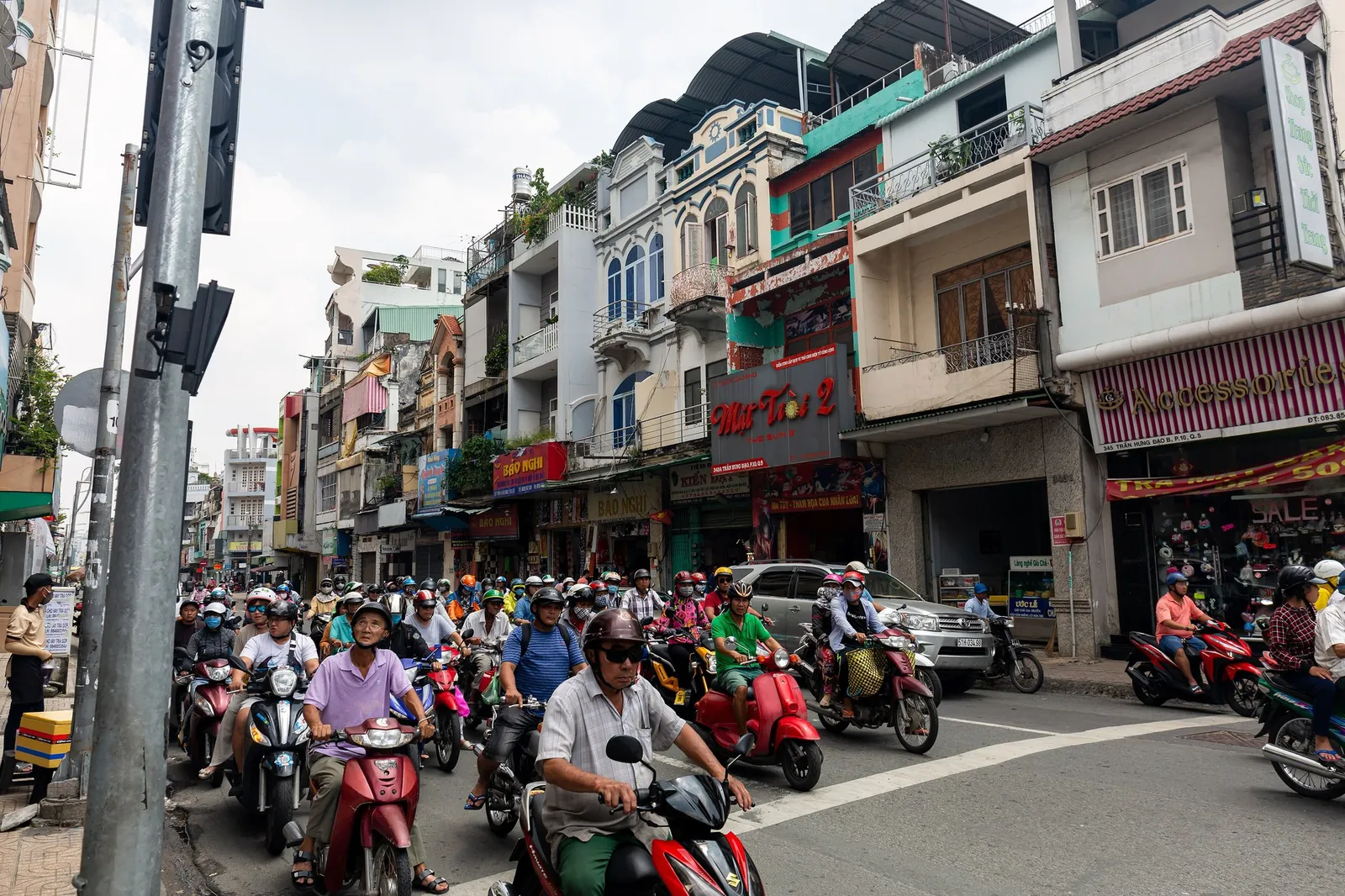
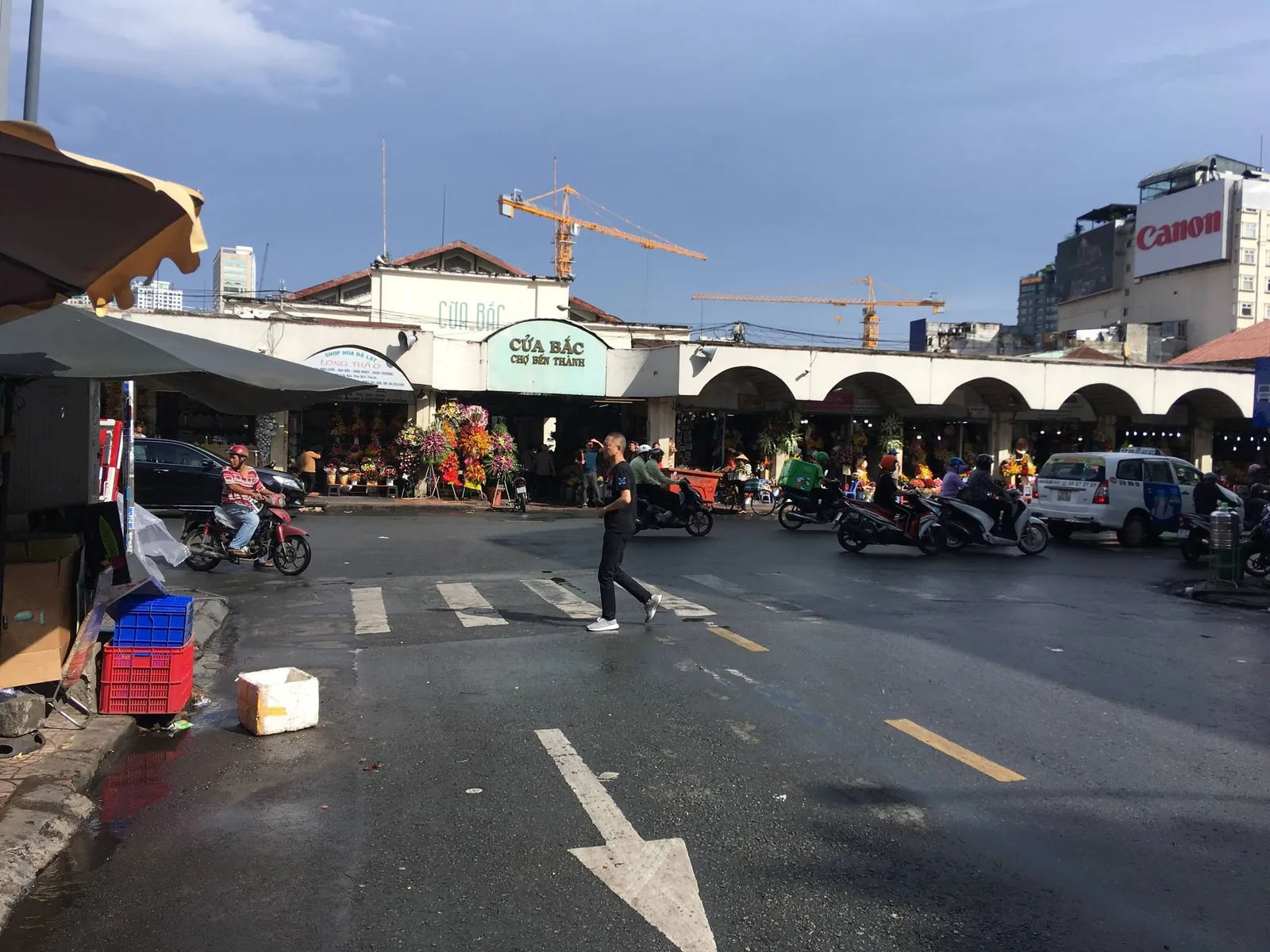
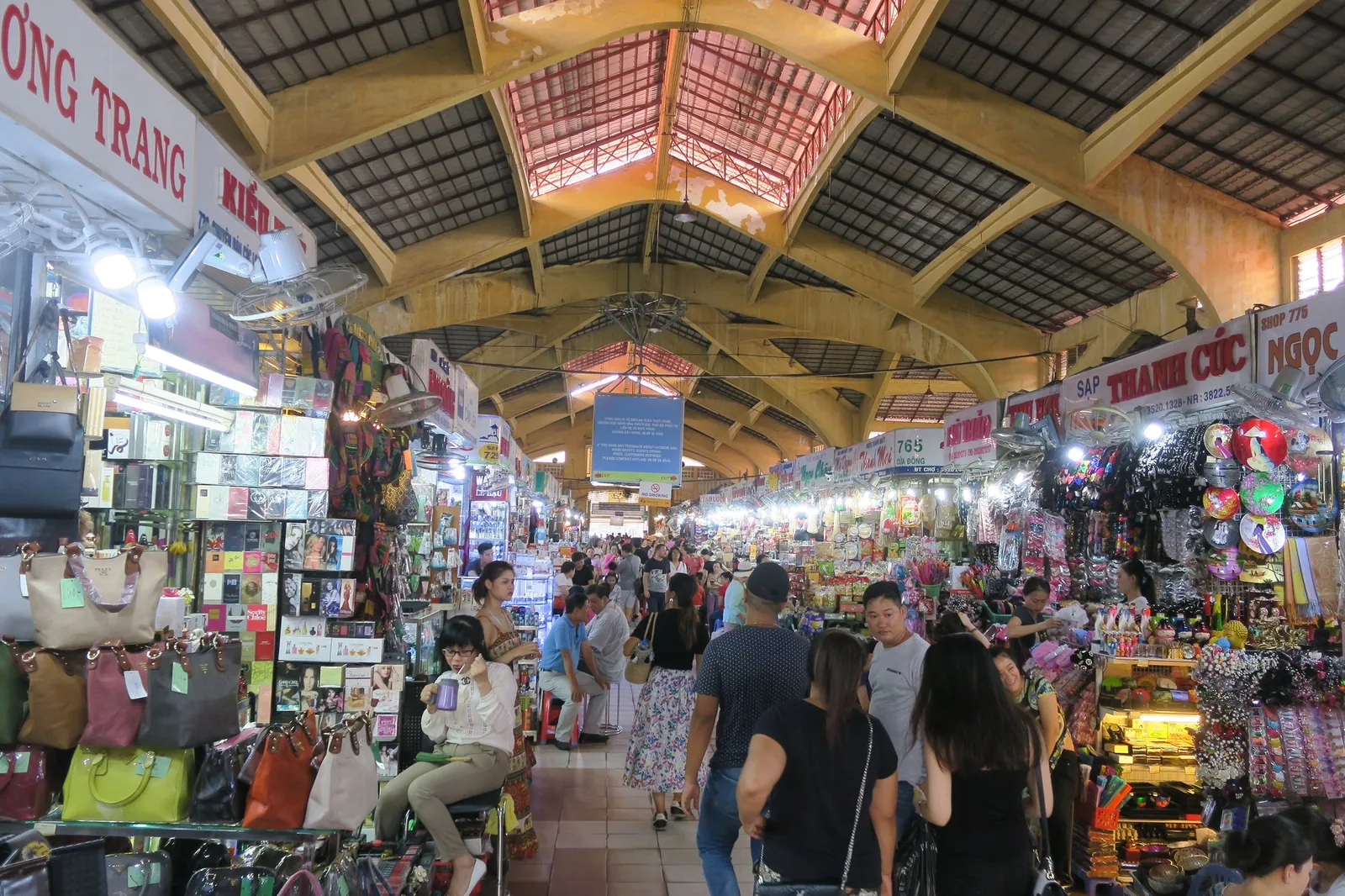
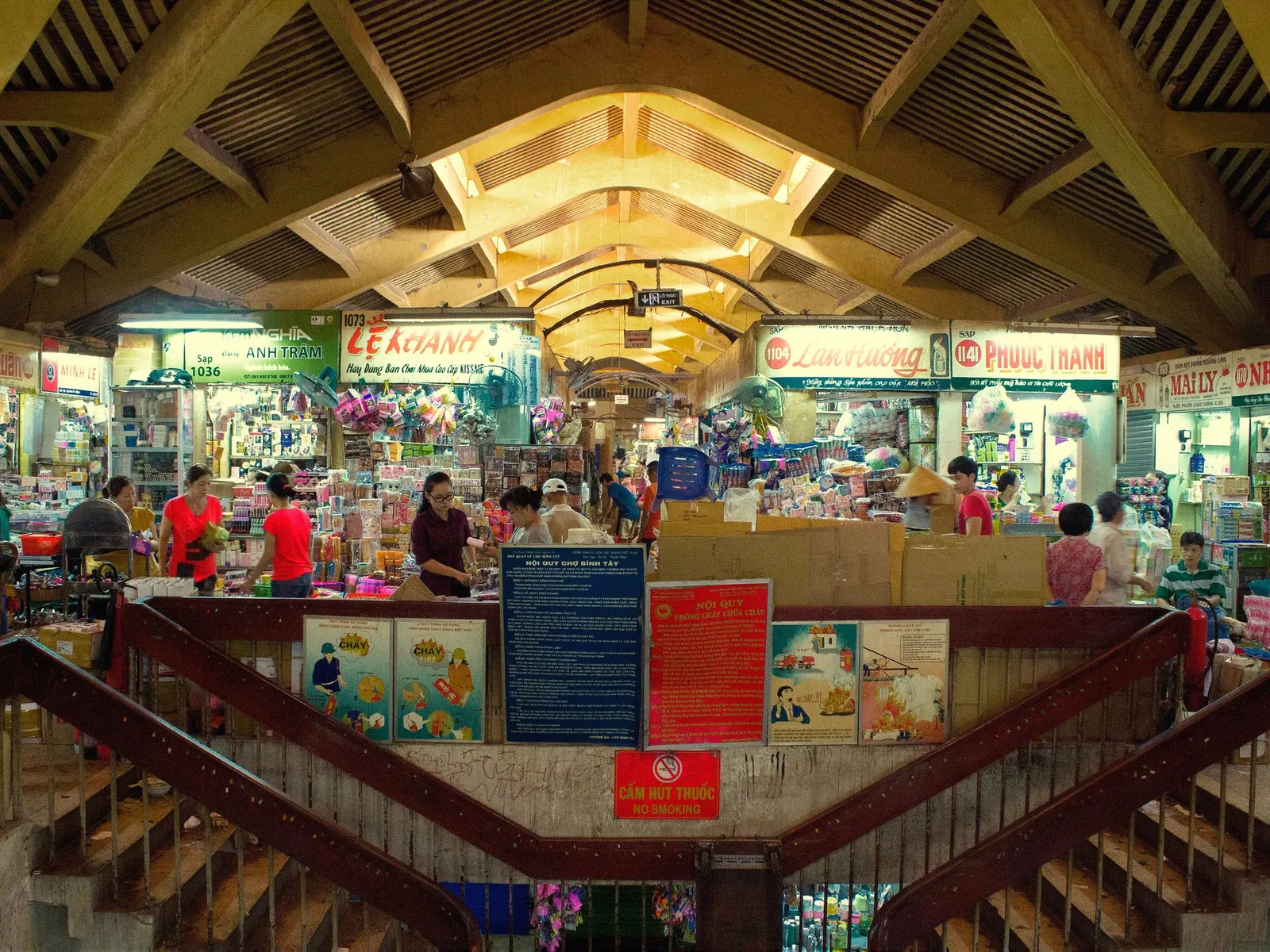
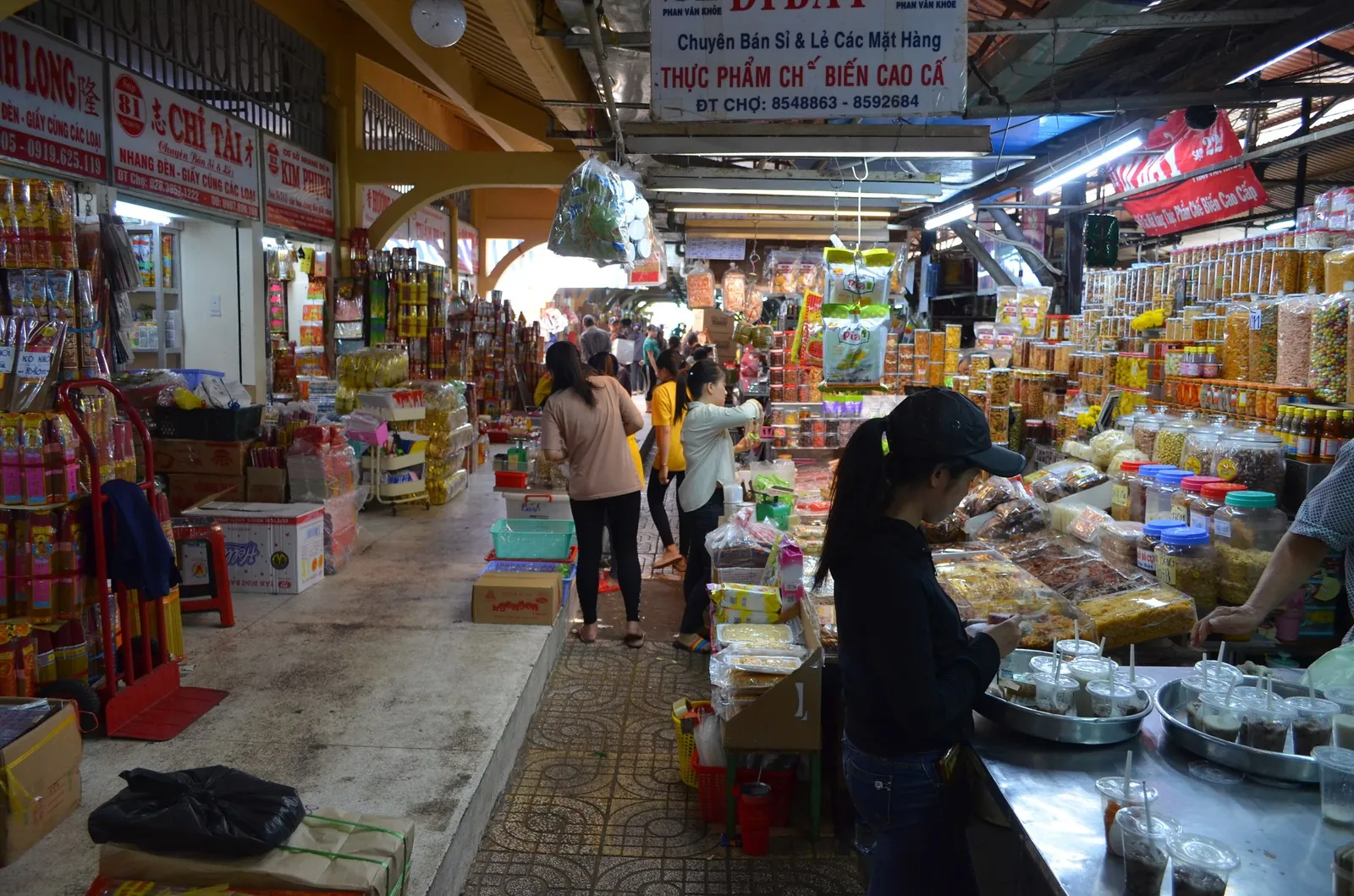
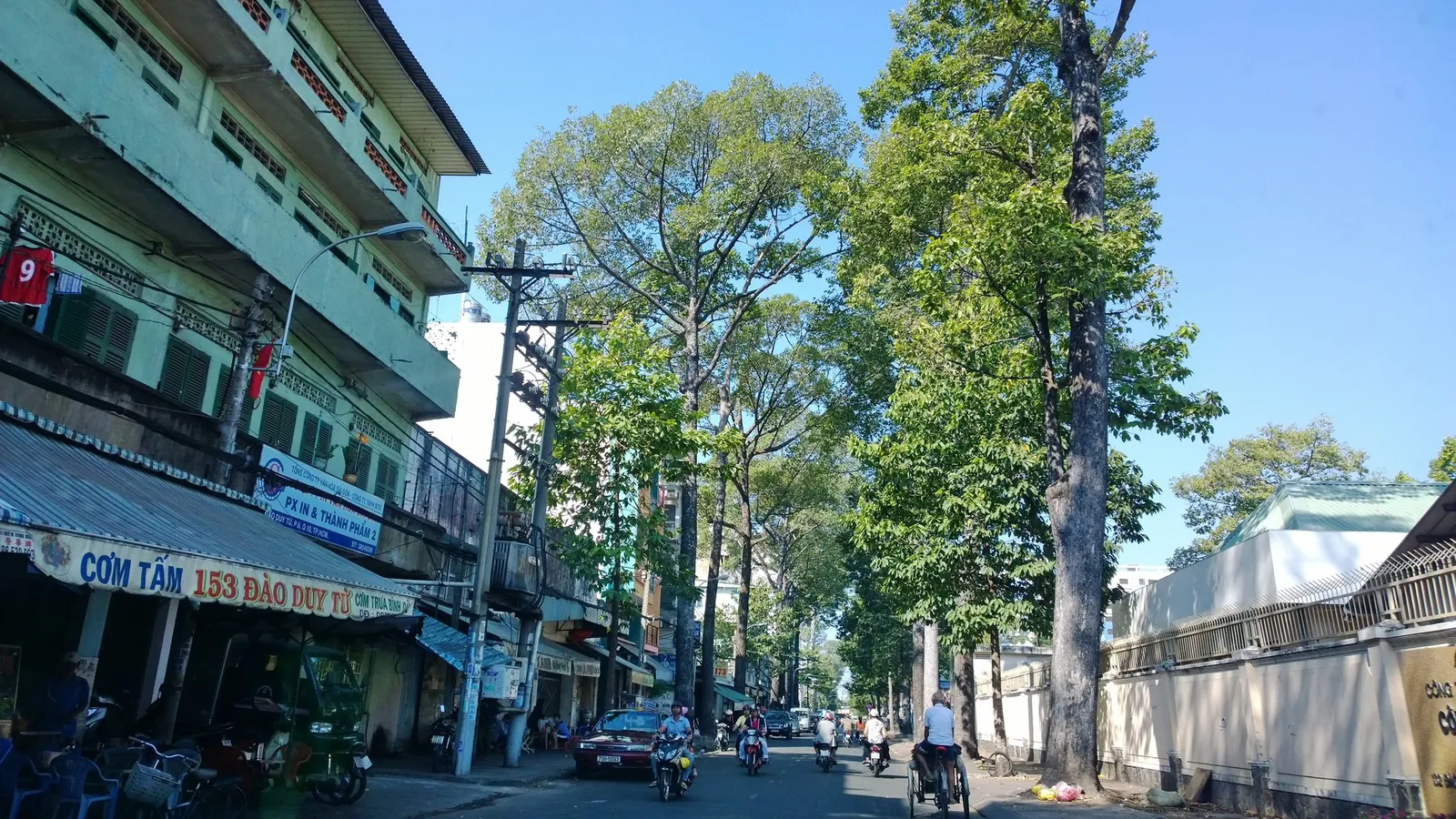
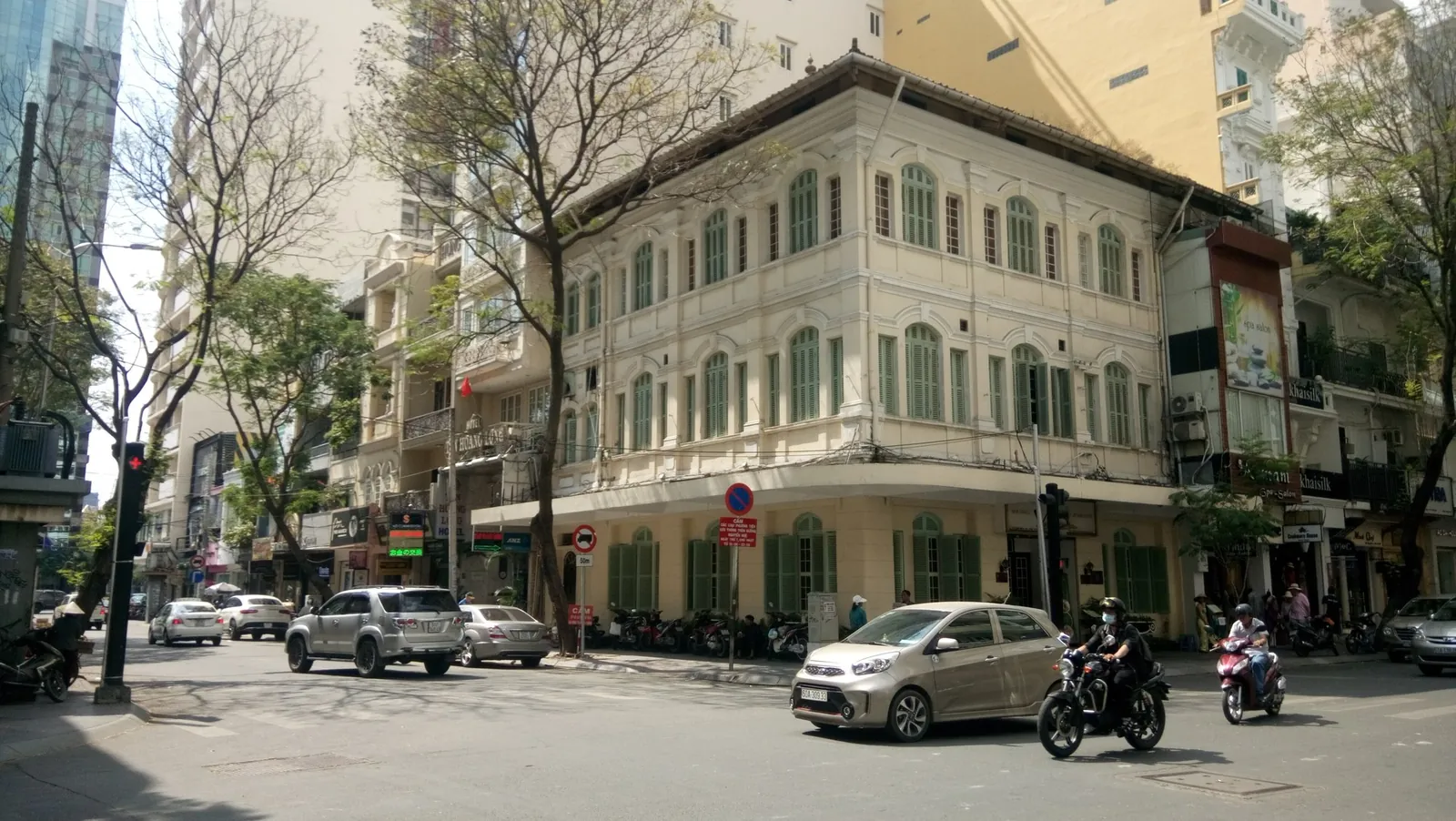
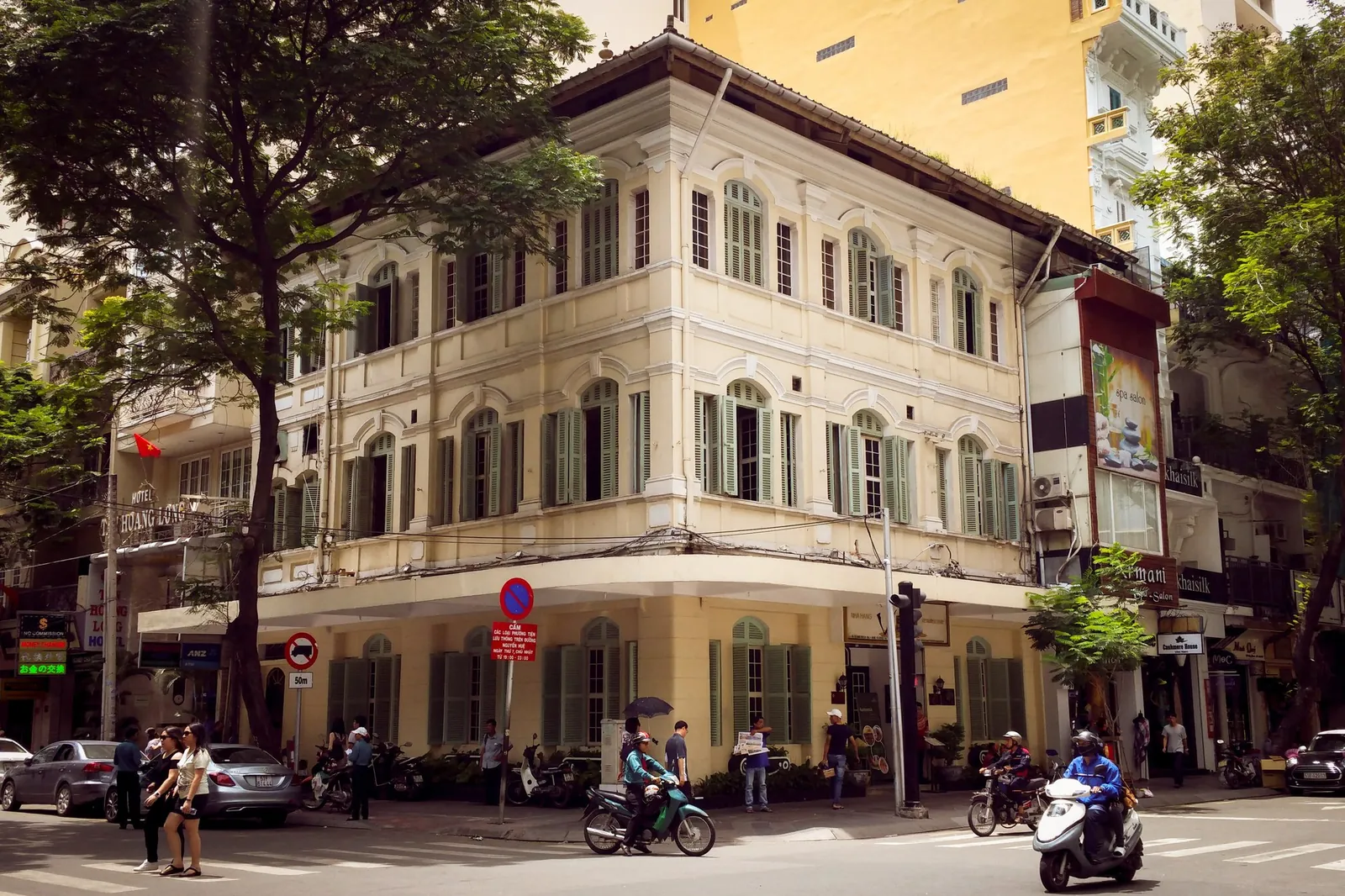
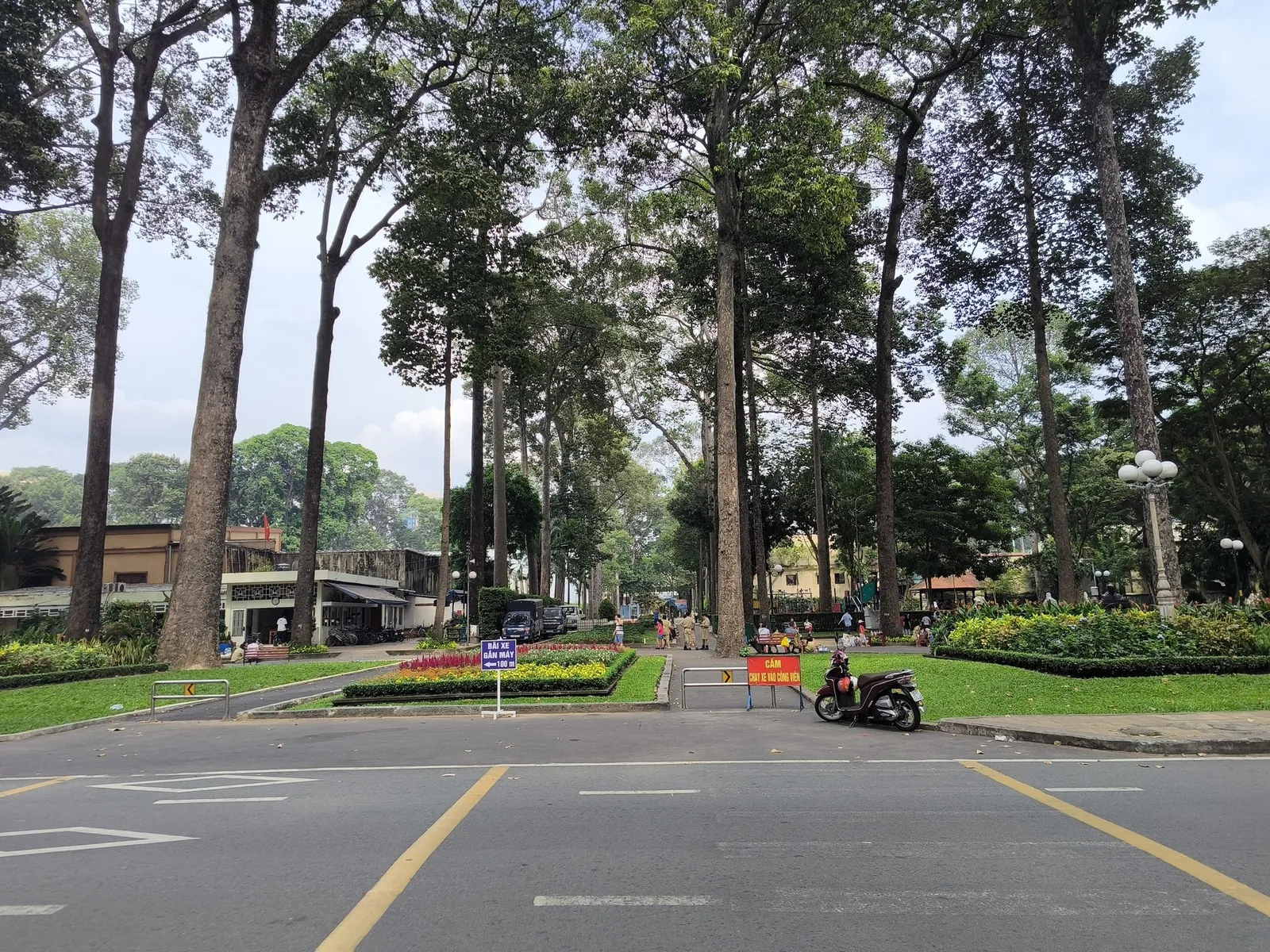
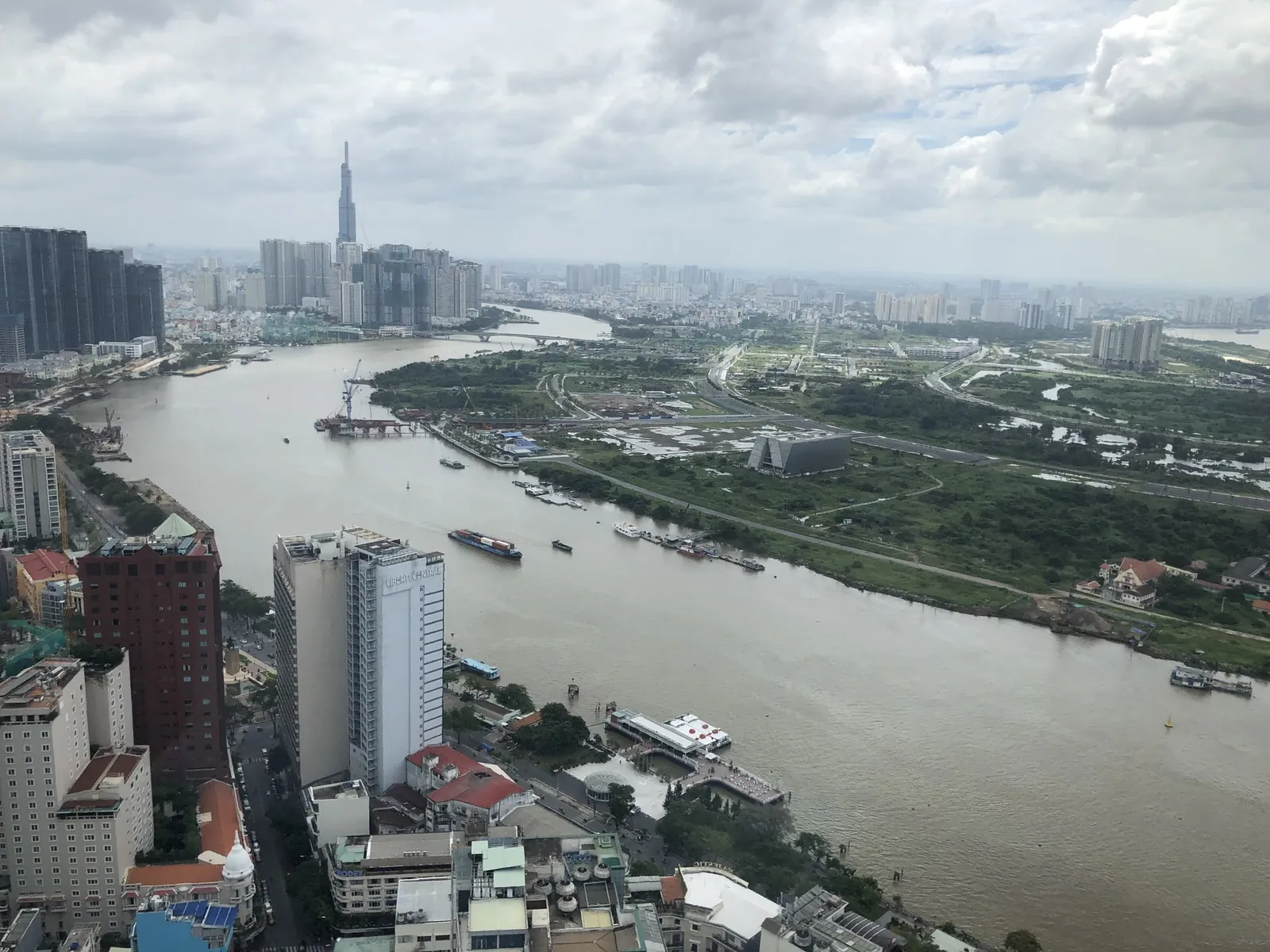
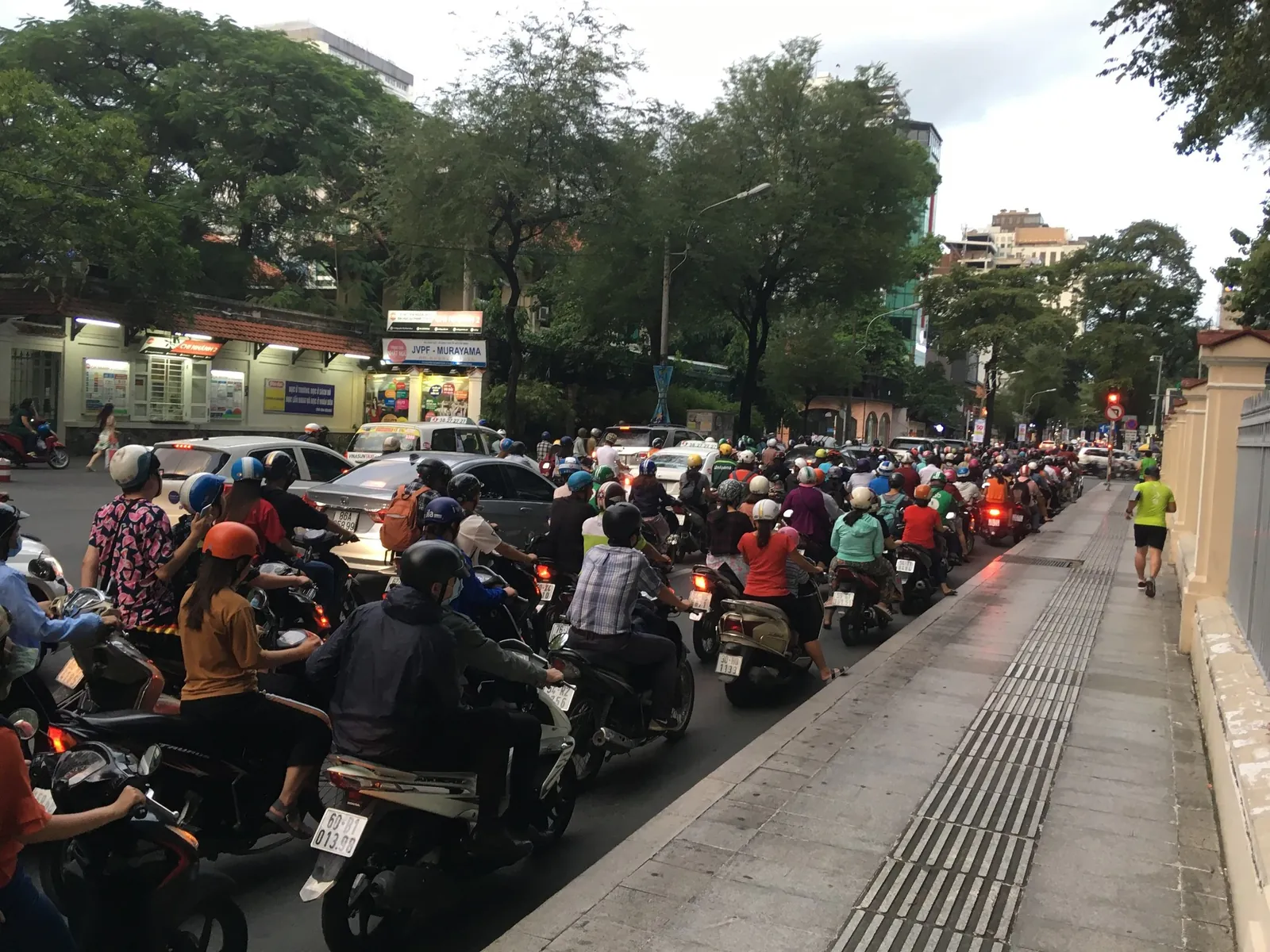
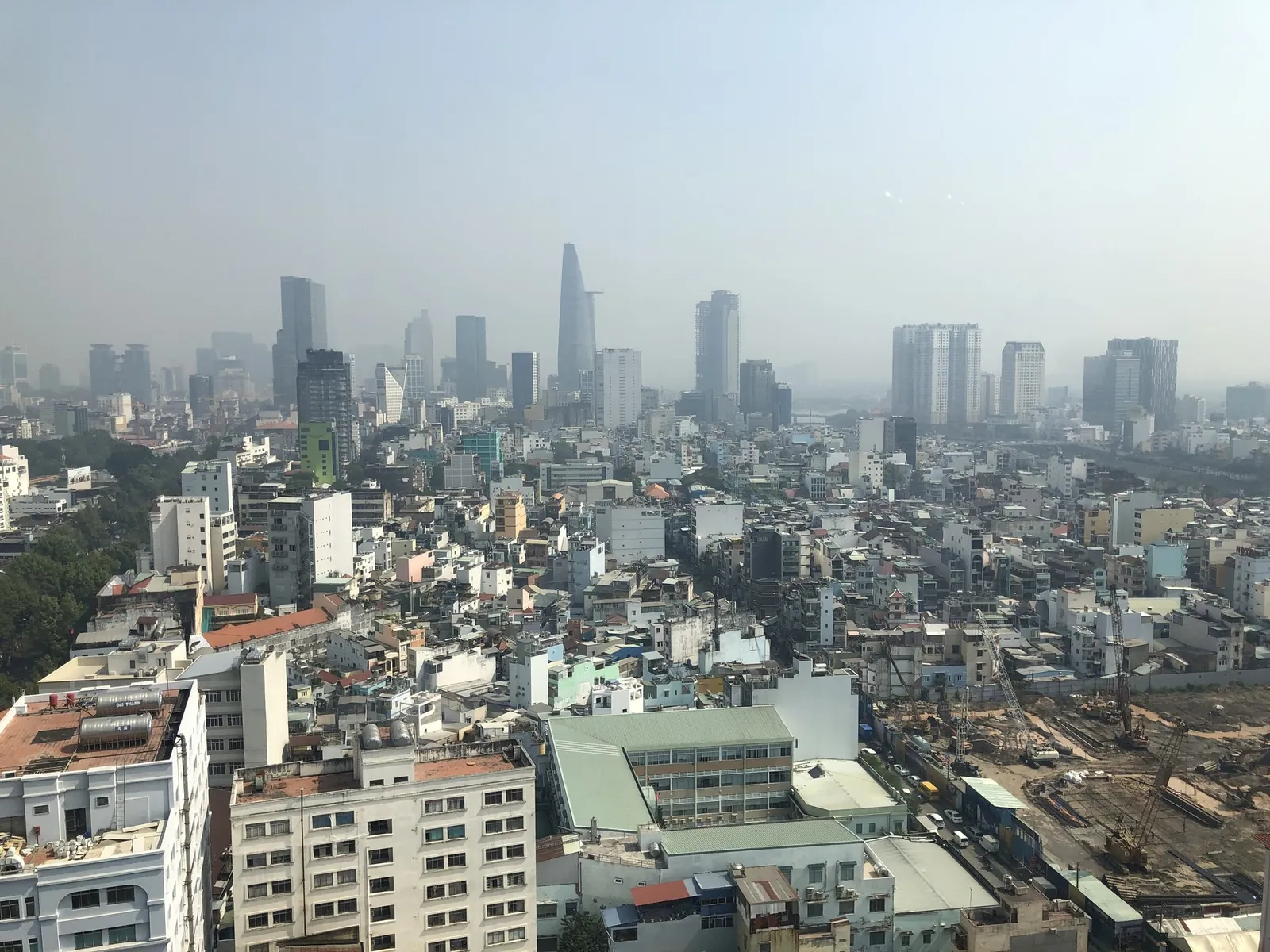
Authentic, unedited photos of Ho Chi Minh City by residents and visitors, taken on ordinary days rather than chosen by a tourist board. Each one shows when it was taken. Browse photos of 105 cities →


.jpg)

.jpg)


.jpg)


The other side

.jpg)
What does it cost to live in Ho Chi Minh City?
1-Bedroom Rent
$350-$700/month
Local Restaurant Meal
$1-$4 at local restaurants
Cup of Coffee
$0.50-$2.50
Estimated Monthly Total
$900-$1,700
Want a personalized estimate? Use our cost of living calculator
How good is healthcare in Ho Chi Minh City?
HCMC has the best healthcare in southern Vietnam. FV Hospital (French-Vietnamese Hospital), Vinmec Central Park, and Columbia Asia International Clinic offer care approaching international standards with English-speaking doctors. FV Hospital is particularly popular with expatriates for its French management and transparent pricing. Dental care is excellent and very affordable. For highly specialized care, Singapore and Bangkok are short flights away. Health insurance is essential.
What is daily life like in Ho Chi Minh City?
HCMC offers an intense, sensory-rich lifestyle. The food scene is extraordinary--from street-side pho to upscale rooftop restaurants. The city has excellent museums, galleries, and performing arts venues. District 2's Thao Dien neighborhood has farmers' markets, yoga studios, and riverside cafes that create a surprisingly relaxed enclave within the city. The expat social scene is vibrant, with regular meetups, sports clubs, and cultural events. Weekend trips to the Mekong Delta, Vung Tau beach, or Cu Chi Tunnels add variety.
What is the climate like in Ho Chi Minh City?
HCMC has a tropical climate with a dry season (December-April) and wet season (May-November). Temperatures are consistently warm at 25-35°C year-round. The wet season brings heavy afternoon downpours that can cause flooding in low-lying areas, but mornings are usually dry. Humidity is high year-round. Unlike central Vietnam, HCMC is not significantly affected by typhoons.
| Month | High | Low | Rain |
|---|---|---|---|
| January | 32.0 °C | 23.4 °C | 12 mm |
| February | 32.7 °C | 23.1 °C | 8 mm |
| March | 33.6 °C | 24.9 °C | 18 mm |
| April | 34.5 °C | 26.4 °C | 57 mm |
| May | 34.9 °C | 26.4 °C | 202 mm |
| June | 33.5 °C | 25.5 °C | 224 mm |
| July | 33.0 °C | 25.2 °C | 231 mm |
| August | 32.9 °C | 25.1 °C | 219 mm |
| September | 32.6 °C | 25.0 °C | 273 mm |
| October | 32.3 °C | 25.0 °C | 240 mm |
| November | 32.4 °C | 24.9 °C | 128 mm |
| December | 31.6 °C | 23.9 °C | 41 mm |
Weather station: Tan Son Hoa, Ho Chi Minh City (5.1 km away). Source: Viet Nam Meteorological and Hydrological Administration (WMO World Weather Information Service)
What are the pros and cons of retiring in Ho Chi Minh City?
Pros
- Extraordinarily low cost of living for a world-class city
- Excellent hospitals and dental care
- Vibrant food, culture, and nightlife scene
- Large and active expat community, especially in District 2
- Major international airport with connections worldwide
Cons
- Constant noise and motorbike traffic can be overwhelming
- No retirement visa--visa management required
- Air pollution, especially during dry season
- Heat and humidity are relentless year-round
Who should retire in Ho Chi Minh City?
Energetic retirees who thrive in bustling urban environments, love Vietnamese food and culture, and want maximum value for their retirement budget.
Which neighborhoods suit retirees in Ho Chi Minh City?
District 2 (Thao Dien)
The premier expat neighborhood in Ho Chi Minh City with tree-lined streets, international schools, and a vibrant cafe and restaurant scene. One-bedroom apartments rent for $500-900/month. Popular with families and retirees who want a Western-friendly environment with excellent amenities nearby.
District 7 (Phu My Hung)
A planned township in the south of the city with wide boulevards, parks, and a large Korean and Japanese expat community. Rent ranges $400-750/month for one-bedrooms. Feels like a separate city: clean, orderly, and quieter than the center, with malls, clinics, and international restaurants.
Binh Thanh (near District 1)
A rapidly developing district adjacent to the city center offering more affordable rents of $300-600/month while maintaining proximity to District 1's attractions. The Vinhomes Central Park complex is a popular choice for expats seeking modern amenities and riverside living.
Which hospitals serve retirees in Ho Chi Minh City?
FV Hospital (Franco-Vietnamese Hospital)
One of the most respected private hospitals in southern Vietnam, founded with French medical standards. Strong in cardiology, orthopedics, oncology, and emergency medicine. English and French spoken by medical staff. JCI-accredited; check current accreditation status for the latest certification.
Vinmec International Hospital (District 9)
A modern private hospital in the Vinmec chain with advanced diagnostic equipment and comfortable patient rooms. Offers health screenings, general practice, and specialty services. English-speaking staff available. Part of Vingroup's nationwide healthcare network.
Cho Ray Hospital
The largest public hospital in southern Vietnam with over 1,800 beds. A major referral center for complex surgeries and treatments. Very affordable but can be crowded with long wait times. Limited English; a translator or Vietnamese-speaking companion is recommended for non-emergency visits.
Facility details may change. Verify accreditation status and services directly with each hospital before making healthcare decisions.
What is the food scene like in Ho Chi Minh City?
Ho Chi Minh City is one of Asia's great food capitals, offering everything from 50-cent street food to world-class fine dining. District 1 is the epicenter: Ben Thanh Market's food stalls serve pho, banh xeo (crispy crepes), and fresh spring rolls for $1-3. The surrounding streets are a crawl of banh mi vendors, with Banh Mi Huynh Hoa on Le Thi Rieng Street drawing daily queues for its legendary overstuffed sandwiches.
Thao Dien in District 2 has the densest concentration of expat-oriented restaurants. The Deck offers fine dining on the Saigon River ($15-30 entrees), while Anan Saigon by chef Peter Cuong Franklin reimagines Vietnamese street food with a modern twist. Pizza 4P's, originally from Japan, has become an institution across the city. Japanese, Korean, Indian, and Italian restaurants are plentiful, with most meals running $6-15.
For everyday eating, com binh dan (people's restaurants) serve rice with a choice of stews, grilled meats, and vegetables for $1-2 per plate. The Bui Vien backpacker area, while touristy, has cheap beer and street food. District 5's Chinatown (Cholon) is the place for dim sum, roast duck, and Chinese-Vietnamese fusion dishes at $3-8 per person.
Is retiring in Ho Chi Minh City right for you?
Take our free 3-minute retirement quiz to see how life in Ho Chi Minh City, Vietnam, compares to other destinations based on your preferences, budget, and needs.
Take the Retirement QuizFrequently Asked Questions About Retiring in Ho Chi Minh City
Which district should I live in as a retiree in HCMC?
District 2 (Thao Dien) is the top choice for Western retirees, with its leafy streets, international amenities, and community atmosphere. District 7 (Phu My Hung) is more planned and orderly, popular with families and Asian expats. District 1 is central and exciting but noisier. District 3 offers a more authentic Vietnamese experience with local charm.
Is the traffic in HCMC dangerous?
The traffic is chaotic but follows its own logic. Millions of motorbikes create a seemingly endless flow, but speeds are generally low. Most retirees avoid driving themselves, using Grab (ride-hailing) instead. Crossing the street requires confidence--walk slowly and steadily, and traffic will flow around you. It is intimidating at first but becomes second nature.
How affordable is HCMC really?
Very affordable. A comfortable retiree lifestyle in District 2 costs $1,200-$1,800 per month, including a nice apartment, eating out daily, a gym membership, and regular social activities. Street food meals cost $1-$2. A craft beer at a trendy bar is $3-$4. Even upscale dining rarely exceeds $15-$20 per person. It is one of the best value cities in the world.
Sources & References
- Numbeo, Cost of living index and price data for Ho Chi Minh City: rent, groceries, restaurants, and transportation
- FV Hospital Ho Chi Minh City, Facility services, international patient programs, and JCI accreditation status in HCMC
- Vietnam Immigration Department, Visa requirements, temporary residence cards, and extension procedures applicable to HCMC residents
- WHO Vietnam Country Profile, National health system indicators and healthcare quality benchmarks