
City Retirement Guide
Retire in Nha Trang, Vietnam
Beach city with an international hospital in town and Vietnam's longest dry season
Nha Trang at a Glance
- Elevation & setting
- Sea level on a 6 km bay, Khanh Hoa province, south-central coast; ~12.2°N
- Annual temperature
- 24-33°C year-round; tropical savanna (Köppen Aw) with a dry season from January to August
- Nearest international airport
- Cam Ranh International (CXR), ~35 km south
- Nearest major hospital
- Vinmec Nha Trang International Hospital, Tran Phu Street, in the city
- Primary retirement visa
- Vietnam has no dedicated retirement visa — long-stay foreigners use renewable tourist or business visas and temporary residence cards
- Language environment
- Vietnamese; English usable in the beachfront district, hospitals, and tourism, limited elsewhere
Nha Trang's rain arrives almost entirely between September and December, giving it roughly eight reliably dry months — the longest dry season of any major Vietnamese city.
Overview of Nha Trang for Retirees
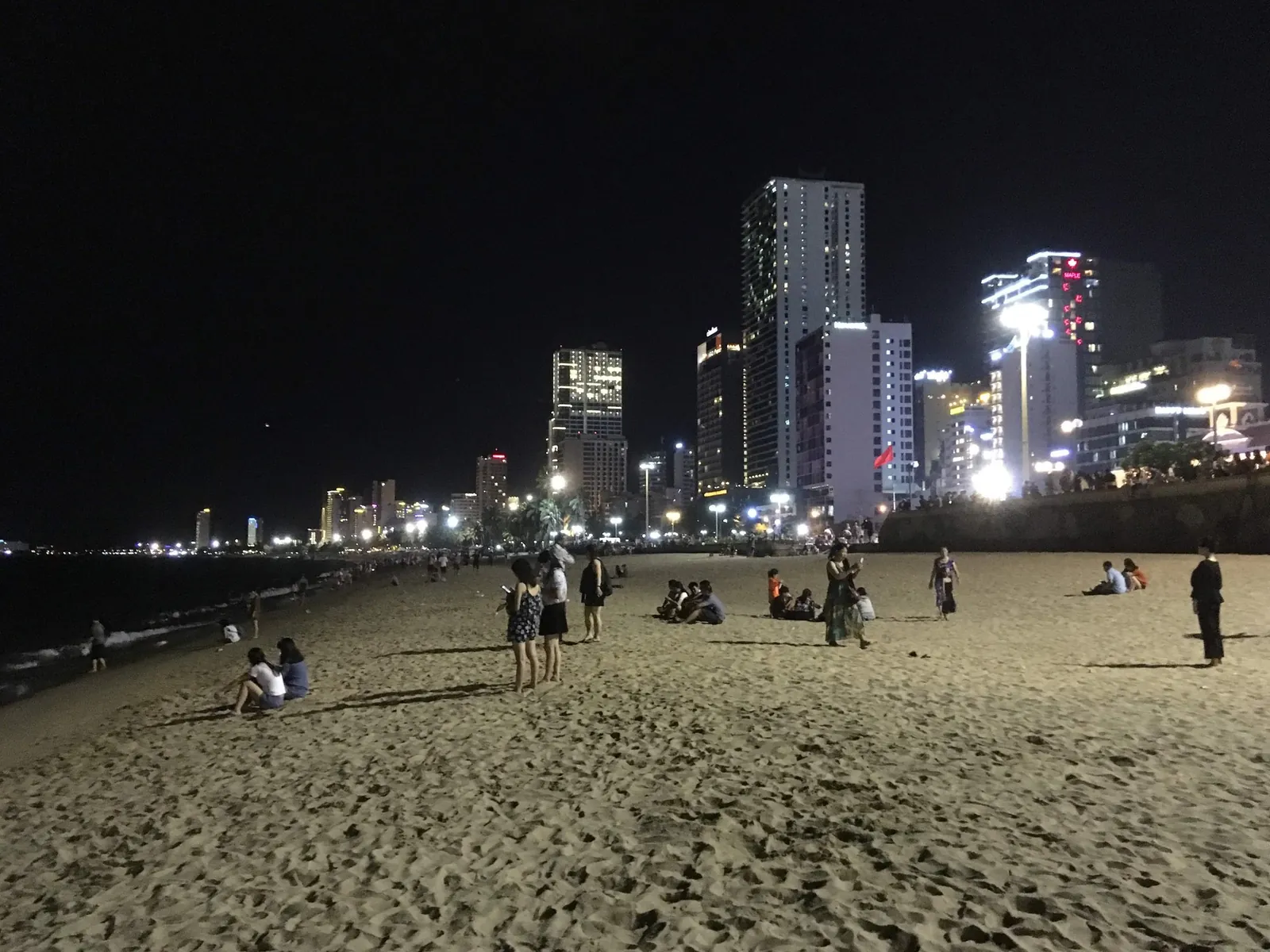
Nha Trang is the capital of Khanh Hoa province on Vietnam's south-central coast at roughly 12.2°N, built along a six-kilometre crescent of city beach backed by a wall of hotels and apartment towers. For retirees its defining advantage over other Vietnamese beach cities is medical: Vinmec Nha Trang International Hospital sits on Tran Phu Street in the city itself, with English-speaking staff, emergency cover, and modern diagnostics, and Tam Tri Hospital provides a second private option.
The city also has the longest reliable dry season in Vietnam. Rain is concentrated into September through December, leaving eight largely dry months — a different pattern from Da Nang or Ho Chi Minh City and the reason Nha Trang beaches work for most of the year.
The international community is unusually mixed, with residents from Europe, Russia, China, Australia, Canada, and the United States rather than one dominant group. A single retiree lives comfortably on roughly $800-$1,200 a month and a couple on $1,000-$1,500; a furnished one-bedroom in the centre runs $300-$500. Cam Ranh International Airport (CXR) is about 35 kilometres south.
What Nha Trang actually looks like
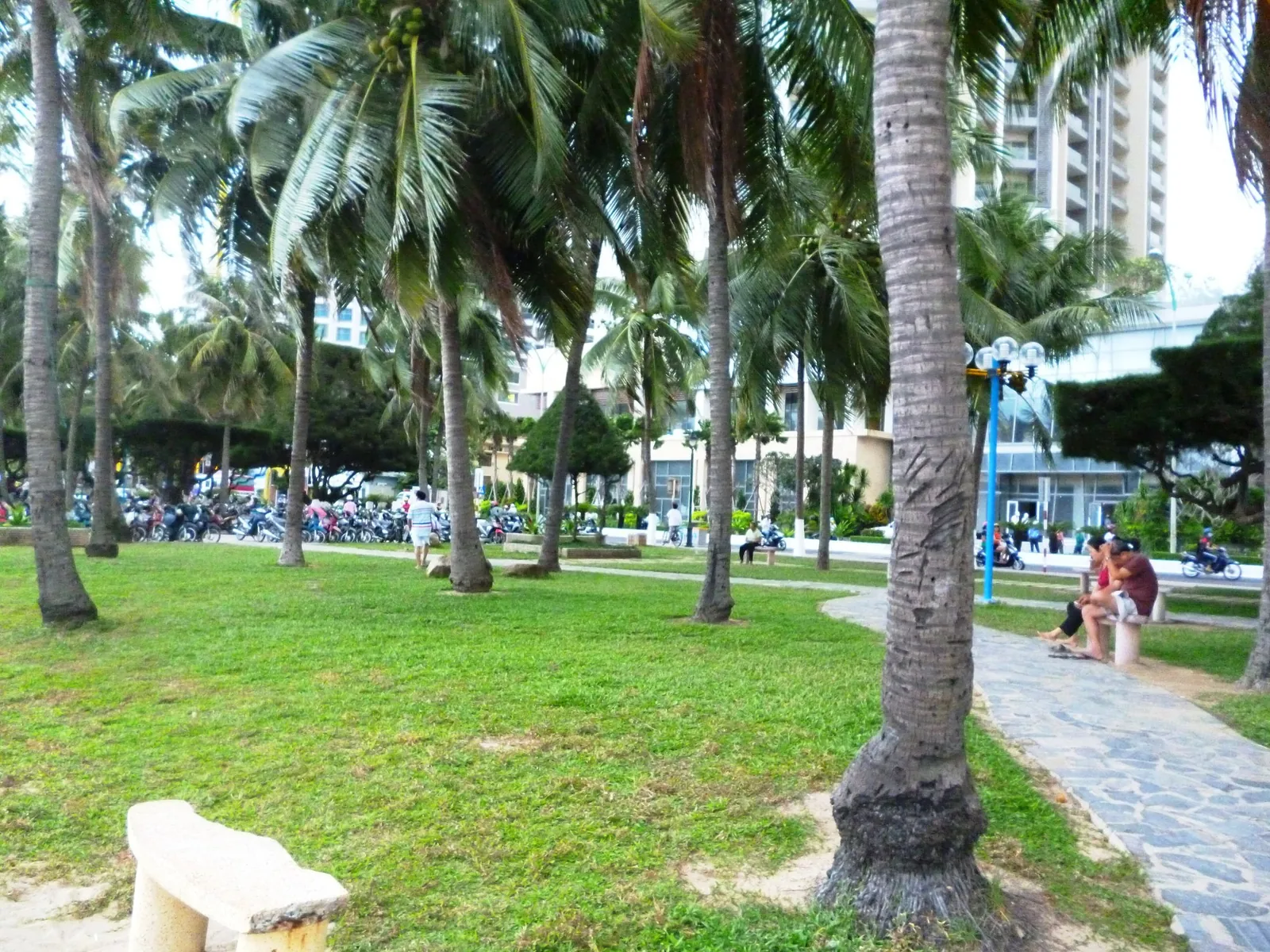
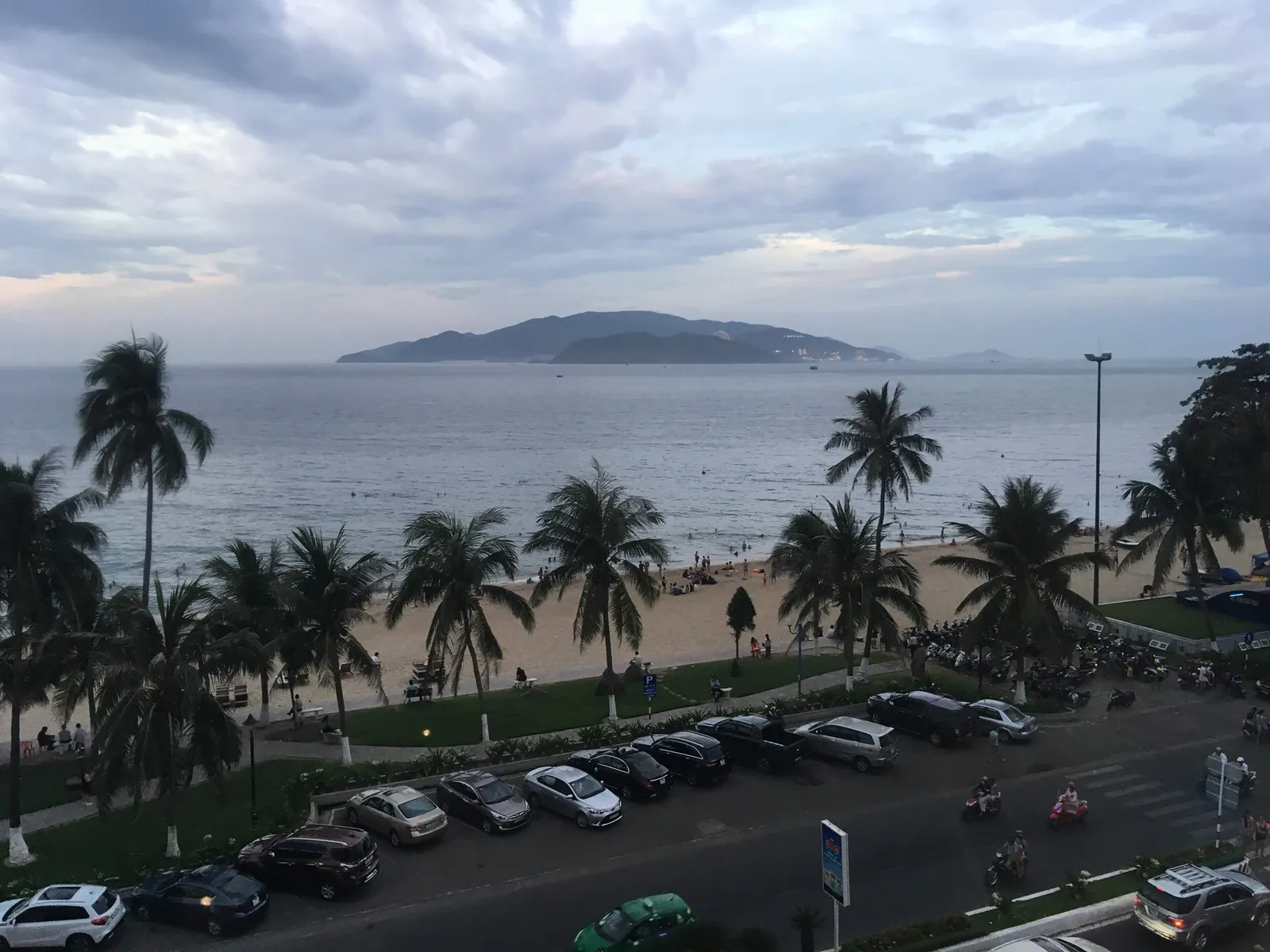
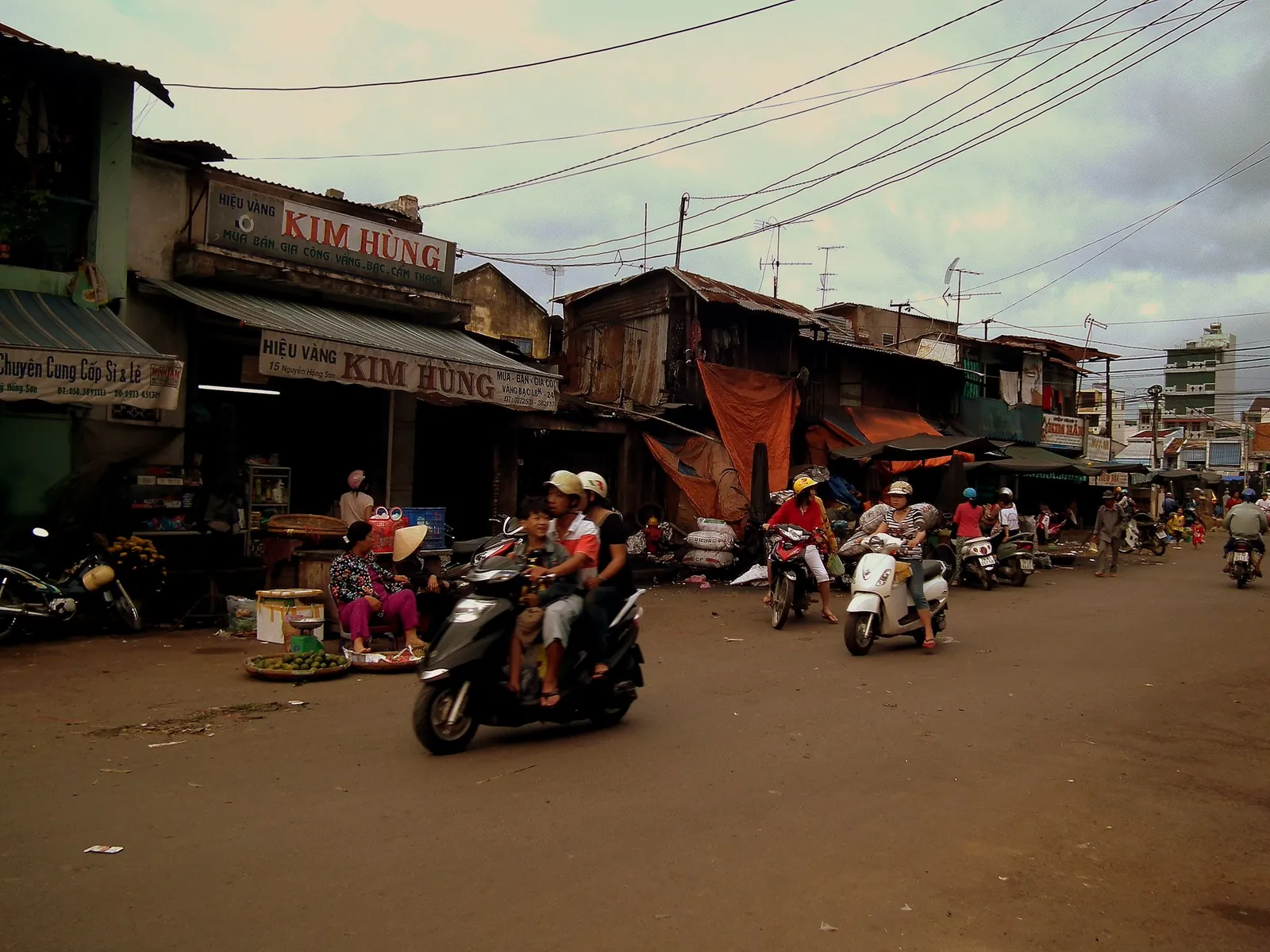
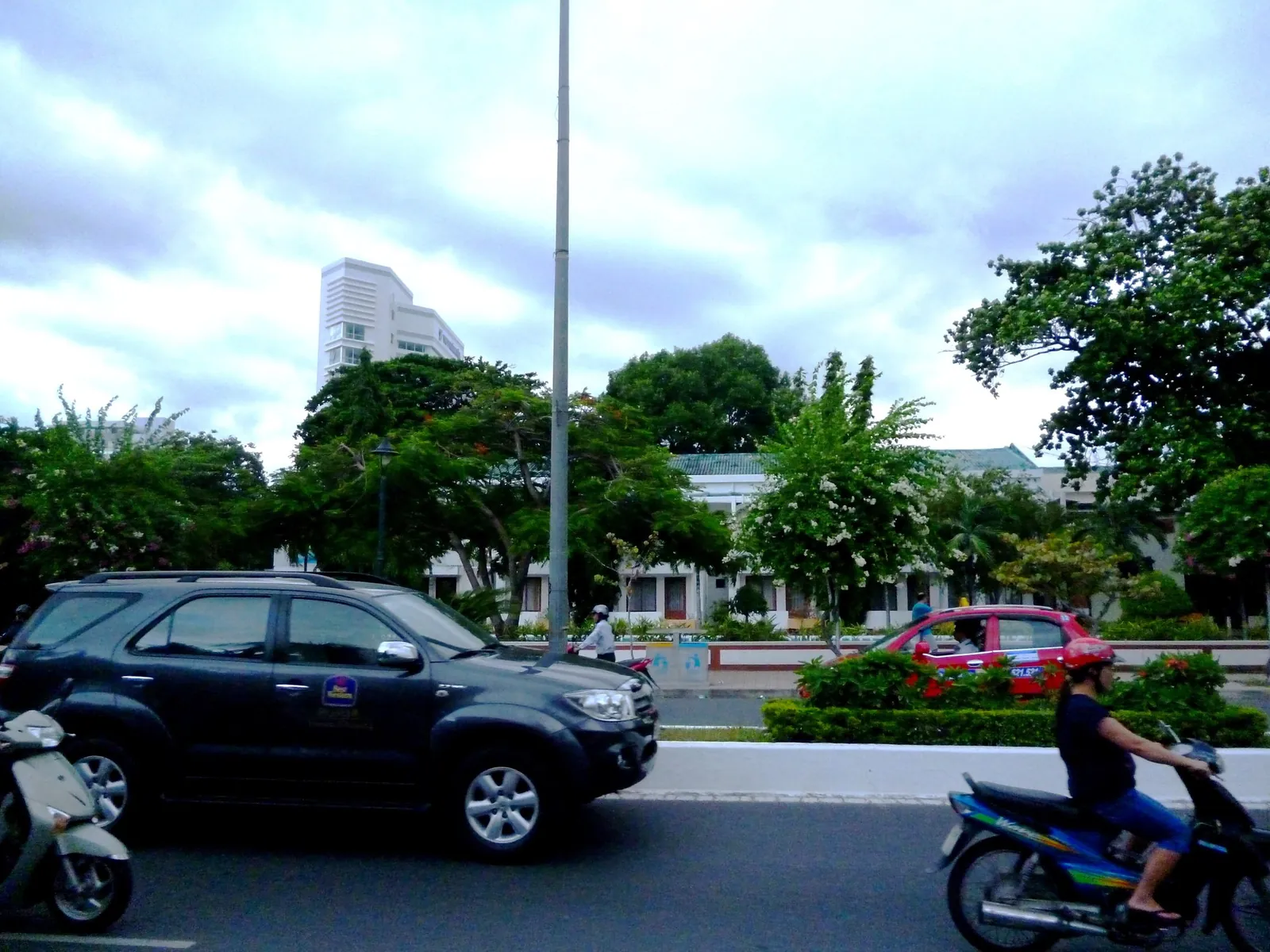
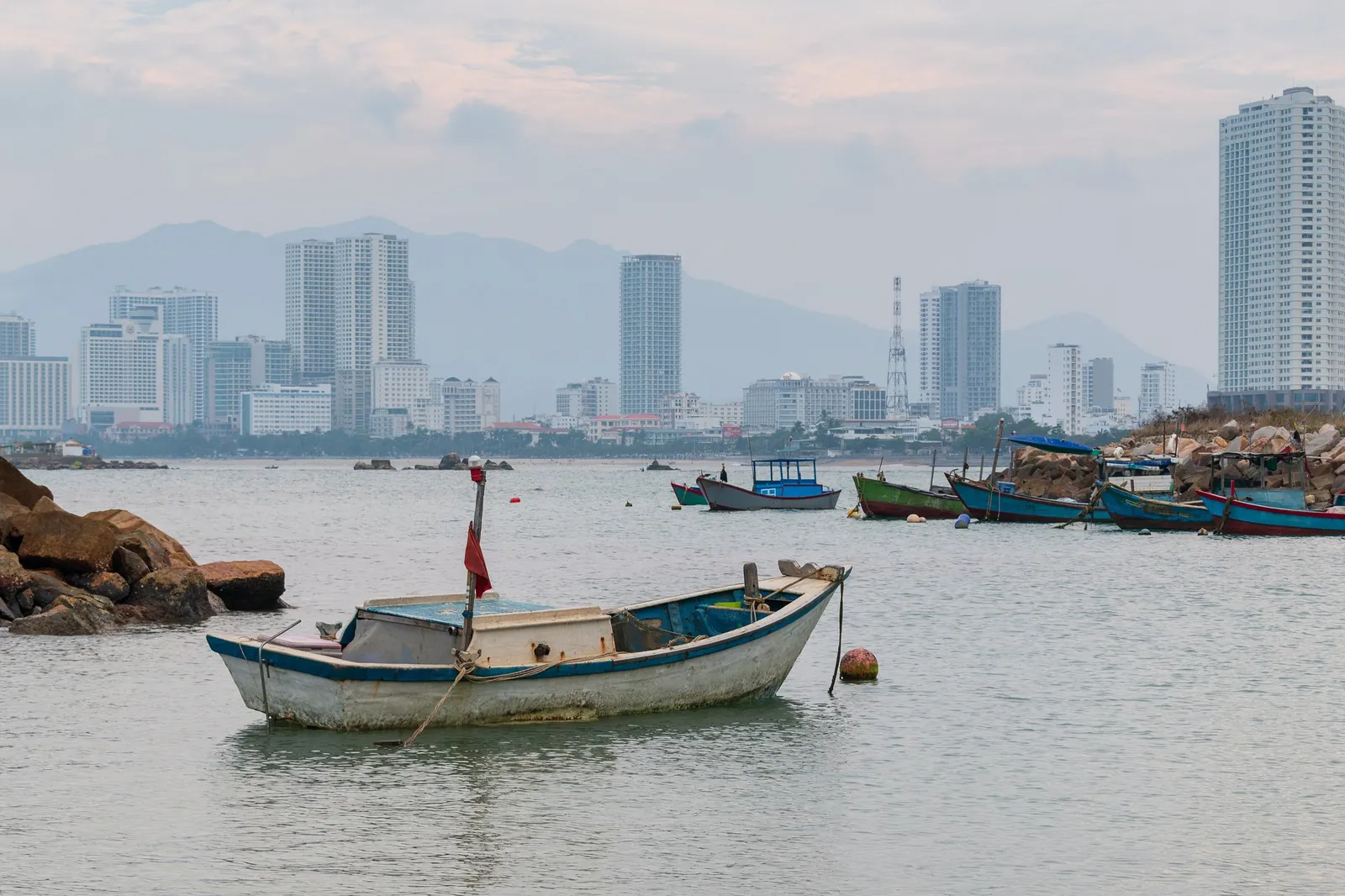
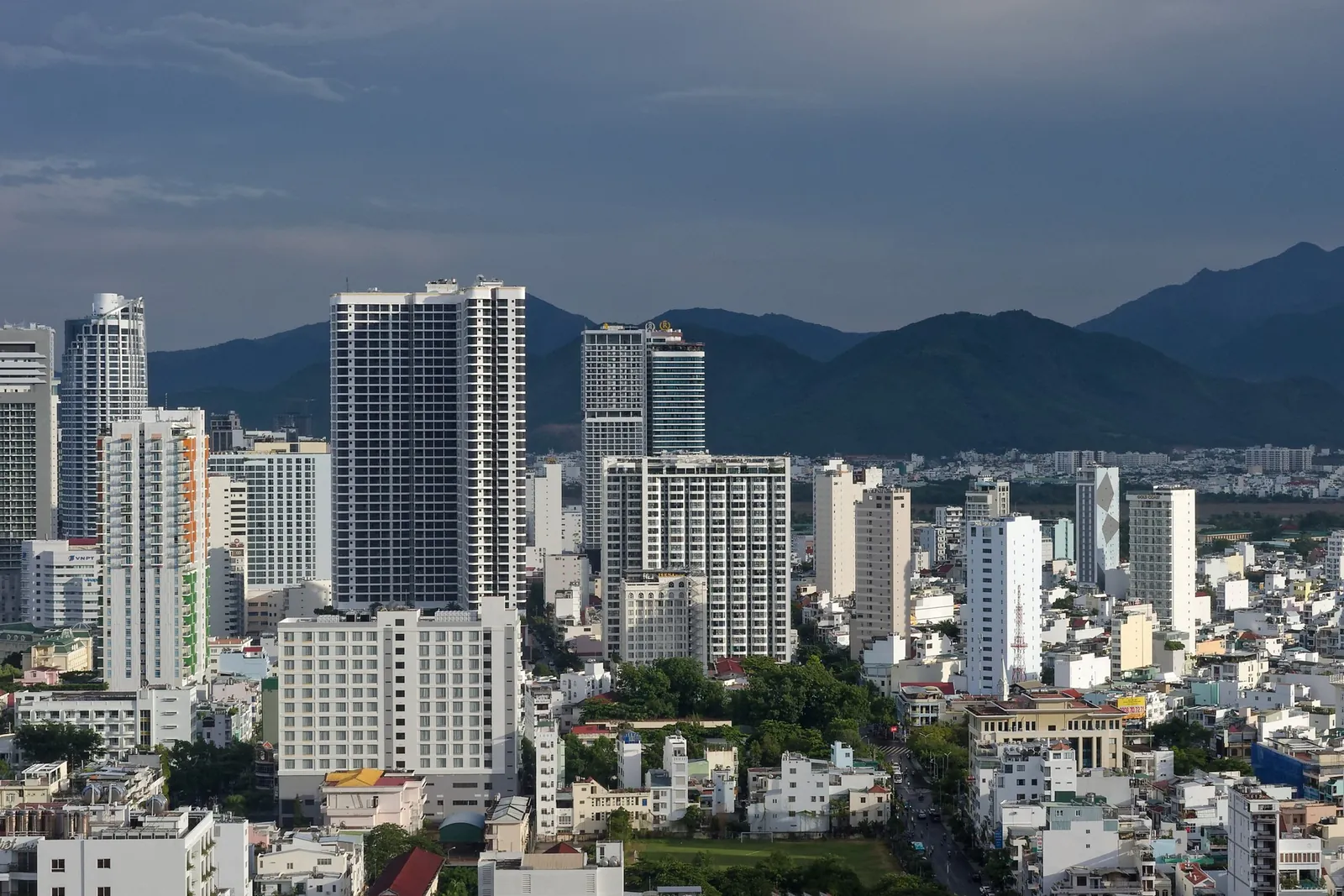
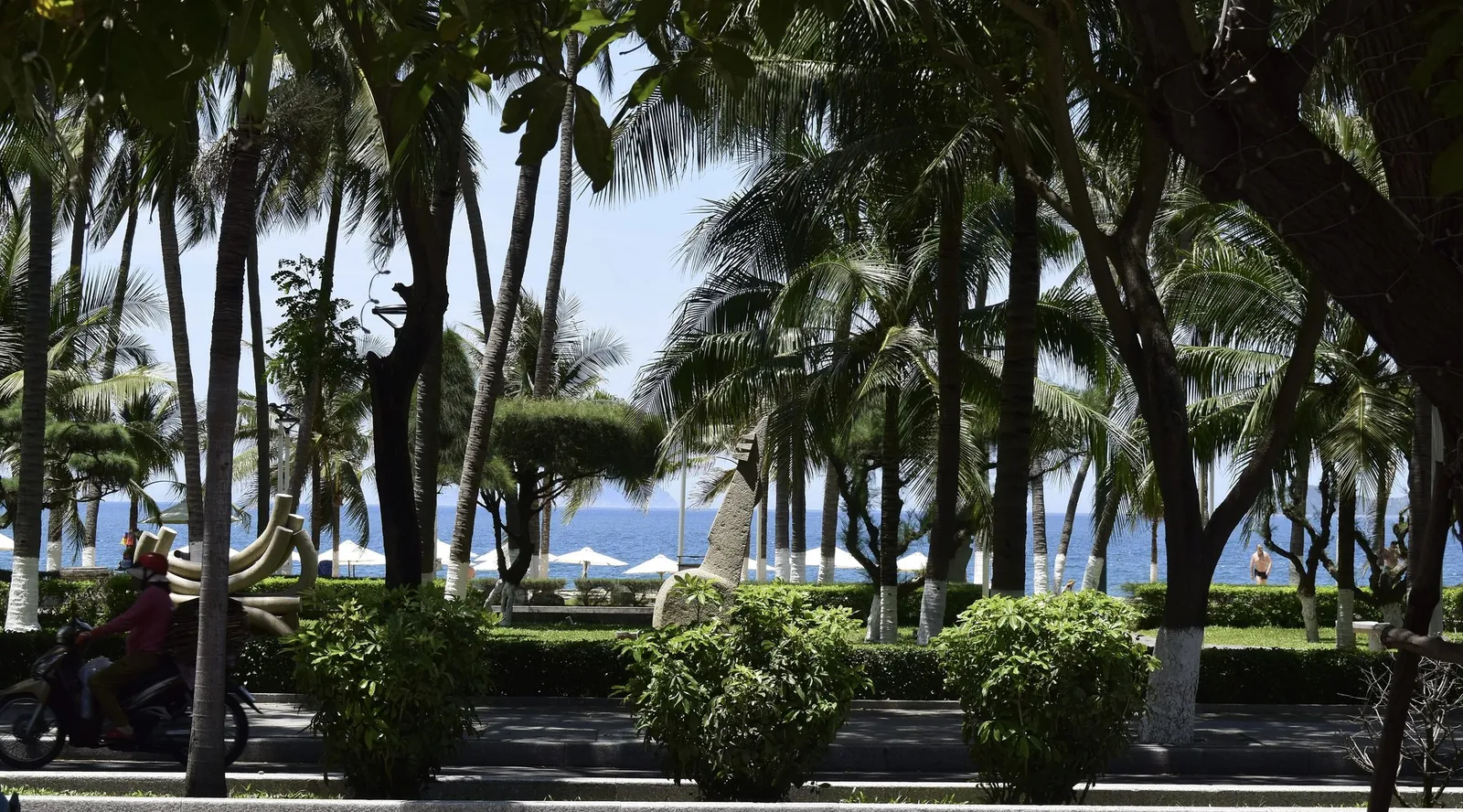
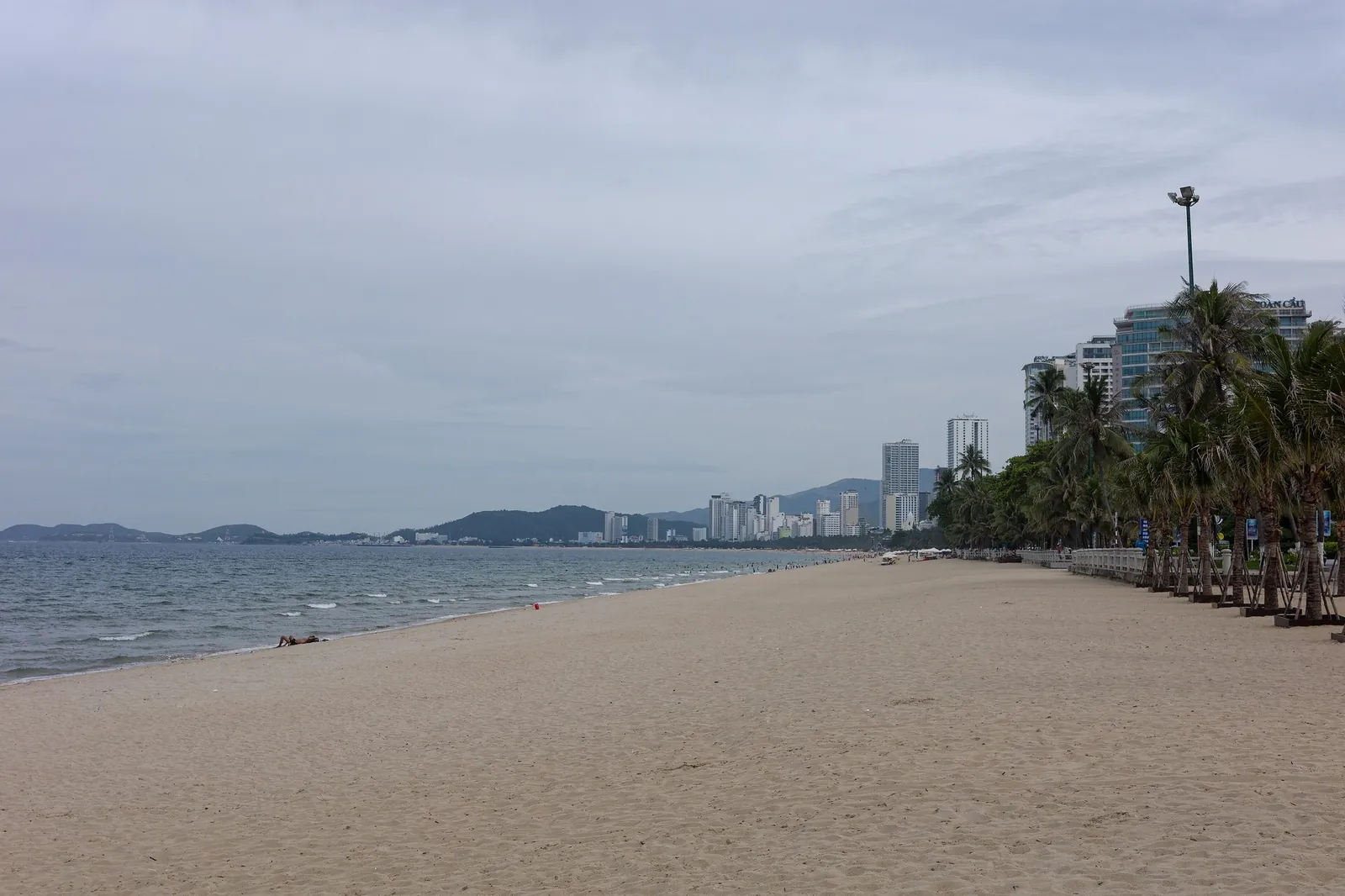
Authentic, unedited photos of Nha Trang by residents and visitors, taken on ordinary days rather than chosen by a tourist board. Each one shows when it was taken. Browse photos of all 83 cities →
_(1).jpg)



.jpg)
_(1).jpg)








The other side

Cost of Living in Nha Trang
1-Bedroom Rent
$250-$500/month
Local Restaurant Meal
$2-$5 at local restaurants
Cup of Coffee
$1-$2.50
Estimated Monthly Total
$800-$1,400
Want a personalized estimate? Use our cost of living calculator
Healthcare in Nha Trang
Nha Trang has the best healthcare of any Vietnamese beach destination. Vinmec Nha Trang International Hospital on Tran Phu Street is part of Vietnam's leading private hospital group, with English-speaking staff, an emergency department, and modern diagnostic equipment — meaning routine and much intermediate care can be handled without leaving the city. Tam Tri Hospital is a second private option well regarded by international residents, and Khanh Hoa General Hospital provides public provision. Clinic visits typically run $20-$50, and health insurance for a retiree ranges from $50 to $200 a month depending on coverage. Complex oncology, advanced cardiac surgery, and highly specialised procedures are still referred to Ho Chi Minh City, roughly an hour by air or eight hours by road, but the threshold for needing that transfer is much higher here than in Da Lat or Hoi An.
Daily Life and Lifestyle in Nha Trang
Life in Nha Trang is organised around the beachfront. The city beach runs six kilometres with a landscaped promenade, and the daily pattern for most residents is an early swim before the heat, errands mid-morning, and a long afternoon indoors or in a café. The centre is flat, which makes it one of the easier Vietnamese cities to navigate on foot in later life. Dam Market handles fresh food, and the city has a genuine Western grocery presence for imported goods. Beyond the beach there are the Po Nagar Cham towers dating from the 8th century, hot spring and mud bath complexes that are popular with older residents for joint pain, and island trips out into the bay. The mixed international makeup means social life is not organised around a single national club the way it can be elsewhere.
Climate and Weather in Nha Trang
Nha Trang has a tropical savanna climate with the longest dry season in Vietnam. Temperatures run 24-33°C year-round with little seasonal variation. The dry season stretches from January to August with reliable sunshine and lower humidity; the wet season is compressed into September to December, when the north-east monsoon brings the great majority of the year's rain and occasional flooding. The city is partly sheltered by surrounding hills and offshore islands, which historically has given it fewer direct typhoon strikes than Da Nang or the coast further north, though storms do occur. Sea temperatures stay swimmable year-round.
Pros and Cons of Retiring in Nha Trang
Pros
- International hospital with English-speaking staff inside the city
- Longest dry season in Vietnam — roughly eight dry months a year
- Six kilometres of city beach with a flat, walkable promenade
- Genuinely mixed international community rather than one dominant nationality
- Hot springs and mud baths widely used by older residents for joint pain
Cons
- Hot and humid year-round at 24-33°C, with no cool season
- Heavily built-up beachfront — high-rise rather than village character
- Concentrated rainy season from September to December can bring flooding
- Airport is 35 km south at Cam Ranh
- Complex specialist care still means Ho Chi Minh City
Who Is Nha Trang Best For?
Retirees who want beach living at Vietnamese prices without giving up access to an international hospital, and who can tolerate year-round heat and humidity in exchange for eight reliably dry months.
Where to Live in Nha Trang
Tran Phu beachfront
The main beach strip, where Vinmec hospital and most towers and hotels sit. One-bedrooms run $350-$600/month. Sea views, promenade on the doorstep, and hospital access within walking distance — the premium choice and the busiest.
City centre (west of Tran Phu)
The working city a few blocks inland, around Dam Market and the main commercial streets. Rents run $250-$450/month. Cheaper, more Vietnamese in character, still flat and walkable, and only a short walk to the beach.
An Vien & the southern suburbs
Quieter residential districts south of the Cai river towards Cam Ranh. Rents run $300-$550/month, often for houses rather than apartments. Calmer and greener, but a motorbike or taxi is needed for daily errands.
Hospitals and Healthcare Facilities in Nha Trang
Vinmec Nha Trang International Hospital
Part of Vietnam's leading private hospital group, on Tran Phu Street in the city. English-speaking staff, emergency department, and modern diagnostic equipment. The main reason Nha Trang outranks other Vietnamese beach cities on healthcare.
Tam Tri Hospital
Private hospital well regarded by Nha Trang's international residents. Covers general medicine, surgery, and diagnostics, and serves as a second option alongside Vinmec.
Khanh Hoa General Hospital
The main public hospital for Khanh Hoa province. Handles emergency and routine care at low cost; less English-language provision than the private facilities.
Facility details may change. Verify accreditation status and services directly with each hospital before making healthcare decisions.
Dining and Food Scene in Nha Trang
Nha Trang is a fishing city and it shows. Bun ca (fish cake noodle soup) and nem nuong Ninh Hoa (grilled pork rolls wrapped at the table) are the two dishes the city is known for, both $2-$4. Seafood comes off the boats daily and is sold cooked by weight along the beachfront and at Dam Market.
Because the international community is so mixed, the restaurant scene is unusually broad for a city this size — Russian, Korean, and Chinese restaurants sit alongside Vietnamese ones, a legacy of long-standing tourism from those markets. A Western-style meal runs $8-$15, against $2-$5 for a local one.
Weekly groceries for two run $35-$60. Dam Market covers fresh produce, fish, and herbs at local prices, while several Western supermarkets in the centre stock imported goods at a premium. Coffee culture is strong and cheap, with a street-side ca phe sua da rarely above $1.50.
Is Nha Trang Right for You?
Take our free 3-minute retirement quiz to see how Nha Trang and Vietnam compare to other destinations based on your preferences, budget, and needs.
Take the Retirement QuizFrequently Asked Questions About Retiring in Nha Trang
How does healthcare in Nha Trang compare with the rest of Vietnam?
It is the strongest of any Vietnamese beach destination. Vinmec Nha Trang International Hospital is in the city itself with English-speaking staff and emergency cover, and Tam Tri Hospital provides a second private option. That is a meaningful difference from Hoi An, where serious care means travelling to Da Nang, or Da Lat, where it means Ho Chi Minh City. Only Ho Chi Minh City and Hanoi rank higher nationally.
When is the rainy season in Nha Trang?
September to December, and it is concentrated rather than spread out. The north-east monsoon delivers most of the year's rain in those four months, sometimes with flooding, leaving January to August largely dry. This is a different and generally more favourable pattern than Da Nang or Ho Chi Minh City, and it is the main climatic reason retirees choose Nha Trang over other Vietnamese coastal cities.
What does it cost to live in Nha Trang?
A single retiree lives comfortably on roughly $800-$1,200 a month and a couple on $1,000-$1,500, including rent. A furnished one-bedroom in the city centre runs $300-$500, with unfurnished and out-of-centre options considerably cheaper. Clinic visits cost $20-$50. The main variable is health insurance, which ranges from $50 to $200 a month depending on age and coverage level.
Sources & References
- Vinmec Nha Trang International Hospital — Facility services, emergency provision, and English-language capability
- Vietnam Institute of Meteorology, Hydrology and Climate Change — Seasonal rainfall distribution and monsoon timing for the south-central coast
- Cam Ranh International Airport (CXR) — Location, distance from Nha Trang, and international route network
- Vietnam Immigration Department — Visa categories, temporary residence cards, and renewal requirements for long-stay foreigners