
City Retirement Guide
Retire in Hoi An, Vietnam
UNESCO river town with a settled expat community and Da Nang's hospitals 40 minutes away
Hoi An at a Glance
- Elevation & setting
- Near sea level on the Thu Bon river, a few km inland, Quang Nam province; ~15.9°N
- Annual temperature
- 20-26°C in winter, 25-35°C February-August; tropical monsoon (Köppen Am) with river flooding most years in October-November
- Nearest international airport
- Da Nang International (DAD), ~30 km / 40 minutes north
- Nearest major hospital
- Hoi An Hospital locally; Vinmec Da Nang International Hospital ~40 minutes north for serious care
- Primary retirement visa
- Vietnam has no dedicated retirement visa — long-stay foreigners use renewable tourist or business visas and temporary residence cards
- Language environment
- Vietnamese; English widely usable in the Ancient Town, An Bang, and the international community, limited in surrounding villages
Cao lau, Hoi An's signature noodle dish, is traditionally made with water drawn from a specific local well — which is why it is effectively impossible to find authentically outside the town.
Overview of Hoi An for Retirees
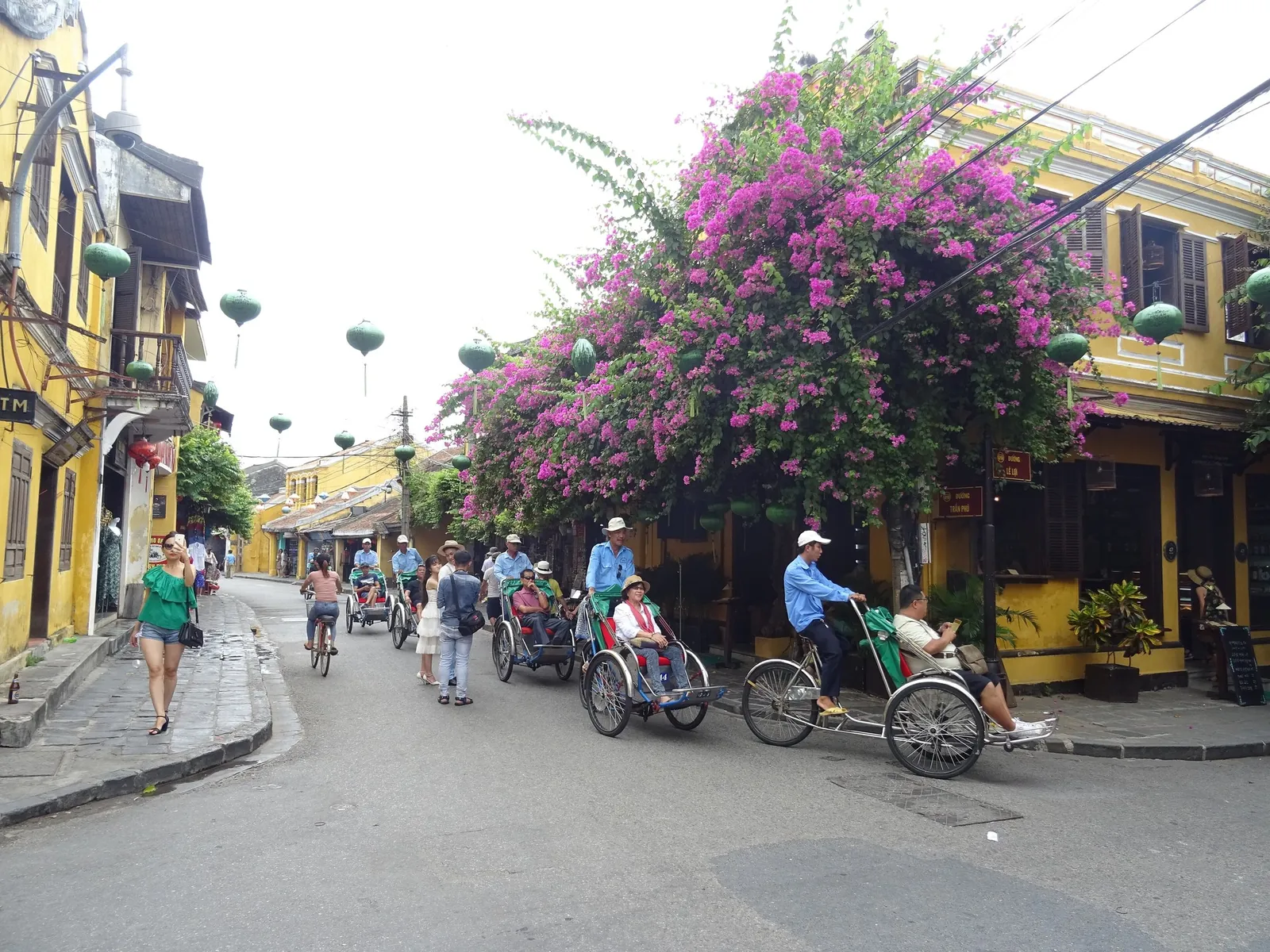
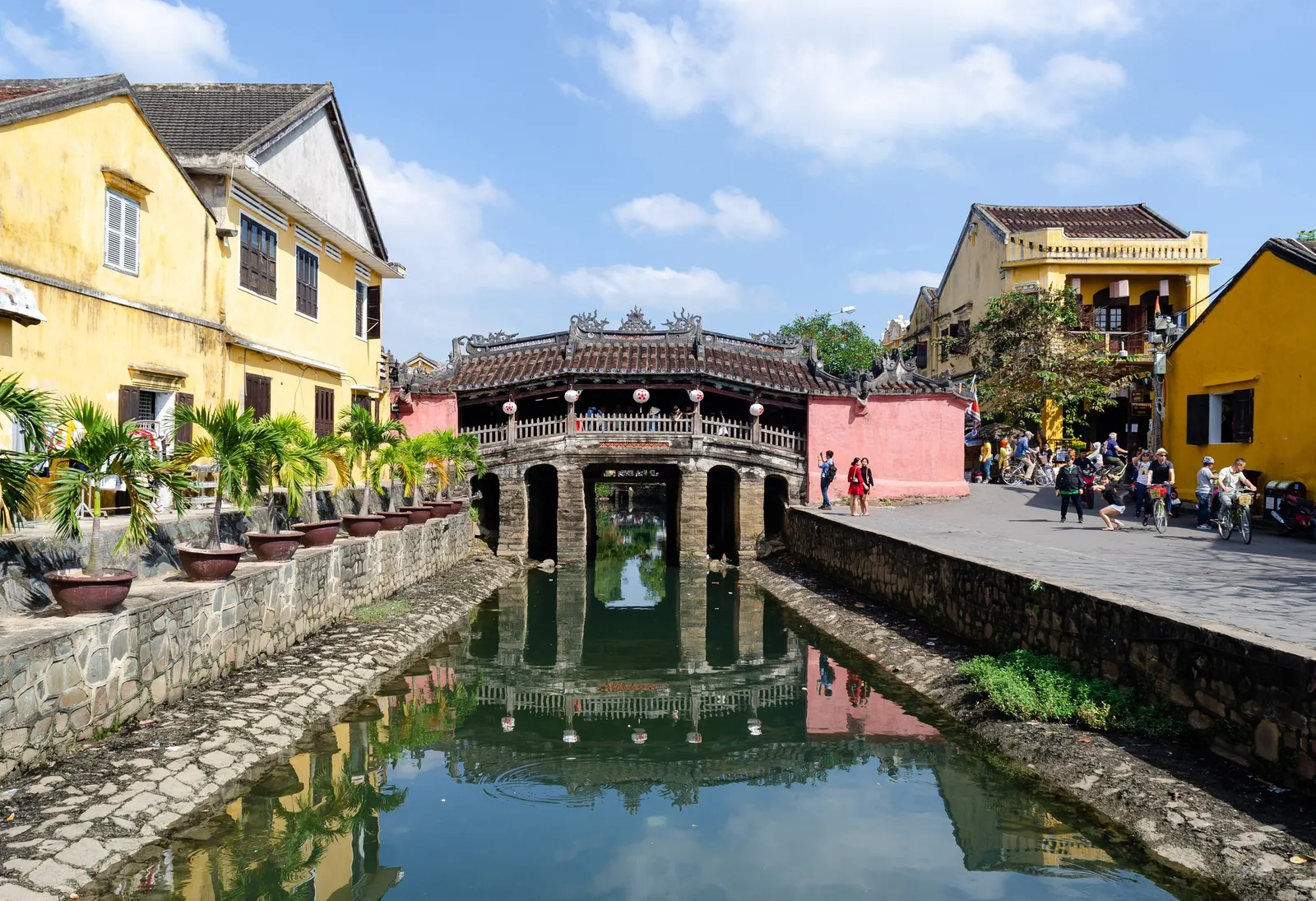
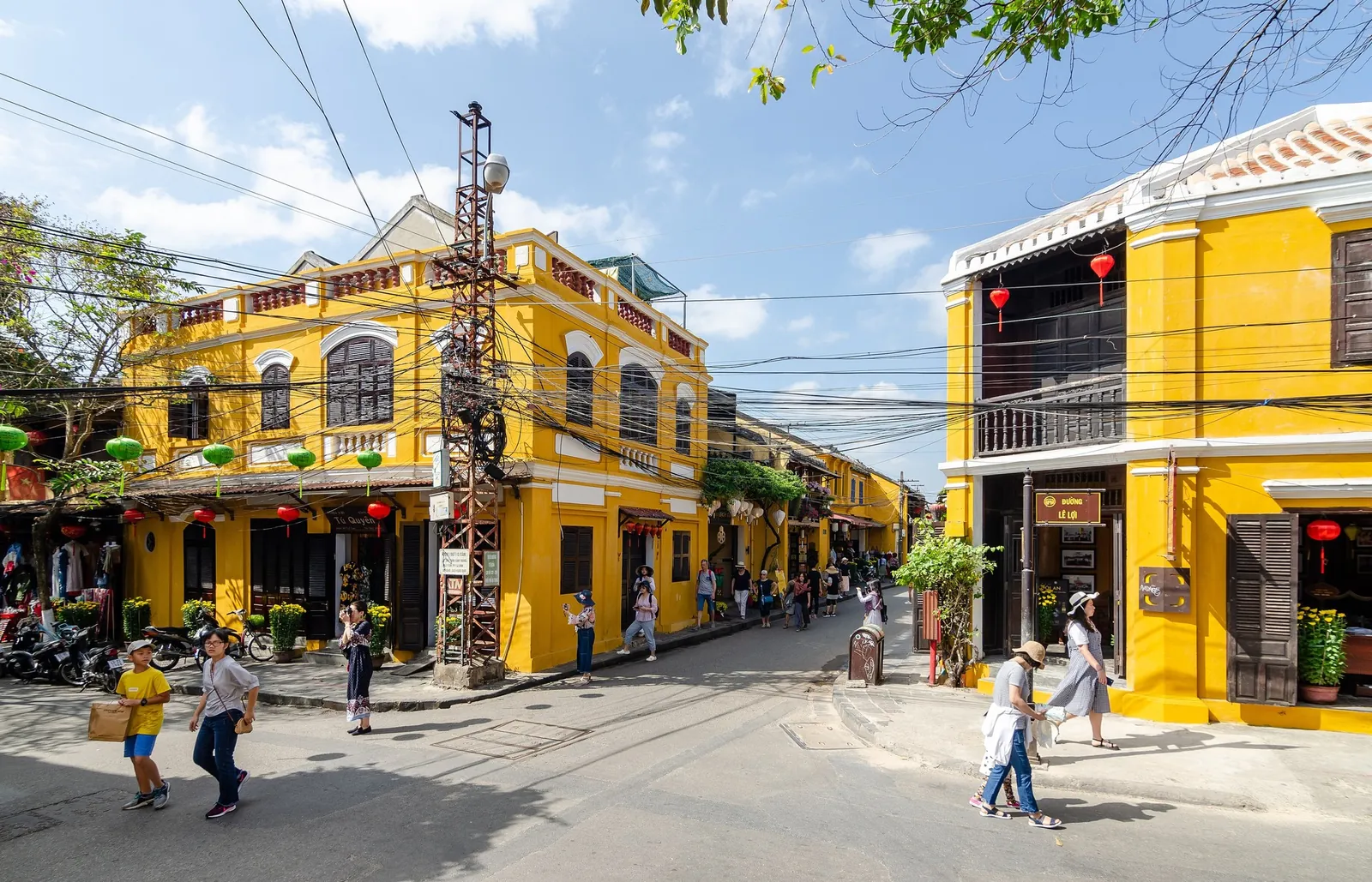
Hoi An sits on the Thu Bon river in Quang Nam province at roughly 15.9°N, a few kilometres inland from the central Vietnamese coast. Its Ancient Town is a UNESCO World Heritage site — a preserved 15th-to-19th-century trading port of Japanese, Chinese, and European merchant houses, closed to cars and lit by silk lanterns.
For retirees the appeal is scale. Hoi An is small and flat enough to cross on foot or by bicycle, which is unusual among places with this level of amenity, and its international community has grown from fewer than fifty people to more than a thousand over the past decade — large enough to be sociable, small enough to be knowable. An Bang and Cua Dai beaches are a short cycle away.
The practical arrangement that makes it work is Da Nang, about forty minutes north. Hoi An itself has limited medical facilities, but Da Nang holds the region's best hospitals, largest supermarkets, and the international airport. Studio and one-bedroom houses in town start under $300 a month, with homes near the beach from around $450.
What Hoi An actually looks like
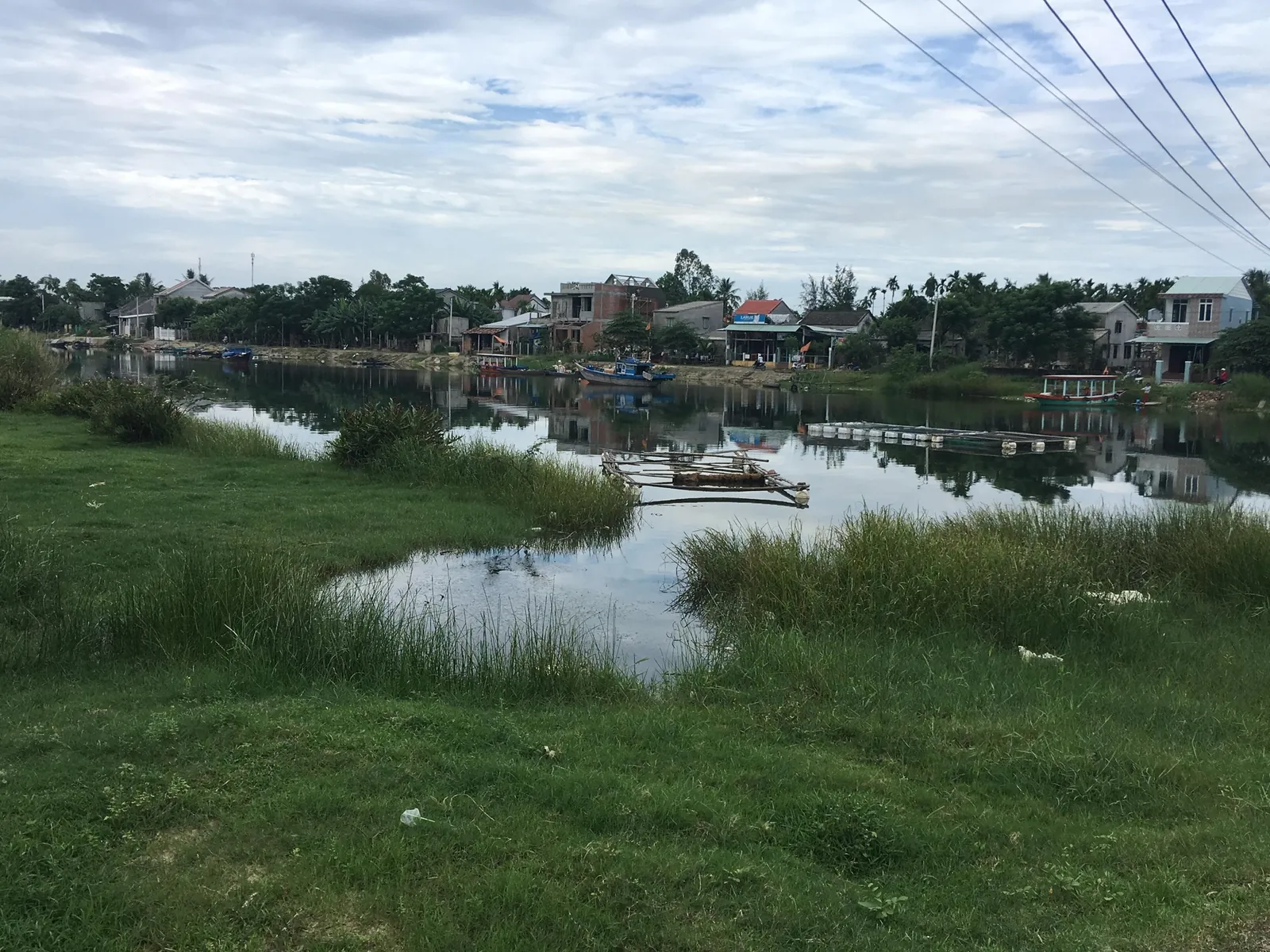
Authentic, unedited photos of Hoi An by residents and visitors, taken on ordinary days rather than chosen by a tourist board. Each one shows when it was taken. Browse photos of all 83 cities →
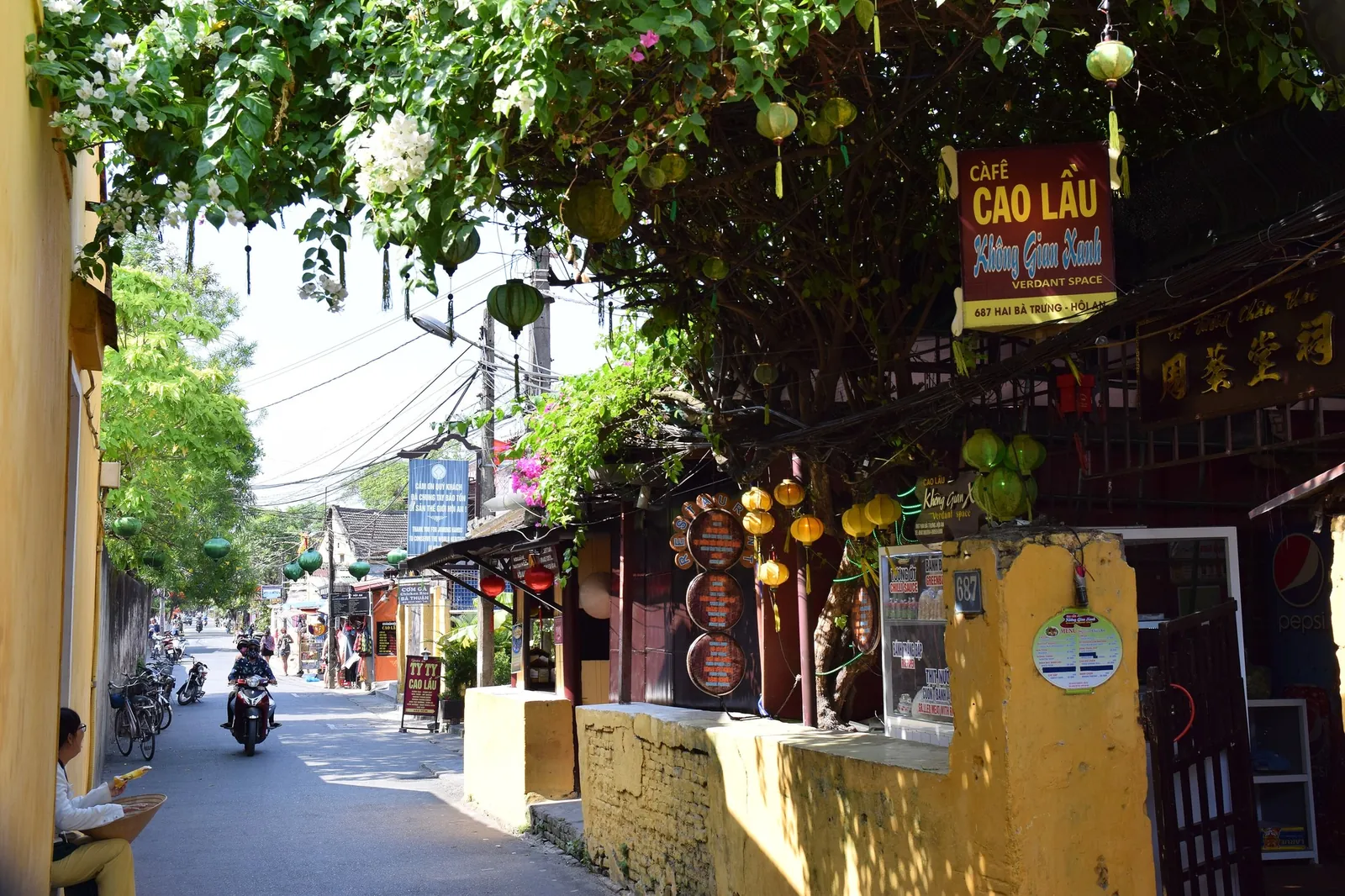
.jpg)
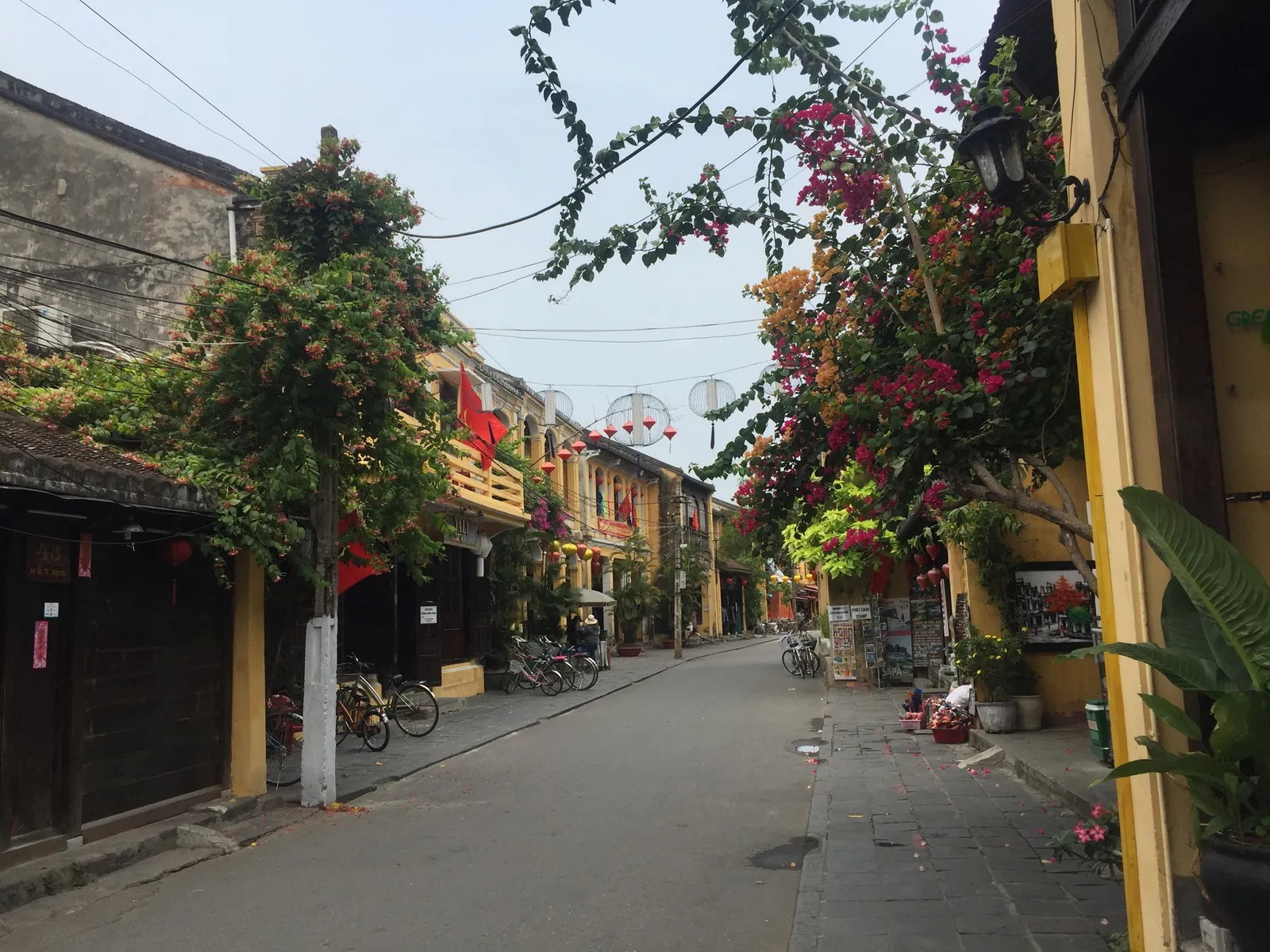
.jpg)
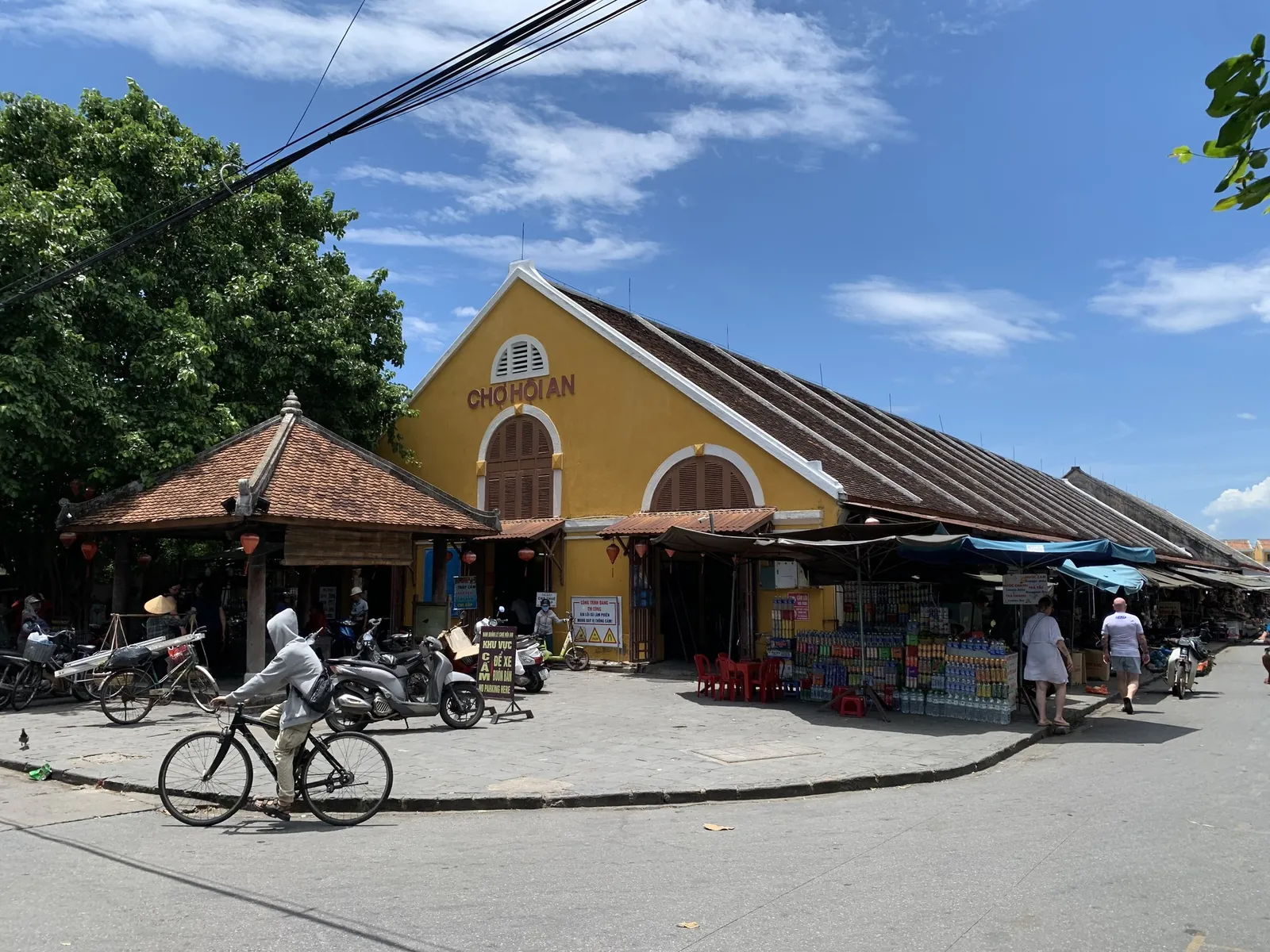
_-_img_01.jpg)
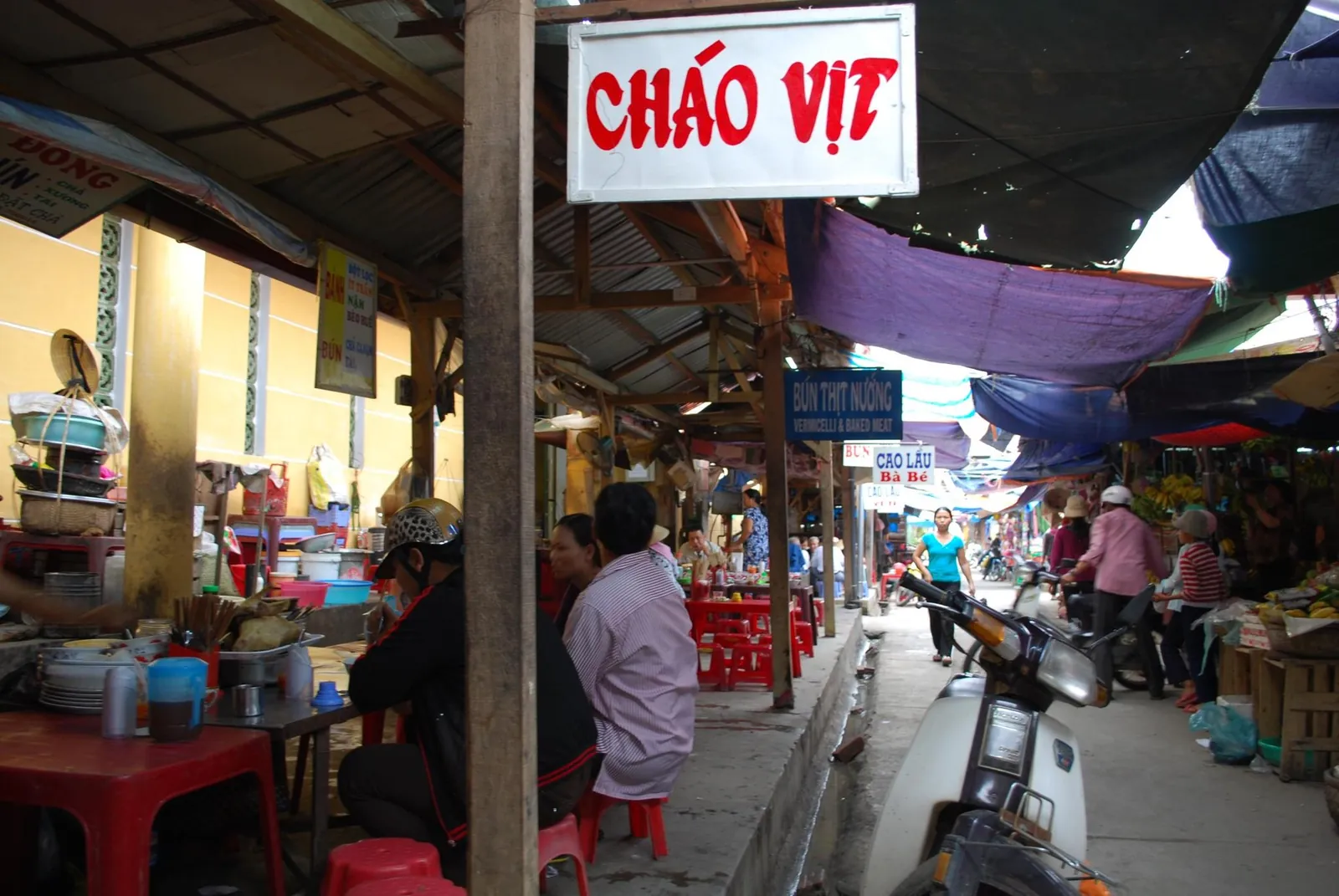







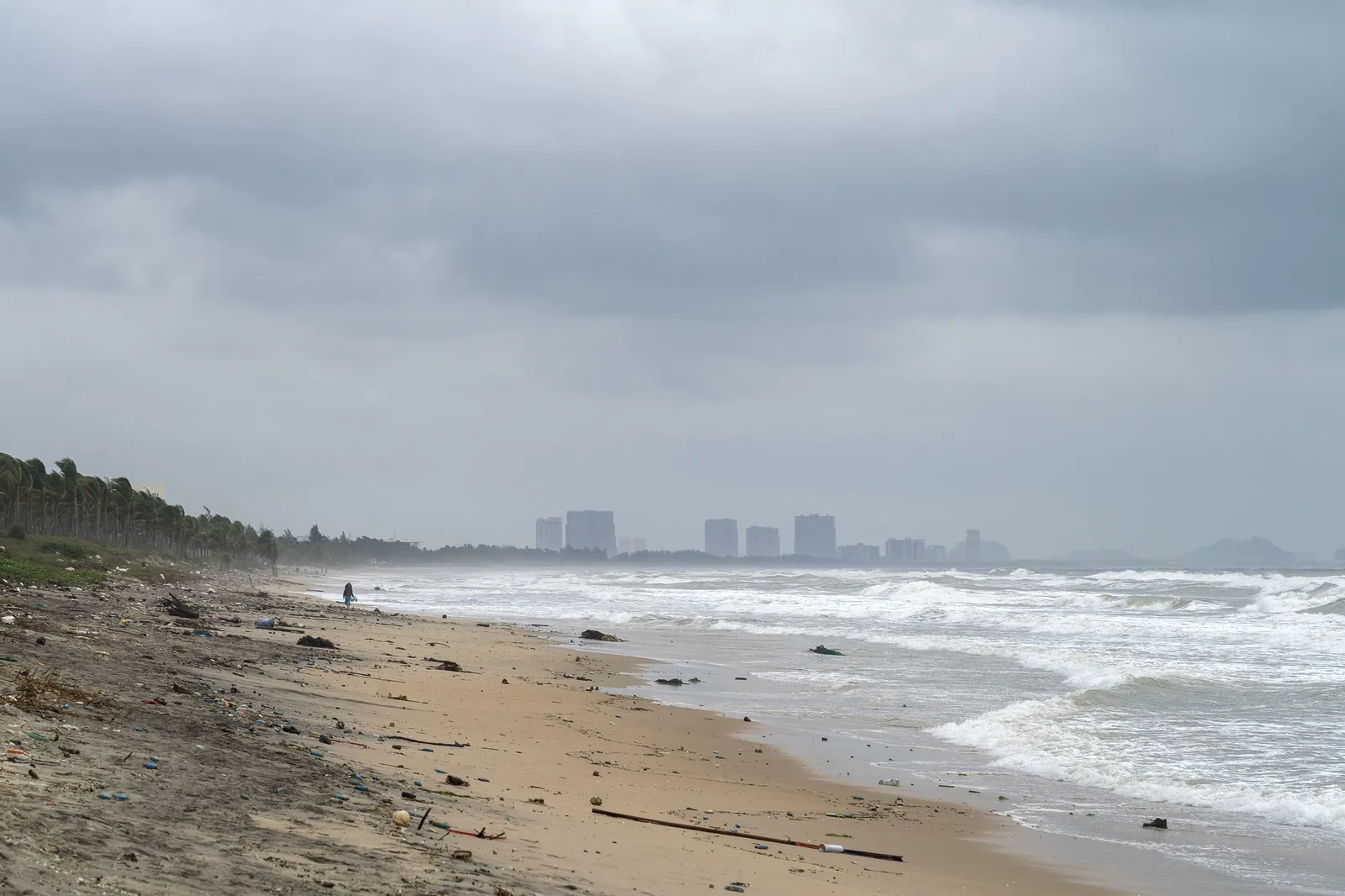

The other side

.jpg)
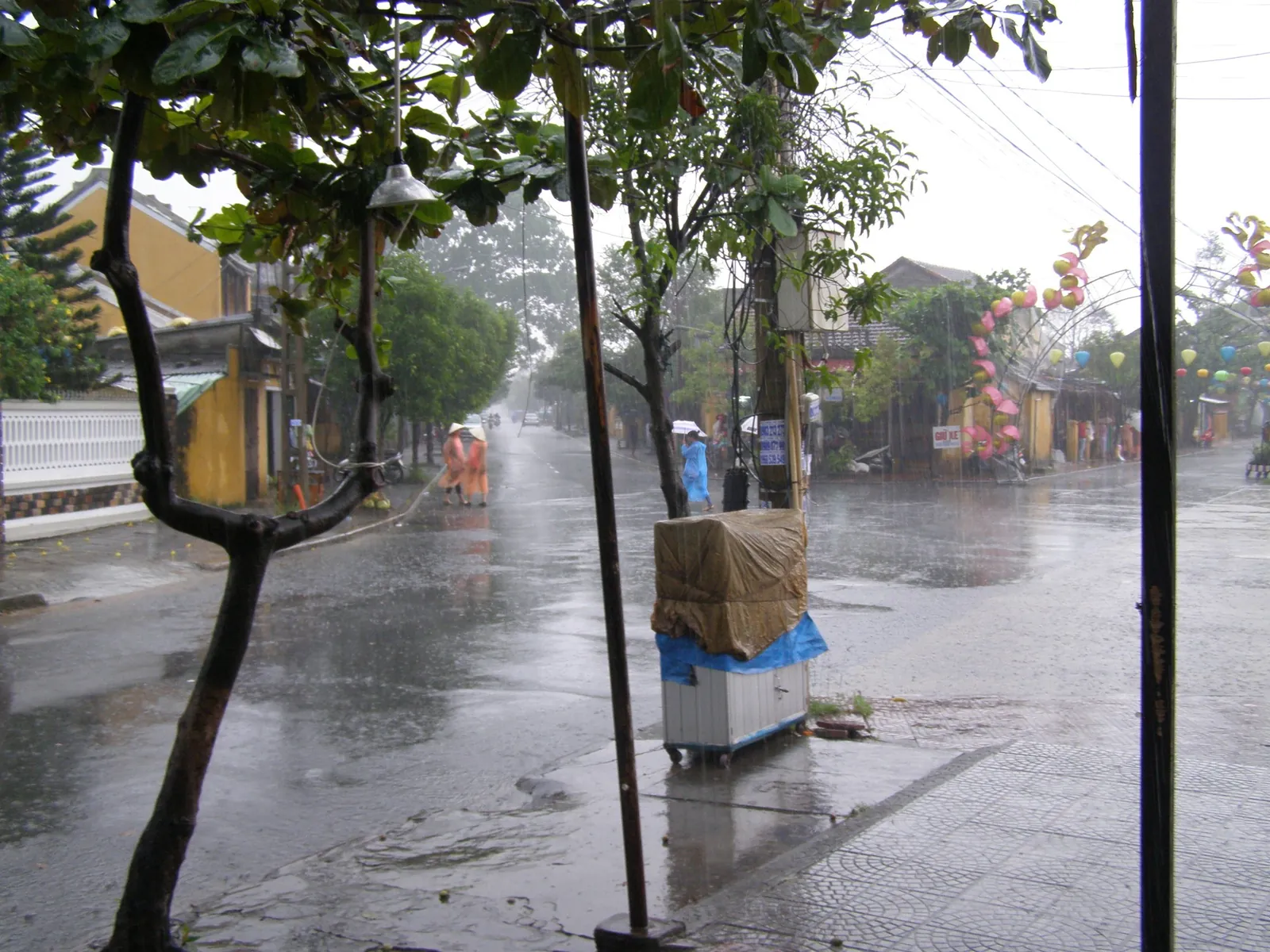

Cost of Living in Hoi An
1-Bedroom Rent
$250-$500/month
Local Restaurant Meal
$2-$5 at local restaurants
Cup of Coffee
$1-$2.50
Estimated Monthly Total
$750-$1,300
Want a personalized estimate? Use our cost of living calculator
Healthcare in Hoi An
Hoi An has limited local medical provision: Hoi An Hospital and a handful of private clinics cover routine consultations, minor emergencies, and dentistry at $15-$40 a visit, but nothing beyond that. The working assumption for any international resident is Da Nang, roughly forty minutes north by road, where Vinmec Da Nang International Hospital and Family Medical Practice Da Nang provide international-standard care with English-speaking doctors, and Hoan My and Da Nang General cover public and mid-tier private provision. Private hospital visits in Da Nang run $25-$70. That forty-minute journey is fine for planned care and manageable for most emergencies, but it is a real consideration for anyone with a cardiac history or a condition where minutes matter — those retirees are generally better served living in Da Nang itself.
Daily Life and Lifestyle in Hoi An
Hoi An runs at bicycle pace. The Ancient Town is pedestrianised for much of the day, the terrain is flat, and most residents get around by bike rather than motorbike — a meaningful quality-of-life difference from Vietnam's larger cities. The central market handles fresh food, and the town's tailoring trade, a legacy of its merchant history, means clothes are made to measure cheaply. The full-moon lantern festival each month is a genuine local event rather than a staged one. The international community is well organised for its size, with regular social groups, volunteering, and language exchanges, and because most people arrived for the same reasons it is unusually easy to meet others. Beyond town, An Bang beach has a relaxed café scene, and the rice paddies and Tra Que herb village start immediately at the edge of the built-up area.
Climate and Weather in Hoi An
Hoi An has a tropical monsoon climate with a clear split. The dry season runs February to August at 25-35°C, hottest in June and July, with reliable sunshine. The wet season runs September to January, when the north-east monsoon and the tail of the typhoon season bring heavy rain — and, most years, flooding. The Thu Bon river regularly rises into the Ancient Town's streets in October and November; shops move stock upstairs and boats replace bicycles for a few days at a time. This is a normal annual event rather than a disaster, but it is the single most important thing to understand before renting a low-lying property. Winter months from December to February are cooler at 20-26°C and noticeably damp.
Pros and Cons of Retiring in Hoi An
Pros
- Small, flat, and genuinely cyclable — rare for a town with this level of amenity
- Established international community, grown from under 50 to over 1,000 in a decade
- UNESCO Ancient Town, pedestrianised and lit by lanterns
- Da Nang's international hospitals and airport 40 minutes away
- Beaches, rice paddies, and herb villages within a short cycle
Cons
- The Ancient Town floods from the Thu Bon river most years in October and November
- Very limited local healthcare — anything serious means Da Nang
- Heavy day-tourist traffic through the Ancient Town
- Wet season from September to January is prolonged and damp
- No dedicated retirement visa in Vietnam — long-stay means renewals
Who Is Hoi An Best For?
Retirees in reasonable health who want a small, walkable, sociable base with real character, and who are comfortable relying on Da Nang forty minutes away for hospitals, airports, and serious shopping.
Where to Live in Hoi An
Ancient Town fringe
The streets just outside the pedestrianised UNESCO core, within walking distance of the market and riverfront. One-bedrooms run $250-$450/month. Maximum convenience and atmosphere — but check the flood history of any ground-floor property before signing.
An Bang beach
Beach village 4 km north-east with a relaxed café scene and a large share of the international community. Houses run $400-$700/month. Cooler sea air and quieter nights, an easy cycle from town on flat roads.
Cam Chau & Tra Que
Rice paddy and herb-village country on the northern edge of town. Rents run $250-$500/month, usually for houses with gardens. Rural quiet within a 10-minute cycle of the Ancient Town, and generally higher ground than the riverside.
Hospitals and Healthcare Facilities in Hoi An
Hoi An Hospital
The local public hospital, covering routine care and minor emergencies for the town. Adequate for everyday needs; not equipped for complex or specialist treatment, and limited English-language provision.
Vinmec Da Nang International Hospital
The region's standout international-standard facility, about 40 minutes north in Da Nang. Modern equipment, English-speaking doctors, and full emergency and specialist departments. The default referral point for Hoi An residents.
Family Medical Practice Da Nang
International clinic in Da Nang with Western-trained, English-speaking doctors, widely used by international residents across the region for consultations and ongoing care.
Facility details may change. Verify accreditation status and services directly with each hospital before making healthcare decisions.
Dining and Food Scene in Hoi An
Hoi An has its own culinary canon, which is unusual for a town of its size. Cao lau — thick noodles with pork and greens, traditionally made with water from a specific local well — exists essentially nowhere else. White rose dumplings, banh mi from the town's well-known bakeries, and com ga Hoi An (chicken rice) round out the local specialities, all $2-$4.
The central market and the riverside food streets serve these at local prices, while the Ancient Town restaurants aimed at day visitors charge two to three times more for the same dishes. Most long-term residents eat at the market or in the neighbourhoods rather than in the tourist core. An Bang beach has a cluster of cafés and restaurants run by and for the international community, where a Western meal runs $8-$15.
Weekly groceries for two run $35-$55. Tra Que herb village on the edge of town supplies much of the region's greens and sells directly. For imported Western goods and a full-size supermarket, most residents combine the trip with a hospital or airport run to Da Nang.
Is Hoi An Right for You?
Take our free 3-minute retirement quiz to see how Hoi An and Vietnam compare to other destinations based on your preferences, budget, and needs.
Take the Retirement QuizFrequently Asked Questions About Retiring in Hoi An
How bad is the flooding in Hoi An?
It is an annual event, not an exceptional one. The Thu Bon river typically rises into the Ancient Town streets in October and November, sometimes more than once in a season. Businesses are set up for it — stock moves upstairs and boats are used for a few days — and life resumes quickly. The practical implication for a retiree is to avoid renting a ground-floor property in the low-lying riverside streets, and to factor a few disrupted weeks a year into the decision.
Is Hoi An too small to live in year-round?
For many people it is exactly the right size, and its international population of over a thousand supports regular social groups, volunteering, and events. What it does not have is a hospital you would trust for serious care, a large supermarket, or an airport — all of which are in Da Nang, about forty minutes north. Residents who find Hoi An too small usually move to Da Nang rather than leaving the region.
Should I live in Hoi An or Da Nang?
Hoi An is smaller, flatter, prettier, and more sociable at a modest scale; Da Nang has the hospitals, the airport, the shopping, and a beachfront city's conveniences. The deciding factor is usually health: if you have a cardiac history or any condition where response time matters, Da Nang's Vinmec and Family Medical Practice on your doorstep is worth more than Hoi An's charm. If you are well and independent, Hoi An generally offers the better daily life.
Sources & References
- Vinmec Da Nang International Hospital — Regional international-standard facility services and referral role for Quang Nam
- UNESCO World Heritage Centre — Hoi An Ancient Town inscription, conservation status, and site description
- Vietnam Institute of Meteorology, Hydrology and Climate Change — Monsoon timing, rainfall, and seasonal flooding patterns for the central coast
- Vietnam Immigration Department — Visa categories, temporary residence cards, and renewal requirements for long-stay foreigners