
City Retirement Guide
Retire in Davao, Philippines
Mindanao's orderly big city — safe, clean, cheap, with the region's best hospitals
Davao at a Glance
- Elevation & setting
- Coastal at ~22 m on the Davao Gulf, south-eastern Mindanao; Mount Apo 2,954 m inland; ~7.1°N
- Annual temperature
- 24-33°C year-round; tropical rainforest (Köppen Af) with rain spread evenly and few direct typhoons
- Nearest international airport
- Francisco Bangoy International (DVO), in the city; limited international routes, extensive domestic
- Nearest major hospital
- Southern Philippines Medical Center and Davao Doctors Hospital, in the city
- Primary retirement visa
- Philippine SRRV (Special Resident Retiree's Visa); deposit varies by tier and pension status
- Language environment
- Cebuano and Filipino; English is an official language and used throughout daily life and healthcare
Davao lies outside the main Philippine typhoon belt, which is why it is one of the few places in the country where direct storm strikes are rare rather than annual.
Overview of Davao for Retirees
Davao City sits on the south-eastern coast of Mindanao at roughly 7.1°N, beneath Mount Apo, the highest peak in the Philippines at 2,954 metres. It is one of the largest cities in the country by land area and has a reputation, unusual in the Philippines, for order: strict city ordinances covering smoking, speed limits, noise, and liquor hours are actually enforced, and residents consistently describe it as clean, calm, and safe.
For retirees the practical draw is that Davao combines those qualities with genuinely low costs and the best healthcare in Mindanao. Southern Philippines Medical Center is the largest public hospital in the region, and Davao Doctors Hospital and Metro Davao Medical & Research Center cover private care. Francisco Bangoy International Airport (DVO) provides direct domestic connections and limited international ones.
The honest complication is perception. Mindanao carries a broad security reputation from conflict in other parts of the island, and some governments' travel advice covers the region in general terms. Davao City itself is not where that conflict is, and is widely regarded as one of the safest cities in the Philippines — but the reputation affects insurance, family opinion, and resale, and it should be understood rather than dismissed.
What Davao actually looks like
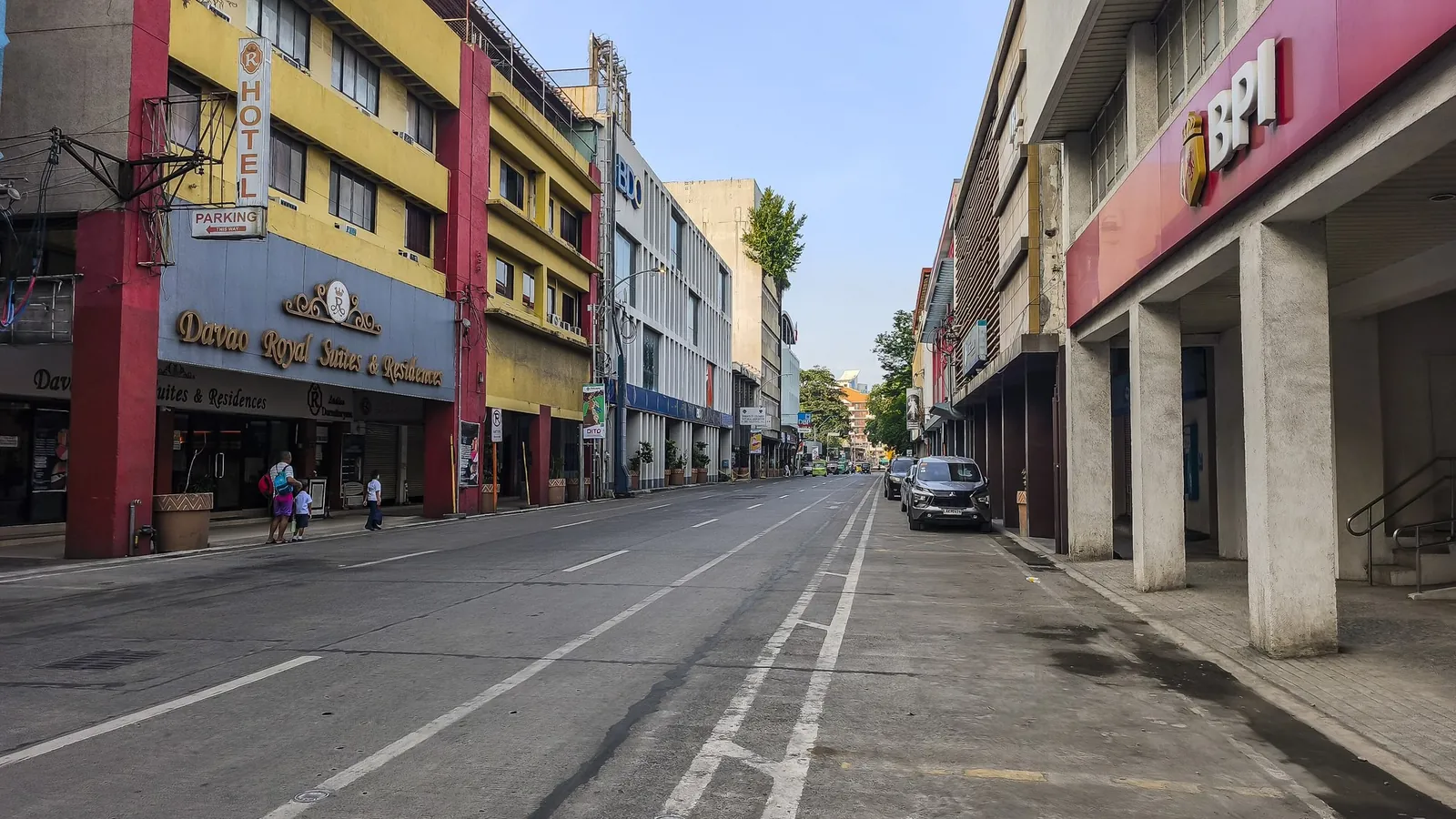
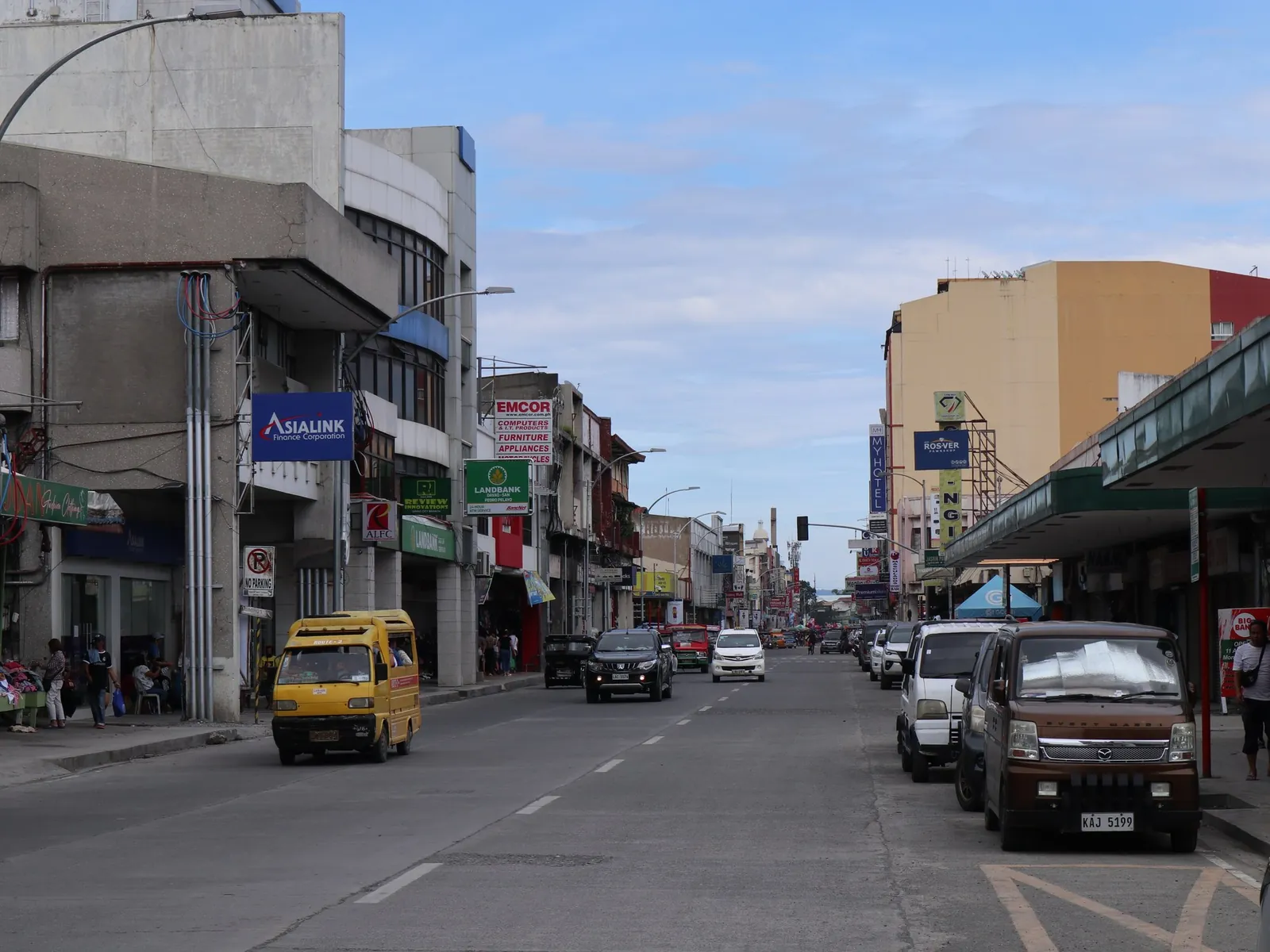
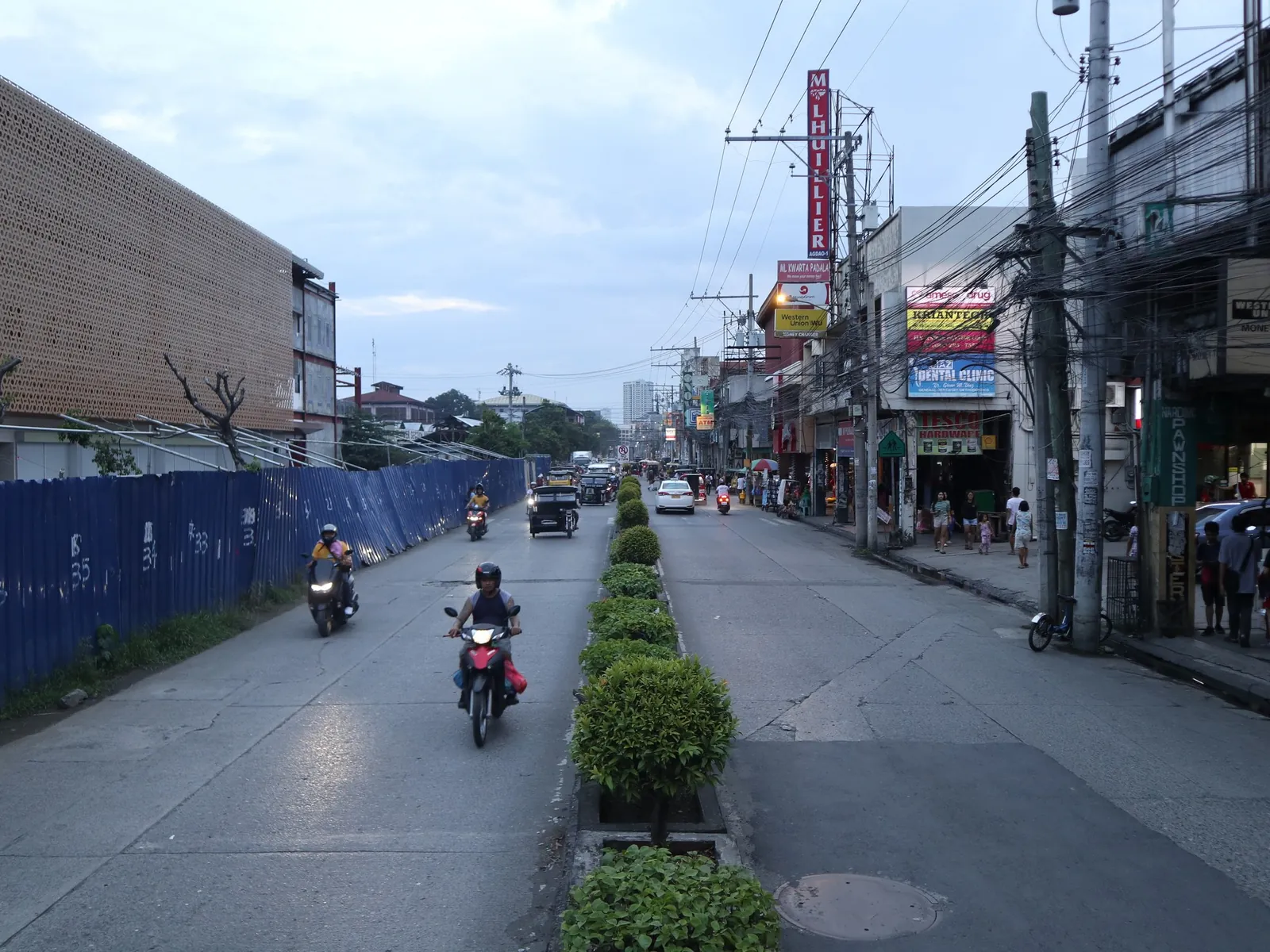
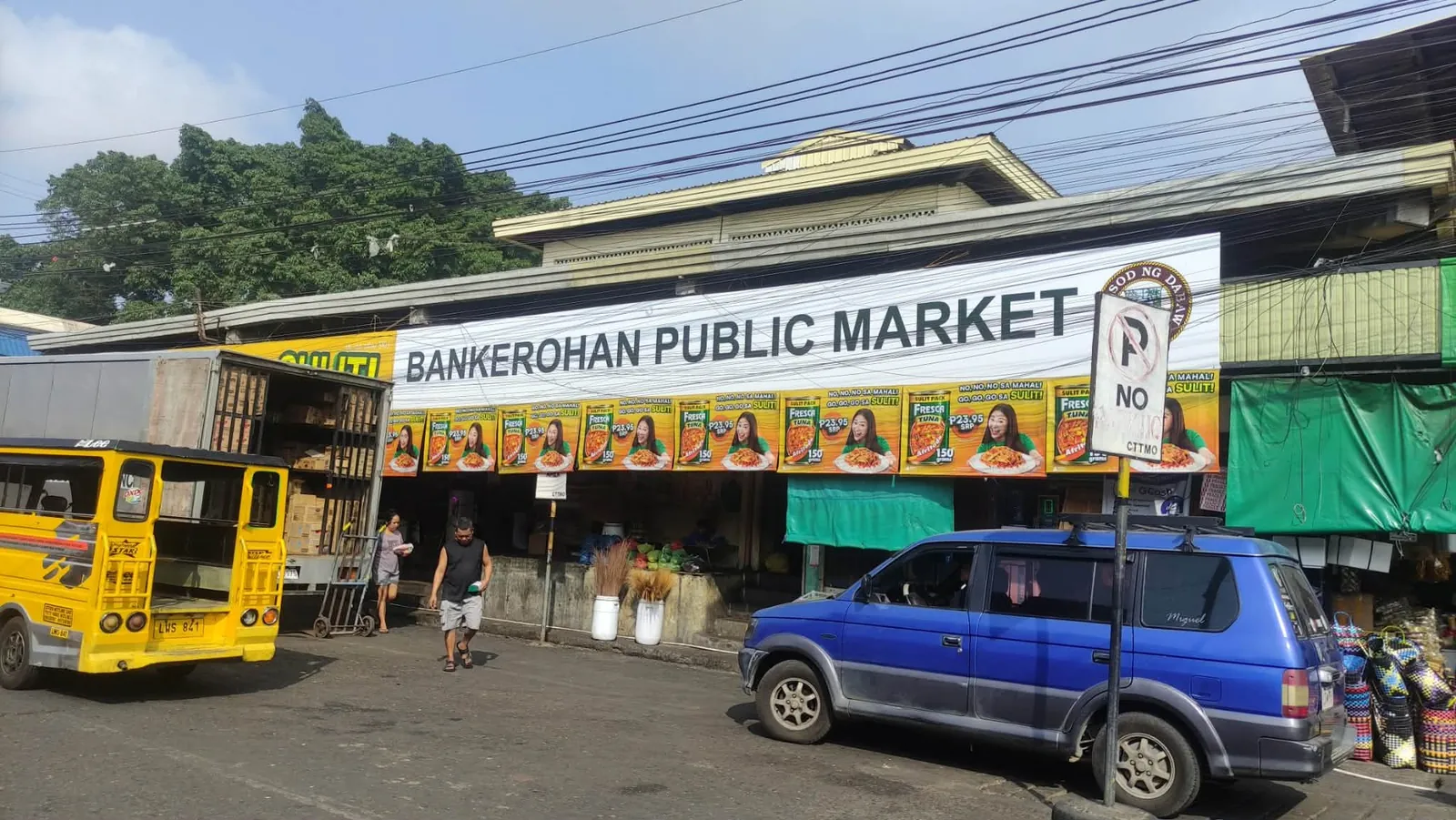
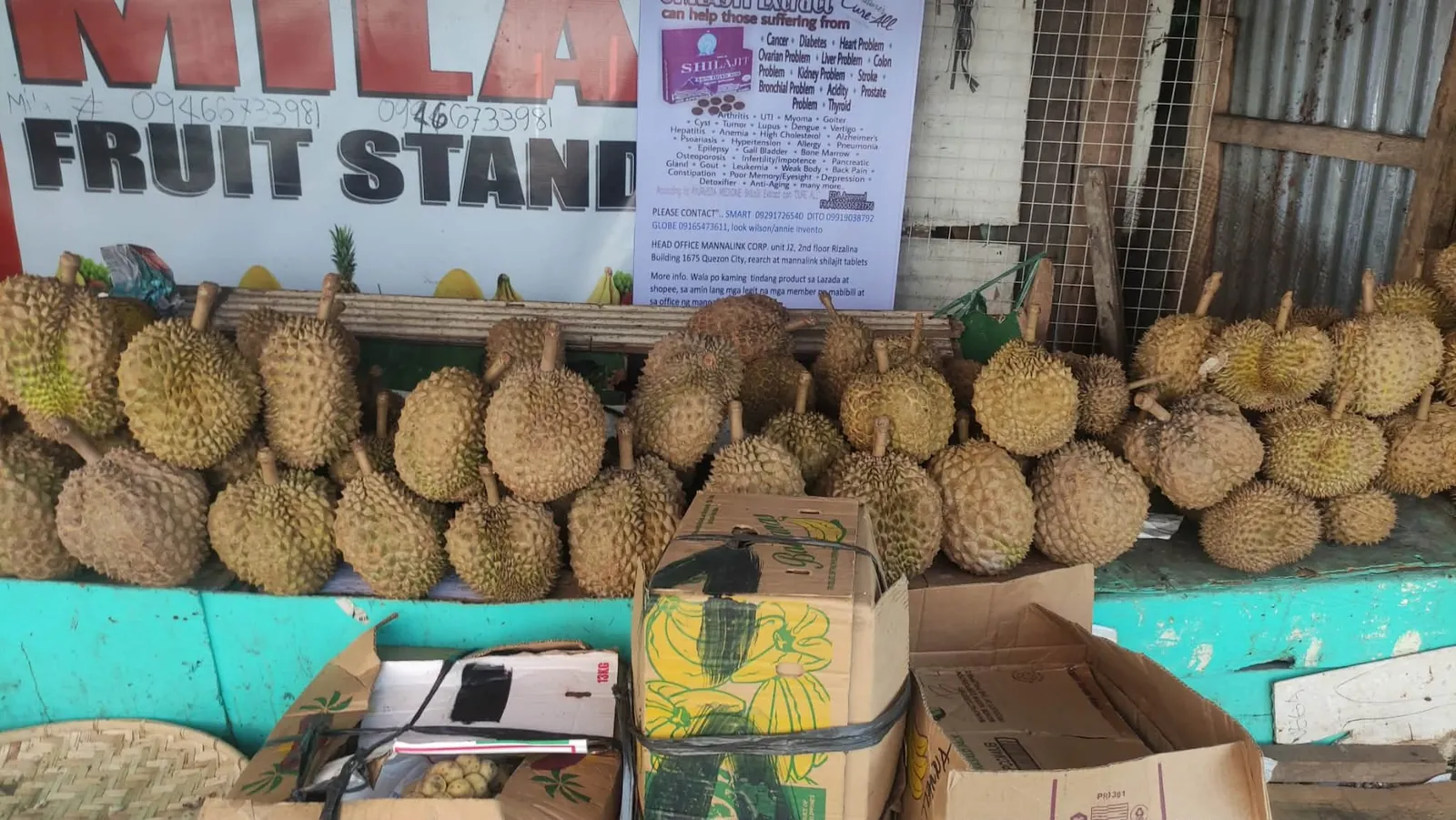
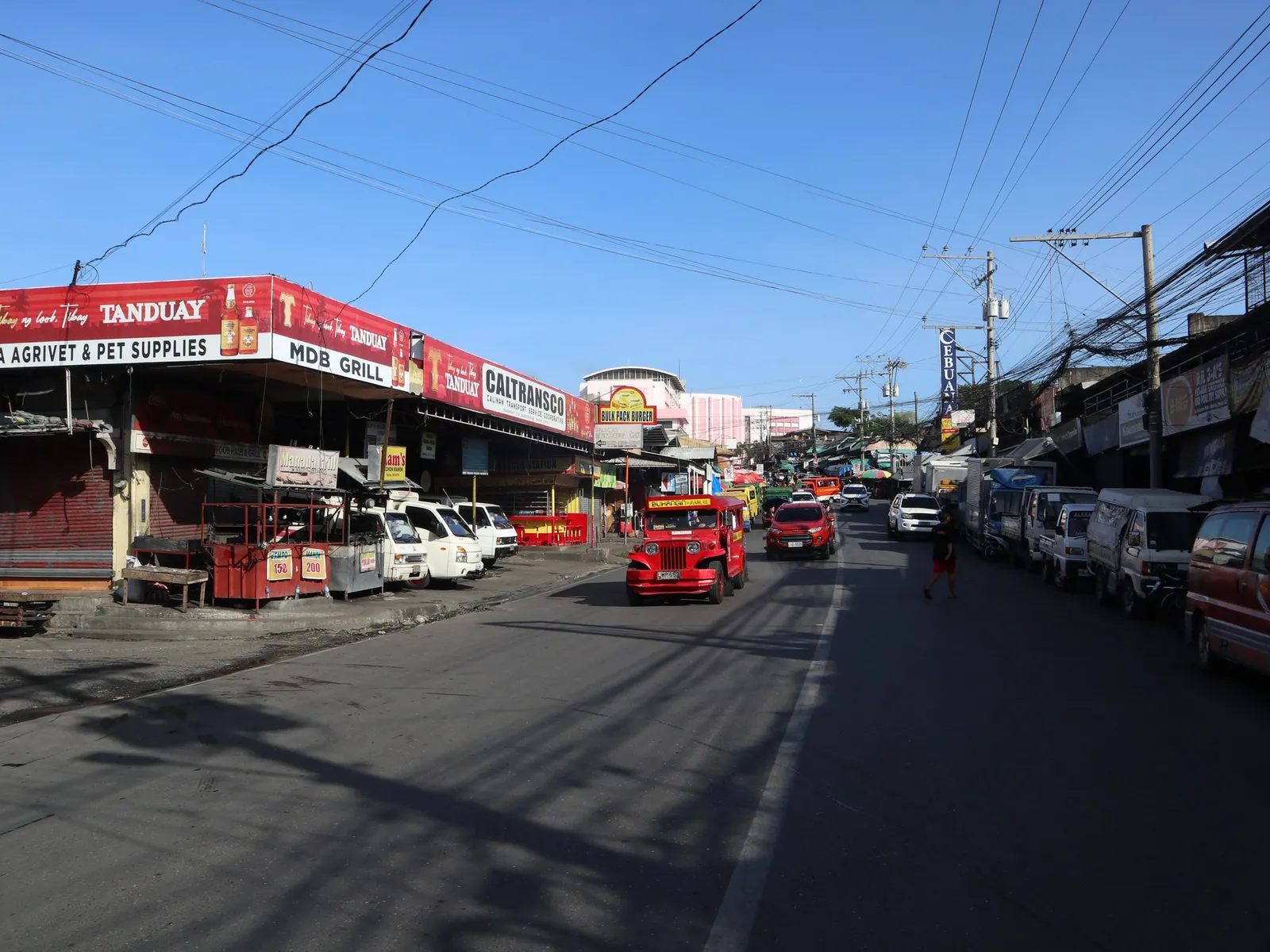
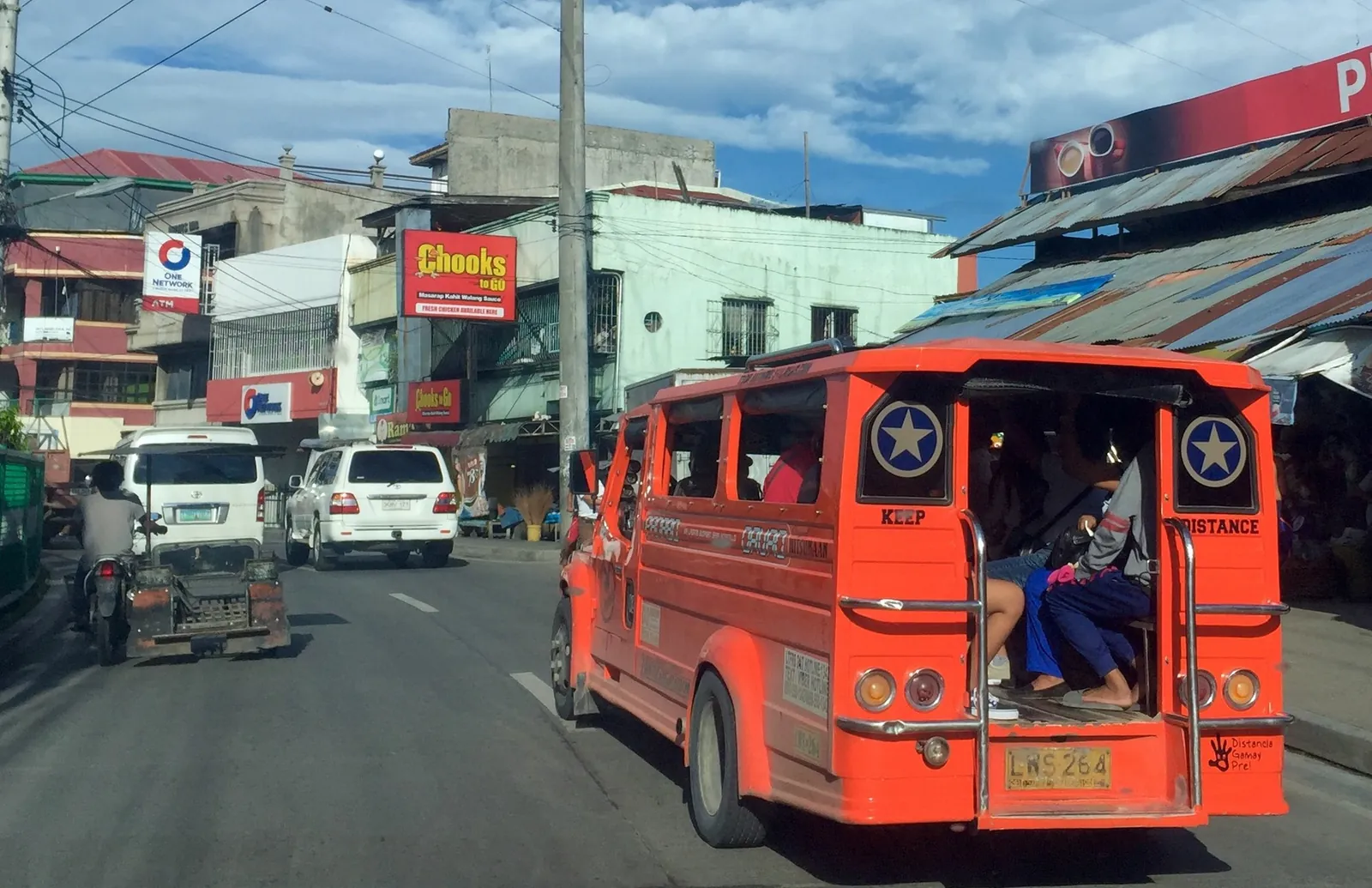
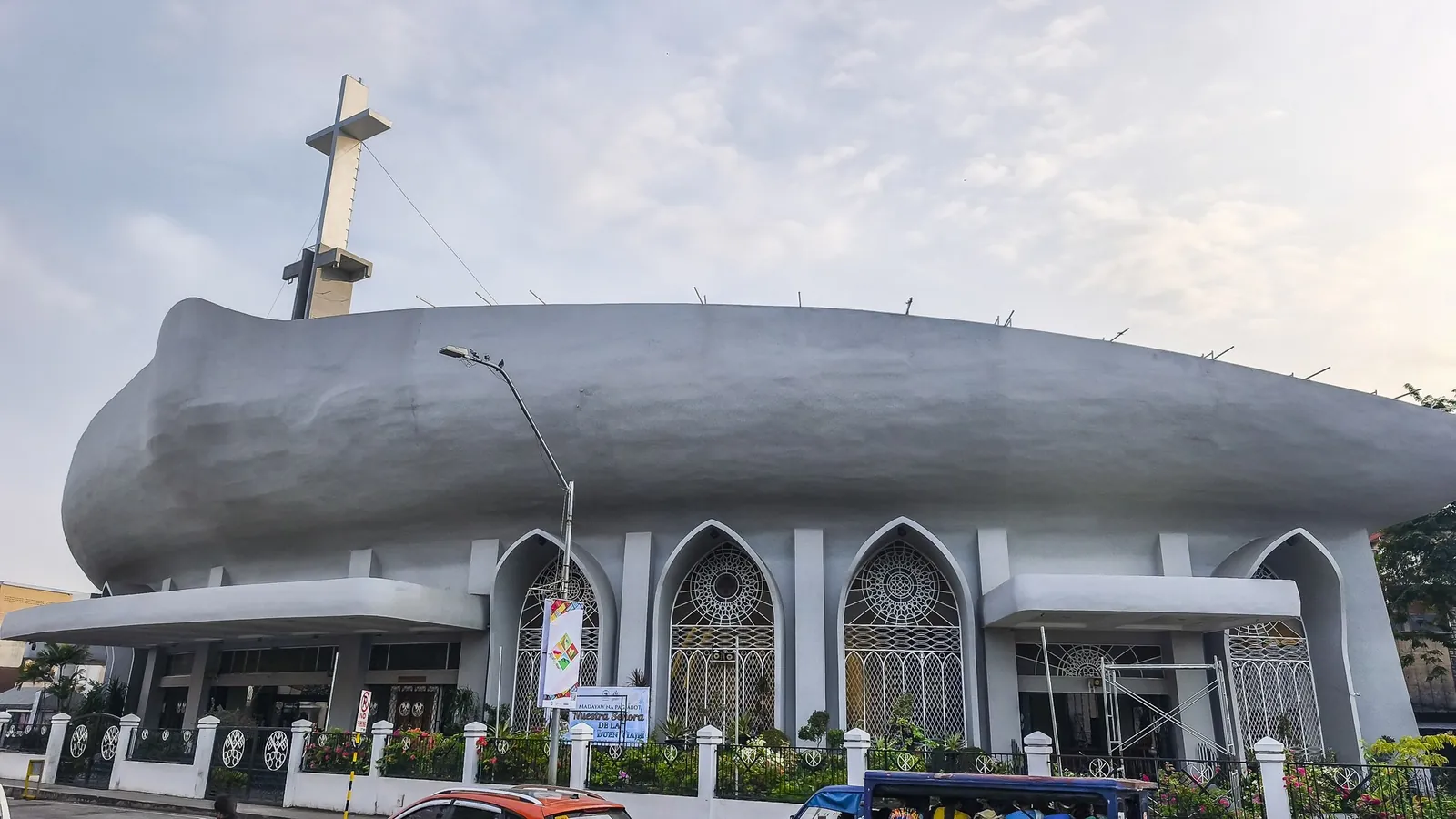
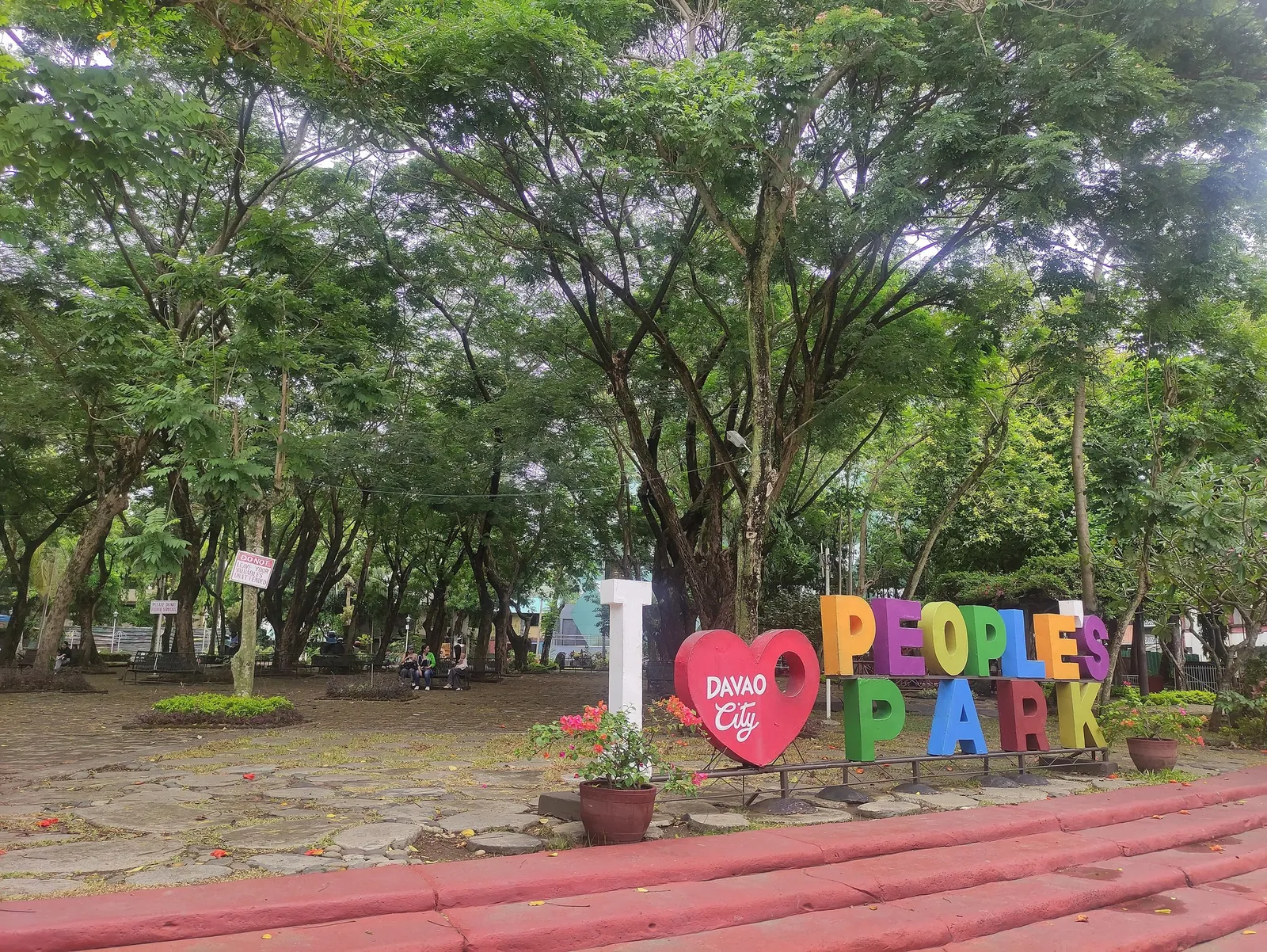
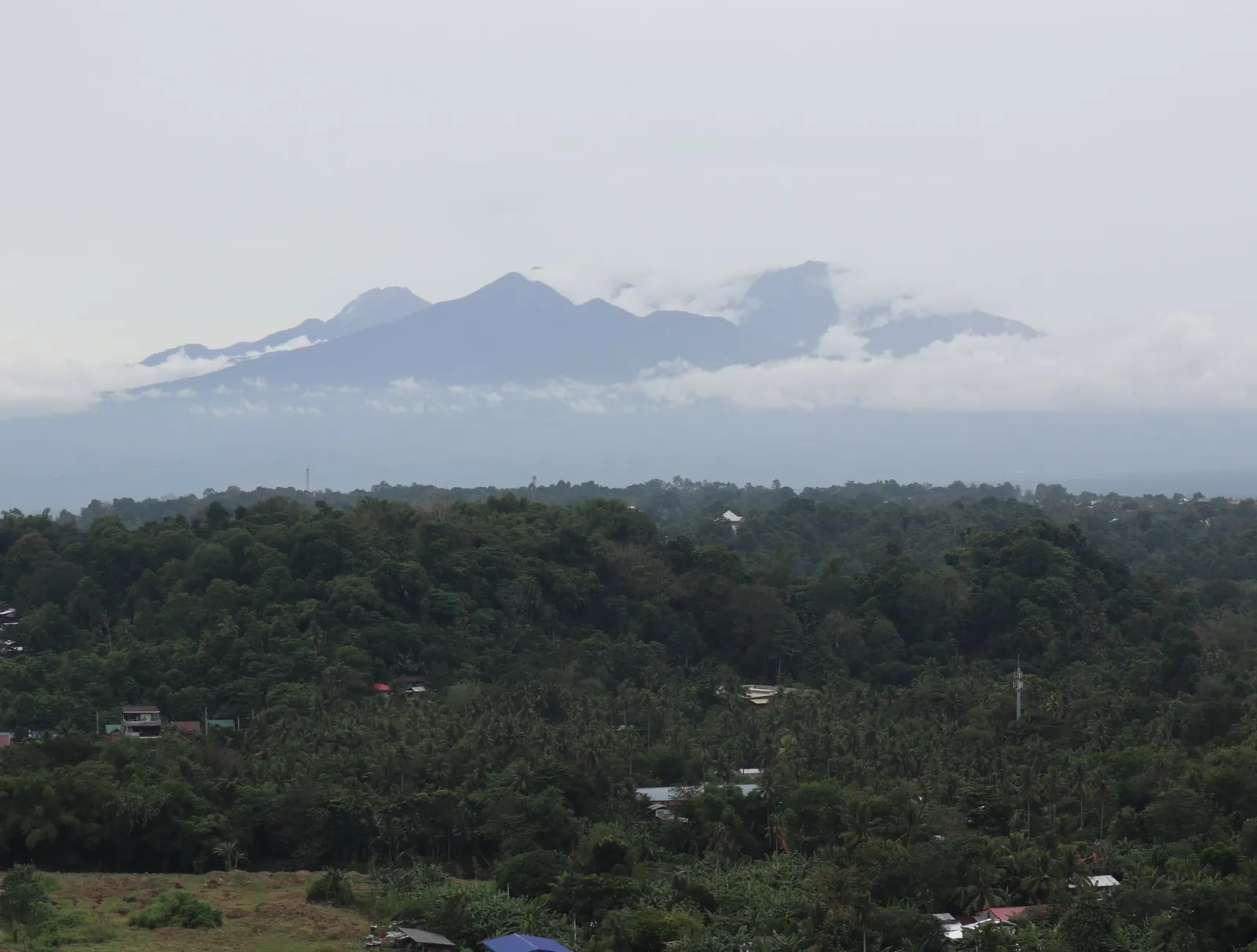
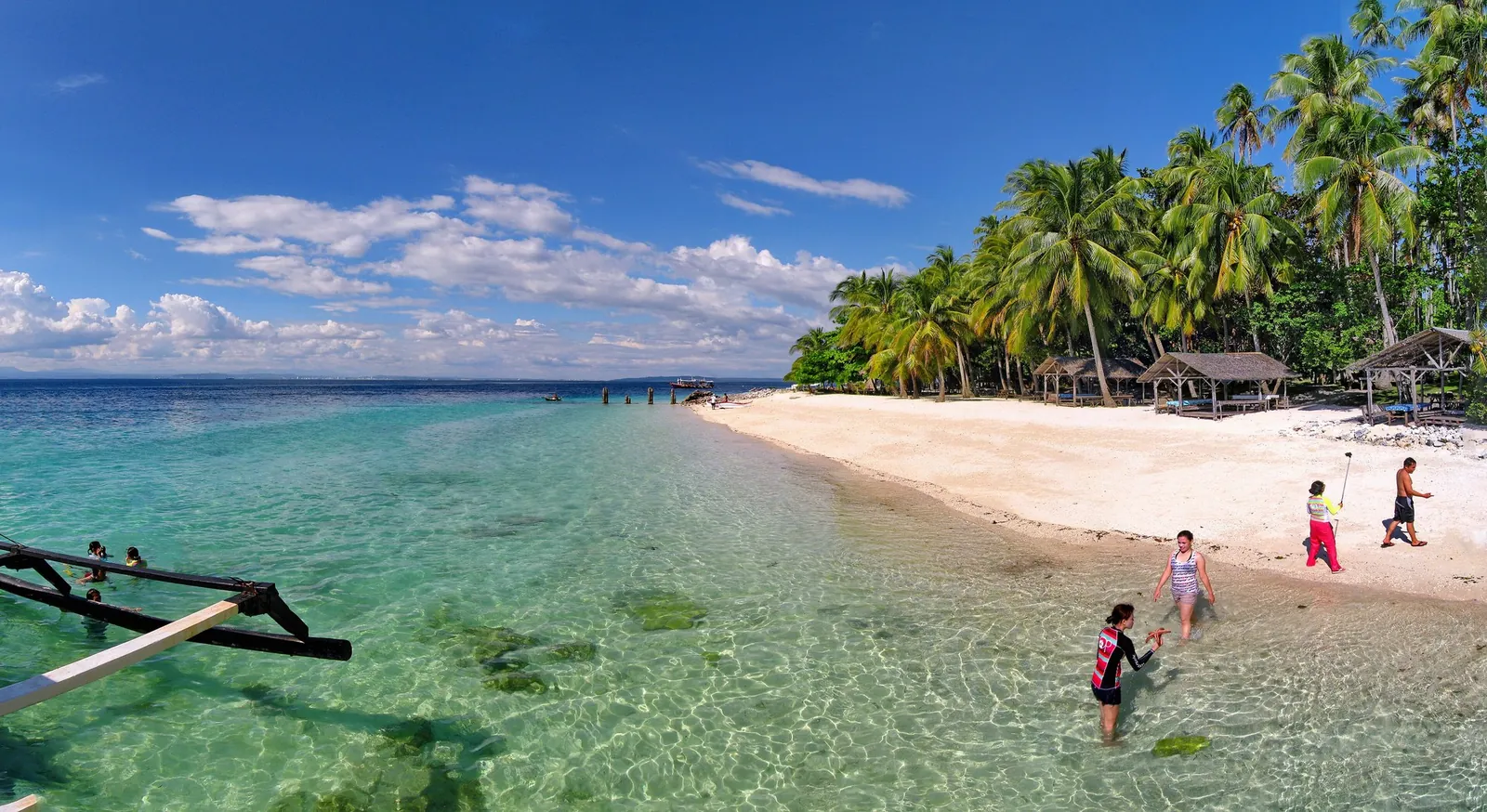
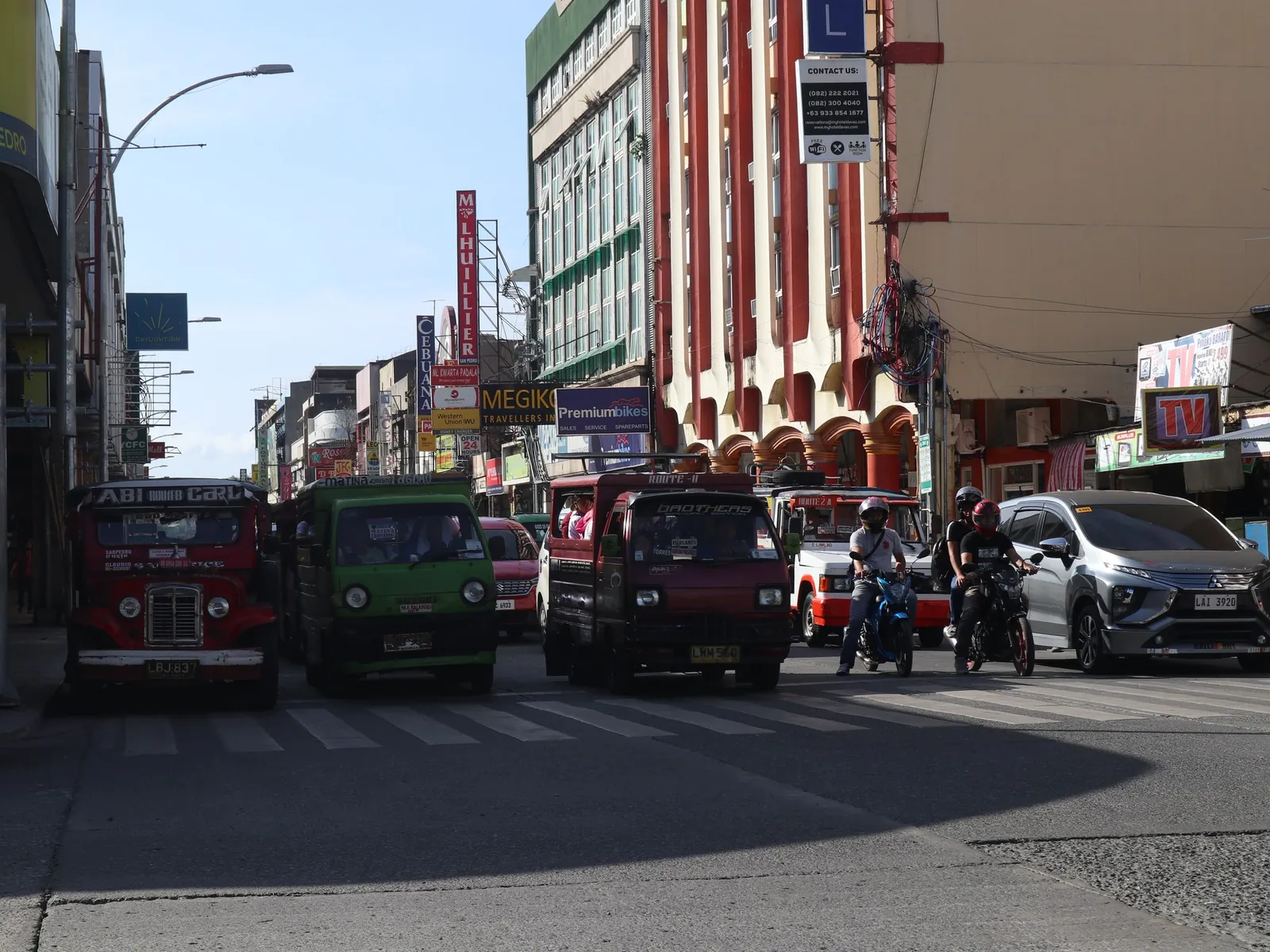
Authentic, unedited photos of Davao by residents and visitors, taken on ordinary days rather than chosen by a tourist board. Each one shows when it was taken. Browse photos of all 83 cities →

.jpg)
.jpg)


.jpg)



.jpg)

The other side
.jpg)
Cost of Living in Davao
1-Bedroom Rent
$220-$450/month
Local Restaurant Meal
$2-$5 at local eateries
Cup of Coffee
$1.50-$3
Estimated Monthly Total
$750-$1,300
Want a personalized estimate? Use our cost of living calculator
Healthcare in Davao
Davao has the strongest healthcare in Mindanao. Southern Philippines Medical Center is the largest public hospital in the region and the tertiary referral centre for the whole of southern Mindanao. On the private side, Davao Doctors Hospital is the long-established option, with Metro Davao Medical & Research Center and San Pedro Hospital also serving the city. Consultations run $15-$45, and English-language communication is straightforward throughout — a significant practical advantage over Vietnam, Thailand, or Indonesia at comparable cost. For the most advanced procedures some patients still travel to Manila or Cebu, both around 90 minutes by air with multiple daily flights, but the range of care available locally is considerably wider than in Dumaguete or Bohol.
Daily Life and Lifestyle in Davao
Davao feels different from other large Philippine cities, and the difference is enforcement. Smoking is banned in public places, speed limits are policed, a liquor curfew operates, and fireworks are restricted — the result is a city that is quieter and more orderly than its size would suggest. Daily life centres on the malls, the coastal road, and the markets; Samal Island, a short ferry ride across the gulf, has the beaches. The city is the world capital of durian and the surrounding region grows most of the country's pomelo, mangosteen, and cacao. Mount Apo and the Eden Nature Park give genuine highland access within an hour, and the Philippine Eagle Center is in the foothills. What Davao lacks is a large international community: the foreign population is small and dispersed, so retirees here generally integrate locally rather than joining an expat scene.
Climate and Weather in Davao
Davao has a tropical rainforest climate that is remarkably stable, running 24-33°C throughout the year with no pronounced dry or wet season — rain is distributed fairly evenly across the months rather than concentrated in a monsoon. The most important climatic fact for retirees is negative risk: Davao sits outside the main Philippine typhoon belt, and direct typhoon strikes are rare compared with Luzon and the Visayas. That is a genuine and often overlooked advantage over Cebu, Bohol, or Manila. Humidity is high year-round and air conditioning is normal. Mount Apo's slopes above the city are considerably cooler for anyone wanting a highland day out.
Pros and Cons of Retiring in Davao
Pros
- Outside the main typhoon belt — direct strikes are rare, unlike Luzon and the Visayas
- The best healthcare in Mindanao, with a tertiary public hospital and established private options
- Notably clean, orderly and safe, with city ordinances that are actually enforced
- English throughout daily life and healthcare
- Very low cost of living for a city of this size and infrastructure
Cons
- Mindanao's broader security reputation affects travel advice, insurance, and family opinion
- Small and dispersed international community — little organised expat social life
- Limited direct international flights; most connections via Manila or Cebu
- Hot and humid year-round with no cool season
- Sprawling city — a vehicle is needed for most daily journeys
Who Is Davao Best For?
Retirees who want low costs, English-speaking daily life, and better hospitals than a small island can offer, who value order and typhoon safety over an expat social scene, and who are comfortable explaining Mindanao to their families.
Where to Live in Davao
Lanang & Buhangin
The northern corridor towards the airport, with newer subdivisions, malls, and Davao Doctors Hospital nearby. Rents run $300-$550/month. The usual choice for retirees wanting modern housing and hospital access.
Poblacion & downtown
The older commercial centre with markets, government offices, and the cheapest rents at $200-$400/month. Busy and dense, walkable in parts, but noisier and further from the newer amenities.
Matina & Ma-a
Established residential districts on rising ground south-west of the centre, quieter and slightly cooler. Rents run $250-$500/month, often for houses with gardens. Popular with families and long-term residents.
Hospitals and Healthcare Facilities in Davao
Southern Philippines Medical Center
The largest public hospital in Mindanao and the tertiary referral centre for the southern region. Full emergency and specialist departments at low public-system cost.
Davao Doctors Hospital
The long-established private hospital in the city, with modern diagnostics, specialist clinics, and English-speaking staff throughout. The usual first choice for international residents.
Metro Davao Medical & Research Center
Private tertiary hospital offering specialist services and diagnostics, providing a second private option alongside Davao Doctors.
Facility details may change. Verify accreditation status and services directly with each hospital before making healthcare decisions.
Dining and Food Scene in Davao
Davao is the durian capital of the Philippines, and the fruit is sold on almost every corner in season — an acquired taste that residents either embrace or route around. The wider region grows most of the country's pomelo, mangosteen, mangoes, and cacao, and the local chocolate industry has grown into something genuinely good.
Everyday eating means Filipino carinderias and grilled seafood at $2-$5 a meal, with the coastal barbecue strips serving the day's catch. Malls carry the international chains and mid-range restaurants at $6-$12. The city's Chinese-Filipino community supports a solid range of Chinese restaurants.
Weekly groceries for two run $30-$50. The public markets are cheap and well stocked with tropical fruit, and the major supermarket chains carry imported goods at a premium. Davao's cacao means locally made chocolate is one of the few things here that is genuinely world-class and costs a fraction of what the equivalent would in Europe.
Is Davao Right for You?
Take our free 3-minute retirement quiz to see how Davao and Philippines compare to other destinations based on your preferences, budget, and needs.
Take the Retirement QuizFrequently Asked Questions About Retiring in Davao
Is Davao safe, given Mindanao's reputation?
Davao City is widely regarded as one of the safest cities in the Philippines, with strictly enforced ordinances and low street crime. The conflict that shapes Mindanao's reputation has been concentrated in other parts of the island, notably western and central Mindanao, not in Davao. That said, several governments issue region-wide travel advice for Mindanao, which can affect travel insurance and will certainly affect what your family thinks. Understand the distinction, but do not expect others to.
Does Davao get typhoons?
Rarely, and this is one of its strongest advantages. Davao sits outside the main Philippine typhoon belt, so direct strikes are uncommon — a marked contrast with Luzon, Cebu, and Bohol, which are hit regularly. Rain is spread evenly through the year rather than arriving in a monsoon. For a retiree weighing long-term risk, this is arguably Davao's single best feature.
How does Davao compare with Cebu for retirement?
Cebu has more international flights, a larger expat community, and a livelier social scene; Davao is cheaper, cleaner, more orderly, and materially safer from typhoons. Healthcare is broadly comparable, with Cebu holding a slight edge on private tertiary options. The choice usually comes down to whether an established international community matters more than cost and storm safety.
Sources & References
- Southern Philippines Medical Center — Tertiary referral role and departmental services for southern Mindanao
- Philippine Atmospheric, Geophysical and Astronomical Services Administration (PAGASA) — Typhoon track climatology showing Davao's position outside the main belt
- Philippine Retirement Authority — SRRV categories, deposit requirements, and application procedures
- Numbeo — Cost of living index and price data for Davao — rent, groceries, and restaurants