
City Retirement Guide
Retire in Dumaguete, Philippines
The gentle university town beloved by expat retirees
What are the key facts about retiring in Dumaguete?
- Elevation & setting
- ~12 m, coastal city on the Tanon Strait facing Cebu and Siquijor islands
- Climate
- Coolest month January 25–29°C, hottest May 26–32°C; 1,319 mm of rain a year, most in October (daily low to high, 1991–2020)
- Nearest international airport
- Sibulan/Dumaguete Airport (DGT) 3 km north (domestic); nearest international is Mactan-Cebu (CEB), ferry+flight connection
- Nearest major hospital
- Holy Child Hospital (downtown Dumaguete), one of four city tertiary hospitals
- Primary retirement visa
- SRRV Classic (post-Sept 2025 rules): age 50+ US$15,000 deposit with pension or US$30,000 without pension
- Language environment
- Cebuano primary; English is the main instructional language at Silliman University and widely spoken in clinics and banks
Dumaguete has no international airport of its own, so SRRV applicants and returning retirees must clear immigration at Cebu (CEB) or Manila (MNL) and transfer via a 35-minute domestic flight to Sibulan (DGT).
What is retirement like in Dumaguete?
Dumaguete is a coastal component city on the southeastern tip of Negros Island, sitting at roughly 12 metres elevation directly on the Tanon Strait. Silliman University, founded in 1901 as the first American university in Asia, occupies much of the downtown grid and sets the tone for the Rizal Boulevard seafront barangay where many foreign retirees cluster. Sibulan Airport (IATA: DGT) lies only 3 kilometres north of the city in Barangay Agan-an, and Holy Child Hospital serves as one of four tertiary hospitals inside the city.
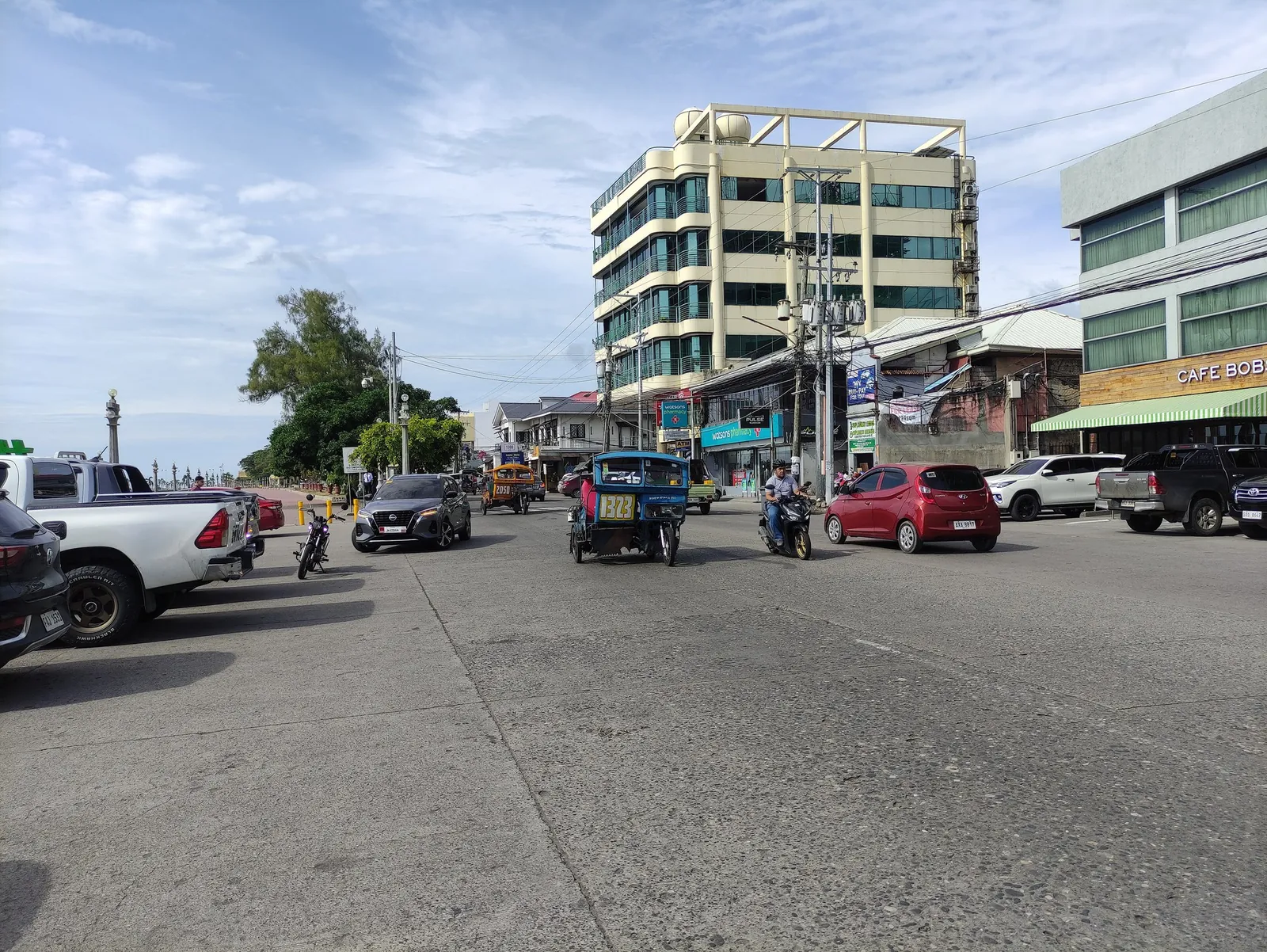
The city sits on the southeastern coast of Negros Island, with views across the Tañon Strait to Cebu. The waterfront boulevard, locally known as Rizal Boulevard, is the social heart of the city--a palm-lined promenade where retirees gather for sunset walks, evening meals, and people-watching. Behind the boulevard, a compact downtown offers local markets, bakeries, and shops selling daily necessities at very low prices.
Dumaguete's expat retiree community is one of the largest per capita in the Philippines. The welcoming atmosphere, extremely low cost of living, and beautiful natural surroundings--including nearby Apo Island (world-class diving), twin lakes in the mountains, and hot springs--have attracted a steady stream of American, European, and Australian retirees over the past two decades.
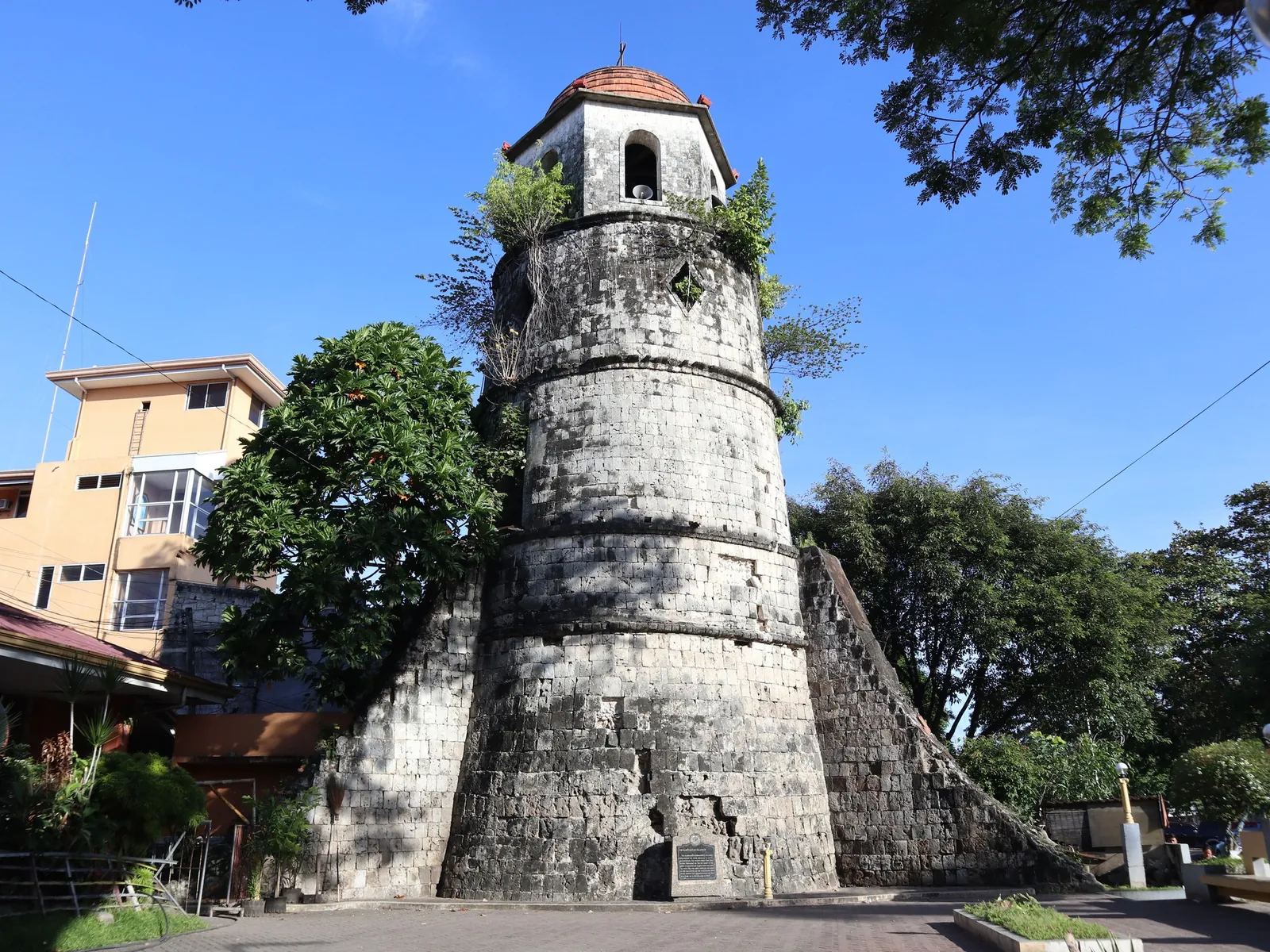
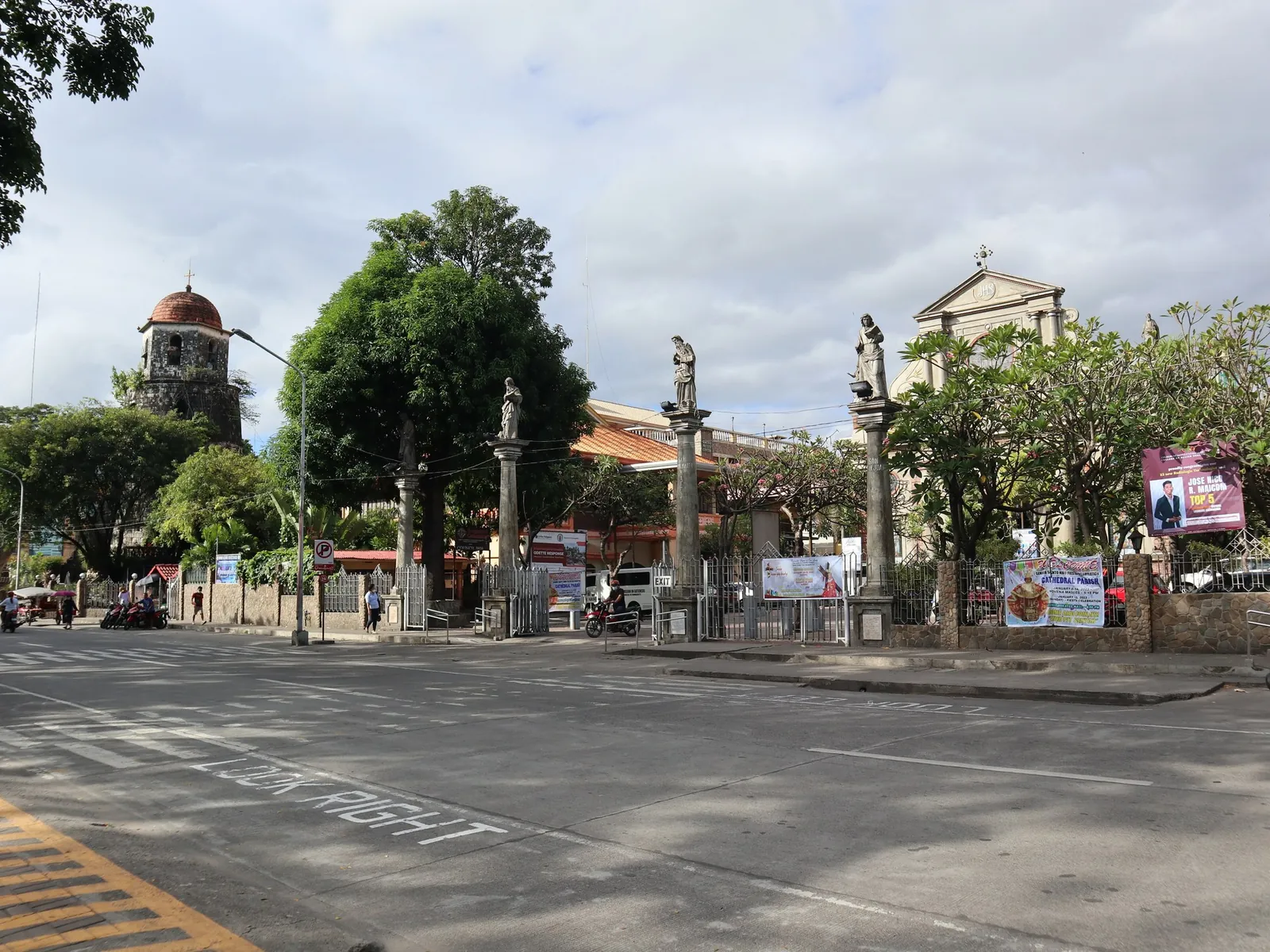
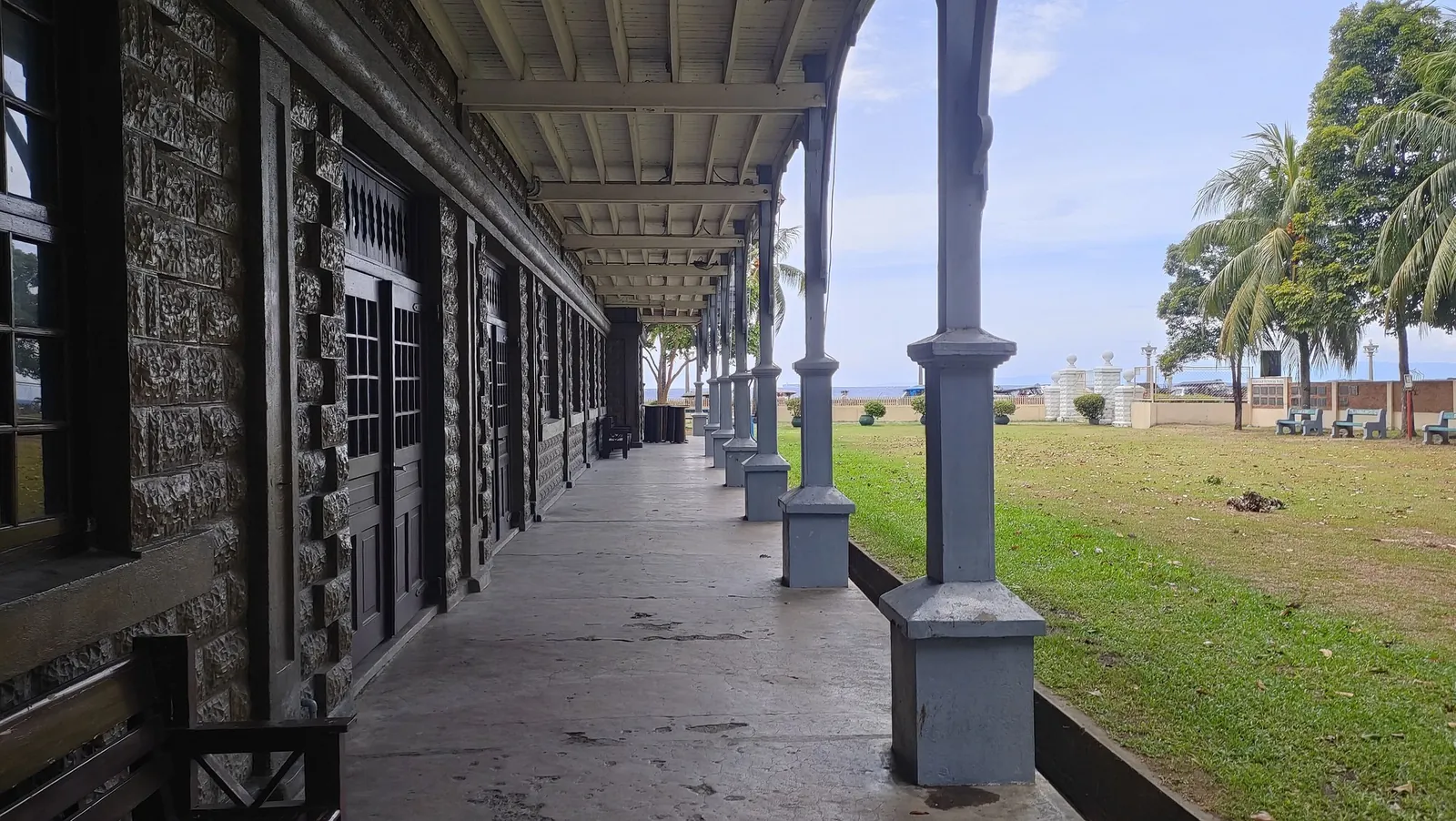
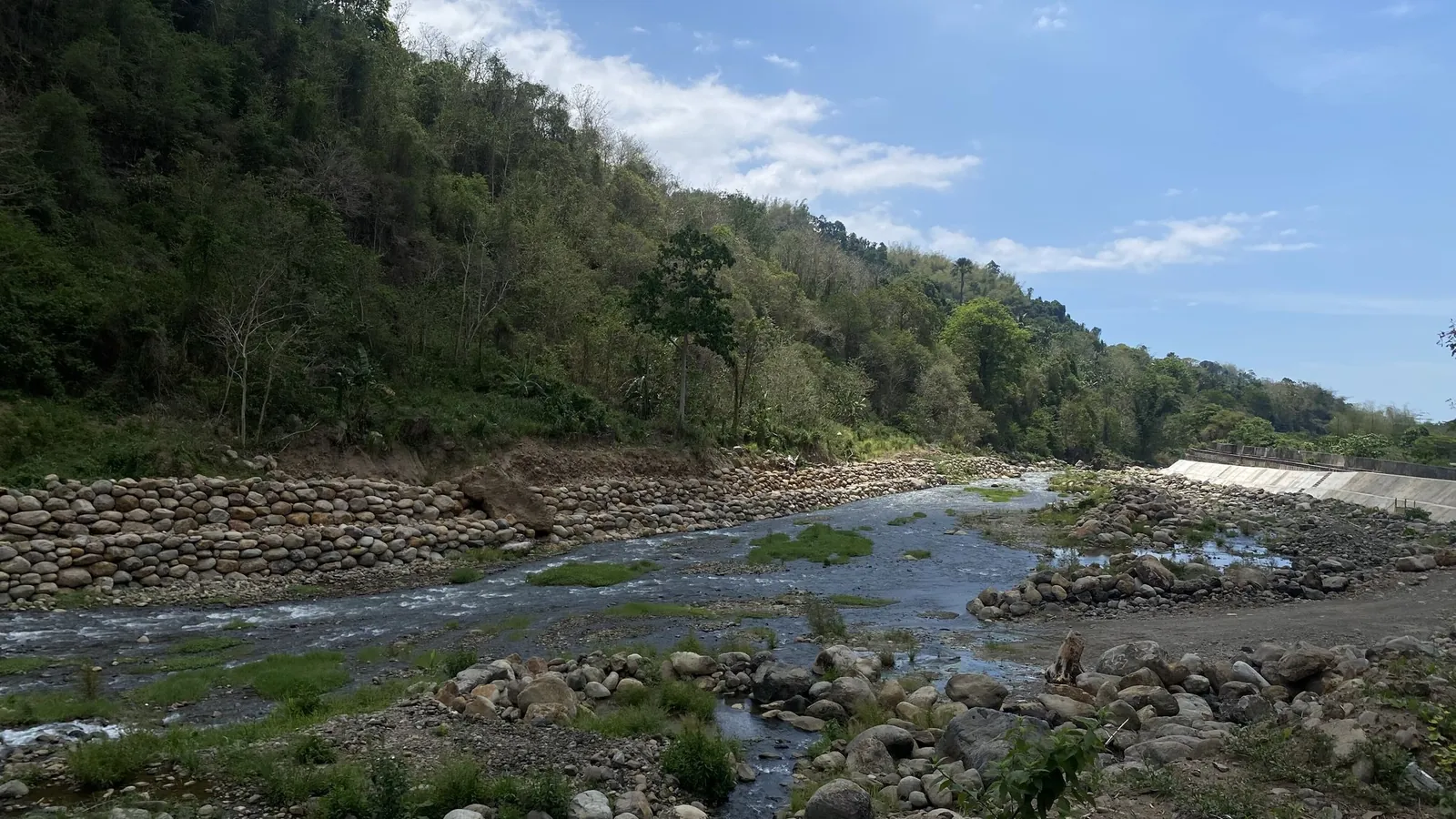
What does it really look like in Dumaguete?
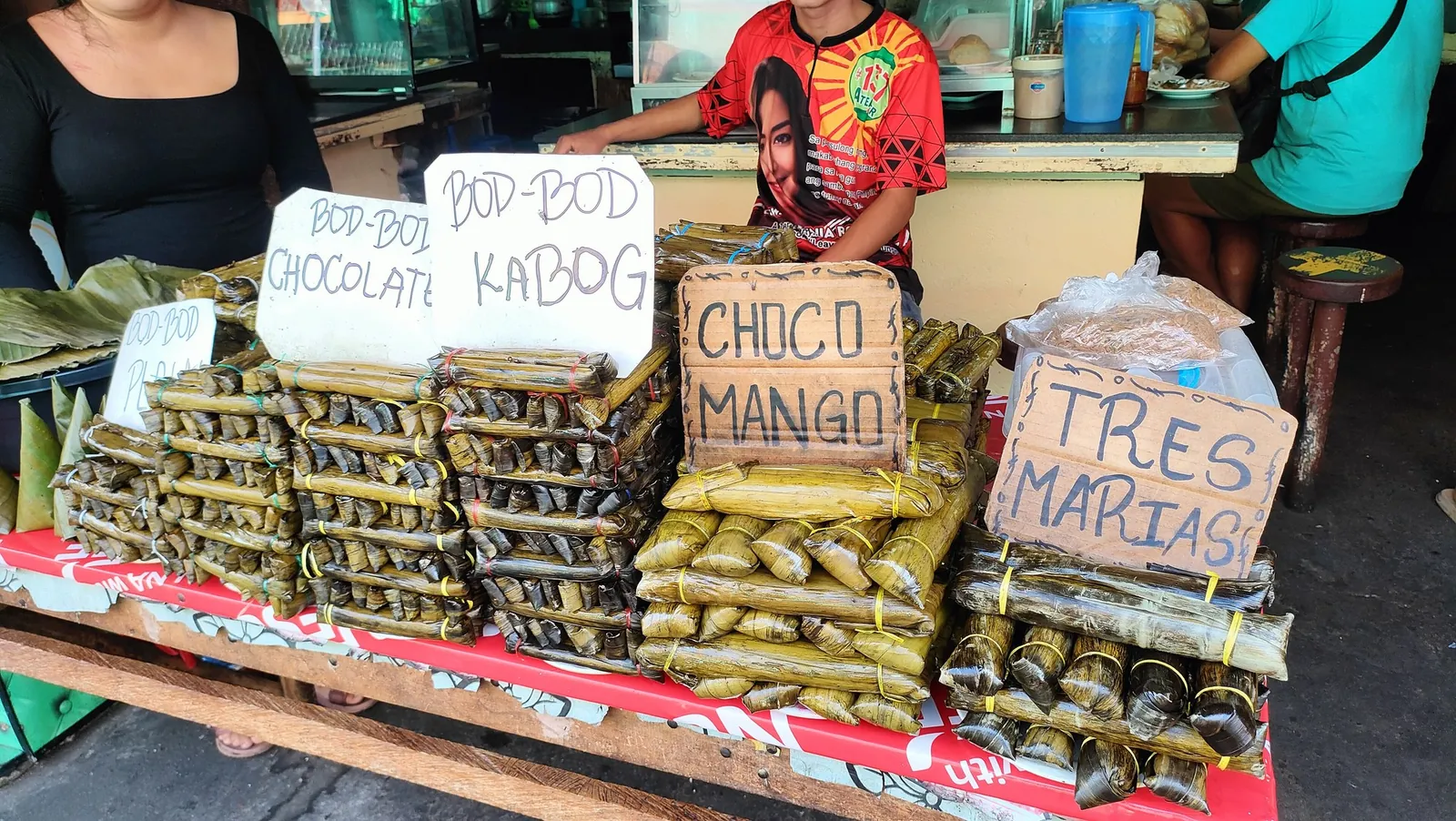
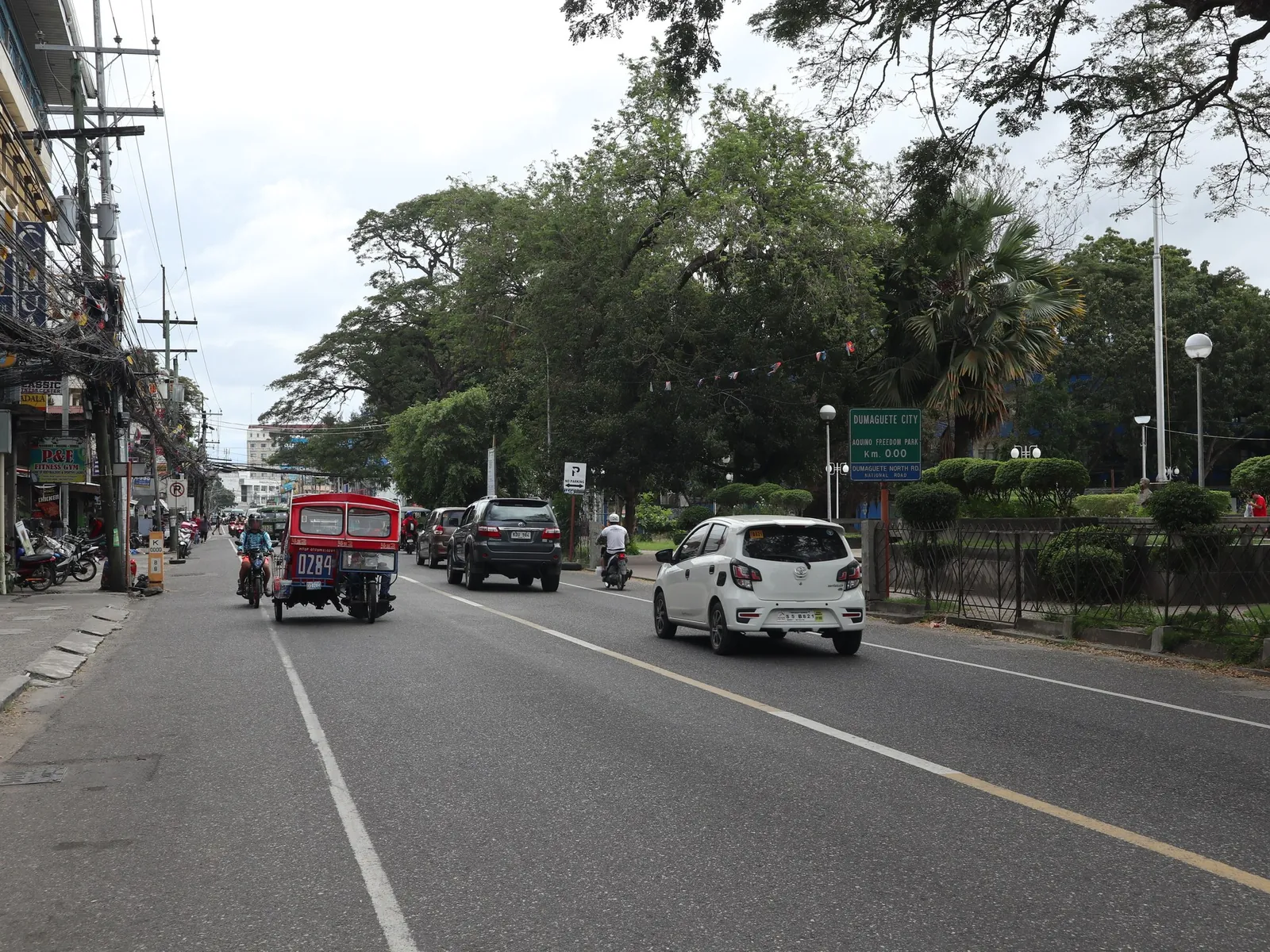
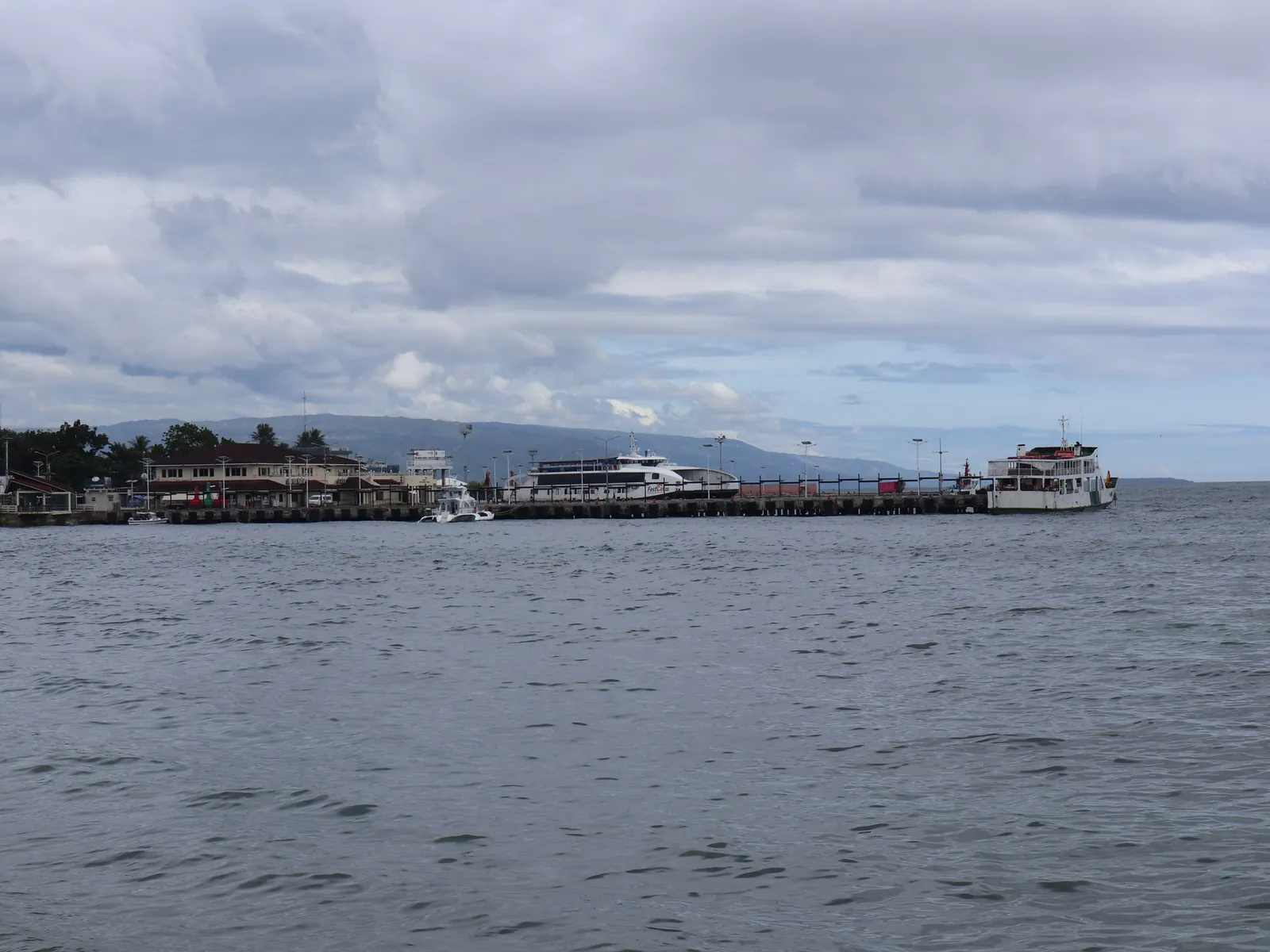
Authentic, unedited photos of Dumaguete by residents and visitors, taken on ordinary days rather than chosen by a tourist board. Each one shows when it was taken. Browse photos of 105 cities →
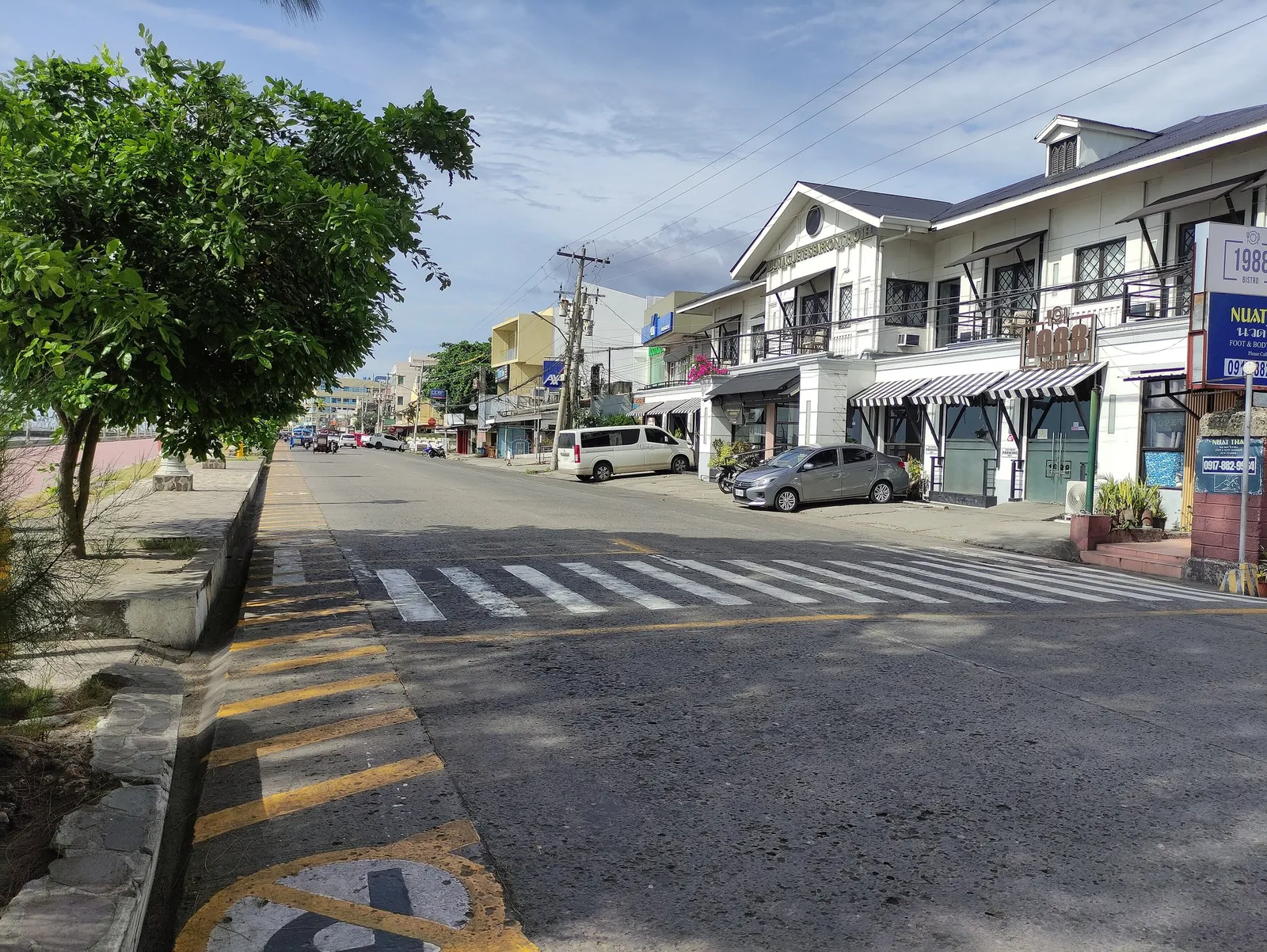

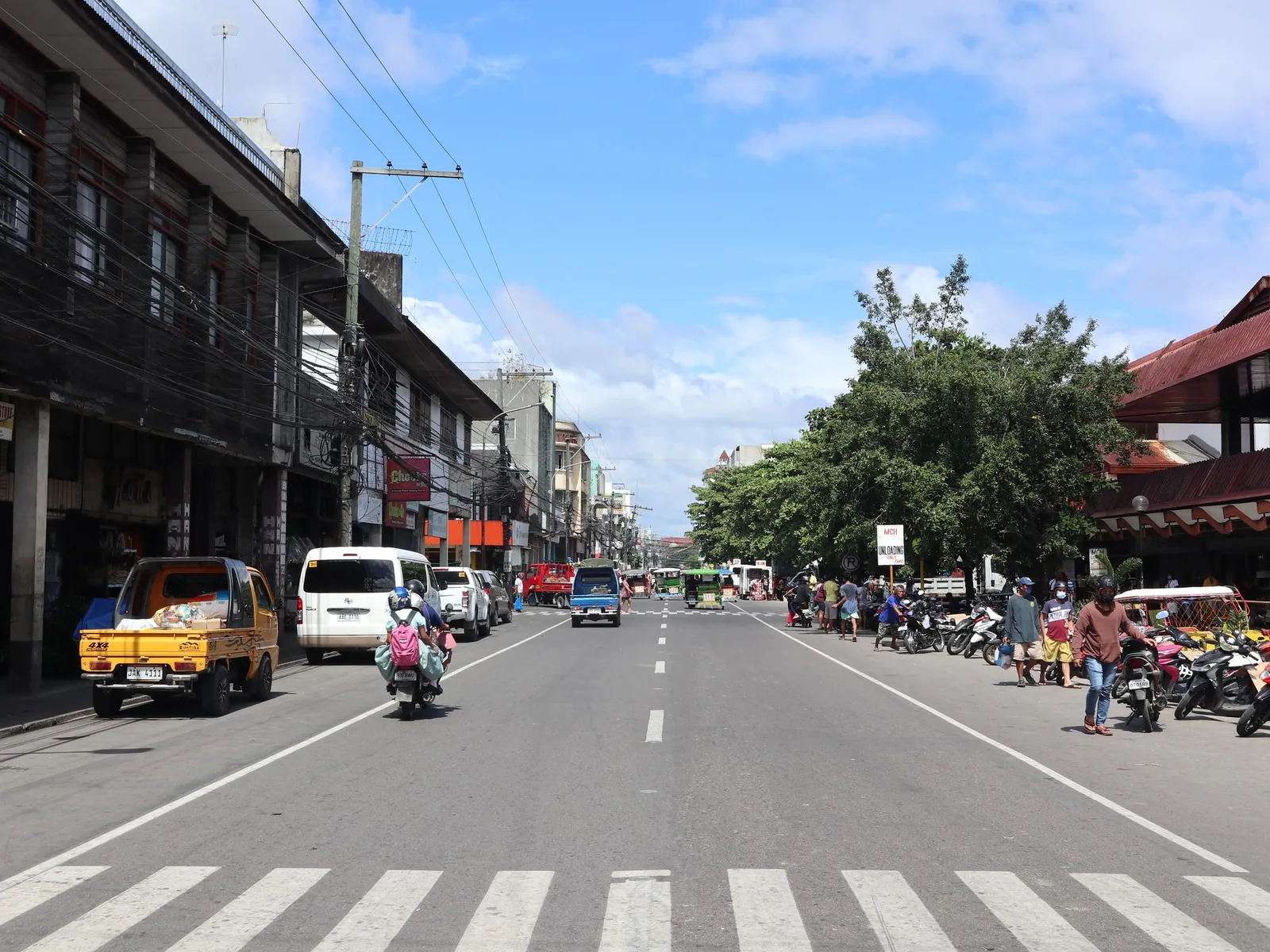
.jpg)
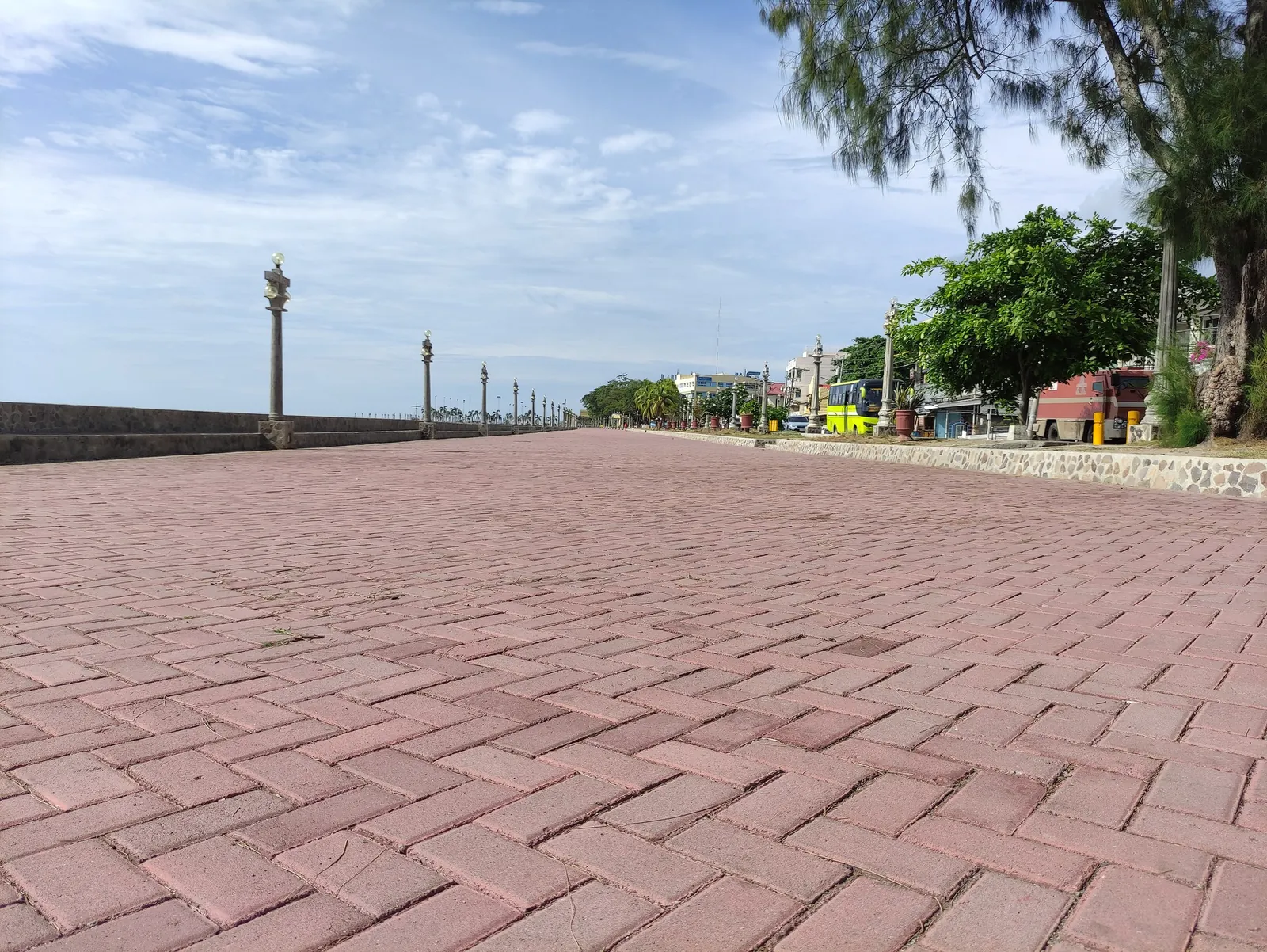

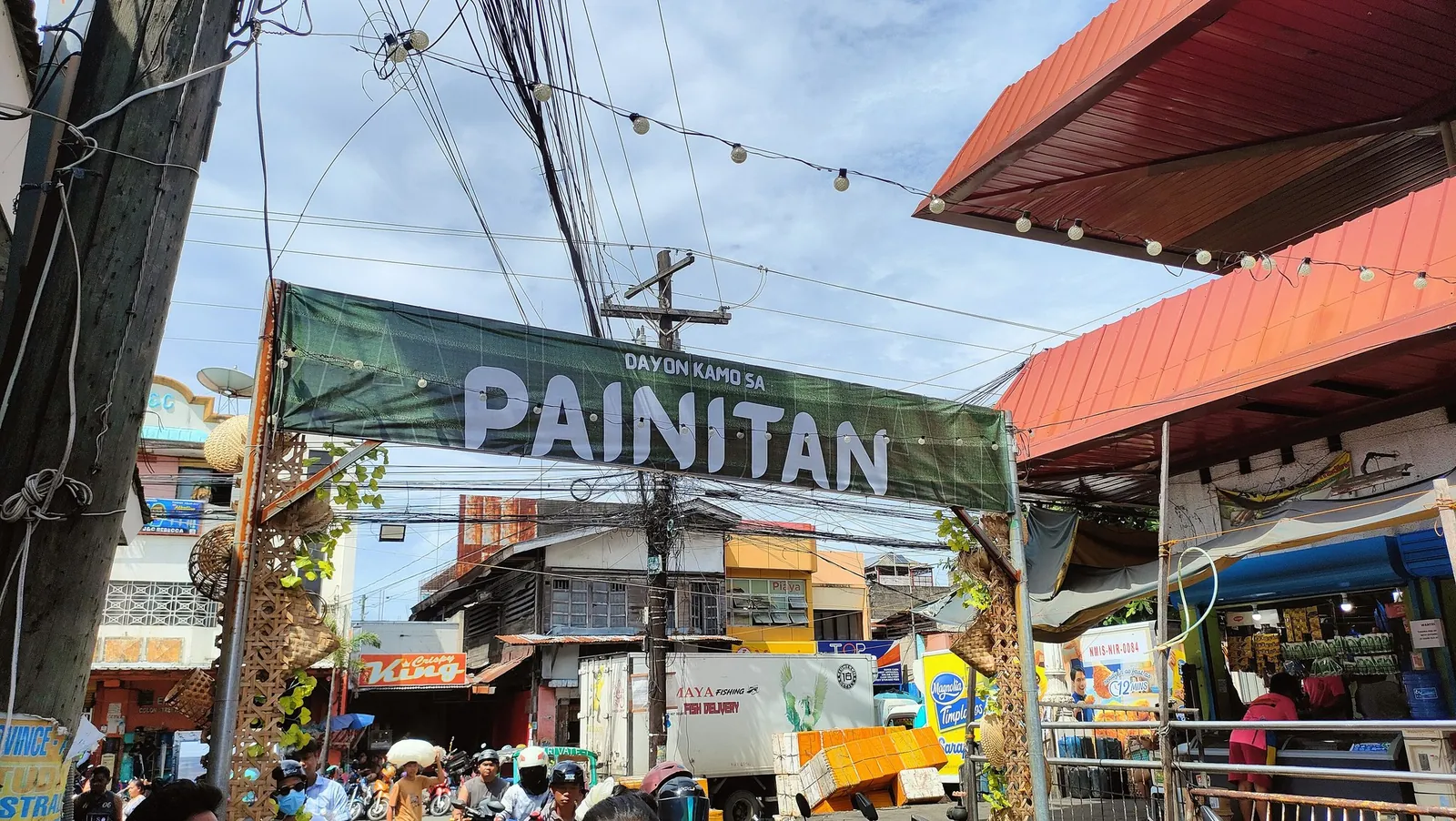


.jpg)
.jpg)

.jpg)
.jpg)


The other side
We don't yet have a licensed photo that shows Dumaguete's downsides. They are listed in full under pros and cons below.
What does it cost to live in Dumaguete?
1-Bedroom Rent
$150-$350/month
Local Restaurant Meal
$1.50-$3 at local restaurants
Cup of Coffee
$0.80-$2
Estimated Monthly Total
$700-$1,200
Want a personalized estimate? Use our cost of living calculator
How good is healthcare in Dumaguete?
Dumaguete's main hospitals are Silliman University Medical Center and Holy Child Hospital. Both provide competent care for routine and moderate medical needs with English-speaking staff. However, for serious or complex medical issues, retirees typically travel to Cebu (accessible by fast ferry or short flight) where more advanced facilities are available. Several expat-oriented clinics provide basic healthcare and can arrange medical evacuations if needed. Health insurance is strongly recommended.
What is daily life like in Dumaguete?
Life in Dumaguete revolves around the boulevard, the sea, and community. Mornings often start with a walk along Rizal Boulevard or a swim at one of the nearby beaches. The city's markets offer fresh tropical fruits, vegetables, and seafood at rock-bottom prices. The expat community is close-knit, with regular meetups, dinners, and social events. Diving at nearby Apo Island and Dauin is world-class. The universities provide cultural events, lectures, and a sense of vitality unusual for a city this size.
What is the climate like in Dumaguete?
Dumaguete has a relatively mild tropical climate compared to other Philippine cities, with temperatures of 25-32°C year-round. The city is partially sheltered from the worst typhoons by surrounding mountains and its location on the western side of the Visayas. Rainfall is spread fairly evenly through the year, with a slightly drier period from February to May. The sea breeze keeps coastal areas comfortable.
| Month | High | Low | Rain |
|---|---|---|---|
| January | 29.2 °C | 24.6 °C | 97 mm |
| February | 29.4 °C | 24.5 °C | 74 mm |
| March | 30.2 °C | 24.7 °C | 68 mm |
| April | 31.2 °C | 25.4 °C | 49 mm |
| May | 32.0 °C | 25.6 °C | 85 mm |
| June | 31.7 °C | 25.0 °C | 144 mm |
| July | 31.4 °C | 24.5 °C | 146 mm |
| August | 31.9 °C | 24.4 °C | 105 mm |
| September | 31.7 °C | 24.4 °C | 117 mm |
| October | 31.2 °C | 24.6 °C | 159 mm |
| November | 30.7 °C | 25.1 °C | 149 mm |
| December | 30.1 °C | 25.1 °C | 128 mm |
Weather station: Dumaguete (3 km away). Source: WMO Climatological Normals 1991-2020 (NOAA NCEI)
What are the pros and cons of retiring in Dumaguete?
Pros
- Extremely low cost of living--one of the cheapest in Southeast Asia
- Warm, welcoming local community ("City of Gentle People")
- Active expat retiree community with regular social events
- World-class diving at Apo Island and Dauin
- Relatively protected from typhoons compared to other Philippine areas
Cons
- Limited healthcare--serious cases require travel to Cebu or Manila
- Small city with limited shopping and entertainment options
- Internet and infrastructure can be unreliable
- Domestic travel connections are limited (small airport, ferries)
Who should retire in Dumaguete?
Budget-conscious retirees who prefer small-town living, enjoy diving and nature, and value a close-knit community over big-city amenities.
Which neighborhoods suit retirees in Dumaguete?
Bantayan / City Center
The walkable downtown core near Silliman University and the famous boulevard seafront promenade. Studio and one-bedroom apartments rent for $200-400/month. Ideal for retirees who want everything on foot: restaurants, banks, the public market, and waterfront sunsets.
Bacong / Valencia
Semi-rural towns just south and inland of Dumaguete offering larger houses with gardens at $250-450/month. Valencia sits in the cooler foothills of Mount Talinis. Popular with expats seeking quiet, space, and mountain views while staying within 15 minutes of the city.
Which hospitals serve retirees in Dumaguete?
Silliman University Medical Center
A private teaching hospital affiliated with the prestigious Silliman University. Provides general surgery, internal medicine, pediatrics, and OB-GYN services. English is the medium of instruction at the university, so medical staff communicate fluently in English.
Holy Child Hospital
A private hospital in the city center offering general and specialized medical services including cardiology, orthopedics, and diagnostic imaging. Smaller than Manila hospitals but adequate for most routine and moderately complex care needs. English widely spoken.
Facility details may change. Verify accreditation status and services directly with each hospital before making healthcare decisions.
What is the food scene like in Dumaguete?
Dumaguete calls itself the "City of Gentle People" and the dining scene matches that relaxed character. Rizal Boulevard, the seaside promenade, is lined with casual restaurants and cafes where you can eat grilled seafood while watching the sunset. A full meal of grilled fish, rice, and sides runs $3-5 at spots like Hayahay Treehouse Bar and Restaurant or Jo's Chicken Inato.
The area around Silliman University has an eclectic mix of budget-friendly eateries catering to students and expats. Lab-as Seafood Restaurant is a local institution for Filipino seafood, while Cafe Racer serves reliable Western comfort food. Korean and Japanese restaurants have multiplied in recent years, with meals averaging $4-8.
The public market's food stalls offer the cheapest eats in town: rice meals and soups for under $2. For a splurge, Sans Rival Bistro on the boulevard is a Dumaguete icon, famous for its silvanas (frozen buttercream cookies) and serving continental dishes at $8-15 per entree.
Is retiring in Dumaguete right for you?
Take our free 3-minute retirement quiz to see how life in Dumaguete, Philippines, compares to other destinations based on your preferences, budget, and needs.
Take the Retirement QuizFrequently Asked Questions About Retiring in Dumaguete
How do I get to Dumaguete?
Dumaguete has a small airport (Sibulan Airport) with flights to Manila and Cebu on Philippine Airlines and Cebu Pacific. Fast ferries connect Dumaguete to Cebu City (about 4 hours) and nearby Siquijor Island (1 hour). From Cebu, you can also drive and take a short ferry from Liloan.
Is the healthcare adequate in Dumaguete?
For routine care, minor surgeries, and common medical issues, Dumaguete's hospitals are adequate. English-speaking doctors are available. However, for complex surgeries, cardiac care, or specialized treatment, retirees travel to Cebu Doctors Hospital (accessible by ferry or flight). Having medical evacuation coverage in your insurance is recommended.
What is the expat community like in Dumaguete?
Dumaguete has a surprisingly large and active expat community for its size, with several hundred foreign retirees. Regular meetups happen at restaurants along the boulevard, and there are organized groups for dining, diving, golf, and volunteer work. The community is welcoming to newcomers and shares practical information freely.
Sources & References
- Numbeo, Cost of living index and price data for Dumaguete: rent, groceries, restaurants, and transportation
- Silliman University Medical Center, Facility services, teaching hospital programs, and medical capabilities in Dumaguete
- Philippine Bureau of Immigration, Special Resident Retiree Visa (SRRV) requirements and procedures applicable to Dumaguete residents
- Philippine Retirement Authority, Retirement visa programs, incentives, and support services for foreign retirees