
City Retirement Guide
Retire in Cebu, Philippines
Island living with warm locals and easy English communication
What are the key facts about retiring in Cebu?
- Elevation & setting
- ~35 m, coastal plain on Cebu Island's east shore, fronting the Mactan Channel
- Climate
- Coolest month January 24–30°C, hottest May 26–33°C; 1,686 mm of rain a year, most in July (daily low to high, 1991–2020)
- Nearest international airport
- Mactan-Cebu International (CEB), ~15 km east across the Mactan bridges
- Nearest major hospital
- Chong Hua Hospital (Fuente Osmena) and Chong Hua Mandaue, tertiary multi-campus
- Primary retirement visa
- SRRV Classic (post-Sept 2025 rules): age 50+ deposit US$15,000 with pension or US$30,000 without; age 40-49 US$25,000 / US$50,000
- Language environment
- Cebuano primary; Filipino and English co-official, English widely used in hospitals, banks and BPO districts
Cebu falls under Philippine Retirement Authority jurisdiction, so SRRV holders must route their qualifying deposit through a PRA-accredited bank branch in Cebu or Manila before the visa principal card is released.
What is retirement like in Cebu?
Cebu City sits on the eastern coast of Cebu Island at 10.32 degrees north, with a mean elevation of roughly 35 metres and the Chong Hua Hospital tertiary campus anchoring the Fuente Osmena district in the city centre. Mactan-Cebu International Airport (IATA: CEB) lies about 15 kilometres east across the Mactan Channel bridges, giving residents of Cebu Business Park and IT Park a one-bridge transfer to the second-busiest international gateway in the Philippines. The climate is tropical monsoon (Koppen Am) with January averages near 26.8 C and peak May averages near 29.4 C.
Cebu City itself is a bustling metropolis with modern malls, hospitals, and restaurants. However, the magic of Cebu retirement lies in the surrounding areas. Mactan Island (connected to the city by bridge) offers beachfront living and resort communities. Towns like Liloan, Consolacion, and Talisay provide quieter suburban options. And the island's southern coast, with areas like Moalboal and Oslob, offers stunning diving, whale shark encounters, and small-town island life.
The Philippines' SRRV (Special Resident Retiree's Visa) makes legal residency straightforward for retirees, with a deposit of $15,000 for those aged 50+ with a qualifying pension. The Filipino culture is warmly hospitable, and retirees consistently report feeling genuinely welcomed and cared for by their local communities.
What does it really look like in Cebu?
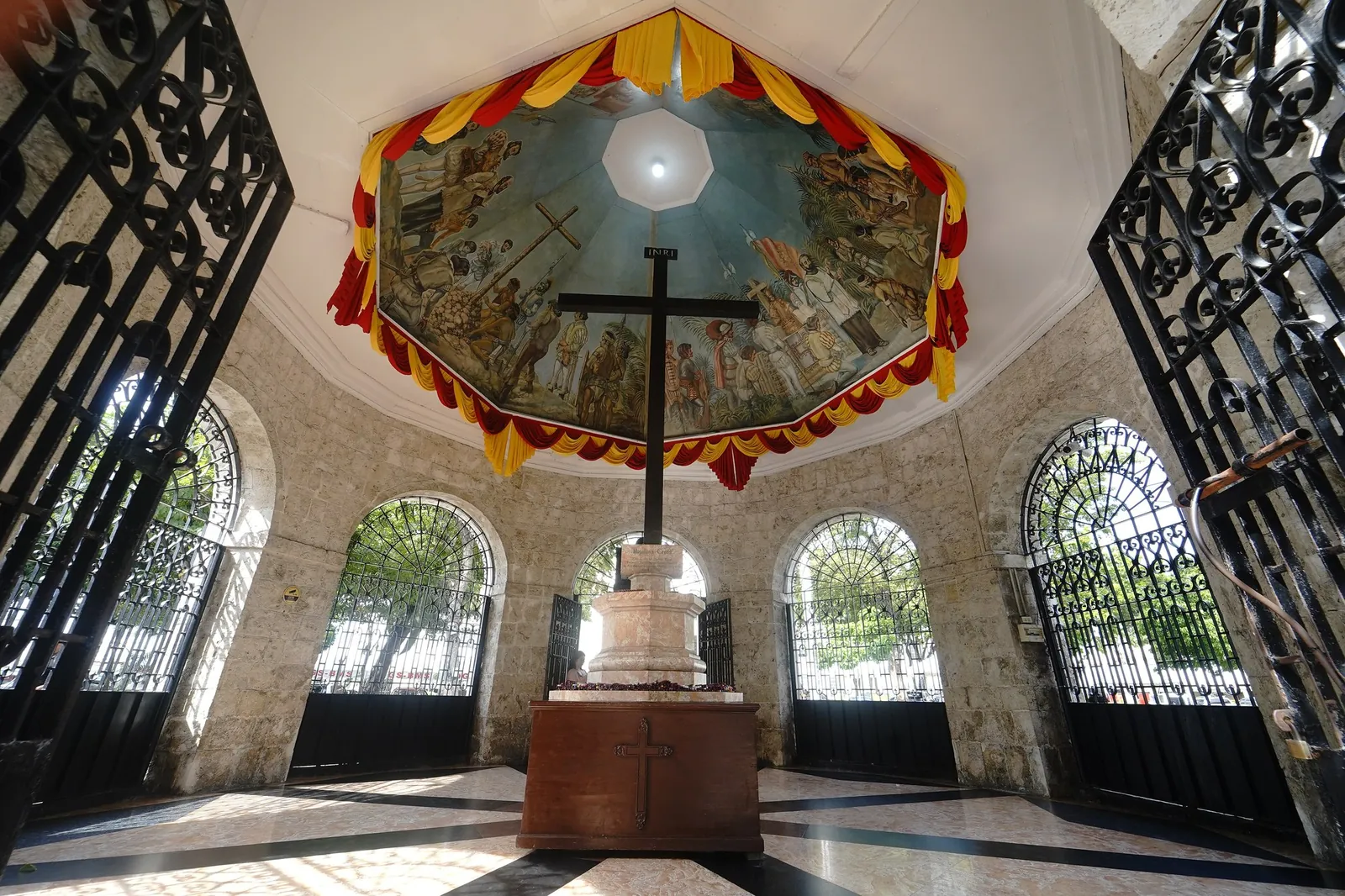
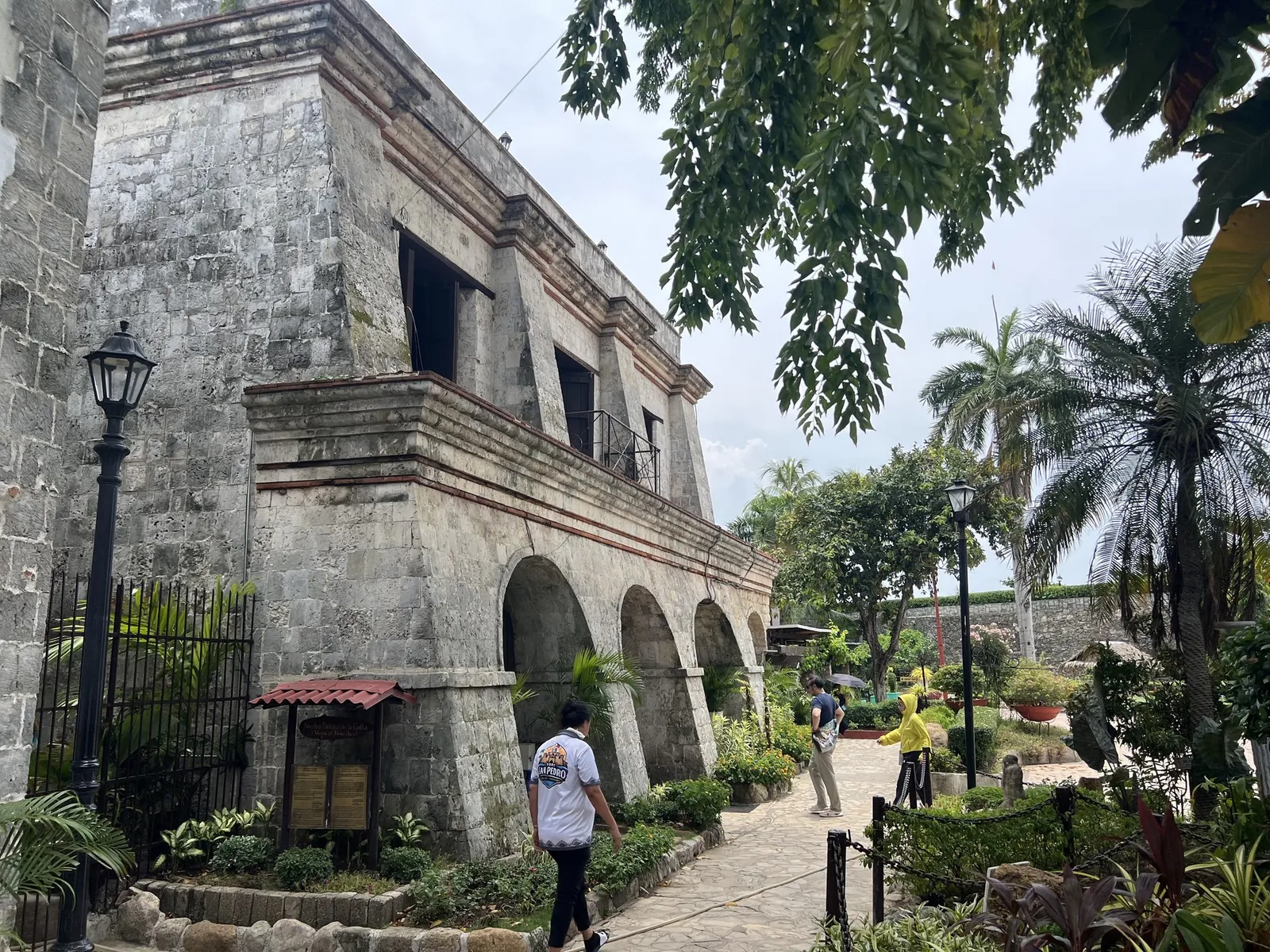
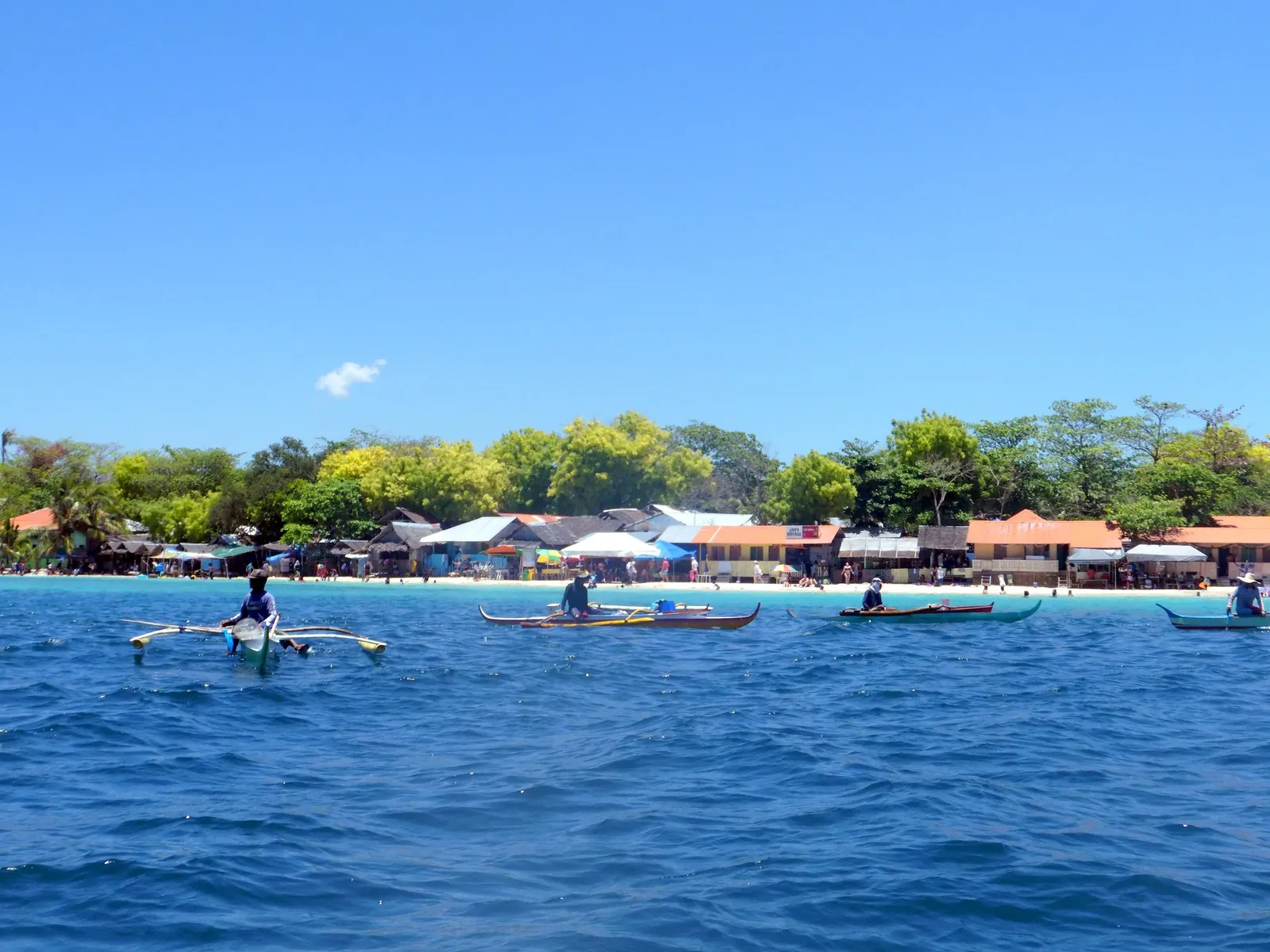
Authentic, unedited photos of Cebu by residents and visitors, taken on ordinary days rather than chosen by a tourist board. Each one shows when it was taken. Browse photos of 105 cities →
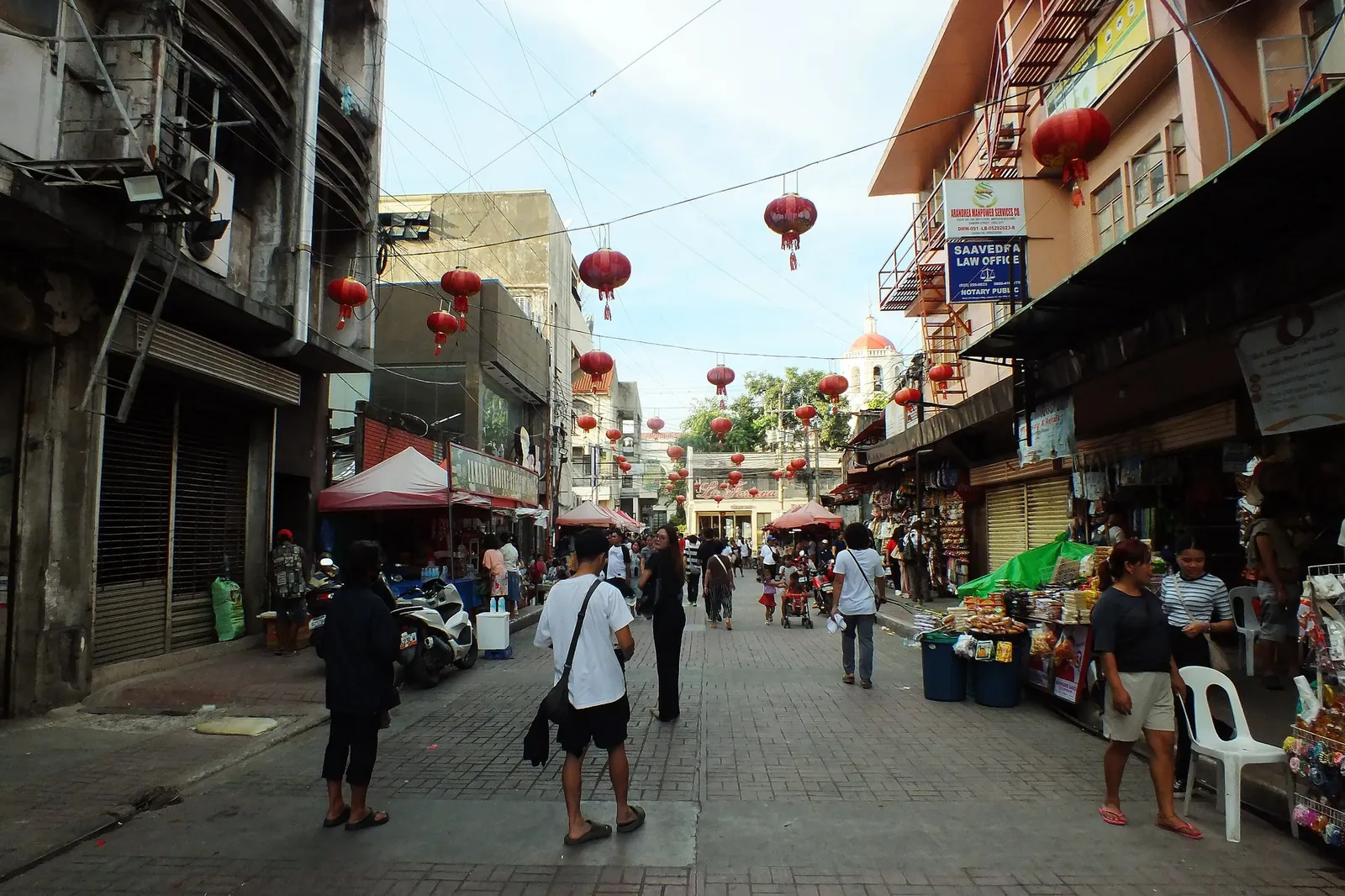
.jpg)
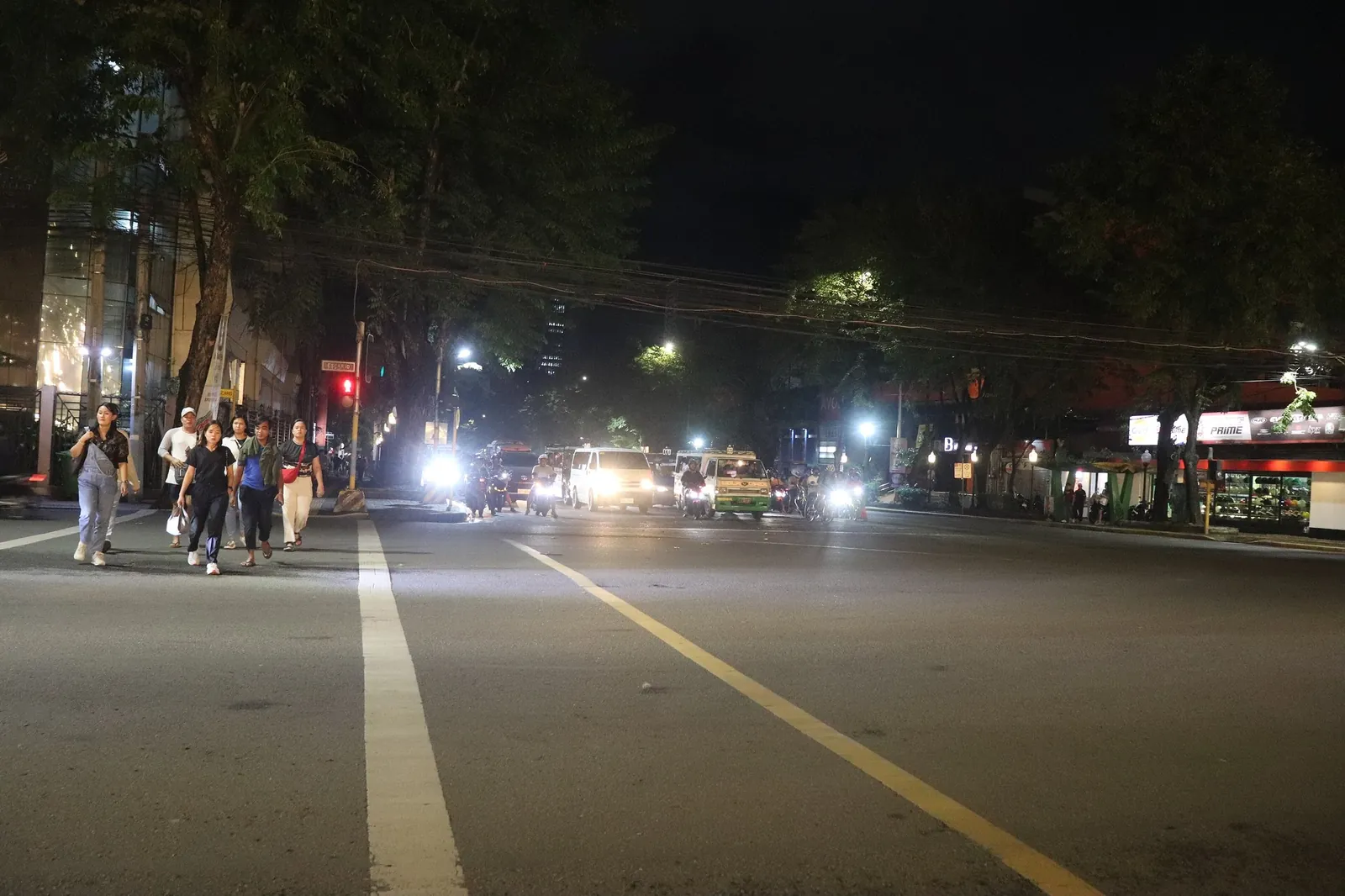
.jpg)
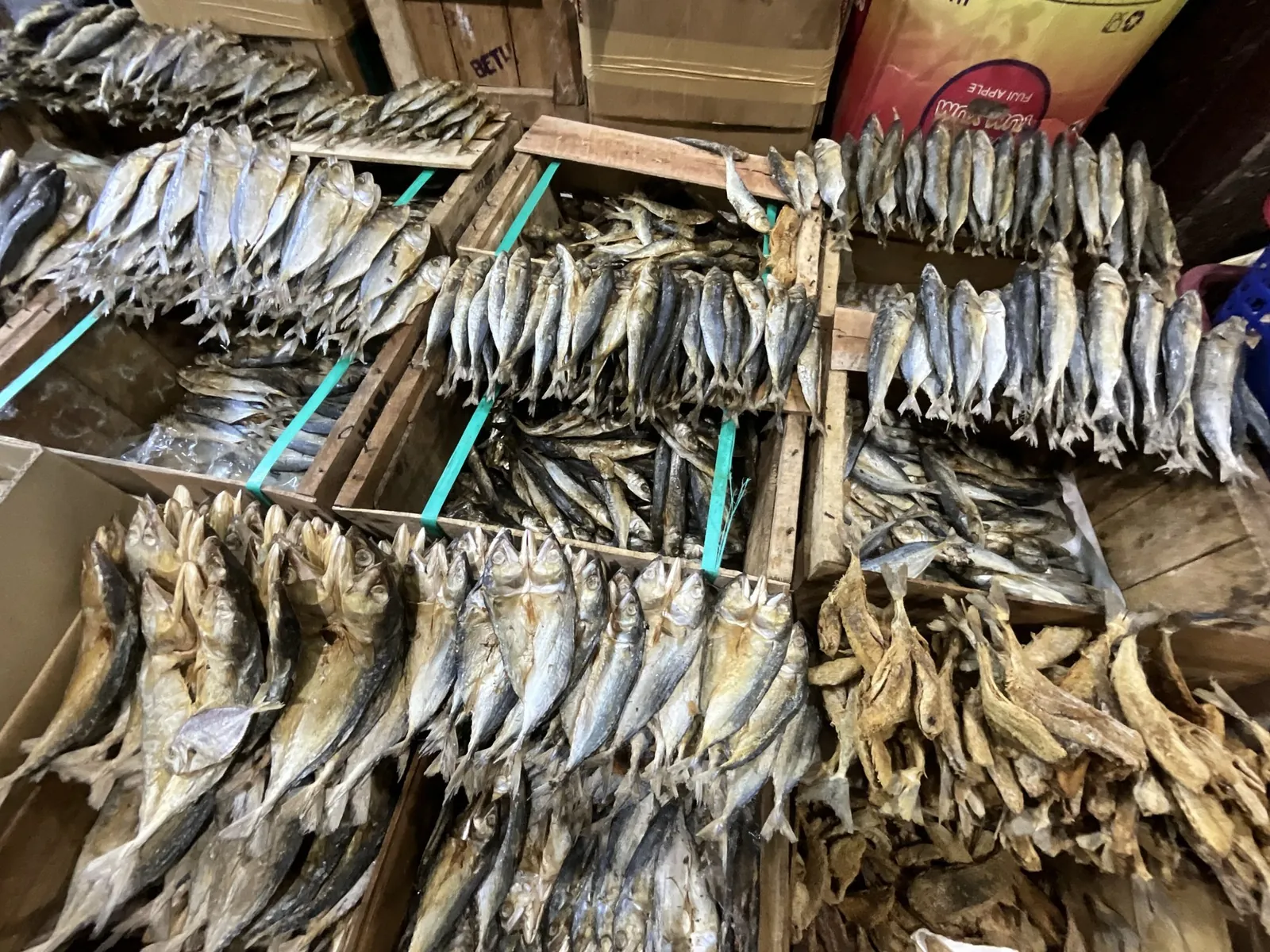





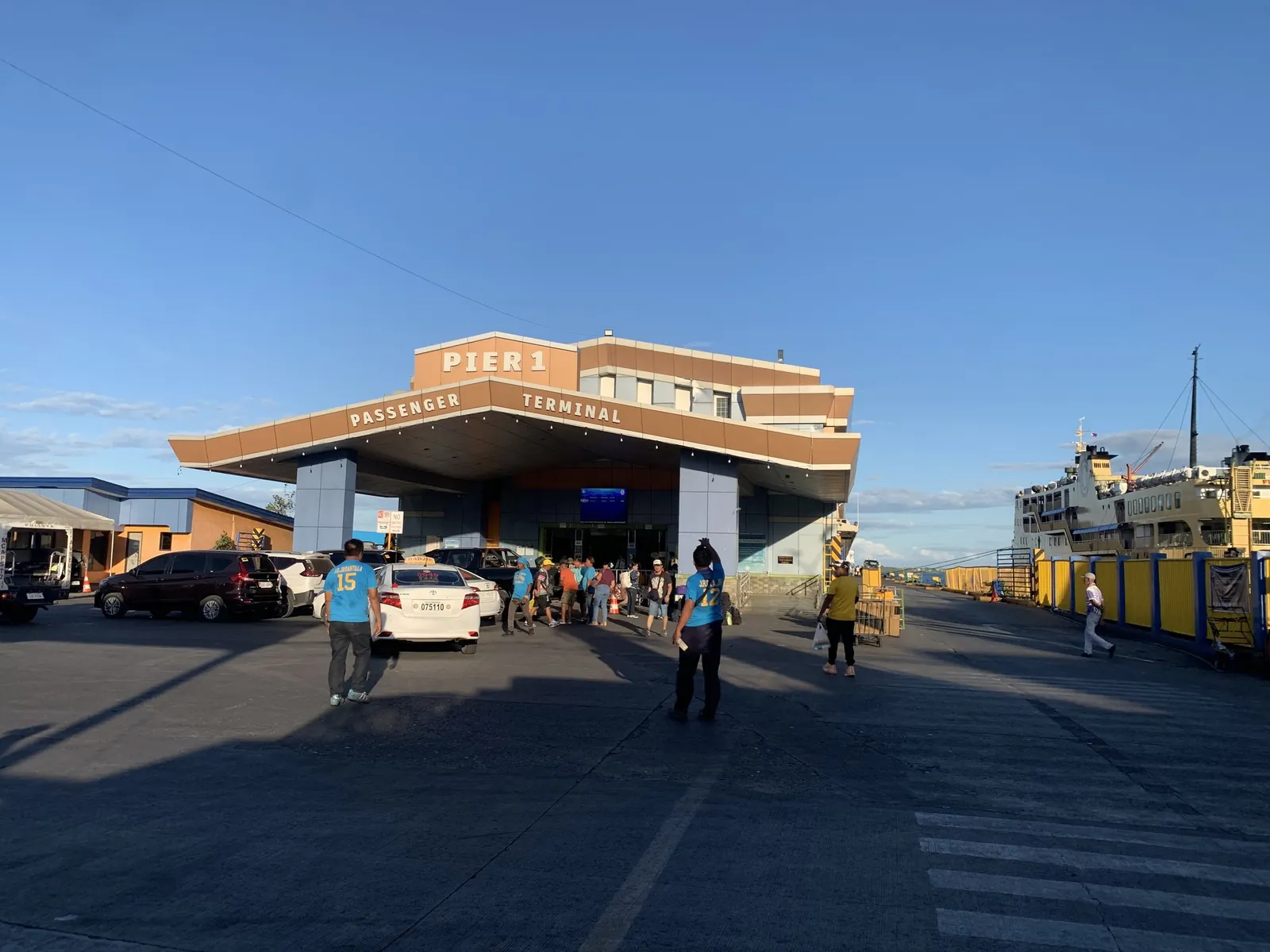




.jpg)
.jpg)
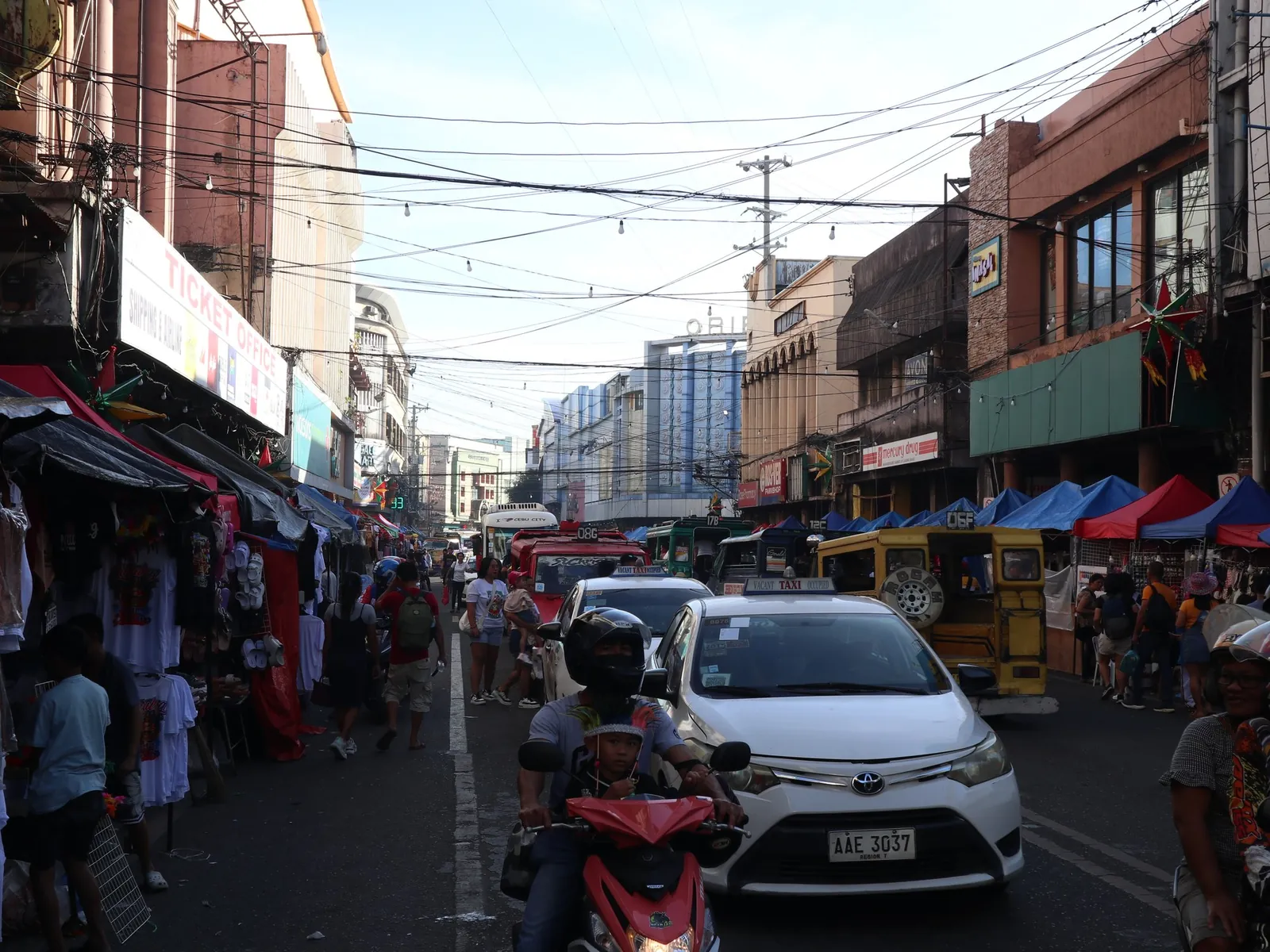
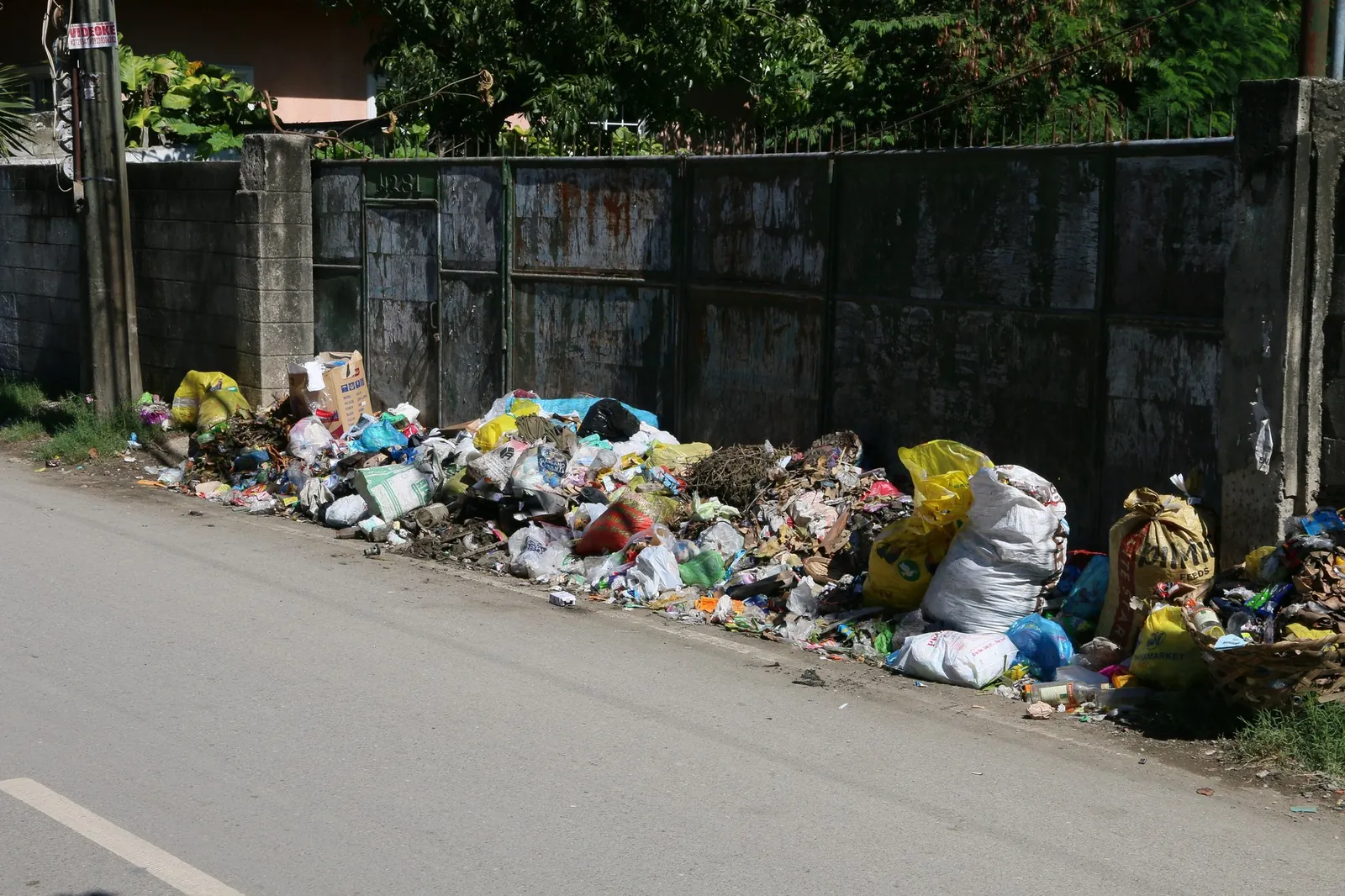
The other side

.jpg)

What does it cost to live in Cebu?
1-Bedroom Rent
$250-$500/month
Local Restaurant Meal
$2-$4 at local restaurants
Cup of Coffee
$1-$3
Estimated Monthly Total
$900-$1,600
Want a personalized estimate? Use our cost of living calculator
How good is healthcare in Cebu?
Cebu has good healthcare facilities, with Cebu Doctors' University Hospital and Chong Hua Hospital being the leading private institutions. Both have modern equipment and English-speaking doctors, many trained in the US. Healthcare costs are among the lowest in Southeast Asia--a specialist consultation costs $10-$25. However, for highly complex procedures, Manila's hospitals (a short flight away) offer more advanced options. PhilHealth (the national health system) is accessible to retirees with certain visa types.
What is daily life like in Cebu?
Cebu offers an island lifestyle with urban conveniences. Retirees enjoy morning swims, island-hopping weekends, fresh seafood at incredibly low prices, and a busy social calendar within the expat community. Malls like Ayala Center Cebu and SM Seaside City provide shopping and entertainment. The diving and snorkeling around Cebu are world-class, and weekend trips to Bohol, Siquijor, or Camotes Islands add variety. Filipino hospitality means retirees often develop close friendships with locals.
What is the climate like in Cebu?
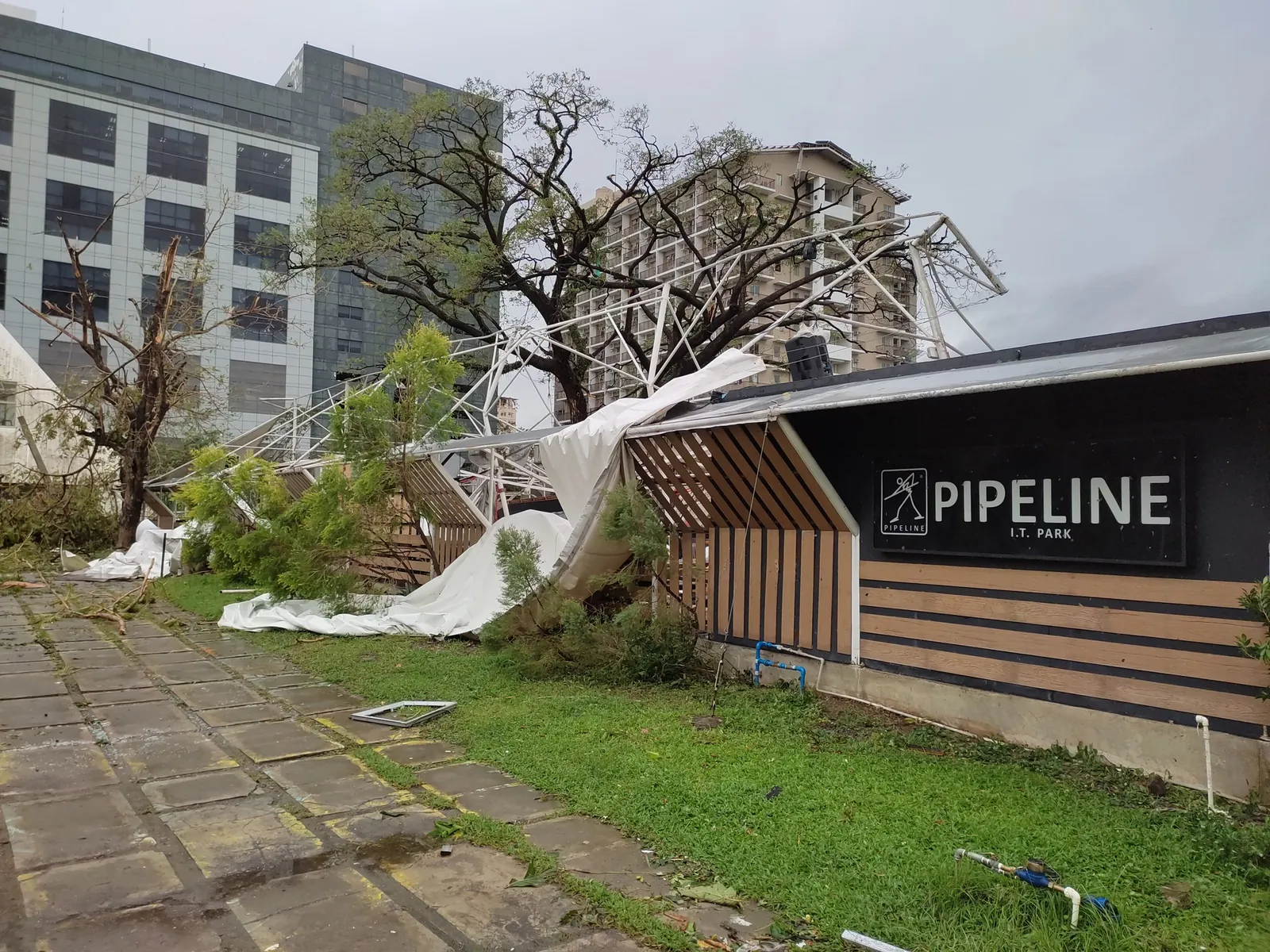
Cebu has a tropical climate with temperatures of 26-33°C year-round. The dry season (December-May) brings warm, sunny weather ideal for beach activities. The wet season (June-November) sees rain, though it is generally less severe than in Manila or other parts of Luzon. Typhoons can affect Cebu, though the Visayas tend to receive less direct impact than the eastern seaboard.
| Month | High | Low | Rain |
|---|---|---|---|
| January | 29.7 °C | 24.0 °C | 135 mm |
| February | 30.0 °C | 24.0 °C | 89 mm |
| March | 31.0 °C | 24.6 °C | 61 mm |
| April | 32.2 °C | 25.5 °C | 56 mm |
| May | 32.8 °C | 26.0 °C | 94 mm |
| June | 32.3 °C | 25.5 °C | 181 mm |
| July | 31.6 °C | 25.1 °C | 211 mm |
| August | 31.9 °C | 25.2 °C | 158 mm |
| September | 31.9 °C | 25.0 °C | 190 mm |
| October | 31.4 °C | 24.9 °C | 208 mm |
| November | 31.0 °C | 25.0 °C | 131 mm |
| December | 30.3 °C | 24.6 °C | 172 mm |
Weather station: Mactan-Cebu International Airport (6 km away). Source: WMO Climatological Normals 1991-2020 (NOAA NCEI)
What are the pros and cons of retiring in Cebu?
Pros
- Excellent English spoken by nearly everyone
- Warm, hospitable local culture that welcomes retirees
- Very affordable cost of living, even by Southeast Asian standards
- Beautiful islands and world-class diving nearby
- Easy retirement visa (SRRV) with low deposit requirements
Cons
- Traffic congestion in Cebu City is severe
- Infrastructure can be inconsistent (power outages, water supply)
- Typhoon risk, especially June-November
- Internet speeds can be slow and unreliable outside urban areas
Who should retire in Cebu?
English-speaking retirees who want affordable island living, warm community connections, and do not mind occasionally dealing with developing-country infrastructure.
Which neighborhoods suit retirees in Cebu?
Cebu IT Park / Lahug
Cebu's modern business district with high-rise condos, coworking spaces, and international restaurants. Rent for a one-bedroom ranges from $400-700/month. Popular with digital nomads and young professionals who want walkable access to cafes, gyms, and nightlife.
Banilad / Talamban
A quieter residential area north of the city center with gated subdivisions and mid-rise condos. Rent runs $300-550/month. Families and retirees favor Banilad for its proximity to international schools, Cebu Country Club, and major hospitals without downtown congestion.
Mactan Island (Lapu-Lapu)
The island connected to Cebu by two bridges, home to beach resorts and the international airport. Rent ranges $350-600/month for condos near the coast. Best for retirees who prioritize beach access, diving, and a resort-style lifestyle over urban convenience.
Which hospitals serve retirees in Cebu?
Cebu Doctors' University Hospital
The largest private hospital in the Visayas with over 600 beds. Offers comprehensive specialties including cardiac surgery, oncology, and neurology. English is widely spoken by medical staff. Check current accreditation status for international standards.
Chong Hua Hospital
A leading private hospital in Cebu City with modern diagnostic imaging and a well-regarded emergency department. Strengths in orthopedics, cardiology, and maternity care. Most physicians are English-fluent and many trained internationally.
Vicente Sotto Memorial Medical Center
The primary government tertiary hospital in the Visayas region. Provides affordable care across major specialties. Wait times can be longer than private facilities, but costs are significantly lower. English spoken by most medical staff.
Facility details may change. Verify accreditation status and services directly with each hospital before making healthcare decisions.
What is the food scene like in Cebu?
Cebu's food scene blends Filipino comfort food with international influences shaped by centuries of trade. The Larsian BBQ area near Fuente Osmena is a must-visit: rows of open-air stalls grill skewered pork, chicken, and seafood for as little as $1-2 per stick. For lechon (roast pig), Cebu's signature dish, locals swear by Rico's Lechon or CnT Lechon, where a kilogram costs around $5-7.
Upscale dining clusters around IT Park and the Ayala Center Cebu mall area. Anzani serves Italian fine dining ($15-30 entrees), while The Pig and Palm offers modern European cuisine in a sleek setting. Japanese, Korean, and Thai restaurants are plentiful throughout the city, with meals averaging $5-12.
For everyday eating, retirees typically frequent the food courts at Ayala Center or SM Seaside City, where a full Filipino meal runs $2-4. The Sugbo Mercado weekend night market in IT Park draws crowds for street food ranging from local delicacies to fusion tacos. Coffee culture thrives at homegrown chains like Bo's Coffee alongside international brands.
Is retiring in Cebu right for you?
Take our free 3-minute retirement quiz to see how life in Cebu, Philippines, compares to other destinations based on your preferences, budget, and needs.
Take the Retirement QuizFrequently Asked Questions About Retiring in Cebu
What visa do I need to retire in Cebu?
The Special Resident Retiree's Visa (SRRV) is the most popular option. It requires a $15,000 deposit for applicants aged 50+ with a qualifying pension of at least $800/month, or $30,000 without one (post-Sept 2025 PRA tiers). It grants permanent residency with multiple entry privileges and the right to work. The process is handled by the Philippine Retirement Authority.
Is Cebu safe for foreign retirees?
Cebu is generally safe for foreign retirees, especially in established expat areas and gated communities. Petty crime exists, as in any developing city, so normal precautions apply. Most retirees live in condominiums or gated subdivisions with 24-hour security. The Filipino people are known for their friendliness toward foreigners.
Where should I live in the Cebu area?
Cebu City offers convenience and healthcare access. Mactan Island is popular for beachfront living and proximity to the airport. Lapu-Lapu City on Mactan has several expat-friendly subdivisions. For a quieter lifestyle, northern towns like Liloan or southern towns like Carcar offer lower costs and less congestion.
Sources & References
- Numbeo, Cost of living index and price data for Cebu: rent, groceries, restaurants, and transportation
- Cebu Doctors' University Hospital, Facility services, specialist departments, and accreditation status in Cebu City
- Philippine Bureau of Immigration, Special Resident Retiree Visa (SRRV) requirements and procedures applicable to Cebu residents
- WHO Philippines Country Profile, National health system indicators and healthcare quality benchmarks