
City Retirement Guide
Retire in Bologna, Italy
Italy's food capital, with one of its largest teaching hospitals and 62 km of arcades
Bologna at a Glance
- Elevation & setting
- ~54 m where the Po valley meets the Apennines, Emilia-Romagna; ~44.5°N
- Annual temperature
- 1-8°C December-February with fog, 28-35°C and humid June-August; humid subtropical (Köppen Cfa)
- Nearest international airport
- Bologna Guglielmo Marconi (BLQ), ~6 km from the centre, linked by the Marconi Express monorail
- Nearest major hospital
- Policlinico Sant'Orsola-Malpighi and Istituto Ortopedico Rizzoli, both in the city
- Primary retirement visa
- Italy Elective Residence Visa; 2026 minimum ~€31,000/year, plus ~€20,900 per dependant
- Language environment
- Italian; English common at the university and in private healthcare, limited in shops and administration
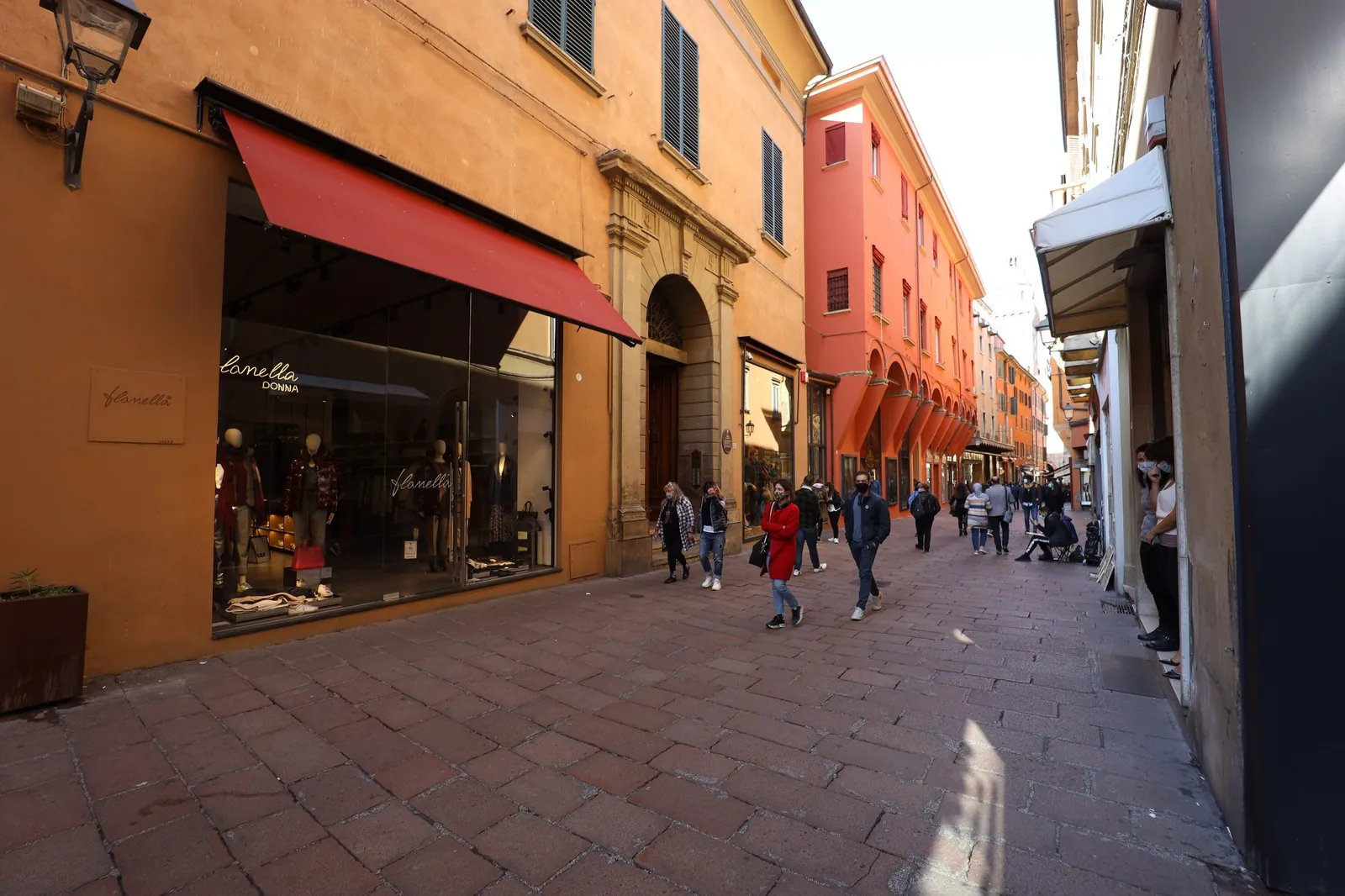
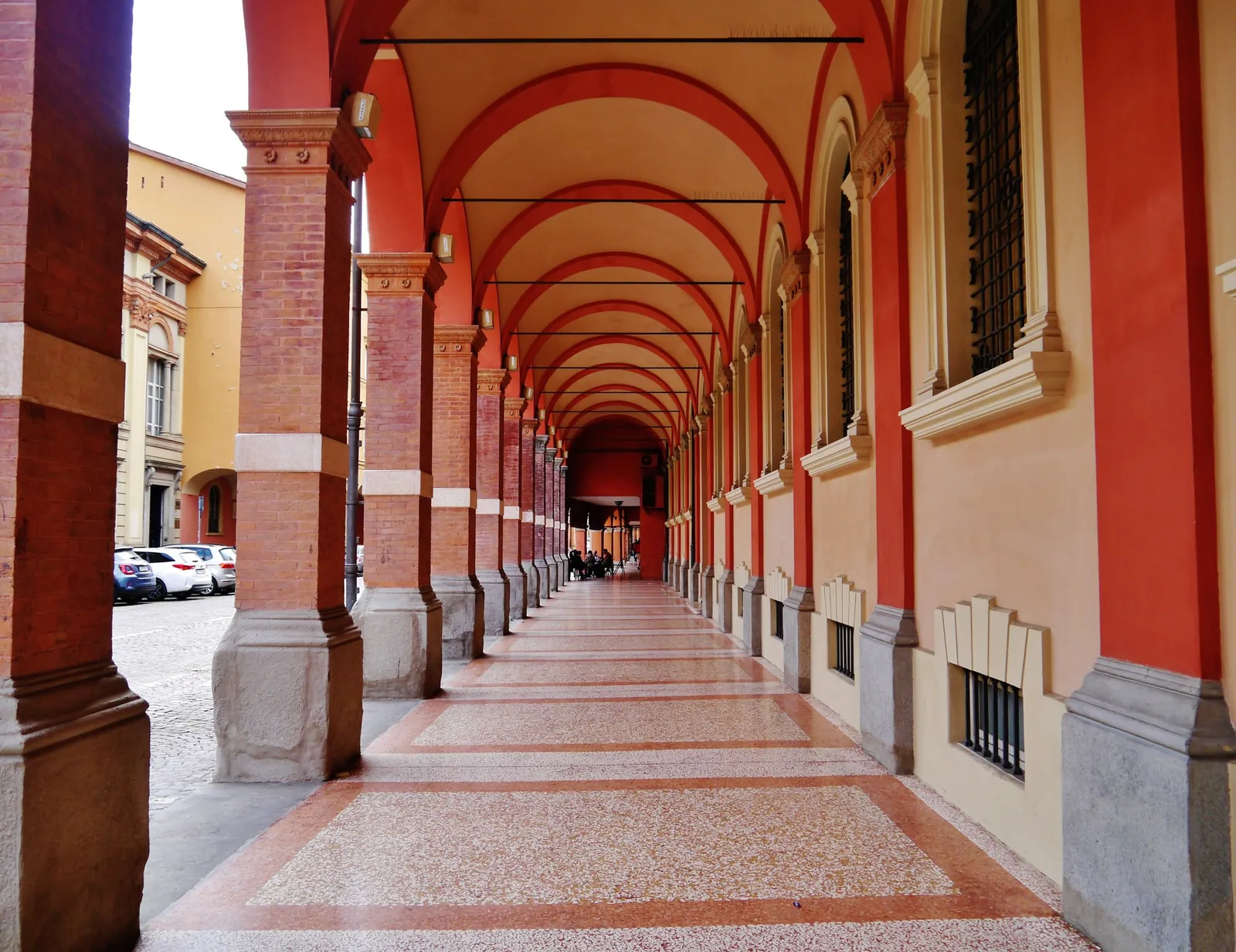
Bologna has roughly 62 kilometres of porticoes, a UNESCO World Heritage site — enough covered arcade that you can cross the city in heavy rain or full summer sun without leaving shelter.
Overview of Bologna for Retirees
Bologna sits in Emilia-Romagna at about 44.5°N and 54 metres, where the Po valley meets the first slopes of the Apennines. It is the capital of the Italian region that consistently rates highest for healthcare and public services, and home to the University of Bologna, founded in 1088 and the oldest continuously operating university in the world.
Two features matter especially for retirees. The first is medical: Policlinico Sant'Orsola is one of Italy's largest teaching hospitals, and the Rizzoli Orthopaedic Institute is an international reference centre for bone and joint disease — the kind of specialist depth that matters more with age than almost anything else. The second is the porticoes: some 62 kilometres of covered arcades run through the city, a UNESCO World Heritage site since 2021, which mean you can walk across Bologna in rain or summer sun under cover.
Costs run €1,600-€2,400 a month for a single person — below Milan, Rome, or Florence, above Lecce or the south. Bologna is also Italy's rail hub, with high-speed trains reaching Florence in 35 minutes and Milan or Rome in about two hours.
What Bologna actually looks like
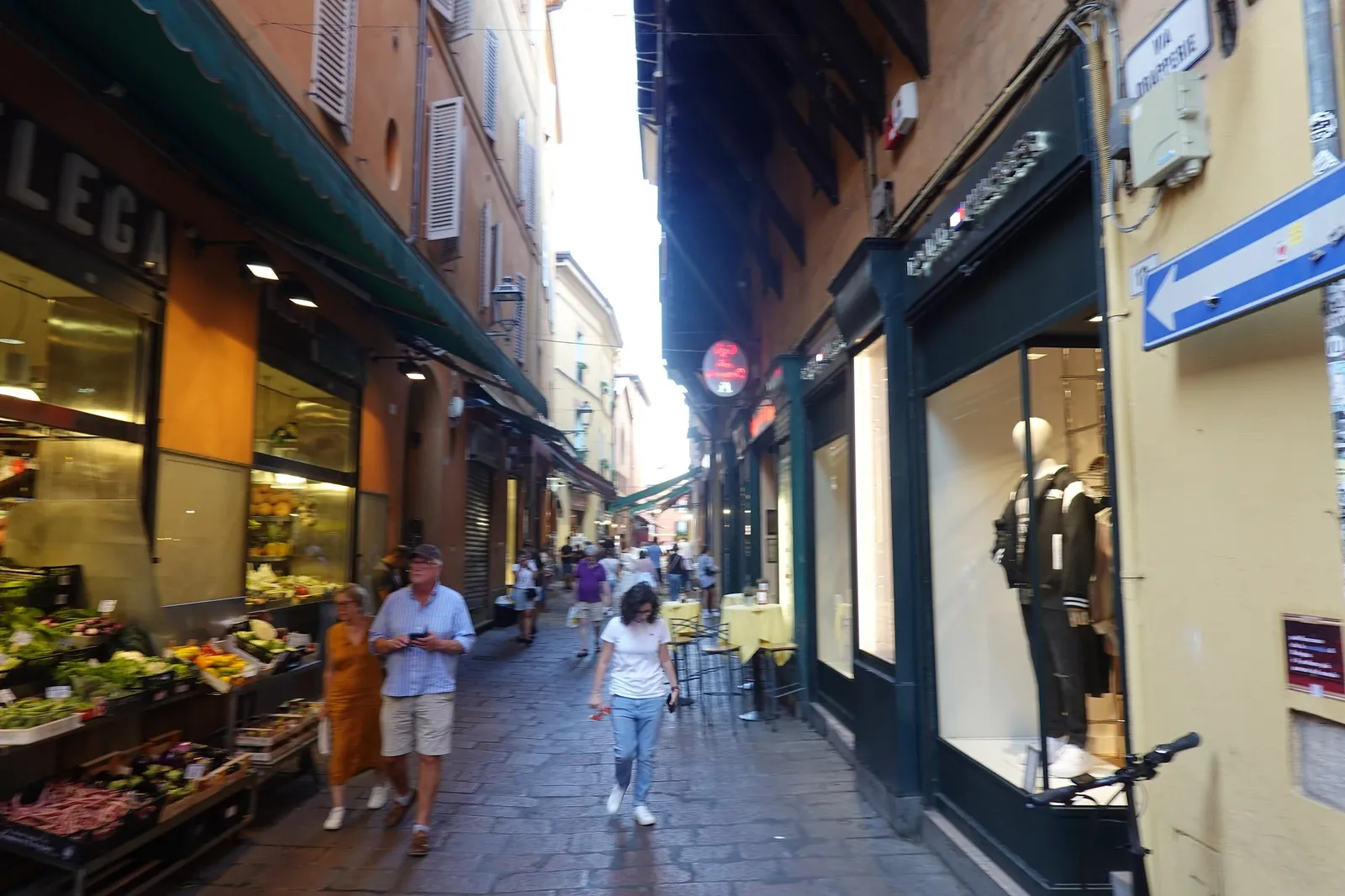
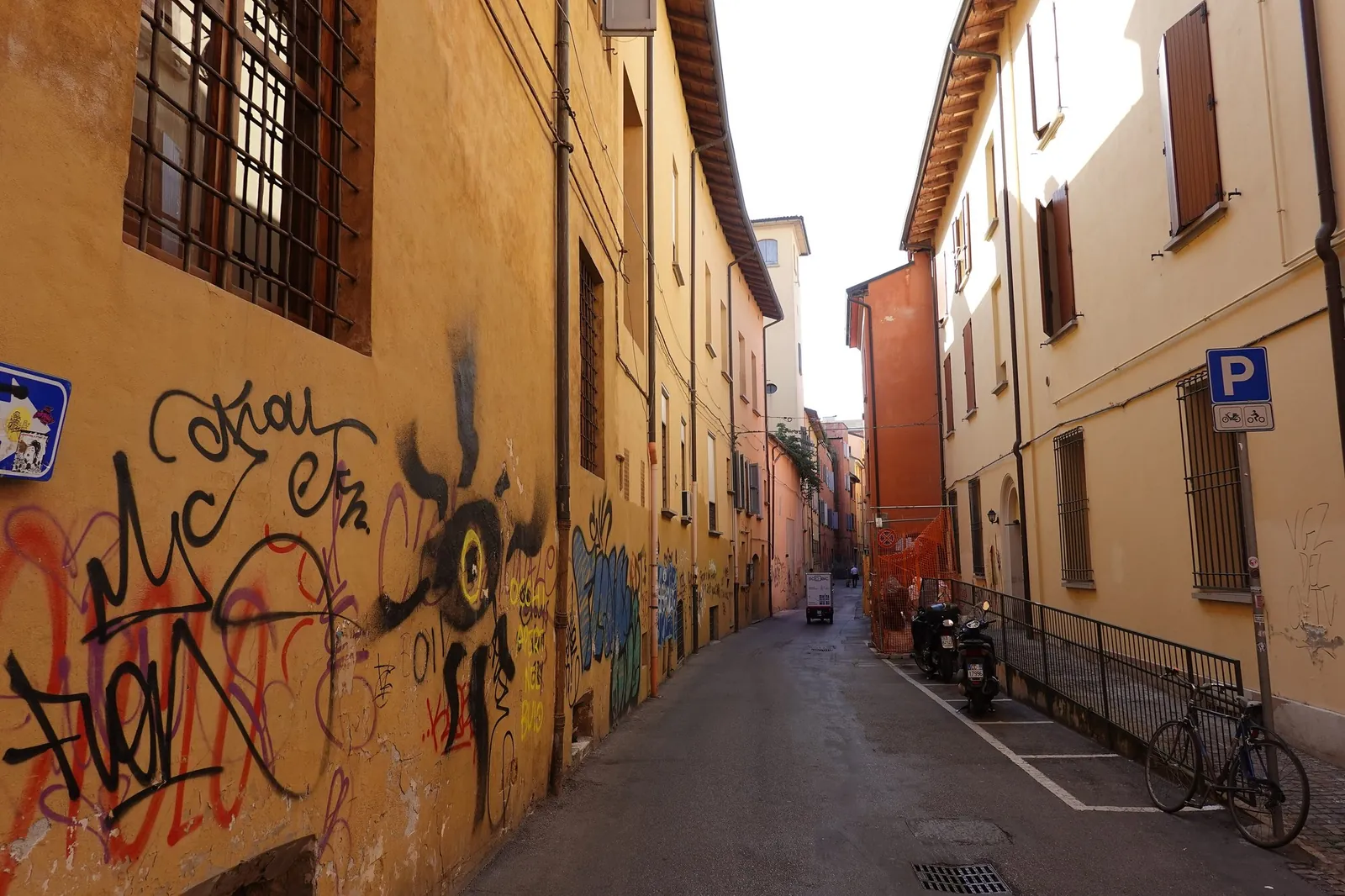
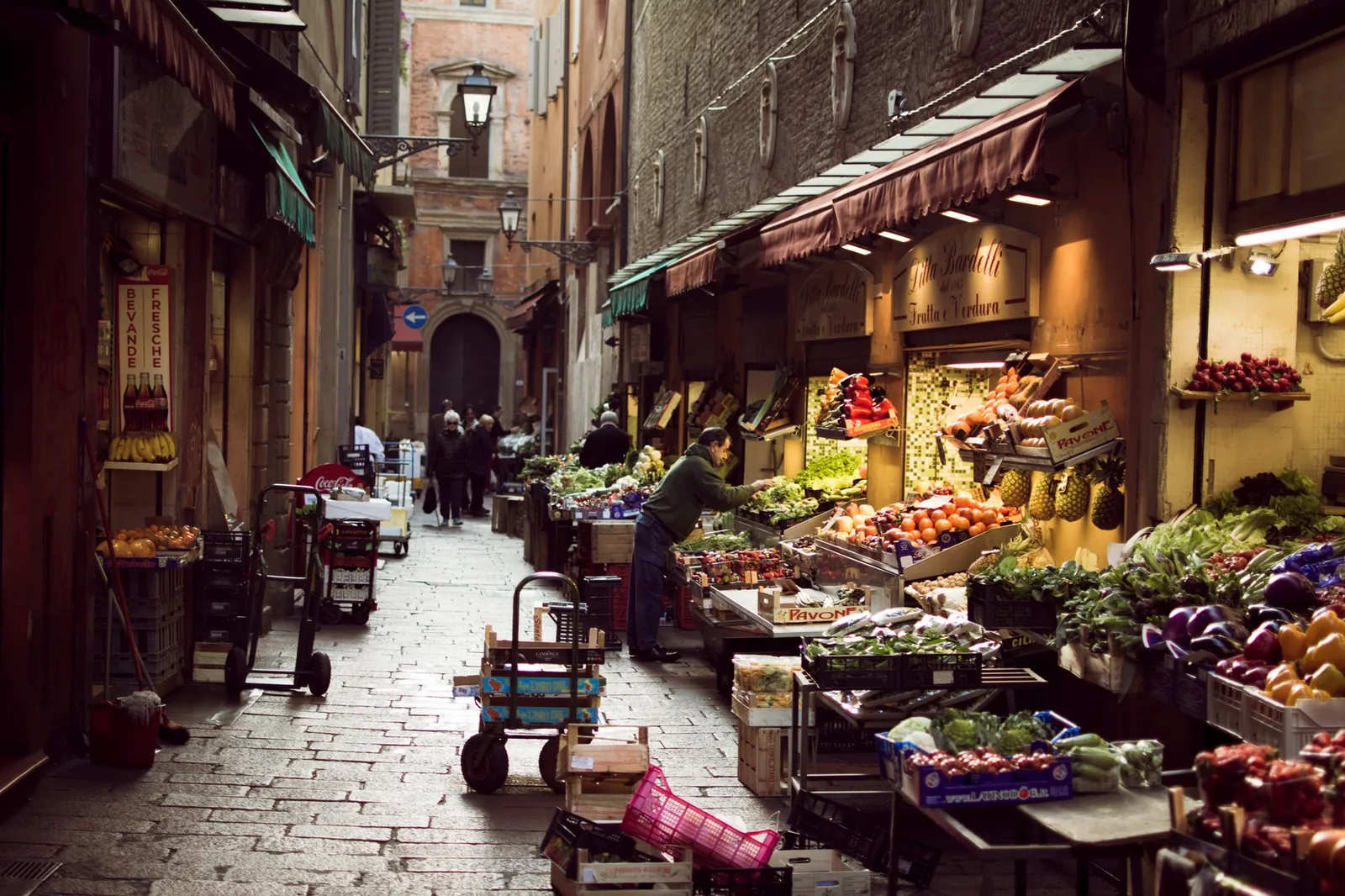
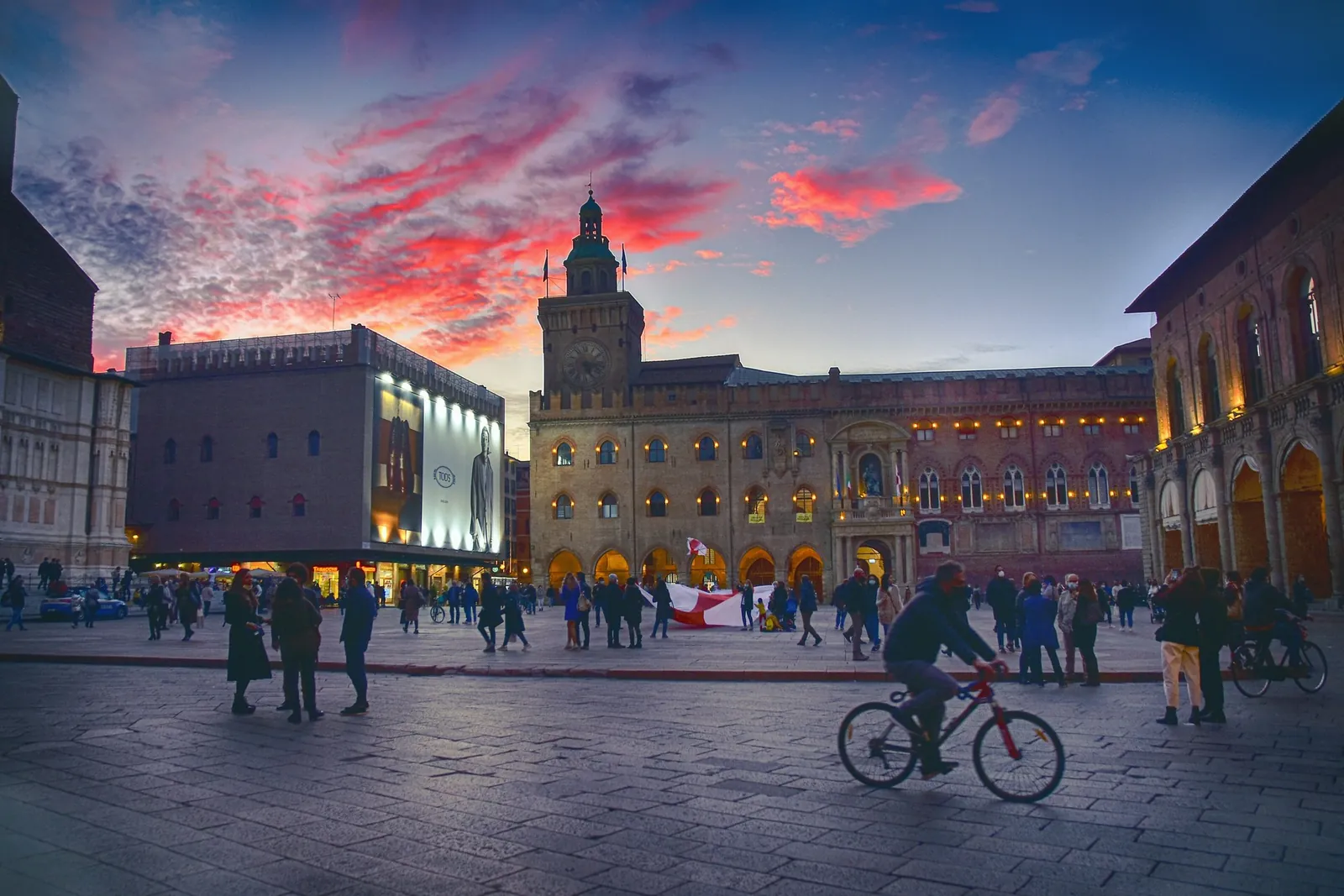
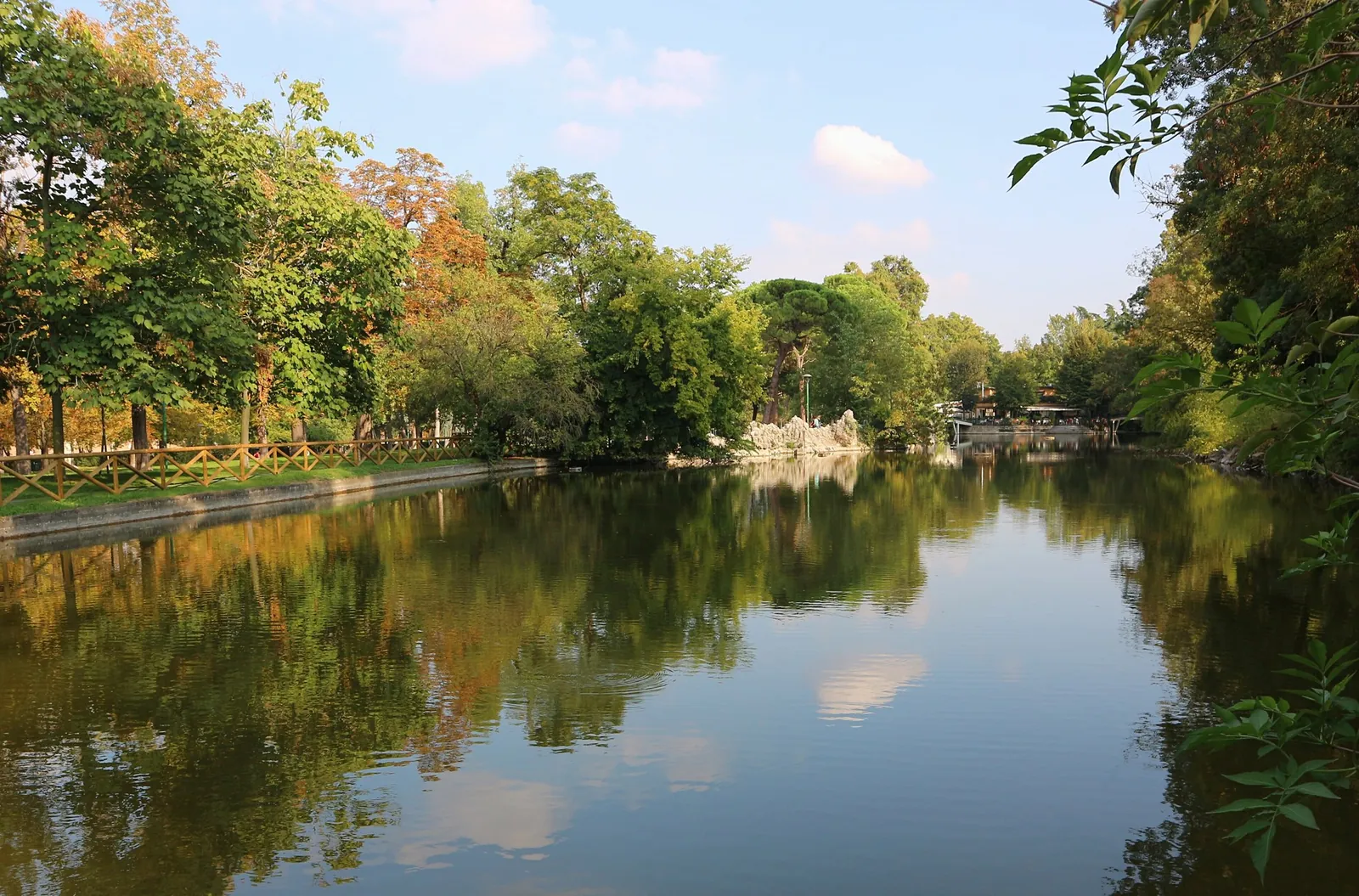
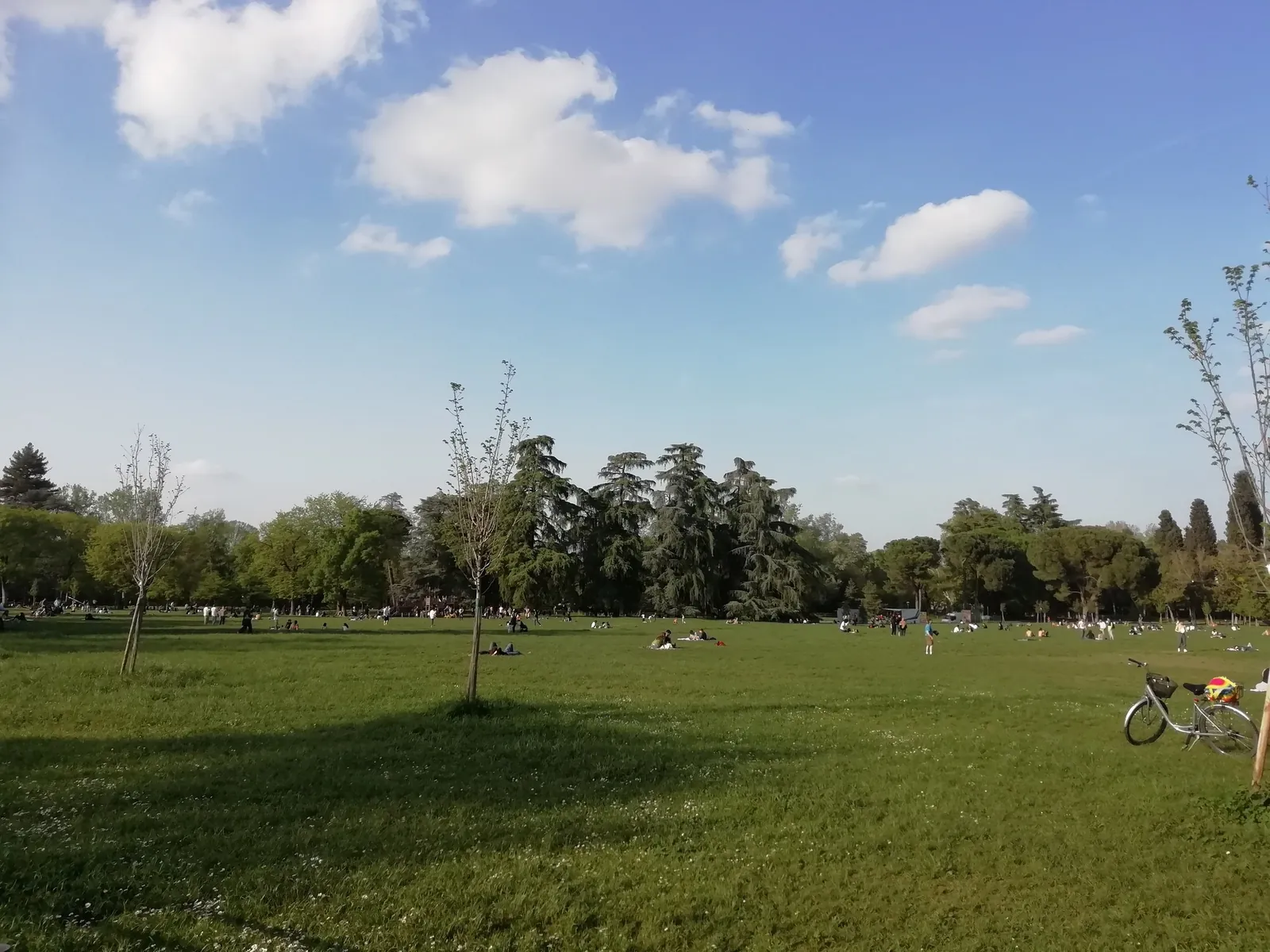
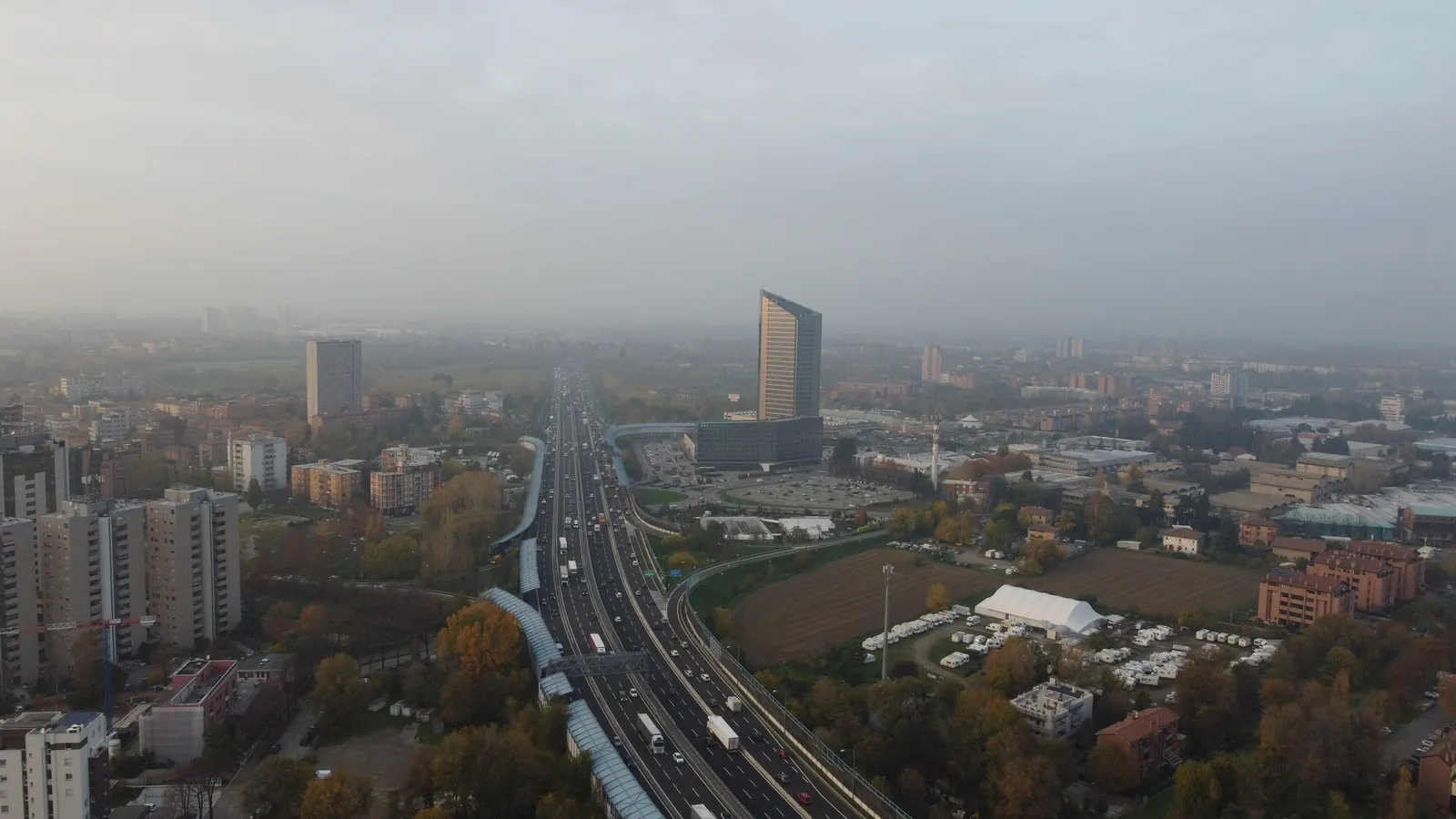
Authentic, unedited photos of Bologna by residents and visitors, taken on ordinary days rather than chosen by a tourist board. Each one shows when it was taken. Browse photos of all 83 cities →











The other side

Cost of Living in Bologna
1-Bedroom Rent
$800-$1,400/month
Local Restaurant Meal
$16-$28 at local restaurants
Cup of Coffee
$1.50-$2.50
Estimated Monthly Total
$1,900-$2,900
Want a personalized estimate? Use our cost of living calculator
Healthcare in Bologna
Emilia-Romagna consistently rates among the best regional health systems in Italy, and Bologna is its centre. Policlinico Sant'Orsola-Malpighi is one of the largest teaching hospitals in the country, with the full range of specialist departments; Ospedale Maggiore handles emergency and general care; and the Istituto Ortopedico Rizzoli is an international reference centre for orthopaedics and musculoskeletal oncology that receives patients from across Europe. For a retiree, that orthopaedic depth is unusually relevant — joint replacement and spinal problems are among the most common serious interventions in later life. Private clinics offer consultations at $70-$120 with short waits. Retirees resident in Italy can enrol voluntarily in the SSN for roughly $2,300 a year; most international residents combine this with private cover.
Daily Life and Lifestyle in Bologna
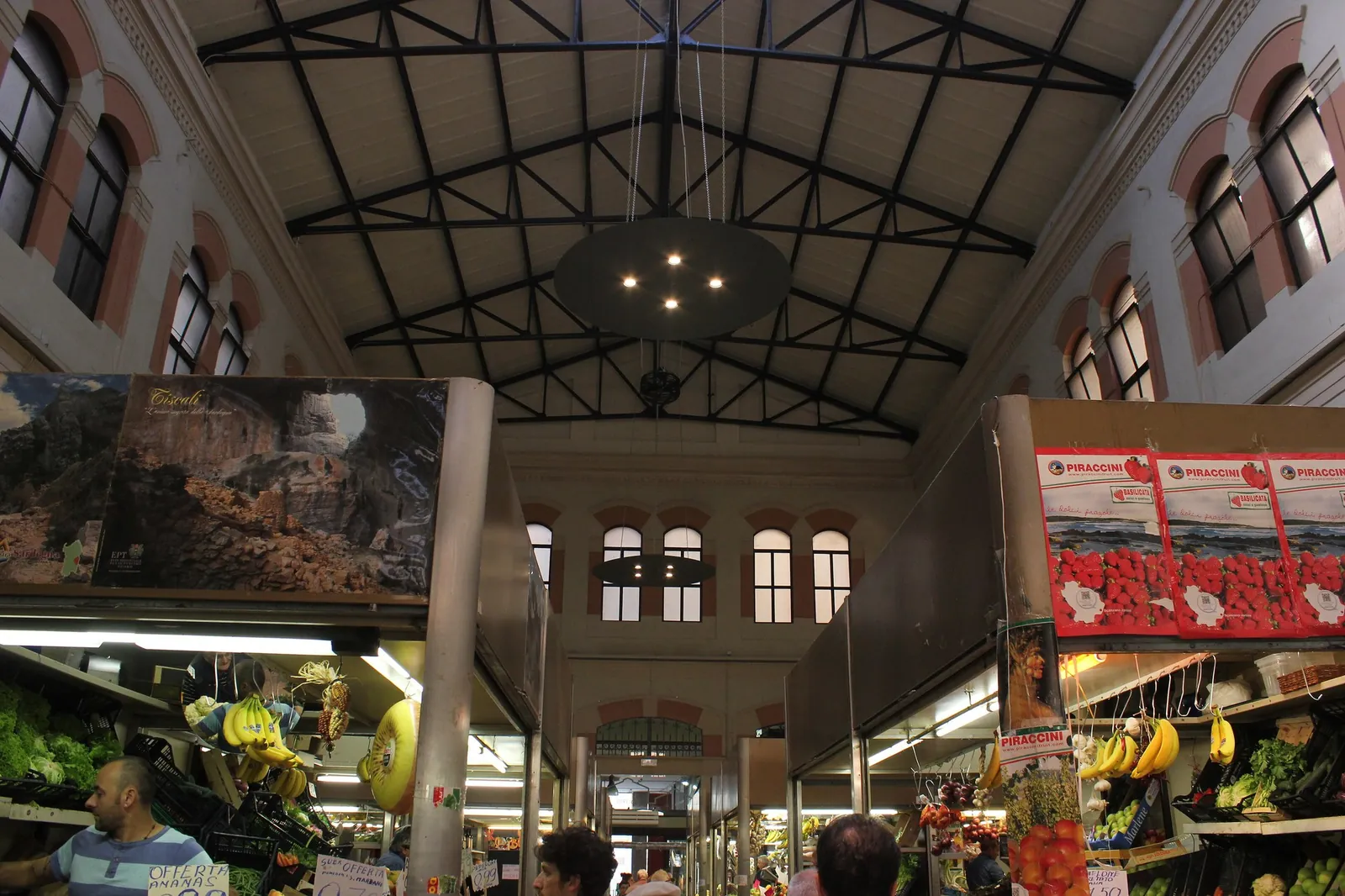
Bologna is a compact, dense, red-brick city that is genuinely built for walking — the porticoes make that possible in any weather, which is a practical advantage that becomes more valuable with age. The Quadrilatero market streets behind Piazza Maggiore have sold food since the middle ages and still do. The university keeps the city young and supports a serious cultural calendar of concerts, cinema, and theatre. What Bologna does not have is a sea, mountains at the door, or a large international retiree community: the foreign population is mostly students and academics, and daily life is thoroughly Italian. The Apennines start immediately to the south for walking, Florence is 35 minutes by train, and the Adriatic at Rimini is about an hour. Bologna is also the least touristed of Italy's great art cities, which keeps prices and crowds at ordinary levels.
Climate and Weather in Bologna
Bologna has a humid subtropical climate with a continental character, and it is the least comfortable weather of any Italian location on this site. Summers (June-August) are hot and humid at 28-35°C, with the Po valley trapping moisture and producing an oppressive stickiness quite unlike the dry heat of the south. Winters (December-February) are cold and damp at 1-8°C, with frequent fog, occasional snow, and frost. Spring and autumn are the good seasons at 14-24°C. Rain is spread through the year with peaks in spring and autumn. The Po valley also suffers Europe's worst air quality problems in winter, when temperature inversions trap particulates over the plain — a genuine health consideration for retirees with respiratory conditions.
Pros and Cons of Retiring in Bologna
Pros
- One of Italy's largest teaching hospitals plus the Rizzoli orthopaedic reference centre
- Emilia-Romagna consistently rates among Italy's best regional health systems
- 62 km of porticoes make the city walkable in any weather
- Italy's rail hub — Florence 35 minutes, Milan and Rome about two hours
- Widely considered Italy's best city for food, at ordinary local prices
Cons
- Hot, humid, oppressive summers at 28-35°C
- Cold, damp, foggy winters with Po valley air pollution
- No sea, and the coast is about an hour away
- Small international retiree community — daily life is thoroughly Italian
- More expensive than southern Italy, and no access to the 7% flat tax
Who Is Bologna Best For?
Retirees who put healthcare depth, walkability, and food above climate and coastline, and who want a real Italian city rather than an expat destination.
Where to Live in Bologna
Centro Storico
The walled medieval core around Piazza Maggiore, dense and almost entirely arcaded. One-bedrooms run $900-$1,500/month. Everything on foot and under cover; older buildings, limited parking, and lively at night.
Santo Stefano & Murri
Elegant residential districts south-east of the centre, rising towards the hills. Rents run $850-$1,400/month. Quieter and greener, close to Sant'Orsola hospital, popular with professionals and academics.
Bolognina & Navile
Working districts north of the station, mixed and considerably cheaper. Rents run $650-$1,000/month. Well connected and increasingly redeveloped, but less picturesque than the centre.
Hospitals and Healthcare Facilities in Bologna
Policlinico Sant'Orsola-Malpighi
One of the largest teaching hospitals in Italy, attached to the University of Bologna, with the full range of specialist departments and tertiary referral status.
Istituto Ortopedico Rizzoli
International reference centre for orthopaedics and musculoskeletal oncology, receiving patients from across Europe — particularly relevant for joint and spinal conditions in later life.
Ospedale Maggiore
Major public hospital handling emergency and general care for the city, complementing the specialist provision at Sant'Orsola and Rizzoli.
Facility details may change. Verify accreditation status and services directly with each hospital before making healthcare decisions.
Dining and Food Scene in Bologna
Bologna is where tagliatelle al ragù, tortellini in brodo, mortadella, and lasagne actually come from, and the local versions bear little resemblance to their international imitations — there is no spaghetti bolognese here. A plate of fresh tagliatelle runs $12-$18, and a full meal $20-$32.
The Quadrilatero, the grid of medieval market streets behind Piazza Maggiore, still sells fresh pasta, salumi, cheese, and fish daily. Emilia-Romagna produces Parmigiano-Reggiano, prosciutto di Parma, traditional balsamic vinegar, and Lambrusco within an hour's drive, so the raw ingredients are as good as they get anywhere in Italy and cost local prices.
Weekly groceries for two run $75-$115. Osterie serving a full lunch with wine for $16-$22 are standard, and the city's aperitivo culture — a drink with substantial food included for $8-$12 — is an everyday habit rather than an occasion. Bologna is the least touristed of Italy's great cities, which is why the food economy still serves residents.
Is Bologna Right for You?
Take our free 3-minute retirement quiz to see how Bologna and Italy compare to other destinations based on your preferences, budget, and needs.
Take the Retirement QuizFrequently Asked Questions About Retiring in Bologna
Why does Bologna's healthcare stand out?
Emilia-Romagna consistently rates among the best regional health systems in Italy, and Bologna has Policlinico Sant'Orsola — one of the country's largest teaching hospitals — plus the Istituto Ortopedico Rizzoli, an international reference centre for orthopaedics that takes patients from across Europe. For retirees, orthopaedic depth is unusually relevant: joint replacement and spinal problems are among the most common serious interventions after 65.
How bad is the Po valley air quality?
It is a genuine concern. The Po valley experiences some of the worst winter air quality in Europe, because temperature inversions trap particulates over the plain for days at a time. Bologna sits at the southern edge, which helps slightly, but the problem is real from roughly November to February. Retirees with asthma, COPD, or other respiratory conditions should weigh this seriously against the healthcare advantages.
Is Bologna a good choice without Italian?
Harder than the Algarve or the Costa Blanca. The international population is mainly students and academics rather than retirees, so there is no expat infrastructure of English-speaking services. English is common at the university and in private healthcare, less so in shops, public administration, and the public health system. Bologna suits people who intend to integrate rather than those looking for an English-speaking community.
Sources & References
- Policlinico Sant'Orsola-Malpighi — Teaching hospital scale, specialist departments, and tertiary referral role
- Istituto Ortopedico Rizzoli — International reference status for orthopaedics and musculoskeletal oncology
- Italian National Institute for Environmental Protection (ISPRA) — Po valley winter air quality and particulate data
- Idealista Italia — Rental and property price data for Bologna neighbourhoods