
City Retirement Guide
Retire in Rome, Italy
The Eternal City where history, cuisine, and la dolce vita converge
What are the key facts about retiring in Rome?
- Elevation & setting
- ~21 m; Tiber river basin, 24 km inland from Tyrrhenian coast
- Climate
- Coolest month January 3–12°C, hottest August 20–32°C; 752 mm of rain a year, most in November (daily low to high, 1991–2020)
- Nearest international airport
- Leonardo da Vinci-Fiumicino (FCO), ~32 km southwest
- Nearest major hospital
- Policlinico Umberto I (university hospital, Tiburtino district)
- Primary retirement visa (2026)
- Italy Elective Residence Visa: ~EUR 31,000/year passive income + 20% for spouse
- Language environment
- Italian official; English widely used in tourism, medical, and expat services
Rome's population exceeds 2.7 million, so the 7% flat-tax regime for foreign pensioners does not apply here; it is restricted to southern municipalities under 30,000 residents.
What is retirement like in Rome?
Rome sits on the Tiber River roughly 24 kilometers inland from the Tyrrhenian coast at Lido di Ostia, built across seven historic hills with the city center elevation averaging around 21 meters above sea level. The urban area spans seven UNESCO-inscribed properties including the Colosseum, Roman Forum, and Vatican City enclave, with retiree-friendly neighbourhoods concentrated in Aventino, Prati, and Monteverde Vecchio. Major healthcare is anchored by Policlinico Umberto I, one of Europe's largest university hospitals, and by the Fatebenefratelli network on Tiber Island. Leonardo da Vinci-Fiumicino Airport lies about 32 kilometers southwest of the historic core.
Italy's Elective Residency Visa allows non-EU retirees to settle in Rome by demonstrating sufficient financial resources, typically a minimum of €31,000 per year in passive income from pensions, investments, or savings. Italy also offers a flat-tax regime for new residents, taxing foreign income at a flat 7% for retirees who move to municipalities with fewer than 30,000 residents in southern Italy (though Rome itself does not qualify for this incentive). EU citizens can settle freely with registration.
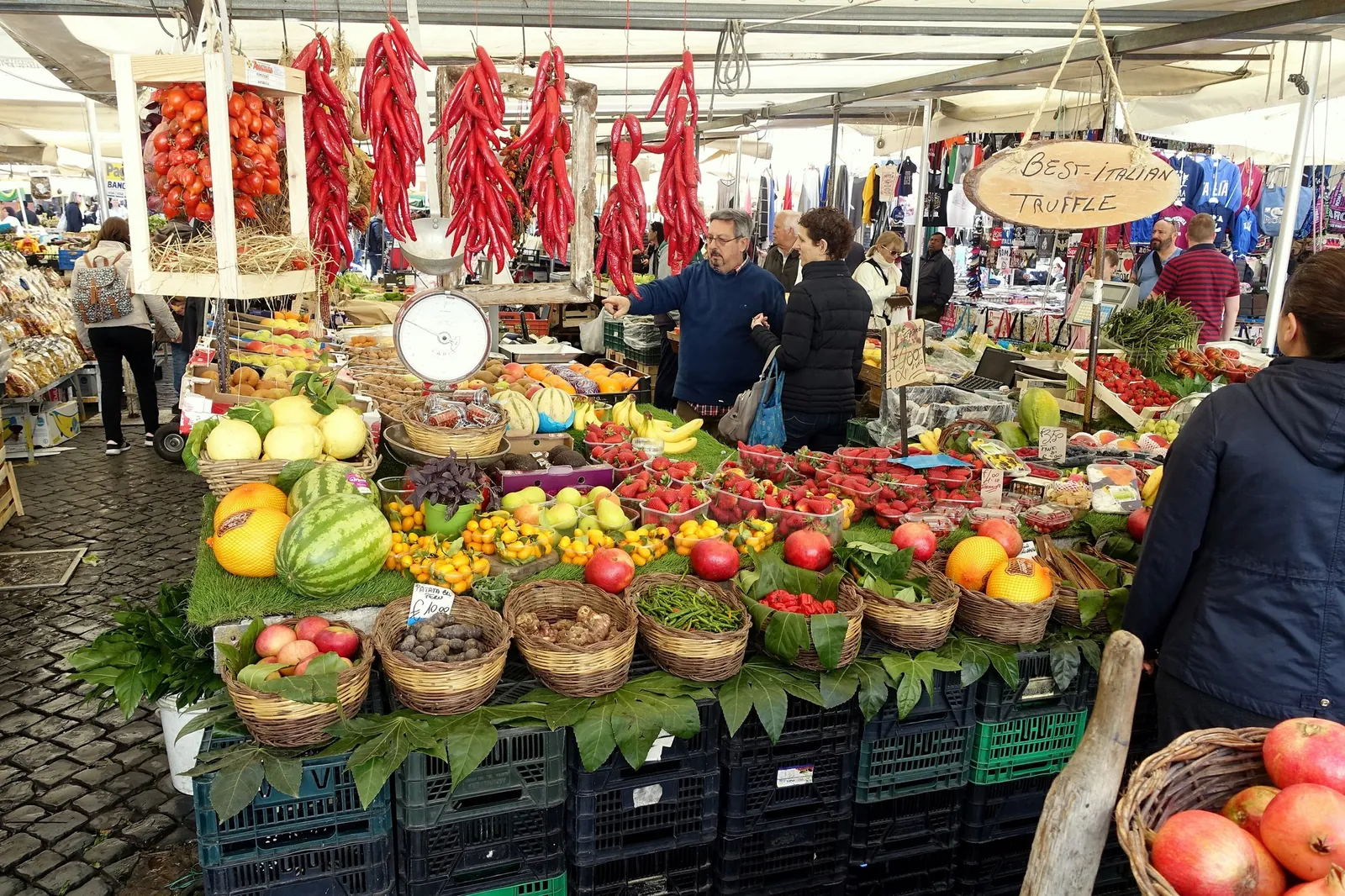
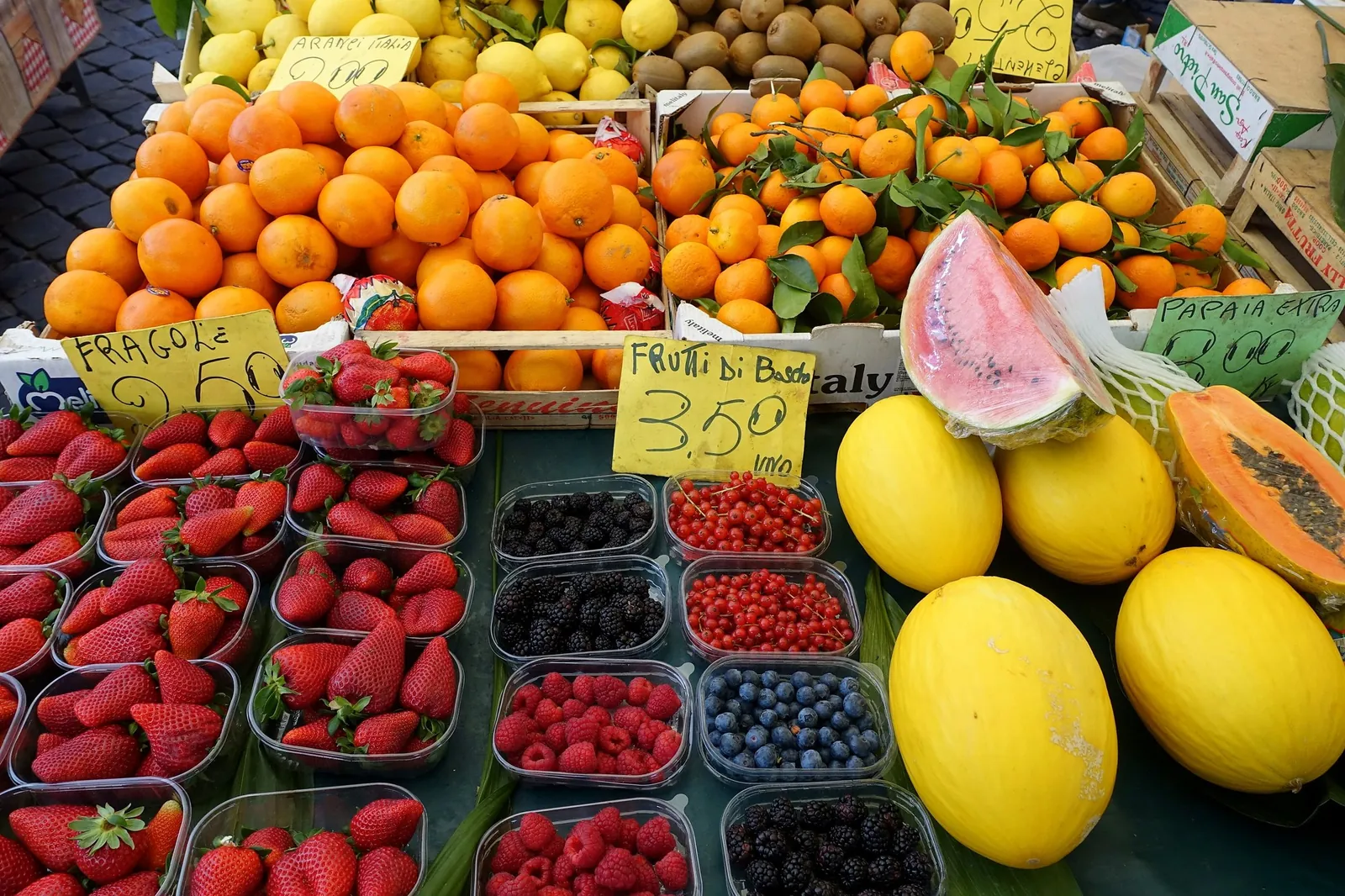
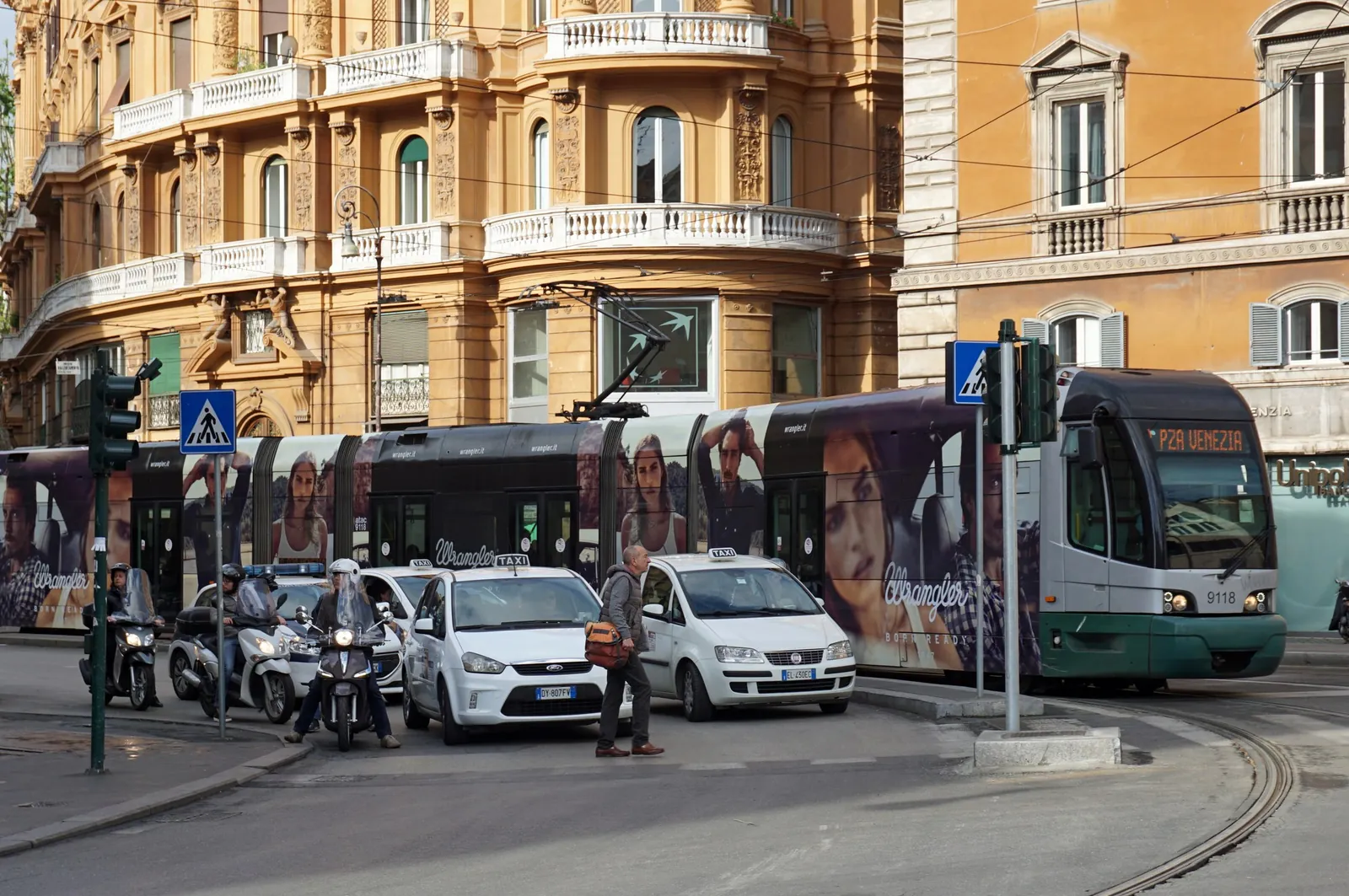
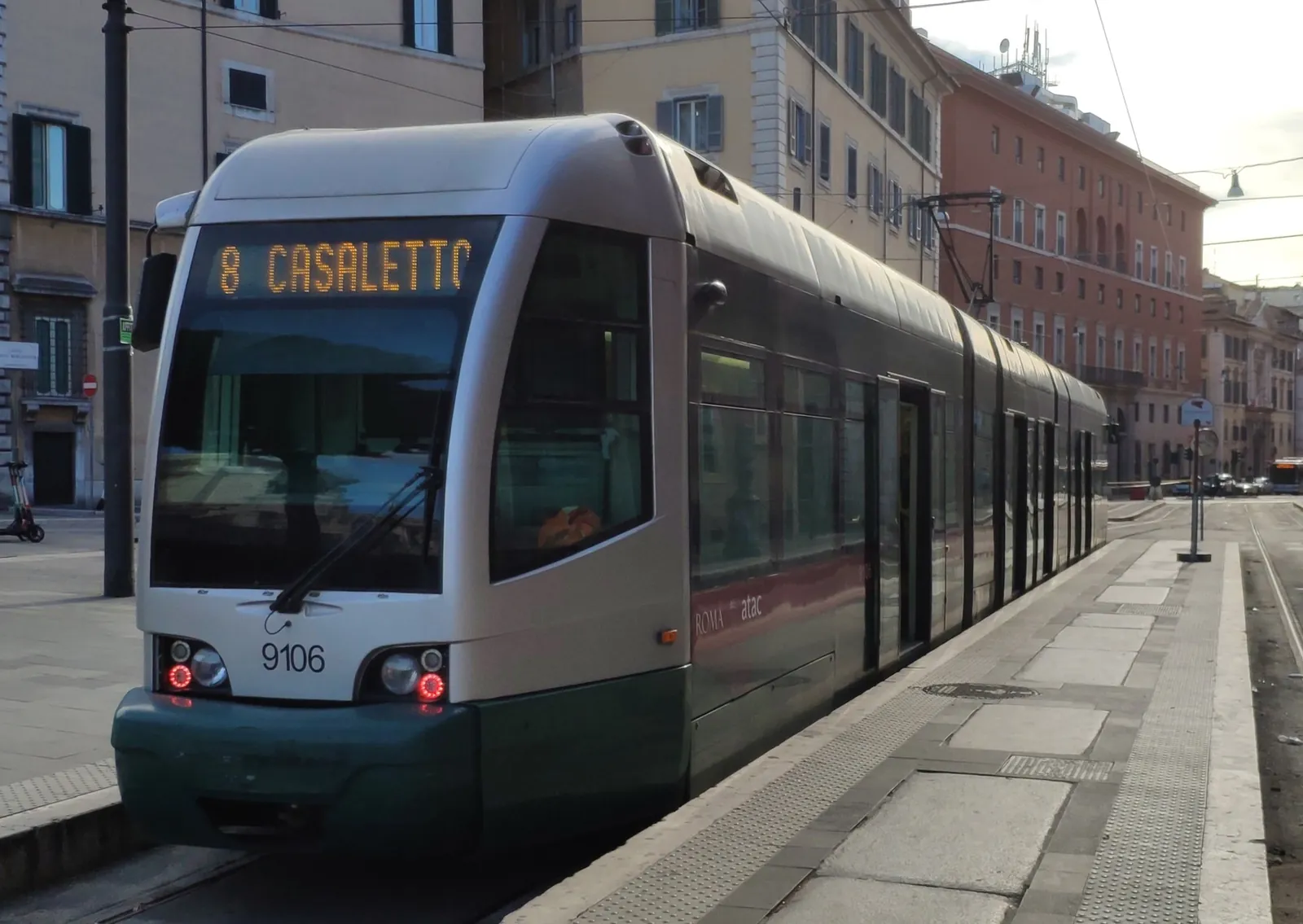
Daily life in Rome revolves around food, family, and community. Morning espresso at your neighborhood bar, fresh produce from the Campo de' Fiori market, long Sunday lunches, and evening passeggiata along the Tiber: these rituals define the Roman retirement experience. The city's public transit includes metro, buses, and trams, though many retirees find their neighborhood walkable enough to avoid transit altogether. Rome's Fiumicino Airport is a major international hub with direct flights worldwide.
What does it really look like in Rome?
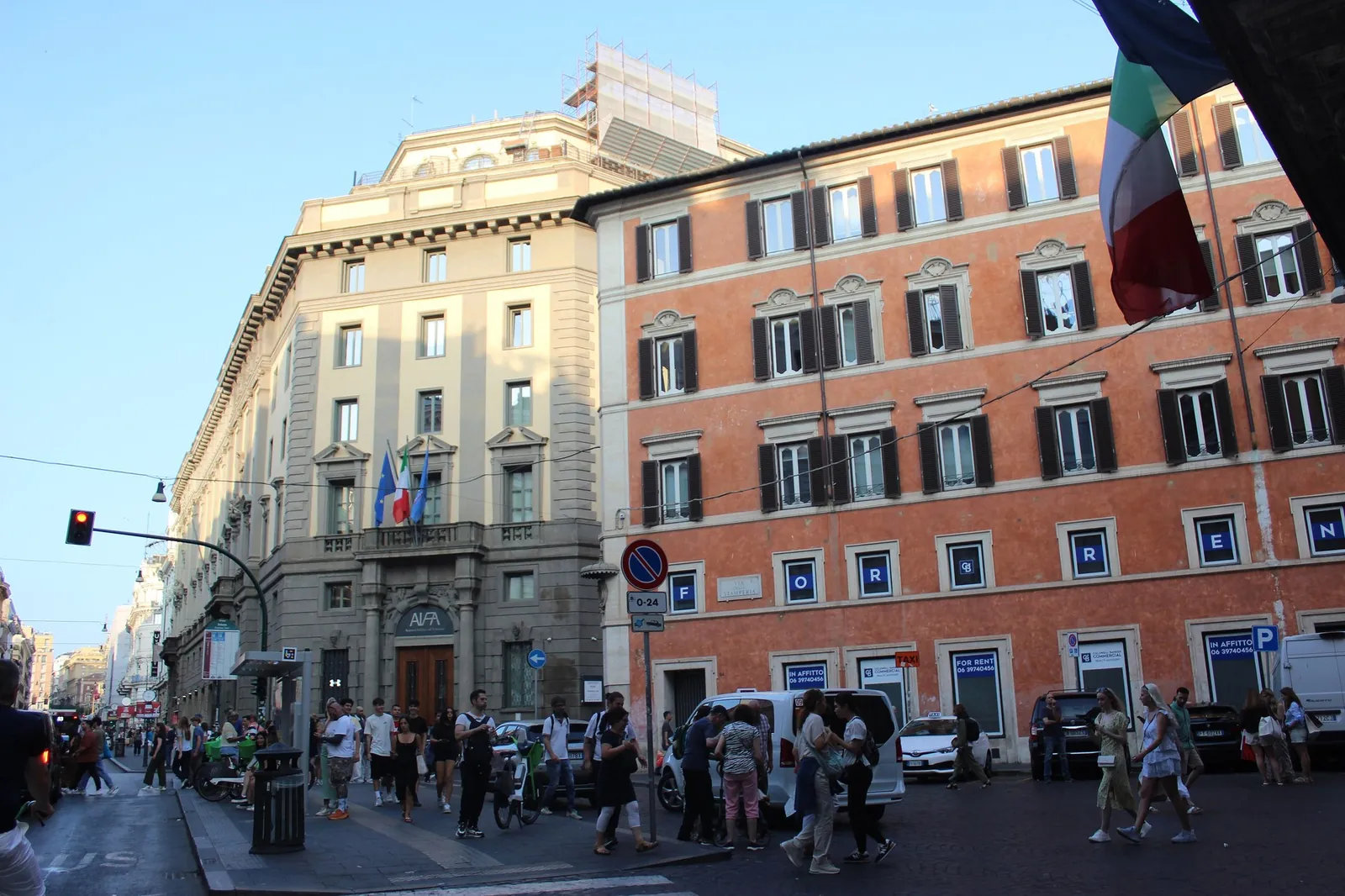
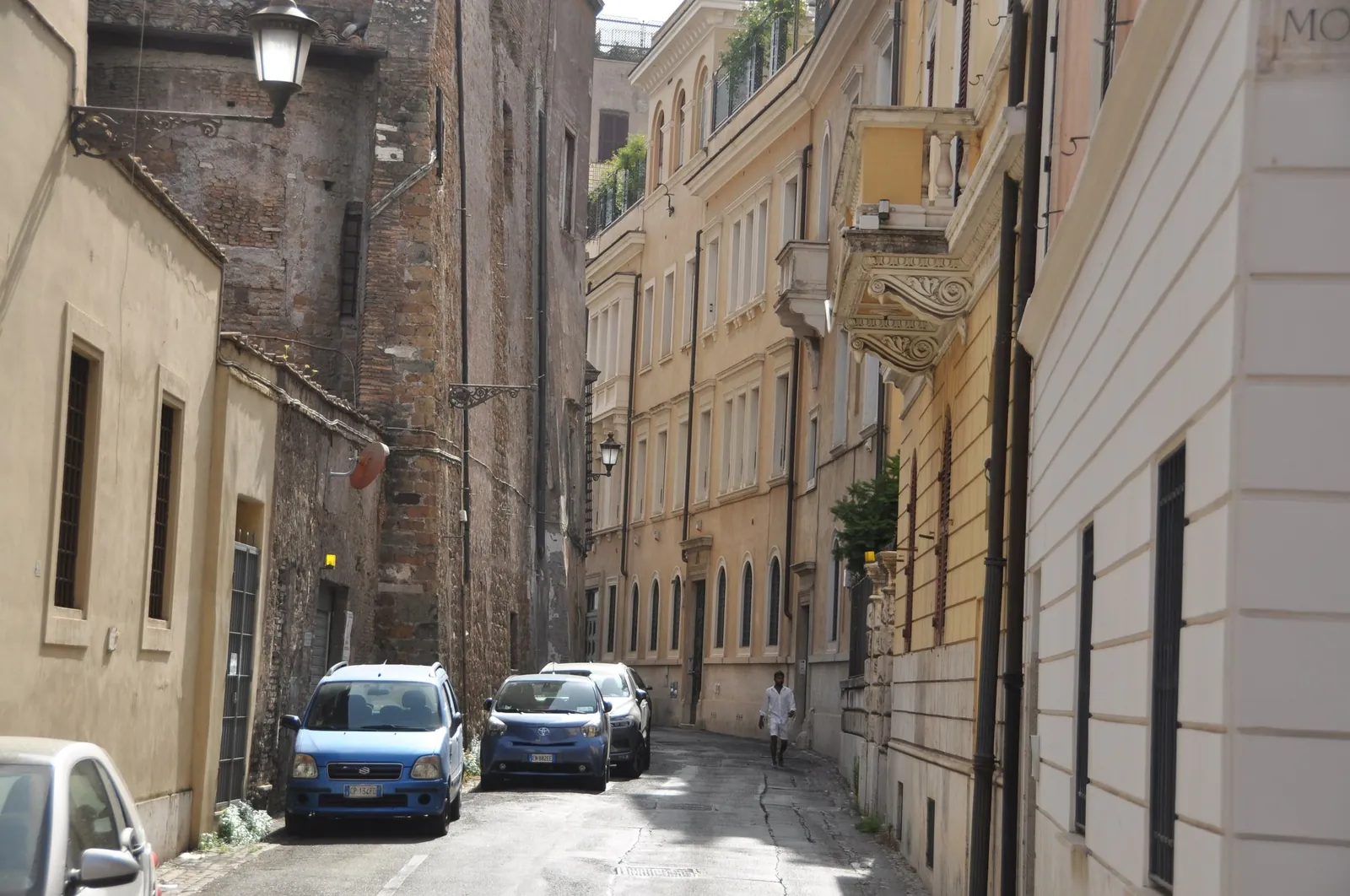
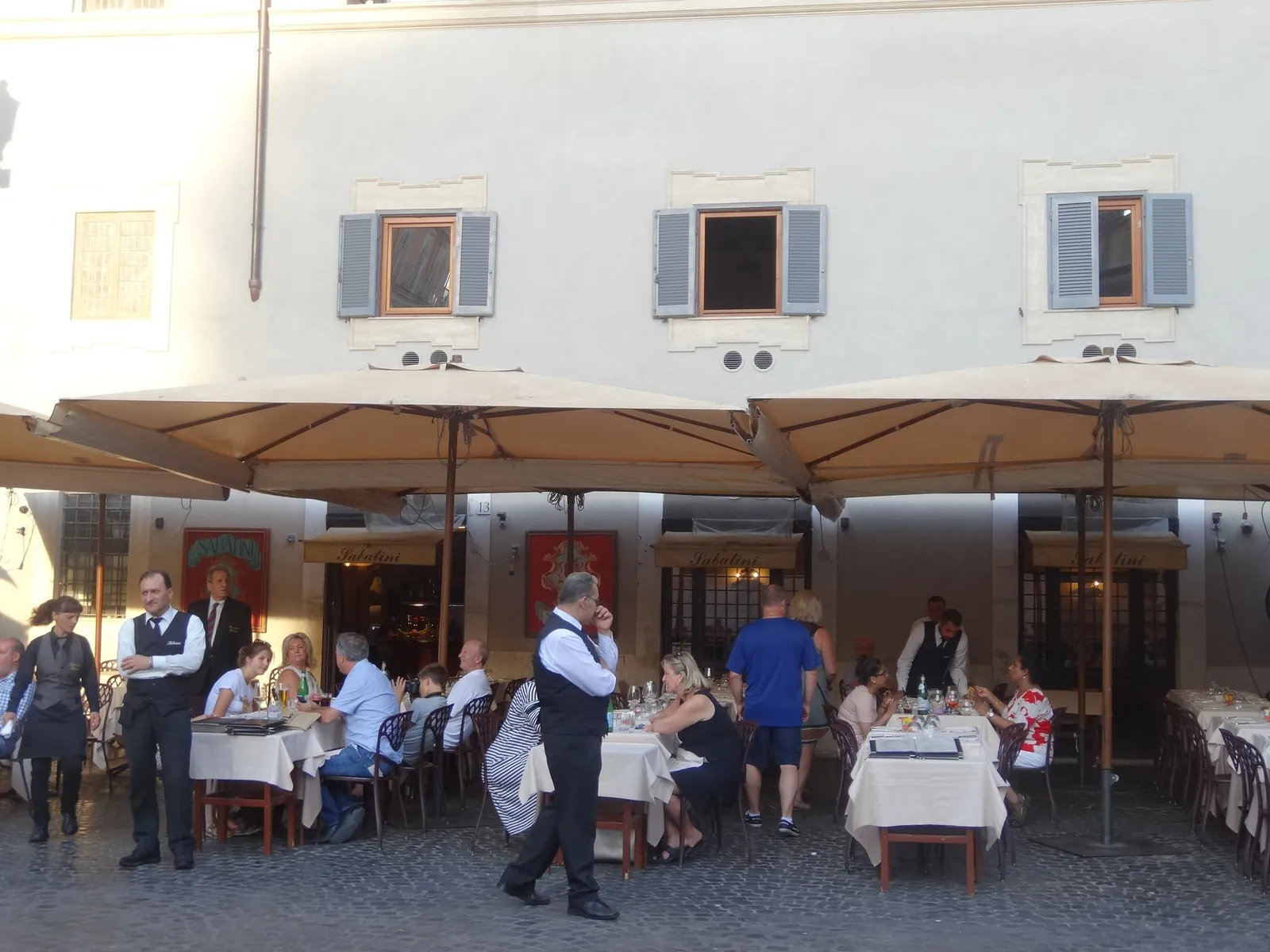
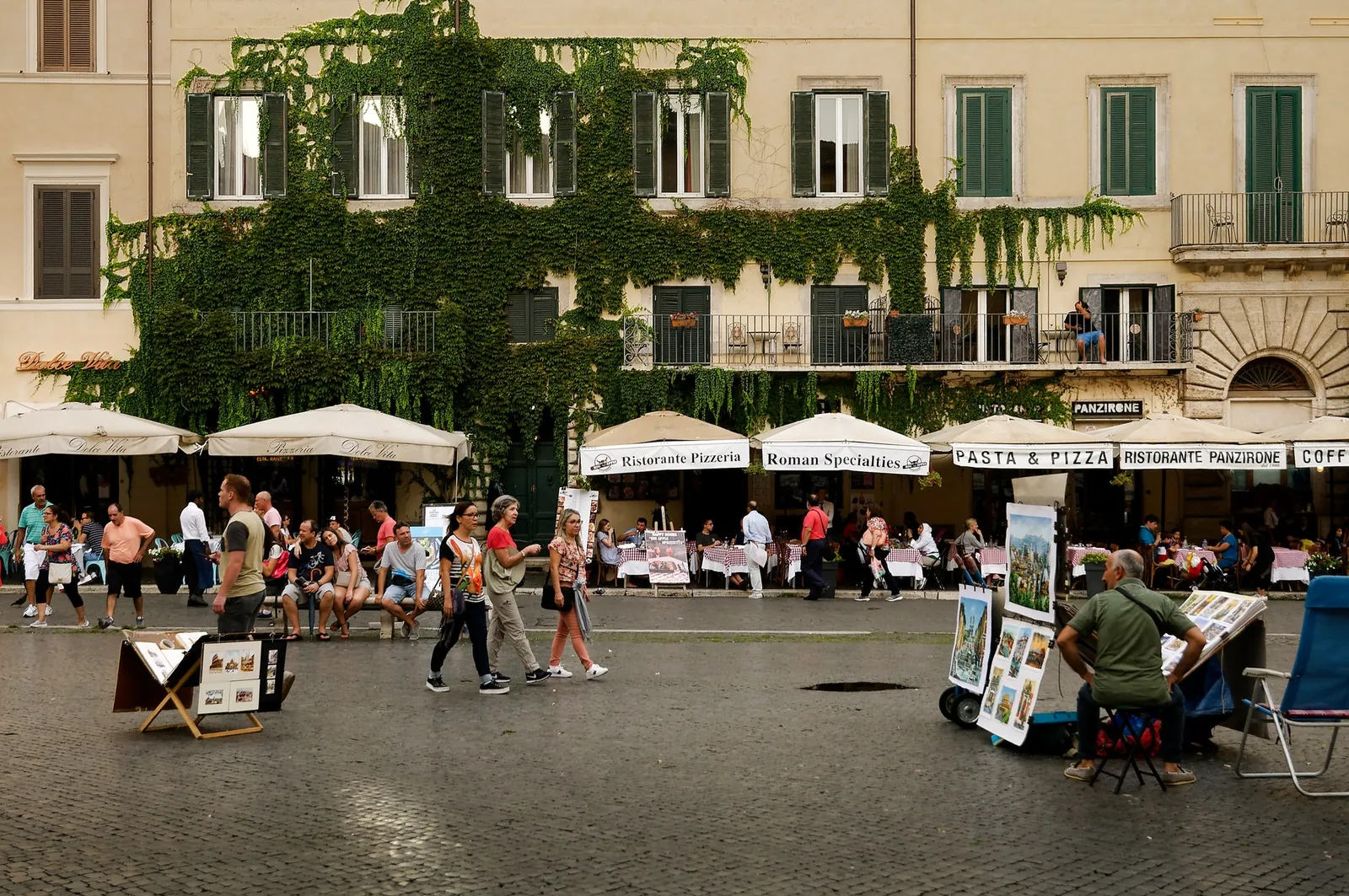
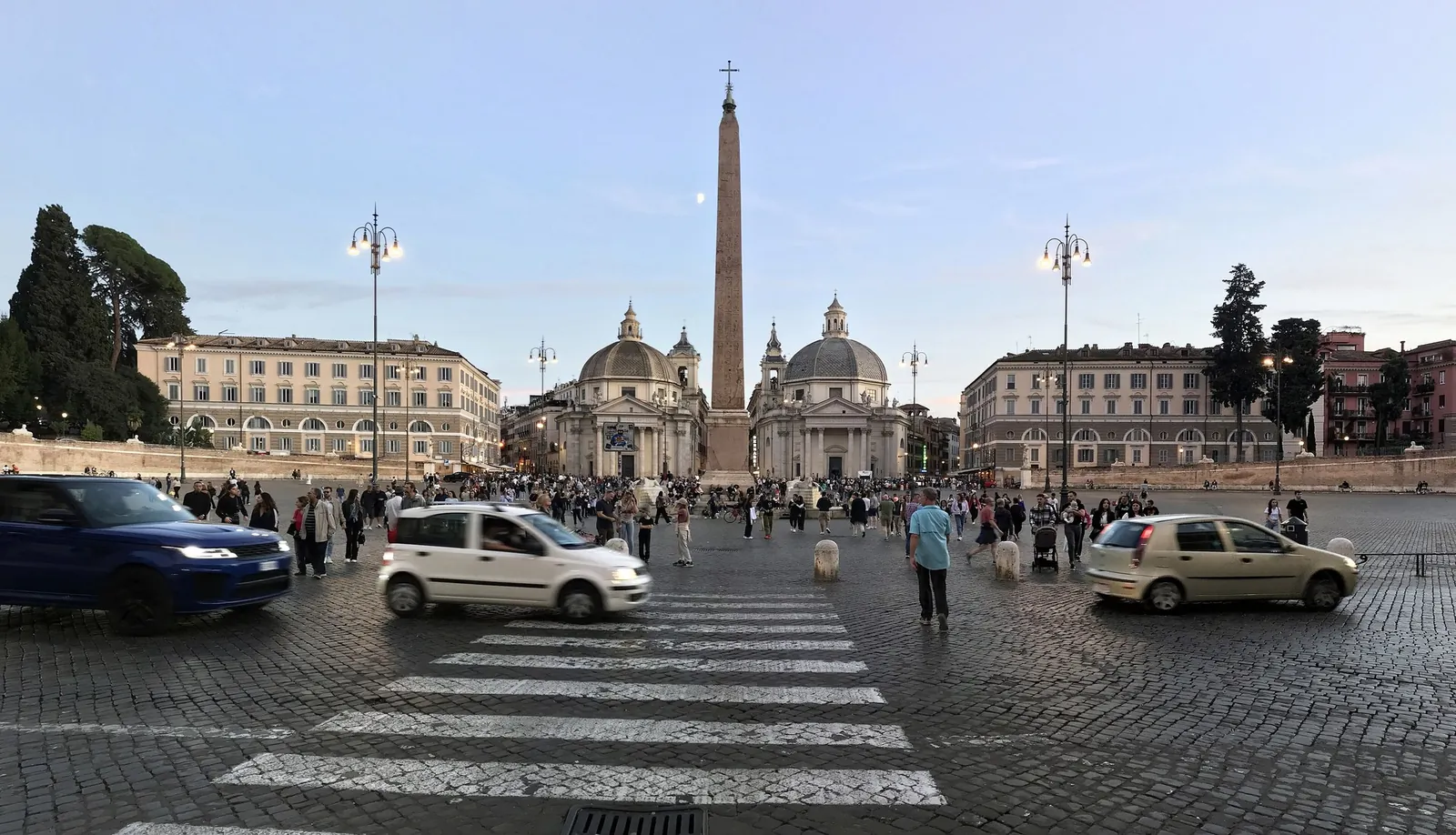
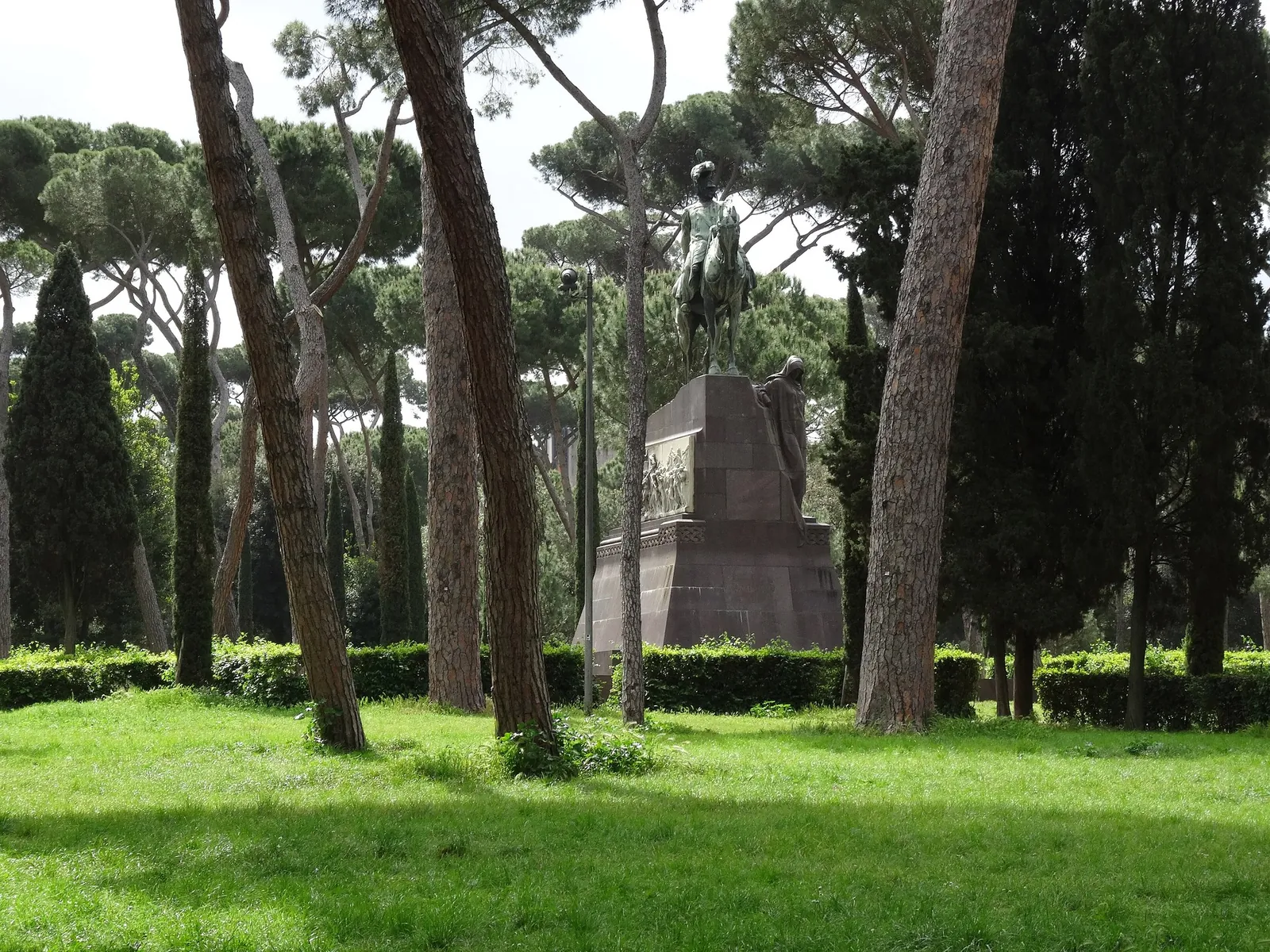
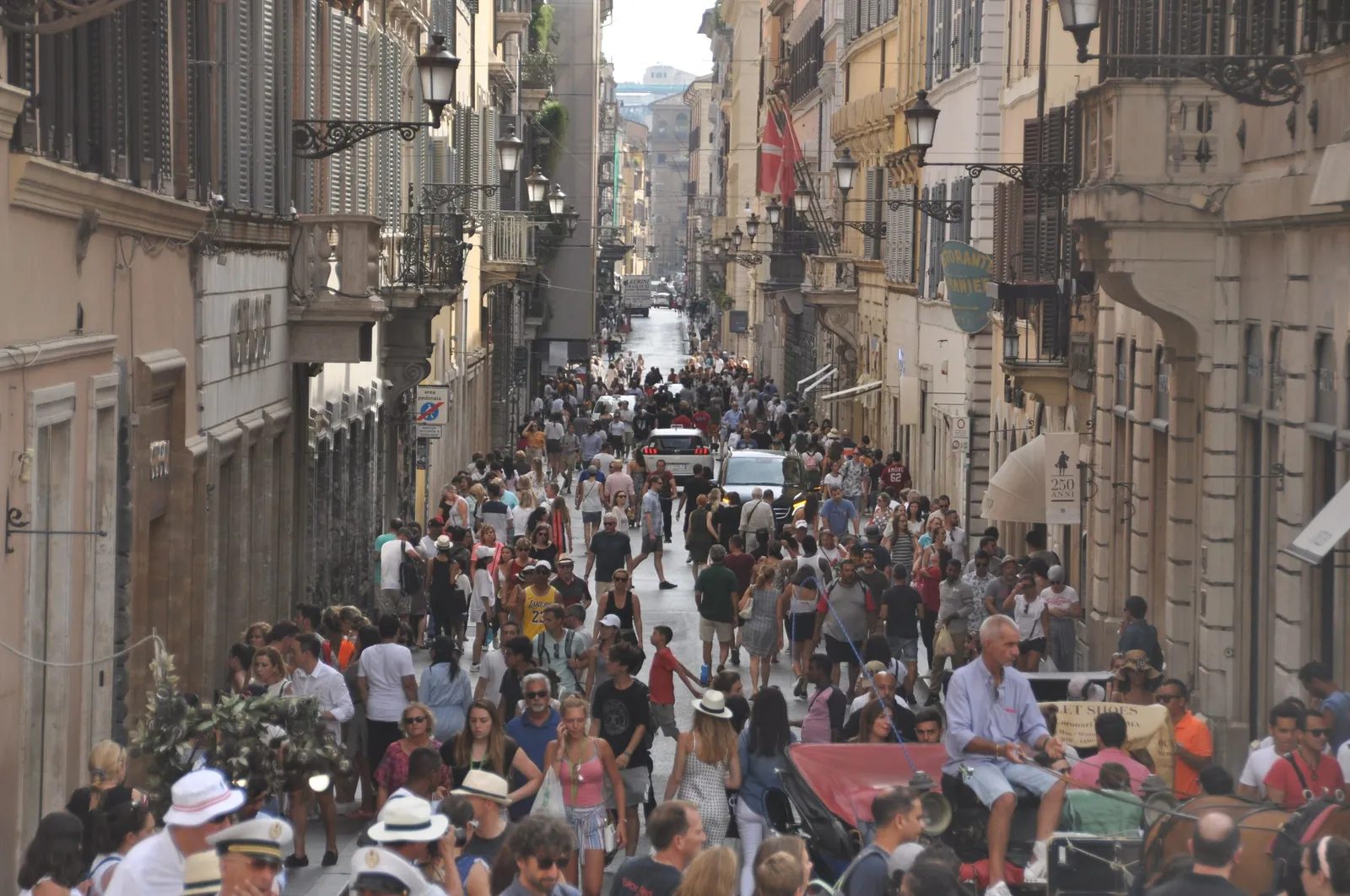
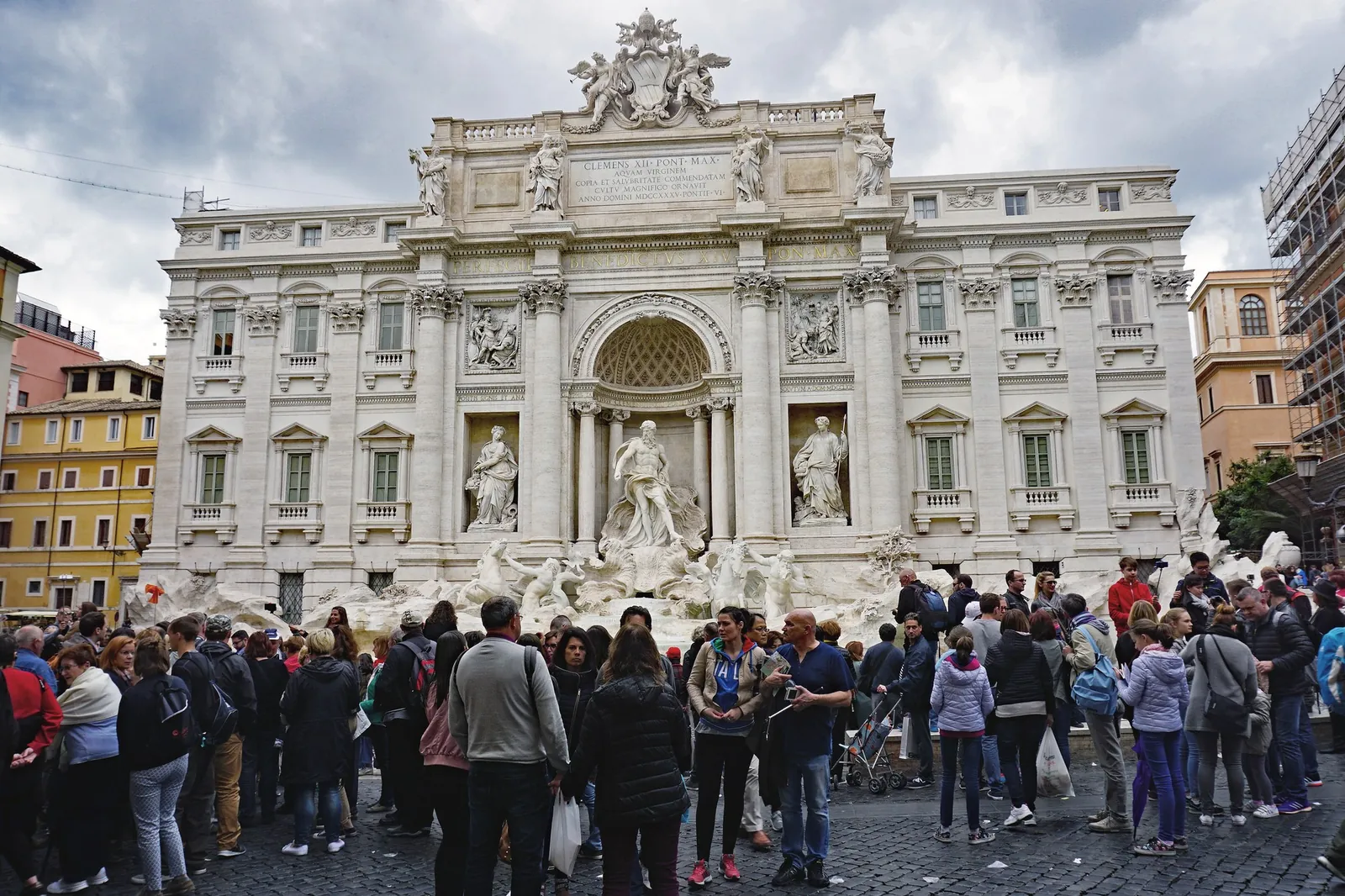
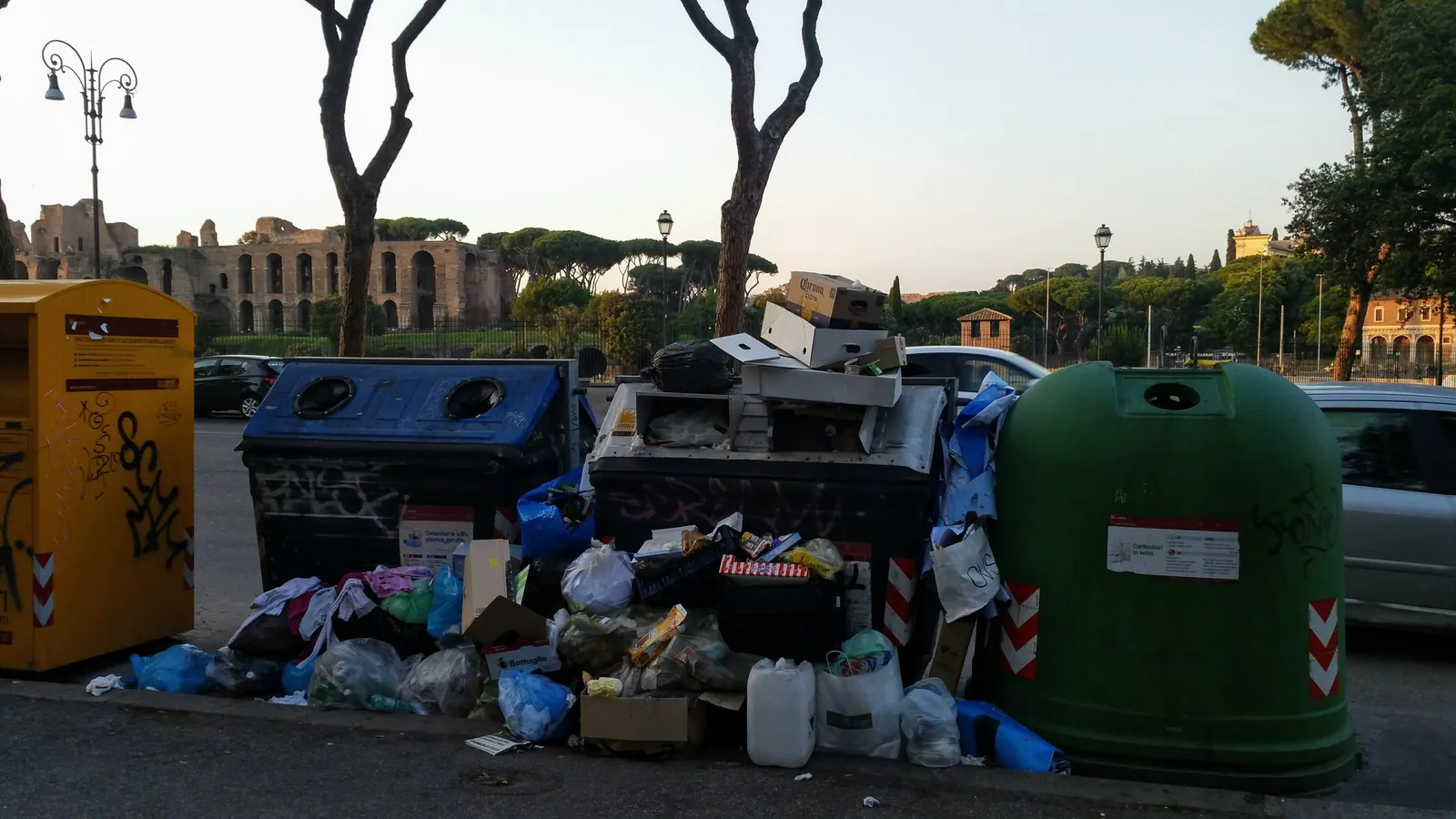
Authentic, unedited photos of Rome by residents and visitors, taken on ordinary days rather than chosen by a tourist board. Each one shows when it was taken. Browse photos of 105 cities →






.jpg)


.jpg)
The other side



What does it cost to live in Rome?
1-Bedroom Rent
$800-$1,500/month
Local Restaurant Meal
$10-$18 at local trattorias
Cup of Coffee
$1-$1.50
Estimated Monthly Total
$2,200-$3,500
Want a personalized estimate? Use our cost of living calculator
How good is healthcare in Rome?
Italy's Servizio Sanitario Nazionale (SSN) provides universal public healthcare to all legal residents. Rome has some of Italy's finest hospitals, including Policlinico Umberto I, Policlinico Gemelli, and the private Rome American Hospital. Public healthcare is excellent for emergency care and specialist consultations, though wait times can be lengthy. Private consultations cost $80-$150. Many retirees supplement public coverage with private insurance ($2,000-$5,000/year) for faster access. Pharmacies are abundant, and Italian medications are generally affordable.
What is daily life like in Rome?
Retiring in Rome means living surrounded by beauty at every turn. A morning walk might take you past the Trevi Fountain, through the Villa Borghese gardens, or along the ancient Appian Way. The city's restaurant scene ranges from family-run trattorias in Testaccio serving cacio e pepe to Michelin-starred dining in Parioli. Cultural life is extraordinary: opera at Teatro dell'Opera, concerts at the Auditorium Parco della Musica, and world-class museums including the Borghese Gallery and Vatican Museums. Day trips to Tivoli, Ostia Antica, and the Castelli Romani wine towns are easy by train.
What is the climate like in Rome?
Rome has a Mediterranean climate with hot, dry summers and mild, wet winters. Summer temperatures (June-August) range from 28-35°C, occasionally exceeding 38°C during heat waves. Winters (December-February) are mild at 4-13°C with moderate rainfall. Snow is extremely rare. Spring (March-May) and autumn (September-November) are ideal, with temperatures of 15-25°C and lower tourist crowds. The tramontana wind can bring brief cold spells in winter.
| Month | High | Low | Rain |
|---|---|---|---|
| January | 12.0 °C | 3.4 °C | 66 mm |
| February | 13.0 °C | 3.4 °C | 63 mm |
| March | 15.8 °C | 5.9 °C | 59 mm |
| April | 18.8 °C | 8.6 °C | 69 mm |
| May | 23.3 °C | 12.6 °C | 57 mm |
| June | 28.1 °C | 16.7 °C | 30 mm |
| July | 31.0 °C | 19.3 °C | 20 mm |
| August | 31.6 °C | 19.8 °C | 30 mm |
| September | 26.7 °C | 16.0 °C | 65 mm |
| October | 22.2 °C | 12.4 °C | 88 mm |
| November | 16.9 °C | 8.5 °C | 108 mm |
| December | 12.7 °C | 4.7 °C | 98 mm |
Weather station: Roma Ciampino (13 km away). Source: WMO Climatological Normals 1991-2020 (NOAA NCEI)
What are the pros and cons of retiring in Rome?
Pros
- Unrivaled historical and cultural heritage
- Exceptional food and wine culture at every price point
- Universal public healthcare system for residents
- Major international airport with global connections
- Mild Mediterranean climate with beautiful springs and autumns
Cons
- Higher cost of living than southern Italy or smaller cities
- Traffic congestion and chaotic driving conditions
- Bureaucracy for residency permits is notoriously slow
- Summer heat and tourist crowds can be overwhelming
Who should retire in Rome?
Retirees who dream of living in one of history's greatest cities, surrounded by art, cuisine, and culture, with access to excellent healthcare.
Which neighborhoods suit retirees in Rome?
Trastevere
Charming neighborhood west of the Tiber with ivy-covered buildings, cobblestone piazzas, and a vibrant nightlife. One-bedroom rents range $1,200-$1,800/month. Popular with expats who want authentic Roman atmosphere and walkable restaurants.
Prati
Elegant residential district near the Vatican with tree-lined streets, upscale shops, and reliable public transport. One-bedrooms rent for $1,100-$1,700/month. Appeals to retirees seeking a refined, quieter neighborhood close to central Rome.
Testaccio
Working-class quarter turned foodie destination, known for the historic market, trattorias, and a strong local identity. Rents run $900-$1,400/month for a one-bedroom. Suits retirees who want genuine Roman neighborhood life at a moderate cost.
Which hospitals serve retirees in Rome?
Policlinico Universitario Agostino Gemelli
Rome's largest university hospital affiliated with the Catholic University of the Sacred Heart. Comprehensive specialist departments including oncology, cardiology, and neurosurgery. Major national referral center.
Rome American Hospital
Private hospital on Via Emilio Longoni catering to the international community. English-speaking staff throughout. General and specialist care with a focus on patient experience. Accepts major international insurance policies.
Ospedale San Camillo-Forlanini
Large public hospital in the Monteverde area. One of Rome's primary emergency and trauma centers. Provides broad specialist services. Can be crowded but maintains strong clinical capabilities.
Facility details may change. Verify accreditation status and services directly with each hospital before making healthcare decisions.
What is the food scene like in Rome?
Rome's food culture is built on simplicity and tradition: cacio e pepe, carbonara, amatriciana, and supplì are not just dishes but points of civic pride. In Testaccio, trattorias like Da Felice and Flavio al Velavevodetto serve these classics for $10-$18 per plate, using recipes passed down through generations.
Trastevere's piazzas are filled with restaurants ranging from tourist traps to genuine gems. Da Enzo al 29 and Tonnarello draw lines for their handmade pasta ($12-$16). For fine dining, Roscioli near Campo de' Fiori combines a gourmet deli with a restaurant where curated Italian wines accompany Roman dishes ($30-$50 per person).
The Prati neighborhood offers quieter dining near the Vatican, with enotecas and pizzerias serving Roman-style thin-crust pizza al taglio for $3-$6. Weekly grocery shopping for two at Conad or Carrefour runs $65-$95. Rome's neighborhood markets (Mercato di Testaccio, Mercato Trionfale) provide fresh, seasonal produce daily. Eating well in Rome is not a luxury but a baseline expectation.
Is retiring in Rome right for you?
Take our free 3-minute retirement quiz to see how life in Rome, Italy, compares to other destinations based on your preferences, budget, and needs.
Take the Retirement QuizFrequently Asked Questions About Retiring in Rome
What visa do non-EU retirees need for Rome?
Non-EU retirees typically apply for the Elective Residency Visa (Visto per Residenza Elettiva), which requires proof of stable passive income of at least €31,000 per year and private health insurance. The visa does not permit employment. It is initially issued for one year and is renewable. After ten years of legal residency, you may apply for Italian citizenship.
What are the best neighborhoods for retirees in Rome?
Trastevere offers charming cobblestone streets and a village atmosphere. Prati near the Vatican is elegant and well-connected by metro. Testaccio is authentic and food-focused. Monteverde is residential, green, and quieter. EUR in the south is modern with wider streets and more space. Each has a different character and price range.
Is Rome walkable for older adults?
Rome's historic center is largely flat and very walkable, though cobblestone streets and uneven sidewalks require sturdy footwear. The metro has two main lines with elevators at most stations. Buses and trams supplement the metro. Many retirees live car-free in central neighborhoods, walking to shops, markets, and cafés within their quartiere.
Sources & References
- Numbeo, Cost of living index and price data for Rome: rent, groceries, restaurants, and transportation
- Policlinico Universitario A. Gemelli, Facility services, specialist departments, and international patient programs in Rome
- Italian Ministry of Interior: Immigration, Elective residence visa requirements and procedures for non-EU retirees in Italy
- WHO Italy Country Profile, National health system (SSN) indicators and healthcare quality benchmarks