
City Retirement Guide
Retire in Florence, Italy
Renaissance beauty, Tuscan cuisine, and an intimate city scale perfect for retirement
What are the key facts about retiring in Florence?
- Elevation & setting
- ~50 m; Arno river basin, ~90 km inland, ringed by Apennine foothills
- Climate
- Coolest month January 2–12°C, hottest August 19–32°C; 873 mm of rain a year, most in November (daily low to high, 1991–2020)
- Nearest international airport
- Florence-Peretola (FLR), ~6 km northwest; Pisa (PSA) ~90 km
- Nearest major hospital
- Azienda Ospedaliero-Universitaria Careggi (teaching hospital)
- Primary retirement visa (2026)
- Italy Elective Residence Visa: ~EUR 31,000/year passive income + 20% for spouse
- Language environment
- Italian official; English common in Oltrarno expat circles and at Careggi
Florence is not eligible for Italy's 7% flat-tax regime, which is reserved for southern regions, but nearby Tuscan villages never qualify either, since the scheme excludes Tuscany entirely.
What is retirement like in Florence?
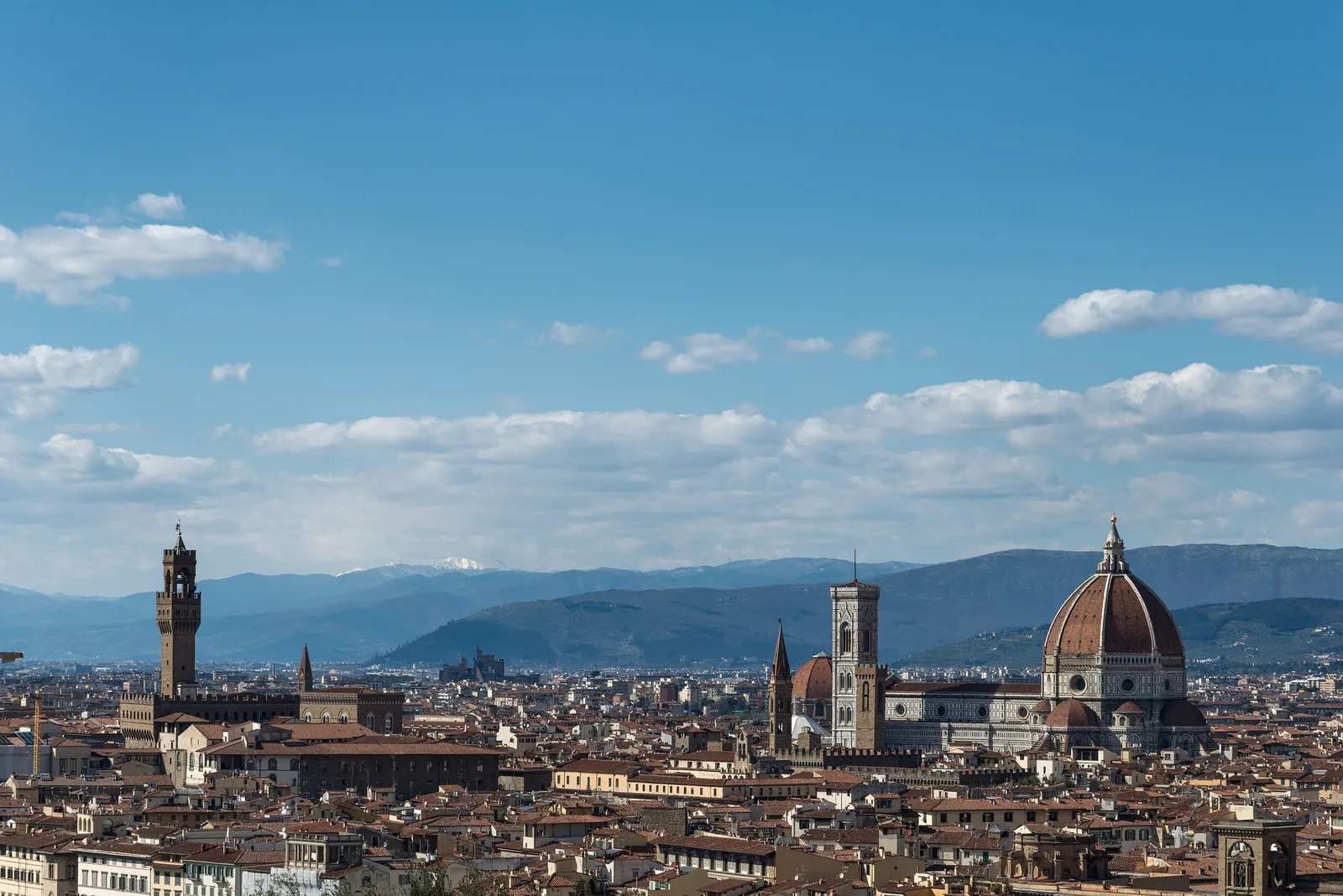
Florence lies on the Arno River in a Tuscan basin roughly 90 kilometers inland from the Ligurian coast at Viareggio, with the historic center sitting at about 50 meters elevation and ringed by the Apennine foothills of Fiesole and Bellosguardo. The UNESCO-listed centro storico holds the Duomo, Uffizi, and Palazzo Pitti, while retiree-oriented residential districts cluster in Oltrarno, Campo di Marte, and the hillside enclave of Settignano. Careggi University Hospital anchors regional healthcare north of the center. Amerigo Vespucci Airport sits about 6 kilometers northwest, with Pisa International a 90-kilometer rail connection for wider European routes.
Florence sits at the heart of Tuscany, giving retirees easy access to the region's famous hill towns (San Gimignano, Siena, Cortona), wine country (Chianti, Montalcino, Montepulciano), and thermal spa towns (Saturnia, Montecatini). The city is a major rail hub, with high-speed trains reaching Rome in 1.5 hours and Milan in 1 hour 45 minutes. The smaller Peretola airport handles European flights, while Pisa International Airport is just one hour away by bus or train.
The cost of living in Florence is moderate by Italian standards: cheaper than Rome or Milan but pricier than southern Italy. Non-EU retirees use Italy's Elective Residency Visa. The city has a well-established Anglo-American community dating back centuries, with English-language bookshops, churches, cultural organizations like the British Institute, and an active social scene that makes integration easier than in many Italian cities.
What does it really look like in Florence?
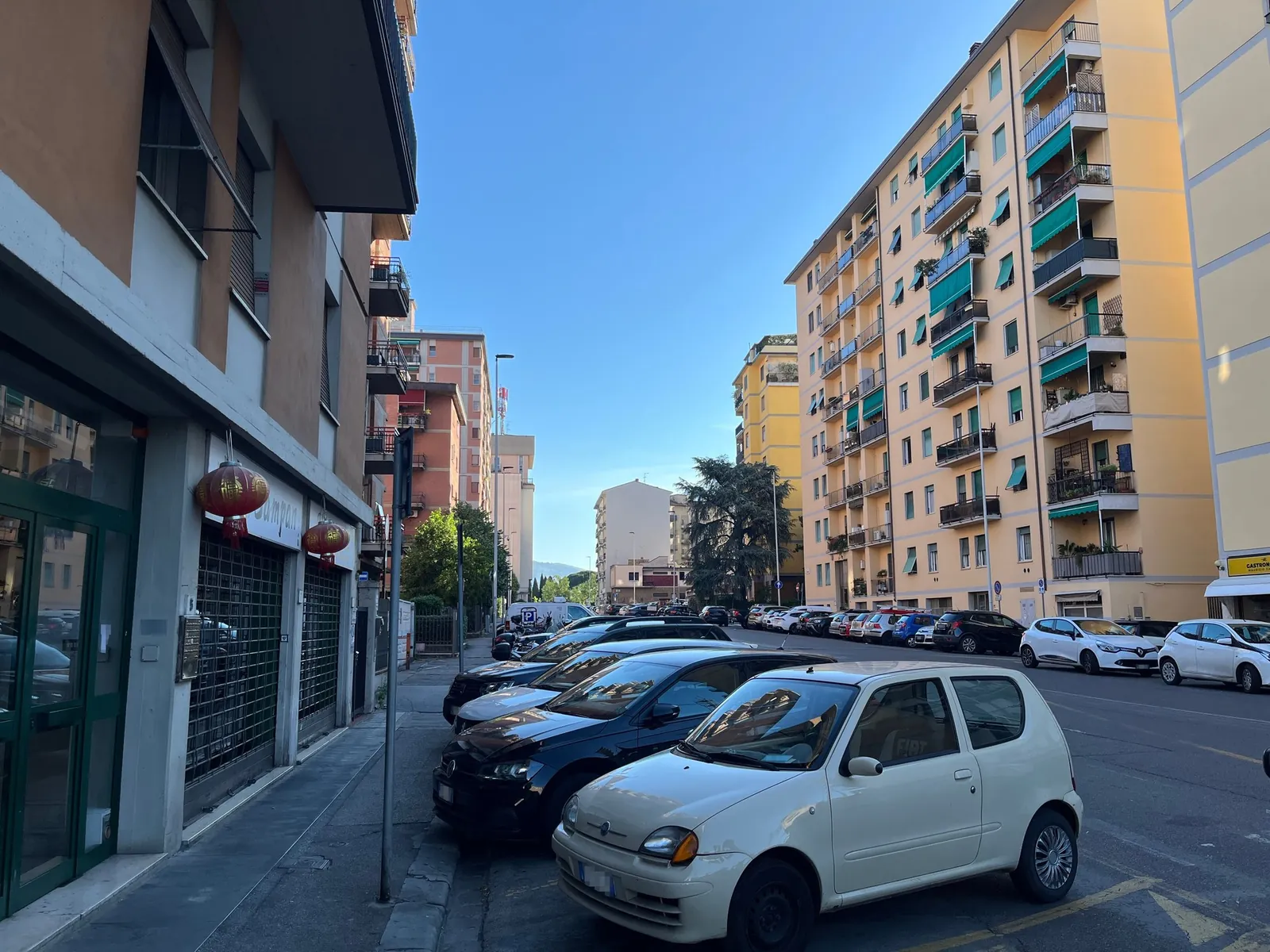
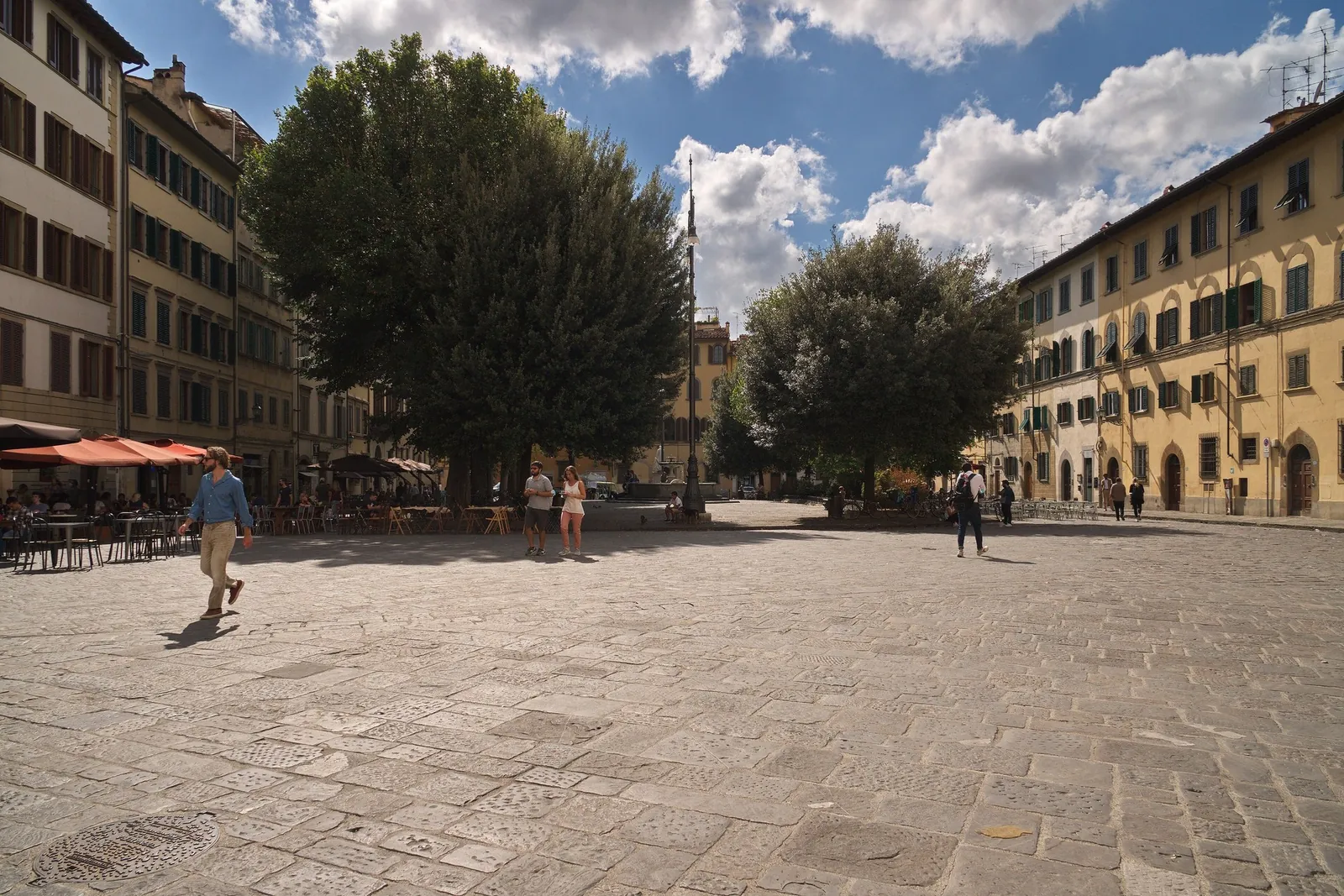
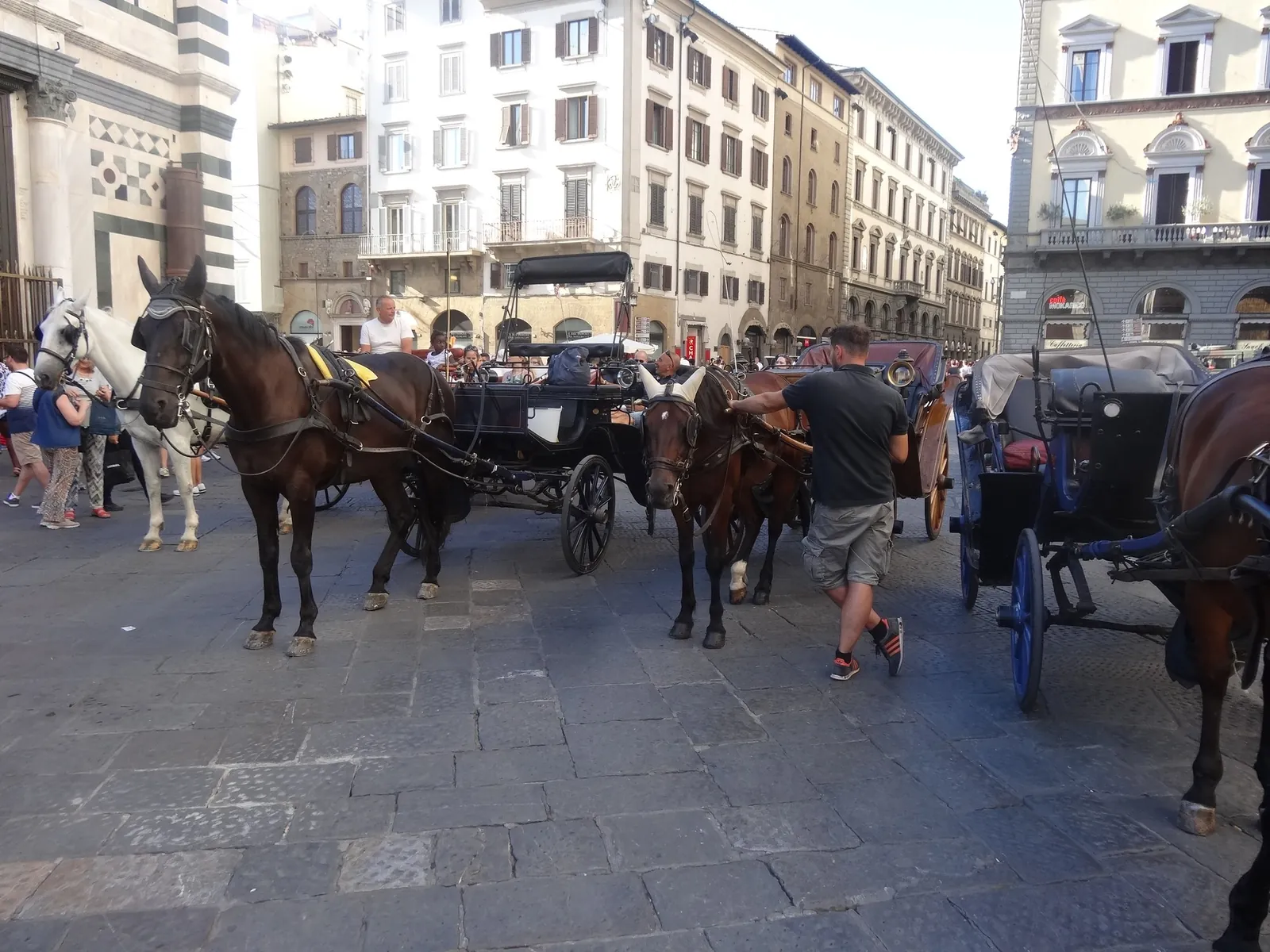
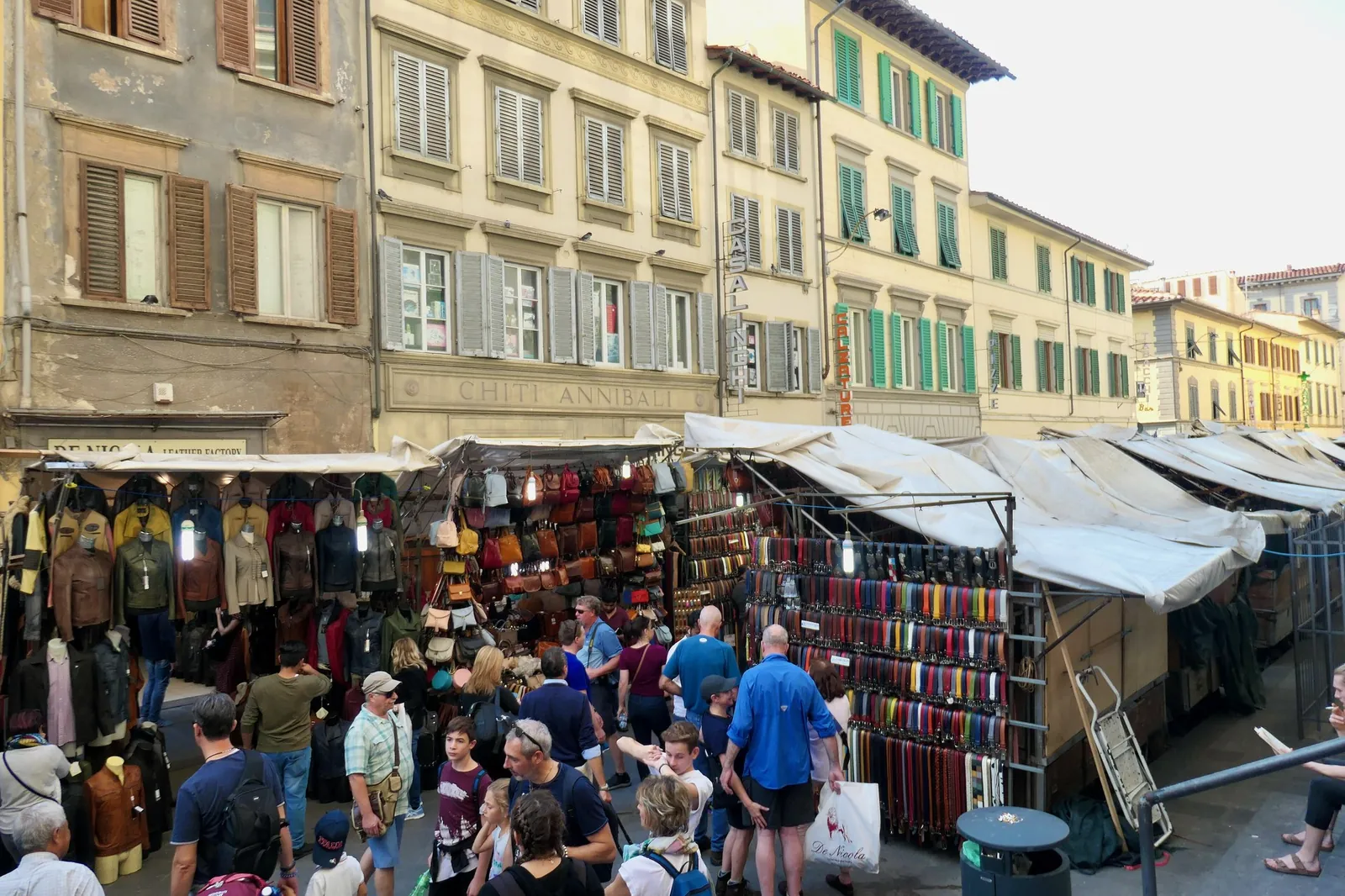
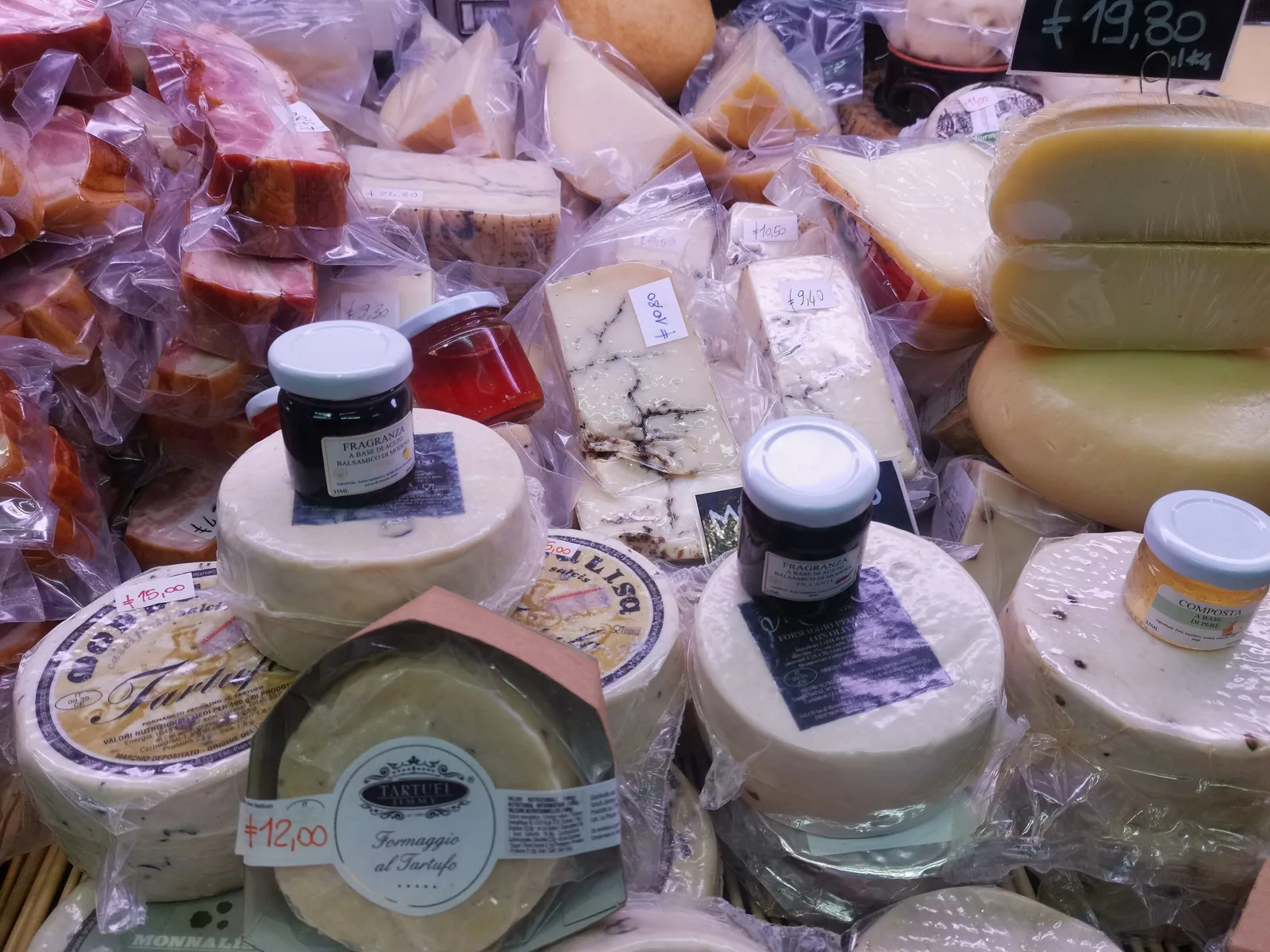
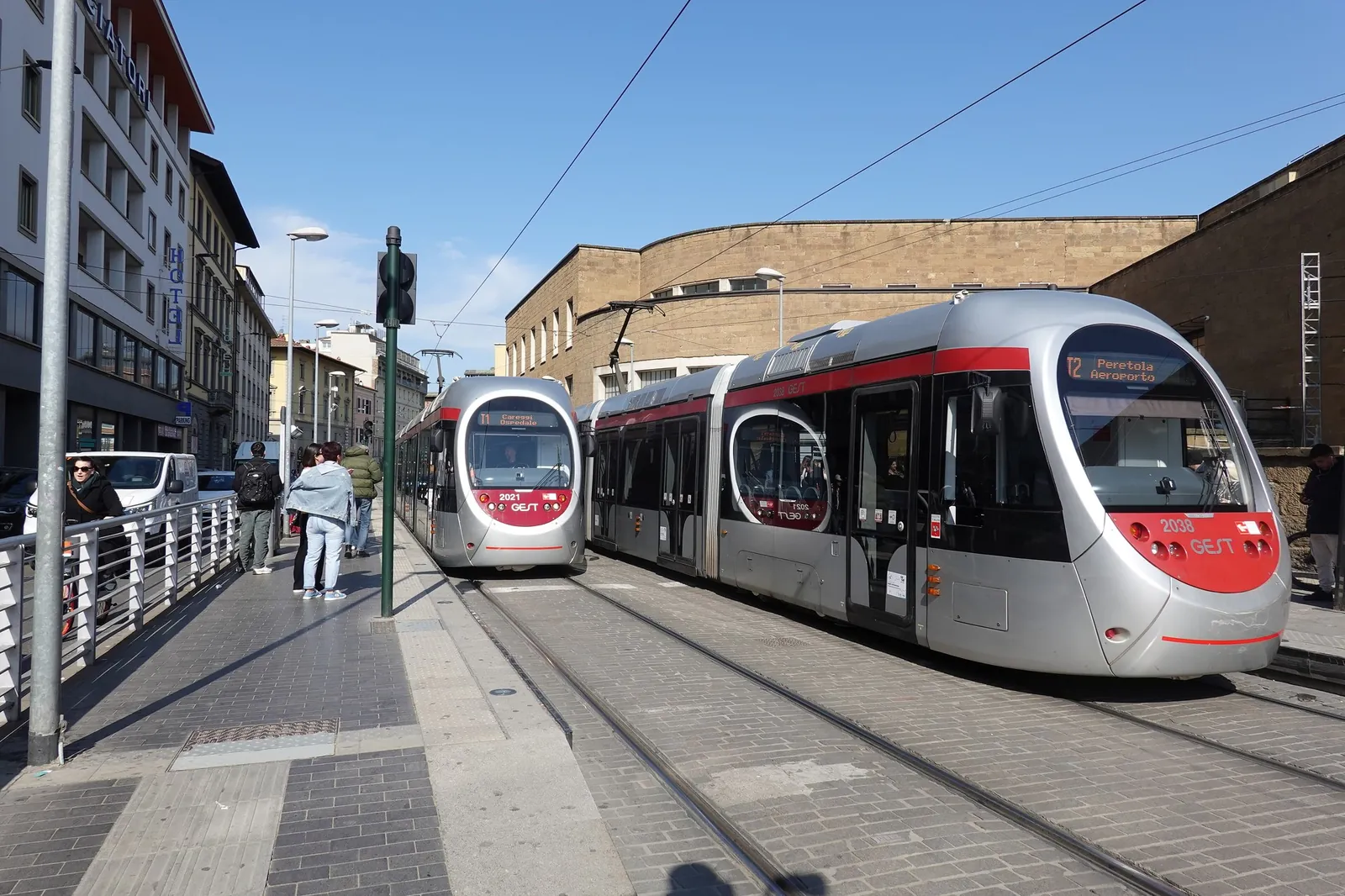
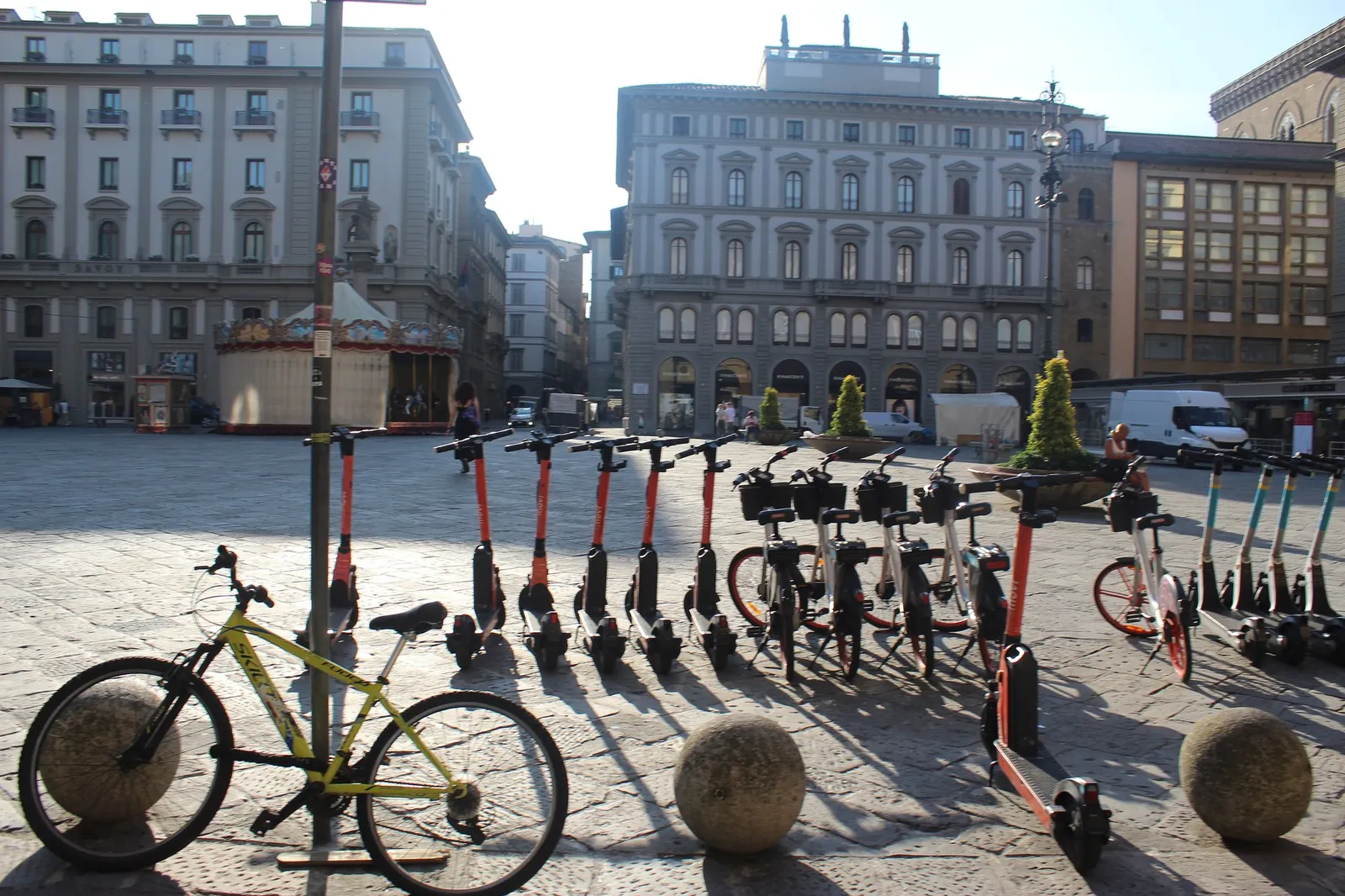
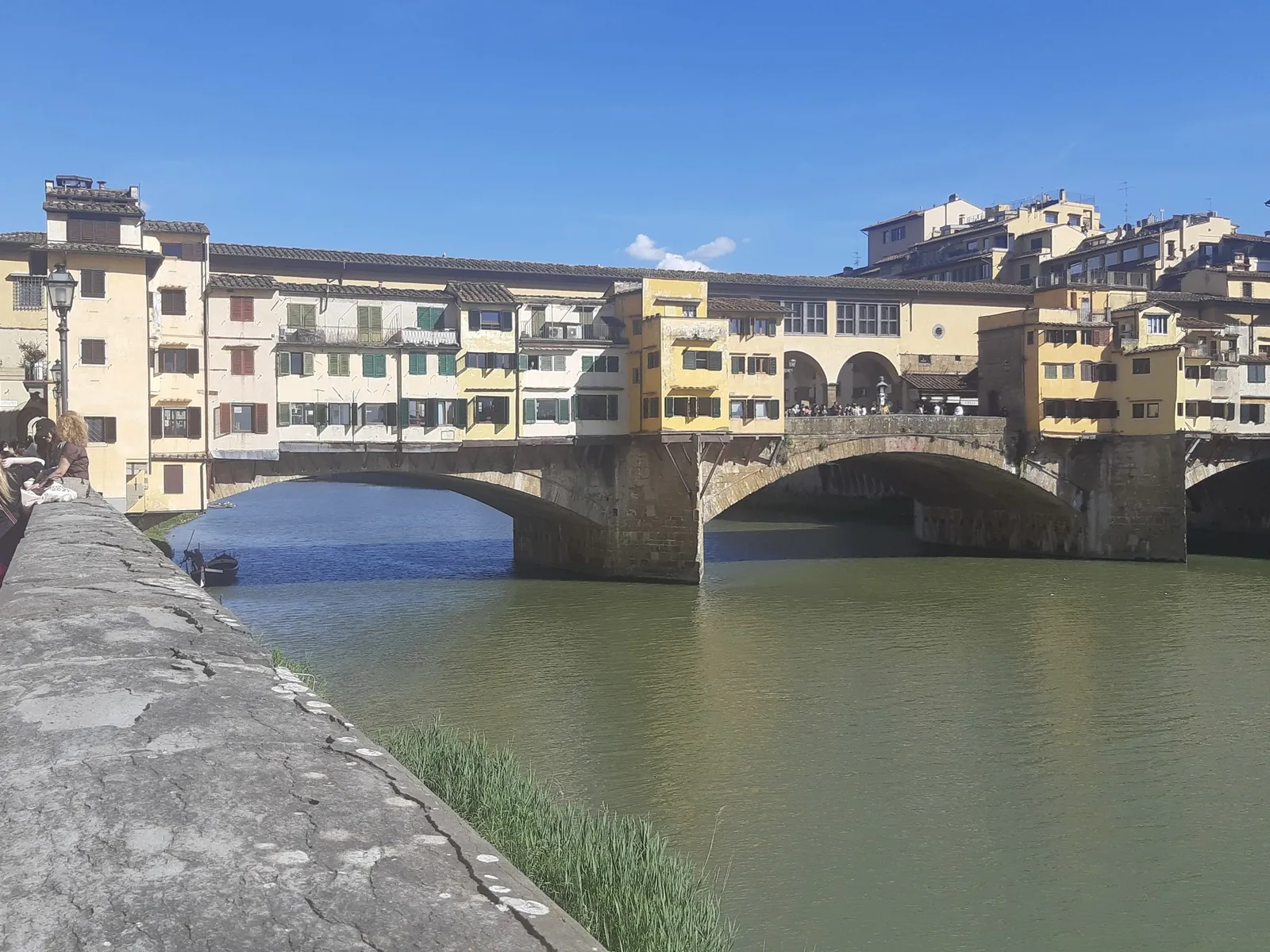
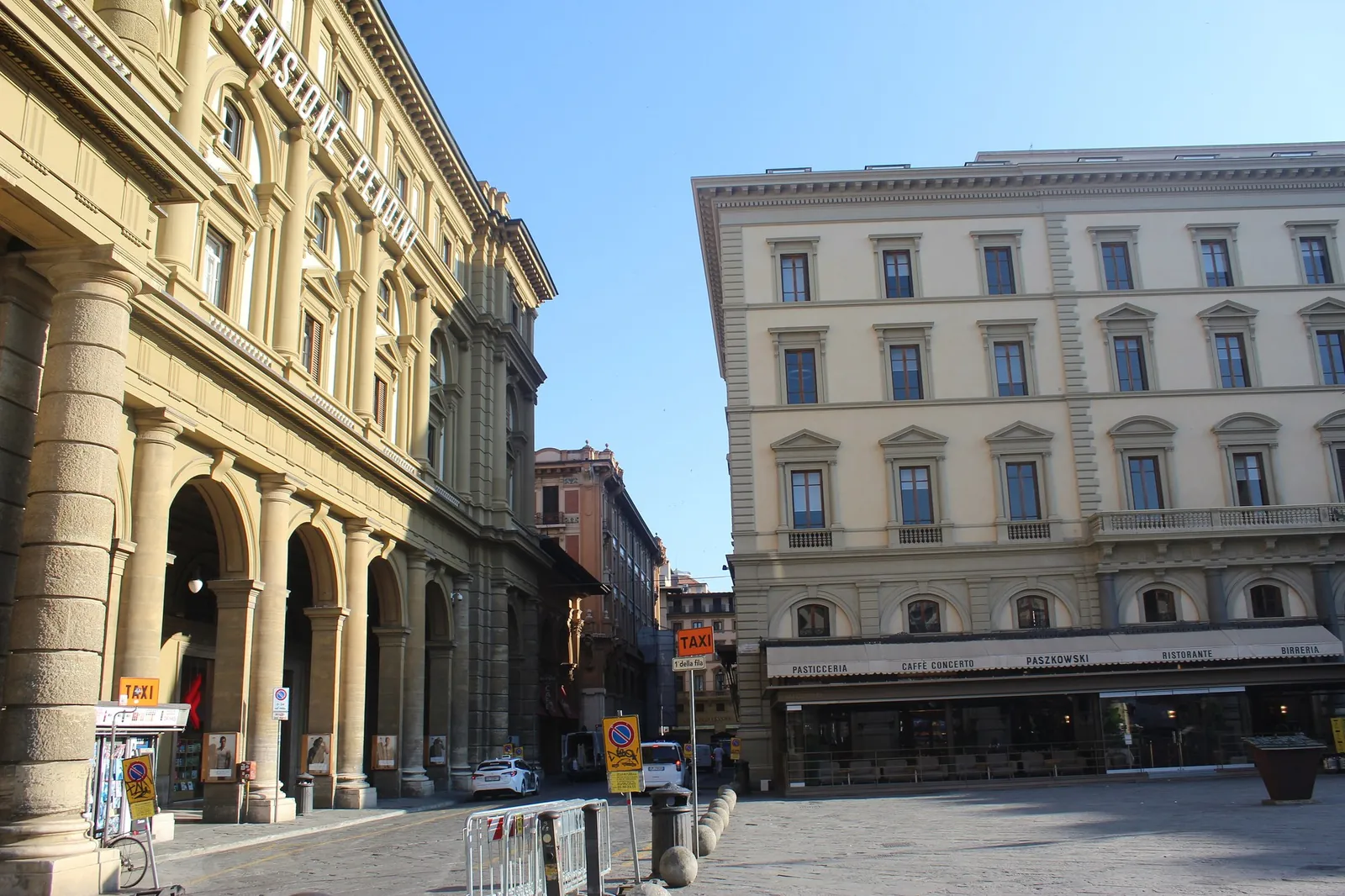
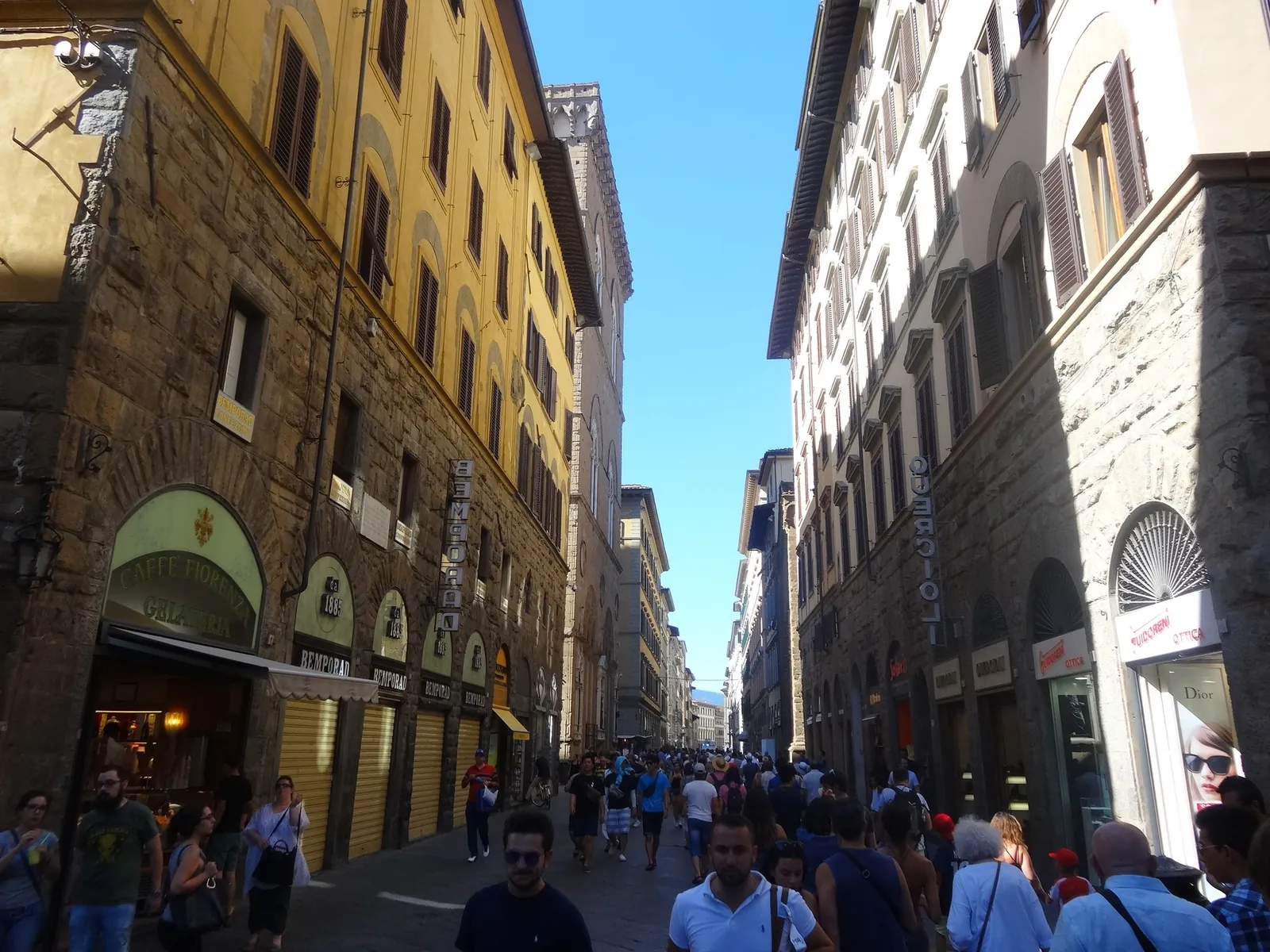
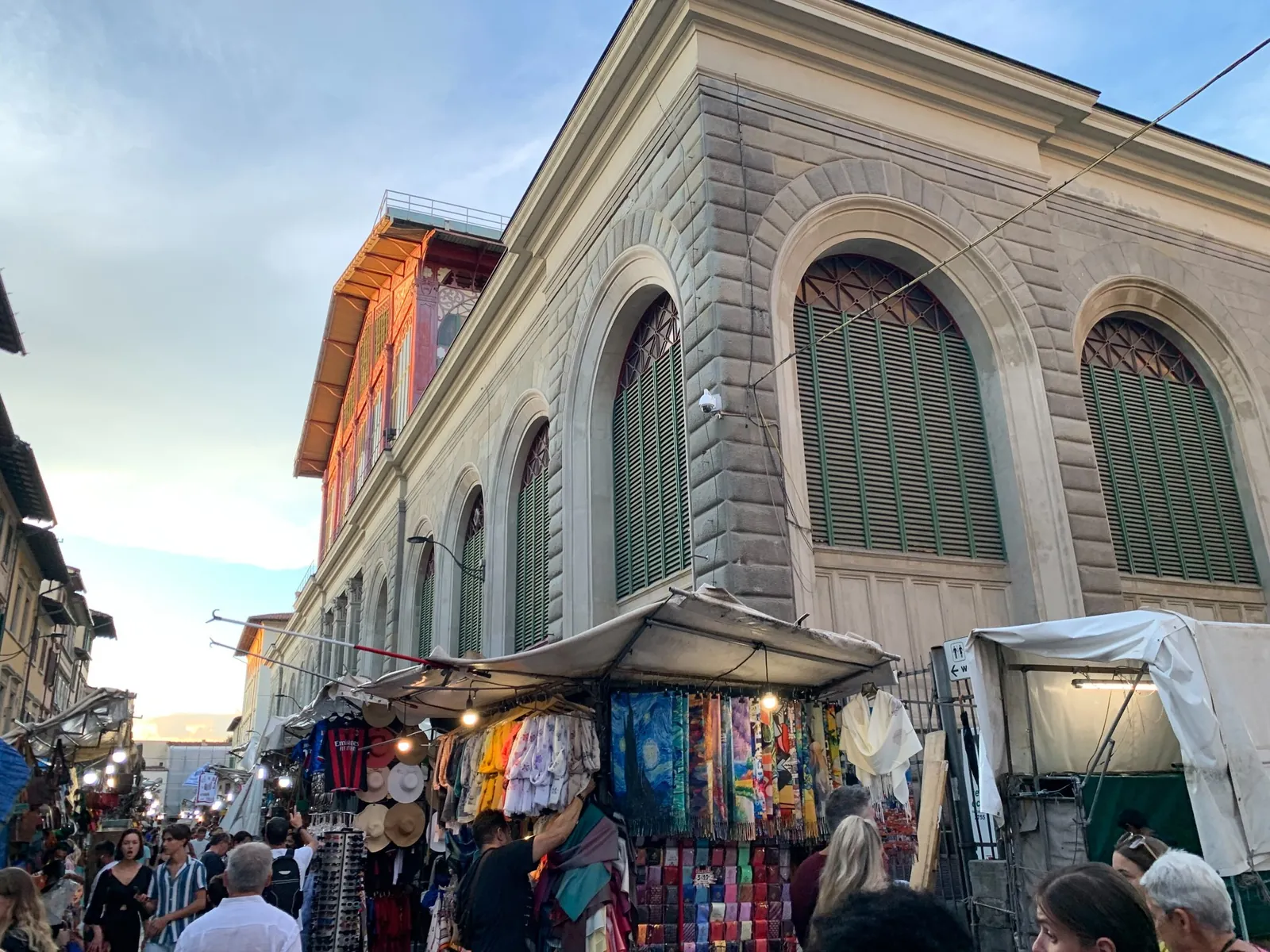
Authentic, unedited photos of Florence by residents and visitors, taken on ordinary days rather than chosen by a tourist board. Each one shows when it was taken. Browse photos of 105 cities →


.jpg)
_-_23_(50575629482).jpg)
_-_48180174586.jpg)





The other side


What does it cost to live in Florence?
1-Bedroom Rent
$700-$1,300/month
Local Restaurant Meal
$10-$16 at local trattorias
Cup of Coffee
$1-$1.50
Estimated Monthly Total
$1,900-$3,000
Want a personalized estimate? Use our cost of living calculator
How good is healthcare in Florence?
Florence is home to the renowned Careggi University Hospital, one of Italy's leading medical centers, as well as the Santa Maria Nuova Hospital (one of the oldest in the world, still operational) and the private Villa Donatello clinic. The Tuscan regional health system is considered among the best in Italy. Public healthcare is available to legal residents, and private consultations cost $70-$130. Pharmacies are everywhere, and English-speaking doctors can be found through the long-established Anglo-American medical community.
What is daily life like in Florence?
Life in Florence is defined by beauty, food, and a human-scaled city. Morning rituals include espresso at a favorite bar and a visit to the Mercato Centrale or Sant'Ambrogio market. Afternoons might be spent at a museum, in a language class, or on a walk up to Piazzale Michelangelo for panoramic views. The Tuscan table is central to social life: ribollita, bistecca alla fiorentina, and Chianti wine are staples. The Oltrarno's artisan workshops, antique shops, and neighborhood trattorias create an atmosphere that feels removed from tourism despite Florence's popularity.
What is the climate like in Florence?
Florence has a humid subtropical climate with hot summers and cool winters. Summers (June-August) are warm to hot at 28-36°C, with July and August often exceeding 35°C in the city center. Winters (December-February) are cool at 2-10°C with occasional frost and rare snow. Spring (April-May) and autumn (September-October) are ideal, with mild temperatures of 15-25°C and beautiful light. The surrounding Tuscan hills offer slightly cooler temperatures in summer.
| Month | High | Low | Rain |
|---|---|---|---|
| January | 11.9 °C | 2.2 °C | 61 mm |
| February | 13.4 °C | 2.6 °C | 64 mm |
| March | 16.8 °C | 5.4 °C | 64 mm |
| April | 20.2 °C | 8.1 °C | 86 mm |
| May | 24.5 °C | 12.3 °C | 70 mm |
| June | 28.9 °C | 16.2 °C | 57 mm |
| July | 31.8 °C | 18.5 °C | 37 mm |
| August | 32.1 °C | 18.7 °C | 56 mm |
| September | 27.0 °C | 15.0 °C | 80 mm |
| October | 21.8 °C | 11.2 °C | 104 mm |
| November | 16.2 °C | 6.8 °C | 114 mm |
| December | 12.2 °C | 2.8 °C | 81 mm |
Weather station: Firenze Peretola Airport (5.2 km away). Source: ISPRA climate normals and Aeronautica Militare rainfall Rain figures cover 1971–2000.
What are the pros and cons of retiring in Florence?
Pros
- Unparalleled Renaissance art and architecture
- Compact, walkable city with intimate neighborhood character
- Gateway to Tuscan countryside, wine regions, and hill towns
- Excellent healthcare including a top university hospital
- Long-established English-speaking expat community
Cons
- Summer heat is intense in the city center (35°C+)
- Heavy tourist crowds from April through October
- Rental market is tight due to short-term vacation rentals
- Flooding risk near the Arno (rare but historically significant)
Who should retire in Florence?
Art and culture lovers who want to retire in one of the world's most beautiful small cities with Tuscan cuisine, excellent healthcare, and an established English-speaking community.
Which neighborhoods suit retirees in Florence?
Santo Spirito / Oltrarno
Artisan quarter south of the Arno River with workshops, independent cafes, and Piazza Santo Spirito's daily market. One-bedroom rents range $1,000-$1,500/month. Attracts creative retirees who want authentic Florentine neighborhood life.
San Frediano
Adjacent to Santo Spirito with a grittier, more local character. Known for vintage shops, neighborhood trattorias, and a younger expat crowd. One-bedrooms rent for $900-$1,400/month. Good value for central Florence living.
Campo di Marte
Residential neighborhood east of the center near the stadium with green spaces, local shops, and excellent bus connections. Rents run $800-$1,200/month for a one-bedroom. Practical choice for retirees seeking quieter daily living.
Which hospitals serve retirees in Florence?
Azienda Ospedaliero-Universitaria Careggi
Florence's primary public teaching hospital and one of Italy's largest. Affiliated with the University of Florence. Comprehensive specialist departments including transplant surgery, oncology, and cardiac care. Major regional referral center.
Ospedale Santa Maria Nuova
Historic public hospital in the city center, operating since 1288. Provides emergency services, general medicine, and outpatient specialist care. Convenient central location for residents of the historic core.
Villa Donatello
Private hospital in the northern part of Florence. Modern surgical suites and diagnostic facilities. Specializes in orthopedics, ophthalmology, and general surgery. Known for shorter wait times and comfortable patient environments.
Facility details may change. Verify accreditation status and services directly with each hospital before making healthcare decisions.
What is the food scene like in Florence?
Florentine cuisine is rustic Tuscan cooking at its finest: bistecca alla fiorentina, ribollita, pappa al pomodoro, and lampredotto (tripe sandwich) from street carts. In the Oltrarno, trattorias like Trattoria Sabatino and Il Latini serve hearty Tuscan meals with house Chianti for $12-$20 per person. The Mercato di Sant'Ambrogio is a favorite among locals for fresh produce and lunch counters.
The Mercato Centrale on the upper floor of San Lorenzo Market houses gourmet food stalls serving everything from fresh pasta to Chianina beef burgers ($8-$15). For special occasions, Cibreo and Buca Mario offer refined Tuscan dining at $35-$55 per person. Enotecas throughout the city pair Tuscan wines with crostini and cold cuts for $10-$18.
The lampredotto carts scattered around the city are a Florence institution: a sandwich costs $4-$5 and provides a genuinely local lunch experience. Weekly grocery costs for two at Coop or Esselunga run $60-$90. Tuscan olive oil, fresh bread, and seasonal vegetables from market stalls keep home cooking simple and exceptional. Florence rewards those who eat where locals eat.
Is retiring in Florence right for you?
Take our free 3-minute retirement quiz to see how life in Florence, Italy, compares to other destinations based on your preferences, budget, and needs.
Take the Retirement QuizFrequently Asked Questions About Retiring in Florence
Is Florence too touristy for year-round retirement?
The historic center is heavily touristed from Easter through October, but residential neighborhoods like Oltrarno, San Frediano, Campo di Marte, and the hills of Fiesole remain authentically local year-round. Most retirees live slightly outside the tourist core and enjoy the city's quieter side. Winter is especially pleasant with fewer crowds and a cozy local atmosphere.
Can I live in Tuscany and use Florence as a base?
Absolutely. Many retirees choose small towns within 30-60 minutes of Florence (Fiesole, Greve in Chianti, Impruneta, or Bagno a Ripoli) for lower costs and more space while maintaining easy access to Florence's cultural offerings and healthcare. A car is needed for rural Tuscany, but trains connect many towns.
How much Italian do I need to live in Florence?
You can manage initially with English, especially in the center and through the Anglo-American community. However, learning Italian significantly improves daily life: dealing with bureaucracy, shopping at local markets, socializing with Italians, and integrating into neighborhood life. Italian classes are widely available and many retirees find learning the language rewarding.
Sources & References
- Numbeo, Cost of living index and price data for Florence: rent, groceries, restaurants, and transportation
- Ospedale di Santa Maria Nuova, Facility services, specialist departments, and healthcare capabilities in Florence
- Italian Ministry of Interior: Immigration, Elective residence visa requirements and procedures for non-EU retirees in Italy
- Regione Toscana: Health Services, Regional health system data, enrollment procedures, and public healthcare access in Tuscany