
City Retirement Guide
Retire in Corfu, Greece
Greece's greenest island, with a UNESCO old town and a long-settled expat community
Corfu at a Glance
- Elevation & setting
- Corfu Town at sea level; Mount Pantokrator 906 m to the north-east; Ionian Sea, ~39.6°N
- Annual temperature
- Jan avg ~10°C / Jul avg ~26°C; hot-summer Mediterranean (Köppen Csa) with ~1,100 mm rain, the wettest in Greece
- Nearest international airport
- Corfu 'Ioannis Kapodistrias' (CFU), ~3 km south of Corfu Town
- Nearest major hospital
- General Hospital of Corfu 'Agia Eirini', near Kontokali; Corfu General Clinic (private)
- Primary retirement visa
- Greece FIP (Financially Independent Person) visa; 2026 minimum ~€3,500/month income
- Language environment
- Greek official; English widely used in Corfu Town, tourism, and private medical services
Corfu was a British protectorate from 1815 to 1864, and the legacy is still visible: cricket is played on the Spianada green, and ginger beer is sold locally as tsitsibira.
Overview of Corfu for Retirees
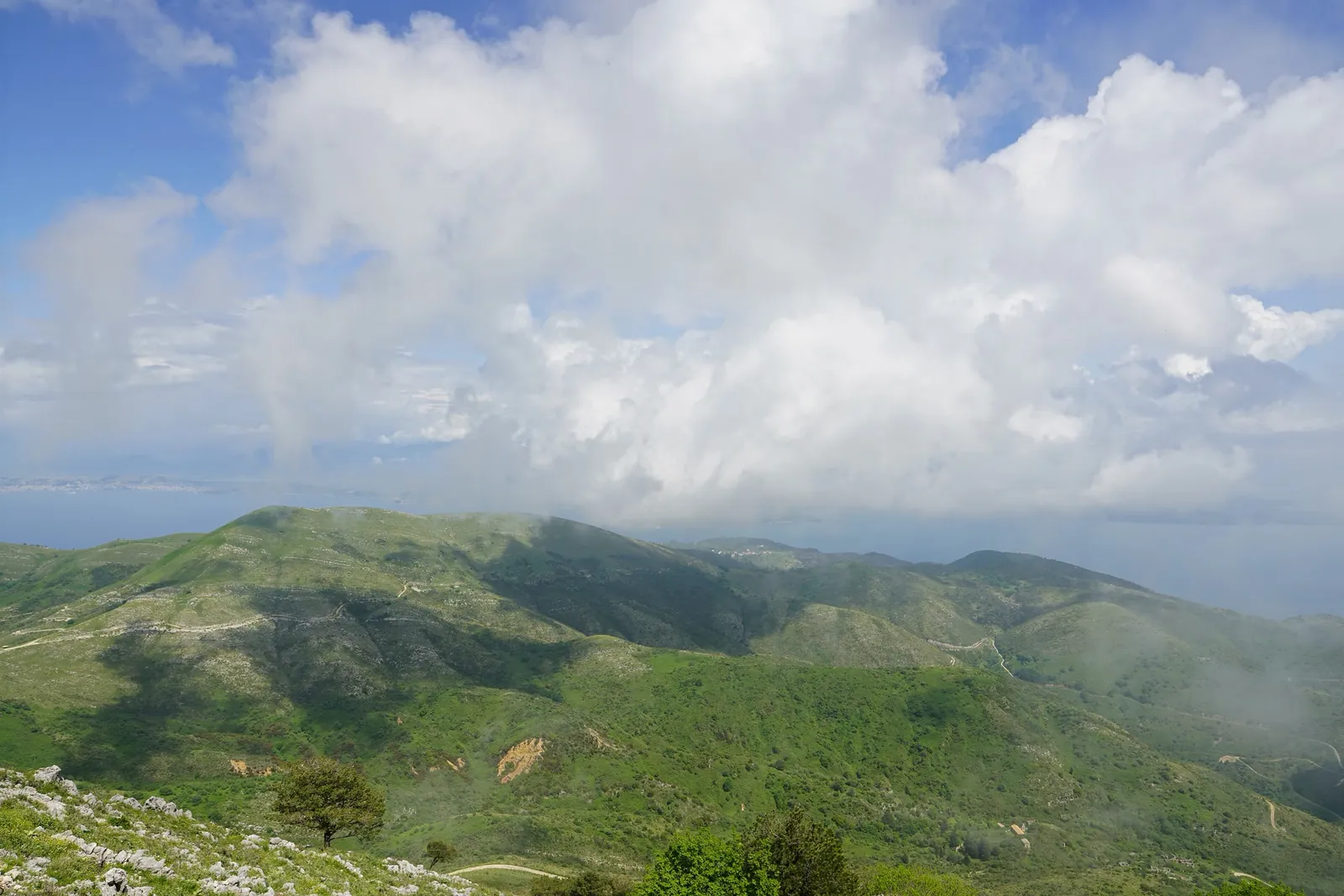
Corfu (Kerkyra) sits at the northern end of the Ionian Sea at roughly 39.6°N, closer to Italy than to Athens, with Mount Pantokrator rising to 906 metres behind the north-east coast. Corfu Town's Old Town is a UNESCO World Heritage site, built around two Venetian fortresses and the arcaded Liston. The General Hospital of Corfu "Agia Eirini" sits just north of town near Kontokali, and Corfu International Airport "Ioannis Kapodistrias" (CFU) is roughly 3 kilometres from the town centre — one of the shortest airport runs of any Greek island.
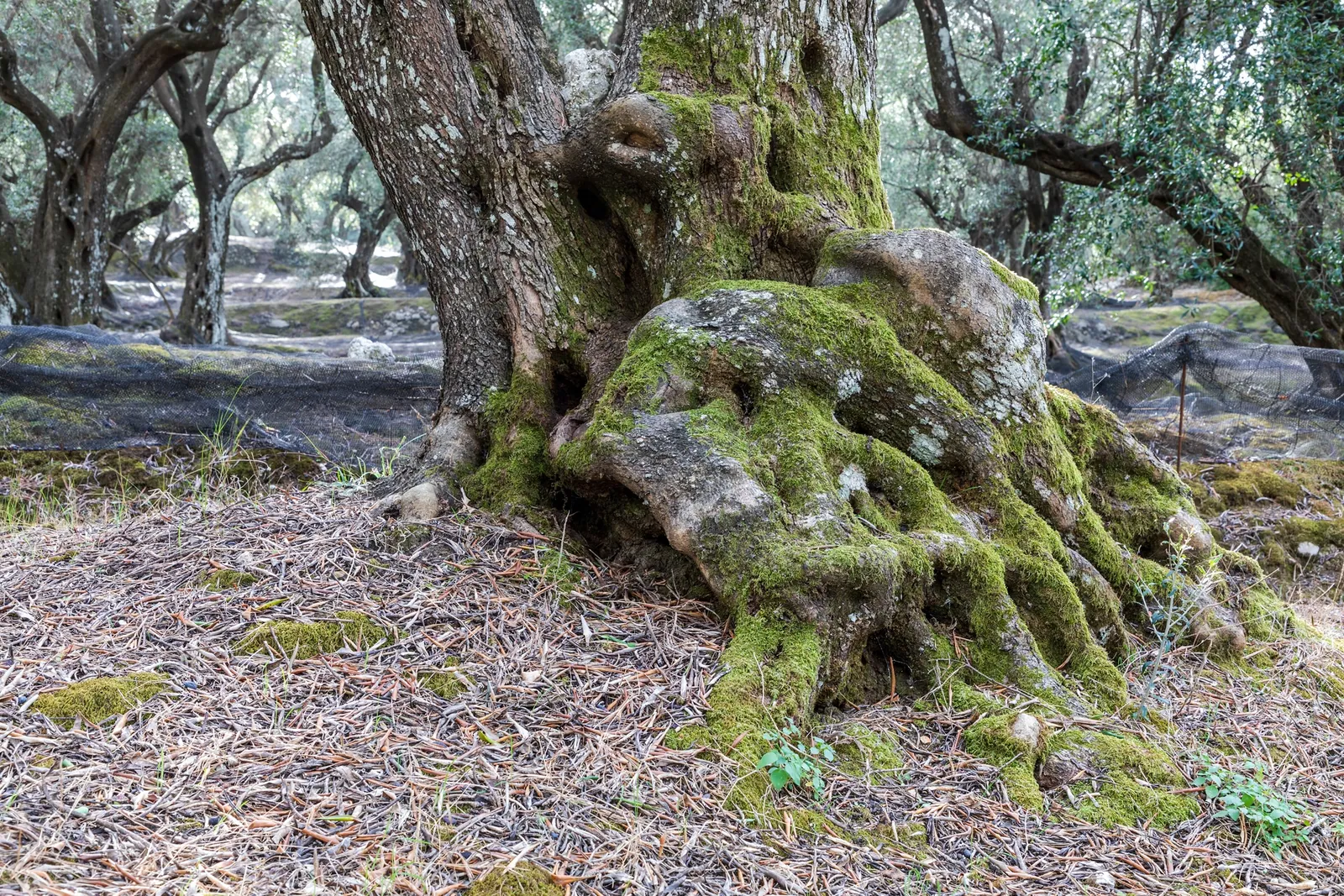
Corfu is the greenest of the major Greek islands, and that is a climate fact rather than a marketing line: it receives close to 1,100 mm of rain a year, the highest in Greece, which is why the island is covered in some four million olive trees and stays green through a summer that leaves the Aegean islands brown. Retirees who find Crete or the Cyclades too arid tend to prefer Corfu for exactly this reason.
The island has one of the longest-established international communities in Greece, a legacy of the British protectorate between 1815 and 1864 that still shows in local cricket matches and in ginger beer sold as tsitsibira. Modern one-bedroom apartments rent for roughly $450-$750 per month, and the island runs about 15% below Athens for permanent residents. Ferries reach the mainland at Igoumenitsa in about 90 minutes, with seasonal sailings on to Italy.
What Corfu actually looks like
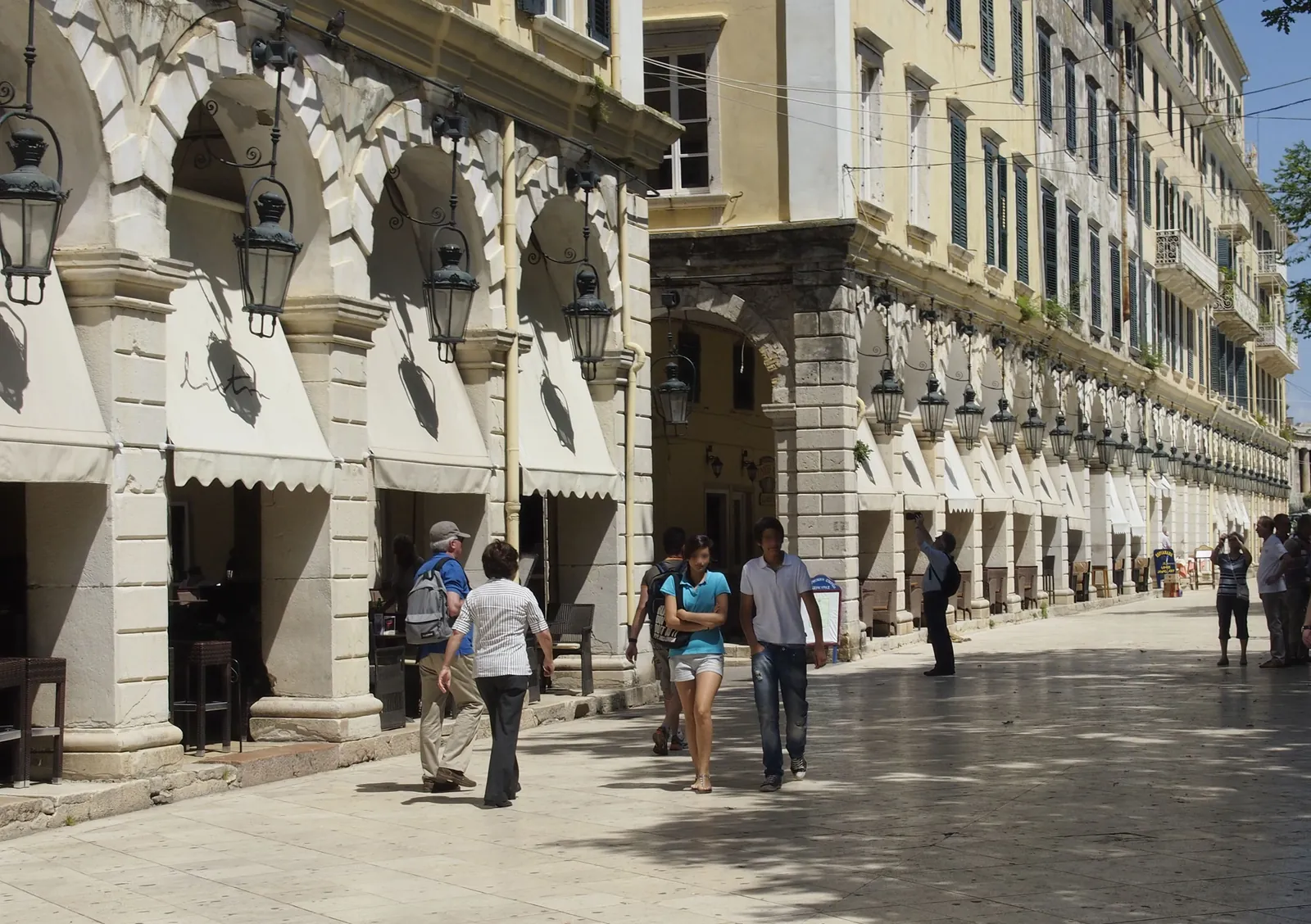
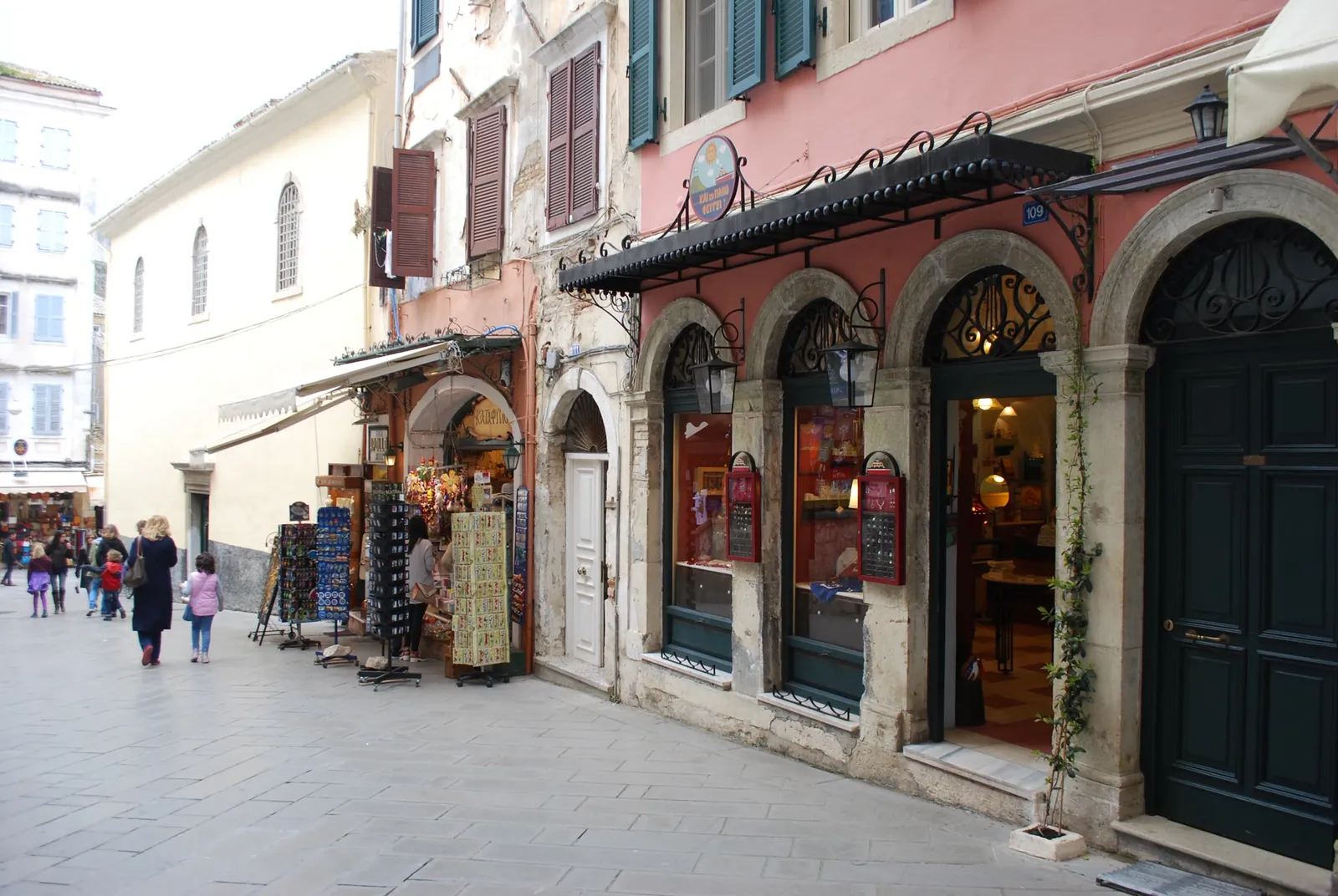
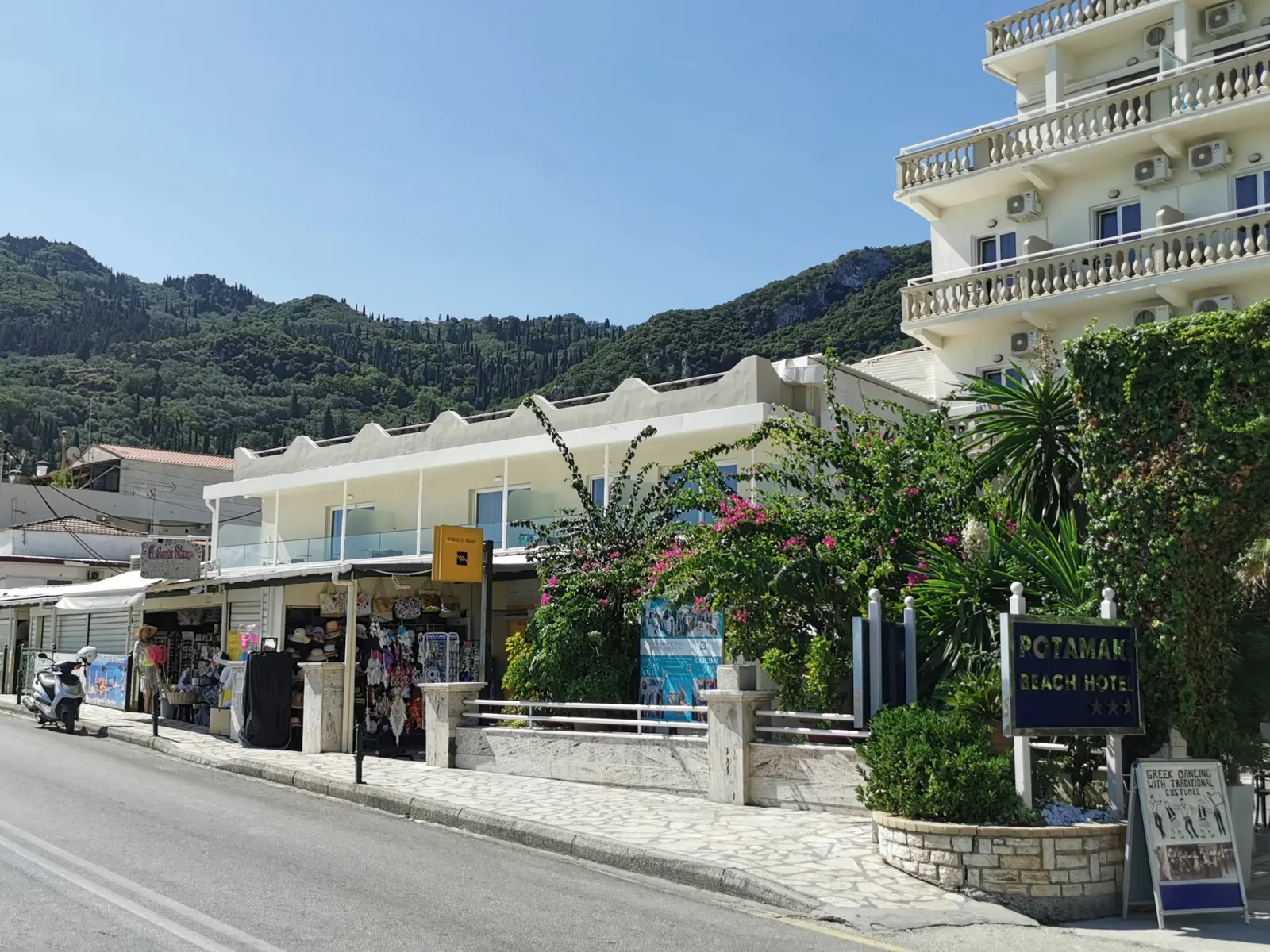
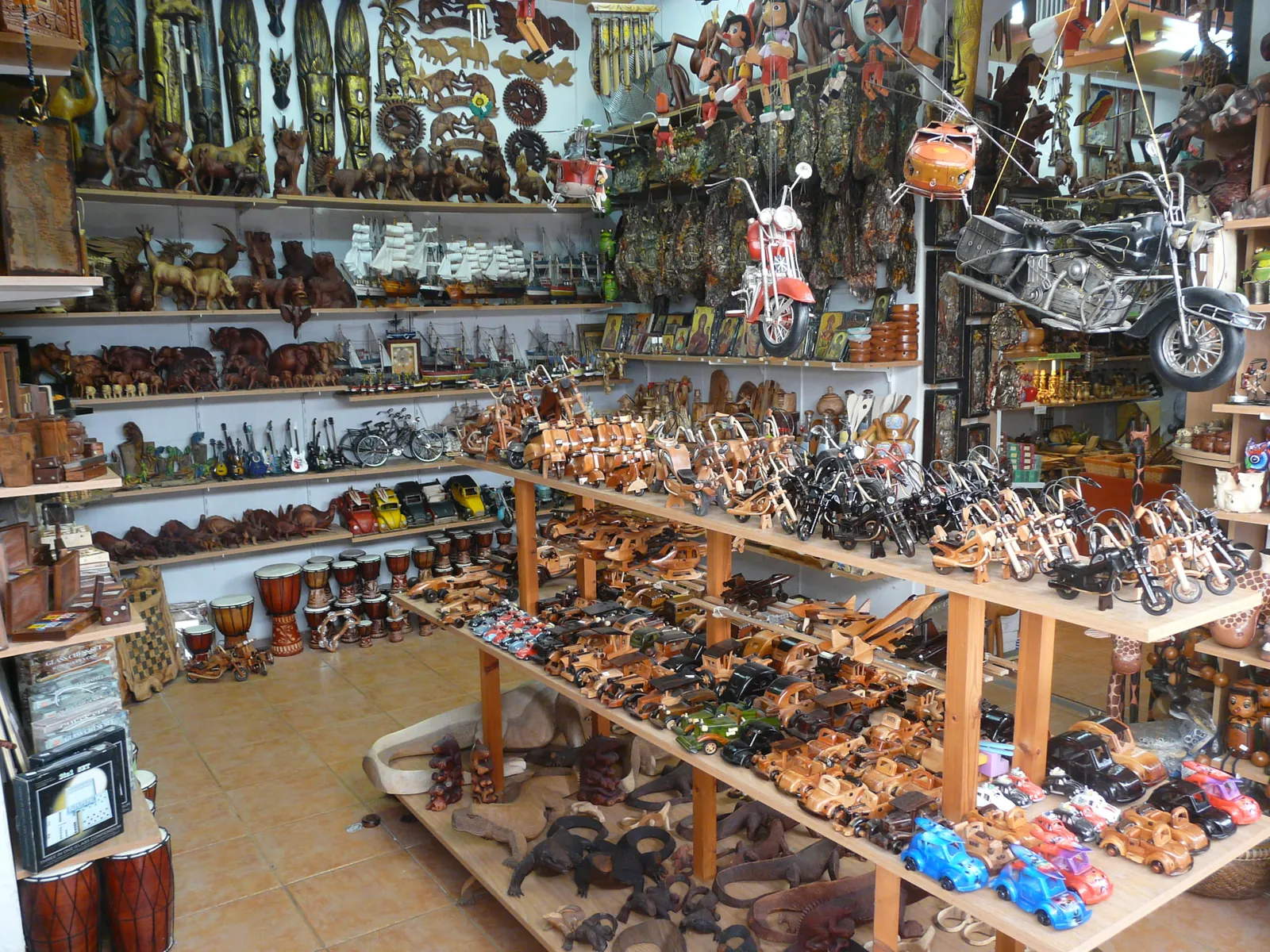
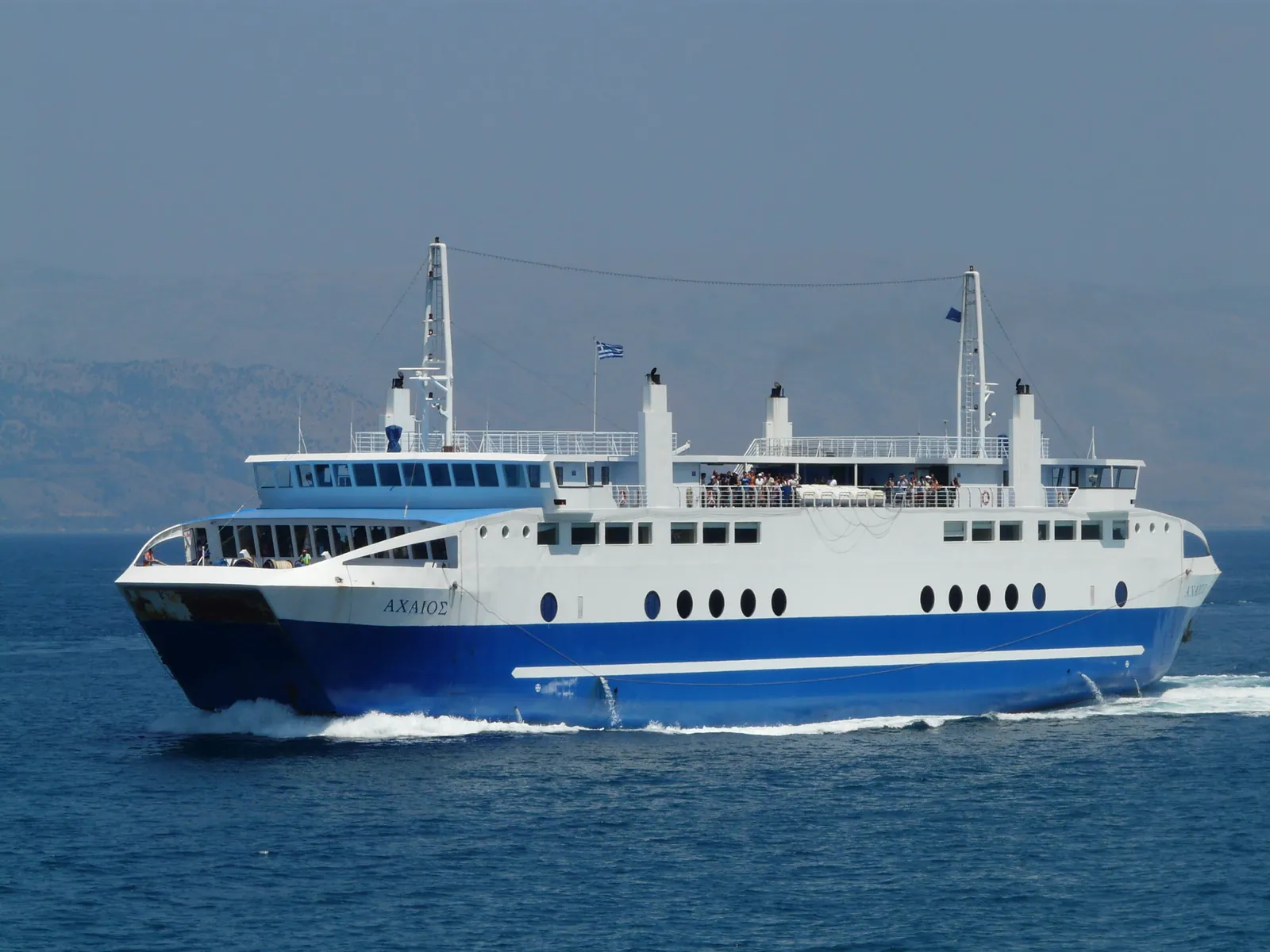
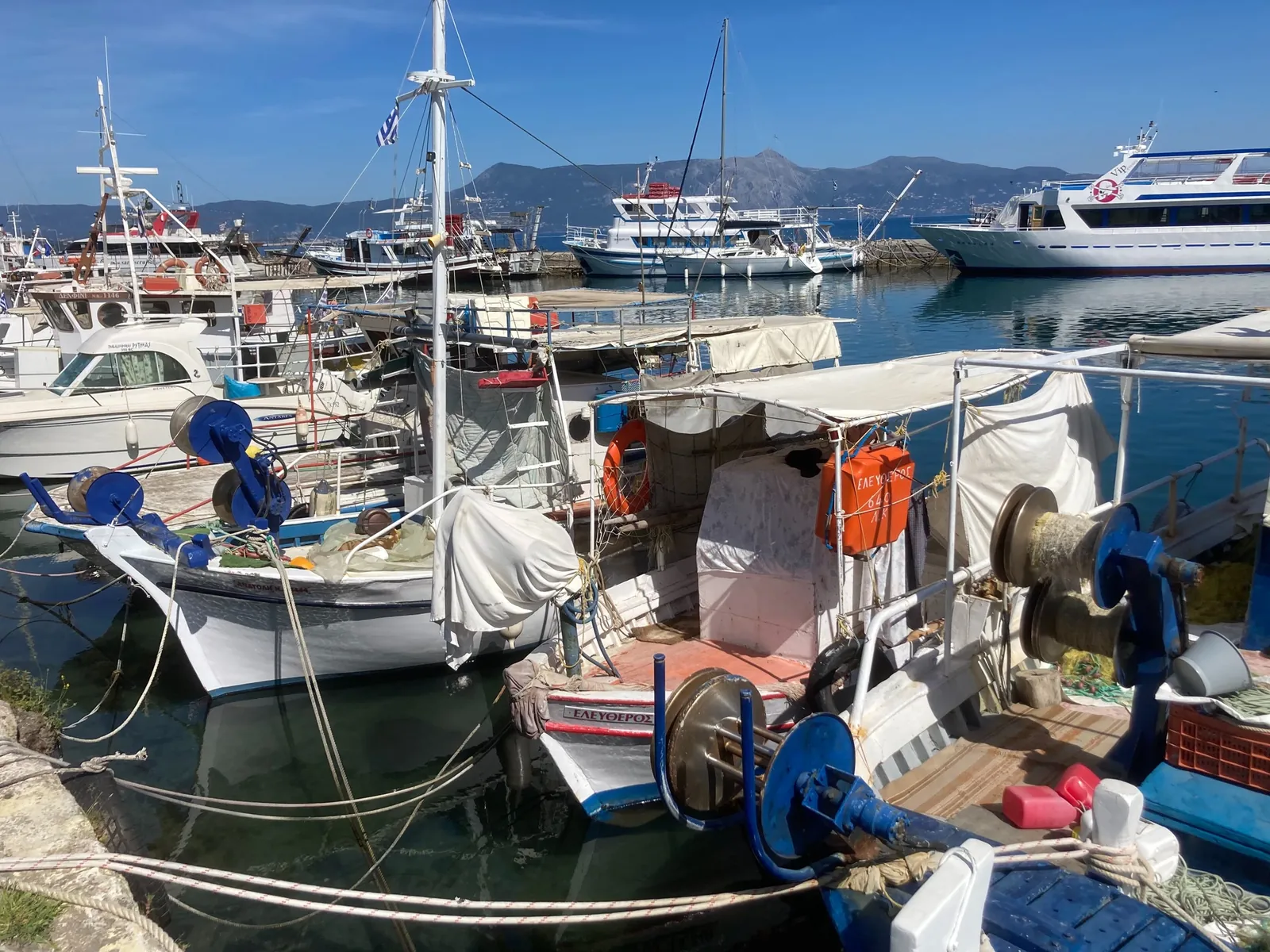
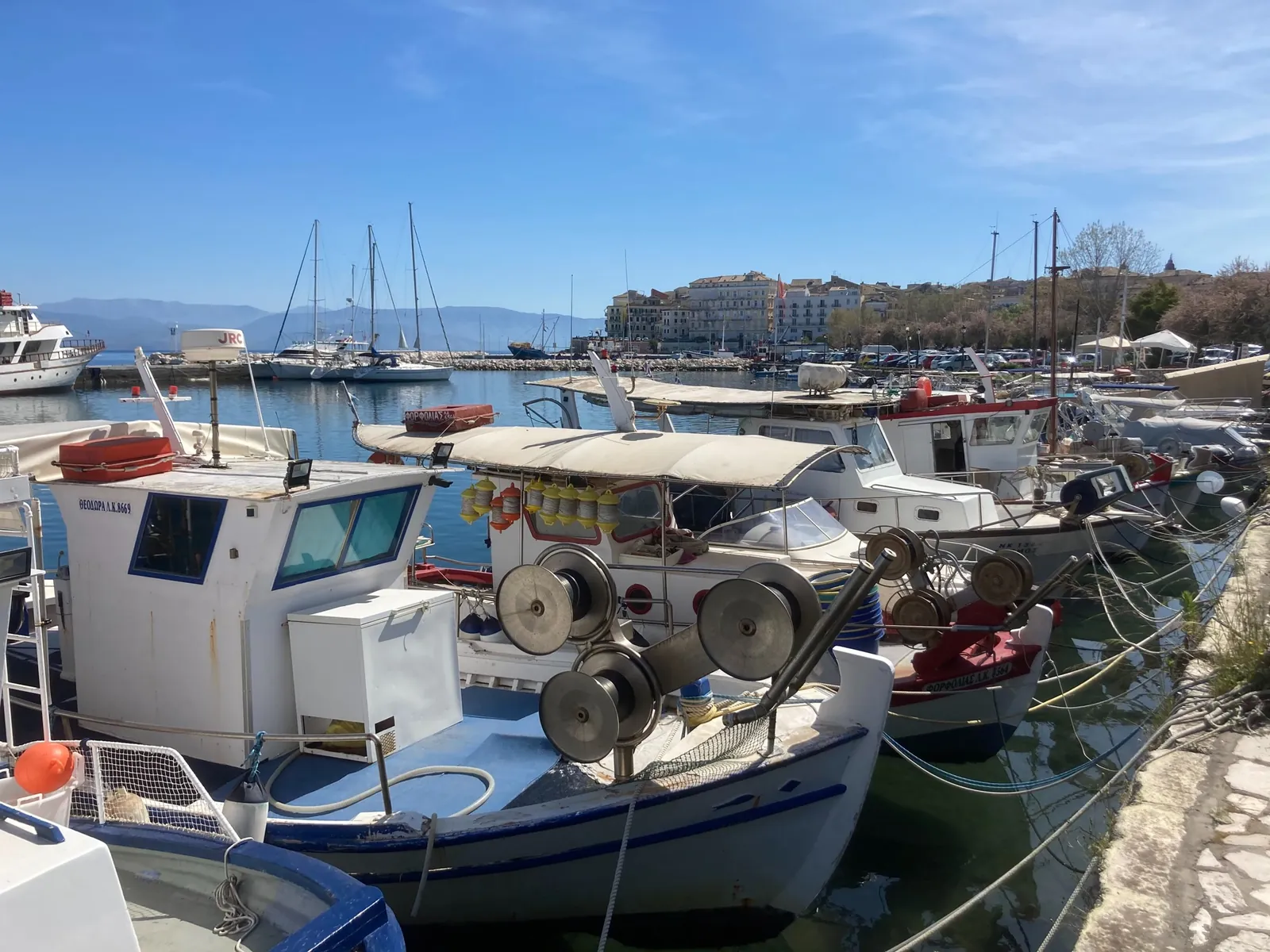
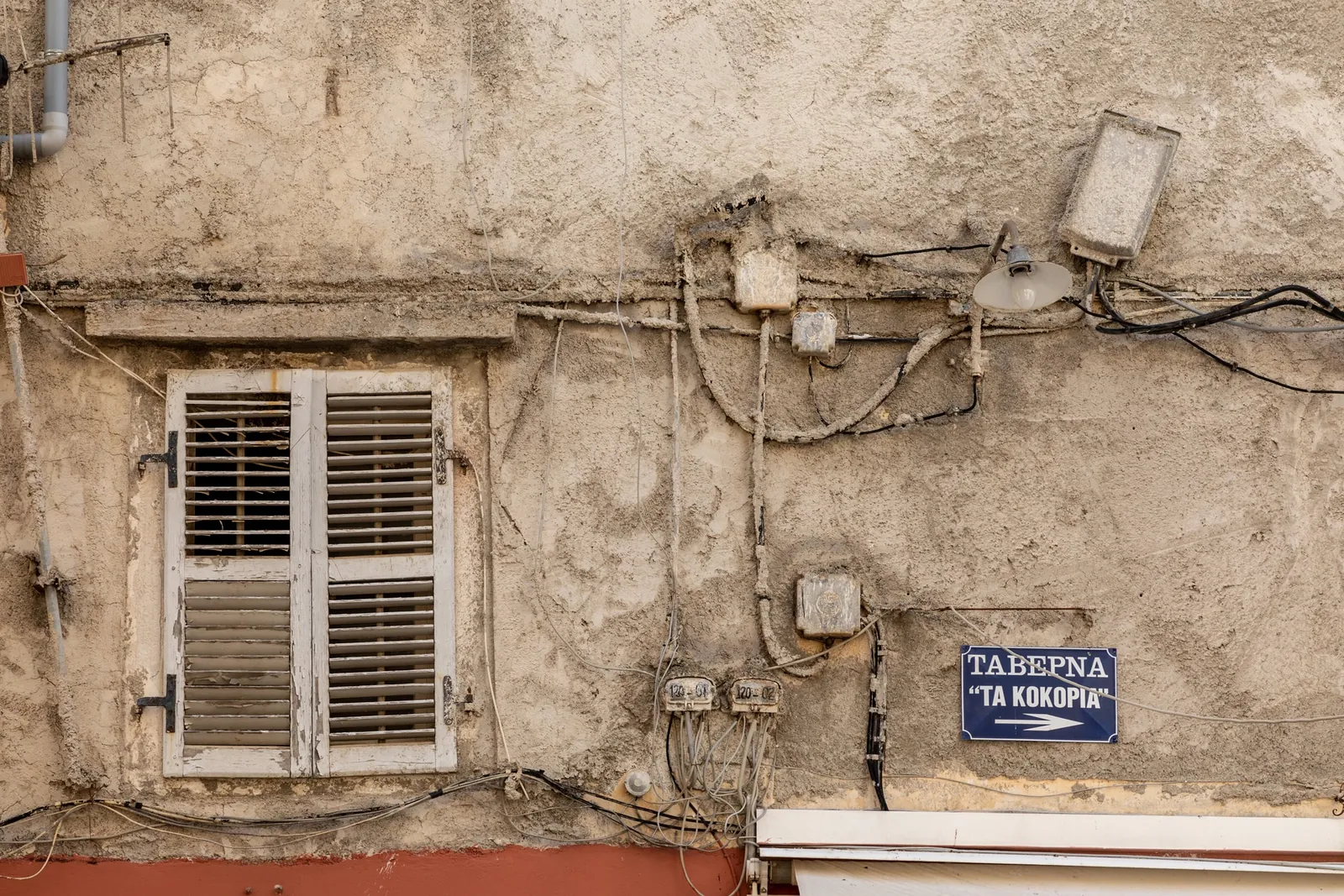
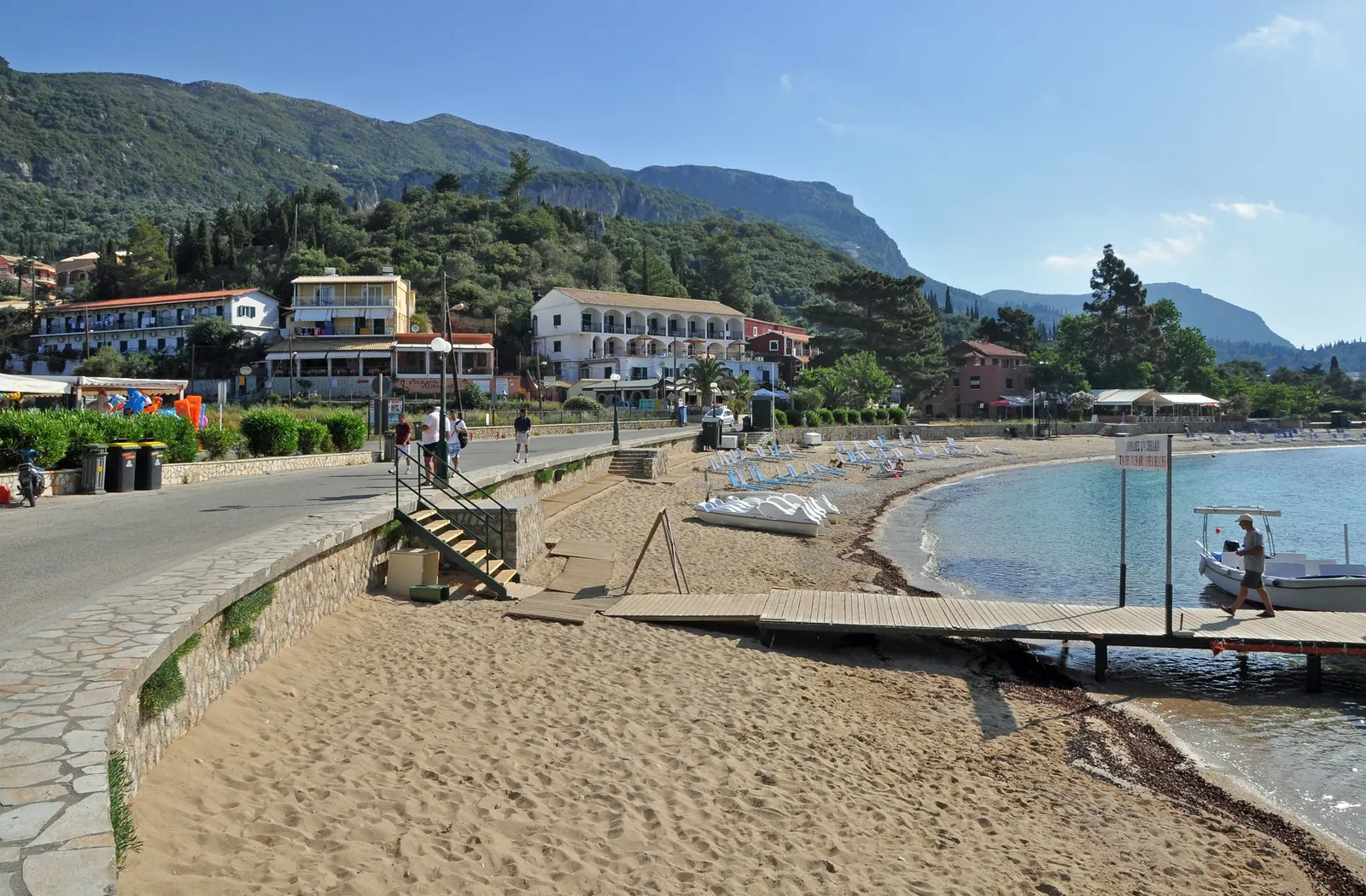
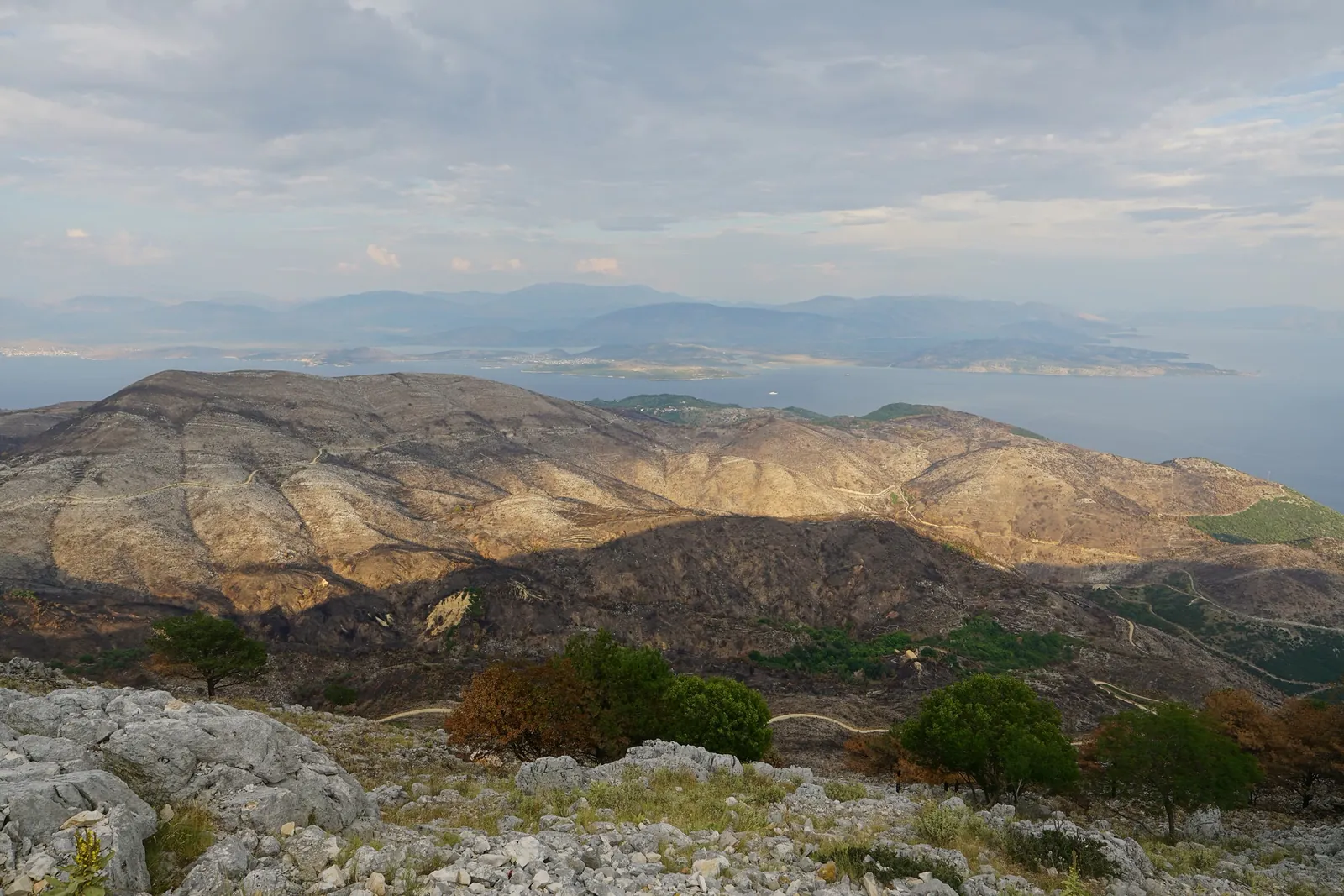
Authentic, unedited photos of Corfu by residents and visitors, taken on ordinary days rather than chosen by a tourist board. Each one shows when it was taken. Browse photos of all 83 cities →


_Mattes_2021.jpg)




,_Korfu,_Altstadt_--_2018_--_1163.jpg)
,_Agii_Douli,_Olivenhain_--_2018_--_1218.jpg)


The other side

Cost of Living in Corfu
1-Bedroom Rent
$450-$750/month
Local Restaurant Meal
$8-$14 at local tavernas
Cup of Coffee
$2-$3.50
Estimated Monthly Total
$1,250-$2,100
Want a personalized estimate? Use our cost of living calculator
Healthcare in Corfu
Corfu is served by the General Hospital of Corfu "Agia Eirini", the island's main public facility, covering emergency care, cardiology, orthopaedics, general surgery, and internal medicine. The Corfu General Clinic is the island's first private hospital and operates an international patient service. Many residents carry private insurance specifically to avoid public waiting lists, which lengthen noticeably during the summer tourist season when the island's population multiplies. Private consultations run $35-$70. Complex procedures, oncology, and major cardiac work generally mean a transfer to Athens, roughly an hour by air. Pharmacies are plentiful in Corfu Town and pharmacists are used to advising international residents.
Daily Life and Lifestyle in Corfu
Daily life in Corfu Town revolves around the Liston arcade and the Spianada, the largest square in Greece, where residents take coffee under the trees and watch cricket on the green. The Old Town is genuinely walkable, which matters more with age than most people anticipate: pharmacies, banks, the market, and the waterfront are all within a flat fifteen-minute radius. Outside town, the north-east coast around Kassiopi and Agios Stefanos has long attracted retirees, while the west coast at Paleokastritsa offers dramatic cliffs and quieter bays. The island keeps a real winter social calendar — the Corfu Philharmonic Society, Easter celebrations that are among the most elaborate in Greece, and a year-round local population that does not vanish in October.
Climate and Weather in Corfu
Corfu has a hot-summer Mediterranean climate that is markedly wetter than the Aegean. Summers (June-September) are warm and dry at 26-33°C, tempered by sea breezes. Winters (December-February) are mild at 9-15°C but genuinely rainy — the island receives around 1,100 mm annually, most of it between November and March, the highest rainfall in Greece. Spring arrives early and is spectacular, with wildflowers across the olive groves from March. Snow falls only on Mount Pantokrator. Retirees who dislike arid landscapes generally prefer Corfu's greenness; those who want guaranteed winter sunshine usually prefer Rhodes or Crete's south coast.
Pros and Cons of Retiring in Corfu
Pros
- One of the longest-established international communities in Greece
- UNESCO Old Town that is flat, walkable, and lively year-round
- Green landscape and mild, wet winters rather than arid summers
- International airport only 3 km from the town centre
- Fast ferry link to the mainland at Igoumenitsa, plus seasonal sailings to Italy
Cons
- Wettest winters in Greece — roughly 1,100 mm of rain a year
- Serious medical care means a transfer to Athens
- Heavy summer tourism strains services from June to September
- Fewer year-round direct European flights than Crete or Rhodes
Who Is Corfu Best For?
Retirees who want a green, walkable island with a genuine year-round town, an established international community, and easy mainland access — and who would rather have rain in winter than a brown summer landscape.
Where to Live in Corfu
Corfu Old Town (Campiello & Garitsa)
The UNESCO core and the seafront district just south of it. One-bedrooms run $500-$850/month. Flat, walkable, and busy year-round, with the market, banks, and the Liston within a short stroll. Best for retirees who want to live without a car.
Kontokali & Gouvia
Marina suburbs 6-8 km north of town, close to the general hospital. Rents run $450-$750/month. Quieter than the Old Town with easy bus access, popular with residents who want hospital proximity and a boat mooring.
Kassiopi & the north-east coast
Village and cove country facing the Albanian mainland, long favoured by British residents. Rents run $400-$700/month. Beautiful and calm, but a car is essential and winter services thin out considerably.
Hospitals and Healthcare Facilities in Corfu
General Hospital of Corfu "Agia Eirini"
The island's main public hospital, north of Corfu Town near Kontokali. Emergency department plus cardiology, orthopaedics, general surgery, obstetrics, paediatrics, and internal medicine. Primary referral point for the Ionian islands.
Corfu General Clinic
The island's first private hospital, with outpatient and emergency departments and a dedicated international patient service. Used by residents wanting to bypass public waiting lists, particularly in the summer season.
Facility details may change. Verify accreditation status and services directly with each hospital before making healthcare decisions.
Dining and Food Scene in Corfu
Corfiot cooking is distinct from mainland Greek food, shaped by four centuries of Venetian rule: pastitsada (slow-cooked rooster or beef with spiced tomato over thick pasta), sofrito (veal in garlic, parsley, and white wine vinegar), and bourdeto (fish stewed with hot red pepper). A taverna plate runs $8-$14, and the Venetian influence extends to a real local wine culture around the Kakotrygis grape.
In Corfu Town, the tavernas behind the Liston and around the Campiello alleys serve these dishes at everyday prices, while the covered market near the New Fortress sells fish, kumquats, and local olive oil. Kumquat is a genuine Corfu speciality, sold as liqueur and preserve, brought to the island in the nineteenth century.
Village tavernas across the island remain excellent value — a full meal with local wine for $10-$16 per person. Weekly groceries for two run $50-$80, slightly above the mainland because most goods arrive by ferry, though olive oil, citrus, and vegetables are local and cheap.
Is Corfu Right for You?
Take our free 3-minute retirement quiz to see how Corfu and Greece compare to other destinations based on your preferences, budget, and needs.
Take the Retirement QuizFrequently Asked Questions About Retiring in Corfu
Is Corfu a good place to retire year-round, or only in summer?
Corfu Town has a substantial permanent population and stays open through the winter, with shops, hospitals, the university, and a full cultural calendar. The resort villages are different: many north-coast and west-coast tourist settlements largely shut between November and March. Retirees who want year-round life generally base themselves in or near Corfu Town, Kontokali, or Gouvia rather than in a seasonal resort.
How does healthcare on Corfu compare with Athens?
Corfu covers routine and intermediate care well through the Agia Eirini general hospital and the private Corfu General Clinic, but it is an island hospital serving a modest permanent population. Complex surgery, oncology, and specialist cardiac care normally mean flying to Athens, which takes about an hour. Most international retirees hold private insurance that covers transfer, and treat the island facilities as first-line rather than definitive care.
Why is Corfu so much greener than other Greek islands?
Corfu sits in the path of Ionian weather systems and receives roughly 1,100 mm of rain annually — the highest in Greece and several times what the Cyclades get. That rainfall supports around four million olive trees, many planted under Venetian rule, and keeps the island green through summer. The trade-off is a genuinely wet winter, which is the single most common complaint from residents who moved expecting Aegean sunshine.
Sources & References
- General Hospital of Corfu "Agia Eirini" — Departments, emergency services, and referral pathways for the Ionian islands
- Corfu General Clinic — Private hospital services and international patient provision on Corfu
- Hellenic National Meteorological Service — Rainfall and temperature normals for Corfu and the Ionian region
- Hellenic Ministry of Migration and Asylum — Residence permit requirements and procedures for non-EU retirees in Greece