
City Retirement Guide
Retire in Crete, Greece
Greece's largest island with stunning coastlines and village charm
What are the key facts about retiring in Crete?
- Elevation & setting
- Coastal cities at sea level; Lefka Ori peaks >2,450 m, Mt. Ida 2,456 m; north-coast plain facing Aegean Sea
- Climate
- Coolest month January 9–15°C, hottest July 22–29°C; 481 mm of rain a year, most in January (daily low to high, 1955–2010)
- Nearest international airport
- Heraklion 'Nikos Kazantzakis' (HER), 5 km east of Heraklion; Chania 'Ioannis Daskalogiannis' (CHQ), 14 km east of Chania
- Nearest major hospital
- Venizelio General Hospital, Heraklion (Knossos Avenue area); Chania General Hospital 'Saint George'
- Primary retirement visa
- Greece FIP (Financially Independent Person) visa; 2026 minimum ~€3,500/month income
- Language environment
- Greek official; English routine in Chania Old Town, Heraklion tourist and medical services
Crete's geographic isolation means the island has its own direct ferry network to Athens (Piraeus, ~9 hours overnight) and to Santorini, separate from mainland bus and rail systems.
What is retirement like in Crete?
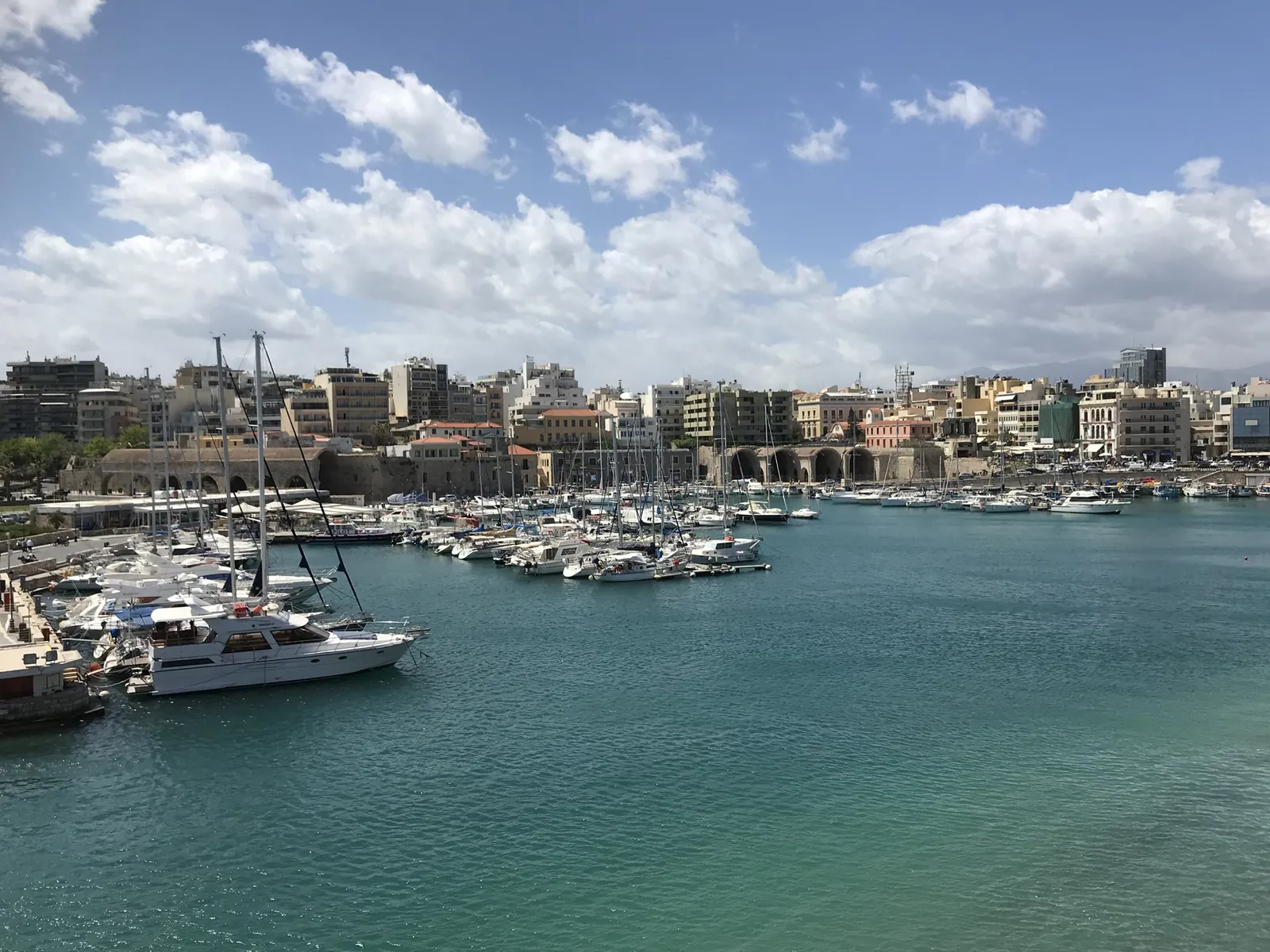
Crete is Greece's largest island at roughly 8,336 km², stretching about 260 kilometers east-west across the southern Aegean between roughly 35.0-35.5°N, with the Lefka Ori (White Mountains) rising above 2,450 meters behind Chania and Mount Ida (2,456 m) dominating the center. Retirees typically settle in Chania's Venetian Old Port district or around Heraklion, the island's largest city and administrative capital. Venizelio General Hospital serves Heraklion, and the University of Crete operates campuses in both cities. Heraklion International Airport (HER) lies 5 kilometers east of Heraklion center, while Chania's Souda Airport (CHQ) is 14 kilometers east of Chania.
The Cretan lifestyle revolves around fresh local food, outdoor living, and strong community bonds. The island is famous for its diet (considered one of the healthiest in the world), featuring olive oil, wild greens, fresh fish, local cheese, and homemade wine. Weekly village markets sell organic produce at remarkably low prices. Retirees who settle in Crete often find themselves invited to local festivals, olive harvests, and family celebrations, creating a sense of belonging that is hard to find elsewhere.
Crete is well-connected to mainland Greece and Europe via airports in Heraklion and Chania, with year-round flights to Athens and seasonal direct flights to many European cities. The island is large enough (260 km long) to offer genuine variety, from the cosmopolitan waterfront of Chania's old harbor to the remote beaches of the south coast and the fertile Messara Plain. A car is recommended for exploring, though local buses connect major towns.
What does it really look like in Crete?
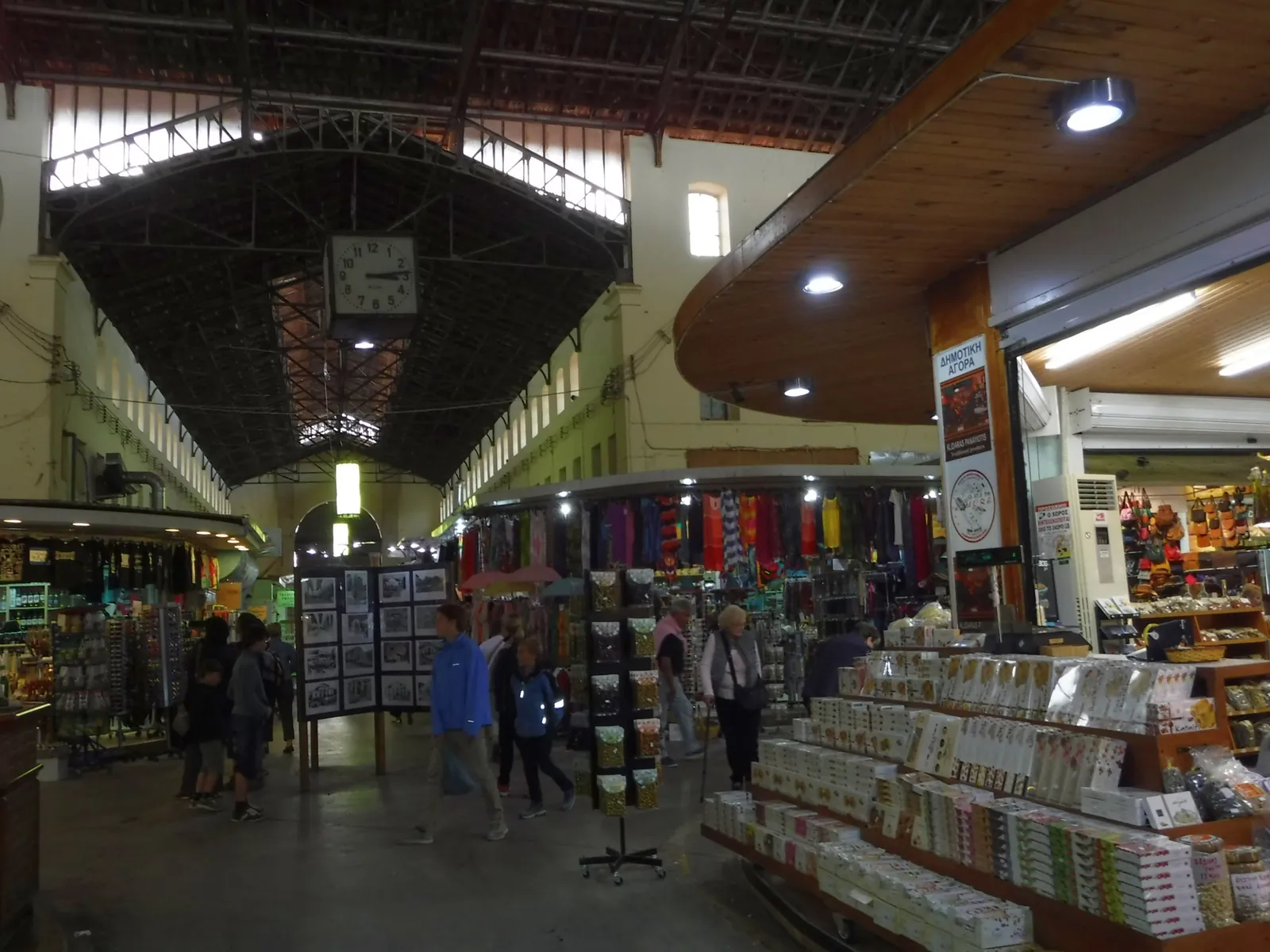
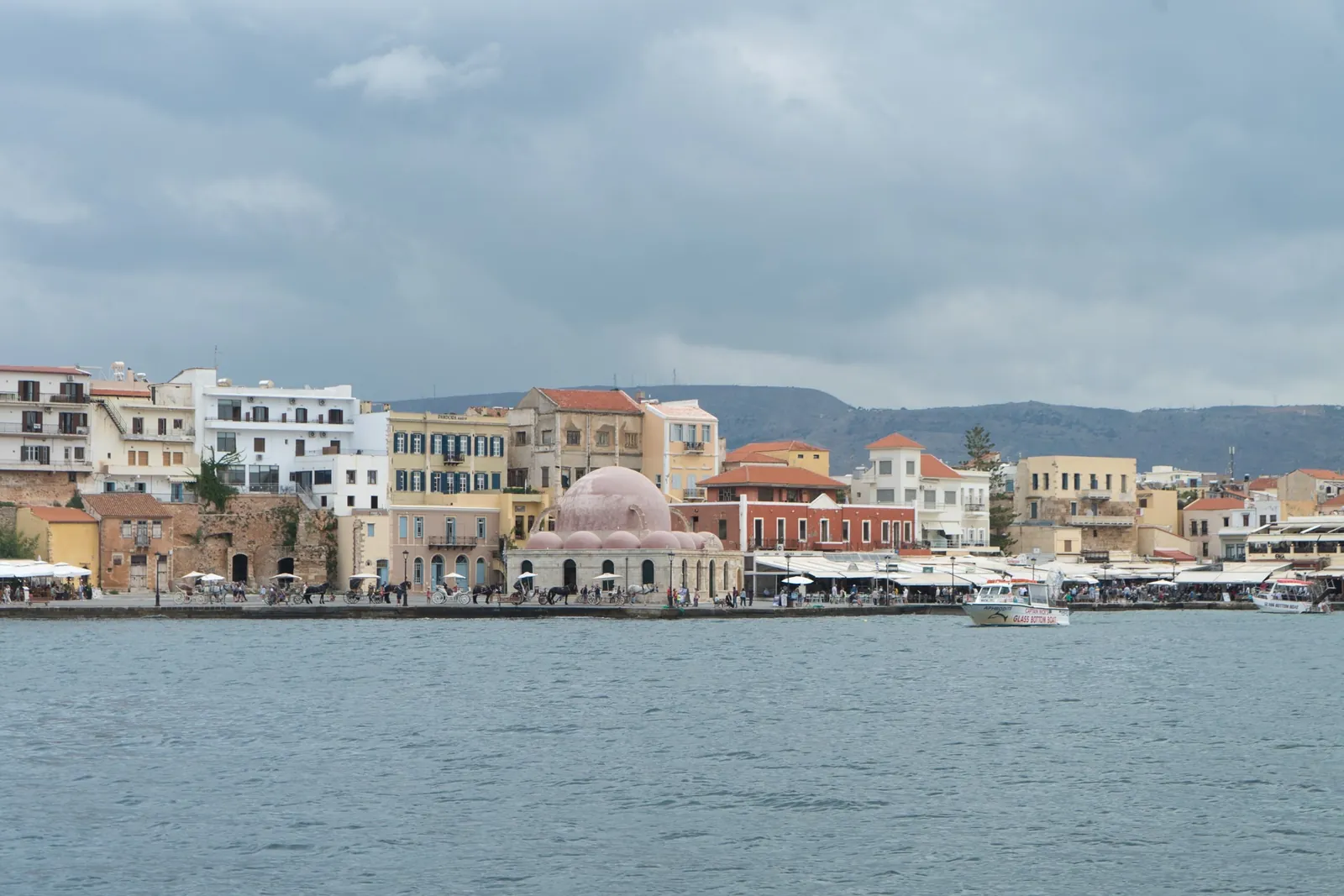
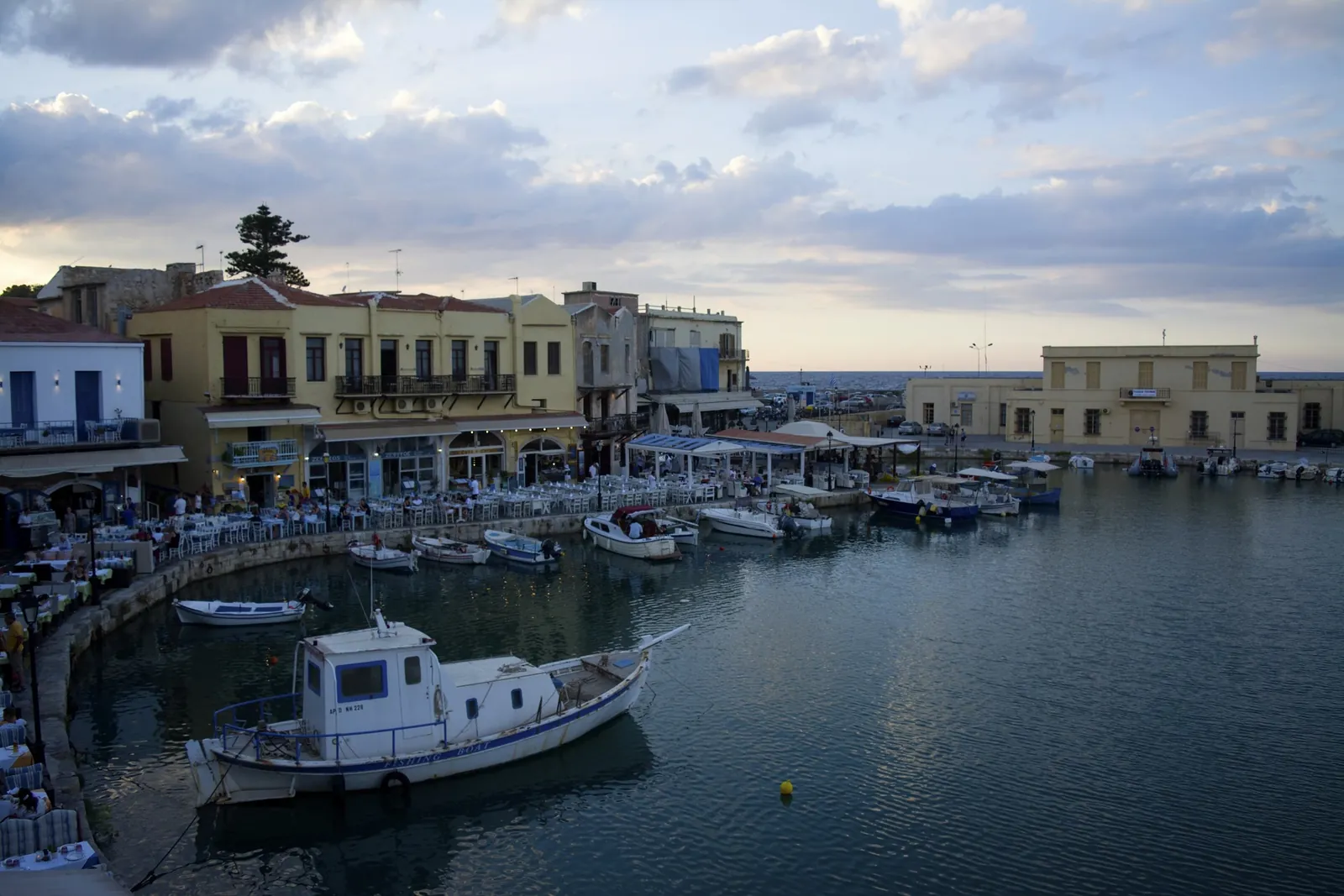
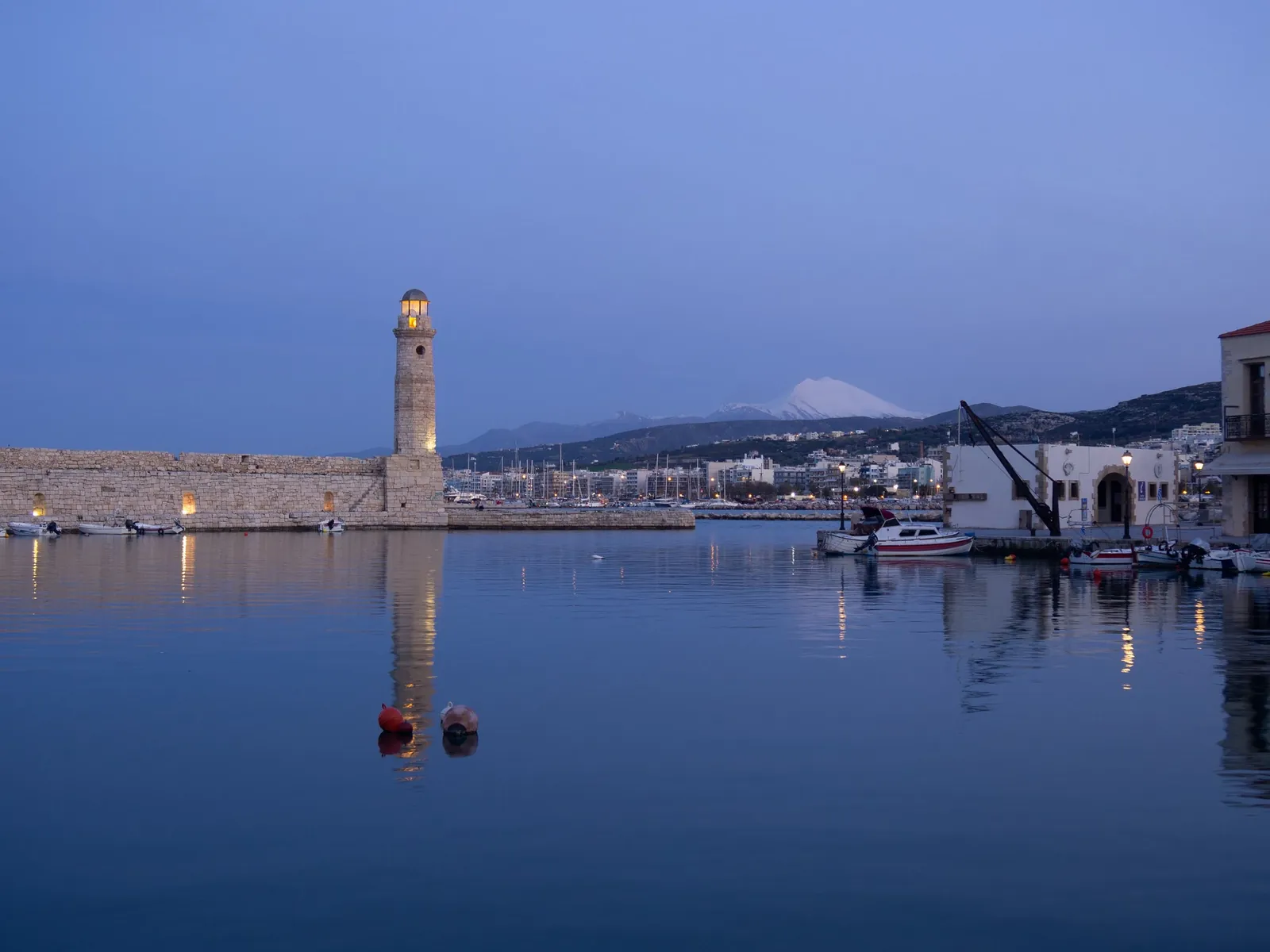
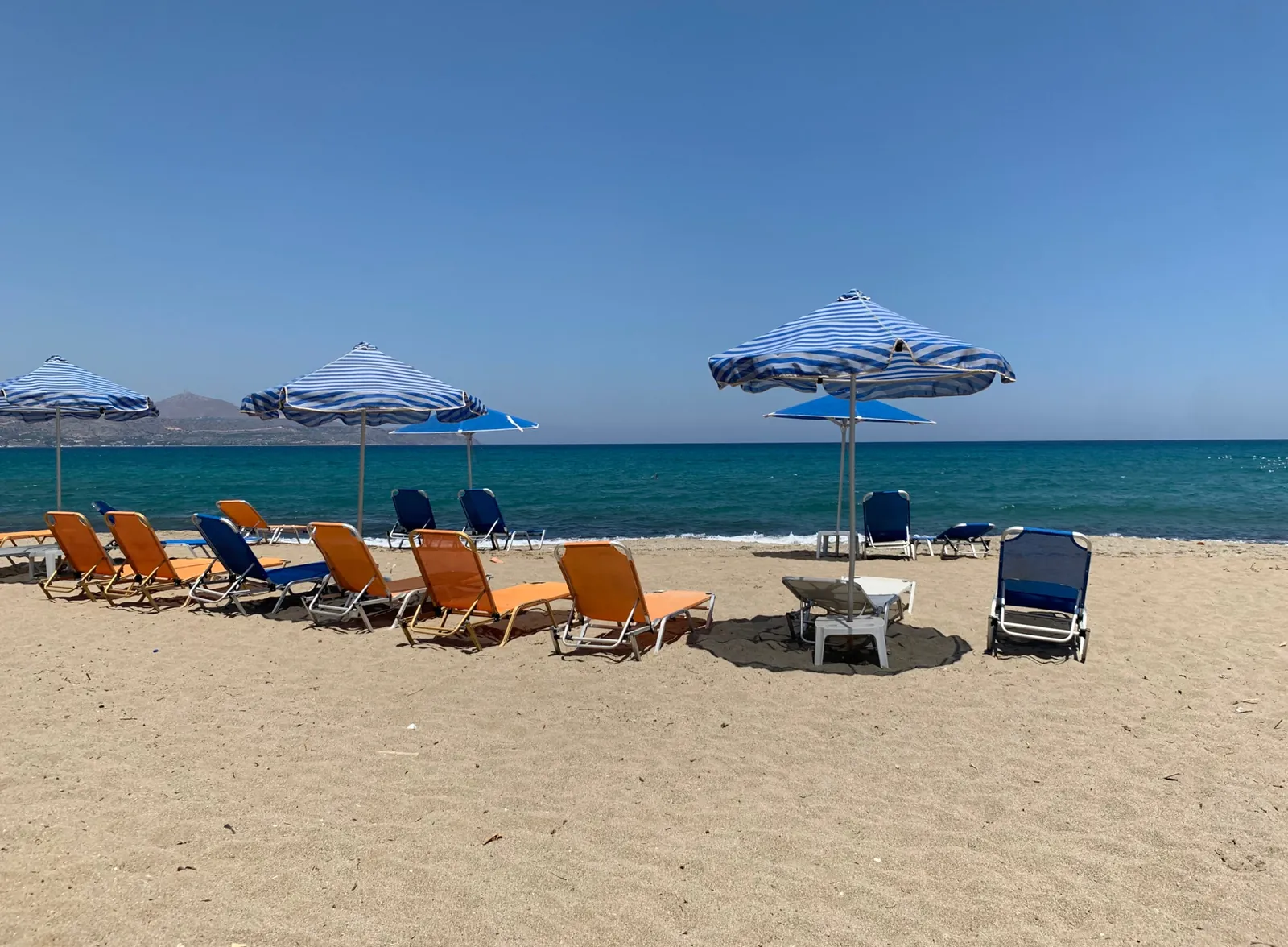
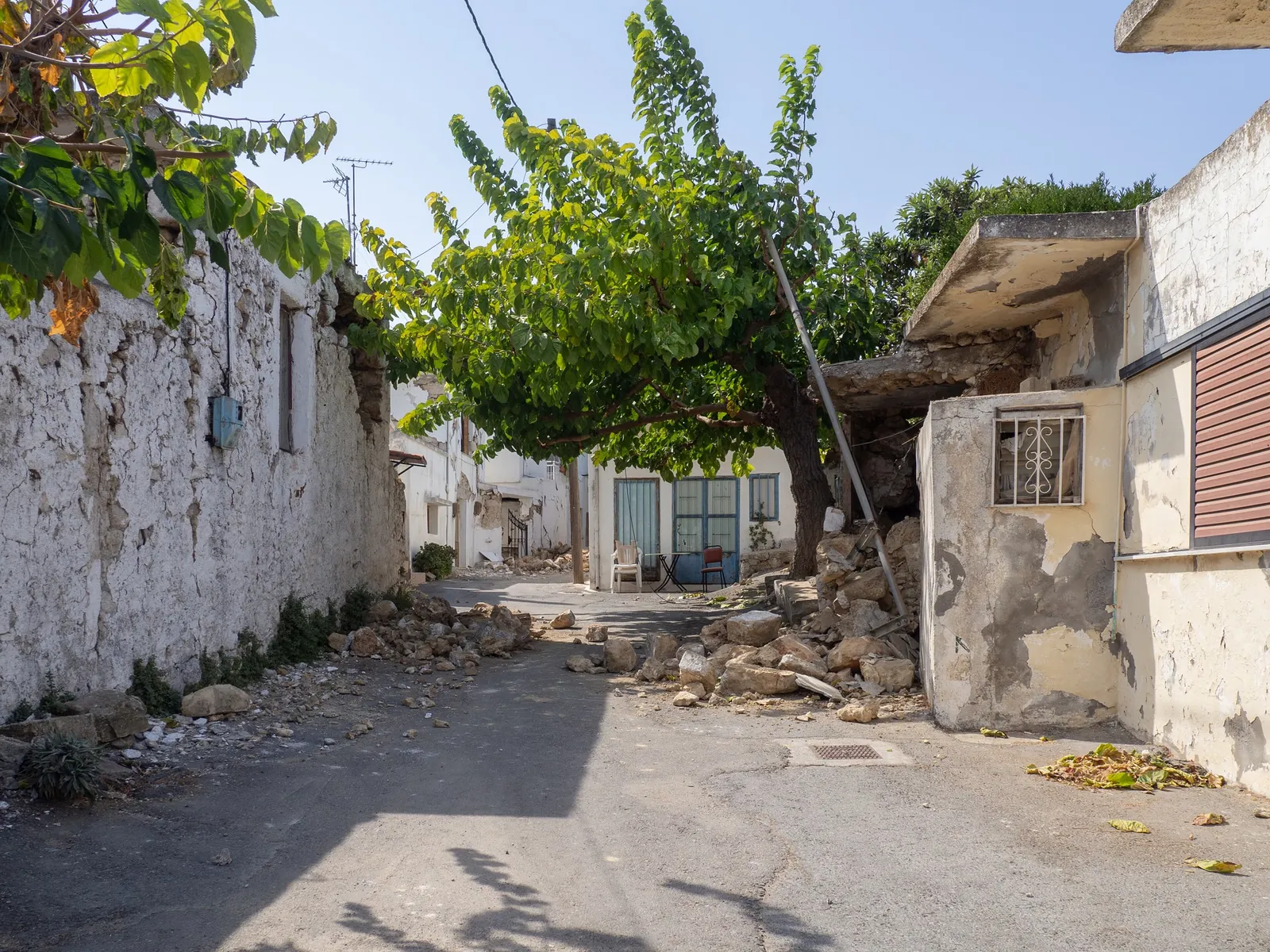
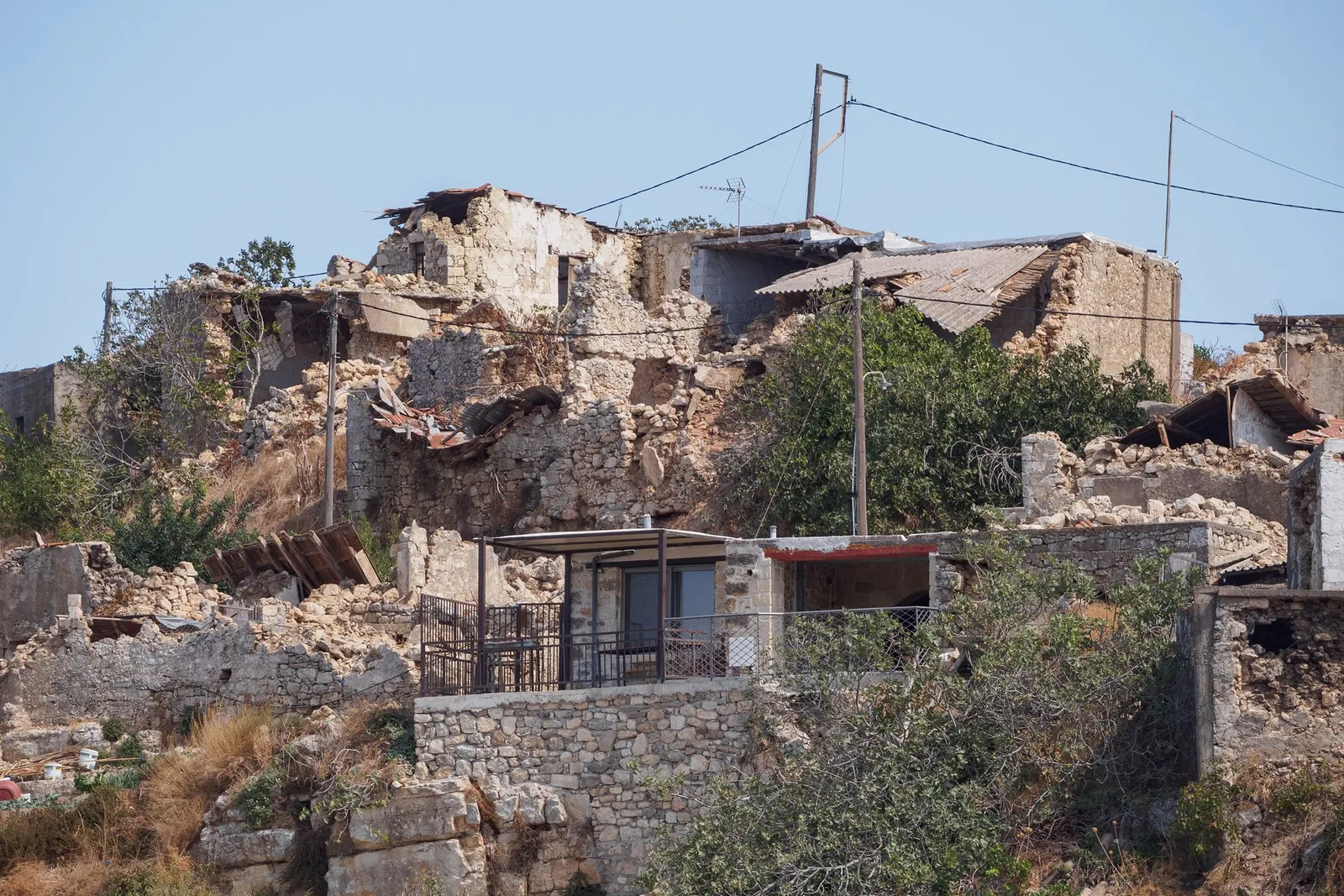
Authentic, unedited photos of Crete by residents and visitors, taken on ordinary days rather than chosen by a tourist board. Each one shows when it was taken. Browse photos of 105 cities →
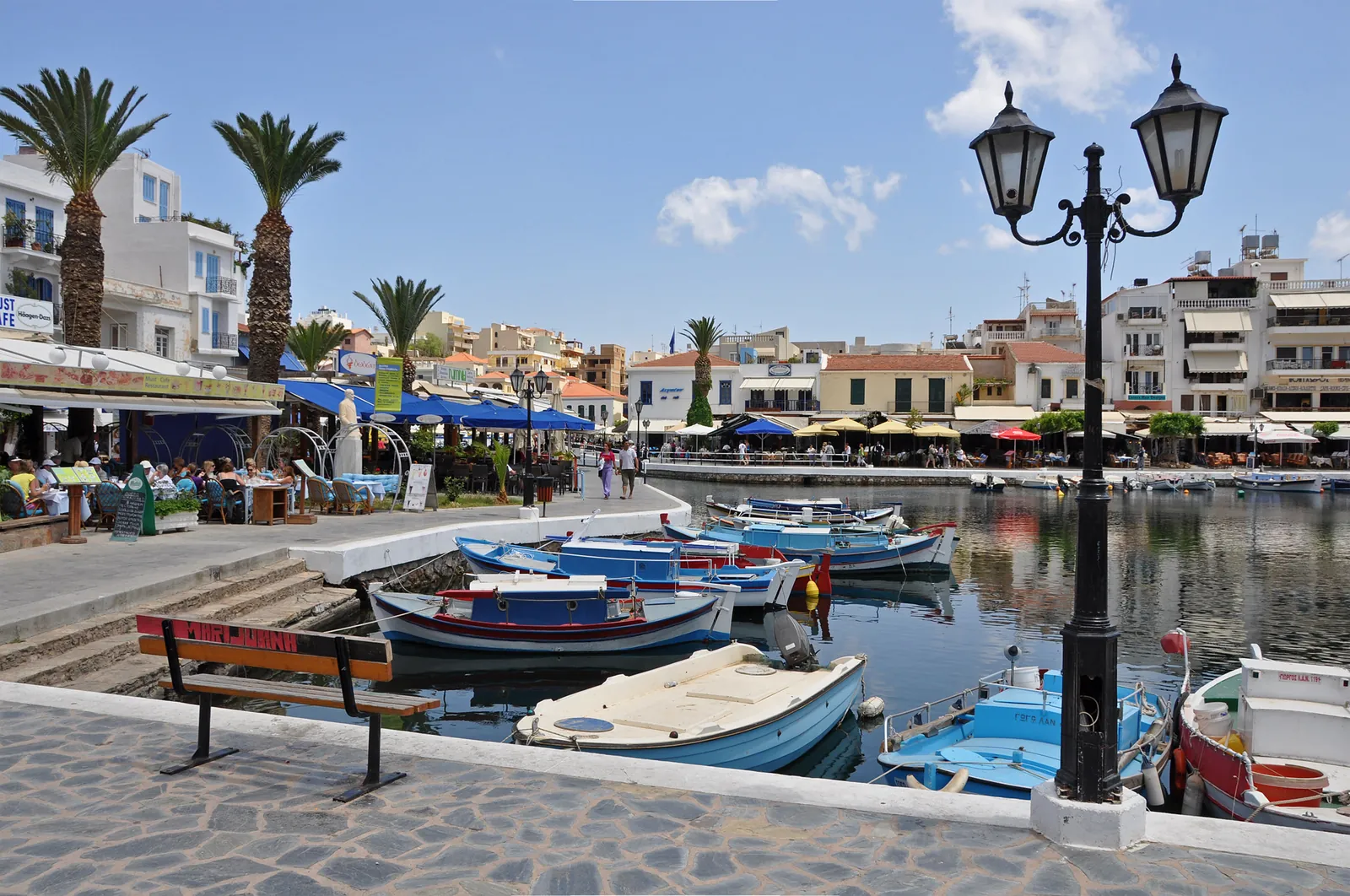

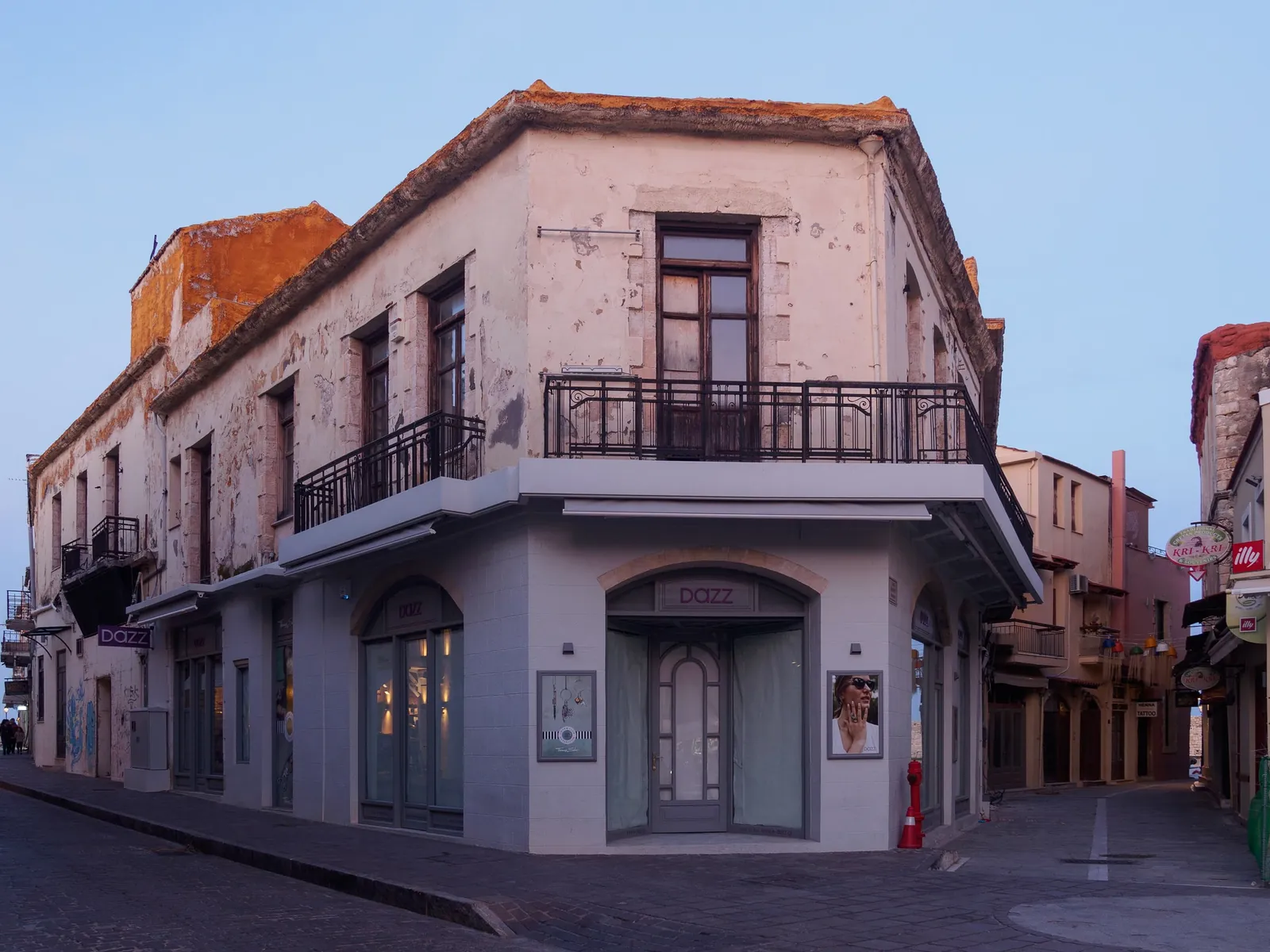

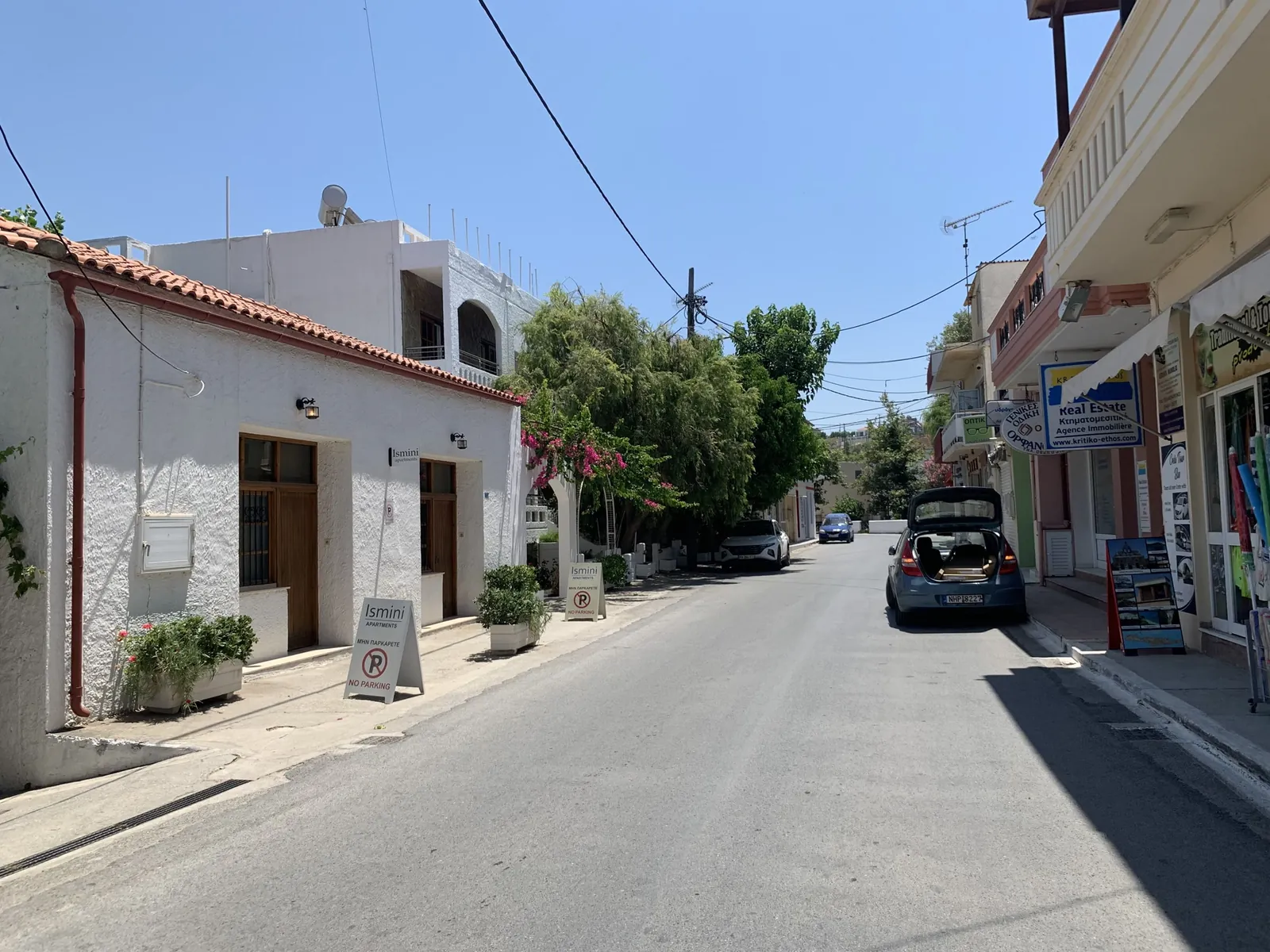
.jpg)
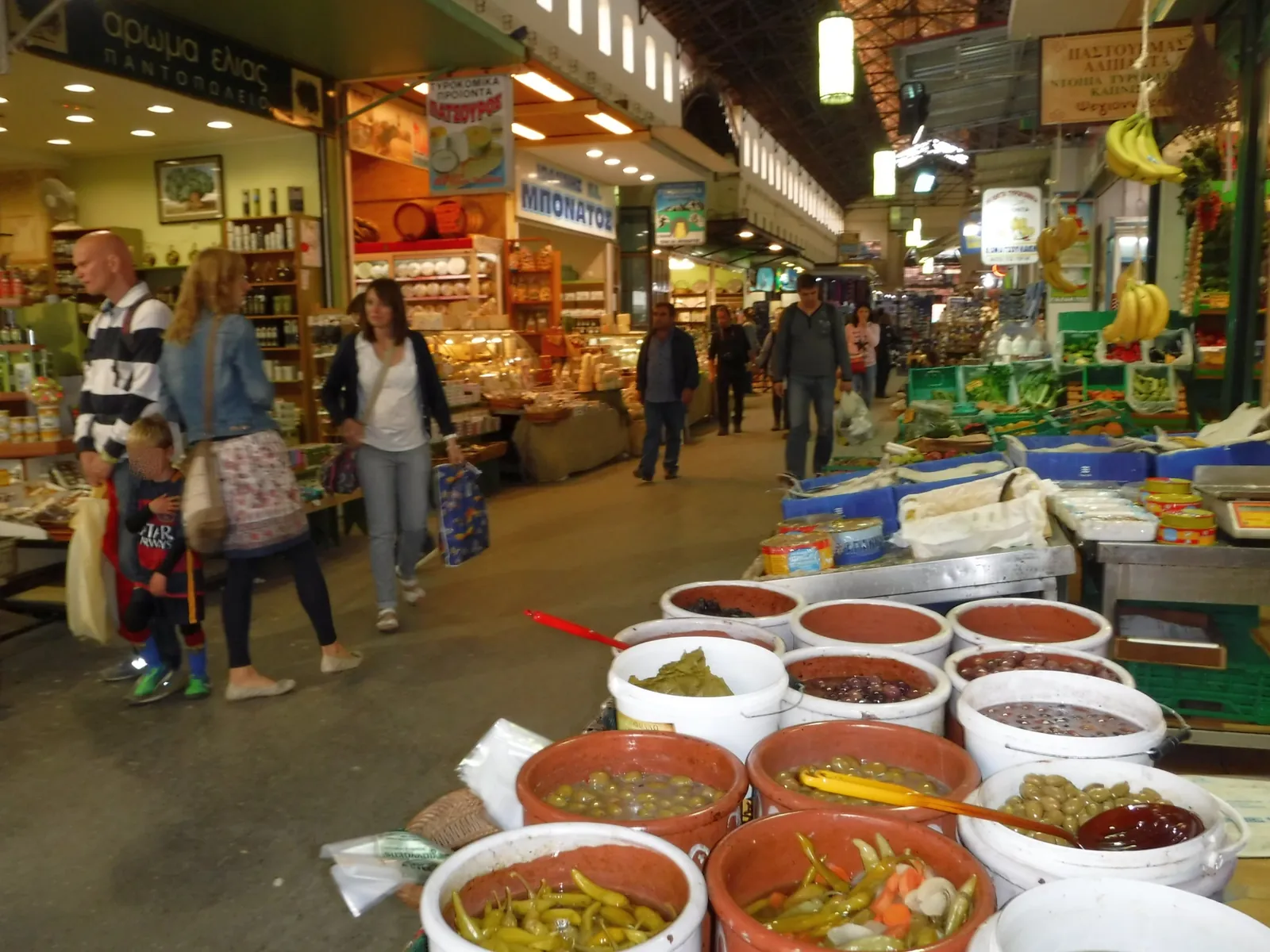






_en_juillet_2021_(1).jpg)
The other side


What does it cost to live in Crete?
1-Bedroom Rent
$350-$700/month
Local Restaurant Meal
$7-$12 at local tavernas
Cup of Coffee
$1.50-$3
Estimated Monthly Total
$1,200-$2,100
Want a personalized estimate? Use our cost of living calculator
How good is healthcare in Crete?
Crete has two main public hospitals: Venizeleio Hospital in Heraklion and Chania General Hospital. There are also private clinics and diagnostic centers in both cities. Healthcare quality is adequate for routine care and many specialists, though complex cases may require transfer to Athens. Private consultations cost $30-$60. Pharmacies are well-stocked and pharmacists are knowledgeable. Many retirees carry international health insurance as a backup for potential medical evacuations to Athens or other EU countries.
What is daily life like in Crete?
Life on Crete is slower, warmer, and more communal than most retirees expect. Mornings might involve a swim at a quiet beach, followed by coffee at a village kafenio. Afternoons are for rest during summer or hiking in the spectacular Samaria Gorge and White Mountains. Evenings center on long dinners with friends, often outdoors under the stars. Chania's Venetian harbor is one of the most beautiful in Greece, with waterfront restaurants, galleries, and a lively cultural calendar including film festivals and concerts.
What is the climate like in Crete?
Crete enjoys a Mediterranean climate with hot, dry summers (June-September, average highs of 27-29°C at Heraklion, hotter inland) and mild, wet winters (December-February, 10-16°C). The south coast is warmer and drier than the north. Swimming season typically runs from May through October. Winter brings rain, especially on the north coast, but snow is limited to the White Mountains. Crete receives over 300 days of sunshine per year, making it one of the sunniest places in Europe.
| Month | High | Low | Rain |
|---|---|---|---|
| January | 15.3 °C | 9.1 °C | 91 mm |
| February | 15.5 °C | 8.9 °C | 69 mm |
| March | 17.0 °C | 9.8 °C | 53 mm |
| April | 20.1 °C | 12.0 °C | 28 mm |
| May | 23.6 °C | 15.1 °C | 13 mm |
| June | 27.3 °C | 19.2 °C | 3 mm |
| July | 28.9 °C | 21.9 °C | 1 mm |
| August | 28.8 °C | 22.0 °C | 1 mm |
| September | 26.6 °C | 19.5 °C | 17 mm |
| October | 23.6 °C | 16.7 °C | 59 mm |
| November | 20.2 °C | 13.5 °C | 60 mm |
| December | 17.1 °C | 10.9 °C | 86 mm |
Weather station: Heraklion (35.4 km away). Source: Hellenic National Meteorological Service (HNMS)
What are the pros and cons of retiring in Crete?
Pros
- Exceptionally healthy Mediterranean diet and lifestyle
- Lower cost of living than mainland Greek cities
- Stunning natural beauty with beaches, mountains, and gorges
- Warm, welcoming local communities
- Two international airports with European connections
Cons
- Car required for most locations outside city centers
- Healthcare limited compared to Athens for complex procedures
- Island isolation during winter when ferry and flight schedules reduce
- Language barrier in rural villages where little English is spoken
Who should retire in Crete?
Retirees seeking an affordable, healthy island lifestyle with stunning scenery, authentic Greek culture, and a strong sense of community.
Which neighborhoods suit retirees in Crete?
Chania Old Town
Venetian harbor town with colorful buildings, narrow alleys, and a vibrant waterfront. One-bedroom rents range $500-$900/month. Attracts retirees who value historic atmosphere, walkability, and a well-established expat community in western Crete.
Heraklion Center
Crete's capital and largest city, with museums, universities, and year-round services. One-bedrooms rent for $450-$800/month. Practical choice for retirees needing reliable healthcare access, shopping, and transport connections.
Agios Nikolaos
Picturesque town on Mirabello Bay in eastern Crete with a lake, marina, and relaxed pace. Rents run $400-$750/month for a one-bedroom. Quieter alternative to Chania with strong appeal for retirees seeking a small-town coastal lifestyle.
Which hospitals serve retirees in Crete?
Venizeleio General Hospital of Heraklion
Major public hospital in Heraklion serving central and eastern Crete. Offers emergency, surgical, and specialist departments including oncology and cardiology. Primary referral center for the region.
University Hospital of Heraklion (PAGNI)
Teaching hospital affiliated with the University of Crete medical school. Provides advanced specialist care and is the island's top referral facility. Research-active with modern diagnostic equipment.
Chania General Hospital (Agios Georgios)
Public hospital serving western Crete. Provides emergency care, general surgery, and core specialties. Located outside Chania town with adequate facilities for routine and intermediate medical needs.
Facility details may change. Verify accreditation status and services directly with each hospital before making healthcare decisions.
What is the food scene like in Crete?
Cretan cuisine is celebrated as one of the healthiest in the Mediterranean, built on olive oil, wild greens, fresh cheese, and slow-cooked meats. In Chania's old town, tavernas along the harbor serve dakos (barley rusk with tomato and cheese), lamb with stamnagathi (wild greens), and fresh seafood for $8-$15 per plate. Tamam and Portes are popular restaurants blending Cretan tradition with creative preparation.
In Heraklion, the open-air market on 1866 Street is the place for local produce, dried herbs, and Cretan cheese (graviera, mizithra). Neighborhood tavernas serve generous portions with house wine for $10-$18 per person. Peskesi restaurant recreates historical Cretan recipes using only local ingredients.
Village tavernas across the island offer some of the best value: a full meal with raki (the complimentary local spirit) for $8-$12. Weekly grocery costs for two run $45-$70, benefiting from Crete's agricultural abundance. The island's food culture is deeply tied to seasonality and tradition, making everyday eating both affordable and richly satisfying.
Is retiring in Crete right for you?
Take our free 3-minute retirement quiz to see how life in Crete, Greece, compares to other destinations based on your preferences, budget, and needs.
Take the Retirement QuizFrequently Asked Questions About Retiring in Crete
Where is the best place to retire in Crete?
Chania is the most popular choice for retirees due to its beautiful old town, international airport, hospital, and established expat community. The nearby coastal towns of Almyrida, Kalyves, and Apokoronas are also popular. Heraklion offers more urban amenities but less charm. Rethymno and Agios Nikolaos are quieter mid-island options.
Can I buy property in Crete as a foreigner?
EU citizens can buy property freely. Non-EU citizens can also purchase property in most areas, though border regions may require additional permits. Many retirees buy village houses or apartments in Chania for $80,000-$200,000. Such homes do not qualify for a Golden Visa: Crete is an island of more than 3,100 residents, so the Golden Visa minimum there is a single property worth at least €800,000 and 120 square metres.
Is Crete too isolated in winter?
Crete is the least isolated Greek island thanks to its size and two airports. Year-round flights to Athens run multiple times daily, and ferries operate throughout the winter. However, some beach towns do shut down from November to March, so choosing a base in or near Chania or Heraklion ensures year-round access to shops, restaurants, and services.
Sources & References
- Numbeo, Cost of living index and price data for Crete: rent, groceries, restaurants, and transportation
- University Hospital of Heraklion (PAGNI), Facility services, specialist departments, and medical capabilities on Crete
- Hellenic Ministry of Migration and Asylum, Residence permit requirements and procedures for non-EU retirees in Greece
- Region of Crete Tourism, Regional infrastructure data, public services, and visitor resources for Crete