
City Retirement Guide
Retire in Madrid, Spain
Spain's capital at 650 m — the country's best hospitals, and no beach
Madrid at a Glance
- Elevation & setting
- ~650 m on the Castilian plateau, central Spain; Sierra de Guadarrama to the north-west; ~40.4°N
- Annual temperature
- 3-12°C December-February with frost, 32-38°C June-September; continental Mediterranean (Köppen Csa), low humidity
- Nearest international airport
- Adolfo Suárez Madrid-Barajas (MAD), ~13 km north-east, connected by metro
- Nearest major hospital
- La Paz, Gregorio Marañón, 12 de Octubre and Ramón y Cajal — national referral centres, all in the city
- Primary retirement visa
- Spain Non-Lucrative Visa; 2026 minimum ~€2,400/month (400% IPREM), private insurance required, no work permitted
- Language environment
- Spanish; English available in private healthcare and international services, limited in shops and public administration
Madrid sits at 650 metres, the highest capital city in the European Union — which is why its summers are dry rather than humid and its winters are genuinely cold.
Overview of Madrid for Retirees
Madrid sits almost exactly in the centre of Spain at about 40.4°N and 650 metres, on the Castilian plateau with the Sierra de Guadarrama rising to the north-west. It is the largest city on this site outside Bangkok, and it offers something none of the coastal destinations can: the full weight of a European capital.
For retirees that means the best hospitals in Spain — La Paz, Gregorio Marañón, 12 de Octubre and Ramón y Cajal are national referral centres — alongside the Prado, the Reina Sofía, a metro system that is among the best in Europe, and Barajas airport connecting to essentially everywhere. It also means no beach, hot summers, cold winters, and prices to match: a comfortable lifestyle runs €2,800-€4,000 a month, and rents average around €23 per square metre.
Madrid is a serious option for a specific kind of retiree: someone who wants urban cultural life and top-tier medicine more than sun and sea, and who is comfortable in a large Spanish city where daily life happens in Spanish outside the international bubble.
What Madrid actually looks like
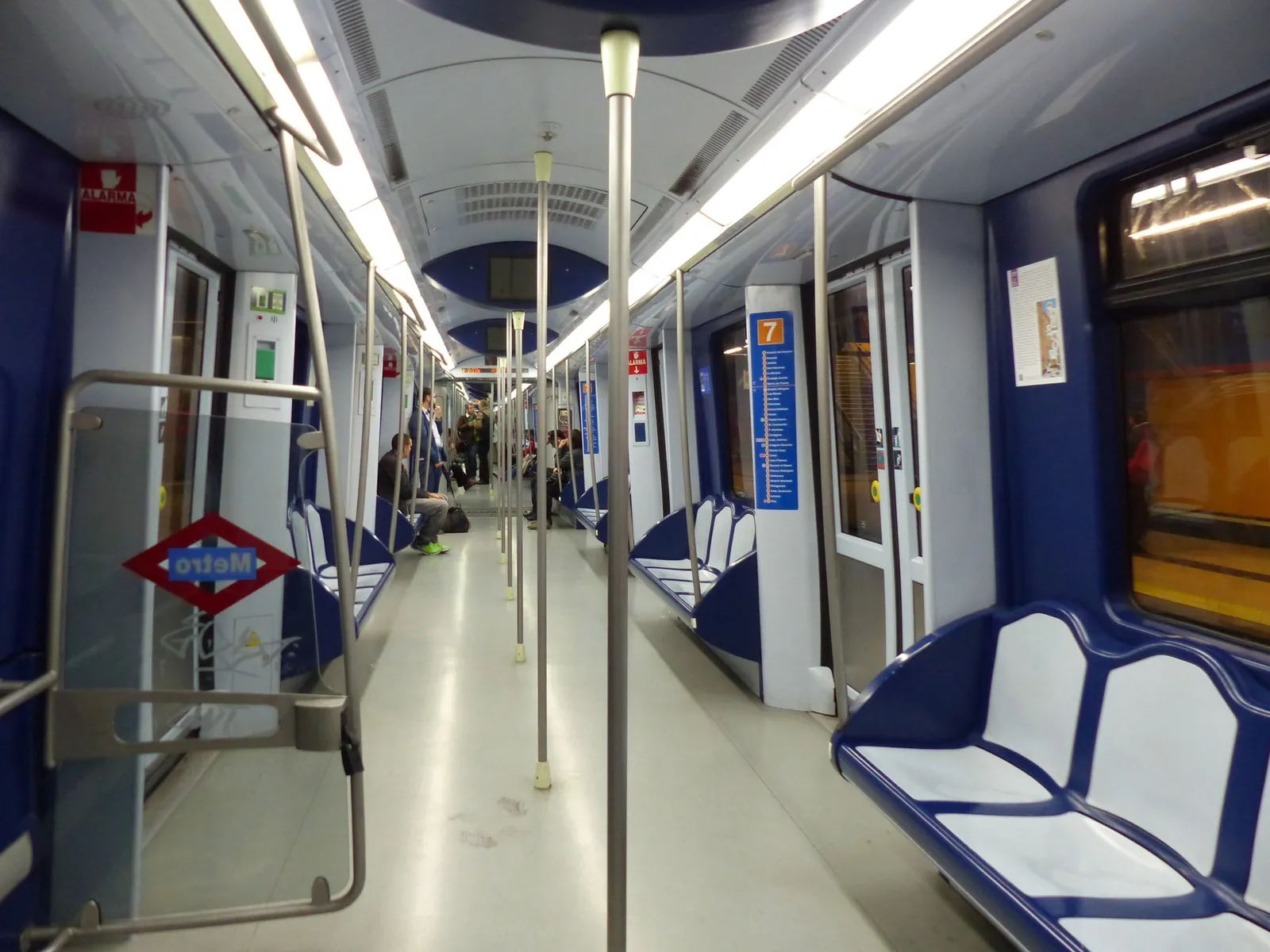
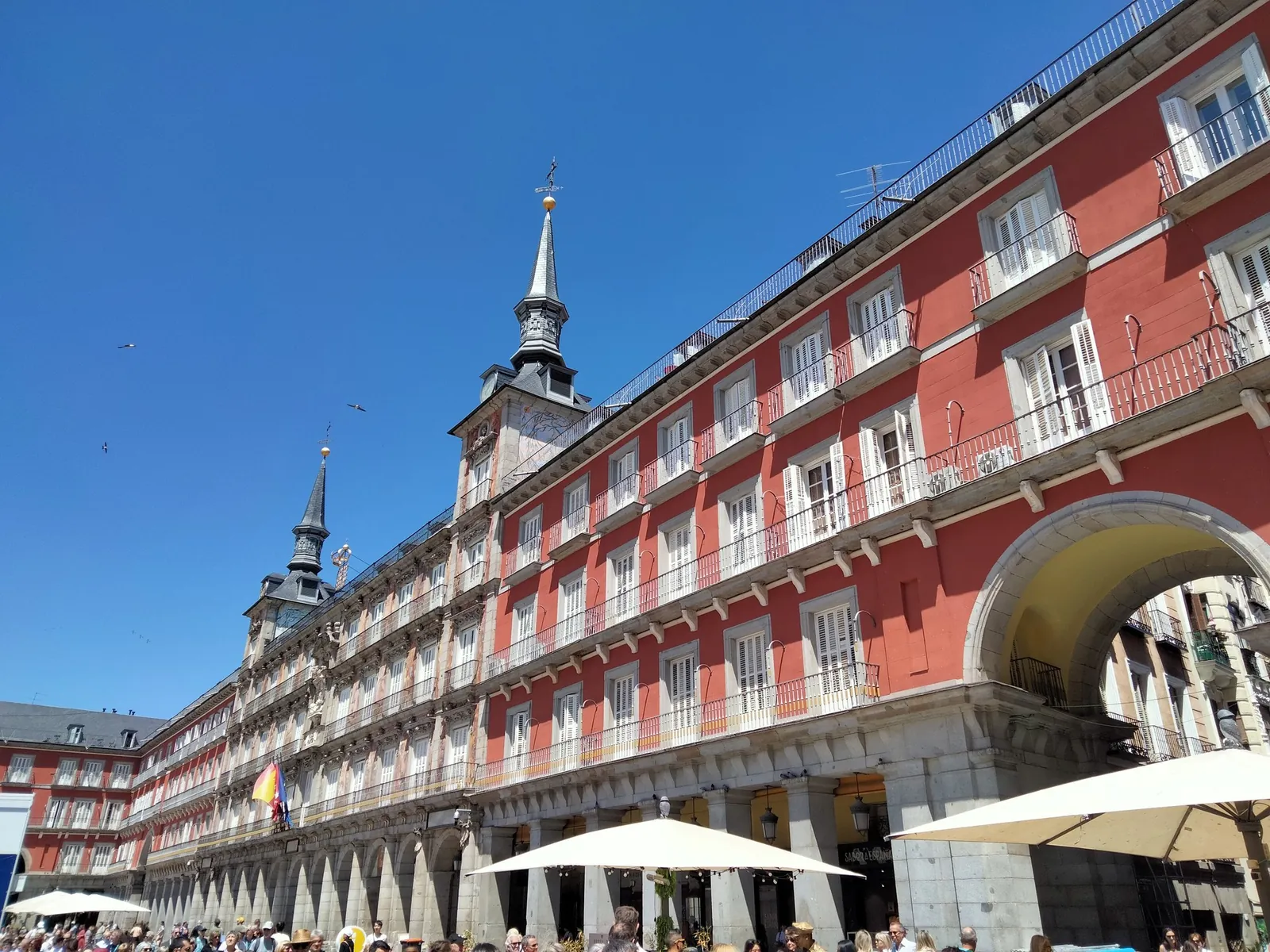
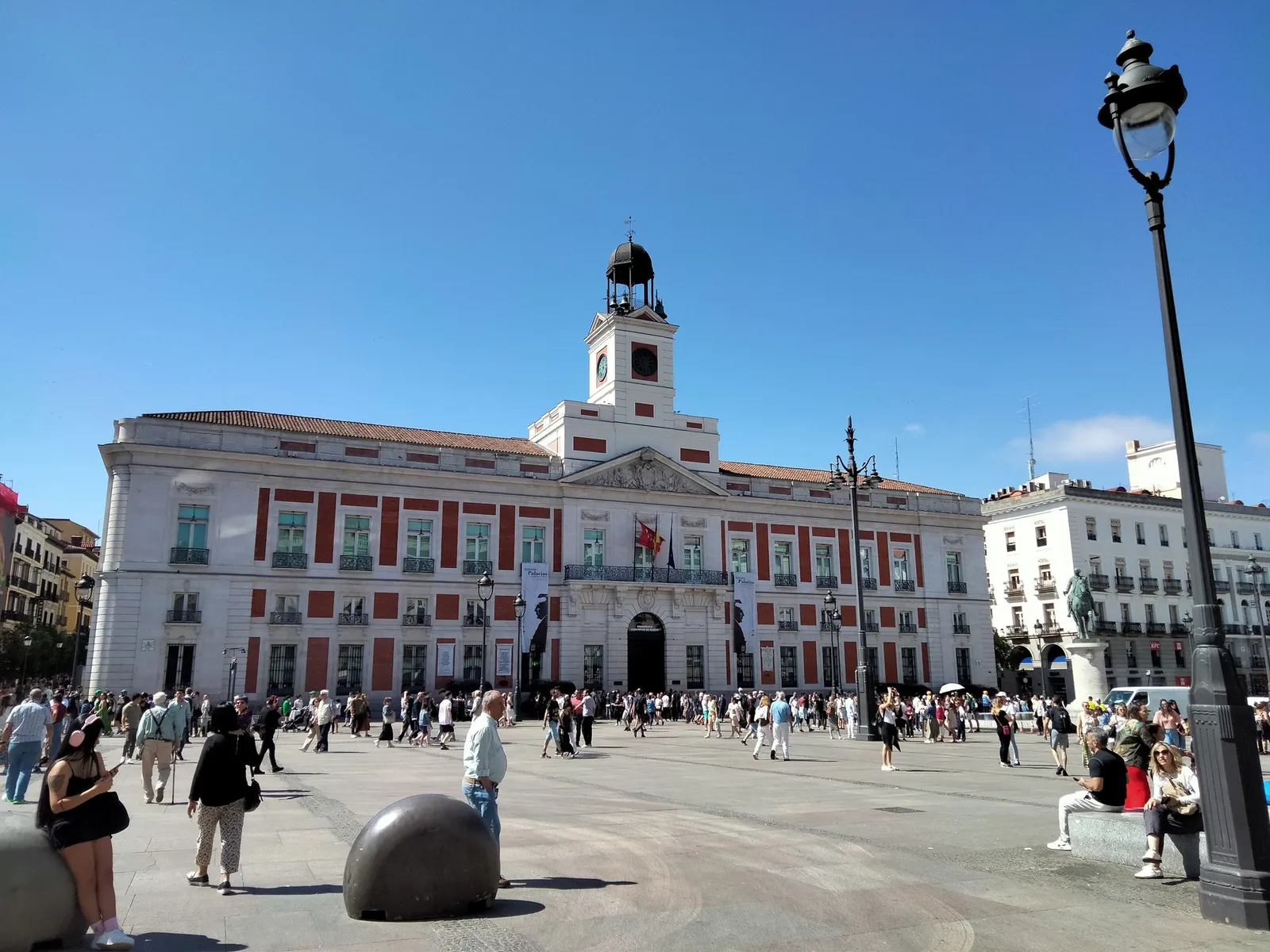
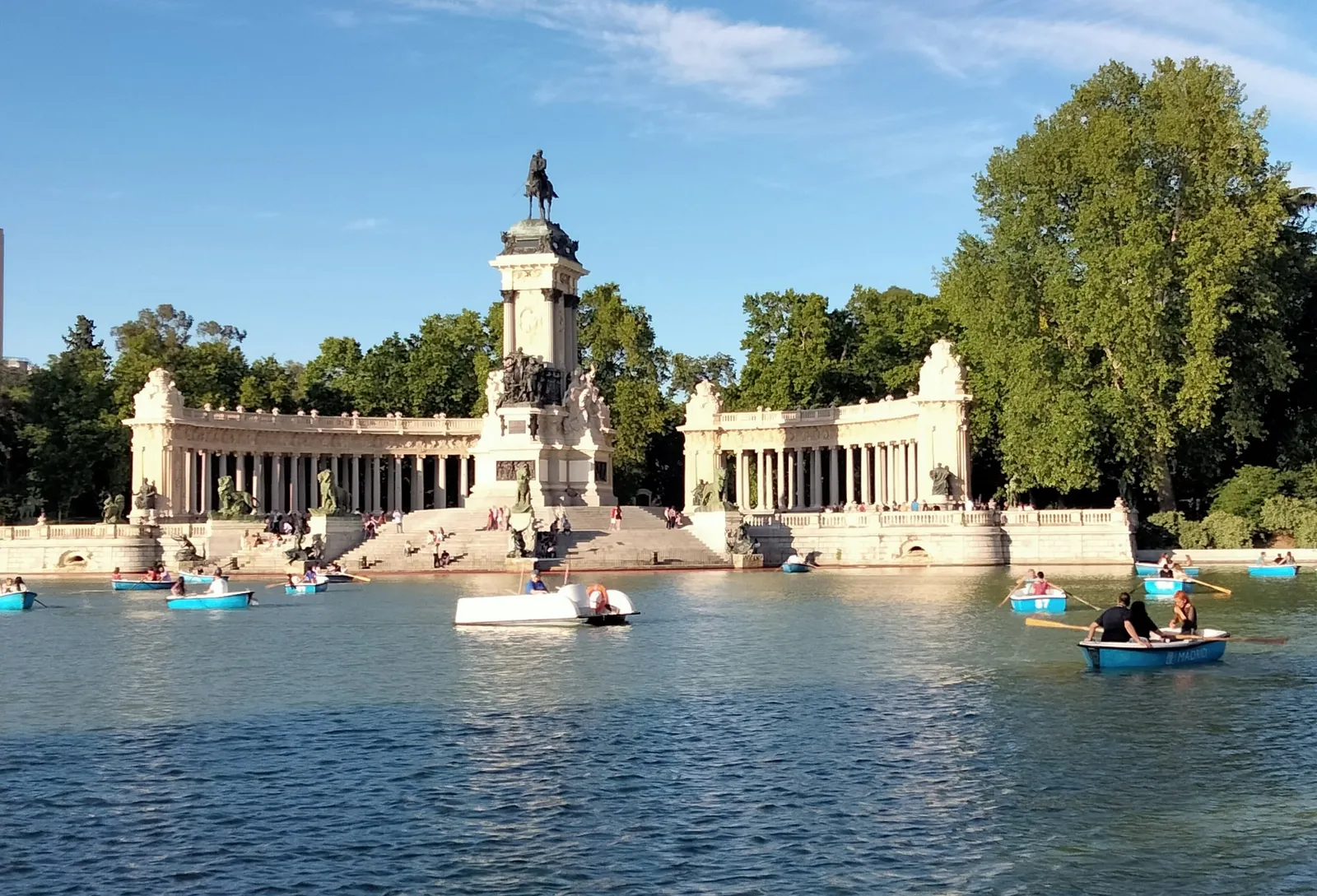
Authentic, unedited photos of Madrid by residents and visitors, taken on ordinary days rather than chosen by a tourist board. Each one shows when it was taken. Browse photos of all 83 cities →
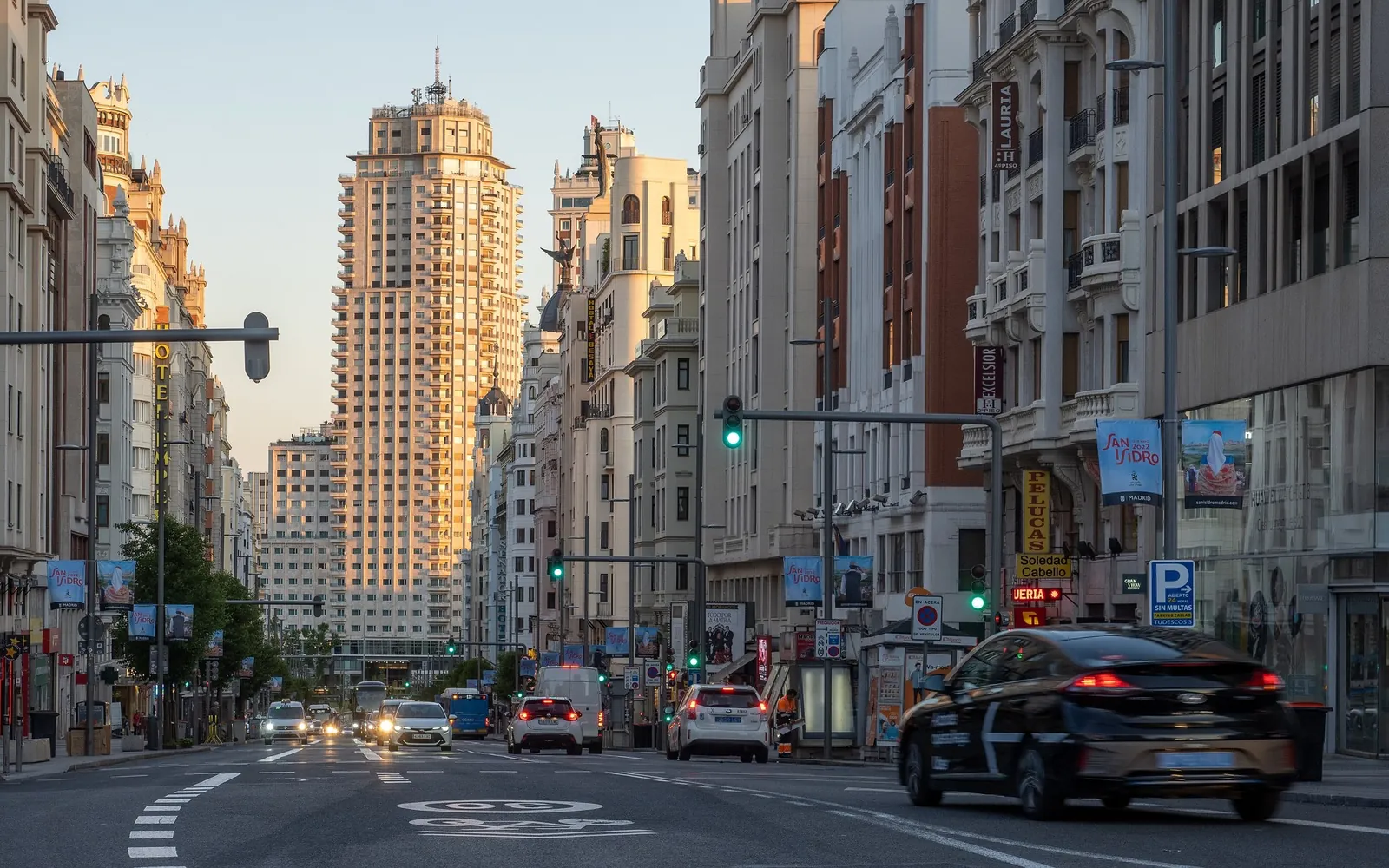

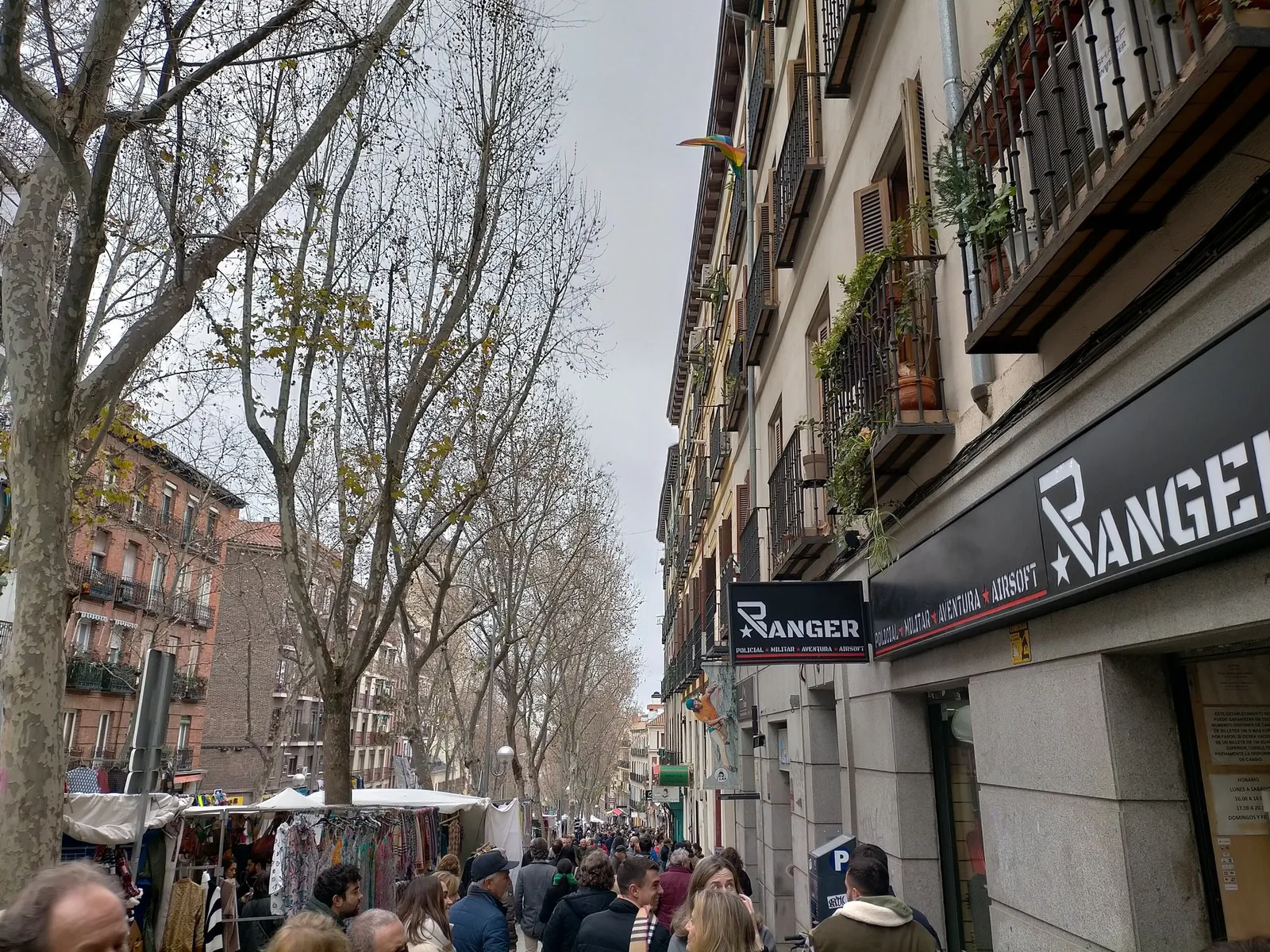

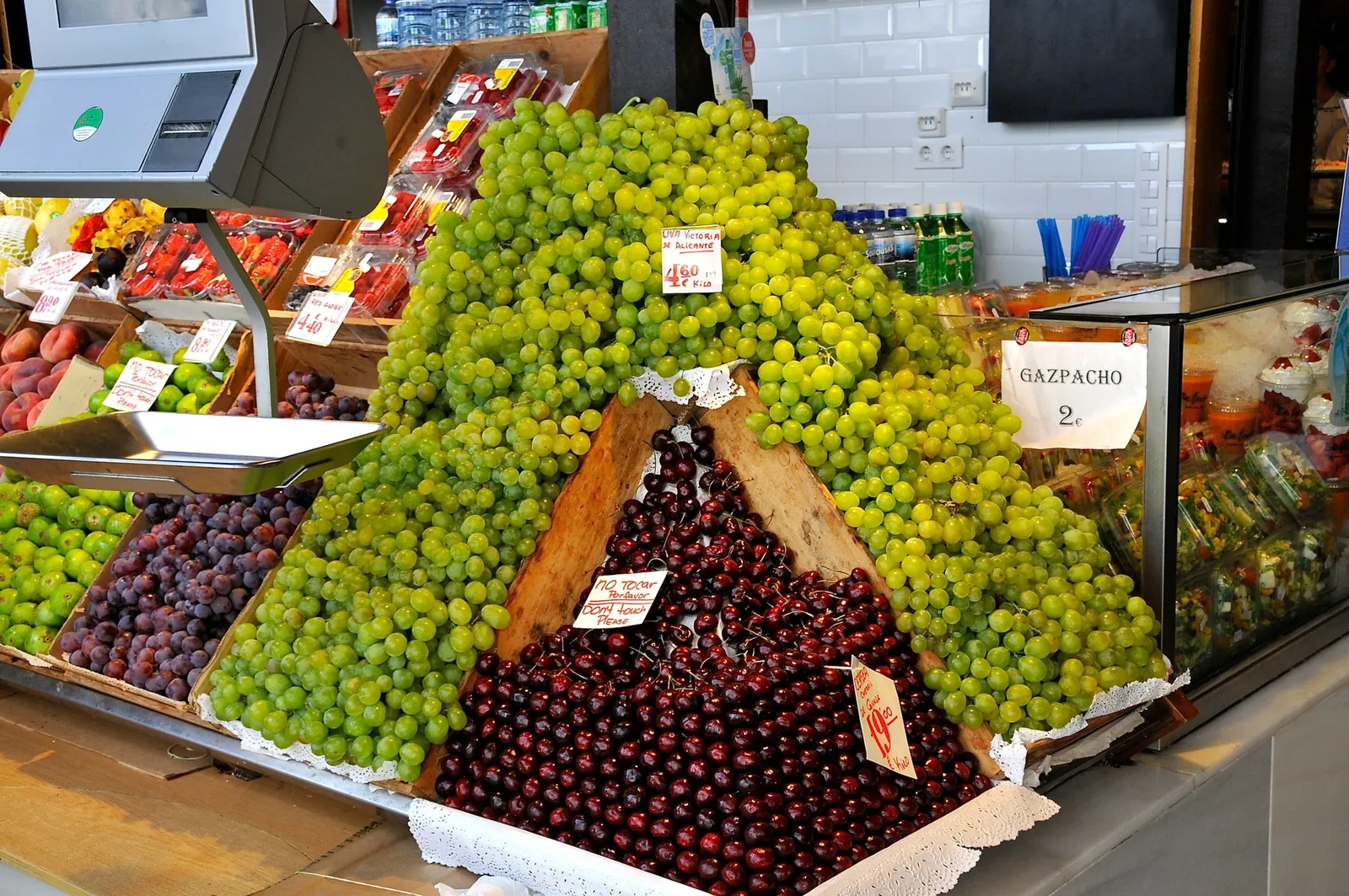
.jpg)


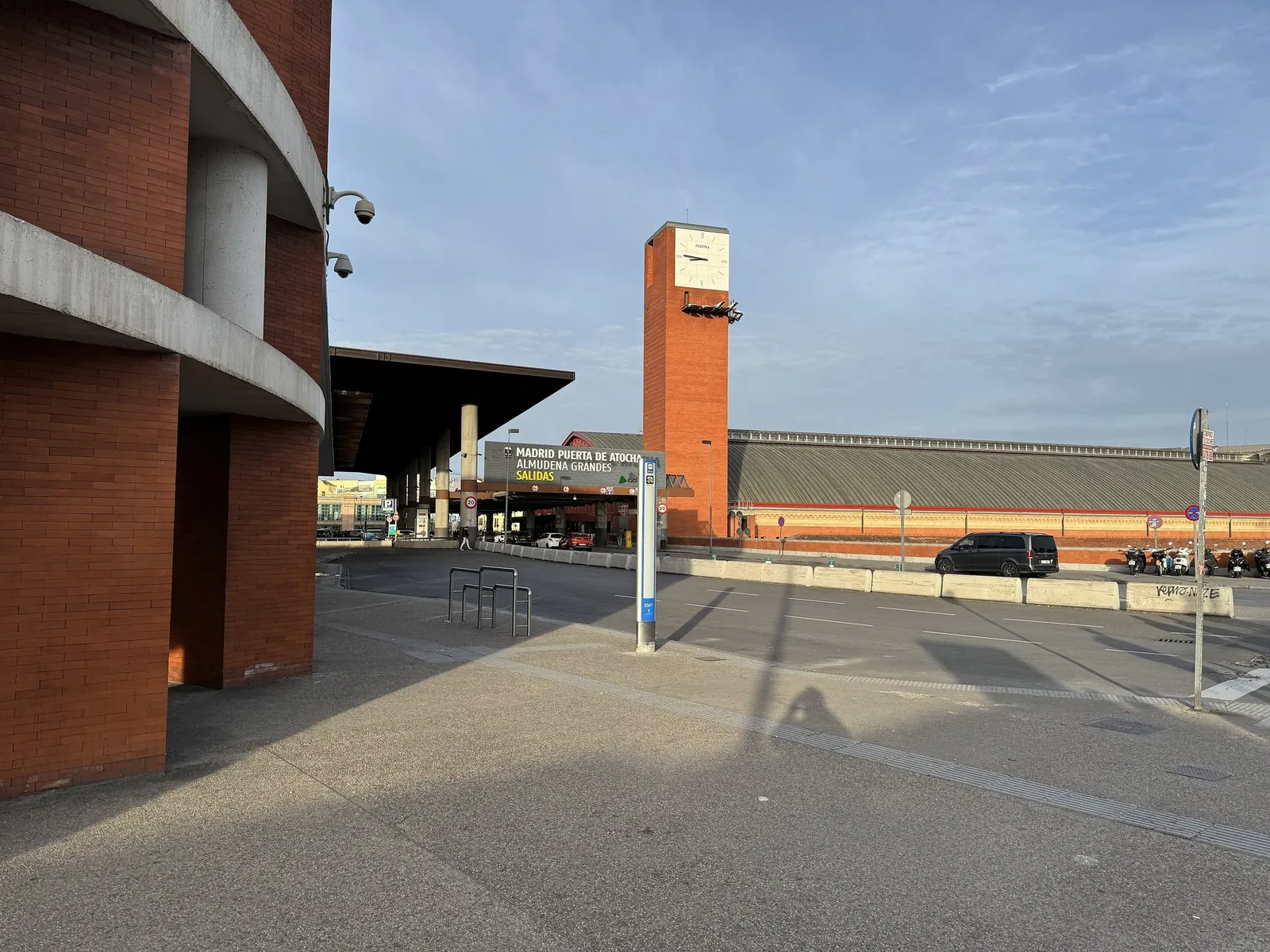


,_banda_nord,_amb_la_Casa_de_la_Panader%C3%ADa.jpg)
,_al_fons_la_Real_Casa_de_Correos,_seu_de_la_Comunidad_de_Madrid.jpg)
,_al_fons_el_monument_a_Alfons_XII.jpg)
The other side



Cost of Living in Madrid
1-Bedroom Rent
$1,100-$2,000/month
Local Restaurant Meal
$14-$25 at local restaurants
Cup of Coffee
$2-$3.50
Estimated Monthly Total
$2,400-$3,800
Want a personalized estimate? Use our cost of living calculator
Healthcare in Madrid
Madrid has the best healthcare in Spain and among the best in Europe. La Paz, Gregorio Marañón, 12 de Octubre, and Ramón y Cajal are large public teaching hospitals that serve as national referral centres for complex specialties — the places to which patients from Alicante, Malaga, or the Canaries are sent. The private sector is equally strong, with Quirónsalud, HM Hospitales, and Ruber operating major facilities; private consultations run $80-$140. For a retiree with a serious ongoing condition, or one who wants the shortest possible path to a national-standard specialist, no other destination on this site offers this depth. Non-EU retirees on the Non-Lucrative Visa must hold private insurance; the convenio especial buy-in provides an alternative route into public cover for residents.
Daily Life and Lifestyle in Madrid
Madrid runs late and lives outdoors. The city's terraces stay busy until midnight, the Retiro park is genuinely used rather than admired, and the museum triangle of the Prado, Thyssen, and Reina Sofía sits within a ten-minute walk. Neighbourhoods have strong identities: Salamanca is elegant and expensive, Chamberí residential and central, La Latina and Lavapiés older and livelier, Retiro green and quiet. The metro is extensive, cheap, and accessible, which makes car-free living entirely practical — a significant advantage over most Spanish coastal towns. Madrid also has Spain's best rail connections, with high-speed trains reaching Seville, Valencia, or Barcelona in two to three hours, and the Guadarrama mountains within an hour for walking and snow. The international community is large but diffuse, spread through a city of three million rather than concentrated as on the coast.
Climate and Weather in Madrid
Madrid has a continental Mediterranean climate, and its 650 m altitude on an open plateau produces the widest temperature range of any location on this site. Summers (June-September) are hot and very dry at 32-38°C, regularly exceeding 40°C in heatwaves, though humidity is low and evenings cool noticeably. Winters (December-February) are cold for southern Europe at 3-12°C, with frost common and occasional snow. Spring and autumn are excellent at 15-25°C. Rainfall is low and concentrated in spring and autumn. The old saying that Madrid has nine months of winter and three of hell overstates it, but the swing between seasons is real, and retirees who have moved for Spanish sun are sometimes surprised by January.
Pros and Cons of Retiring in Madrid
Pros
- The best hospitals in Spain, including several national referral centres
- World-class museums, theatre, and cultural life
- Extensive, cheap, accessible metro — car-free living is entirely practical
- Barajas airport connects almost everywhere, and high-speed rail across Spain
- Low humidity and 650 m altitude make the heat more bearable than coastal cities
Cons
- No beach, and the coast is at least three hours away
- The widest temperature range on this site — 40°C summers and frosty winters
- Expensive: a comfortable lifestyle runs $2,400-$3,800 a month
- Daily life happens in Spanish outside the international bubble
- A large, busy capital — noisier and more crowded than any other option here
Who Is Madrid Best For?
Retirees who want urban cultural life and the best available medicine more than sun and sea, have the budget for a European capital, and are comfortable functioning in Spanish.
Where to Live in Madrid
Chamberí & Salamanca
Elegant central residential districts with wide streets, good buildings, and easy metro access. One-bedrooms run $1,300-$2,200/month. Quiet, safe, and close to the private hospitals — the usual choice for retirees with the budget.
Retiro & Ibiza
The neighbourhoods around the Retiro park, green and residential but minutes from the museums. Rents run $1,200-$2,000/month. Excellent for daily walking, with the park effectively serving as a garden.
La Latina & Lavapiés
The older, denser, more mixed quarters south of the centre, with markets and a strong street life. Rents run $900-$1,600/month. Cheaper and livelier, but noisier and with more stairs in older buildings.
Hospitals and Healthcare Facilities in Madrid
Hospital Universitario La Paz
One of Spain's largest public teaching hospitals and a national referral centre for complex specialties including transplantation and paediatrics.
Hospital General Universitario Gregorio Marañón
Major public teaching hospital in central Madrid with full emergency and tertiary specialist provision, serving as a referral centre for the region.
Quirónsalud & HM Hospitales
The main private hospital groups in Madrid, with several facilities across the city, English-speaking specialists, and short waits. Private consultations run $80-$140.
Facility details may change. Verify accreditation status and services directly with each hospital before making healthcare decisions.
Dining and Food Scene in Madrid
Madrid eats late and eats everything, because it has no regional cuisine of its own and instead absorbed all of Spain's. Cocido madrileño, a chickpea and meat stew served in courses, is the genuine local dish and a winter institution at $18-$30. Otherwise the city is where Galician seafood, Basque pintxos, Valencian rice, and Andalusian frying all arrive at their best.
Tapas remain cheap — $3-$6 per plate in La Latina or Lavapiés — while the city also holds several of Spain's most ambitious restaurants. The Mercado de San Miguel is now largely for visitors; the neighbourhood markets of Chamberí and Antón Martín are where residents actually shop.
Weekly groceries for two run $85-$130. Madrid is expensive by Spanish standards but cheap by northern European ones, and the menú del día — a full three-course lunch with wine for $14-$20 — remains one of the best value propositions in Europe and is what most residents eat on weekdays.
Is Madrid Right for You?
Take our free 3-minute retirement quiz to see how Madrid and Spain compare to other destinations based on your preferences, budget, and needs.
Take the Retirement QuizFrequently Asked Questions About Retiring in Madrid
Why would a retiree choose Madrid over the coast?
Medicine and culture. Madrid has Spain's national referral hospitals, which matters enormously for anyone with a complex or ongoing condition — coastal residents are frequently sent here anyway. It also has the Prado, world-class theatre and music, an excellent metro that makes car-free living practical, and the best flight and rail connections in the country. What you give up is the beach and the mild winter.
How cold does Madrid actually get?
Colder than most people expect from Spain. At 650 metres on an open plateau, December to February runs 3-12°C with frost common and occasional snow. Summers are the opposite extreme, at 32-38°C and regularly above 40°C in heatwaves, though the dry air and cool evenings make it more bearable than the same temperature on a humid coast. It is the widest annual range of any destination on this site.
Can I live in Madrid without Spanish?
Less easily than on the Costa Blanca or in Tenerife's south. Madrid has a large international population but it is spread across a city of three million rather than concentrated, so there is no equivalent of the Costa Blanca's bilingual infrastructure. Private hospitals and international clinics have English speakers; shops, public administration, and the public health system generally do not. Functional Spanish makes a substantial difference here.
Sources & References
- Hospital Universitario La Paz — National referral specialties and departmental services within the Madrid health service
- Spanish State Meteorological Agency (AEMET) — Temperature and rainfall normals for Madrid and the Castilian plateau
- Spanish Ministry of Foreign Affairs — Non-Lucrative Visa requirements, income thresholds, and renewal conditions
- Idealista — Rental and property price data for Madrid neighbourhoods