
Städte-Ratgeber zum Ruhestand
Ruhestand in Chiang Rai, Thailand
Thailands günstigste Ruhestandsstadt mit Bergruhe und authentischer Kultur
Was sind die Eckdaten für den Ruhestand in Chiang Rai?
- Bevölkerung
- ~200.000 (Metropolregion ~300.000)
- Auswanderer-Gemeinschaft
- 1.000-2.000 ausländische Einwohner
- Nächster Flughafen
- Mae Fah Luang Chiang Rai Intl (15 Min.)
- Sehenswürdigkeiten
- Weißer Tempel, Blauer Tempel, Goldenes Dreieck
- Höhenlage
- ~390 m (1.280 ft)
- Visa-Büro
- Chiang Rai Immigration, Mueang District
Chiang Rai bietet Ihnen 70% dessen, was Chiang Mai zu bieten hat, zu 60% des Preises. Der Kompromiss ist real: kleinere Gemeinschaft, weniger Krankenhäuser und ein ruhigeres Leben.
Wie lebt es sich im Ruhestand in Chiang Rai?
Chiang Rai liegt in Thailands nördlichster Region auf einer Höhe von etwa 390 Metern, 180 km nordöstlich von Chiang Mai, in einem Tal, umgeben von den Bergen des Goldenen Dreiecks, wo Thailand, Laos und Myanmar aufeinandertreffen. Es ist Thailands günstigstes bedeutendes Ruhestandsziel und bietet komfortables Leben für 725–1.100 € pro Monat: ein Budget, das in den meisten westlichen Städten kaum für die Miete allein ausreicht. Die Stadt ist deutlich kleiner und ruhiger als Chiang Mai, mit einer Bevölkerung von etwa 200.000 Einwohnern, und spricht Ruheständler an, die aktiv ein langsameres, ländlicheres Tempo mit weniger westlichen Touristen suchen.
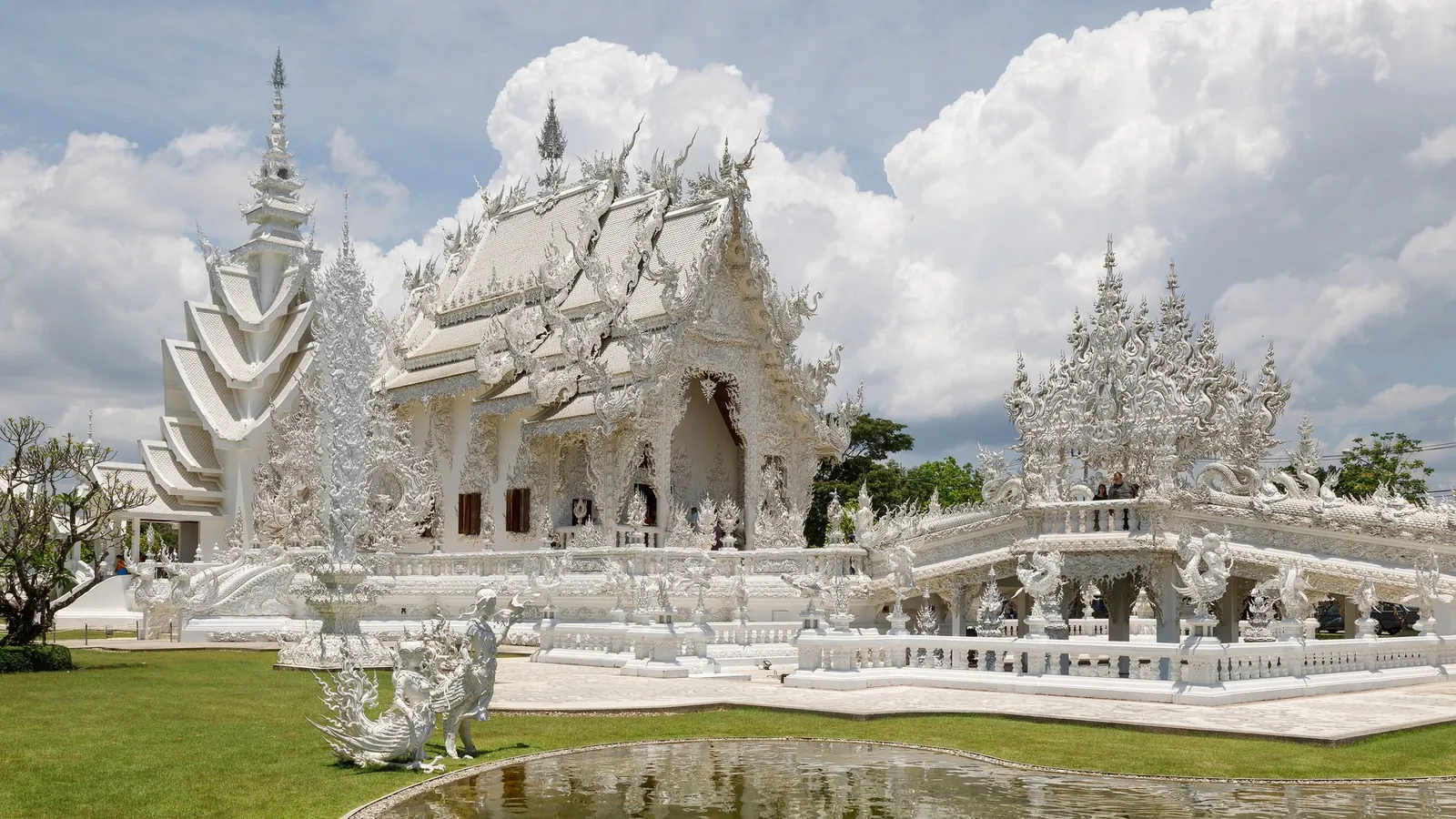
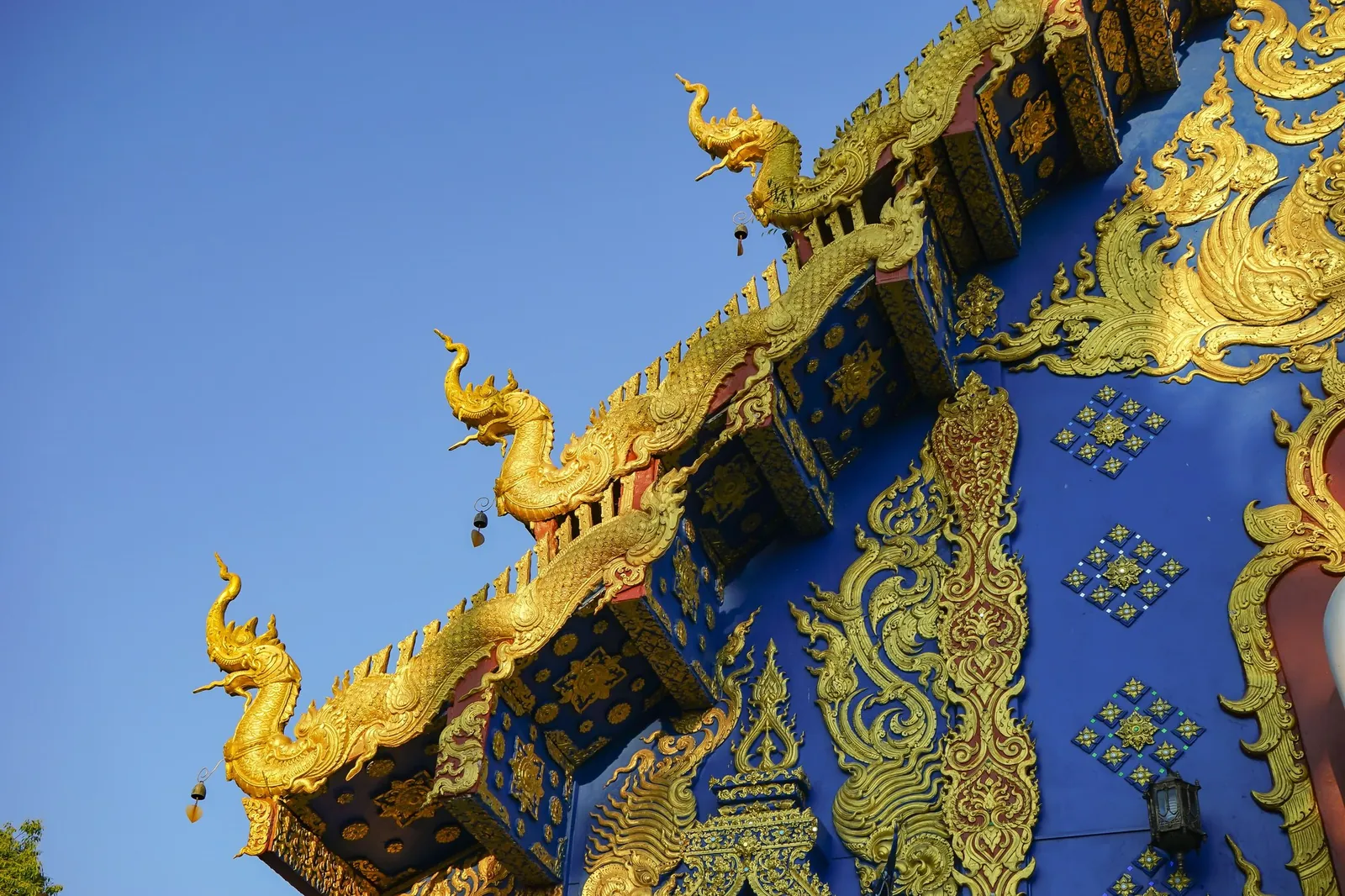
Chiang Rai hat im letzten Jahrzehnt eine erhebliche Entwicklung erlebt, mit einer wachsenden Zahl moderner Eigentumswohnungen, einem neuen internationalen Flughafenterminal und einer sich verbessernden Gesundheitsinfrastruktur. Die Stadt ist vor allem für den Weißen Tempel (Wat Rong Khun) bekannt, einen zeitgenössischen buddhistischen Tempel, der eines der visuell beeindruckendsten Wahrzeichen Thailands ist, sowie für den Blauen Tempel (Wat Rong Suea Ten) und das Schwarze-Haus-Museum (Baan Dam). Die umliegende Landschaft bietet Wasserfälle, heiße Quellen, Teeplantagen und Bergstammdörfer, die im Rahmen von Tagesausflügen erreichbar sind.
Die kleinere Größe der Stadt bedeutet eine intimere Auswanderer-Gemeinschaft und ein tieferes Eintauchen in die thailändische Kultur. Chiang Rais Klima ähnelt weitgehend dem von Chiang Mai, mit einer ausgeprägten kühlen Jahreszeit, die zu den angenehmsten in Thailand zählt. Der Kompromiss besteht in weniger westlichen Annehmlichkeiten und Gesundheitsoptionen im Vergleich zu Chiang Mai oder Bangkok.
Wie sieht es in Chiang Rai wirklich aus?
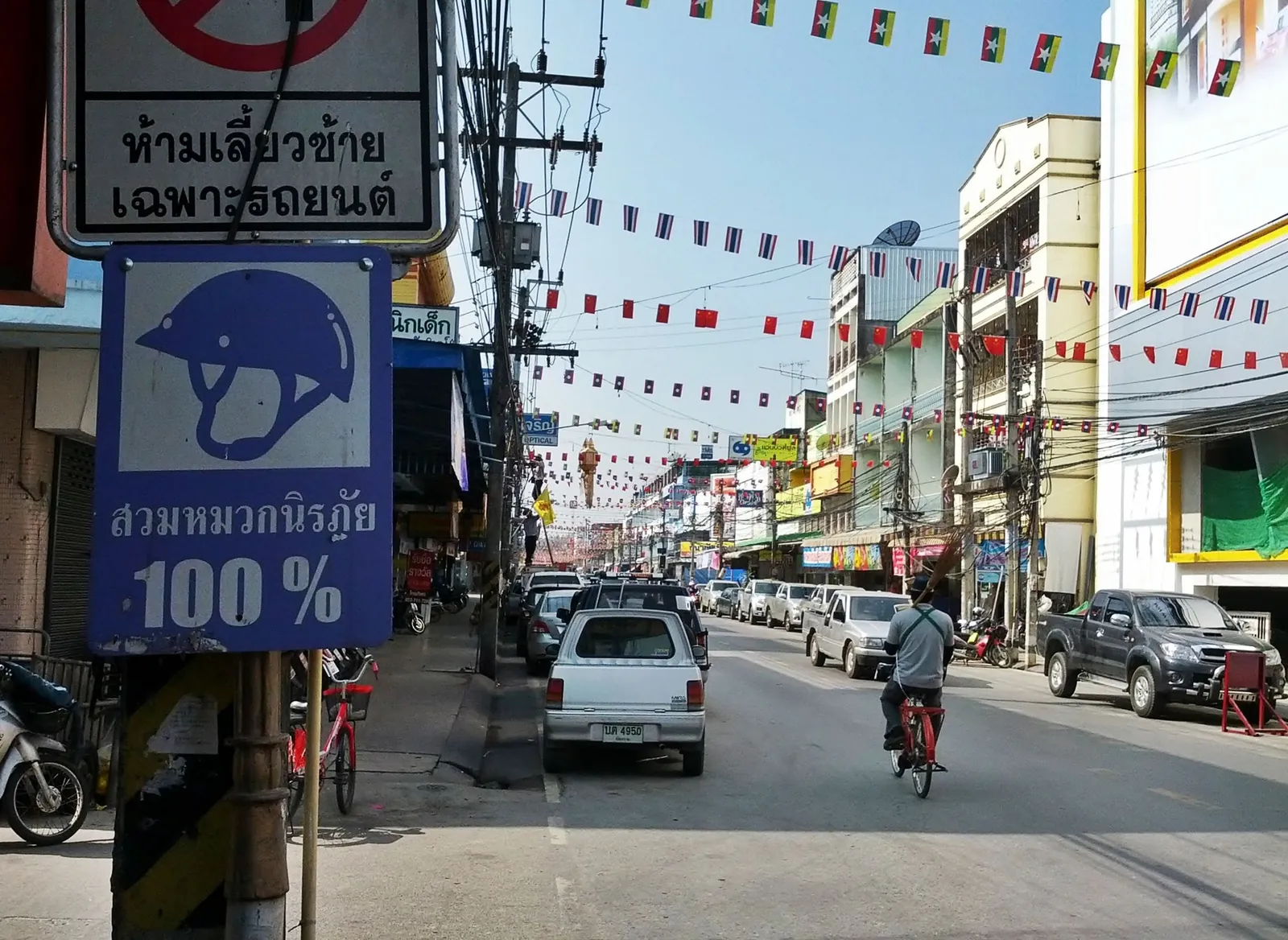
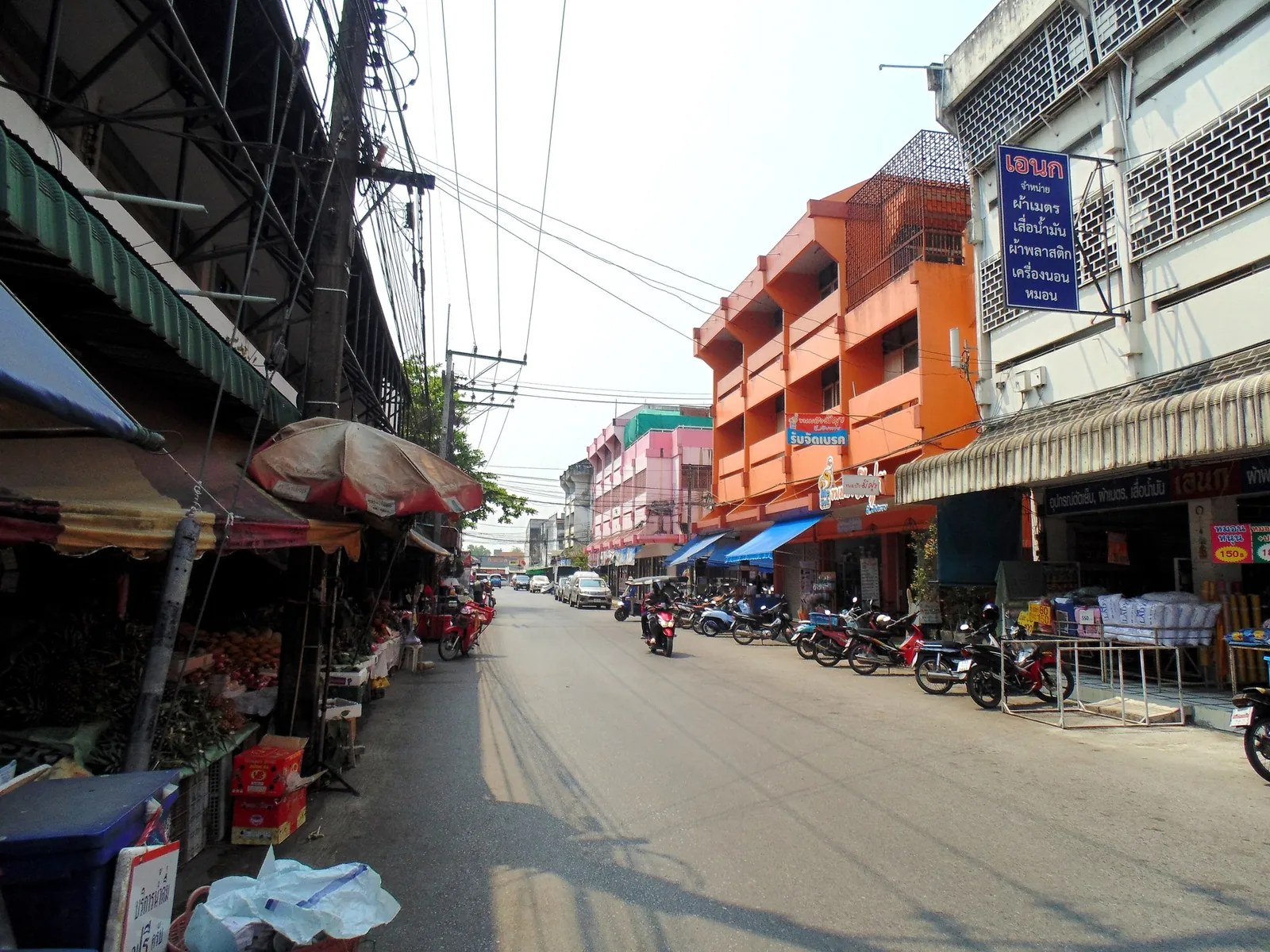
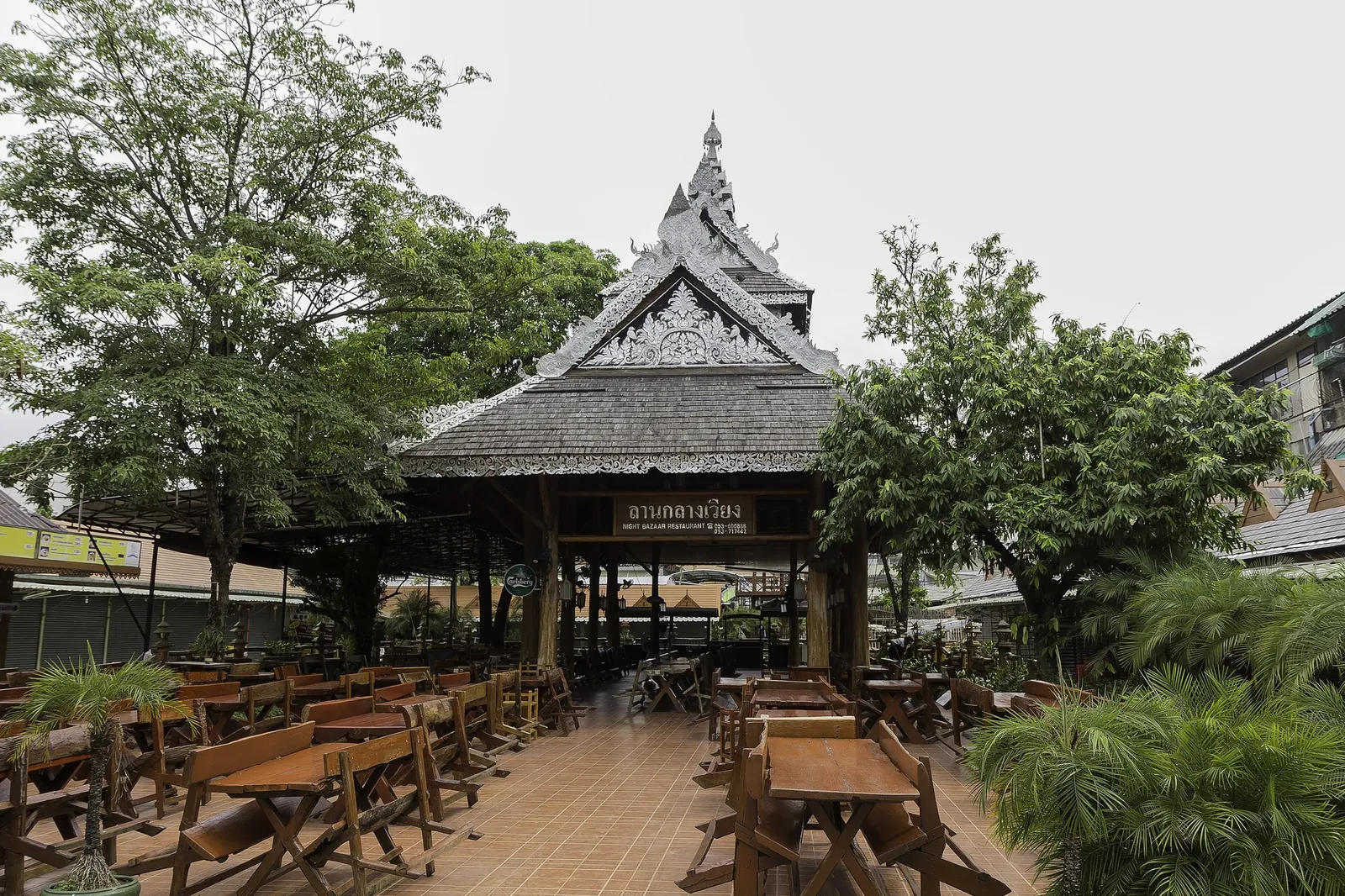
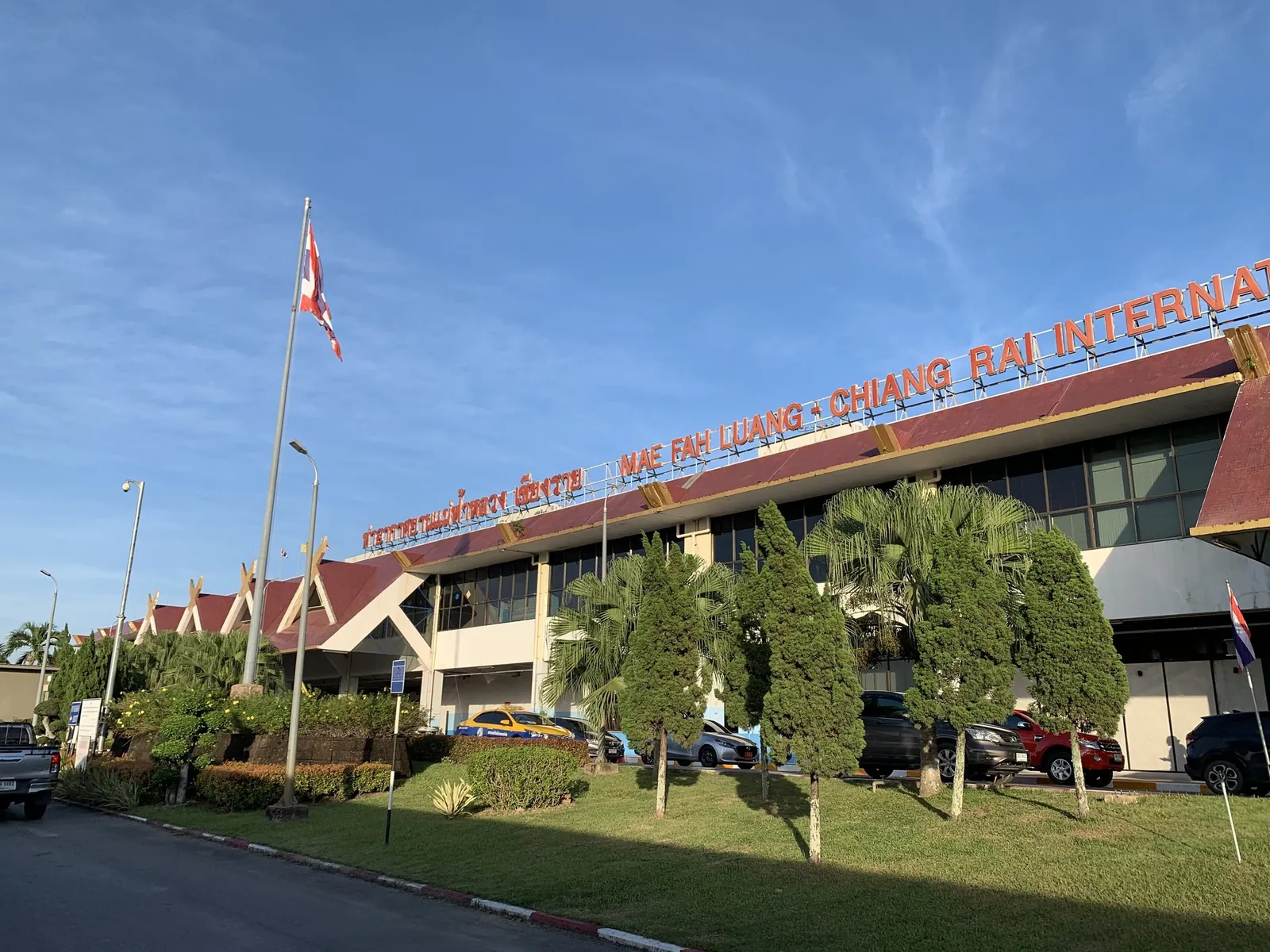
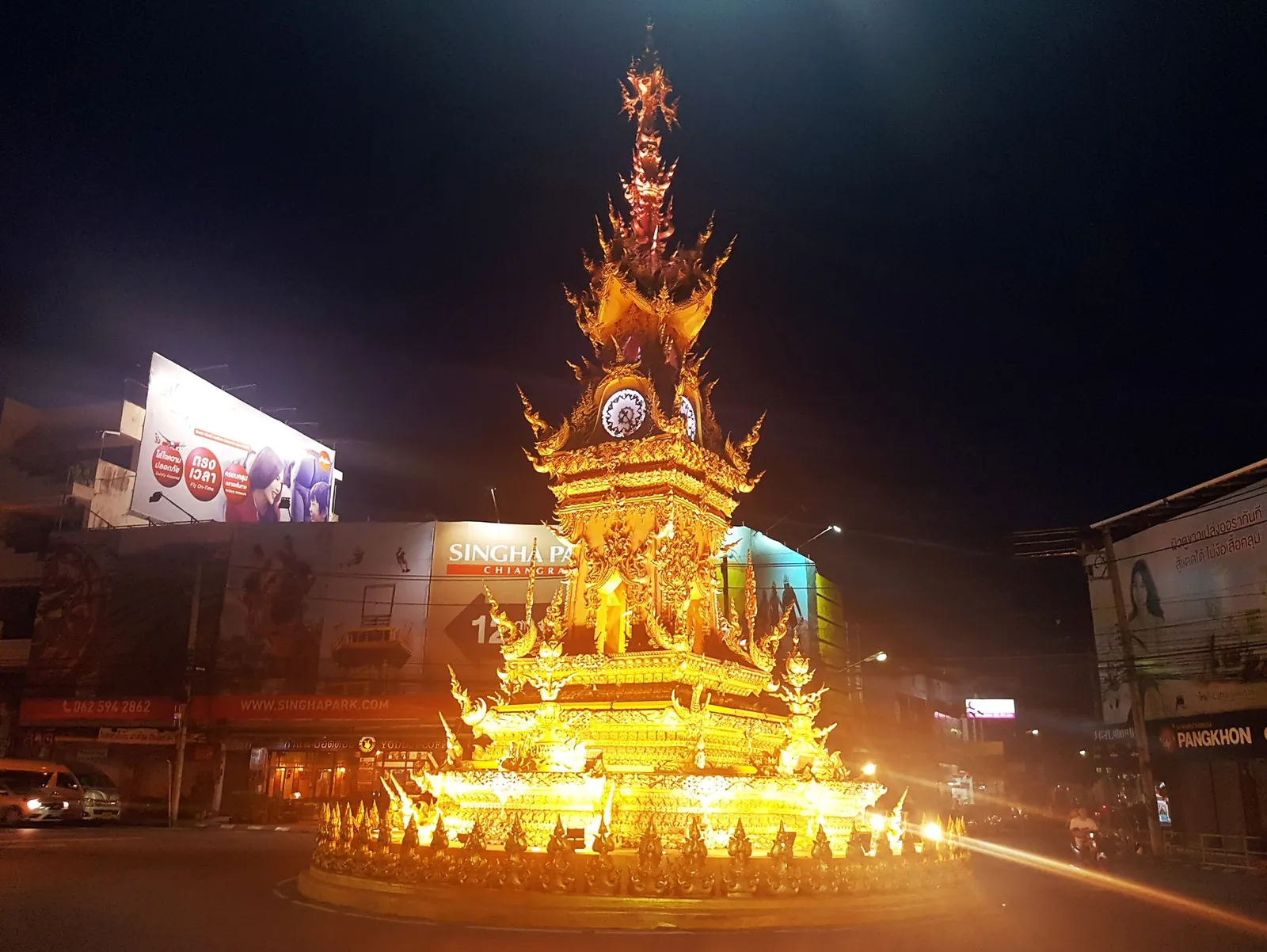
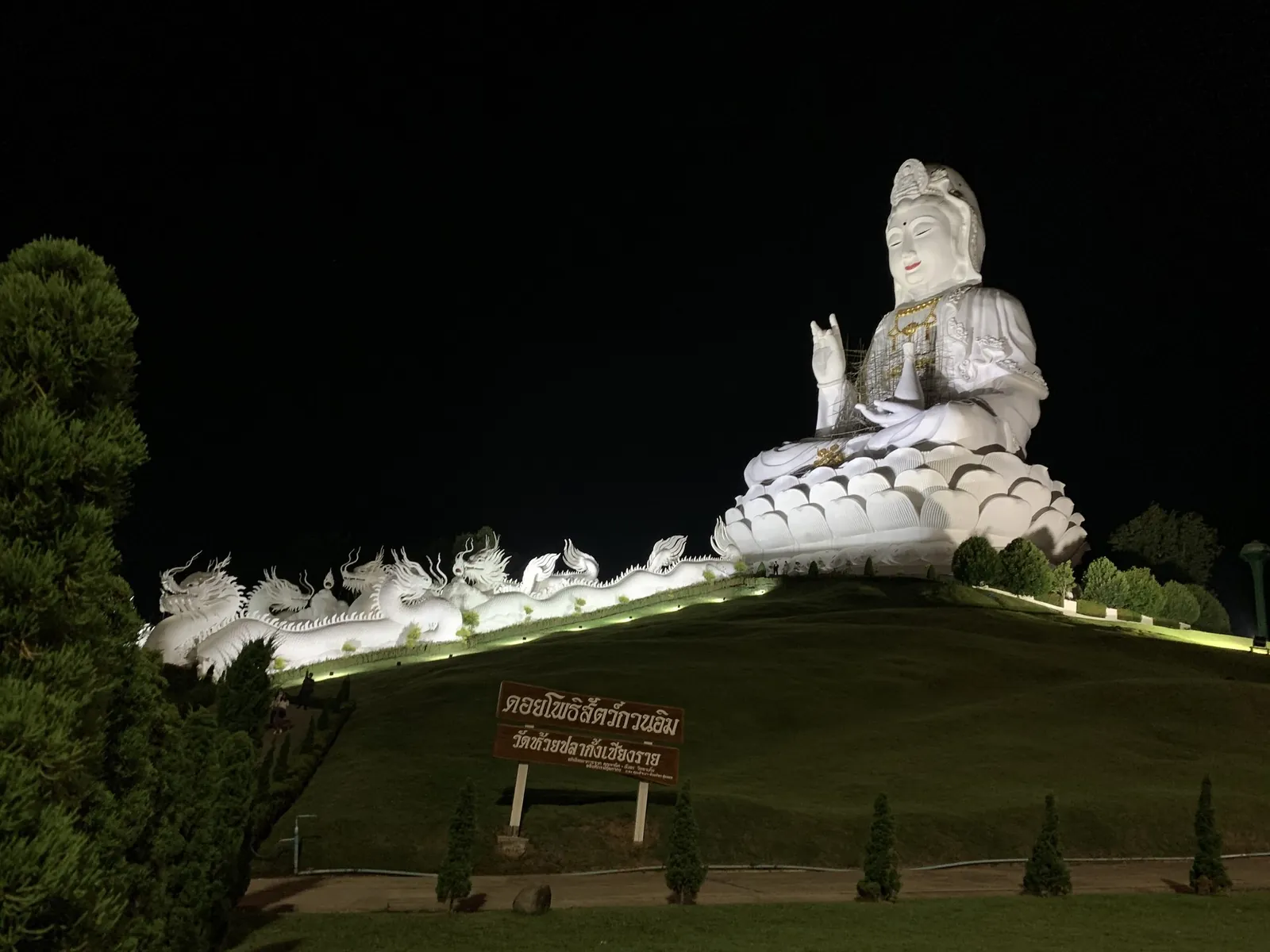
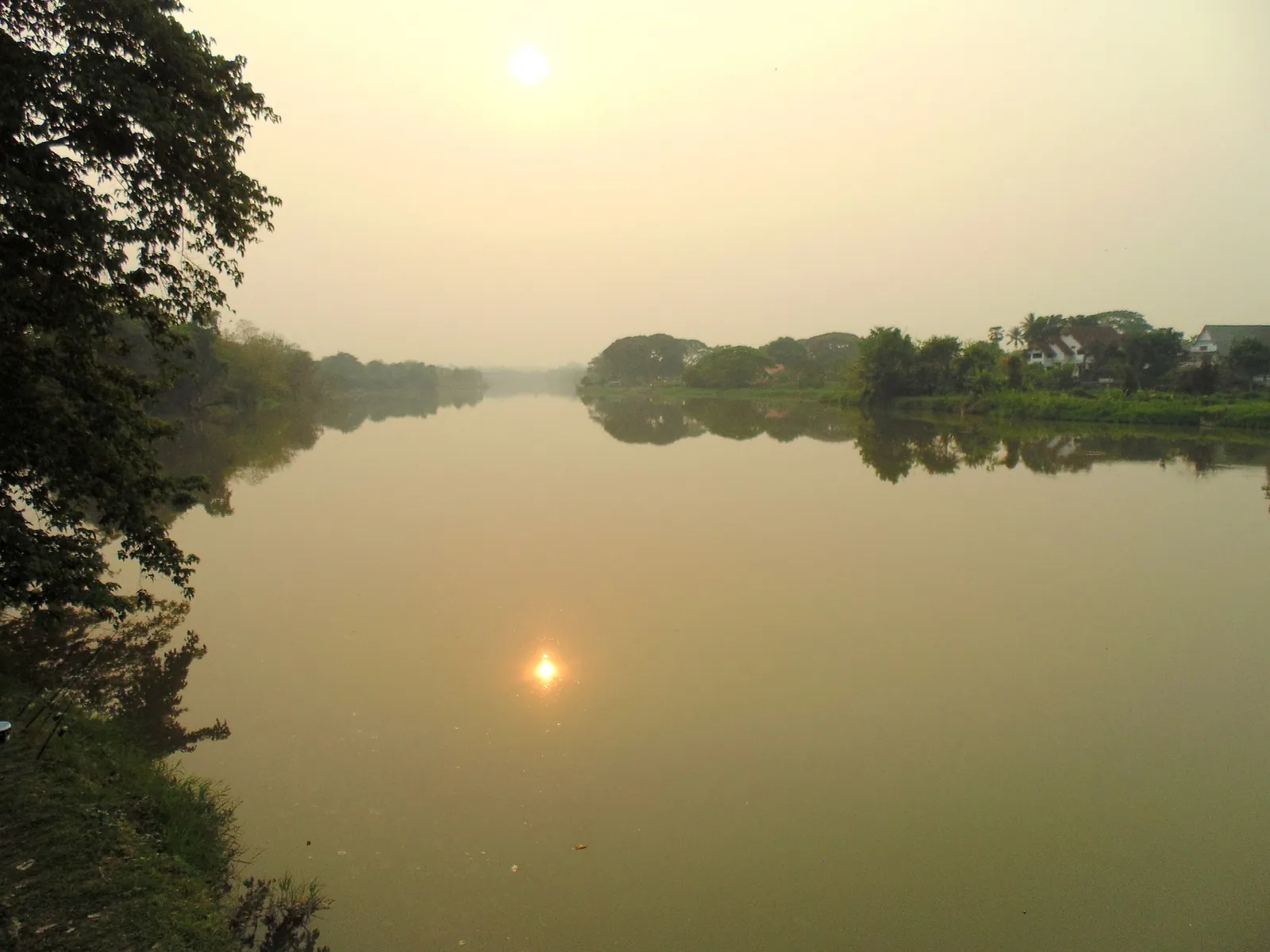
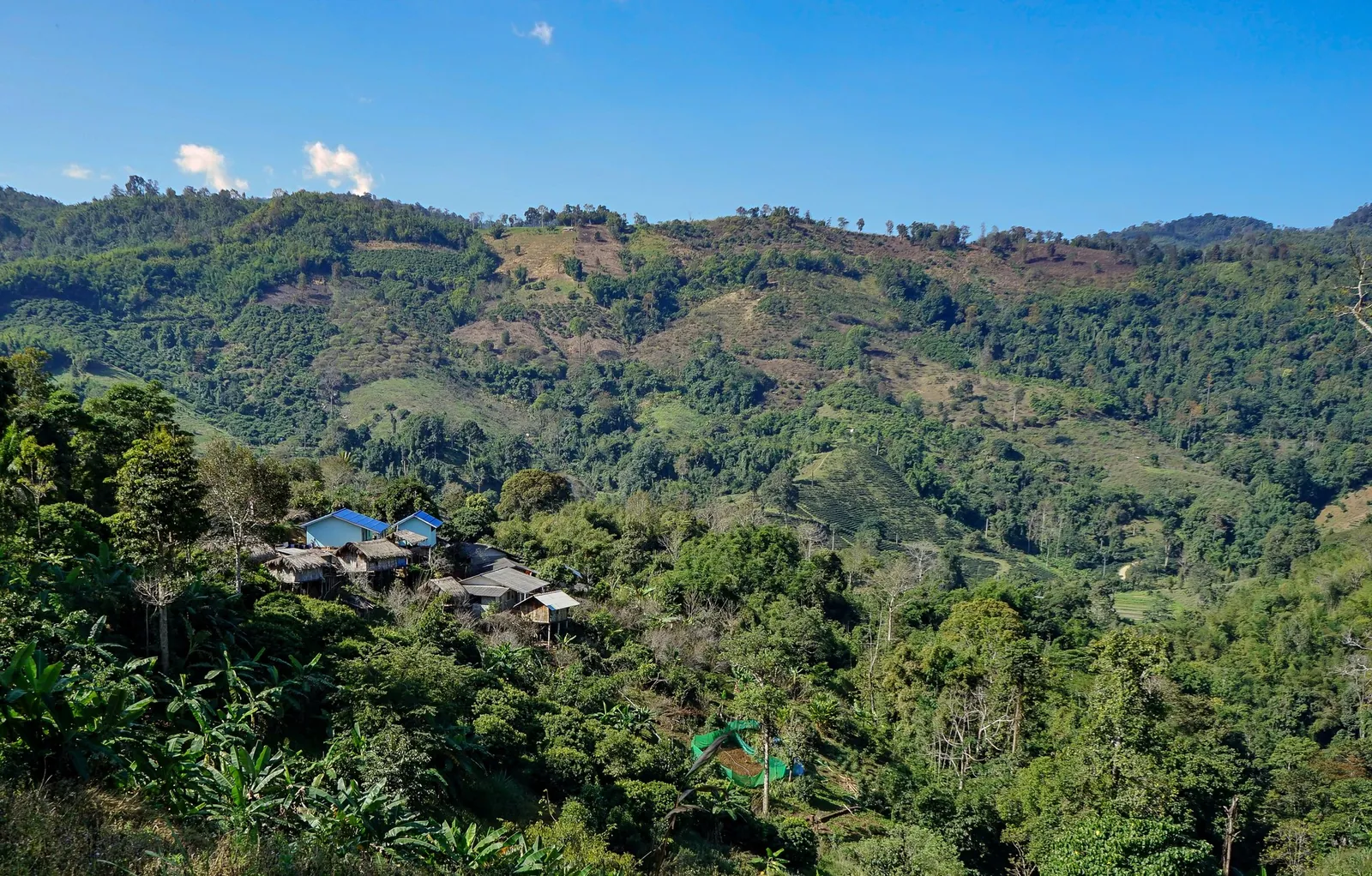
Authentische, unbearbeitete Fotos von Chiang Rai, aufgenommen von Einheimischen und Besuchern an gewöhnlichen Tagen – nicht ausgewählt von einem Tourismusbüro. Bei jedem Foto steht, wann es entstanden ist. Fotos von 105 Städten ansehen →







.jpg)



.jpg)
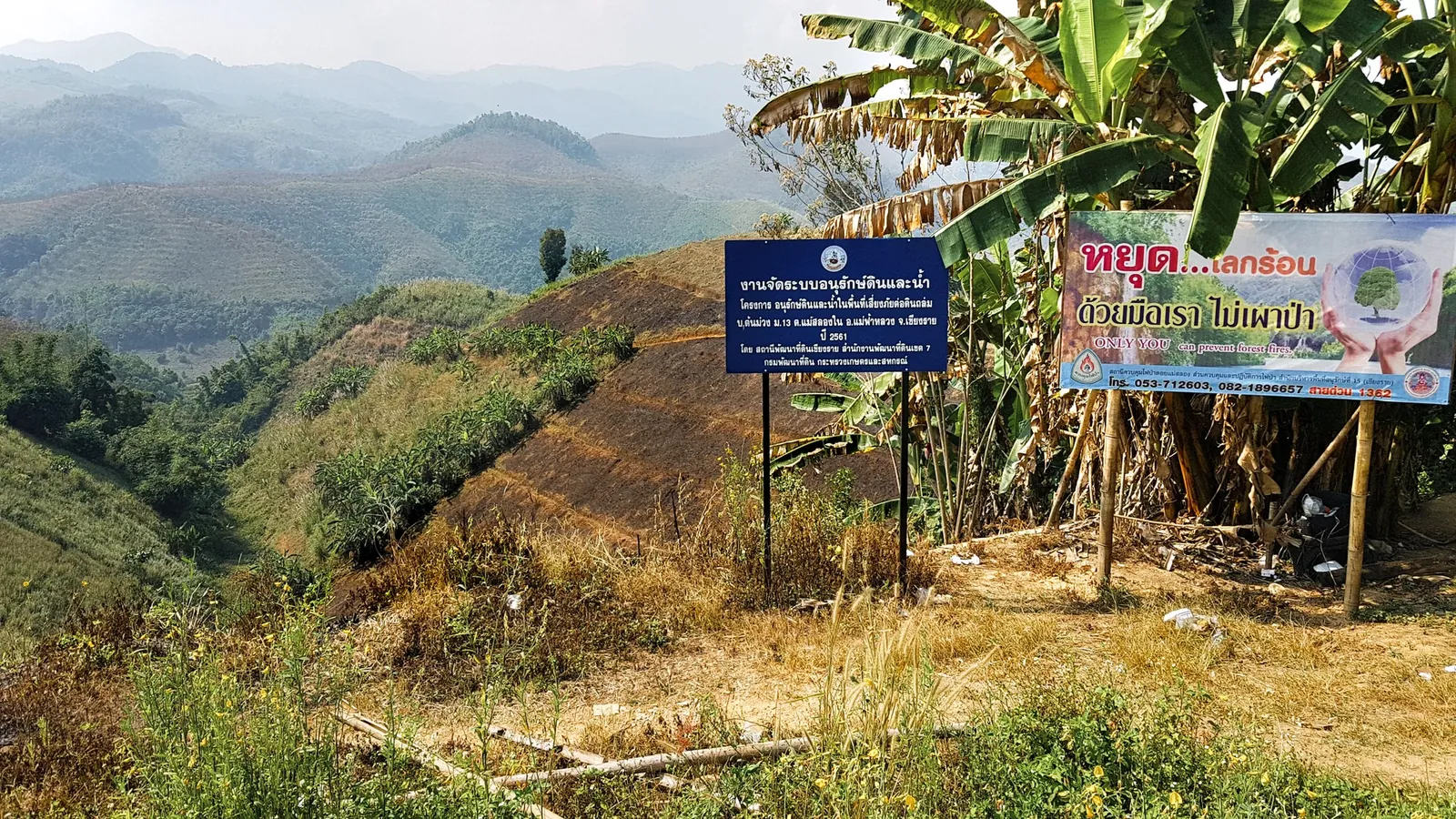
Die andere Seite

Was kostet das Leben in Chiang Rai?
Miete für 1-Zimmer-Wohnung
125–225 €/Monat
Mahlzeit im lokalen Restaurant
1–2,50 €
Tasse Kaffee
1–2,50 €
Geschätzte monatliche Gesamtkosten
725–1.100 €
Möchten Sie eine individuelle Schätzung? Nutzen Sie unseren Lebenshaltungskosten-Rechner
Wie gut ist die Gesundheitsversorgung in Chiang Rai?
Chiang Rai verfügt über eine ausreichende Gesundheitsversorgung für Routinebedürfnisse durch das Overbrook Hospital (privat, mit englischsprachigem Personal und modernen Einrichtungen) und das Chiang Rai Prachanukroh Hospital (ein großes staatliches Krankenhaus). Das Kasemrad Sriburin Hospital bietet weitere private Optionen. Für fachärztliche oder komplexe medizinische Versorgung sind Chiang Mais Krankenhäuser (Chiang Mai Ram, Bangkok Hospital Chiang Mai) 3-4 Fahrstunden oder einen 40-minütigen Flug entfernt. Viele Ruheständler in Chiang Rai reisen jährlich nach Chiang Mai für umfassende Gesundheitschecks und unterhalten für die Routineversorgung einen örtlichen Arzt. Der Internationale Flughafen Chiang Rai (Mae Fah Luang) ermöglicht schnelle medizinische Reisen nach Chiang Mai oder Bangkok. Eine Krankenversicherung für Auswanderer im Alter von 55-70 Jahren kostet 1.100–3.150 € pro Jahr.
Wie sieht der Alltag in Chiang Rai aus?
Das Leben in Chiang Rai verläuft in einem merklich langsameren Tempo als in Chiang Mai, das selbst nach städtischen Maßstäben bereits als langsam gilt. Die Morgen könnten auf dem örtlichen Markt beim Kauf von frischen Produkten und Blumen beginnen, gefolgt von Kaffee in einem der zunehmend zahlreichen Boutique-Cafés der Stadt. Die Stadt ist hervorragend zu Fuß erschließbar, und der Verkehr ist im Vergleich zu jeder anderen thailändischen Stadt vergleichbarer Größe minimal. Ausflüge ins Freie sind eine große Attraktion: das Goldene Dreieck (1 Stunde nördlich), die königliche Villa Doi Tung mit botanischen Gärten (1 Stunde), Teeplantagen bei Choui Fong oder im Singha Park (30 Minuten) und die Mekong-Flussstadt Chiang Khong (2 Stunden) bieten regelmäßige Tagesausflugsmöglichkeiten. Die Region verfügt über mehrere heiße Quellen, an denen sich Ruheständler zum Baden treffen. Die Auswanderer-Gemeinschaft ist klein, aber eng verbunden, zentriert um eine Handvoll Cafés, Pubs und den samstäglichen Walking-Street-Markt. Viele Auswanderer hier sind langjährige Thailand-Residenten, die sich gezielt für Chiang Rai entschieden haben, um der Kommerzialisierung populärerer Ziele zu entgehen. Gesellschaftliche Aktivitäten tendieren zu informellen Treffen, Freiwilligenarbeit bei Bildungsprogrammen für Bergstämme, Radfahrgruppen zur Erkundung der Landschaft und Fotografieclubs, die die Tempel und Landschaften der Region dokumentieren. Gesundheits- und Wellnessaktivitäten (Yoga, Meditationsretreats und traditionelle thailändische Massage) sind reichlich vorhanden und erschwinglich.
Wie ist das Klima in Chiang Rai?
Chiang Rai hat ein tropisches Savannenklima mit einer ausgeprägten kühlen Jahreszeit, die seinen wichtigsten klimatischen Vorteil darstellt. Kühle Jahreszeit (November-Februar): 12-28°C, wobei die Morgentemperaturen gelegentlich auf 10°C fallen können: Sie benötigen eine leichte Jacke. Heiße Jahreszeit (März-Mai): 25-38°C, wobei der April der heißeste Monat ist. Regenzeit (Juni-Oktober): 22-32°C mit nachmittäglichen Regenschauern, die eine üppig grüne Landschaft hervorbringen. Wie Chiang Mai erlebt auch Chiang Rai eine Rauchsaison (Februar-April) durch landwirtschaftliche Brandrodung, die die Luftqualität und den Atemkomfort beeinträchtigen kann. Viele Ruheständler reisen während der schlimmsten Wochen an die Küste.
Welche Vor- und Nachteile hat der Ruhestand in Chiang Rai?
Vorteile
- Thailands günstigstes Ruhestandsziel: komfortables Leben ab 725 €/Monat
- Kühles Winterklima mit angenehmen Temperaturen von November bis Februar
- Atemberaubende natürliche Umgebung: Berge, Teeplantagen und das Goldene Dreieck
- Authentische thailändische Kultur mit weniger Touristen und echten lokalen Begegnungen
- Intime, einladende Auswanderer-Gemeinschaft, in der Neuankömmlinge schnell integriert werden
Nachteile
- Begrenzte Gesundheitsversorgung: ernste medizinische Zustände erfordern eine Reise nach Chiang Mai oder Bangkok
- Kleinere Auswanderer-Gemeinschaft mit weniger westlich orientierten gesellschaftlichen Aktivitäten und Dienstleistungen
- Die Rauchsaison (Feb.-April) kann stark ausgeprägt sein und die Atemwegsgesundheit beeinträchtigen
- Weniger internationale Restaurantoptionen: beschränkt auf thailändisches Essen und eine Handvoll westlicher Restaurants
- Der Flughafen Mae Fah Luang verfügt über weniger internationale Verbindungen als Chiang Mai oder Bangkok
Für wen eignet sich ein Ruhestand in Chiang Rai?
Budgetbewusste Ruheständler, die Preis-Leistung, Naturschönheit und authentische Kultur über städtische Annehmlichkeiten stellen, und die bereit sind, für spezialisierte medizinische Versorgung nach Chiang Mai oder Bangkok zu reisen.
Welche Wohngegenden in Chiang Rai eignen sich für Ruheständler?
City Center (Kok River area)
Das fußgängerfreundlichste Gebiet, nahe dem Night Bazaar und dem Fluss Kok. Eigentumswohnungen und Apartments werden für 5.000-10.000 Baht (125–250 €) vermietet. Nahe an Märkten, Restaurants und dem Haupttempelviertel. Am besten für Ruheständler, die Fußläufigkeit wünschen und nicht vorhaben, selbst zu fahren.
Den Ha / Sri Bunrueang
Wohngebiet östlich des Stadtzentrums, nahe der Chiang Rai Rajabhat University. Ruhiger, grüner, mit neueren Wohnbebauungen. Häuser mit Gärten werden für 5.000-12.000 Baht (125–300 €) vermietet. Beliebt bei langfristig ansässigen Auswanderern, die Platz und Ruhe gegenüber zentraler Lage schätzen.
Mae Fah Luang / Airport Area
Das Gebiet nördlich des Flughafens, mit einer Mischung aus neuen Eigentumswohnanlagen und traditionellen thailändischen Vierteln. Praktisch für den Flughafenzugang (Flüge nach Chiang Mai), aber weiter vom Stadtzentrum entfernt. Eigentumswohnungen ab 4.000-8.000 Baht (100–200 €).
Welche Krankenhäuser versorgen Ruheständler in Chiang Rai?
Overbrook Hospital
Privatkrankenhaus mit englischsprachigen Ärzten, modernen Einrichtungen und gutem Ruf unter Auswanderern. Behandelt Routineversorgung, kleinere Operationen und Notfallstabilisierung. Bei komplexen Fällen werden Patienten in der Regel nach Chiang Mai oder Bangkok überwiesen. Gelegen an der Singhaclai Road im Zentrum von Chiang Rai.
Kasemrad Sriburin Hospital
Privatkrankenhaus mit allgemeinmedizinischen Leistungen, Gesundheitscheck-Paketen und Notfallversorgung. Etwas niedrigere Preise als Overbrook. Englischsprachiges Personal verfügbar. Beliebt für jährliche Gesundheitschecks und Routinekonsultationen.
Angaben zu Einrichtungen können sich ändern. Bitte prüfen Sie Akkreditierungsstatus und Leistungen direkt bei jedem Krankenhaus, bevor Sie Entscheidungen zur Gesundheitsversorgung treffen.
Wie sind Küche und Restaurantszene in Chiang Rai?
Chiang Rais gastronomische Szene ist überwiegend thailändisch, mit einer Handvoll westlicher Restaurants, die Auswanderer und Touristen bedienen. Der samstägliche Walking-Street-Markt an der Thanalai Road ist der kulinarische Höhepunkt der Woche, mit Dutzenden von Ständen, die nordthailändische Spezialitäten wie Khao Soi (Curry-Nudelsuppe), Sai Oua (Chiang-Rai-Wurst) und Nam Prik Noom (grüner Chili-Dip) für 1–2 € pro Gericht servieren. Der Night Bazaar und der kleinere tägliche Markt in der Nähe des Busbahnhofs bieten ähnliche Optionen.
Für westliches Essen bedient eine Ansammlung von europäisch geführten Cafés und Restaurants rund um die Jetyod Road mit Pizza, Pasta, Burgern und Salaten. Die Qualität ist solide, aber die Vielfalt ist im Vergleich zu Chiang Mai begrenzt. Westliche Lebensmittel sind im Einkaufszentrum Central Plaza (Tops Supermarket) und bei Big C erhältlich, wobei importierte Artikel deutliche Aufpreise tragen. Die meisten Ruheständler in Chiang Rai passen sich einer überwiegend thailändischen Ernährung an, die gesünder, frischer und wesentlich günstiger ist als westliches Essen. Die lokale Kaffeekultur ist ausgezeichnet (die Provinz Chiang Rai ist eine von Thailands wichtigsten Kaffeeanbauregionen) und Boutique-Cafés, die lokalen Single-Origin-Arabica servieren, sind reichlich vorhanden.
Passt ein Ruhestand in Chiang Rai zu Ihnen?
Machen Sie unser kostenloses 3-Minuten-Quiz und erfahren Sie, wie Chiang Rai und Thailand im Vergleich zu anderen Zielen zu Ihren Vorlieben, Ihrem Budget und Ihren Bedürfnissen passen.
Zum Ruhestands-QuizHäufig gestellte Fragen zum Ruhestand in Chiang Rai
Wie schneidet Chiang Rai im Vergleich zu Chiang Mai für den Ruhestand ab?
Chiang Rai ist 20-30% günstiger als Chiang Mai, hat weit weniger Touristen und westliche Annehmlichkeiten, kühlere Winter und eine ländlichere Atmosphäre. Chiang Mai bietet eine bessere Gesundheitsversorgung, eine wesentlich größere Auswanderer-Gemeinschaft, mehr internationale Gastronomie und eine bessere Infrastruktur. Wählen Sie Chiang Rai für Ruhe und Preis-Leistung; wählen Sie Chiang Mai für Bequemlichkeit und gesellschaftliches Leben.
Komme ich in Chiang Rai nur mit Englisch zurecht?
Englisch wird weniger verbreitet gesprochen als in Chiang Mai, Bangkok oder den Strandresorts. Im Stadtzentrum sprechen Hotelpersonal, Krankenhausmitarbeiter und einige Restaurantangestellte funktionales Englisch. Auf Märkten und im Alltag werden Sie auf mehr Sprachbarrieren stoßen. Das Erlernen grundlegender thailändischer Phrasen wird dringend empfohlen und wird Ihren Alltag erheblich verbessern. Die kleinere Auswanderer-Gemeinschaft bedeutet zudem weniger englischsprachige gesellschaftliche Treffpunkte.
Was ist die Rauchsaison, und wie stark ist sie in Chiang Rai?
Die Rauchsaison dauert von Februar bis April, wenn Bauern im gesamten Norden Thailands, in Laos und Myanmar landwirtschaftliche Flächen abbrennen. Chiang Rai liegt näher an den Ursprungsgebieten als Chiang Mai und kann starken Dunst erleben. Die PM2.5-Werte können wochenlang über sicheren Grenzwerten liegen. Viele Ruheständler verlassen die Region während dieser Monate entweder, investieren in hochwertige Luftreiniger für ihre Wohnungen oder tragen im Freien N95-Masken.
Gibt es eine Auswanderer-Gemeinschaft in Chiang Rai?
Ja, wenn auch deutlich kleiner als die in Chiang Mai: geschätzt auf 1.000-2.000 ausländische Einwohner. Die Gemeinschaft ist eng verbunden und einladend, mit gesellschaftlichen Veranstaltungen, die informell über Cafés, die örtliche Laufgruppe Hash House Harriers und verschiedene Freiwilligenorganisationen organisiert werden. Die Gemeinschaft weist im Vergleich zu touristischer ausgerichteten Zielen einen höheren Anteil an langjährigen Thailand-Residenten auf.
Quellen & Verweise
- Tourism Authority of Thailand: Chiang Rai, Stadtprofil, kulturelle Attraktionen und regionale Entwicklungsdaten
- Numbeo Cost of Living: Thailand, Kostenvergleiche zwischen thailändischen Städten einschließlich Chiang Rai