
City Retirement Guide
Retire in Valencia, Spain
Spain's third city with perfect climate, paella, and remarkable affordability
What are the key facts about retiring in Valencia?
- Elevation & setting
- 15 m; coastal plain on the Turia delta facing the Gulf of Valencia
- Climate
- Coolest month January 8–17°C, hottest August 22–30°C; 458 mm of rain a year, most in September (daily low to high, 1991–2020)
- Nearest international airport
- Valencia Airport (VLC), ~8 km west in Manises
- Nearest major hospital
- Hospital Universitari i Politecnic La Fe (Malilla)
- Primary retirement visa (2026)
- Spain Non-Lucrative Visa: ~EUR 2,400/month passive income (4x IPREM) + ~EUR 600/mo per dependent
- Language environment
- Valencian and Spanish co-official; Spanish dominates day-to-day outside Valencian-speaking enclaves
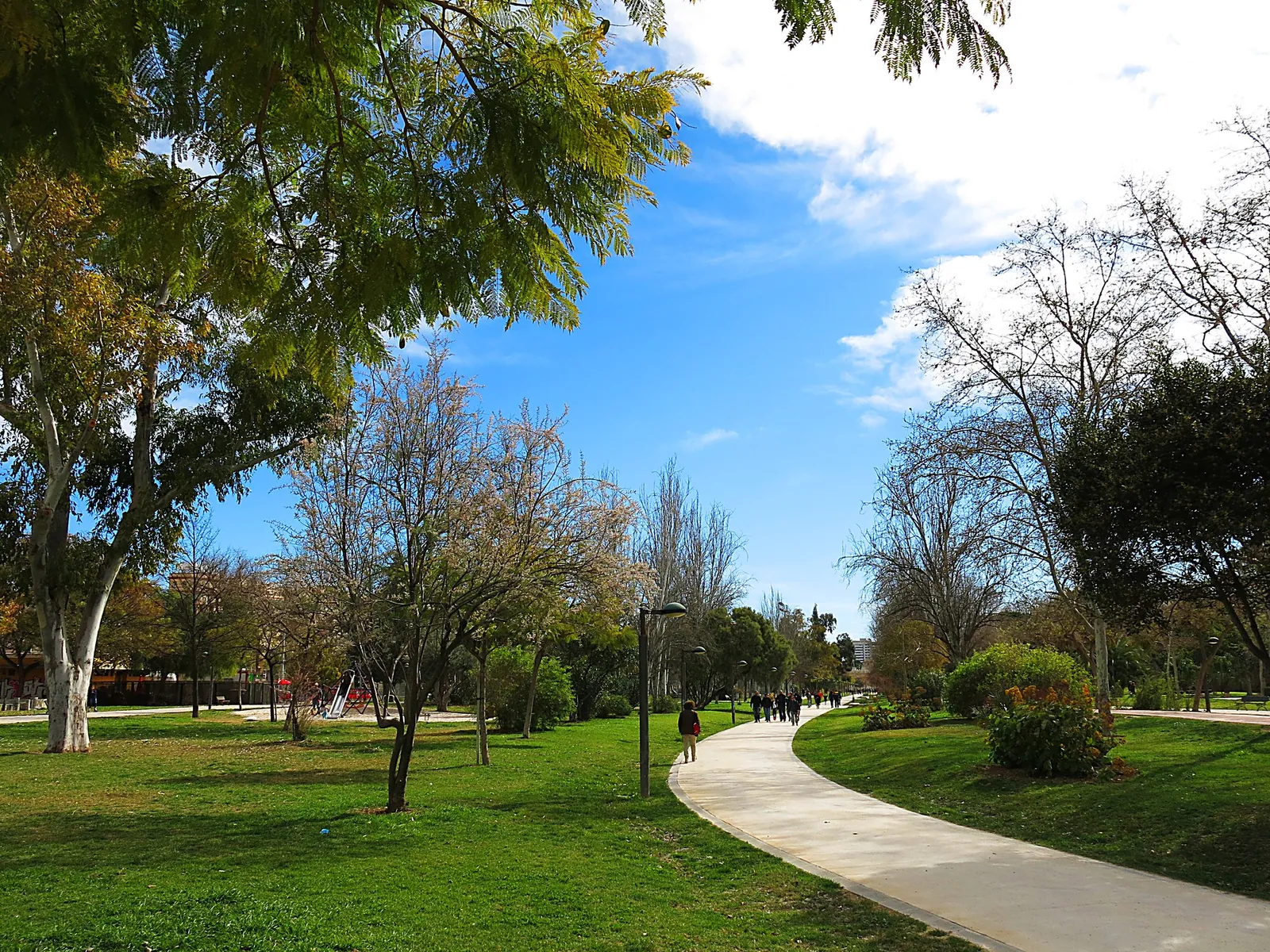
After catastrophic 1957 flooding, Valencia diverted the Turia River south of the city; the old bed was converted into Jardi del Turia, a 9 km car-free green corridor used daily by walkers and cyclists.
What is retirement like in Valencia?
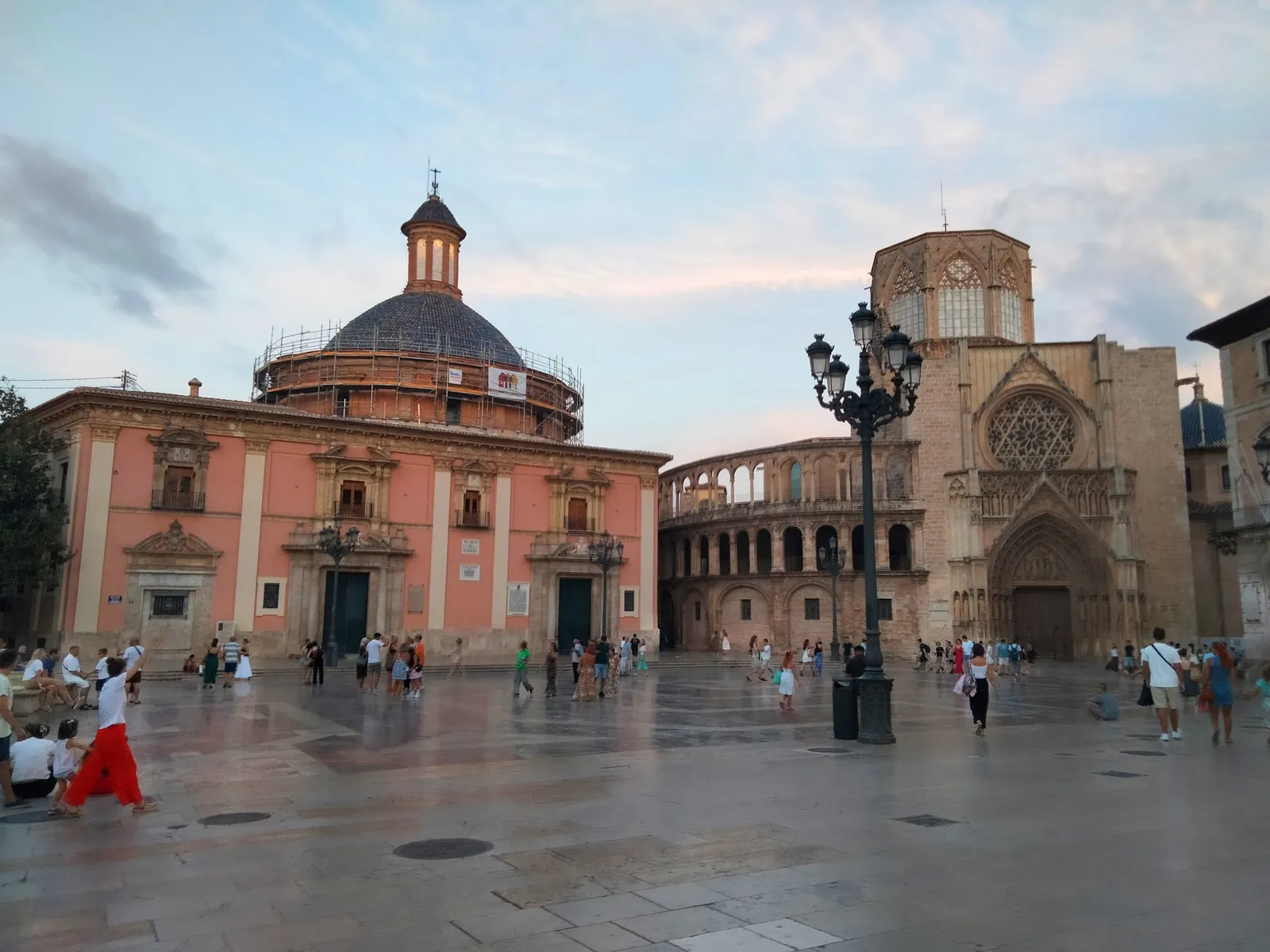
Valencia sits on Spain's eastern Mediterranean coast at the mouth of the Turia River, whose diverted former riverbed now forms a 9-kilometre linear park ringing the old city. The third-largest Spanish municipality, with about 824,000 residents, it centres on the medieval Ciutat Vella and extends east to the 21st-century Ciutat de les Arts i les Ciències designed by Santiago Calatrava. Healthcare anchors include Hospital Universitari i Politècnic La Fe in Malilla. Valencian and Spanish are both co-official across public administration.
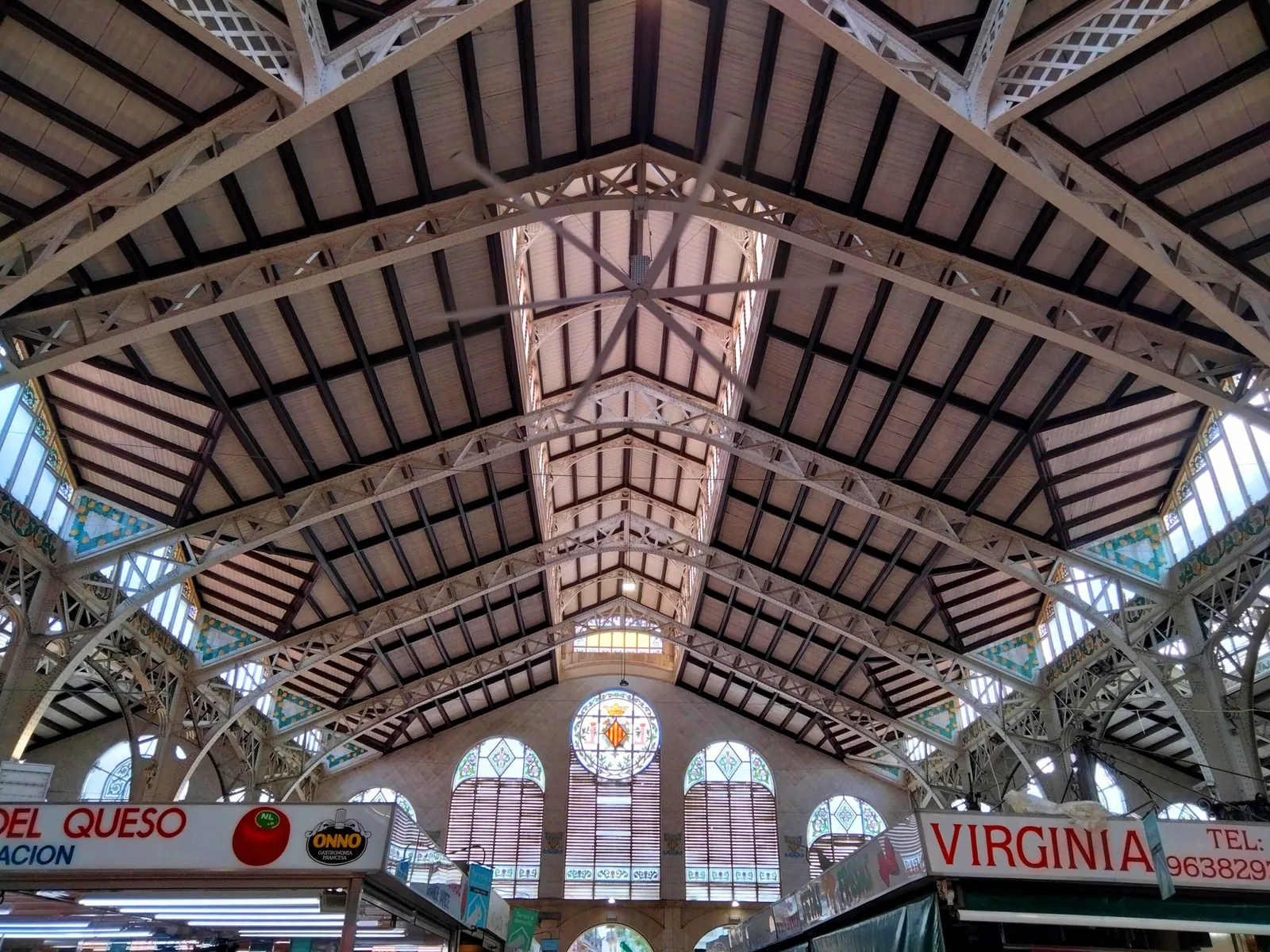
Valencia's cost of living is remarkably low for a European city of its quality. Rent is 30-40% cheaper than Barcelona, and dining out (including Valencia's famous paella, fresh seafood, and creative tapas) is excellent value. The city has been named the world's healthiest city by multiple rankings, thanks to its Mediterranean diet, clean air, abundant green space, and active outdoor culture. The Central Market (Mercado Central), one of Europe's largest, is an everyday resource for retirees who enjoy cooking with fresh, affordable ingredients.
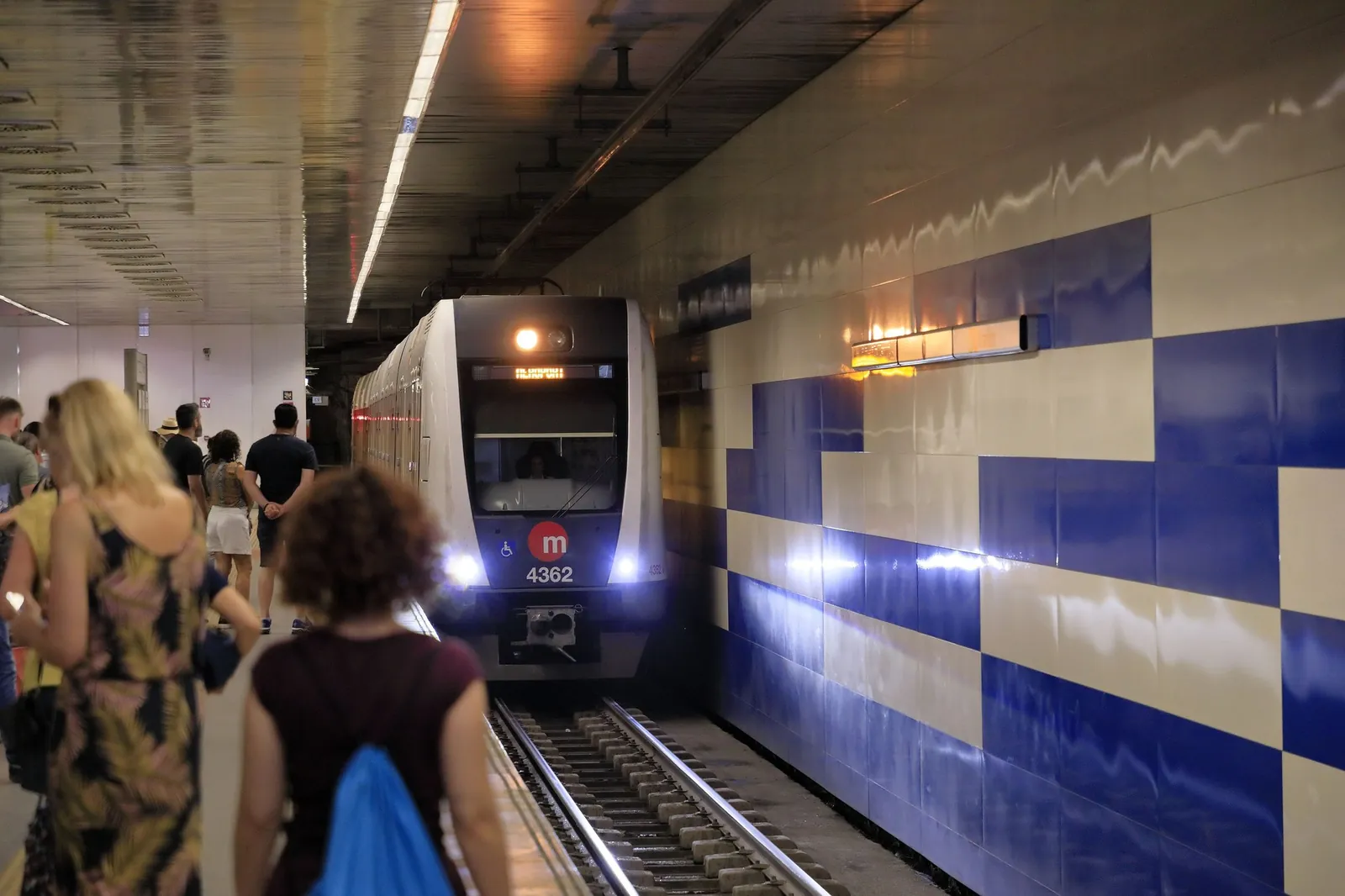
The city's infrastructure is excellent for older adults. A modern metro and tram system, extensive bike lanes, and flat terrain make Valencia one of Spain's most accessible cities. The Malvarrosa and Patacona beaches are within cycling distance of the city center. Valencia's airport connects to major European cities, and high-speed AVE trains reach Madrid in 1 hour 40 minutes. The same Non-Lucrative Visa available for Barcelona applies here, with the added advantage that Valencia's lower costs make meeting financial requirements more comfortable.
What does it really look like in Valencia?
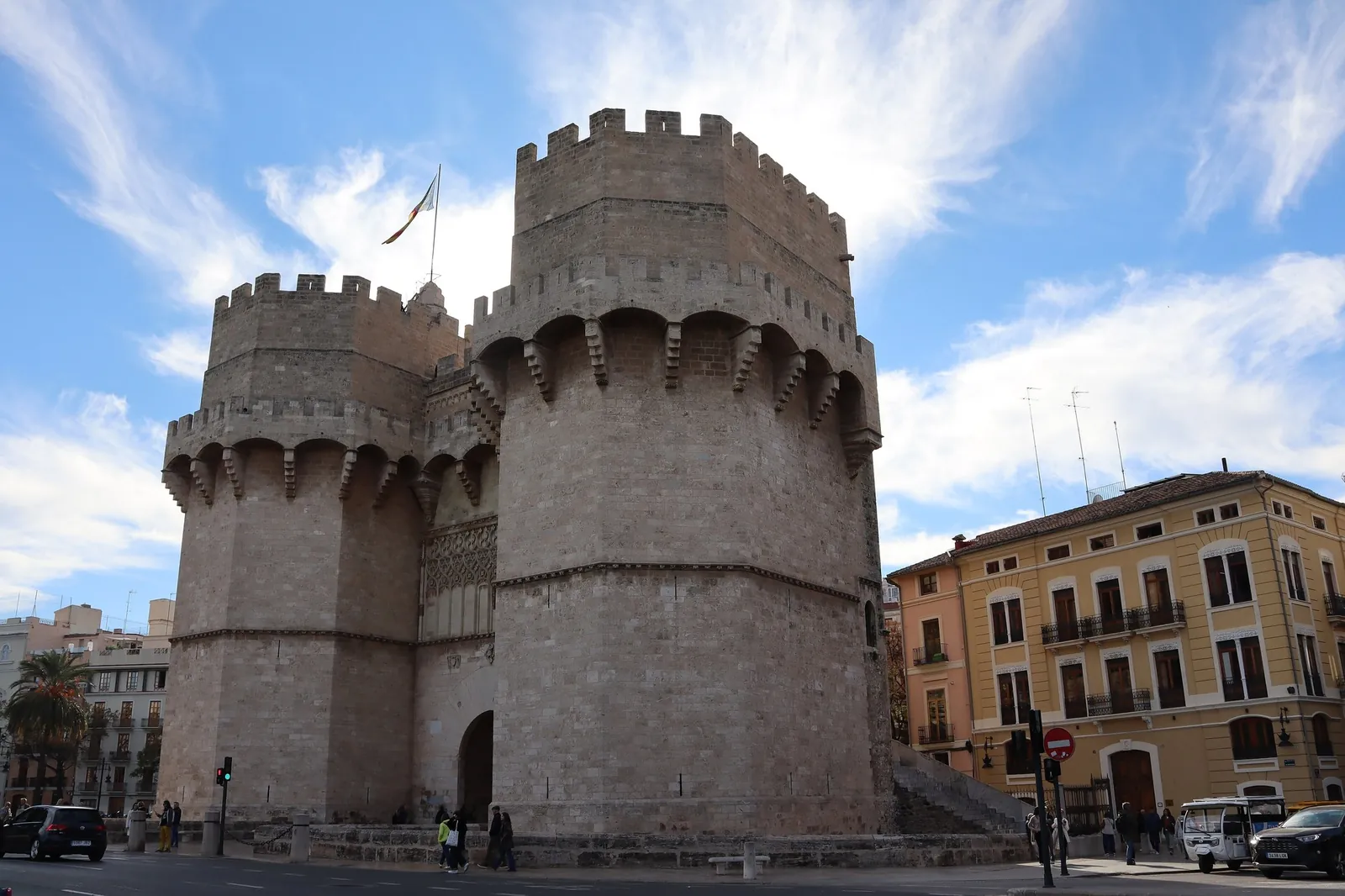
Authentic, unedited photos of Valencia by residents and visitors, taken on ordinary days rather than chosen by a tourist board. Each one shows when it was taken. Browse photos of 105 cities →
.jpg)
.jpg)



,_amb_la_bas%C3%ADlica_dels_Desemparats_i_la_Catedral.jpg)

.jpg)
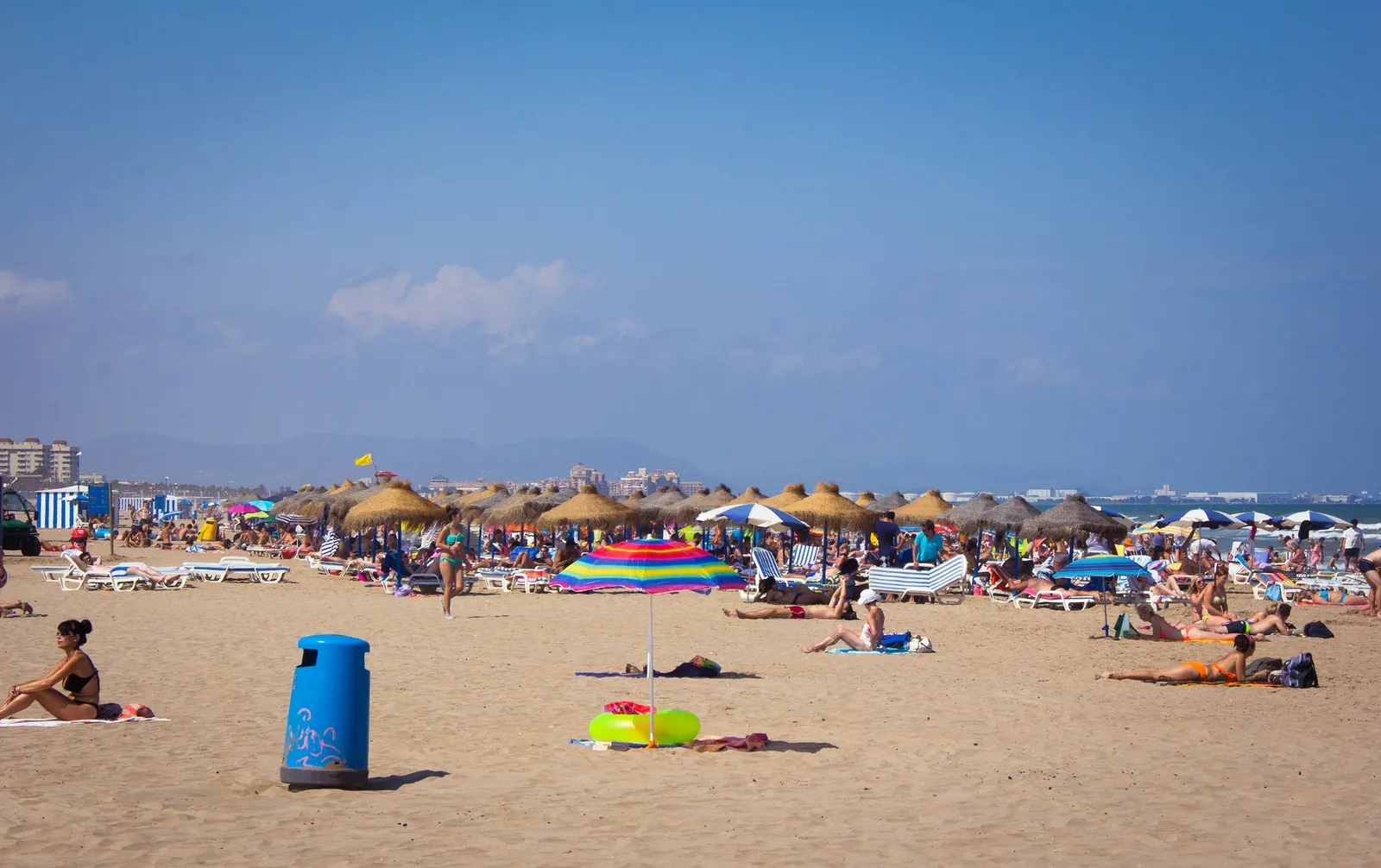

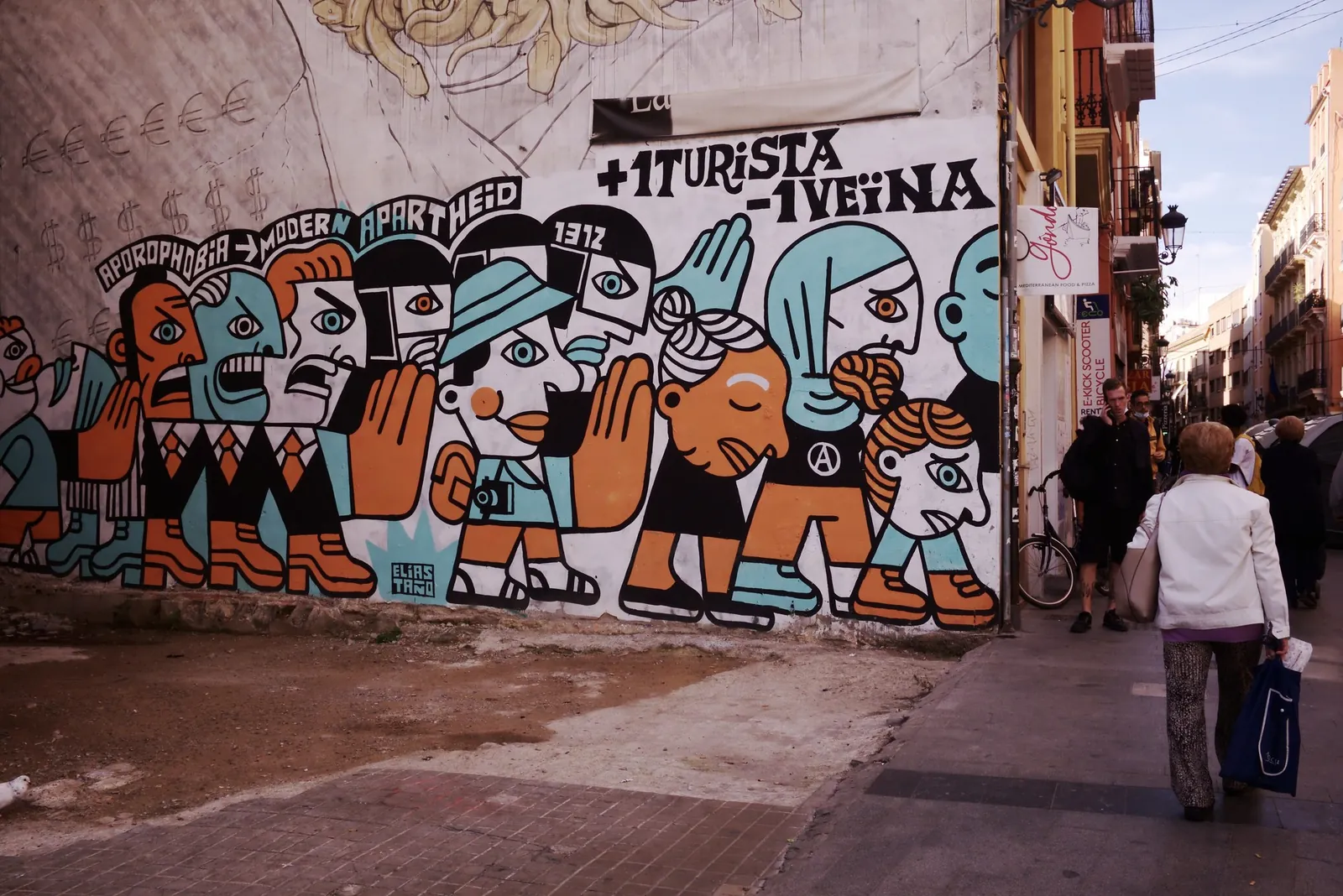
The other side

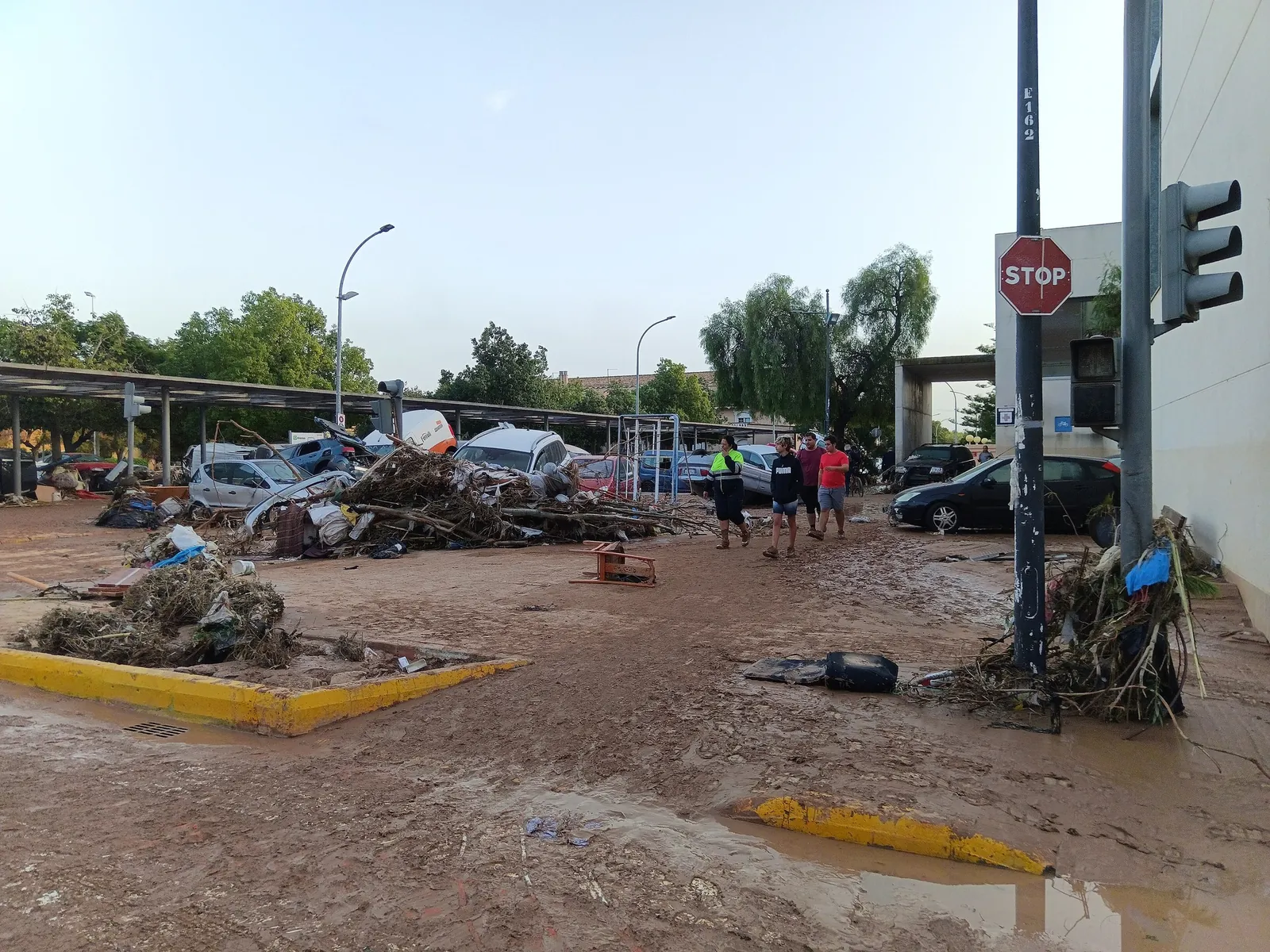

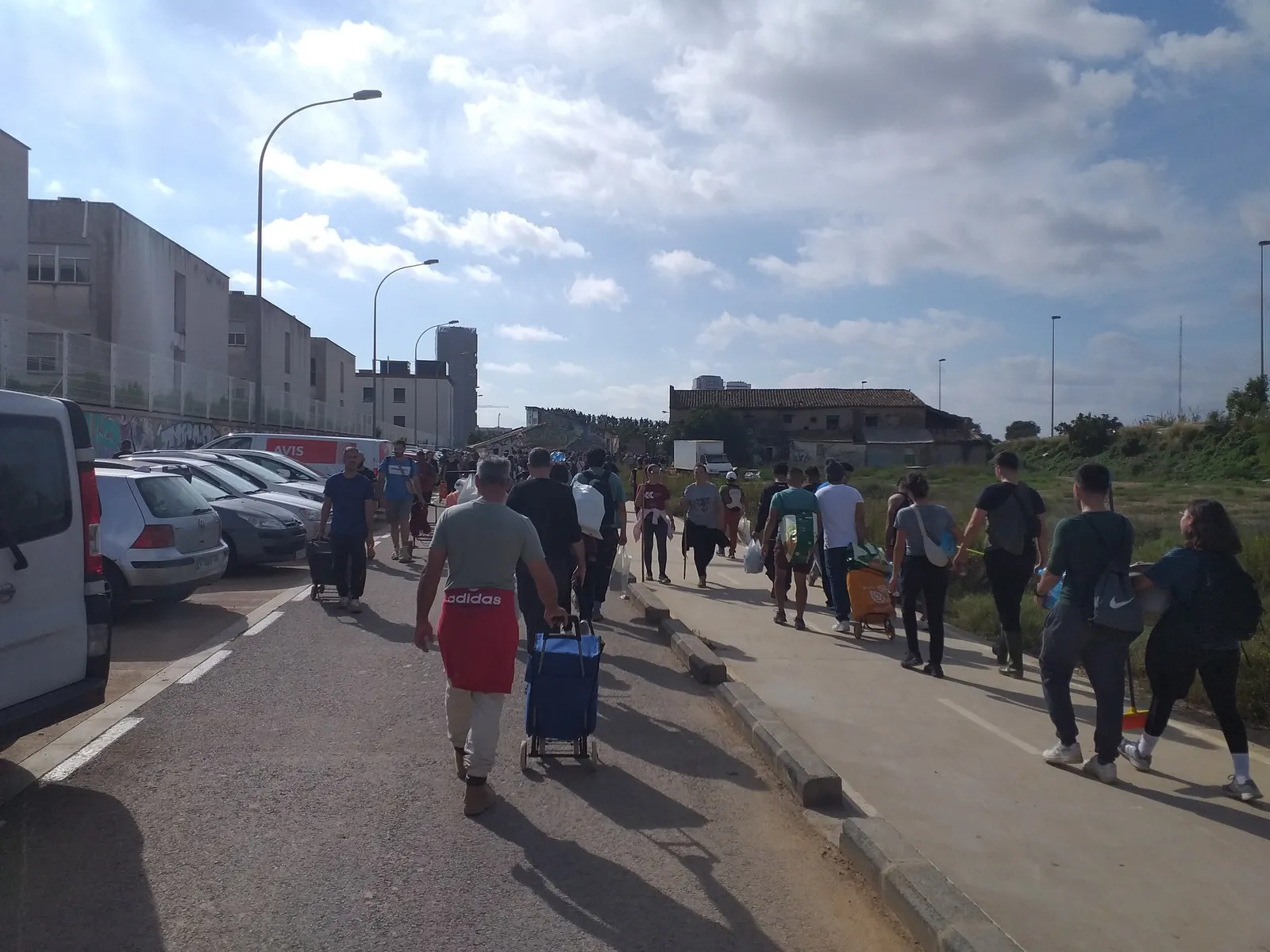

What does it cost to live in Valencia?
1-Bedroom Rent
$550-$950/month
Local Restaurant Meal
$8-$14 at local restaurants
Cup of Coffee
$1.20-$2.50
Estimated Monthly Total
$1,600-$2,600
Want a personalized estimate? Use our cost of living calculator
How good is healthcare in Valencia?
Valencia has excellent healthcare through Spain's public system. Hospital La Fe is the largest hospital in the Valencian Community and one of Spain's top medical centers, specializing in oncology, transplants, and cardiology. Hospital Clínico Universitario and the private Hospital Quirón complement the public system. Legal residents access free public healthcare. Private insurance costs $1,000-$3,000/year. A private GP visit runs $35-$70. Many doctors in major hospitals speak English. The city also has excellent dental clinics at prices 50-70% below US costs.
What is daily life like in Valencia?
Valencia's lifestyle revolves around outdoor living, food, and community. The Turia Gardens are the city's social backbone: retirees walk, cycle, or practice yoga along the 9-kilometer green corridor daily. Beach life is integral from May through October, with chiringuitos (beach bars) serving cold drinks and fresh paella. The Ruzafa neighborhood has emerged as a trendy dining and cultural hub with galleries, tapas bars, and boutique shops. Fallas, Valencia's famous March festival of fire and fireworks, is a spectacular annual highlight. The Oceanogràfic aquarium and Palau de les Arts opera house in the City of Arts and Sciences provide cultural enrichment year-round.
What is the climate like in Valencia?
Valencia has one of the best climates in Europe for retirement. Summers (June-September) are warm at 26-32°C with cooling sea breezes. Winters (December-February) are mild at 7-16°C with minimal rainfall. The city averages over 2,700 hours of sunshine per year and fewer than 50 rainy days annually. Sea temperatures range from 14°C in winter to 27°C in August. The gota fría (cold drop) phenomenon can bring intense but brief storms in autumn, but overall the climate is exceptionally pleasant year-round.
| Month | High | Low | Rain |
|---|---|---|---|
| January | 16.7 °C | 7.7 °C | 39 mm |
| February | 17.4 °C | 8.2 °C | 30 mm |
| March | 19.3 °C | 10.0 °C | 40 mm |
| April | 21.1 °C | 12.0 °C | 33 mm |
| May | 23.9 °C | 15.1 °C | 36 mm |
| June | 27.3 °C | 18.8 °C | 26 mm |
| July | 29.7 °C | 21.7 °C | 7 mm |
| August | 30.3 °C | 22.2 °C | 15 mm |
| September | 27.8 °C | 19.2 °C | 72 mm |
| October | 24.5 °C | 15.6 °C | 63 mm |
| November | 20.1 °C | 11.1 °C | 52 mm |
| December | 17.3 °C | 8.5 °C | 46 mm |
Weather station: Valencia (2 km away). Source: WMO Climatological Normals 1991-2020 (NOAA NCEI)
What are the pros and cons of retiring in Valencia?
Pros
- Exceptional value: 30-40% cheaper than Barcelona with similar quality
- Named world's healthiest city with clean air and Mediterranean diet
- Beautiful beaches within cycling distance of the city center
- Flat terrain and modern transit make it very accessible for older adults
- Outstanding culinary scene, birthplace of paella
Cons
- Summer heat can be intense (32°C+) with high humidity
- Smaller international airport with fewer direct long-haul flights
- Valenciano language used alongside Spanish in official contexts
- Fewer English speakers than in Barcelona or Madrid
Who should retire in Valencia?
Retirees seeking the best value-for-money Mediterranean city retirement with beaches, excellent food, modern infrastructure, and a healthy outdoor lifestyle.
Which neighborhoods suit retirees in Valencia?
El Carmen
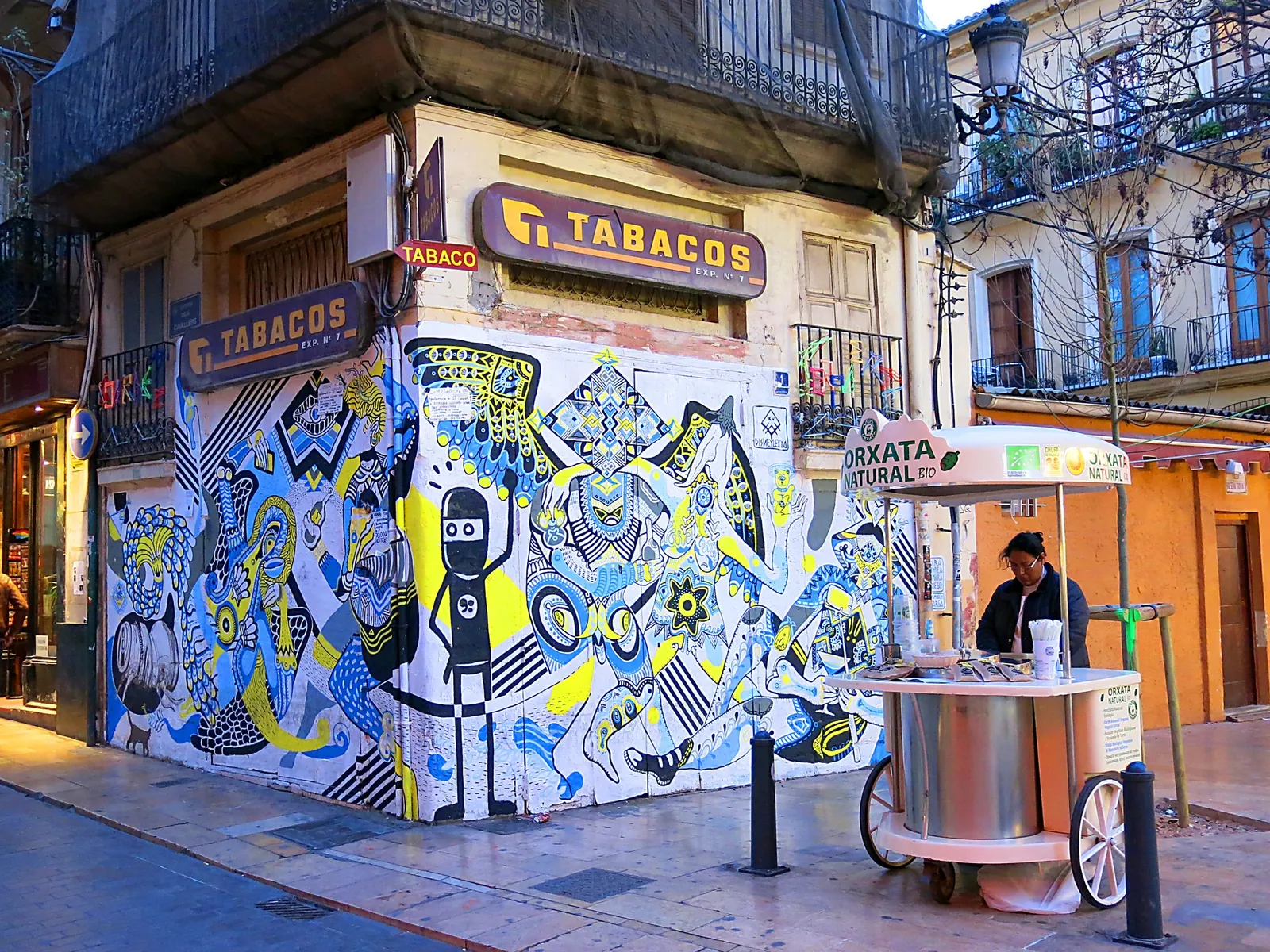
Historic quarter in the old city center with narrow medieval streets, street art, and a lively bar scene. One-bedroom rents run $800-$1,200/month. Attracts expats and retirees who enjoy walkable city living surrounded by history and culture.
Ruzafa
Trendy neighborhood south of the center known for independent cafes, brunch culture, and a multicultural atmosphere. One-bedrooms rent for $850-$1,300/month. Popular with creative professionals and active retirees seeking a social environment.
Patacona / Alboraya
Beachside residential area just north of the city with a relaxed village atmosphere and horchata tradition. Rents range $700-$1,100/month for a one-bedroom. Ideal for retirees wanting beach access without sacrificing city proximity.
How do you meet people in Valencia?
Most newcomers in Valencia find their first contacts through clubs, regular meetups and congregations. We checked these 6 groups in October 2026, for example International Women's Club of Valencia (IWCV), Iglesia de San Juan del Hospital (Mass in English), El Faro, International Evangelical Church Valencia.
Clubs, groups and meetups for everyone
International Women's Club of Valencia (IWCV) · Nov 2026 coffee: La Pizca de Sal, Plaça de Santa Úrsula 3, Ciutat Vella
Club for international women (the name and site indicate women only; eligibility is in its by-laws) with a monthly First Tuesday Coffee, lunches, weekly activities such as a sketch club and tai chi, and cultural outings. The open coffee morning is the natural first contact.
When: First Tuesday Coffee monthly, e.g. Tue 3 Nov 2026, 10:30 to 12:00
El Faro, International Evangelical Church Valencia · Valencia (address on request; the site gives none)
International evangelical church (Newfrontiers) with a Sunday service in English followed by one in Spanish, plus midweek small groups in homes and an English prayer meeting on Zoom.
When: Sundays 10:30 (English); Tuesdays 20:30 English prayer meeting on Zoom
Valencia Language Exchange (Meetup) · Big Ben, Plaza Honduras 36; other bars incl. Madre Cabanyal, Calle d'Eugènia Viñes 227
Meetup group of about 9,200 members that connects foreigners with locals at intercambio evenings in bars several nights a week, some combined with a quiz or salsa. Events start late in the evening, Spanish style.
When: Several evenings a week, e.g. Mondays and Thursdays 20:30 at Big Ben (quiz from 22:00 on Thursdays), Wednesdays 20:00, Fridays 22:00
International Club Valencia (Meetup) · Changing venues, e.g. Saints & Scholars Irish Pub, River Bar Valencia
Large Meetup group (about 12,300 members) for adults of all ages, with events mostly in English: structured Spanish/English exchanges, quiz nights, food, culture and fitness. With several events a day, it is easy to drop in during a short stay.
When: Events most days, e.g. structured language exchange Tuesdays 19:00 (October 2026)
Valencia Toastmasters · American Space Valencia, Centro de Lenguas, Universitat Politècnica de València, Avenida de los Naranjos
Public-speaking club whose meetings alternate weekly between English and Spanish, and guests attend free. A structured, sober alternative to bar meetups where you meet both locals and foreigners.
When: Tuesdays 19:00 (alternating English and Spanish weeks)
For Americans
Iglesia de San Juan del Hospital (Mass in English) · Trinquete de Caballeros 5, Ciutat Vella (access from Calle de la Paz)
Historic Catholic church in the old town that holds a weekly Mass in English, attended by English-speaking Catholics living in or visiting Valencia.
When: Saturdays 12:00 (Mass in English)
Official contact points
- Honorarkonsul der Bundesrepublik Deutschland in Valencia: German honorary consul (Gaspar Ripoll Ruiz de la Escalera) for the province of Valencia, under the Consulate General in Barcelona; Av. Marqués de Sotelo 3, 6th floor, door 13 C, 46002 Valencia; tel. +34 963 10 62 53; valencia@hk-diplo.de.
- U.S. Consular Agency Valencia: U.S. consular agency at C/ Doctor Romagosa 1, 2nd floor, door J, 46002 Valencia, tel. +34 963 516 973; full services at the U.S. Embassy in Madrid.
- British Consulate Alicante: Nearest British consulate: Edificio Espacio, Rambla Méndez Núñez 28-32, 6th floor, 03002 Alicante; appointment only, contact through the FCDO online form. GOV.UK names Alicante and Murcia as its area and lists no office in Valencia.
Getting a feel for daily life in Valencia
- Walk or cycle the Turia Garden, an 8.5 km park in the old riverbed that crosses the city and is one of Valencia's main meeting places, used daily by thousands of residents and runners.
- Check the dates against the Fallas: the main days are 15 to 19 March, with a daily fireworks barrage (mascletà) at 14:00 in Plaça de l'Ajuntament from 1 to 19 March, and the city is loud and crowded day and night. A March trip shows the city at its noisiest.
- Before choosing a street, especially in Ruzafa, go there at 11 pm on a Friday to hear the nightlife, and check lift access in older buildings, since many have none.
- If you like the beach districts, visit in winter too: the seafront is windier and emptier off-season than many expect, and noisy and crowded in summer.
- Social life runs late: most language exchanges and meetups start between 19:00 and 22:00, so plan a rest in the afternoon if you want to join them.
Researched October 2026. Groups change: please check the link before you go.
Planning a scouting trip or a trial stay? The trip planner in My RetireFinder puts these contacts together with entry rules, health advice and a checklist.
Open the trip plannerWhich hospitals serve retirees in Valencia?
Hospital Universitari i Politecnic La Fe
Valencia's largest public hospital and a major national referral center. Comprehensive services including transplant programs, oncology, and pediatric specialties. Affiliated with the University of Valencia.
Hospital Quironsalud Valencia
Private hospital in the city center. Part of the Quironsalud network. Offers cardiology, orthopedics, oncology, and diagnostic imaging. English-speaking physicians available. Accepts major international insurance plans.
Hospital IMED Valencia
Modern private hospital with a focus on patient experience. Departments include general surgery, gynecology, and trauma. Located in the newer part of the city with easy access and parking.
Facility details may change. Verify accreditation status and services directly with each hospital before making healthcare decisions.
What is the food scene like in Valencia?
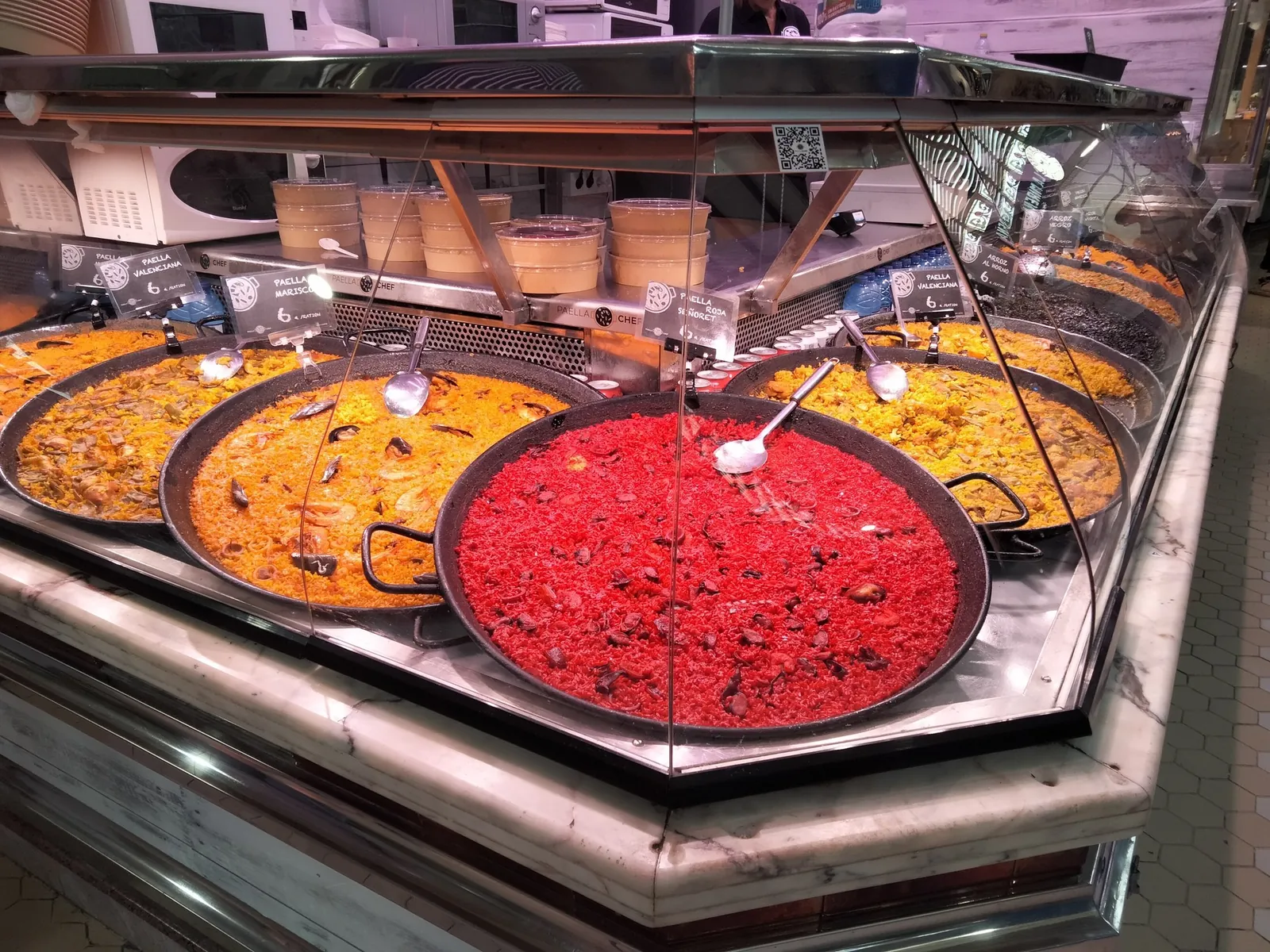
Valencia is the birthplace of paella, and locals take their rice dishes seriously. Restaurants in El Palmar, a village in the Albufera lagoon, serve traditional paella valenciana (rabbit, chicken, and beans) for $12-$18 per person. In the city, La Pepica near the beach and Casa Roberto in the center are longstanding favorites.
Ruzafa has become Valencia's culinary hotspot, with brunch cafes, fusion restaurants, and natural wine bars lining every block. A full dinner with wine in Ruzafa averages $18-$28. The Mercado Central, one of Europe's largest covered markets, offers fresh seafood, produce, and artisan goods, a daily shopping destination for many expat residents.
El Carmen's tapas bars serve montaditos and canas (small beers) for $2-$5, making casual grazing an affordable evening routine. Weekly grocery costs for two at Mercadona or Consum run $55-$85. Valencia consistently ranks as one of Spain's most affordable major cities for dining and daily living, combining quality Mediterranean ingredients with reasonable prices.
Is retiring in Valencia right for you?
Take our free 3-minute retirement quiz to see how life in Valencia, Spain, compares to other destinations based on your preferences, budget, and needs.
Take the Retirement QuizFrequently Asked Questions About Retiring in Valencia
Why is Valencia considered the healthiest city in the world?
Multiple global surveys have ranked Valencia as the world's healthiest city based on factors including sunshine hours, air quality, green space per capita, availability of fresh food, cost of healthy eating, and active lifestyle opportunities. The Mediterranean diet, 9-kilometer Turia Gardens, beach access, and mild climate all contribute to a lifestyle naturally conducive to physical and mental well-being.
How does Valencia compare to Barcelona for retirement?
Valencia is 30-40% cheaper than Barcelona, particularly for rent and dining. Both have excellent beaches and healthcare. Barcelona has more international flights, a bigger expat community, and more cultural cachet. Valencia is flatter, less crowded, more affordable, and arguably more livable for day-to-day retirement. Many retirees who considered Barcelona ultimately choose Valencia for the better value.
What are the best neighborhoods for retirees in Valencia?
El Carmen in the old town is charming and walkable but can be noisy. Ruzafa is trendy with restaurants and nightlife. Benimaclet is quiet and residential with a village feel. The beach areas of Malvarrosa and Patacona suit those who want seafront living. Eixample (Ensanche) offers wide boulevards and central convenience. Each offers a different pace and price point.
Sources & References
- Numbeo, Cost of living index and price data for Valencia: rent, groceries, restaurants, and transportation
- Hospital Universitari i Politecnic La Fe, Facility services, specialist departments, and medical capabilities in Valencia
- Spanish Ministry of Inclusion: Immigration Office, Non-lucrative visa requirements and residence permit procedures applicable to Valencia
- Generalitat Valenciana: Health Department, Regional health system enrollment, public healthcare access, and SIP card procedures