
Städte-Ratgeber zum Ruhestand
Ruhestand in Lake Chapala, Mexiko
Mexikos größte Seeuferregion mit der weltweit höchsten Konzentration US-amerikanischer und kanadischer Rentner
Was sind die Eckdaten für den Ruhestand am Lake Chapala?
- Höhenlage & Lage
- ~1.525 m, Nordufer des Lake Chapala unterhalb der Sierra del Tigre, Jalisco
- Jahrestemperatur
- Tagsüber ganzjährig 24-28 C; gilt als eines der stabilsten Klimata der Welt
- Nächster internationaler Flughafen
- Guadalajara (GDL), ~50 km nördlich
- Nächstes großes Krankenhaus
- Hospital Ribera Medical Center in Ajijic; Hospital San Javier und Hospiten in Guadalajara
- Wichtigstes Rentnervisum (2026)
- Residente Temporal: rund 4.235 €/Monat Einkommen oder rund 71.400 € Ersparnisse (an die UMA gekoppelt, jährlich prüfen); Permanente nach 4 Jahren
- Sprachumfeld
- Spanisch ist Amtssprache; in Ajijic dominiert Englisch faktisch aufgrund der jahrzehntealten Auswanderer-Gemeinschaft
Die Lake Chapala Society betreibt eine der größten englischsprachigen Bibliotheken Lateinamerikas und bietet ihren Mitgliedern kostenlose Rechts-, Visa- und Arztvermittlungssprechstunden an, was die praktische Integration für Rentner mit begrenzten Spanischkenntnissen erleichtert.
Wie lebt es sich im Ruhestand am Lake Chapala?
Ajijic und Chapala liegen am Nordufer des Lake Chapala, Mexikos größtem Süßwassersee, auf einer Höhe von etwa 1.525 Metern im Bundesstaat Jalisco, rund 50 Kilometer südlich des internationalen Flughafens Guadalajara (GDL). Die Uferlinie verläuft unterhalb des Steilhangs der Sierra del Tigre, und das Dorf Ajijic selbst bewahrt ein kopfsteingepflastertes koloniales Straßenraster rund um die Plaza Principal und die Parroquia de San Andrés. Rentner haben sich hier seit den 1950er-Jahren angesiedelt und verlassen sich für die fachärztliche Versorgung in der Regel auf das Hospital Ribera in Ajijic oder das Hospital San Javier in Guadalajara, während die Lake Chapala Society in der Calle 16 de Septiembre seit Langem als englischsprachiger Gemeinschaftstreffpunkt dient. Die Tageshöchsttemperaturen liegen das ganze Jahr über im Durchschnitt bei 24-28 C.
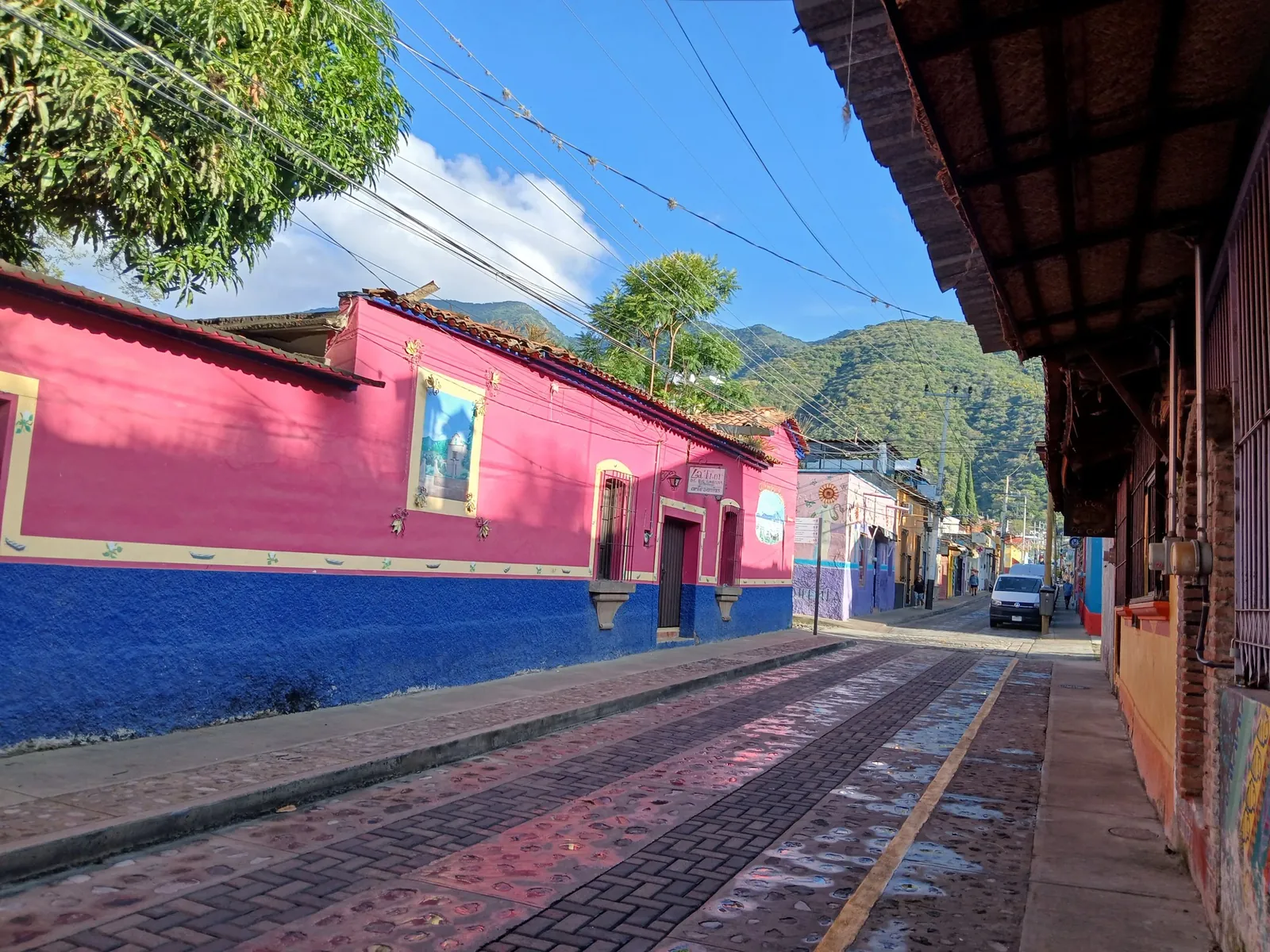
Ajijic (gesprochen: ah-hee-HEEK) ist das Herz der Auswanderer-Gemeinschaft: ein charmantes Dorf mit kopfsteingepflasterten Straßen, bunten Gebäuden, Kunstgalerien und ausgezeichneten Restaurants, das sich vom Seeufer bis in die Hügel erstreckt. Chapala, die größere Stadt im Osten, bietet mehr mexikanischen Charakter und Handel. Diese Kombination bietet Rentnern eine seltene Mischung aus mexikanischer Kultur und englischsprachigem Komfort. Die 1955 gegründete Lake Chapala Society ist das gesellschaftliche Zentrum der Auswanderer-Gemeinschaft und bietet Kurse, Vorträge, eine Bibliothek und gesellschaftliche Veranstaltungen.
Guadalajara, Mexikos zweitgrößte Stadt mit über 5 Millionen Einwohnern, liegt nur 45 Minuten nördlich und bietet Zugang zu erstklassigen Krankenhäusern, internationalen Flughafenverbindungen, großen Einkaufsmöglichkeiten und kulturellen Veranstaltungen wie der Guadalajara International Book Fair und dem International Film Festival. Das mexikanische Rentnervisum (Temporary Resident) erfordert den Nachweis eines monatlichen Einkommens von etwa 4.235 € (oder Ersparnissen von etwa 71.400 €) und ist bis zu vier Jahre gültig; danach können Sie die permanente Aufenthaltserlaubnis beantragen.
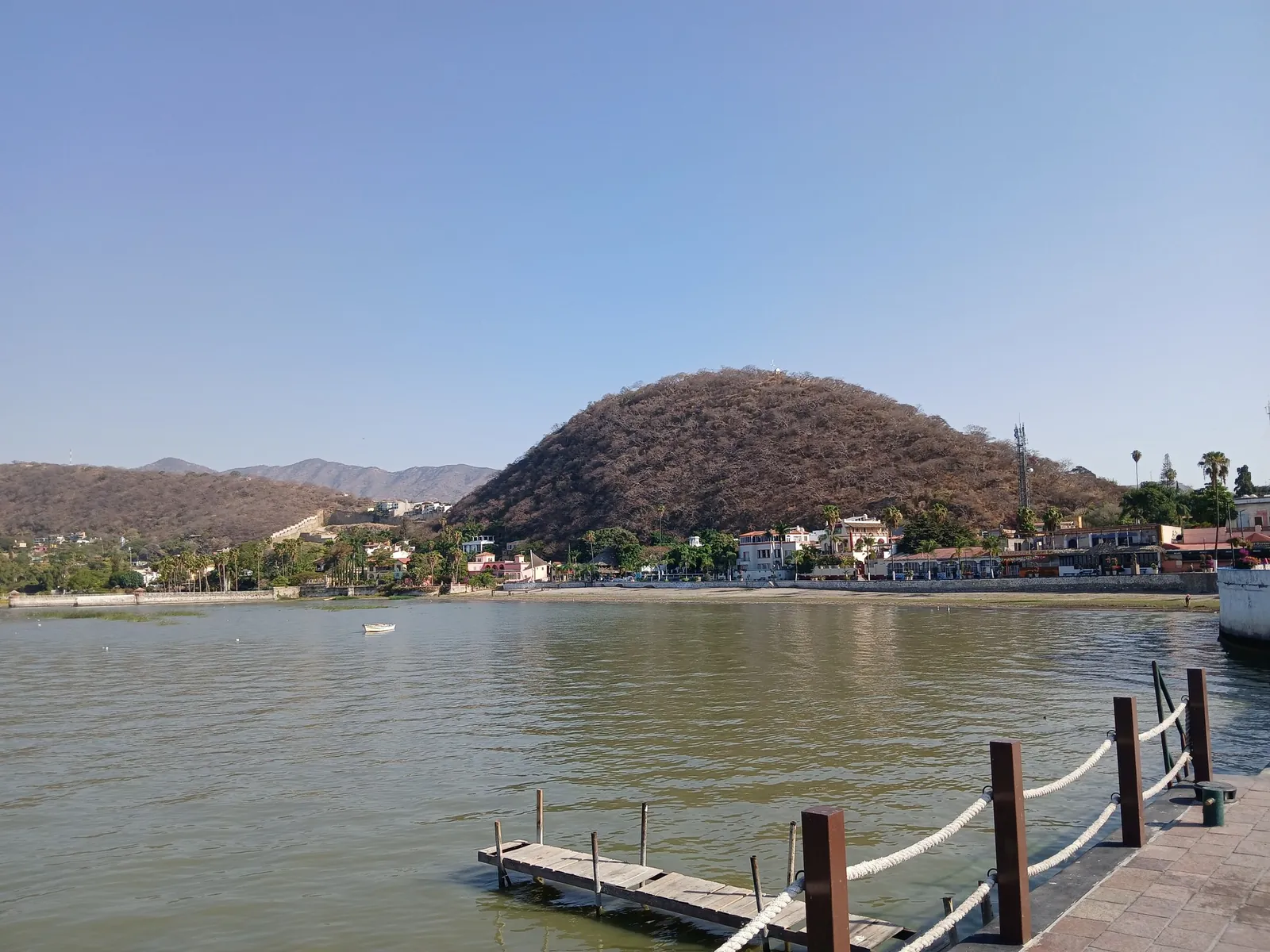
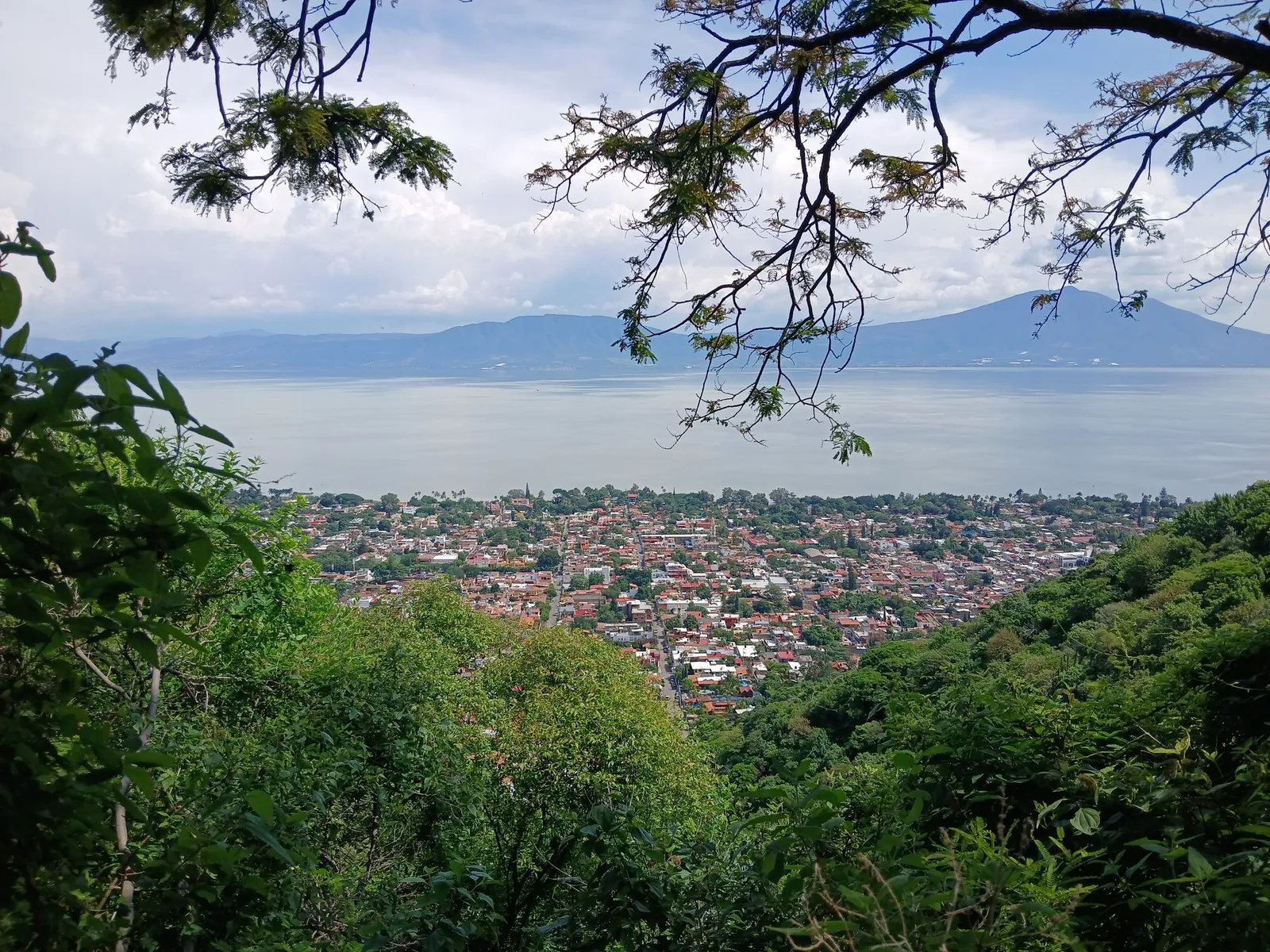
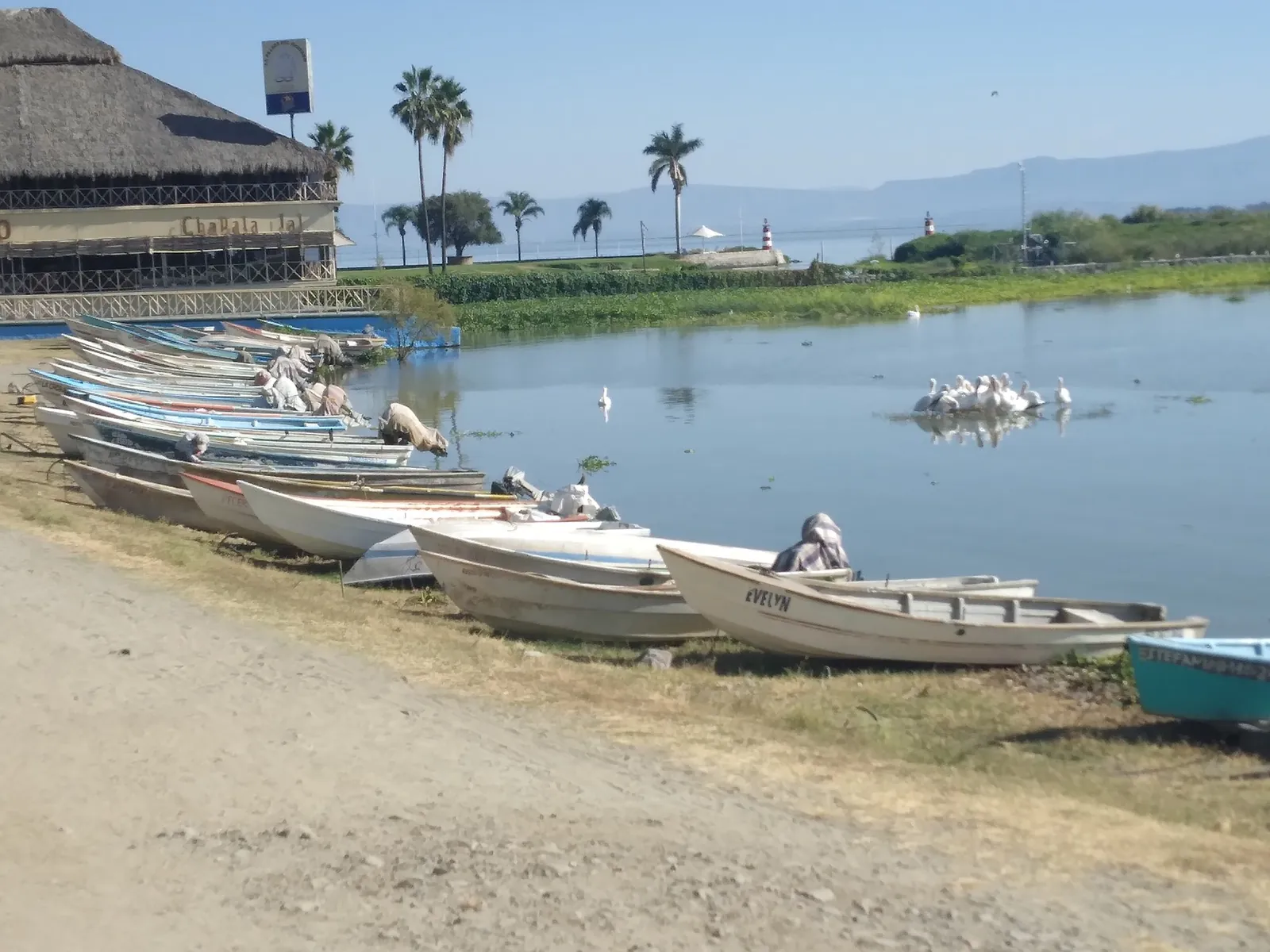
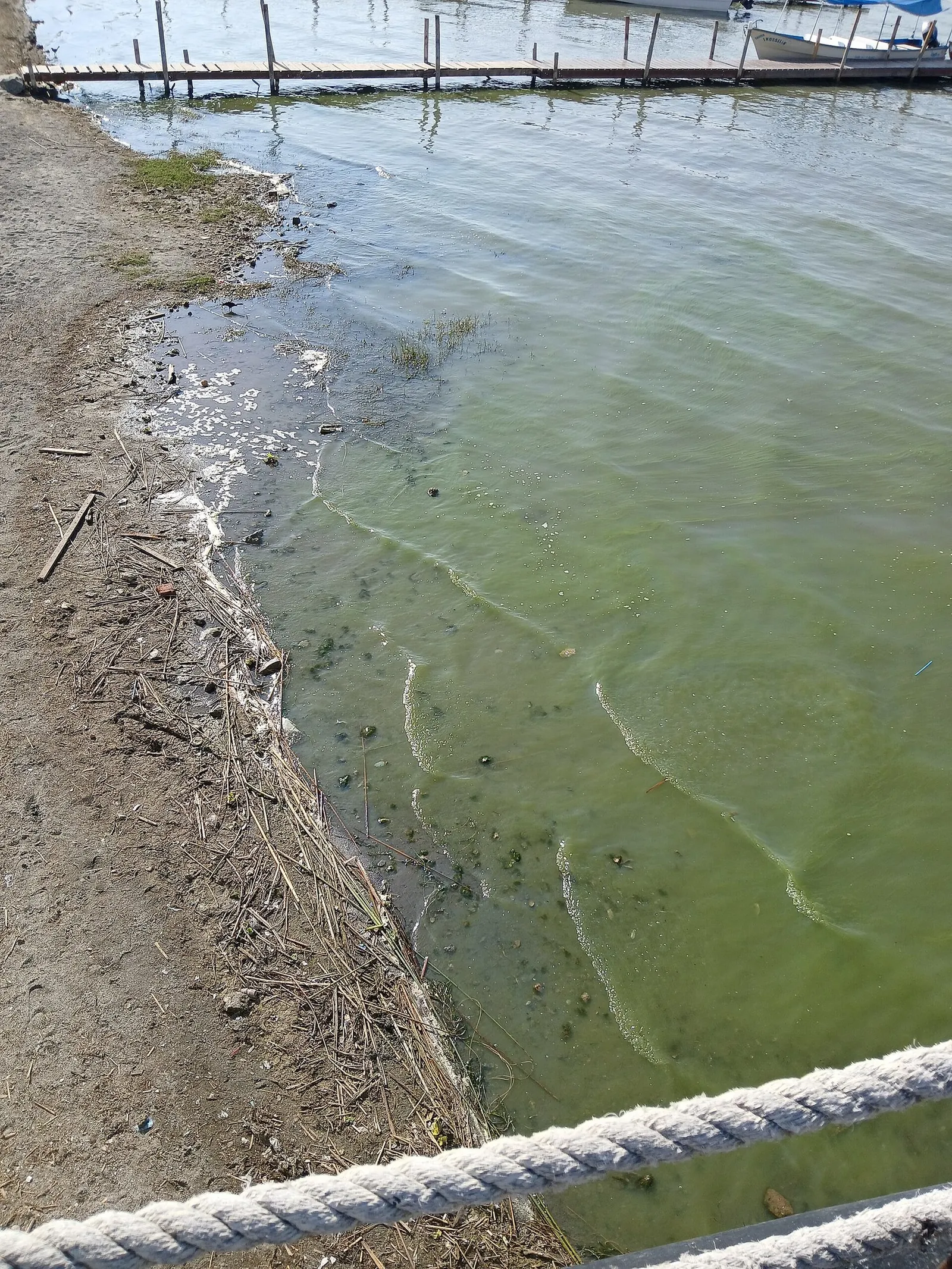
Wie sieht es am Lake Chapala wirklich aus?
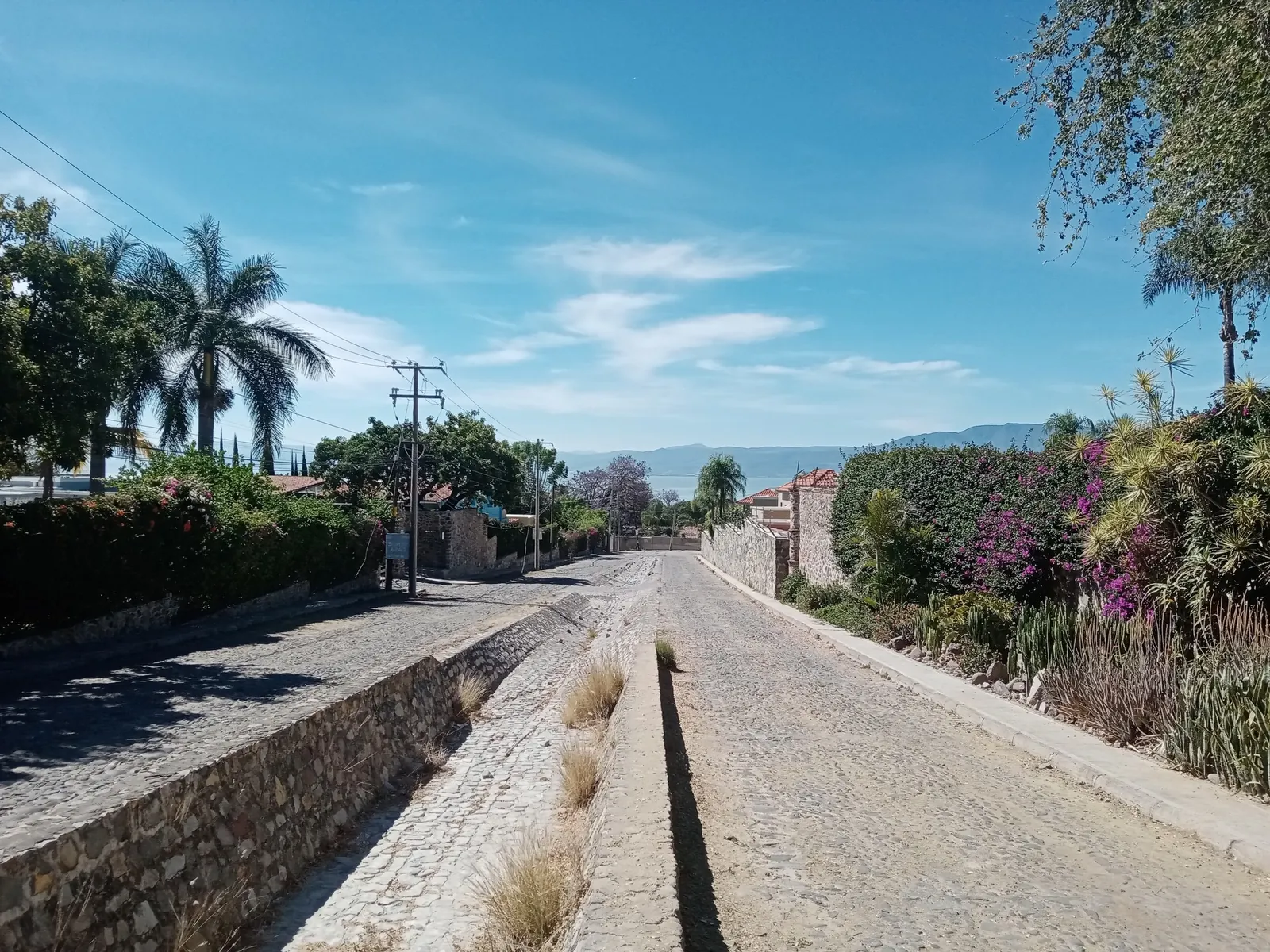
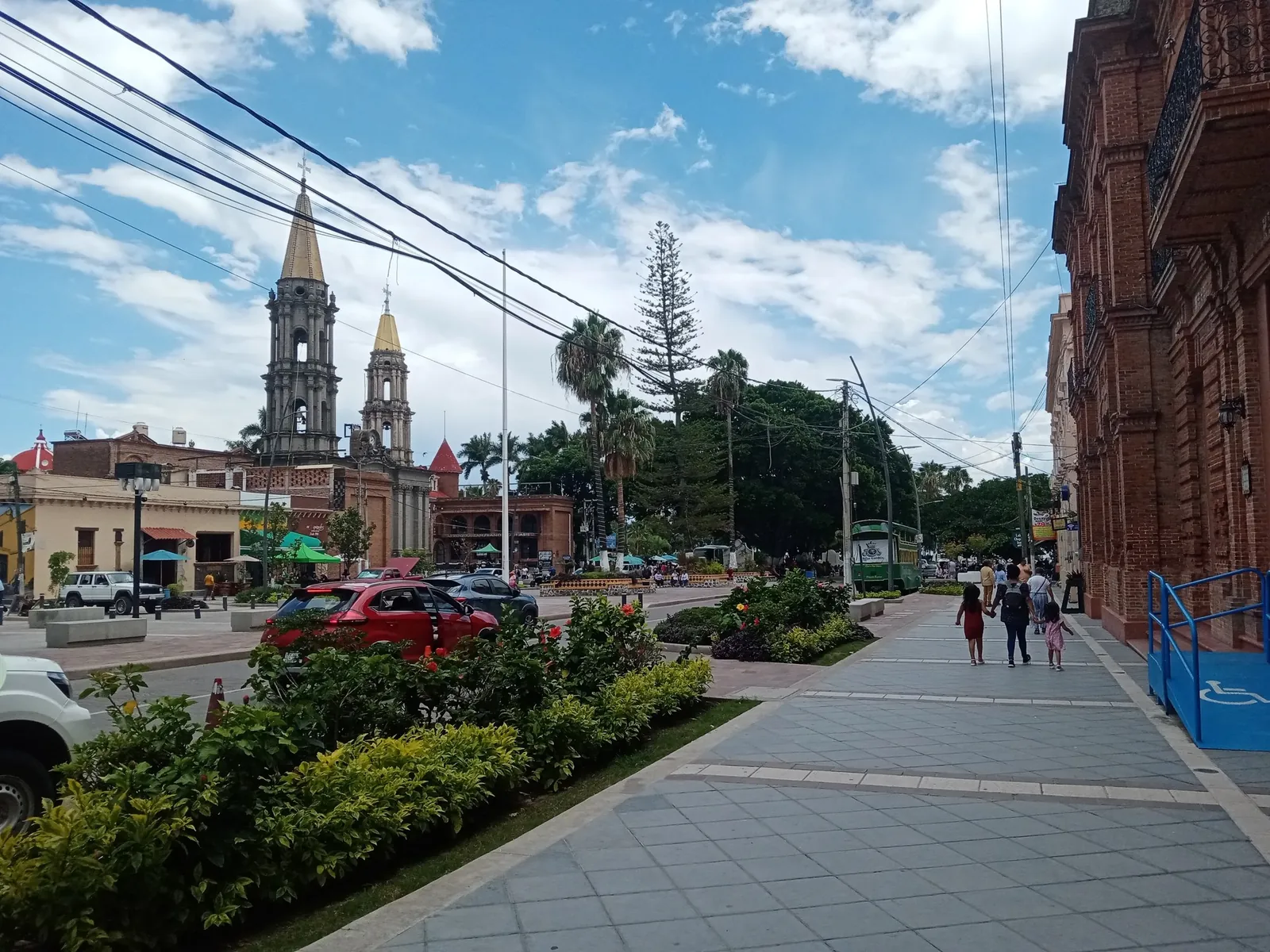
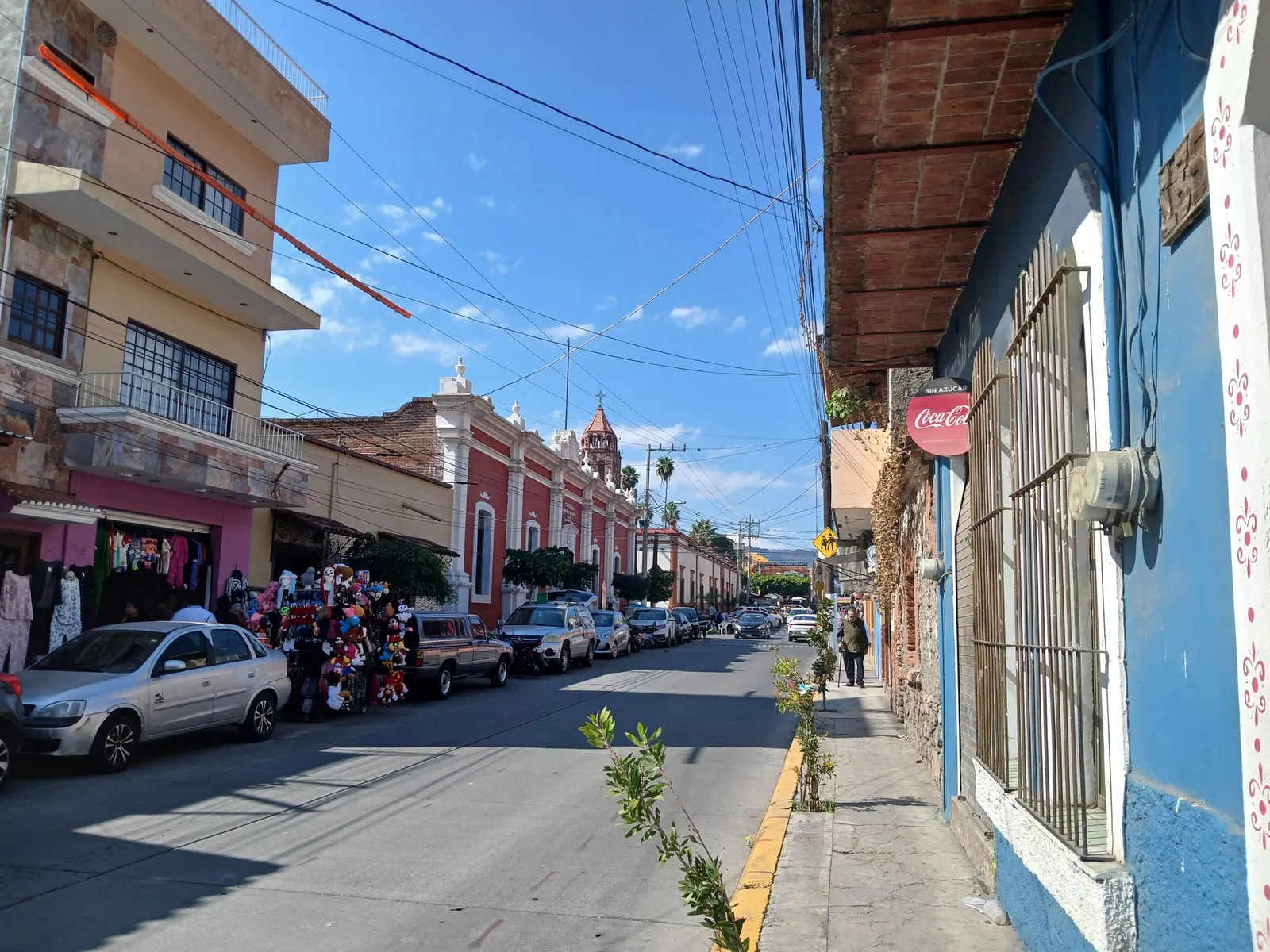
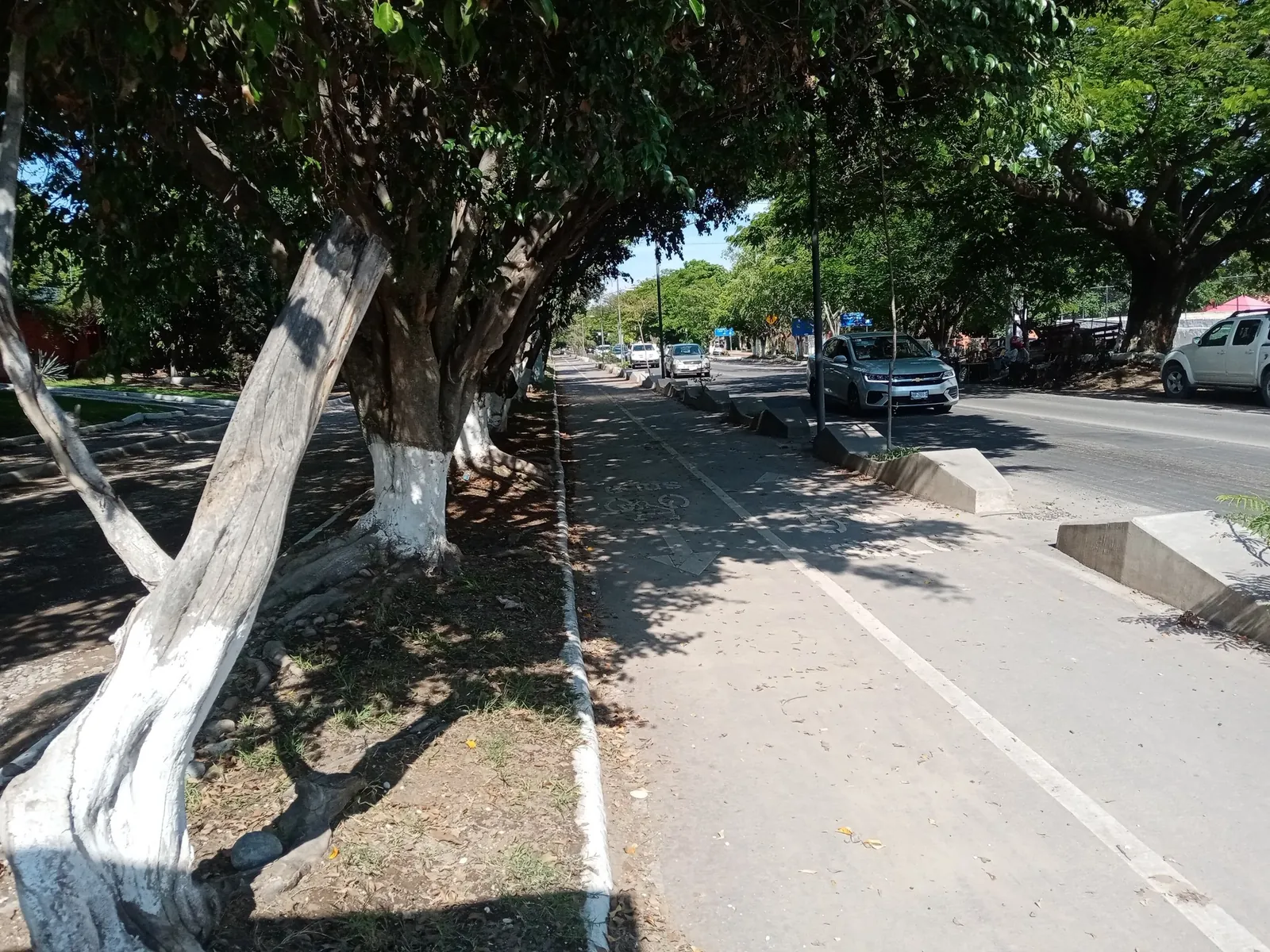
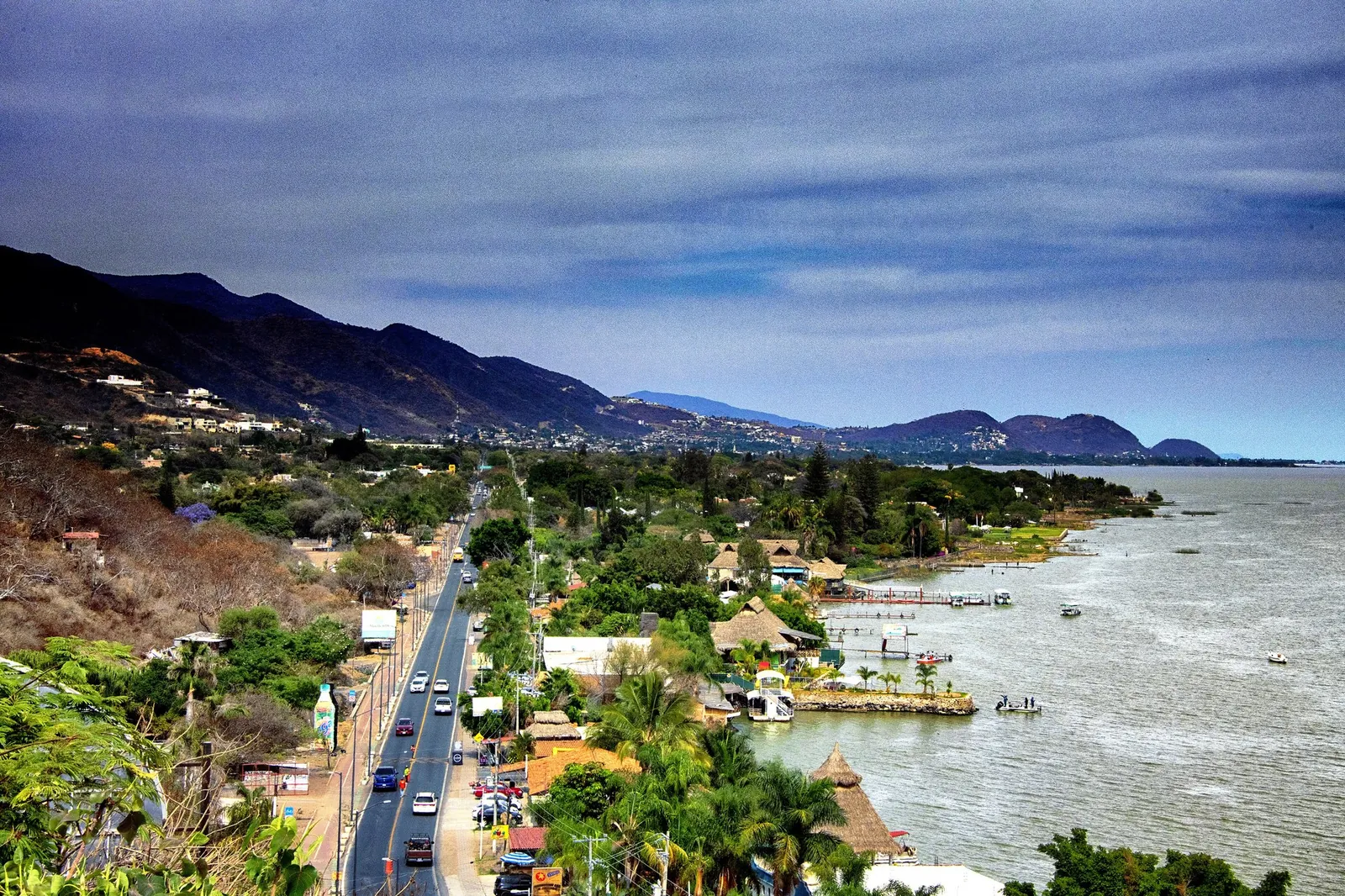
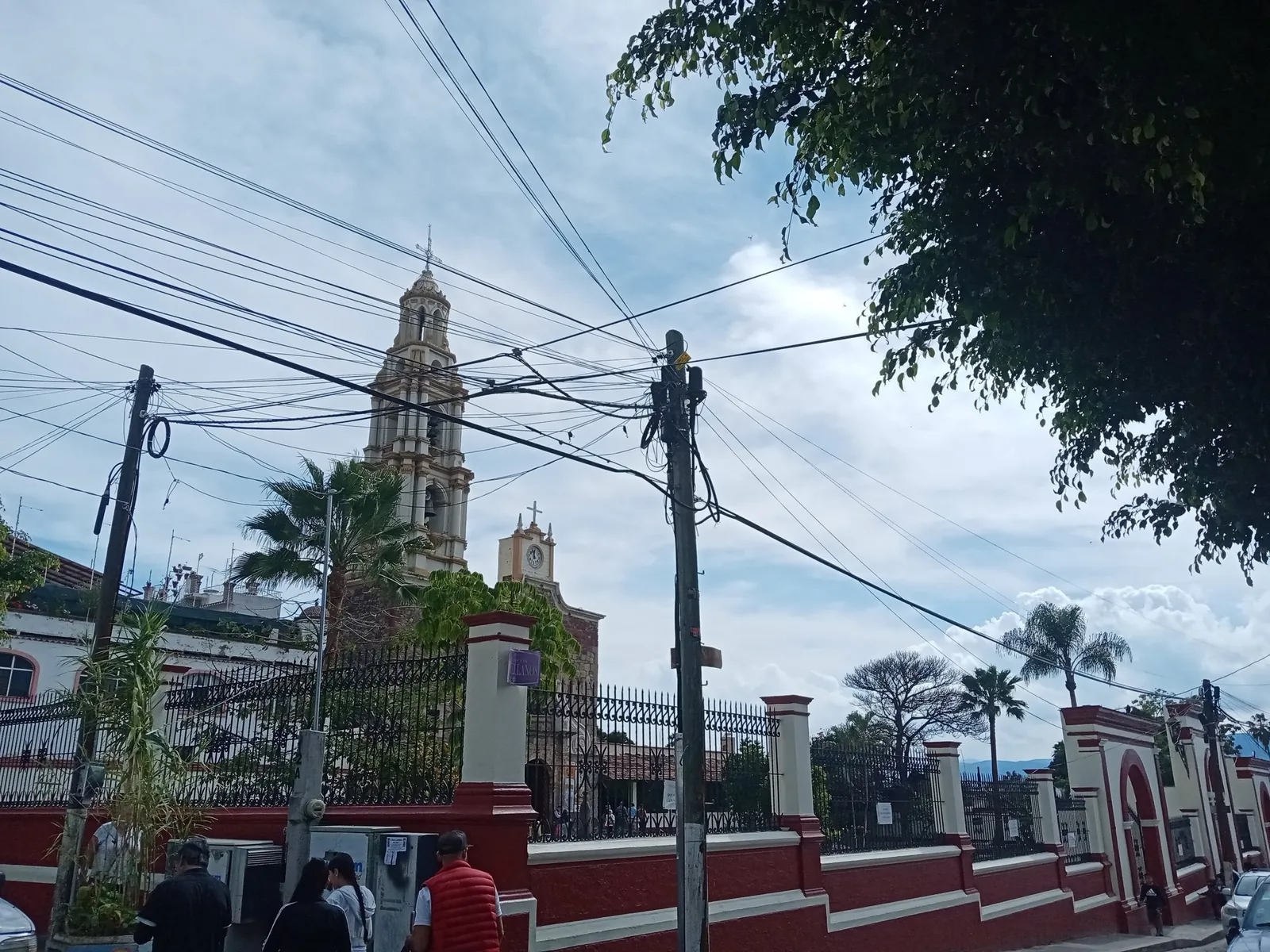
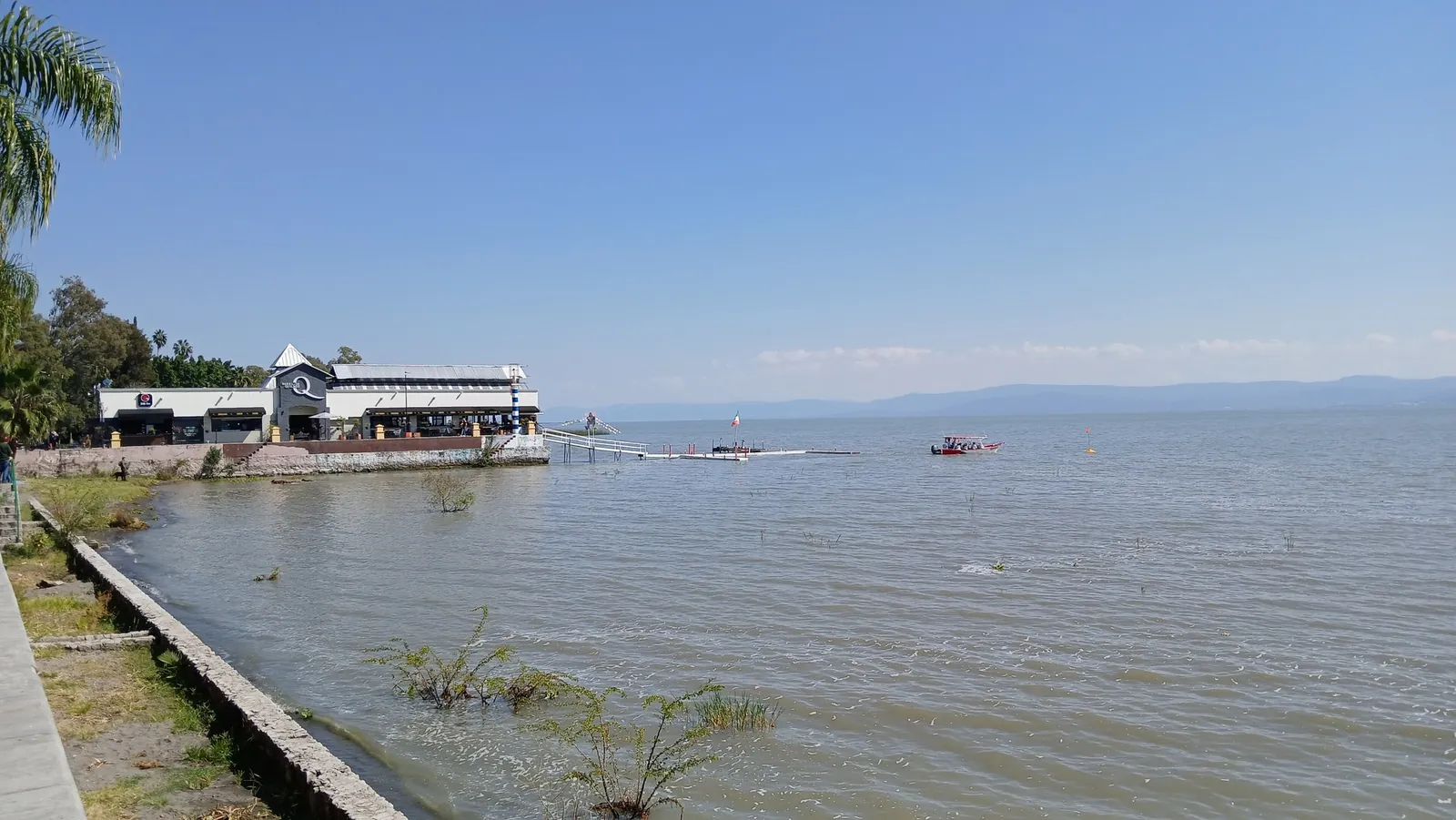
Authentische, unbearbeitete Fotos von Lake Chapala, aufgenommen von Einheimischen und Besuchern an gewöhnlichen Tagen – nicht ausgewählt von einem Tourismusbüro. Bei jedem Foto steht, wann es entstanden ist. Fotos von 105 Städten ansehen →

.jpg)


.jpg)
_-_2.jpg)
_3.jpg)


Was kostet das Leben am Lake Chapala?
Miete für 1-Zimmer-Wohnung
450–800 €/Monat
Mahlzeit im lokalen Restaurant
3,50–9 €
Tasse Kaffee
1–2,50 €
Geschätzte monatliche Gesamtkosten
1.100–1.800 €
Möchten Sie eine individuelle Schätzung? Nutzen Sie unseren Lebenshaltungskosten-Rechner
Wie gut ist die Gesundheitsversorgung am Lake Chapala?
Die Region Lake Chapala verfügt über zahlreiche Privatkliniken und englischsprachige Ärzte, die auf die Auswanderer-Gemeinschaft eingestellt sind. Für die Routineversorgung berechnen örtliche Ärzte 25–45 € pro Besuch. Für fachärztliche Versorgung und Operationen bietet Guadalajara (45 Minuten entfernt) erstklassige Krankenhäuser, darunter das Hospital San Javier, das Hospital Country 2000 und das öffentliche Hospital Civil de Guadalajara. Viele Rentner in Chapala schließen sich außerdem dem öffentlichen Gesundheitssystem IMSS für etwa 450–625 €/Jahr an, das umfassenden Versicherungsschutz einschließlich Krankenhausaufenthalten und Medikamenten bietet. Die zahnärztliche Versorgung ist ausgezeichnet und erschwinglich: eine Zahnreinigung kostet 25–35 € und Kronen 175–325 €.
Wie sieht der Alltag am Lake Chapala aus?
Das Leben am Lake Chapala dreht sich um Gemeinschaft, Kultur und die Natur. Die Lake Chapala Society bietet wöchentlich über 40 Aktivitäten an: von Spanischkursen und Kunstworkshops bis hin zu Vorträgen und Bridge-Turnieren. Die Kunstszene in Ajijic ist lebendig, mit Galerien, Ateliers und einem florierenden Gemeinschaftstheater (Lakeside Little Theatre). Auf den wöchentlichen Tianguis (Freiluftmärkten) werden frisches Obst und Gemüse, Kunsthandwerk und zubereitete Speisen verkauft. Die Restaurants reichen von einfachen mexikanischen Fondas bis hin zu anspruchsvoller internationaler Küche. Spaziergänge entlang des Malecón (Uferpromenade), Wandern in den umliegenden Bergen und Tagesausflüge nach Guadalajara sorgen für Abwechslung. Die Gemeinschaft verfügt über englischsprachige Kirchen, AA-Treffen und ehrenamtliche Organisationen.
Wie ist das Klima am Lake Chapala?
Das Hochlandklima am Lake Chapala ist außergewöhnlich. Auf einer Höhe von 1.500 Metern liegen die Tagestemperaturen das ganze Jahr über im Durchschnitt bei 23-28°C und fallen nachts auf 10-16°C. Die Trockenzeit (November bis Mai) bringt klare, sonnige Tage mit niedriger Luftfeuchtigkeit. In der Regenzeit (Juni bis Oktober) kommt es am Nachmittag zu Gewittern, die sich bis zum Abend auflösen und die Landschaft grün halten. In den meisten Häusern ist weder eine Klimaanlage noch eine Heizung nötig: allenfalls ein Heizlüfter für kühle Nächte im Dezember und Januar. Das Klima wird häufig als Hauptgrund genannt, warum Rentner sich für den Lake Chapala anstelle von Strandzielen entscheiden.
Welche Vor- und Nachteile hat der Ruhestand am Lake Chapala?
Vorteile
- Weltweit größte Konzentration US-amerikanischer und kanadischer Rentner mit vollständig englischsprachiger Infrastruktur
- Nahezu perfektes, ganzjähriges Hochlandklima
- Sehr günstige Lebenshaltungskosten, die die Rentenersparnisse strecken
- Erstklassige Krankenhäuser in Guadalajara nur 45 Minuten entfernt
- Reiche mexikanische Kultur neben einer komfortablen Auswanderer-Gemeinschaft
Nachteile
- Die Wasserqualität des Sees hat sich durch Verschmutzung und niedrige Wasserstände verschlechtert
- Kann sich eher wie eine „Auswanderer-Blase" als authentisches Mexiko anfühlen
- Luftqualitätsprobleme durch das nahe gelegene Guadalajara und landwirtschaftliches Abbrennen
- Begrenztes Nachtleben und Unterhaltungsangebot abseits der Gemeinschaftsaktivitäten
Für wen eignet sich ein Ruhestand am Lake Chapala?
Rentner, die eine erschwingliche, englischfreundliche Gemeinschaft mit perfektem Wetter, ausgezeichnetem Zugang zur Gesundheitsversorgung und einer gut etablierten sozialen Infrastruktur suchen.
Welche Wohngegenden am Lake Chapala eignen sich für Ruheständler?
Ajijic
Das Herz der Auswanderer-Gemeinschaft am Lake Chapala mit kopfsteingepflasterten Straßen, Kunstgalerien und einem lebendigen gesellschaftlichen Leben. Die Miete für eine Einzimmerwohnung liegt bei 550–900 €/Monat. Die größte Konzentration nordamerikanischer Auswanderer außerhalb der USA und Kanadas. Englisch wird überall gesprochen.
San Antonio Tlayacapan
Ruhiges Dorf zwischen Ajijic und Chapala mit eher mexikanischem Viertelcharakter. Einzimmerwohnungen kosten 350–625 €/Monat Miete. Spricht Rentner an, die niedrigere Kosten und ein authentischeres kulturelles Erlebnis suchen, während sie den Auswanderer-Diensten dennoch nahe bleiben.
Chapala Town
Der Verwaltungssitz am See mit einer traditionellen mexikanischen Stadtplaza, einem Malecón (Uferpromenade) und lokalen Märkten. Die Miete für eine Einzimmerwohnung liegt bei 350–625 €/Monat. Vom Charakter her mexikanischer als Ajijic, mit einer kleineren, aber wachsenden Auswanderer-Präsenz.
Welche Krankenhäuser versorgen Ruheständler am Lake Chapala?
Hospital San Antonio (Ajijic)
Kleines Privatkrankenhaus, das die Auswanderer-Gemeinschaft am See versorgt. Bietet Notfallversorgung, allgemeine Beratungen und grundlegende chirurgische Leistungen. Englischsprachiges Personal verfügbar. Die meisten schwerwiegenden Fälle werden an Krankenhäuser in Guadalajara, 45 Minuten entfernt, überwiesen.
Hospital Country 2000 (Guadalajara)
Privatkrankenhaus mit vollem Leistungsspektrum in Guadalajara, der nächstgelegenen Großstadt. Moderne Einrichtung mit Fachabteilungen unter anderem für Kardiologie, Orthopädie und Onkologie. Viele Bewohner der Seeregion pflegen hier ihre hausärztliche Betreuung.
Hospital San Javier (Guadalajara)
Führendes Privatkrankenhaus in Guadalajara mit Qualitätsstandards nahe der JCI-Akkreditierung. Umfassende Notfall-, chirurgische und diagnostische Leistungen. Ein Koordinator für internationale Patienten steht zur Verfügung. Etwa 45-60 Minuten von den Gemeinden am See entfernt.
Angaben zu Einrichtungen können sich ändern. Bitte prüfen Sie Akkreditierungsstatus und Leistungen direkt bei jedem Krankenhaus, bevor Sie Entscheidungen zur Gesundheitsversorgung treffen.
Wie sind Küche und Restaurantszene am Lake Chapala?
Die Gastronomieszene am Lake Chapala spiegelt die doppelte Identität der Region wider: sowohl als mexikanische Seeufergemeinde als auch als Nordamerikas beliebtestes Auswanderer-Ziel. In Ajijic servieren Restaurants wie Ajijic Tango (argentinisch-mexikanische Fusionsküche) und das Go Restaurant internationale Menüs für 7–15 € pro Hauptgericht. Der Mittwochs-Tianguis (Freiluftmarkt) ist ein wöchentliches gesellschaftliches Ereignis, bei dem Händler Tamales, Pozole und frisches Obst und Gemüse verkaufen.
Entlang des Malecón von Chapala servieren Meeresfrüchte-Restaurants am Seeufer Charales (kleine frittierte Seefische) und Ceviche für 4,50–9 €. Taco-Stände und Fondas (familiengeführte Lokale) bieten Comida Corrida (ein vollständiges Drei-Gänge-Mittagsmenü) für 2,50–4,50 € an, das beste tägliche Preis-Leistungs-Verhältnis für budgetbewusste Rentner.
Die Auswanderer-Gemeinschaft trägt Fachgeschäfte für importierte Waren, handwerkliche Kaffeeröstereien und Restaurants, die von Sushi bis italienischer Küche alles anbieten. Die wöchentlichen Lebensmittelkosten für zwei Personen bei Walmart, Soriana oder dem örtlichen Mercado liegen bei 35–60 €. Die Kombination aus authentischem mexikanischem Streetfood und internationaler, auf Auswanderer ausgerichteter Gastronomie macht gutes Essen am Lake Chapala unabhängig von Budget oder Geschmack einfach.
Passt ein Ruhestand am Lake Chapala zu Ihnen?
Machen Sie unser kostenloses 3-Minuten-Quiz und erfahren Sie, wie Lake Chapala und Mexiko im Vergleich zu anderen Zielen zu Ihren Vorlieben, Ihrem Budget und Ihren Bedürfnissen passen.
Zum Ruhestands-QuizHäufig gestellte Fragen zum Ruhestand am Lake Chapala
Ist die Auswanderer-Gemeinschaft am Lake Chapala zu abgeschottet?
Die Gemeinschaft kann sich wie eine Blase anfühlen, wenn Sie ausschließlich mit anderen Auswanderern verkehren. Viele Rentner pflegen jedoch aktiv den Kontakt zu mexikanischen Nachbarn, lernen Spanisch, kaufen auf lokalen Märkten ein und nehmen an örtlichen Festen teil. Wer sich für ein Leben in der Stadt Chapala anstelle von Ajijic entscheidet, taucht stärker in die mexikanische Kultur ein. Die Gemeinschaft bietet den Komfort der englischen Sprache, während Sie sich in Ihrem eigenen Tempo schrittweise in die mexikanische Kultur integrieren können.
Wie ist die Gesundheitsversorgung am Lake Chapala?
Die Routineversorgung vor Ort ist ausgezeichnet, wobei englischsprachige Ärzte 25–45 € pro Besuch berechnen. Fachärztliche Versorgung und Operationen sollten in Guadalajara (45 Minuten entfernt) durchgeführt werden, wo es Krankenhäuser gibt, die mit denen großer US-Städte vergleichbar sind: bei 20-40 % der Kosten. Viele Rentner treten dem IMSS (Mexikos öffentlichem Gesundheitssystem) für etwa 450–625 €/Jahr als umfassende Absicherung bei. Die Kombination aus lokaler Bequemlichkeit und Guadalajaras medizinischer Infrastruktur ist kaum zu übertreffen.
Wie läuft der mexikanische Aufenthaltsprozess ab?
Sie beantragen das Rentnervisum (Temporary Resident) bei einem mexikanischen Konsulat in Ihrem Heimatland und weisen ein monatliches Einkommen von etwa 4.235 € oder Ersparnisse von etwa 71.400 € nach. Das Visum ist zunächst ein Jahr gültig und kann bis zu vier Jahre verlängert werden. Nach vier Jahren können Sie die permanente Aufenthaltserlaubnis beantragen. Der Prozess erfordert Geduld (die mexikanische Einwanderungsbürokratie kann langsam sein), ist aber mit den richtigen Unterlagen unkompliziert.
Quellen & Verweise
- Numbeo, Schätzungen zu den Lebenshaltungskosten für die Region Lake Chapala und Ajijic in Jalisco
- Hospital San Antonio de Ajijic, Einrichtungsleistungen und medizinische Kapazitäten in der Region Lake Chapala
- Mexican National Immigration Institute (INM), Anforderungen für temporäre und permanente Aufenthaltsvisa für Einwohner von Jalisco
- Lake Chapala Society, Ressourcen für die Auswanderer-Gemeinschaft, Verzeichnis lokaler Dienstleistungen und praktische Leitfäden für Rentner