
City Retirement Guide
Retire in Montpellier, France
Youthful southern French city with Mediterranean flair at a fraction of Riviera prices
What are the key facts about retiring in Montpellier?
- Elevation & setting
- ~27 m; Languedoc limestone plain, 10 km inland from Mediterranean
- Climate
- Coolest month January 3–12°C, hottest July 19–30°C; 639 mm of rain a year, most in October (daily low to high, 1991–2020)
- Nearest international airport
- Montpellier-Mediterranee (MPL), ~8 km southeast
- Nearest major hospital
- CHU de Montpellier (Gui de Chauliac + Lapeyronie + Arnaud de Villeneuve)
- Primary retirement visa (2026)
- France VLS-TS Visiteur: no fixed minimum, ~EUR 1,400/mo SMIC-linked means test + private health cover
- Language environment
- French official; English common in university and medical sectors, Occitan heritage
Montpellier's medical faculty has operated continuously since 1220, and its teaching hospital network offers more geriatric specialist density per capita than any French city outside Paris.
What is retirement like in Montpellier?
Montpellier sits in Languedoc about 10 kilometers inland from the Mediterranean beaches of Palavas-les-Flots and Carnon, with the historic Écusson district built on a low limestone rise averaging around 27 meters elevation. The city hosts Europe's oldest continuously operating medical faculty, the Faculté de Médecine de Montpellier (founded 1220), which feeds the 2,800-bed CHU de Montpellier across the Gui de Chauliac, Lapeyronie, and Arnaud de Villeneuve campuses. Retiree-favored neighbourhoods include the medieval Écusson, the Antigone district designed by Ricardo Bofill, and the coastal suburb of Pérols. Montpellier-Méditerranée Airport (MPL) is 8 kilometers southeast.
Montpellier has one of Europe's oldest medical schools (founded in 1220) and a university population of over 70,000 students, giving the city a youthful energy and vibrant cultural life that extends well beyond the campus. This academic tradition translates into excellent healthcare: the CHU de Montpellier is a leading teaching hospital with cutting-edge research and specialist departments. For retirees, this means access to top-tier medical care in a city that costs 25-35% less than Nice or Paris.
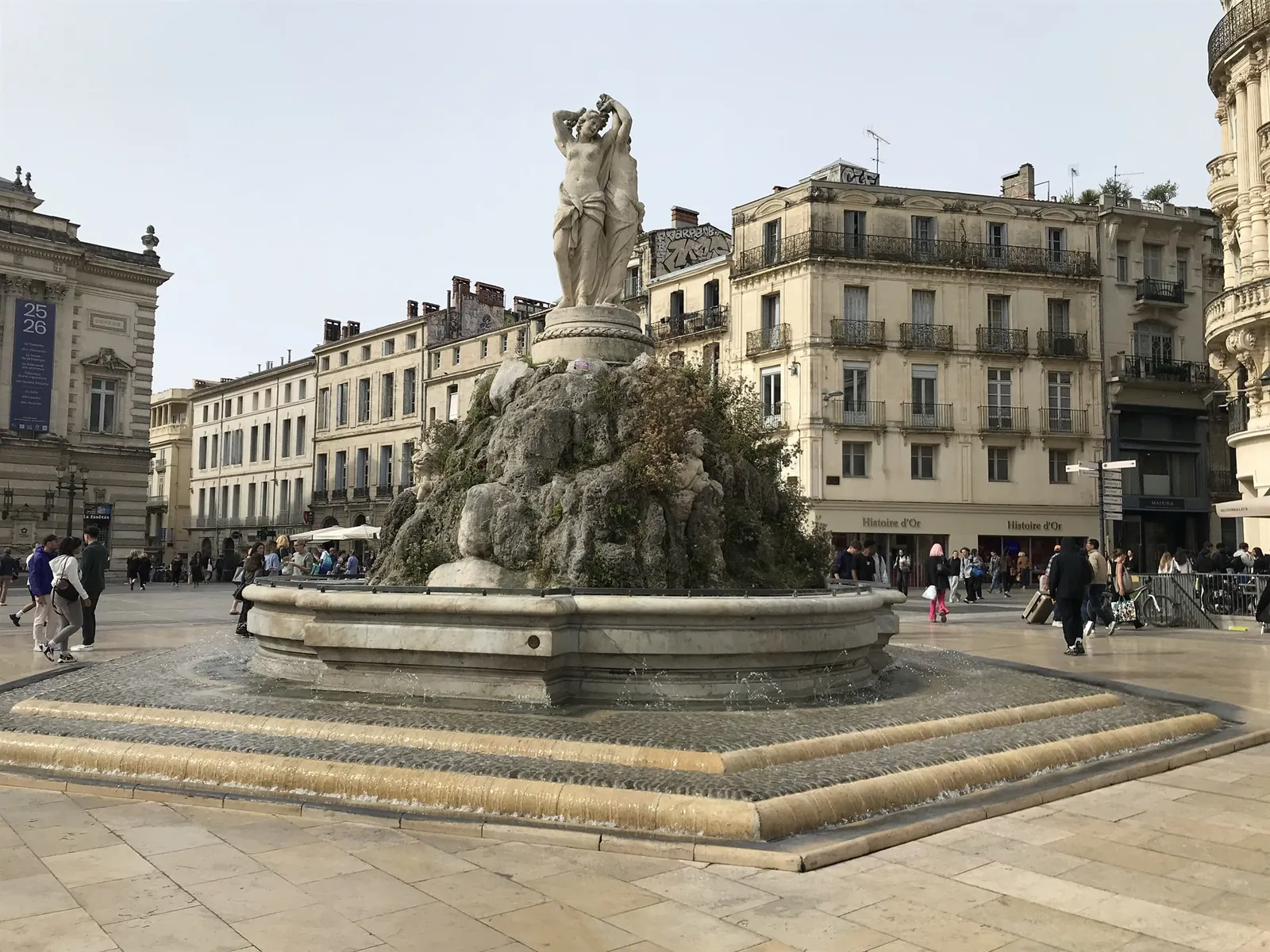
The city's tram network is one of the best in France, making car ownership optional for most residents. The Place de la Comédie, Montpellier's grand central square, anchors a social scene that includes outdoor concerts, film screenings, and seasonal festivals. The nearby Languedoc wine region produces excellent, affordable wines. Non-EU retirees follow the same visa pathway as elsewhere in France, and Montpellier's smaller airport connects to major European cities while Marseille's larger airport is 1.5 hours away by train.
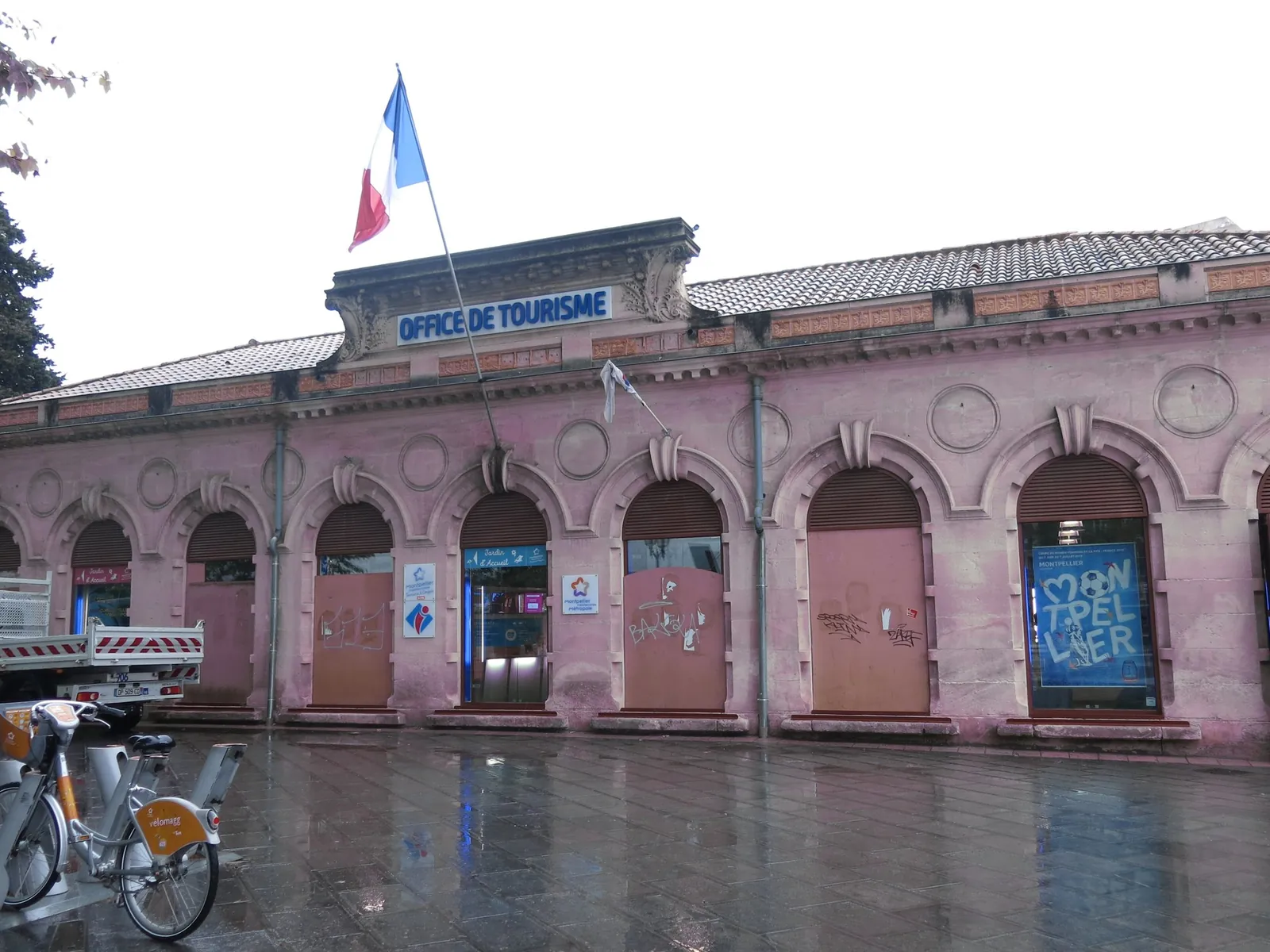
What does it really look like in Montpellier?
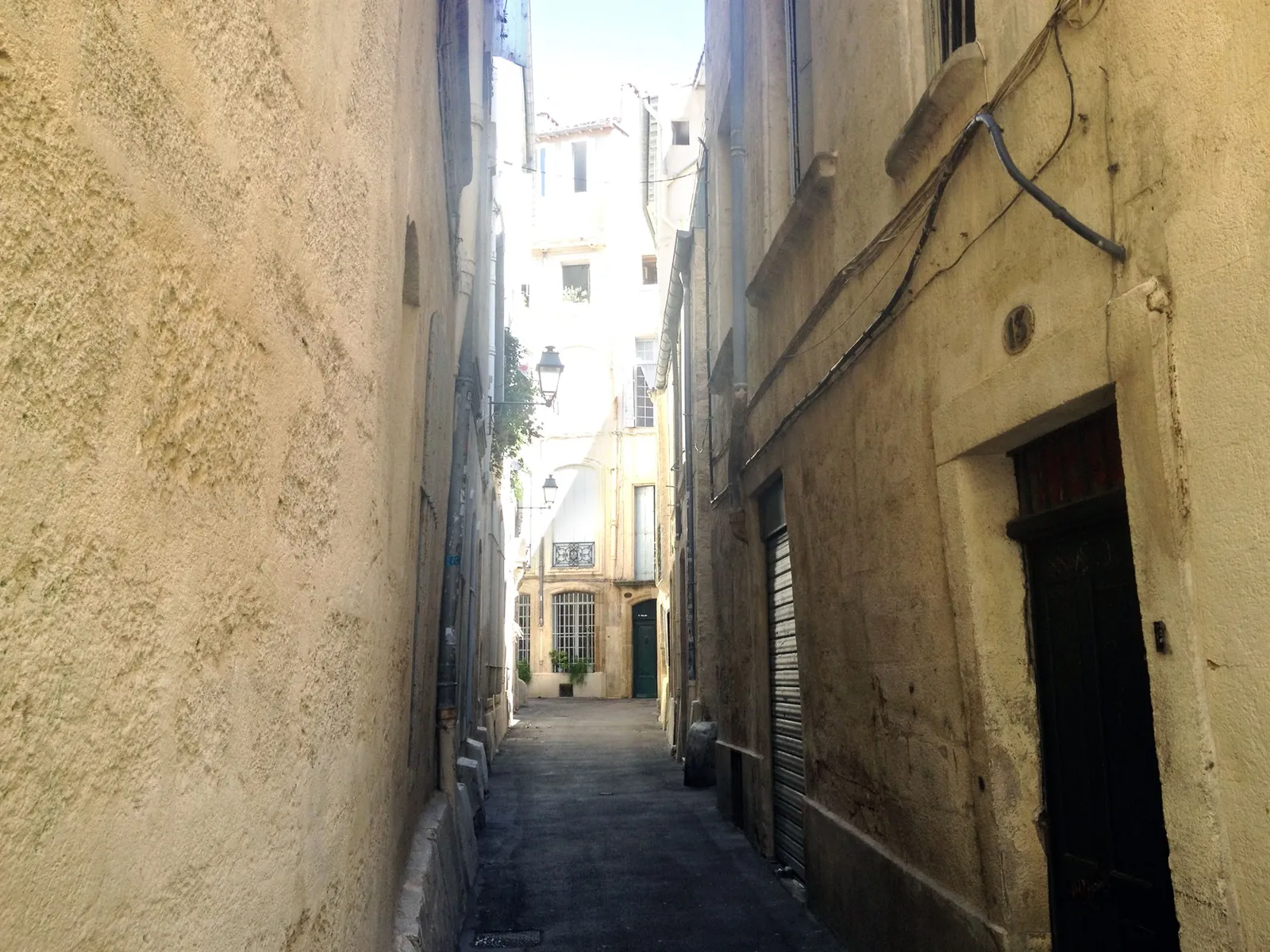
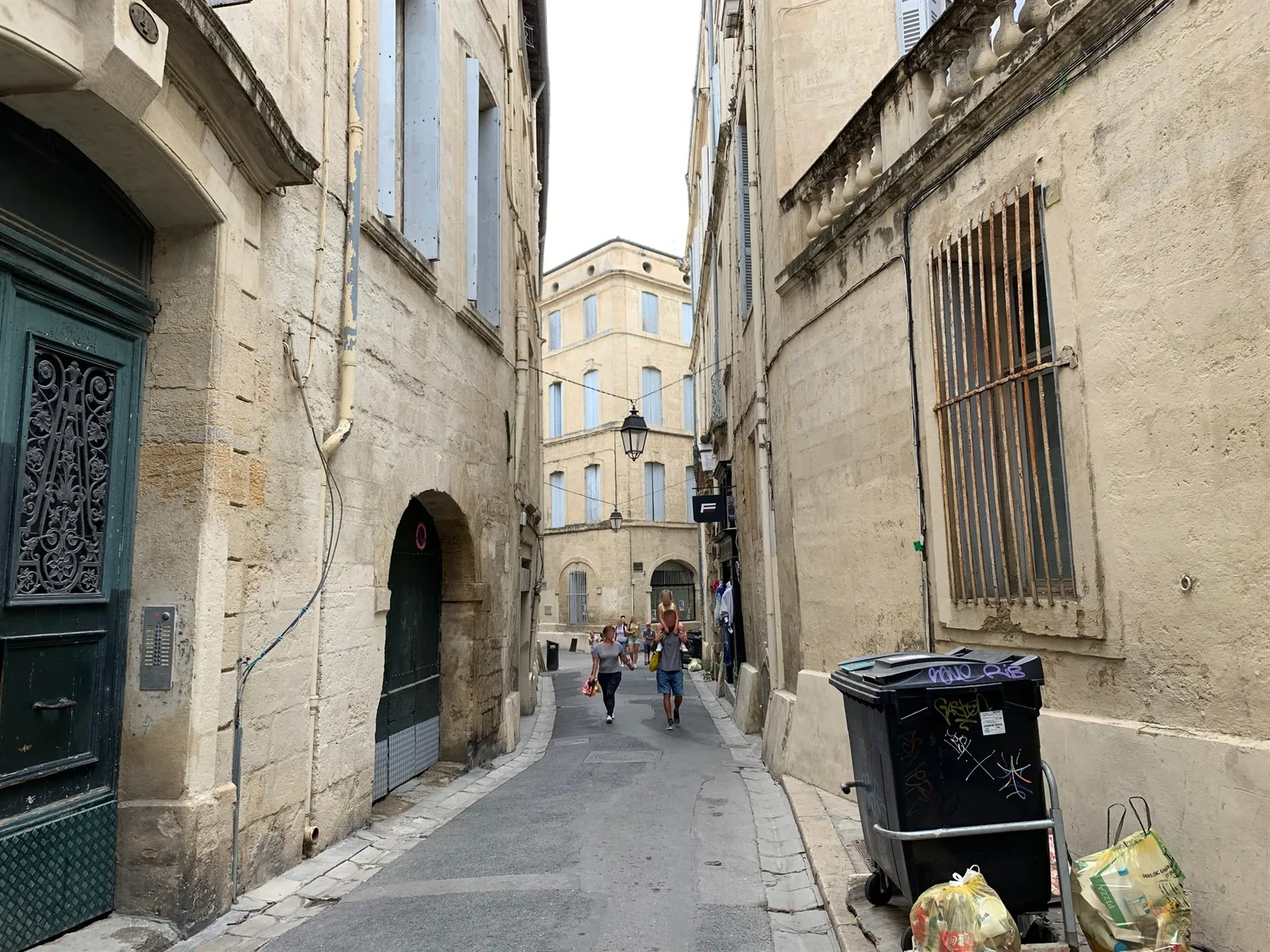
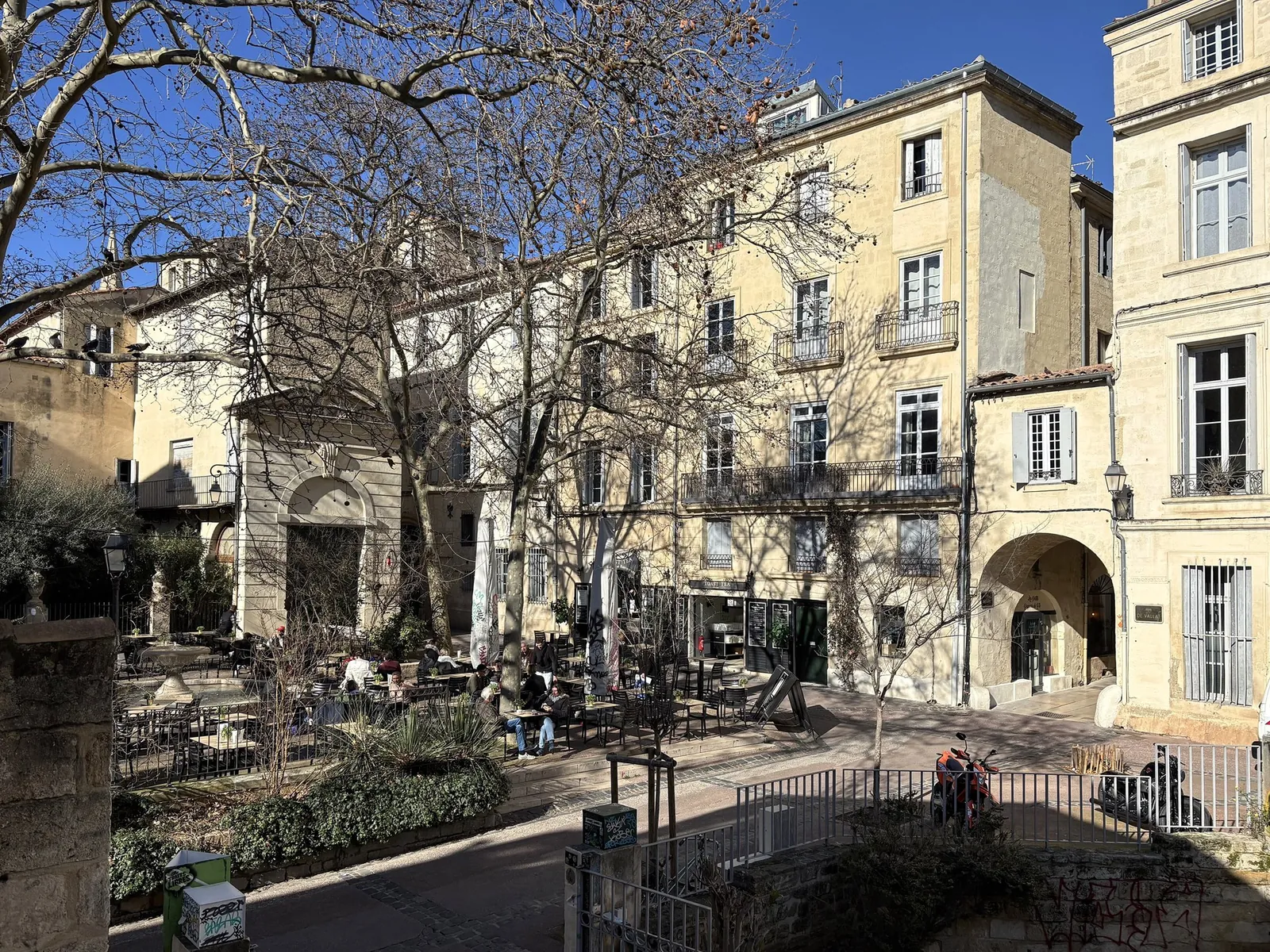
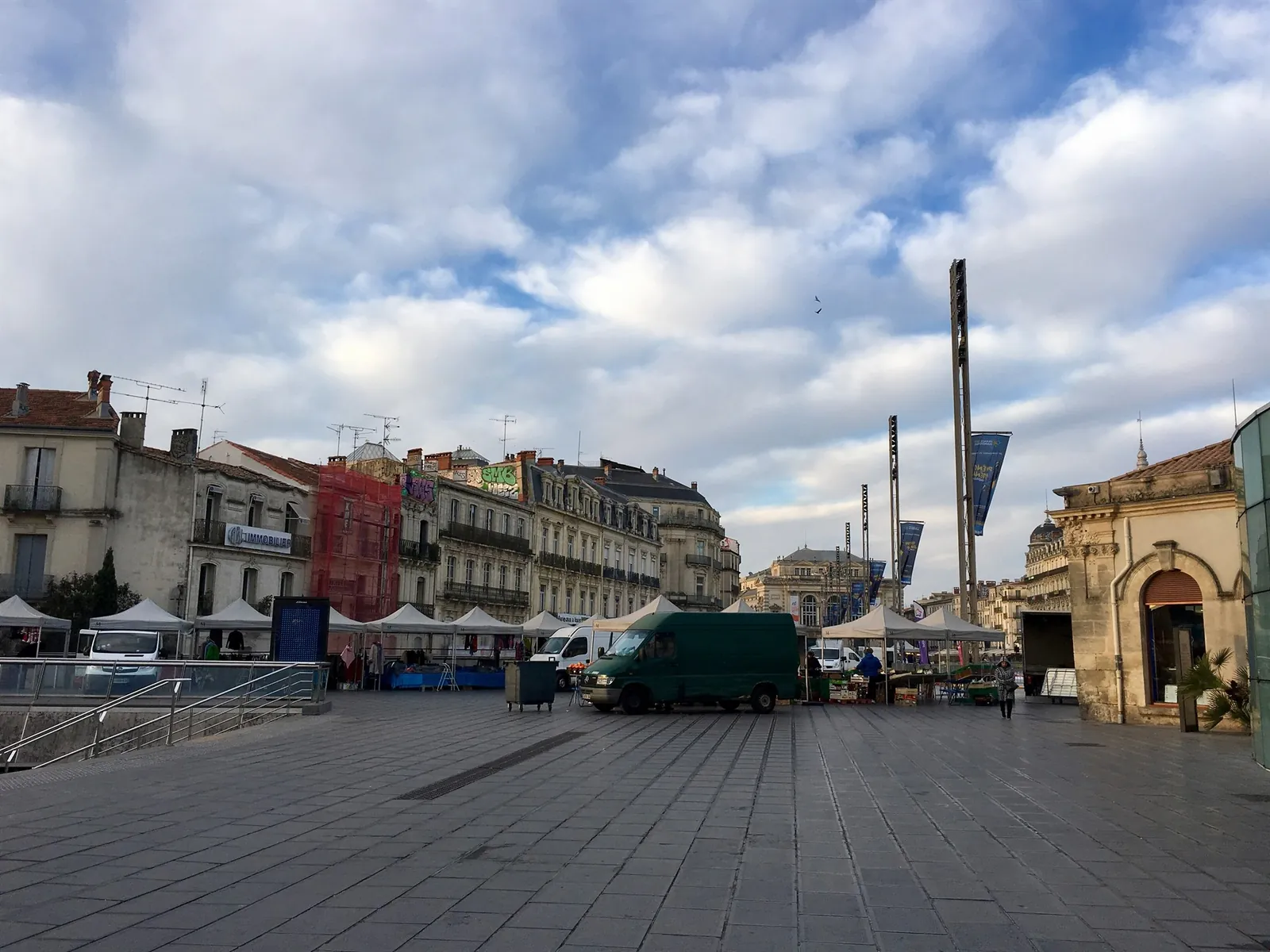
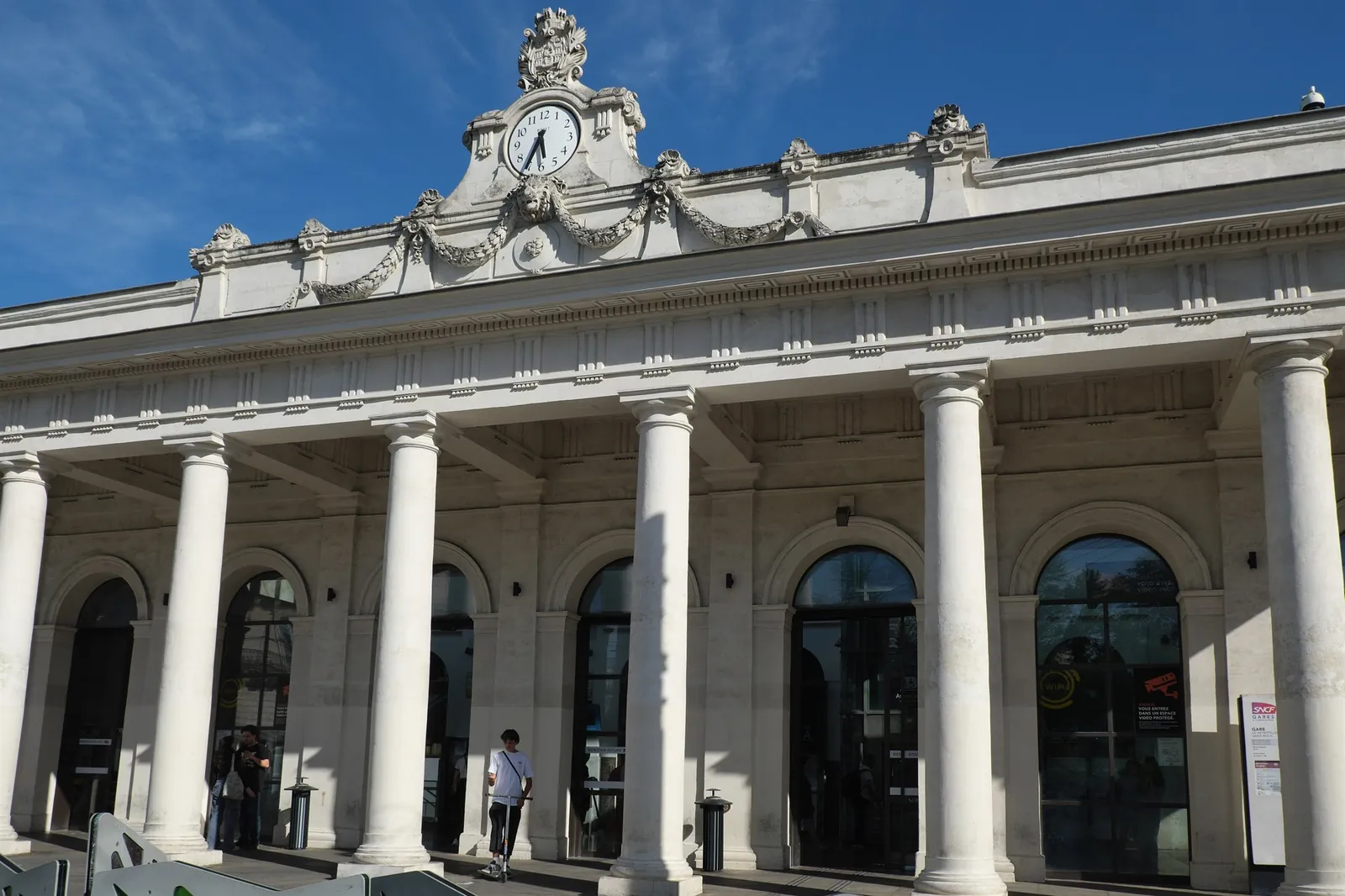
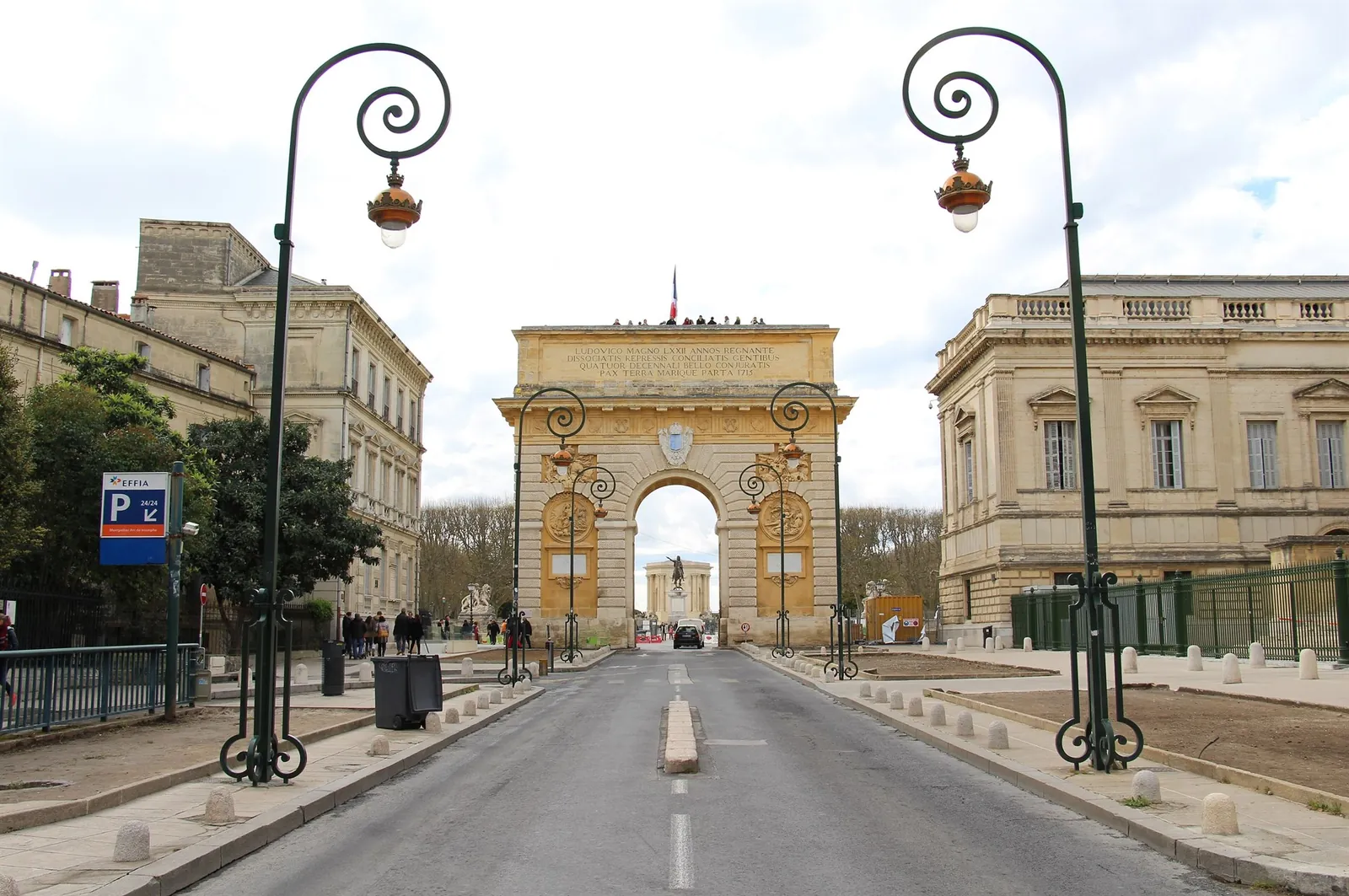
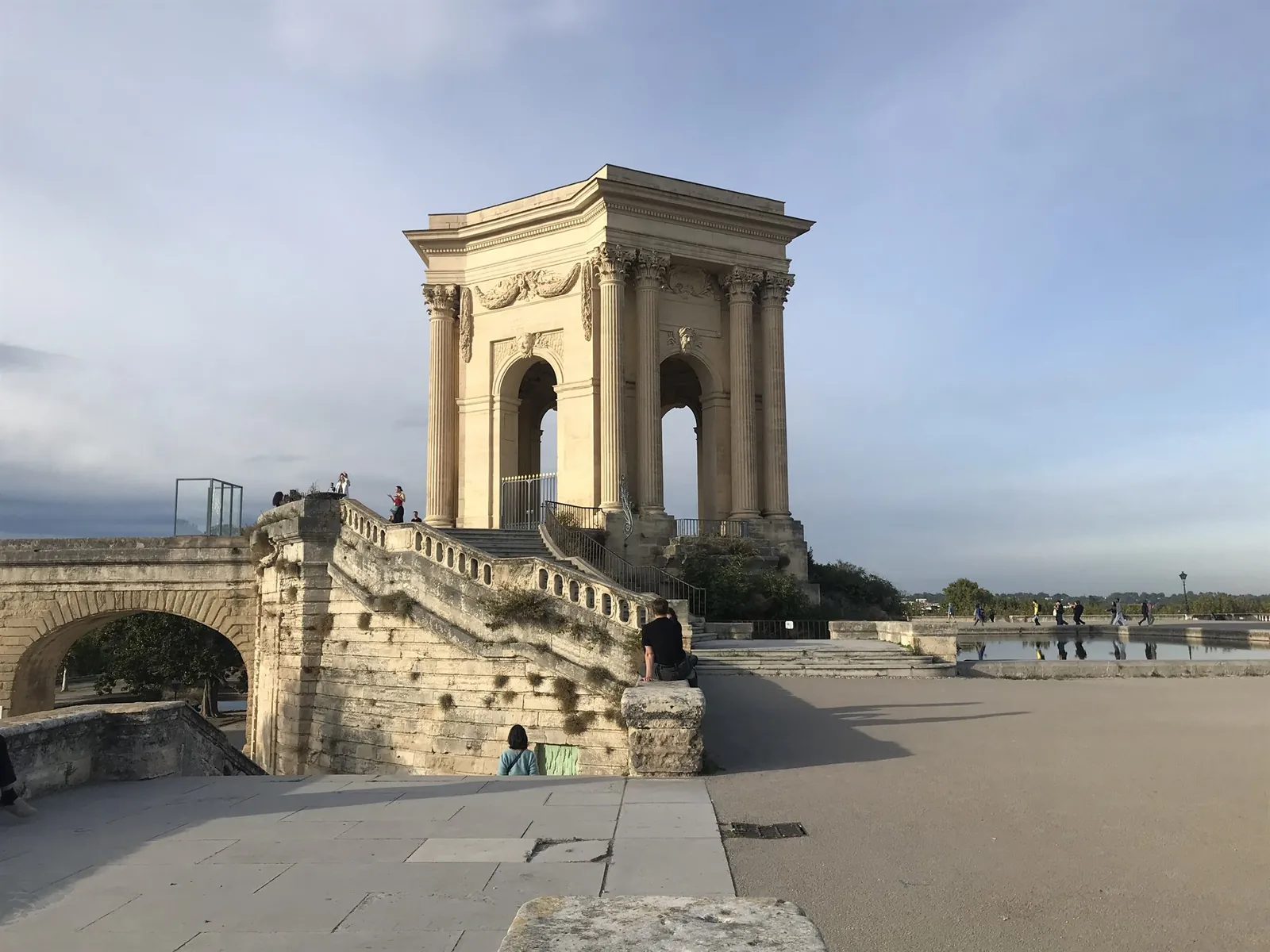
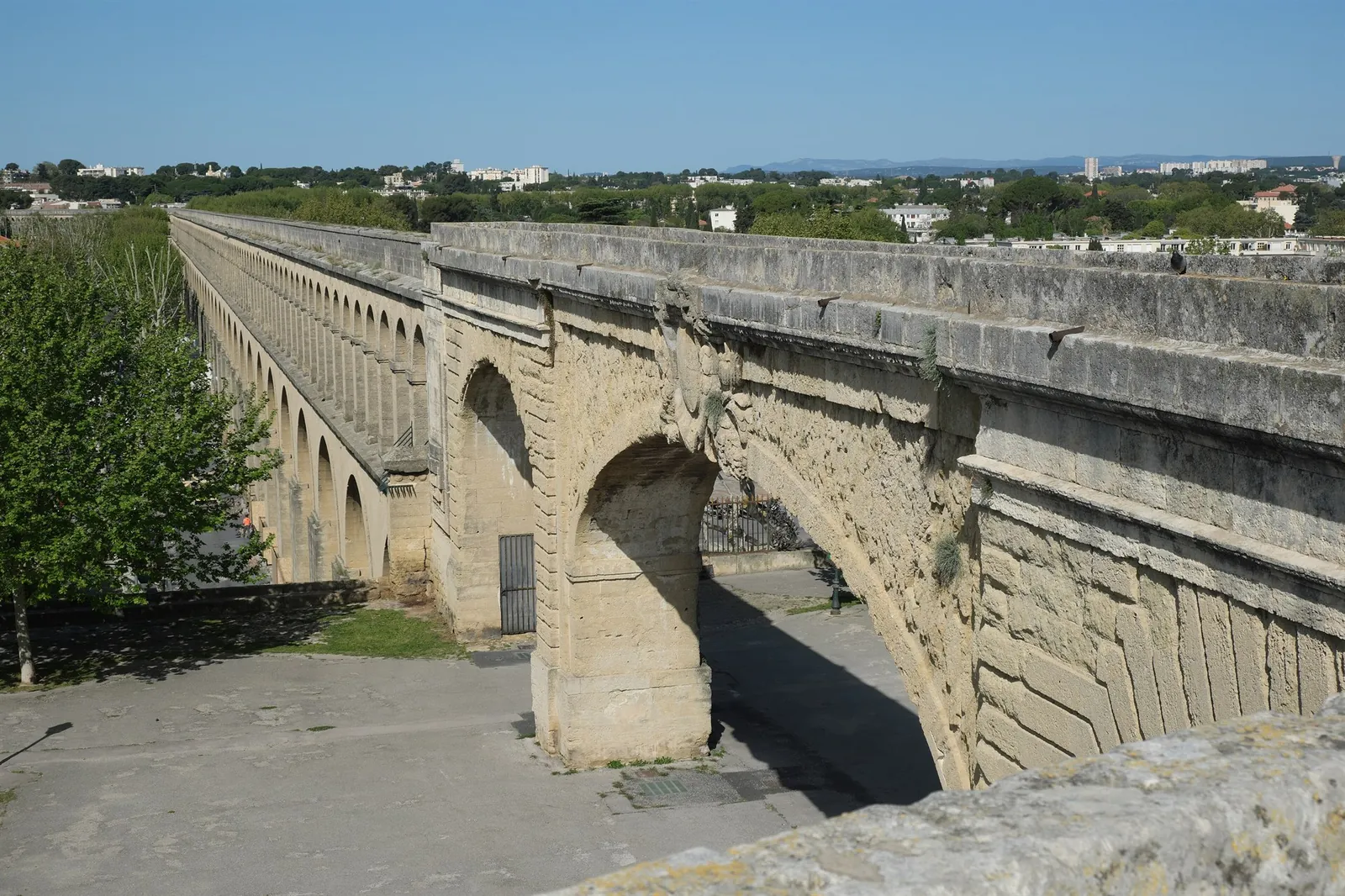
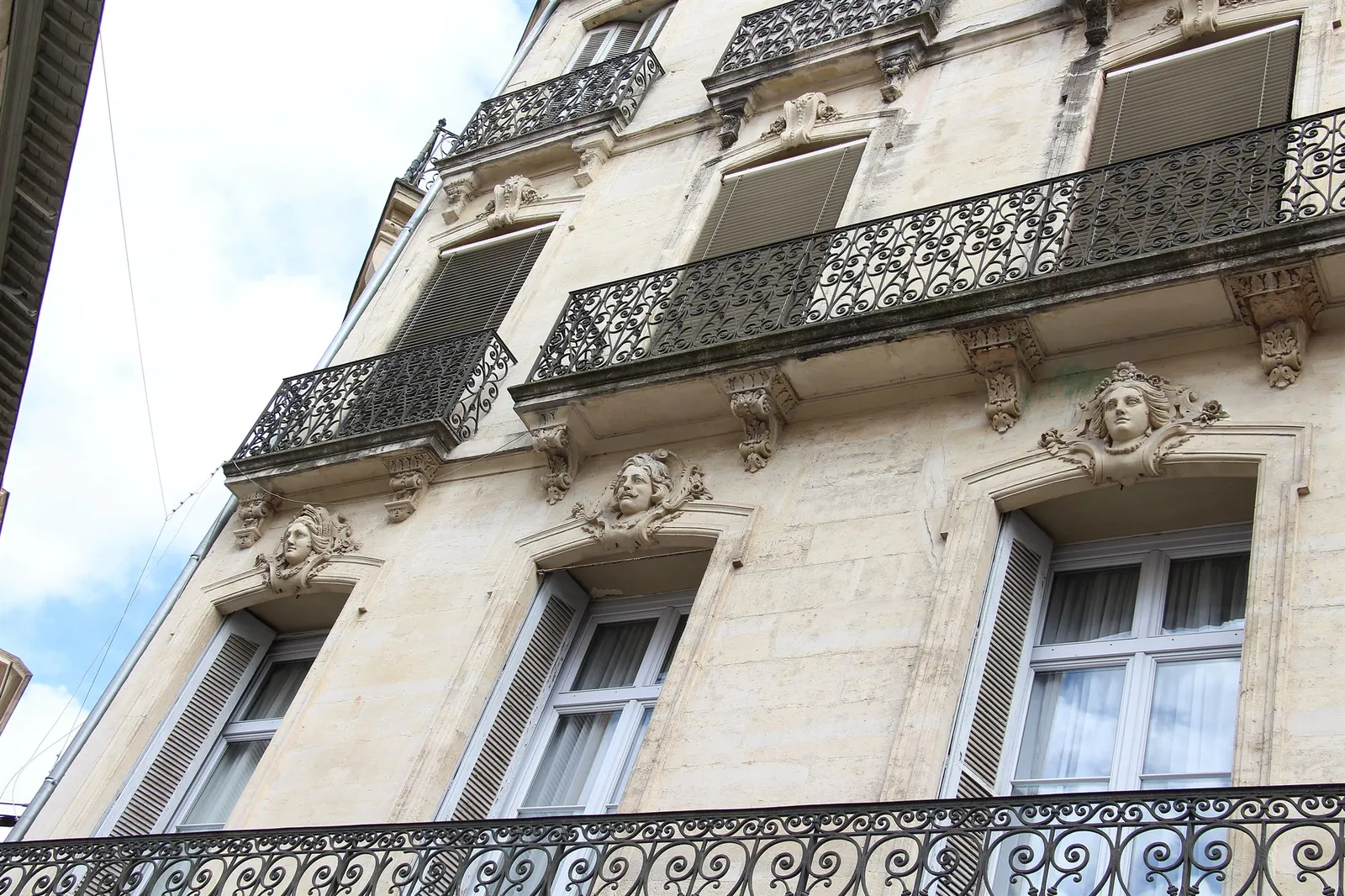
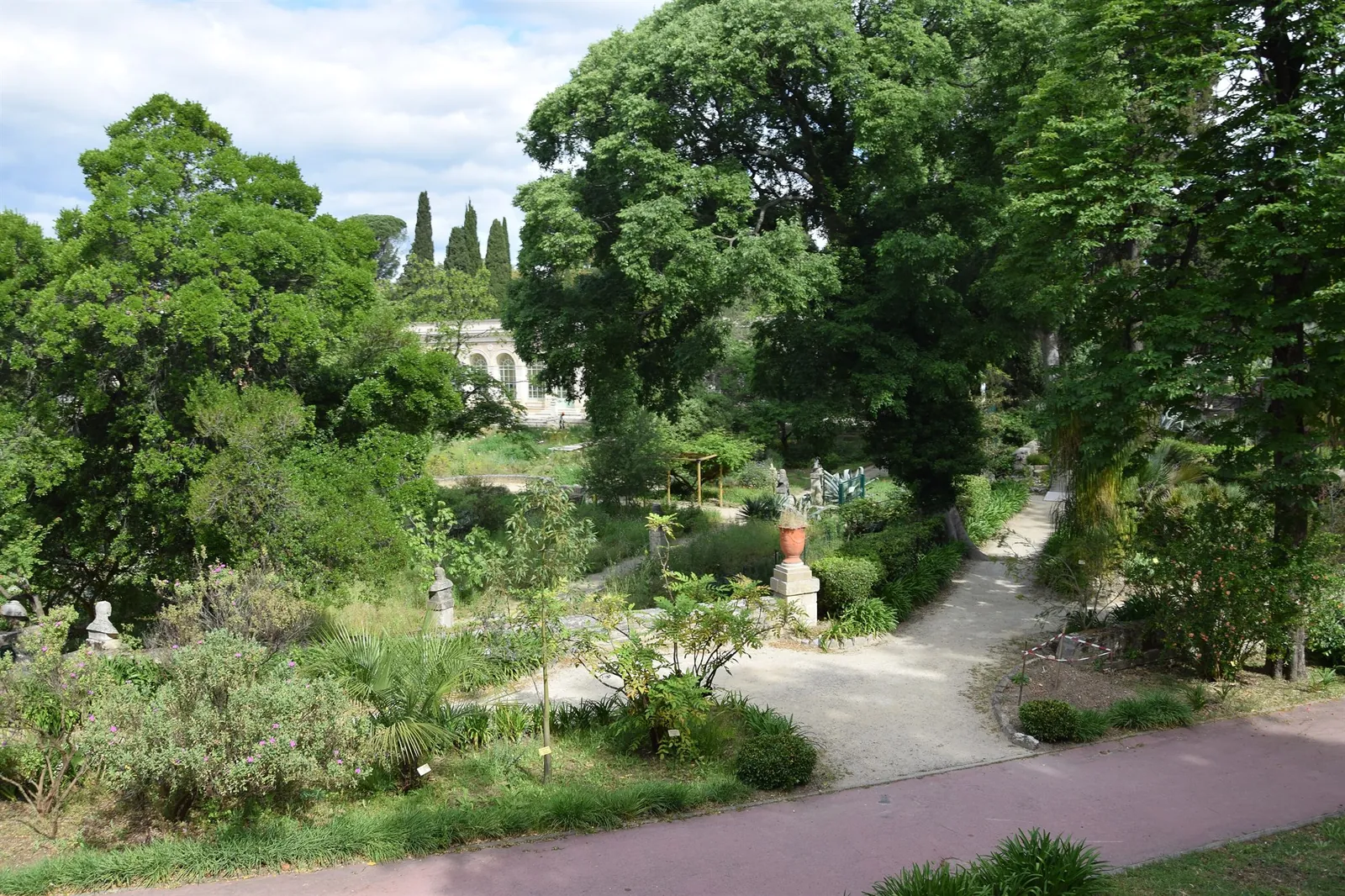
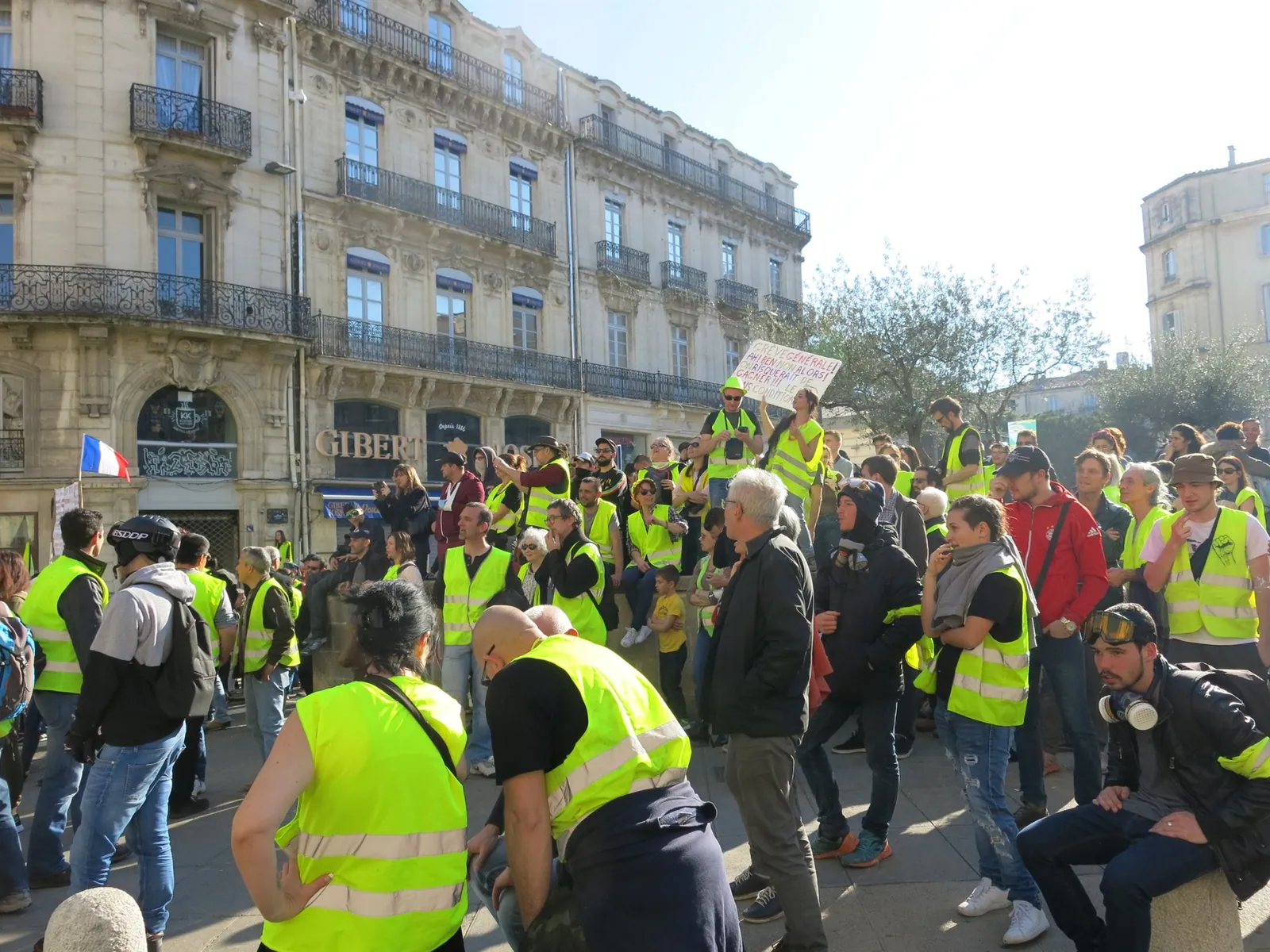
Authentic, unedited photos of Montpellier by residents and visitors, taken on ordinary days rather than chosen by a tourist board. Each one shows when it was taken. Browse photos of 105 cities →











The other side


What does it cost to live in Montpellier?
1-Bedroom Rent
$550-$1,000/month
Local Restaurant Meal
$10-$16 at local restaurants
Cup of Coffee
$1.50-$3
Estimated Monthly Total
$1,800-$2,800
Want a personalized estimate? Use our cost of living calculator
How good is healthcare in Montpellier?
Montpellier's CHU (Centre Hospitalier Universitaire) is one of France's top teaching hospitals, affiliated with the University of Montpellier's renowned medical school. The hospital complex includes specialized departments for cardiology, oncology, neurology, and geriatrics. Private clinics such as Clinique du Millénaire and Clinique Clémentville complement the public system. As a legal resident, you join France's Assurance Maladie with 70% reimbursement. A GP consultation costs €25 ($27). The city's medical tradition, the oldest in France, ensures a high concentration of specialists and pharmacies.
What is daily life like in Montpellier?
Montpellier's lifestyle combines southern French joie de vivre with urban convenience. The Marché du Lez is a trendy food market and social hub. The Écusson's pedestrian streets are lined with boutiques, bookshops, and restaurants. The Promenade du Peyrou offers panoramic views and morning tai chi groups. Beach towns like Palavas-les-Flots and Carnon are 15 minutes away by tram. The Pic Saint-Loup wine region is a 30-minute drive for tastings. Cultural highlights include the Fabre Museum (one of France's finest), the Opéra Orchestre, and the Festival de Radio France each July.
What is the climate like in Montpellier?
Montpellier enjoys a Mediterranean climate with hot, dry summers and mild, occasionally rainy winters. Summers (June-September) average 28-33°C with plenty of sunshine. Winters (December-February) are mild at 4-12°C with occasional cold snaps from the mistral or tramontane winds. The city receives about 2,600 hours of sunshine per year and averages only 60 rainy days annually. The beach season runs from June through September, with sea temperatures reaching 24°C in August.
| Month | High | Low | Rain |
|---|---|---|---|
| January | 12.0 °C | 3.3 °C | 56 mm |
| February | 13.1 °C | 3.5 °C | 39 mm |
| March | 16.4 °C | 6.4 °C | 42 mm |
| April | 18.7 °C | 9.2 °C | 56 mm |
| May | 22.6 °C | 12.9 °C | 44 mm |
| June | 26.9 °C | 16.7 °C | 33 mm |
| July | 29.5 °C | 19.3 °C | 17 mm |
| August | 29.3 °C | 19.0 °C | 36 mm |
| September | 25.2 °C | 15.2 °C | 87 mm |
| October | 20.7 °C | 12.2 °C | 95 mm |
| November | 15.7 °C | 7.4 °C | 78 mm |
| December | 12.5 °C | 4.1 °C | 57 mm |
Weather station: Montpellier Airport (8 km away). Source: WMO Climatological Normals 1991-2020 (NOAA NCEI)
What are the pros and cons of retiring in Montpellier?
Pros
- Excellent university hospital with France's oldest medical school
- 25-35% cheaper than the Côte d'Azur with similar climate
- Outstanding tram system reducing need for a car
- Vibrant cultural scene with youthful energy
- Easy beach access via tram (15 minutes to coast)
Cons
- Smaller international airport with fewer direct flights
- Less glamorous image than Nice or Provence
- Mistral and tramontane winds can be fierce in winter
- French language essential; less English spoken than on the Riviera
Who should retire in Montpellier?
Retirees who want affordable southern French living with excellent healthcare, beach access, cultural vibrancy, and a walkable, tram-connected city.
Which neighborhoods suit retirees in Montpellier?
Ecusson (Historic Center)
Medieval heart of the city with pedestrian streets, Place de la Comedie, and abundant cafes. One-bedroom rents range $700-$1,100/month. Ideal for retirees who want car-free walkability, cultural venues, and the city's best restaurant scene.
Antigone
Neo-classical district designed by Ricardo Bofill, extending from the center to the Lez river. Modern apartments with one-bedrooms at $650-$1,000/month. Appeals to retirees preferring contemporary architecture and wide, planned streets.
Port Marianne
Newer waterfront development along the Lez with modern residences, parks, and the Odysseum shopping complex. Rents run $700-$1,050/month for a one-bedroom. Family-friendly and convenient, with tram connections to the center.
Which hospitals serve retirees in Montpellier?
CHU de Montpellier (Hopital Lapeyronie)
Montpellier's main public university hospital. One of France's leading medical centers with strong research programs. Comprehensive specialist care including cardiology, neurosurgery, and organ transplantation. Affiliated with the University of Montpellier medical school.
CHU de Montpellier (Hopital Gui de Chauliac)
Part of the CHU network, specializing in neurology, neurosurgery, and ophthalmology. Located on the university campus. Advanced diagnostic and surgical capabilities for complex neurological conditions.
Clinique du Millenaire
Private hospital in the eastern part of the city. Offers cardiovascular surgery, orthopedics, and oncology. Modern facility with shorter wait times than public hospitals. Accepts supplementary private insurance (mutuelle).
Facility details may change. Verify accreditation status and services directly with each hospital before making healthcare decisions.
What is the food scene like in Montpellier?
Montpellier's food scene punches above its weight, driven by a large student population, Mediterranean proximity, and strong local wine culture. The Halles Castellane and Halles Laissac are the main covered markets, where vendors sell Languedoc cheeses, oysters from the Etang de Thau, and charcuterie. Market-side restaurants serve lunch plates for $10-$15.
In the Ecusson, restaurants like Le Petit Jardin and La Diligence offer refined southern French cooking with menus around $25-$40 per person. The side streets off Place de la Comedie are filled with casual bistros serving plats du jour for $12-$16. Montpellier's proximity to the coast means fresh seafood is abundant: moules frites and grilled dorade are standard fare at $10-$15.
The Languedoc-Roussillon wine region surrounds the city, and local wines are exceptional value at $4-$8 per bottle in shops. Wine bars in the Ecusson pour regional selections for $4-$7 per glass. Weekly grocery costs for two at Carrefour or Intermarche run $60-$85. Montpellier offers a southern French lifestyle at roughly 30-40%% less than Nice or Paris, making it a compelling choice for budget-conscious Francophile retirees.
Is retiring in Montpellier right for you?
Take our free 3-minute retirement quiz to see how life in Montpellier, France, compares to other destinations based on your preferences, budget, and needs.
Take the Retirement QuizFrequently Asked Questions About Retiring in Montpellier
How does Montpellier compare to Nice for retirement?
Montpellier is 25-35% cheaper than Nice, particularly for rent and dining. It has a comparable climate with slightly hotter summers. Healthcare is arguably better thanks to the CHU teaching hospital. Nice has a more international feel, better airport connections, and the Riviera glamour. Montpellier has a younger, more dynamic energy and better public transit. Both are excellent choices.
Is Montpellier walkable?
Montpellier is very walkable. The Écusson (medieval center) is almost entirely pedestrian, and the tram network connects all major neighborhoods and reaches the beach. Many retirees live car-free, using the tram for shopping, medical appointments, and beach trips. The city is flat, making it accessible for those with mobility limitations.
What is the expat community like in Montpellier?
The expat community in Montpellier is smaller than in Paris or the Riviera but friendly and welcoming. It includes academics, digital nomads, and a growing number of retirees from the UK, US, and Northern Europe. English-language social groups, book clubs, and meetups exist. However, integration with French social life is easier and more rewarding here than in more touristy cities.
Sources & References
- Numbeo, Cost of living index and price data for Montpellier: rent, groceries, restaurants, and transportation
- CHU de Montpellier, Facility services, specialist departments, and medical capabilities in Montpellier
- French Office for Immigration and Integration (OFII), Long-stay visa and residence permit procedures applicable to Montpellier residents
- Montpellier Mediterranee Metropole, Regional infrastructure data, public transport, and municipal services in Montpellier