
City Retirement Guide
Retire in Bangkok, Thailand
World-class healthcare meets affordable urban living
What are the key facts about retiring in Bangkok?
- Elevation & setting
- ~1.5m, Chao Phraya River basin (inland, 32km from coast)
- Climate
- Coolest month December 23–32°C, hottest April 27–36°C; 1,702 mm of rain a year, most in September (daily low to high, 1991–2020)
- Nearest international airport
- BKK Suvarnabhumi, 32km east; DMK Don Mueang, 24km north
- Nearest JCI hospital
- Bumrungrad International, Sukhumvit Soi 3, Wattana
- Primary retirement visa
- Non-Immigrant O-A (age 50+, 800,000 THB deposit or 65,000 THB/mo income)
- Language environment
- English common in Sukhumvit, Silom, Sathorn; limited in outer districts
Thailand's Non-Immigrant O-A visa is renewable annually; holders must file a 90-day address report with Thai Immigration and maintain the deposit or income threshold throughout the visa year.
What is retirement like in Bangkok?
Bangkok sits at the center of Thailand's Chao Phraya River basin, 32 kilometers inland from the Gulf of Thailand, at an elevation of roughly 1.5 metres. Bangkok has around 30 JCI-accredited hospitals, and four of them (Bumrungrad International, BNH, Samitivej Sukhumvit, and MedPark) fall within a 10-kilometer radius of Sukhumvit. That places Bangkok among Asia's densest clusters of internationally accredited hospitals for expat retirees. Most foreign retirees settle in the BTS Skytrain corridor between Asok and Ekkamai, where one-bedroom condominiums rent for $500-$900 per month and Bumrungrad Hospital is a five-minute taxi ride.
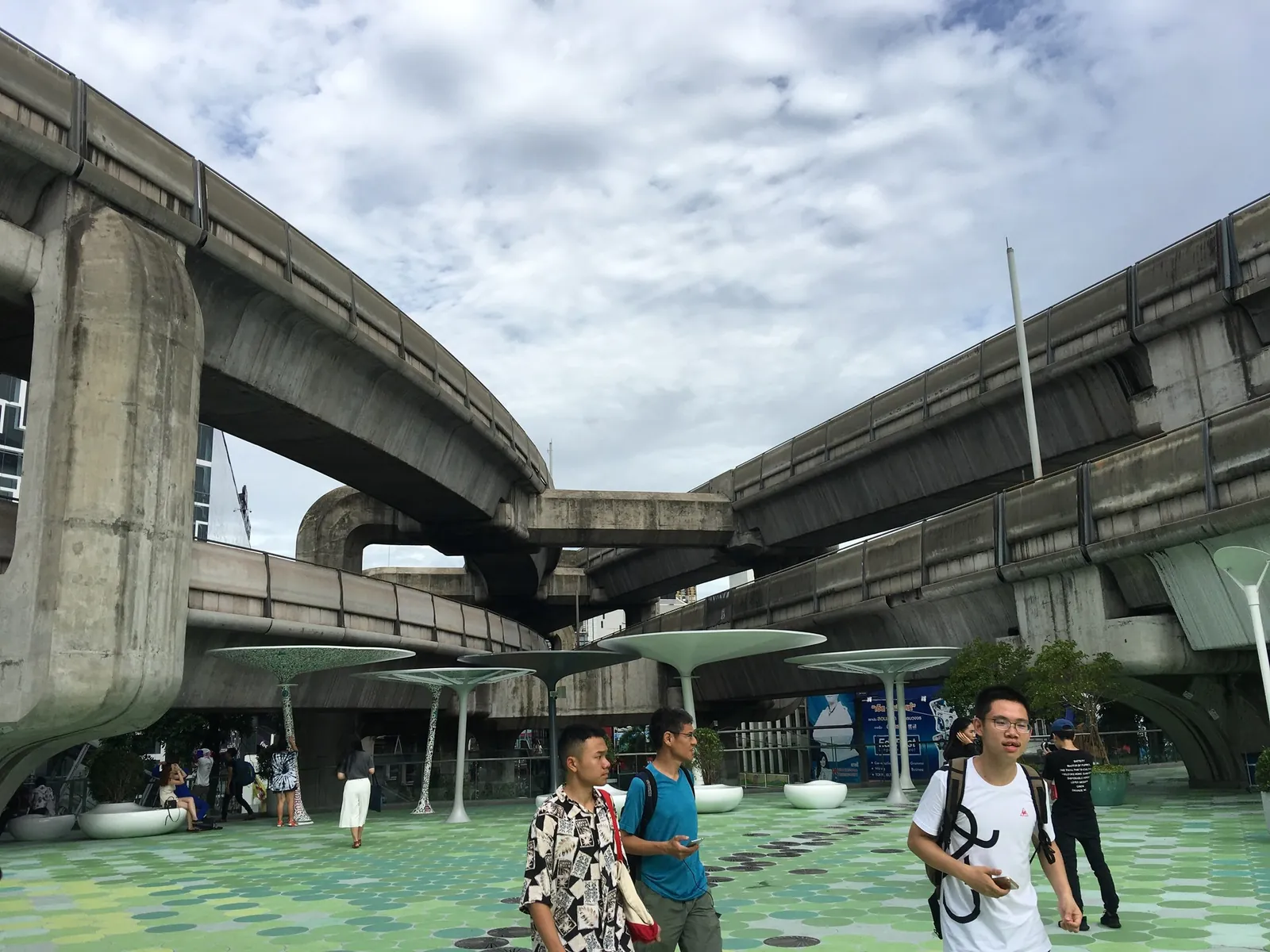
Daily life in Bangkok is remarkably convenient for older adults. You can get almost anything delivered to your door, from restaurant meals to prescriptions. The BTS Skytrain and MRT subway are air-conditioned and accessible, making it easy to travel the city without a car. International-standard hospitals like Bumrungrad, BNH, and Samitivej cater specifically to expatriates with English-speaking staff and transparent pricing.
The expat retiree community in Bangkok is large and well-established. Social clubs, volunteer groups, and interest-based meetups mean you will never lack for English-speaking companionship. Thailand's Non-Immigrant O-A (Long Stay) visa is available to retirees over 50, making the legal side straightforward for most nationalities.
What does it really look like in Bangkok?
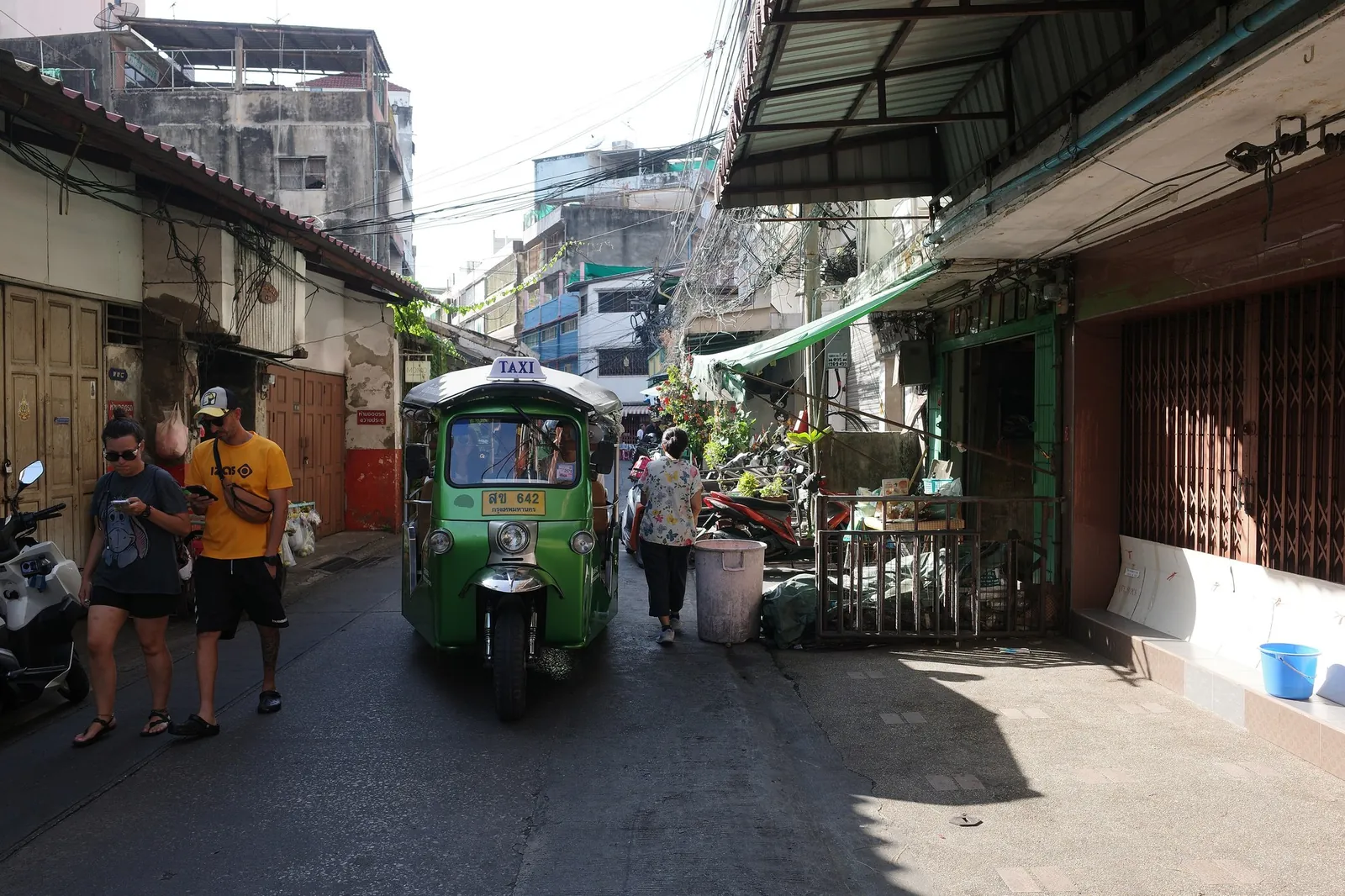
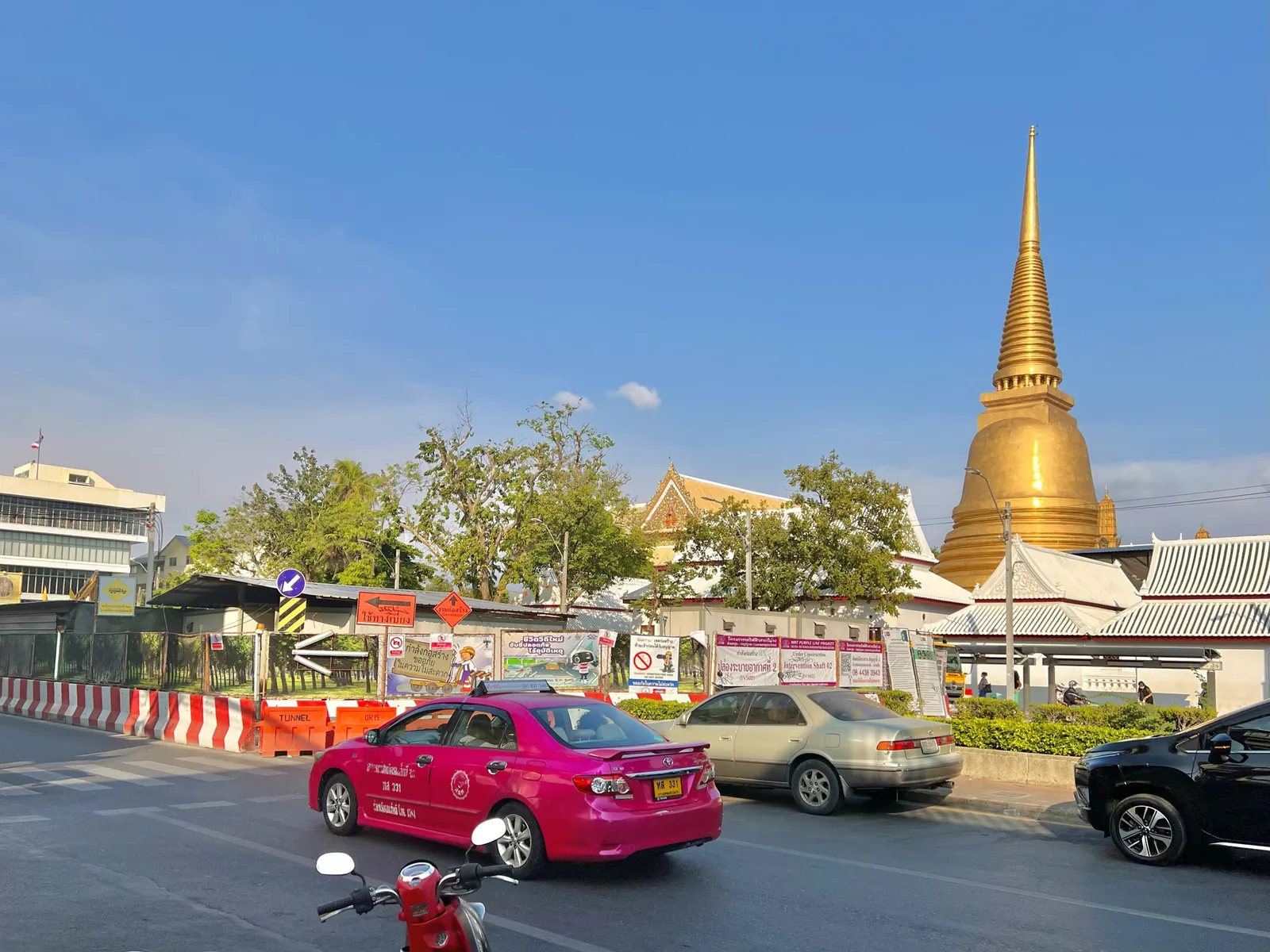
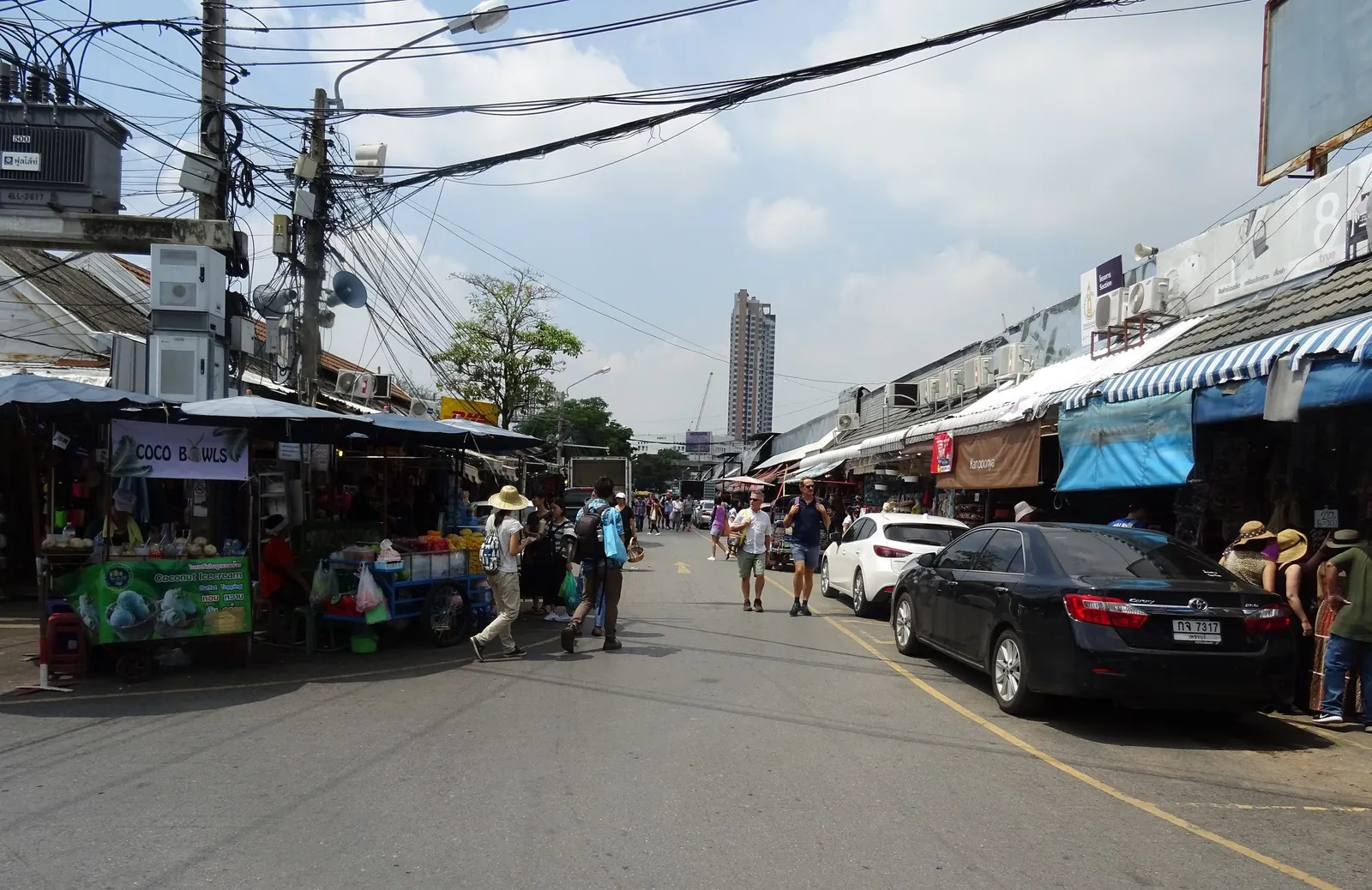
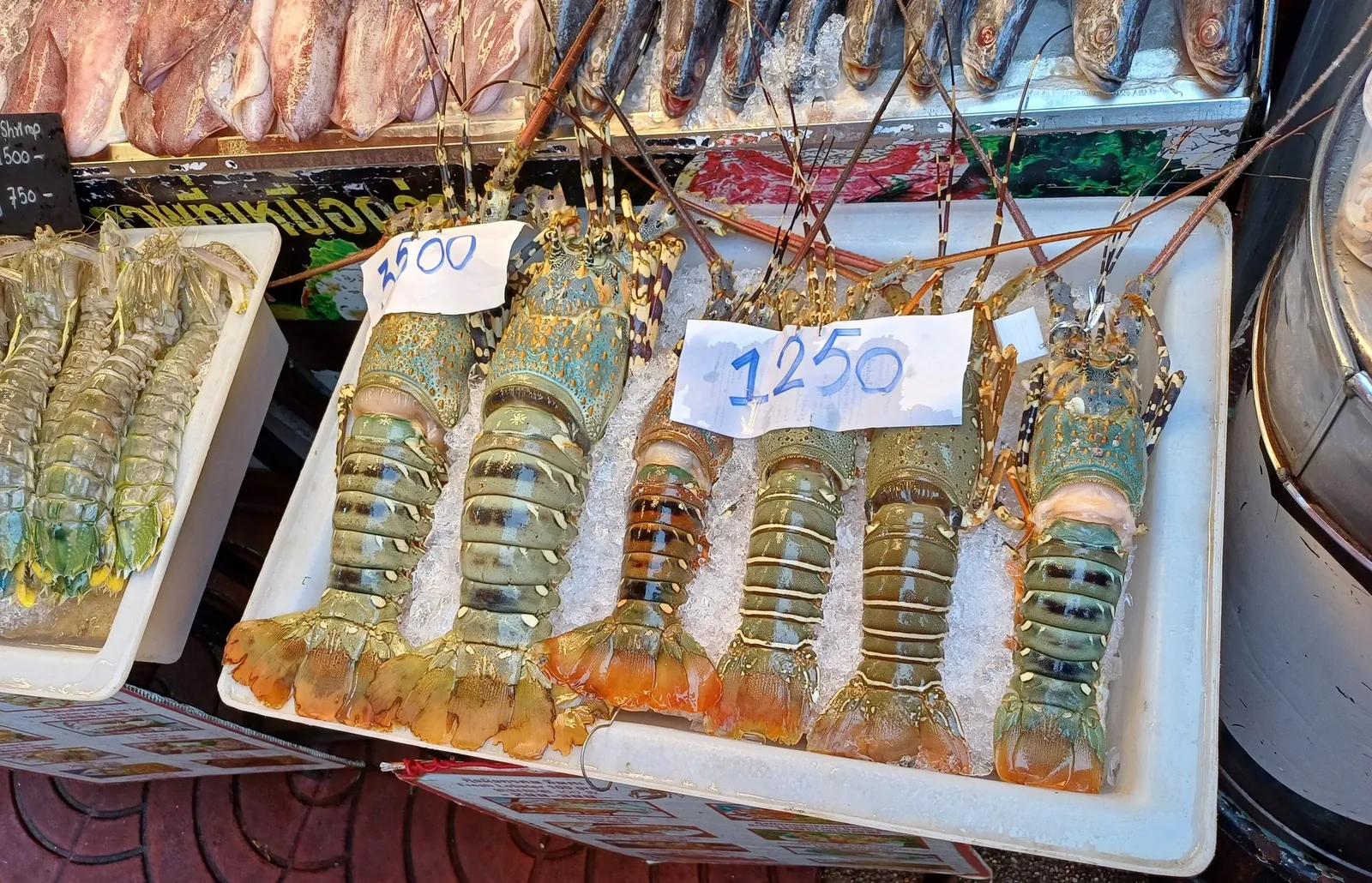
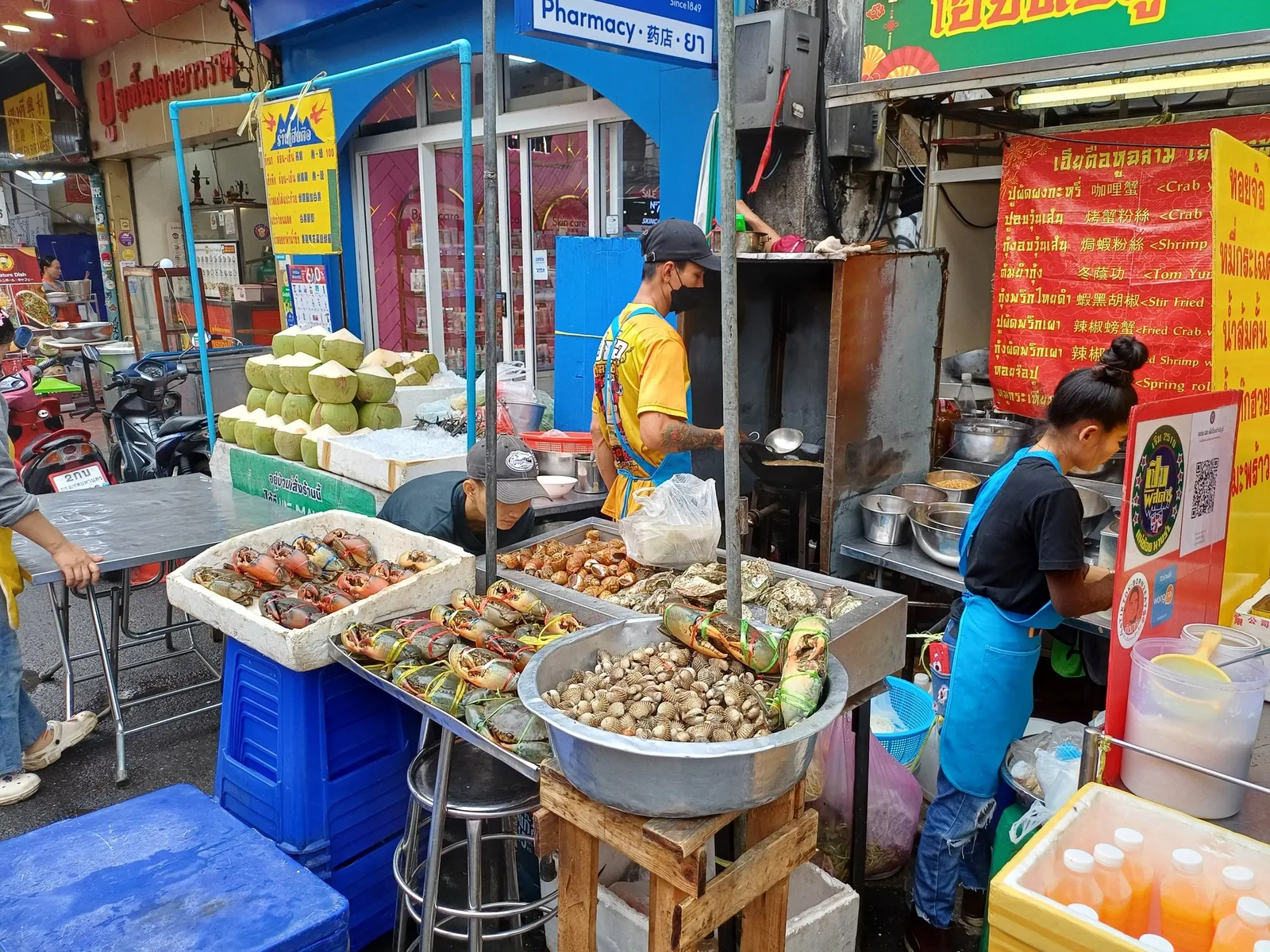
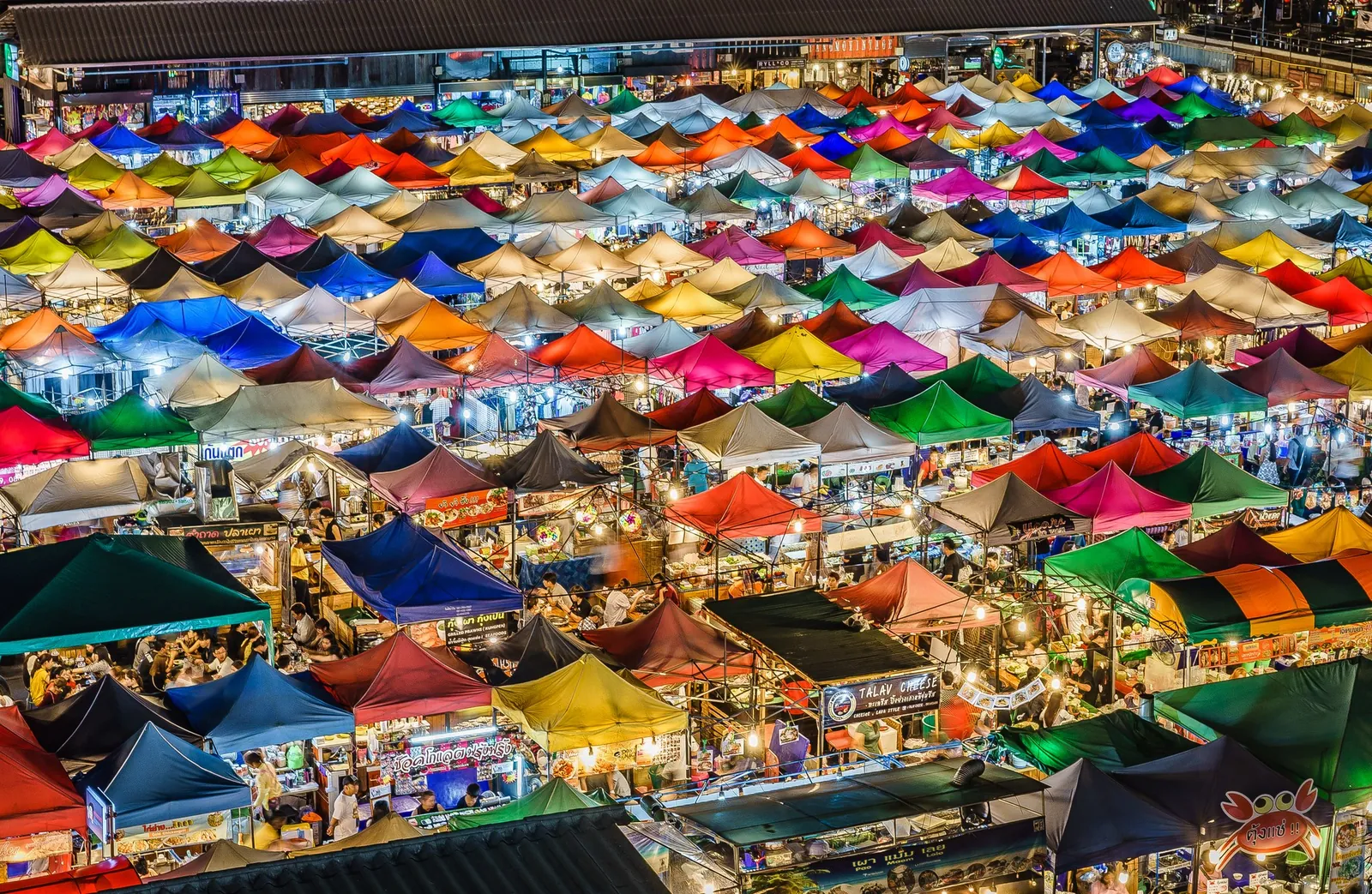
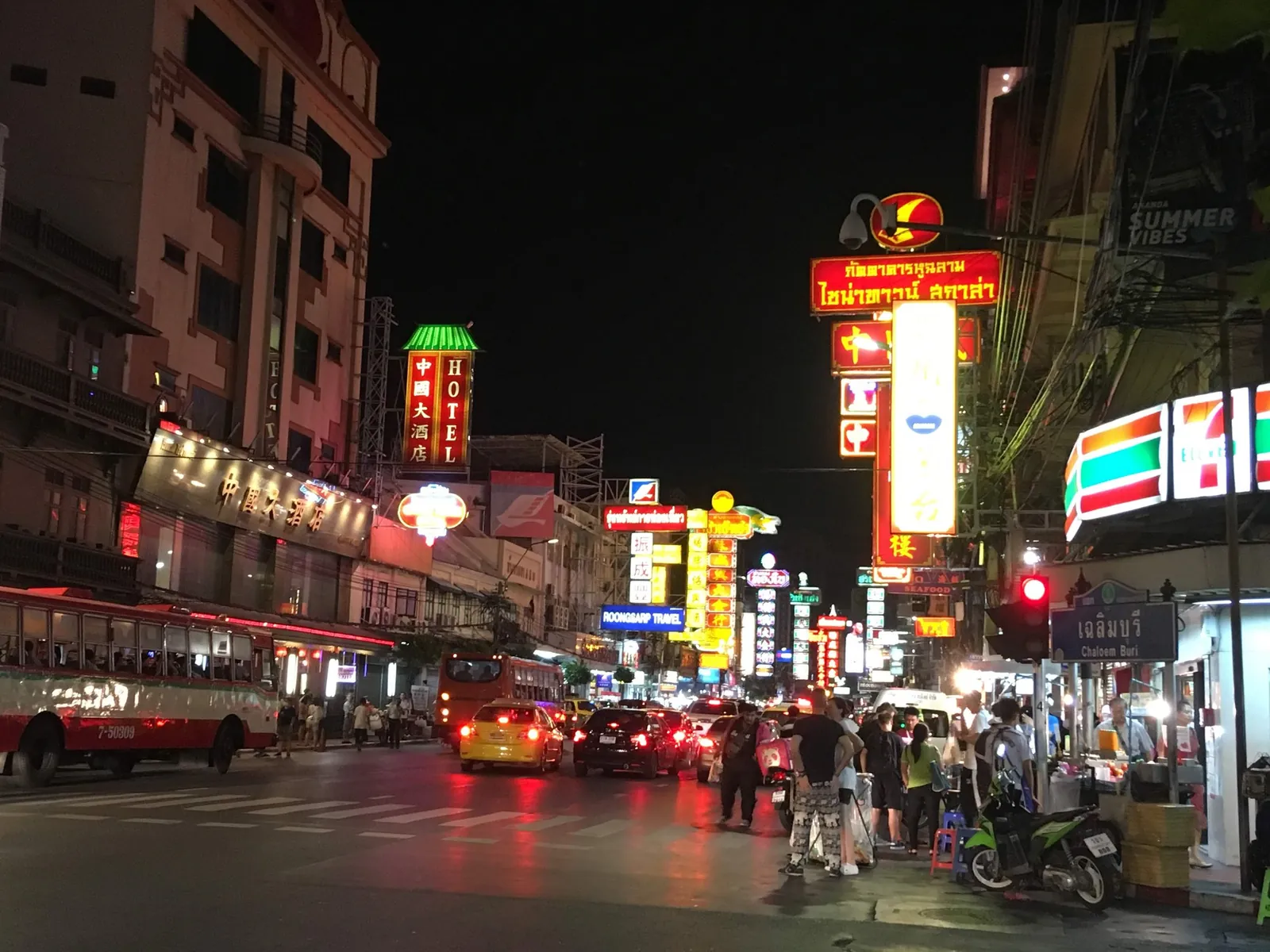
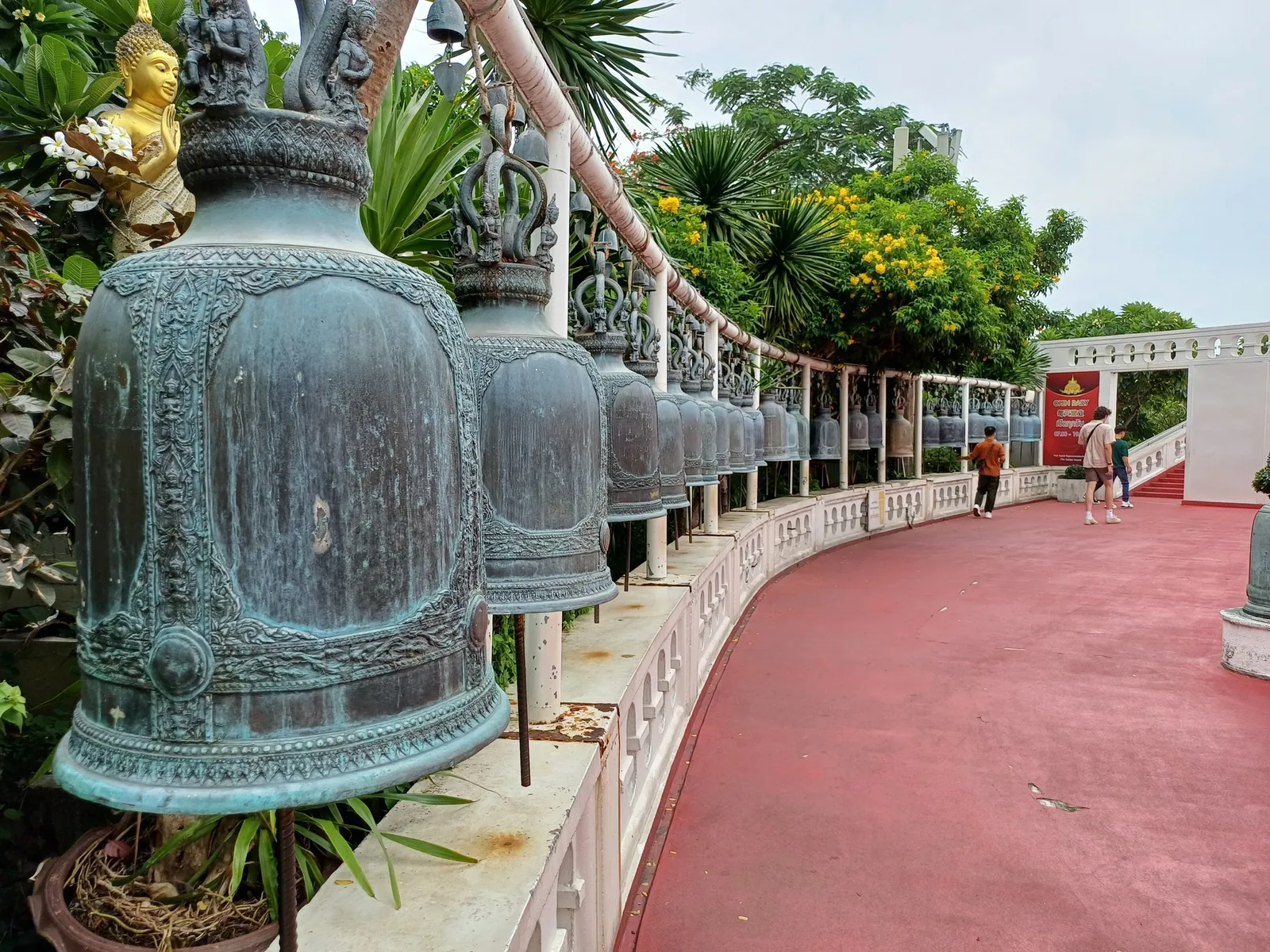
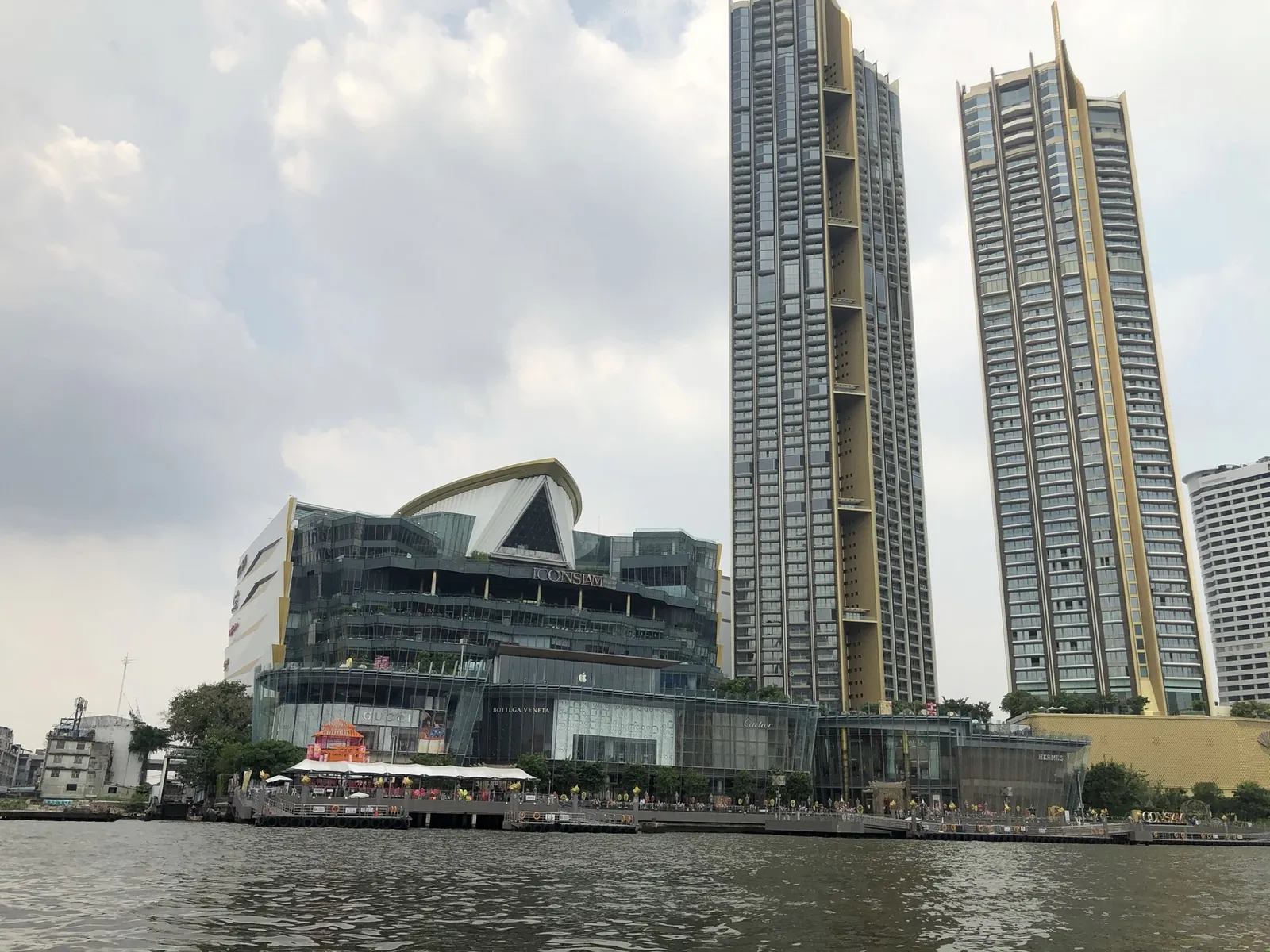
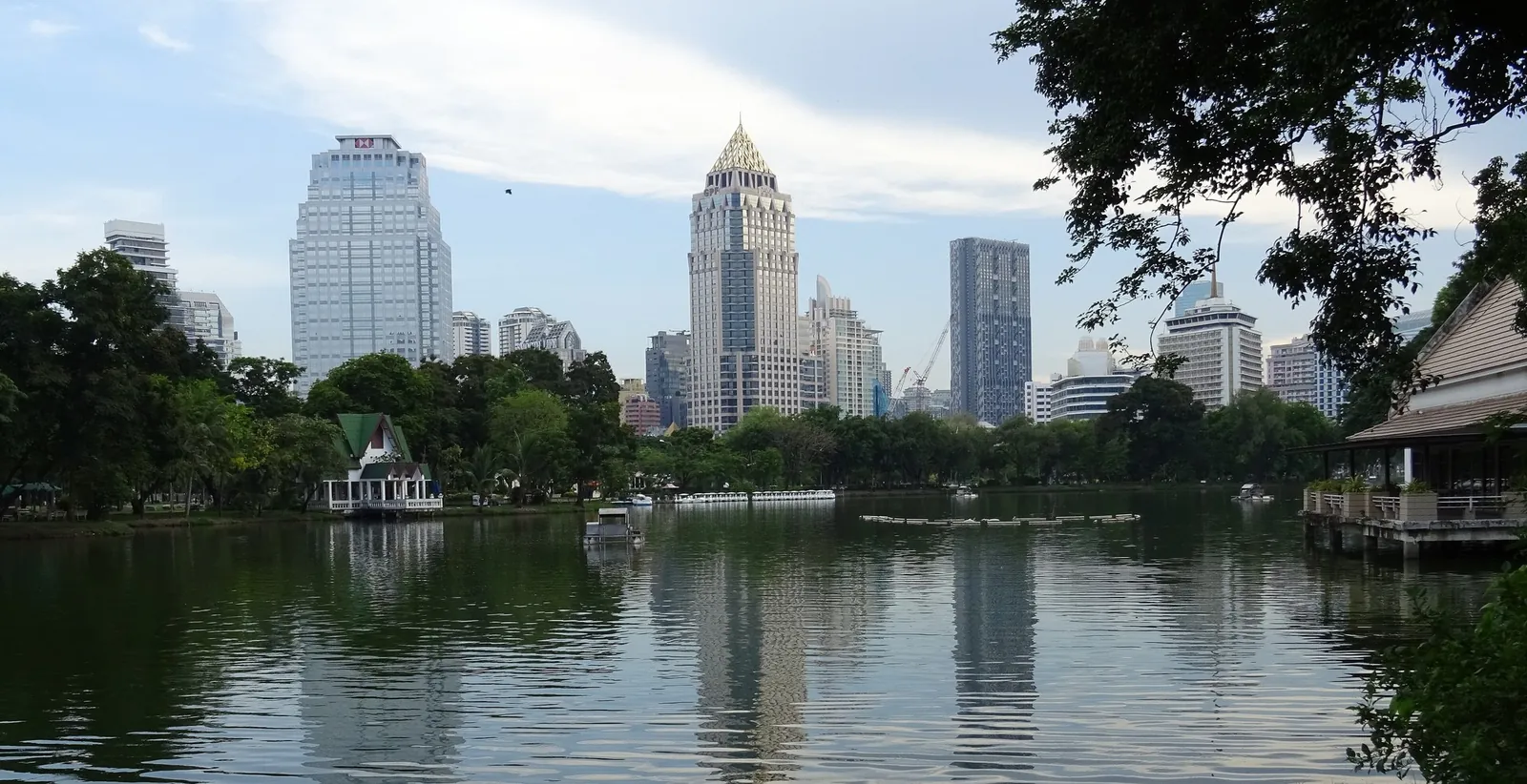
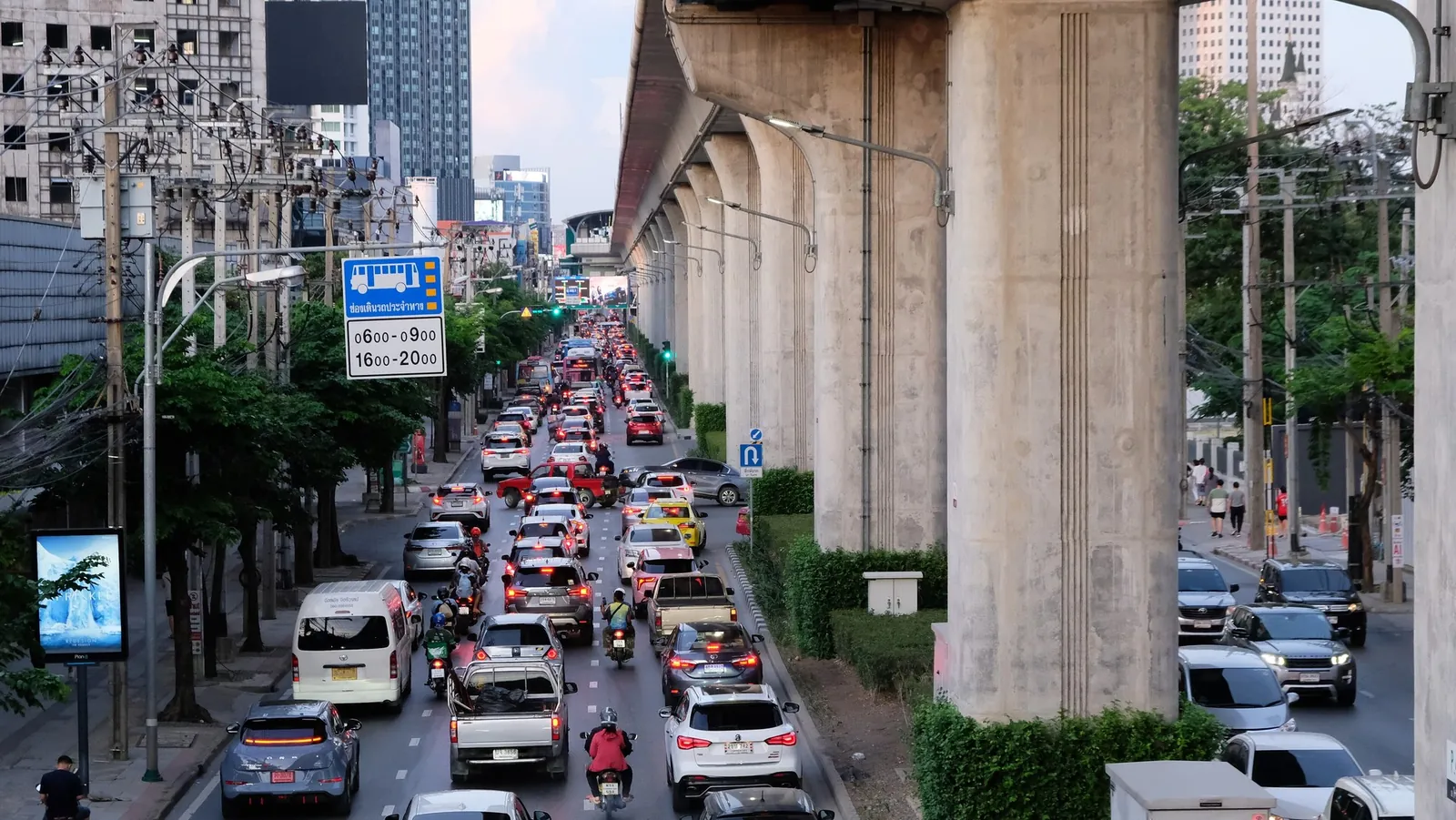
Authentic, unedited photos of Bangkok by residents and visitors, taken on ordinary days rather than chosen by a tourist board. Each one shows when it was taken. Browse photos of 105 cities →




.jpg)
.jpg)


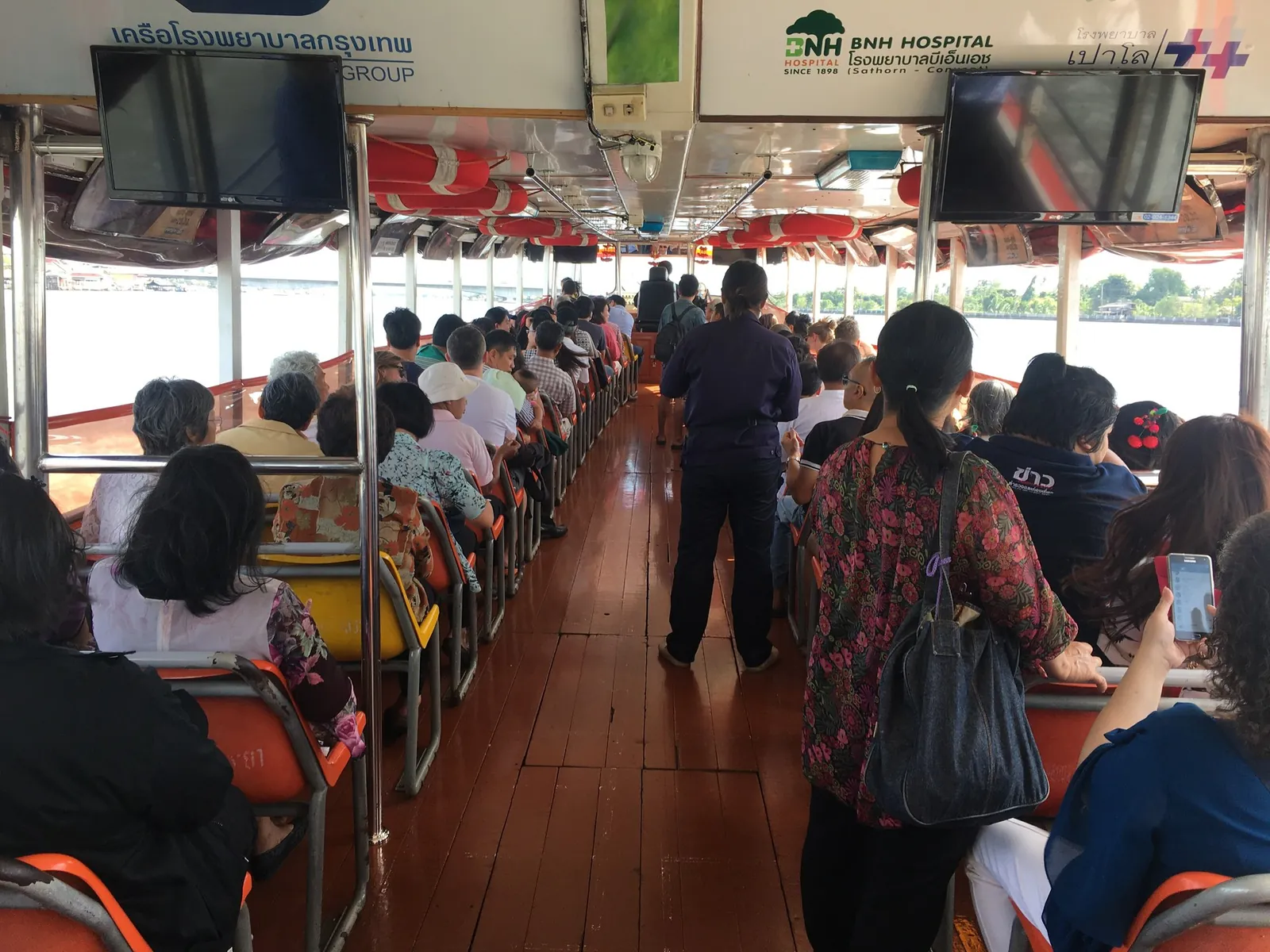

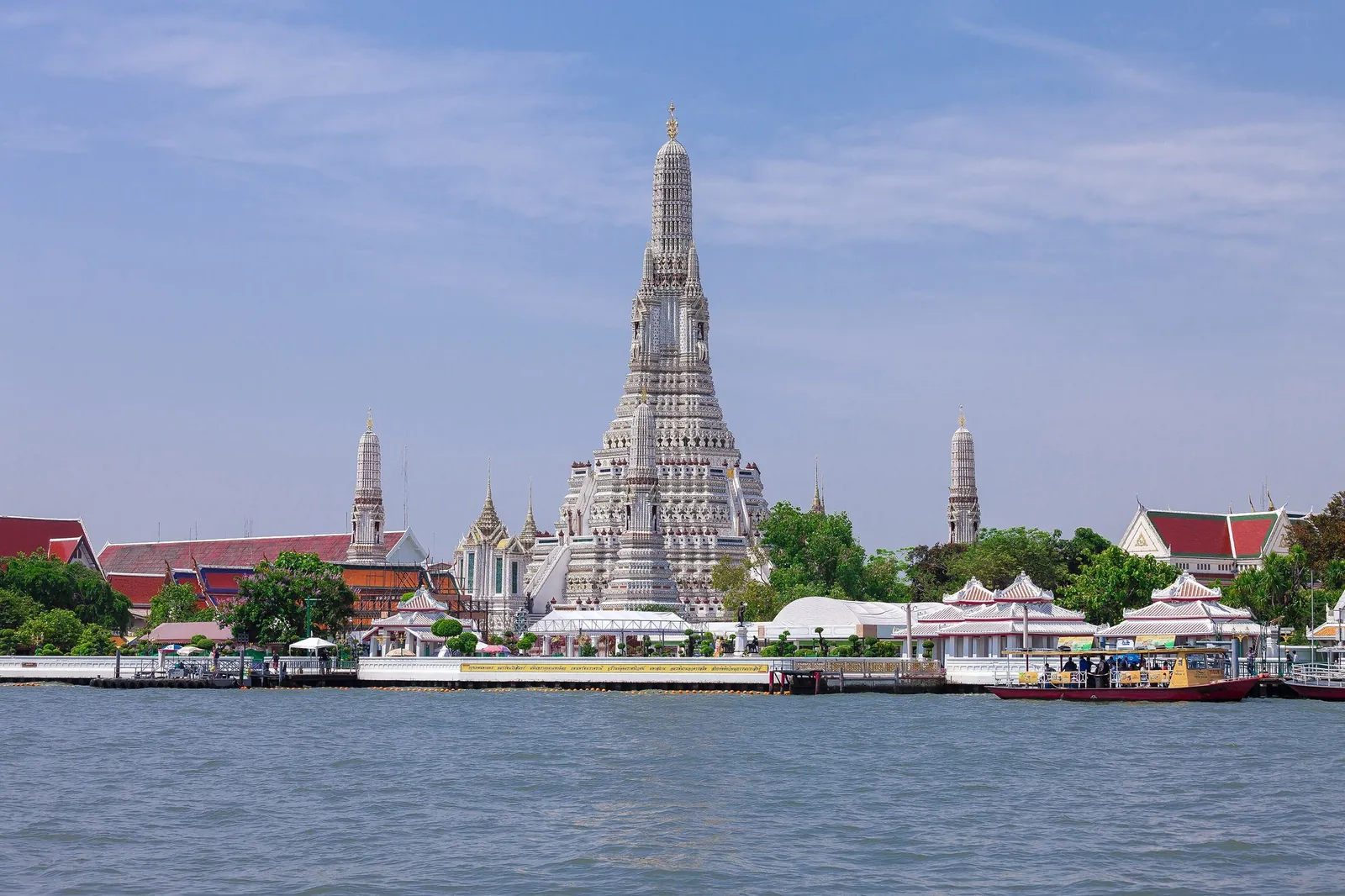

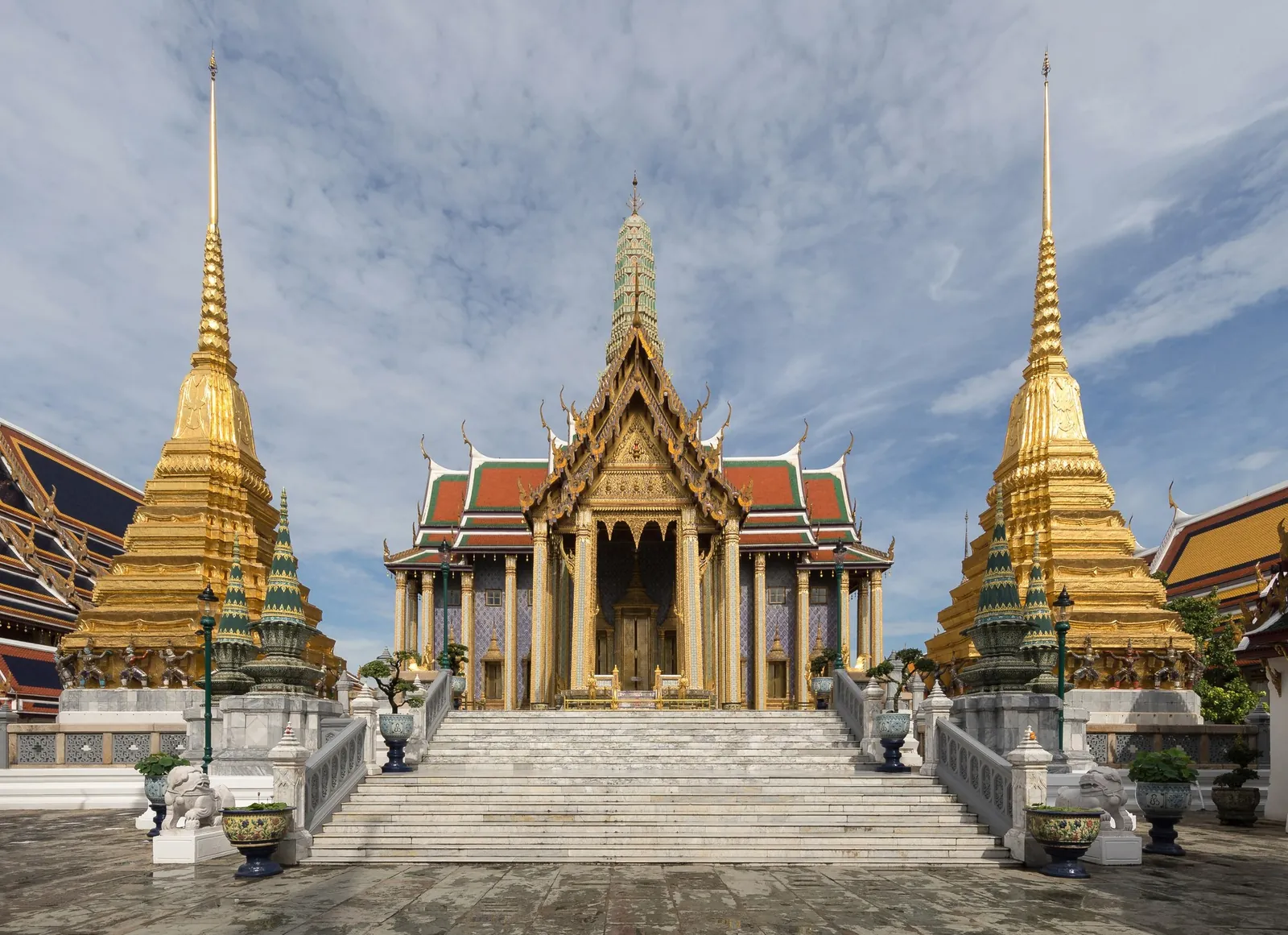

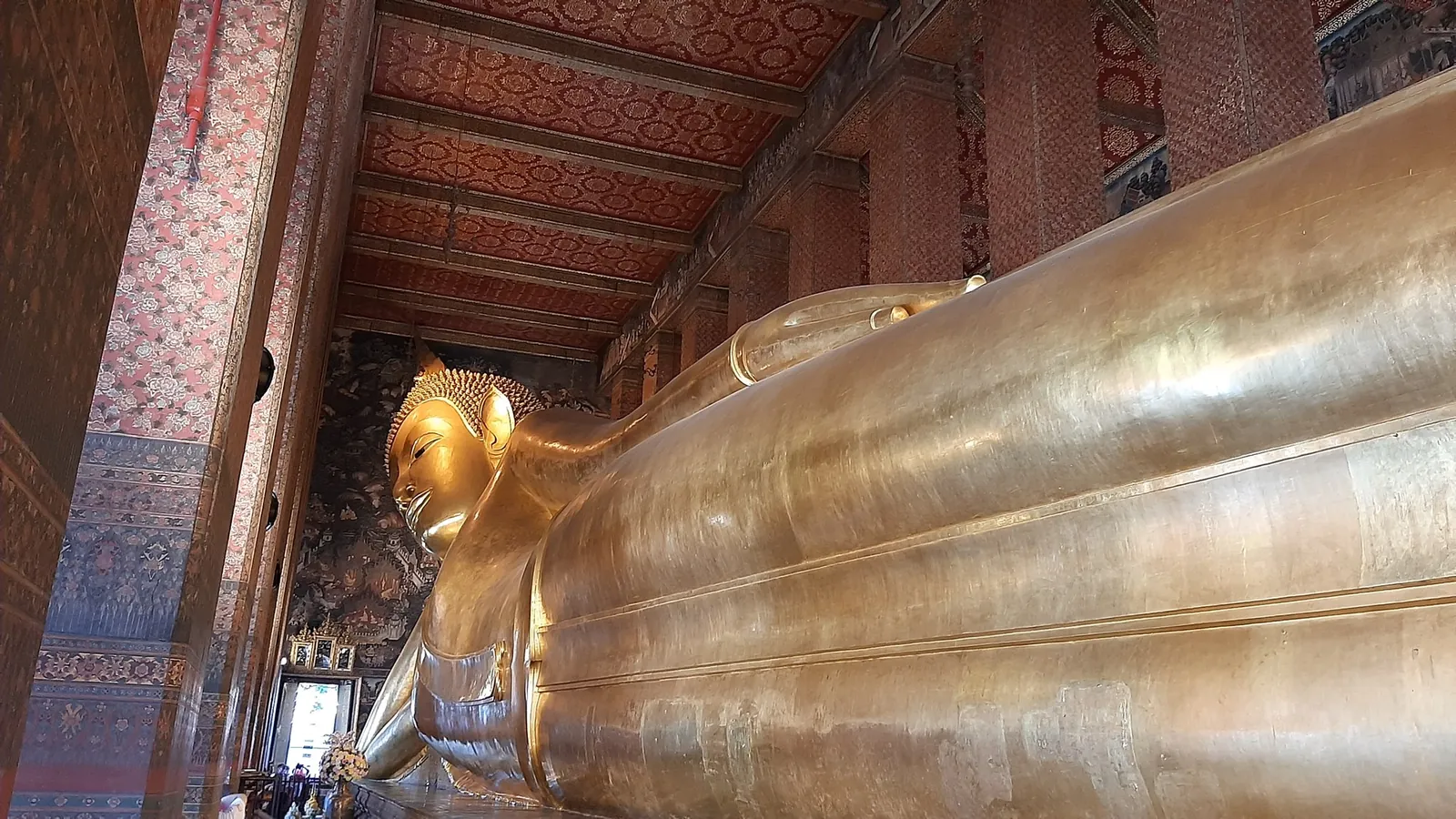

.jpg)


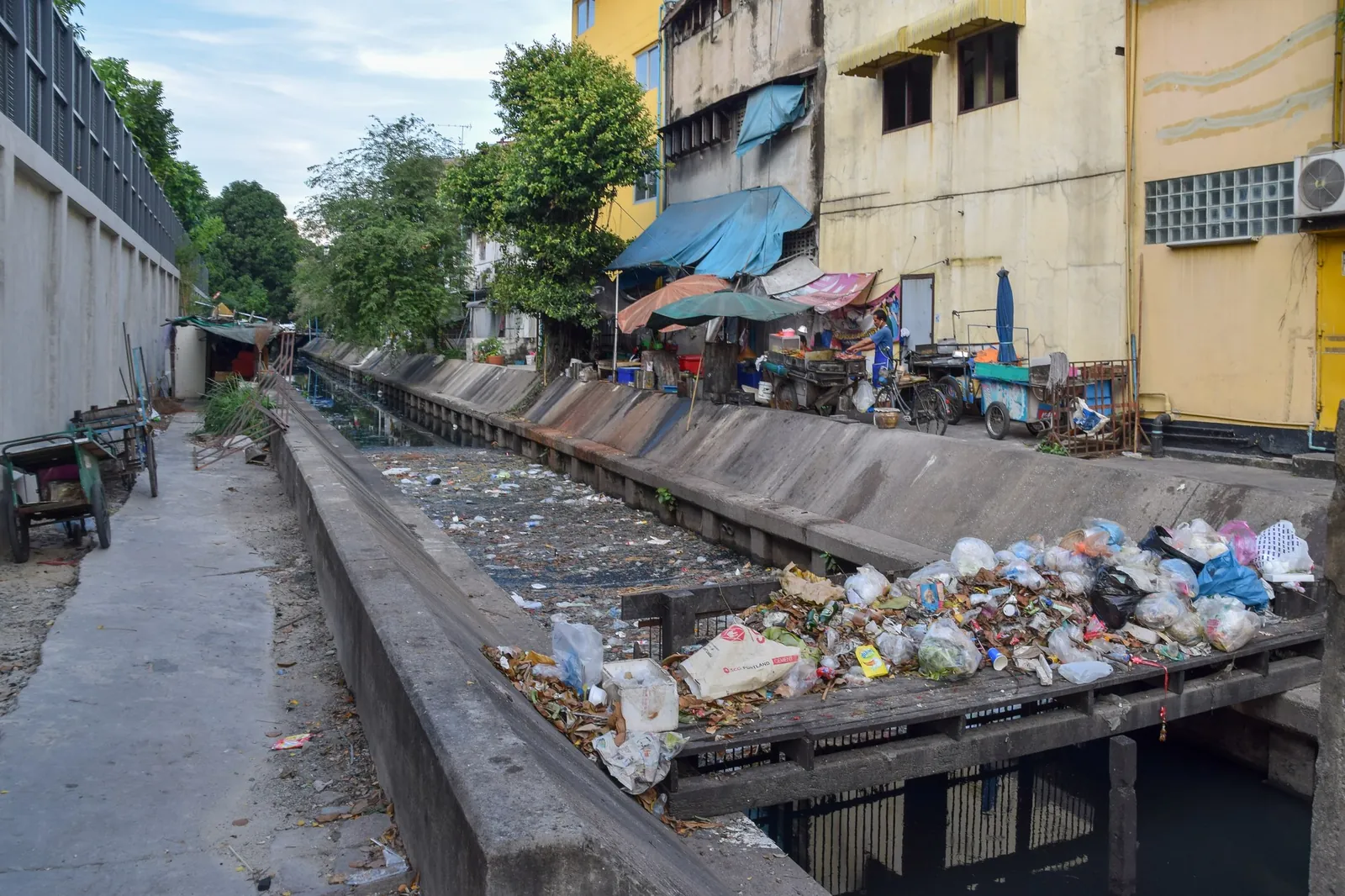
The other side



What does it cost to live in Bangkok?
1-Bedroom Rent
$400-$800/month
Local Restaurant Meal
$2-$5 at local restaurants
Cup of Coffee
$1.50-$3.50
Estimated Monthly Total
$1,200-$2,200
Want a personalized estimate? Use our cost of living calculator
How good is healthcare in Bangkok?
Bangkok is home to some of the best hospitals in Asia. Bumrungrad International Hospital alone handled more than 1.1 million treatments in 2025, over 604,000 of them for patients from abroad. Private healthcare costs roughly 50-70% less than equivalent care in the United States, and quality is on par with Western standards. Most private hospitals have international patient departments with multilingual staff. Health insurance for retirees aged 55-70 typically costs $1,500-$4,000 per year depending on coverage level. Many retirees also pay out of pocket for routine care, as consultations often cost just $20-$40.
What is daily life like in Bangkok?
Life in Bangkok blends the traditional and the ultra-modern. You can start your morning at a peaceful Buddhist temple, grab lunch at a street food stall serving some of the world's best cuisine, and spend the afternoon in an air-conditioned mall or cinema. The city has excellent international supermarkets, countless fitness centers, and a growing number of co-living and retirement-friendly condominium developments. English is widely spoken in tourist and business areas, though learning basic Thai phrases is appreciated.
What is the climate like in Bangkok?
Bangkok has a tropical monsoon climate with three seasons: hot (March-May, 33-36°C), rainy (June-October, 28-32°C with afternoon downpours), and cool (November-February, 25-30°C). The cool season is the most pleasant, with low humidity and clear skies. Air conditioning is essential year-round. Air quality can be poor from December to February due to seasonal burning and traffic pollution.
| Month | High | Low | Rain |
|---|---|---|---|
| January | 32.7 °C | 23.4 °C | 24 mm |
| February | 33.7 °C | 24.8 °C | 21 mm |
| March | 34.7 °C | 26.4 °C | 51 mm |
| April | 35.7 °C | 27.2 °C | 93 mm |
| May | 35.1 °C | 26.9 °C | 217 mm |
| June | 34.1 °C | 26.4 °C | 199 mm |
| July | 33.5 °C | 26.1 °C | 190 mm |
| August | 33.3 °C | 25.9 °C | 227 mm |
| September | 33.2 °C | 25.4 °C | 336 mm |
| October | 33.0 °C | 25.2 °C | 289 mm |
| November | 33.1 °C | 24.7 °C | 45 mm |
| December | 32.3 °C | 23.2 °C | 12 mm |
Weather station: Bangkok Metropolis (7 km away). Source: WMO Climatological Normals 1991-2020 (NOAA NCEI)
What are the pros and cons of retiring in Bangkok?
Pros
- World-class private hospitals with English-speaking doctors
- Excellent public transit system (BTS, MRT, buses, river boats)
- Large, established expat retiree community with active social scene
- Incredible food scene at every price point
- Modern condominiums with pools, gyms, and 24-hour security
Cons
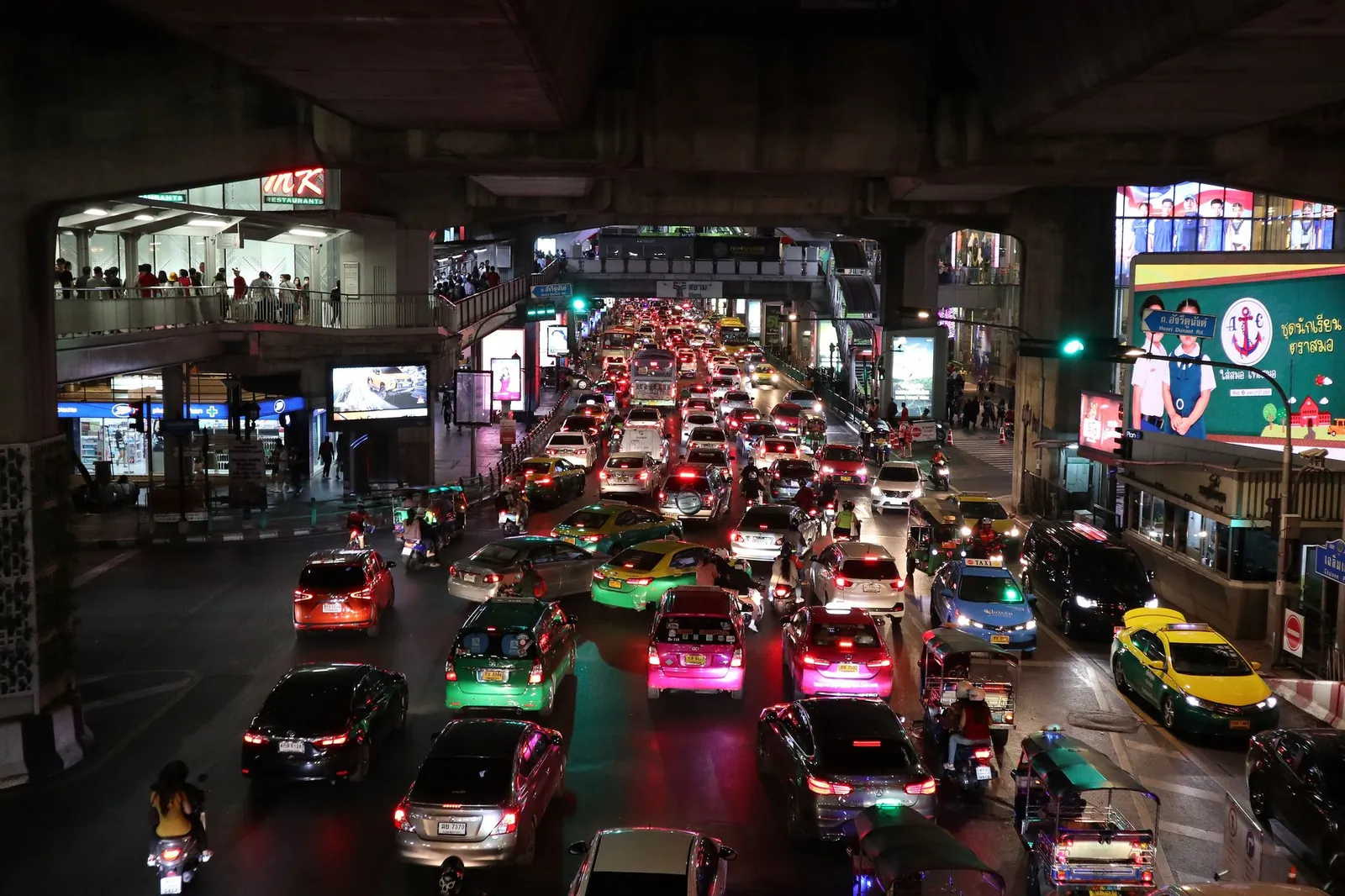
- Air pollution can be severe during burning season (Dec-Feb)
- Traffic congestion is among the worst in Asia
- Hot and humid climate may be challenging for some retirees
- Noise and sensory overload in busy districts
Who should retire in Bangkok?
Retirees who want top-tier healthcare, urban convenience, and a large English-speaking expat community without paying Western prices.
Which neighborhoods suit retirees in Bangkok?
Sukhumvit (Asoke to Ekkamai)
The most popular area for expat retirees. Modern condos with pools and gyms rent for $500-$900/month. BTS Skytrain access at every block. International supermarkets, Bumrungrad Hospital a 5-minute taxi ride away, and dozens of Western restaurants. Best for retirees who want urban convenience and a large English-speaking community.
Silom / Sathorn
Bangkok's financial district with quieter residential pockets. Condos run $400-$800/month. Close to BNH Hospital and Lumpini Park. More Thai-oriented than Sukhumvit, which some retirees prefer for authentic immersion. Excellent street food along Silom Soi 20.
Bang Na / Bearing
Suburban area along the BTS extension, popular with budget-conscious retirees. Spacious condos for $300-$500/month. Large malls (Central Bangna, Mega Bangna) and Bangkok International Hospital nearby. Quieter and greener than central Bangkok.
Which hospitals serve retirees in Bangkok?
Bumrungrad International Hospital
JCI-accredited flagship with more than 1.1 million treatments in 2025, over 604,000 of them for patients from abroad. Interpreters in 22 languages. Specialties include cardiology, orthopedics, and oncology. Located on Sukhumvit Soi 3.
BNH Hospital
JCI-accredited hospital in Silom, established 1898. Strong general surgery, gastroenterology, and women's health. Smaller and more personal than Bumrungrad. English-speaking staff throughout.
Samitivej Sukhumvit Hospital
JCI-accredited on Sukhumvit Soi 49. International patient center handles insurance coordination. Popular with expat families and retirees in the Thonglor-Ekkamai area.
Facility details may change. Verify accreditation status and services directly with each hospital before making healthcare decisions.
What is the food scene like in Bangkok?
Bangkok offers one of the world's greatest food scenes at every price point. Street stalls serve pad thai, som tam, and khao man gai for $1-$3 per dish: Yaowarat (Chinatown) and Sukhumvit Soi 38 are legendary grazing grounds. Mid-range Thai restaurants like Baan Khanitha and Supanniga Eating Room serve refined regional cuisine for $8-$15 per person.
For Western comfort food, Sukhumvit is lined with Italian trattorias, Japanese izakayas, and Indian restaurants. Retirees on a budget can eat extremely well for $5-$10 per day cooking at home with ingredients from Makro or Tops, supplemented by $1-$2 street meals. Sunday brunch culture is strong among the expat community, with hotel brunches ranging from $30-$60.
Is retiring in Bangkok right for you?
Take our free 3-minute retirement quiz to see how life in Bangkok, Thailand, compares to other destinations based on your preferences, budget, and needs.
Take the Retirement QuizFrequently Asked Questions About Retiring in Bangkok
What visa do retirees need to live in Bangkok?
Most retirees use the Non-Immigrant O-A (Long Stay) visa, available to those aged 50 and over. You need to show 800,000 Thai Baht (about $22,000) in savings (kept in a Thai bank for each yearly extension) or a monthly income of at least 65,000 Baht (about $1,800). The visa is valid for one year and renewable.
Is Bangkok safe for elderly retirees?
Bangkok is generally very safe for retirees. Violent crime against foreigners is rare. The main risks are petty scams, traffic accidents (exercise caution crossing streets), and heat-related illness. Hospitals and emergency services are reliable and accessible throughout the city.
How much does a comfortable retirement in Bangkok cost per month?
A comfortable retirement in Bangkok typically costs $1,200-$2,200 per month. This covers a modern one-bedroom condo ($400-$800), food ($300-$500), healthcare ($100-$200), transportation ($50-$100), and leisure activities. Those seeking a more luxurious lifestyle should budget $3,000-$4,000.
Can I get by with only English in Bangkok?
Yes, in most tourist and expat-heavy areas of Bangkok, English is widely understood. Hospital staff, bank employees in international branches, and service workers in upscale areas speak English. However, learning basic Thai will greatly improve your daily interactions and is appreciated by locals.
Sources & References
- Numbeo, Cost of living index and price data for Bangkok: rent, groceries, restaurants, and transportation
- Bumrungrad International Hospital, Facility services, international patient programs, and accreditation status in Bangkok
- Thai Immigration Bureau, Visa requirements and extension procedures applicable to Bangkok residents
- WHO Thailand Country Profile, National health system indicators and healthcare quality benchmarks