
City Retirement Guide
Retire in Malaga, Spain
Costa del Sol capital with year-round sunshine, culture, and a thriving expat scene
What are the key facts about retiring in Malaga?
- Elevation & setting
- 11 m; coastal basin between the Montes de Malaga and the Mediterranean
- Climate
- Coolest month January 8–17°C, hottest August 22–31°C; 512 mm of rain a year, most in December (daily low to high, 1991–2020)
- Nearest international airport
- Malaga-Costa del Sol Airport (AGP), ~8 km southwest
- Nearest major hospital
- Hospital Regional Universitario de Malaga (Carlos Haya)
- Primary retirement visa (2026)
- Spain Non-Lucrative Visa: ~EUR 2,400/month passive income (4x IPREM) + ~EUR 600/mo per dependent
- Language environment
- Spanish (Andalusian dialect); English widely spoken along coastal resort zones
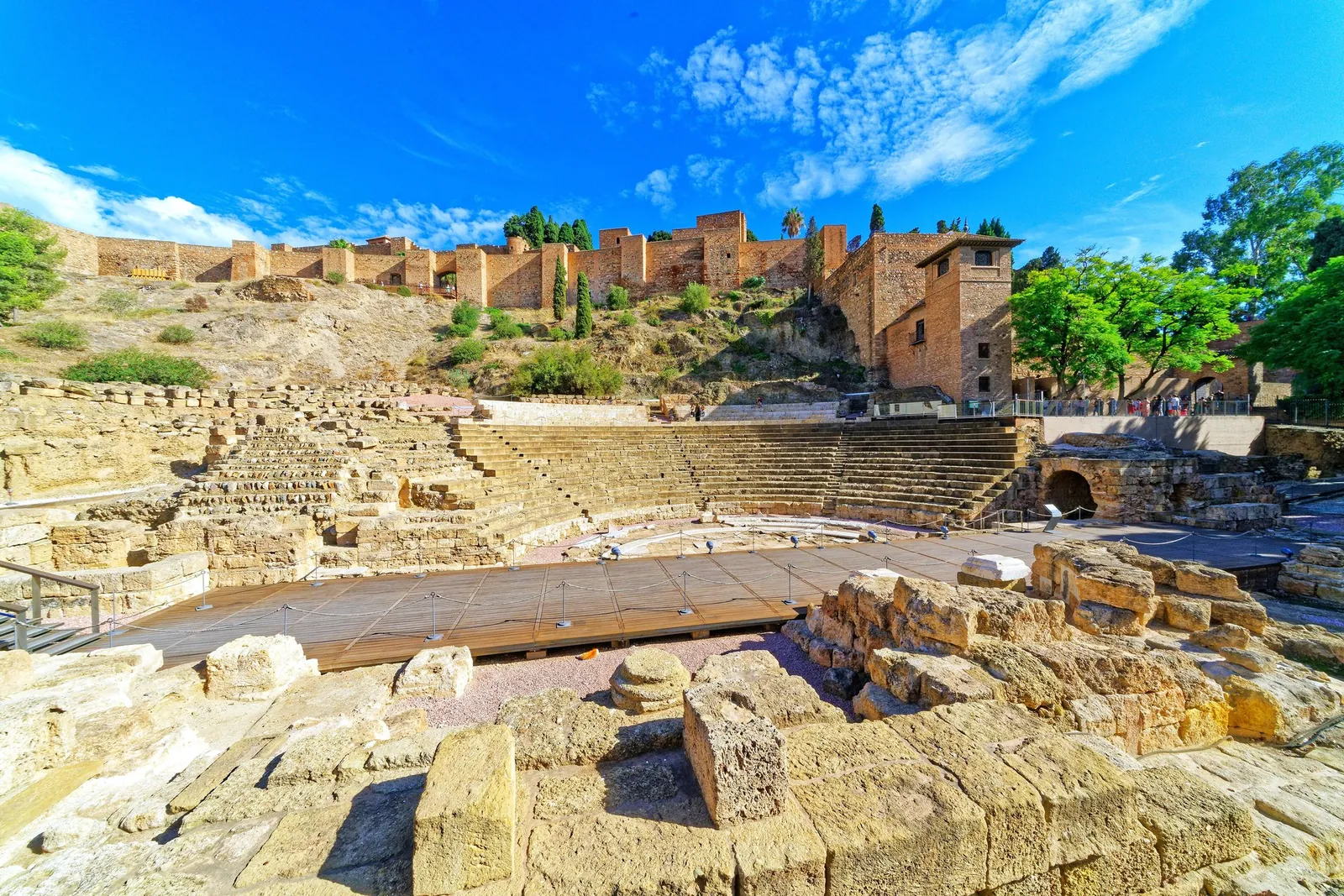
Malaga's historic centre sits beneath a dual fortification, the Alcazaba and Gibralfaro, connected by a walled corridor built in the 14th century and still walkable as a single linked circuit.
What is retirement like in Malaga?
Malaga lies on the Costa del Sol at the mouth of the Guadalhorce River, flanked by the Montes de Malaga to the north and the Mediterranean to the south. The Andalusian capital of its province, with roughly 592,000 residents, preserves a Phoenician-founded historic core beneath the 11th-century Alcazaba fortress and Gibralfaro castle. Neighbourhoods such as Soho, El Limonar, and Pedregalejo extend east along the coast toward the fishing quarter. Hospital Regional Universitario de Malaga anchors public healthcare, and Spanish is the sole official language.
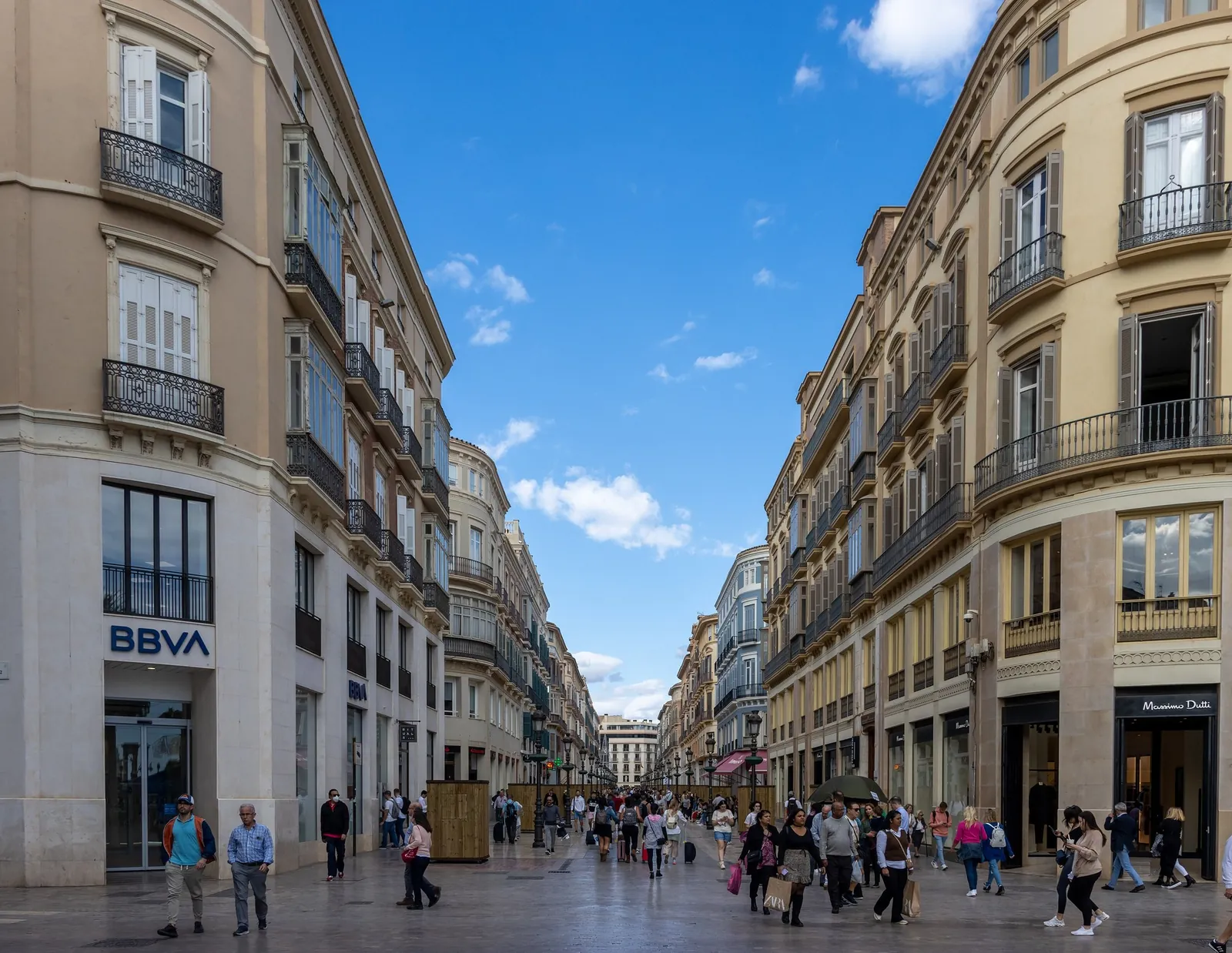
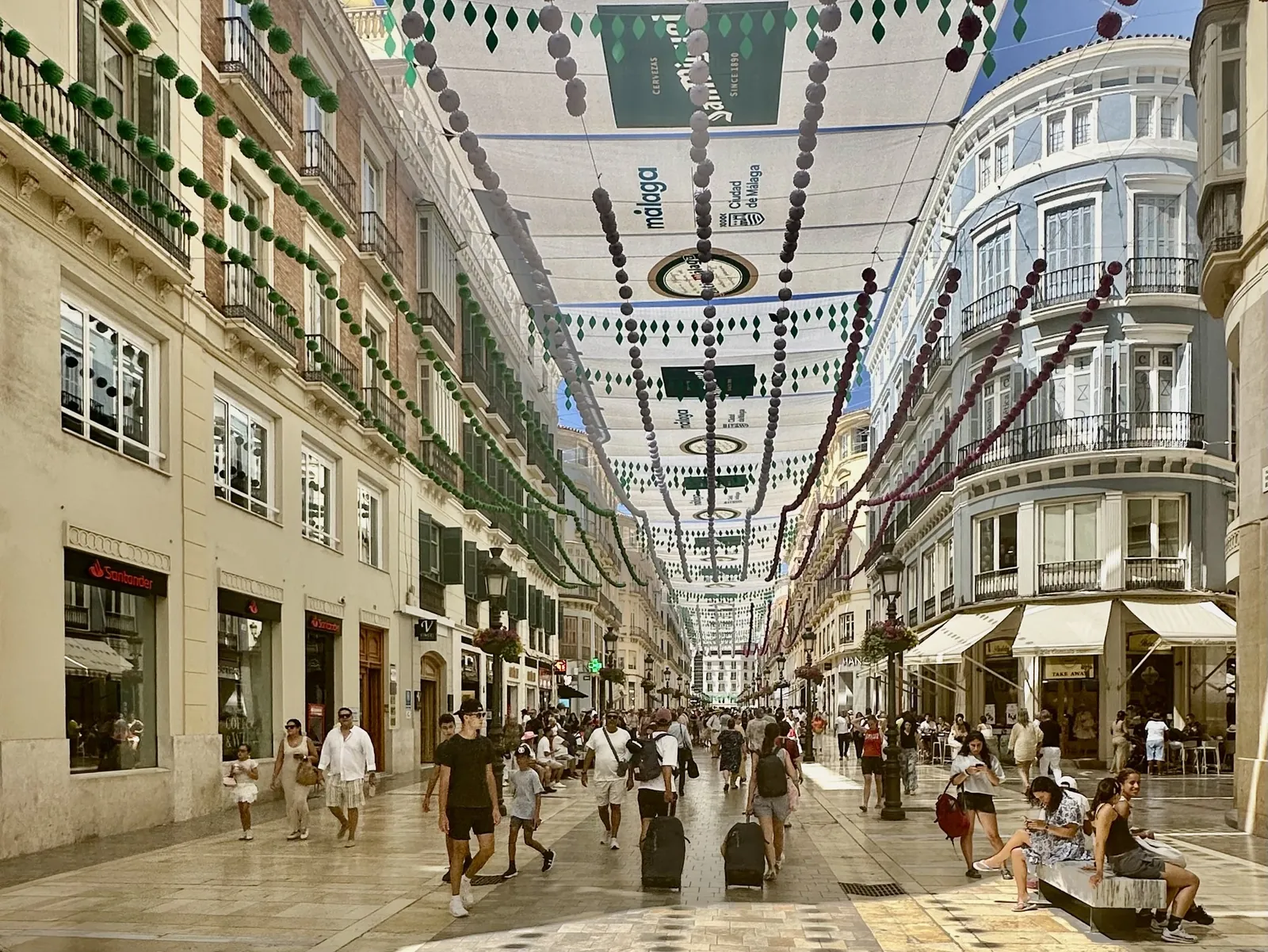
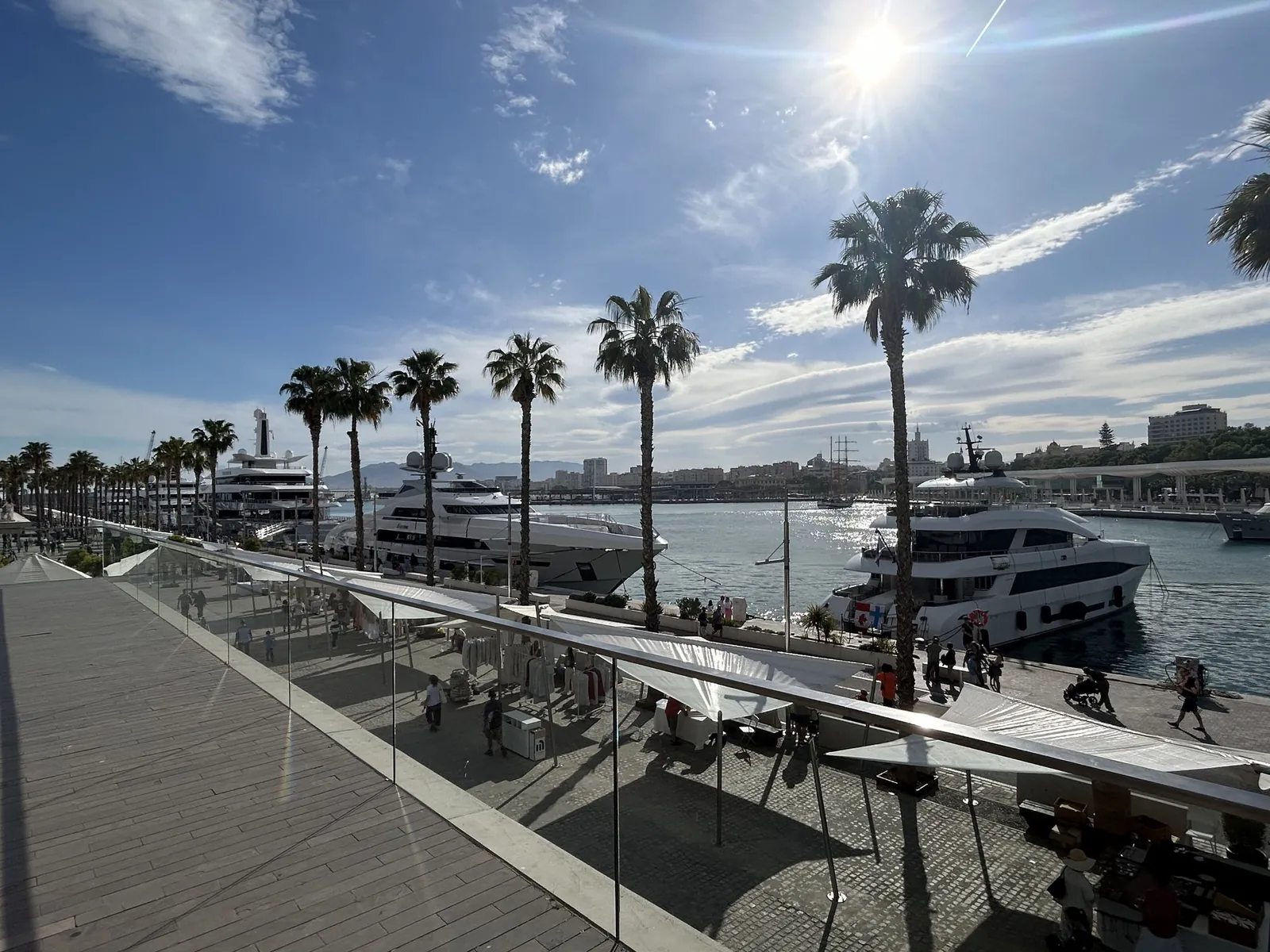
The city has undergone a dramatic transformation in the past decade. The historic center has been pedestrianized and restored, the port area redeveloped with upscale restaurants and shopping, and new cultural institutions have opened alongside traditional tapas bars and flamenco venues. Neighborhoods like El Limonar, Pedregalejo (a former fishing village now prized for its beachfront chiringuitos), and the Soho arts district each offer distinct retirement lifestyles at varying price points.
Malaga's airport is the fourth-busiest in Spain, with direct flights to over 130 destinations, more than almost any other Mediterranean airport. This connectivity makes it ideal for retirees who travel frequently or want easy visits from family. The Costa del Sol has one of Europe's largest British and Scandinavian expat communities, meaning English-language services, social clubs, and healthcare providers are readily available. Spain's Non-Lucrative Visa applies, and the cost of living is lower than Barcelona or Madrid.
What does it really look like in Malaga?
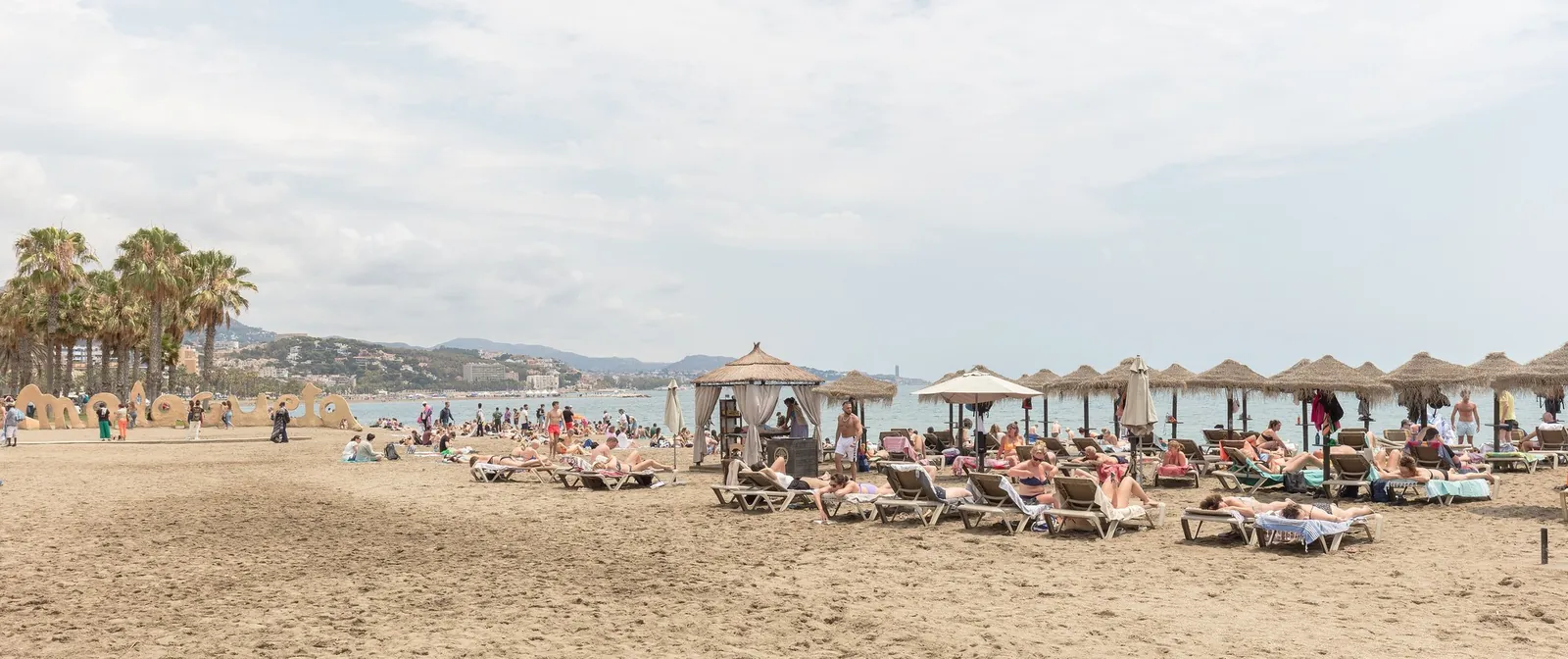
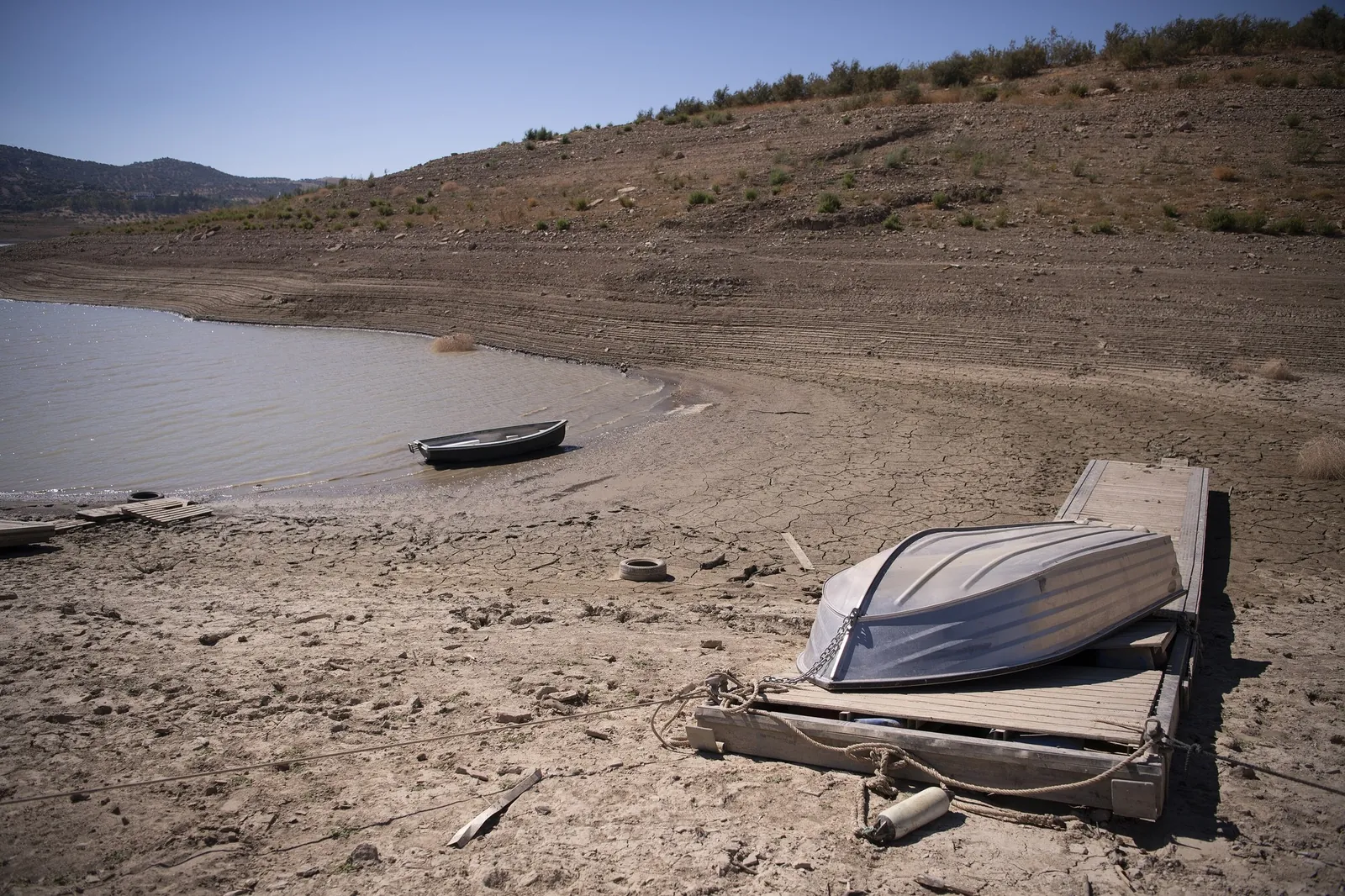
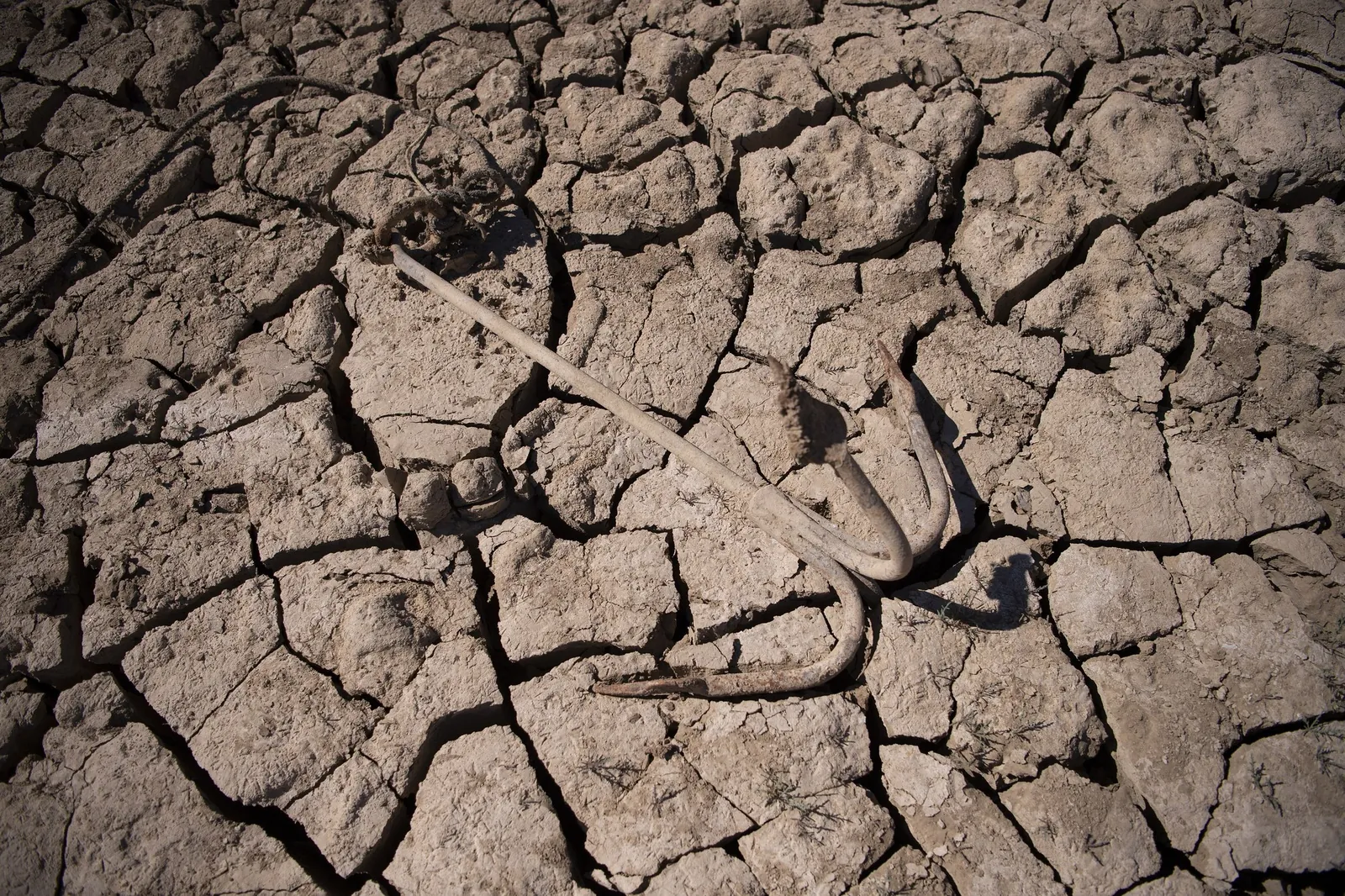
Authentic, unedited photos of Malaga by residents and visitors, taken on ordinary days rather than chosen by a tourist board. Each one shows when it was taken. Browse photos of 105 cities →


.jpg)
.jpg)


.jpg)




The other side
.jpg)
.jpg)
What does it cost to live in Malaga?
1-Bedroom Rent
$600-$1,100/month
Local Restaurant Meal
$8-$14 at local restaurants
Cup of Coffee
$1.20-$2.50
Estimated Monthly Total
$1,700-$2,700
Want a personalized estimate? Use our cost of living calculator
How good is healthcare in Malaga?
Malaga has strong healthcare infrastructure. Hospital Regional Universitario de Málaga is the province's main public hospital, and Hospital Clínico Universitario provides additional public care. Private options include Hospiten Málaga, Hospital Quirón, and the HC Marbella International Hospital (30 minutes away). Public healthcare is free for legal residents. Private insurance costs $1,000-$3,000/year. The large expat community has generated English-speaking GP practices and dental clinics throughout the Costa del Sol. Pharmacies are abundant, and many staff members speak English.
What is daily life like in Malaga?
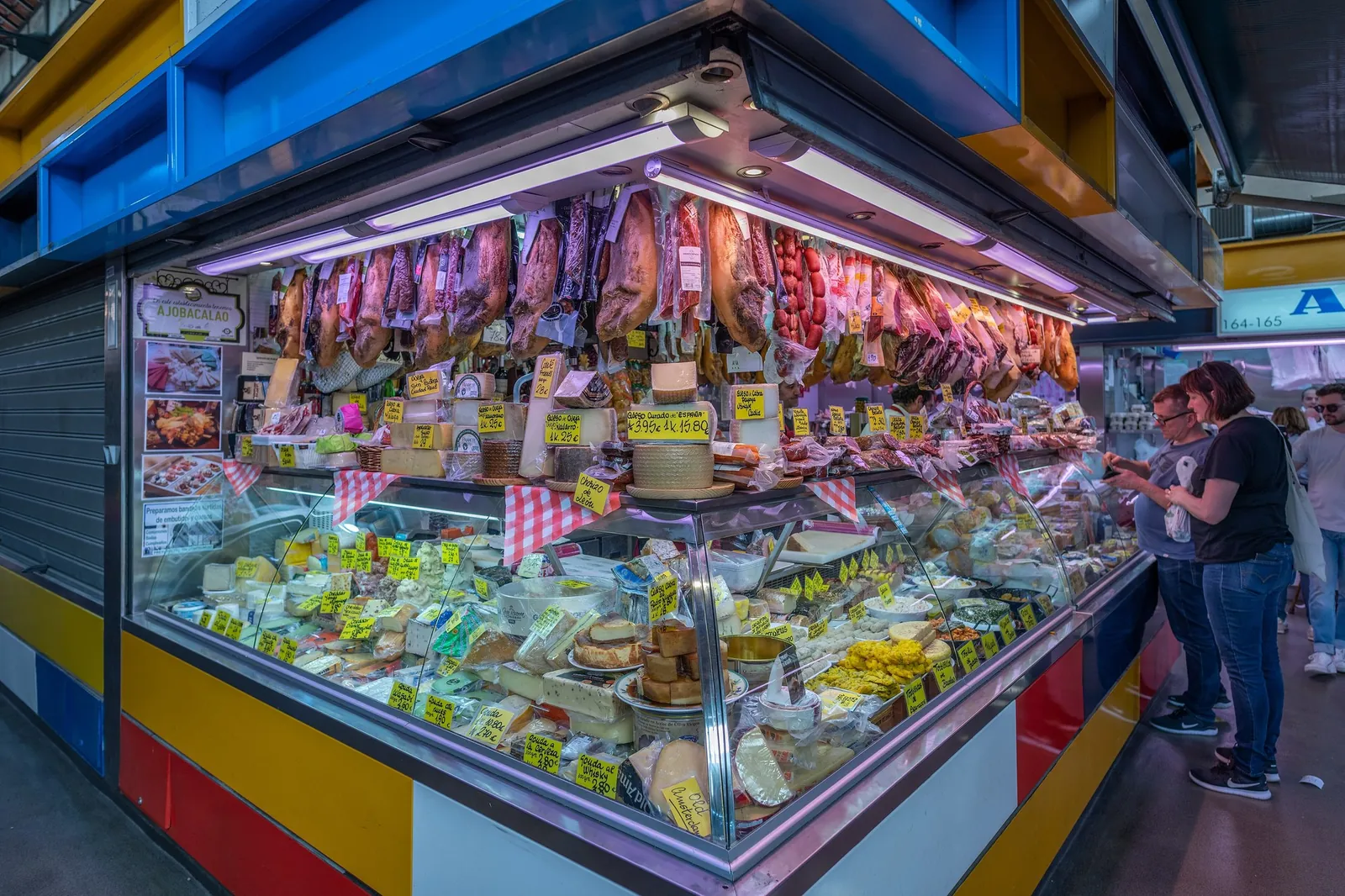
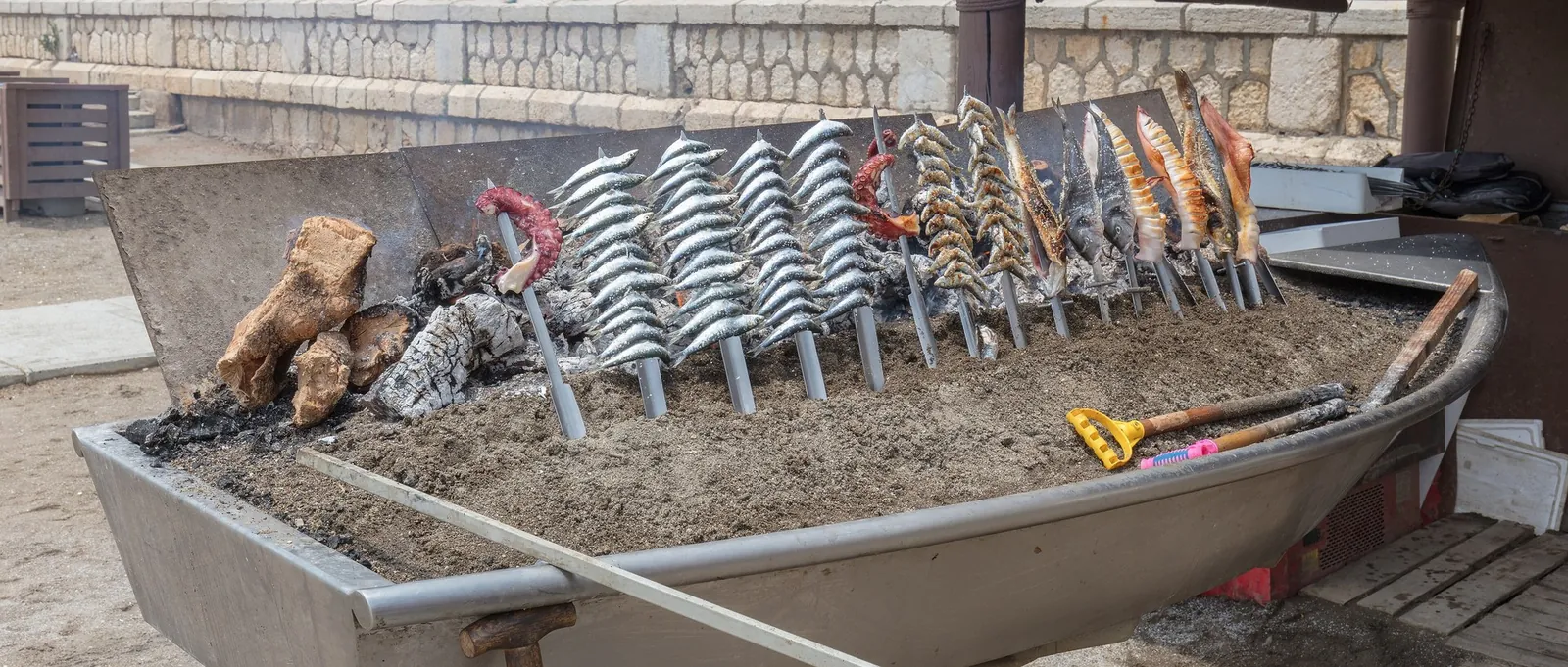
Malaga offers an outdoor-oriented retirement lifestyle centered on the Mediterranean. The Paseo del Parque and Muelle Uno port promenade are popular morning walk routes. The Pedregalejo beachfront is lined with seafood restaurants where retirees linger over grilled sardines and tinto de verano. The Atarazanas central market is excellent for fresh produce. Cultural offerings include the Picasso Museum, Centre Pompidou, CAC contemporary art center, and the Alcazaba fortress. Flamenco shows, outdoor cinema, and the Malaga Film Festival add to the cultural calendar. Day trips to Ronda, Granada, and the white villages of Andalusia are easy.
What is the climate like in Malaga?
Malaga has one of the warmest climates of any major European city. Summers (June-September) average 28-34°C with very low humidity thanks to the coastal location. Winters (December-February) are exceptionally mild at 9-17°C; frost is virtually unknown. The city averages over 320 days of sunshine and only about 50 days of rain per year, mostly between November and February. The terral wind can occasionally push summer temperatures above 40°C for brief periods. Sea temperatures range from 15°C in winter to 25°C in summer.
| Month | High | Low | Rain |
|---|---|---|---|
| January | 17.4 °C | 8.1 °C | 62 mm |
| February | 18.1 °C | 8.6 °C | 59 mm |
| March | 19.9 °C | 10.3 °C | 66 mm |
| April | 21.9 °C | 12.0 °C | 41 mm |
| May | 24.8 °C | 14.9 °C | 23 mm |
| June | 28.5 °C | 18.6 °C | 4 mm |
| July | 30.9 °C | 21.1 °C | 0 mm |
| August | 31.4 °C | 21.8 °C | 3 mm |
| September | 28.4 °C | 19.2 °C | 25 mm |
| October | 24.4 °C | 15.5 °C | 61 mm |
| November | 20.4 °C | 11.5 °C | 79 mm |
| December | 18.0 °C | 9.2 °C | 88 mm |
Weather station: Málaga Airport (8 km away). Source: WMO Climatological Normals 1991-2020 (NOAA NCEI)
What are the pros and cons of retiring in Malaga?
Pros
- Over 320 days of sunshine, one of Europe's warmest cities
- Major airport with 130+ direct European destinations
- Large established English-speaking expat community
- Beautifully renovated historic center with growing arts scene
- Affordable dining with outstanding Andalusian seafood cuisine
Cons
- Summer terral wind can bring extreme heat (40°C+) briefly
- Parts of the Costa del Sol feel overly touristy and developed
- Rising rental prices due to tourism and digital nomad demand
- Traffic congestion on the coastal highway during peak seasons
Who should retire in Malaga?
Sun-seeking retirees who want a real Spanish city with excellent flight connections, a large English-speaking community, and year-round outdoor living.
Which neighborhoods suit retirees in Malaga?
Centro Historico
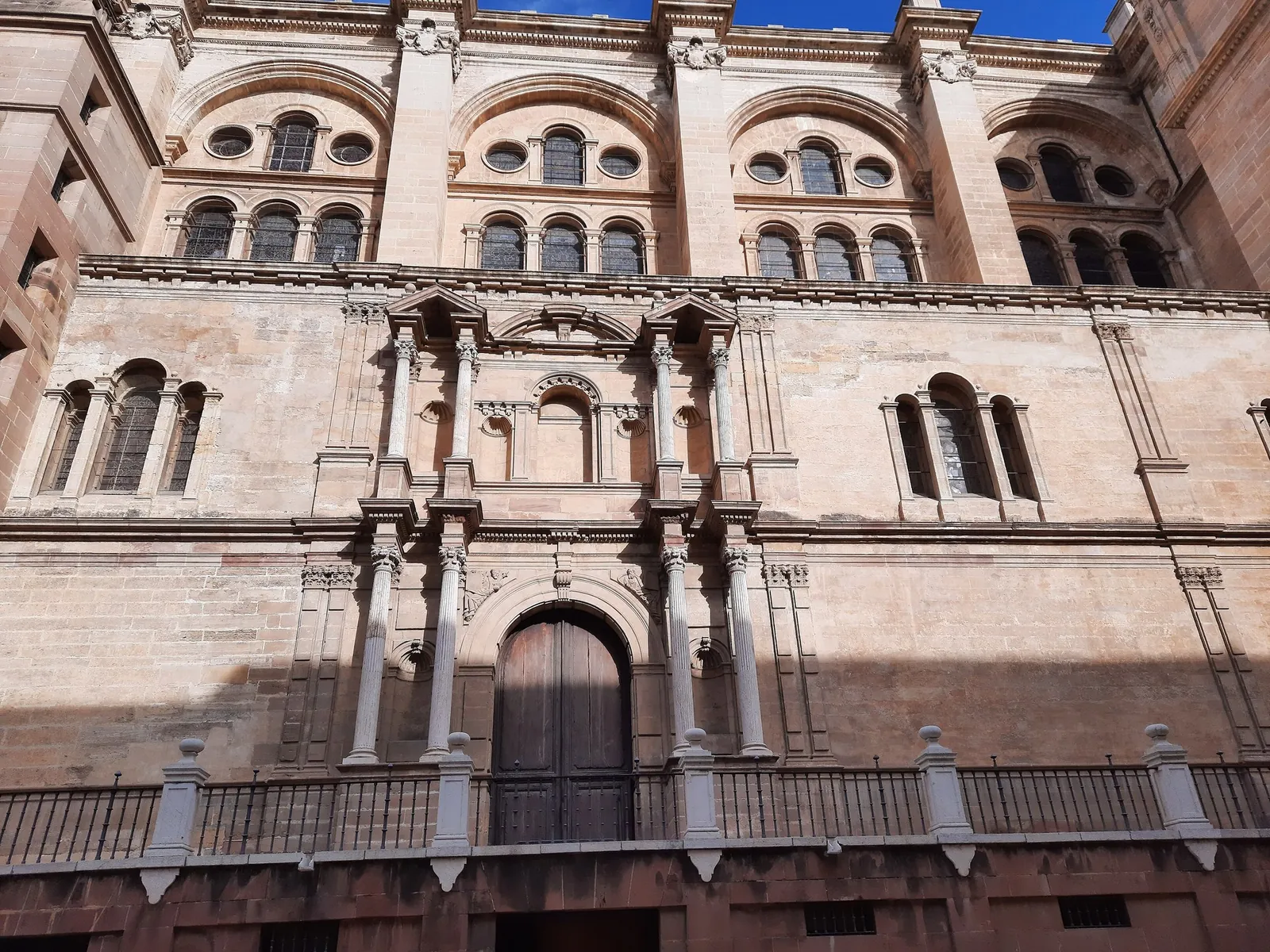
Malaga's walkable old town around the cathedral, Alcazaba fortress, and Picasso Museum. One-bedroom rents range $900-$1,400/month. Suited for retirees who want cultural attractions, restaurants, and shops at their doorstep.
El Palo
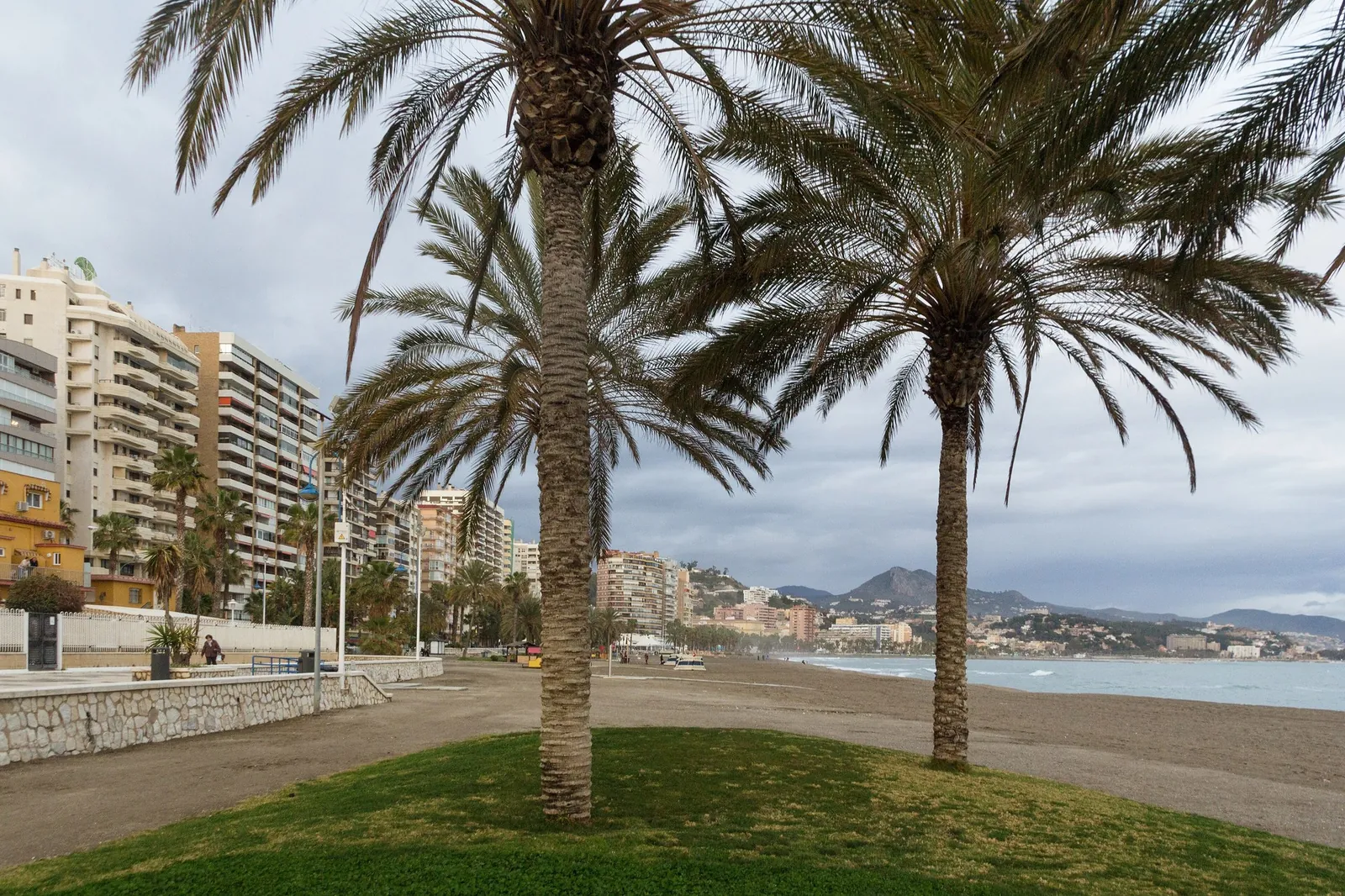
Former fishing village east of the center with a long beachfront promenade and chiringuitos (beach restaurants). One-bedrooms rent for $700-$1,100/month. Offers a laid-back, local atmosphere with good bus connections to the city center.
Pedregalejo
Charming coastal neighborhood adjacent to El Palo with a bohemian character, art galleries, and beach access. Rents run $750-$1,200/month for a one-bedroom. Popular with expats seeking seaside living and a creative community.
Which hospitals serve retirees in Malaga?
Hospital Regional Universitario de Malaga
Major public hospital serving the Malaga metropolitan area. Comprehensive emergency, surgical, and specialist departments. Teaching hospital affiliated with the University of Malaga medical school.
Hospital Quironsalud Malaga
Private hospital in the western part of the city. Part of Spain's largest private hospital group. Offers 24-hour emergency care, cardiology, oncology, and orthopedic surgery. English-speaking staff available.
Hospital Vithas Xanit Internacional
Private international hospital in Benalmadena, 20 minutes from Malaga center. Multilingual staff (English, German, Scandinavian languages). Strong reputation among Costa del Sol expats for accessible and efficient care.
Facility details may change. Verify accreditation status and services directly with each hospital before making healthcare decisions.
What is the food scene like in Malaga?
Malaga's food culture is anchored by fresh Mediterranean seafood and Andalusian traditions. Along the Pedregalejo and El Palo beachfront, chiringuitos grill sardines on espetos (skewers over open fire) for $6-$10, an essential Malaga experience. The Atarazanas Market in the city center is the hub for fresh fish, produce, and local olives.
In the Centro Historico, tapas bars along Calle Granada and Plaza de la Merced serve portions for $3-$7. El Pimpi, a landmark bodega near the Alcazaba, pairs local wines with traditional dishes in a courtyard setting. For upscale dining, Sollo in nearby Fuengirola focuses on sustainable caviar and river fish, while Jose Carlos Garcia on the port holds a Michelin star, with tasting menus around $80-$100.
Grocery shopping is very affordable: Mercadona, Lidl, and Aldi are widespread, and a weekly shop for two runs $50-$75. Malaga's mild winters mean outdoor terrace dining is year-round, and the combination of low prices and high-quality local ingredients makes it one of Spain's most appealing cities for food-loving retirees.
Is retiring in Malaga right for you?
Take our free 3-minute retirement quiz to see how life in Malaga, Spain, compares to other destinations based on your preferences, budget, and needs.
Take the Retirement QuizFrequently Asked Questions About Retiring in Malaga
Is Malaga too touristy for year-round retirement?
Malaga city is much more authentic than nearby resort towns like Torremolinos or Benalmádena. While the historic center sees tourists, neighborhoods like Pedregalejo, El Limonar, Teatinos, and Huelin are genuinely local. The city has a year-round population of 570,000 and functions as a real Andalusian capital with universities, offices, and local commerce beyond tourism.
How does the Costa del Sol expat community work?
The Costa del Sol has one of Europe's largest expat communities, particularly British, Scandinavian, and Dutch retirees. There are English-language churches, social clubs (Royal British Legion, International Club), English-speaking doctors and dentists, and English-language media. This infrastructure makes the initial transition easy, though learning Spanish is still recommended for deeper integration.
What about living outside Malaga city on the Costa del Sol?
Popular nearby options include Mijas (hillside village with sea views), Fuengirola (beach town with good amenities), Nerja (charming eastern Costa del Sol), and Marbella (upscale with higher prices). Each offers a different lifestyle. Malaga city provides the best urban amenities and cultural life, while smaller towns offer quieter, often cheaper beach-focused retirement.
Sources & References
- Numbeo, Cost of living index and price data for Malaga: rent, groceries, restaurants, and transportation
- Hospital Regional Universitario de Malaga, Facility services, specialist departments, and medical capabilities in Malaga
- Spanish Ministry of Inclusion: Immigration Office, Non-lucrative visa requirements and residence permit procedures applicable to Malaga
- Junta de Andalucia: Health Service, Regional health system data, SAS enrollment, and public healthcare access in Andalusia