
City Retirement Guide
Retire in Barcelona, Spain
Mediterranean cosmopolitan living with Gaudí, beaches, and world-class dining
What are the key facts about retiring in Barcelona?
- Elevation & setting
- 12 m; coastal plain between Collserola hills and the Mediterranean
- Climate
- Coolest month January 6–14°C, hottest August 22–30°C; 567 mm of rain a year, most in September (daily low to high, 1991–2020)
- Nearest international airport
- Barcelona-El Prat (BCN), ~13 km southwest
- Nearest major hospital
- Hospital Clinic de Barcelona (Eixample)
- Primary retirement visa (2026)
- Spain Non-Lucrative Visa: ~EUR 2,400/month passive income (4x IPREM) + ~EUR 600/mo per dependent
- Language environment
- Catalan and Spanish co-official; English common in tourism and private healthcare
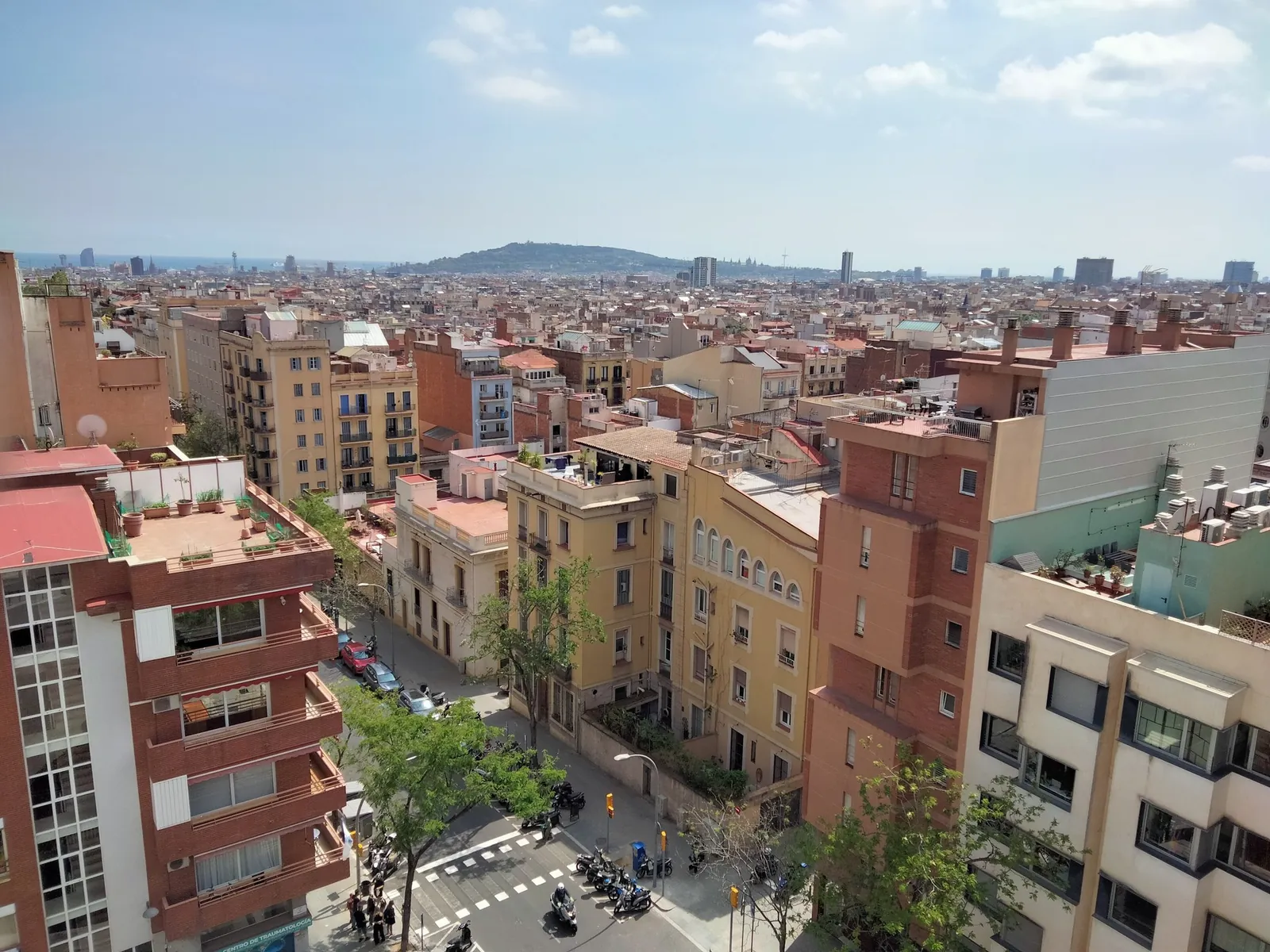
Barcelona's Eixample district follows Cerda's 1860 grid of chamfered octagonal blocks, creating unusually wide intersections and continuous ground-floor access that retirees often cite as easier for daily walking.
What is retirement like in Barcelona?
Barcelona occupies a narrow coastal plain between the Collserola ridge and the Mediterranean, with its street grid defined by Ildefons Cerdà's 19th-century Eixample expansion of uniform octagonal blocks. The city anchors Catalonia's capital region of roughly 1.7 million residents within the municipal limits and extends through dense neighbourhoods such as Gràcia, Sant Antoni, and the seaside Barceloneta. Major institutions include the Hospital Clínic de Barcelona in Eixample and Universitat de Barcelona, founded in 1450. Catalan and Spanish share co-official status across signage, public services, and healthcare.
Spain's Non-Lucrative Visa provides a clear pathway for non-EU retirees, requiring proof of financial means of approximately €2,400/month (or €28,800/year) and private health insurance. EU citizens settle freely. Spain's public healthcare system is among Europe's best, and Barcelona's Hospital Clínic and Hospital de la Santa Creu i Sant Pau are internationally respected institutions. The cost of living is significantly lower than London, Paris, or most US cities, though Barcelona has become pricier than other Spanish cities in recent years.
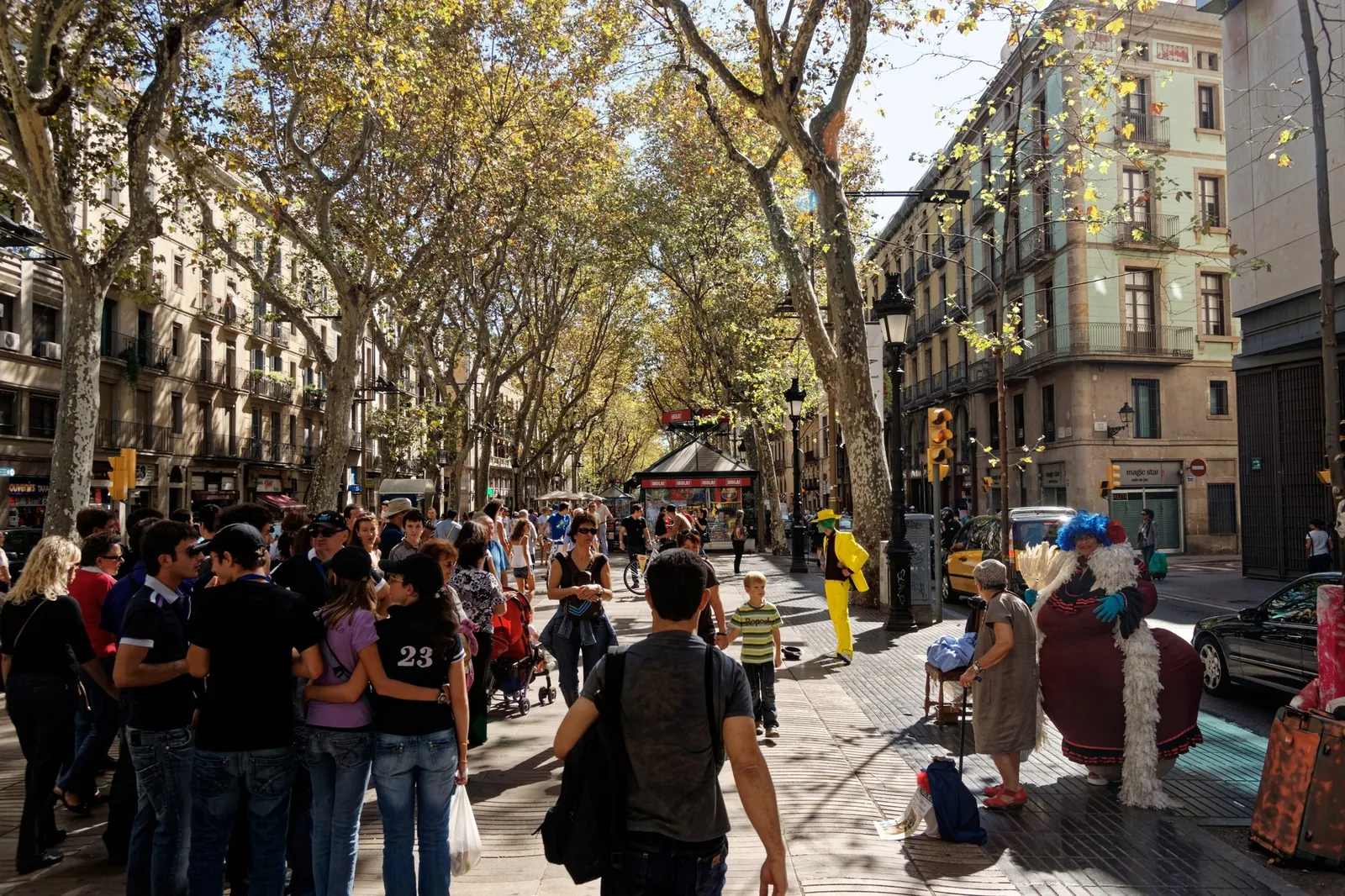
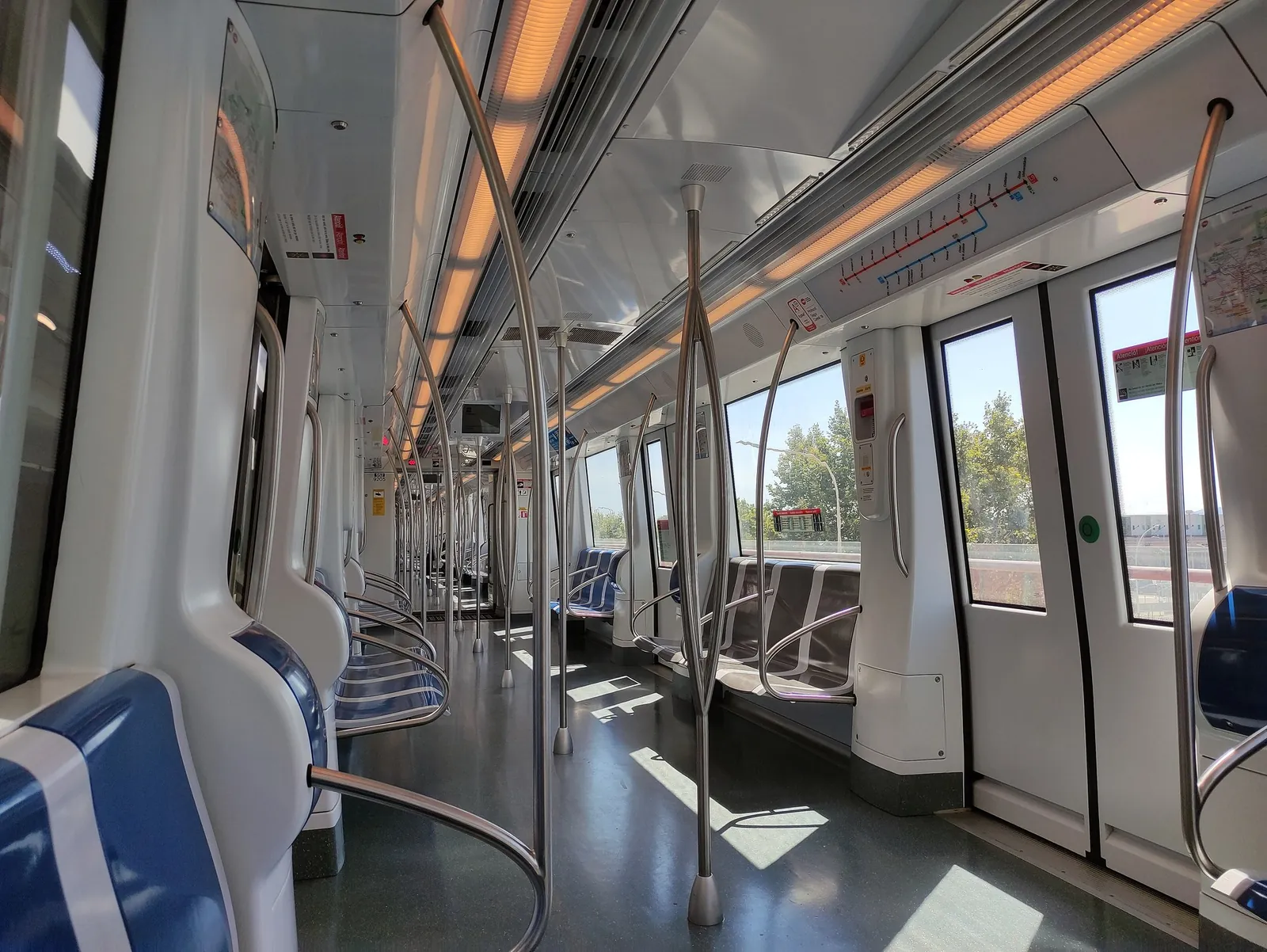
The city's infrastructure is superb for older adults. The Metro, buses, and trams are modern and accessible. The Passeig de Gràcia, Las Ramblas, and the Barceloneta beachfront promenade provide beautiful daily walking routes. Fresh food is available at neighborhood markets like La Boqueria and Mercat de Sant Antoni. Barcelona's international airport is a major European hub, and the AVE high-speed train reaches Madrid in 2.5 hours.
What does it really look like in Barcelona?
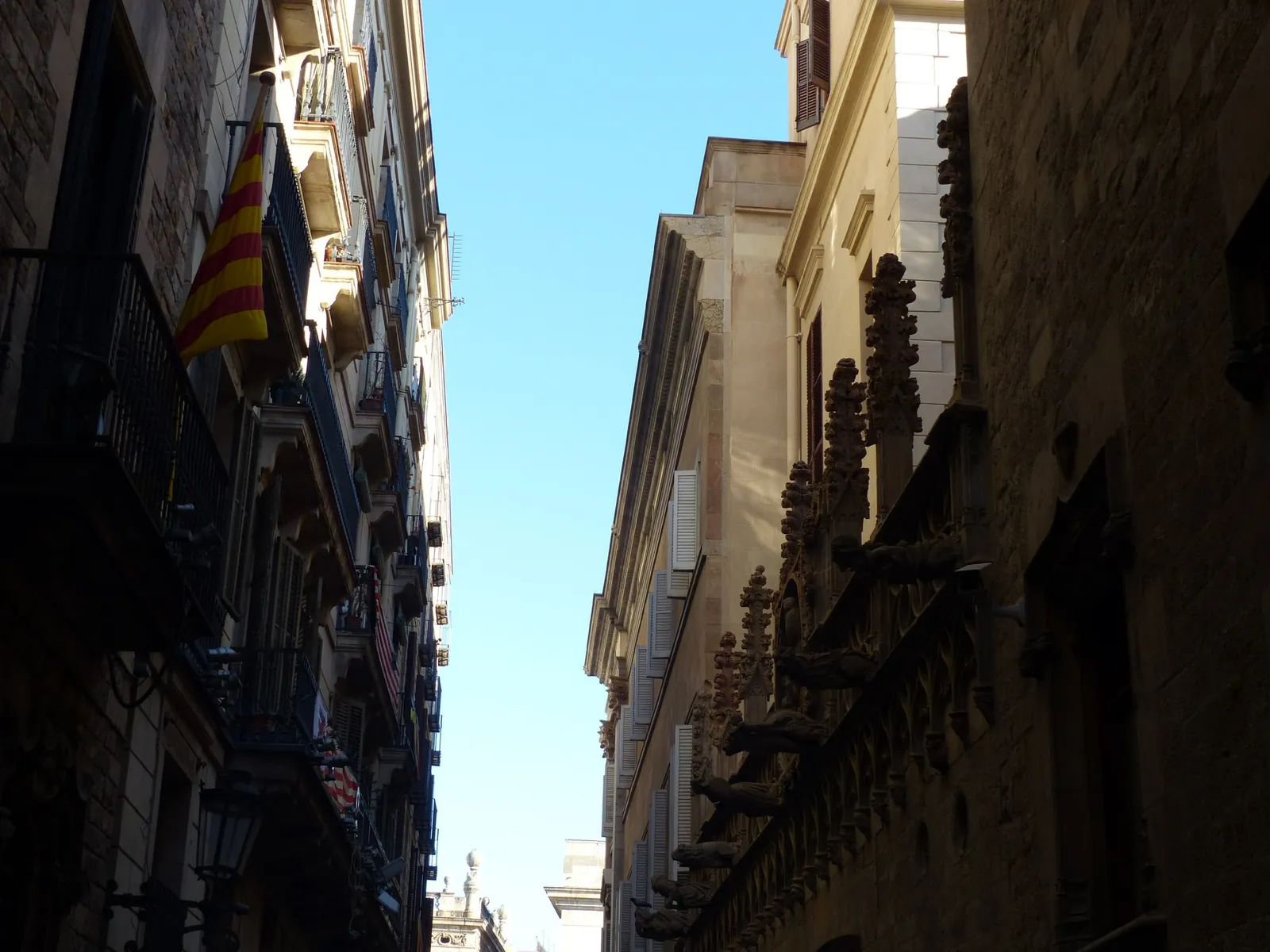
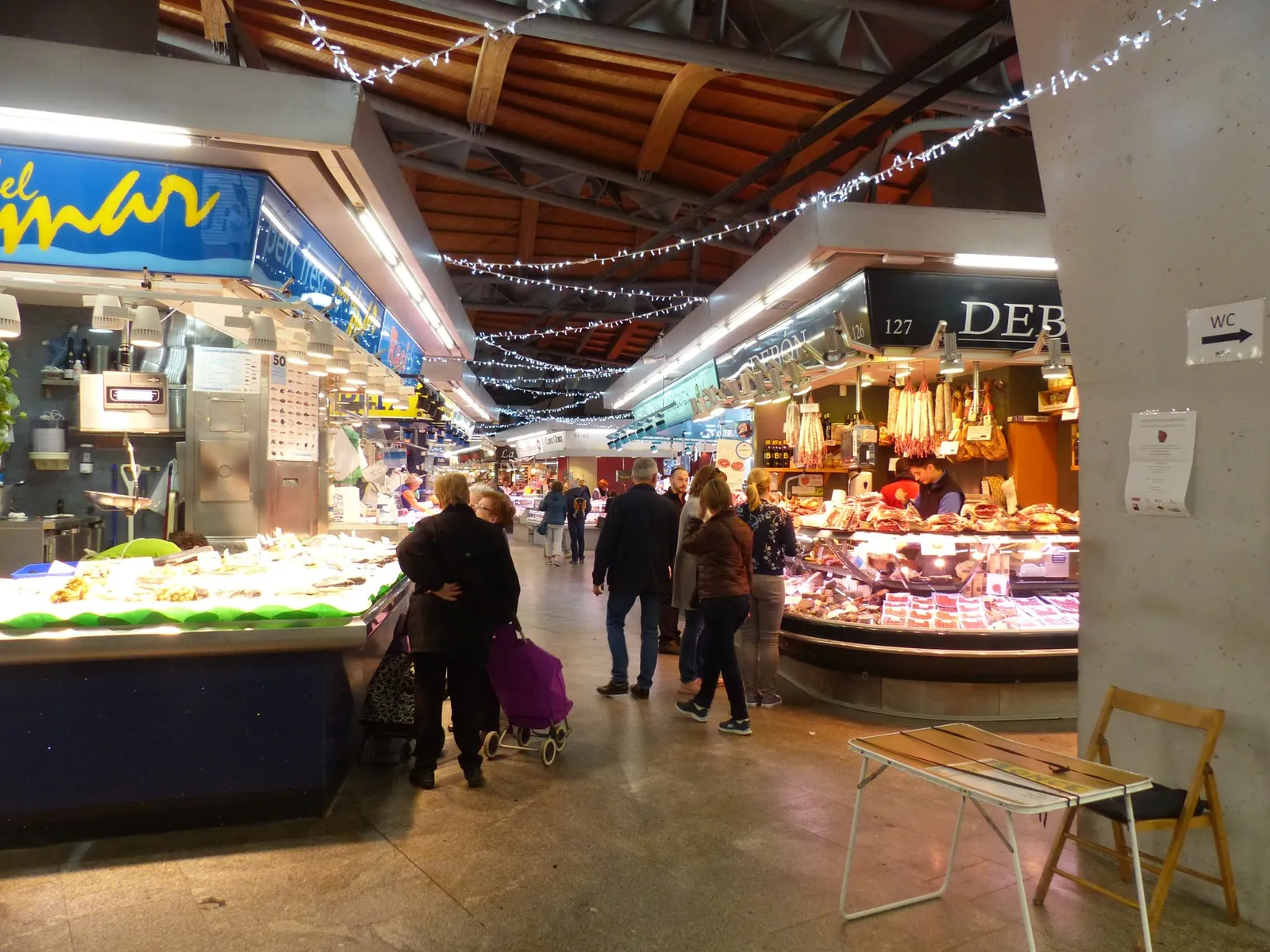
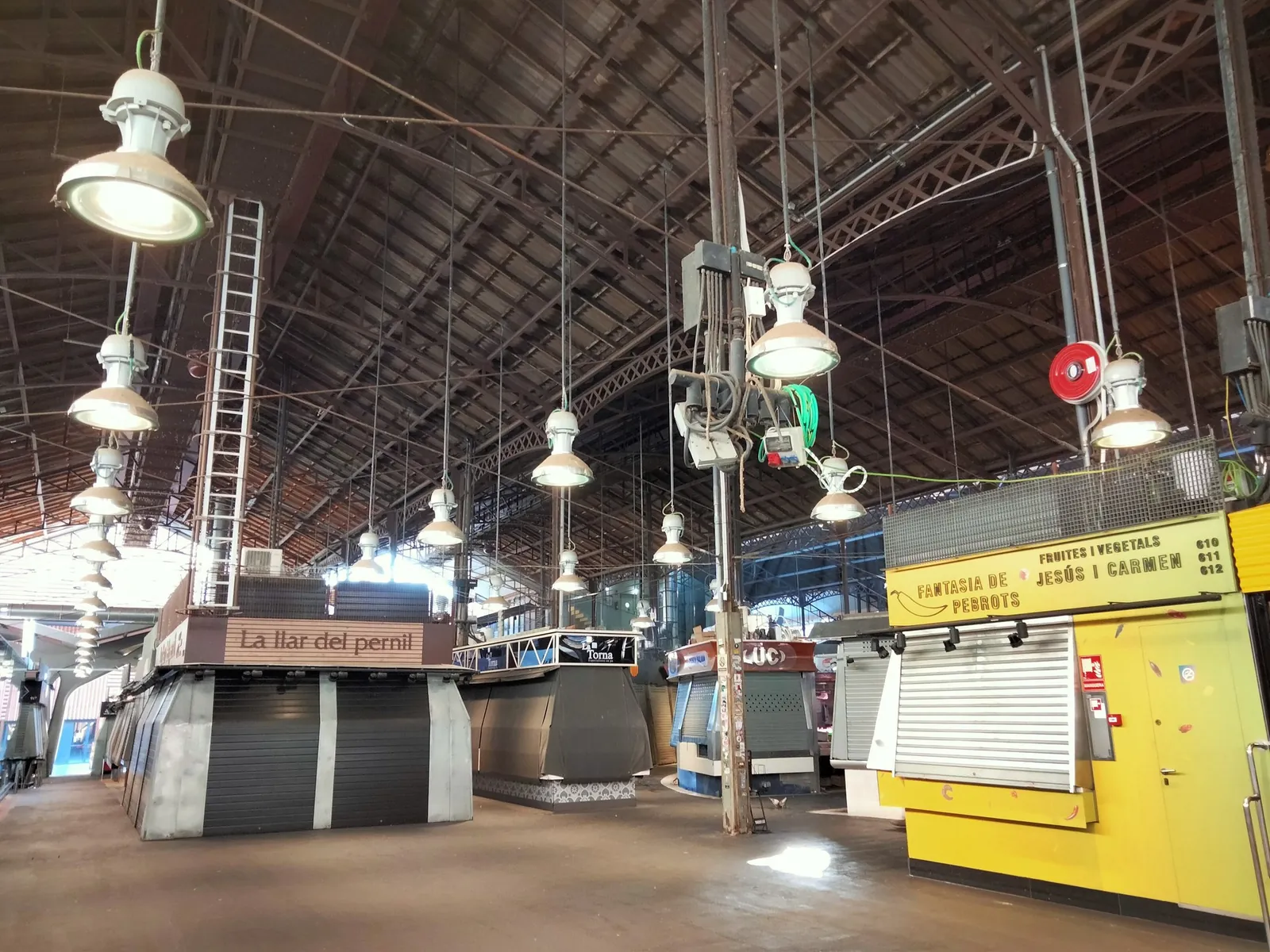
Authentic, unedited photos of Barcelona by residents and visitors, taken on ordinary days rather than chosen by a tourist board. Each one shows when it was taken. Browse photos of 105 cities →
.jpg)

.jpg)
,_interior.jpg)
.jpg)

,_fa%C3%A7ana_de_la_Passi%C3%B3,_des_del_c._Sic%C3%ADlia_-_pl._Sagrada_Fam%C3%ADlia.jpg)
.jpg)
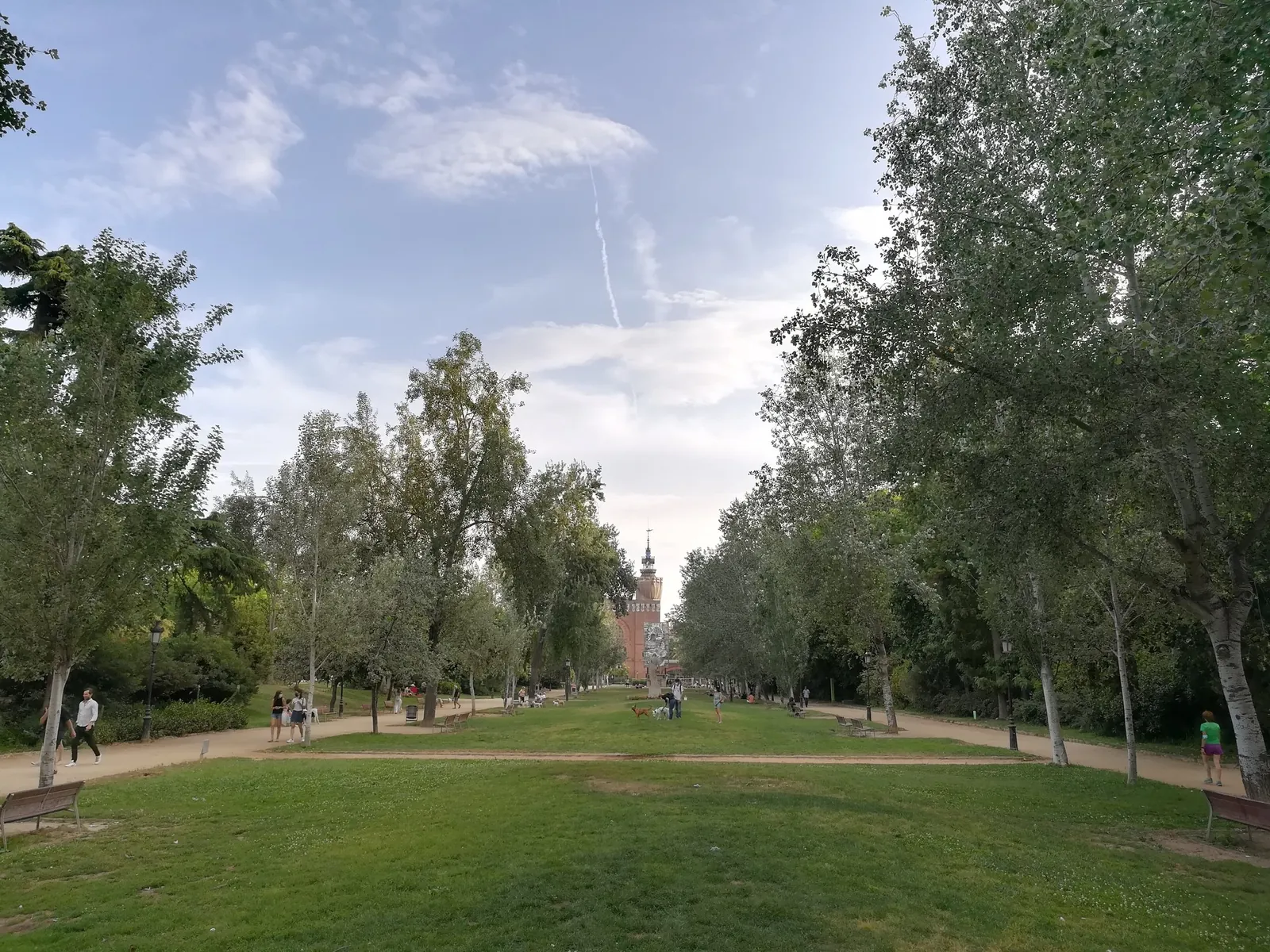
,_passeig_dels_%C3%80lbers.jpg)
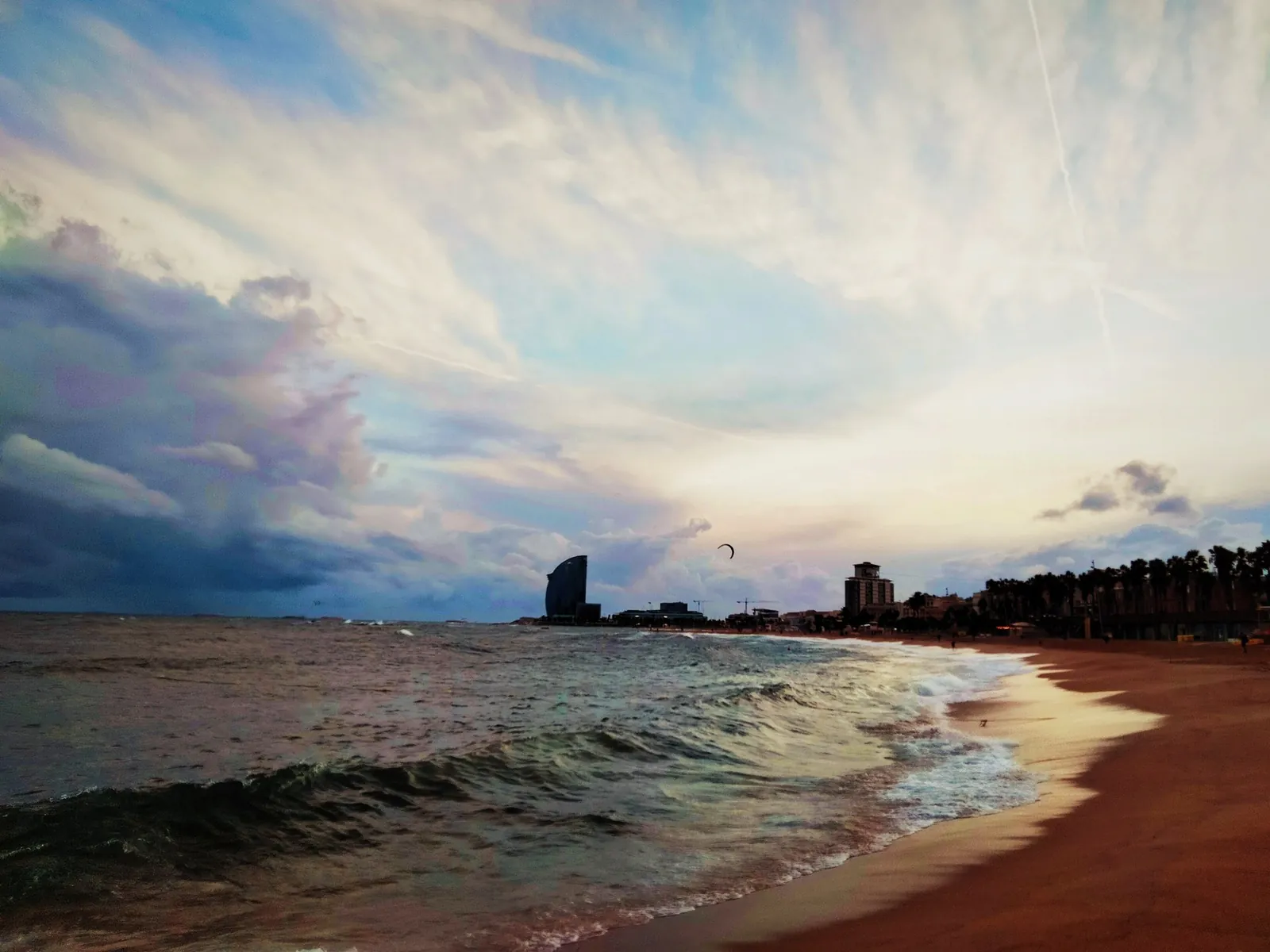
.jpg)
The other side
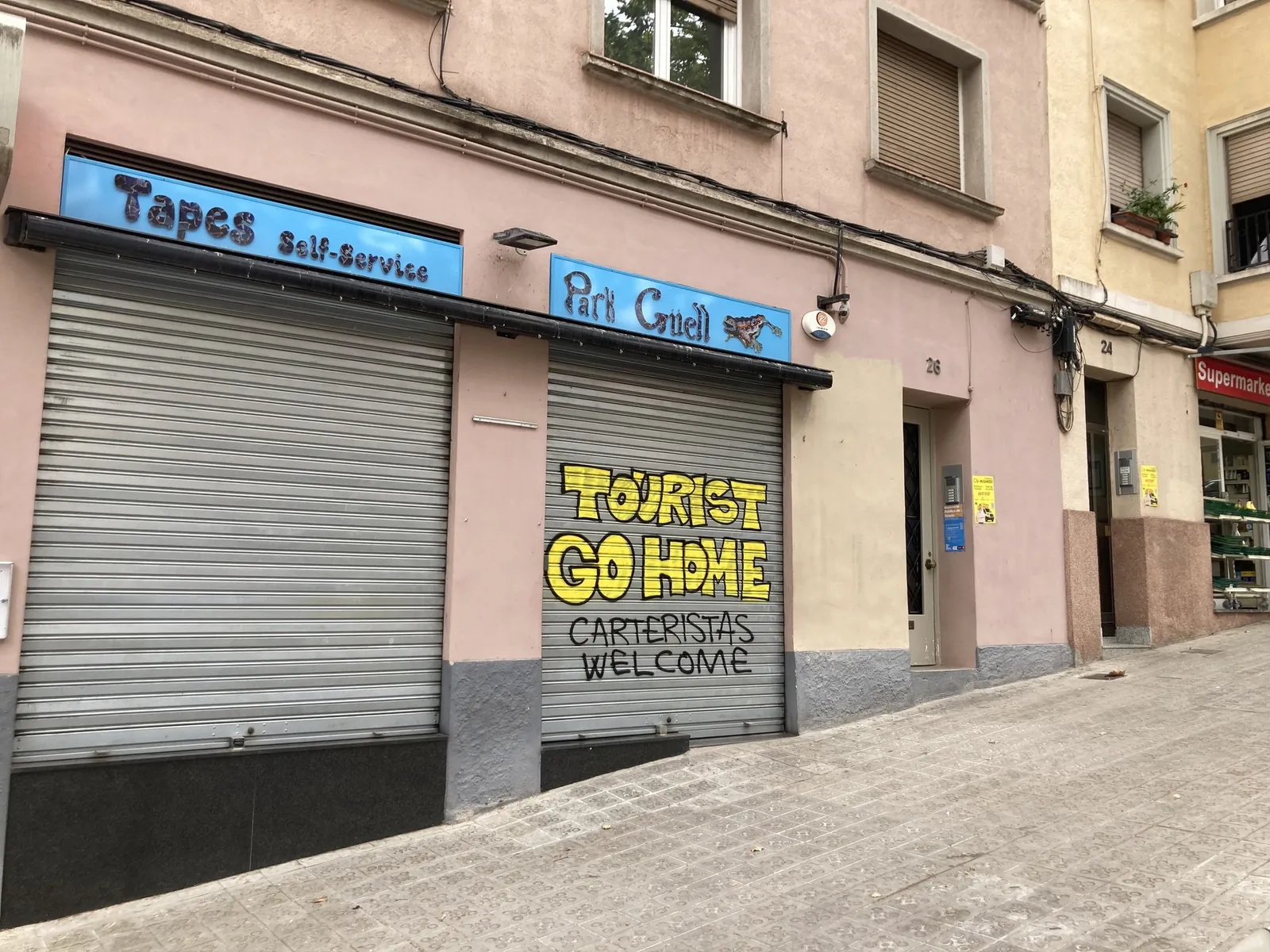

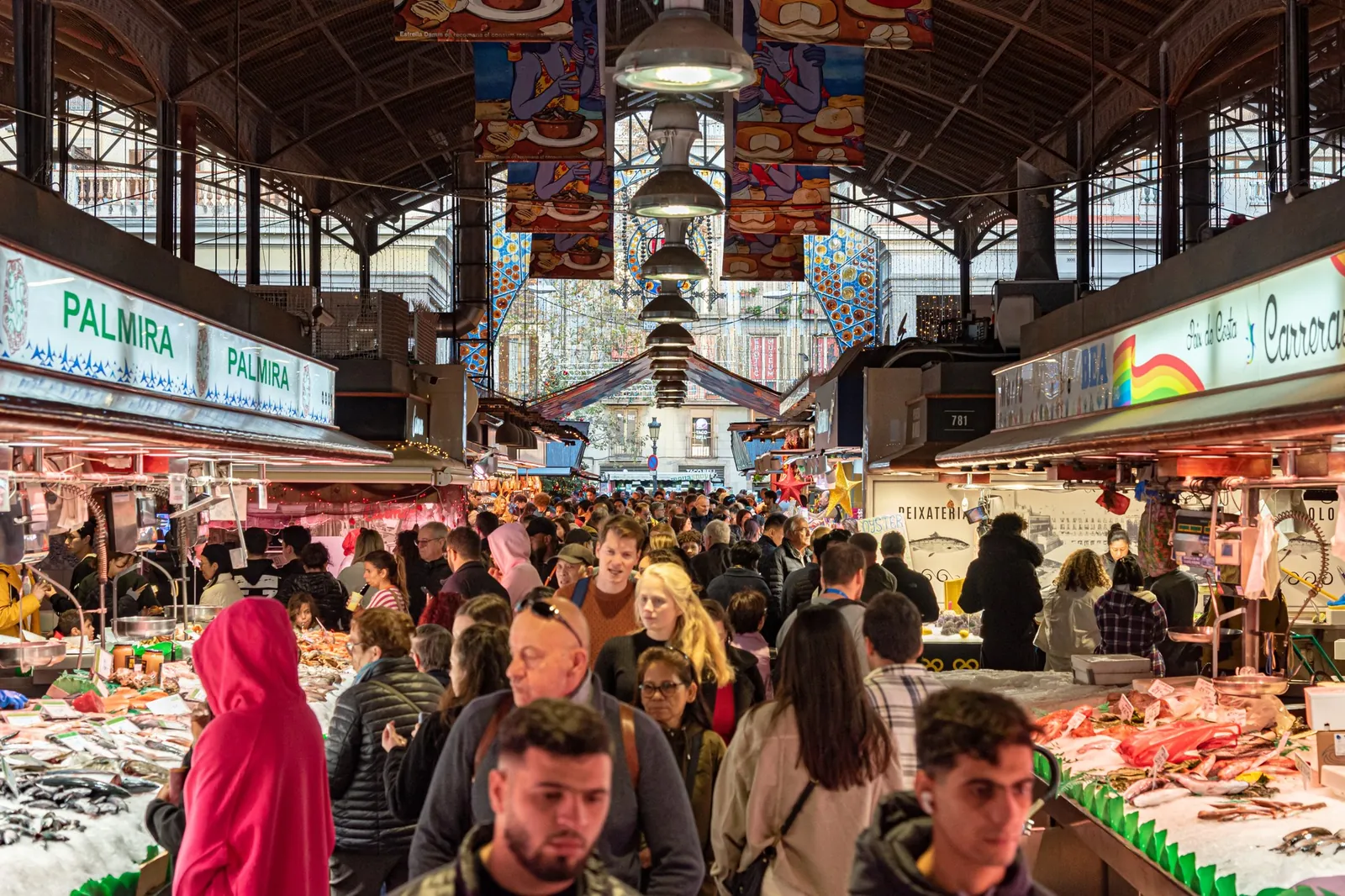
.jpg)
What does it cost to live in Barcelona?
1-Bedroom Rent
$900-$1,500/month
Local Restaurant Meal
$10-$18 at local restaurants
Cup of Coffee
$1.50-$3
Estimated Monthly Total
$2,200-$3,500
Want a personalized estimate? Use our cost of living calculator
How good is healthcare in Barcelona?
Spain's public healthcare system (Sistema Nacional de Salud) is available to legal residents and ranks among Europe's best. Barcelona's Hospital Clínic is a world-renowned teaching hospital, and Hospital de la Santa Creu i Sant Pau (a UNESCO-listed building) provides excellent care. Private hospitals like Teknon and Quirón offer faster access. Public healthcare is free for residents; private insurance costs $1,200-$3,500/year. A private GP visit costs $40-$80. Pharmacies are plentiful, and medications are generally cheaper than in the US or UK. Many doctors in Barcelona speak English and Catalan alongside Spanish.
What is daily life like in Barcelona?
Barcelona's lifestyle is a retiree's dream: mornings at the beach or a café on Passeig de Gràcia, afternoons exploring galleries and museums (Picasso Museum, Fundació Joan Miró, MACBA), and evenings dining on tapas and Catalan cuisine until late. The city's food markets are legendary; La Boqueria on Las Ramblas is the most famous, but neighborhood markets like Mercat de l'Abaceria in Gràcia offer a more local experience. Outdoor activities include sailing, cycling along the seafront, and hiking in nearby Montserrat and Collserola Natural Park. The cultural calendar features opera at the Liceu, jazz at Jamboree, and major festivals like La Mercè in September.
What is the climate like in Barcelona?
Barcelona has a Mediterranean climate with warm summers and mild winters. Summer temperatures (June-September) average 26-31°C with moderate humidity. Winters (December-February) are mild at 6-14°C with occasional rain but rarely frost or snow. Spring and autumn are ideal at 15-24°C. The city enjoys approximately 2,500 hours of sunshine annually. Sea temperatures range from 13°C in winter to 26°C in August. Occasional heatwaves can push summer temperatures above 35°C, but sea breezes moderate coastal areas.
| Month | High | Low | Rain |
|---|---|---|---|
| January | 14.2 °C | 6.2 °C | 43 mm |
| February | 14.7 °C | 6.6 °C | 33 mm |
| March | 16.8 °C | 8.8 °C | 42 mm |
| April | 18.9 °C | 11.1 °C | 47 mm |
| May | 22.2 °C | 14.7 °C | 42 mm |
| June | 26.2 °C | 18.8 °C | 27 mm |
| July | 29.0 °C | 21.7 °C | 27 mm |
| August | 29.7 °C | 22.1 °C | 51 mm |
| September | 26.7 °C | 18.8 °C | 86 mm |
| October | 22.7 °C | 15.0 °C | 84 mm |
| November | 17.9 °C | 9.9 °C | 48 mm |
| December | 14.7 °C | 6.9 °C | 38 mm |
Weather station: Barcelona Airport (14 km away). Source: WMO Climatological Normals 1991-2020 (NOAA NCEI)
What are the pros and cons of retiring in Barcelona?
Pros
- Stunning architecture and world-class cultural offerings
- Excellent public healthcare system with top hospitals
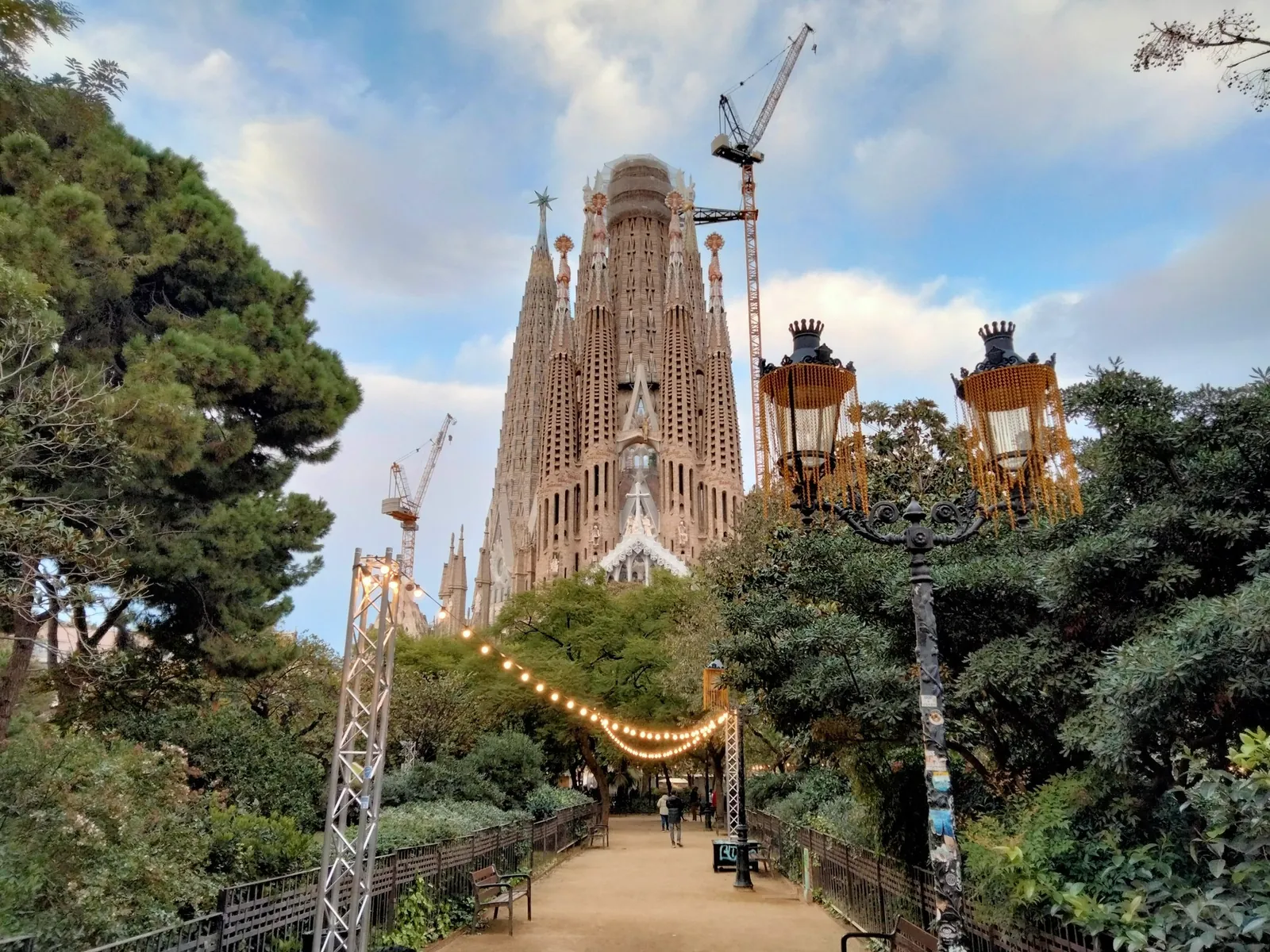
- Beach city with Mediterranean climate and 2,500 hours of sunshine
- Outstanding food scene from tapas bars to Michelin-starred restaurants
- Modern, accessible public transport including metro, bus, and tram
Cons
- Rising cost of living, now one of Spain's most expensive cities
- Heavy tourist crowds in central areas year-round
- Pickpocketing common in tourist zones and on public transit
- Catalan-Spanish political tensions occasionally affect daily life
Who should retire in Barcelona?
Retirees who want a cosmopolitan Mediterranean city with beaches, culture, excellent healthcare, and a vibrant social scene.
Which neighborhoods suit retirees in Barcelona?
Eixample
Grid-planned district famous for Gaudi architecture, wide boulevards, and abundant dining. One-bedroom rents range $1,200-$1,800/month. Central location with excellent metro access suits retirees who want urban convenience and cultural landmarks within walking distance.
Gracia
Former independent village with a bohemian atmosphere, plazas filled with terrace cafes, and a strong neighborhood identity. One-bedrooms rent for $1,000-$1,500/month. Popular with expats seeking a local, less touristy feel.
Barceloneta
Beachfront neighborhood with a fishing-village heritage, seafood restaurants, and boardwalk access. Rents run $1,100-$1,600/month for a one-bedroom. Best for retirees who prioritize beach proximity and an active outdoor lifestyle.
Which hospitals serve retirees in Barcelona?
Hospital Clinic de Barcelona
Leading public university hospital with strong research programs. Recognized for transplant surgery, oncology, and infectious disease. Affiliated with the University of Barcelona. International patient coordination office available.
Hospital Quironsalud Barcelona
Private hospital in the Eixample district. Part of the Quironsalud group, Spain's largest private healthcare network. Offers cardiology, neurosurgery, and robotic surgery. English-speaking staff and international insurance accepted.
Hospital de la Santa Creu i Sant Pau
UNESCO-listed modernist hospital complex with fully modernized clinical facilities. Public hospital offering comprehensive specialist care including oncology and cardiac surgery. One of Catalonia's most respected medical institutions.
Facility details may change. Verify accreditation status and services directly with each hospital before making healthcare decisions.
What is the food scene like in Barcelona?
Barcelona's food scene is among Europe's most vibrant, spanning traditional Catalan cuisine and global gastronomy. La Boqueria market on La Rambla is an essential stop for fresh produce, jamon iberico, and market-counter dining at $8-$15 per plate. In the Gothic Quarter, tapas bars serve patatas bravas and pan con tomate for $3-$6 per tapa.
The Eixample district hosts renowned restaurants like Cerveceria Catalana for upscale tapas ($20-$35 per person) and Disfrutar, which holds multiple Michelin stars. Gracia's plazas are filled with neighborhood restaurants where a three-course menu del dia costs $12-$16, including wine, one of Spain's best dining values.
Barceloneta's beachfront chiringuitos (beach bars) and seafood restaurants serve paella and fideueta for $12-$20 per person. For groceries, Mercadona and Bonpreu are the main supermarket chains, with weekly shopping for two running $70-$100. The city's market culture (Mercat de Sant Antoni, Mercat de l'Abaceria) keeps fresh, local ingredients accessible and affordable year-round.
Is retiring in Barcelona right for you?
Take our free 3-minute retirement quiz to see how life in Barcelona, Spain, compares to other destinations based on your preferences, budget, and needs.
Take the Retirement QuizFrequently Asked Questions About Retiring in Barcelona
What is Spain's Non-Lucrative Visa?
The Non-Lucrative Visa (Visado de Residencia No Lucrativa) is designed for non-EU citizens who want to live in Spain without working. You must demonstrate financial means of approximately €2,400/month or €28,800/year, plus private health insurance with full coverage and no copays. The visa is initially granted for one year, then renewable for two-year periods. After five years, you can apply for permanent residency.
Do I need to speak Spanish and Catalan to live in Barcelona?
Spanish is essential for daily life and bureaucracy. Catalan is the co-official language and widely used in signage, education, and local government, but you do not need to speak it to live comfortably. English is spoken in tourist areas and many professional settings, but learning Spanish greatly improves integration and quality of life. Many language schools offer courses for retirees.
What are the best neighborhoods for retirees in Barcelona?
Sarrià-Sant Gervasi is quiet, green, and upscale with a village atmosphere. Gràcia offers bohemian charm with squares and local markets. Eixample has elegant modernist architecture and is centrally located. Poblenou is a regenerated industrial area near the beach with a creative vibe. Barceloneta is right on the beach but can be noisy and touristy.
Sources & References
- Numbeo, Cost of living index and price data for Barcelona: rent, groceries, restaurants, and transportation
- Hospital Clinic de Barcelona, Facility services, specialist departments, and international patient programs in Barcelona
- Spanish Ministry of Inclusion: Immigration Office, Non-lucrative visa requirements and residence permit procedures applicable to Barcelona
- WHO Spain Country Profile, National health system indicators and healthcare quality benchmarks