
City Retirement Guide
Retire in Porto, Portugal
Historic riverside city with port wine, culture, and lower costs than Lisbon
What are the key facts about retiring in Porto?
- Elevation & setting
- ~104m, Douro River valley; hilly historic core, Atlantic 6km west
- Climate
- Coolest month January 6–14°C, hottest August 16–25°C; 1,147 mm of rain a year, most in November (daily low to high, 1991–2020)
- Nearest international airport
- OPO Francisco Sá Carneiro, 11km NNW of city center
- Nearest major hospital
- Hospital CUF Porto (Boavista); public Centro Hospitalar Universitário de Santo António in the center
- Primary retirement visa
- D7 passive income (2026 minimum ~€920/mo, the Portuguese minimum wage)
- Language environment
- Portuguese primary; English common in Foz, Boavista, private hospitals; less so in outer districts
Portugal's Non-Habitual Resident (NHR) regime is closed to new applicants (it ended in 2024), and the replacement IFICI regime excludes retirees, so new Porto residents pay standard progressive rates of 12.5% to 48%; see the Portugal taxes guide for details.
What is retirement like in Porto?
Porto sits on the Douro River roughly 6 kilometers inland from the Atlantic, with its UNESCO-listed historic core stacked on hillsides between Foz do Douro and the port wine lodges of Vila Nova de Gaia. Rents in Porto typically run 15-25% below Lisbon, and the same D7 passive-income visa applies here with an identical 2026 minimum income threshold of roughly €920 per month (equal to the Portuguese minimum wage). Francisco Sá Carneiro Airport (OPO), 11 kilometers north of the city center, operates direct flights to more than 90 European destinations, and Lisbon is 2h50 away by Alfa Pendular train.
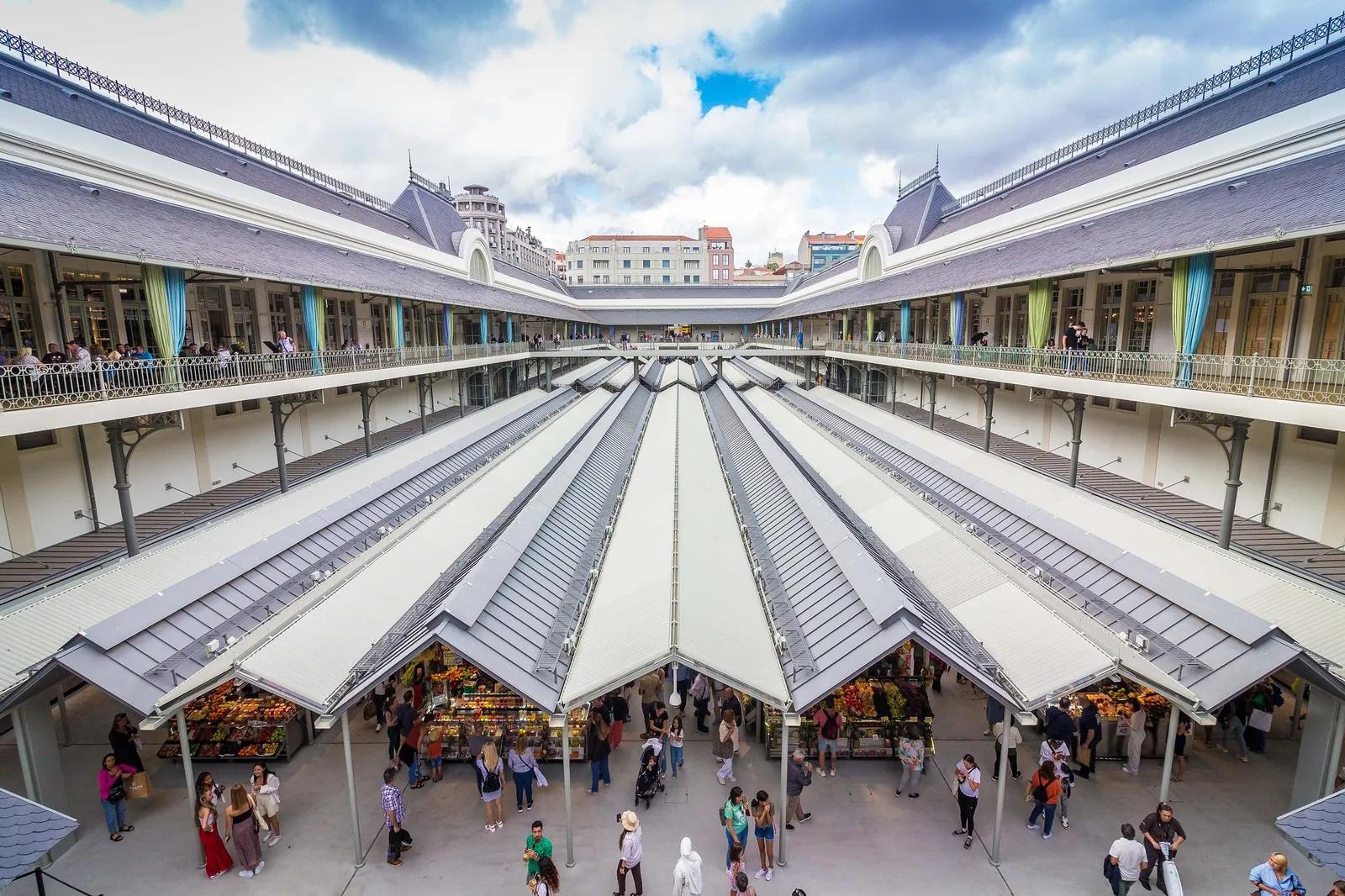
Porto offers a more affordable entry point to Portuguese retirement than Lisbon, with rents typically 20-30% lower. The city is smaller and more walkable, with a growing metro system and an efficient bus network. The culinary scene rivals Lisbon's, with a focus on hearty northern Portuguese cuisine: francesinha sandwiches, tripas à moda do Porto, and superb seafood. The Bolhão Market, recently renovated, is the city's gastronomic heart. Porto's wine culture extends beyond port to the Douro Valley's table wines and the refreshing vinho verde of the Minho region.
The expat retiree community in Porto is smaller but growing rapidly, with many attracted by the combination of culture, affordability, and quality of life. The Francisco Sá Carneiro Airport connects to major European cities, and Lisbon is just three hours by train. The same D7 visa rules and national tax rules as in Lisbon apply in Porto: the NHR regime is closed to new applicants, so new Porto retirees pay Portugal's standard progressive rates of 12.5% to 48%. Porto remains a financially sensible choice for non-EU retirees on the strength of its living costs.
What does it really look like in Porto?
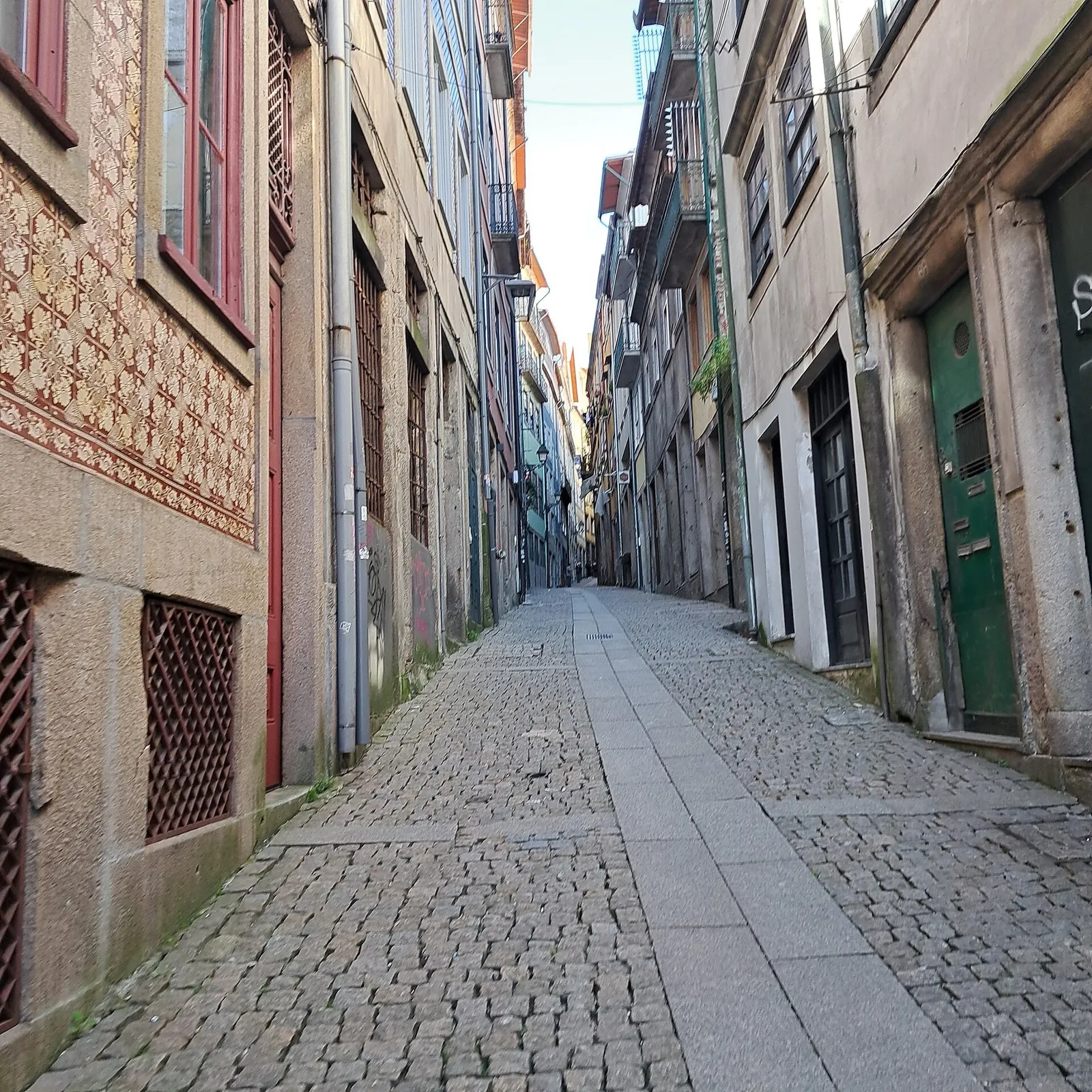
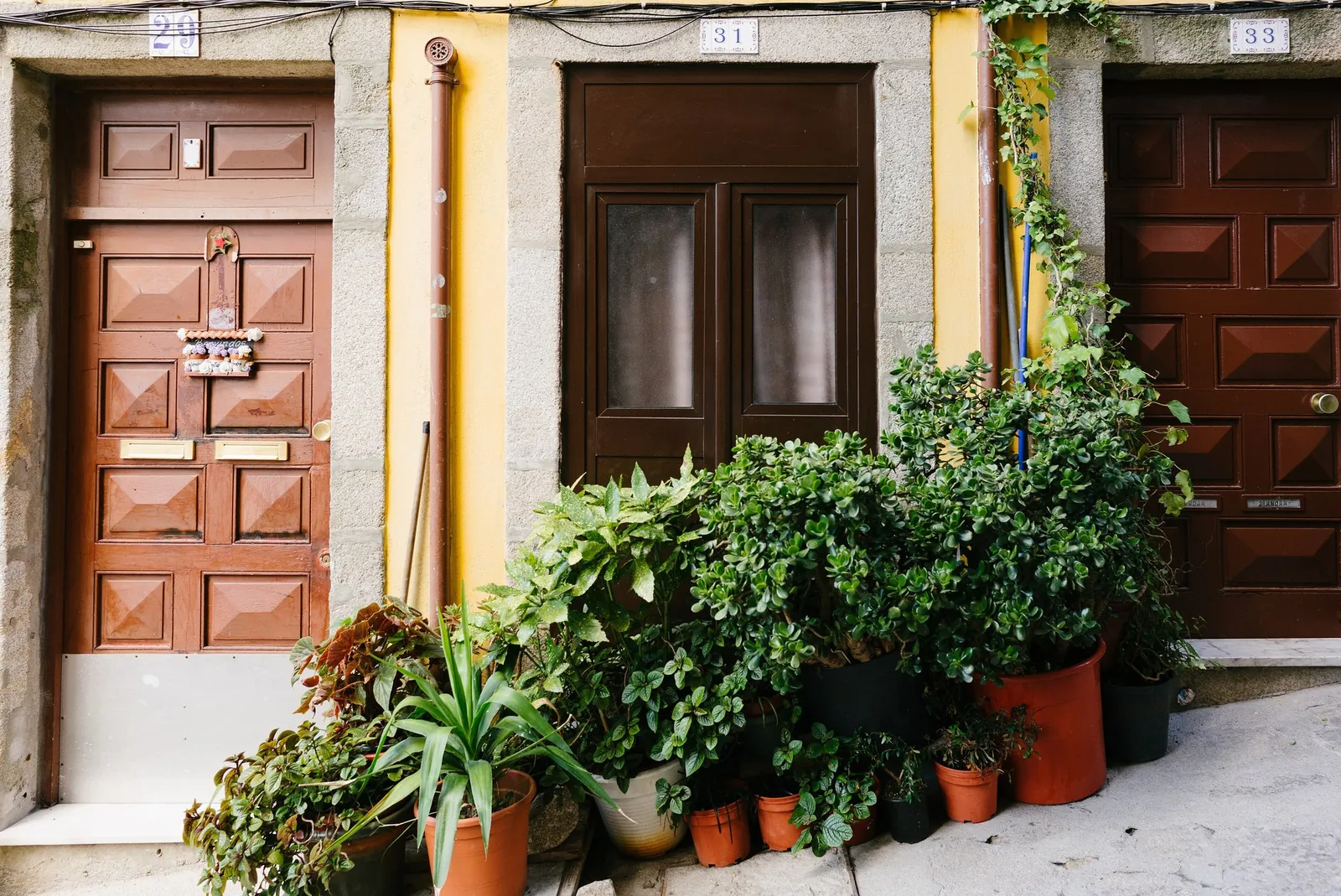
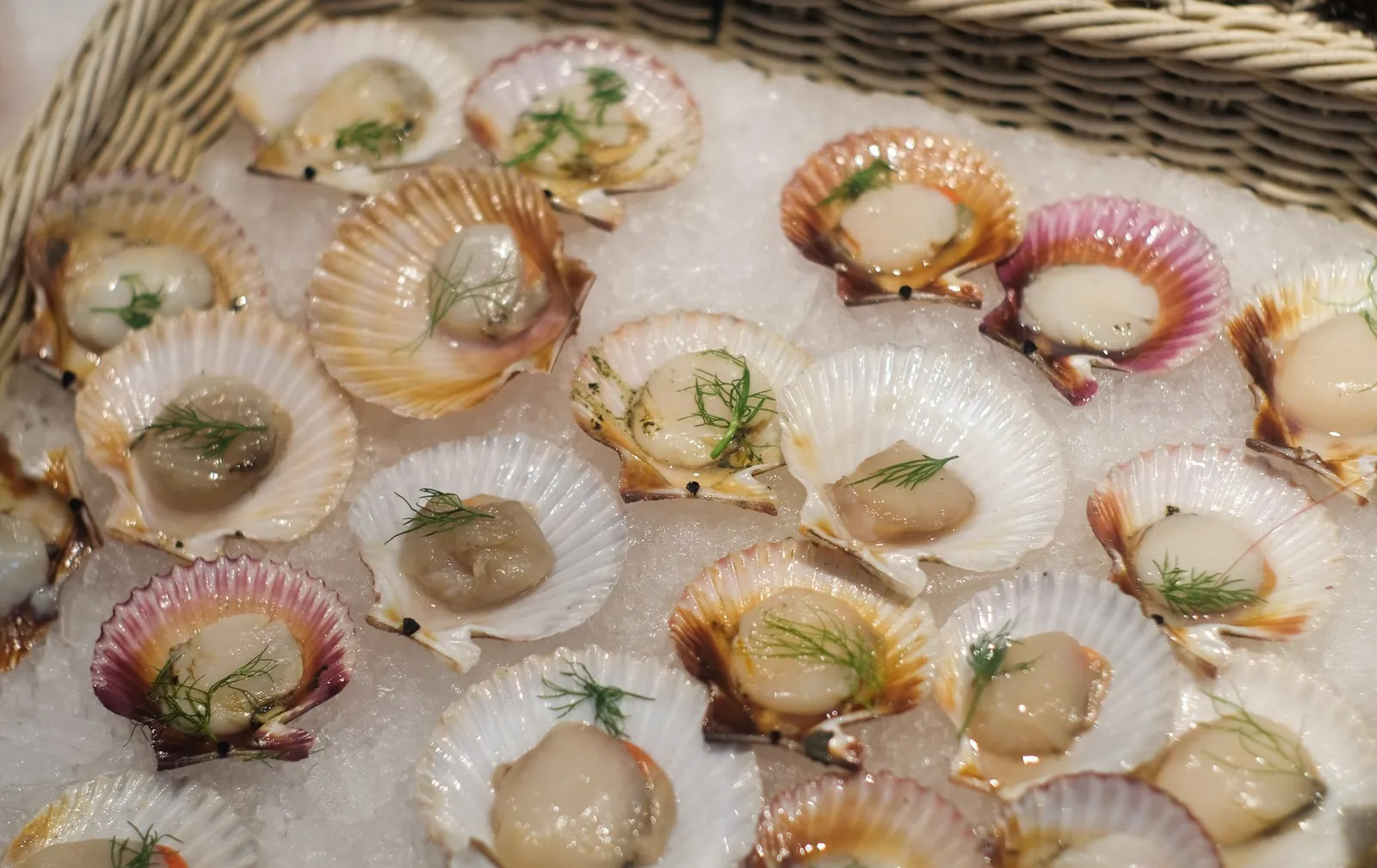
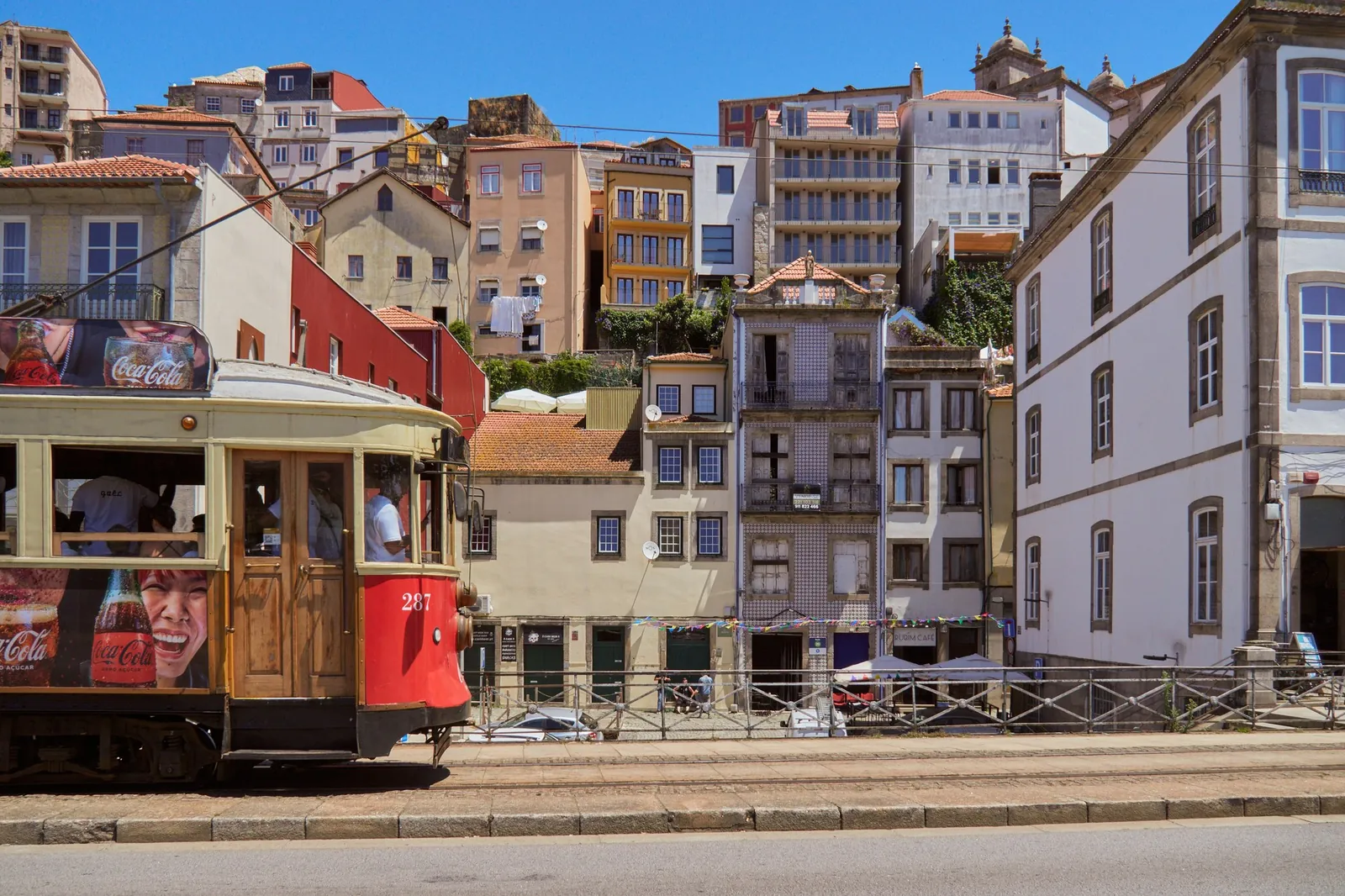
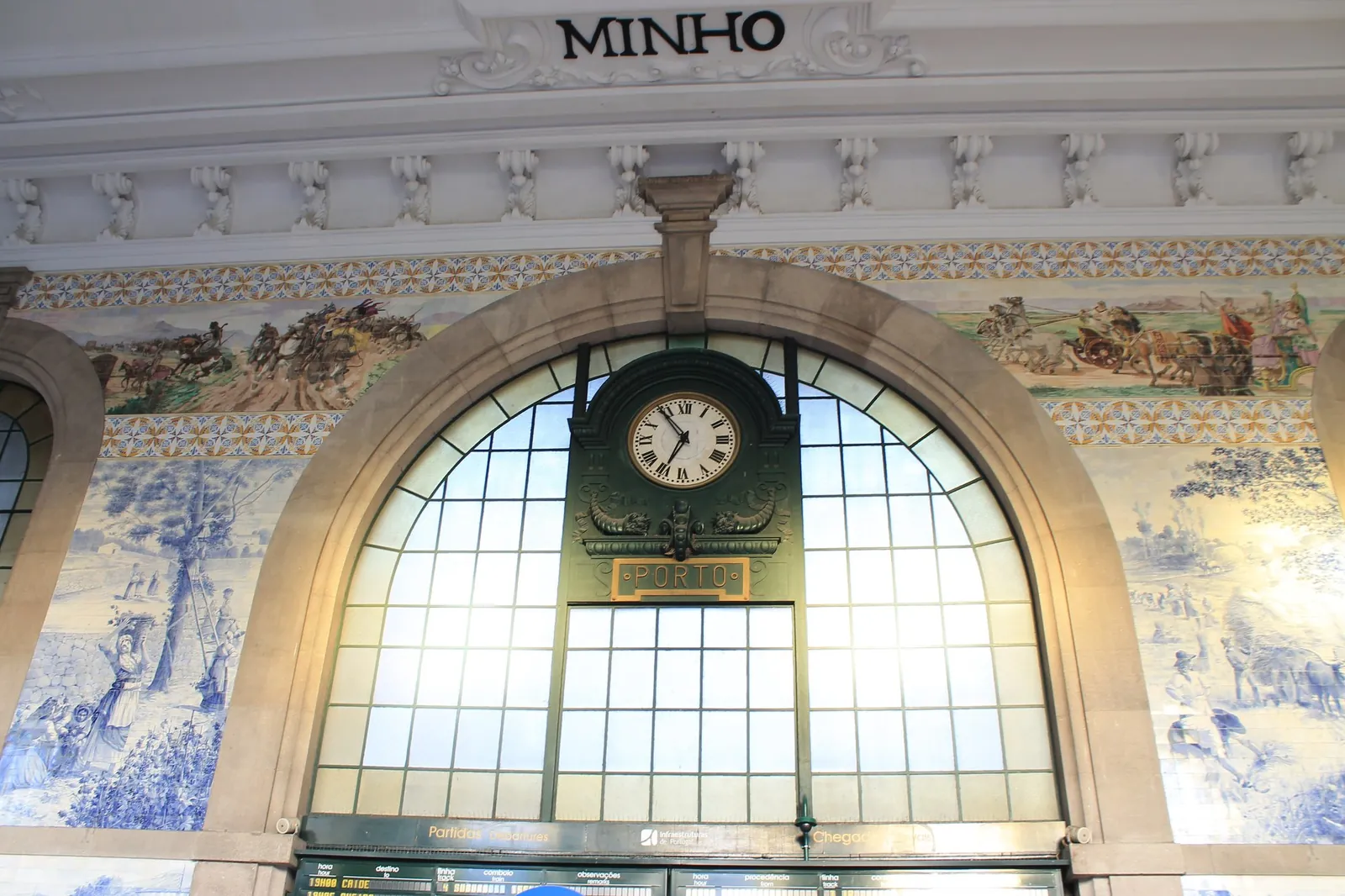
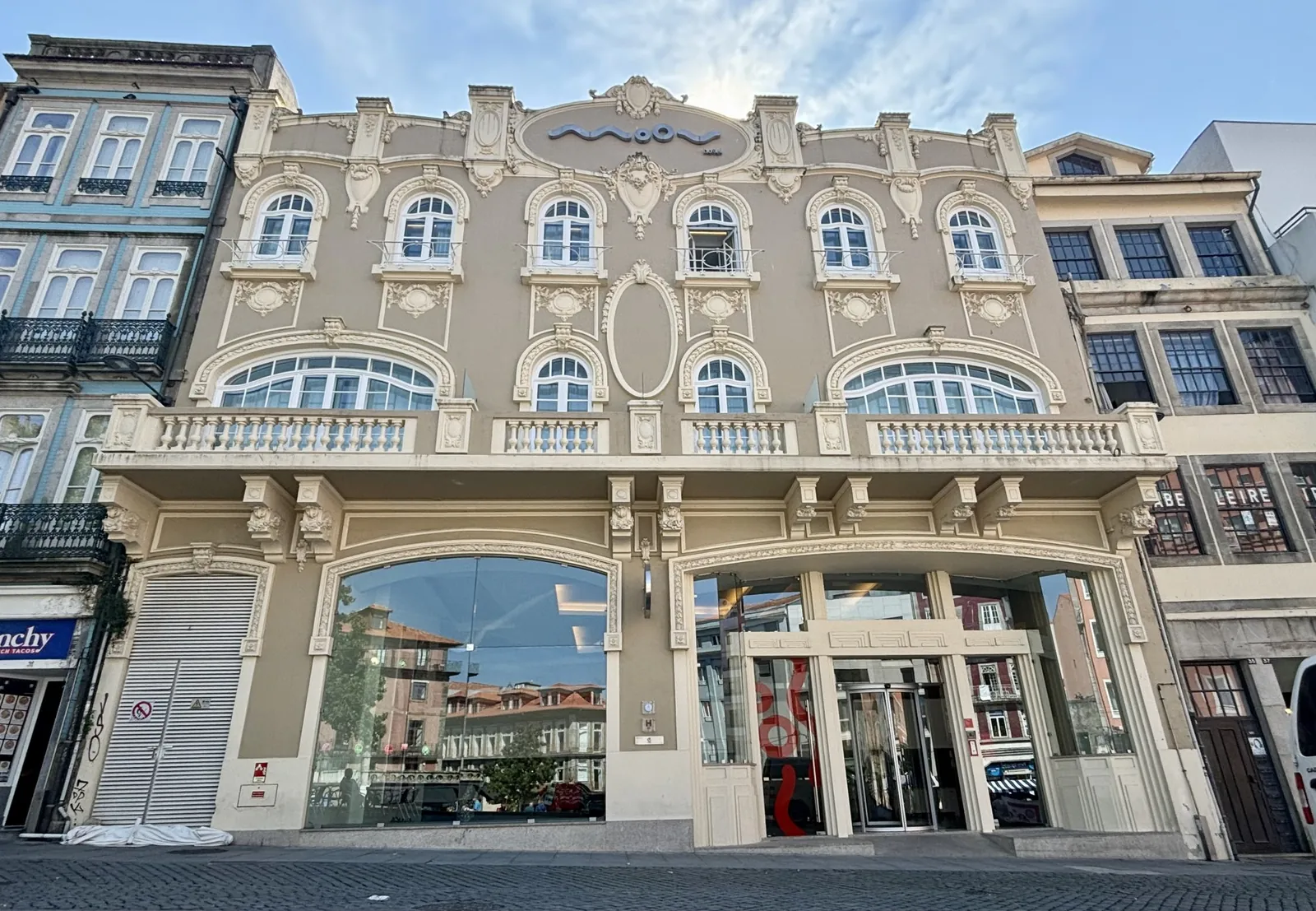
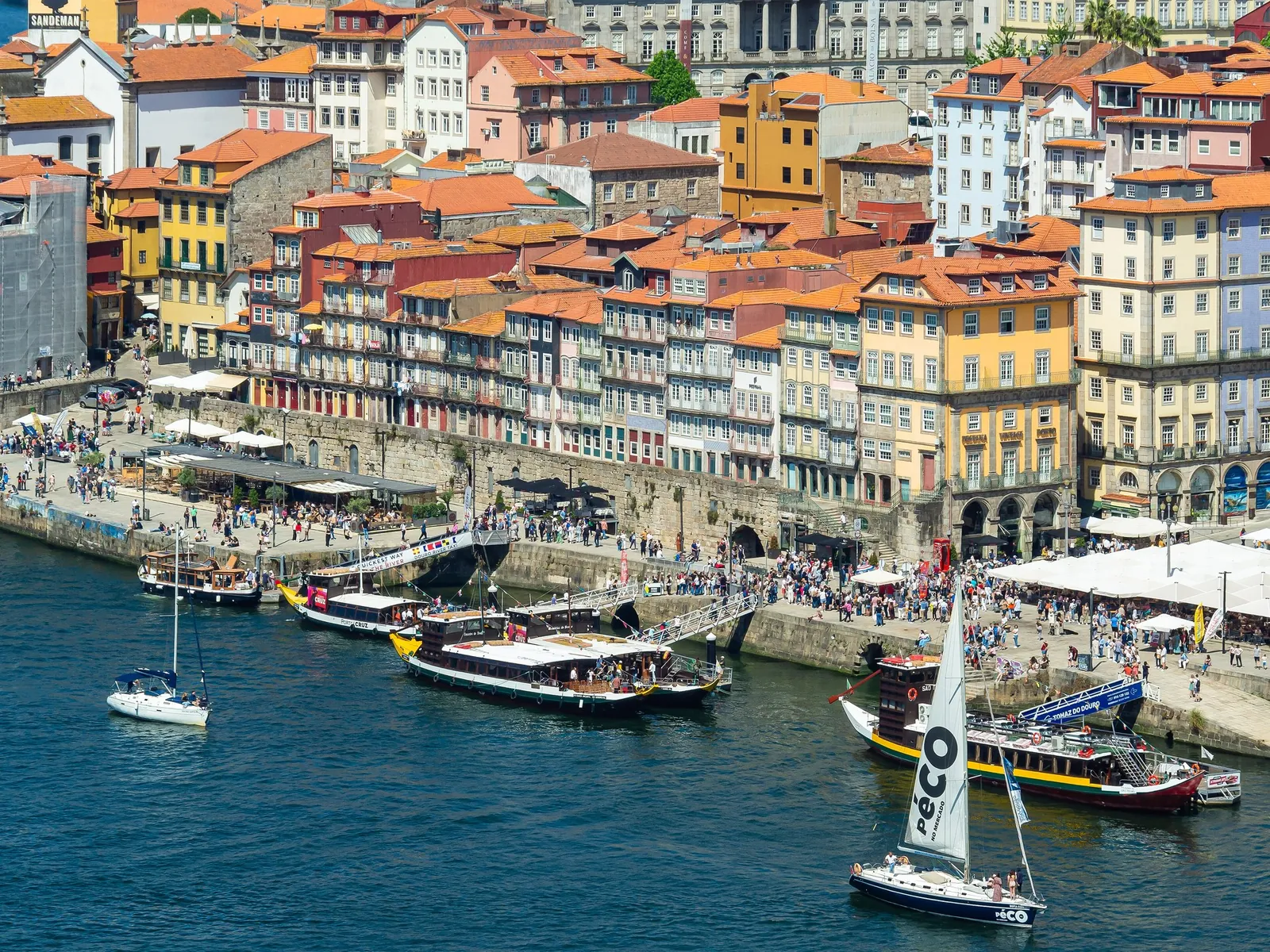
Authentic, unedited photos of Porto by residents and visitors, taken on ordinary days rather than chosen by a tourist board. Each one shows when it was taken. Browse photos of 105 cities →
.jpg)
.jpg)

.jpg)

.jpg)


.jpg)
.jpg)
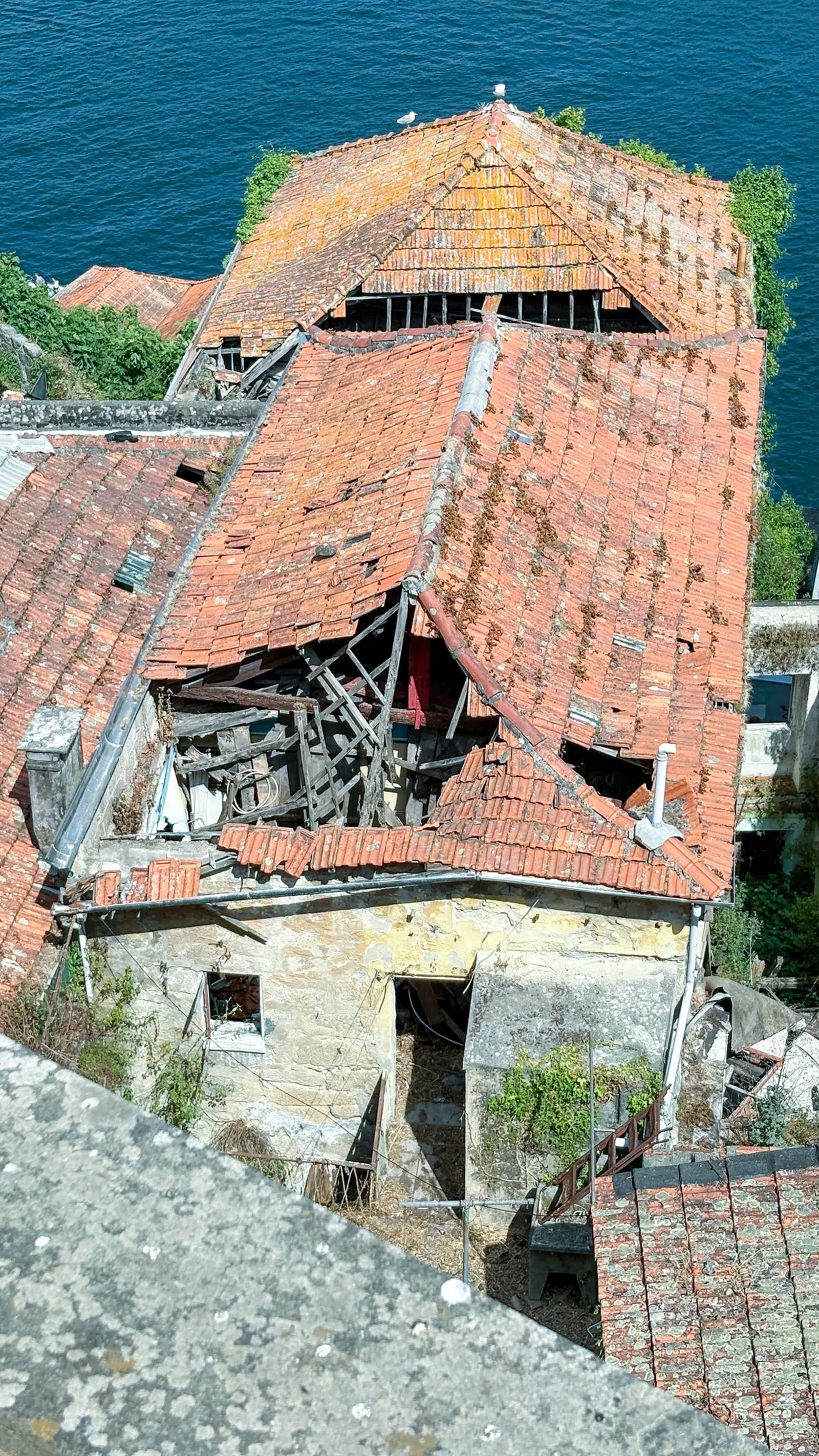
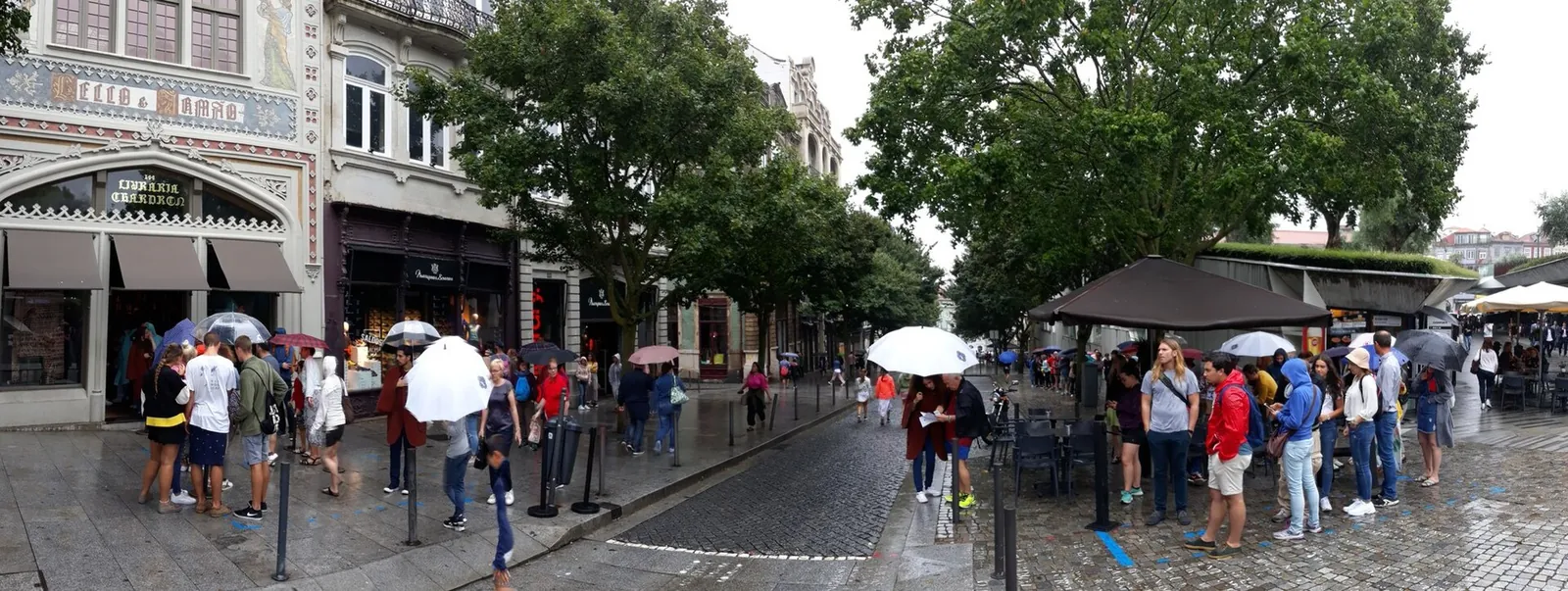
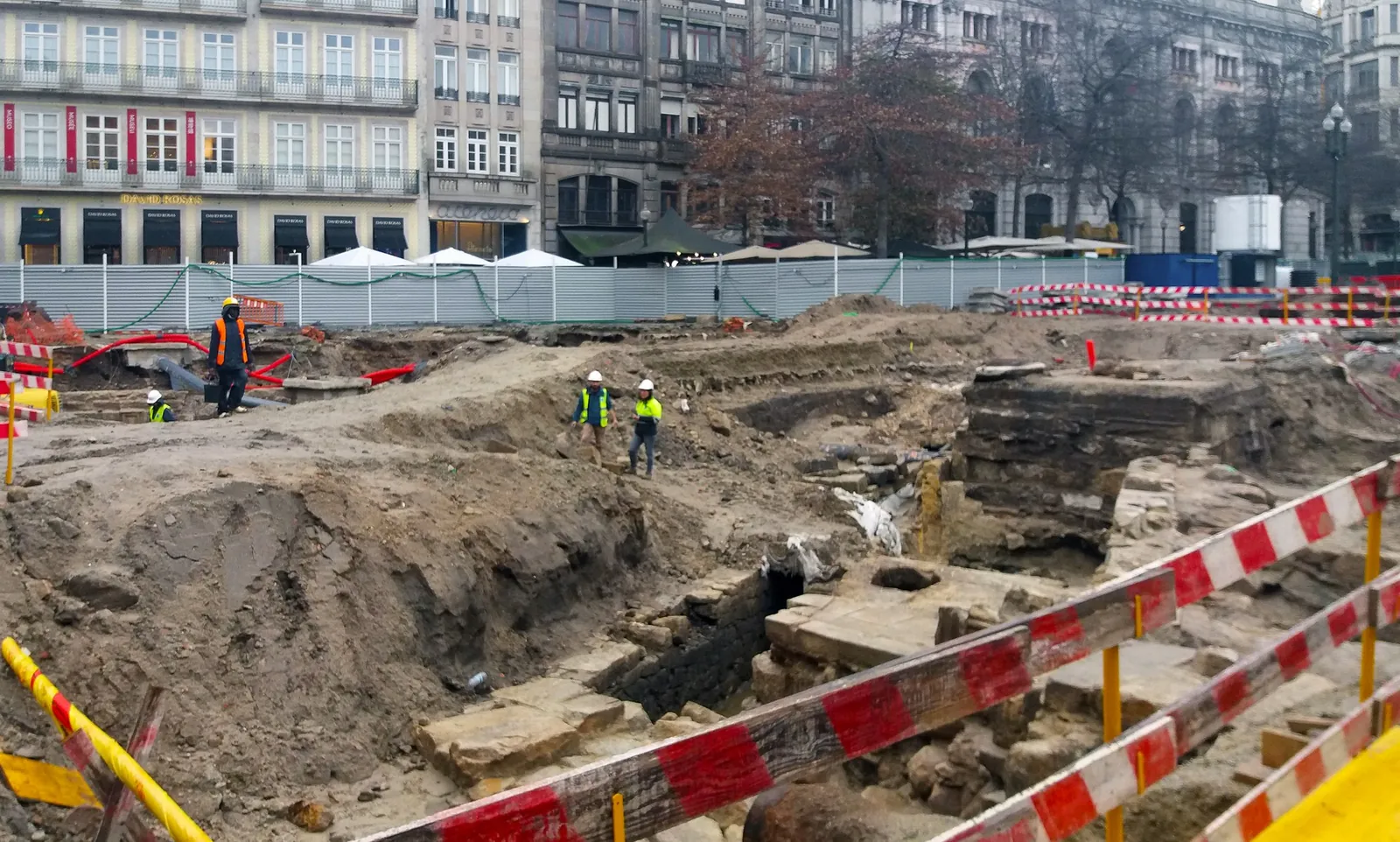
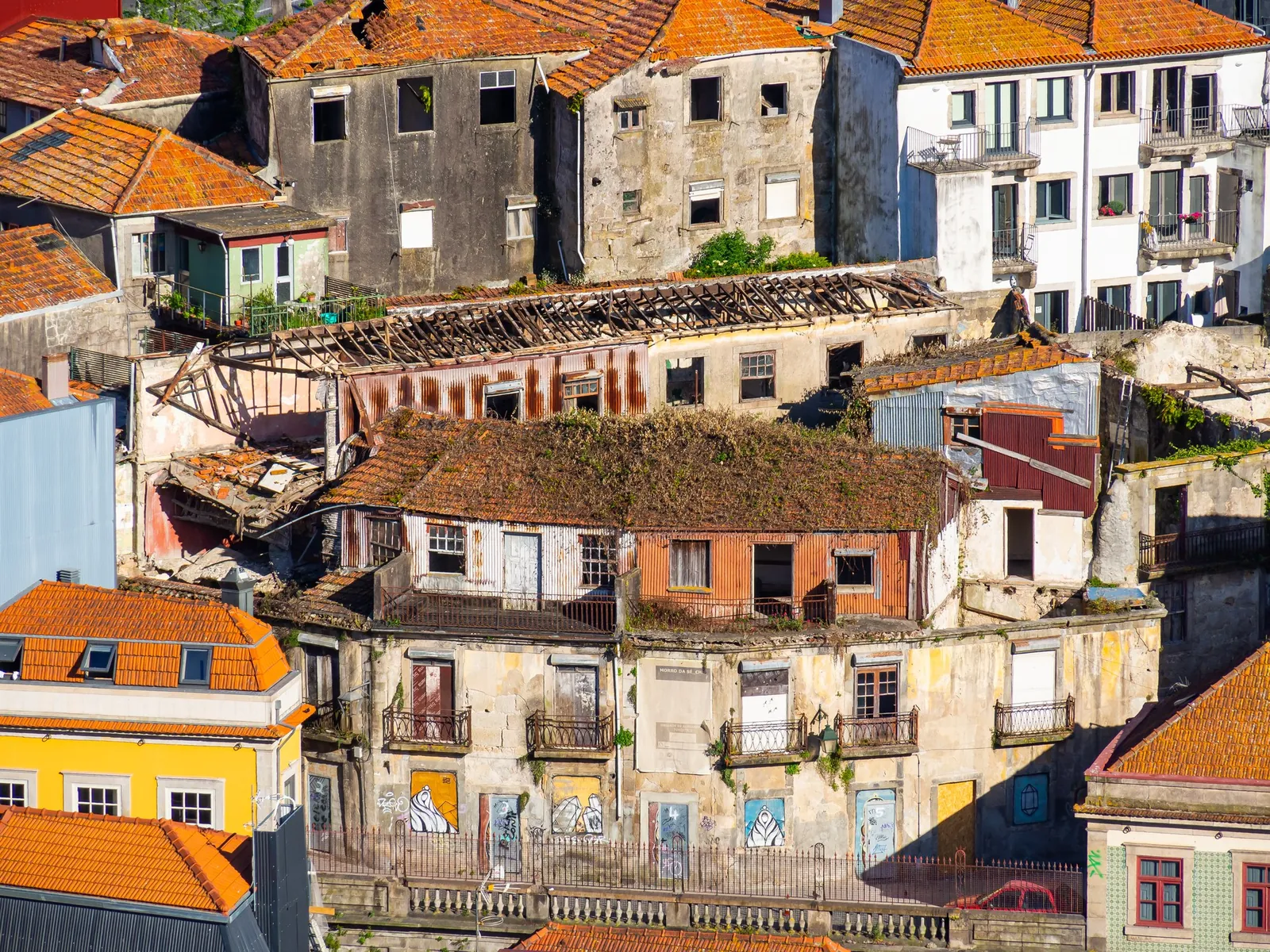
The other side
.jpg)


.jpg)
What does it cost to live in Porto?
1-Bedroom Rent
$600-$1,100/month
Local Restaurant Meal
$7-$13 at local restaurants
Cup of Coffee
$1-$1.50
Estimated Monthly Total
$1,600-$2,700
Want a personalized estimate? Use our cost of living calculator
How good is healthcare in Porto?
Porto has excellent healthcare facilities. Hospital de São João is one of the largest public hospitals in Portugal, and private options include Hospital da Luz Arrábida, CUF Porto, and Hospital Lusíadas Porto. The University of Porto's medical school ensures high standards of training. Private consultations cost $45-$90. Dental care is high quality and affordable ($40-$80 for cleanings). Private health insurance for retirees aged 55-70 runs $1,500-$4,000 per year. English-speaking doctors are available in private hospitals.
What is daily life like in Porto?
Porto's lifestyle blends culture, gastronomy, and seaside living. The city has world-class bookshops (Livraria Lello), stunning churches (Clérigos Tower), and vibrant cultural venues like Casa da Música and Serralves Museum. Weekend trips to the Douro Valley for wine tasting are a highlight. The Foz do Douro promenade along the Atlantic is perfect for morning walks. Porto's Matosinhos neighborhood is renowned for its seafood restaurants lining the beach. The city's azulejo-covered buildings make even a simple walk through town a visual feast.
What is the climate like in Porto?
Porto has an Atlantic-influenced Mediterranean climate, cooler and rainier than Lisbon or the Algarve. Summers (June-September) are warm and pleasant at 22-28°C. Winters (December-February) are mild but rainy, averaging 6-14°C. Porto receives about 1,100mm of rain annually, mostly between October and March. The city gets roughly 2,500 hours of sunshine per year. The climate suits retirees who prefer moderate temperatures and don't mind some winter rain.
| Month | High | Low | Rain |
|---|---|---|---|
| January | 14.0 °C | 6.4 °C | 151 mm |
| February | 15.0 °C | 6.8 °C | 98 mm |
| March | 17.0 °C | 8.8 °C | 101 mm |
| April | 18.1 °C | 10.1 °C | 96 mm |
| May | 20.3 °C | 12.3 °C | 86 mm |
| June | 22.7 °C | 14.5 °C | 34 mm |
| July | 24.3 °C | 15.5 °C | 17 mm |
| August | 24.8 °C | 15.7 °C | 29 mm |
| September | 23.5 °C | 14.8 °C | 68 mm |
| October | 20.7 °C | 12.9 °C | 149 mm |
| November | 16.8 °C | 9.4 °C | 166 mm |
| December | 14.7 °C | 7.6 °C | 153 mm |
Weather station: Porto Pedras Rubras Airport (9.3 km away). Source: IPMA climate normals 1991-2020
What are the pros and cons of retiring in Porto?
Pros
- UNESCO-listed historic center with extraordinary architecture
- More affordable than Lisbon with similar quality of life
- Outstanding food and wine culture including port wine heritage
- Excellent healthcare with major hospitals and private clinics
- Friendly, authentic atmosphere less touristy than Lisbon
Cons
- Rainier and cooler than Lisbon or southern Portugal
- Hilly terrain with steep streets in the historic center
- Smaller expat community than Lisbon or the Algarve
- Fewer direct international flights than Lisbon
Who should retire in Porto?
Culture and food-loving retirees who prefer a mid-sized, authentic European city with lower costs than Lisbon and a rich wine heritage.
Which neighborhoods suit retirees in Porto?
Foz do Douro
Upscale coastal neighborhood at the mouth of the Douro River with ocean promenades, parks, and excellent restaurants. One-bedroom rents run $900-$1,400/month. Popular with retirees seeking a quieter pace near the beach.
Ribeira
UNESCO-listed riverside quarter with colorful buildings, port wine cellars across the river, and tourist energy. Rents for a one-bedroom range $800-$1,200/month. Best for those who enjoy being at the center of Porto's cultural life.
Boavista
Modern commercial and residential district centered around the Rotunda da Boavista. Good public transit connections and shopping at Bom Sucesso Market. One-bedrooms rent for $750-$1,100/month. Suits expats wanting urban convenience.
Which hospitals serve retirees in Porto?
Hospital CUF Porto
Leading private hospital in Porto offering cardiology, oncology, neurology, and orthopedic surgery. Modern diagnostic imaging facilities. English-speaking physicians available in most specialties.
Hospital da Luz Arrabida
Private hospital in Vila Nova de Gaia with a broad range of surgical and outpatient services. Part of the Luz Saude network. Known for efficient scheduling and comfortable patient facilities.
Centro Hospitalar Universitario de Santo Antonio
Major public teaching hospital in central Porto. Provides emergency, surgical, and specialist care. Affiliated with the University of Porto medical faculty. Wait times vary by department.
Facility details may change. Verify accreditation status and services directly with each hospital before making healthcare decisions.
What is the food scene like in Porto?
Porto's food scene is hearty and affordable, rooted in northern Portuguese traditions. The Ribeira waterfront is lined with restaurants serving francesinha (Porto's signature meat sandwich) for $8-$12 and fresh grilled fish for $10-$18. Rua das Flores in the historic center offers a concentration of modern bistros and wine bars.
In Foz do Douro, seafood restaurants like Cafeina and Casa de Cha da Boa Nova (Michelin-starred) provide ocean-view dining. A full meal with wine in a mid-range restaurant typically costs $15-$25 per person. The Bolhao Market, recently renovated, is the go-to spot for fresh produce, cured meats, and local cheeses.
Port wine is synonymous with the city, and tastings at lodges in Vila Nova de Gaia start at $5-$15. Weekly grocery costs for a couple run $50-$80 at Pingo Doce or Lidl. Eating out regularly is realistic here: Porto remains one of Western Europe's most affordable cities for dining.
Is retiring in Porto right for you?
Take our free 3-minute retirement quiz to see how life in Porto, Portugal, compares to other destinations based on your preferences, budget, and needs.
Take the Retirement QuizFrequently Asked Questions About Retiring in Porto
Is Porto too rainy for retirement?
Porto gets more rain than Lisbon (about 1,100mm vs 700mm annually), mostly concentrated between October and March. Summers are beautifully dry and warm. Many retirees who dislike extreme heat actually prefer Porto's milder climate. If rain is a concern, consider spending winter months in the Algarve or using Porto as a spring/summer base.
How does the cost of living in Porto compare to Lisbon?
Porto is generally 15-25% cheaper than Lisbon, primarily in housing. A one-bedroom apartment in a good Porto neighborhood costs $600-$1,100 versus $800-$1,400 in Lisbon. Dining out, groceries, and transportation are slightly cheaper in Porto as well. Healthcare costs are comparable.
What are the best neighborhoods for retirees in Porto?
Foz do Douro is the most popular with retirees; it sits on the coast with seafront cafés, flat walking paths, and a village atmosphere. Boavista is central with parks and modern apartments. Matosinhos, just north, offers beach access and the city's best seafood restaurants. The historic center (Ribeira) is atmospheric but hilly and touristy.
Sources & References
- Numbeo, Cost of living index and price data for Porto: rent, groceries, restaurants, and transportation
- Hospital de Santo Antonio Porto, Facility services, specialist departments, and medical capabilities in Porto
- SEF: Portuguese Immigration and Borders Service, D7 passive income visa and residence permit procedures applicable to Porto residents
- WHO Portugal Country Profile, National health system indicators and healthcare quality benchmarks