
City Retirement Guide
Retire in Lisbon, Portugal
Europe's sunniest capital with Old World charm and modern comforts
What are the key facts about retiring in Lisbon?
- Elevation & setting
- 0-110 m; seven-hill city on north bank of Tagus estuary, 12 km inland from Atlantic
- Climate
- Coolest month January 9–15°C, hottest August 19–29°C; 794 mm of rain a year, most in November (daily low to high, 1991–2020)
- Nearest international airport
- Humberto Delgado Airport (LIS), 7 km north of central Lisbon
- Nearest major hospital
- Hospital de Santa Maria, Avenidas Novas district
- Primary retirement visa
- Portugal D7 passive-income visa; 2026 minimum ~€920/month (Portuguese minimum wage)
- Language environment
- Portuguese official; English widely used in central Lisbon, medical, banking and real estate sectors
Portugal closed its Non-Habitual Resident (NHR) tax regime to new applicants in 2024, and the IFICI (Tax Incentive for Scientific Research and Innovation) scheme that replaced it excludes retirees, so new Lisbon retirees pay standard progressive rates of 12.5% to 48% while pre-2024 NHR entrants keep NHR until their ten years run out.
What is retirement like in Lisbon?
Lisbon sits on the north bank of the Tagus estuary at roughly 38.72°N, 9.14°E, about 12 kilometers inland from the Atlantic mouth at Cascais, with the city spread across seven hills from the Moorish São Jorge Castle down to the riverside Baixa grid rebuilt after the 1755 earthquake. Retirees typically settle in the tiled alleys of Alfama, the grid blocks of Bairro Alto, or the leafy Príncipe Real neighborhood. Hospital de Santa Maria in the Avenidas Novas district is the city's largest, affiliated with the University of Lisbon (Universidade de Lisboa). Humberto Delgado Airport (LIS) sits just 7 kilometers north of the city center, unusually close for a European capital.
Portugal's D7 passive income visa has made Lisbon particularly accessible to non-EU retirees. The program requires proof of regular passive income (pensions, investments, or rental income) of at least €920 per month for the primary applicant. Portugal's Non-Habitual Resident (NHR) tax regime is closed to new applicants (it ended in 2024), and the IFICI scheme that replaced it excludes retirees, so a new Lisbon resident pays tax on worldwide income, including foreign pensions, at Portugal's standard progressive rates of 12.5% to 48%.
The city's infrastructure is excellent for older adults. The metro system is modern and accessible, trams connect hilltop neighborhoods, and Uber is inexpensive and widely available. Lisbon's international airport sits within the city limits with direct flights to North America, Europe, and beyond. English is widely spoken, particularly among younger Portuguese, making the transition easier for anglophone retirees. The thriving expat community includes thousands of retirees from the UK, US, France, and Scandinavia.
What does it really look like in Lisbon?
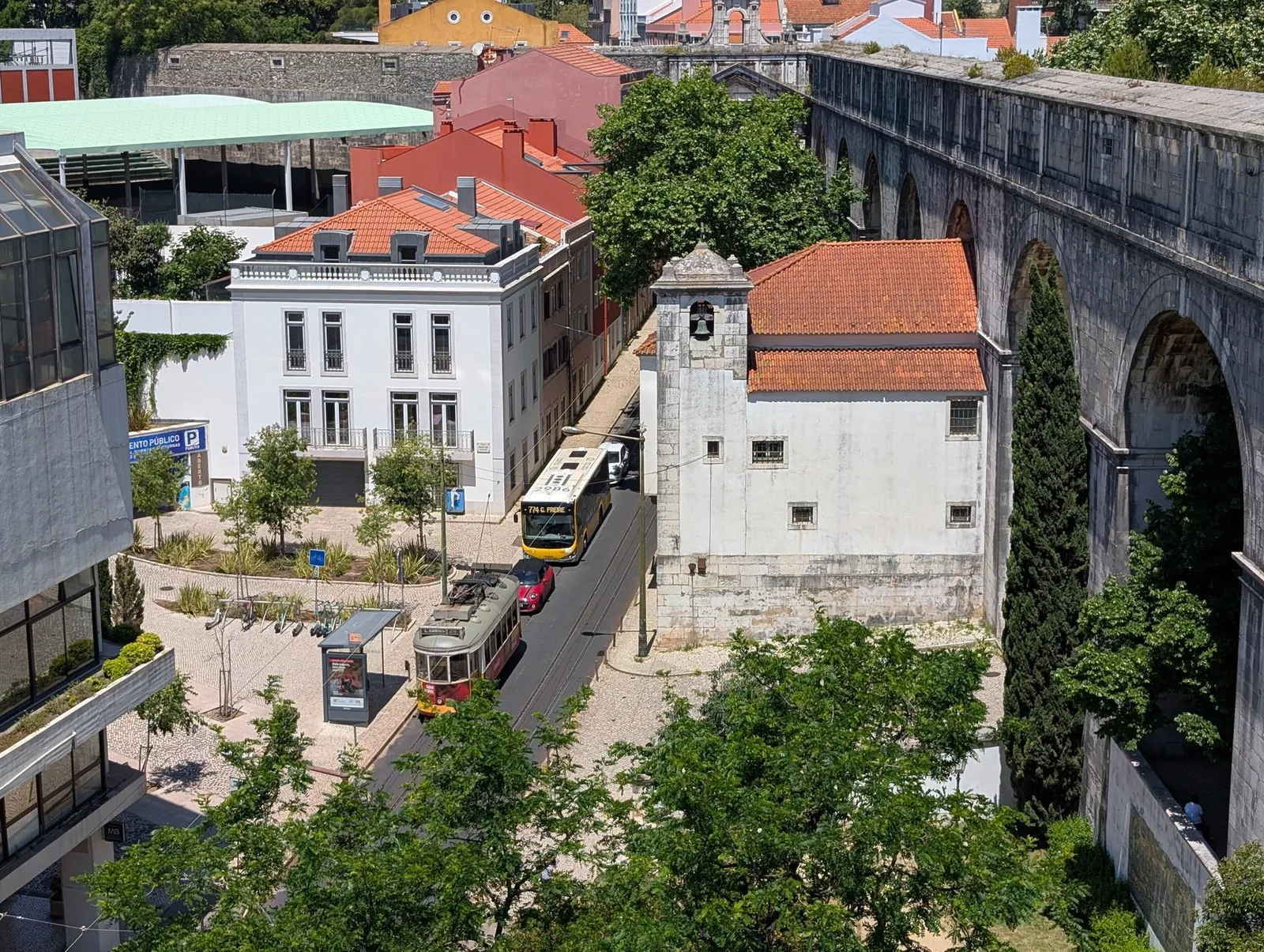
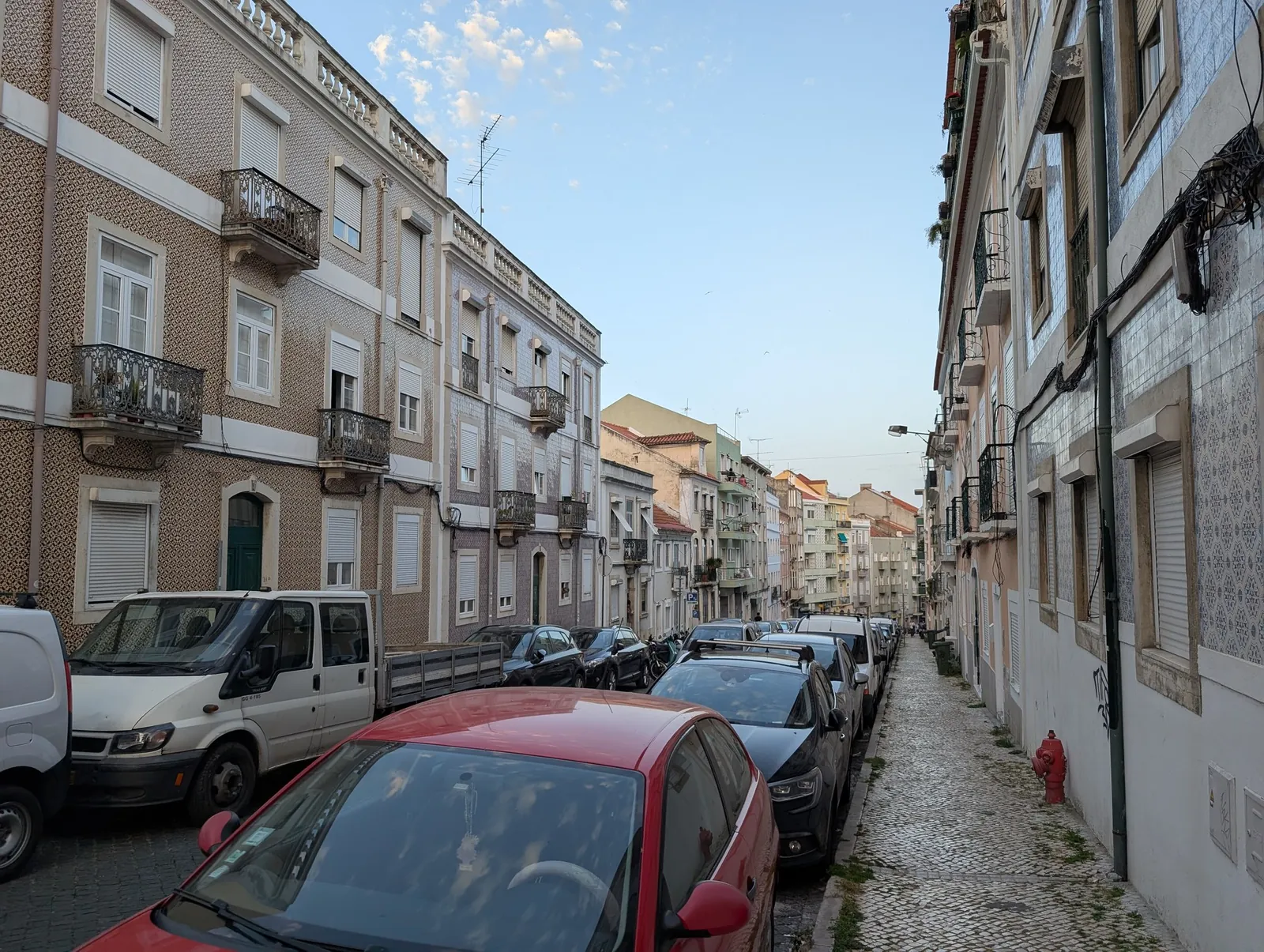
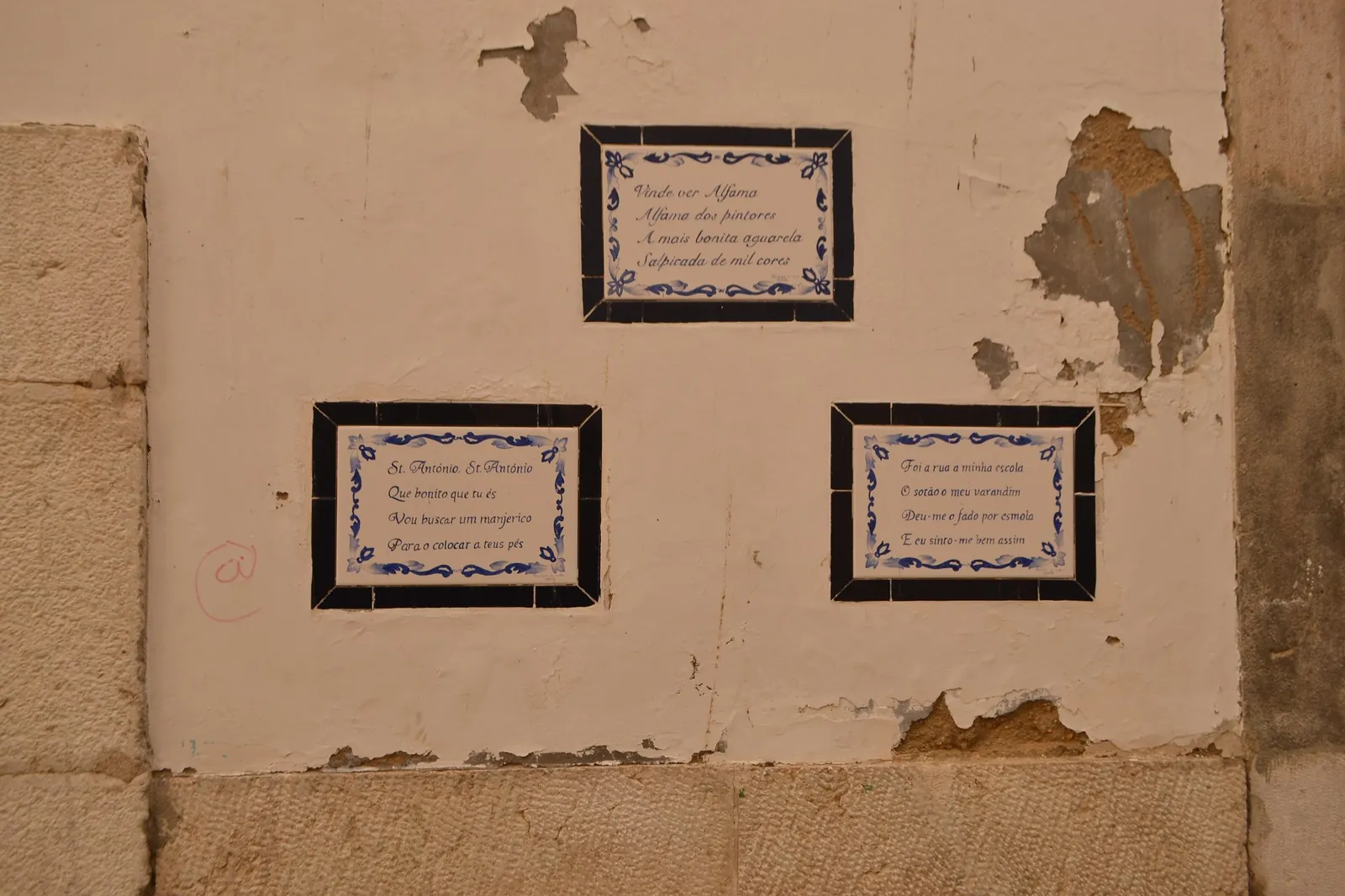
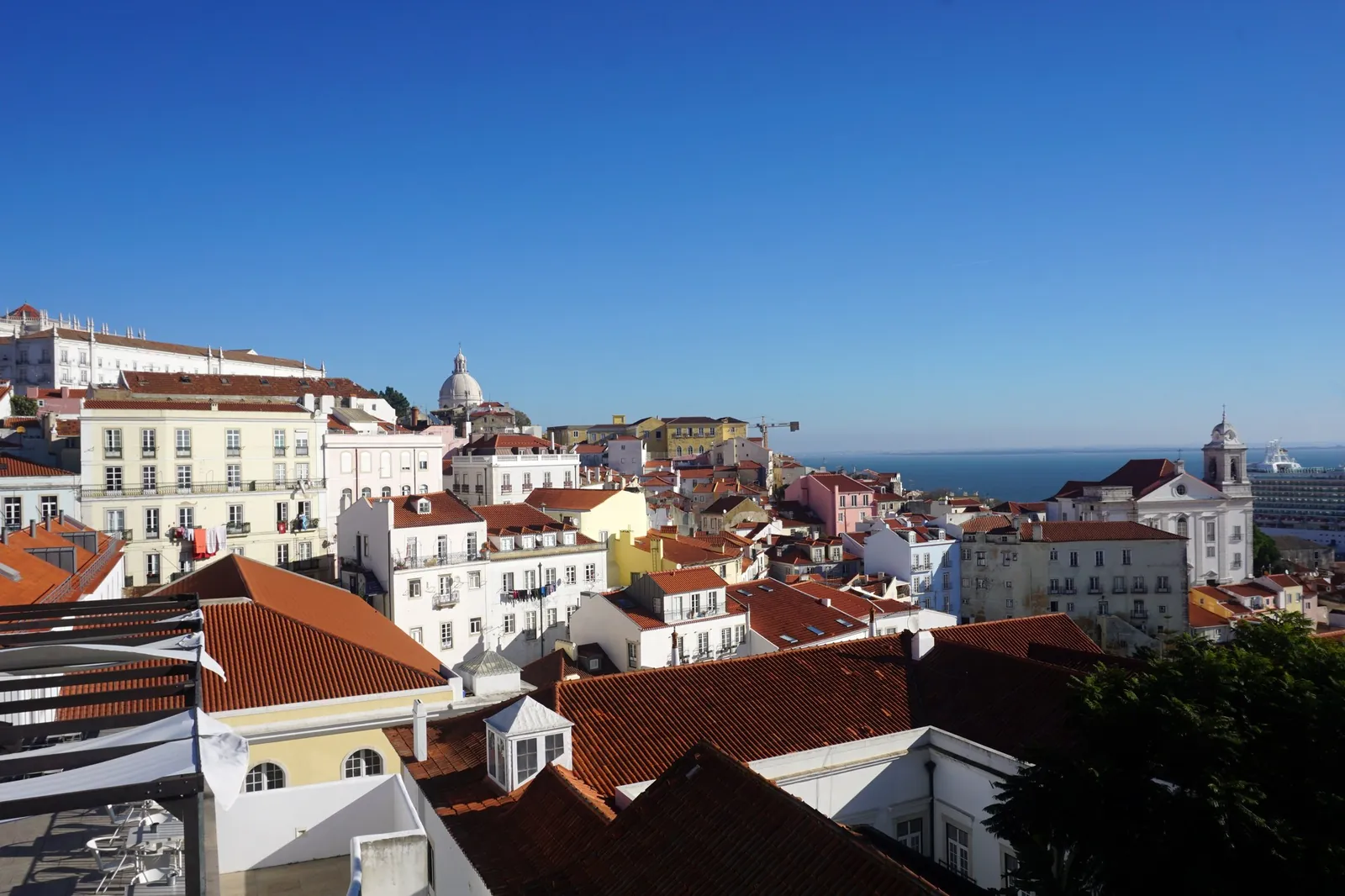
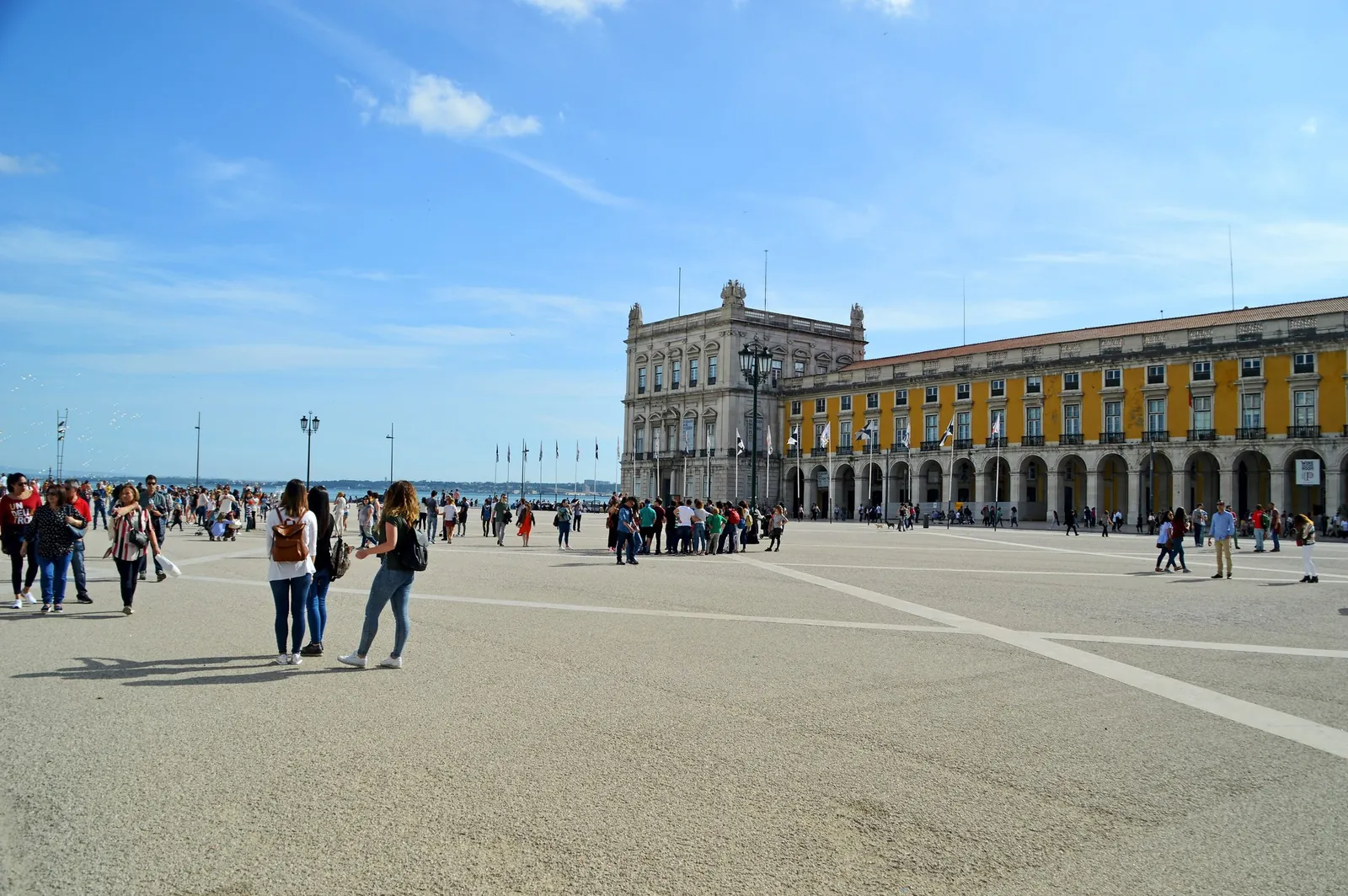
Authentic, unedited photos of Lisbon by residents and visitors, taken on ordinary days rather than chosen by a tourist board. Each one shows when it was taken. Browse photos of 105 cities →
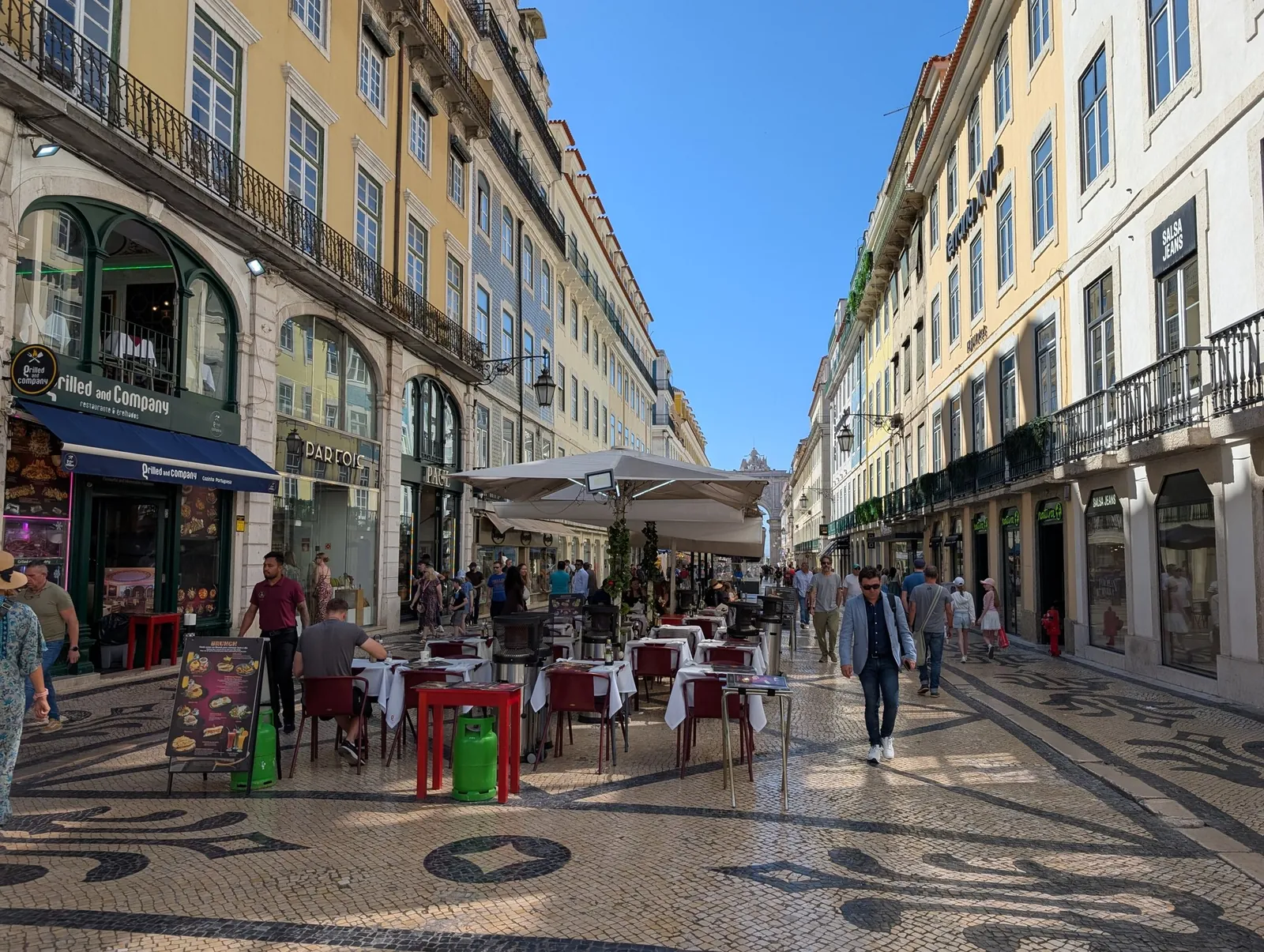
.jpg)
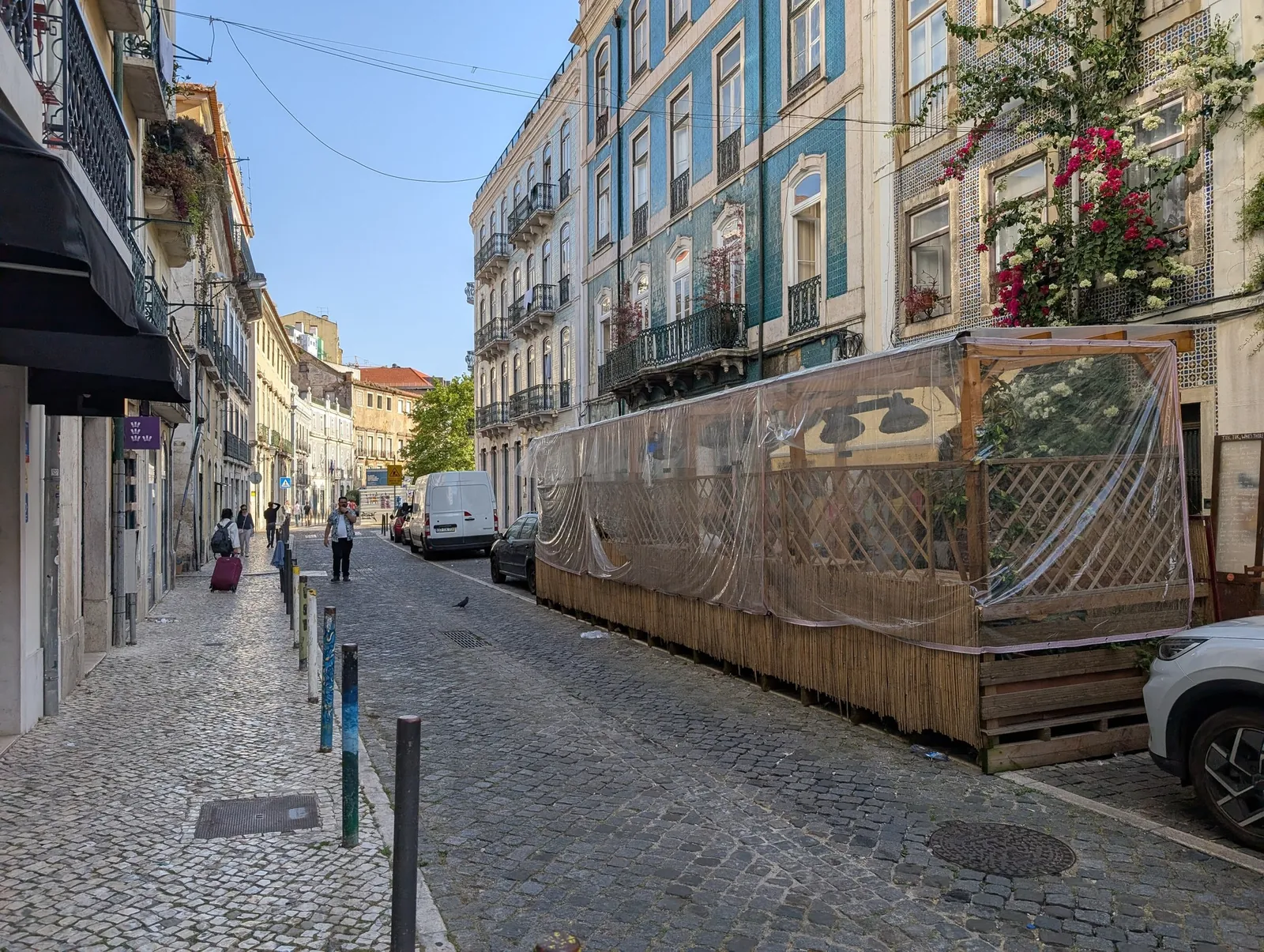
.jpg)
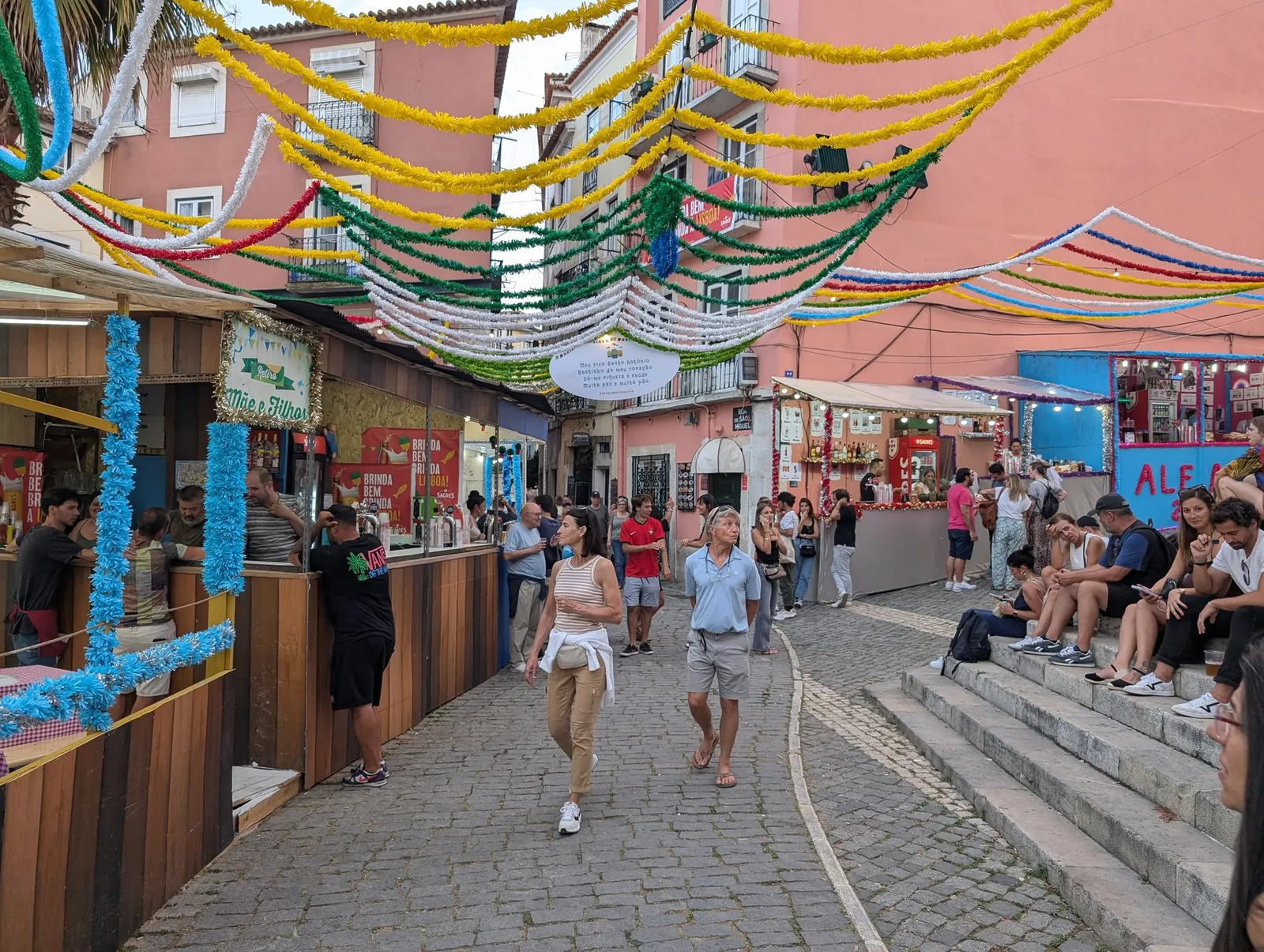
_in_Lisbon,_Portugal_(55181048736).jpg)

.jpg)


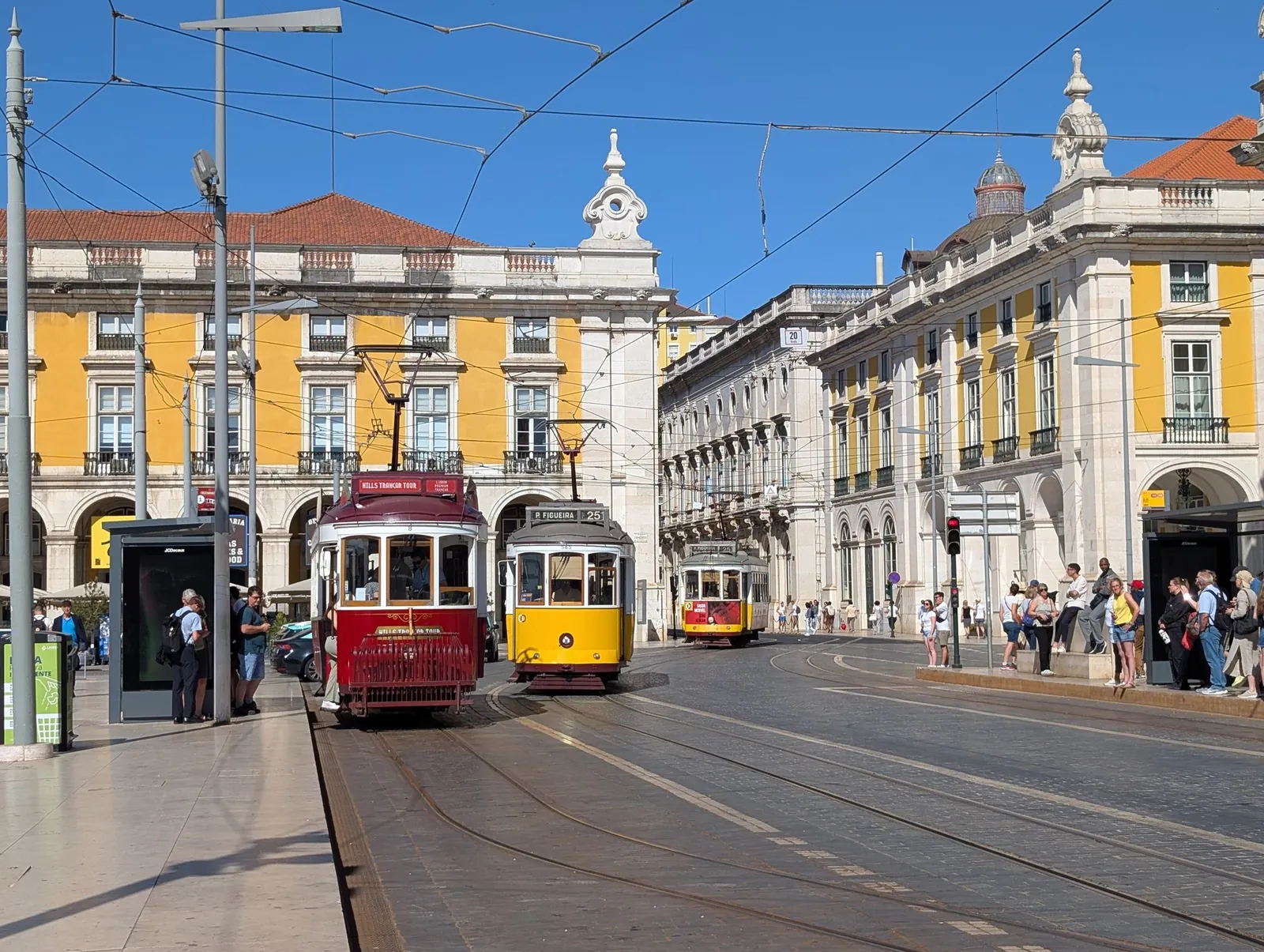
.jpg)
_in_Lisbon,_Portugal_(55118640320).jpg)
.jpg)
_(37673986552).jpg)

The other side


.jpg)
What does it cost to live in Lisbon?
1-Bedroom Rent
$800-$1,400/month
Local Restaurant Meal
$8-$15 at local restaurants
Cup of Coffee
$1-$2
Estimated Monthly Total
$2,000-$3,200
Want a personalized estimate? Use our cost of living calculator
How good is healthcare in Lisbon?
Portugal's public healthcare system (SNS) is available to legal residents, though wait times can be long. Private healthcare is the preferred option for most expat retirees. Leading private hospitals in Lisbon include Hospital da Luz, CUF Descobertas, and Hospital Lusíadas. A private consultation costs $50-$100, and comprehensive private health insurance for retirees aged 55-70 costs $1,800-$4,500 per year. Dental care is high quality and roughly 60% cheaper than in the US or UK. Many doctors in Lisbon's private sector speak excellent English.
What is daily life like in Lisbon?
Lisbon's lifestyle is one of its greatest draws. The city enjoys a vibrant café culture, outstanding seafood restaurants, and a celebrated pastry tradition (pastéis de nata from Belém are world-famous). The cultural calendar includes fado music performances, art exhibitions at the Gulbenkian Museum, and the lively Santo António festival in June. Retirees enjoy strolling through the Jardim da Estrela, browsing the LX Factory creative market, or taking the train to the beach towns of Cascais and Estoril, just 30 minutes away.
What is the climate like in Lisbon?
Lisbon is the sunniest capital in Europe, with approximately 2,800 hours of sunshine per year. Summers (June-September) are warm and dry at 25-32°C with refreshing Atlantic breezes. Winters (December-February) are mild at 8-15°C with moderate rainfall. Snow is virtually unknown. Spring and autumn are delightful at 16-24°C. The nearby Atlantic coast moderates temperatures year-round, preventing the extreme heat that affects inland Mediterranean cities.
| Month | High | Low | Rain |
|---|---|---|---|
| January | 15.1 °C | 8.6 °C | 104 mm |
| February | 16.4 °C | 9.1 °C | 78 mm |
| March | 18.9 °C | 11.0 °C | 69 mm |
| April | 20.4 °C | 12.3 °C | 72 mm |
| May | 23.1 °C | 14.4 °C | 58 mm |
| June | 26.1 °C | 16.8 °C | 14 mm |
| July | 28.2 °C | 18.2 °C | 3 mm |
| August | 28.8 °C | 18.8 °C | 5 mm |
| September | 26.6 °C | 17.6 °C | 39 mm |
| October | 22.8 °C | 15.3 °C | 111 mm |
| November | 18.1 °C | 11.8 °C | 134 mm |
| December | 15.4 °C | 9.4 °C | 109 mm |
Weather station: Lisboa Instituto Geofísico (1 km away). Source: IPMA climate normals 1991-2020
What are the pros and cons of retiring in Lisbon?
Pros
- Sunniest capital in Europe with mild winters
- D7 visa program designed for retirees with passive income
- Excellent private healthcare at reasonable costs
- Outstanding food, wine, and cultural scene
- Safe city with low crime rates and welcoming locals
Cons
- Rental prices have risen sharply since 2019
- Hilly terrain can be challenging for those with mobility issues
- Bureaucracy for residency permits can be slow
- Summer tourist crowds in popular neighborhoods
Who should retire in Lisbon?
Retirees seeking a sophisticated European capital with sunshine, culture, excellent healthcare, and a structured visa pathway for non-EU citizens.
Which neighborhoods suit retirees in Lisbon?
Principe Real
Upscale hilltop neighborhood with leafy gardens, independent boutiques, and a strong international community. Rents for a one-bedroom run $1,200-$1,800/month. Popular with professionals and creative expats who want walkable cafes and nightlife within minutes.
Alfama
Lisbon's oldest district, known for narrow cobblestone streets, fado music, and river views. One-bedrooms start around $900-$1,400/month. Best suited for retirees who enjoy historic atmosphere and don't mind steep hills.
Cascais
Coastal suburb 30 minutes west by train, offering beaches, a marina, and a relaxed village feel. Rents range $1,000-$1,600/month for a one-bedroom. Attracts retirees seeking seaside living with easy Lisbon access.
How do you meet people in Lisbon?
Most newcomers in Lisbon find their first contacts through clubs, regular meetups and congregations. We checked these 8 groups in October 2026, for example Anglican Church of St George and St Paul (St George's Lisbon and St Paul's Estoril), Deutsche Evangelische Kirchengemeinde Lissabon (DEKL), Royal British Club.
Clubs, groups and meetups for everyone
The Lisbon Players · Changing venues; June 2025 production at Teatro Variedades, Travessa do Salitre 35, Lisbon
Historic English-language theatre company of British origin. It has had no permanent venue since its Estrela Hall closed, but still stages plays in rented theatres, for example Hedda Gabler at Teatro Variedades in June 2025, which puts you among Lisbon's English-speaking arts crowd.
Source: visitlisboa.com
Lisbon Social and Language Exchange (Lisbon Social) · Delirium Café Lisboa, Calçada Nova de São Francisco 2A, Lisbon
Weekly Friday evening language exchange and social mixer in a central bar, open to locals and foreigners. You buy a small ticket online in advance (the listing says 3 euros, its ticket box shows 4.97 euros).
When: Fridays 18:00 to 21:00 (listing runs to December 2026)
Source: happeningnext.com
Refood · National office: Av. Mediterrâneo 6 A, 1990-155 Lisbon; local núcleos across the city
Volunteer movement that collects surplus food from restaurants and shops and passes it to families in need, organised in neighbourhood groups (núcleos). Volunteers give about 2 hours a week, so it suits someone settling in rather than a short visit.
When: About 2 hours a week per volunteer
For Britons
Anglican Church of St George and St Paul (St George's Lisbon and St Paul's Estoril) · St George's, Lisbon; St Paul's, Estoril
Church of England chaplaincy (Diocese in Europe) with English Holy Communion services in Lisbon and Estoril. Besides Sunday worship it runs small groups and a fellowship programme, so the Sunday service is an easy first contact with long-term British and international residents.
When: Sundays 11:30 at St George's Lisbon; Sundays 9:30 at St Paul's Estoril
Royal British Club · Lisbon and Cascais
Social club founded in 1888 whose President is the British Ambassador to Portugal. It holds monthly meets in Lisbon and Cascais plus quiz nights, food outings, winery trips and gala dinners, and says all are welcome to join its events (2025 and 2026 events are shown on the site).
When: Monthly meets in Lisbon and Cascais; dates on the website
Royal British Legion, Portugal and Atlantic Islands Branch · Lisbon area (via the Lisbon area representative)
Branch of the British veterans' charity with area representatives for Lisbon, the Algarve, Porto and Madeira. It has no clubhouse; local groups meet frequently for social events, and membership is open to everyone, not only ex-service people.
St Andrew's Church Lisbon · Rua Arriaga 13, Lisbon
English-speaking Presbyterian church linked to the Church of Scotland, with an international congregation. After the Sunday service there is fellowship with tea, coffee and snacks.
When: Sundays 11:00
For German speakers
Deutsche Evangelische Kirchengemeinde Lissabon (DEKL) · Avenida Columbano Bordalo Pinheiro 48, near Praça de Espanha, Lisbon
German-speaking Protestant congregation linked to the EKD. After the Sunday service there is Kirchkaffee in the parish hall or garden, and the parish also runs a breakfast circle (Frühstückskreis), parish hikes and trips, the choir JubiLis and an Advent bazaar (22 November 2026), which makes it the main German meeting point in Lisbon.
When: Sundays 11:00, followed by Kirchkaffee
Official contact points
- Botschaft der Bundesrepublik Deutschland Lissabon: German Embassy for all of Portugal: Campo dos Mártires da Pátria 38, 1169-043 Lisbon, tel. +351 21 881 02 10; open to the public Mon to Fri 09:00 to 12:00.
- U.S. Embassy Lisbon: U.S. Embassy in Portugal: Av. das Forças Armadas 133C, 1600-081 Lisbon. Consular opening hours are on the embassy website.
- British Embassy Lisbon: Rua de São Bernardo 33, 1249-082 Lisbon. Public access is by appointment only; consular help and emergencies go through the FCDO online contact form.
Getting a feel for daily life in Lisbon
- The Navegante Metropolitano monthly pass costs 40 euros and covers regular public transport in all 18 municipalities of the Lisbon area, including the train to Cascais. A Navegante +65 version costs 20 euros a month for over-65s, pensioners and retirees.
- Lisbon Airport has its own metro station; the line to Saldanha reaches downtown in about 20 minutes, so you do not need a taxi on arrival.
- Several of the quieter residential districts, such as Campo de Ourique and Lapa, have no metro station. Test daily trips by bus and tram from the area you are considering, because Lisbon is hilly.
- The coffee after Sunday services is the easiest low-key way to meet long-term residents: Kirchkaffee at the German Protestant church (11:00 service), and tea and coffee after the English services at St Andrew's (11:00) and St George's (11:30).
- If you are weighing Cascais or Estoril against the city, spend a few days there and commute in by train; the trip to central Lisbon takes about 30 minutes.
Researched October 2026. Groups change: please check the link before you go.
Planning a scouting trip or a trial stay? The trip planner in My RetireFinder puts these contacts together with entry rules, health advice and a checklist.
Open the trip plannerWhich hospitals serve retirees in Lisbon?
Hospital da Luz Lisboa
Private hospital and the largest in Portugal. Part of the Luz Saude group. Offers oncology, cardiology, orthopedics, and a 24-hour emergency department. Many physicians speak English.
CUF Descobertas Hospital
Private facility in Parque das Nacoes with strong surgical and diagnostic departments. Known for maternity and pediatric care. English-speaking staff available across most departments.
Hospital de Santa Maria
Lisbon's largest public hospital affiliated with the University of Lisbon medical school. Provides comprehensive care including transplant services. Wait times can be longer than private alternatives.
Facility details may change. Verify accreditation status and services directly with each hospital before making healthcare decisions.
What is the food scene like in Lisbon?
Lisbon's dining scene blends traditional Portuguese fare with modern international influences. In the Baixa and Chiado districts, tascas (traditional taverns) serve bacalhau dishes and grilled sardines for $8-$15 per plate. Time Out Market at Cais do Sodre gathers top chefs under one roof, with meals averaging $12-$20.
For upscale dining, Principe Real and Santos offer restaurants like Belcanto (Michelin-starred) and Ponto Final across the river in Cacilhas, where a full seafood meal with wine runs $25-$40. Expats frequently gather at Cafe A Brasileira in Chiado and the rooftop bars along Rua Nova do Carvalho.
Grocery costs remain reasonable: a weekly shop for two at Pingo Doce or Continente runs $60-$90. Local markets like Mercado da Ribeira offer fresh produce and fish at competitive prices. Portuguese wine starts around $3-$5 per bottle at supermarkets, making daily dining at home very affordable.
Is retiring in Lisbon right for you?
Take our free 3-minute retirement quiz to see how life in Lisbon, Portugal, compares to other destinations based on your preferences, budget, and needs.
Take the Retirement QuizFrequently Asked Questions About Retiring in Lisbon
What is the D7 visa for Portugal?
The D7 visa is a residency permit for non-EU citizens with regular passive income such as pensions, rental income, or investment dividends: a US Social Security benefit, UK State Pension, or other national pension all qualify. You need to demonstrate at least €920/month (the Portuguese minimum wage) in income, though in practice showing €1,500-€2,000/month is advisable for Lisbon. The visa leads to permanent residency after five years and citizenship after five years of legal residency.
Is Lisbon expensive compared to other retirement destinations?
Lisbon is more expensive than Southeast Asian or Latin American destinations but remains 30-40% cheaper than Paris, London, or most US cities. Rent is the biggest expense, with one-bedroom apartments in central areas running $800-$1,400/month. Food, transportation, and healthcare are all significantly cheaper than in Northern Europe or North America.
How hilly is Lisbon and is it manageable for older adults?
Lisbon is built on seven hills and some neighborhoods involve steep climbs. However, the metro, trams, and elevators (like the famous Santa Justa Lift) make navigation manageable. Neighborhoods like Parque das Nações, Belém, and parts of Cascais are flat. Many retirees use Uber for hillier routes. Choosing a flat neighborhood or a building with an elevator is key.
Sources & References
- Numbeo, Cost of living index and price data for Lisbon: rent, groceries, restaurants, and transportation
- Hospital da Luz Lisboa, Facility services, specialist departments, and international patient programs in Lisbon
- SEF: Portuguese Immigration and Borders Service, D7 passive income visa and residence permit procedures applicable to Lisbon
- WHO Portugal Country Profile, National health system indicators and healthcare quality benchmarks