City Retirement Guide
Retire in Algarve, Portugal
Golden cliffs, golf courses, and Europe's best retirement weather
What are the key facts about retiring in the Algarve?
- Elevation & setting
- 0-50 m coastal plain; Serra de Monchique 902 m inland; 155 km Atlantic coastline
- Climate
- Coolest month January 8–16°C, hottest August 20–29°C; 455 mm of rain a year, most in December (daily low to high, 1991–2020)
- Nearest international airport
- Faro Airport (FAO), 4 km west of Faro; Lagos served by FAO 90 km east
- Nearest major hospital
- Hospital de Faro (Centro Hospitalar Universitário do Algarve), central Faro
- Primary retirement visa
- Portugal D7 passive-income visa; 2026 minimum ~€920/month (Portuguese minimum wage)
- Language environment
- Portuguese official; English near-universal in Lagos, Albufeira, Tavira and Faro medical and real estate sectors
The Algarve records roughly 3,000 hours of sunshine per year, the highest in mainland Portugal, and the NHR tax regime replacement by IFICI in 2024 affects all new Algarve retirees identically to Lisbon arrivals.
What is retirement like in the Algarve?
The Algarve is Portugal's southernmost region, running about 155 kilometers along the Atlantic coast between the Spanish border at the Guadiana River and Cape St. Vincent (Cabo de São Vicente) at roughly 37.02°N, 8.99°W, Europe's southwesternmost point. Retiree settlement concentrates around Faro, the regional capital, and the walled old town of Lagos 90 kilometers west. The Serra de Monchique rises to 902 meters behind the coastal plain. Hospital de Faro (Centro Hospitalar Universitário do Algarve) is the region's main public hospital, and the University of the Algarve operates its main Gambelas campus in Faro. Faro Airport (FAO) lies 4 kilometers west of Faro center.
The Algarve has attracted British, Dutch, German, and Scandinavian retirees for decades, creating a mature expat infrastructure with English-speaking services, international supermarkets, social clubs, and churches. The region is particularly popular with golf enthusiasts: there are over 40 courses in the Algarve, many designed by top architects. The cost of living is lower than Lisbon, especially for housing, and the pace of life is slower and more relaxed. Fresh seafood, local wines, and farm-to-table produce are abundant and affordable.
Non-EU retirees can settle in the Algarve using Portugal's D7 visa, the same pathway available for Lisbon. Faro International Airport connects to over 100 European destinations, mostly via budget airlines, making travel back to family easy and inexpensive. The region's mild winter climate, with temperatures rarely dropping below 10°C, makes the Algarve a genuine year-round destination, unlike many Mediterranean rivals that empty out in winter.
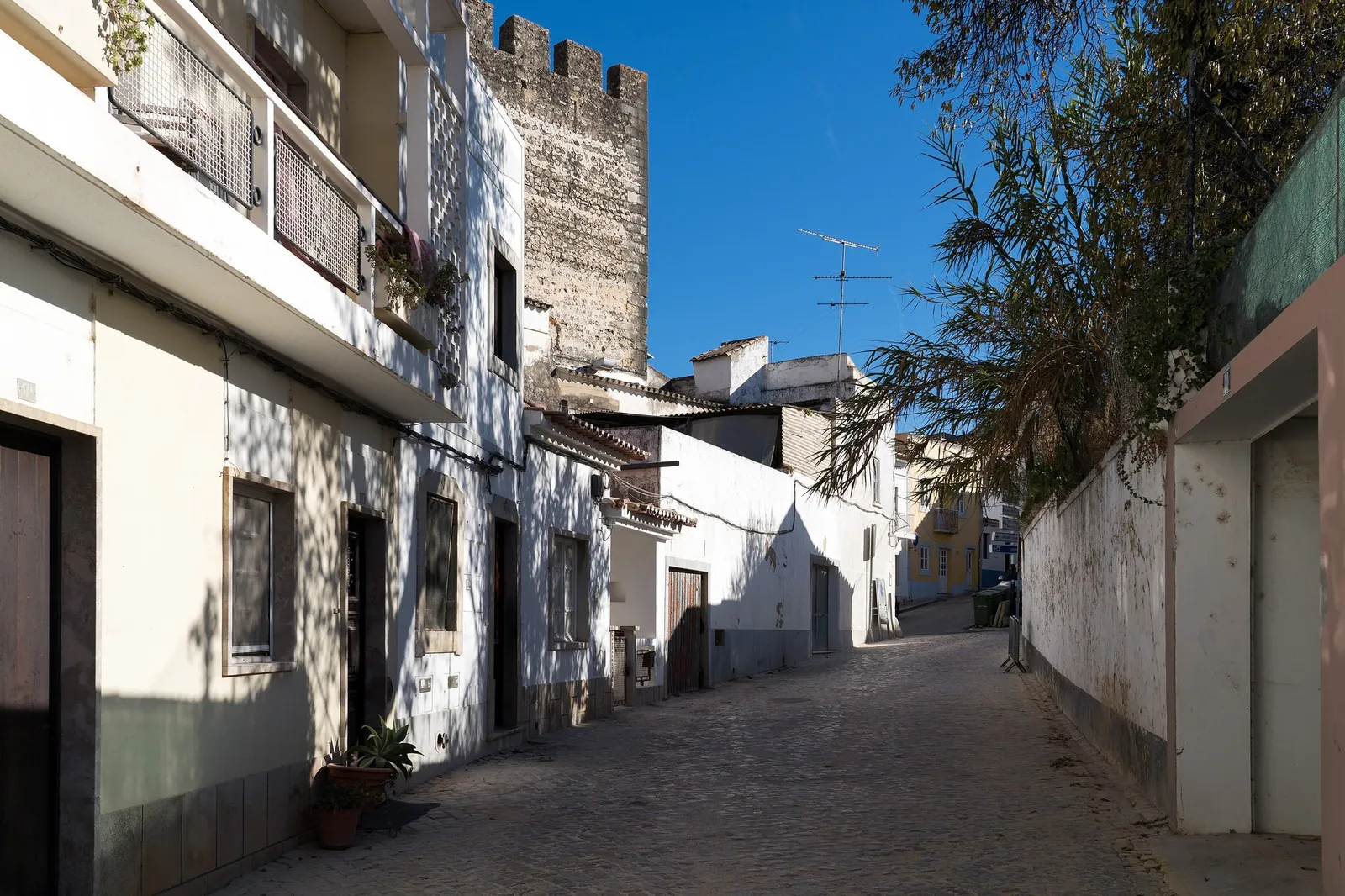
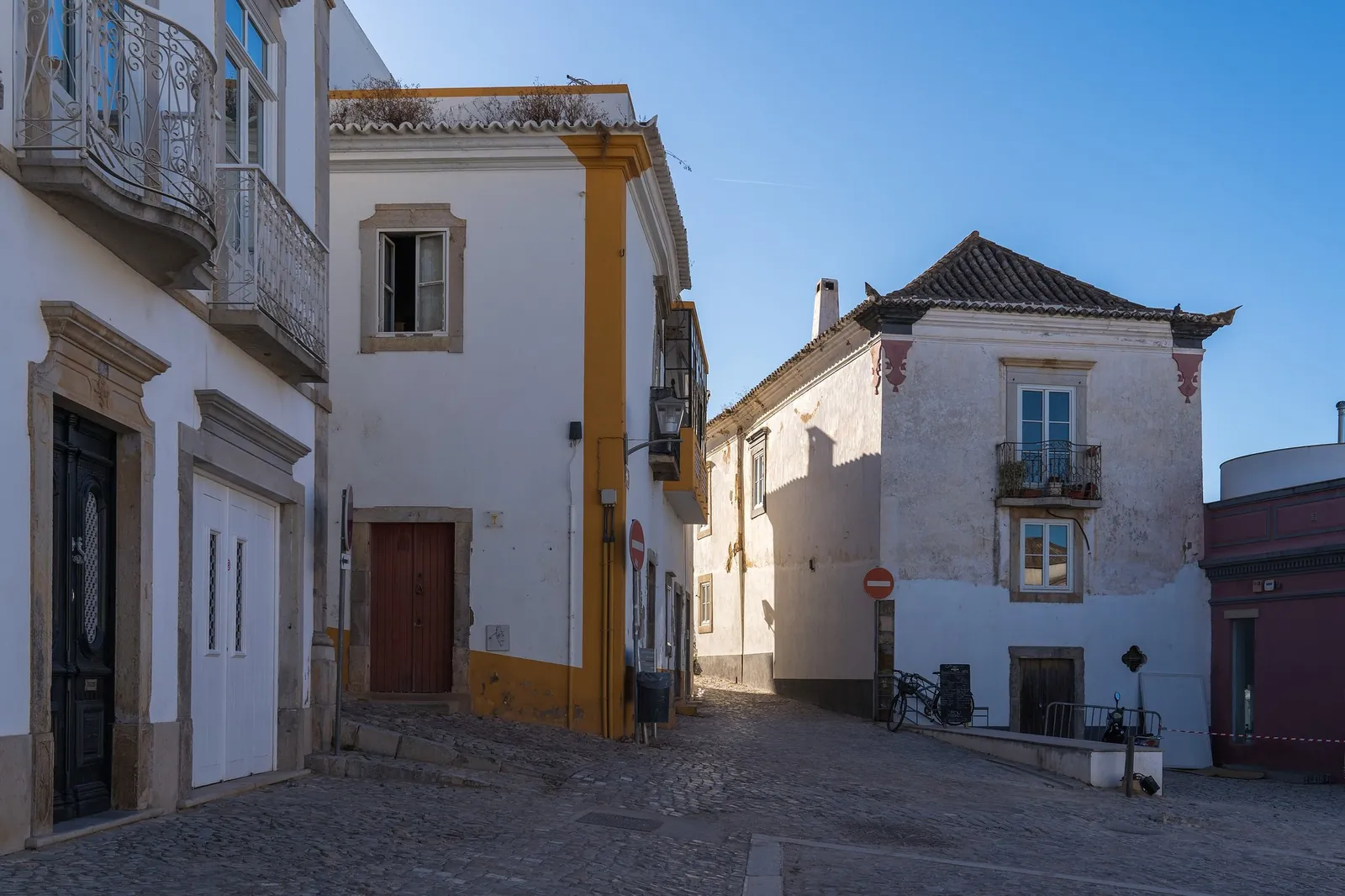
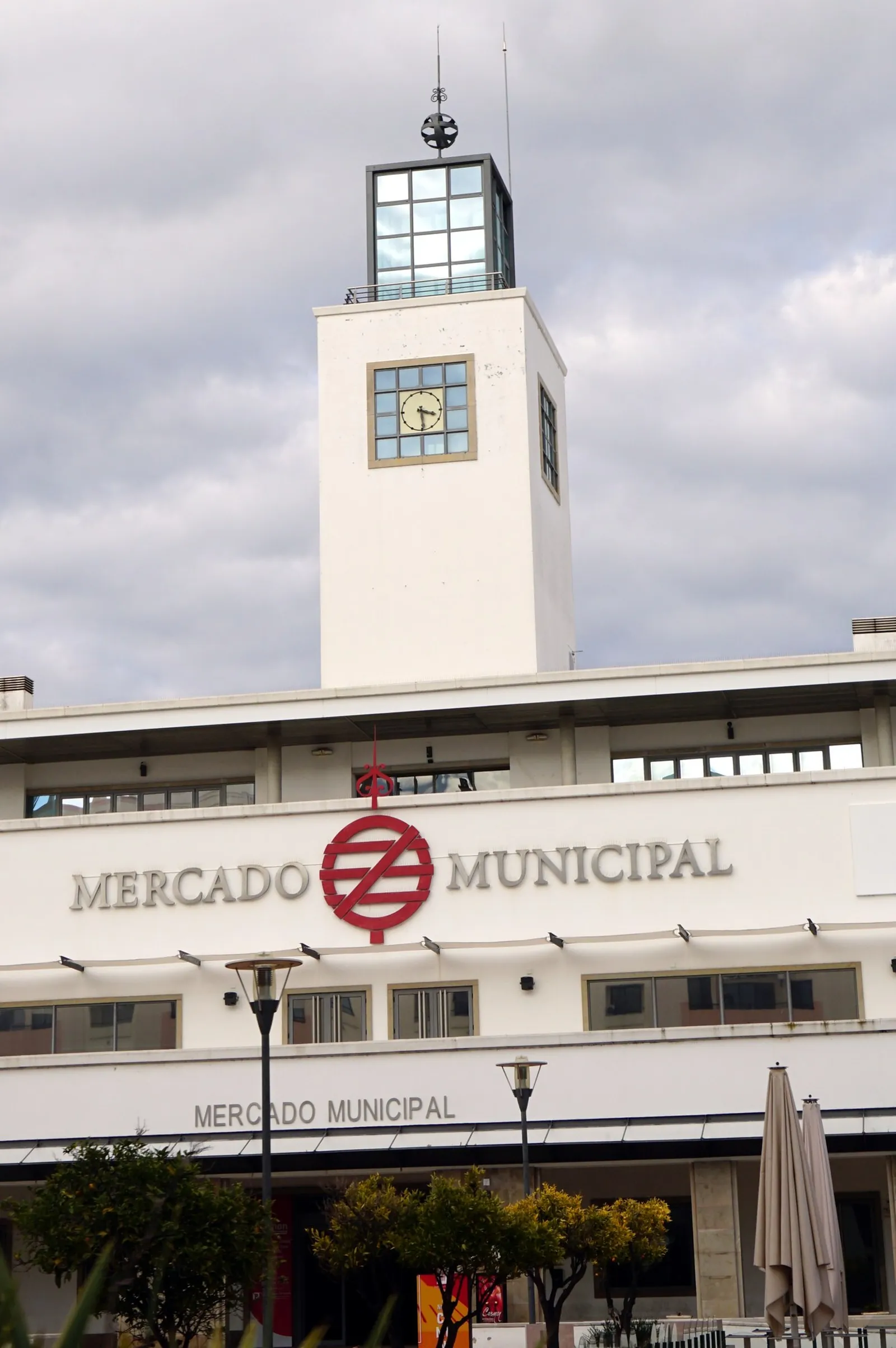
What does it really look like in the Algarve?
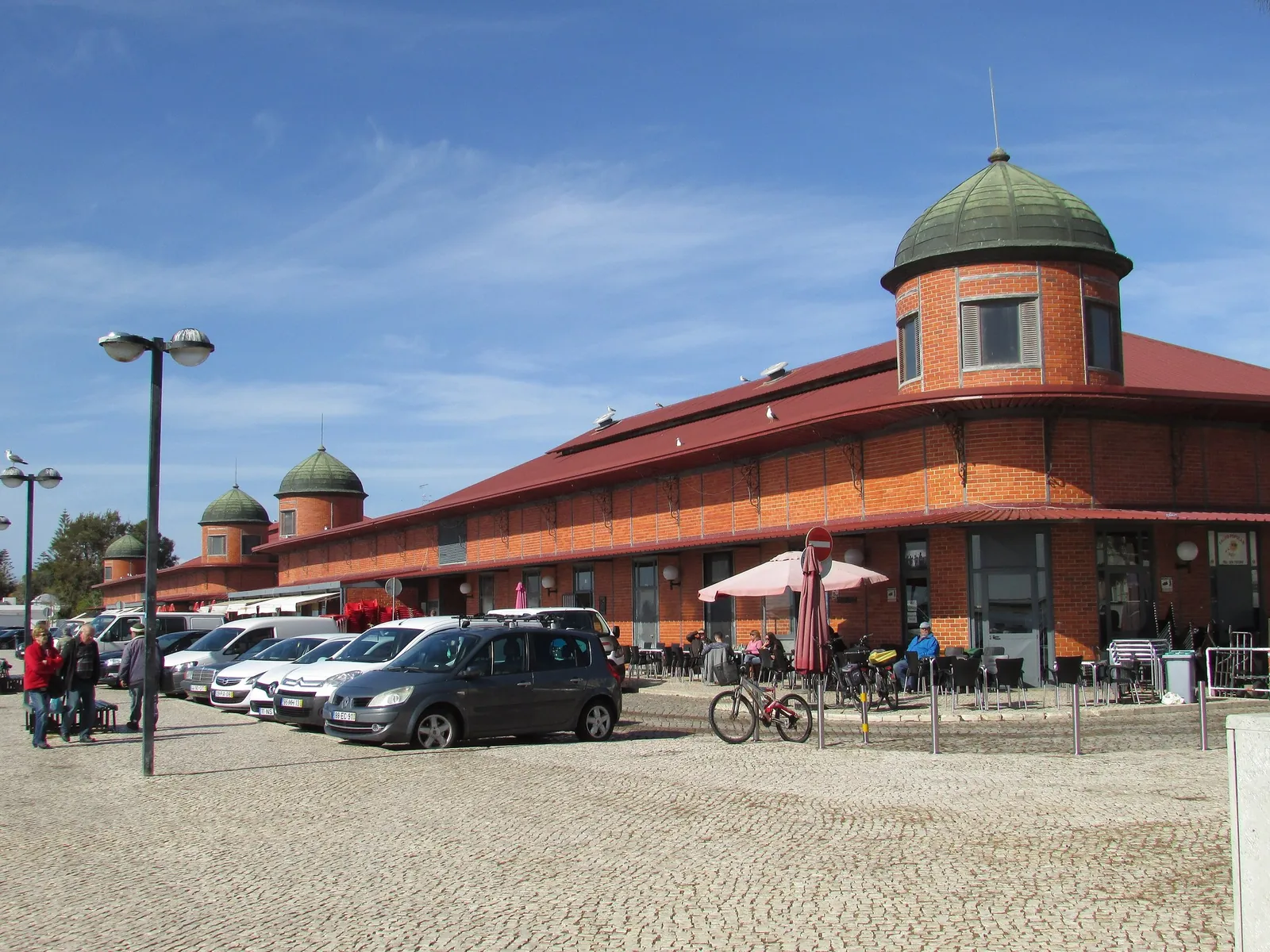
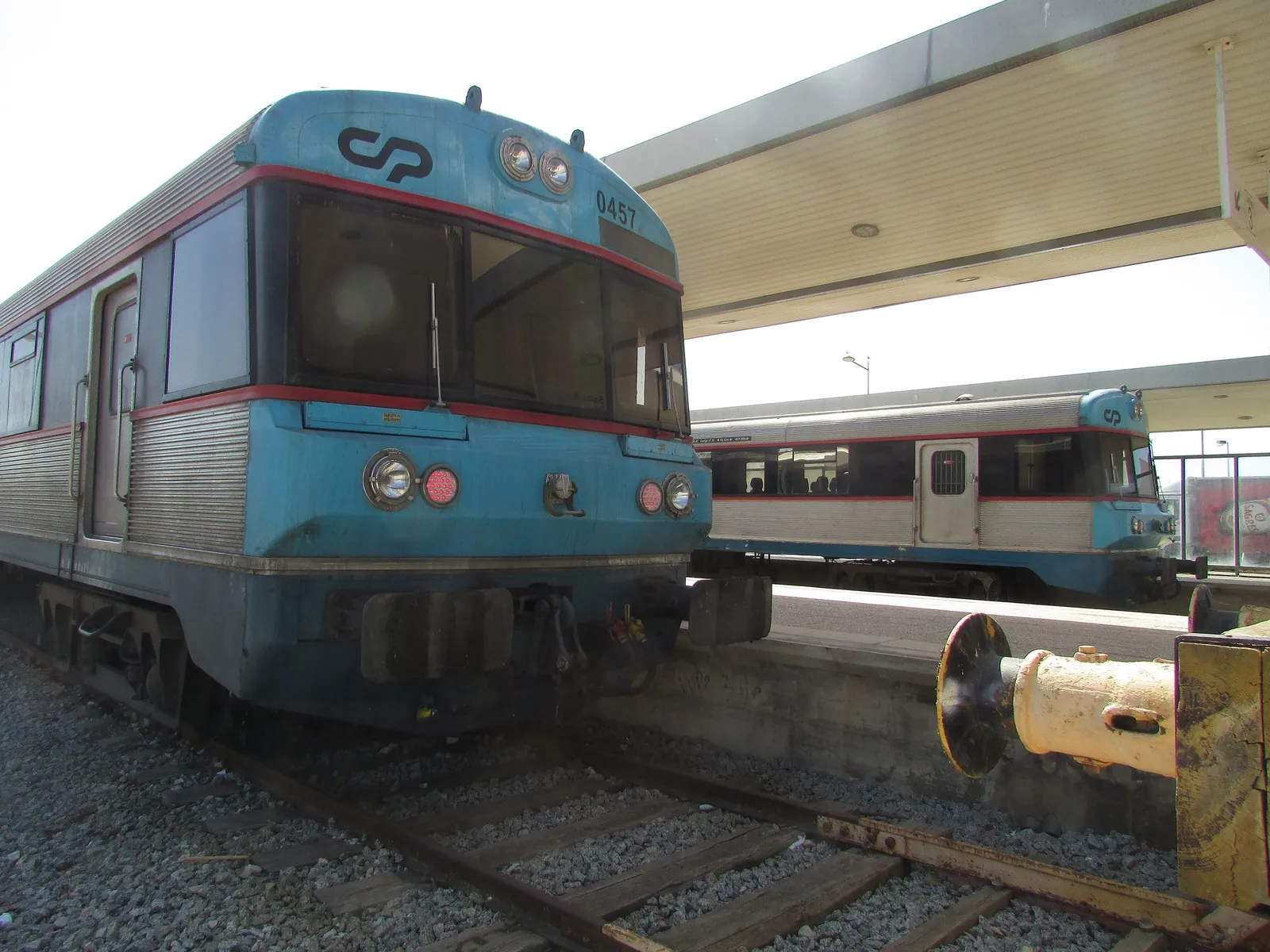
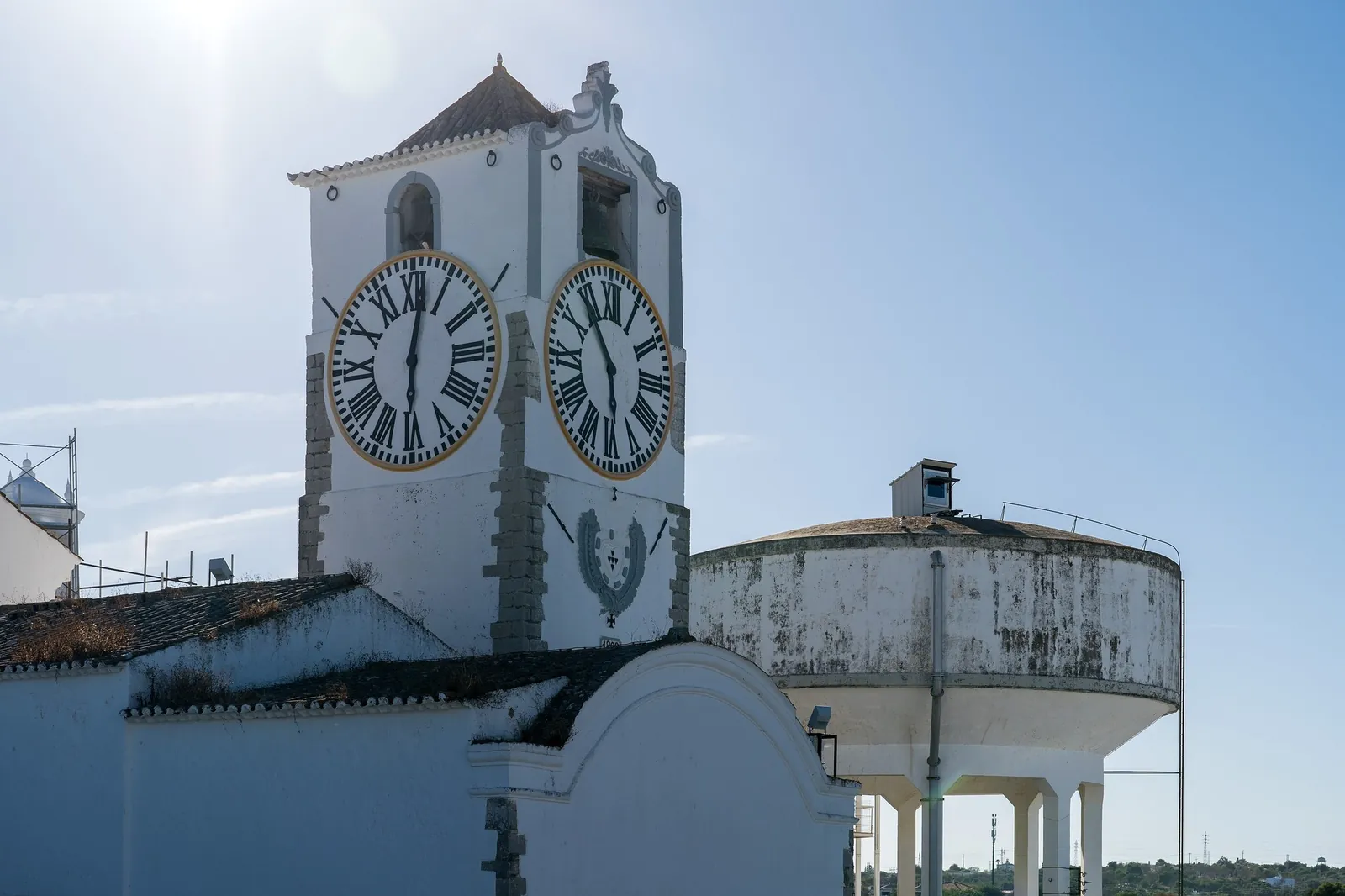
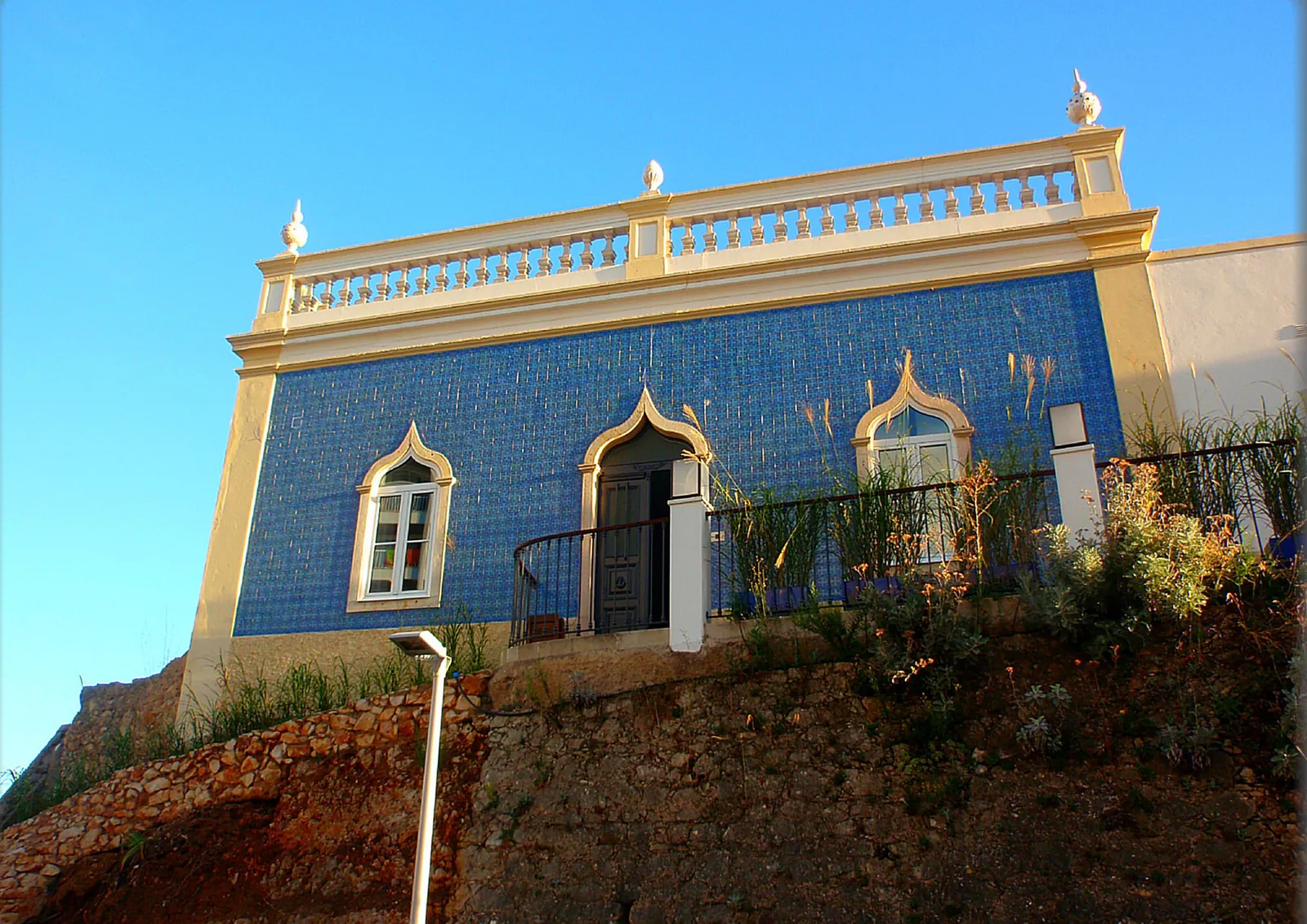
Authentic, unedited photos of the Algarve by residents and visitors, taken on ordinary days rather than chosen by a tourist board. Each one shows when it was taken. Browse photos of 105 cities →


.jpg)

.JPG)

_(24390097720).jpg)
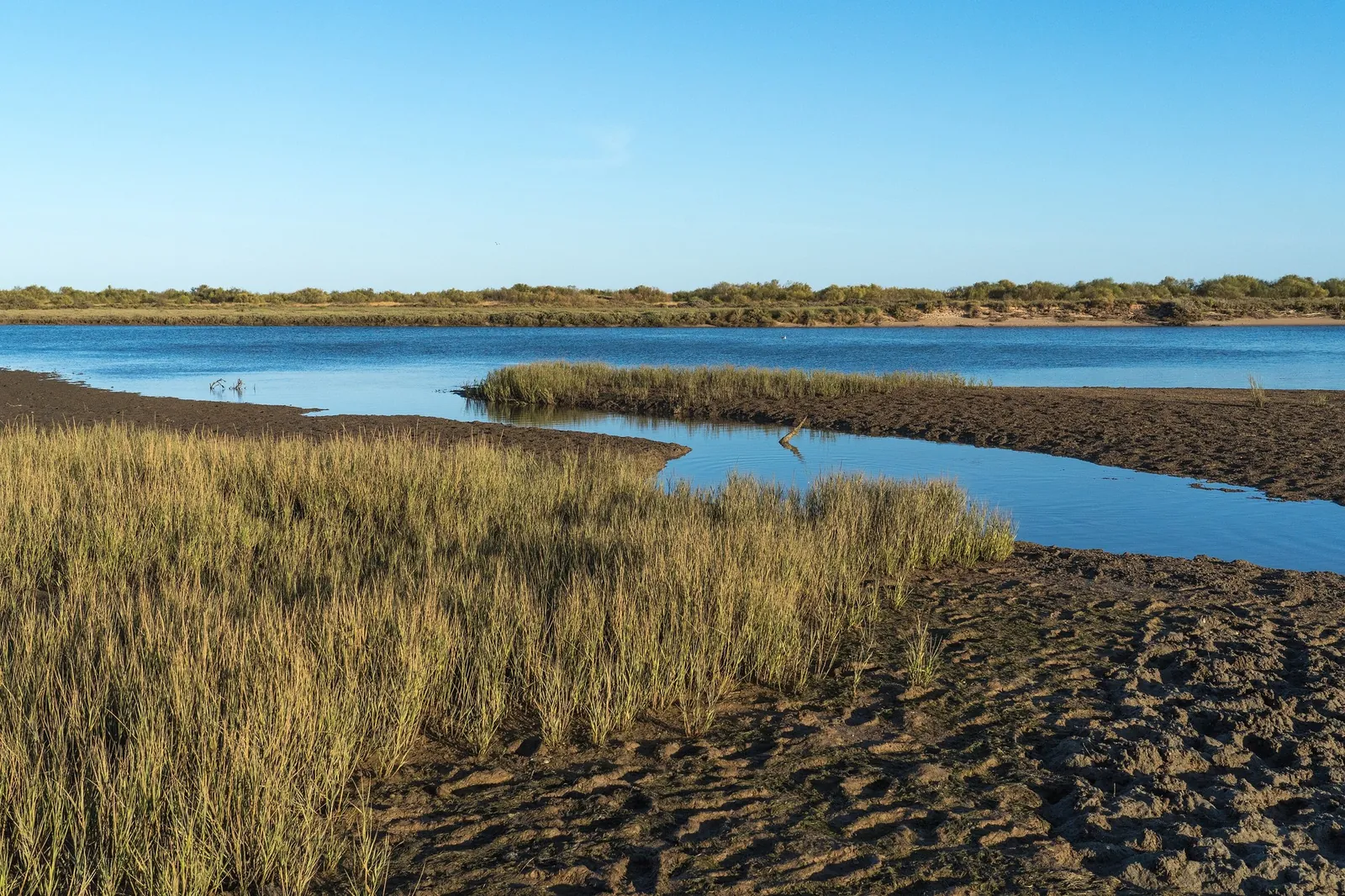

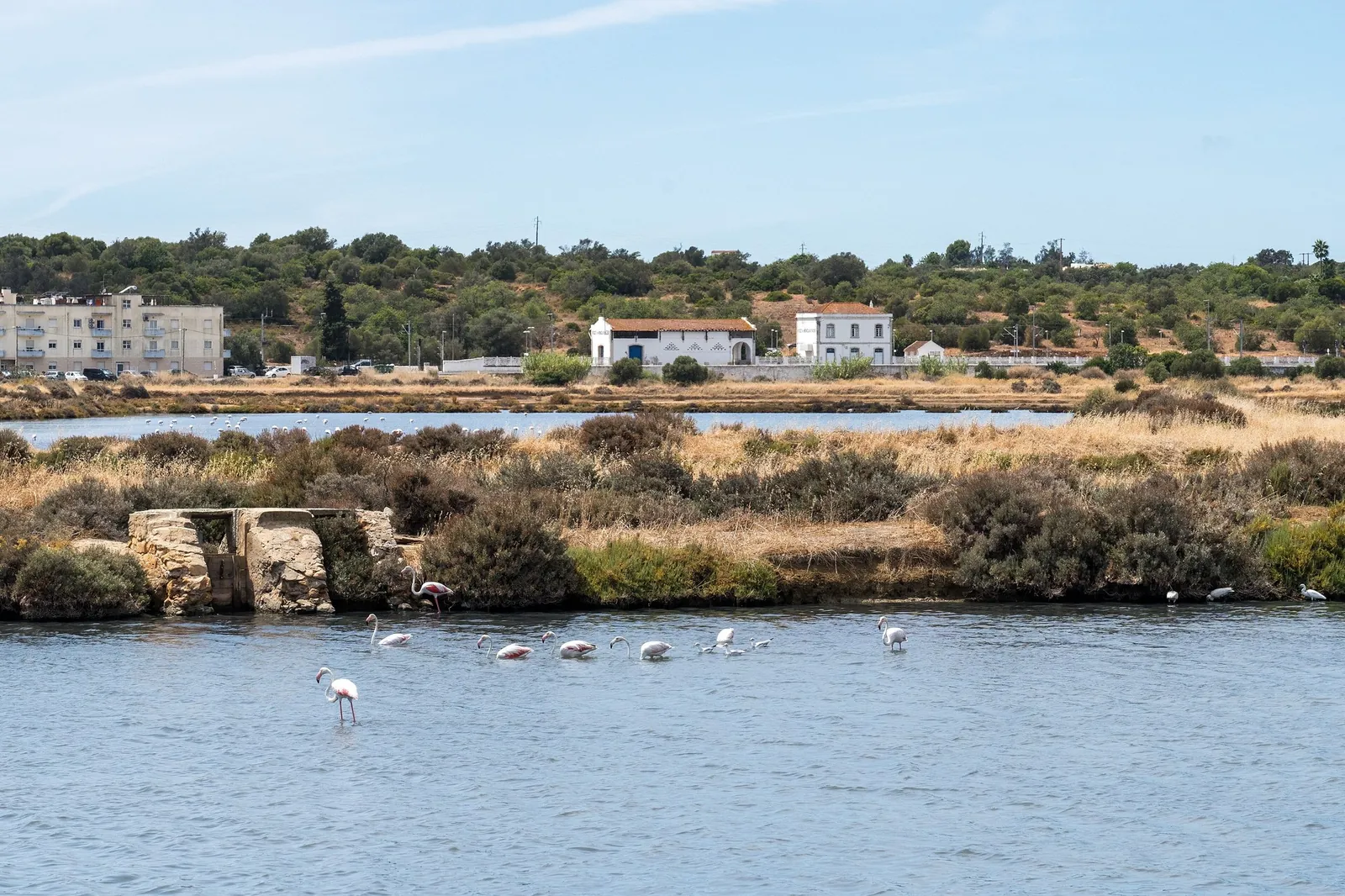

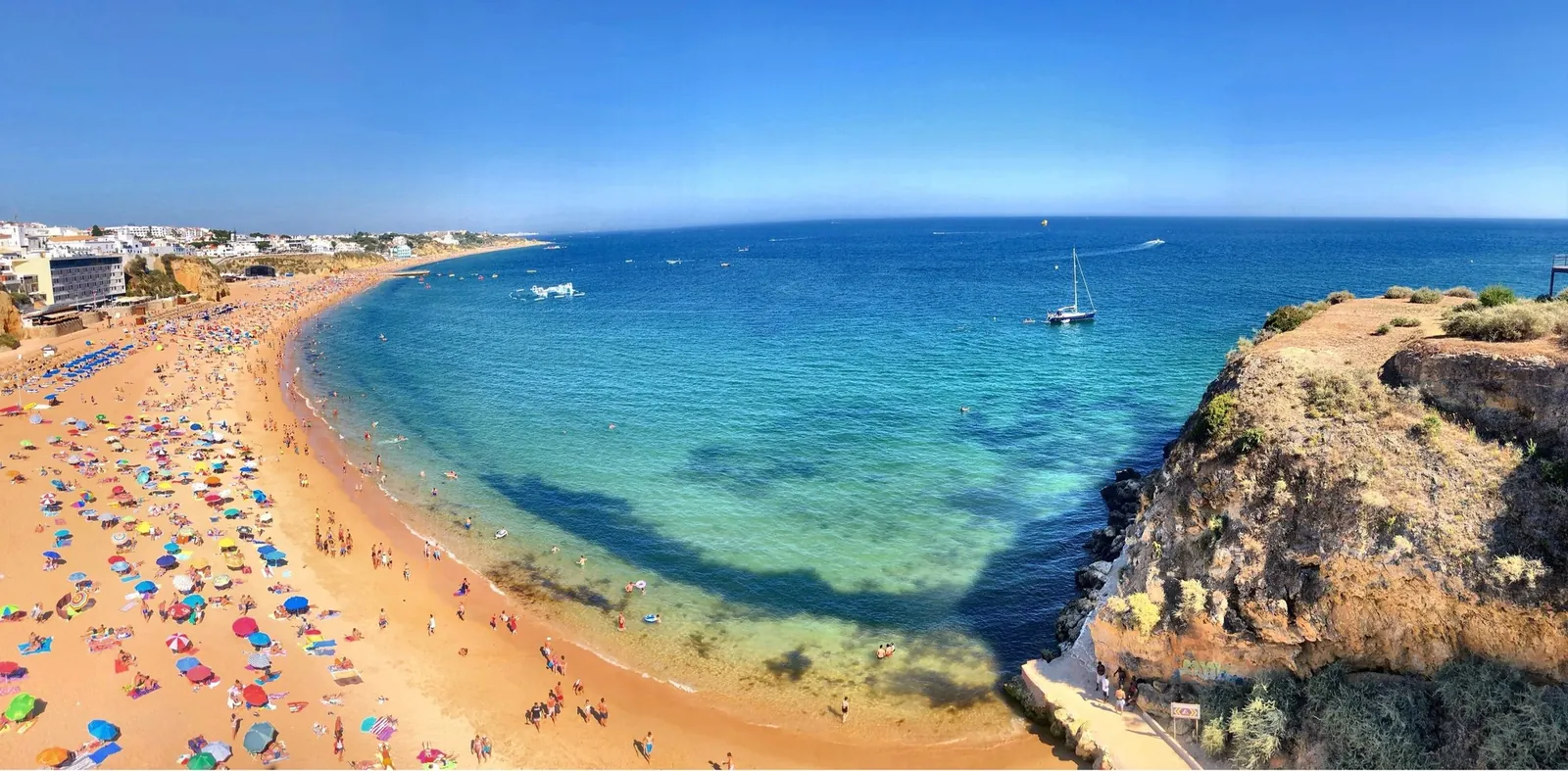

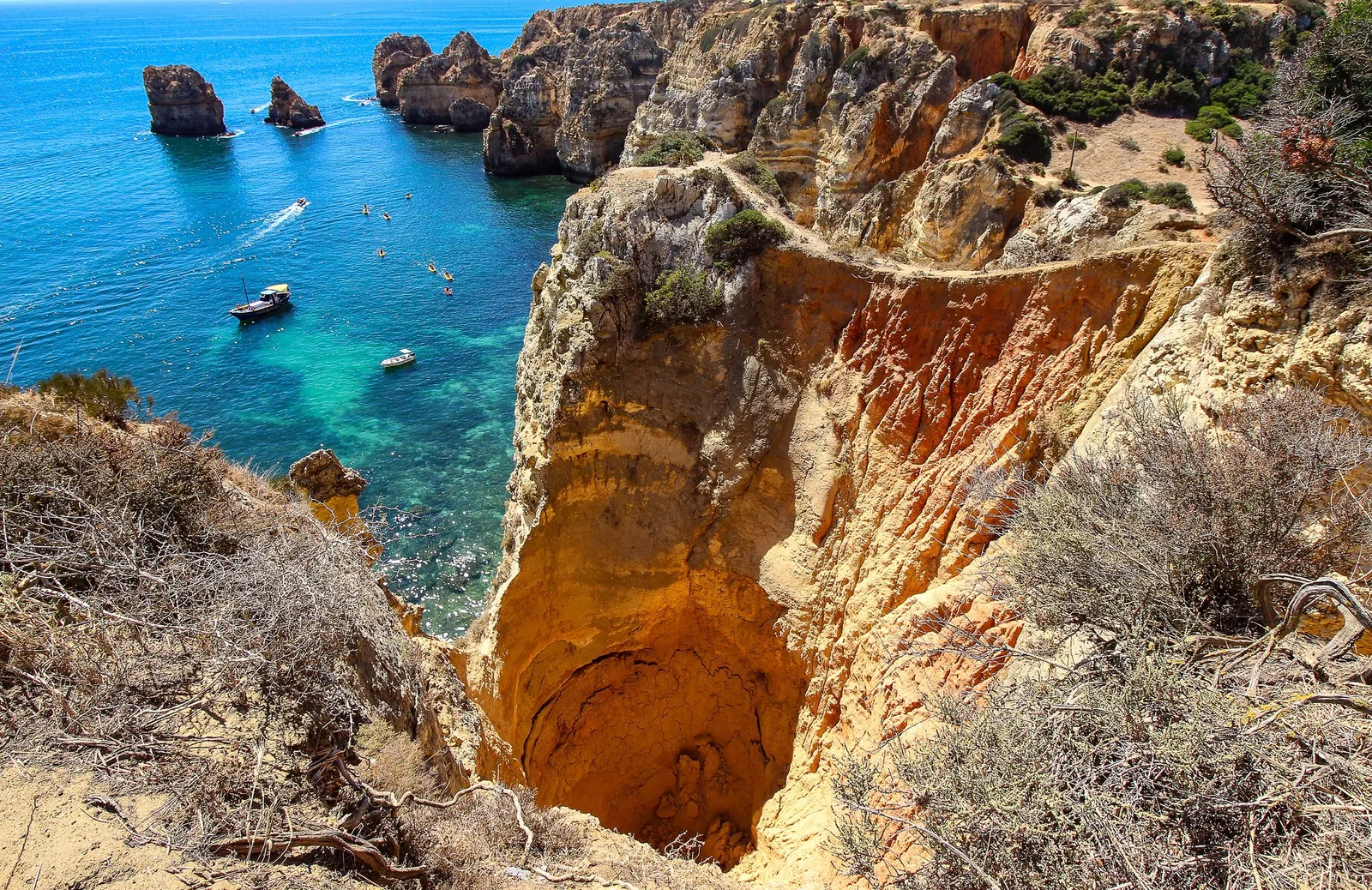
.jpg)
The other side
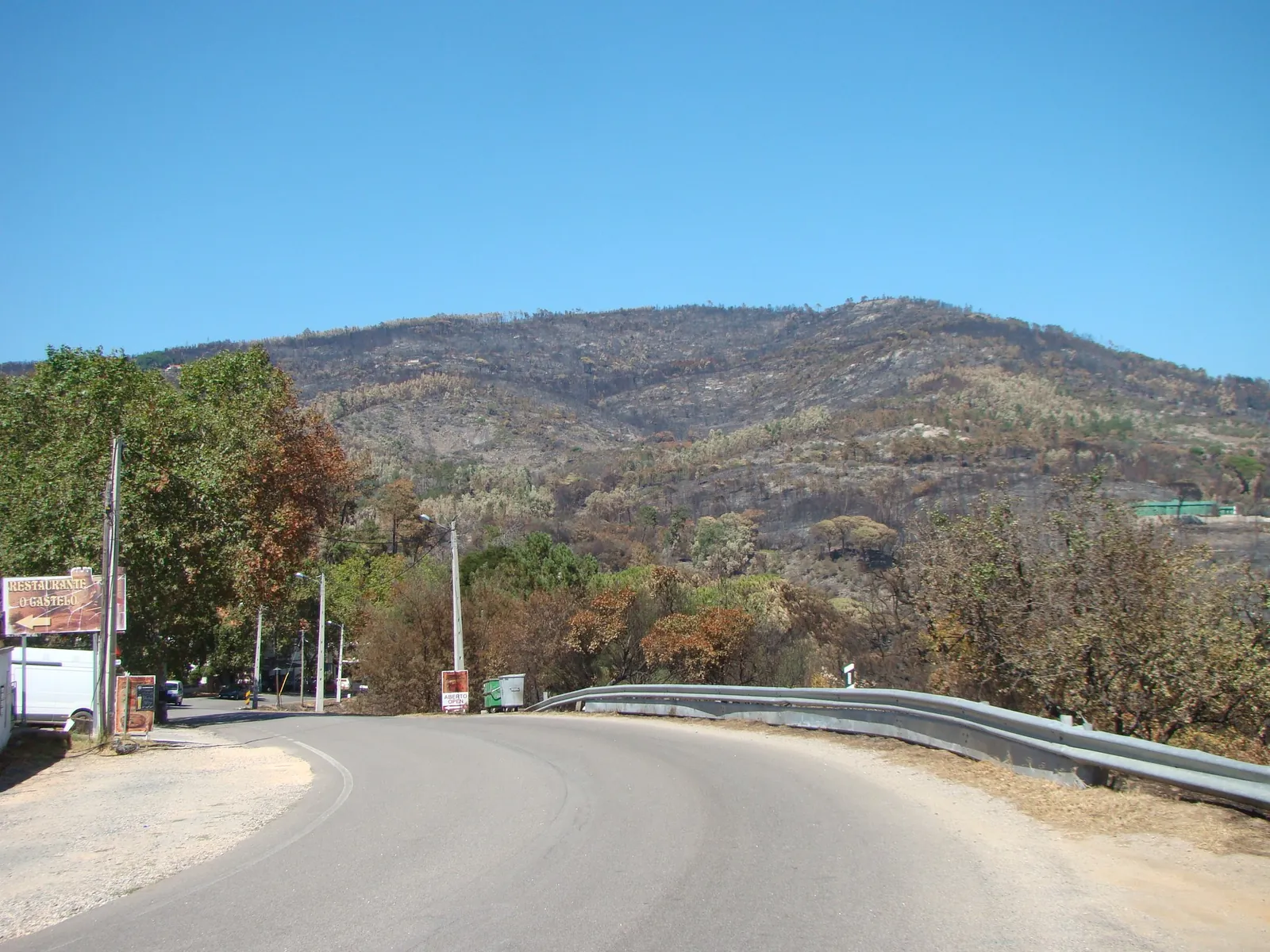

What does it cost to live in the Algarve?
1-Bedroom Rent
$550-$1,000/month
Local Restaurant Meal
$7-$13 at local restaurants
Cup of Coffee
$1-$2
Estimated Monthly Total
$1,500-$2,500
Want a personalized estimate? Use our cost of living calculator
How good is healthcare in the Algarve?
The Algarve has two main public hospitals: Hospital de Faro and Hospital de Portimão. There are also several private clinics including HPA Health Group, which operates multiple facilities across the region with English-speaking staff. Emergency care is reliable, though for highly specialized procedures, patients may be referred to Lisbon. A private GP visit costs $40-$70. Pharmacies are well-distributed even in smaller towns. Most expat retirees carry private health insurance costing $1,500-$4,000 per year, which provides faster access and broader specialist coverage.
What is daily life like in the Algarve?
The Algarve lifestyle centers on the outdoors. Retirees spend mornings on the beach or golf course, lunch at a seaside restaurant over grilled fish and vinho verde, and evenings at local cultural events or dinner with friends. Walking and cycling trails connect coastal towns, and the Ria Formosa Natural Park offers birdwatching and kayaking. The region hosts farmers' markets, art exhibitions, and music festivals. Social clubs for expats organize everything from bridge and tennis to volunteering and language classes.
What is the climate like in the Algarve?
The Algarve enjoys one of the best climates in Europe, with over 3,000 hours of sunshine per year. Summers (June-September) are hot and dry at 27-33°C, tempered by Atlantic breezes along the coast. Winters (December-February) are mild at 10-17°C with moderate rainfall. The sea temperature ranges from 16°C in winter to 23°C in summer. Spring arrives early (February-March) with wildflower blooms. The western coast is windier and slightly cooler than the central and eastern Algarve.
| Month | High | Low | Rain |
|---|---|---|---|
| January | 16.3 °C | 8.3 °C | 49 mm |
| February | 17.0 °C | 8.8 °C | 42 mm |
| March | 18.9 °C | 10.8 °C | 47 mm |
| April | 20.7 °C | 12.4 °C | 39 mm |
| May | 23.5 °C | 15.0 °C | 26 mm |
| June | 26.8 °C | 17.8 °C | 5 mm |
| July | 29.4 °C | 19.6 °C | 1 mm |
| August | 29.2 °C | 19.9 °C | 3 mm |
| September | 26.4 °C | 18.3 °C | 22 mm |
| October | 23.3 °C | 15.8 °C | 56 mm |
| November | 19.6 °C | 11.9 °C | 76 mm |
| December | 17.1 °C | 9.7 °C | 90 mm |
Weather station: Faro Airport (3.7 km away). Source: IPMA climate normals 1991-2020
What are the pros and cons of retiring in the Algarve?
Pros
- Over 3,000 hours of sunshine per year, best in continental Europe
- Large established expat community with English-language services
- World-class golf with over 40 courses
- Lower cost of living than Lisbon or Northern Europe
- Excellent beaches and stunning coastal scenery
Cons
- Car required as public transport is limited outside towns
- Summer tourist influx significantly increases crowds and prices
- Healthcare infrastructure less developed than Lisbon
- Some towns feel deserted in winter months
Who should retire in the Algarve?
Retirees who love outdoor living, golf, beaches, and sunshine in a region with a well-established English-speaking expat community.
Which neighborhoods suit retirees in the Algarve?
Lagos Old Town
Charming historic center with cobblestone streets, independent shops, and a lively marina. One-bedroom rents range $800-$1,200/month. Attracts active retirees who enjoy walkable towns, beaches, and a strong international expat community.
Vilamoura
Resort-style community built around a large marina, golf courses, and sandy beaches. One-bedrooms rent for $900-$1,400/month. Popular with retirees seeking a manicured, amenity-rich environment with English widely spoken.
Tavira
Quieter eastern Algarve town on the Gilao River with traditional architecture and island beaches nearby. Rents run $650-$1,000/month for a one-bedroom. Ideal for retirees who prefer authenticity and a slower pace over resort life.
How do you meet people in the Algarve?
Most newcomers in the Algarve find their first contacts through clubs, regular meetups and congregations. We checked these 7 groups in October 2026, for example AFPOP (association for foreign residents in Portugal), St Vincent's Anglican Chaplaincy, All Saints Anglican Church Algarve.
Clubs, groups and meetups for everyone
AFPOP (association for foreign residents in Portugal) · Rua dos Bombeiros Voluntários de Portimão, Lote 5, Loja A, 8500-649 Portimão
Non-profit association for foreigners living in Portugal or planning to move there, offering advice on residency and tax, member discounts and a community of other foreign residents. Membership is paid; the office in Portimão is the place to ask about member events.
When: Office: Mon to Thu 09:00 to 12:30 and 13:30 to 17:00, Fri 09:00 to 13:30
Algarve Senior Bikers · Changing start points across the Algarve, e.g. Boliqueime, Silves, Lagos
Informal group of experienced motorcycle riders (you need your own bike) who ride the Algarve hills and coast together and end with lunch. Rides are posted on the website with sign-up; in 2026 they started from Boliqueime, Silves and Lagos.
When: Group rides most months (7 October 2026 latest); no organised rides in August 2026 because of the heat
The Algarveans Experimental Theatre · Shows at Carlos do Carmo Auditorium, Lagoa; rehearsals at União Juventude, Sesmarias (Carvoeiro)
Amateur drama group performing in English, open to members aged 10 to 100. You can join on stage, off stage or as a social member, which makes it a ready-made circle of friends in the western central Algarve; its March 2026 show was I Love You, You're Perfect, Now Change.
Animal Rescue Algarve (ARA) · Cabanita area, northwest of Loulé
Dog shelter run by paid staff and volunteers; volunteers walk dogs in the countryside around the shelter, socialise and groom them and help at events. Residents of Portugal apply by email; international volunteers come via Worldpackers for 2 to 4 weeks, and basic training on the first day is compulsory.
For Britons
St Vincent's Anglican Chaplaincy · Nossa Senhora da Luz church, Praia da Luz (Lagos); Igreja da Misericórdia, Boliqueime (Loulé municipality); St Luke's, Palhagueira
Church of England chaplaincy with three congregations across the Algarve, each holding services in English with coffee and fellowship afterwards. It is one of the most established meeting points for British residents.
When: Praia da Luz: Sundays 8:00 and 12:00, Thursdays 10:30. Boliqueime: Sundays 9:30. St Luke's Palhagueira: Sundays 11:30
All Saints Anglican Church Algarve · Chapel of the Convento São José, Lagoa (near Carvoeiro)
Separate English-language Anglican congregation that meets every Sunday in a convent chapel in Lagoa, close to Carvoeiro; it also runs a Bible study on Zoom.
When: Sundays 11:00
Royal British Legion, Portugal and Atlantic Islands Branch (Algarve) · Algarve; AngloINFO lists the branch under Carvoeiro (Lagoa)
The Portugal branch of the British veterans' charity has an Algarve area representative and local groups that meet frequently for social events. Membership is open to everyone, not only ex-service people.
Official contact points
- Honorarkonsul der Bundesrepublik Deutschland in Lagos: German honorary consul (Dr. Alexander Rathenau) for the districts of Faro, Beja, Évora, Portalegre and Setúbal; Rua António Crisógono dos Santos, Bloco 3, Escritório I, 8600-678 Lagos; Mon to Fri 10:00 to 13:00 by appointment only; lagos@hk-diplo.de. There is no German honorary consulate in Faro.
- British Vice Consulate Portimão: The UK's consular office in the Algarve, listed on the British Embassy Lisbon page; public access by appointment only, contact through the FCDO online form for Portugal.
- U.S. Embassy Lisbon: No U.S. consular office in the Algarve was found; American citizens are served by the embassy at Av. das Forças Armadas 133C, 1600-081 Lisbon.
Getting a feel for daily life in the Algarve
- Go to Loulé on a Saturday: a farmers' market fills the central streets around the covered municipal market, and the Mercado dos Ciganos (cheap clothing, hardware, bifana stalls) sets up on the western edge of town. The covered market is closed on Sundays, and Saturdays get busy with coach tours.
- Plan on a hire car: Uber and Bolt coverage is patchy outside the bigger towns, and most residents keep a car for supermarket runs, the airport and winter, when bus timetables thin out.
- The regional train between Faro and Vila Real de Santo António via Tavira runs roughly every one to two hours; there is no direct train from Tavira to Lisbon, so you change in Faro (a little over four hours in total).
- Avoid judging the Algarve by July and August alone: summer crowds overwhelm small town centres and some local groups pause their activities because of the heat (the Algarve Senior Bikers held no rides in August 2026). Spring or autumn shows the year-round resident life better.
Researched October 2026. Groups change: please check the link before you go.
Planning a scouting trip or a trial stay? The trip planner in My RetireFinder puts these contacts together with entry rules, health advice and a checklist.
Open the trip plannerWhich hospitals serve retirees in the Algarve?
Hospital Particular do Algarve (Gambelas)
Private hospital near Faro serving the central Algarve region. Offers emergency services, general surgery, cardiology, and orthopedics. English-speaking staff commonly available given the large expat population.
Hospital Particular do Algarve (Alvor)
Private hospital in the western Algarve near Portimao. Provides surgical, diagnostic, and outpatient services. Convenient for residents in Lagos and surrounding areas. English widely spoken.
Centro Hospitalar Universitario do Algarve (Faro)
Main public hospital for the Algarve region. Comprehensive emergency and specialist departments. Serves as the regional referral center. Wait times can be significant during peak tourist season.
Facility details may change. Verify accreditation status and services directly with each hospital before making healthcare decisions.
What is the food scene like in the Algarve?
The Algarve's dining revolves around fresh Atlantic seafood and outdoor terrace culture. In Lagos, restaurants along Rua 25 de Abril serve cataplana (copper-pot seafood stew) and grilled sea bass for $12-$20. The fish market in Olhao is one of the best in southern Portugal, and nearby eateries prepare your market purchases for a small fee.
Vilamoura's marina restaurants cater to an international crowd with menus spanning Portuguese, Italian, and Asian cuisines. Expect $15-$25 for a main course with wine. In Tavira, family-run tascas serve daily specials for as little as $7-$10, often including soup, main, dessert, and coffee.
Grocery shopping is affordable across the region. Aldi, Lidl, and Intermarche are widespread, with weekly costs for two around $50-$75. Local farmers' markets in Loule (Saturday) and Lagos (first Saturday monthly) offer seasonal produce, honey, and almonds at excellent prices. The Algarve's casual outdoor dining culture makes eating well both easy and economical.
Is retiring in the Algarve right for you?
Take our free 3-minute retirement quiz to see how life in the Algarve, Portugal, compares to other destinations based on your preferences, budget, and needs.
Take the Retirement QuizFrequently Asked Questions About Retiring in the Algarve
Where is the best town to retire in the Algarve?
Lagos offers a beautiful old town, excellent restaurants, and a younger expat vibe. Tavira is quieter and more authentically Portuguese, popular with couples seeking peace. Albufeira is lively with the most amenities but also the most touristy. Loulé, located inland, provides a more traditional Portuguese experience with a famous market. Each has its character; visit before committing.
Do I need a car in the Algarve?
A car is strongly recommended for the Algarve. While buses connect major towns, service is infrequent and many beaches, golf courses, and rural areas are inaccessible by public transport. A reliable used car costs $5,000-$10,000 and fuel is around $1.80/liter. Many retirees find a car essential for shopping, medical appointments, and socializing.
How much does property cost in the Algarve?
A one-bedroom apartment in the Algarve ranges from $130,000-$250,000 depending on location and proximity to the coast. Villas with pools start around $300,000. Property in Lagos and prime coastal spots commands premium prices, while inland towns like Loulé and São Brás de Alportel are more affordable. Purchase costs (taxes, legal fees) add about 7-10% to the price.
Sources & References
- Numbeo, Cost of living index and price data for the Algarve region: rent, groceries, restaurants, and transportation
- Hospital Particular do Algarve, Facility services, specialist departments, and healthcare availability in the Algarve
- SEF: Portuguese Immigration and Borders Service, D7 passive income visa and residence permit procedures applicable to Algarve residents
- Turismo do Algarve, Regional infrastructure data, public services, and visitor resources for the Algarve