
City Retirement Guide
Retire in Manila, Philippines
Big-city energy with world-class hospitals and modern condos
What are the key facts about retiring in Manila?
- Elevation & setting
- ~13 m, coastal on Manila Bay, bisected by the Pasig River
- Climate
- Coolest month January 24–30°C, hottest May 27–34°C; 2,259 mm of rain a year, most in August (daily low to high, 1991–2020)
- Nearest international airport
- Ninoy Aquino International (MNL), ~7 km south of Manila proper between Pasay and Paranaque
- Nearest major hospital
- Makati Medical Center (Makati CBD) and St Luke's Medical Center (BGC, Taguig) - both JCI-accredited
- Primary retirement visa
- SRRV Classic (post-Sept 2025 rules): age 50+ US$15,000 deposit with pension or US$30,000 without; SRRV Courtesy tier for former Filipinos US$1,500
- Language environment
- Filipino and English both official; English used in all major hospitals, courts, banks and government offices
The Philippine Retirement Authority head office is in Makati, so SRRV principal card issuance, renewals and dependent additions are typically processed in person at the Citibank Tower on Paseo de Roxas.
What is retirement like in Manila?
Manila sits on the eastern shore of Manila Bay at roughly 13 metres elevation, bisected by the Pasig River which separates the historic Intramuros and Ermita districts to the south from Binondo and Tondo to the north. Ninoy Aquino International Airport (IATA: MNL) lies about 7 kilometres south of the city centre between Pasay and Paranaque, while JCI-accredited Makati Medical Center and St Luke's Medical Center (Bonifacio Global City) sit within a 10-kilometre radius in the neighbouring cities of Makati and Taguig. Most long-stay retirees settle in Makati CBD or BGC rather than the City of Manila proper.
BGC, in particular, has emerged as the premier district for expatriate living. This master-planned township features wide sidewalks, manicured parks, international schools, and a growing collection of restaurants and cafes. Makati, the traditional business district, offers a more established feel with luxury condominiums, shopping malls, and the renowned Makati Medical Center. Both areas feel worlds apart from the congested, chaotic Manila of popular imagination.
Living in metro Manila gives retirees unparalleled access to the Philippines' best healthcare, international flights to any destination in Asia, and a huge range of entertainment and cultural activities. The cost of living in these upscale neighborhoods is higher than in provincial cities but remains remarkably affordable by Western standards.
What does it really look like in Manila?
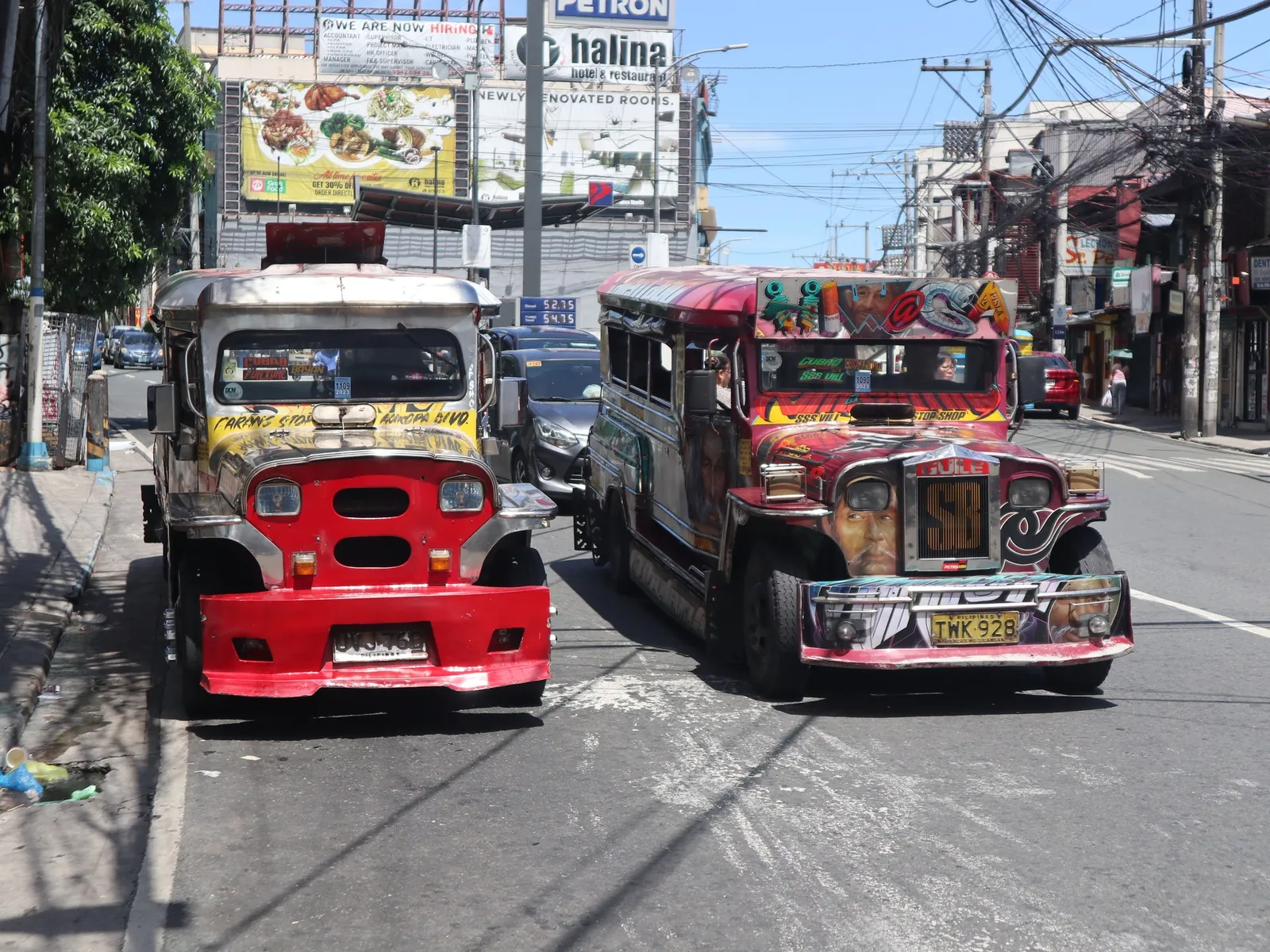
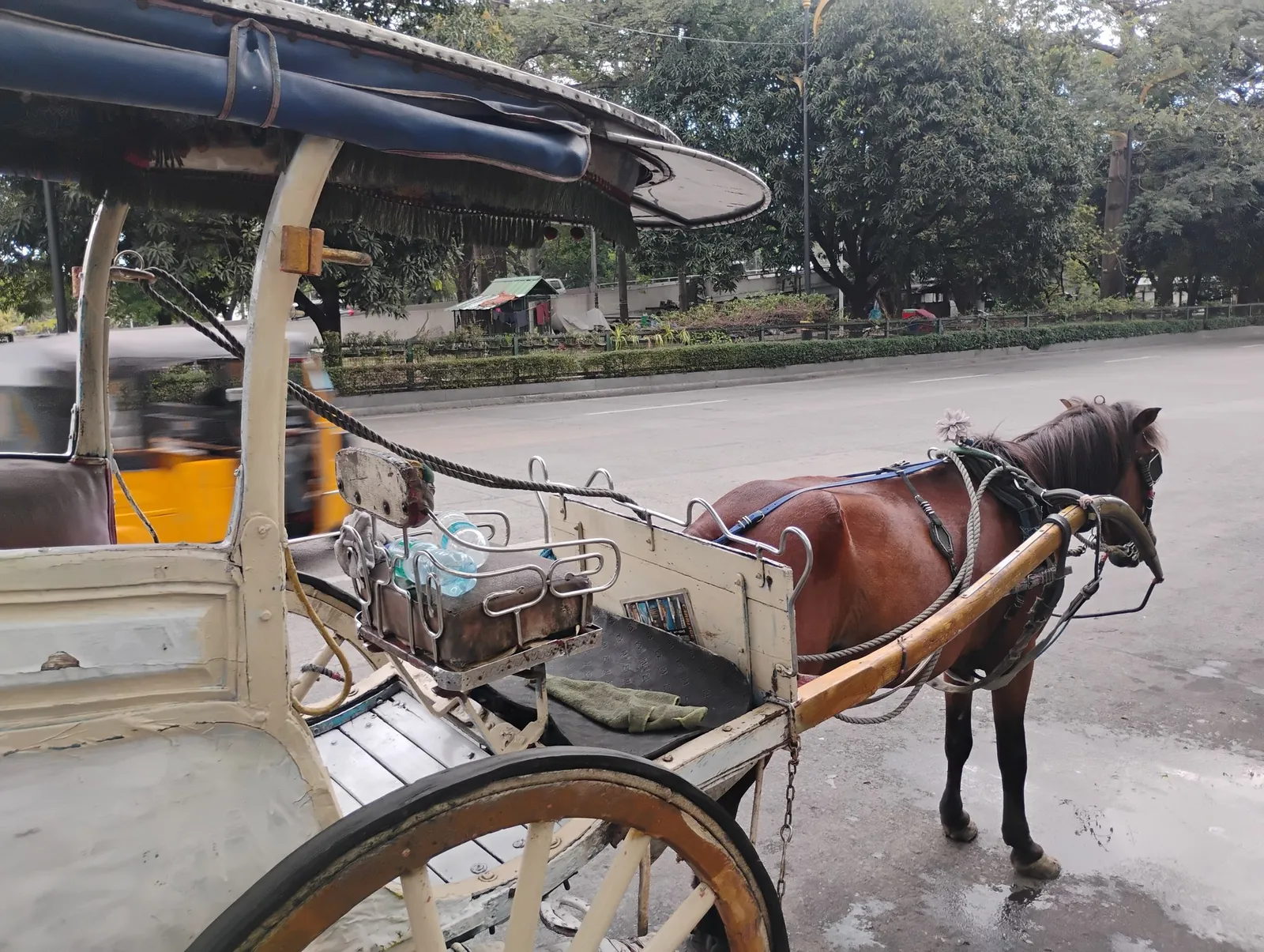
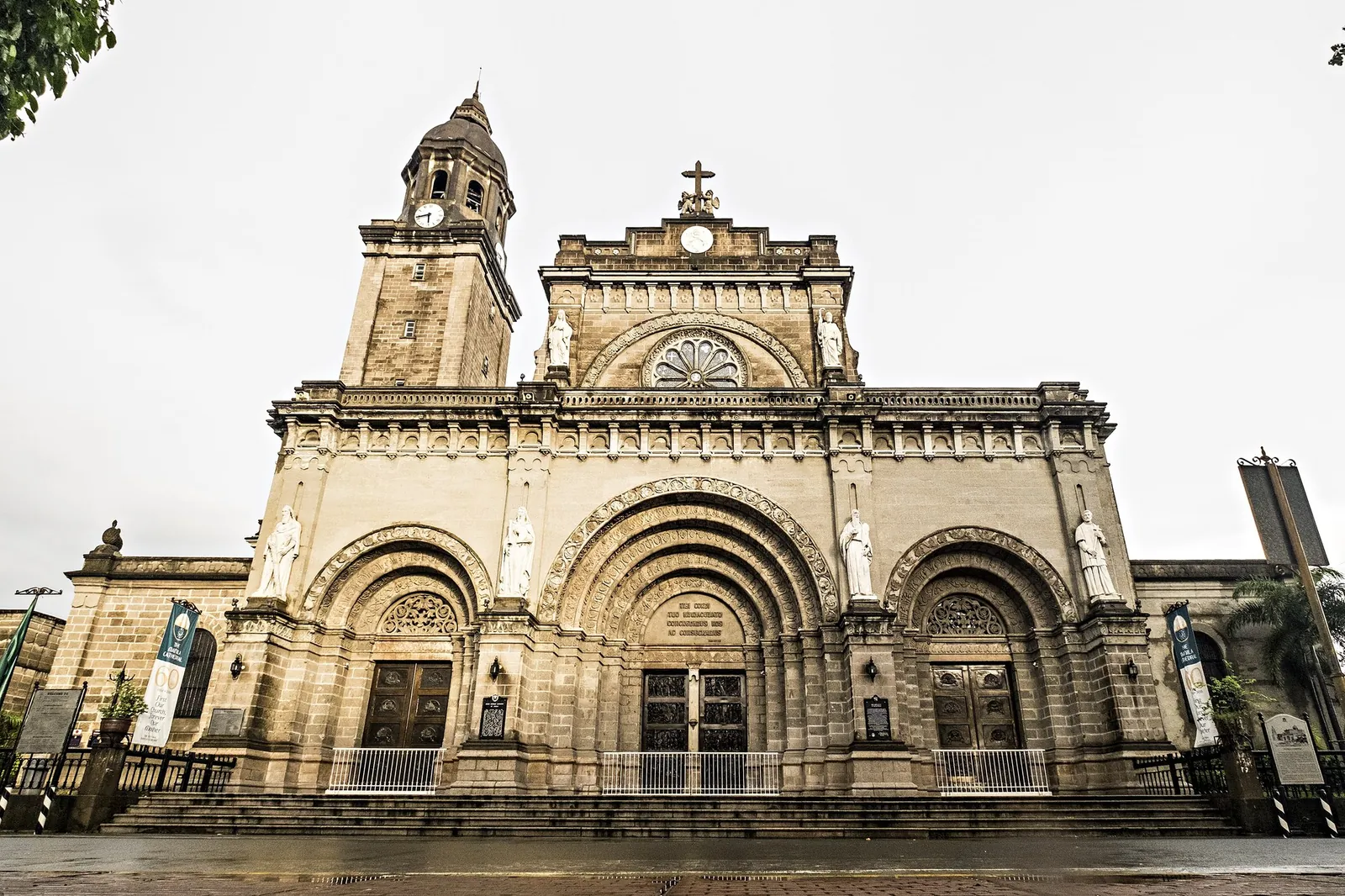
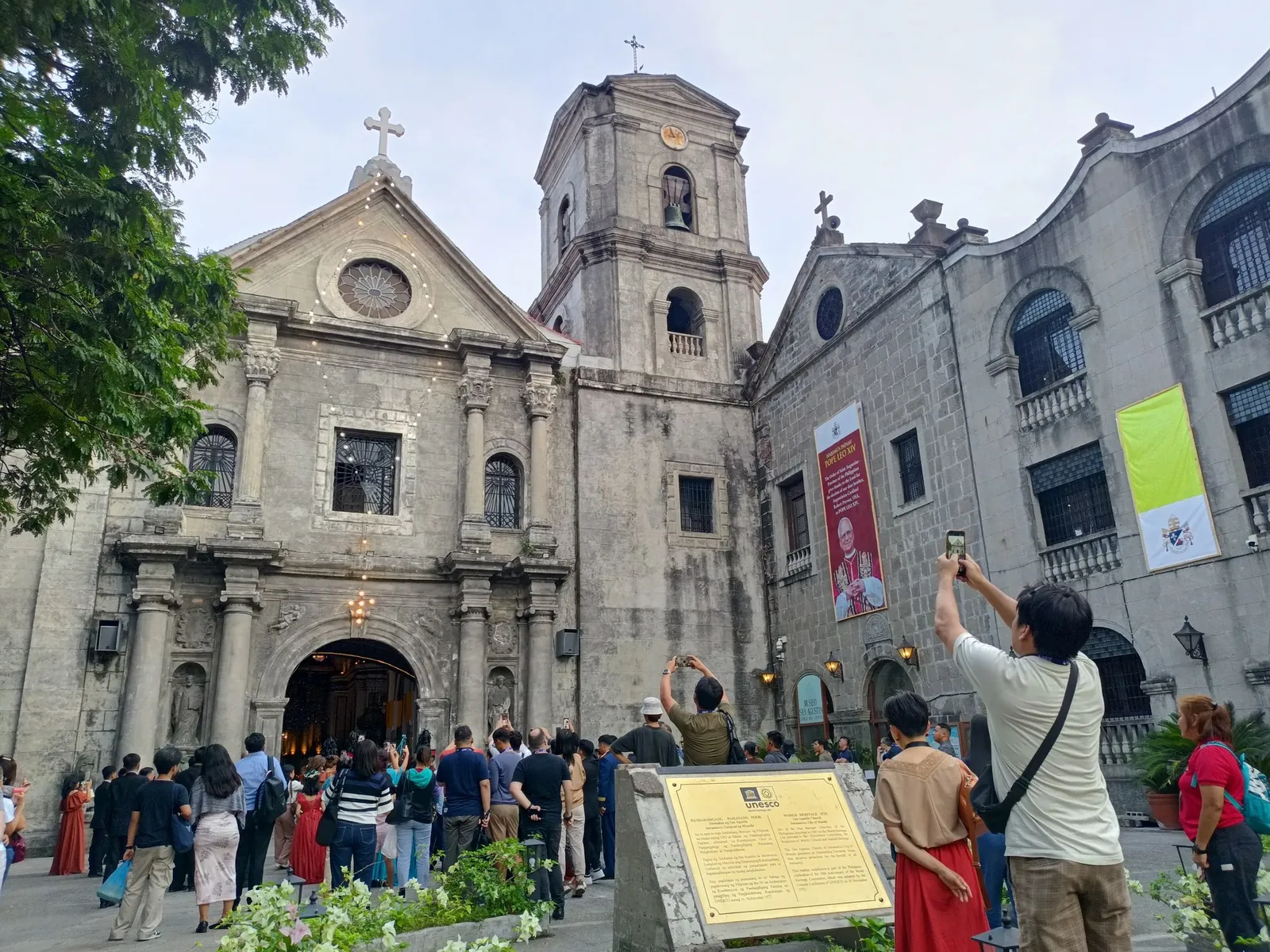
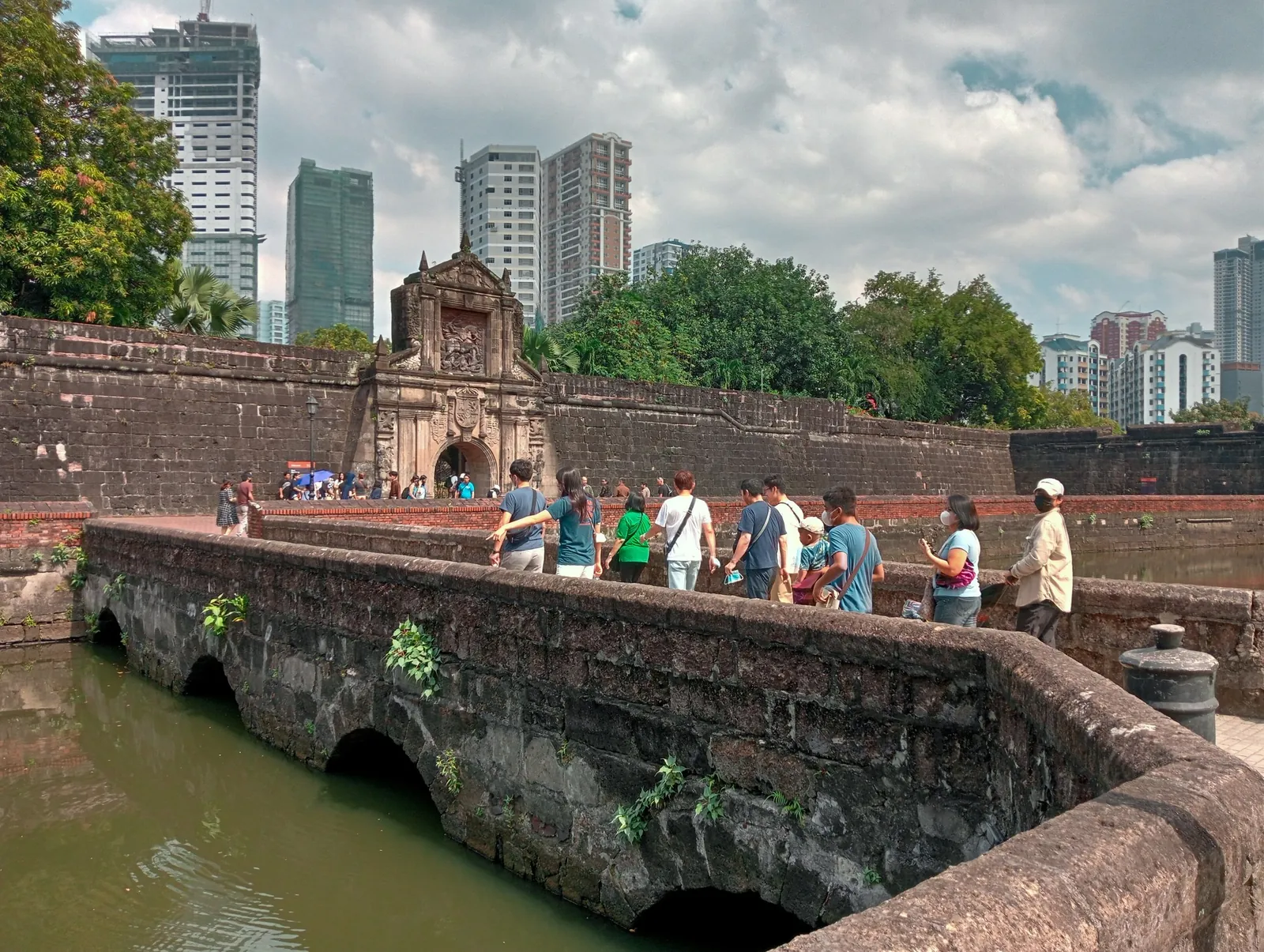
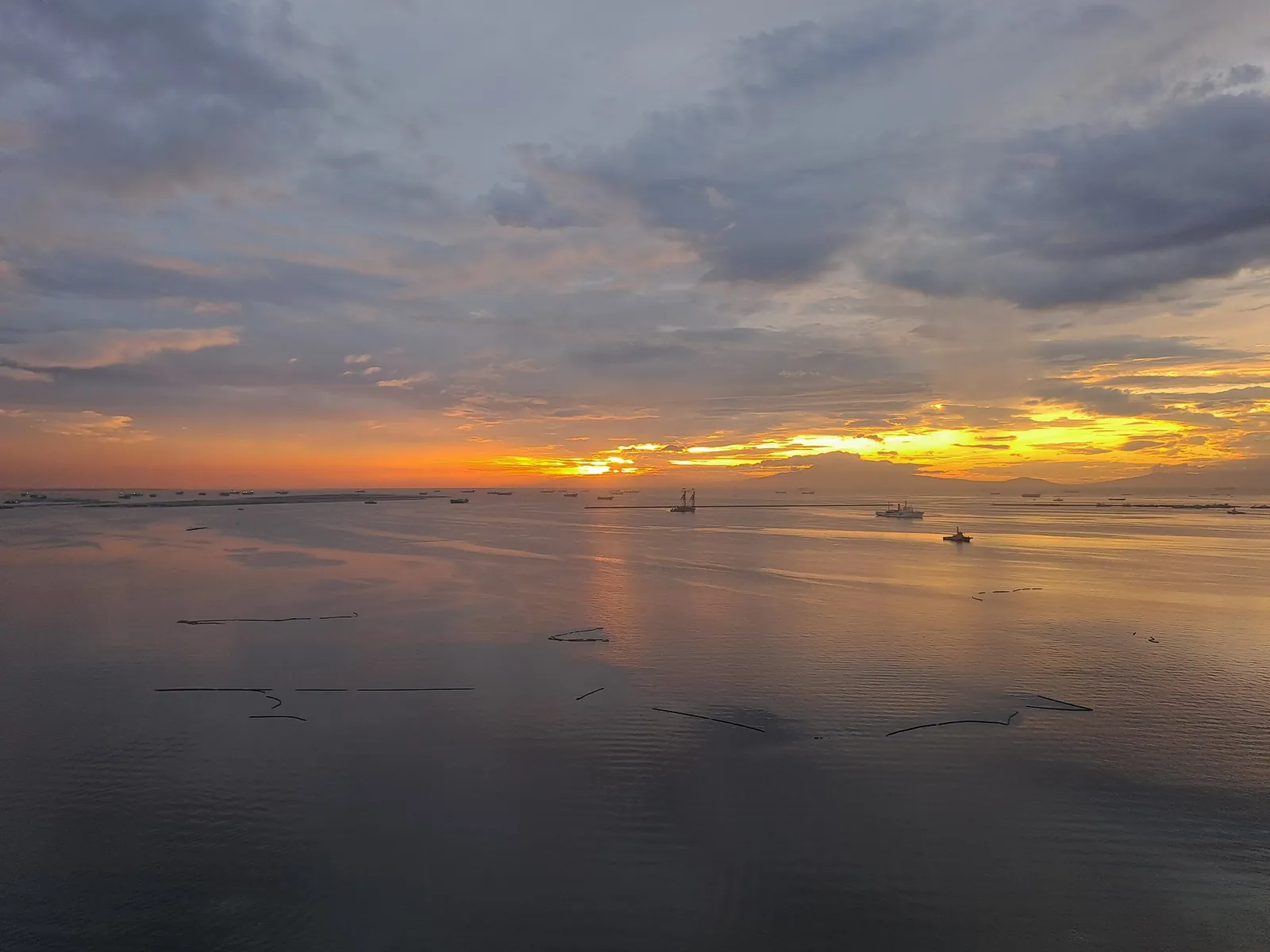
Authentic, unedited photos of Manila by residents and visitors, taken on ordinary days rather than chosen by a tourist board. Each one shows when it was taken. Browse photos of 105 cities →
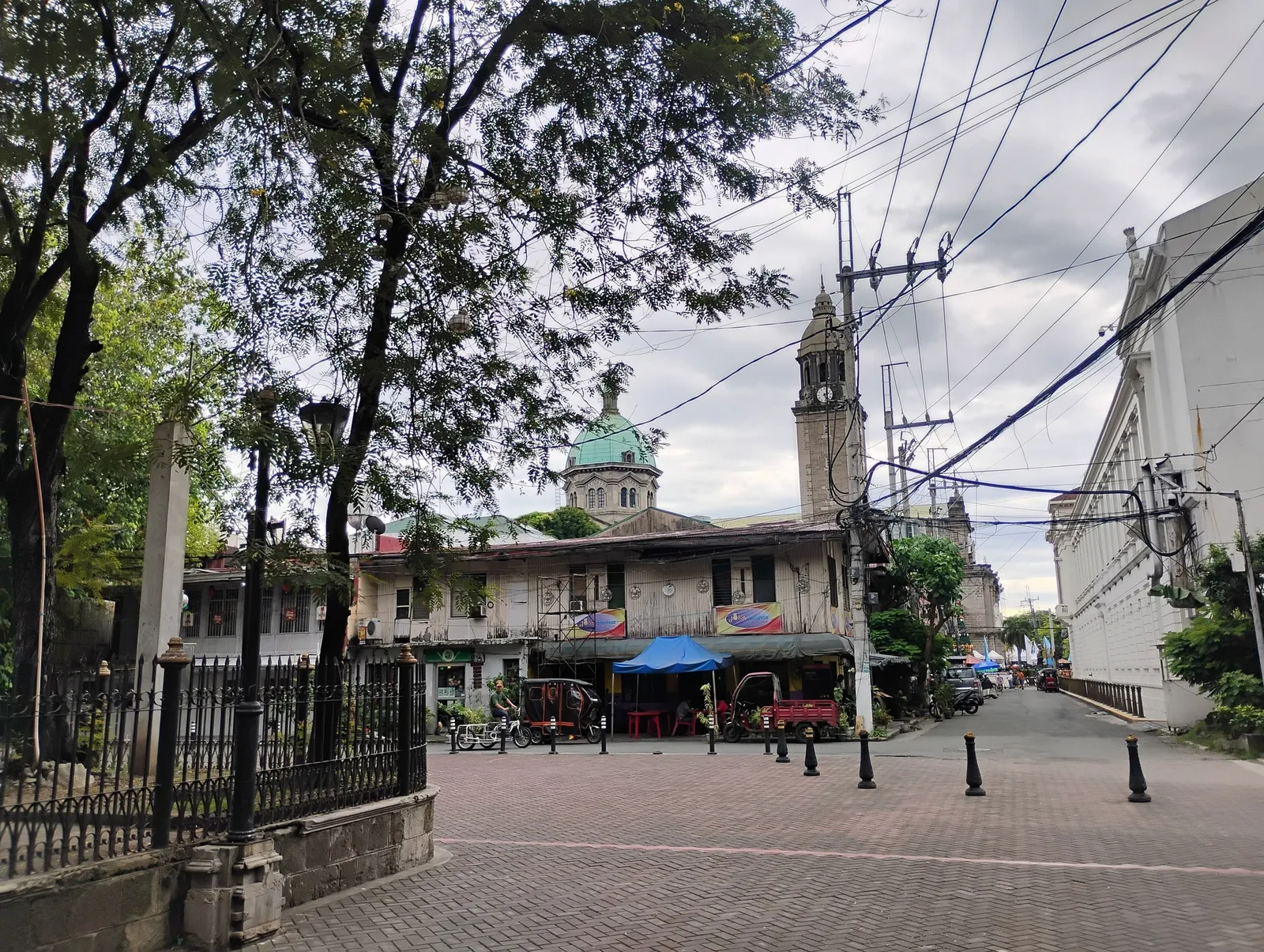

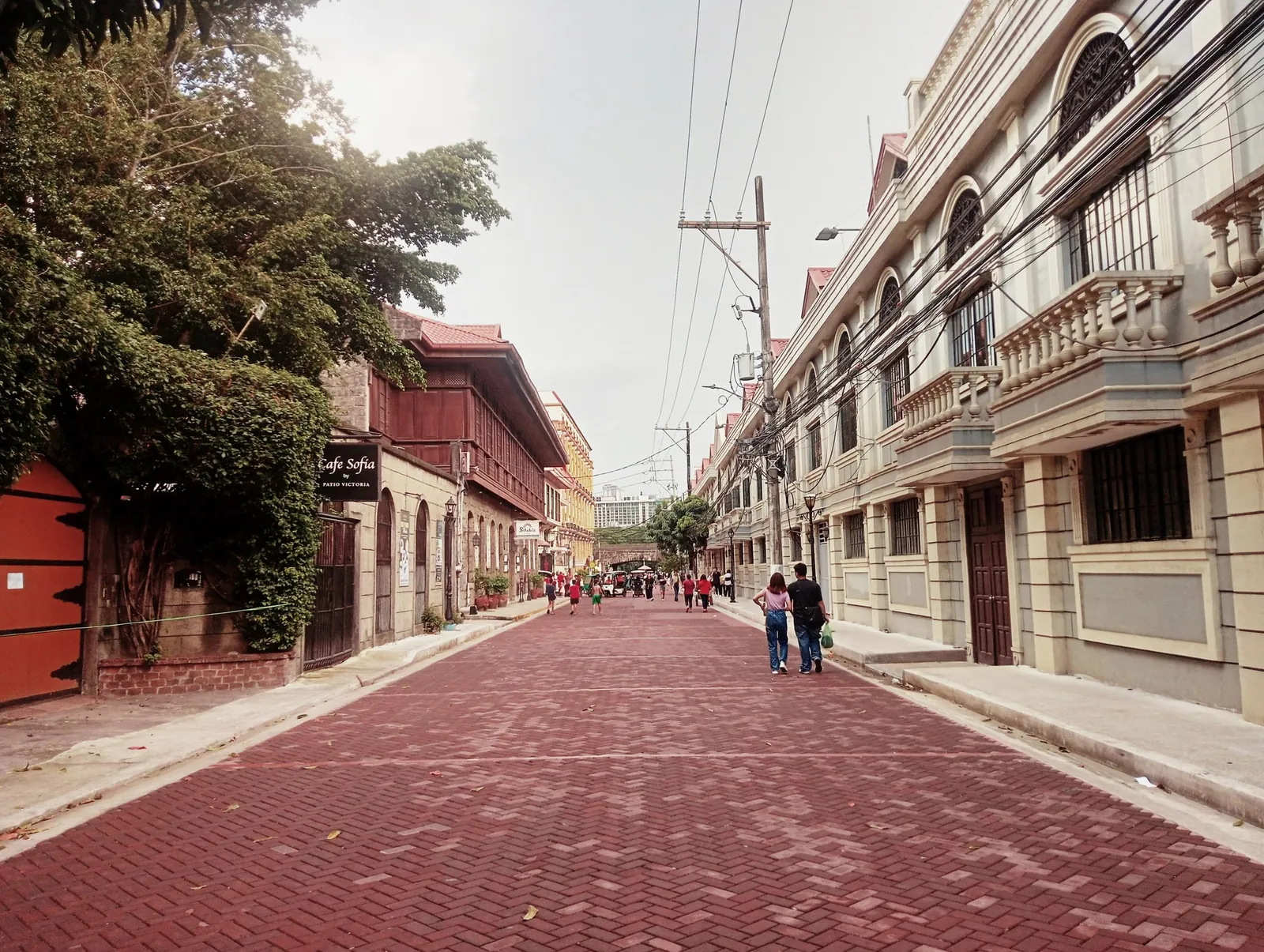

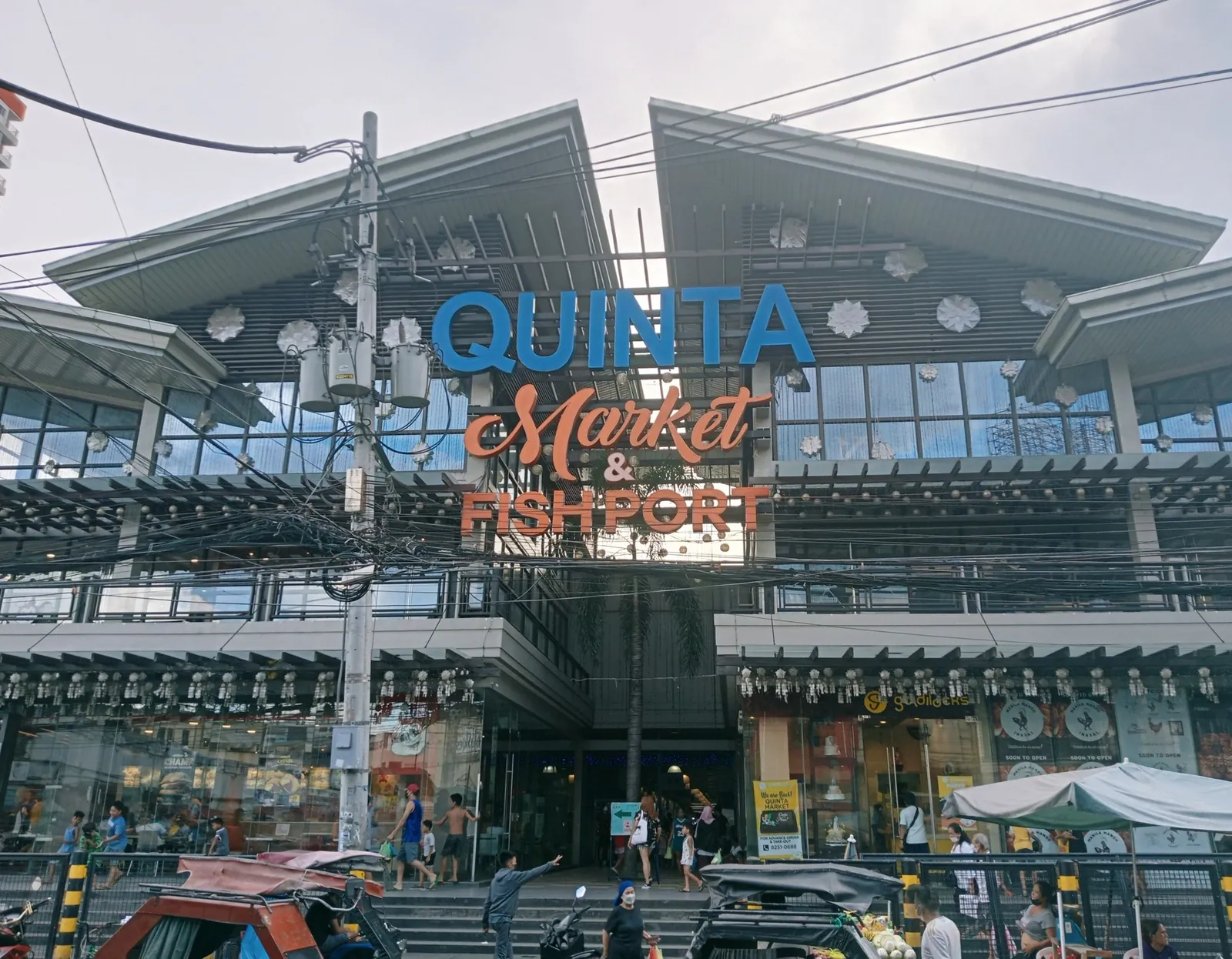
.jpg)
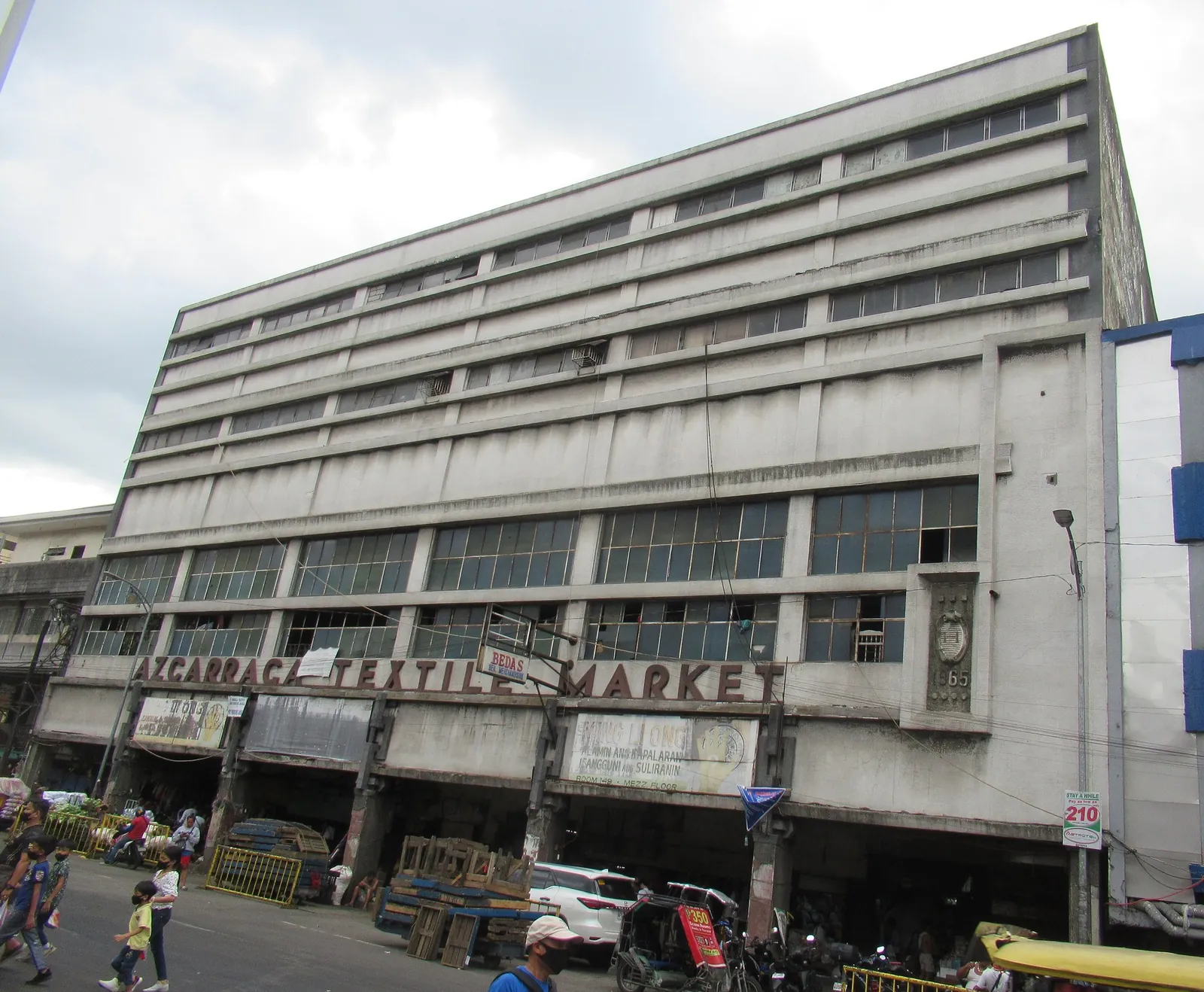

.jpg)




_2023-11-15.jpg)
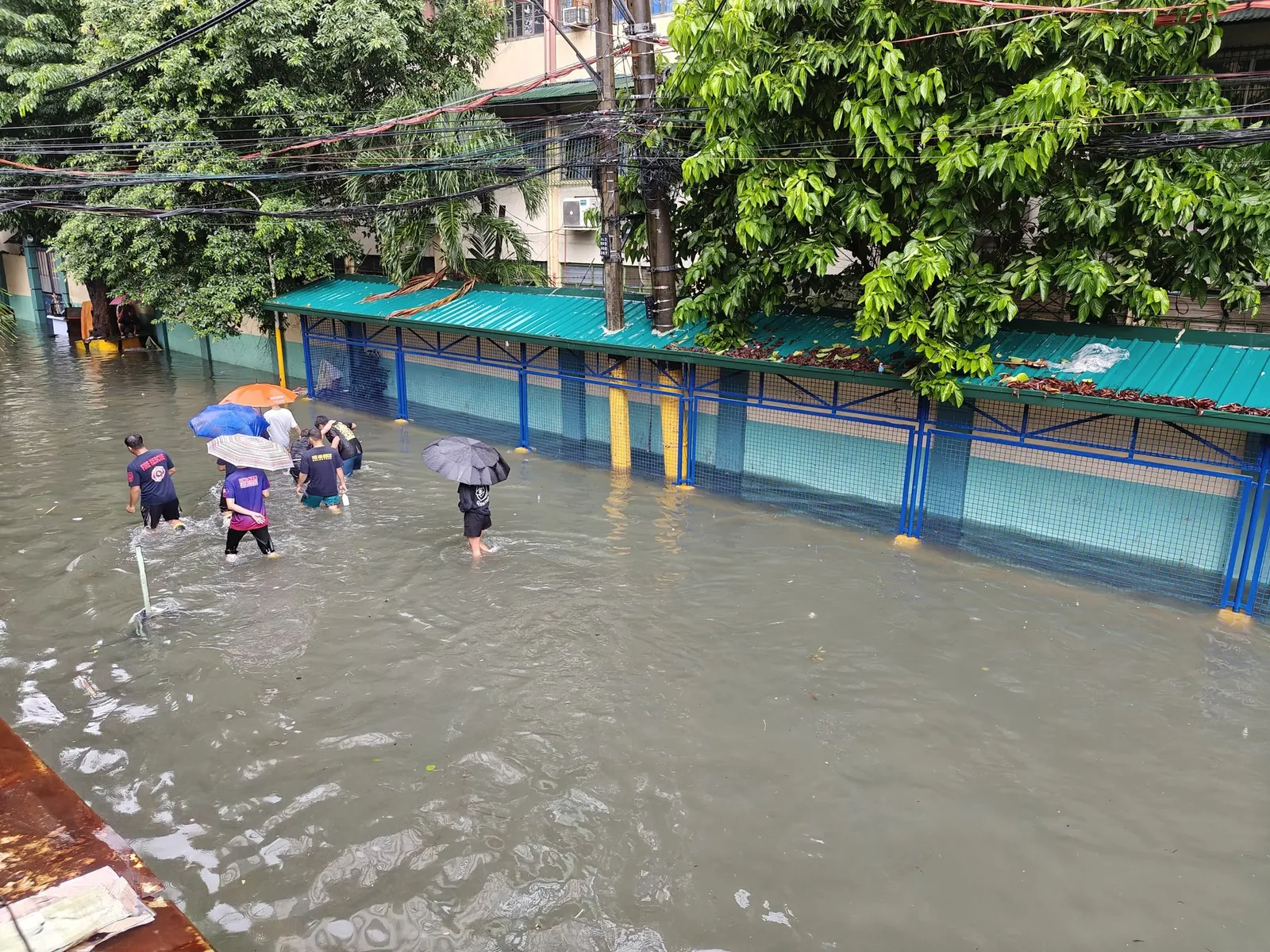
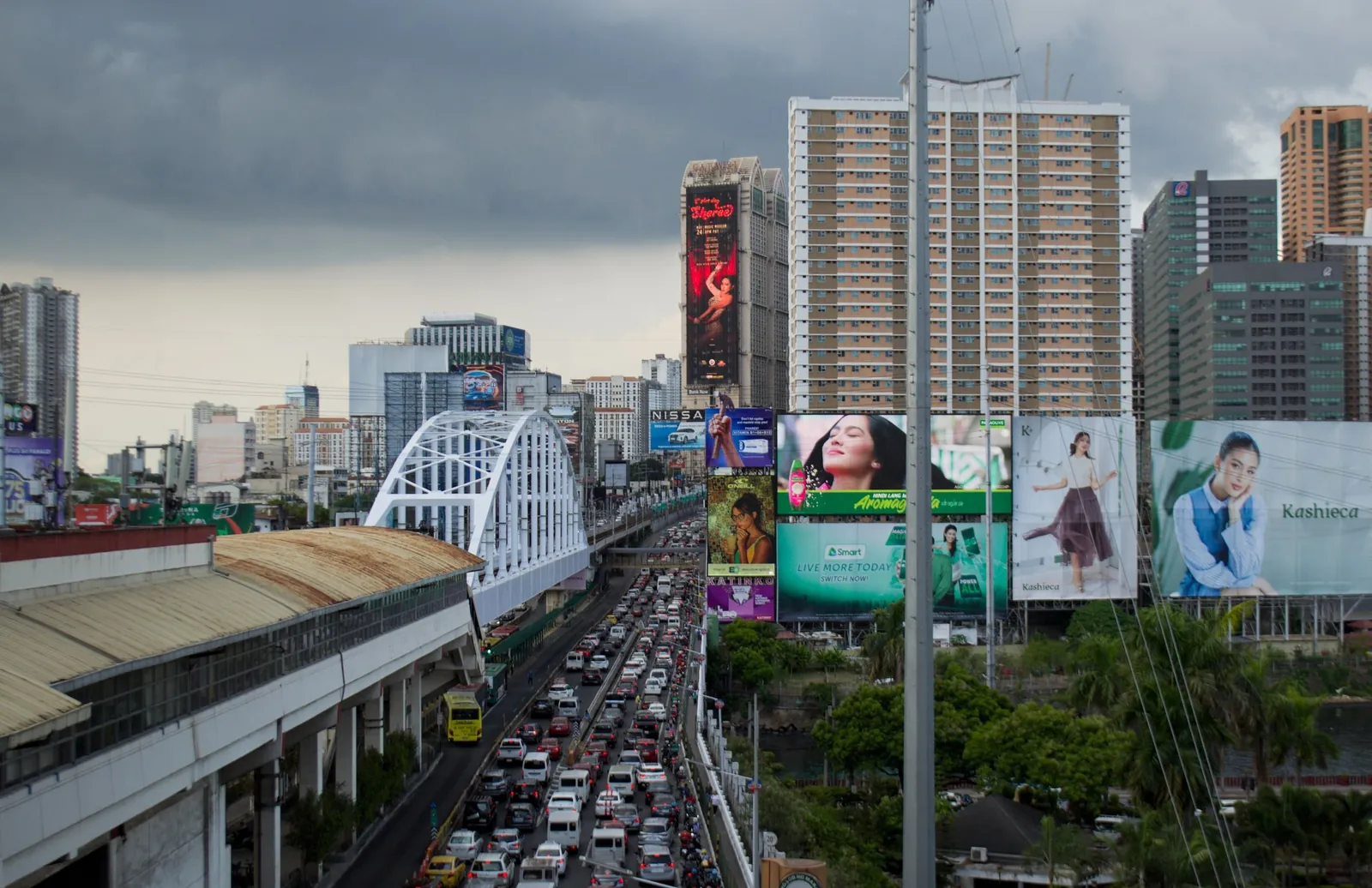
The other side

.jpg)
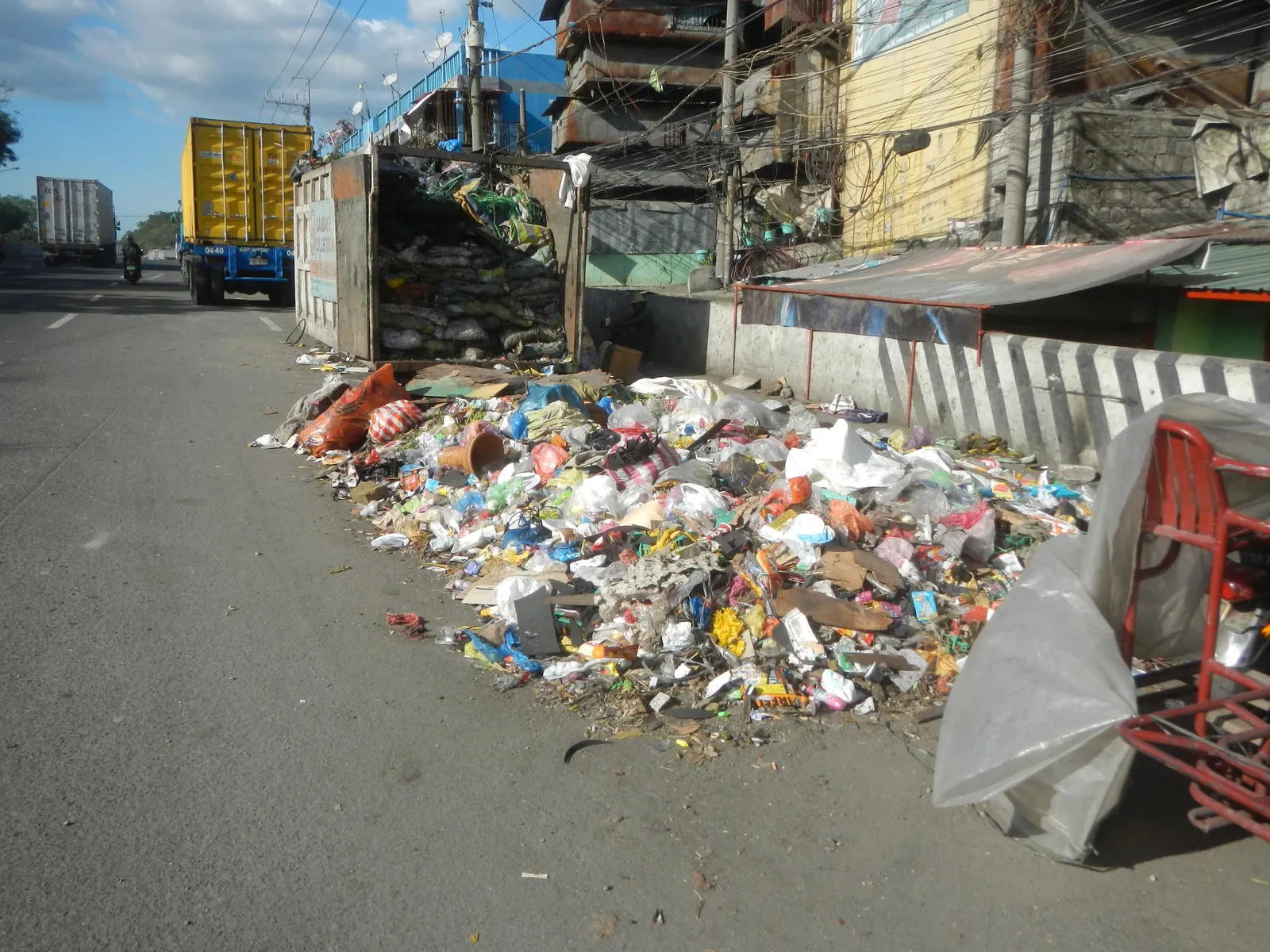

What does it cost to live in Manila?
1-Bedroom Rent
$400-$800/month
Local Restaurant Meal
$2-$5 at local restaurants
Cup of Coffee
$1.50-$3
Estimated Monthly Total
$1,200-$2,200
Want a personalized estimate? Use our cost of living calculator
How good is healthcare in Manila?
Manila has the best healthcare in the Philippines, with hospitals like Makati Medical Center, St. Luke's Medical Center (BGC and Quezon City), and The Medical City offering care that rivals hospitals in developed countries. Many Filipino doctors trained in the US and speak perfect English. Healthcare costs are low by international standards--specialist consultations cost $15-$30, and major procedures cost a fraction of US prices. Manila is increasingly attracting medical tourists for cardiac surgery, orthopedics, and dental work.
What is daily life like in Manila?
Life in Manila's best neighborhoods is surprisingly pleasant. BGC and Makati offer walkable streets, excellent restaurants spanning every cuisine, modern malls, cinemas, and cultural venues. The nightlife is vibrant for those who enjoy it. Manila's flat terrain makes it accessible for those with mobility concerns. Weekend escapes are easy--Tagaytay's cooler climate is an hour south, Batangas' dive sites are two hours away, and domestic flights connect to Palawan, Cebu, and other island paradises.
What is the climate like in Manila?
Manila has a tropical monsoon climate with a pronounced dry season (December-May) and wet season (June-November). Temperatures range from 25-35°C year-round with high humidity. The wet season can bring heavy flooding during typhoons, particularly in low-lying areas--another reason to choose elevated, well-drained neighborhoods like BGC and Makati. Air conditioning is essential.
| Month | High | Low | Rain |
|---|---|---|---|
| January | 29.9 °C | 23.9 °C | 19 mm |
| February | 30.7 °C | 24.3 °C | 22 mm |
| March | 32.1 °C | 25.3 °C | 22 mm |
| April | 33.7 °C | 26.7 °C | 23 mm |
| May | 33.6 °C | 27.0 °C | 159 mm |
| June | 32.8 °C | 26.6 °C | 253 mm |
| July | 31.5 °C | 25.9 °C | 432 mm |
| August | 31.0 °C | 25.8 °C | 493 mm |
| September | 31.2 °C | 25.7 °C | 396 mm |
| October | 31.4 °C | 25.7 °C | 221 mm |
| November | 31.3 °C | 25.3 °C | 120 mm |
| December | 30.3 °C | 24.6 °C | 99 mm |
Weather station: Port Area, Manila (3 km away). Source: WMO Climatological Normals 1991-2020 (NOAA NCEI)
What are the pros and cons of retiring in Manila?
Pros
- Best hospitals in the Philippines with US-trained doctors
- Modern, walkable neighborhoods in BGC and Makati
- Excellent English spoken everywhere
- International airport with connections across Asia and beyond
- Wide variety of entertainment, dining, and cultural activities
Cons
- Severe traffic congestion, among the worst in the world
- Air pollution and noise in many areas
- Typhoon flooding risk during wet season
- Higher cost of living than provincial Philippine cities
Who should retire in Manila?
Retirees who want top-tier healthcare, modern urban living, and maximum convenience, and who choose their neighborhood carefully to avoid Manila's well-known congestion issues.
Which neighborhoods suit retirees in Manila?
Makati (Legaspi Village / Salcedo)
The premier business district with upscale condos, embassies, and international dining. One-bedroom condos rent for $600-1,200/month. Walkable within the village areas, with excellent access to hospitals, malls, and nightlife. Attracts professionals and retirees who want a cosmopolitan urban lifestyle.
Bonifacio Global City (BGC)
Metro Manila's newest and most planned district with wide pedestrian-friendly streets, parks, and modern high-rises. Rent ranges $700-1,400/month for one-bedrooms. Popular with younger expats and families for its cleanliness, safety, international schools, and abundance of restaurants.
Quezon City (Eastwood / Katipunan)
A more affordable alternative to Makati/BGC with a strong university-area vibe near Ateneo and UP. Condos rent for $350-700/month. Offers good value, local character, and access to malls and hospitals without the premium pricing of the central business districts.
Which hospitals serve retirees in Manila?
St. Luke's Medical Center (BGC)
One of the top private hospitals in Southeast Asia with state-of-the-art facilities in Bonifacio Global City. Strong across nearly all specialties including cardiac surgery, oncology, and transplant medicine. JCI-accredited; check current accreditation status. English fluently spoken by all medical staff.
Makati Medical Center
A premier private hospital in the Makati business district with comprehensive specialty services. Well-regarded for cardiology, neurosurgery, and cancer treatment. Convenient for residents of Makati and BGC. English is the primary language of medical communication.
The Medical City (Ortigas)
A large private tertiary hospital in Ortigas Center, recognized for clinical excellence in internal medicine, surgery, and pediatrics. Has historically held JCI accreditation; verify current status. Known for its organized patient care and English-speaking staff.
Facility details may change. Verify accreditation status and services directly with each hospital before making healthcare decisions.
What is the food scene like in Manila?
Metro Manila is one of Southeast Asia's most dynamic food cities, with everything from $1 street food to $50 fine dining. Makati's Poblacion neighborhood has transformed into a food and nightlife hub with dozens of restaurants; try Tambai for modern Filipino tapas or Lampara for creative cocktails and small plates ($8-15 per person).
BGC's restaurant scene rivals any international city. Manam serves elevated Filipino comfort food (crispy sisig, sinigang), while Sarsa does Ilonggo cuisine with flair. High Street and Uptown Parade are pedestrian-friendly strips packed with Japanese, Korean, Italian, and Mexican options. A typical restaurant meal in BGC runs $8-20.
For budget eating, carinderia (neighborhood eateries) across Manila serve home-cooked Filipino dishes for $1-3 per meal. The Salcedo Saturday Market in Makati is an expat favorite for artisanal food stalls, organic produce, and international street food ($3-8 per item). Chinese dining thrives in Binondo, the world's oldest Chinatown, where legendary spots like Dong Bei Dumplings and Sincerity Cafe serve massive portions for $5-10.
Is retiring in Manila right for you?
Take our free 3-minute retirement quiz to see how life in Manila, Philippines, compares to other destinations based on your preferences, budget, and needs.
Take the Retirement QuizFrequently Asked Questions About Retiring in Manila
Which neighborhood in Manila is best for retirees?
Bonifacio Global City (BGC) and Makati are the top choices. BGC is newer, cleaner, and more walkable, with wide sidewalks and parks. Makati has a more established expat scene, excellent hospitals, and plenty of dining options. Both areas have modern condominiums with pools and gyms at reasonable rents.
Is Manila traffic really that bad?
Yes, Manila traffic is notoriously terrible, with average commute times among the longest in Asia. However, by living in BGC or Makati and keeping your daily activities within those neighborhoods, you can minimize exposure. Many retirees rarely need to leave their immediate area for daily needs. Grab is widely available for trips across the city.
How does the cost of living in Manila compare to other Philippine cities?
Manila (specifically BGC and Makati) is the most expensive area in the Philippines, but still very affordable by Western standards. Expect to pay 30-50% more than in Cebu or Dumaguete for comparable housing. However, you get access to better healthcare, more dining options, and superior infrastructure in return.
Sources & References
- Numbeo, Cost of living index and price data for Manila: rent, groceries, restaurants, and transportation
- St. Luke's Medical Center, Facility services, specialist departments, and JCI accreditation status in Manila
- Philippine Bureau of Immigration, Special Resident Retiree Visa (SRRV) requirements and procedures applicable to Manila residents
- WHO Philippines Country Profile, National health system indicators and healthcare quality benchmarks