
City Retirement Guide
Retire in Panama City, Panama
Modern skyline, US dollar economy, and the world's best retirement visa program
What are the key facts about retiring in Panama City?
- Elevation & setting
- 2 m; Pacific-coast bay at the southern mouth of the Panama Canal
- Climate
- Coolest month November 23–32°C, hottest April 23–35°C; 1,799 mm of rain a year, most in October (daily low to high, 2006–2014)
- Nearest international airport
- Tocumen International (PTY), ~24 km east-northeast
- Nearest major hospital
- Hospital Punta Pacifica (Johns Hopkins Medicine affiliate), Punta Pacifica
- Primary retirement visa (2026)
- Panama Pensionado Visa: lifetime pension of at least USD 1,000/month (+USD 250 per dependent), no age minimum
- Language environment
- Spanish official; English widely used in finance, healthcare, and expat services
Panama's Pensionado programme grants holders 25 percent off domestic airfares, 50 percent off cinemas and cultural events, and 15 to 25 percent off restaurant bills, applied on presentation of the residency card.
What is retirement like in Panama City?
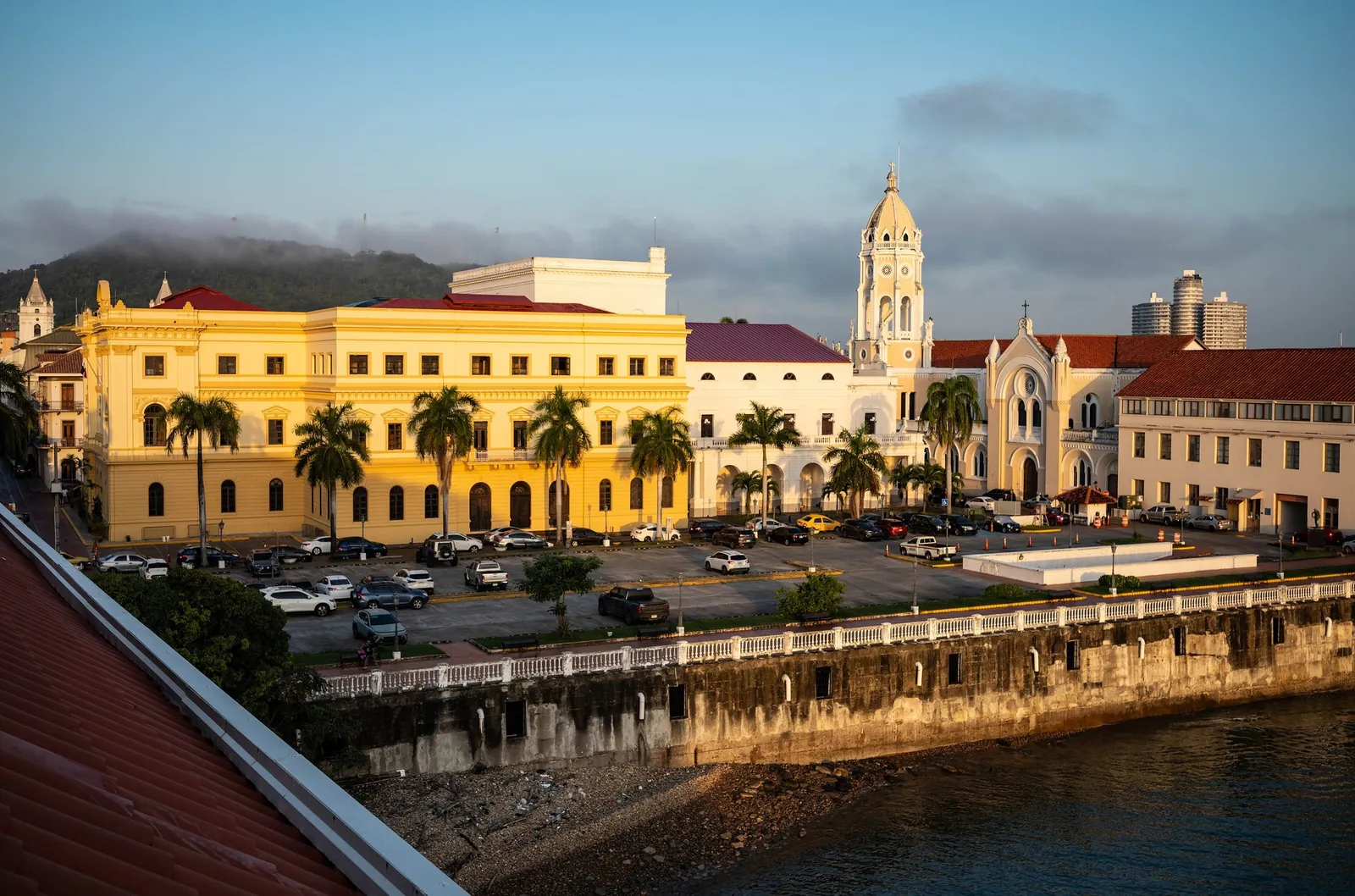
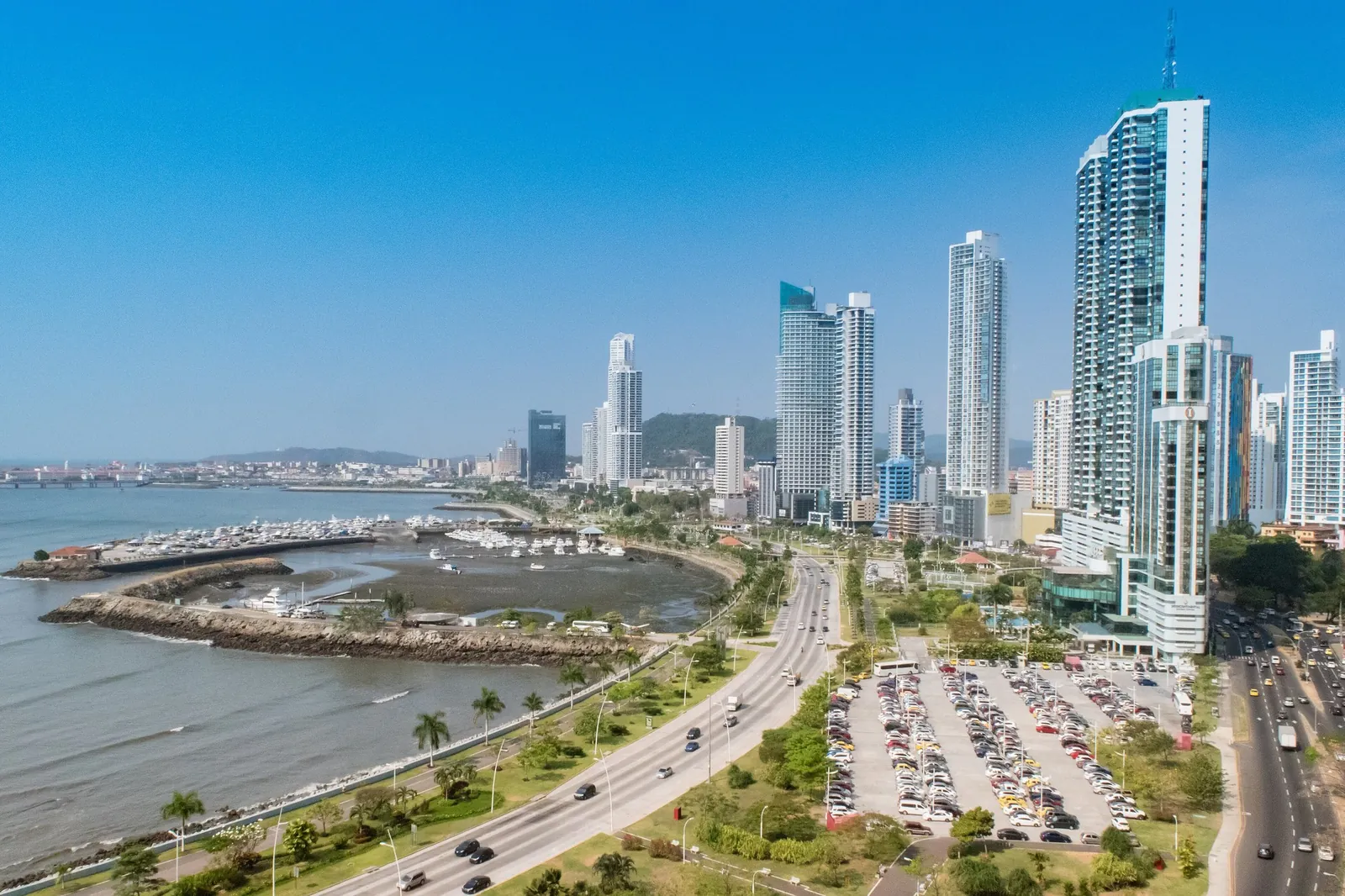
Panama City stands at the Pacific entrance of the Panama Canal, stretching along the Bay of Panama from the ruins of Panama Viejo, founded in 1519, to the 17th-century walled quarter of Casco Viejo. The capital of roughly 410,000 residents in the city proper and over 1 million in Panama District anchors a metropolitan region of more than 2 million. Districts such as Bella Vista, El Cangrejo, and the high-rise banking corridor along Avenida Balboa host most expatriate residents. Hospital Punta Pacifica, affiliated with Johns Hopkins Medicine, is a primary private healthcare reference.
Panama's Pensionado visa program offers retirees over 18 with a pension of at least $1,000/month an extraordinary package of benefits: 25% off airline tickets, 25% off restaurants, 15% off hospital bills, 20% off prescription medications, 50% off entertainment, and more. These discounts are legally mandated and widely honored. For retirees without a formal pension, the Friendly Nations visa or the Self-Economic Solvency visa provide alternative pathways to residency.
The city's neighborhoods cater to different retirement styles. The Pacific-facing areas of Punta Pacifica, Costa del Este, and the Causeway offer modern high-rise living with ocean views, pools, and gyms. El Cangrejo and Obarrio provide mid-range urban convenience. Clayton, a former US military base, offers suburban living with parks and a tropical setting. The cosmopolitan nature of the city (with large expat communities from the US, Venezuela, Colombia, and Europe) means English is widely spoken and international cuisine is readily available.
What does it really look like in Panama City?
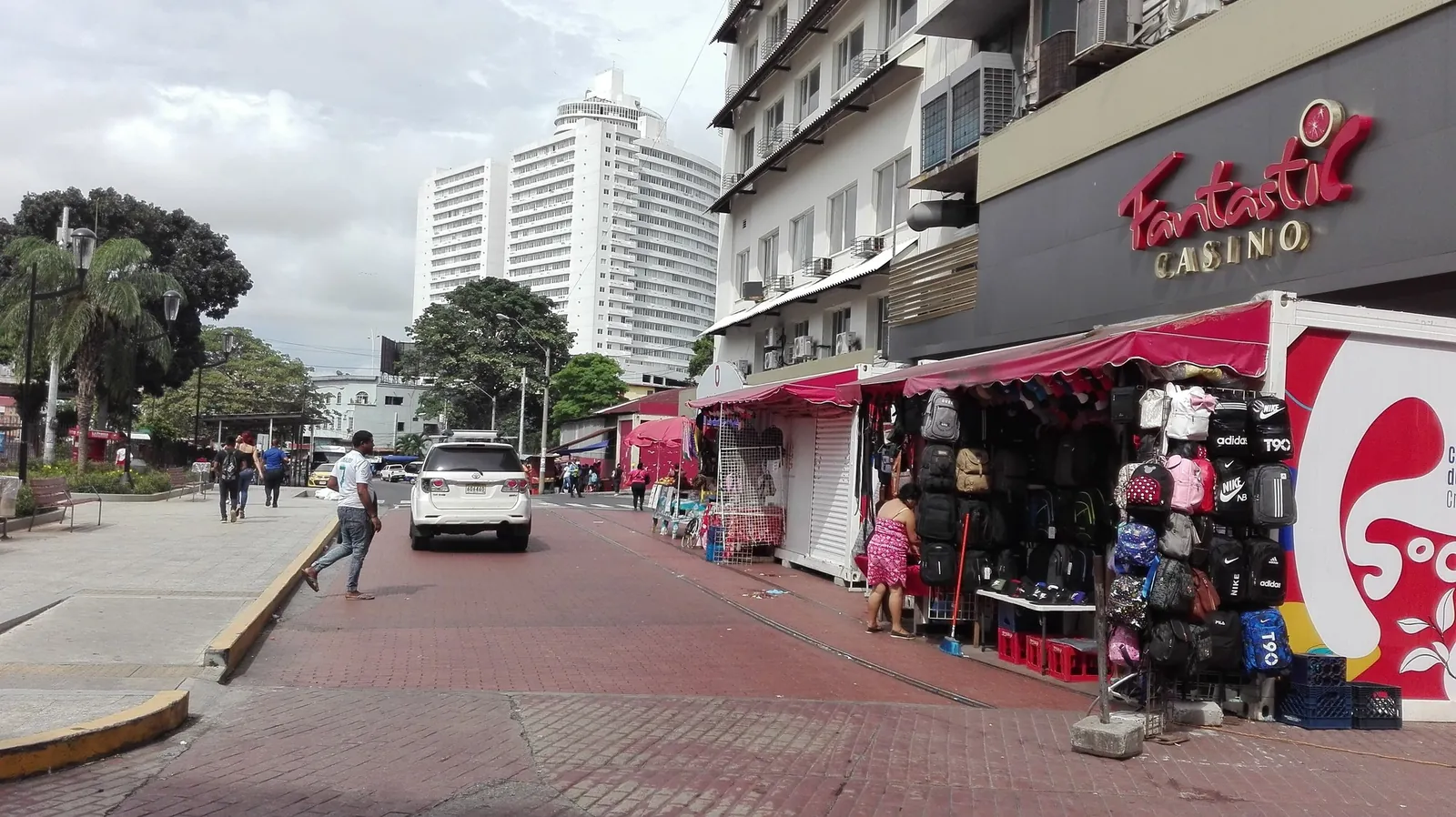
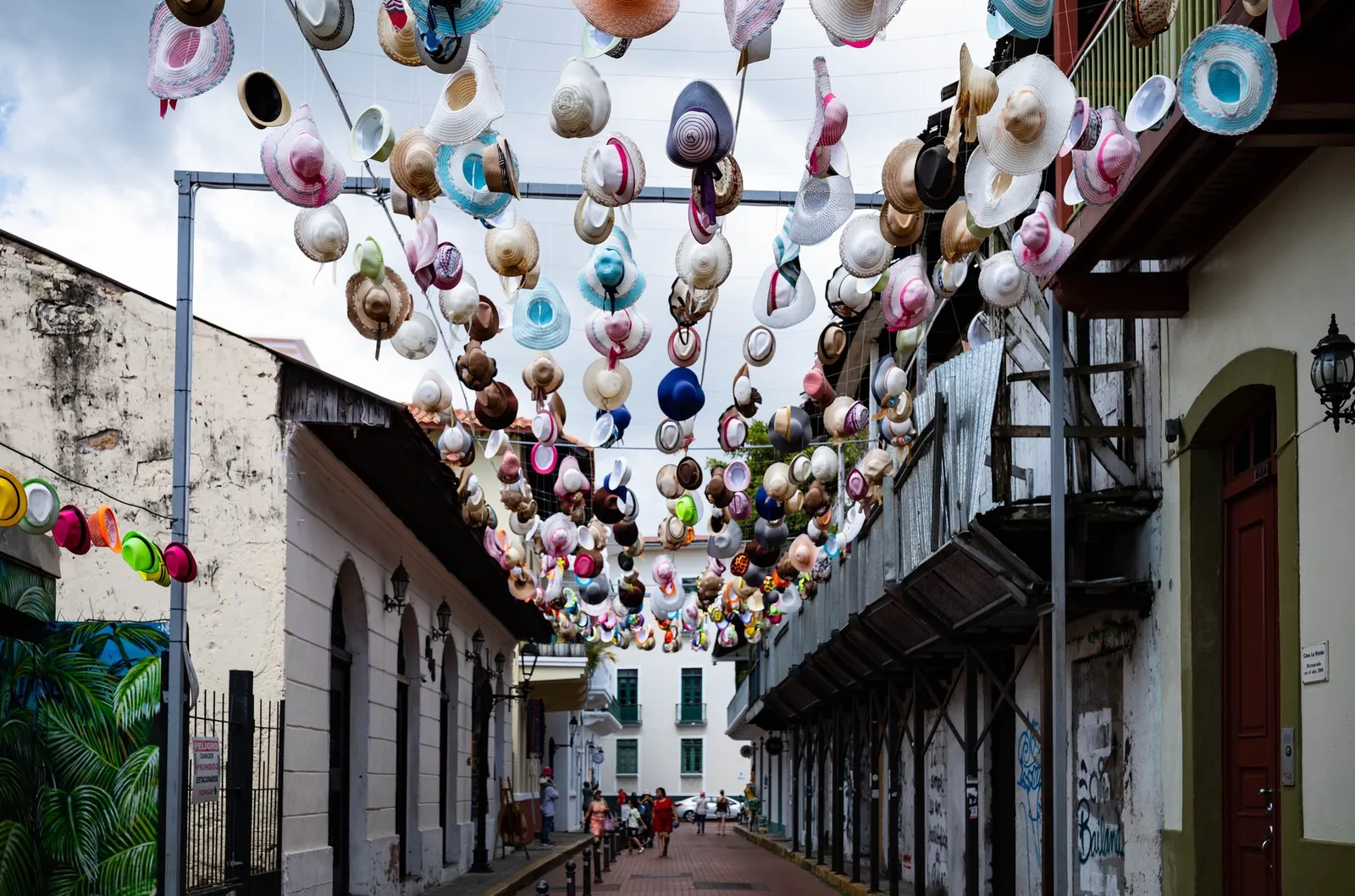
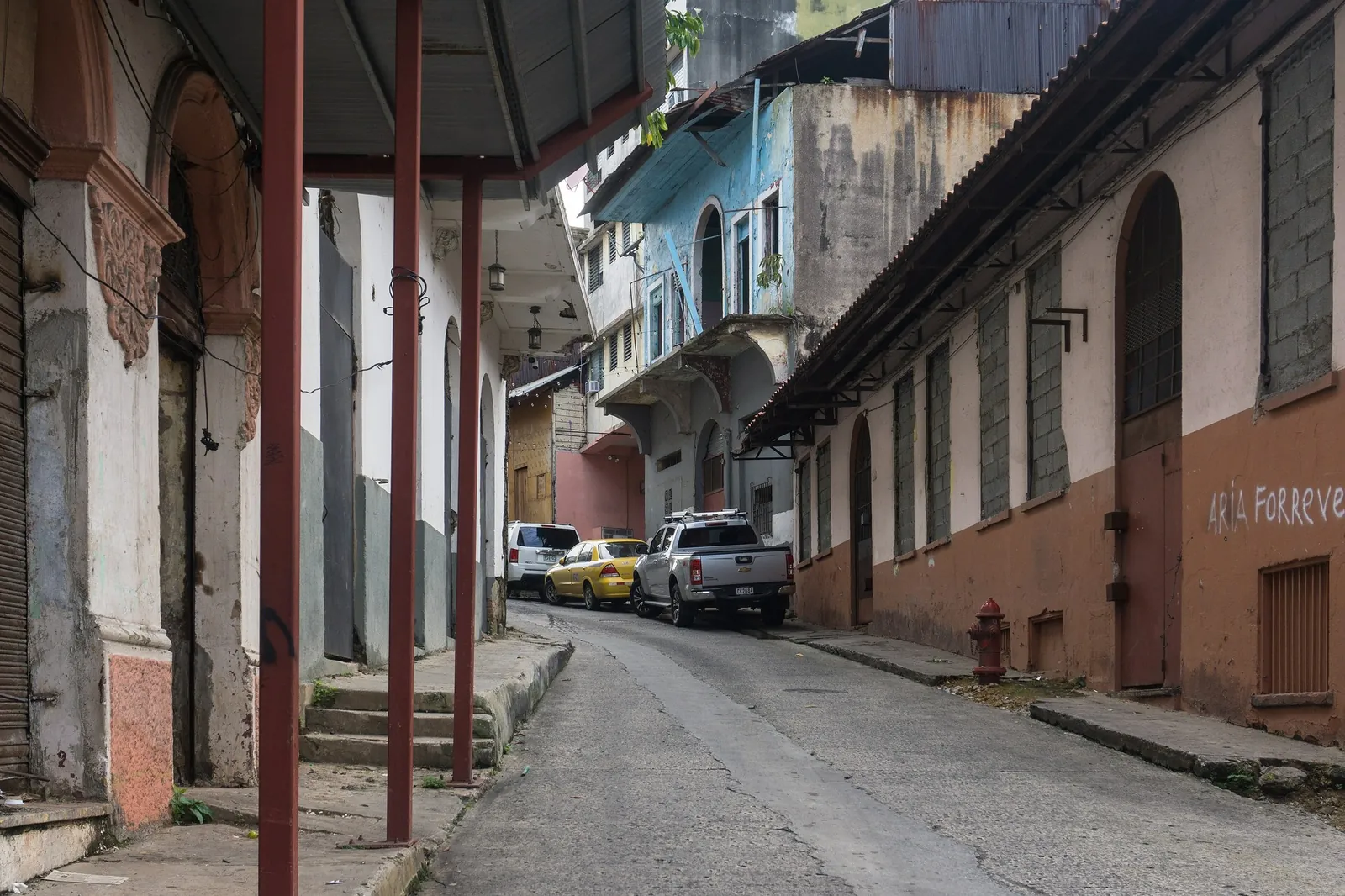
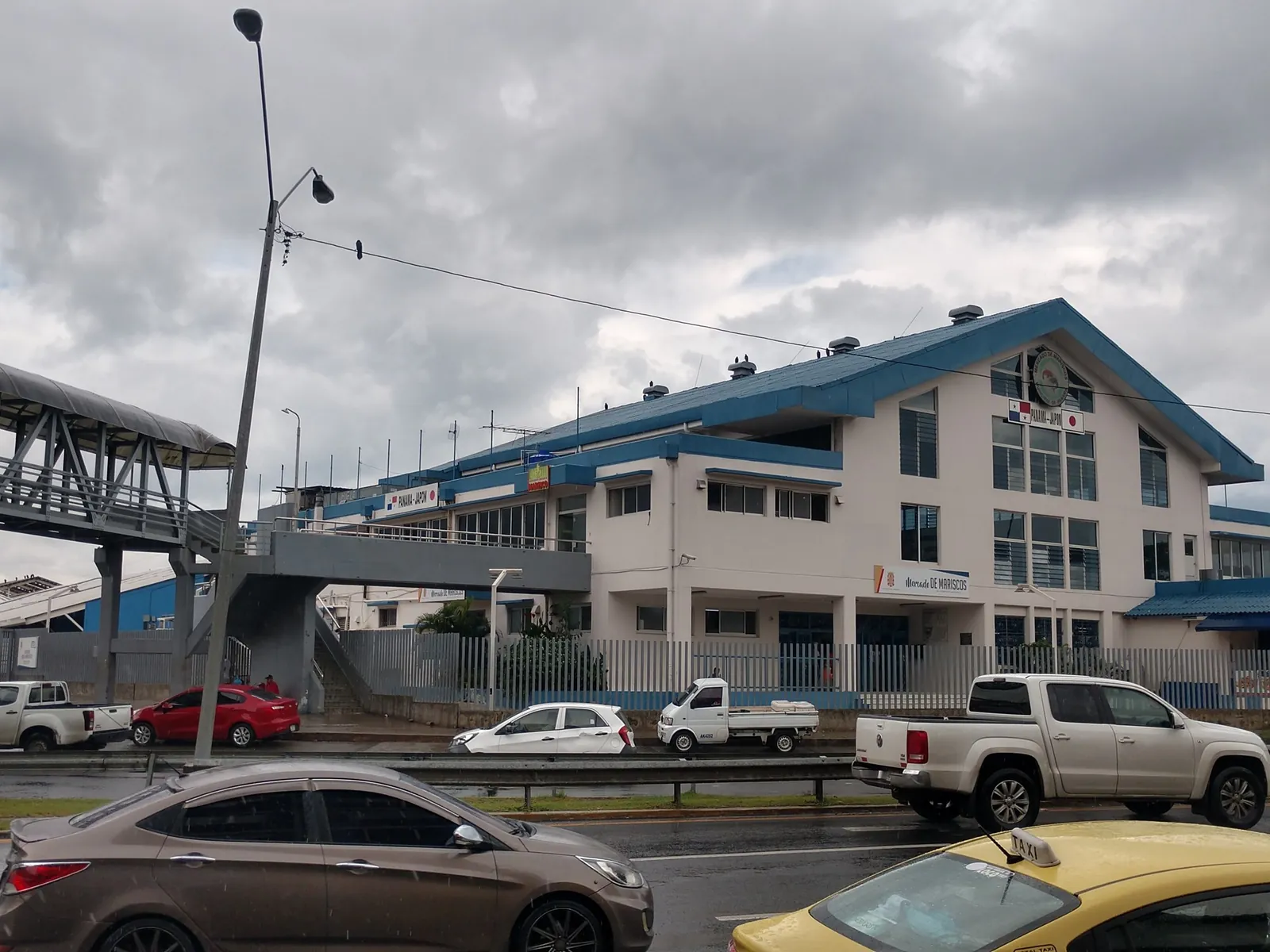
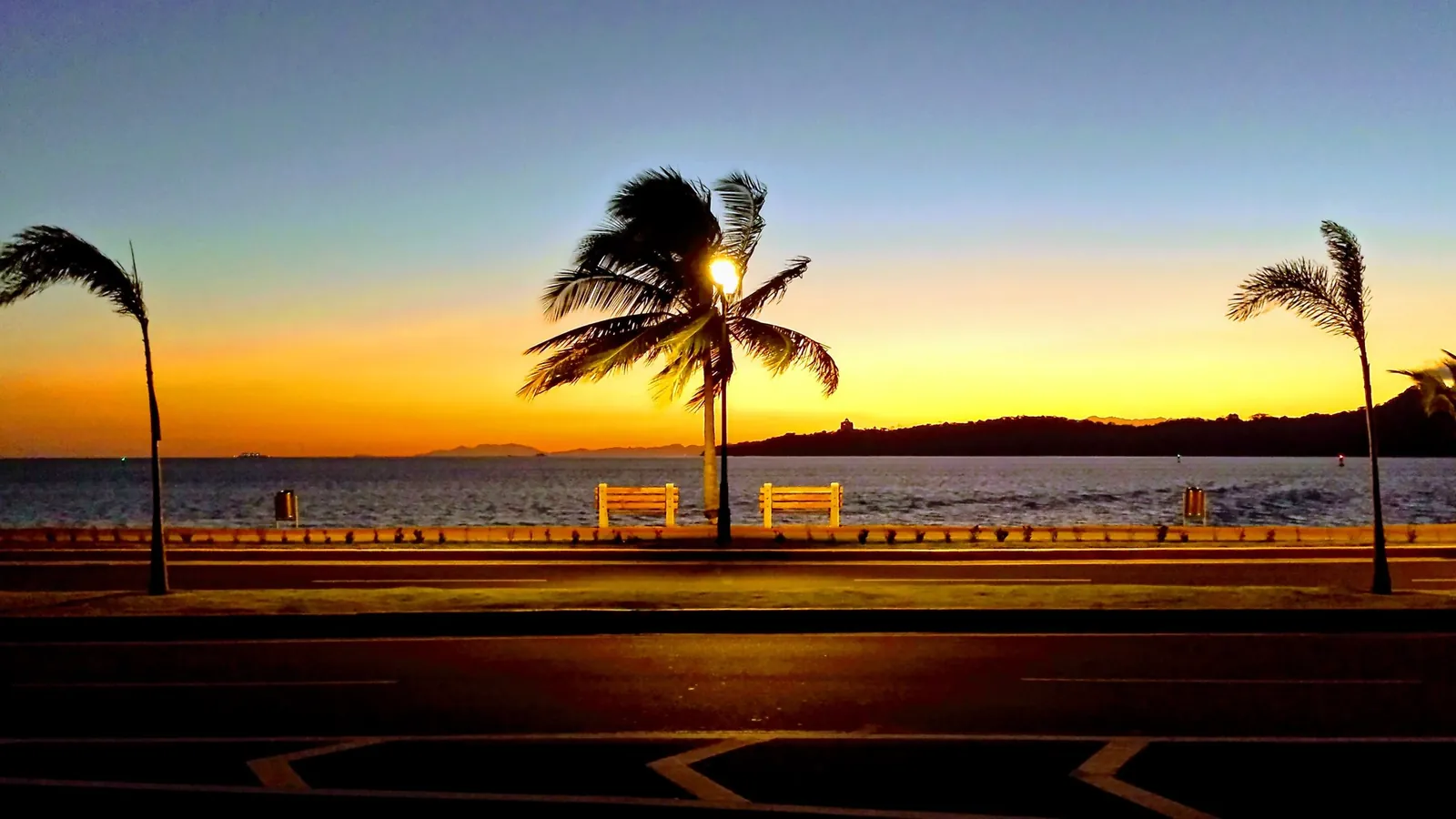
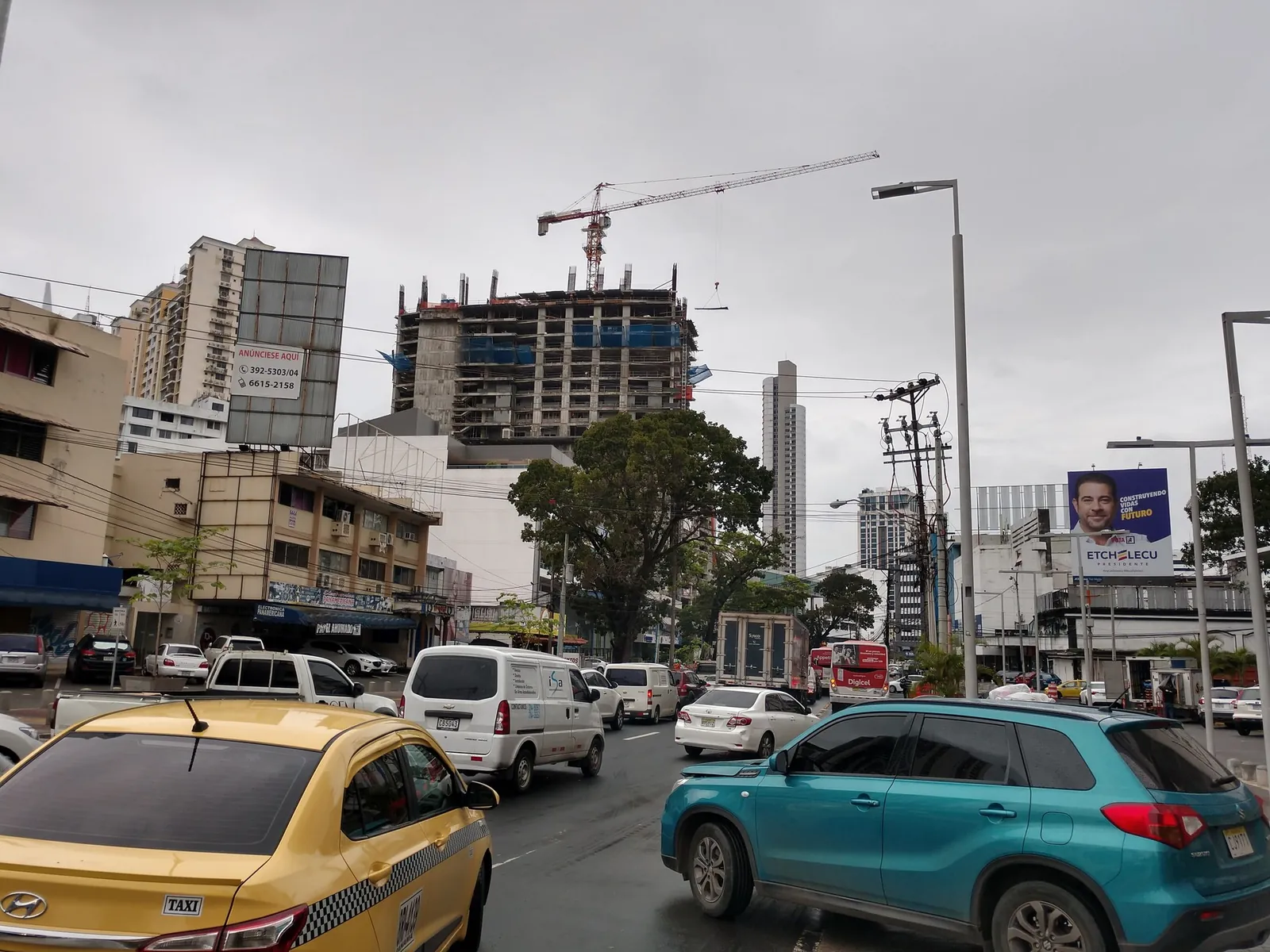
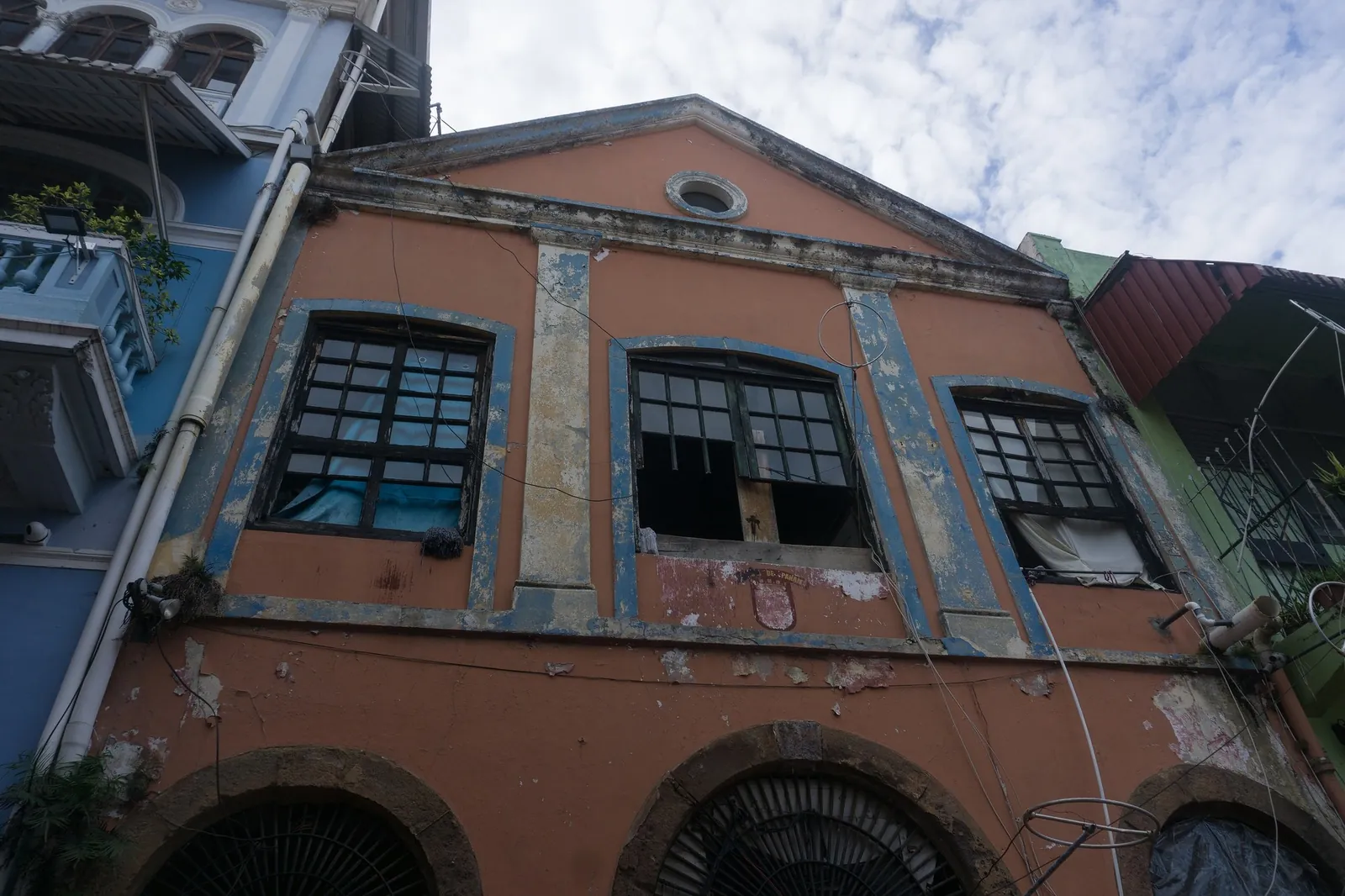
Authentic, unedited photos of Panama City by residents and visitors, taken on ordinary days rather than chosen by a tourist board. Each one shows when it was taken. Browse photos of 105 cities →






.jpg)



The other side


What does it cost to live in Panama City?
1-Bedroom Rent
$800-$1,500/month
Local Restaurant Meal
$5-$12 at local restaurants
Cup of Coffee
$1.50-$3
Estimated Monthly Total
$1,800-$3,000
Want a personalized estimate? Use our cost of living calculator
How good is healthcare in Panama City?
Panama City has the best healthcare in Central America. Hospital Punta Pacífica, affiliated with Johns Hopkins Medicine International, is the flagship facility, offering US-standard care at a fraction of US prices. Hospital Nacional and Centro Médico Paitilla also provide excellent care with English-speaking doctors. A private consultation costs $40-$80. Dental care is high quality and very affordable: cleanings cost $30-$50 and crowns $250-$400. Private health insurance for retirees aged 55-70 costs $1,200-$3,500/year. Many retirees pay out of pocket for routine care and carry catastrophic coverage only.
What is daily life like in Panama City?
Panama City offers a surprisingly cosmopolitan lifestyle. Shopping ranges from local markets and supermarkets (Riba Smith, El Rey) to Multiplaza and Metromall. Dining spans Panamanian fondas serving $3 lunches to world-class restaurants in Casco Viejo. The Amador Causeway offers sunset walks with views of the Canal and the Bridge of the Americas. Cultural offerings include the BioMuseo (designed by Frank Gehry), the Panama Canal Miraflores Locks visitor center, and the Teatro Nacional. The city has modern cinemas, bowling alleys, and an active social club scene for expats.
What is the climate like in Panama City?
Panama City has a tropical climate with two seasons: dry (mid-December to mid-April, 28-34°C) and wet (mid-April to mid-December, 26-32°C). The wet season brings daily afternoon thunderstorms that typically clear by evening, keeping temperatures slightly cooler. Humidity is high year-round (70-90%). The city sits just north of the equator, so day length barely varies. Air conditioning is essential. The dry season is the most comfortable period, with clear skies and lower humidity. Panama is outside the hurricane belt, so tropical storms are extremely rare.
| Month | High | Low | Rain |
|---|---|---|---|
| January | 32.8 °C | 22.4 °C | 45 mm |
| February | 33.6 °C | 22.6 °C | 23 mm |
| March | 34.3 °C | 23.0 °C | 11 mm |
| April | 34.6 °C | 23.2 °C | 103 mm |
| May | 34.1 °C | 23.4 °C | 137 mm |
| June | 33.4 °C | 23.5 °C | 259 mm |
| July | 33.6 °C | 22.5 °C | 183 mm |
| August | 33.3 °C | 23.3 °C | 162 mm |
| September | 33.2 °C | 23.2 °C | 223 mm |
| October | 32.7 °C | 23.0 °C | 276 mm |
| November | 32.1 °C | 22.9 °C | 250 mm |
| December | 32.5 °C | 22.7 °C | 129 mm |
Weather station: Albrook, Panama City (3.5 km away). Source: INEC Panama station tables and IMHPA rainfall Rain figures cover the station's full record.
What are the pros and cons of retiring in Panama City?
Pros
- World's best retiree visa (Pensionado) with mandated discounts
- US dollar economy eliminates currency exchange risk
- Johns Hopkins-affiliated hospital with US-standard healthcare
- Modern infrastructure with familiar US-style shopping and dining
- No hurricane risk; outside the hurricane belt
Cons
- High humidity year-round can be uncomfortable (70-90%)
- Traffic congestion in the city is severe during rush hours
- Income inequality and poverty visible in parts of the city
- Rainy season brings daily afternoon downpours for eight months
Who should retire in Panama City?
Retirees who want modern, familiar infrastructure with a US dollar economy, excellent visa benefits, and quality healthcare at a lower cost than the United States.
Which neighborhoods suit retirees in Panama City?
El Cangrejo
Central residential and commercial neighborhood with high-rise apartments, international restaurants, and reliable infrastructure. One-bedroom rents range $800-$1,300/month. Popular with expats for its walkability, supermarkets, and nightlife.
Casco Viejo
UNESCO-listed historic quarter on a peninsula with restored colonial architecture, rooftop bars, and cultural venues. One-bedrooms rent for $900-$1,500/month. Appeals to retirees seeking character and a unique living environment.
Costa del Este
Modern planned community east of the center with new residential towers, parks, international schools, and malls. Rents run $900-$1,400/month for a one-bedroom. Suits retirees wanting a newer, more suburban feel with full amenities.
How do you meet people in Panama City?
Most newcomers in Panama City find their first contacts through clubs, regular meetups and congregations. We checked these 7 groups in October 2026, for example American Society of Panama (AMSOC), Parroquia Episcopal San Cristobal (St. Christopher's Episcopal Parish), Crossroads Bible Church.
Clubs, groups and meetups for everyone
Parroquia Episcopal San Cristobal (St. Christopher's Episcopal Parish) · Calle 10, Parque Lefevre, Panama City
Multicultural Anglican parish with an English service plus Spanish services, a parish hall and church women's group events. Its 2026 calendar includes fellowship days and a November fundraising afternoon.
When: English service on Sundays at 7:30 AM (please check with the parish before you go)
Crossroads Bible Church · Avenida Omar Torrijos Herrera, Panama City (plus Panama Pacifico)
Large English and Spanish speaking evangelical church in the former Canal Zone area, with English services twice on Sundays and a second site in Panama Pacifico. A ready-made English-speaking community for newcomers.
When: Sundays 8:30 Spanish; 11:15 and 18:00 English
LifeBridge International Church · World Trade Center, Floor 2, Calle 53 Este, Marbella
English-speaking international church meeting in the World Trade Center in Marbella, close to the banking district and the German and British embassies.
When: Sundays at 10:00, according to the church website (please check before you go)
Balboa Union Church · Calle Enrique Linares, Ancon
Historic English-speaking union church of the former Canal Zone, listed in a May 2026 guide to English-speaking churches. Useful for meeting long-time American and Canal-era residents.
When: Sundays 10:30 (per the May 2026 guide)
Source: panamaequity.com
Gamboa Union Church · Gamboa (near the entrance to the town)
Bilingual Sunday congregation in Gamboa, the rainforest town on the Canal about 30 to 40 minutes from the city, popular with nature-loving foreign residents.
When: Sundays 10:00
Sociedad Audubon de Panama (Panama Audubon Society) · Office: Calle 1ra Este, Casa 2006-B, Llanos de Curundu, Panama City
Panama's birding society, running bird observation courses, bird outings and waterbird counts. Mostly Spanish-language, so it suits newcomers who want to meet Panamanians through a hobby.
For Americans
American Society of Panama (AMSOC) · Various venues in Panama City (Albrook, Quarry Heights, Bella Vista, Amador)
Non-profit social and charity society, open to all nationalities, that runs a monthly calendar of talks, walking lectures, social evenings and volunteer slots (October 2026: Shriners open house in Albrook, walking lecture at the ANCON office in Quarry Heights, Oktoberfest in Bella Vista, volunteering with Asociacion Deportiva Curundu at Amador). Many events need no RSVP, so a visitor can simply turn up.
When: Varies by event; several per month (see website)
Official contact points
- Deutsche Botschaft Panama: Calle 53 E, Urbanizacion Marbella, Edificio World Trade Center No. 20, Panama City. Open Monday to Friday 9:00 to 12:00; all consular services. An honorary consul serves Chiriqui (David).
- U.S. Embassy Panama, American Citizen Services: American Citizen Services for passports, notarial services and residency income statements; contact Panama-ACS@state.gov or +507 317-5000 and enrol in STEP. The embassy also announces outreach events through community lists.
- British Embassy Panama City: Humboldt Tower, 4th floor, Calle 53, Marbella. Public access by appointment only; emergency travel documents, notarial services and certificates for Panamanian driving licences; contact via the FCDO online form.
Getting a feel for daily life in Panama City
- Check the American Society of Panama calendar before booking: in a typical month it has walking lectures, social evenings and volunteer slots that a visitor can join, often without an RSVP.
- Use the Metro (two lines operating, a third under construction) for at least one day of errands to see whether you could live without a car.
- The wet season runs May to November and the dry season December to April, with average temperatures around 27 C all year; heat and humidity, not cold, decide daily routines.
- Attend one English-language Sunday service and stay for coffee: the city has several (Crossroads, LifeBridge, St. Christopher's, Balboa Union), and they are among the most reliable places to meet long-term residents.
Researched October 2026. Groups change: please check the link before you go.
Planning a scouting trip or a trial stay? The trip planner in My RetireFinder puts these contacts together with entry rules, health advice and a checklist.
Open the trip plannerWhich hospitals serve retirees in Panama City?
Hospital Punta Pacifica
Affiliated with Johns Hopkins Medicine International. Private hospital in the Punta Pacifica area offering comprehensive specialist care. English-speaking staff widely available. Considered Panama's top medical facility for international patients.
Hospital Nacional
Large private hospital with a full range of medical and surgical departments. Known for cardiology, orthopedics, and oncology services. Modern diagnostic imaging and laboratory facilities. English-speaking physicians available.
Centro Medico Paitilla
Established private hospital on the waterfront. Provides emergency, surgical, and specialist services. Popular with the expat community for routine and specialist care. International insurance widely accepted.
Facility details may change. Verify accreditation status and services directly with each hospital before making healthcare decisions.
What is the food scene like in Panama City?
Panama City's dining scene reflects its position as a global crossroads: Panamanian, Colombian, Peruvian, Chinese, Indian, and American cuisines coexist across the city. In Casco Viejo, restaurants like Donde Jose (tasting menu featuring Panamanian ingredients, $55-$75) and Fonda Lo Que Hay (casual local fare, $8-$14) represent the range. Rooftop bars like Tantalo serve cocktails with skyline views.
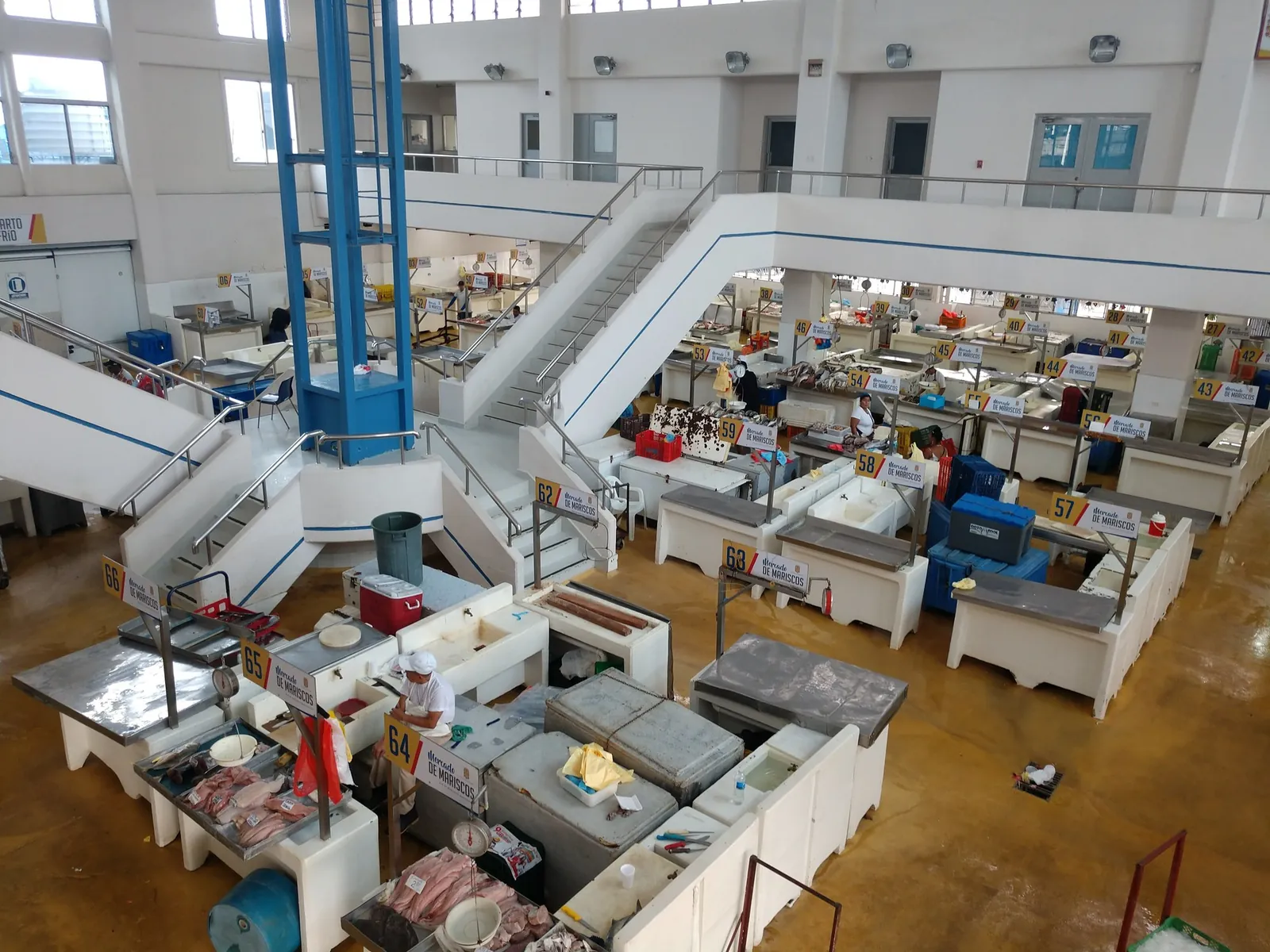
El Cangrejo and the Calle Uruguay corridor are the main dining strips, with everything from upscale steakhouses ($25-$45) to Peruvian ceviches ($10-$16) to Chinese restaurants in the adjacent El Dorado Chinatown. The Mercado de Mariscos (fish market) on the waterfront is a must: fresh ceviche for $3-$5 and fried fish plates for $5-$8 at the upstairs food court.
For daily needs, Riba Smith and El Rey are the main supermarket chains, with weekly costs for two running $65-$90. Panama uses the US dollar, so there are no currency-exchange surprises. The city's restaurant diversity and the Pensionado visa's dining discounts (25%% off weekday meals) make Panama City one of the most practical cities in Latin America for food-loving retirees.
Is retiring in Panama City right for you?
Take our free 3-minute retirement quiz to see how life in Panama City, Panama, compares to other destinations based on your preferences, budget, and needs.
Take the Retirement QuizFrequently Asked Questions About Retiring in Panama City
What is the Panama Pensionado visa?
The Pensionado visa is available to retirees with a lifetime pension of at least $1,000/month from a government or private source. It grants permanent residency and includes mandated discounts: 25% off airline tickets, 25% off restaurants (Mon-Thu), 15% off hospital bills, 20% off prescriptions, 50% off entertainment, 25% off utility bills, and more. It is widely considered the most generous retirement visa in the world.
Is Panama City safe for retirees?
Panama City is generally safe in expat-friendly neighborhoods like Punta Pacifica, Costa del Este, Clayton, and El Cangrejo. The Casco Viejo has improved dramatically in recent years. Common-sense precautions apply: avoid flashy jewelry, use registered taxis or Uber, and stay aware of surroundings. Violent crime against foreigners is uncommon in residential and tourist areas.
How is the healthcare compared to the US?
Panama City's top hospitals (Punta Pacífica, Hospital Nacional) provide care at 40-70% of US costs with comparable quality for most procedures. The Johns Hopkins affiliation at Punta Pacífica ensures US-standard protocols. For highly specialized procedures (rare cancers, complex transplants), some retirees still travel to the US. Dental and optical care are particular bargains.
Sources & References
- Numbeo, Cost of living index and price data for Panama City: rent, groceries, restaurants, and transportation
- Hospital Punta Pacifica (Johns Hopkins affiliated), Facility services, specialist departments, and international accreditation in Panama City
- Panama National Immigration Service, Pensionado visa requirements and friendly nations visa procedures for Panama City
- WHO Panama Country Profile, National health system indicators and healthcare quality benchmarks