
City Retirement Guide
Retire in San Miguel de Allende, Mexico
UNESCO colonial gem with vibrant arts, gastronomy, and an elegant expat lifestyle
What are the key facts about retiring in San Miguel de Allende?
- Elevation & setting
- ~1,910 m, colonial city in the Bajio highlands of Guanajuato
- Climate
- Coolest month January 7–23°C, hottest May 14–32°C; 784 mm of rain a year, most in July (daily low to high, 1991–2020)
- Nearest international airport
- Del Bajio (BJX), ~90 km west near Leon/Silao
- Nearest major hospital
- Hospital de la Fe (private) and Hospital MAC San Miguel; tertiary care in Queretaro (~65 km)
- Primary retirement visa (2026)
- Residente Temporal: ~$4,705/month income or ~$79,286 savings (UMA-linked, verify annually); Permanente after 4 years
- Language environment
- Spanish official; English widely spoken in Centro due to large US and Canadian retiree population
San Miguel's UNESCO protection caps new construction inside the Centro Historico, which has pushed retiree rents well above Guanajuato state averages and concentrated purpose-built retirement housing in the Los Frailes and Ventanas neighbourhoods east of the centre.
What is retirement like in San Miguel de Allende?
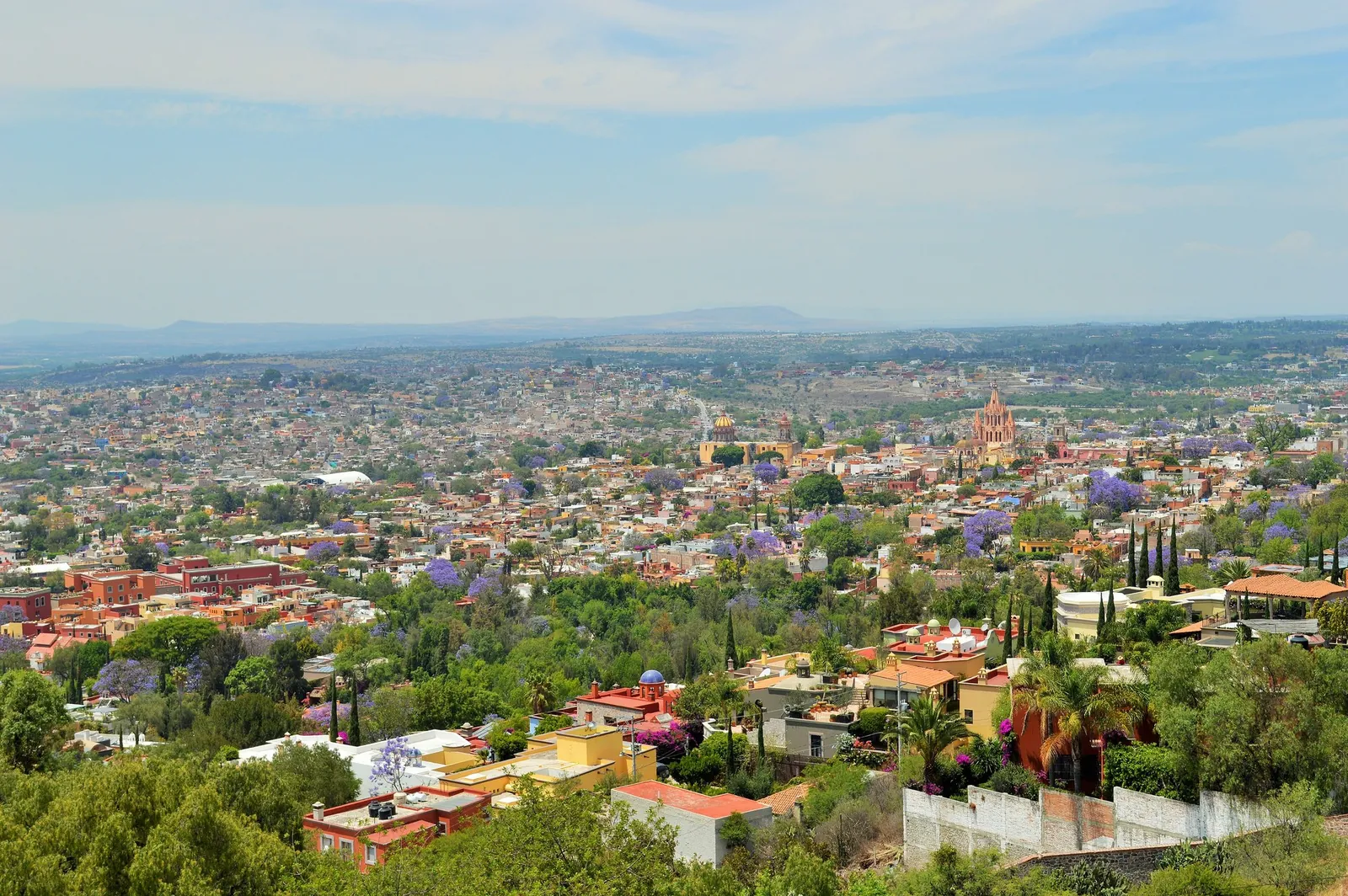
San Miguel de Allende sits at 1,910 meters in the Bajio highlands of Guanajuato state, roughly 90 kilometers east of Del Bajio International Airport (BJX) in Leon and 270 kilometers northwest of Mexico City. The UNESCO-listed Centro Historico is anchored by the neo-Gothic Parroquia de San Miguel Arcangel on El Jardin and the 18th-century Santuario de Atotonilco 14 kilometers north. Retirees favor the walkable neighbourhoods of Centro, Guadiana and San Antonio, while Hospital de la Fe and Hospital MAC (MAC Hospitales) handle most private care. The elevation keeps daytime highs around 22-27 C, with cool dry winters and a short summer rain season.
The city has attracted artists, writers, and retirees since the 1940s, when American veterans studying art on the GI Bill first put San Miguel on the expat map. Today, an estimated 8,000-10,000 foreign residents, primarily American and Canadian, call San Miguel home. The arts scene is extraordinary, with the Centro Cultural Ignacio Ramírez (Bellas Artes), the Fábrica la Aurora art center (housed in a former textile factory), and dozens of galleries and studios. The gastronomic scene rivals any city in Mexico, with restaurants led by both Mexican and international chefs earning national recognition.
San Miguel sits at 1,900 meters elevation, providing a climate similar to Lake Chapala but slightly cooler. The city is about 3.5 hours from Mexico City and 1.5 hours from the León/Bajío International Airport, which has direct flights to several US cities including Houston, Dallas, Los Angeles, and Chicago. Healthcare is available locally with growing options, and the nearby city of Querétaro (1.5 hours) has excellent hospitals. Mexico's Temporary Resident visa provides the residency pathway.
What does it really look like in San Miguel de Allende?
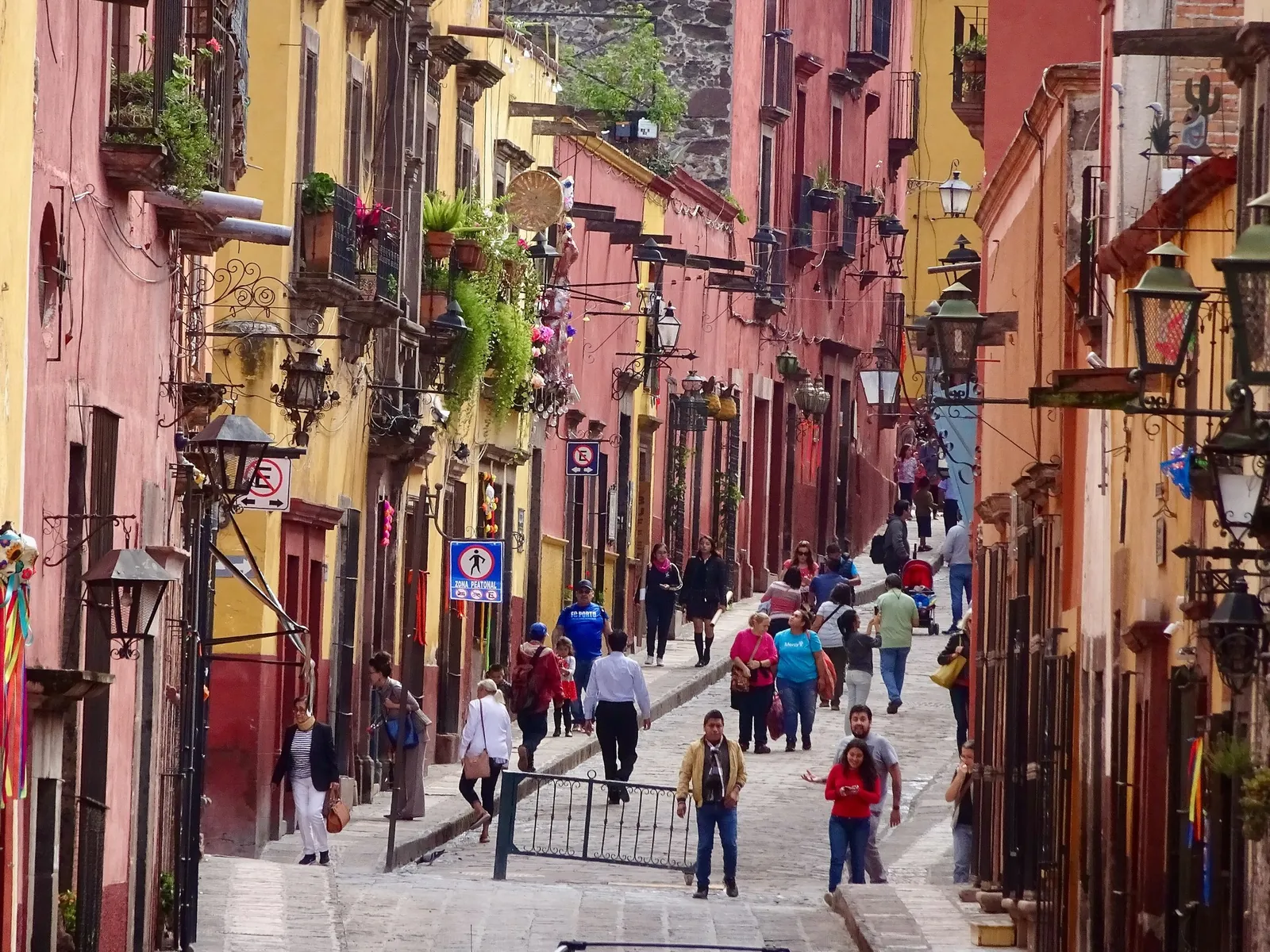
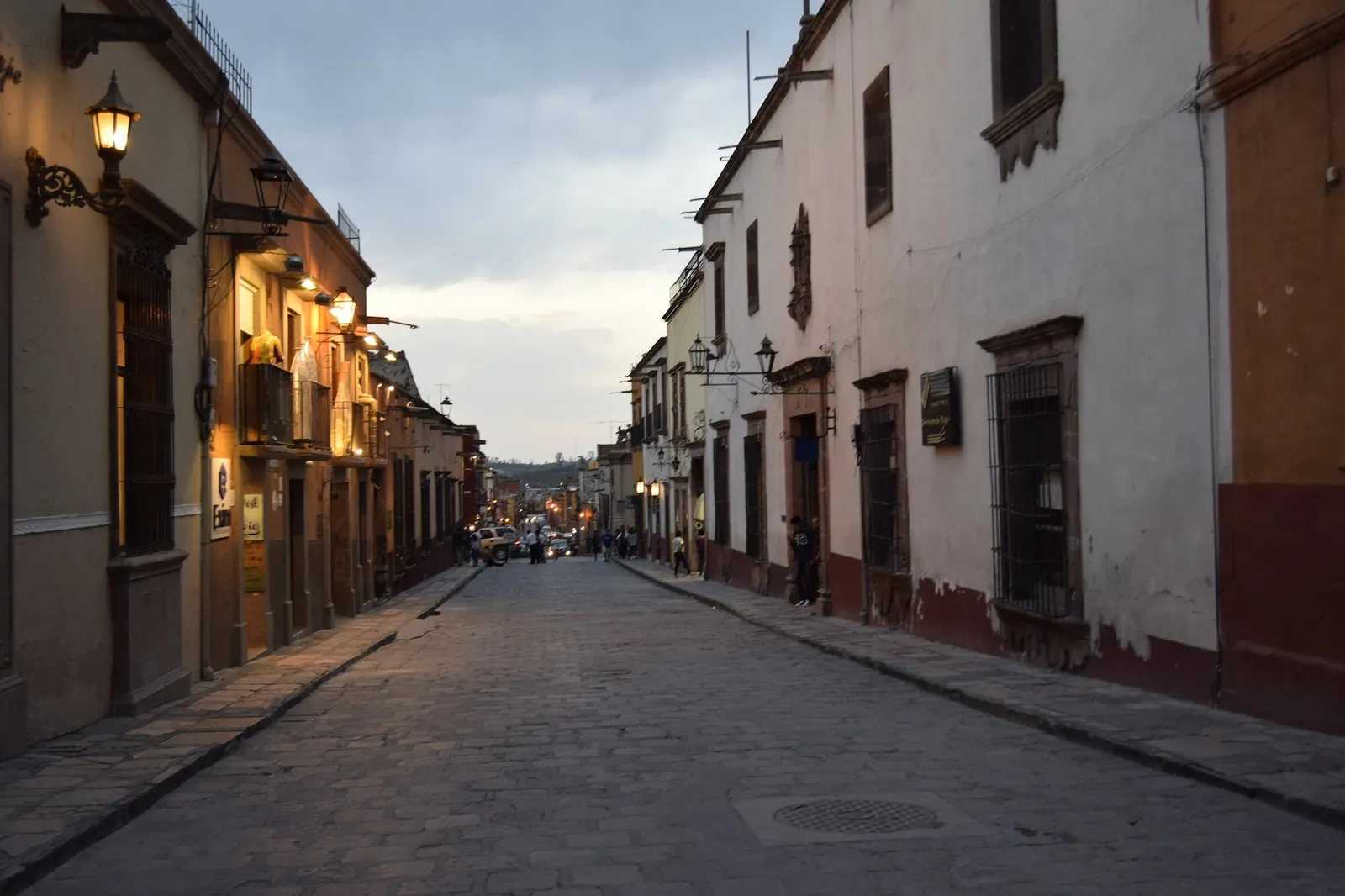
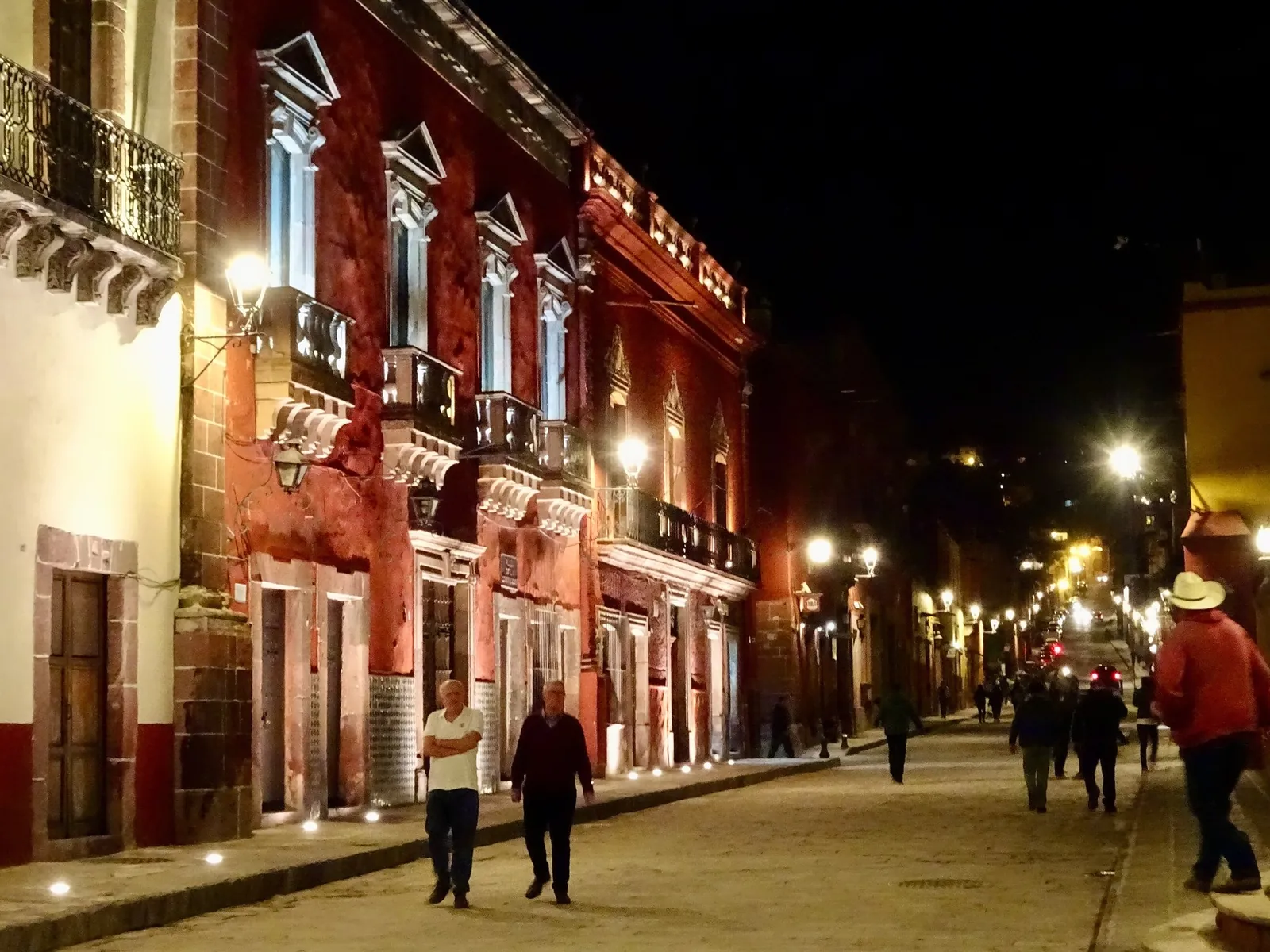
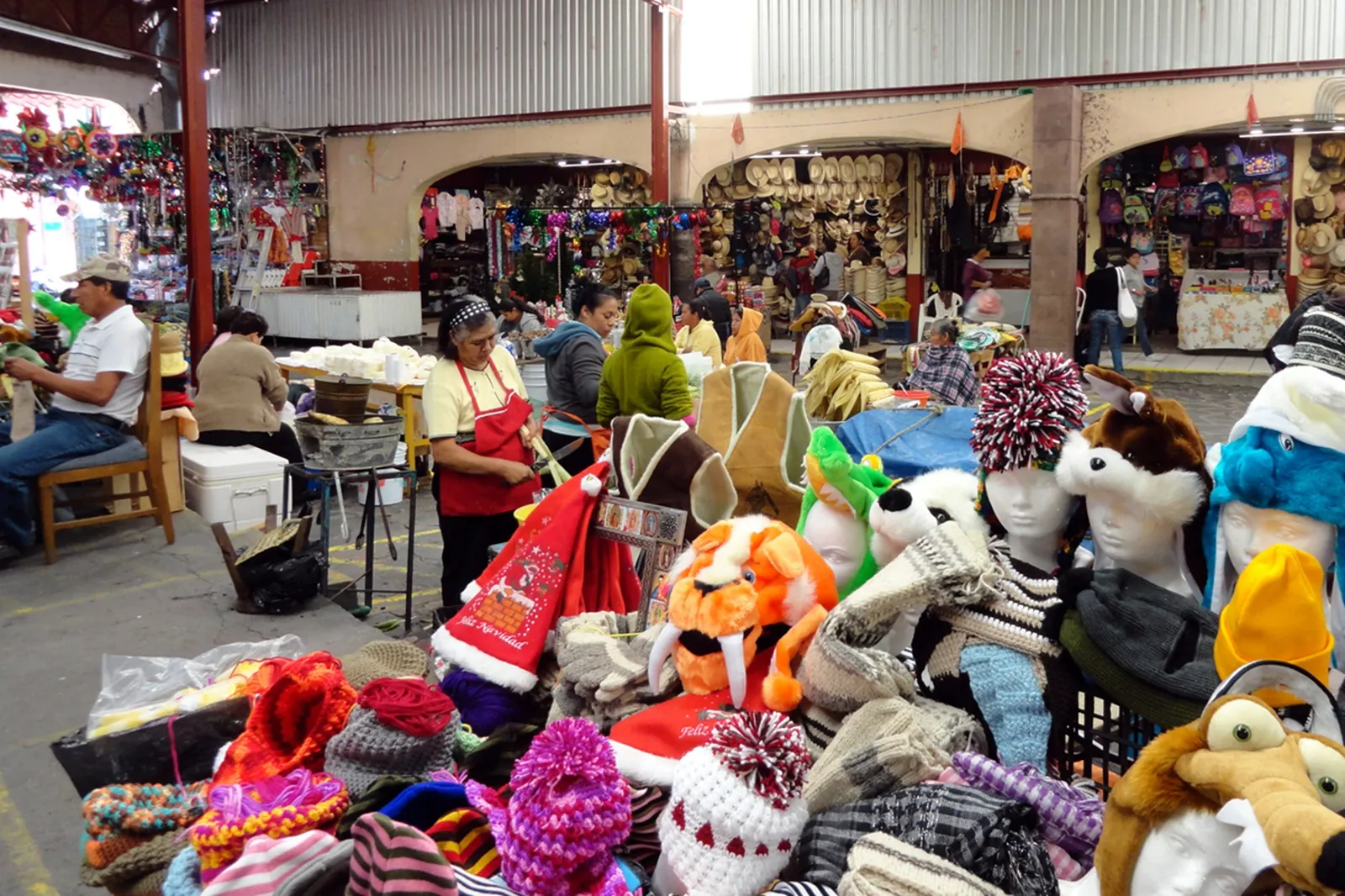
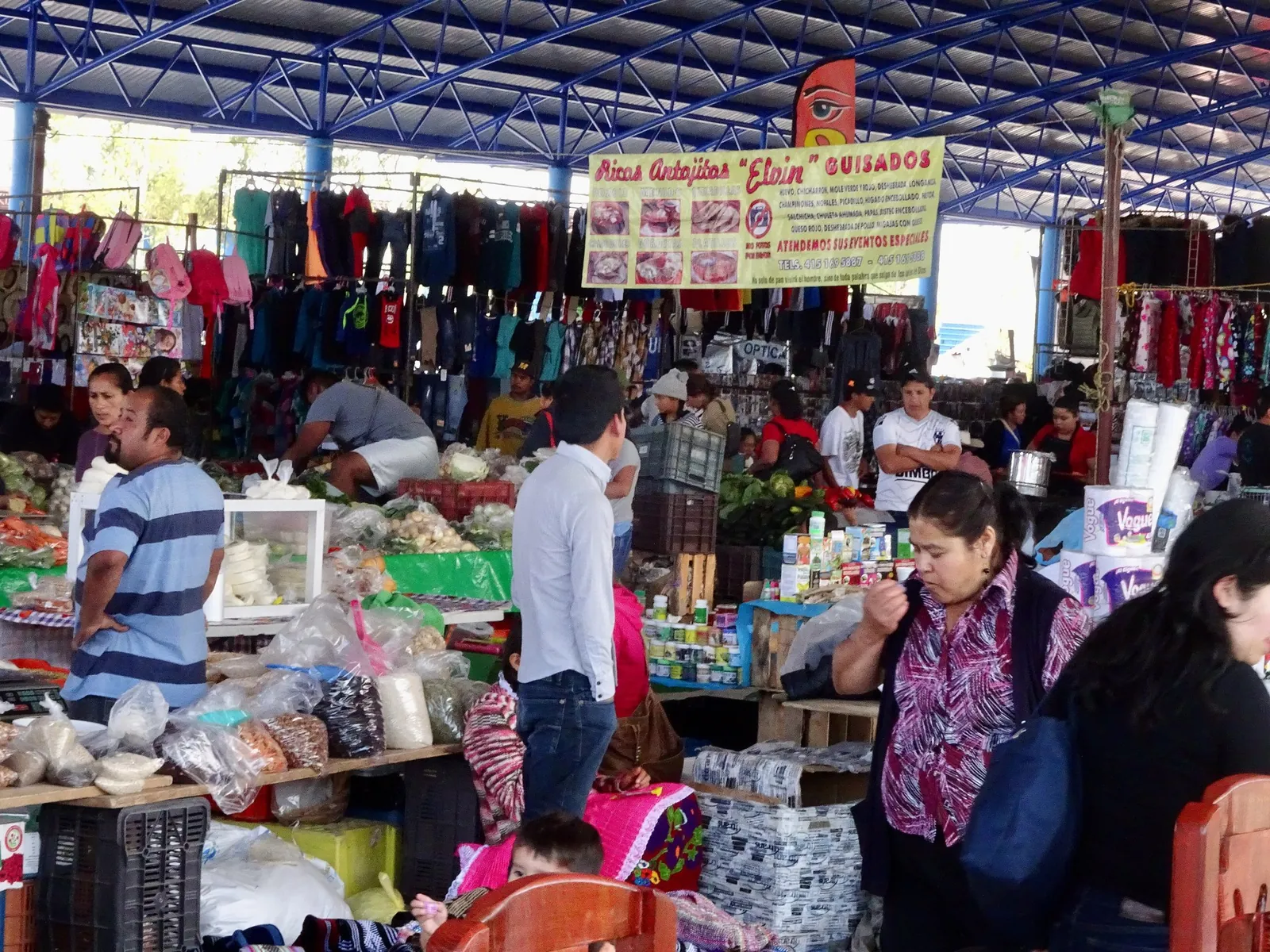
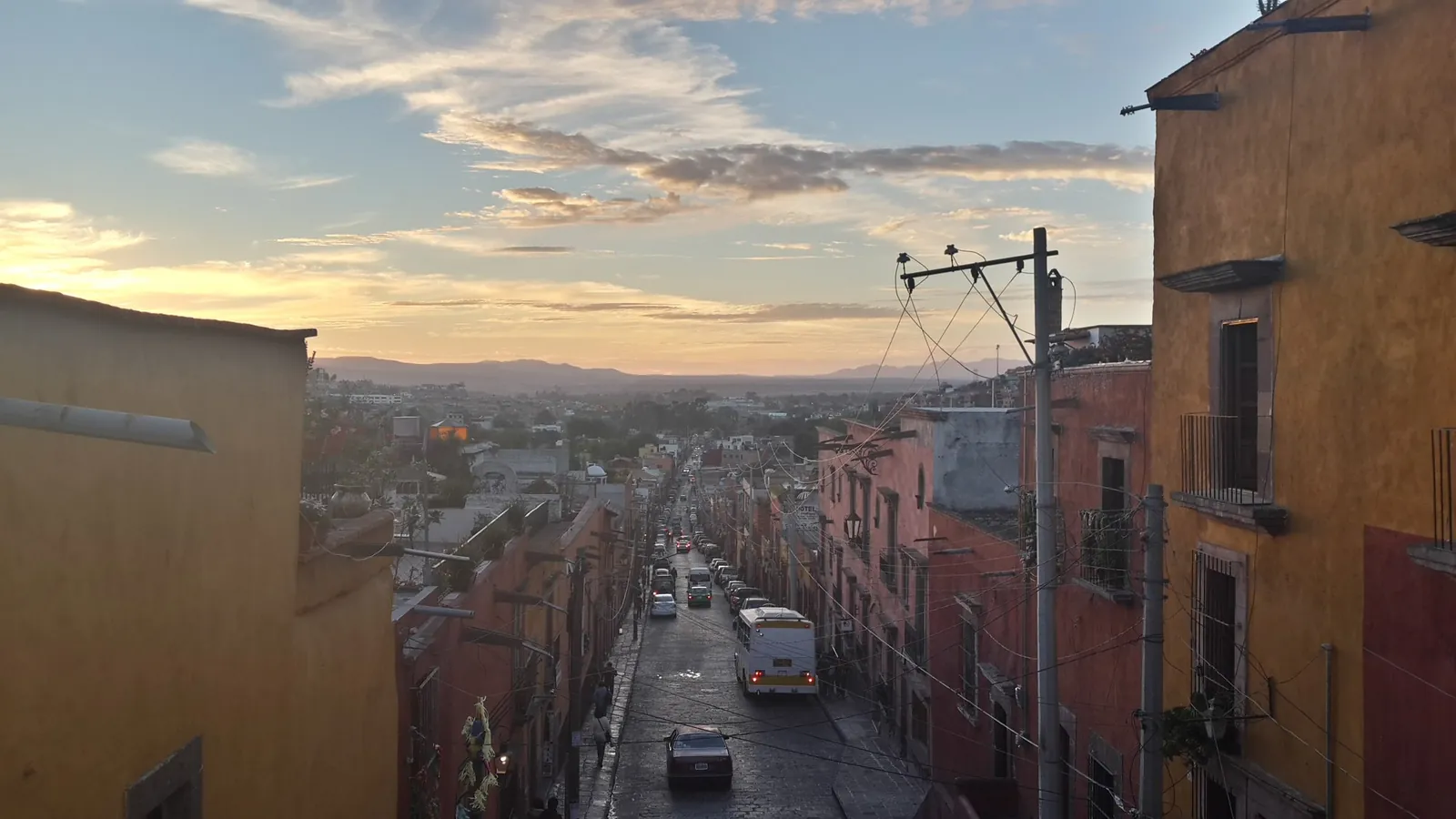
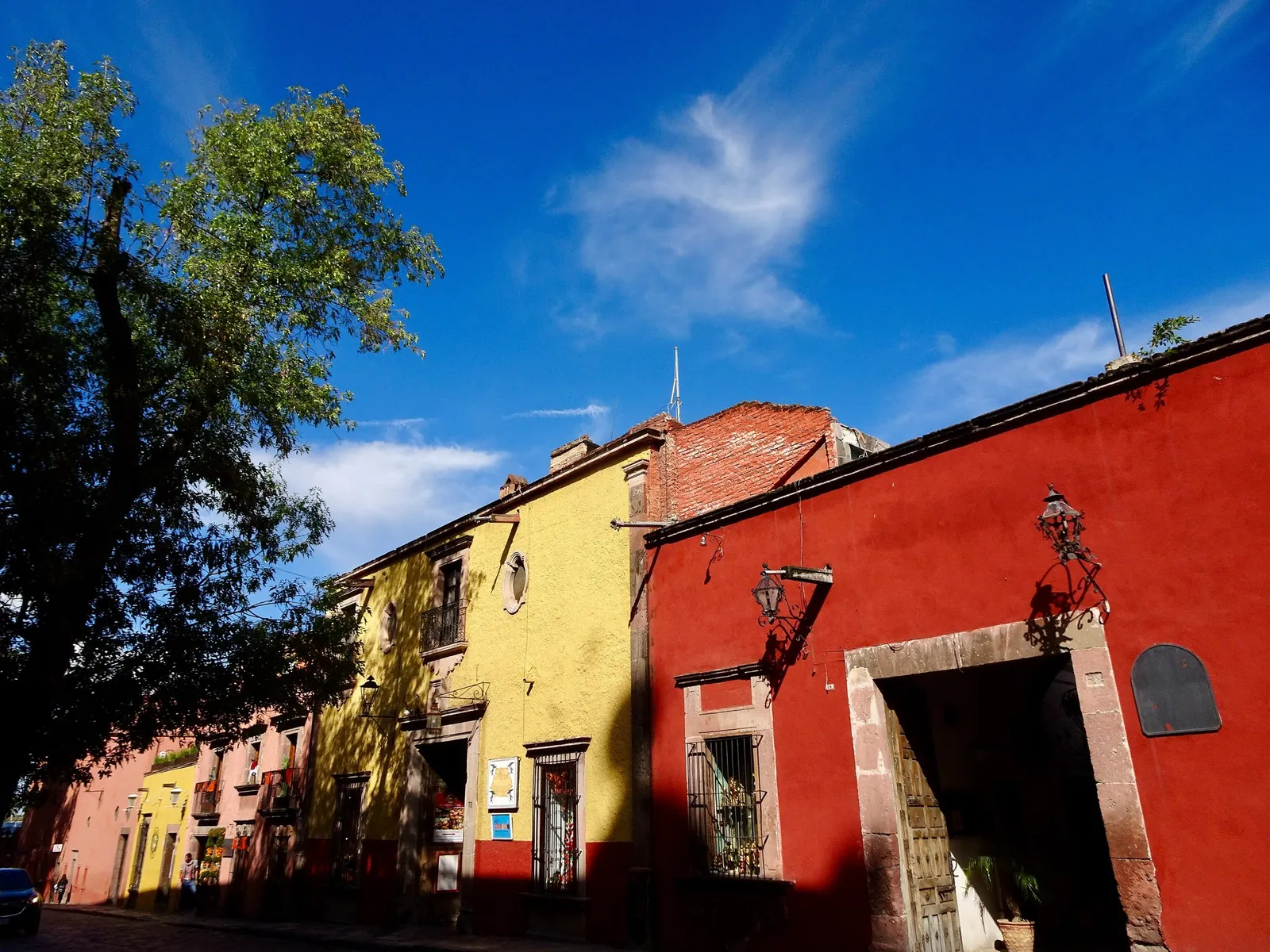
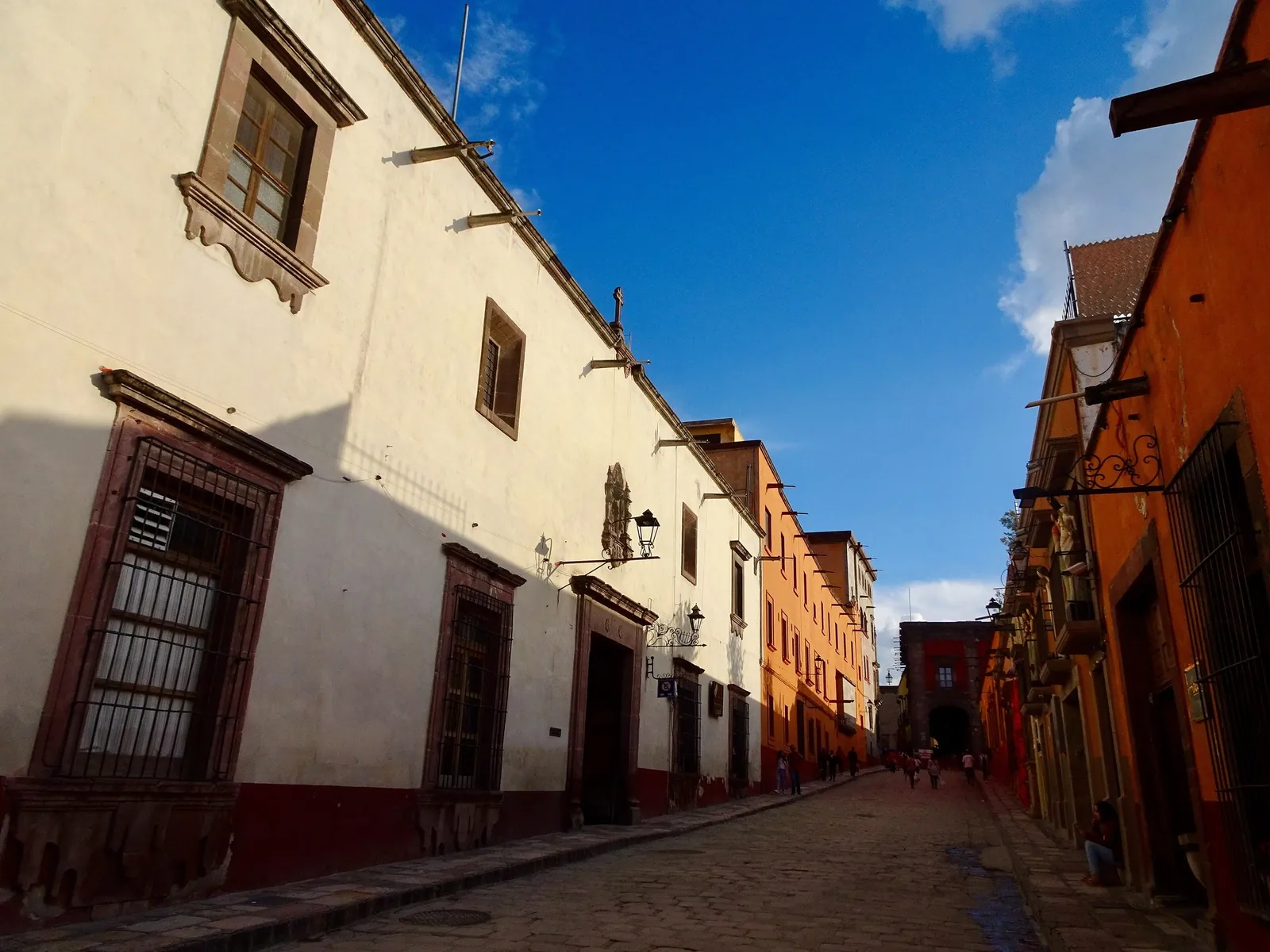
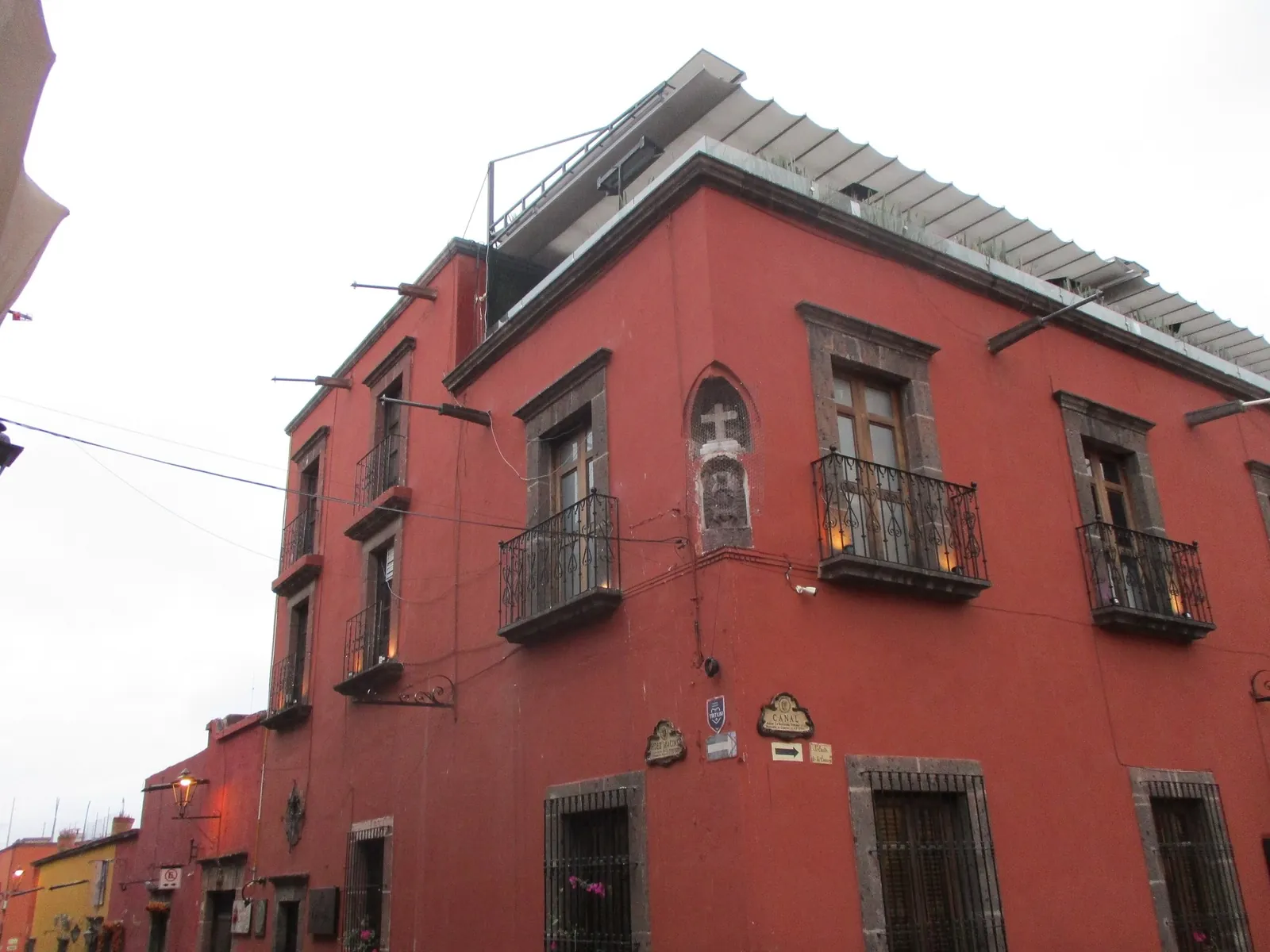
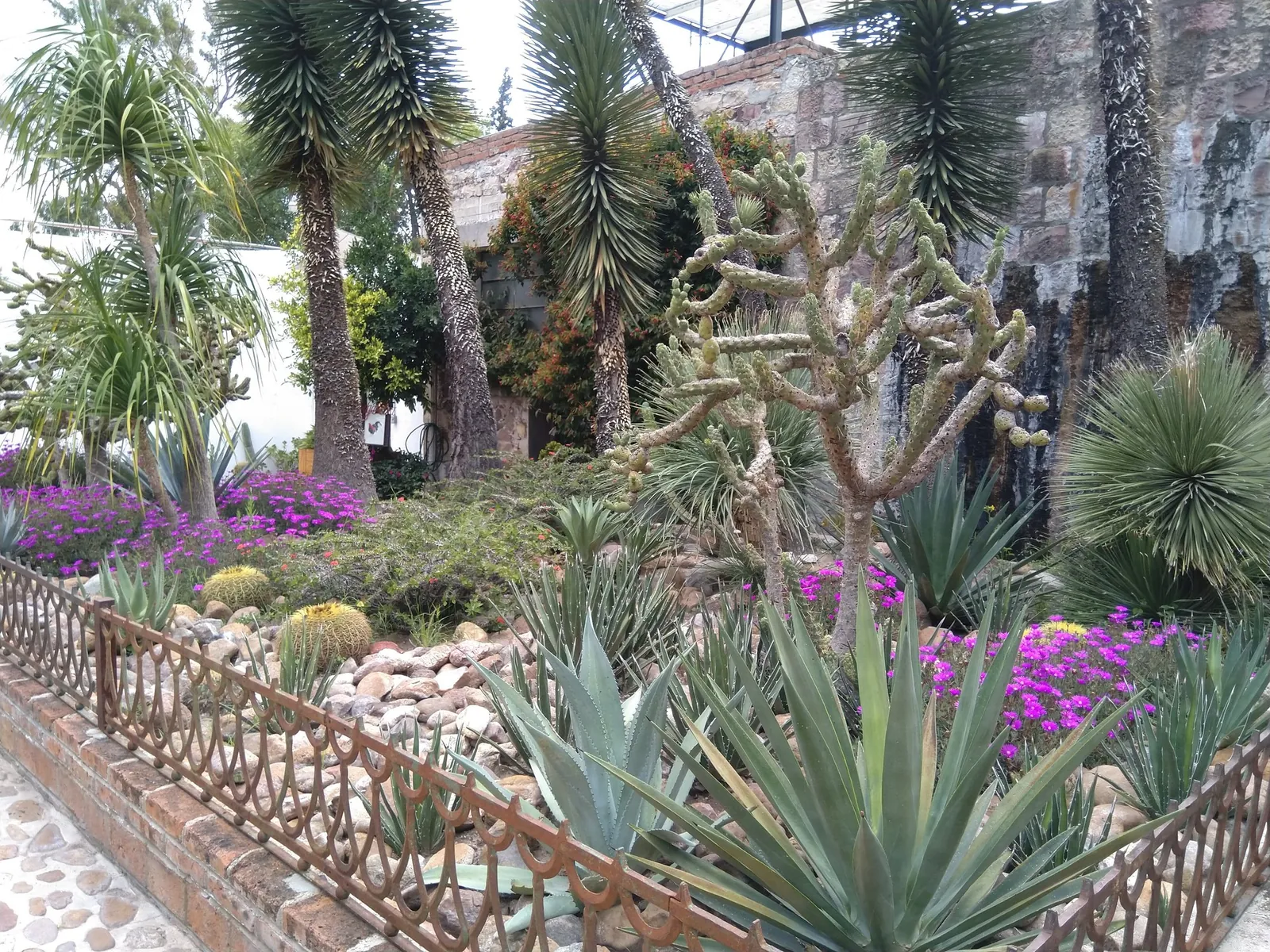
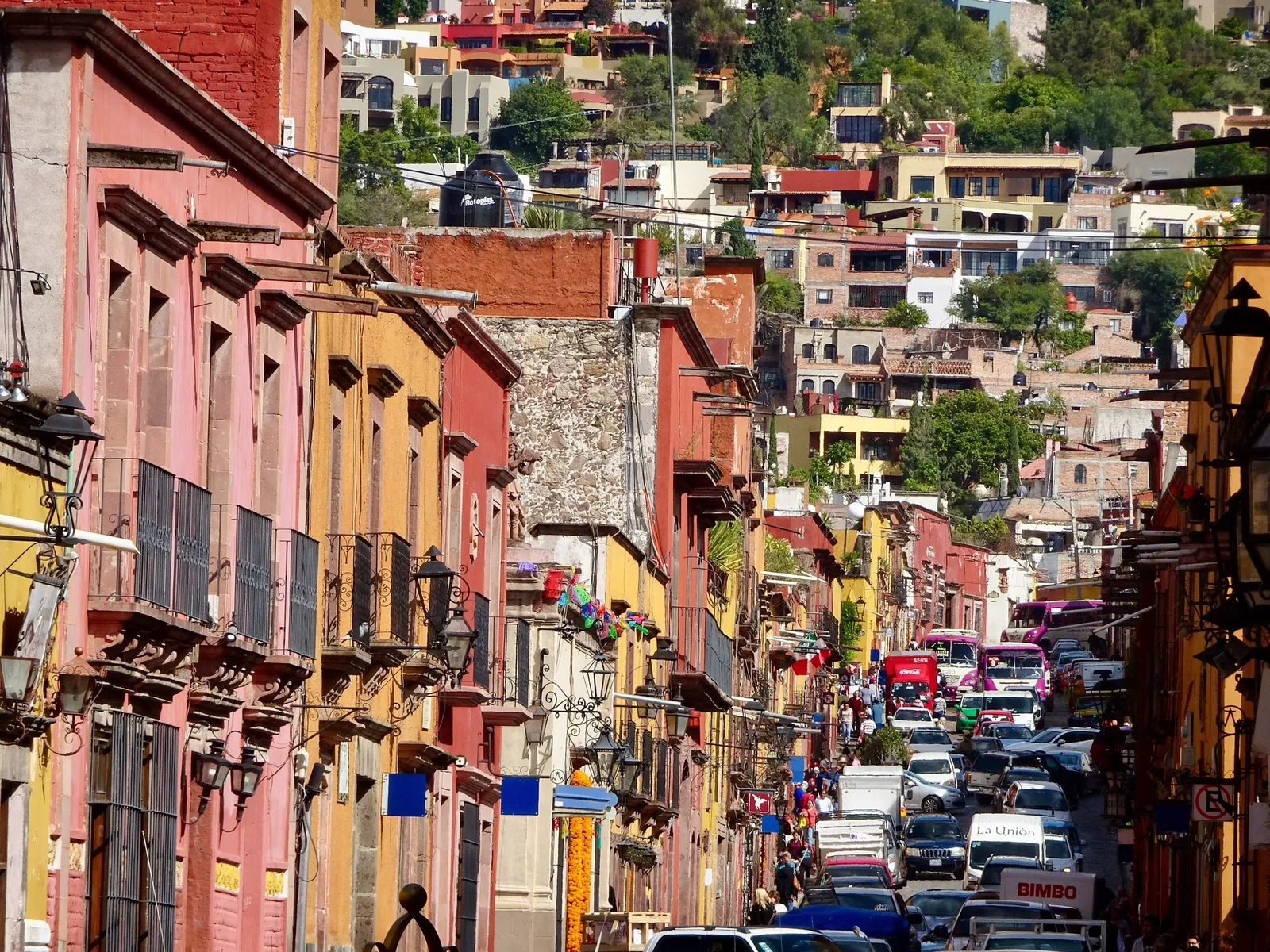
Authentic, unedited photos of San Miguel de Allende by residents and visitors, taken on ordinary days rather than chosen by a tourist board. Each one shows when it was taken. Browse photos of 105 cities →
_-_42_(50997362528).jpg)

_-_98_(50998352862).jpg)
.jpg)
_-_142_(50997684068).jpg)

_-_63_(50997428538).jpg)
_-_88_(50998213066).jpg)



The other side
_-_45_(50998189382).jpg)
What does it cost to live in San Miguel de Allende?
1-Bedroom Rent
$600-$1,200/month
Local Restaurant Meal
$5-$14 at local restaurants
Cup of Coffee
$1.50-$3
Estimated Monthly Total
$1,500-$2,500
Want a personalized estimate? Use our cost of living calculator
How good is healthcare in San Miguel de Allende?
San Miguel has a growing healthcare infrastructure including Hospital de la Fe, the MAC (Medical and Ambulatory Center) Hospital, and several private clinics with English-speaking doctors. For complex or specialized care, the city of Querétaro (1.5 hours) offers Hospital Ángeles, Star Médica, and other modern facilities. A private GP visit in San Miguel costs $30-$60. Dental care is excellent and affordable ($25-$40 for cleanings). Private health insurance costs $1,200-$3,500/year. Many retirees also enroll in IMSS public healthcare ($500-$700/year) as supplementary coverage. The medical infrastructure has improved significantly in recent years.
What is daily life like in San Miguel de Allende?
San Miguel offers one of the richest cultural lifestyles of any retirement destination. Mornings begin with coffee in the Jardín (main square), watching the city come alive. Art classes at Bellas Artes or private studios fill the schedule for many retirees. The library (Biblioteca Pública de San Miguel) is a community hub with a renowned Sunday house and garden tour. Restaurants range from market fondas to chef-driven dining at establishments like The Restaurant and Moxi. Weekly events include gallery openings, concerts at the Angela Peralta Theater, and festivals: Día de los Muertos, Semana Santa, and the Guanajuato International Cervantes Festival (in nearby Guanajuato city) are highlights. The Saturday organic market (Tianguis Orgánico) is a social and culinary event.
What is the climate like in San Miguel de Allende?
San Miguel de Allende sits at 1,900 meters elevation, producing a highland climate that is warm by day and cool by night year-round. Daytime temperatures average 22-30°C, while nights drop to 5-14°C depending on the season. The dry season (November-May) features clear skies and cool mornings. The rainy season (June-October) brings dramatic afternoon thunderstorms. December and January nights can be chilly (5-8°C), and most homes use space heaters or fireplaces as central heating is uncommon. The climate is drier than Lake Chapala and cooler than coastal Mexico, ideal for those who dislike heat and humidity.
| Month | High | Low | Rain |
|---|---|---|---|
| January | 22.9 °C | 7.2 °C | 16 mm |
| February | 25.3 °C | 8.6 °C | 19 mm |
| March | 28.0 °C | 10.3 °C | 17 mm |
| April | 30.6 °C | 12.6 °C | 10 mm |
| May | 31.6 °C | 14.0 °C | 43 mm |
| June | 30.1 °C | 15.2 °C | 139 mm |
| July | 27.9 °C | 14.4 °C | 192 mm |
| August | 28.2 °C | 14.5 °C | 148 mm |
| September | 26.9 °C | 14.2 °C | 131 mm |
| October | 26.2 °C | 12.2 °C | 43 mm |
| November | 25.3 °C | 9.6 °C | 22 mm |
| December | 23.3 °C | 7.7 °C | 6 mm |
Weather station: Guanajuato (55 km away). Source: WMO Climatological Normals 1991-2020 (NOAA NCEI)
What are the pros and cons of retiring in San Miguel de Allende?
Pros
- UNESCO World Heritage city with stunning colonial architecture
- Extraordinary arts, gallery, and gastronomy scene
- Sophisticated international community with decades of expat history
- Highland climate: warm days, cool nights, no AC needed
- Rich cultural calendar with festivals, concerts, and events year-round
Cons
- Higher cost of living than most Mexican retirement destinations
- Cobblestone streets and hilly terrain challenging for mobility issues
- Limited local healthcare; Querétaro needed for specialist care
- Tourist crowds and rising prices are changing the city's character
Who should retire in San Miguel de Allende?
Culturally engaged, arts-loving retirees who want an elegant Mexican colonial lifestyle with world-class dining, galleries, and an active international social scene.
Which neighborhoods suit retirees in San Miguel de Allende?
Centro Historico
UNESCO-listed colonial core around the Parroquia church with art galleries, boutique hotels, and a sophisticated restaurant scene. One-bedroom rents range $800-$1,400/month. The social and cultural center of expat life in San Miguel.
Colonia San Antonio
Residential neighborhood south of the center with a mix of Mexican families and long-term expats. One-bedrooms rent for $500-$900/month. Walking distance to the centro with a quieter, more neighborhood feel and local tiendas.
Los Frailes
Developing area east of the center popular with expats building or buying homes. Rents run $600-$1,000/month for a one-bedroom. More space and newer construction than the centro, though a car or taxi is helpful for daily errands.
Which hospitals serve retirees in San Miguel de Allende?
Hospital de la Fe
Private hospital in San Miguel offering emergency care, general surgery, and specialist consultations. Modern diagnostic equipment including CT and MRI. Some English-speaking physicians. Primary facility for the local expat community.
Hospital MAC San Miguel de Allende
Part of the MAC hospital network. Private facility with 24-hour emergency services, intensive care, and surgical suites. Growing specialist roster. Convenient location south of the town center.
Hospital Angeles Queretaro
Major private hospital in Queretaro, approximately 70 minutes from San Miguel. Comprehensive specialist departments, advanced diagnostics, and English-speaking staff. Serves as the referral destination for complex medical needs.
Facility details may change. Verify accreditation status and services directly with each hospital before making healthcare decisions.
What is the food scene like in San Miguel de Allende?
San Miguel de Allende has evolved into one of Mexico's top culinary destinations, recognized internationally for both traditional Mexican cooking and innovative fine dining. In the Centro Historico, restaurants like The Restaurant (at Hotel Nena) and Aperi offer tasting menus featuring local ingredients for $40-$70 per person. Moxi at Hotel Matilda and Bovine serve creative Mexican-international fusion.
For everyday dining, fondas along Calle Mesones and near the Ignacio Ramirez market serve comida corrida for $3-$5. Street vendors sell elotes (grilled corn), gorditas, and fresh juices for $1-$3. The Tuesday tianguis market fills several blocks with produce, prepared foods, and household goods.
The expat community supports a remarkable density of cafes, bakeries, and specialty restaurants for a town of this size. Lavanda Cafe, Buen Dia, and La Parada are morning institutions. Weekly grocery costs for two at La Comer or Bonanza run $45-$70. San Miguel's dining scene manages to combine genuine Mexican culinary traditions with cosmopolitan ambition, a rare combination that justifies the town's reputation as Mexico's cultural capital.
Is retiring in San Miguel de Allende right for you?
Take our free 3-minute retirement quiz to see how life in San Miguel de Allende, Mexico, compares to other destinations based on your preferences, budget, and needs.
Take the Retirement QuizFrequently Asked Questions About Retiring in San Miguel de Allende
Is San Miguel de Allende too expensive for Mexico?
San Miguel is one of Mexico's priciest retirement towns, higher than Lake Chapala or Mérida but still 40-60% cheaper than comparable US or European cities. Rent for a colonial-style one-bedroom runs $600-$1,200/month. Dining at top restaurants costs a fraction of US equivalents. If budget is paramount, Lake Chapala or Mérida offer better value. If culture and aesthetics are priorities, San Miguel is worth the premium.
Can I walk everywhere in San Miguel?
The historic center is walkable but challenging: cobblestone streets are uneven and many streets are steep. Sturdy footwear is essential. Those with mobility issues may find certain areas difficult. Taxis are inexpensive ($2-$4 within town) and supplement walking. Some retirees live in flatter neighborhoods like San Antonio or developments on the outskirts where streets are paved. A car is useful but not essential for daily life.
How does San Miguel compare to Lake Chapala?
San Miguel offers more culture, arts, and gastronomy; Lake Chapala offers a larger expat community, better healthcare access (Guadalajara), and lower costs. San Miguel is more aesthetically stunning; Chapala has the lake and its associated lifestyle. San Miguel is hotter by day and cooler at night. Both have excellent climates. San Miguel attracts a more arts-oriented, affluent crowd; Chapala attracts a broader range of retirees.
Sources & References
- Numbeo, Cost of living estimates for San Miguel de Allende and the Guanajuato highlands
- Hospital de la Fe San Miguel de Allende, Facility services and specialist departments available in San Miguel de Allende
- Mexican National Immigration Institute (INM), Temporary and permanent resident visa requirements applicable to Guanajuato residents
- WHO Mexico Country Profile, National health system indicators and healthcare quality benchmarks