
City Retirement Guide
Retire in Merida, Mexico
Colonial Yucatán capital with Mayan heritage, Gulf breezes, and remarkable safety
What are the key facts about retiring in Merida?
- Elevation & setting
- ~10 m, flat limestone plain of northern Yucatan, ~35 km inland from Gulf of Mexico
- Climate
- Coolest month January 18–30°C, hottest May 23–37°C; 927 mm of rain a year, most in September (daily low to high, 1991–2020)
- Nearest international airport
- Manuel Crescencio Rejon (MID), on the southwest edge of the city
- Nearest major hospital
- Hospital Faro del Mayab and Star Medica Merida (private); Hospital Regional de Alta Especialidad de la Peninsula de Yucatan
- Primary retirement visa (2026)
- Residente Temporal: ~$4,705/month income or ~$79,286 savings (UMA-linked, verify annually); Permanente after 4 years
- Language environment
- Spanish primary; Yucatec Maya spoken regionally; English in medical, legal and Centro expat services
Merida is consistently ranked among Mexico's safest state capitals in federal INEGI perception surveys, a durable draw for retirees weighing security alongside Yucatan's lower property-tax (predial) rates.
What is retirement like in Merida?
Merida is the capital of Yucatan state, sitting at roughly 10 meters elevation on the flat limestone plain of the northern Yucatan Peninsula, about 35 kilometers inland from the Gulf of Mexico coast at Progreso. Manuel Crescencio Rejon International Airport (MID) sits on the city's southwest edge, and the colonial core radiates from the Plaza Grande between the 16th-century Cathedral of San Ildefonso and the Casa de Montejo. Retirees concentrate in Centro, Garcia Gineres and the leafy Paseo de Montejo corridor, with Hospital Faro del Mayab and Star Medica providing the main private tertiary care. The tropical savanna climate produces daytime highs of 32-36 C for much of the year.
Mérida's historic center (Centro) features beautifully restored colonial homes, many converted from crumbling mansions into comfortable residences by foreign buyers. The city's real estate market offers remarkable value: fully restored colonial homes in the Centro can be purchased for $150,000-$400,000. The neighborhoods of Santiago, Santa Ana, and the area around Paseo de Montejo are popular with expat retirees. North Mérida offers modern developments with shopping malls, restaurants, and newer construction.
The Yucatán Peninsula provides extraordinary day-trip possibilities: ancient Mayan ruins at Chichén Itzá (1.5 hours), Uxmal (1 hour), and dozens of smaller sites; cenotes (natural sinkholes) for swimming; Gulf coast beaches at Progreso (30 minutes); and the Celestún biosphere reserve for flamingo watching. Mérida's international airport has direct flights to Miami, Houston, and several Mexican cities. The city's food scene, featuring unique Yucatecan cuisine like cochinita pibil, papadzules, and sopa de lima, is one of Mexico's most distinctive.
What does it really look like in Merida?
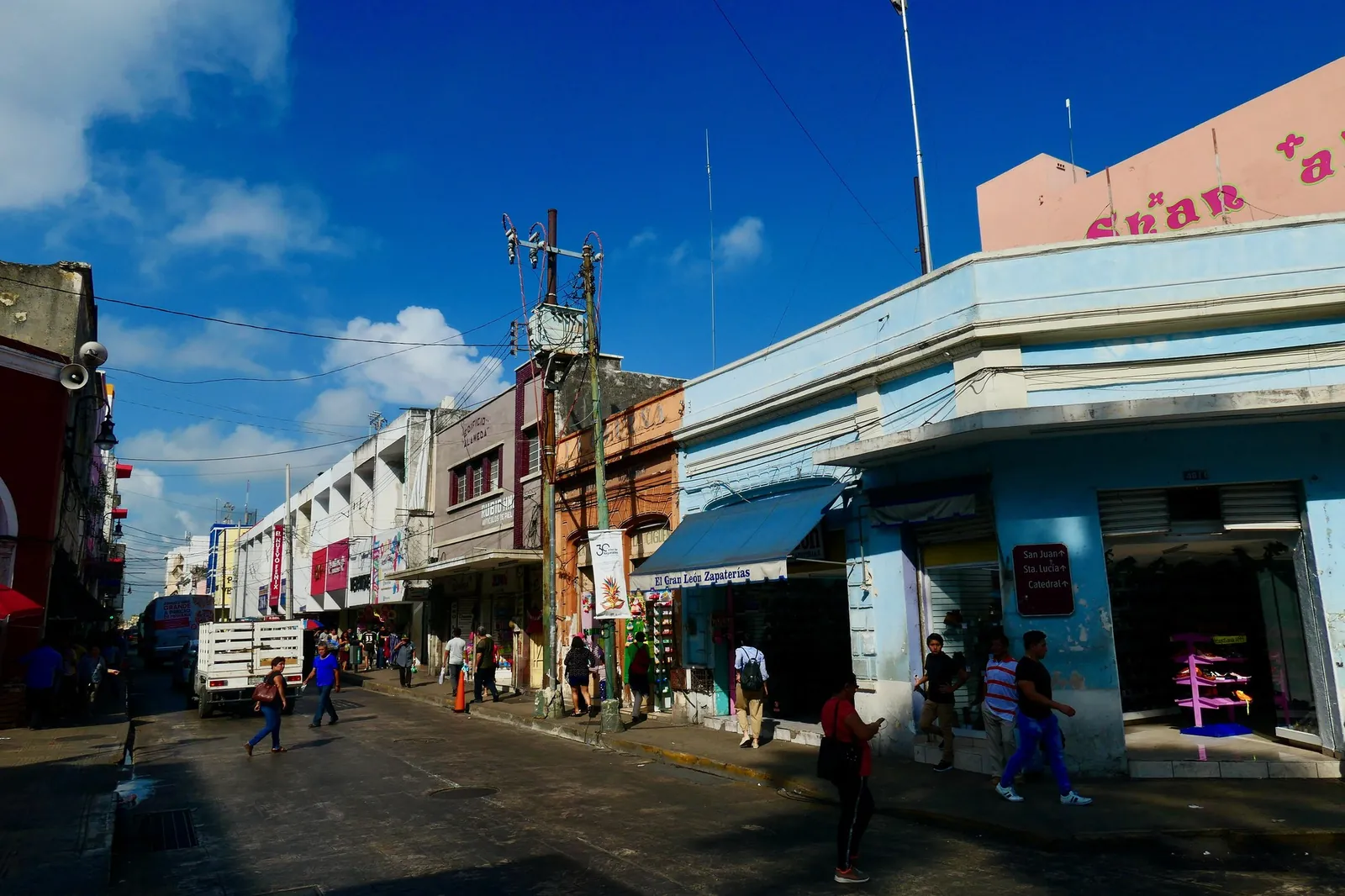
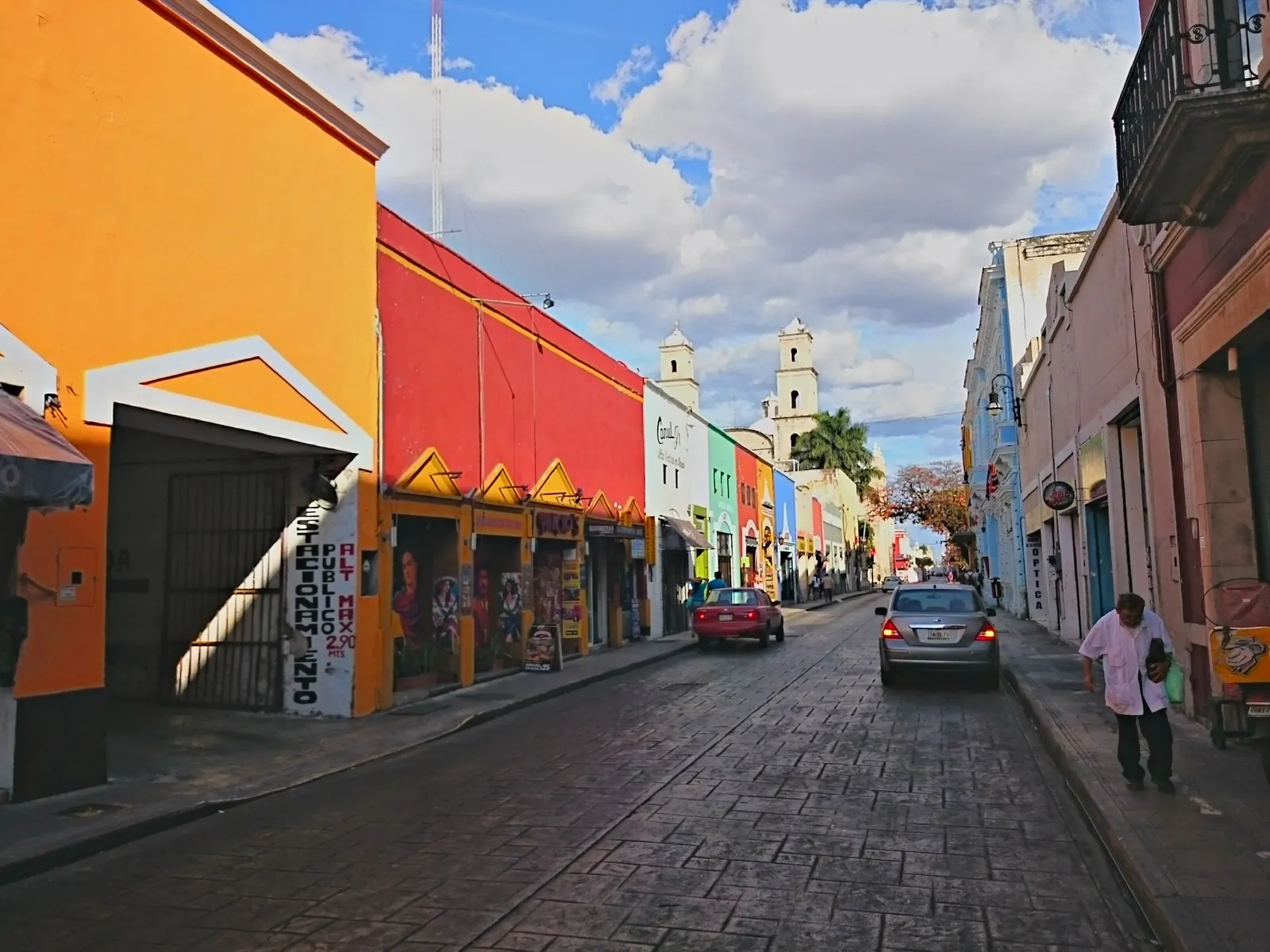
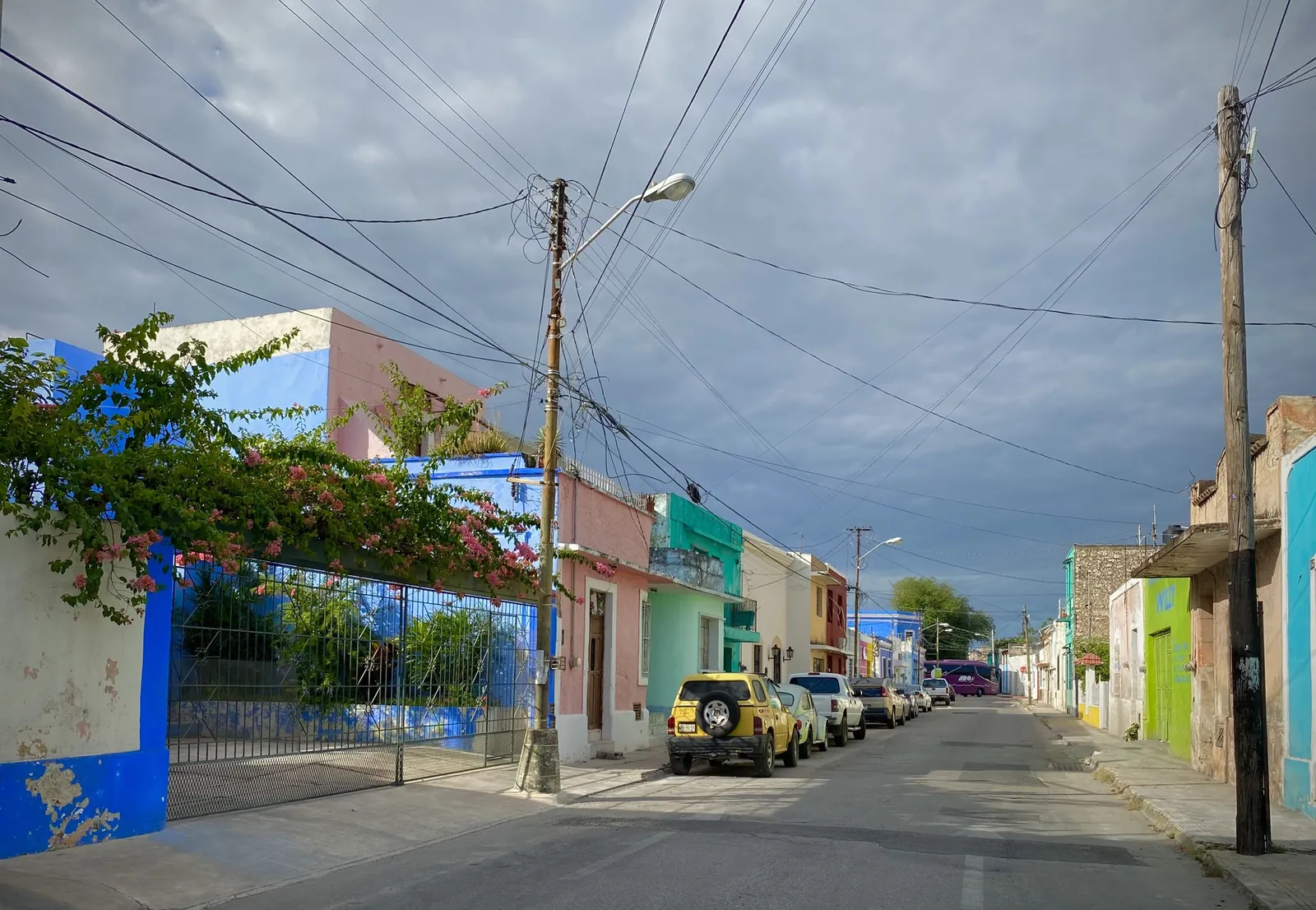
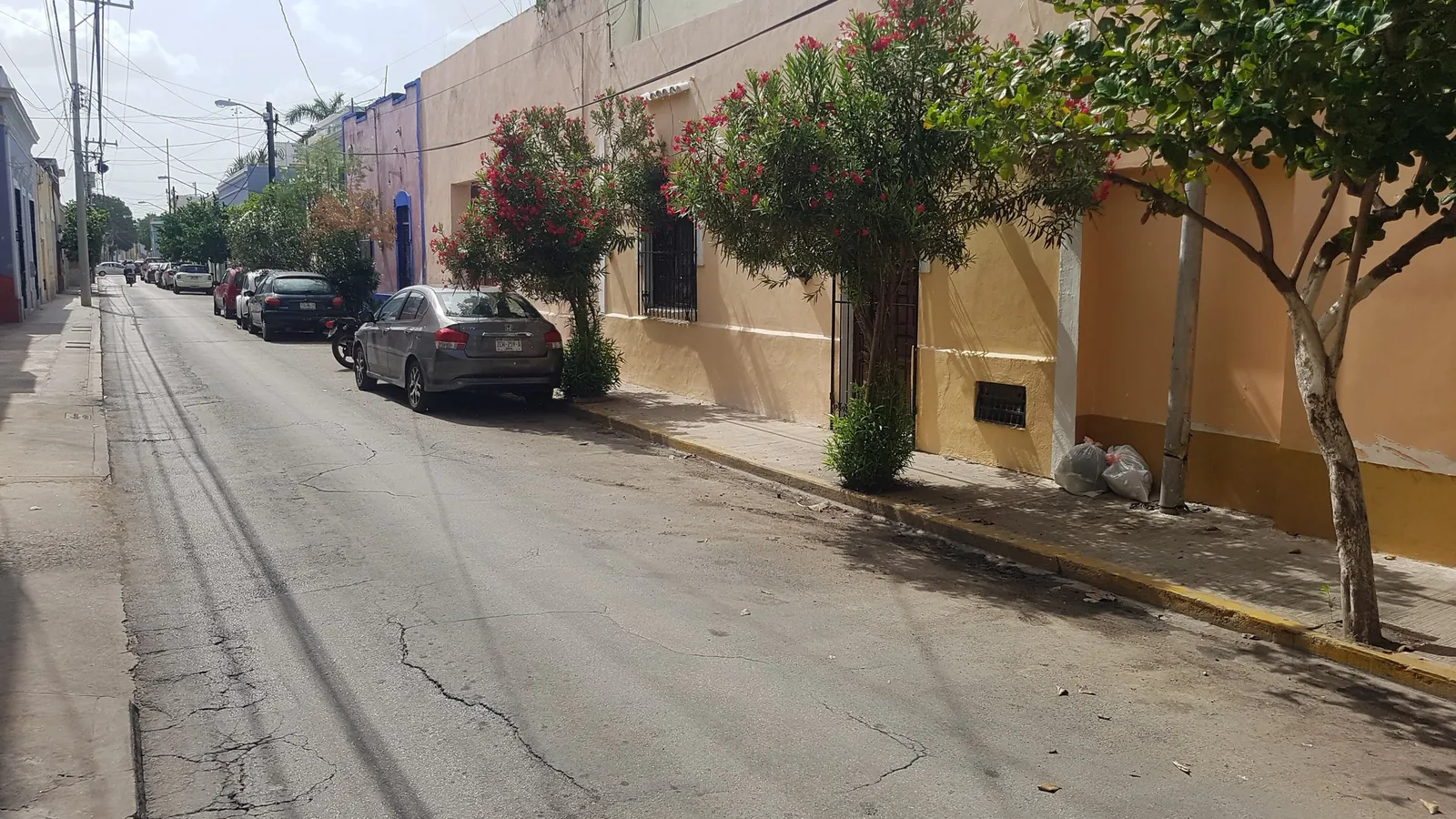
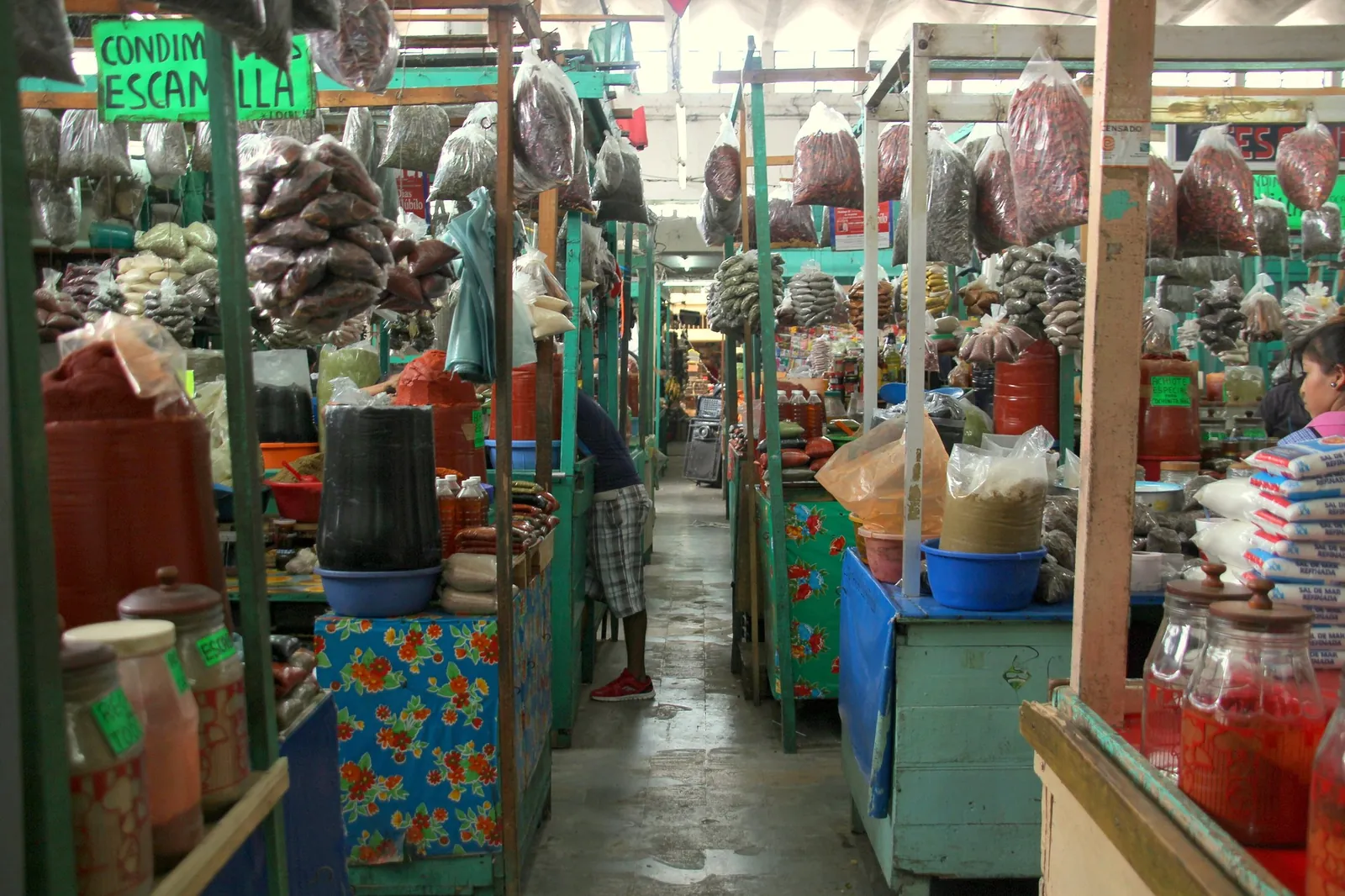
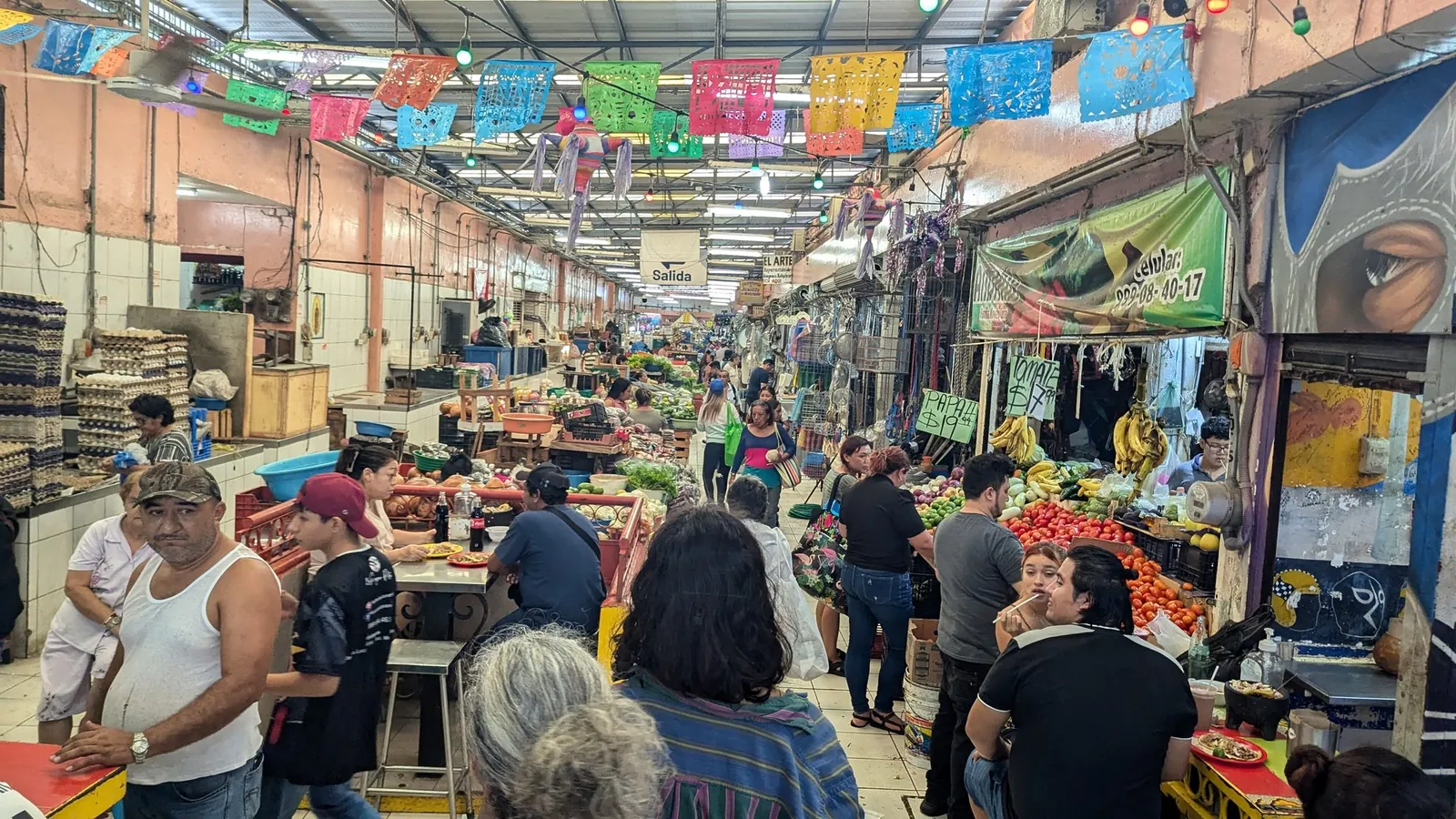
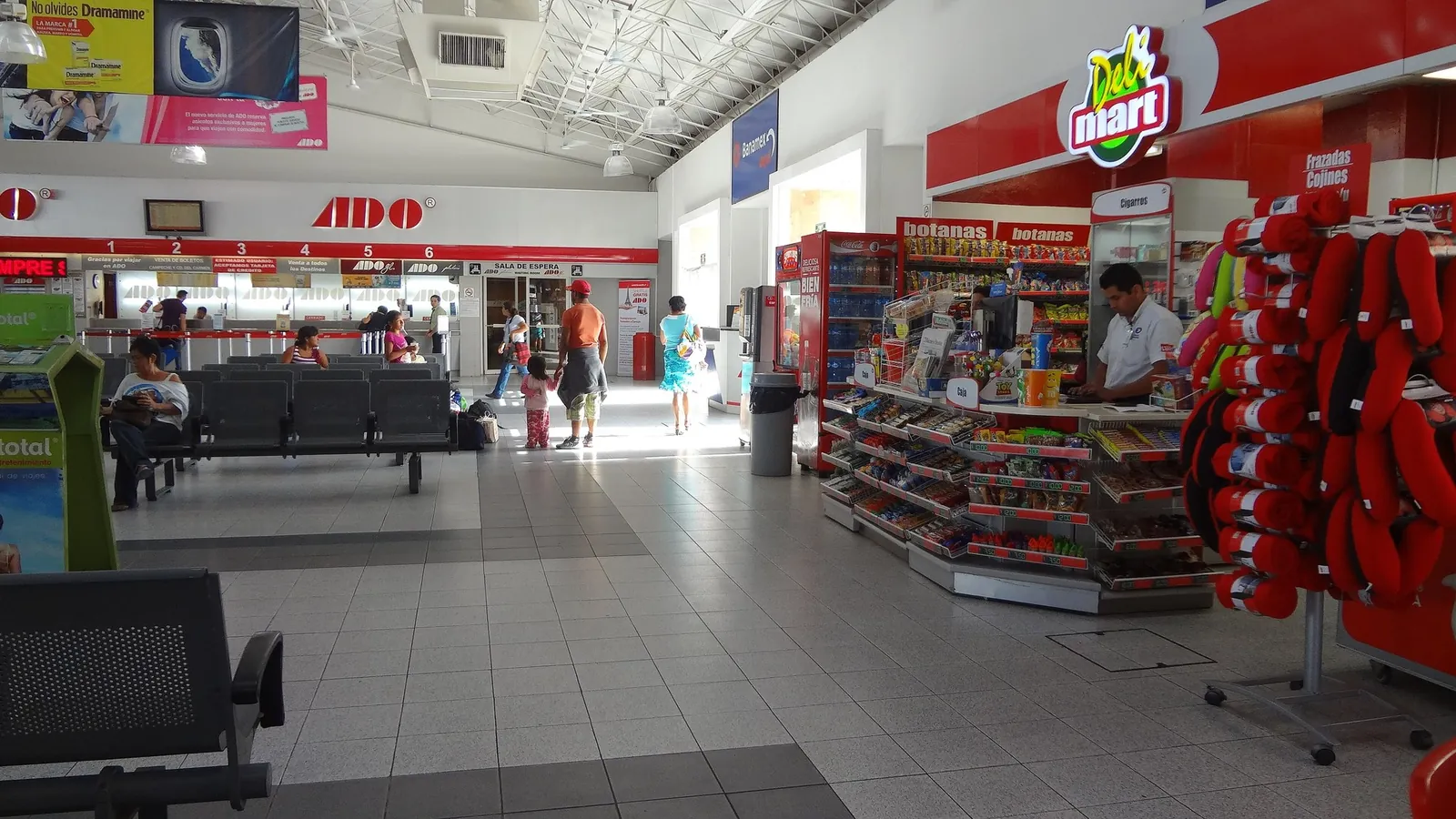
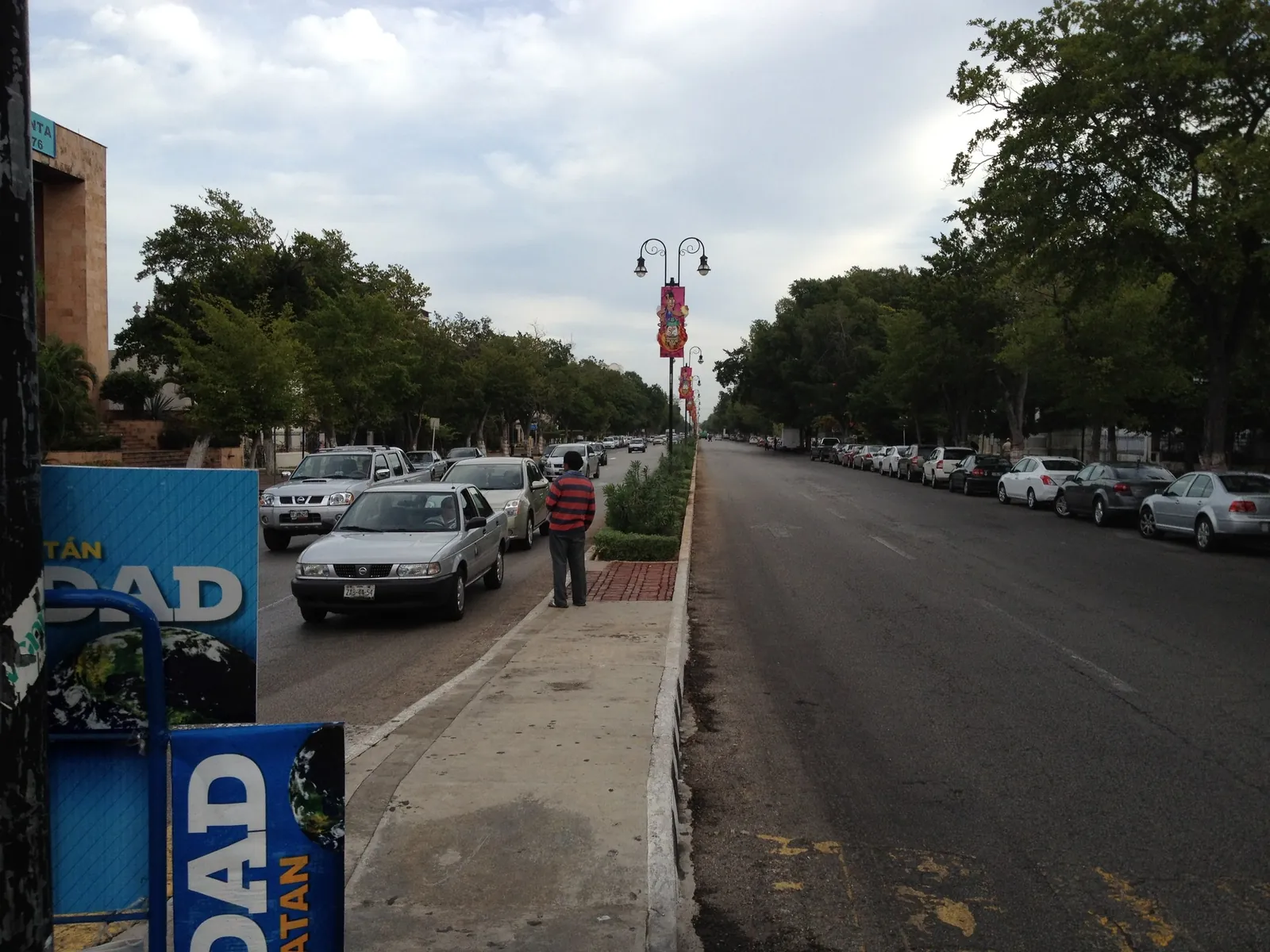
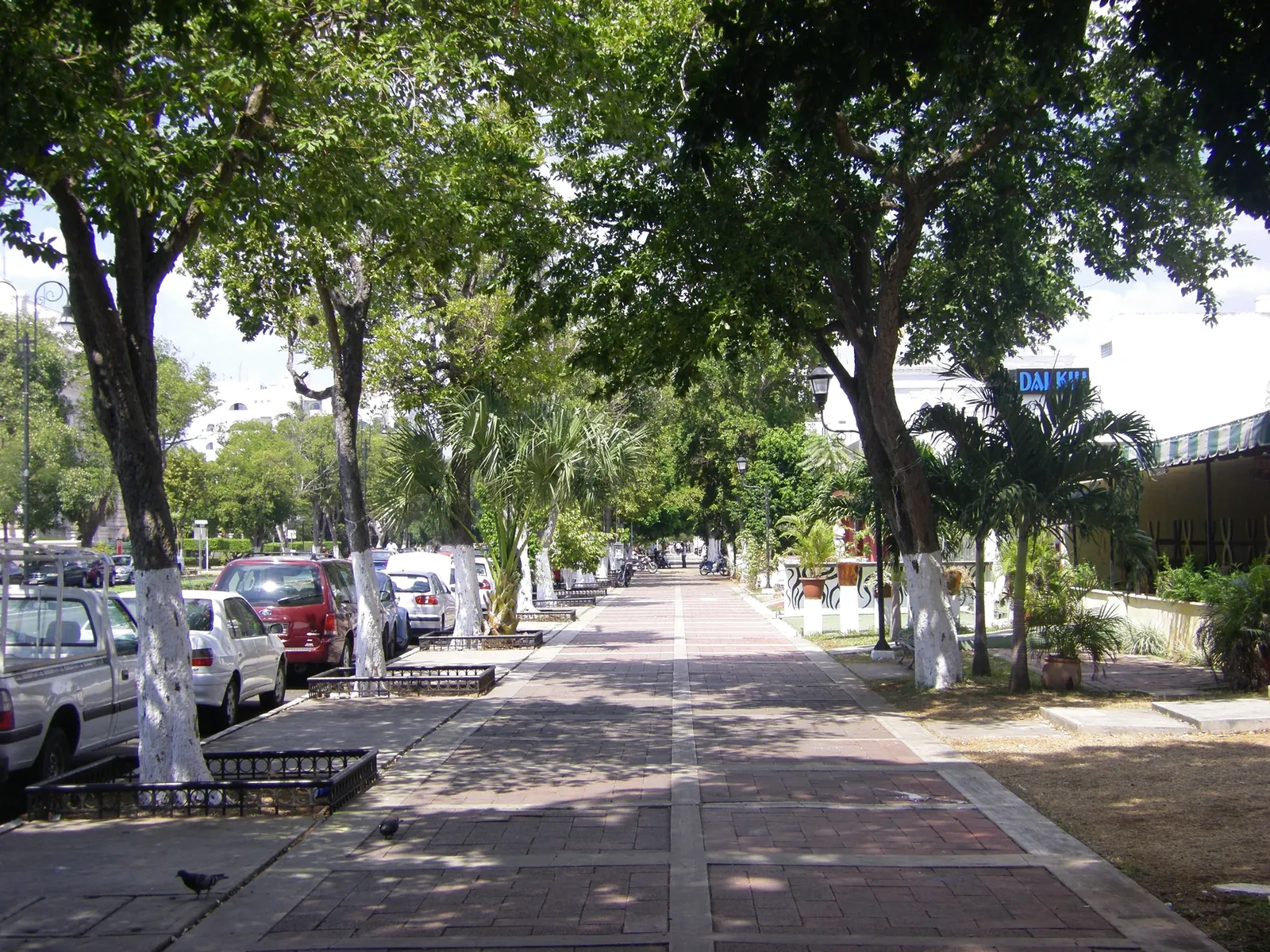
Authentic, unedited photos of Merida by residents and visitors, taken on ordinary days rather than chosen by a tourist board. Each one shows when it was taken. Browse photos of 105 cities →








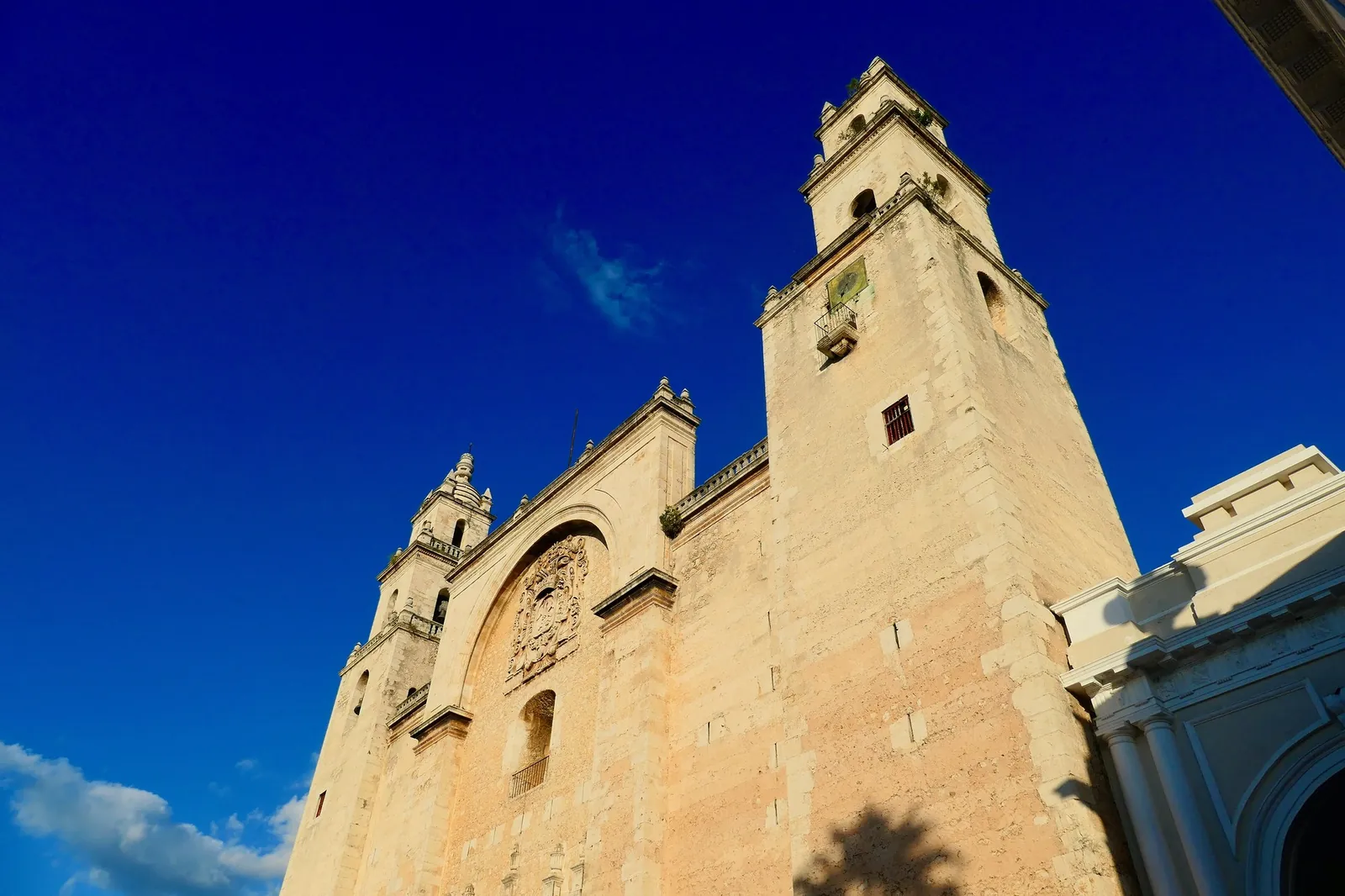
_-_9_(50562567917).jpg)
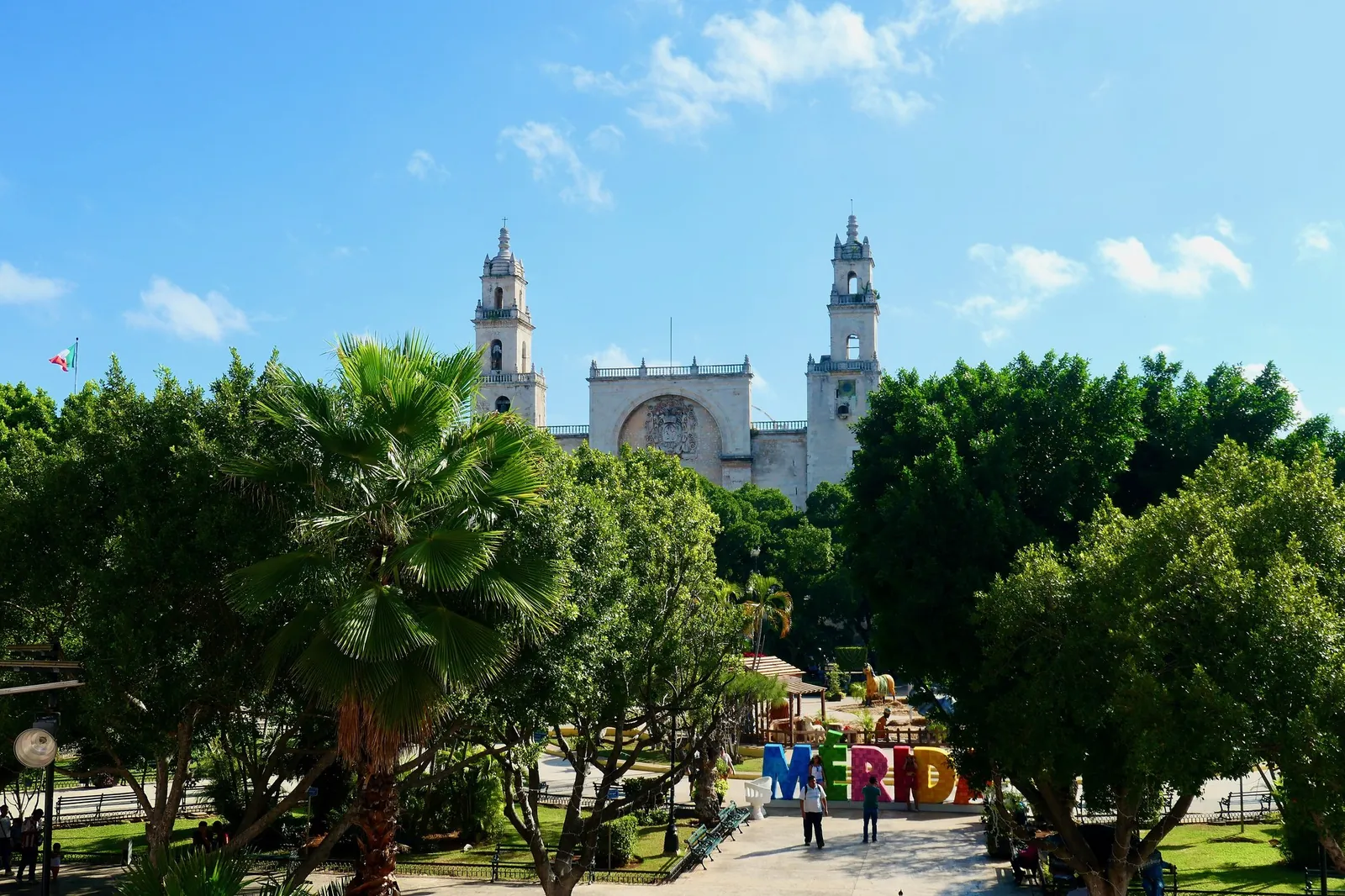
_-_63_(50562551382).jpg)
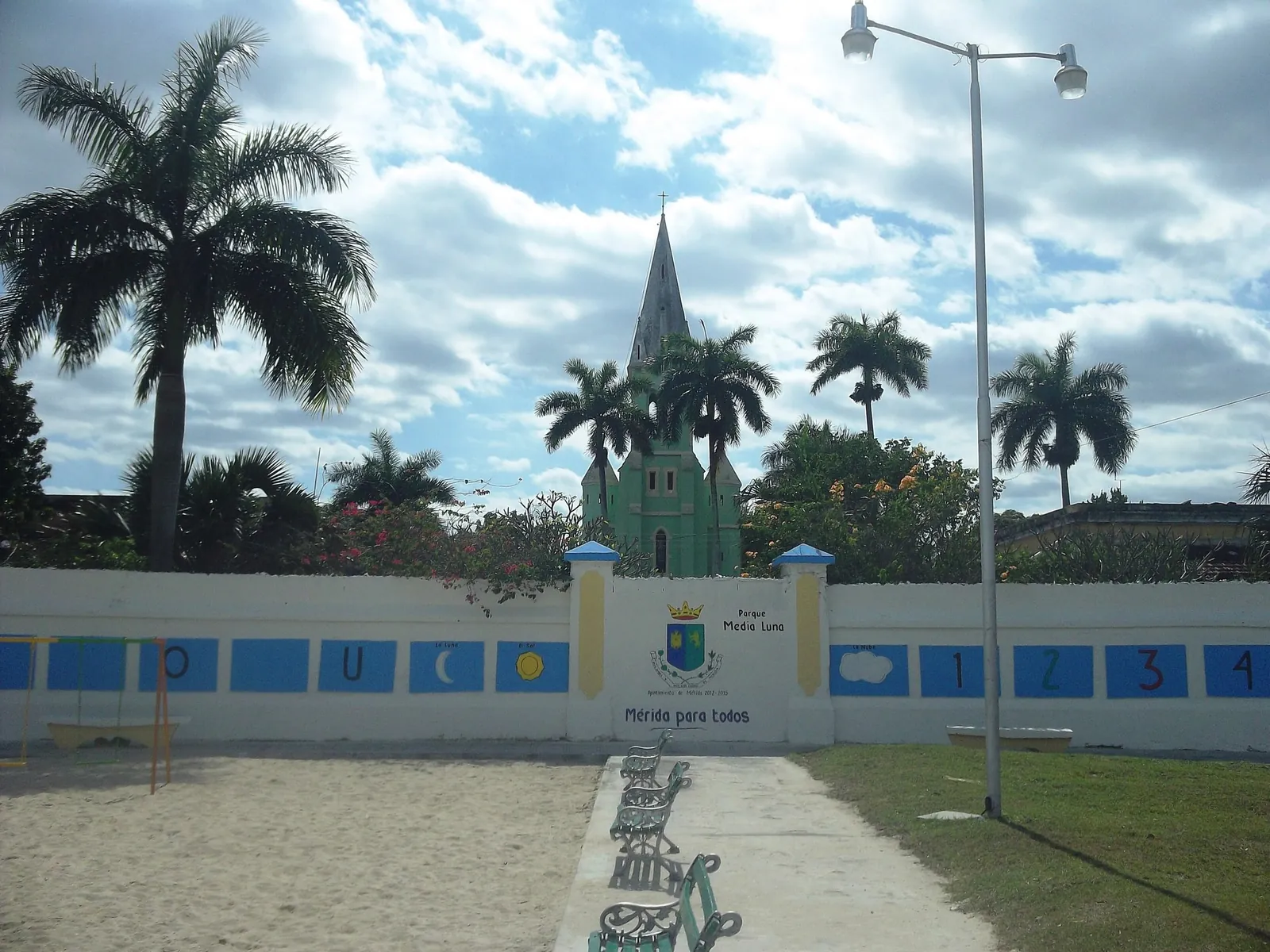
.jpg)

The other side
We don't yet have a licensed photo that shows Merida's downsides. They are listed in full under pros and cons below.
What does it cost to live in Merida?
1-Bedroom Rent
$400-$800/month
Local Restaurant Meal
$3-$8 at local restaurants
Cup of Coffee
$1-$2
Estimated Monthly Total
$1,000-$1,800
Want a personalized estimate? Use our cost of living calculator
How good is healthcare in Merida?
Mérida has strong healthcare infrastructure for a mid-sized Mexican city. Hospital Star Médica, Hospital CEM (Centro de Especialidades Médicas), and Clínica de Mérida are the leading private facilities with modern equipment and English-speaking specialists. A private consultation costs $25-$50. Dental care is excellent: cleanings cost $20-$35 and major work is 60-80% cheaper than the US. The public IMSS system is available to residents for about $500-$700/year. Many retirees find Mérida's healthcare adequate for all but the most complex procedures, for which Mexico City (2-hour flight) provides additional options.
What is daily life like in Merida?
Mérida's cultural life is exceptionally rich. The city hosts free cultural events nearly every night: folkloric dance in the main plaza on Mondays, trova music on Tuesdays, live music in Santiago park on Wednesdays, and a weekly street party on Paseo de Montejo on Sunday mornings when the boulevard closes to traffic for walking, cycling, and dancing. The Olimpo Cultural Center, Gran Museo del Mundo Maya, and Teatro Peón Contreras host exhibitions and performances. The Lucas de Gálvez market is a sensory feast of Yucatecan ingredients. Weekend trips to cenotes for swimming and to the beach at Progreso provide refreshment from the heat.
What is the climate like in Merida?
Mérida has a hot tropical climate. Summers (April-September) are hot at 33-38°C with high humidity, occasionally reaching 40°C. Winters (November-February) are pleasant at 22-30°C with low humidity and comfortable evenings. The rainy season (June-October) brings afternoon thunderstorms, sometimes associated with tropical systems. Air conditioning is essential from March through October. The cool dry season (November-February) is Mérida's most comfortable period, with clear skies and moderate temperatures. Gulf breezes moderate the heat, and the beach at Progreso (30 minutes) provides escape during the hottest months.
| Month | High | Low | Rain |
|---|---|---|---|
| January | 30.1 °C | 17.6 °C | 32 mm |
| February | 32.2 °C | 18.4 °C | 20 mm |
| March | 34.3 °C | 19.5 °C | 21 mm |
| April | 36.5 °C | 21.6 °C | 31 mm |
| May | 37.0 °C | 22.9 °C | 62 mm |
| June | 35.5 °C | 23.5 °C | 154 mm |
| July | 35.3 °C | 23.0 °C | 125 mm |
| August | 35.3 °C | 23.0 °C | 154 mm |
| September | 34.6 °C | 23.0 °C | 159 mm |
| October | 33.2 °C | 21.9 °C | 100 mm |
| November | 31.6 °C | 19.7 °C | 39 mm |
| December | 30.7 °C | 18.3 °C | 33 mm |
Weather station: CICY, Mérida (8.5 km away). Source: SMN/CONAGUA Normales Climatológicas
What are the pros and cons of retiring in Merida?
Pros
- One of Mexico's safest large cities with low crime rates
- Exceptionally affordable, one of the best values in the Americas
- Rich Yucatecan culture with Mayan heritage and unique cuisine
- Beautiful colonial architecture with affordable historic homes
- Easy access to Mayan ruins, cenotes, and Gulf beaches
Cons
- Intense summer heat and humidity requiring air conditioning
- Smaller expat community than Lake Chapala or San Miguel
- Limited direct international flights compared to larger cities
- Hurricane risk during Atlantic hurricane season (June-November)
Who should retire in Merida?
Budget-conscious retirees who want authentic Mexican culture, exceptional safety, colonial beauty, and Mayan heritage at the lowest possible cost.
Which neighborhoods suit retirees in Merida?
Centro Historico
Colonial downtown around the Plaza Grande with restored mansions, museums, and a vibrant cultural calendar. One-bedroom rents range $500-$900/month. Growing expat community attracted to the architecture, walkability, and year-round festivals.
Santiago
Neighborhood west of the centro with its own plaza and church, undergoing steady renovation by both Mexican and foreign residents. One-bedrooms rent for $400-$700/month. Offers centro proximity at lower cost with an emerging cafe and gallery scene.
Garcia Gineres
Established middle-class residential area with wide boulevards, Parque de las Americas, and reliable services. Rents run $450-$750/month for a one-bedroom. Practical for retirees wanting a quiet neighborhood with supermarkets and clinics nearby.
Which hospitals serve retirees in Merida?
Star Medica Merida
Leading private hospital in Merida with modern facilities. Offers emergency care, cardiology, oncology, orthopedics, and neurology. English-speaking staff in key departments. Accepted by major international insurance providers.
Hospital Centro Medico de las Americas (CMA)
Private hospital near the centro with a full range of specialist services. Known locally for quality surgical care and diagnostic capabilities. Serves both the Mexican and expat communities.
Clinica de Merida
Established private hospital operating for decades. General medicine, surgery, and emergency services. English-speaking physicians available. Centrally located with a strong local reputation for reliable care.
Facility details may change. Verify accreditation status and services directly with each hospital before making healthcare decisions.
What is the food scene like in Merida?
Yucatecan cuisine is distinct from the rest of Mexico, shaped by Maya traditions, Caribbean influences, and a unique spice palette built on achiote, habanero, and sour orange. In the Centro Historico, restaurants like La Chaya Maya and Apoala serve cochinita pibil (slow-roasted pork), papadzules (egg-filled tortillas in pumpkin-seed sauce), and sopa de lima for $6-$12 per plate.
The Mercado Municipal Lucas de Galvez is the city's culinary anchor: hundreds of stalls sell produce, spices, and prepared food. A full meal at a market comedor costs $2-$4. The Santa Lucia park hosts a weekly food fair on Saturdays, and the Paseo de Montejo boulevard is lined with restaurants and cafes ranging from casual to upscale.
Merida's street food is exceptional: panuchos and salbutes (topped tortillas) for $0.50-$1 each, marquesitas (crispy crepes with Edam cheese and Nutella) for $1-$2, and fresh fruit juices for $1. Weekly grocery costs for two at Chedraui or Walmart run $35-$55. Merida combines some of Mexico's most distinctive regional cooking with extremely low costs, making it one of the most affordable food cities in the Americas.
Is retiring in Merida right for you?
Take our free 3-minute retirement quiz to see how life in Merida, Mexico, compares to other destinations based on your preferences, budget, and needs.
Take the Retirement QuizFrequently Asked Questions About Retiring in Merida
How safe is Mérida compared to other Mexican cities?
Mérida is consistently ranked as one of Mexico's safest cities, comparable to many US or Canadian cities in terms of crime rates. The Yucatán state has some of the lowest violent crime rates in Mexico. Retirees regularly walk the city center at night, and the overall feeling of security is a major draw. Common sense precautions are still advised, but Mérida's safety reputation is well-deserved.
Is Mérida too hot for comfortable retirement?
The heat is Mérida's main challenge. From April through September, temperatures routinely exceed 35°C with high humidity. Air conditioning is non-negotiable. However, many retirees adapt by following the local rhythm: active mornings, siesta afternoons, social evenings. The cool season (November-February) is genuinely pleasant. Some retirees escape the worst heat by spending summers at higher elevations or traveling.
Can I buy a colonial home in Mérida's Centro?
Yes. Mérida's Centro is famous for affordable colonial restoration projects. Unrenovated colonial homes start at $40,000-$80,000. Partially restored homes run $100,000-$200,000. Fully restored show homes with pools cost $200,000-$400,000. The renovation process is well-supported by local architects and contractors experienced with colonial properties. Many retirees buy and restore as a rewarding retirement project.
Sources & References
- Numbeo, Cost of living index and price data for Merida: rent, groceries, restaurants, and transportation
- Star Medica Merida, Facility services, specialist departments, and international patient programs in Merida
- Mexican National Immigration Institute (INM), Temporary and permanent resident visa requirements applicable to Yucatan residents
- Yucatan State Tourism Board, Regional infrastructure data, cultural heritage information, and visitor resources for Merida