
City Retirement Guide
Retire in Penang, Malaysia
UNESCO heritage charm with legendary street food
What are the key facts about retiring in Penang?
- Elevation & setting
- Sea level to ~50 m in urban core (Penang Hill rises to 833 m inland); island on Strait of Malacca, UNESCO-listed heritage core
- Climate
- Coolest month October 24–31°C, hottest March 25–33°C; 2,331 mm of rain a year, most in October (daily low to high, 1991–2020)
- Nearest international airport
- Penang International (PEN), ~16 km south of George Town at Bayan Lepas
- Nearest major hospital
- Gleneagles Hospital Penang (Pulau Tikus) and Penang Adventist Hospital (Burma Road), both JCI-accredited
- Primary retirement visa
- Malaysia MM2H (2026 tiers: Silver/Gold/Platinum with USD 150,000 / 500,000 / 1,000,000 FD respectively) or Sarawak S-MM2H (RM150,000 FD + RM7,000/mo income, age 50+; applies only to Sarawak state, not Penang)
- Language environment
- Bahasa Malaysia, Penang Hokkien and Mandarin widely used; English common, especially in George Town heritage zone and medical district
Penang foreign-buyer property thresholds are set by state (RM1 million minimum on the island, RM500,000 on Seberang Perai mainland), a figure MM2H applicants targeting Penang must satisfy alongside the federal tier deposit requirement.
What is retirement like in Penang?
Penang's capital George Town sits on the northeast tip of Penang Island, across the narrow channel from Butterworth on the Malaysian mainland, and its historic core is a UNESCO World Heritage Site (listed 2008 jointly with Melaka). Gleneagles Hospital Penang and Penang Adventist Hospital on Burma Road, both JCI-accredited, anchor the city's medical-tourism reputation, with Island Hospital (Australian ACHSI accreditation) nearby. Most foreign retirees settle in Tanjung Bungah, Tanjung Tokong and Batu Ferringhi along the north coast, or inside George Town's Pulau Tikus and heritage zones, all within 20-30 minutes of Penang International Airport (PEN) at Bayan Lepas.
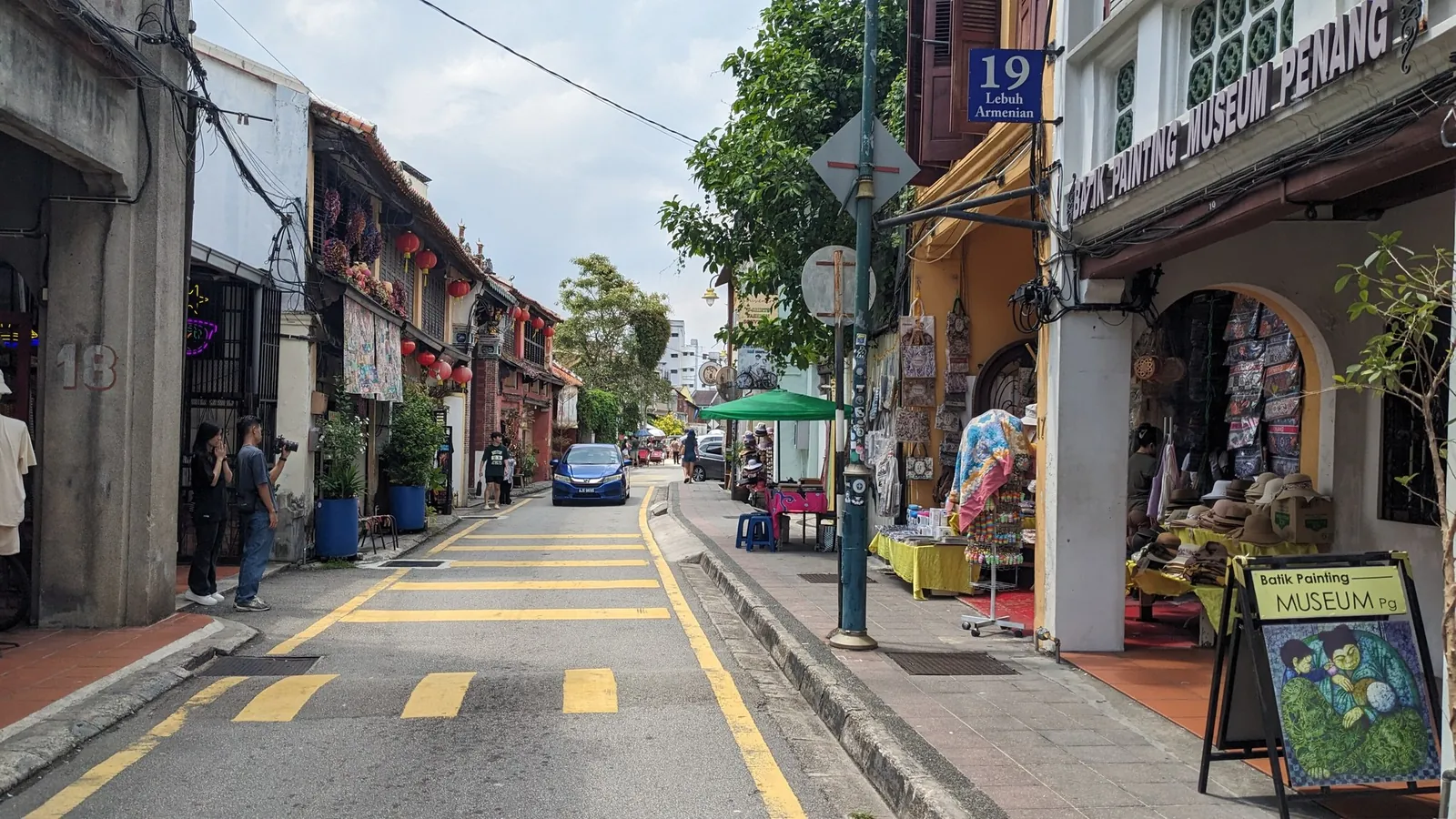
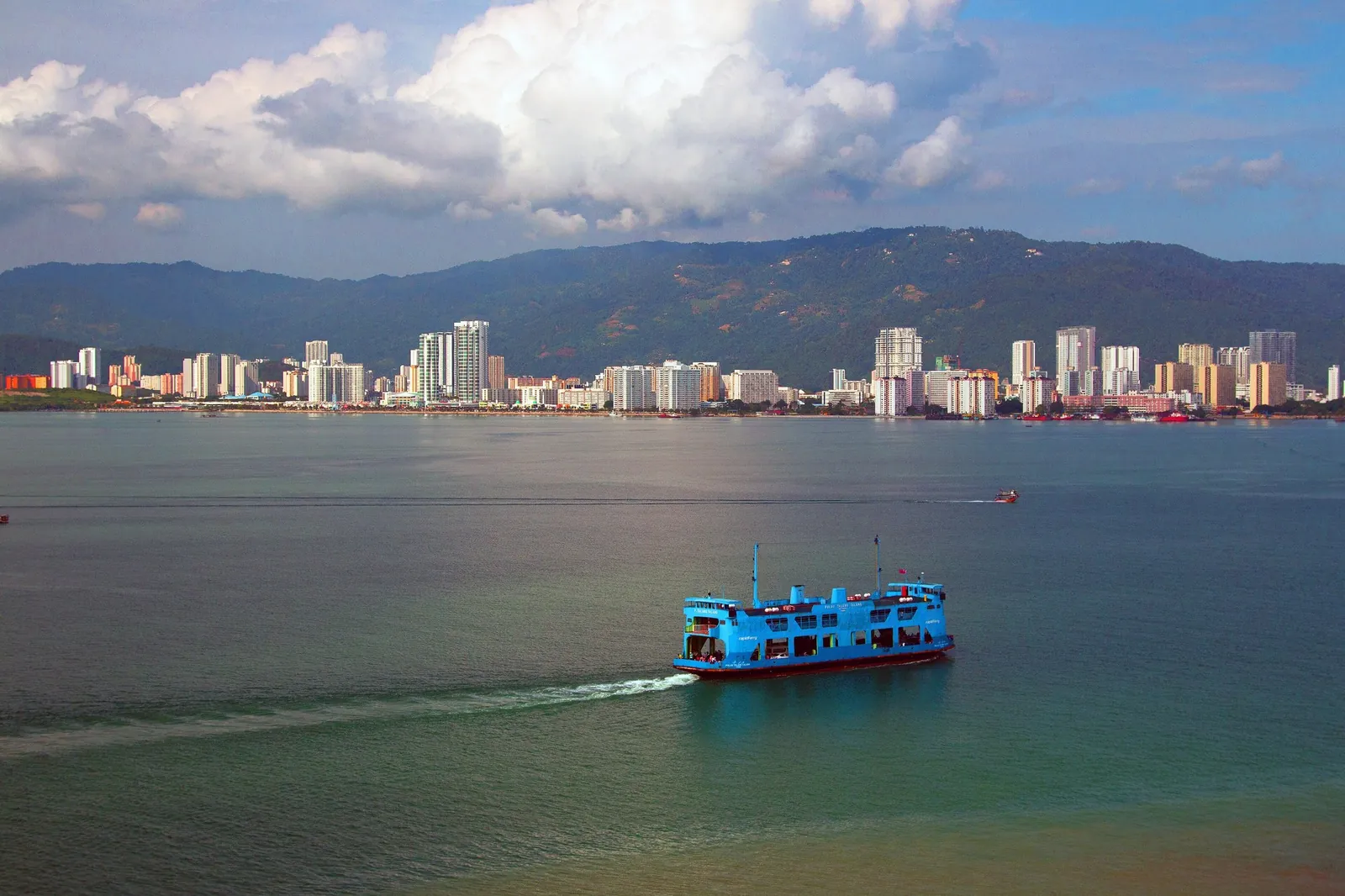
George Town's historic core is a walkable maze of shophouses, temples, mosques, and churches reflecting centuries of multicultural history. Beyond the old town, modern neighborhoods like Gurney Drive, Tanjung Tokong, and Batu Ferringhi offer seafront condominiums, international supermarkets, and contemporary dining. The island is connected to the mainland by two bridges and a ferry, providing easy access to the larger Penang state.
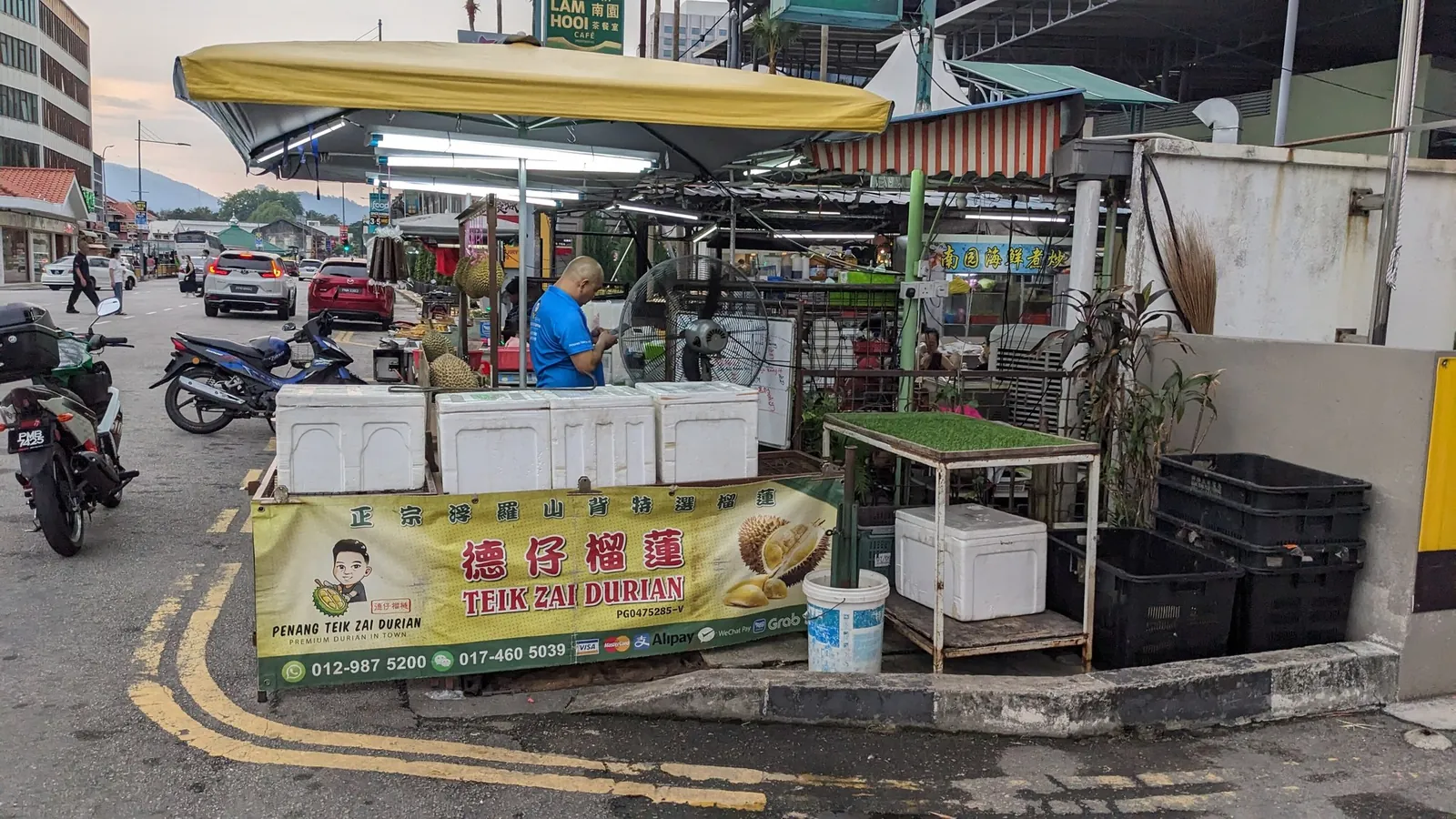
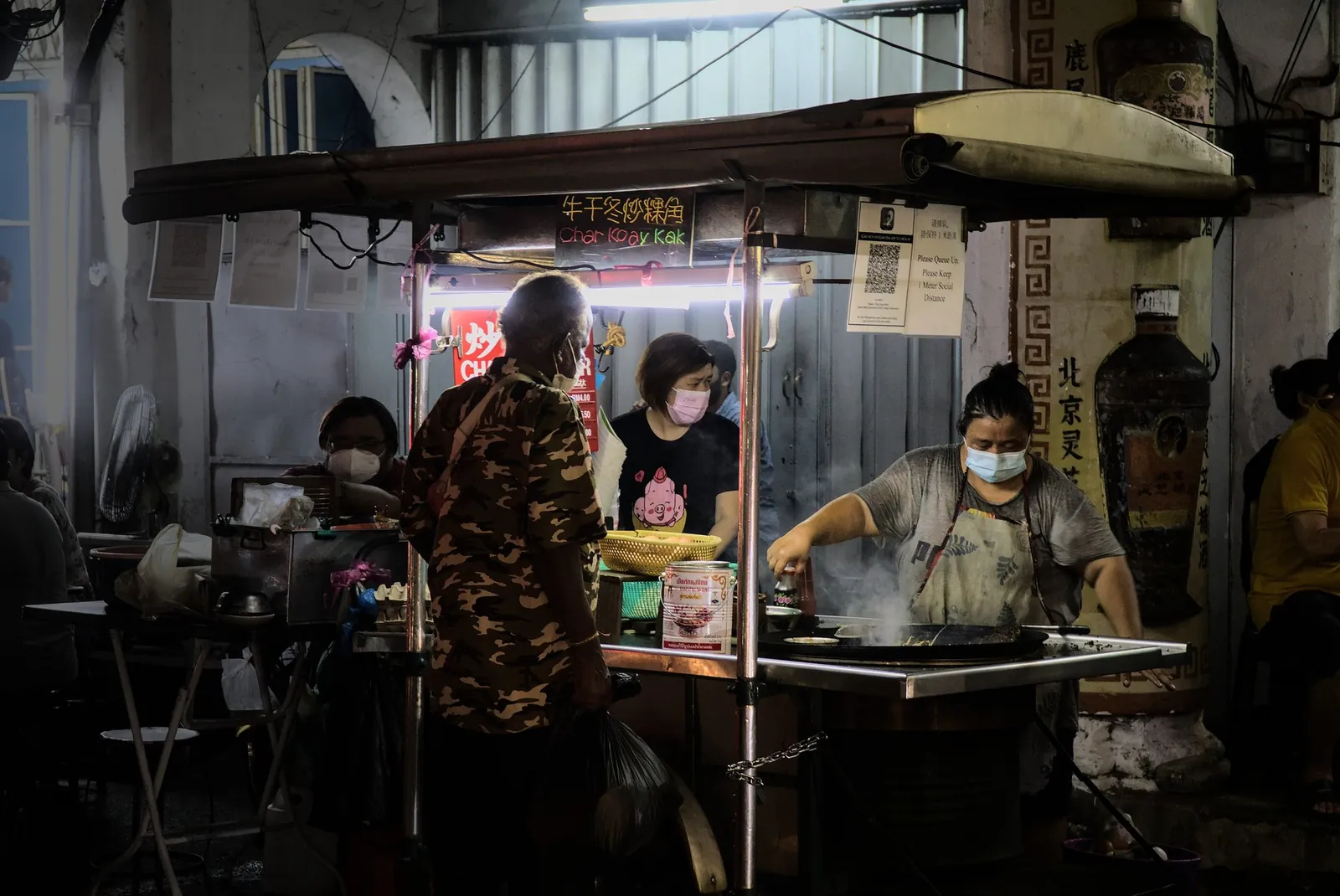
What sets Penang apart is its food culture. Often called the food capital of Asia, Penang offers an astonishing variety of hawker food--char kway teow, laksa, nasi kandar, roti canai--at prices that seem impossibly low to Western visitors. For retirees who love to eat well without spending a fortune, Penang is paradise.
What does it really look like in Penang?
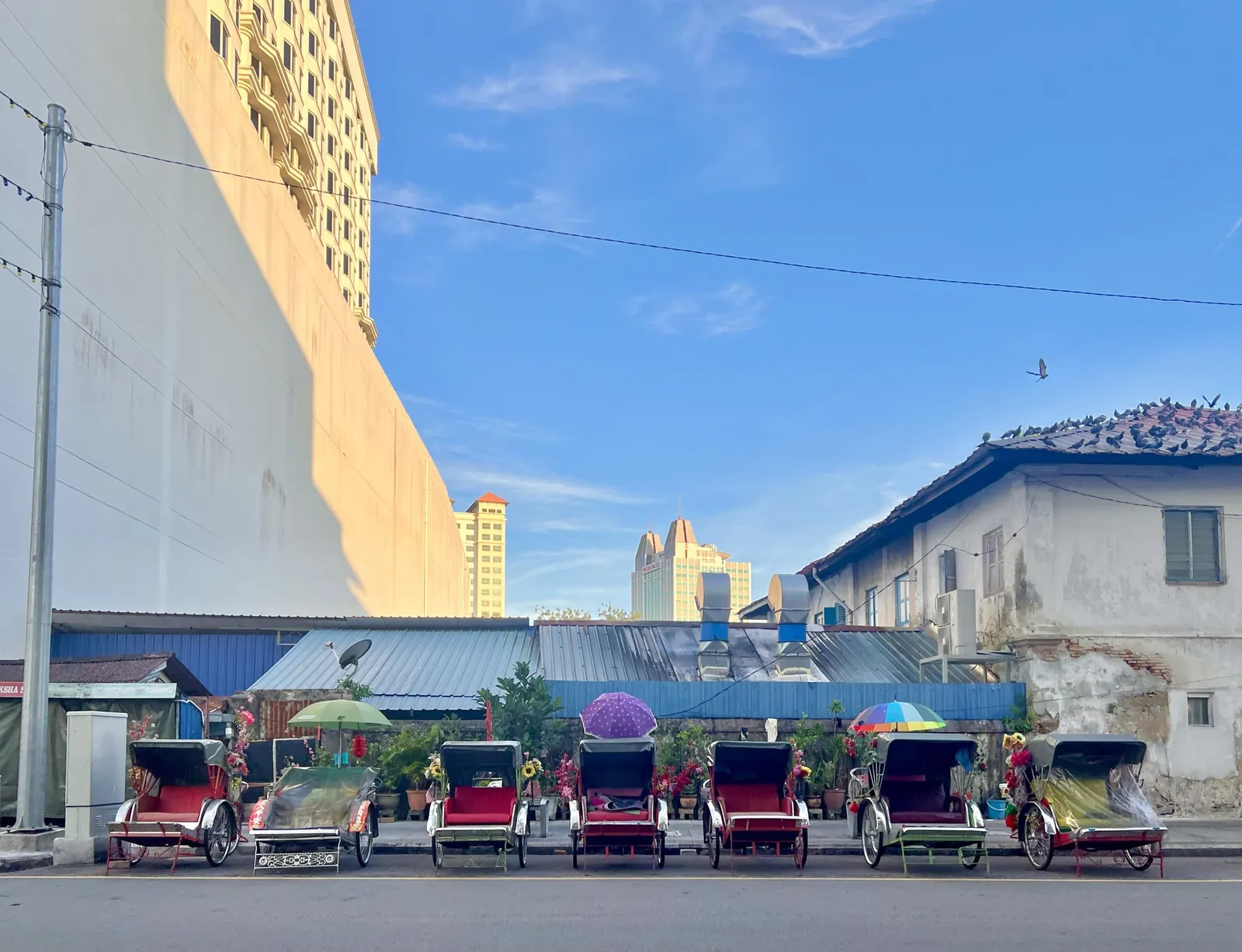
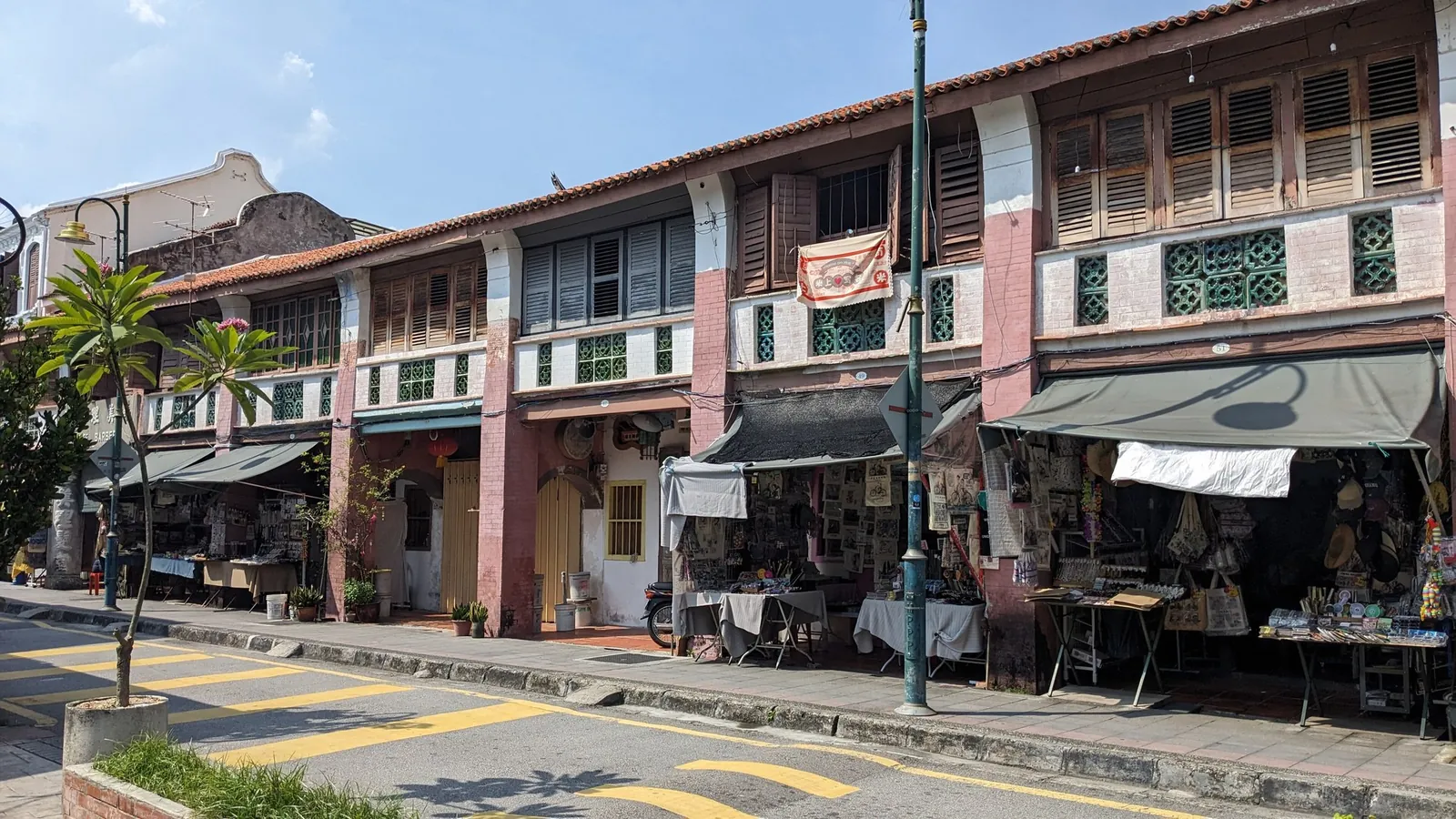
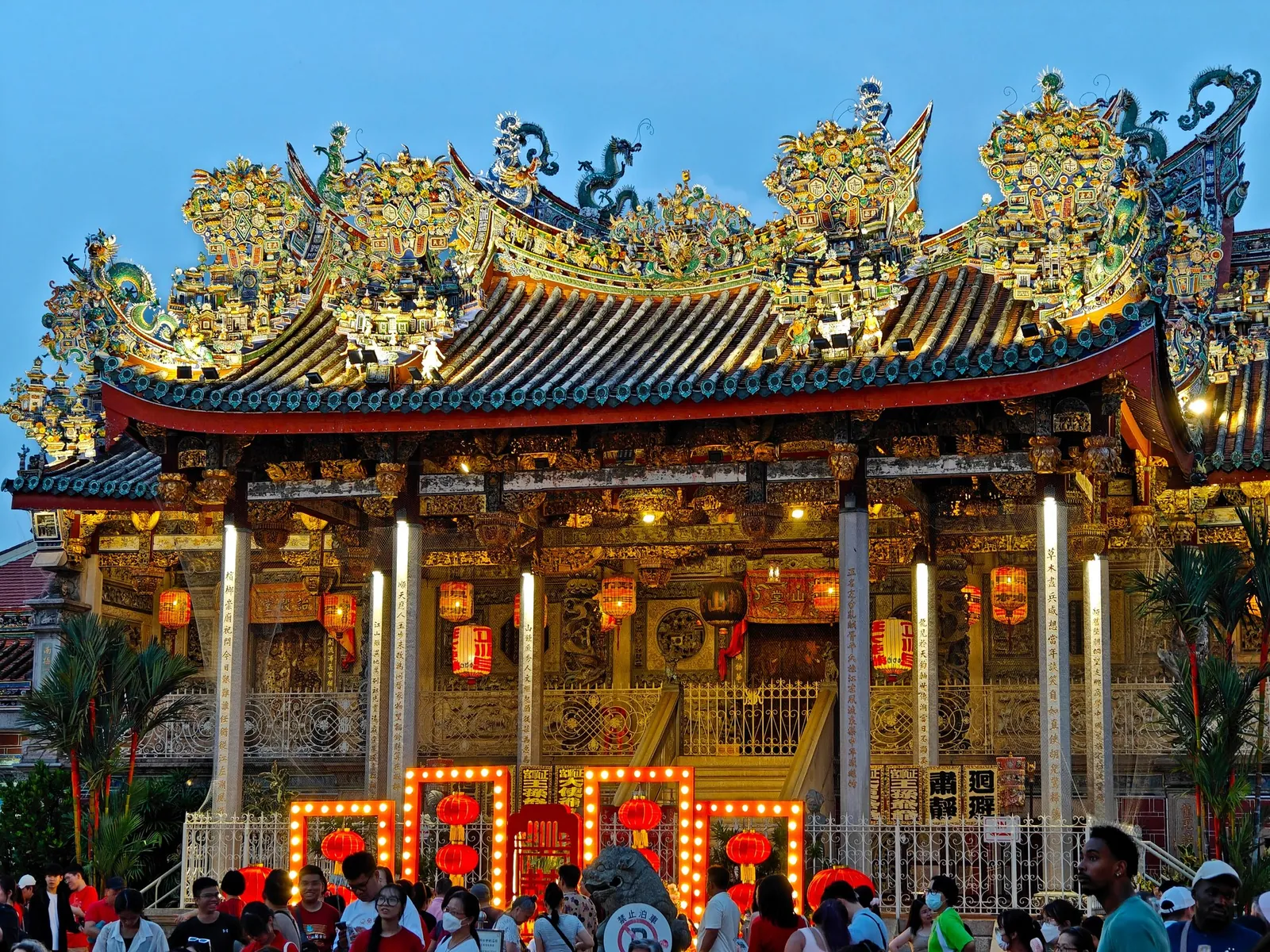
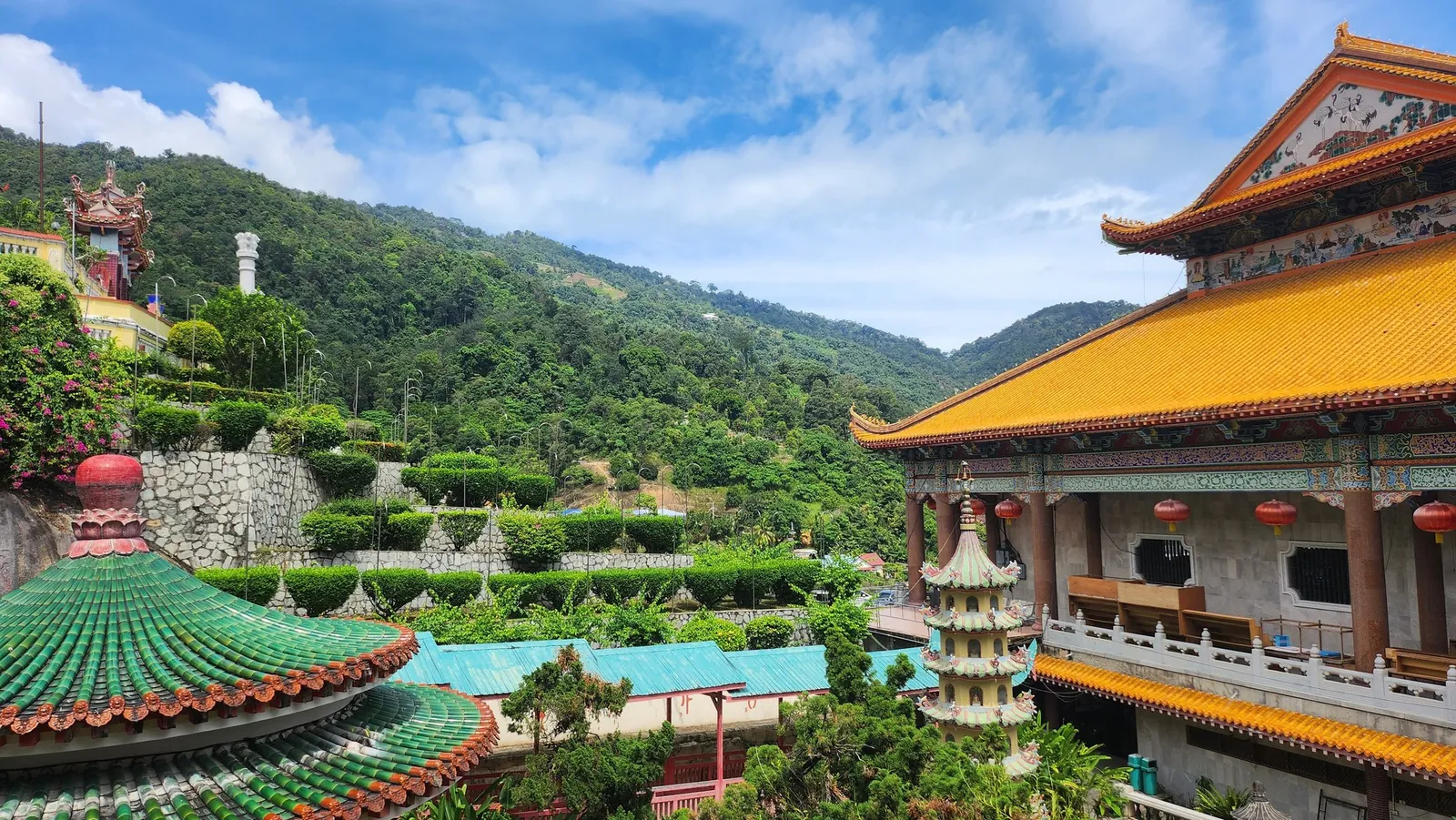
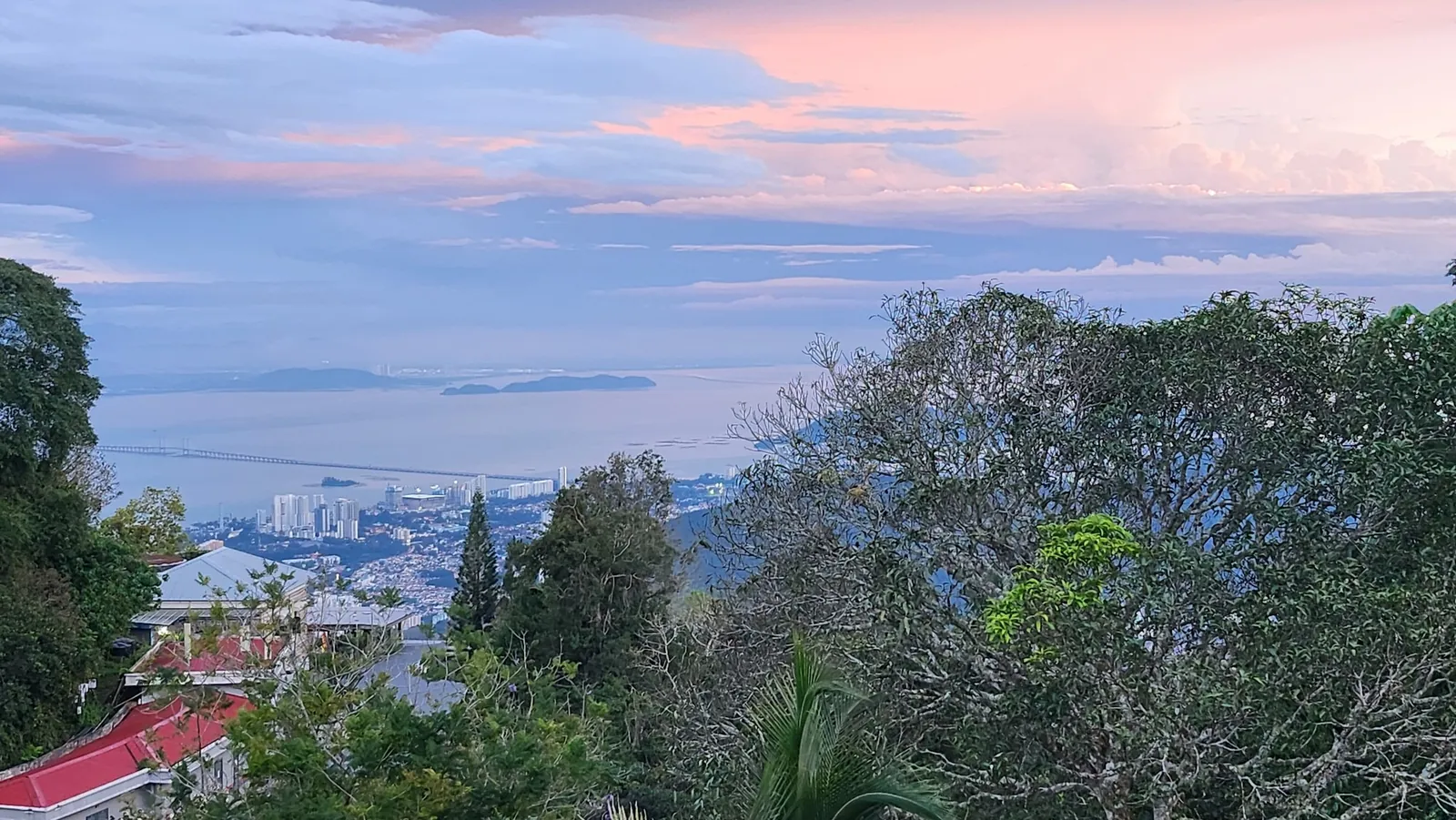
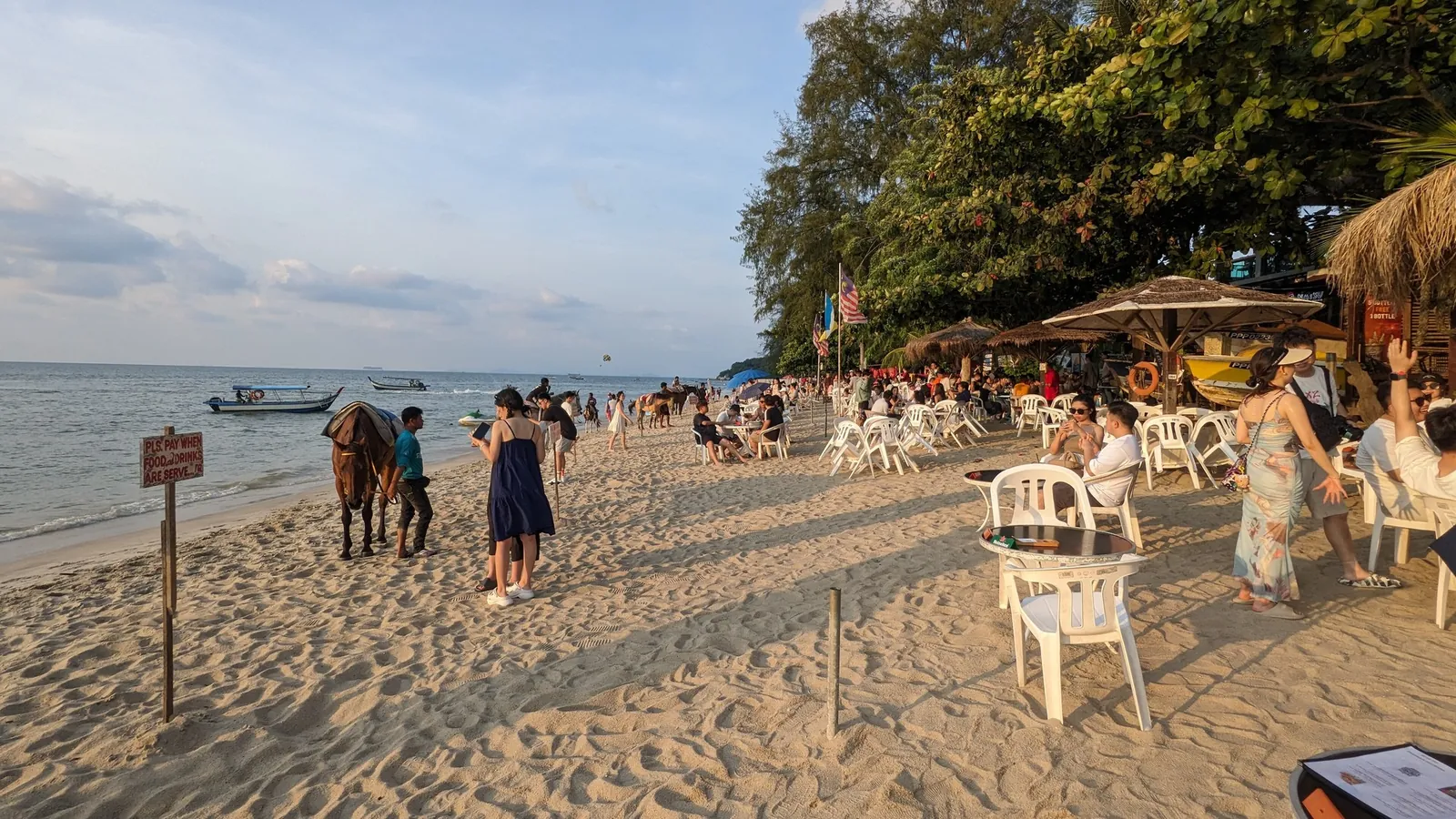
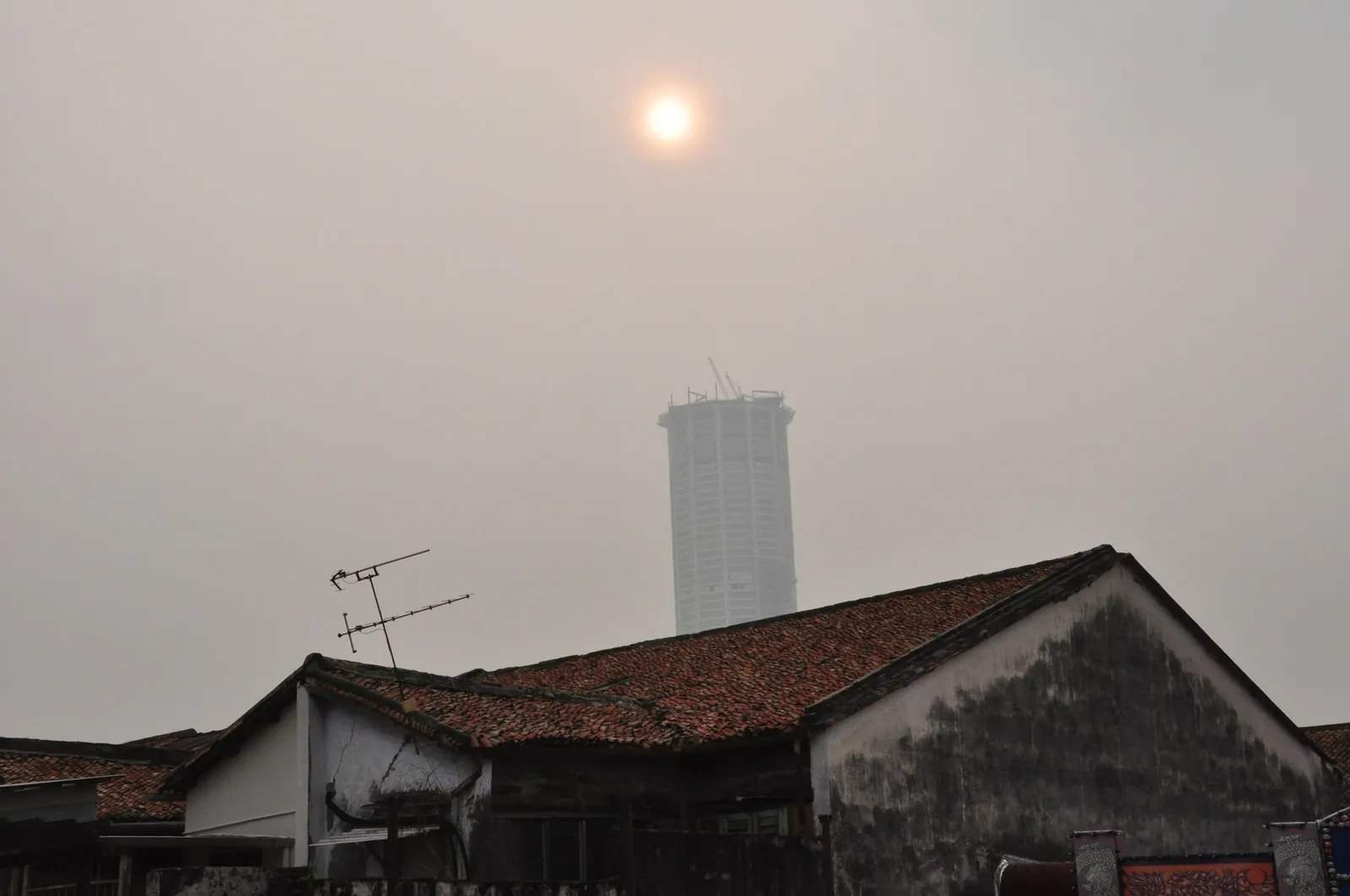
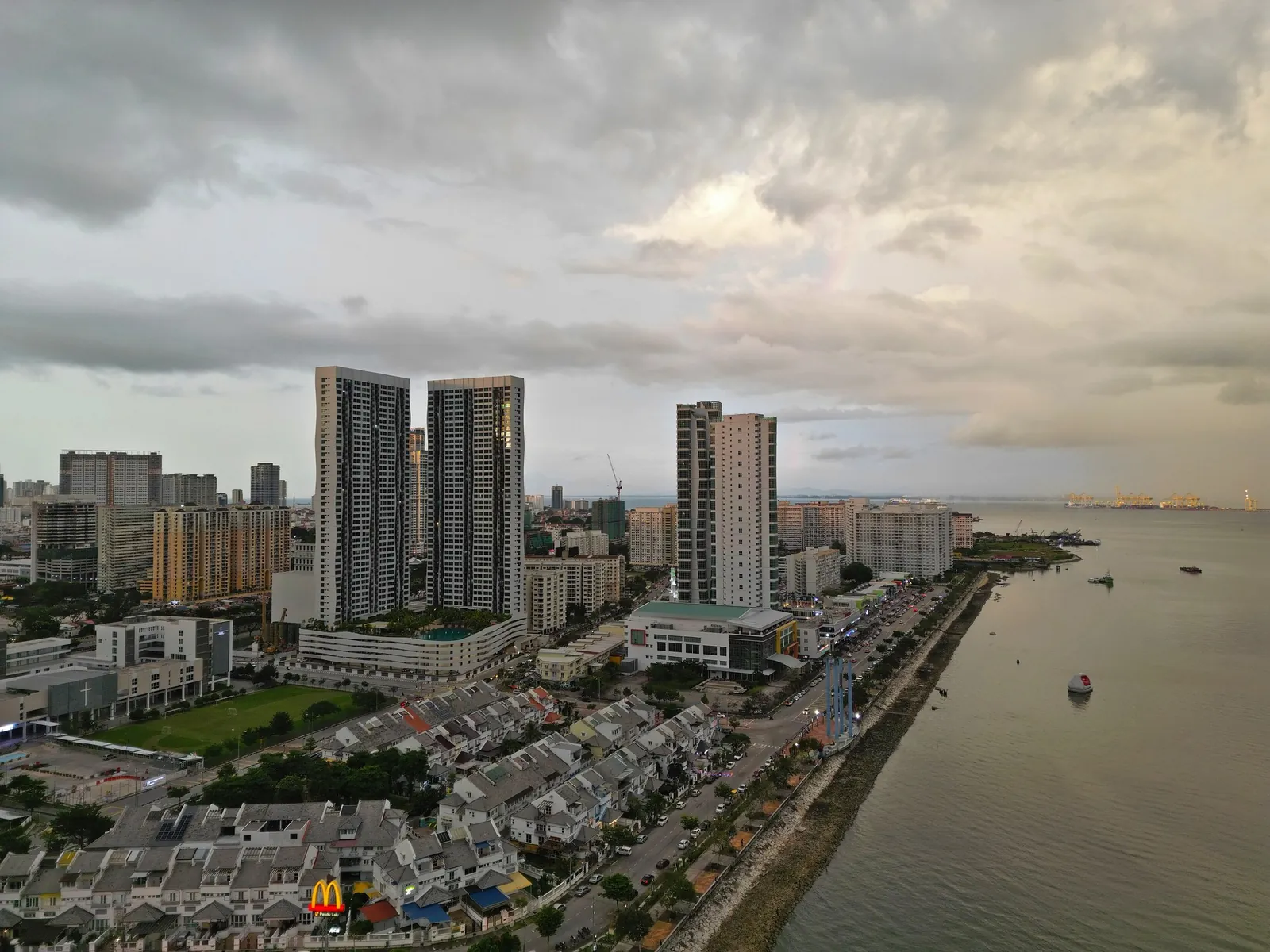
Authentic, unedited photos of Penang by residents and visitors, taken on ordinary days rather than chosen by a tourist board. Each one shows when it was taken. Browse photos of 105 cities →




_Malaysia_%F0%9F%87%B2%F0%9F%87%BE_-_54376984740.jpg)





The other side
.jpg)

What does it cost to live in Penang?
1-Bedroom Rent
$300-$600/month
Local Restaurant Meal
$1.50-$4 at hawker stalls
Cup of Coffee
$1-$2.50
Estimated Monthly Total
$1,000-$1,700
Want a personalized estimate? Use our cost of living calculator
How good is healthcare in Penang?
Penang has excellent medical facilities that attract medical tourists from around the world. Penang Adventist Hospital, Gleneagles Penang, and Loh Guan Lye Specialists Centre offer high-quality care with English-speaking doctors. Many specialists trained in the UK, US, or Australia practice in Penang. Medical costs are very affordable--a specialist consultation costs $15-$40, and dental work is excellent and inexpensive. Penang is also known for its traditional Chinese medicine practitioners.
What is daily life like in Penang?
Life in Penang is laid-back and food-centric. Many retirees structure their days around visits to hawker centers, morning walks along the Esplanade, and afternoons exploring the heritage streets or relaxing at the beach. The island has hiking trails on Penang Hill, botanical gardens, and numerous temples and cultural sites. The expat community is active, with social groups, hash running clubs, and volunteer opportunities. Weekend trips to Langkawi, the Cameron Highlands, or across to Medan, Indonesia are easy.
What is the climate like in Penang?
Penang has a tropical climate with temperatures of 27-33°C year-round and high humidity. The wettest months are September to November, with the northeast monsoon bringing heavy rain. The driest period is January to March. Sea breezes provide some relief from the heat, especially in coastal areas. Air conditioning is essential for most retirees.
| Month | High | Low | Rain |
|---|---|---|---|
| January | 31.9 °C | 24.6 °C | 80 mm |
| February | 32.4 °C | 24.7 °C | 86 mm |
| March | 32.6 °C | 25.0 °C | 146 mm |
| April | 32.3 °C | 25.2 °C | 188 mm |
| May | 32.1 °C | 25.3 °C | 229 mm |
| June | 32.0 °C | 25.2 °C | 164 mm |
| July | 31.6 °C | 24.9 °C | 190 mm |
| August | 31.4 °C | 24.7 °C | 246 mm |
| September | 31.1 °C | 24.4 °C | 316 mm |
| October | 31.0 °C | 24.3 °C | 337 mm |
| November | 31.1 °C | 24.4 °C | 233 mm |
| December | 31.3 °C | 24.5 °C | 117 mm |
Weather station: Bayan Lepas (Penang Airport) (15 km away). Source: WMO Climatological Normals 1991-2020 (NOAA NCEI)
What are the pros and cons of retiring in Penang?
Pros
- World-famous street food at incredibly low prices
- UNESCO World Heritage Site with rich cultural attractions
- Excellent English-language skills among locals
- High-quality, affordable healthcare
- Established and welcoming expat retiree community
Cons
- Hot and humid year-round with limited seasonal variation
- Traffic congestion, especially around George Town
- Smaller city with fewer entertainment options than KL
Who should retire in Penang?
Food-loving retirees who appreciate cultural heritage, want excellent healthcare at low cost, and enjoy a smaller, more walkable city.
Which neighborhoods suit retirees in Penang?
George Town
UNESCO World Heritage city center. Restored shophouse apartments and modern condos for $300-$550/month. Walking distance to temples, street art, and Penang's famous hawker stalls. Cultural immersion at its best. Best for retirees who love history and food.
Tanjung Bungah / Batu Ferringhi
Northern beach area with sea views. Condos for $350-$600/month. Quieter than George Town with beach access. Several expat-oriented restaurants and a weekly night market at Batu Ferringhi. Penang Adventist Hospital is nearby.
Gurney Drive / Pulau Tikus
Upscale seafront area with modern high-rises. Condos run $450-$800/month. Gurney Plaza and Gurney Paragon malls, Lam Wah Ee Hospital, and the seafront promenade are within walking distance. Popular with affluent retirees and MM2H visa holders.
How do you meet people in Penang?
Most newcomers in Penang find their first contacts through clubs, regular meetups and congregations. We checked these 8 groups in October 2026, for example Malaysian-German Society (MGS), Penang Hash House Harriers (PH3), Penang International Hash Hounds.
Clubs, groups and meetups for everyone
Penang Hash House Harriers (PH3) · Changing run sites around Penang, published on the hareline
Weekly trail run or walk through jungle and hill trails, followed by food and drinks at the run site; founded in 1965 and descended from the original Kuala Lumpur hash. Men only, guests pay a small fee, and run sites are posted with Google Maps links.
When: Every Monday at 17:30 (runs listed through December 2026)
Penang International Hash Hounds · Changing run sites, published on the hareline
A second Penang hash kennel that runs on Saturdays and publishes its run list online; a social way to meet long-term residents outdoors. The website does not say whether women run with this kennel, so ask before going.
When: Saturdays; run #1271 on 24 October 2026 starts at 17:00, later runs listed through December 2026
Rotary Club of Penang · Eastern & Oriental Hotel, George Town
One of Penang's oldest service clubs (first inauguration dinner 1939), running charity work such as lunches for George Town's senior citizens. Visiting Rotarians and people interested in service work can contact the club about attending a meeting.
When: Every other Wednesday at 7pm
Cathedral of the Holy Spirit (Catholic) · 1, Tingkat Besi 1, Island Park, 11600 George Town
Seat of the Catholic Diocese of Penang with English-language Masses every weekend, also livestreamed. A practical place for English-speaking Catholics to meet a mixed local and foreign congregation.
When: English Mass Sunday 10.30am and Saturday 6.00pm
Church of the Assumption (Catholic) · Farquhar Street (Lebuh Farquhar), George Town
Historic George Town parish that celebrated its 240th anniversary in August 2026, with a choir and a parish hall that hosts community events such as a Eurasian fiesta. Directories list a Sunday English Mass but give conflicting times, so check with the parish.
Source: nst.com.my
Penang Heritage Trust · 26 Church Street, George Town
Registered heritage charity, founded in 1986 and run by volunteers, that organises site visits, talks and workshops for members almost every month. A good way for a newcomer interested in George Town's history to meet engaged locals and long-staying foreigners.
The Penang Club · 42B Jalan Sultan Ahmad Shah, 10050 George Town
Members' club by the sea, founded in 1868, with about 2,300 members, dining, pool, gym and a library of about 15,000 books. Access is for members and their guests or members of reciprocal clubs, so it is a place to be taken to by a new acquaintance rather than a walk-in venue.
When: Daily 7:00am to midnight
For German speakers
Malaysian-German Society (MGS) · 250 B, Jalan Air Itam, 10460 Penang
Friendship society and German language centre founded in 1962, with the largest collection of German books in Malaysia, movie nights, talks, member socials and a yearly Oktoberfest. It is the obvious first stop for German speakers who want to meet Germans living in Penang and the Malaysians who mix with them.
When: Office Monday to Friday, 10am to 1pm and 2pm to 7pm. Oktoberfest 2026: 30 and 31 October from 7pm.
Official contact points
- Honorary Consul of the Federal Republic of Germany, Penang (Dato' Hans Peter Brenner): Honorary consulate for Penang, Kedah and Perlis, under the German Embassy in Kuala Lumpur. Address: BMC Sdn. Bhd., Suite 9.07, 9th Floor, MWE Plaza 8, Lebuh Farquhar, 10200 Penang; penang@hk-diplo.de, +60 4 263 25 66.
- British Honorary Consul in Penang (Dr David Lacey, appointed August 2026): Appointed by the British High Commission Kuala Lumpur; handles consular cases such as British nationals in hospital or prison and deaths, and links with the Penang state government. No public contact details were published with the appointment; routine services go through the High Commission in Kuala Lumpur.
- U.S. Embassy Kuala Lumpur, American Citizen Services: There is no U.S. consular office in Penang. American Citizen Services are handled at the embassy at 376 Jalan Tun Razak, 50400 Kuala Lumpur; ACS phone +60-3-2168 5000, email klacs@state.gov.
Getting a feel for daily life in Penang
- Rain is heaviest from roughly September to December, and haze from Indonesian forest fires is common from August to October; plan a scouting trip with that in mind, since daytime temperatures sit around 32 C all year.
- Many expats skip owning a car and use Grab, which is cheap and cashless; public buses are very cheap but routes and schedules are limited, and e-bikes are popular with retirees.
- Join an everyday expat activity rather than a tour: weekly pickleball at Gurney Plaza and hiking on Penang Hill are named as common ways residents spend their week.
- If your trip falls in late October, the Malaysian-German Society's Oktoberfest (2026: 30 and 31 October, MYR 50) is the largest yearly gathering of Penang's German-speaking community.
- Penang Hill Corporation occasionally runs free guided nature and heritage walks with local guides (for example 17 to 19 July 2026, meeting at the Angsana Stage near Dataran Bukit Bendera); check its site for new dates.
Researched October 2026. Groups change: please check the link before you go.
Planning a scouting trip or a trial stay? The trip planner in My RetireFinder puts these contacts together with entry rules, health advice and a checklist.
Open the trip plannerWhich hospitals serve retirees in Penang?
Penang Adventist Hospital
Established private hospital in George Town with a long history of serving international patients. General medicine, diagnostics, and minor surgery. English-speaking staff. More affordable than the larger private hospitals.
Gleneagles Hospital Penang
JCI-accredited hospital on Jalan Pangkor. Part of the IHH Healthcare group. Strong cardiology, oncology, and orthopedic departments. International patient center with insurance coordination. The top private hospital on the island.
Lam Wah Ee Hospital
Non-profit private hospital in the Gurney Drive area. Good general care at lower costs than Gleneagles. Popular with locals and expats for routine checkups and minor procedures.
Facility details may change. Verify accreditation status and services directly with each hospital before making healthcare decisions.
What is the food scene like in Penang?
Penang is consistently ranked as one of the world's top food destinations, and the island's hawker food is the main reason many retirees choose it over Kuala Lumpur. Char kway teow, assam laksa, nasi kandar, and Hokkien mee cost $1-$2 per plate at legendary hawker centers like Gurney Drive, New Lane, and Lorong Selamat.
George Town's cafe scene has exploded in recent years, with restored shophouses housing specialty coffee shops and brunch spots at $4-$8 per meal. For Western food, Tanjung Bungah and Batu Ferringhi have Italian, British, and German restaurants at $8-$15 per person. Fresh seafood restaurants along the coast serve grilled fish and prawns for $5-$10 per person. The Cold Storage and Jaya Grocer at Gurney Plaza stock imported goods for home cooking.
Is retiring in Penang right for you?
Take our free 3-minute retirement quiz to see how life in Penang, Malaysia, compares to other destinations based on your preferences, budget, and needs.
Take the Retirement QuizFrequently Asked Questions About Retiring in Penang
Is Penang better than Kuala Lumpur for retirement?
It depends on your preferences. Penang offers better food, UNESCO heritage charm, a more relaxed pace, and lower costs. KL offers more modern amenities, better public transit, and a wider range of entertainment. Many retirees try both before deciding, and some split their time between the two cities.
Can I walk everywhere in Penang?
George Town's historic center is very walkable, and many retirees living there manage without a car. However, if you live outside the old town or want to explore the island, a car or scooter is helpful. Grab is widely available and affordable for trips around the island.
What is the food really like in Penang?
Penang food is legendary for good reason. Hawker stalls serve dishes like char kway teow, Penang laksa, nasi kandar, cendol, and hundreds of other specialties for $1-$3 per meal. The food reflects Malay, Chinese, Indian, and Nyonya (Peranakan) culinary traditions. Many retirees say eating out is cheaper than cooking at home.
Sources & References
- Numbeo, Cost of living index and price data for Penang: rent, groceries, restaurants, and transportation
- Penang Adventist Hospital, Facility services, specialist departments, and international patient care in Penang
- Immigration Department of Malaysia, MM2H visa requirements and renewal procedures applicable to Penang residents
- Penang Global Tourism, Regional infrastructure, cultural heritage data, and visitor resources for Penang