
City Retirement Guide
Retire in Kuala Lumpur, Malaysia
Modern cosmopolitan living with excellent healthcare
What are the key facts about retiring in Kuala Lumpur?
- Elevation & setting
- ~22 m; confluence of Klang and Gombak rivers, ~40 km inland from Strait of Malacca
- Climate
- Coolest month December 24–32°C, hottest May 25–34°C; 2,847 mm of rain a year, most in November (daily low to high, 1991–2020)
- Nearest international airport
- Kuala Lumpur International (KUL/KLIA), ~55 km south at Sepang; 28-min KLIA Ekspres to KL Sentral
- Nearest major hospital
- Gleneagles Kuala Lumpur (Ampang, JCI-accredited) and Prince Court Medical Centre (Jalan Kia Peng, MSQH-accredited)
- Primary retirement visa
- Malaysia MM2H 2026 reformed tiers: Silver USD 150,000 fixed deposit + RM600,000 property (5-yr); Gold USD 500,000 FD + RM1,000,000 property (15-yr); Platinum USD 1,000,000 FD + RM2,000,000 property (20-yr); age 25+
- Language environment
- Bahasa Malaysia official; English is a de-facto second language across business, healthcare and daily life
Malaysia taxes foreign-sourced income received in Malaysia by individuals only in limited cases through 31 December 2036 under the current exemption order, but MM2H holders must still place and maintain the tier-specific fixed deposit throughout the visa term.
What is retirement like in Kuala Lumpur?
Kuala Lumpur lies at the confluence of the Klang and Gombak rivers at roughly 22 metres elevation, about 40 kilometres inland from the Strait of Malacca. The city hosts multiple JCI-accredited private hospitals, including Gleneagles Kuala Lumpur in Ampang, Pantai Hospital Kuala Lumpur in Bangsar and Sunway Medical Centre in Bandar Sunway; Prince Court Medical Centre near KLCC is MSQH-accredited. Most foreign retirees concentrate in the Mont Kiara, Bangsar and KLCC districts, all within a KLIA Ekspres train ride (28 minutes) of Kuala Lumpur International Airport (KUL), which sits about 55 kilometres south of the city at Sepang.
The city's skyline, dominated by the iconic Petronas Twin Towers, reflects its modernity. Luxury condominiums with swimming pools, gyms, and 24-hour security are available for a fraction of what comparable properties cost in London, Sydney, or New York. Neighborhoods like Mont Kiara, Bangsar, and KLCC are popular with expatriates and offer walkable streets, international restaurants, and convenient access to hospitals and shopping malls.
Malaysia's MM2H (Malaysia My Second Home) program has historically been one of the most generous long-term residency programs in Asia, though requirements have been tightened in recent years. KL's central location also makes it an excellent base for travel throughout Southeast Asia, with AirAsia and Malaysia Airlines offering affordable flights to destinations across the region.
What does it really look like in Kuala Lumpur?
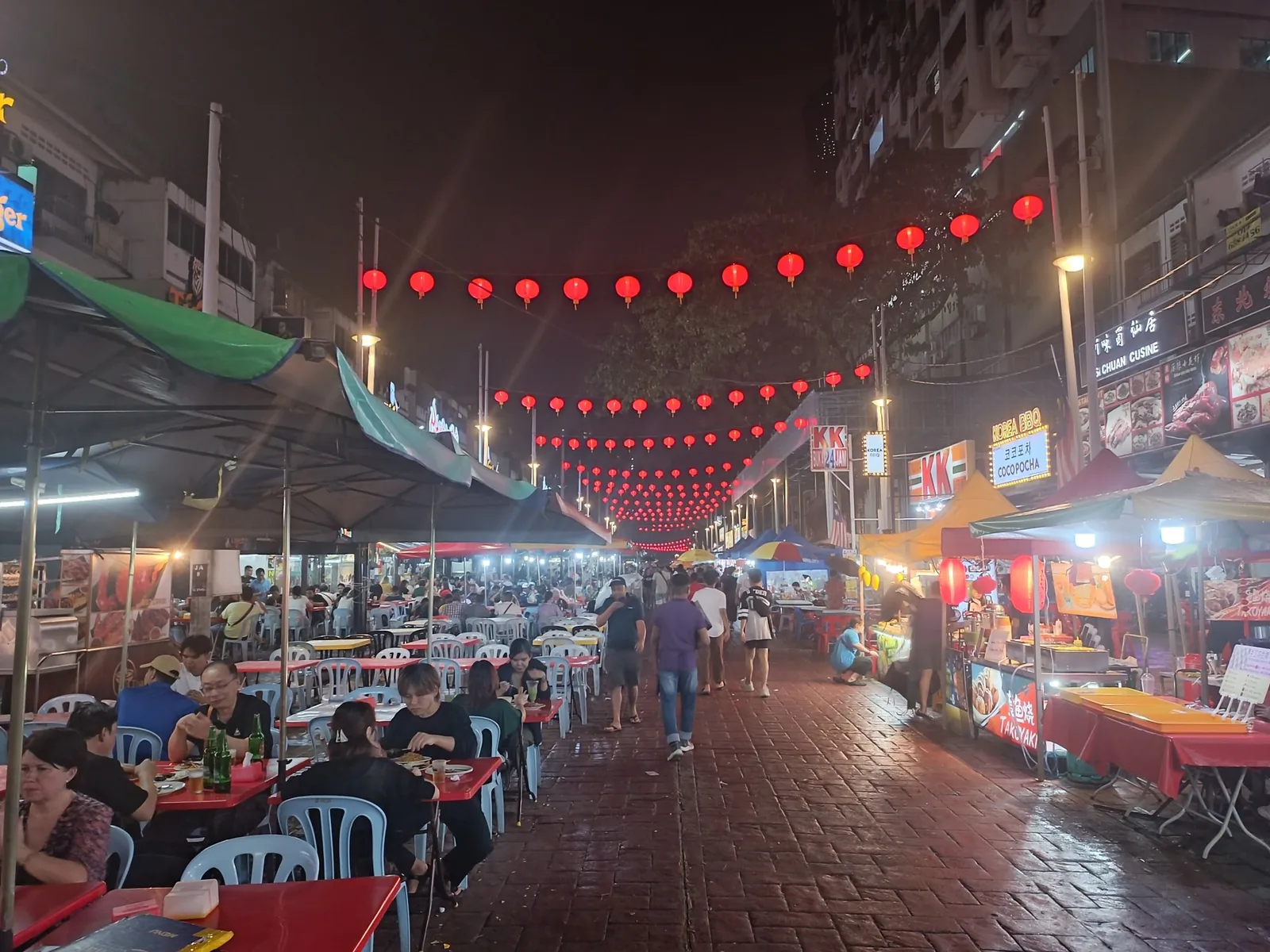
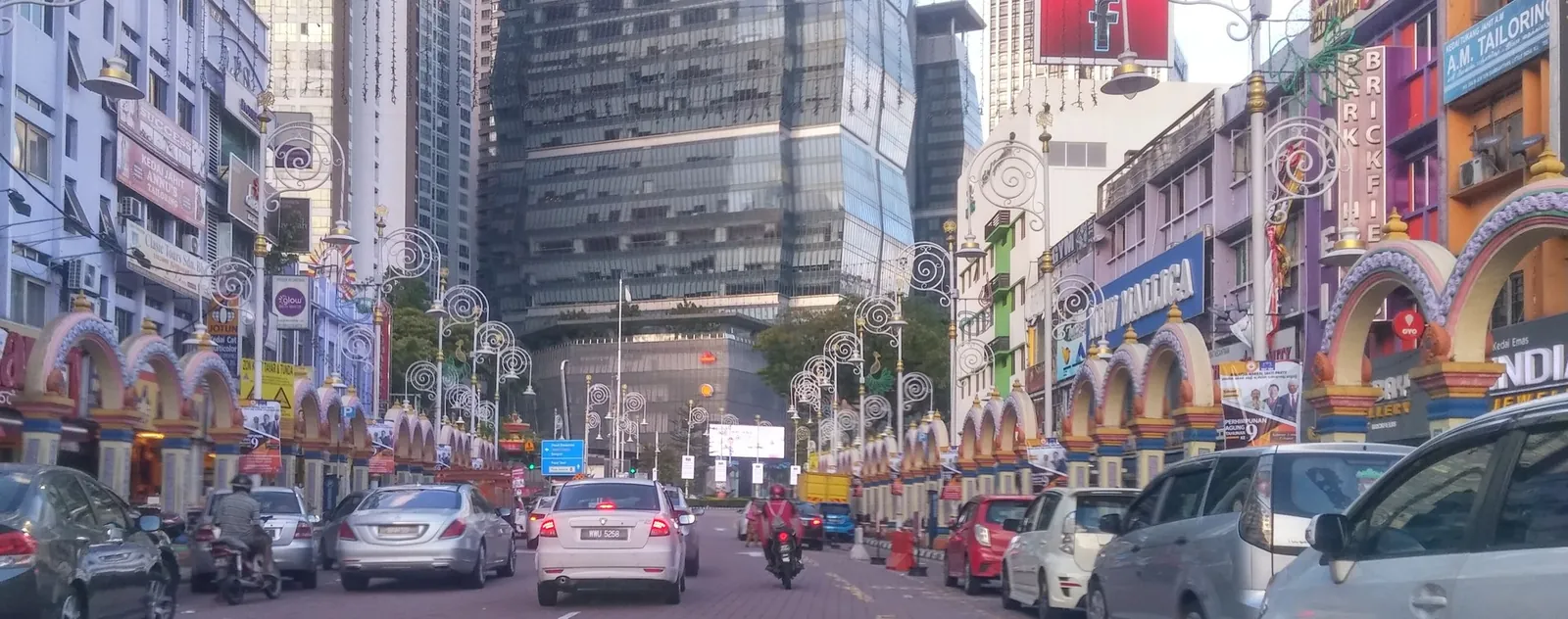
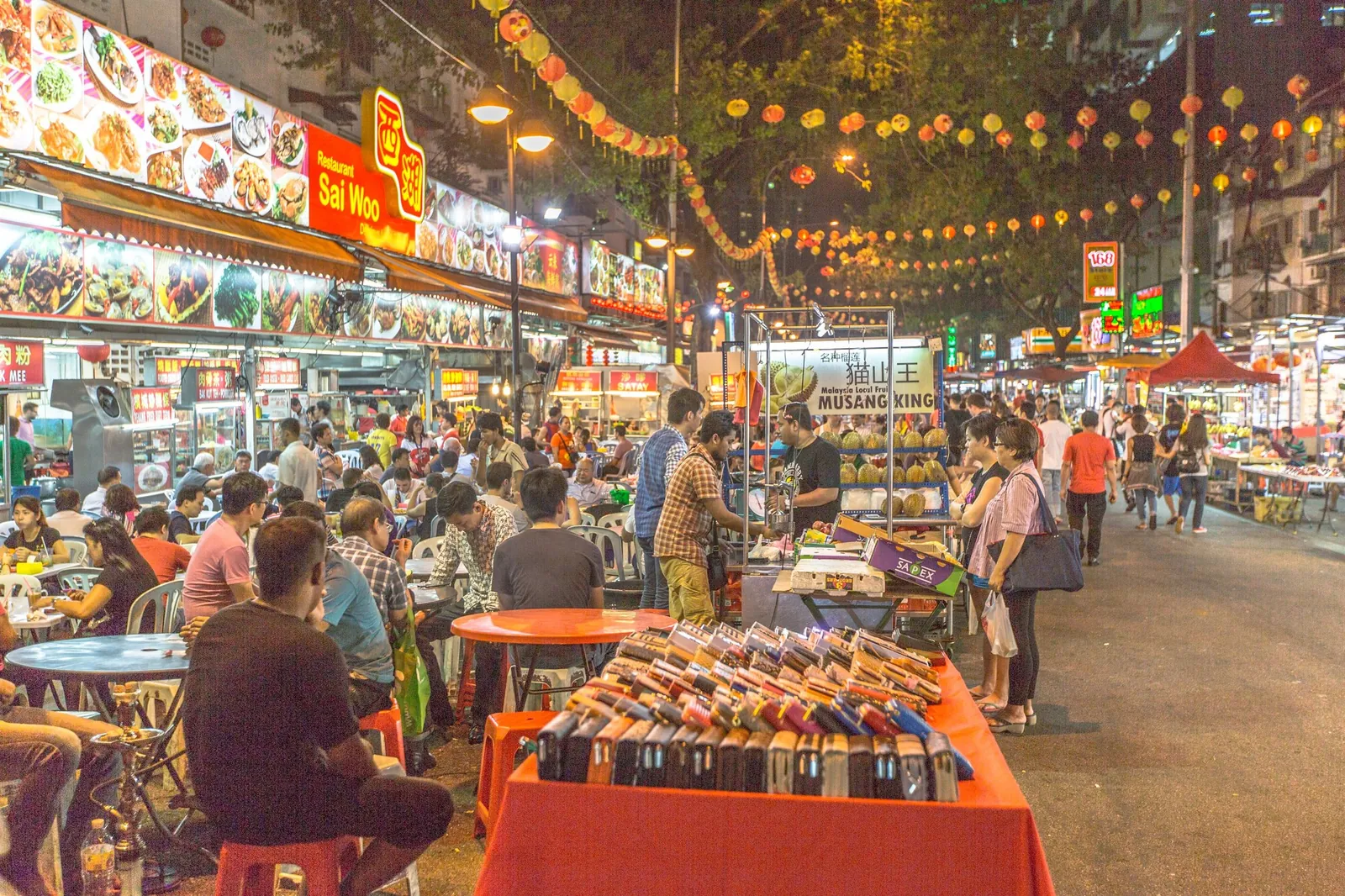
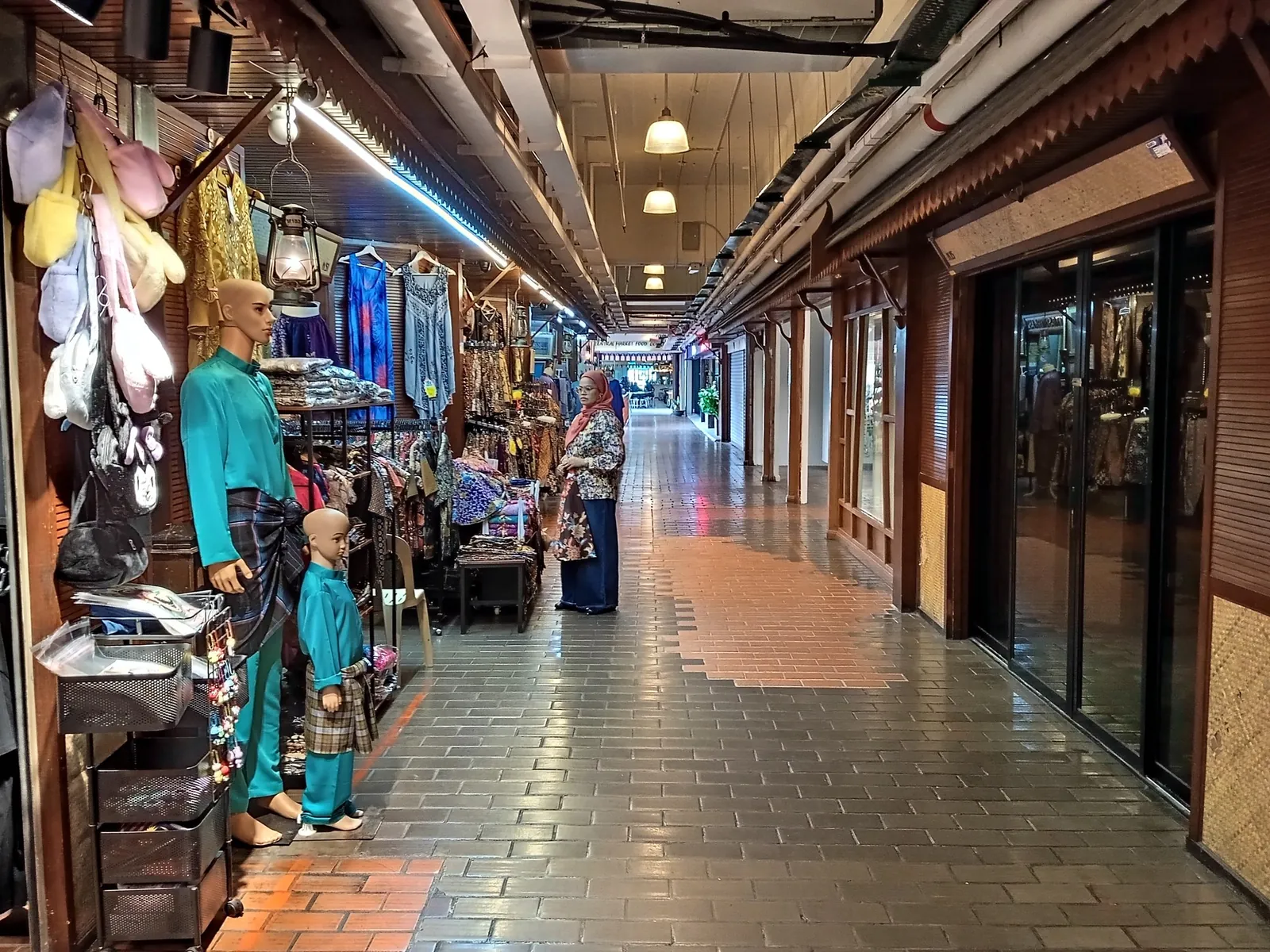
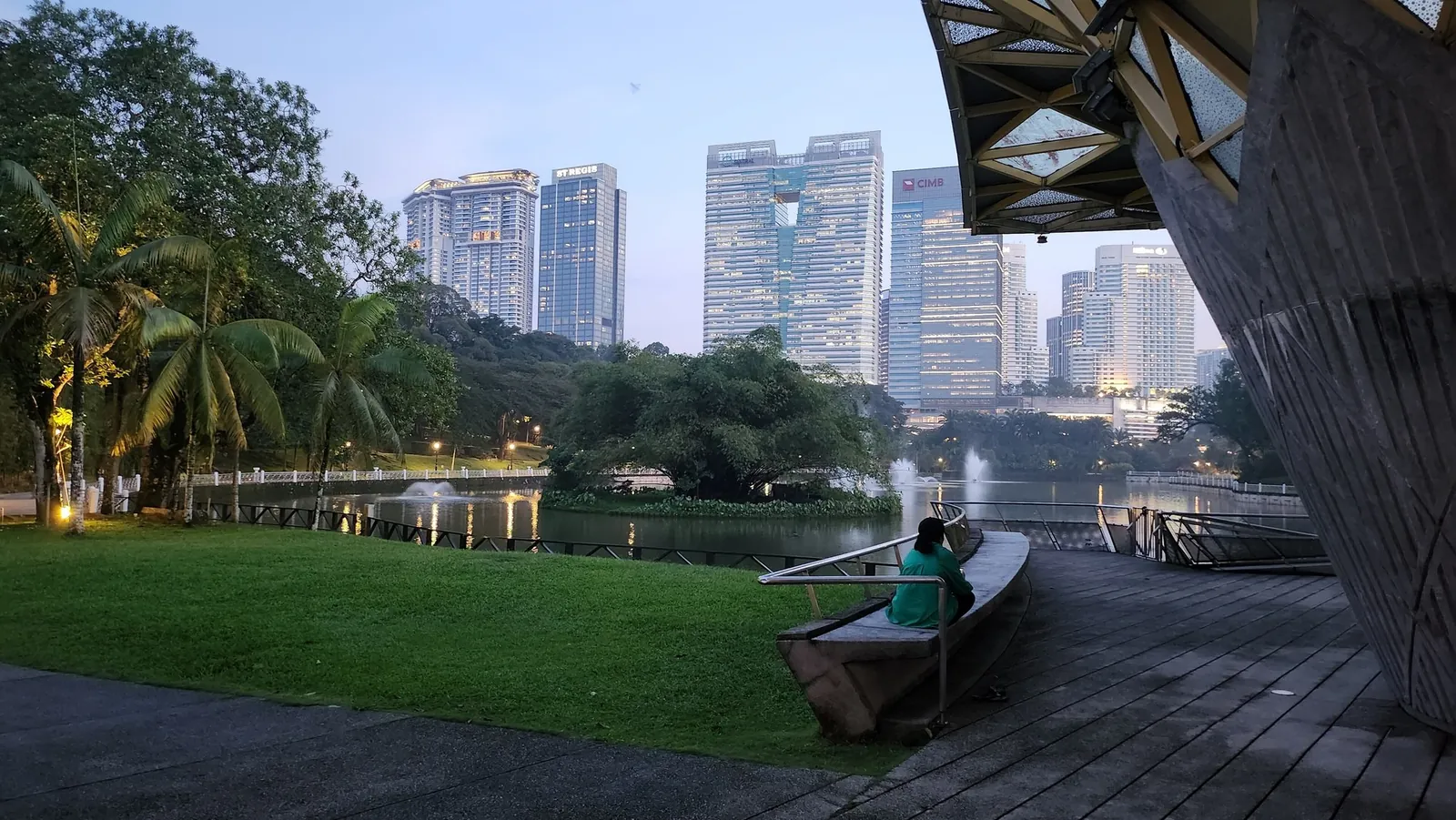
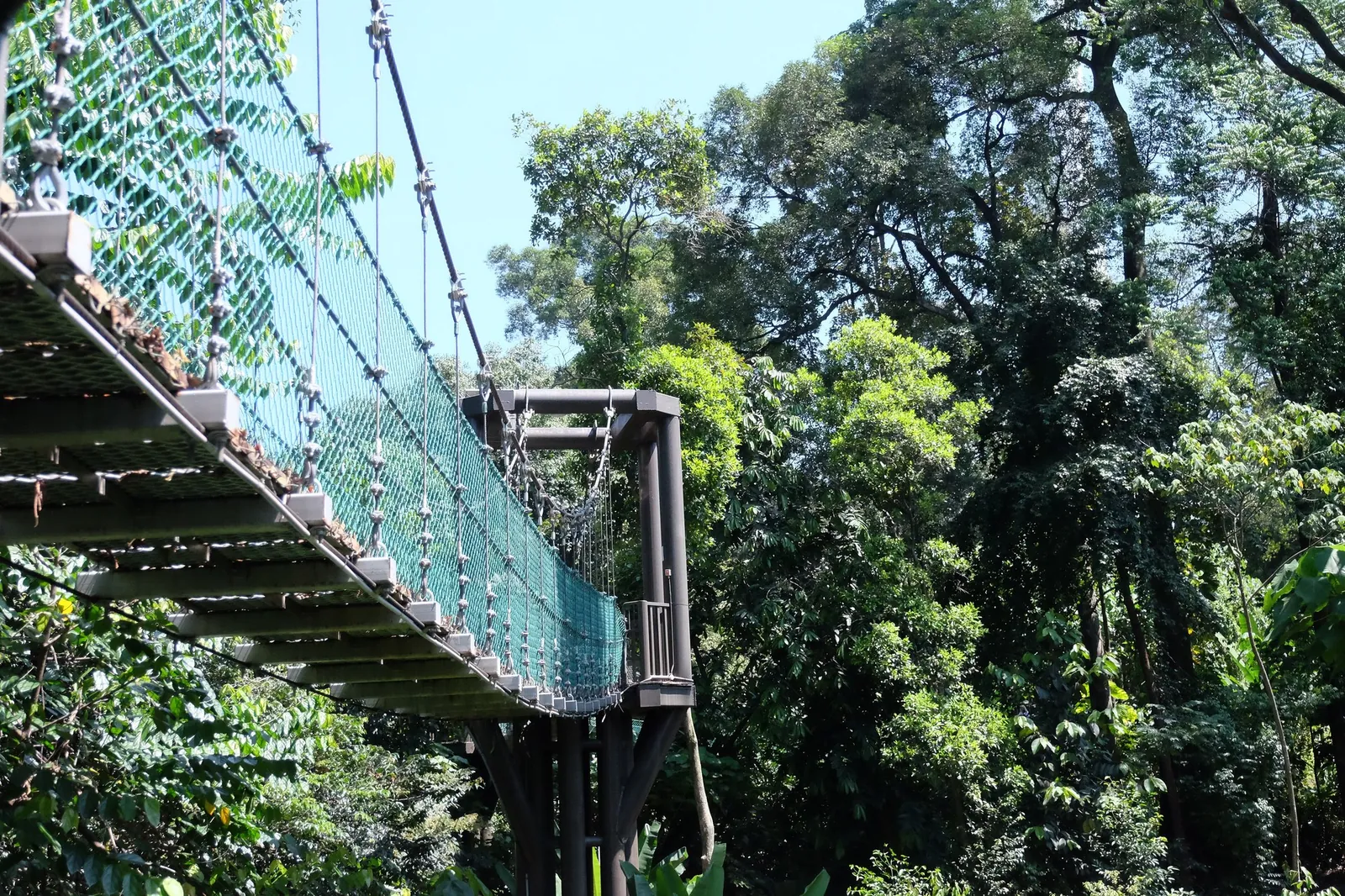
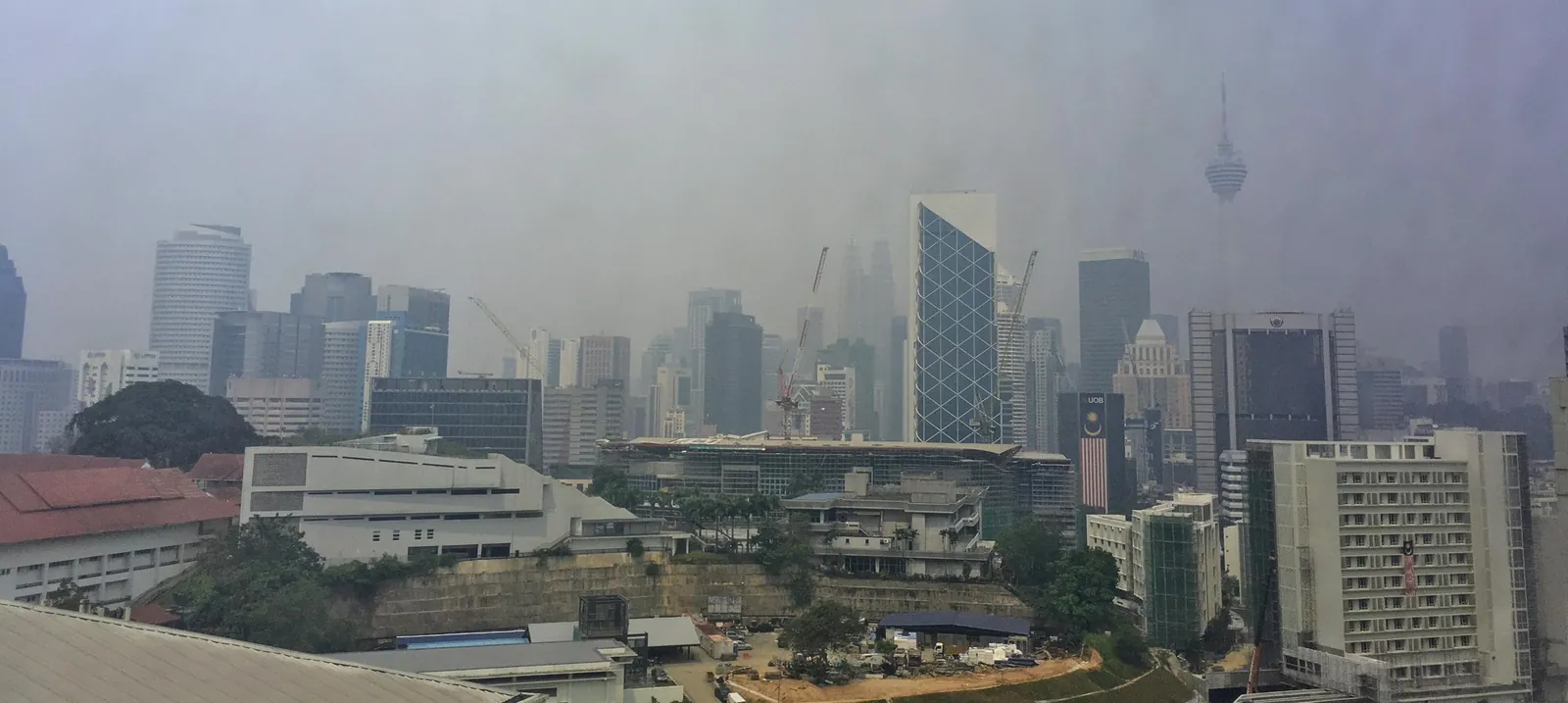
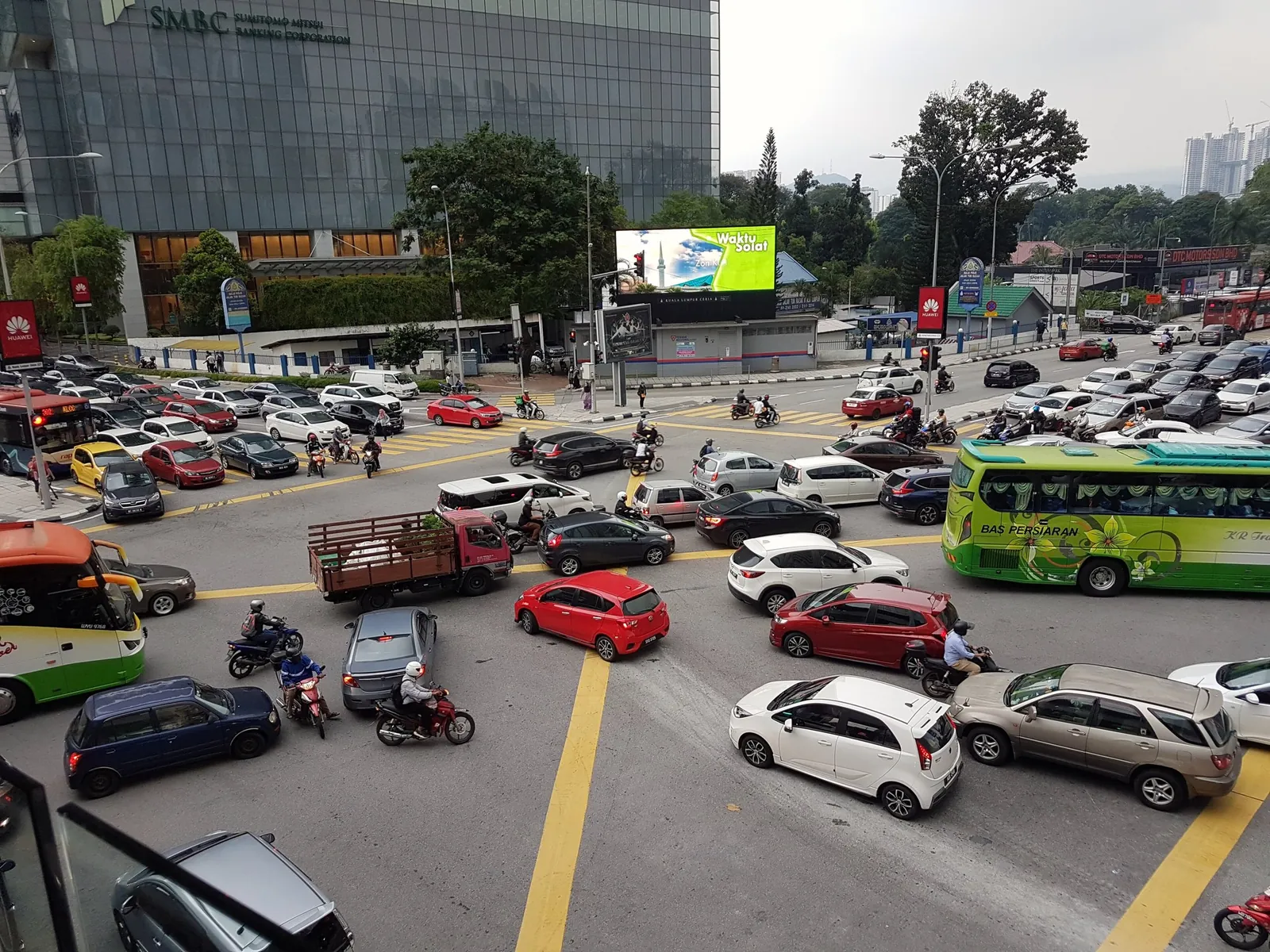
Authentic, unedited photos of Kuala Lumpur by residents and visitors, taken on ordinary days rather than chosen by a tourist board. Each one shows when it was taken. Browse photos of 105 cities →
_01.jpg)


_interior,_Kuala_Lumpur_20231114_104129.jpg)
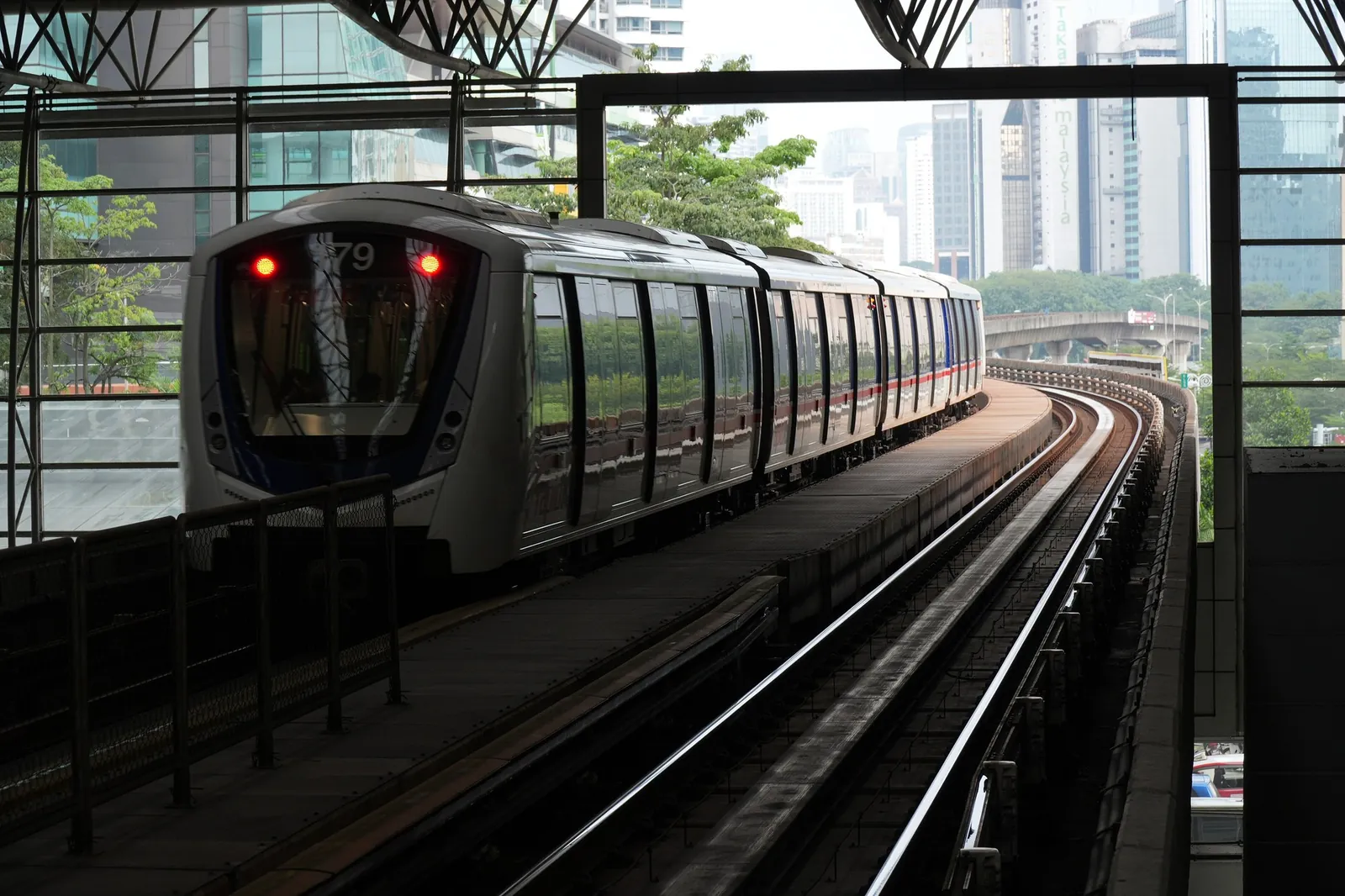

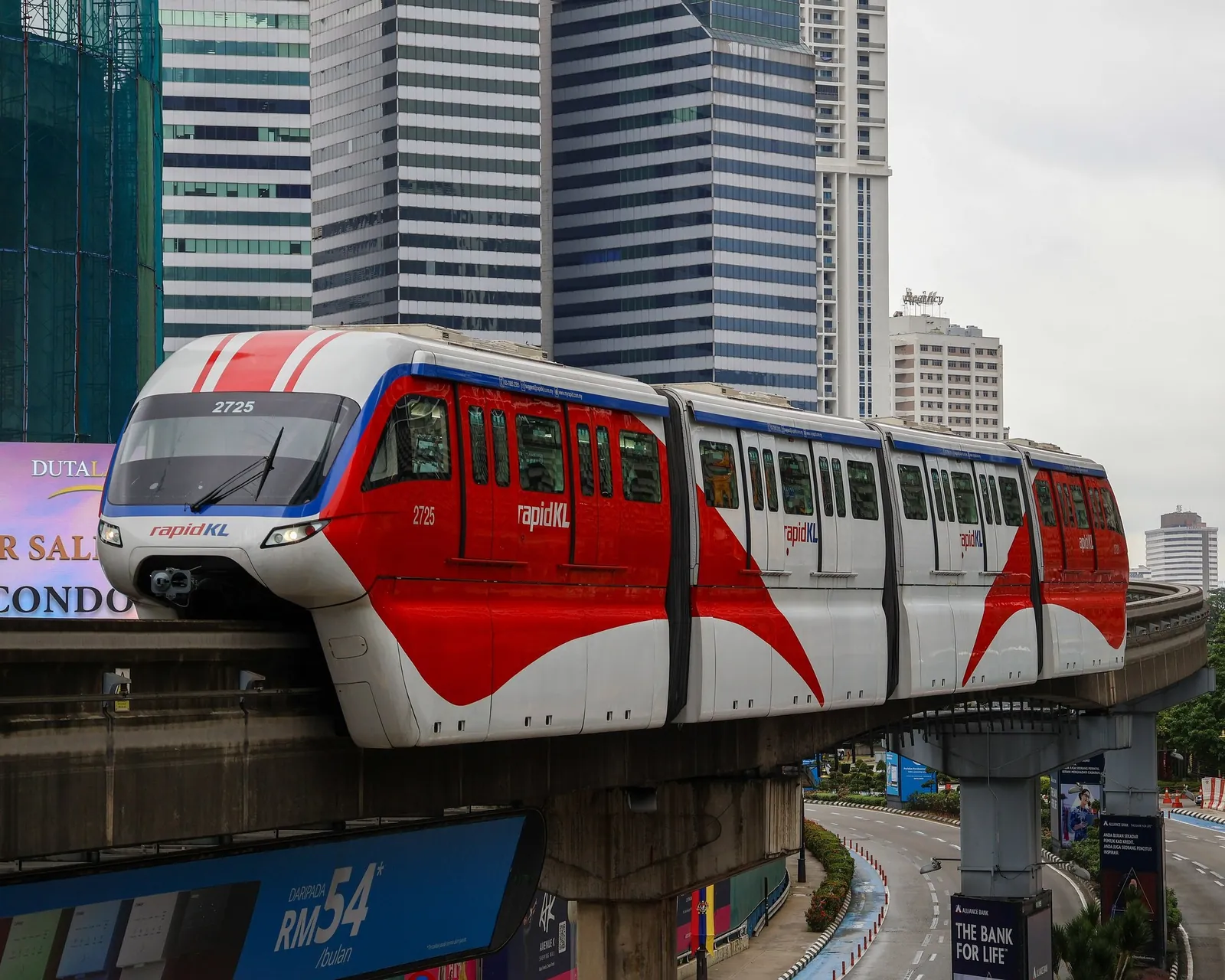
_KL_Monorail_Scomi_SUTRA_27_@_Bukit_Nanas_2025-01-28.jpg)
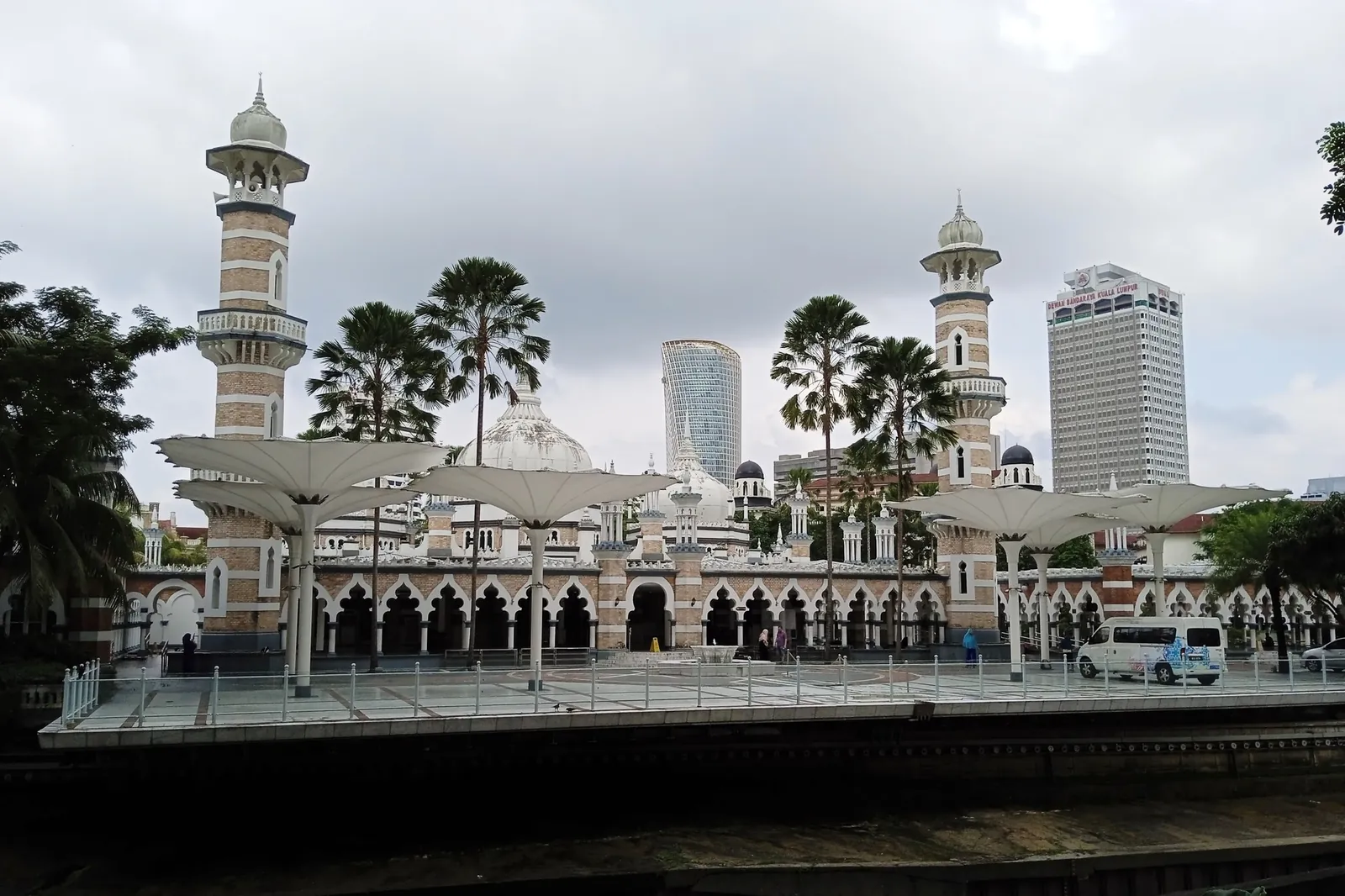

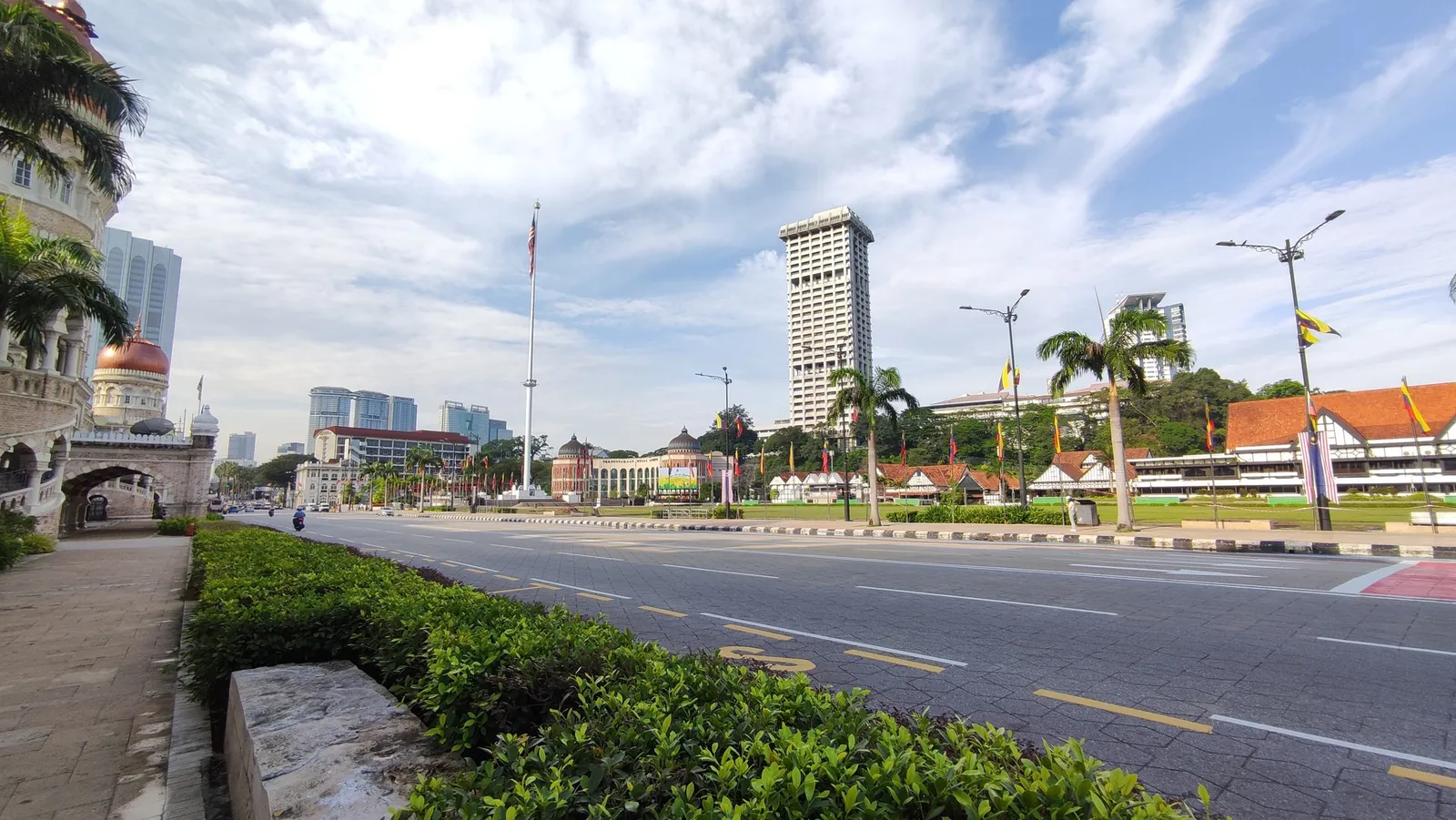



The other side

.jpg)
What does it cost to live in Kuala Lumpur?
1-Bedroom Rent
$350-$750/month
Local Restaurant Meal
$2-$5 at local restaurants
Cup of Coffee
$1.50-$3
Estimated Monthly Total
$1,100-$2,000
Want a personalized estimate? Use our cost of living calculator
How good is healthcare in Kuala Lumpur?
Kuala Lumpur is a major medical tourism hub with hospitals that rank among the best in the world. Gleneagles KL, Pantai Hospital Kuala Lumpur and Sunway Medical Centre are JCI-accredited and offer care comparable to top Western facilities at a fraction of the cost. A specialist consultation typically costs $20-$50, and even complex surgeries are 60-80% cheaper than in the US. English is the standard language in most private hospitals. International health insurance is affordable, and many retirees combine insurance with out-of-pocket payments for routine care.
What is daily life like in Kuala Lumpur?
KL is a food lover's paradise, thanks to its Malay, Chinese, and Indian populations creating one of the most diverse culinary scenes in the world. The city has modern malls, parks, cultural attractions, and a growing cafe culture. The efficient LRT and MRT rail systems, plus affordable Grab rides, make getting around easy. Many retirees enjoy the city's golf courses, hiking trails in nearby hill stations like the Genting Highlands, and weekend trips to the beaches of Langkawi or the Cameron Highlands tea plantations.
What is the climate like in Kuala Lumpur?
KL has a tropical rainforest climate with warm temperatures year-round (28-34°C) and high humidity. Rain falls throughout the year but is heaviest from October to March. Afternoon thunderstorms are common but usually brief. Air conditioning is a necessity. The consistently warm climate is appreciated by many retirees, though those who prefer seasonal variation may find it monotonous.
| Month | High | Low | Rain |
|---|---|---|---|
| January | 32.6 °C | 23.8 °C | 227 mm |
| February | 33.3 °C | 24.0 °C | 193 mm |
| March | 33.7 °C | 24.5 °C | 270 mm |
| April | 33.7 °C | 24.7 °C | 302 mm |
| May | 33.6 °C | 25.0 °C | 230 mm |
| June | 33.3 °C | 24.8 °C | 146 mm |
| July | 32.8 °C | 24.4 °C | 165 mm |
| August | 32.8 °C | 24.5 °C | 174 mm |
| September | 32.7 °C | 24.2 °C | 220 mm |
| October | 32.6 °C | 24.2 °C | 284 mm |
| November | 32.3 °C | 24.1 °C | 356 mm |
| December | 32.0 °C | 24.0 °C | 281 mm |
Weather station: Subang (Sultan Abdul Aziz Shah Airport) (15 km away). Source: WMO Climatological Normals 1991-2020 (NOAA NCEI)
What are the pros and cons of retiring in Kuala Lumpur?
Pros
- English widely spoken throughout the city
- World-class hospitals at affordable prices
- Excellent public transit and ride-hailing services
- Incredibly diverse food scene (Malay, Chinese, Indian, Western)
- Modern condominiums at very reasonable prices
Cons
- MM2H visa requirements have become more stringent
- High humidity year-round can be uncomfortable
- Traffic congestion during peak hours is severe
- Alcohol is expensive due to taxes in this Muslim-majority country
Who should retire in Kuala Lumpur?
English-speaking retirees who want modern city living, outstanding healthcare, and multicultural food without the language barrier common in other Southeast Asian countries.
Which neighborhoods suit retirees in Kuala Lumpur?
Mont Kiara
The premier expat enclave in KL. High-rise condos with pools, gyms, and security rent for $500-$900/month. International supermarkets (Jaya Grocer, Village Grocer), clinics, and restaurants within walking distance. Large Western expat community. Best for retirees who want familiar comforts.
Bangsar
Trendy, walkable neighborhood south of the city center. Mix of condos and townhouses for $450-$800/month. Strong cafe culture, night markets (Bangsar Sunday Market), and proximity to University Hospital. More local character than Mont Kiara.
Petaling Jaya (PJ)
Suburban city adjacent to KL with lower costs. Condos and apartments for $350-$600/month. Large malls (Sunway Pyramid, 1 Utama), established neighborhoods, and good public transport via LRT. Popular with budget-conscious retirees who want space.
How do you meet people in Kuala Lumpur?
Most newcomers in Kuala Lumpur find their first contacts through clubs, regular meetups and congregations. We checked these 7 groups in October 2026, for example German Speaking Society Kuala Lumpur (GSSKL), American Association of Malaysia (AAM), Association of British Women in Malaysia (ABWM).
Clubs, groups and meetups for everyone
International Women's Association of Kuala Lumpur (IWAKL)
Non-profit women's association founded in 1989, open to women of every nationality, that links international residents and Malaysians through social activities and community service. You can drop in at a coffee morning without booking; joining costs RM100 plus RM100 a year and is done in person.
Mother Hash (Hash House Harriers, Kuala Lumpur, 1938) · Changing run sites around Kuala Lumpur
The original Hash House Harriers, founded in KL in 1938: a weekly trail run through jungle and hills followed by the traditional circle. Men only; male visitors welcome for a guest fee (RM50 normal run).
When: Mondays, normally 6:00pm (runs listed through December 2026)
St Andrew's Presbyterian Church (International Church of KL) · 29/31 Jalan Raja Chulan, 50200 Kuala Lumpur
Founded in 1915 mainly for the British expatriate community and now an English-language 'church for all nations' with a mix of foreign residents and Malaysians. A natural place for English-speaking Protestants to meet other foreigners.
When: Sundays 8:30am and 11:00am (11:00am also livestreamed)
St Mary's Cathedral (Anglican) · Main cathedral and Wisma Anglican, Kuala Lumpur
Anglican cathedral in central KL with several English services every Sunday, both traditional liturgy and a contemporary congregation, plus growth groups. Useful for Anglicans and Church of England members looking for a home congregation.
When: English Liturgical Sundays 7.00am, 9.00am and 11.00am; English Contemporary (SMACC) 9.00am, 11.00am and 5.00pm
For Americans
American Association of Malaysia (AAM) · Changing cafés and bars in KL (e.g. 103 Coffee @ The Waterfront); office at Avenue K, 156 Jalan Ampang
Non-profit social network for Americans and non-Americans around Kuala Lumpur, with a monthly Coffee Crew, happy hours, lunches and charity fundraisers. The rotating café meetups are an easy, low-commitment first contact.
When: Coffee Crew monthly, usually the first Friday, 10:00am to 12:00pm (e.g. Fri 2 Oct 2026); monthly happy hour on a Thursday evening
For Britons
Association of British Women in Malaysia (ABWM) · 23 Jalan Telawi 9, Bangsar, Kuala Lumpur 59100
Volunteer-run association founded in 1975 with a clubhouse in Bangsar, offering charity work, sports and reading groups, and weekly Mah Jong, Bridge and Pilates. It holds a monthly newcomers coffee morning and a multi-day 'Hello KL' course for new arrivals.
When: Monthly newcomers coffee morning (day not published)
For German speakers
German Speaking Society Kuala Lumpur (GSSKL)
Non-profit association for German speakers in KL that runs a German-speaking Stammtisch, weekly hikes, coffee mornings, a football group and a yearly charity Christmas bazaar. It also gives practical information to people moving to the city.
When: Deutschsprachiger Stammtisch listed for Tue 6 Oct and Tue 3 Nov 2026 at 19:00; hiking (Wandern mit Anita) Wednesdays at 08:45; coffee morning Tue 13 Oct 2026 at 11:00. Venues are not published on the calendar.
Official contact points
- Embassy of the Federal Republic of Germany, Kuala Lumpur: 26th Floor, Menara Tan & Tan, 207 Jalan Tun Razak, 50400 Kuala Lumpur; +60 3 2170 9666. All consular matters (passports, certifications) by online appointment; consular counter Mon to Thu 9am to 12pm, Fri 9am to 1pm.
- U.S. Embassy Kuala Lumpur, American Citizen Services: 376 Jalan Tun Razak, 50400 Kuala Lumpur; ACS phone +60-3-2168 5000, email klacs@state.gov.
- British High Commission Kuala Lumpur: Level 27, Menara Binjai, 2 Jalan Binjai, Kuala Lumpur 50450; public access by appointment only. Offers emergency travel documents and help in emergencies; it does not provide notarial services.
Getting a feel for daily life in Kuala Lumpur
- Kuala Lumpur gets at least 2,600 mm of rain a year and is prone to severe thunderstorms; the northeast monsoon (October to March) is wettest, with November the wettest month, while June to August is drier. Heavy downpours can flood the city centre.
- Use the rail network to test daily life without a car: 12 lines (LRT, MRT, monorail, KTM Komuter and airport rail) serve 216 stations, and a Touch 'n Go card works on Rapid KL trains and buses.
- KLIA is about 45 km south of the city in Sepang; the KLIA Ekspres and KLIA Transit trains link it to KL Sentral.
- Time your visit around fixed meetups: AAM's Coffee Crew is usually the first Friday of the month at 10am, and the GSSKL Stammtisch has been listed on the first Tuesday at 19:00 (6 Oct and 3 Nov 2026).
Researched October 2026. Groups change: please check the link before you go.
Planning a scouting trip or a trial stay? The trip planner in My RetireFinder puts these contacts together with entry rules, health advice and a checklist.
Open the trip plannerWhich hospitals serve retirees in Kuala Lumpur?
Gleneagles Hospital Kuala Lumpur
JCI-accredited private hospital in Ampang. Part of the IHH Healthcare group (Asia's largest). Strong cardiology, oncology, and orthopedic departments. English is the primary working language. International patient coordinators on staff.
Prince Court Medical Centre
Private hospital near KLCC, part of IHH Healthcare since 2018 and accredited by Malaysia's MSQH. Award-winning medical tourism hospital with transparent pricing. Strong in health screenings and preventive care. English-speaking throughout.
Sunway Medical Centre
JCI-accredited hospital in Petaling Jaya. Integrated with Sunway University medical school. Growing reputation for neurology and rehabilitation. Convenient for retirees living in PJ suburbs.
Facility details may change. Verify accreditation status and services directly with each hospital before making healthcare decisions.
What is the food scene like in Kuala Lumpur?
Kuala Lumpur is one of Asia's great food cities, with Malay, Chinese, Indian, and international cuisines available at every price point. Hawker centers and mamak stalls serve nasi lemak, roti canai, char kway teow, and tandoori for $1-$3 per meal: eating out is often cheaper than cooking at home.
For upscale dining, Bangsar and KLCC offer everything from Japanese omakase to Italian fine dining at $15-$40 per person. International supermarkets (Jaya Grocer, Cold Storage, Village Grocer) stock imported goods for home cooking. Mont Kiara has dedicated Western bakeries, delis, and brunch spots catering to the expat community. The rooftop bar and restaurant scene in KL is world-class, with venues like Heli Lounge Bar and Marini's on 57 offering skyline views.
Is retiring in Kuala Lumpur right for you?
Take our free 3-minute retirement quiz to see how life in Kuala Lumpur, Malaysia, compares to other destinations based on your preferences, budget, and needs.
Take the Retirement QuizFrequently Asked Questions About Retiring in Kuala Lumpur
Is English really widely spoken in Kuala Lumpur?
Yes, English is widely spoken in KL, especially in business, healthcare, and urban settings. Most educated Malaysians are bilingual or trilingual. You can conduct nearly all daily business in English--banking, shopping, medical appointments, and government offices. This makes KL one of the easiest cities in Southeast Asia for English-speaking retirees.
What is the MM2H visa and how do I qualify?
The Malaysia My Second Home (MM2H) program grants a long-term renewable visa. Since the 2024 reboot it is deposit-based with no monthly income requirement: the Silver tier needs a USD 150,000 fixed deposit (5-year visa), Gold USD 500,000 (15-year), and Platinum USD 1,000,000 (20-year, work permitted). A lower special economic zone tier requires USD 65,000, or USD 32,000 for applicants aged 50+, for a 10-year visa tied to that zone. The deposit is locked for the first year, after which up to 50% can be withdrawn for approved property, healthcare, or education.
Is Kuala Lumpur safe for retirees?
KL is generally safe, with violent crime against foreigners being uncommon. Petty crime like bag snatching and phone theft does occur, so normal precautions are advised. Gated condominiums with 24-hour security are the norm for expat residents, providing an extra layer of safety.
Can I drink alcohol in Malaysia?
Yes, alcohol is legal for non-Muslims in Malaysia. It is widely available in restaurants, bars, supermarkets, and convenience stores. However, taxes on alcohol are high, making it significantly more expensive than in Thailand or Vietnam. A beer in a restaurant typically costs $4-$7.
Sources & References
- Numbeo, Cost of living index and price data for Kuala Lumpur: rent, groceries, restaurants, and transportation
- Gleneagles Hospital Kuala Lumpur, Facility services, specialist directories, and international patient programs in Kuala Lumpur
- Immigration Department of Malaysia, Malaysia My Second Home (MM2H) visa requirements and application procedures
- Malaysia Healthcare Travel Council, National healthcare quality standards and medical tourism data relevant to Kuala Lumpur