
City Retirement Guide
Retire in Ipoh, Malaysia
Hidden gem with small-town charm and big-city healthcare
What are the key facts about retiring in Ipoh?
- Elevation & setting
- ~40 m; Kinta River valley surrounded by Paleozoic limestone karst hills; inland, ~90 km from the Strait of Malacca
- Climate
- Coolest month December 23–32°C, hottest April 24–34°C; 2,428 mm of rain a year, most in October (daily low to high, 1971–2000)
- Nearest international airport
- Sultan Azlan Shah Airport (IPH), ~6 km south of city centre (limited international routes; KUL ~200 km south is the main hub)
- Nearest major hospital
- KPJ Ipoh Specialist Hospital and Pantai Hospital Ipoh, both in Greentown district, central Ipoh
- Primary retirement visa
- Malaysia MM2H 2026: Silver USD 150,000 / Gold USD 500,000 / Platinum USD 1,000,000 fixed deposit plus tier-specific property purchase; age 25+
- Language environment
- Bahasa Malaysia and Cantonese dominant in daily life (Ipoh has a historically large Cantonese-speaking Chinese community); English common in hospitals and Old Town cafes
Ipoh falls under the federal MM2H programme (not the lower-threshold Sarawak S-MM2H, which is restricted to Sarawak state), so applicants targeting Perak must meet the full tier-specific fixed-deposit and property requirements.
What is retirement like in Ipoh?
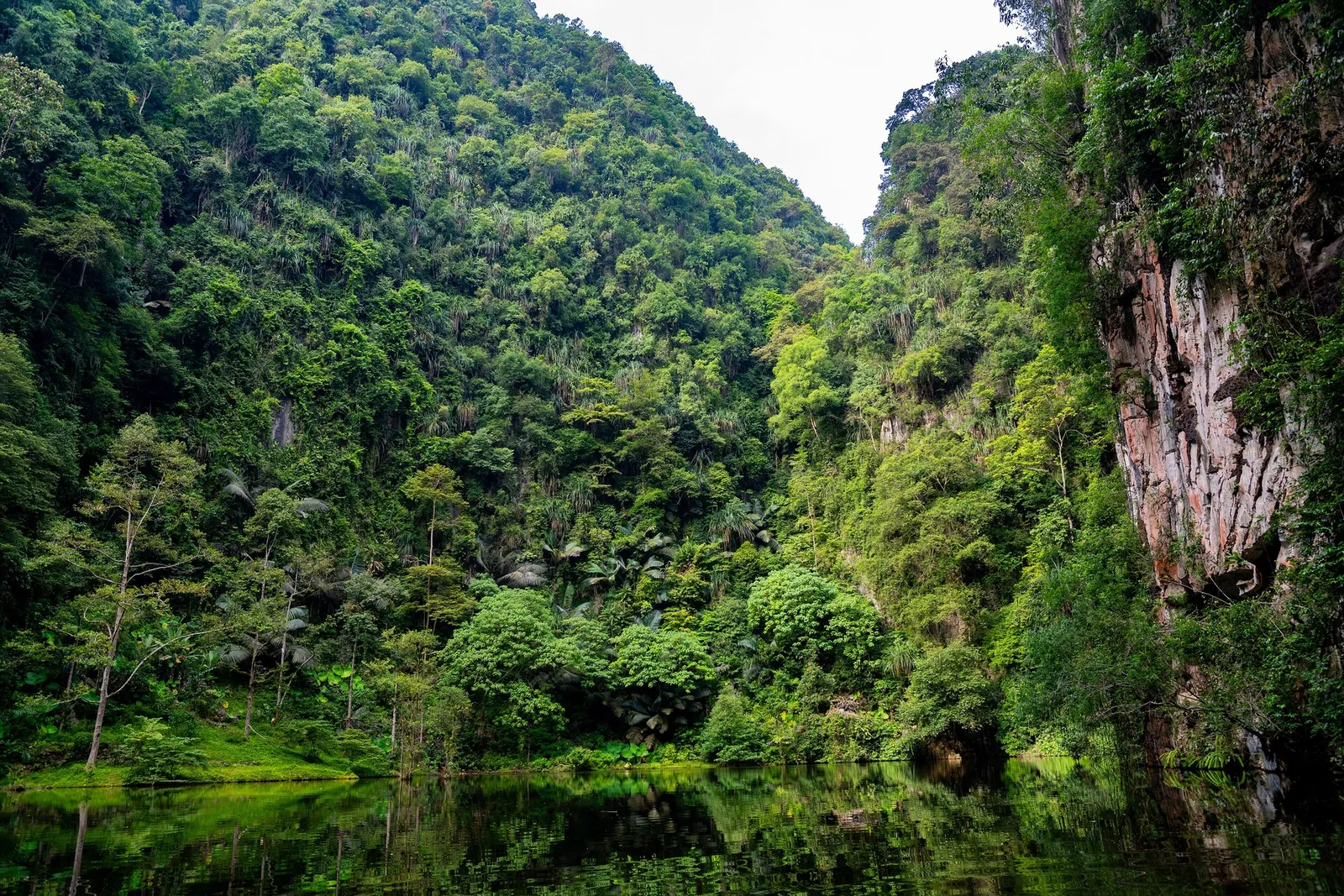
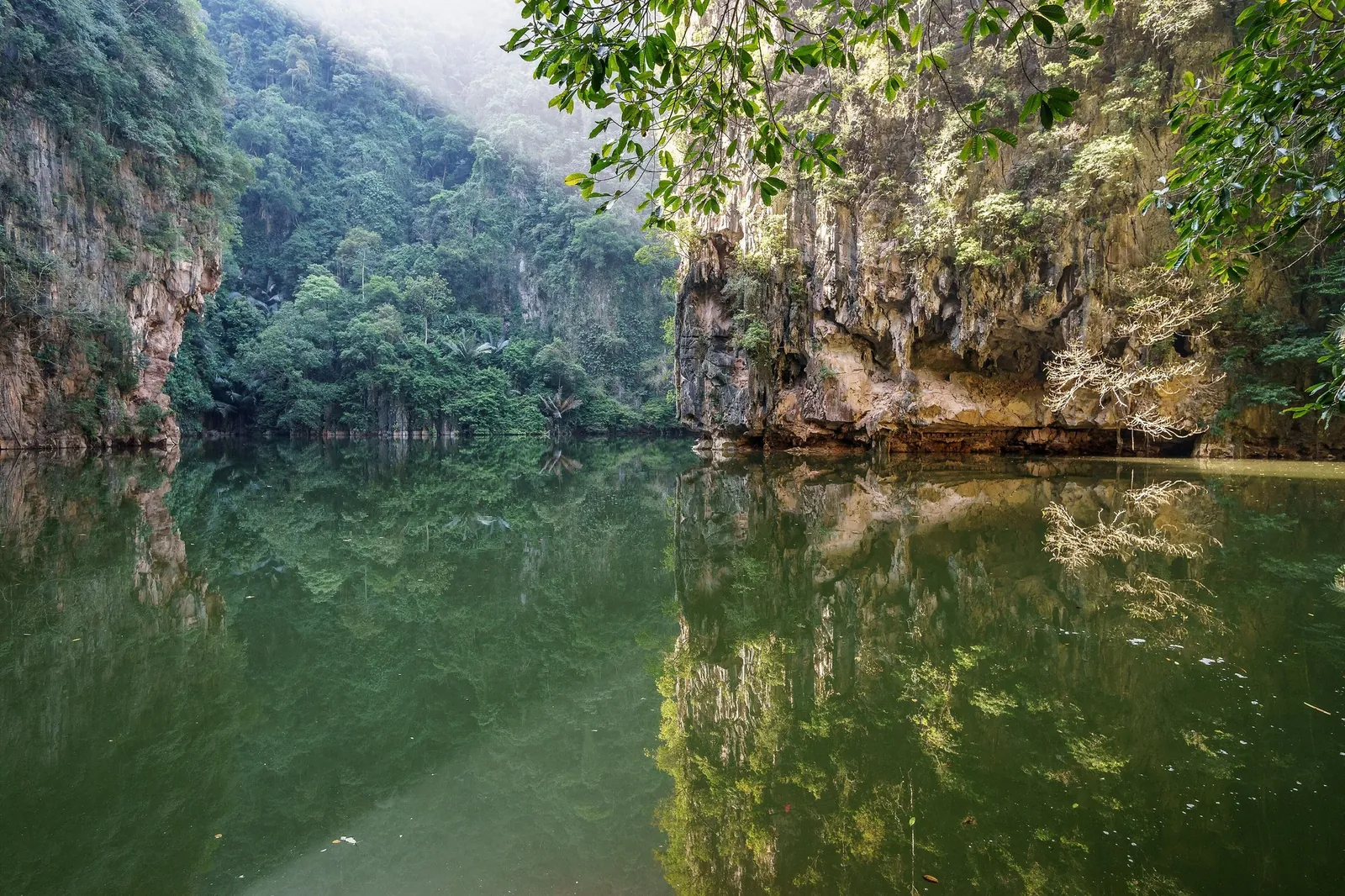
Ipoh sits in the limestone-karst Kinta Valley at roughly 40 metres elevation, on the banks of the Kinta River about 200 kilometres north of Kuala Lumpur and 150 kilometres southeast of George Town. The city is ringed by Paleozoic limestone towers (some reaching several hundred metres) that shelter cave temples like Perak Tong and Sam Poh Tong, and its private healthcare is anchored by KPJ Ipoh Specialist Hospital and Pantai Hospital Ipoh in the central Greentown district. Most foreign retirees settle in Ipoh Garden, Bercham or Tambun on the city's northeastern rim, within 10 minutes of Sultan Azlan Shah Airport (IPH).
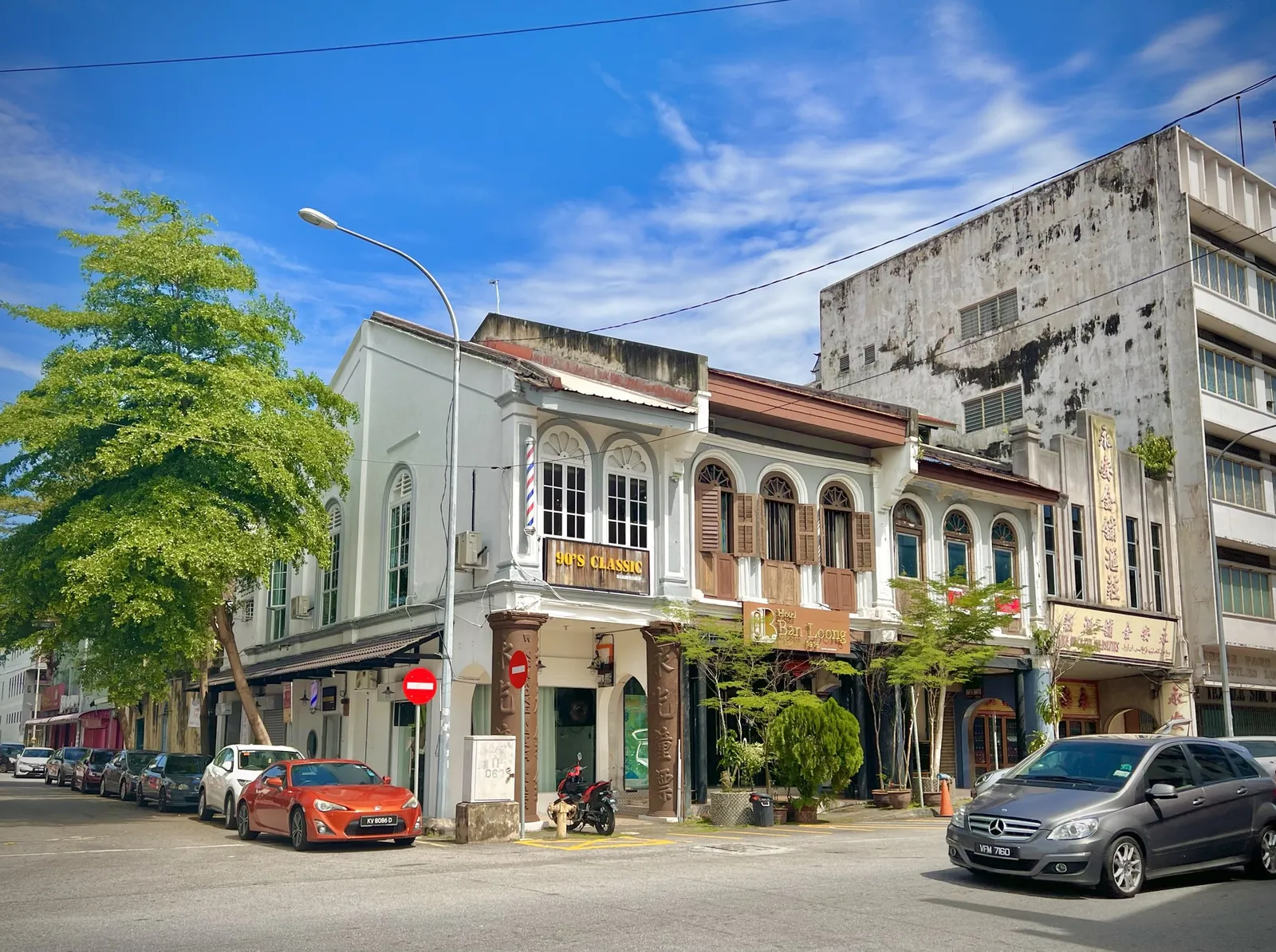
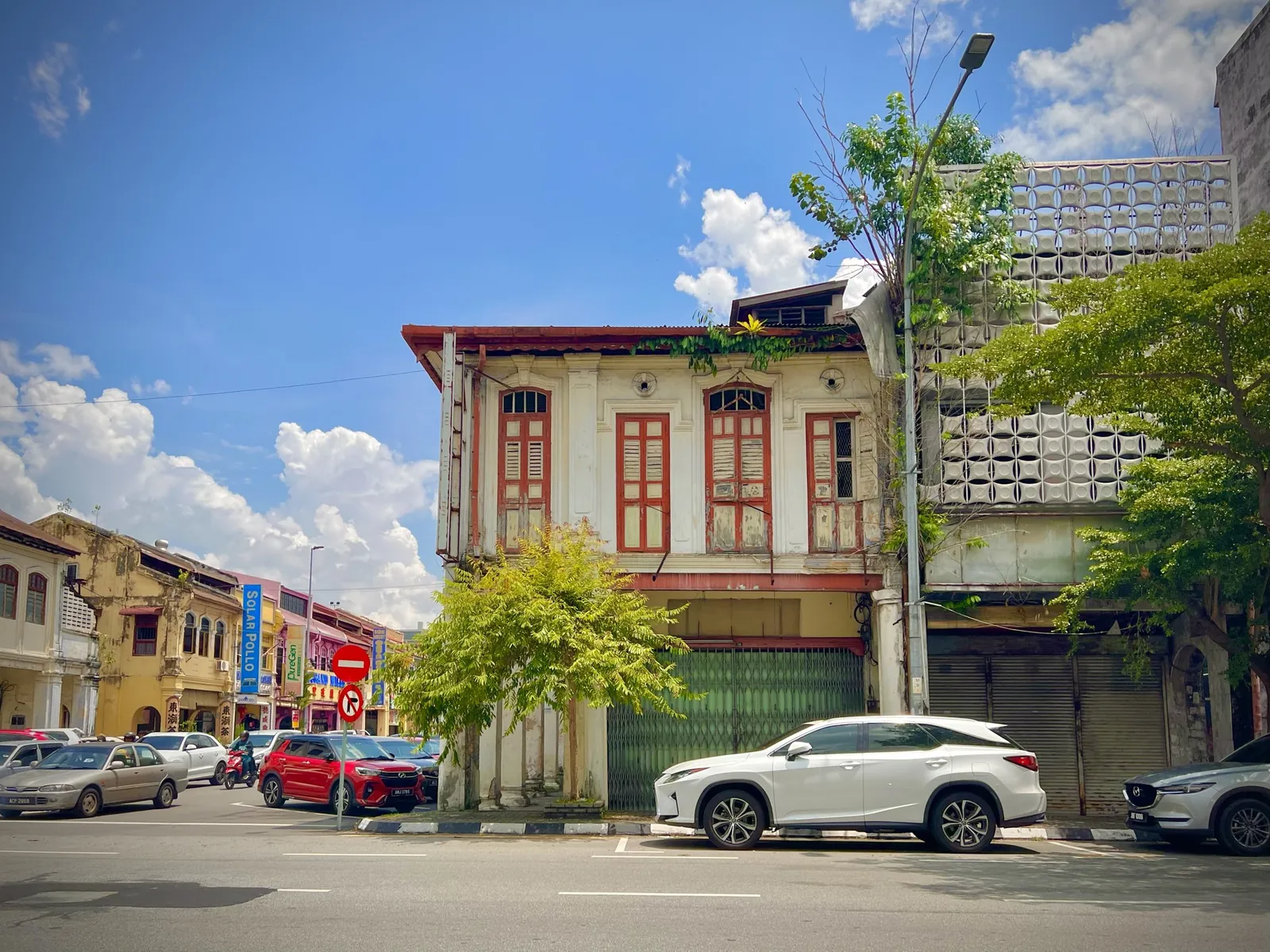
The city's Old Town features beautifully restored shophouses, artisan coffee shops, and some of the best Chinese-Malaysian food in the country. Ipoh is famous for its bean sprout chicken, white coffee, and hor fun noodles. Property prices and rents are significantly lower than in KL or Penang, making it possible to rent a spacious apartment or even a house with a garden for very modest sums.
Despite its smaller size, Ipoh has surprisingly good infrastructure. KPJ Ipoh Specialist Hospital and Hospital Fatimah provide quality healthcare, and KL's world-class hospitals are accessible by a two-hour drive or train ride on the modern ETS service. The city is clean, safe, and quiet, with friendly locals who speak decent English. For retirees seeking peace, affordability, and authenticity, Ipoh deserves serious consideration.
What does it really look like in Ipoh?
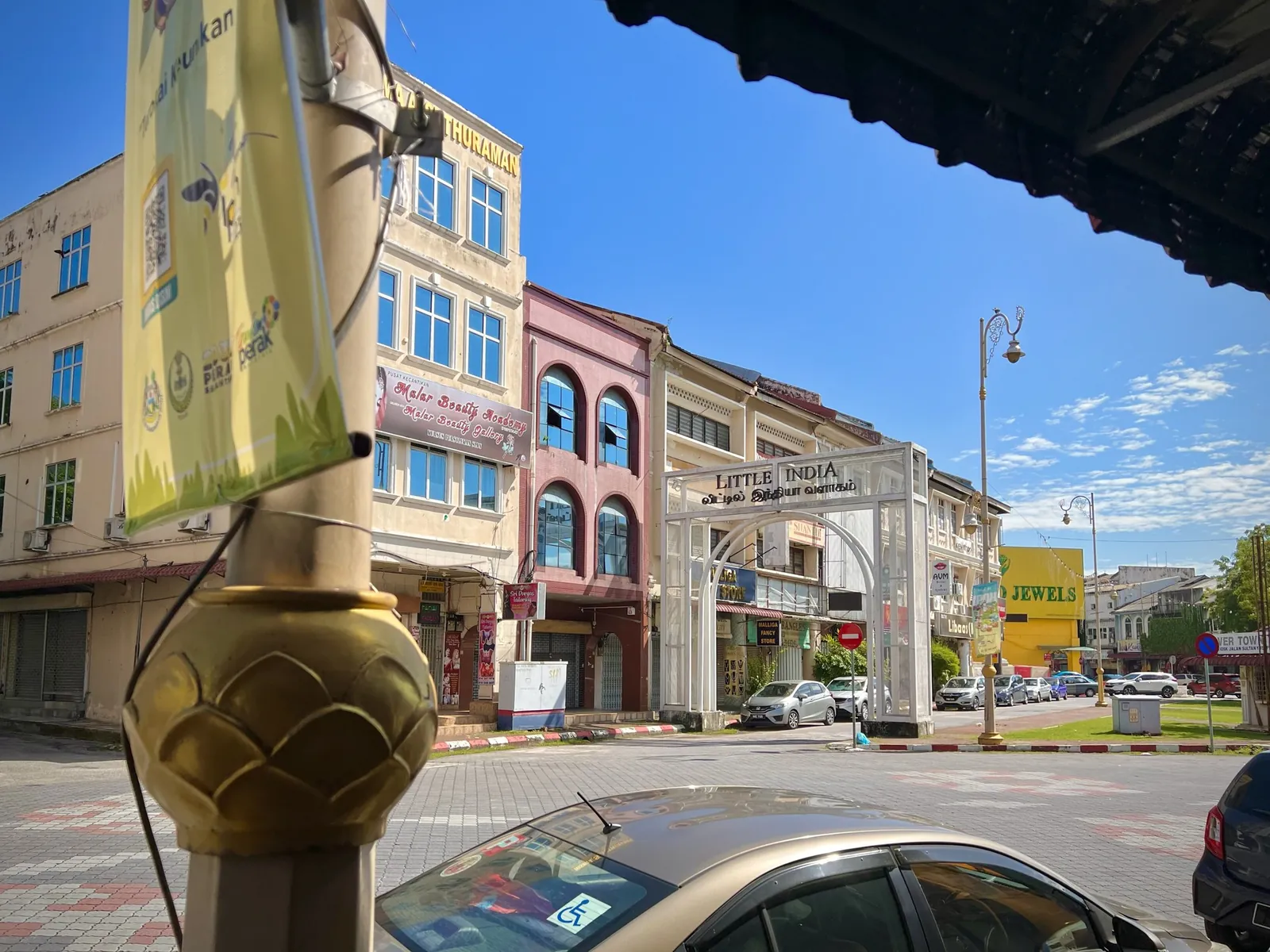
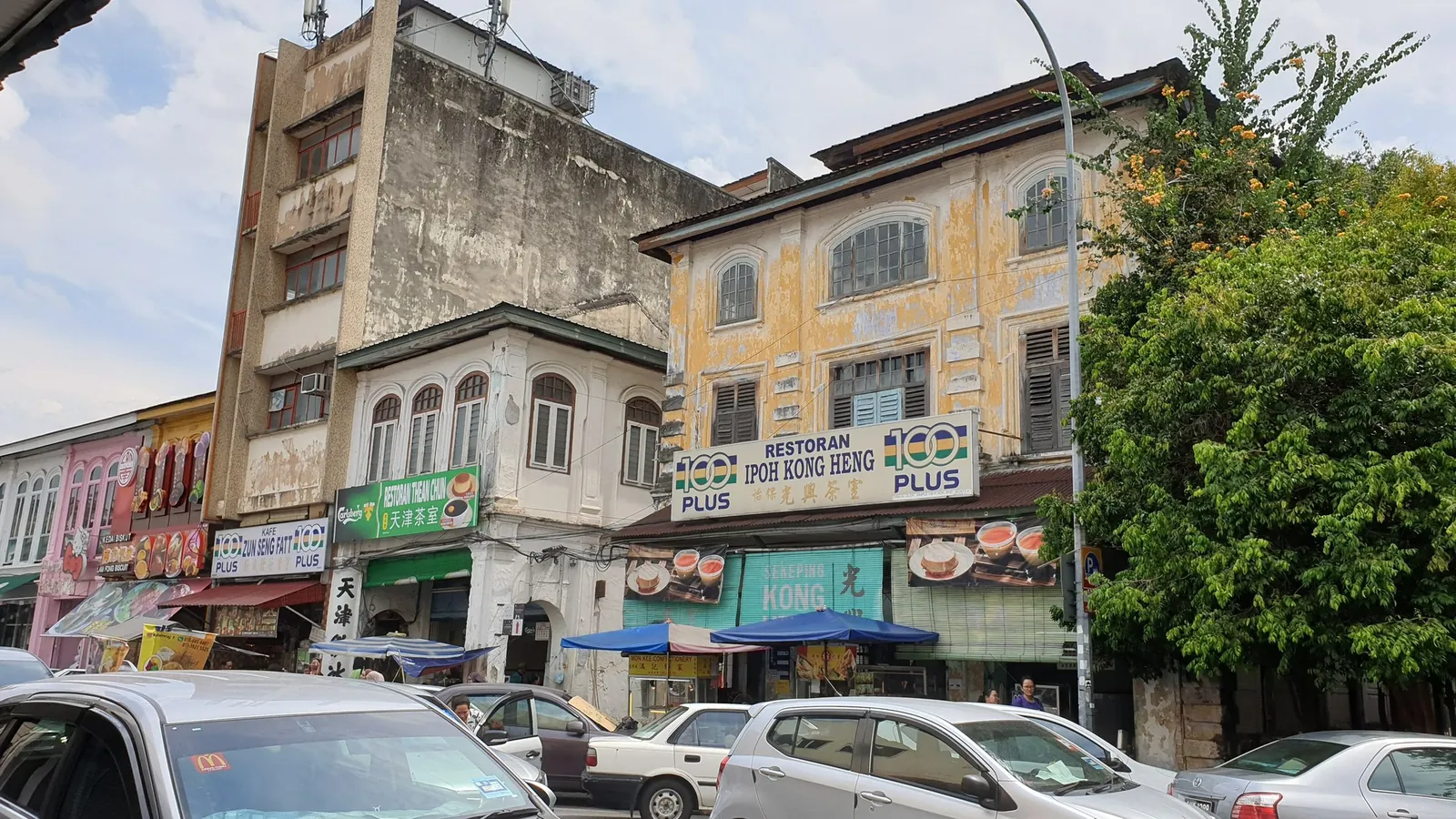
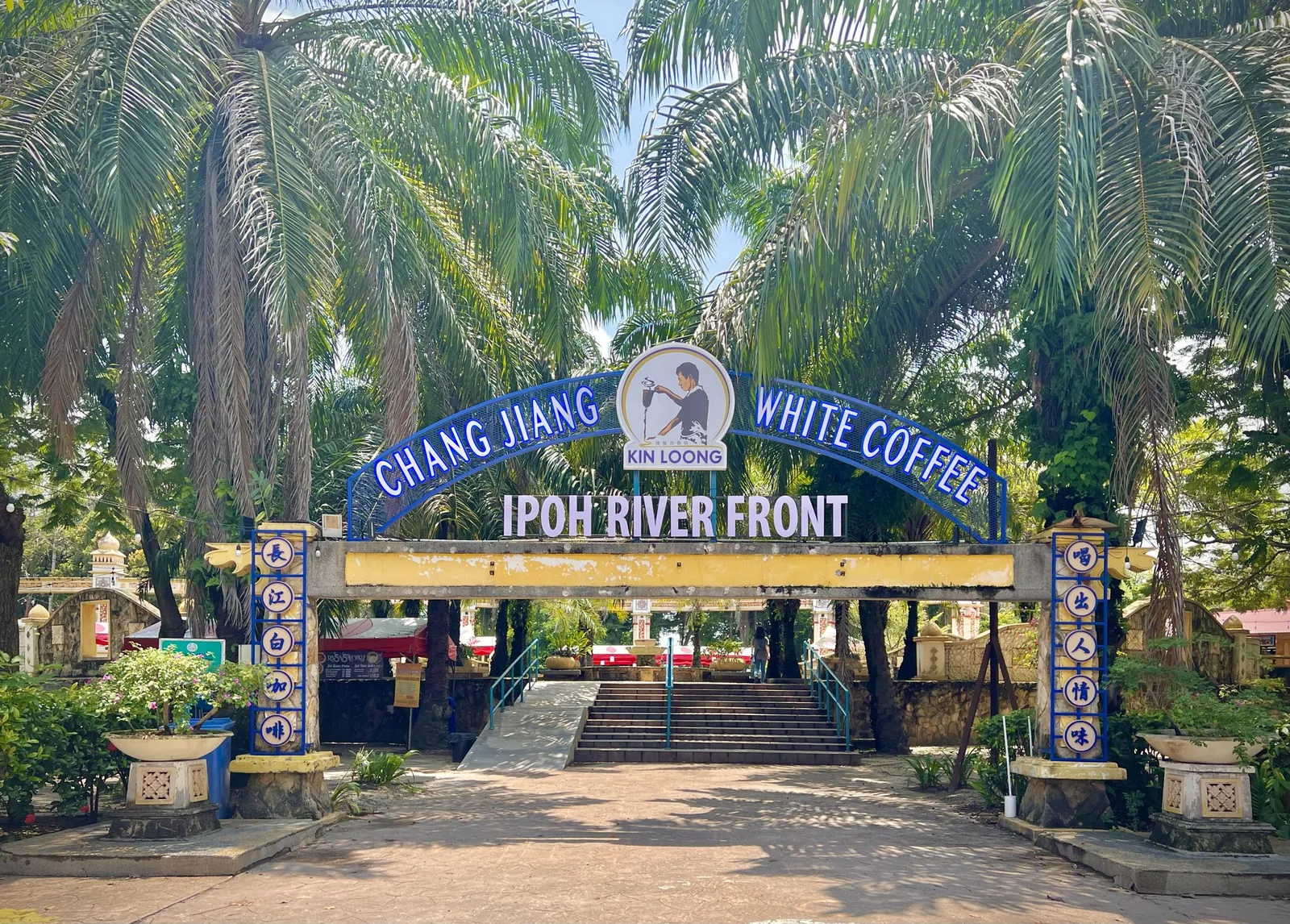
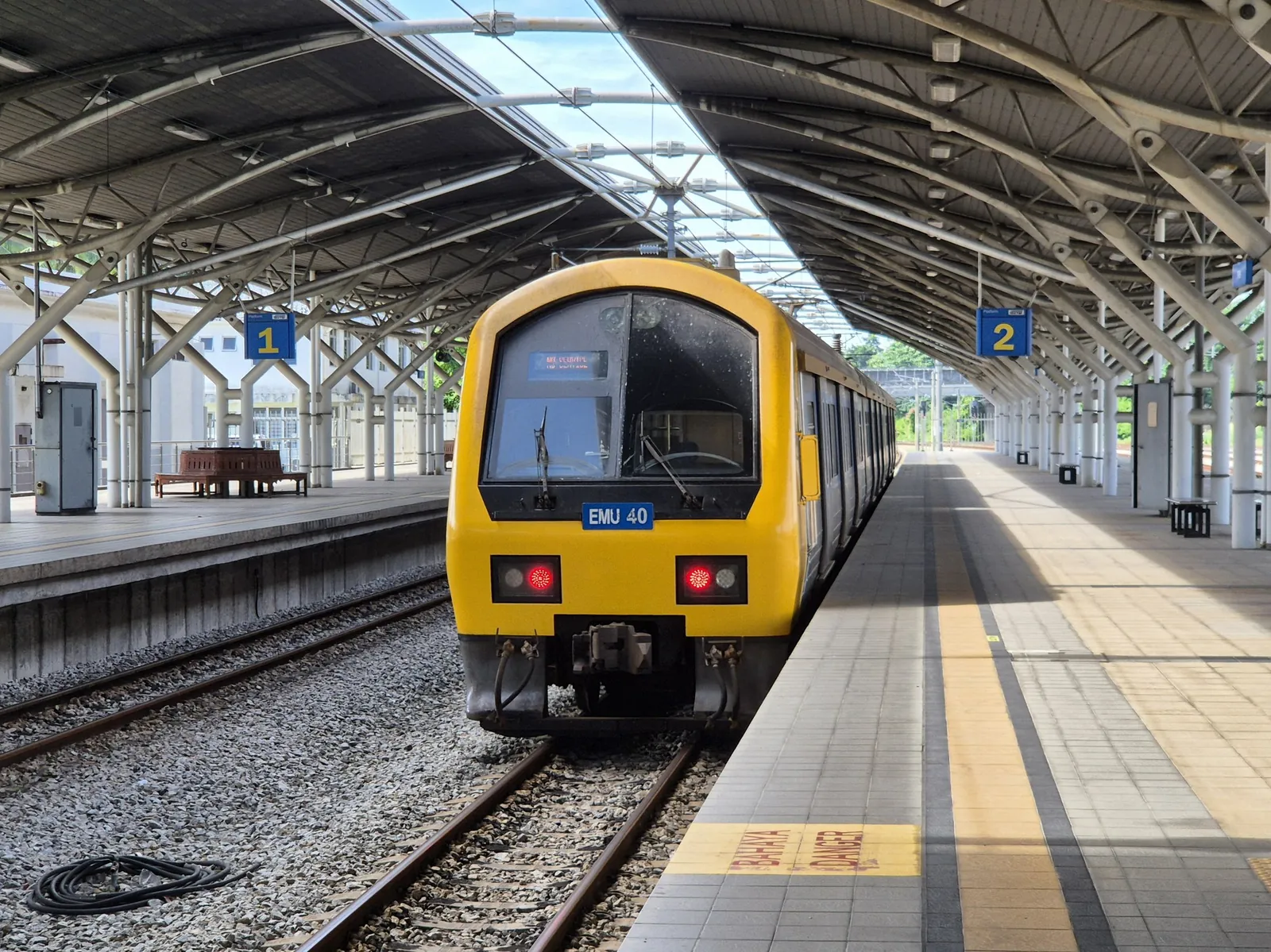
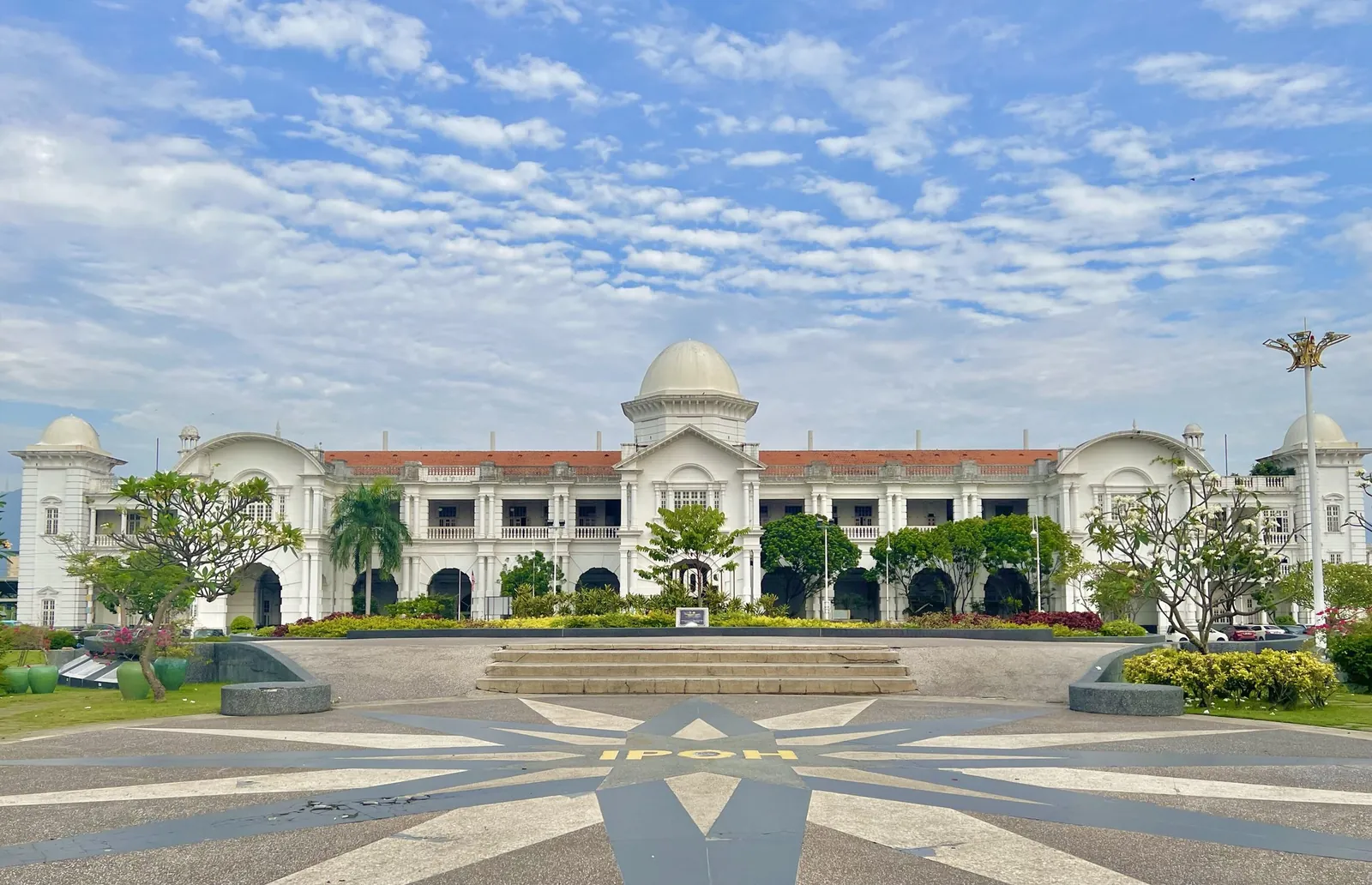
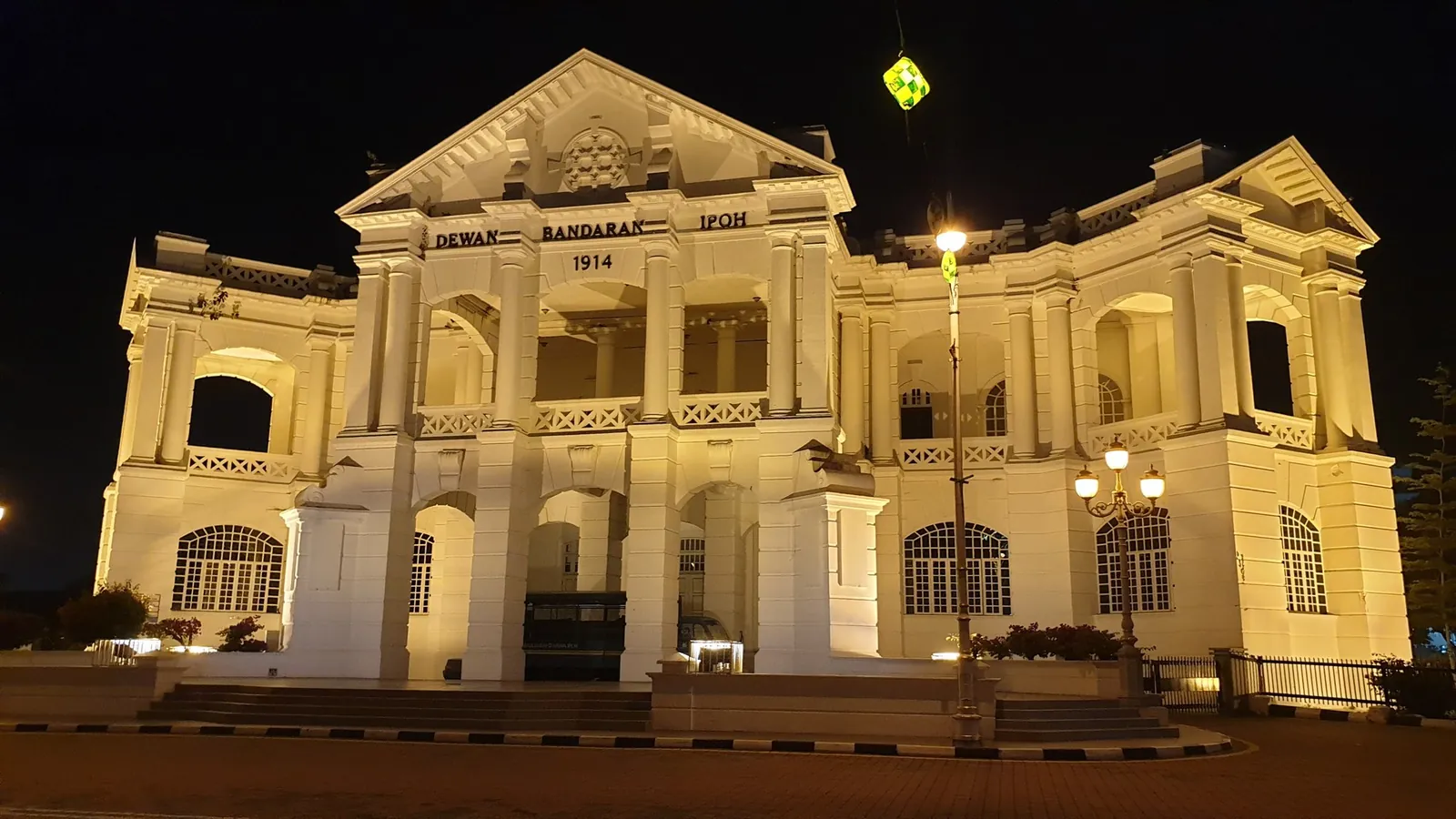
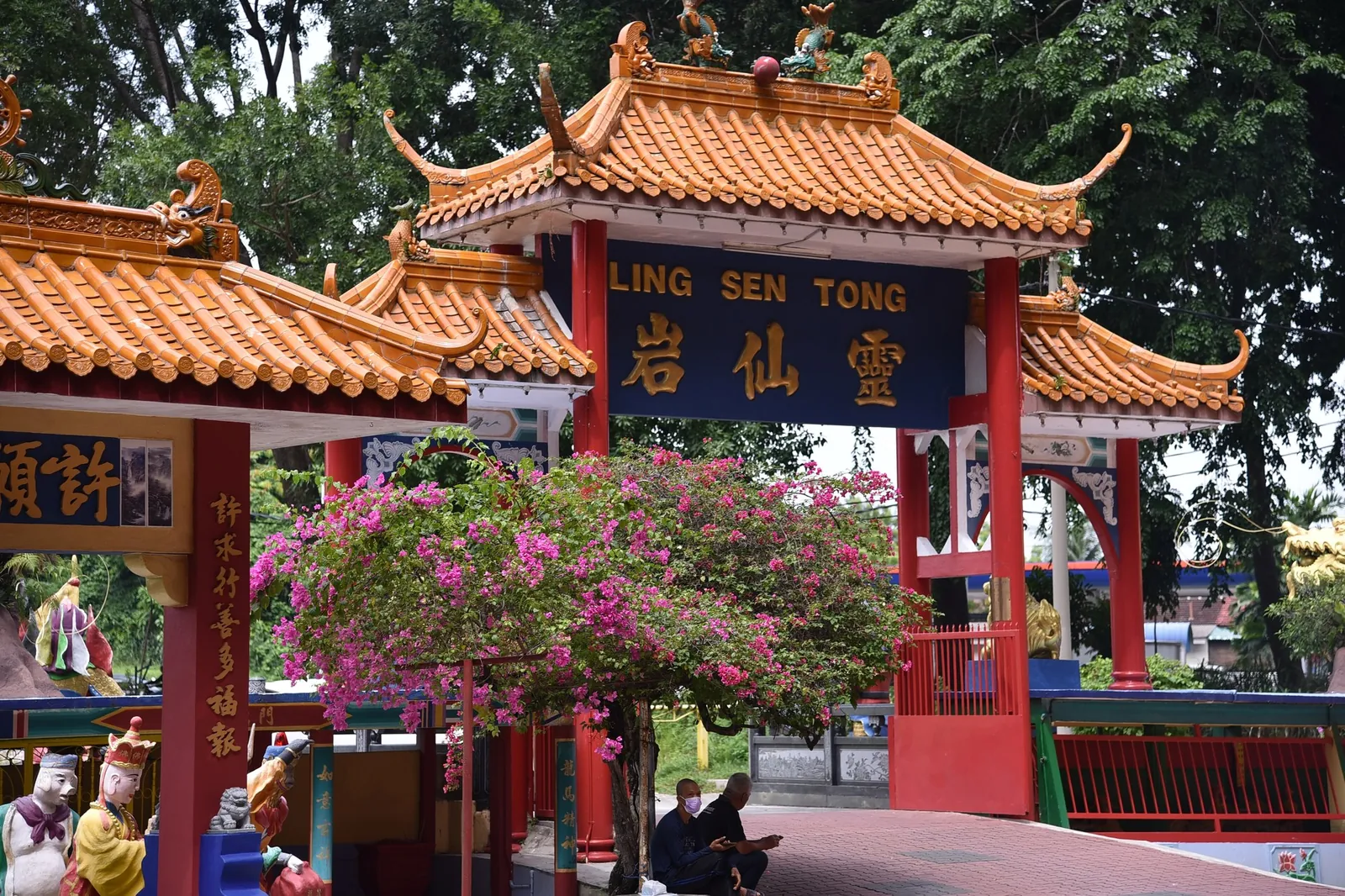
Authentic, unedited photos of Ipoh by residents and visitors, taken on ordinary days rather than chosen by a tourist board. Each one shows when it was taken. Browse photos of 105 cities →









.jpg)
_Ipoh,_Malaysia.jpg)

The other side

What does it cost to live in Ipoh?
1-Bedroom Rent
$200-$400/month
Local Restaurant Meal
$1.50-$3 at local restaurants
Cup of Coffee
$0.80-$2
Estimated Monthly Total
$700-$1,200
Want a personalized estimate? Use our cost of living calculator
How good is healthcare in Ipoh?
Ipoh has several hospitals including KPJ Ipoh Specialist Hospital, Hospital Fatimah, and the government-run Hospital Raja Permaisuri Bainun. Quality is good for routine and moderate-complexity care, with English-speaking doctors available. For specialized procedures or complex surgeries, most expats travel to KL (two hours by ETS train) where world-class facilities are available. Health insurance costs tend to be lower than in KL or Penang.
What is daily life like in Ipoh?
Life in Ipoh is pleasantly slow. The city is small enough to navigate easily but large enough to have everything you need. Retirees enjoy morning walks around the scenic Lost World of Tambun or Kek Lok Tong cave temple, followed by legendary white coffee and dim sum at one of the old-town kopitiam. The surrounding countryside offers hot springs, cave temples, and lush forests. Ipoh's growing arts scene includes galleries, weekend markets, and street murals. The expat community is small but growing.
What is the climate like in Ipoh?
Ipoh's climate is similar to the rest of peninsular Malaysia--tropical with temperatures of 26-33°C year-round. Being inland, it can feel slightly hotter than coastal cities during the day, but cooler mountain air from the nearby Titiwangsa Range provides relief, especially in the evenings. Rainfall is spread throughout the year, with the wettest months being September to November.
| Month | High | Low | Rain |
|---|---|---|---|
| January | 32.9 °C | 22.6 °C | 132 mm |
| February | 33.7 °C | 23.0 °C | 150 mm |
| March | 33.9 °C | 23.4 °C | 170 mm |
| April | 33.7 °C | 23.9 °C | 259 mm |
| May | 33.5 °C | 24.0 °C | 211 mm |
| June | 33.3 °C | 23.7 °C | 152 mm |
| July | 33.0 °C | 23.2 °C | 157 mm |
| August | 33.0 °C | 23.3 °C | 158 mm |
| September | 32.5 °C | 23.2 °C | 216 mm |
| October | 32.4 °C | 23.1 °C | 297 mm |
| November | 32.1 °C | 23.1 °C | 275 mm |
| December | 32.1 °C | 22.8 °C | 251 mm |
Weather station: Ipoh (Sultan Azlan Shah Airport) (3.6 km away). Source: MetMalaysia normals (WMO World Weather Information Service)
What are the pros and cons of retiring in Ipoh?
Pros
- Extremely affordable--one of the cheapest cities in Malaysia
- Outstanding food scene, especially Chinese-Malaysian cuisine
- Clean, safe, and uncrowded compared to KL and Penang
- Beautiful natural surroundings with limestone hills and caves
- Good healthcare locally, world-class hospitals two hours away in KL
Cons
- Smaller expat community than KL or Penang
- Limited nightlife and international dining options
- Requires a car for comfortable daily living
- Some retirees may find the pace too slow
Who should retire in Ipoh?
Retirees on a tight budget who value peace, safety, authentic local culture, and outstanding food, and who do not need a large expat social scene.
Which neighborhoods suit retirees in Ipoh?
Ipoh Old Town
The heritage core of the city with colonial-era buildings and famous coffee shops. Renovated shophouse apartments for $150-$300/month. Walkable, with white coffee shops, street food stalls, and local markets. Best for retirees who want authentic Malaysian small-city life at minimal cost.
Bandar Meru Raya
Modern residential township north of the city center. Newer apartments and houses for $200-$400/month. Close to Aeon Mall and several clinics. Quiet suburban environment with good road connections. Popular with local and expat families.
Tambun / Sunway City
Southern suburb centered around the Sunway City Ipoh development. Includes the Lost World of Tambun hot springs park. Houses for $250-$450/month. Growing amenities with new retail and dining options.
Which hospitals serve retirees in Ipoh?
KPJ Ipoh Specialist Hospital
The leading private hospital in Ipoh, part of the KPJ Healthcare group. Good general surgery, orthopedics, and diagnostics. English-speaking doctors. International patient services available. Located near the city center.
Hospital Raja Permaisuri Bainun
Ipoh's main public hospital. Large facility with specialist departments. Free or very low cost for residents. Wait times can be long but quality of care is adequate. Good emergency department.
Facility details may change. Verify accreditation status and services directly with each hospital before making healthcare decisions.
What is the food scene like in Ipoh?
Ipoh is famous across Malaysia for its food, particularly white coffee, bean sprout chicken, and hor fun (flat rice noodles). A full meal at a kopitiam (traditional coffee shop) costs $1-$2. The old town's Concubine Lane and Market Lane areas are packed with heritage food stalls that have been operating for generations.
Western food options are more limited than KL or Penang, but growing. A handful of cafes and restaurants in the old town serve pasta, burgers, and brunch for $5-$10. The Aeon and Tesco malls have food courts with diverse options. Ipoh's fresh produce is excellent: pomelos, bean sprouts, and tofu are local specialties. For imported goods, retirees typically make monthly trips to Penang or KL, about 2 hours by car.
Is retiring in Ipoh right for you?
Take our free 3-minute retirement quiz to see how life in Ipoh, Malaysia, compares to other destinations based on your preferences, budget, and needs.
Take the Retirement QuizFrequently Asked Questions About Retiring in Ipoh
How do I get to Ipoh from Kuala Lumpur?
The fastest option is the ETS (Electric Train Service), which takes about 2 hours and 15 minutes from KL Sentral to Ipoh station. Tickets cost around $10-$15. You can also drive via the North-South Expressway (about 2 hours) or fly from Sultan Azlan Shah Airport, though flights are limited.
Is there an expat community in Ipoh?
The expat community in Ipoh is smaller than in KL or Penang but is growing. You will find a mix of Western retirees, Singaporeans, and returning Malaysian diaspora. Social opportunities exist through local clubs and online expat groups, but this is not the place if a large, active expat social scene is your priority.
What makes Ipoh's food special?
Ipoh is famous for its clean water (from limestone filtration), which gives its bean sprouts, tofu, and noodles a distinctive taste. Ipoh white coffee, originating here, is now famous worldwide. The city also excels in dim sum, hor fun noodles, and Hakka cuisine. Many Malaysians consider Ipoh the food capital of the country.
Sources & References
- Numbeo, Cost of living index and price data for Ipoh: rent, groceries, restaurants, and transportation
- KPJ Ipoh Specialist Hospital, Facility services, specialist departments, and healthcare standards in Ipoh
- Immigration Department of Malaysia, MM2H visa requirements and application procedures applicable to Ipoh residents
- Perak State Tourism, Regional development data, infrastructure updates, and visitor resources for Ipoh and Perak state