
City Retirement Guide
Retire in Sicily, Italy
Affordable Italian island life with ancient ruins, volcanoes, and legendary cuisine
What are the key facts about retiring in Sicily?
- Elevation & setting
- Island; Palermo/Catania at sea level, Etna reaches 3,357 m
- Climate
- Coolest month February 9–15°C, hottest August 23–31°C; 855 mm of rain a year, most in December (daily low to high, 1971–2000)
- Nearest international airport
- Palermo Falcone-Borsellino (PMO) ~35 km west; Catania-Fontanarossa (CTA) ~7 km south
- Nearest major hospital
- AOU Policlinico Paolo Giaccone (Palermo); Policlinico Rodolico-San Marco (Catania)
- Primary retirement visa (2026)
- Italy Elective Residence Visa: ~EUR 31,000/year passive income + 20% for spouse
- Language environment
- Italian official, Sicilian widely spoken; English usable in tourist zones
Sicily is explicitly listed in Italy's 7% flat-tax regime for foreign pensioners, so retirees settling in Sicilian municipalities under 30,000 residents can apply the flat rate to all foreign-sourced income for up to 10 years.
What is retirement like in Sicily?
Sicily is the largest Mediterranean island, separated from the Italian mainland by the 3-kilometer Strait of Messina and anchored by Palermo on the northern Tyrrhenian coast and Catania on the eastern Ionian shore below Mount Etna, Europe's tallest active volcano at 3,357 meters. Palermo's historic core, including the UNESCO-inscribed Arab-Norman itinerary centered on the Cathedral and Palazzo dei Normanni, sits at sea level, while popular retiree areas include Mondello, Cefalù, and Syracuse's Ortigia island. Policlinico Paolo Giaccone in Palermo and Policlinico G. Rodolico-San Marco in Catania provide tertiary care. Falcone-Borsellino (PMO) and Catania-Fontanarossa (CTA) handle international flights.
Sicily qualifies for Italy's 7% flat tax incentive for retirees who move their tax residency to municipalities with fewer than 30,000 inhabitants in southern Italy. This means foreign pension income is taxed at just 7% for the first ten years, a significant financial benefit compared to standard Italian tax rates. Combined with Sicily's low cost of living, this makes the island one of the most financially attractive retirement options in Western Europe.
The island is well-connected to mainland Italy and Europe through airports in Palermo and Catania, with budget airlines offering direct flights to dozens of European cities. Ferries connect to Naples and Malta. Sicily's size (roughly the size of Vermont) means there is genuine regional diversity, from the baroque towns of the southeast to the volcanic landscapes of Mount Etna, from the beach resorts of Taormina to the Arab-Norman architecture of Palermo. A car is essential for exploring the island, though Palermo and Catania have usable public transit.
What does it really look like in Sicily?
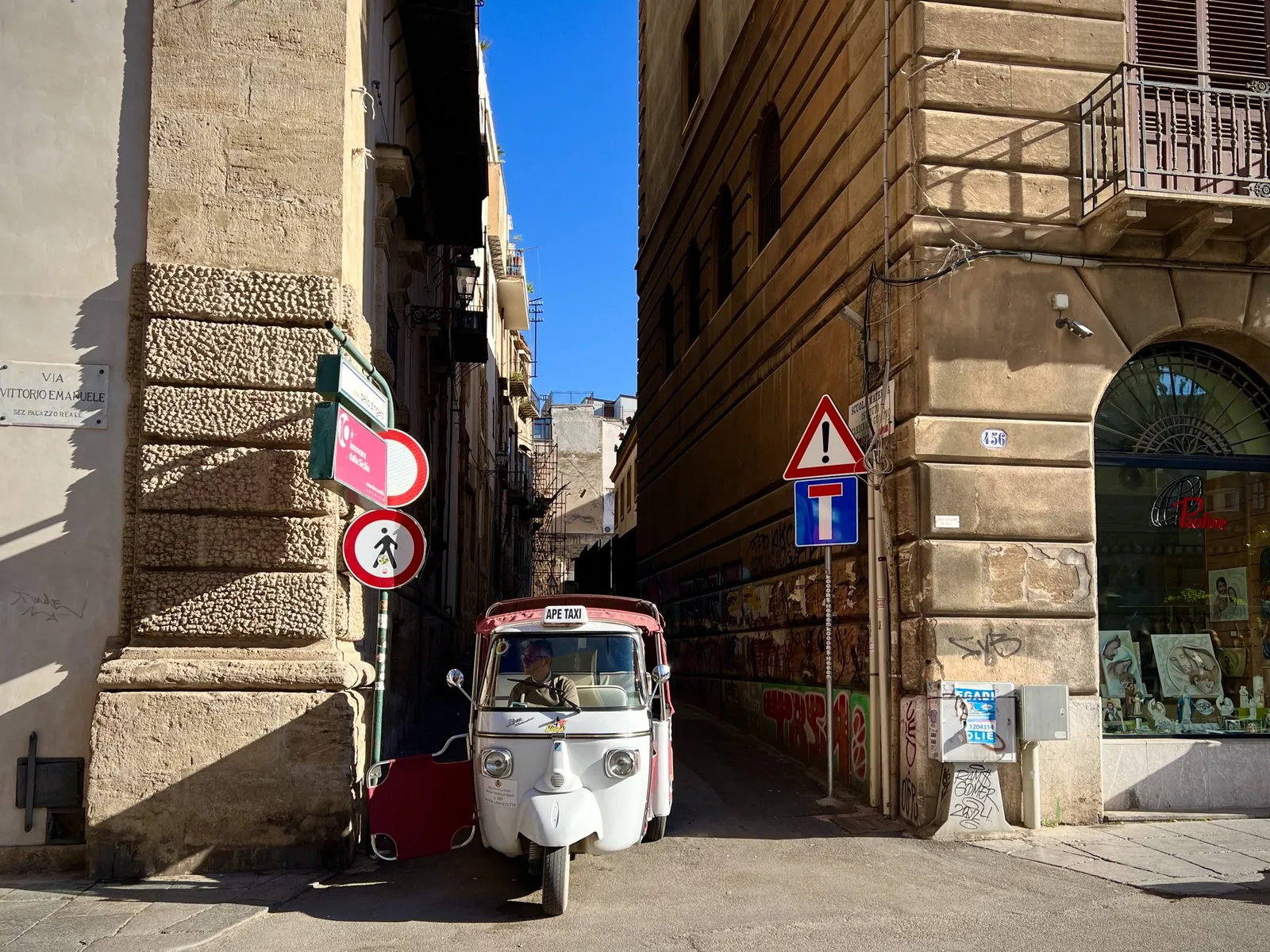
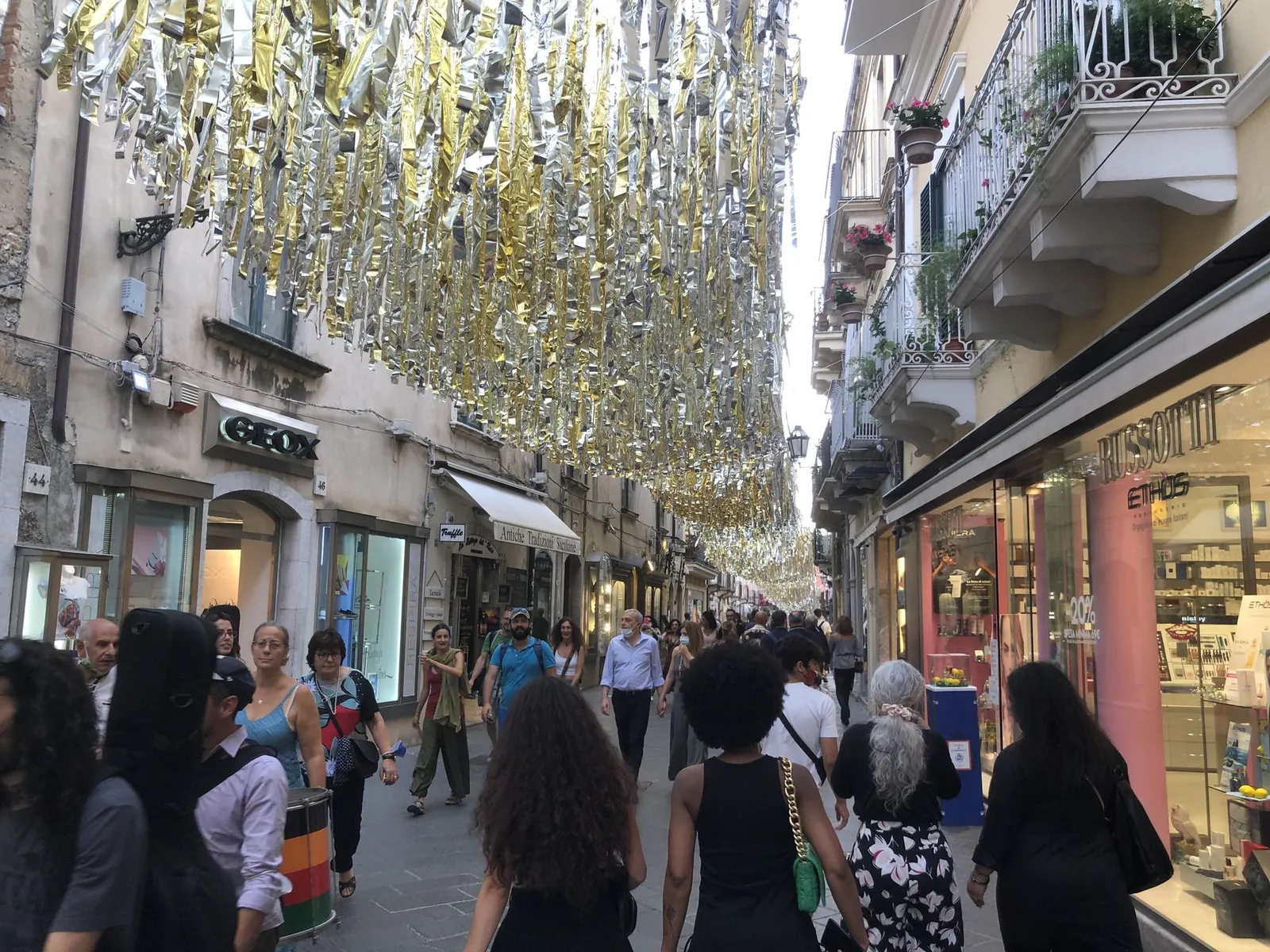
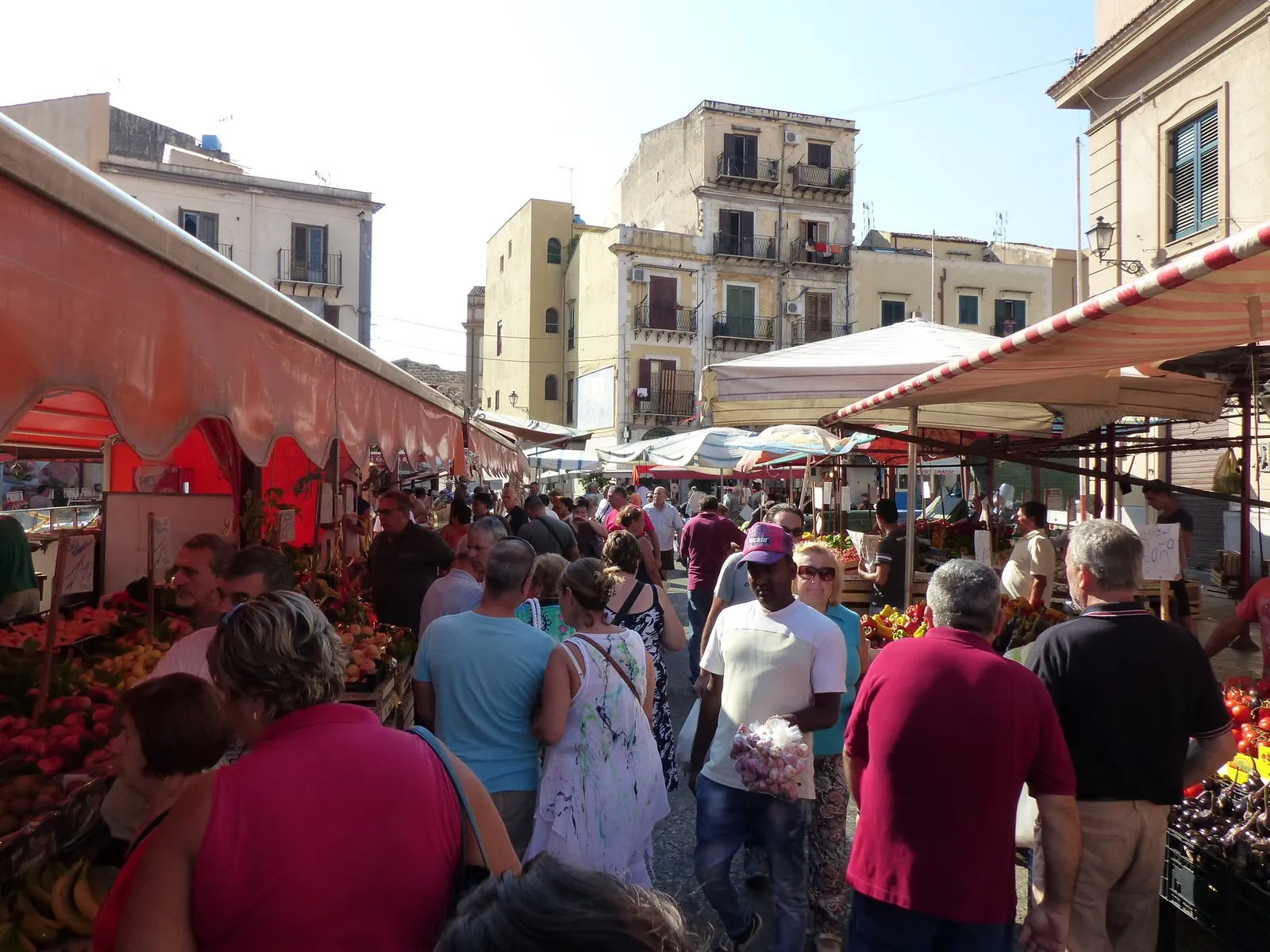
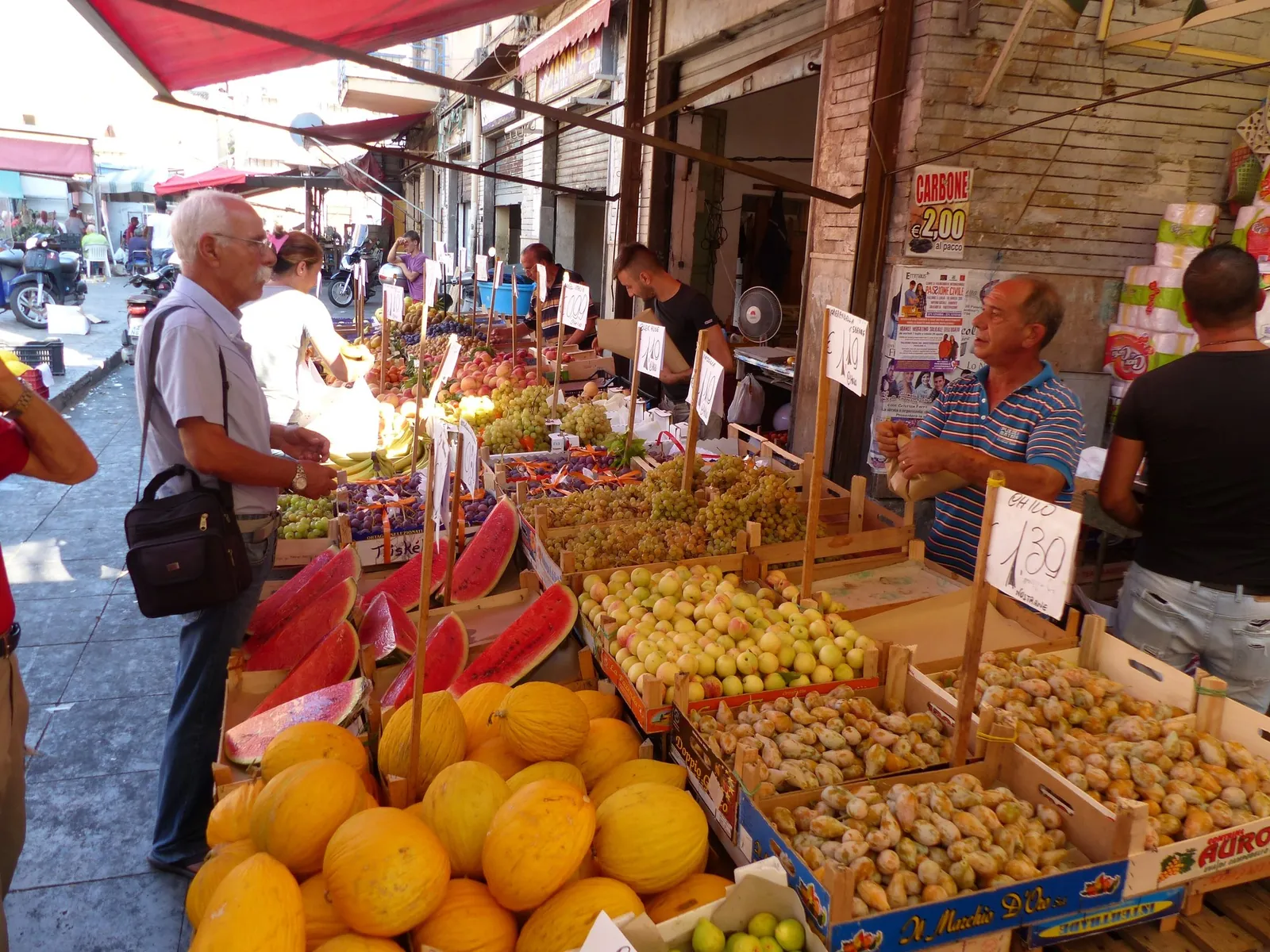
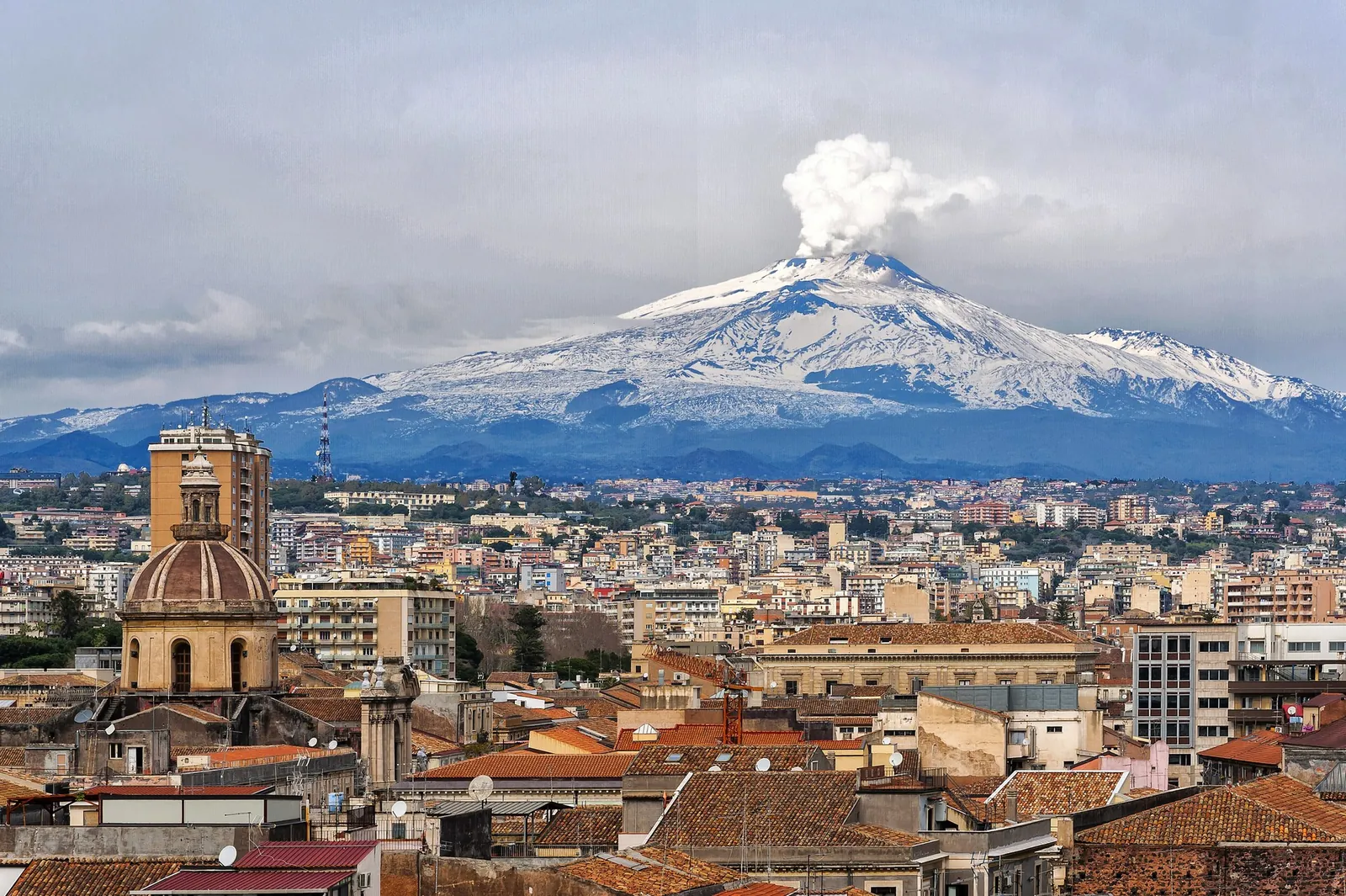
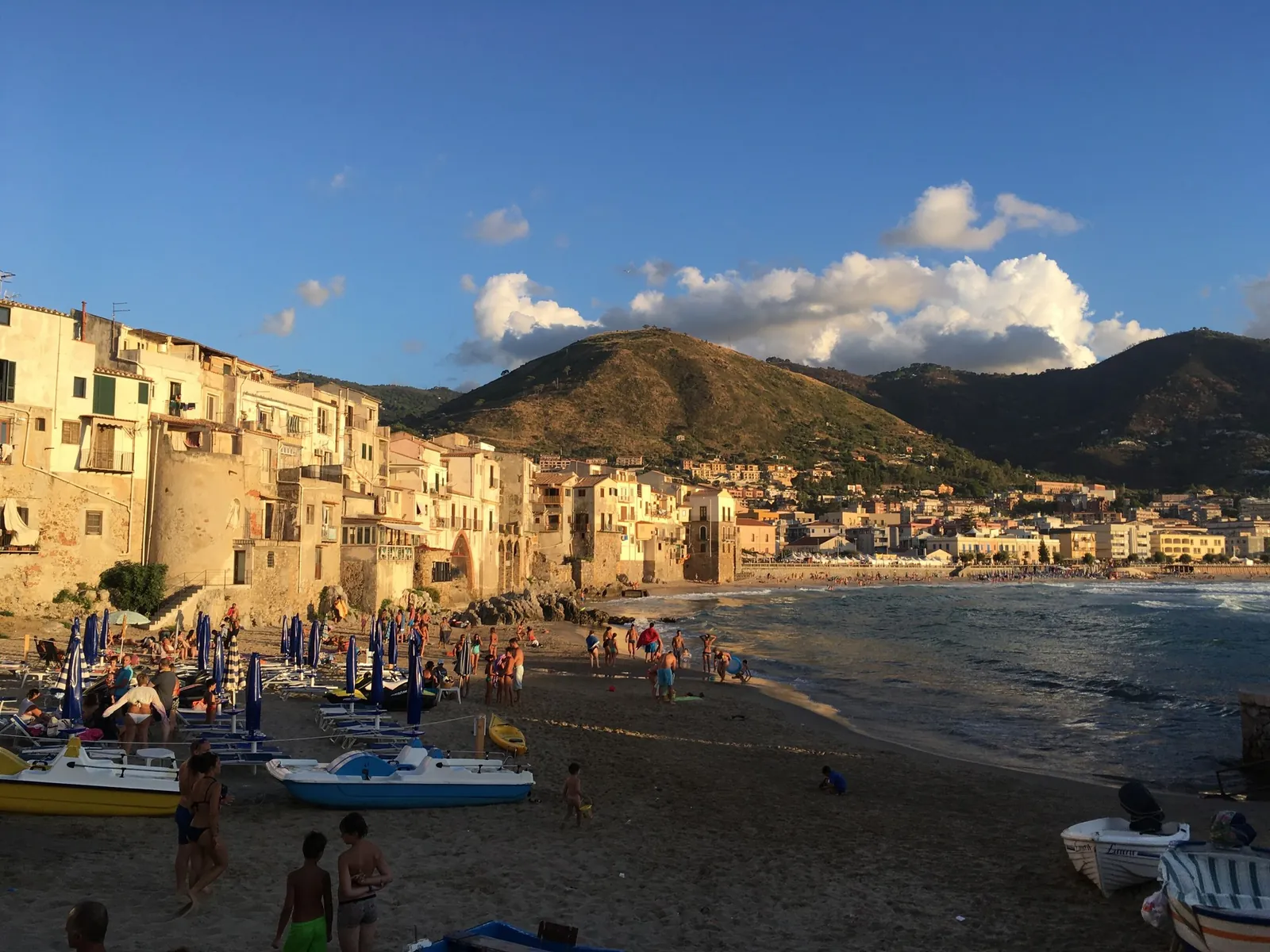
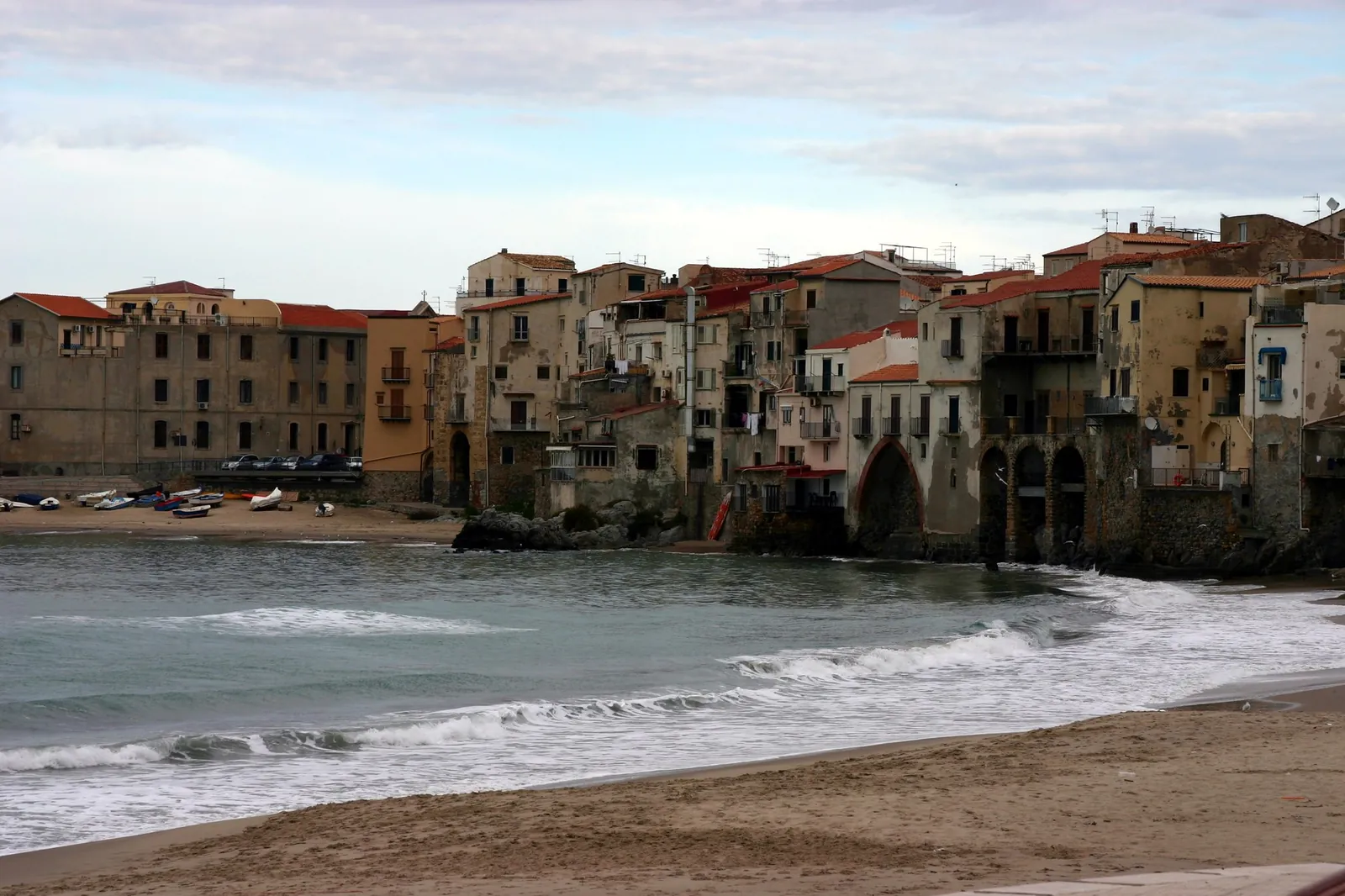
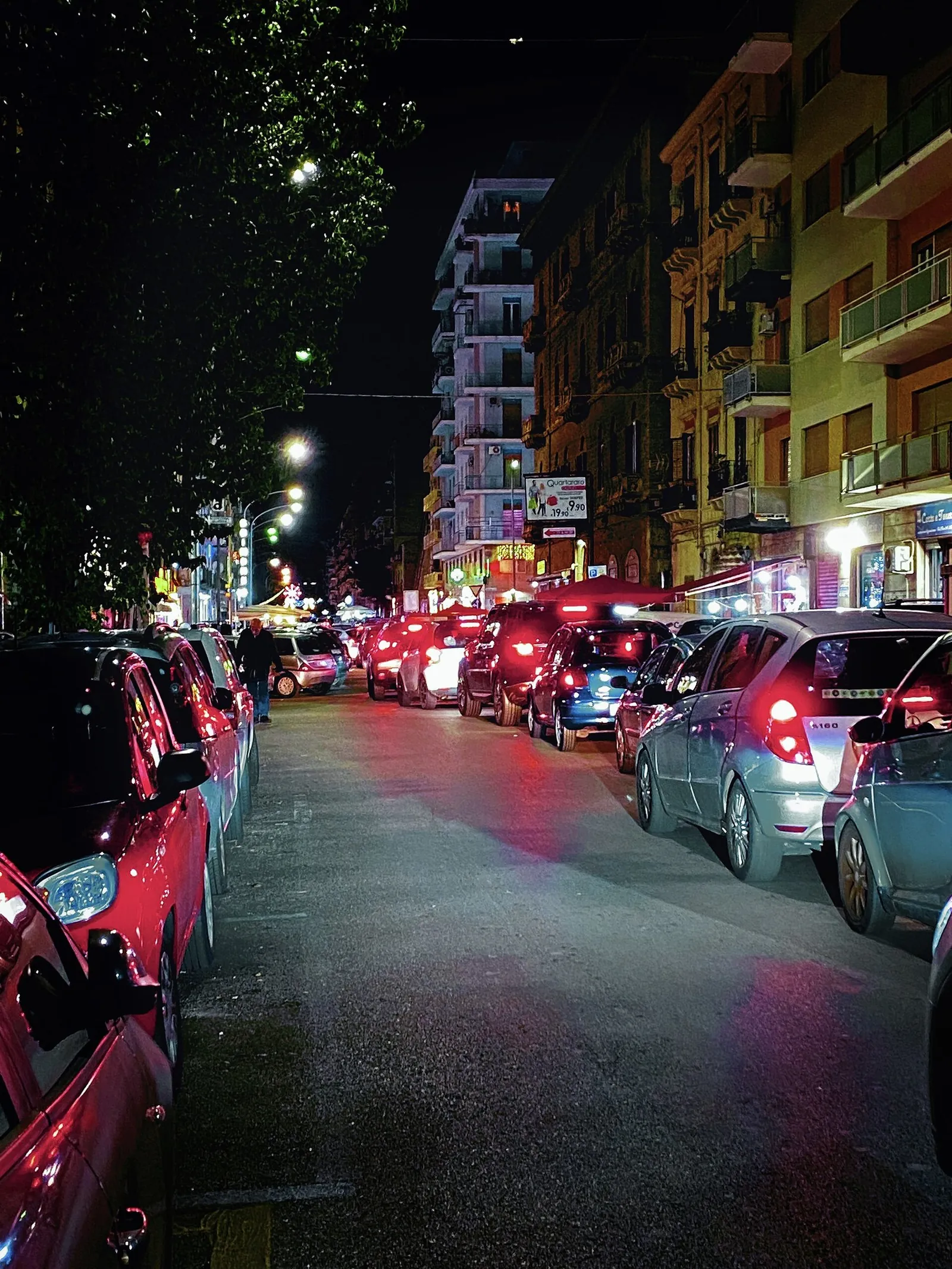
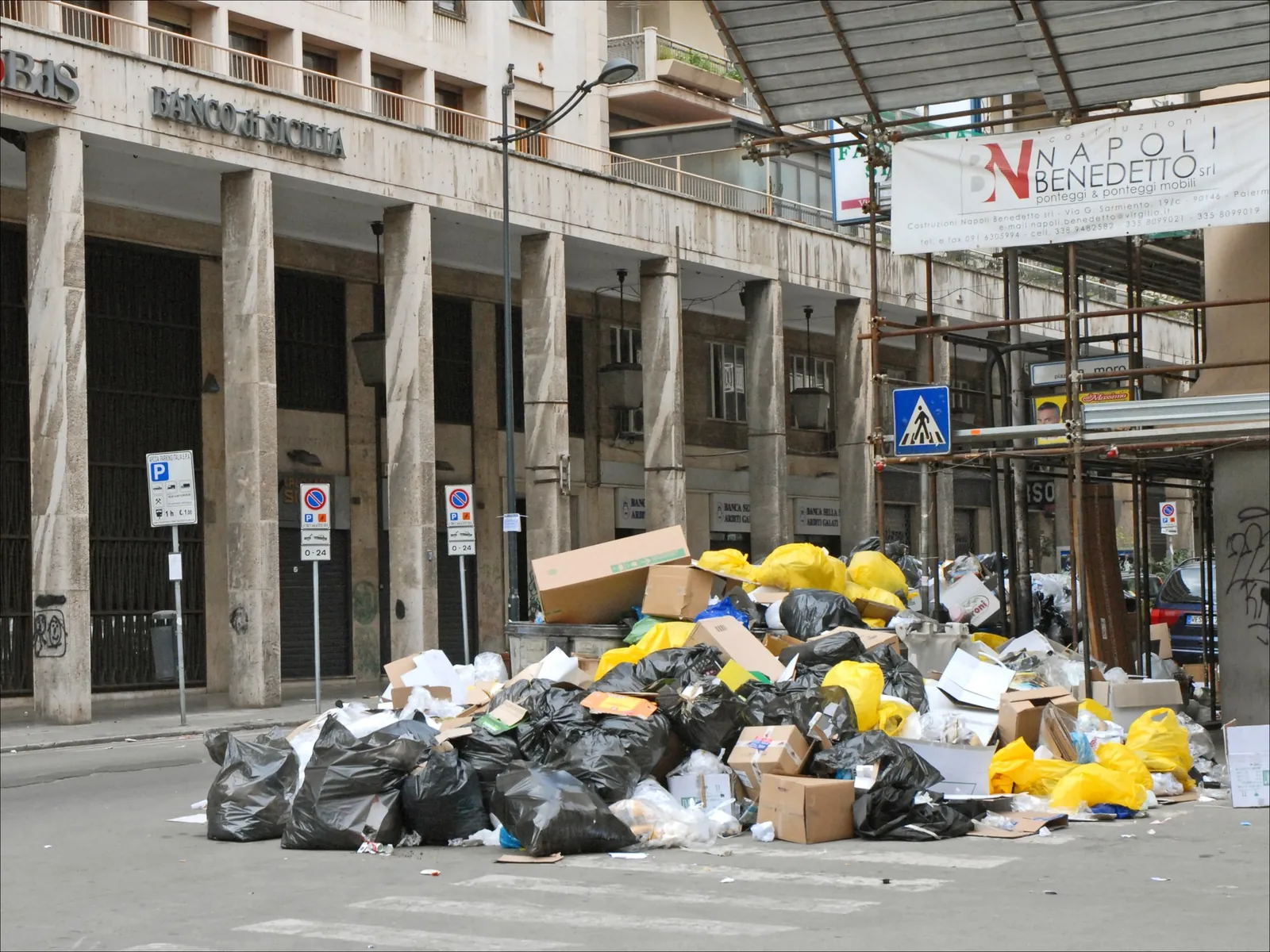
Authentic, unedited photos of Sicily by residents and visitors, taken on ordinary days rather than chosen by a tourist board. Each one shows when it was taken. Browse photos of 105 cities →











The other side
.jpg)
_(6877817102).jpg)
What does it cost to live in Sicily?
1-Bedroom Rent
$350-$700/month
Local Restaurant Meal
$7-$12 at local trattorias
Cup of Coffee
$1
Estimated Monthly Total
$1,200-$2,000
Want a personalized estimate? Use our cost of living calculator
How good is healthcare in Sicily?
Sicily's public healthcare system is part of Italy's SSN and provides free or low-cost care to residents, though the quality of public hospitals varies. Palermo's Policlinico Universitario and Catania's Garibaldi Hospital are the largest facilities. Private clinics supplement public care, with consultations costing $50-$100. Wait times for specialists in the public system can be long. Many expat retirees carry private insurance ($1,500-$3,500/year) for faster access. Pharmacies are ubiquitous, and medications are affordable. For complex procedures, mainland hospitals in Rome or Milan are accessible by short flights.
What is daily life like in Sicily?
Sicilian life revolves around food, family, and outdoor living. The island's cuisine is legendary: arancini, pasta alla norma, cannoli, fresh seafood, and wines from Etna and Marsala. Weekly markets in every town sell fresh produce at remarkably low prices. Social life centers on the piazza, where evening passeggiata brings neighbors together. Cultural offerings include the ancient Greek theater in Taormina (still hosting summer performances), the baroque churches of Noto and Ragusa, and Palermo's opera house, Teatro Massimo. Hiking Mount Etna and swimming in crystal-clear waters are everyday pleasures.
What is the climate like in Sicily?
Sicily has a classic Mediterranean climate with hot, dry summers and mild, wet winters. Coastal areas see summer temperatures of 28-35°C (June-September), while inland areas can reach 40°C. Winters (December-February) are mild at 8-15°C with moderate rainfall. The southeast (Syracuse, Ragusa) is the driest area. Mount Etna's slopes are significantly cooler and receive snow in winter. Swimming season runs from May through October, with sea temperatures reaching 26°C in August.
| Month | High | Low | Rain |
|---|---|---|---|
| January | 14.7 °C | 8.9 °C | 98 mm |
| February | 14.5 °C | 8.5 °C | 110 mm |
| March | 16.4 °C | 9.6 °C | 78 mm |
| April | 18.7 °C | 11.4 °C | 65 mm |
| May | 23.3 °C | 15.3 °C | 36 mm |
| June | 27.2 °C | 19.2 °C | 18 mm |
| July | 29.8 °C | 21.7 °C | 7 mm |
| August | 30.5 °C | 22.7 °C | 32 mm |
| September | 27.5 °C | 20.1 °C | 65 mm |
| October | 23.5 °C | 16.7 °C | 106 mm |
| November | 19.0 °C | 12.9 °C | 118 mm |
| December | 15.8 °C | 10.2 °C | 124 mm |
Weather station: Palermo Boccadifalco (84.4 km away). Source: Aeronautica Militare climate atlas (WMO World Weather Information Service)
What are the pros and cons of retiring in Sicily?
Pros
- Lowest cost of living in Western Europe for quality lifestyle
- 7% flat tax on foreign pensions for retirees in small towns
- Extraordinary cuisine, wine, and food culture
- Rich archaeological heritage with Greek and Roman sites
- Warm climate with long swimming season
Cons
- Public services and infrastructure less developed than northern Italy
- Healthcare quality variable; complex cases may need mainland transfer
- Car essential as public transportation is unreliable
- Italian language is necessary; very little English spoken outside tourist areas
Who should retire in Sicily?
Budget-conscious retirees who want authentic Italian life, extraordinary food, ancient culture, and warm weather at a fraction of northern Italian costs.
Which neighborhoods suit retirees in Sicily?
Palermo - Kalsa
Historic waterfront quarter in Palermo with baroque churches, art galleries, and the Foro Italico seaside promenade. One-bedroom rents range $400-$700/month. Suits retirees attracted to Palermo's cultural depth and extremely low cost of living.
Catania - Centro Storico
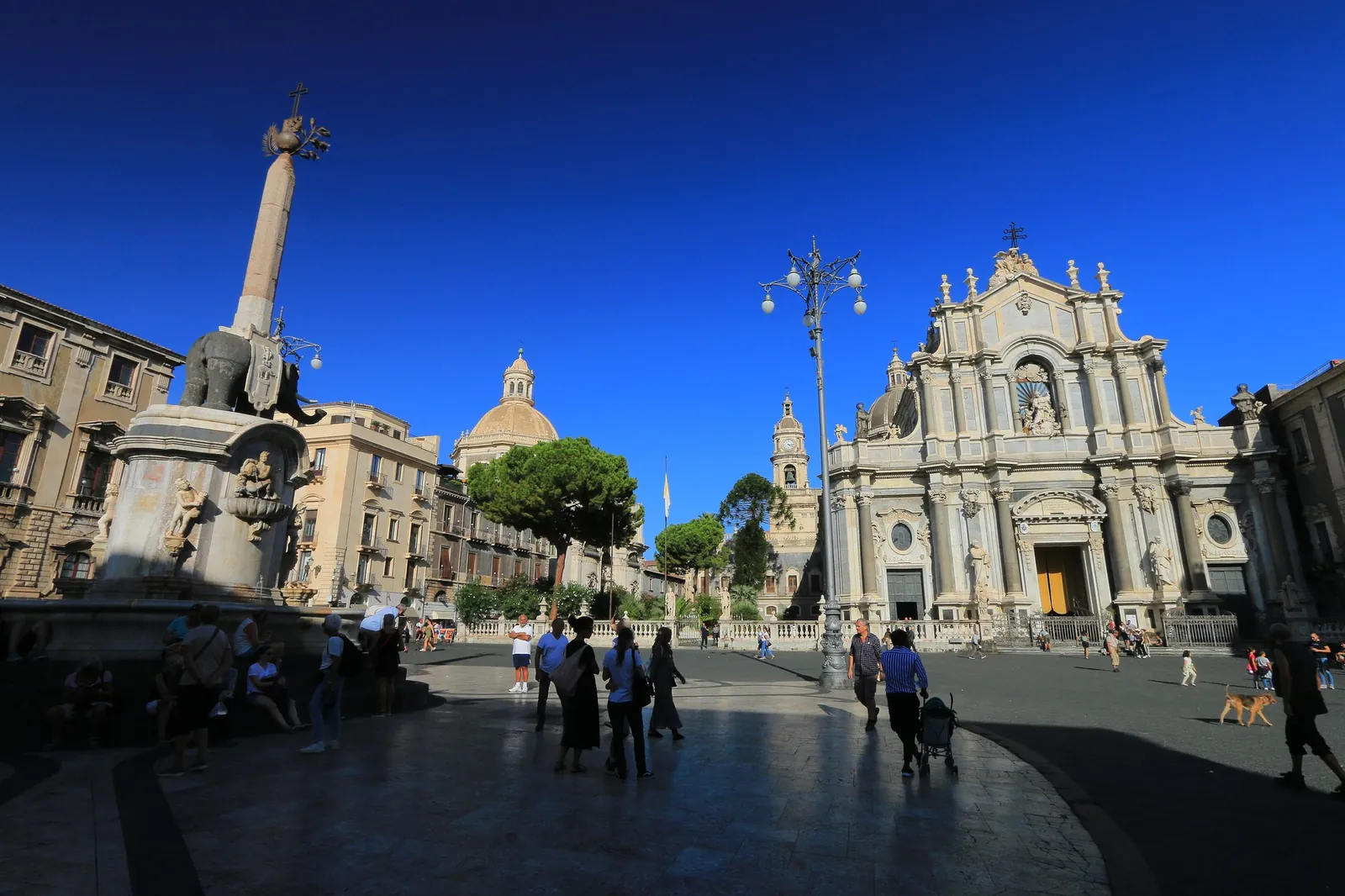
Vibrant city center built on volcanic stone around Piazza Duomo and the fish market. One-bedrooms rent for $400-$650/month. Energetic urban environment with Etna as a backdrop. Appeals to retirees wanting city life at a fraction of northern Italian costs.
Taormina
Hilltop resort town on the east coast with dramatic views of Etna and the Ionian Sea. One-bedroom rents range $600-$1,000/month, higher in summer. Best for retirees with a larger budget who want beauty, tourism infrastructure, and English widely spoken.
Which hospitals serve retirees in Sicily?
ARNAS Civico di Cristina Benfratelli (Palermo)
Palermo's main public hospital complex providing emergency, surgical, and comprehensive specialist care. Serves as a regional referral center for western Sicily. Teaching affiliation with the University of Palermo.
Policlinico Universitario G. Rodolico (Catania)
University hospital affiliated with the University of Catania. Offers specialist departments including oncology, cardiology, and neurology. Primary referral center for eastern Sicily with active research programs.
Clinica Mediterranea (Ragusa)
Private hospital in southeastern Sicily offering surgical, diagnostic, and rehabilitation services. Smaller facility with personalized care. Serves the Val di Noto area including popular expat destinations like Modica and Noto.
Facility details may change. Verify accreditation status and services directly with each hospital before making healthcare decisions.
What is the food scene like in Sicily?
Sicilian cuisine is arguably Italy's most diverse, shaped by Greek, Arab, Norman, and Spanish influences. In Palermo, the street food scene is legendary: arancine (fried rice balls) for $1.50-$3, panelle (chickpea fritters) in bread for $2, and sfincione (Sicilian pizza) from bakeries for $2-$4 a slice. The Ballaro and Vucciria markets are chaotic, colorful, and essential.
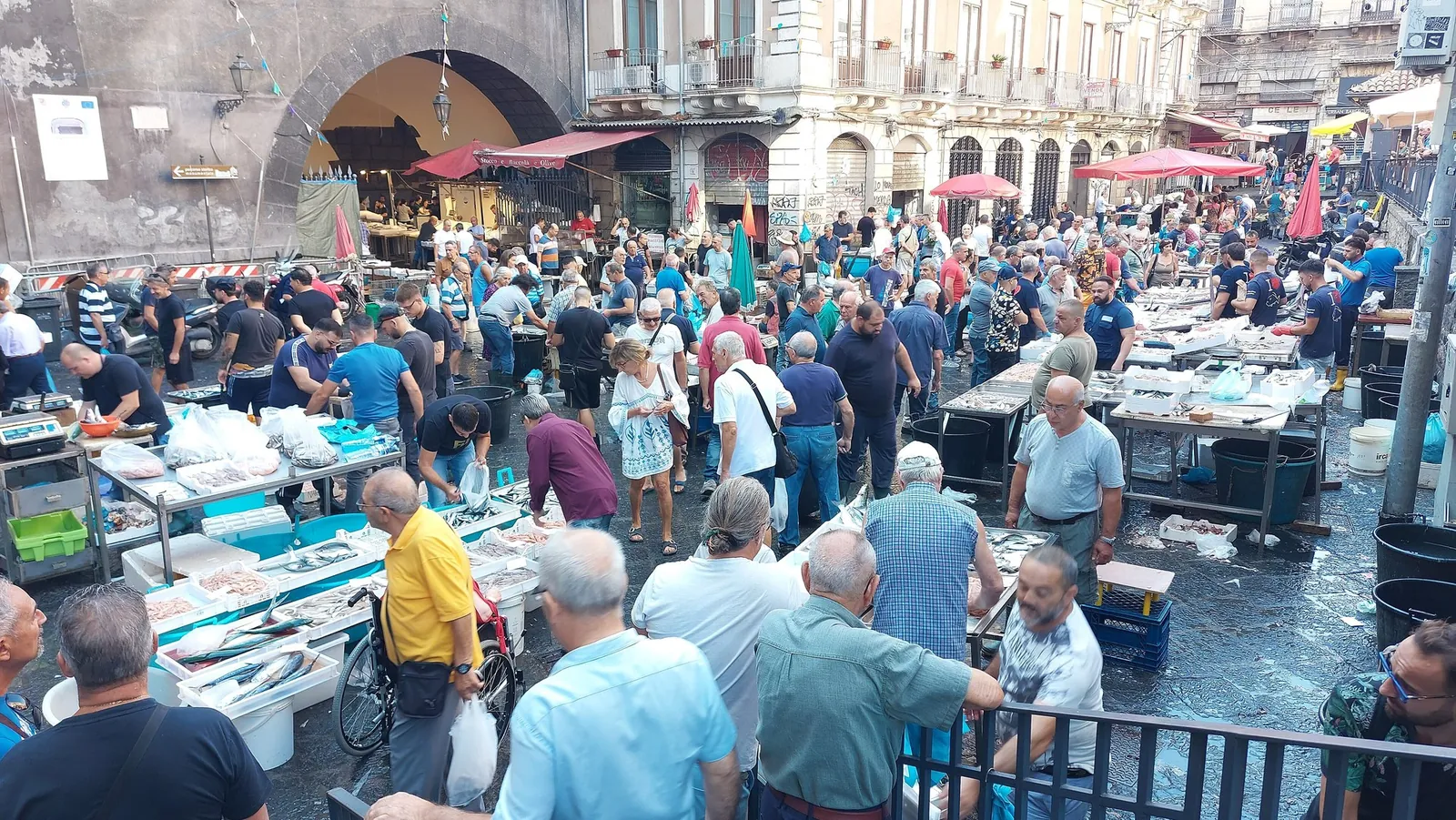
Catania's fish market (La Pescheria) is one of the Mediterranean's most dramatic; surrounding restaurants serve the day's catch for $10-$18 per plate. Trattoria di De Fiore and Osteria Antica Marina are local favorites. In Taormina, dining is pricier but scenic, with terrace restaurants overlooking the coast charging $18-$30 for pasta and seafood courses.
Sicily's pastry tradition is world-class: cannoli, cassata, and granita con brioche are breakfast staples costing $2-$5. Weekly grocery costs for two run $40-$60, the lowest in Italy. Local wines from Etna, Marsala, and Cerasuolo di Vittoria cost $4-$8 per bottle at shops. Sicily offers what may be Italy's best ratio of food quality to cost.
Is retiring in Sicily right for you?
Take our free 3-minute retirement quiz to see how life in Sicily, Italy, compares to other destinations based on your preferences, budget, and needs.
Take the Retirement QuizFrequently Asked Questions About Retiring in Sicily
What is the 7% flat tax for retirees in Sicily?
Italy offers a 7% flat tax on all foreign-source income (including pensions) for retirees who transfer their tax residency to a municipality with fewer than 30,000 inhabitants in southern Italy, including most Sicilian towns. This regime lasts for ten years. It applies to non-EU and EU retirees who have not been Italian tax residents in the previous five years.
Where is the best place to retire in Sicily?
Taormina is the most popular with international retirees: stunning views, excellent restaurants, but higher prices. Cefalù on the north coast combines beach life with a charming medieval center. Syracuse and Ragusa in the southeast offer baroque beauty and a drier climate. Palermo provides the most urban amenities. Each has a different character and price point.
Is Sicily safe for retirees?
Sicily is generally safe for retirees. The Mafia's influence has diminished significantly and does not affect daily life for residents or expatriates. Petty crime (pickpocketing, bag snatching) can occur in busy areas of Palermo and Catania, as in any southern European city. Smaller towns are very safe. Common sense precautions are sufficient.
Sources & References
- Numbeo, Cost of living index and price data for Sicily: rent, groceries, restaurants, and transportation
- Policlinico Universitario di Palermo, Facility services, specialist departments, and medical capabilities in Sicily
- Italian Ministry of Interior: Immigration, Elective residence visa requirements and procedures for non-EU retirees in Italy
- Regione Siciliana: Tourism Department, Regional infrastructure data, public services, and livability indicators for Sicily