
City Retirement Guide
Retire in Ubud, Indonesia
Spiritual heart of Bali amid rice terraces and rainforest
What are the key facts about retiring in Ubud?
- Elevation & setting
- ~200 m; inland river valley among rice terraces in Bali's Gianyar Regency
- Annual temperature
- 23-31 degrees C year-round; wetter and cooler than coastal Bali
- Nearest international airport
- Ngurah Rai International (DPS), Denpasar, ~37 km south
- Nearest major/accredited hospital
- Ubud Clinic (local) and BIMC Hospital Nusa Dua (ACHSI-accredited, ~40 km)
- Primary retirement visa (2026)
- Retirement KITAS (E33F), age 55+, no statutory income floor, ≈$2,000 bank balance held over three months; 1 year extendable to 5; local sponsor and Indonesian household helper required
- Language environment
- Bahasa Indonesia and Balinese; English widely used in expat areas and clinics
Ubud's inland elevation keeps nighttime temperatures 3-5 degrees cooler than coastal Bali, which retirees with respiratory or cardiac conditions often cite as a daily-life reason to settle here over Sanur or Canggu.
What is retirement like in Ubud?
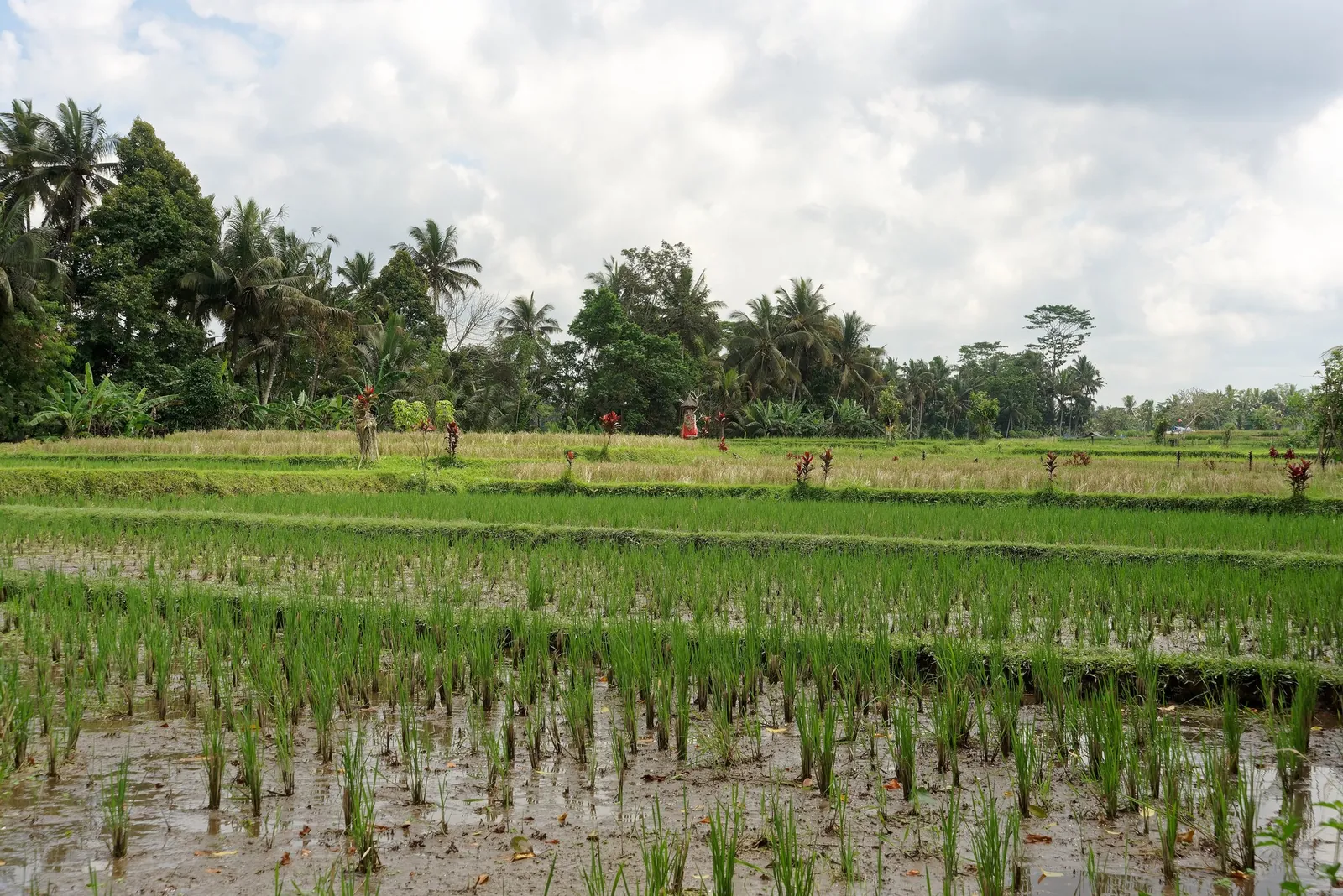
Ubud sits in Bali's Gianyar Regency at roughly 200 metres elevation, inland among the terraced rice fields of the Tjampuhan Valley where the Wos Barat and Wos Timur rivers converge. The town is 37 kilometres northeast of Ngurah Rai International Airport (DPS) in Denpasar, and its cultural core centres on Jalan Raya Ubud between the Puri Saren royal palace and the Sacred Monkey Forest Sanctuary. Most foreign retirees cluster in Penestanan, Nyuh Kuning, and Pengosekan, neighbourhoods within walking distance of Ubud Clinic and a 45-minute drive from BIMC Hospital Nusa Dua, the ACHSI-accredited referral facility in the island's south.
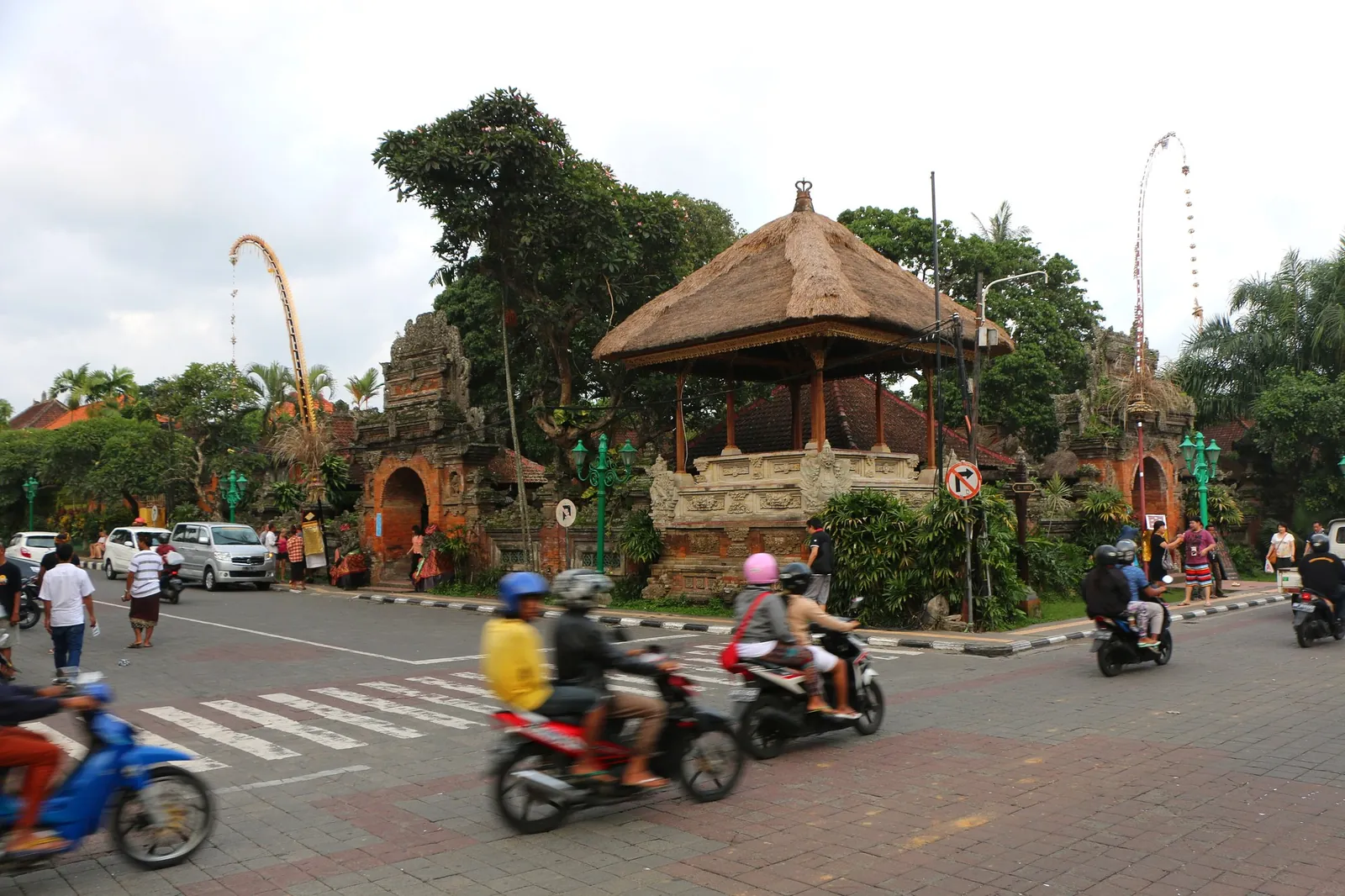
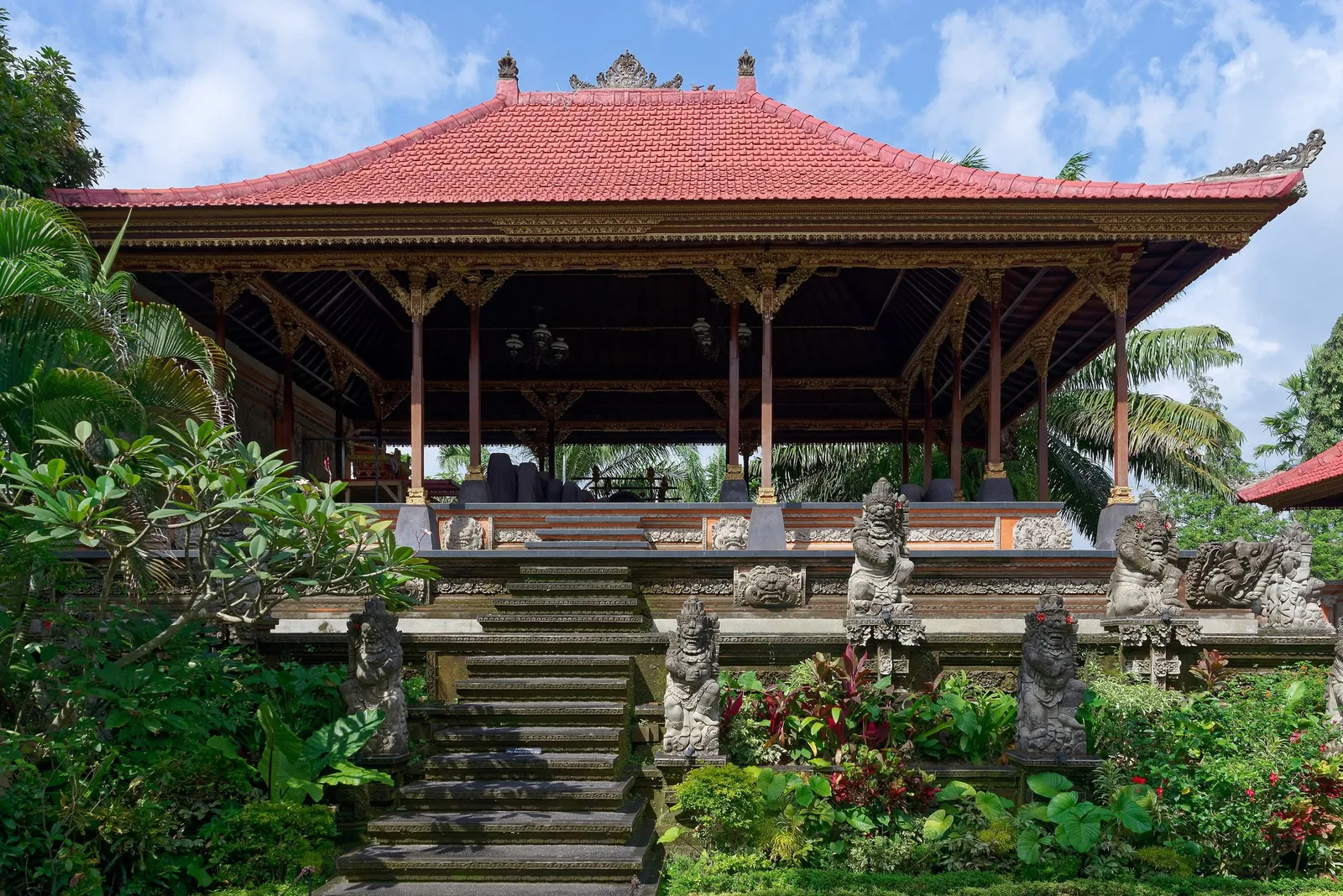
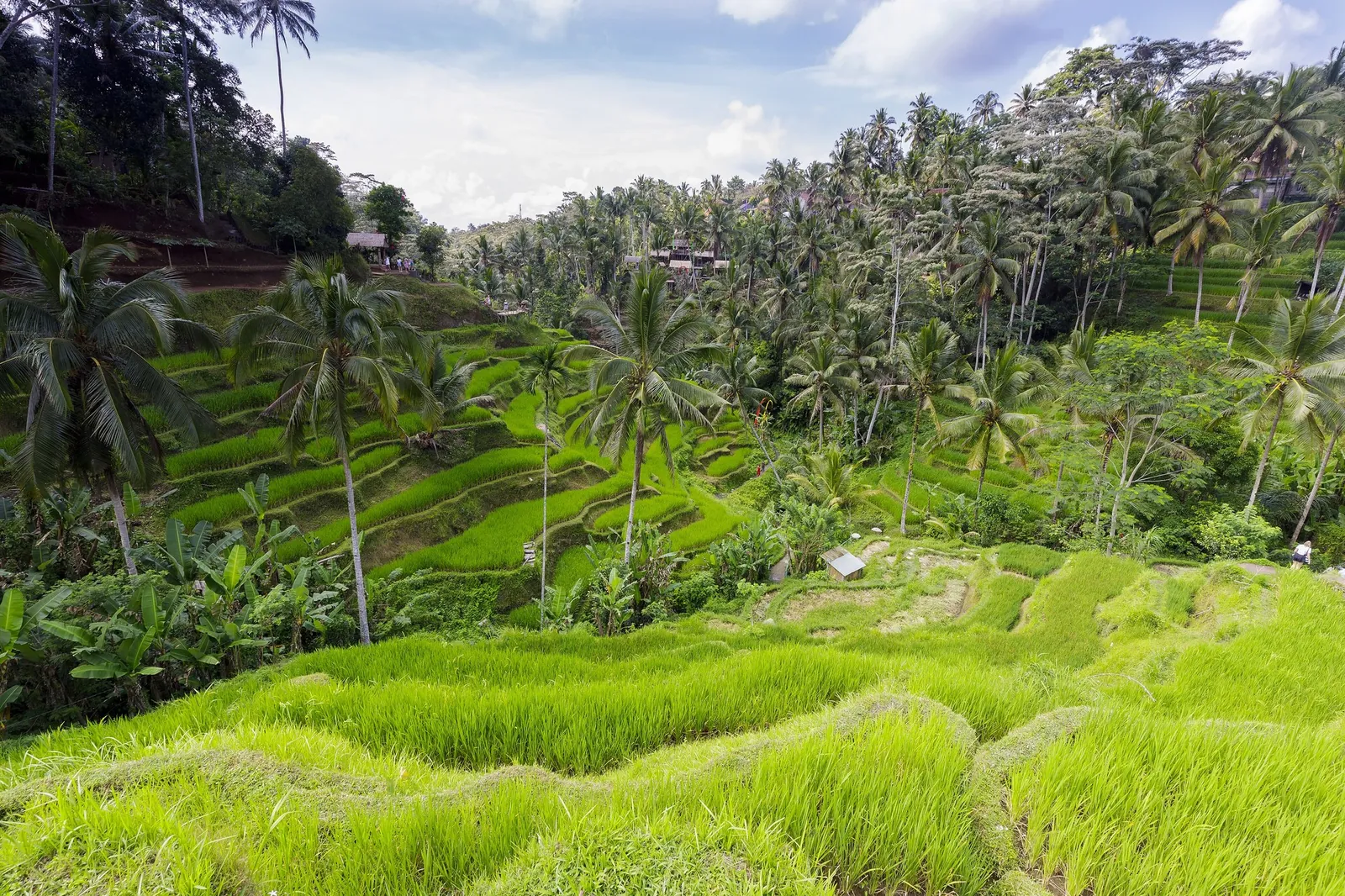
The town itself is compact and walkable at its core, with the Ubud Royal Palace, Monkey Forest, and traditional art market forming the center. Beyond the town, the surrounding villages--Penestanan, Campuhan, Sayan, and Tegallalang--offer quieter living among rice fields and jungle. Modern villas with private pools, open-air living spaces, and traditional Balinese architecture are available at prices that would be unthinkable in the West.
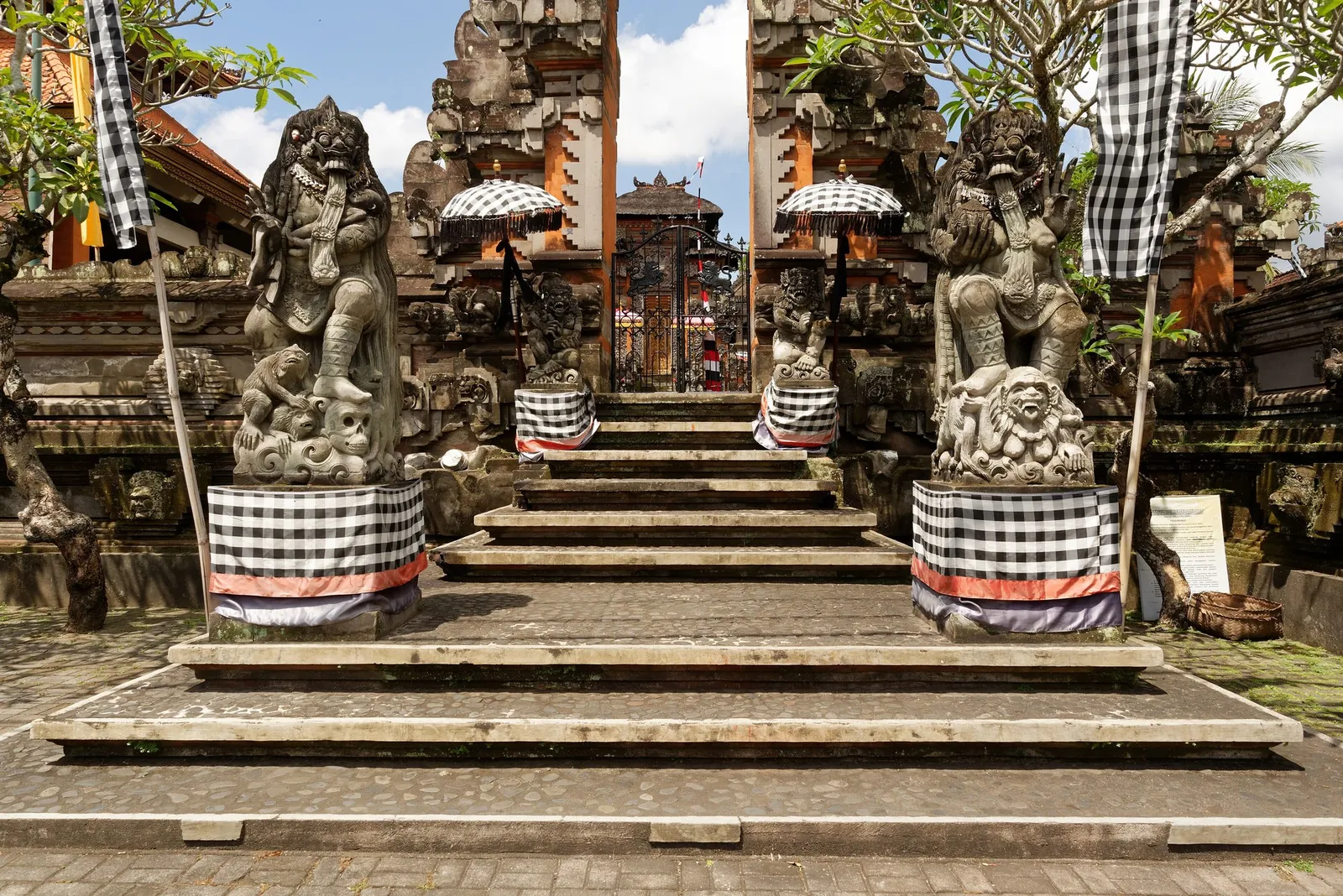
Ubud's appeal for retirees lies in its emphasis on wellness, culture, and nature. The town hosts world-class yoga studios, meditation centers, organic restaurants, and traditional Balinese healing practices. Art galleries, dance performances, and temple ceremonies provide ongoing cultural enrichment. The community is deeply spiritual, and many retirees report that living in Ubud brings a sense of peace and purpose that they did not find in other retirement destinations.
What does it really look like in Ubud?
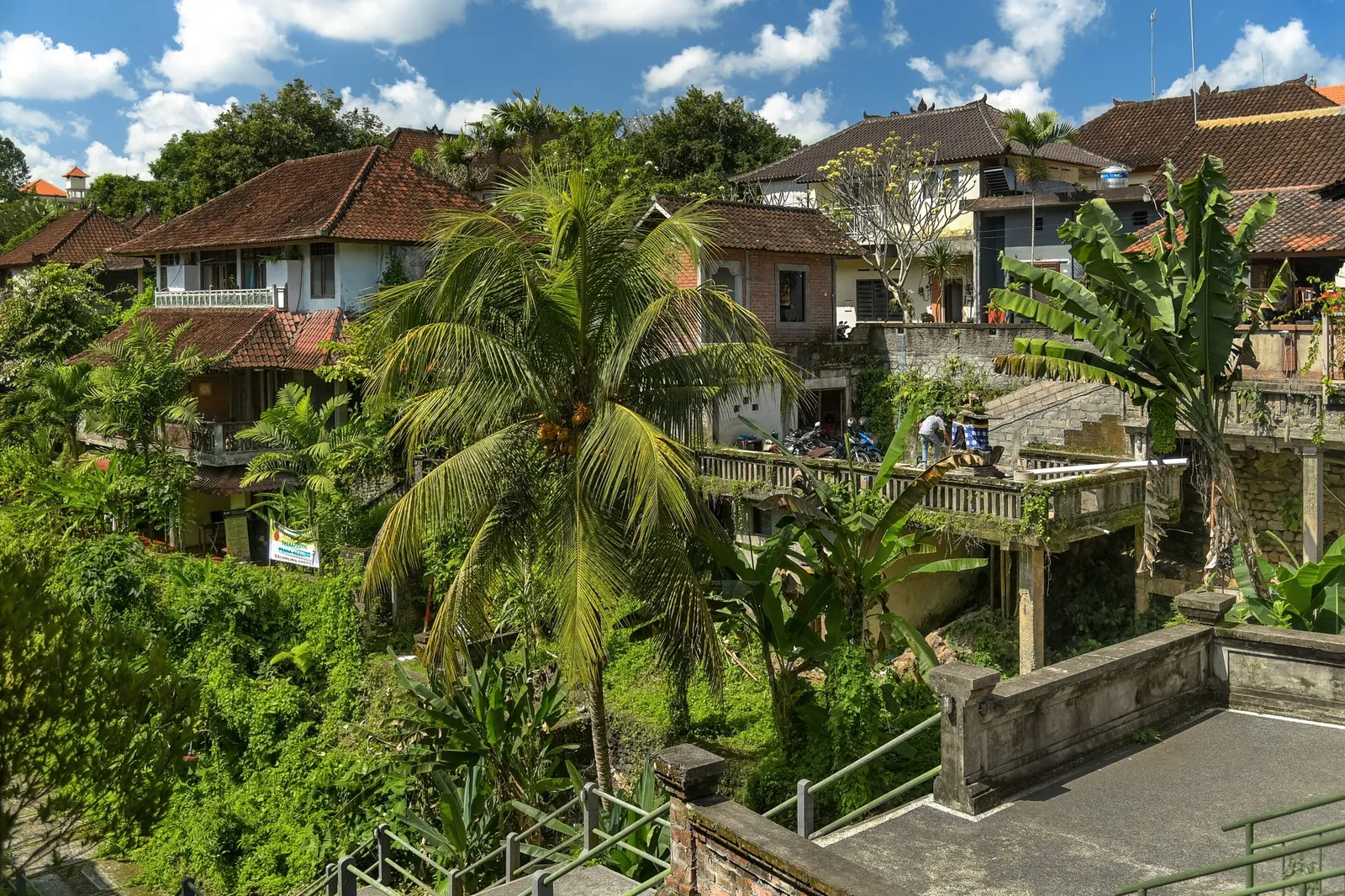
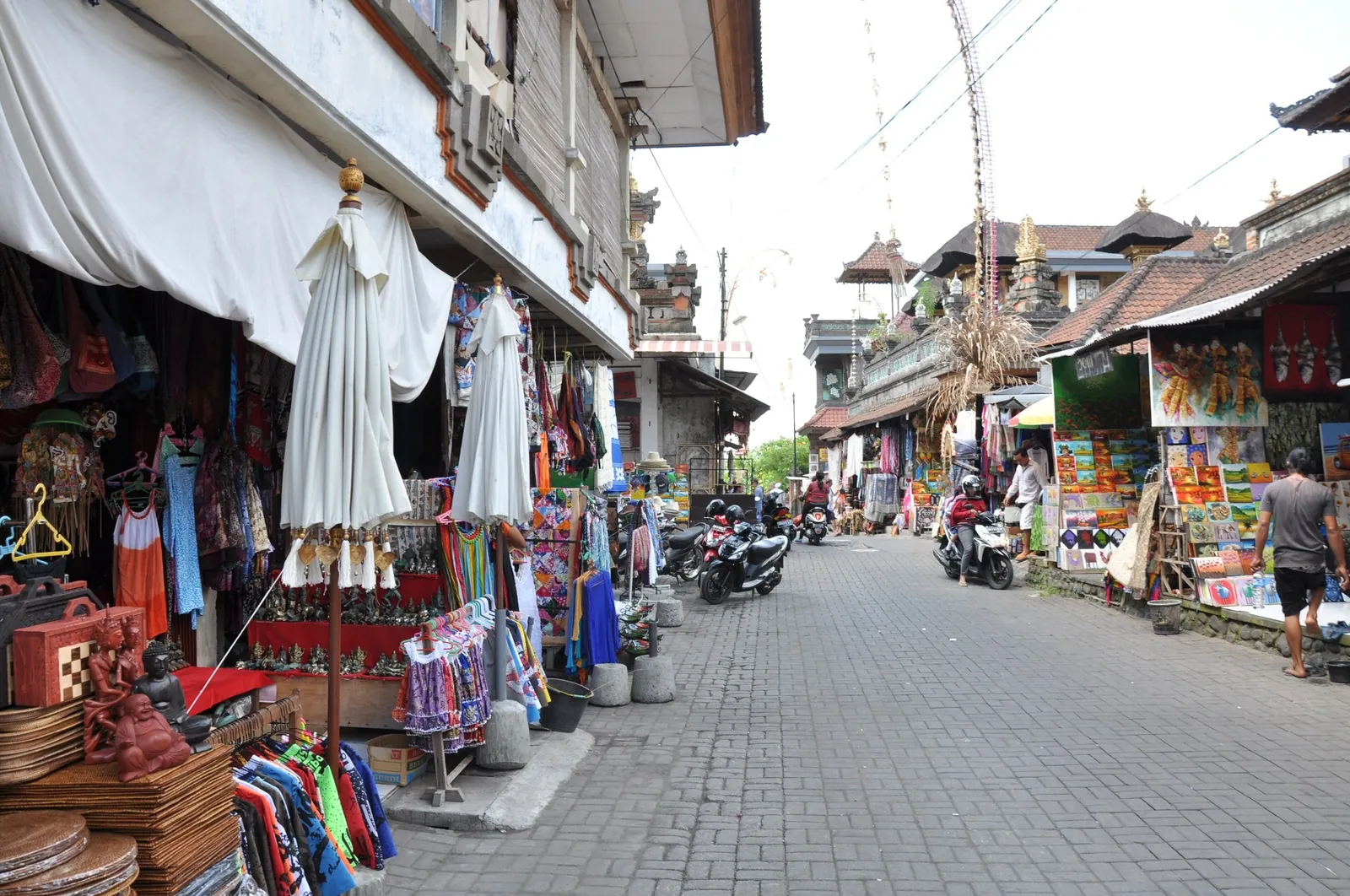
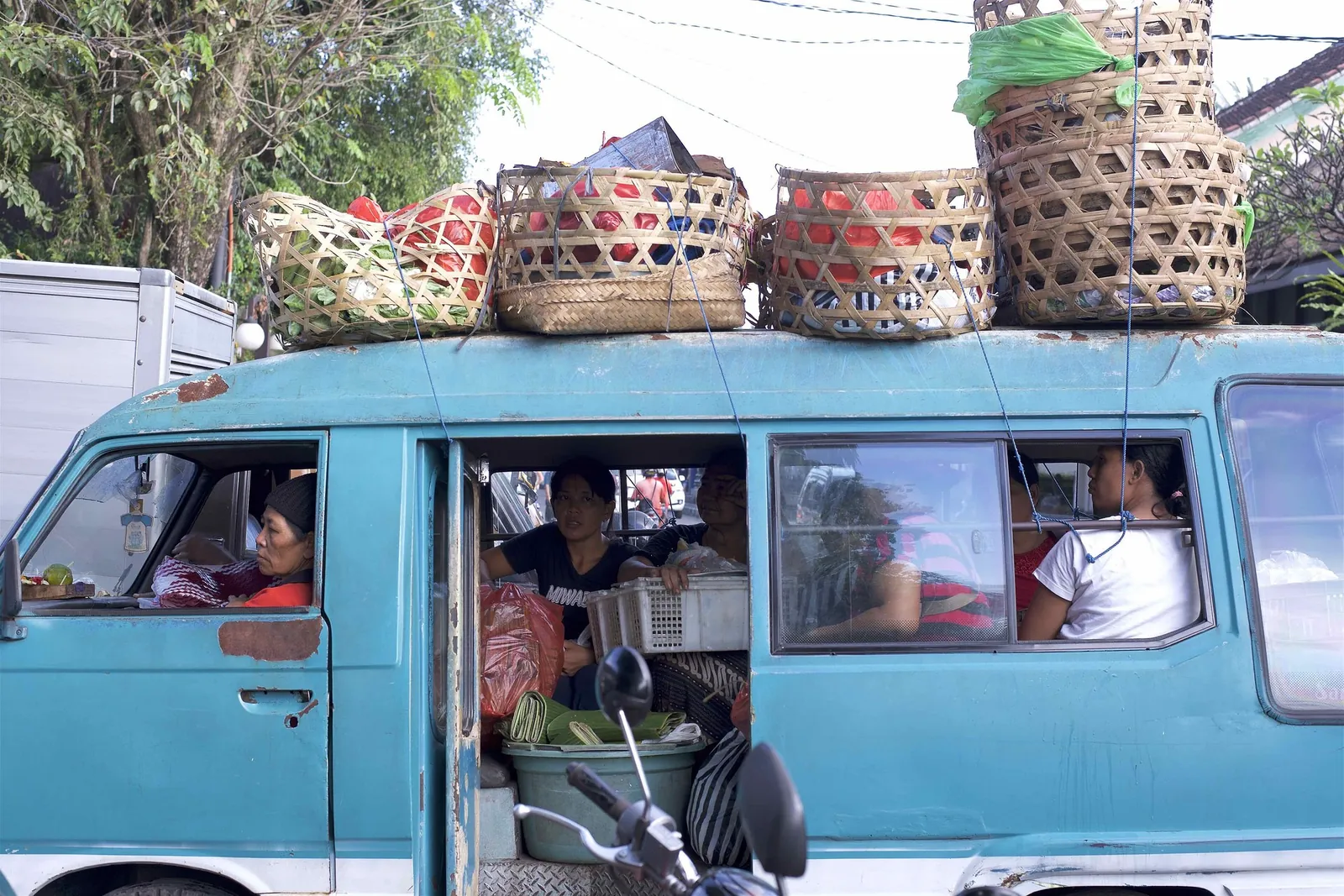
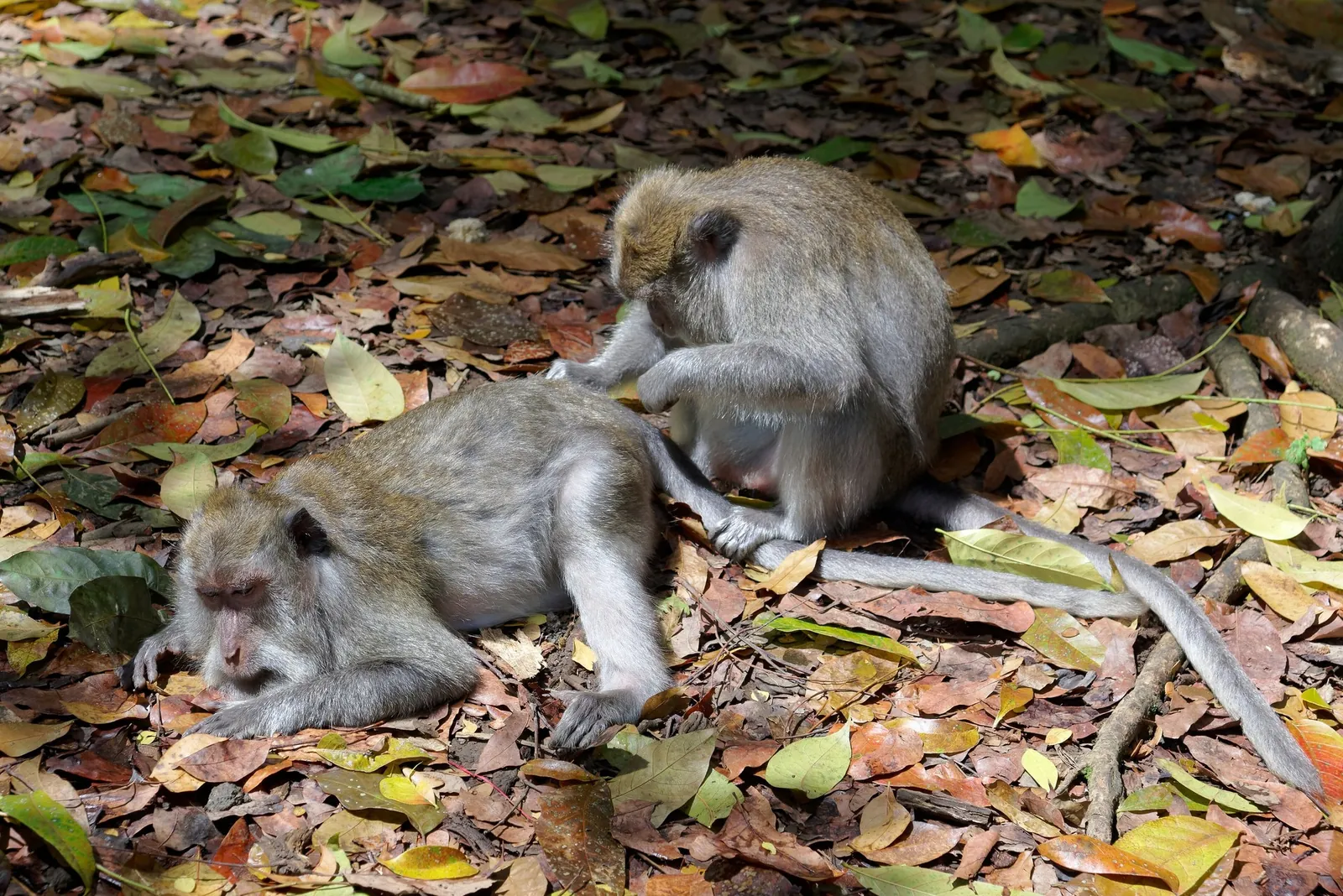
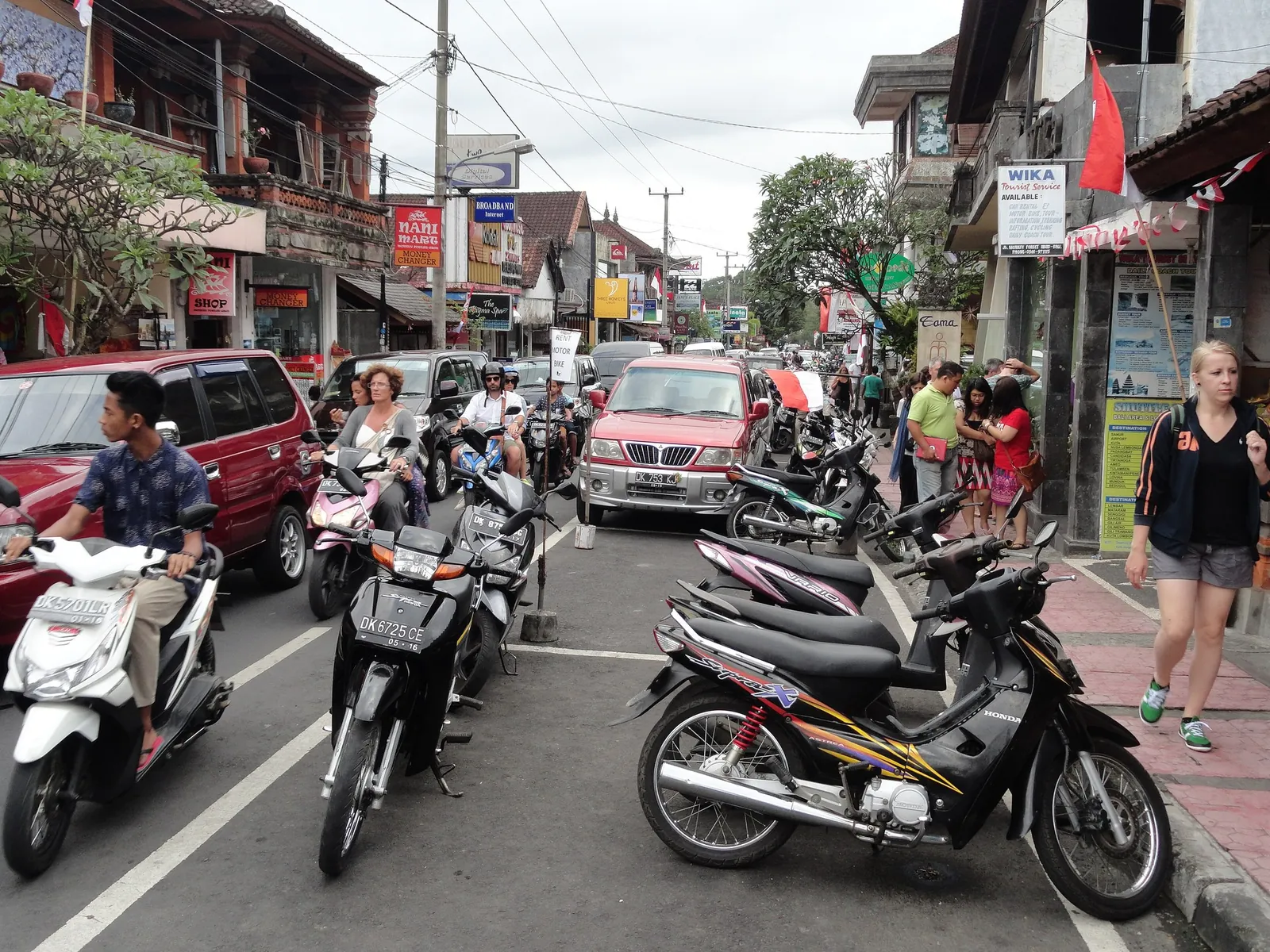
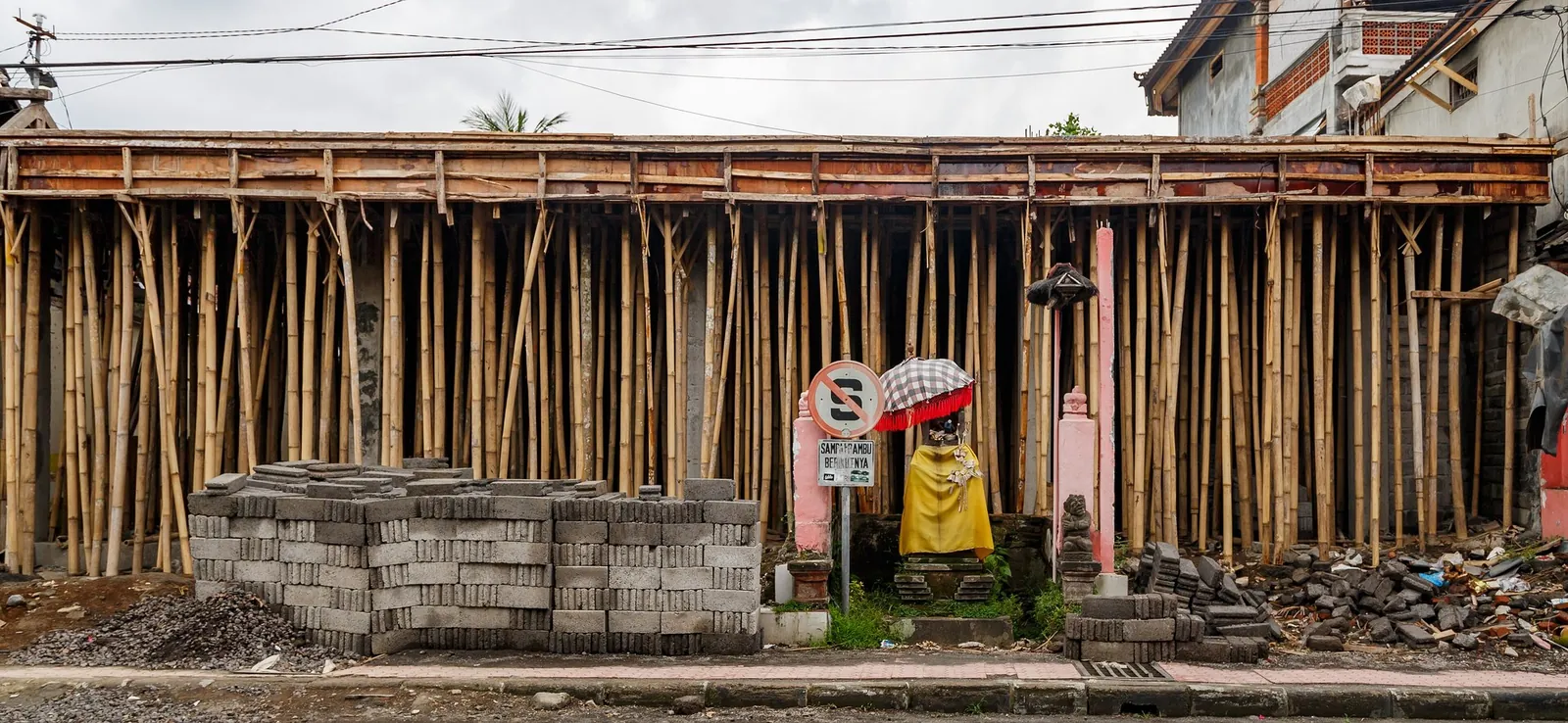
Authentic, unedited photos of Ubud by residents and visitors, taken on ordinary days rather than chosen by a tourist board. Each one shows when it was taken. Browse photos of 105 cities →
.jpg)
.jpg)
.jpg)

.jpg)






The other side
.jpg)

What does it cost to live in Ubud?
1-Bedroom Rent
$300-$700/month
Local Restaurant Meal
$2-$5 at local warungs
Cup of Coffee
$1.50-$3
Estimated Monthly Total
$1,000-$1,800
Want a personalized estimate? Use our cost of living calculator
How good is healthcare in Ubud?
Healthcare in Ubud is limited to smaller clinics like BIMC Ubud and Toya Devasya Clinic. For serious medical needs, retirees travel to Denpasar (about 1 hour south), where BIMC Hospital, Siloam Hospital, and Kasih Ibu Hospital offer more comprehensive care. Some retirees fly to Singapore or Bangkok for complex procedures. The roads between Ubud and Denpasar can be congested, so medical evacuation coverage is recommended. A growing number of holistic and integrative medicine practitioners offer complementary care in Ubud.
What is daily life like in Ubud?
Daily life in Ubud centers on wellness and culture. Mornings might begin with yoga overlooking rice terraces, followed by a smoothie bowl at an organic cafe. Afternoons could include a visit to an art gallery, a traditional dance rehearsal, or a walk through the Campuhan Ridge. Evenings bring temple ceremonies with gamelan music. The town has excellent restaurants ranging from traditional warungs to upscale farm-to-table dining. The expat community is creative and wellness-oriented, hosting workshops, retreats, and community events regularly.
What is the climate like in Ubud?
Ubud, at approximately 300 meters elevation, is notably cooler than Bali's coastal areas. Temperatures range from 23-30°C year-round, with evenings often dropping to a comfortable 20-23°C--pleasant enough to sleep without air conditioning. The rainy season (November-March) brings daily downpours, usually in the afternoon, with lush green landscapes. The dry season (April-October) has clear skies and lower humidity. Ubud receives more rainfall than coastal Bali.
What are the pros and cons of retiring in Ubud?
Pros
- Stunning natural beauty: rice terraces, jungle, ravines
- Rich cultural and spiritual life with daily temple ceremonies
- Cooler climate than coastal Bali--often no AC needed
- Excellent wellness infrastructure: yoga, meditation, holistic health
- Beautiful villas with pools at affordable prices
Cons
- Limited healthcare--serious cases require travel to Denpasar
- Increasing traffic congestion on narrow roads
- Distance from beach and airport (1+ hours to both)
- Rainy season brings heavy daily downpours and high humidity
Who should retire in Ubud?
Wellness-minded retirees who value culture, spirituality, and natural beauty, and are comfortable with a quieter, more introspective lifestyle away from the beach.
Which neighborhoods suit retirees in Ubud?
Central Ubud (Jalan Raya / Monkey Forest Road)
The walkable heart of Ubud with galleries, temples, cafes, and the Sacred Monkey Forest. Rent for villas and apartments ranges $400-800/month. Best for retirees who want to be immersed in Balinese culture, art, and spirituality with everything accessible on foot, though traffic can be heavy.
Penestanan / Sayan
Quieter hillside neighborhoods west of central Ubud overlooking the Campuhan Ridge and Ayung River valley. Rent ranges $350-700/month for villas with rice field or jungle views. Popular with artists, yoga practitioners, and retirees seeking tranquility just a short scooter ride from town.
Tegallalang / Keliki
Rural villages north of Ubud known for spectacular rice terraces and traditional woodcarving. Houses and villas rent for $250-500/month. Ideal for retirees who want genuine village life, cooler temperatures, and space, but a motorbike or car is essential for daily errands.
Which hospitals serve retirees in Ubud?
BIMC Hospital Ubud
A small private international clinic on Jalan Raya Sanggingan providing emergency care, general practice, and basic diagnostics. English-speaking doctors on staff. Suitable for routine care and stabilization, but serious cases are typically transferred to BIMC Kuta or hospitals in Denpasar.
RSUP Prof. Dr. I.G.N.G. Ngoerah (Sanglah Hospital, Denpasar)
Bali's largest public teaching hospital, approximately 1 hour south in Denpasar. The main referral center for the island with comprehensive specialties including surgery, cardiology, and neurology. Affordable but can be crowded. Limited English; a translator is recommended.
Facility details may change. Verify accreditation status and services directly with each hospital before making healthcare decisions.
What is the food scene like in Ubud?
Ubud has become one of Southeast Asia's most celebrated food destinations, blending traditional Balinese cuisine with a thriving health-food and international dining scene. Warung Biah Biah on Jalan Suweta serves authentic Balinese dishes (nasi campur, lawar, and sate lilit) at $2-4 per meal. Ibu Oka, near the royal palace, is famous for its babi guling (suckling pig) and draws visitors from across the island.
The health and wellness movement has spawned dozens of plant-based restaurants. Sage on Jalan Raya Pengosekan is a favorite for organic bowls and raw desserts ($5-10), while Alchemy serves smoothie bowls, salads, and raw food in a lush garden setting. Locavore, consistently ranked among Asia's best restaurants, offers a tasting menu ($60-90) built entirely from Indonesian ingredients.
For everyday eating, the Ubud Traditional Market has cooked food stalls serving nasi campur and bakso (meatball soup) for $1-2. The Jalan Raya corridor is lined with international options (Italian, Japanese, Indian, and Mexican) at $5-15 per meal. Coffee culture thrives at specialty roasters like Seniman Coffee Studio, which sources beans from across the Indonesian archipelago.
Is retiring in Ubud right for you?
Take our free 3-minute retirement quiz to see how life in Ubud, Indonesia, compares to other destinations based on your preferences, budget, and needs.
Take the Retirement QuizFrequently Asked Questions About Retiring in Ubud
What visa do retirees use to live in Bali?
The most common option is the B211A social/cultural visa (extendable up to 6 months) or the Retirement KITAS (permit code E33F, for retirees aged 55 and over). The Retirement KITAS requires proof of health insurance, a local sponsor, and the hiring of an Indonesian household helper. There is no statutory monthly income floor; sponsors typically ask to see a bank balance of about $2,000 held over the preceding three months. It is valid for one year and extendable to five. A visa agent can handle the paperwork for $500-$1,000.
Is Ubud too remote for comfortable retirement?
Ubud is not as remote as it might seem. It is about 1 hour from Denpasar and the airport, 45 minutes from Sanur beach, and has its own shops, restaurants, and clinics. However, traffic can extend travel times significantly. If you need regular hospital visits or frequent flights, coastal areas like Sanur may be more practical.
Is Ubud noisy or overcrowded?
Central Ubud has become busy, especially around the Monkey Forest and market area, with significant tourist traffic. However, the surrounding villages (Penestanan, Sayan, Keliki) remain tranquil and are where most long-term retirees live. Even a 10-minute drive from the center puts you among quiet rice fields and jungle.
Sources & References
- Numbeo, Cost of living index and price data for Bali: rent, groceries, restaurants, and transportation relevant to Ubud
- BIMC Hospital Ubud, Facility services, emergency care, and international patient programs in Ubud
- Indonesian Directorate General of Immigration, Retirement visa (KITAS) requirements and procedures applicable to Bali residents
- Bali Government Tourism Office, Regional infrastructure data, development updates, and visitor resources for Ubud and Bali