
City Retirement Guide
Retire in Sanur, Indonesia
Bali's calm seaside village, perfect for older adults
What are the key facts about retiring in Sanur?
- Elevation & setting
- ~5 m; reef-protected coastal strip on Bali's southeast shore in Denpasar city
- Climate
- Coolest month August 23–30°C, hottest April 25–34°C; 1,732 mm of rain a year, most in January (daily low to high, 1961–1990)
- Nearest international airport
- Ngurah Rai International (DPS), Denpasar, ~13 km southwest
- Nearest major/accredited hospital
- Bali International Hospital (Mayo Clinic-affiliated, opened 2024) and BIMC Hospital Nusa Dua (ACHSI-accredited)
- Primary retirement visa (2026)
- Retirement KITAS (E33F), age 55+, no statutory income floor, ≈$2,000 bank balance held over three months; 1 year extendable to 5; local sponsor and Indonesian household helper required
- Language environment
- Bahasa Indonesia and Balinese; English common in medical and expat settings
Sanur's 2024 Special Economic Zone designation for health tourism placed Bali International Hospital, a Mayo Clinic-affiliated facility, within the neighbourhood itself, giving Sanur retirees the shortest hospital transfer times of any Bali location.
What is retirement like in Sanur?
Sanur occupies a 5-kilometre stretch of Bali's southeastern coast in Denpasar city, facing a shallow lagoon protected by an offshore reef that keeps surf modest and the beachfront walkable. It lies roughly 13 kilometres northeast of Ngurah Rai International Airport (DPS) and is home to Bali Mandara Hospital and the new Bali International Hospital, a Mayo Clinic-affiliated facility opened in 2024 as part of the government's Sanur Special Economic Zone for health tourism. Most foreign retirees settle along Jalan Danau Tamblingan and the Pantai Sindhu beachfront in Sanur Kaja and Semawang.
Sanur has the infrastructure that retirees need without the chaos of more popular areas. There are modern supermarkets (Hardy's, Bintang), good restaurants ranging from simple warungs to seaside dining, and reliable internet in most accommodations. The village is close to Denpasar (15 minutes) and Bali's international airport (25 minutes), making it convenient for healthcare, shopping, and travel.
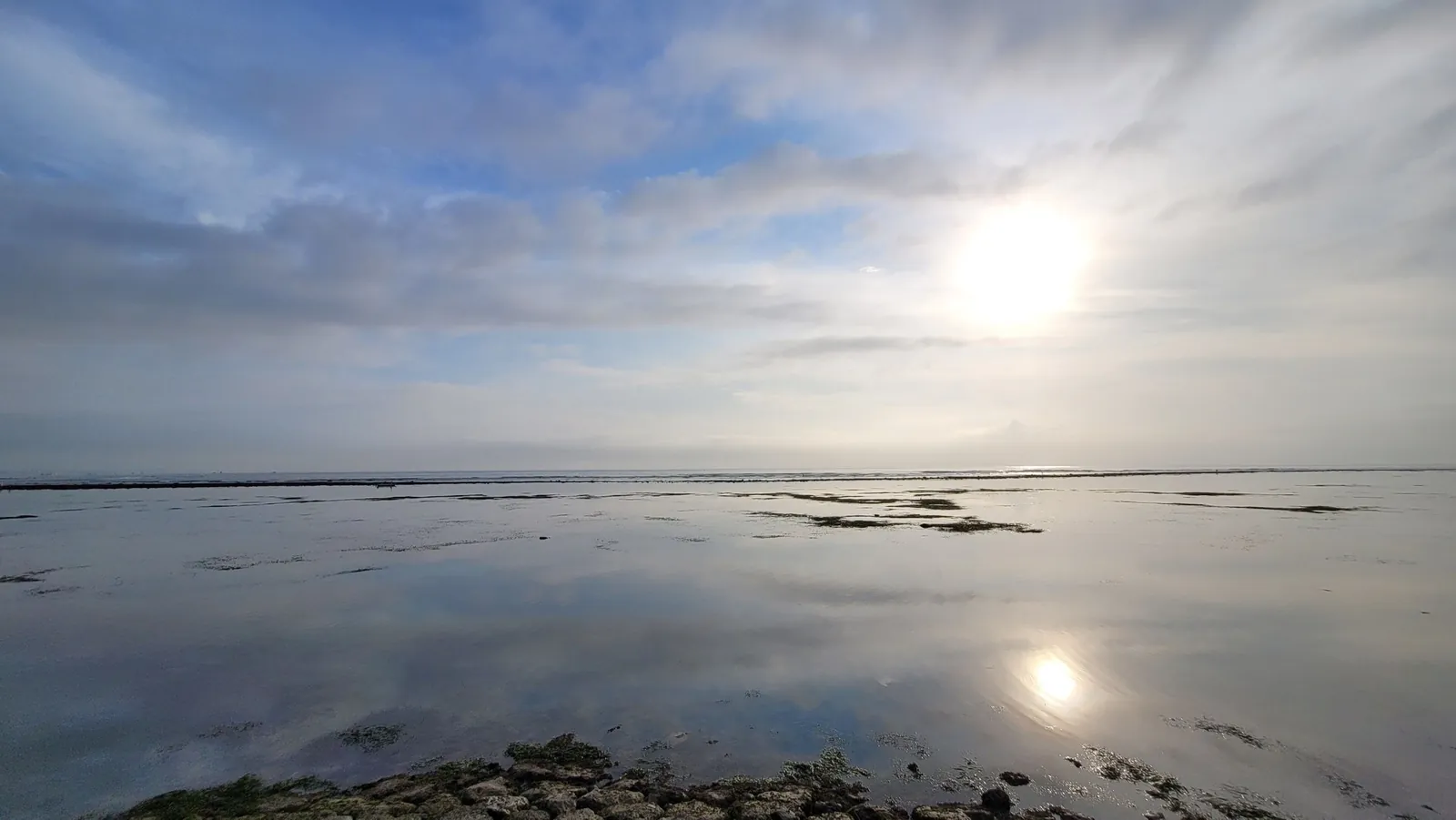
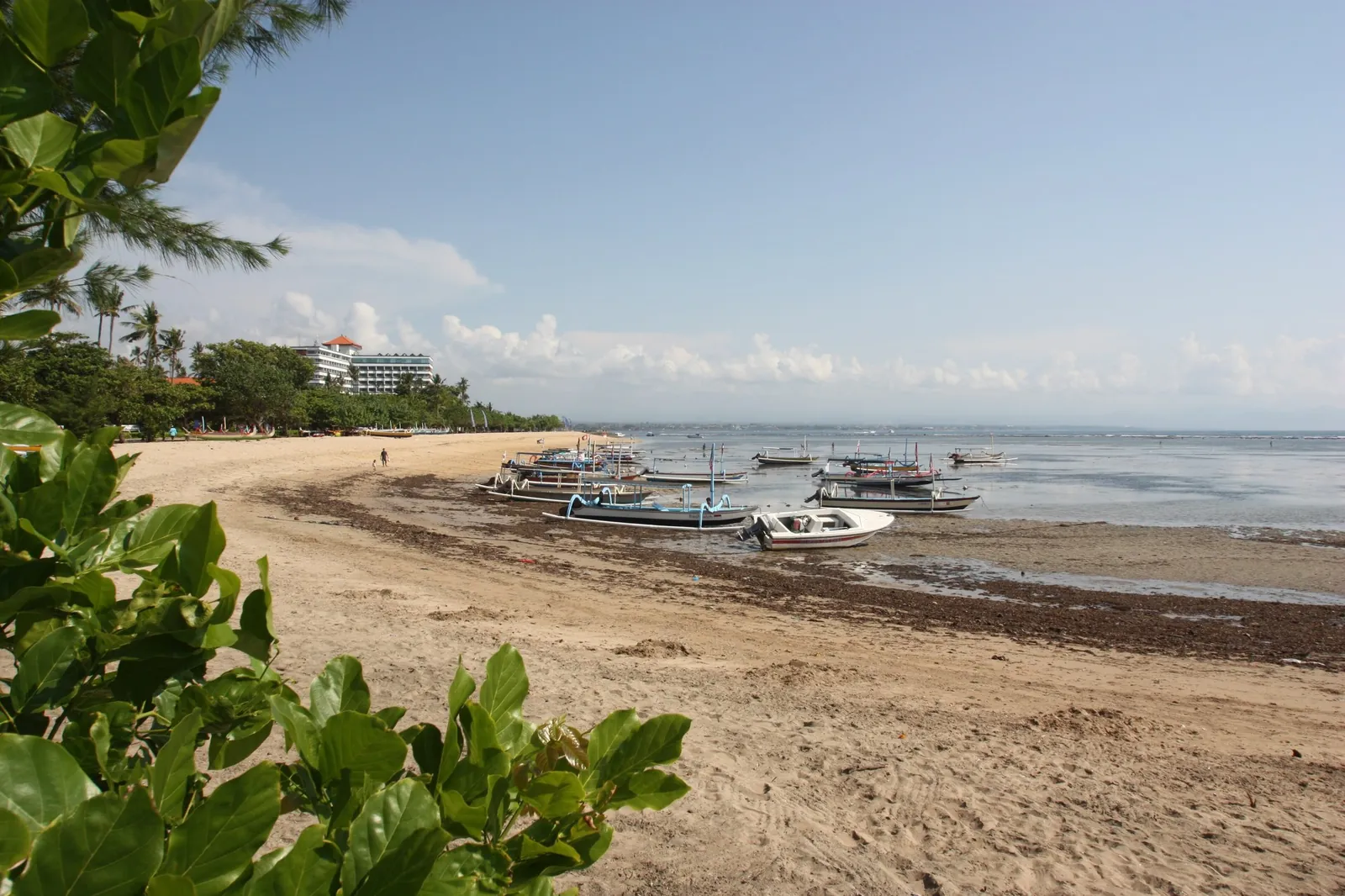
The beach itself is calm and swimmable, protected by a reef that prevents the large waves found on Bali's western coast. This makes it safe for swimming, kayaking, and stand-up paddleboarding. The retiree community in Sanur is well-established, and many residents have lived there for years or decades. It is a place where people know each other, where routine is comforting rather than monotonous, and where the pace of life aligns naturally with retirement.
What does it really look like in Sanur?
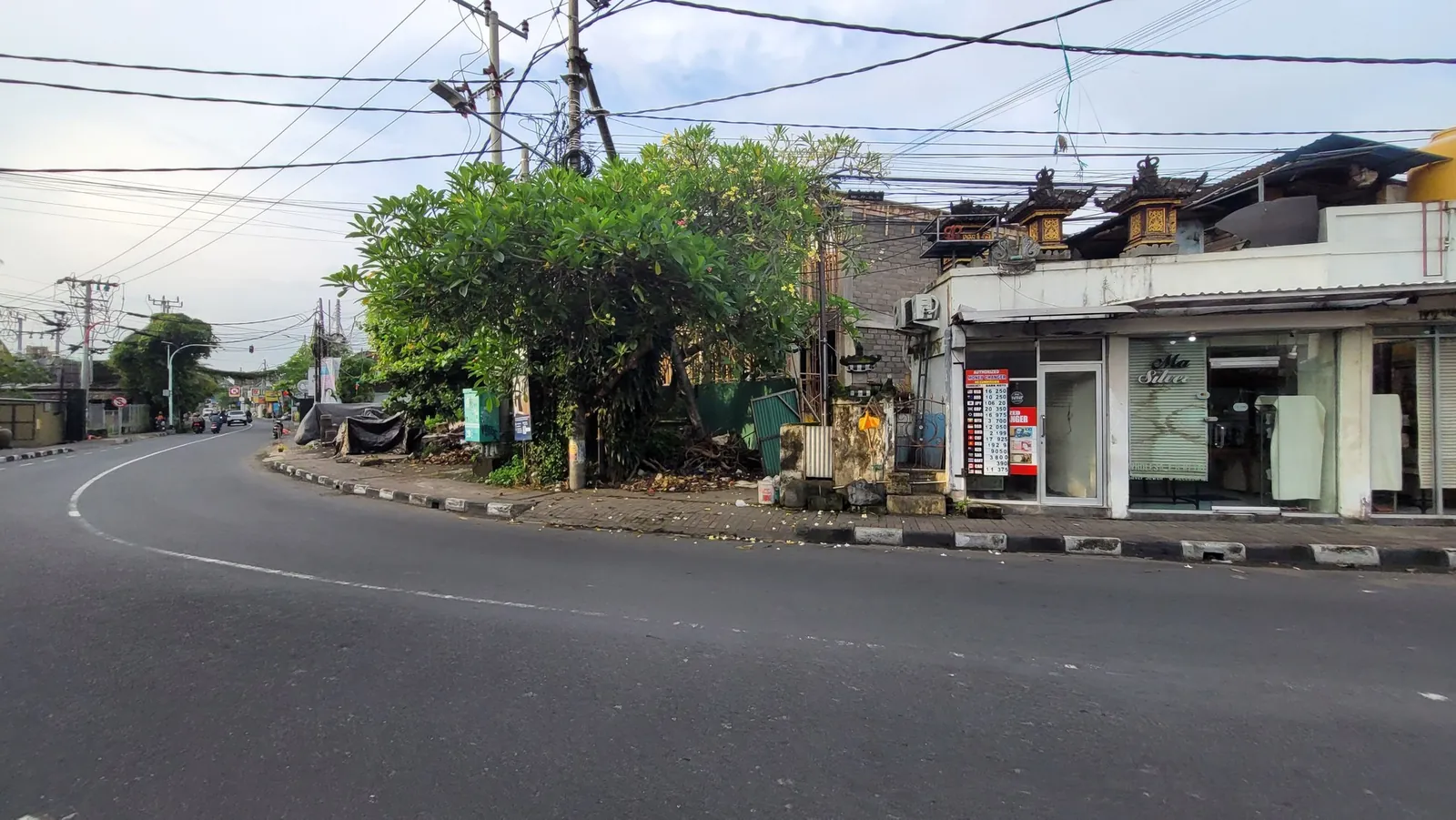
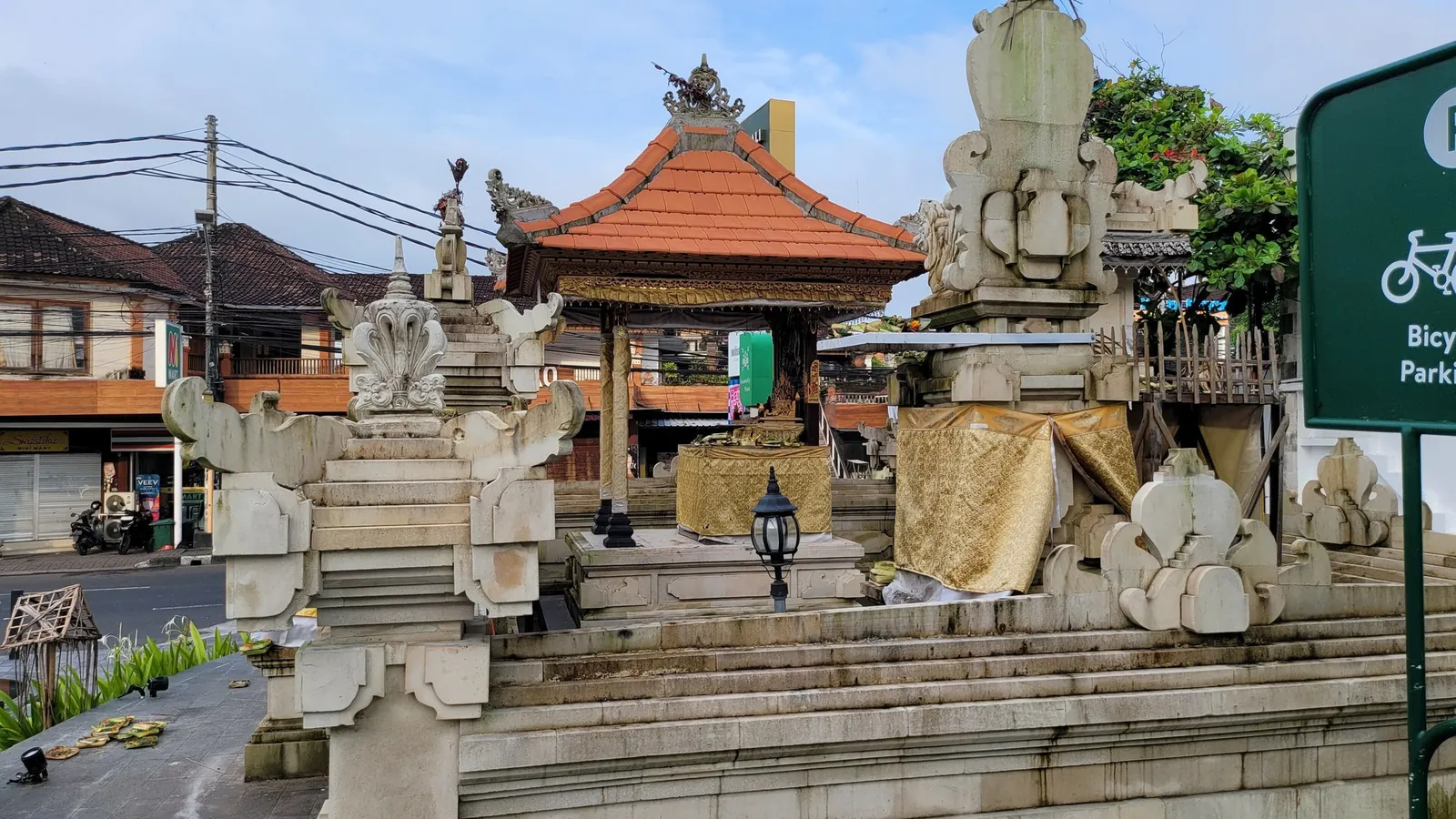
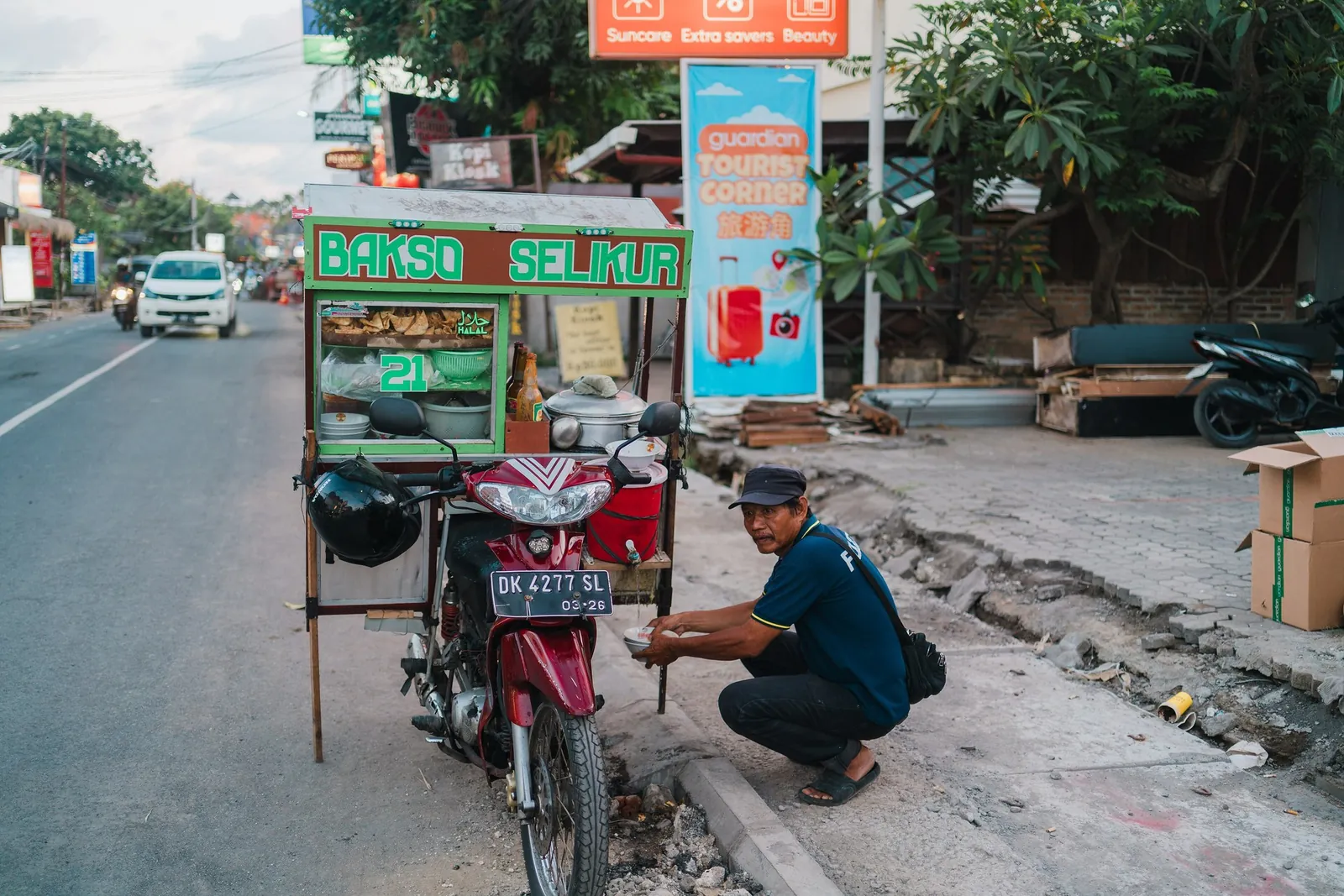
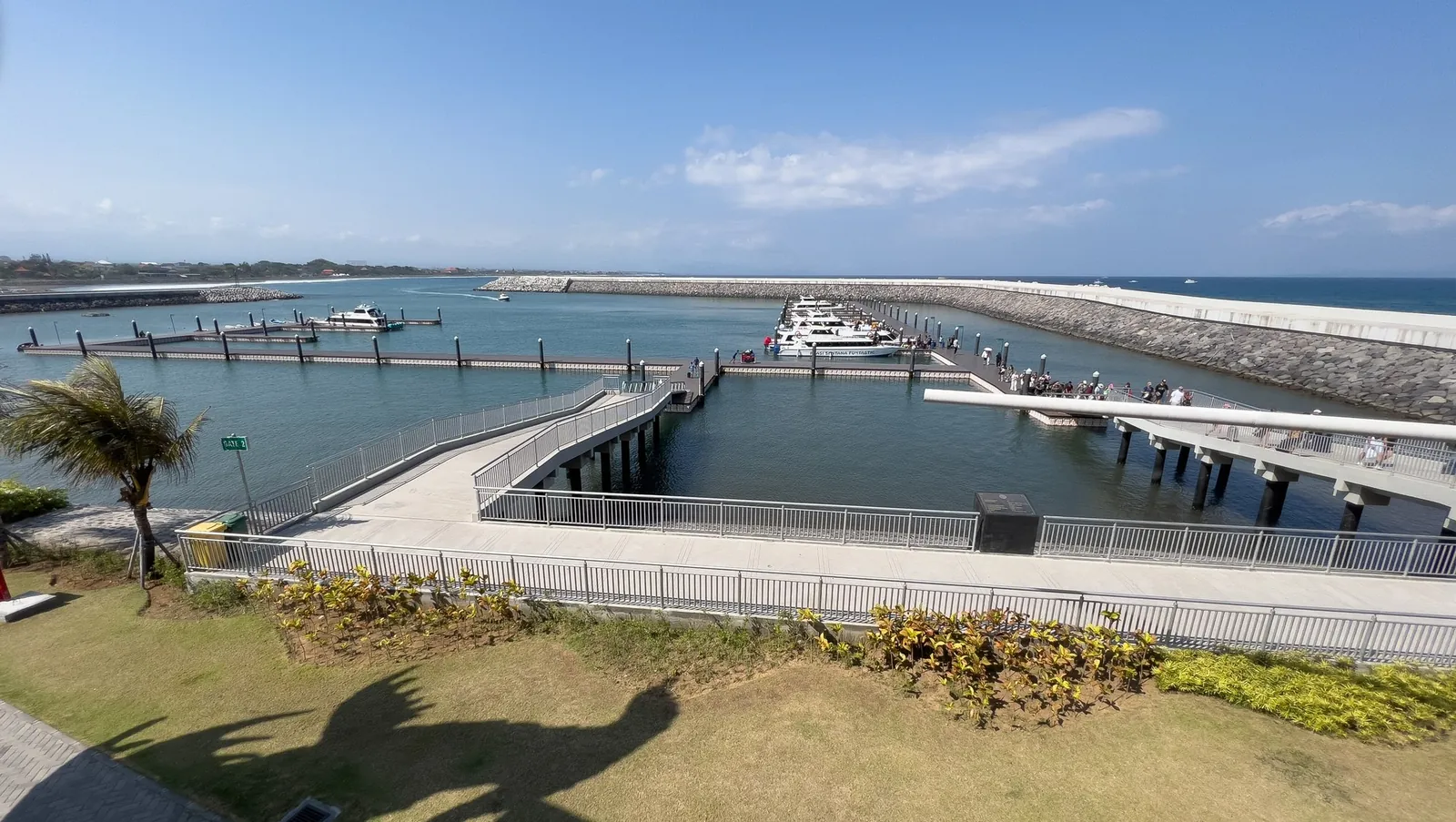
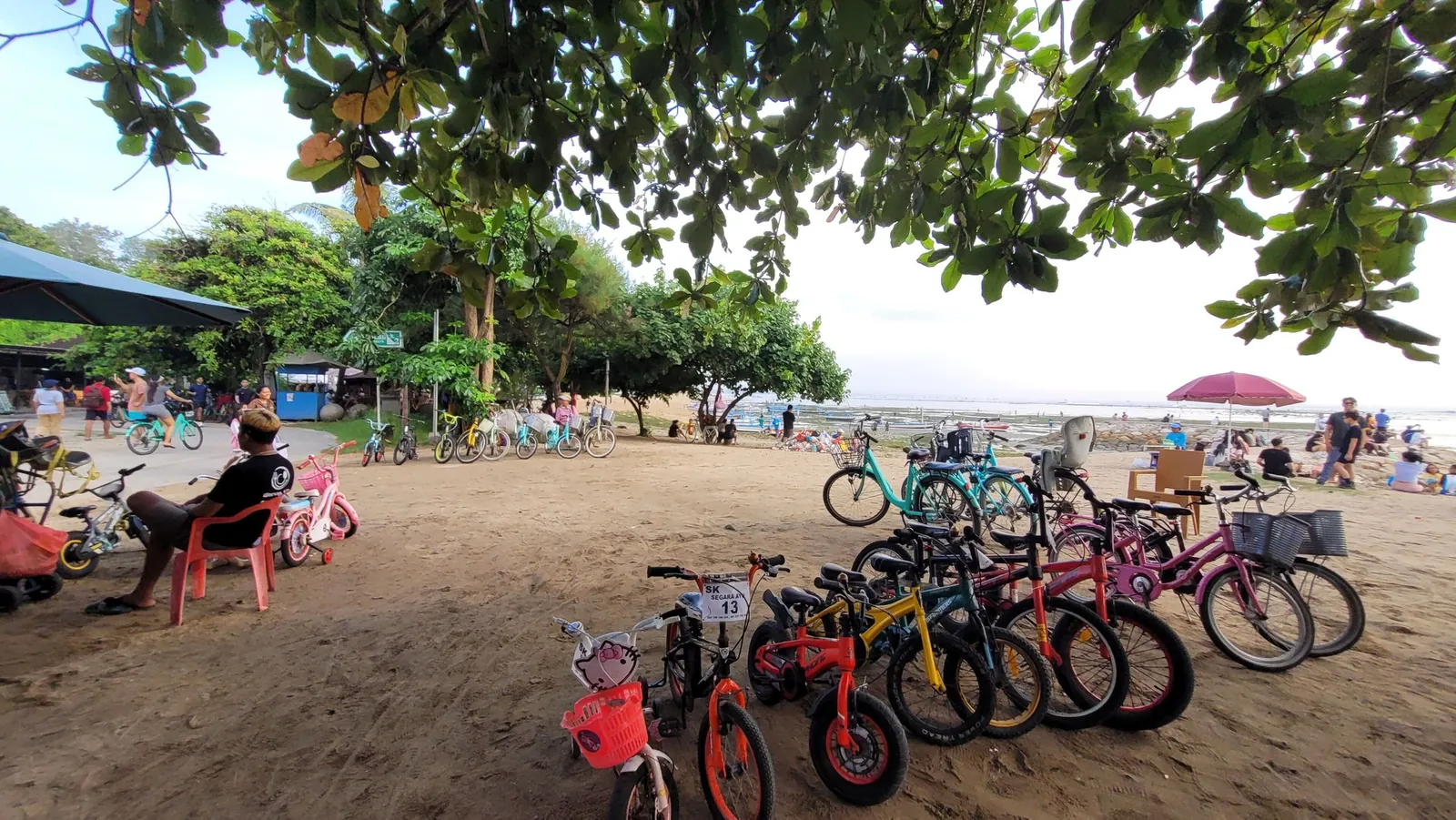
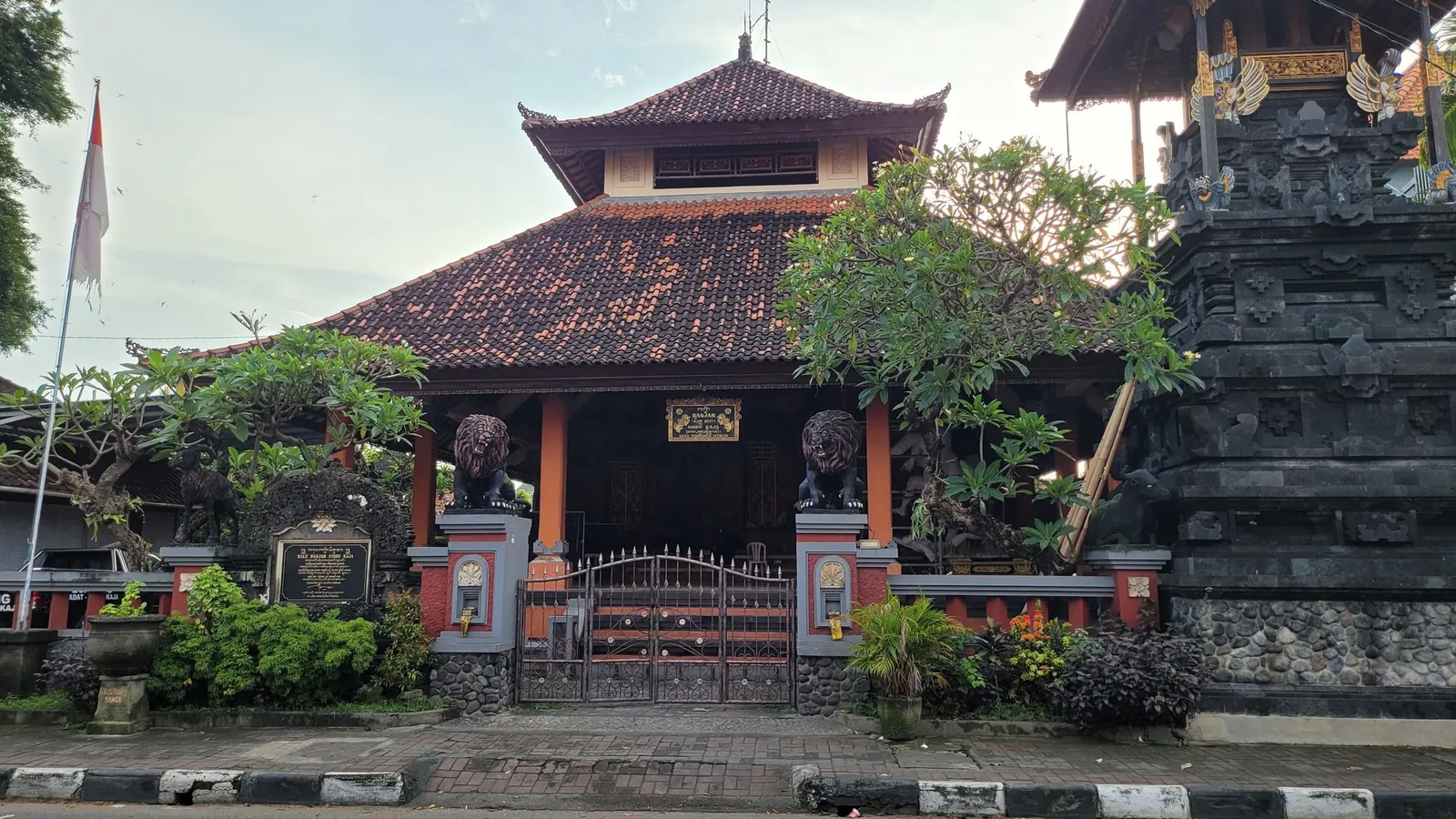
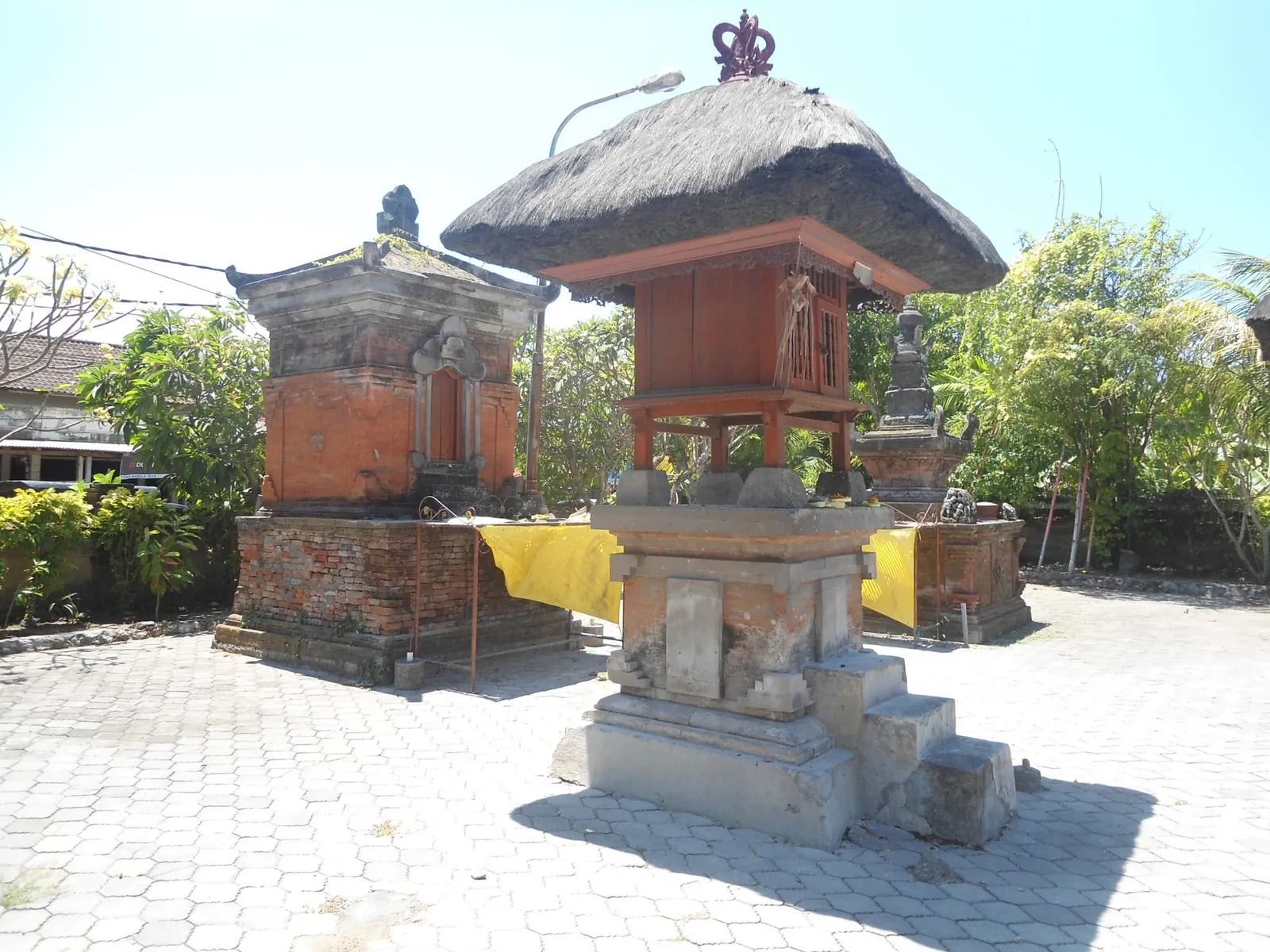
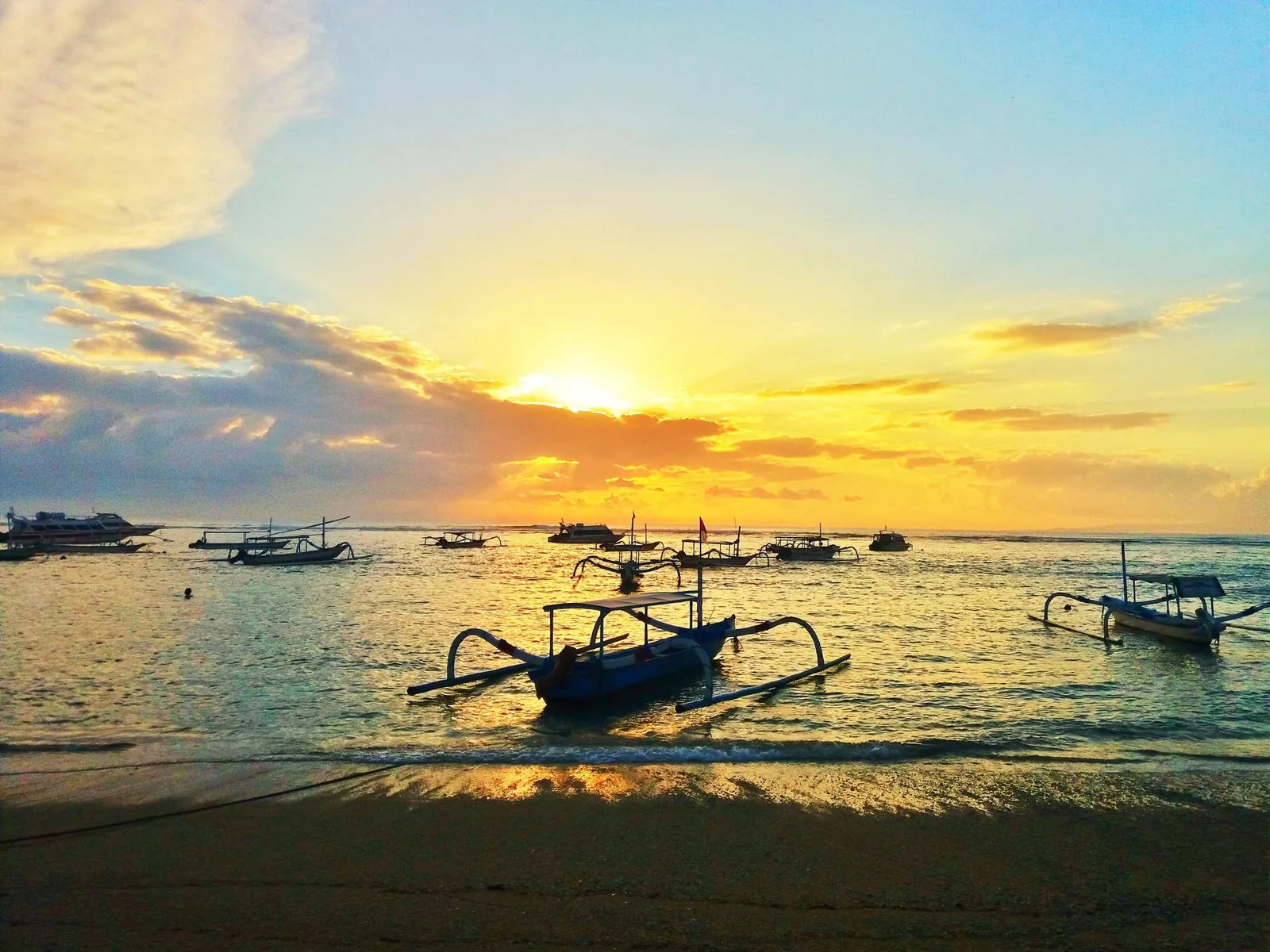
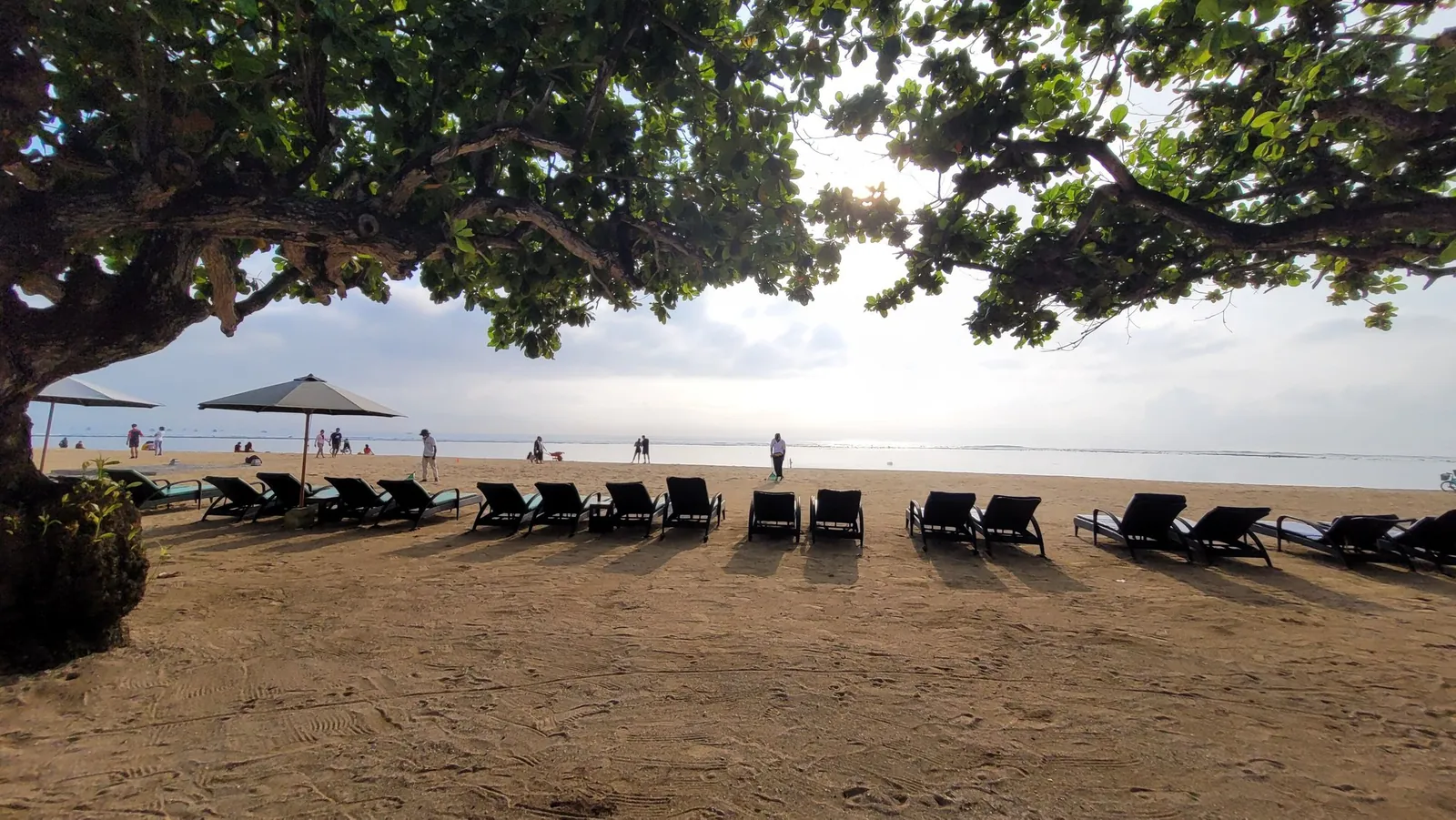
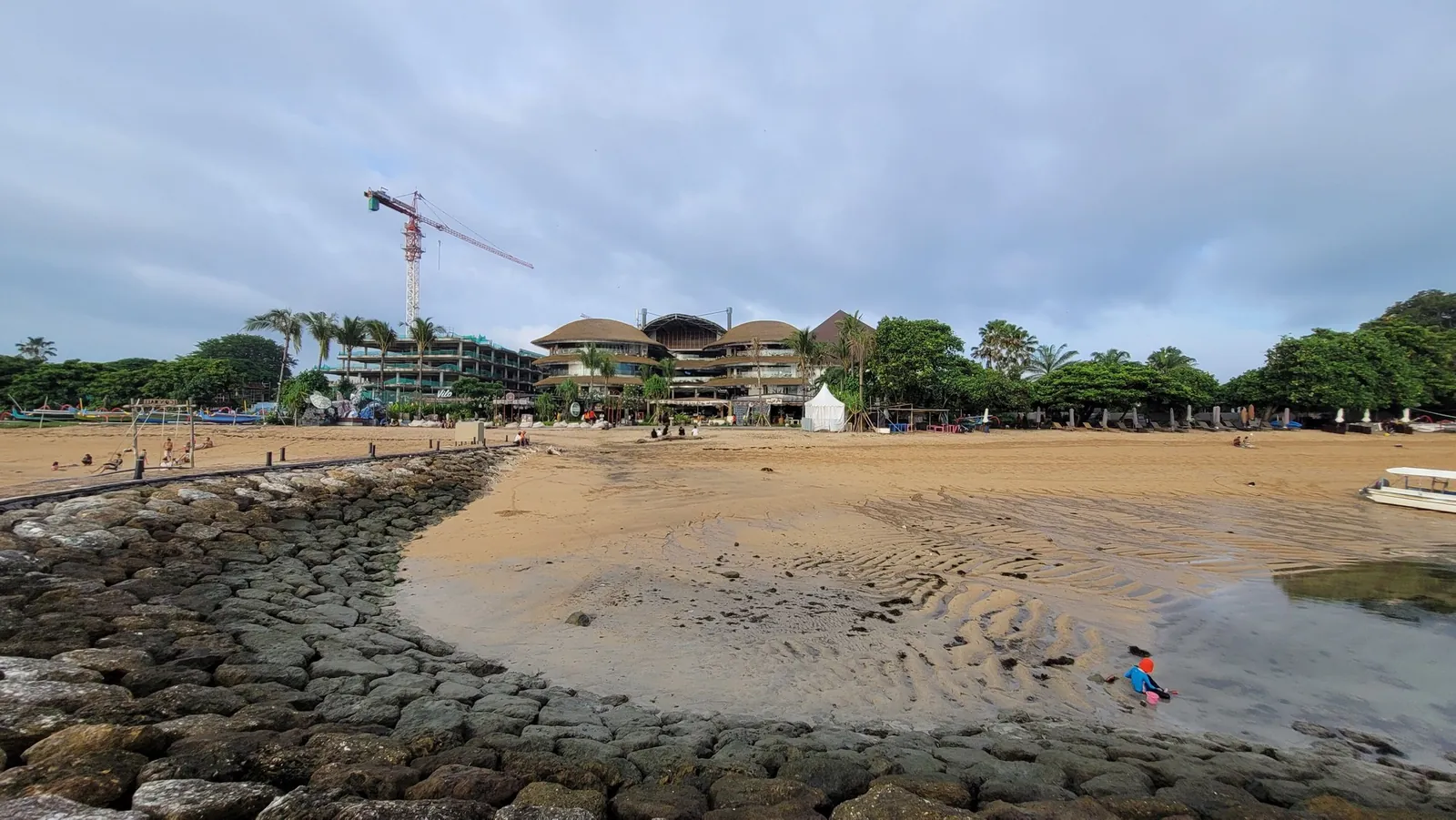
Authentic, unedited photos of Sanur by residents and visitors, taken on ordinary days rather than chosen by a tourist board. Each one shows when it was taken. Browse photos of 105 cities →


.jpg)


What does it cost to live in Sanur?
1-Bedroom Rent
$300-$600/month
Local Restaurant Meal
$2-$5 at local restaurants
Cup of Coffee
$1.50-$3
Estimated Monthly Total
$1,000-$1,700
Want a personalized estimate? Use our cost of living calculator
How good is healthcare in Sanur?
Sanur benefits from its proximity to Denpasar, where BIMC Hospital (15 minutes), Siloam Hospital, and Kasih Ibu Hospital provide comprehensive care. Within Sanur itself, there are several clinics for routine needs. The short distance to major hospitals makes Sanur more practical than Ubud for retirees with ongoing health concerns. BIMC has an international standard emergency department and 24-hour ambulance service. Health insurance is recommended, with annual policies for retirees typically costing $1,500-$4,000.
What is daily life like in Sanur?
Life in Sanur revolves around the beachfront path, morning coffee, and a gentle daily rhythm. Many retirees walk or cycle the promenade at sunrise, swim in the calm ocean, and gather at cafes for breakfast. The village has a weekly night market, regular beach cleanups organized by the community, and social gatherings at restaurants. Day trips to Ubud (45 minutes), Nusa Lembongan (30-minute fast boat), and other Bali attractions are easy. Sanur also hosts the annual Bali Kite Festival, adding cultural flavor.
What is the climate like in Sanur?
Sanur has Bali's typical tropical climate with temperatures of 27-33°C year-round. The dry season (April-October) brings sunny days and low humidity, while the wet season (November-March) has afternoon rainstorms that clear quickly. Sanur's east-facing beach gets beautiful sunrises, and the reef-protected waters remain calm in all seasons. Sea breezes keep the temperature pleasant along the coast.
| Month | High | Low | Rain |
|---|---|---|---|
| January | 33.0 °C | 24.1 °C | 345 mm |
| February | 33.4 °C | 24.2 °C | 274 mm |
| March | 33.6 °C | 24.0 °C | 234 mm |
| April | 34.4 °C | 24.8 °C | 88 mm |
| May | 33.1 °C | 24.1 °C | 93 mm |
| June | 31.4 °C | 23.5 °C | 53 mm |
| July | 30.4 °C | 23.0 °C | 55 mm |
| August | 29.6 °C | 22.5 °C | 25 mm |
| September | 31.4 °C | 22.9 °C | 47 mm |
| October | 33.6 °C | 23.7 °C | 63 mm |
| November | 32.7 °C | 23.5 °C | 179 mm |
| December | 33.0 °C | 23.5 °C | 276 mm |
Weather station: Denpasar (11.8 km away). Source: BMKG normals (WMO World Weather Information Service)
What are the pros and cons of retiring in Sanur?
Pros
- Calm, quiet atmosphere specifically suited to older adults
- Flat terrain with a 5km paved beachfront path--ideal for walking
- Close to Denpasar hospitals and Bali airport
- Protected, swimmable beach with calm waters
- Established retiree community with a neighborly feel
Cons
- Quieter nightlife and fewer dining options than Seminyak or Ubud
- Beach is pleasant but not spectacular compared to other Bali areas
- Can feel too quiet for retirees who want excitement
- Bali tourist tax and visa costs add to the budget
Who should retire in Sanur?
Older retirees (65+) who want a calm, safe seaside village with flat terrain, good healthcare access, and a gentle daily routine.
Which neighborhoods suit retirees in Sanur?
Central Sanur (Jalan Danau Tamblingan)
The main street running parallel to the beach, lined with shops, restaurants, and hotels. One-bedroom apartments and small houses rent for $350-650/month. The most convenient location with easy walking access to the beach path, markets, and medical clinics. Suits retirees who prefer a relaxed but connected lifestyle.
North Sanur (Mertasari / Padanggalak)
A quieter stretch north of the main strip with wider streets and more spacious properties. Rent ranges $300-550/month. Slightly removed from the tourist bustle, with local warungs and a peaceful section of the beach path. Appeals to long-term retirees who prioritize calm over convenience.
Sidakarya / Renon (Sanur outskirts)
Residential neighborhoods between Sanur and Denpasar offering good-value housing at $250-450/month. Close to Sanglah Hospital and Denpasar's shopping. Requires a scooter or car for beach access but provides an authentic Balinese residential experience at lower cost.
Which hospitals serve retirees in Sanur?
BIMC Hospital Nusa Dua
A private international hospital approximately 20 minutes south of Sanur with 24-hour emergency services, diagnostic imaging, and inpatient care. English-speaking medical staff. Part of the BIMC network that caters to expats and tourists. Check current accreditation status for international certifications.
Kasih Ibu General Hospital (Denpasar)
A mid-sized private hospital about 15 minutes from Sanur offering general surgery, internal medicine, obstetrics, and diagnostics at moderate prices. Some English-speaking doctors available. A practical option for non-emergency specialist consultations and routine procedures.
RSUP Prof. Dr. I.G.N.G. Ngoerah (Sanglah Hospital, Denpasar)
Bali's main public teaching hospital, roughly 20 minutes from Sanur. The island's primary referral center for serious medical cases with comprehensive specialty departments. Very affordable but often crowded. Bring a translator for complex medical discussions.
Facility details may change. Verify accreditation status and services directly with each hospital before making healthcare decisions.
What is the food scene like in Sanur?
Sanur's dining scene reflects its character as Bali's most established and laid-back beach community. The beachfront path stretching several kilometers is dotted with restaurants offering seafood dinners at sunset; Warung Mak Beng is a Sanur institution, serving its signature fried fish set meal for about $3 since the 1940s. Soul on the Beach and Byrdhouse Beach Club offer more upscale waterfront dining at $10-20 per main.
Jalan Danau Tamblingan, the main street, has a diverse mix of cuisines. Massimo serves wood-fired Italian pizzas ($6-12) and is a long-standing expat favorite. Pregina Warung does excellent Balinese home cooking at local prices ($2-5), while Genius Cafe caters to the health-conscious crowd with organic bowls and smoothies. Japanese, Thai, and Indian options are also well represented.
For daily meals, Sanur's pasar sindhu (Sindhu Night Market) operates every evening with dozens of stalls serving satay, nasi goreng, bakso, and grilled seafood for $1-3 per dish. The Hardys supermarket area has several affordable warungs popular with long-term expat residents. Sanur's pace suits retirees who want variety without the crowds of Seminyak or the tourist intensity of Ubud.
Is retiring in Sanur right for you?
Take our free 3-minute retirement quiz to see how life in Sanur, Indonesia, compares to other destinations based on your preferences, budget, and needs.
Take the Retirement QuizFrequently Asked Questions About Retiring in Sanur
Why do so many older expats choose Sanur?
Sanur appeals to older expats because of its flat terrain (easy walking), calm beach (safe swimming), quiet atmosphere, proximity to hospitals (15 minutes to BIMC), and established expat community. Unlike Ubud (hilly, far from hospitals) or Seminyak (noisy, party-oriented), Sanur is designed by its very nature for comfortable, low-key living.
Can I walk everywhere in Sanur?
The beachfront promenade and the main street (Jalan Danau Tamblingan) are walkable, covering most daily needs--restaurants, shops, ATMs, and clinics. For trips to supermarkets or Denpasar, you will need a car, scooter, or ride-hailing service. The flat terrain makes Sanur one of the most pedestrian-friendly areas in Bali.
How does Sanur compare to Ubud for retirement?
Sanur offers beach living, flat terrain, proximity to hospitals and the airport, and a calmer pace. Ubud offers mountain scenery, cultural richness, a wellness scene, and cooler temperatures. Sanur is better for those who prioritize convenience and healthcare access. Ubud is better for those who want cultural immersion and do not mind being further from medical facilities.
Sources & References
- Numbeo, Cost of living index and price data for Bali: rent, groceries, restaurants, and transportation relevant to Sanur
- Kasih Ibu Hospital Denpasar, Facility services and specialist departments serving the Sanur area
- Indonesian Directorate General of Immigration, Retirement visa (KITAS) requirements and procedures applicable to Bali residents
- WHO Indonesia Country Profile, National health system indicators and healthcare quality benchmarks