
City Retirement Guide
Retire in Canggu, Indonesia
Trendy beach village with a younger, active vibe
What are the key facts about retiring in Canggu?
- Elevation & setting
- ~15 m; flat coastal plain of rice paddies and black-sand beaches in Badung Regency
- Climate
- Coolest month August 23–30°C, hottest April 25–34°C; 1,732 mm of rain a year, most in January (daily low to high, 1961–1990)
- Nearest international airport
- Ngurah Rai International (DPS), Denpasar, ~20 km south
- Nearest major/accredited hospital
- Siloam Hospitals Denpasar (JCI-accredited, ~15 km) and BIMC Hospital Nusa Dua (ACHSI, ~25 km)
- Primary retirement visa (2026)
- Retirement KITAS (E33F), age 55+, no statutory income floor, ≈$2,000 bank balance held over three months; 1 year extendable to 5; local sponsor and Indonesian household helper required
- Language environment
- Bahasa Indonesia and Balinese; English near-universal in Canggu's expat economy
Canggu is the only Bali retiree district where traffic congestion on the single Jalan Pantai Berawa corridor routinely turns a 20-kilometre airport run into a 90-minute drive, a logistical fact that shapes medical-evacuation planning for older residents.
What is retirement like in Canggu?
Canggu stretches along Bali's southwestern coast in Badung Regency, between the Perancak and Yeh Poh rivers, with Batu Bolong, Berawa, and Echo Beach forming its three main beachfront neighbourhoods. It sits roughly 20 kilometres northwest of Ngurah Rai International Airport (DPS) via the Kuta bypass, and its nearest accredited referral hospital is BIMC Hospital Nusa Dua, an ACHSI-accredited facility about 25 kilometres south. Although better known as a surf and digital-nomad district, a growing retiree population has settled in the quieter Pererenan and Umalas areas inland from Berawa, where walled villas replace the beach-facing guesthouses of Batu Bolong.
Canggu's appeal centers on its rice-field-meets-beach landscape, where winding roads through emerald paddies lead to dramatic black sand beaches with world-class surf breaks. The dining scene is exceptional, with everything from traditional Balinese warungs to trendy smoothie bowls and plant-based restaurants. Fitness culture thrives here, with CrossFit gyms, yoga studios, surf schools, and beach running groups providing ample opportunities to stay active.
The village has grown rapidly and now has modern amenities including international restaurants, boutique shops, coworking spaces, and wellness centers. However, Canggu retains its charm in the quieter areas like Pererenan and Seseh to the north, where rice paddies still dominate and the pace is gentler. For retirees who want to stay active, eat healthy, and be part of a vibrant international community, Canggu offers an unconventional but compelling retirement option.
What does it really look like in Canggu?
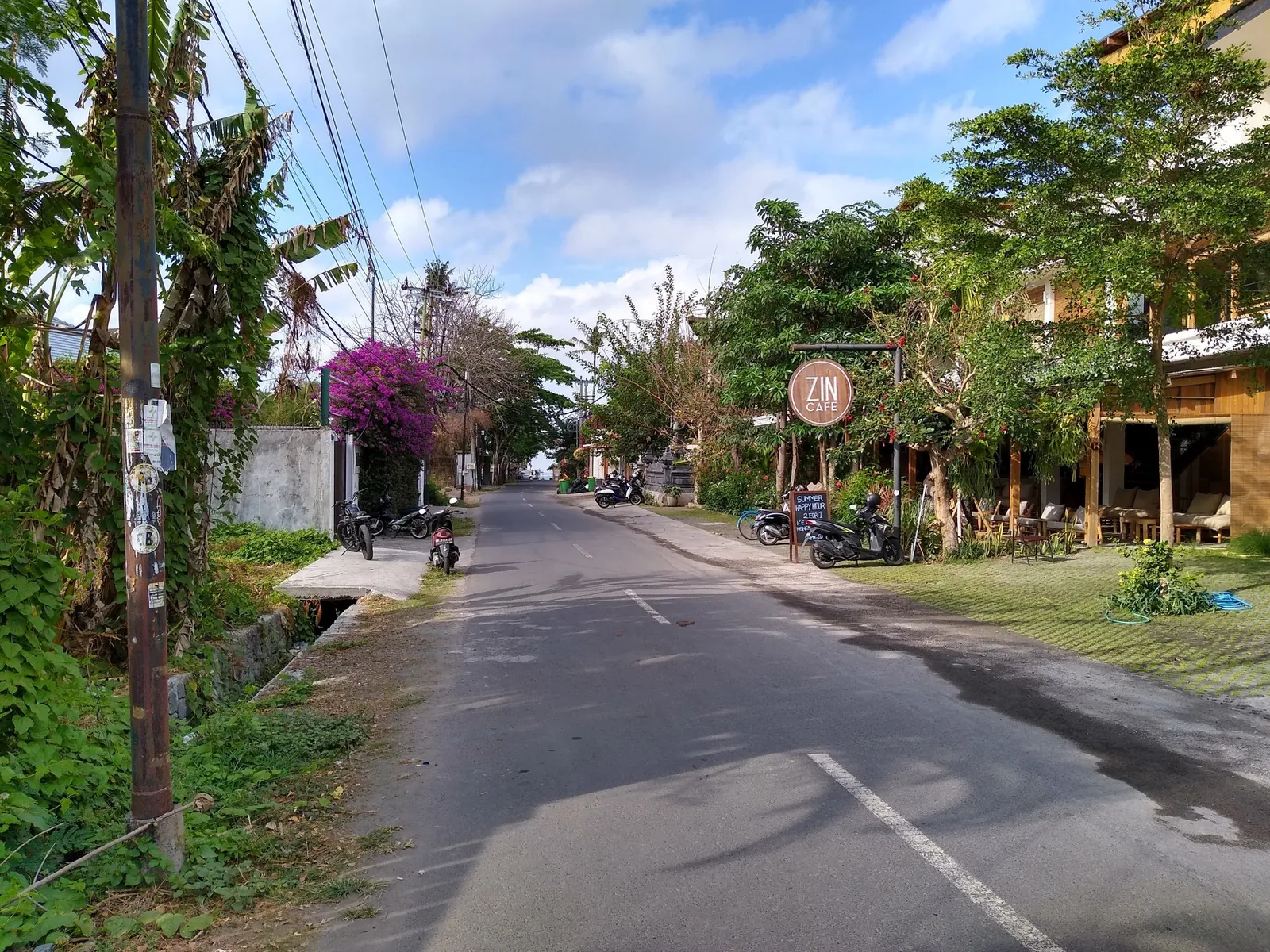
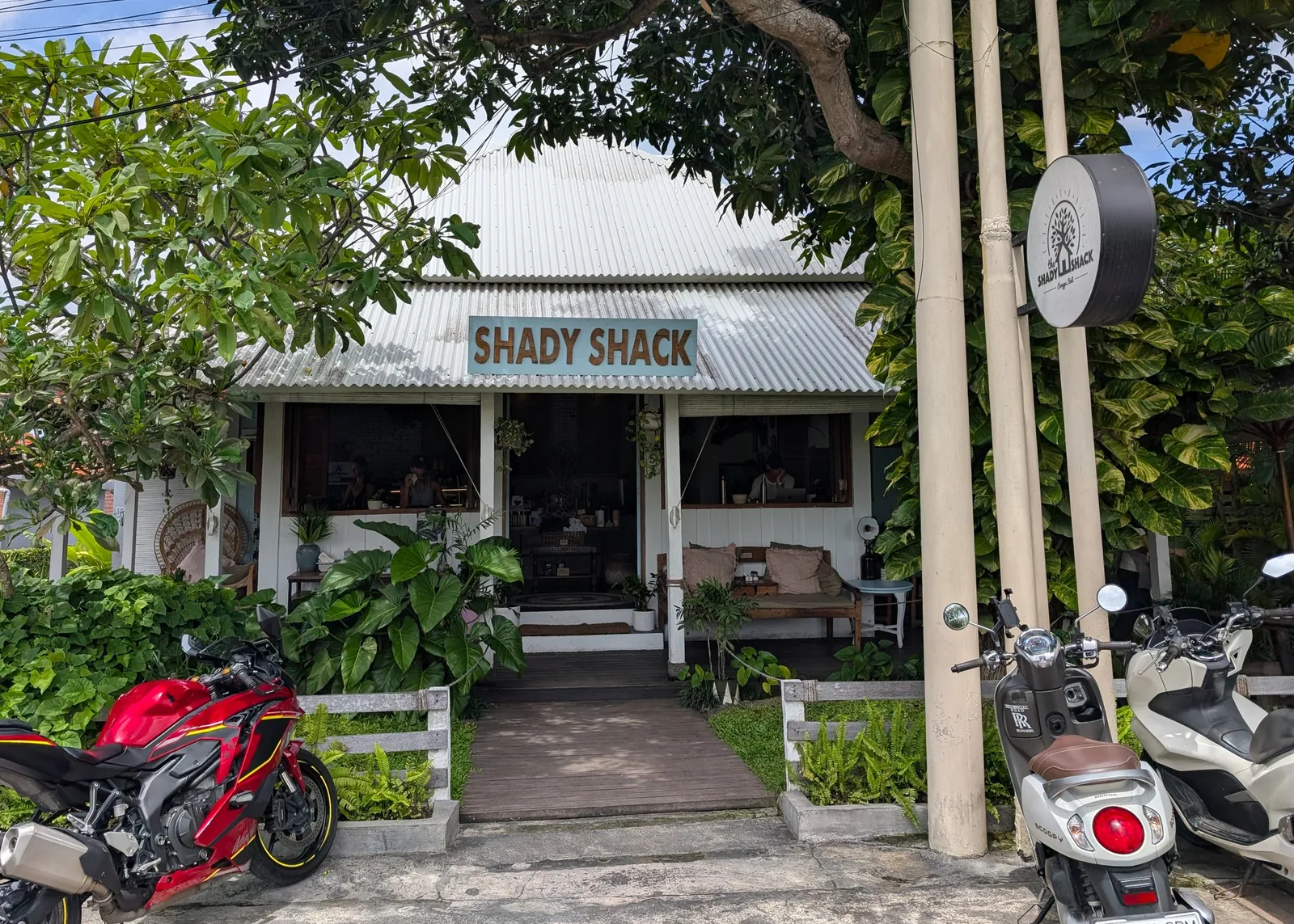
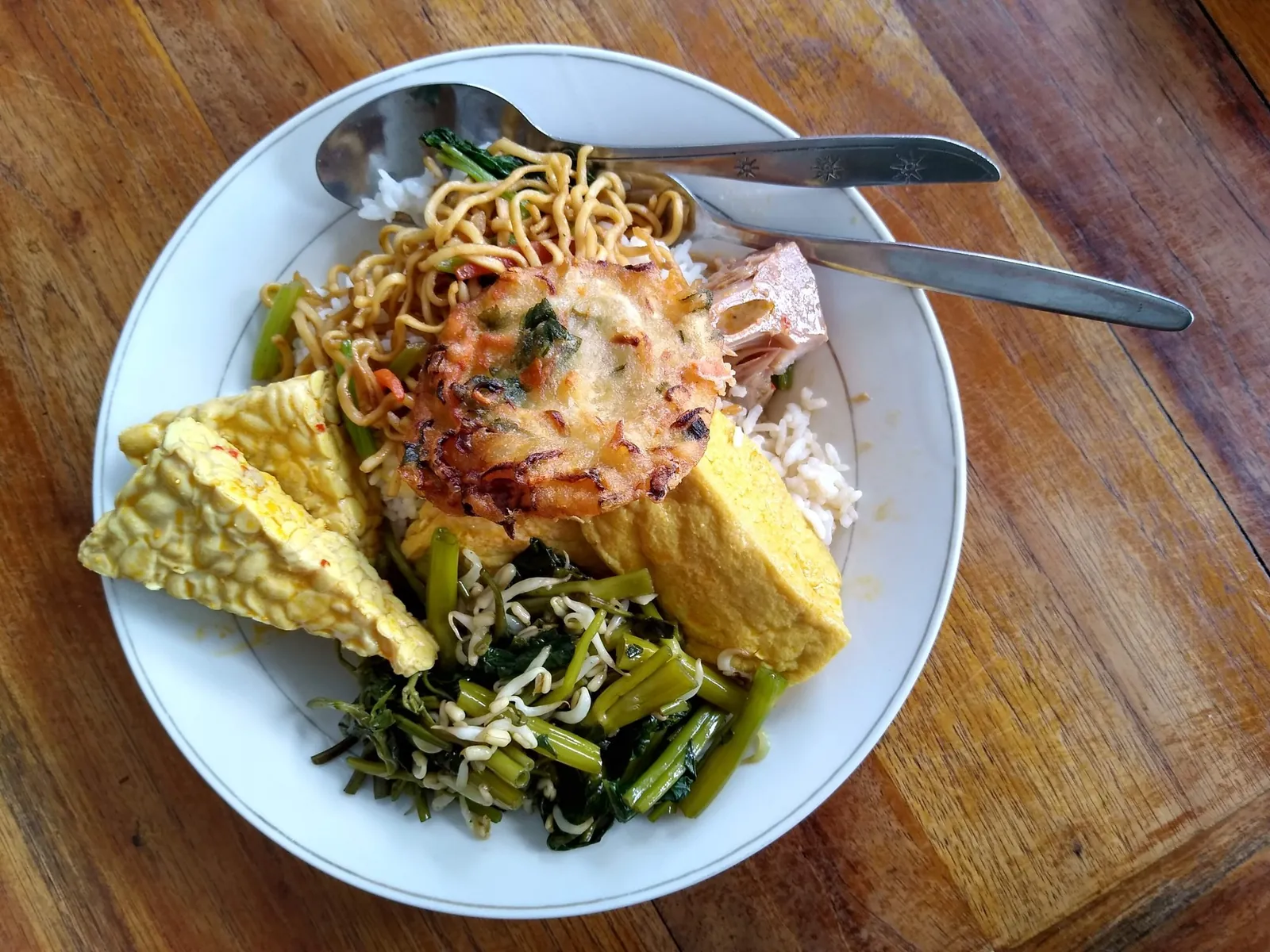
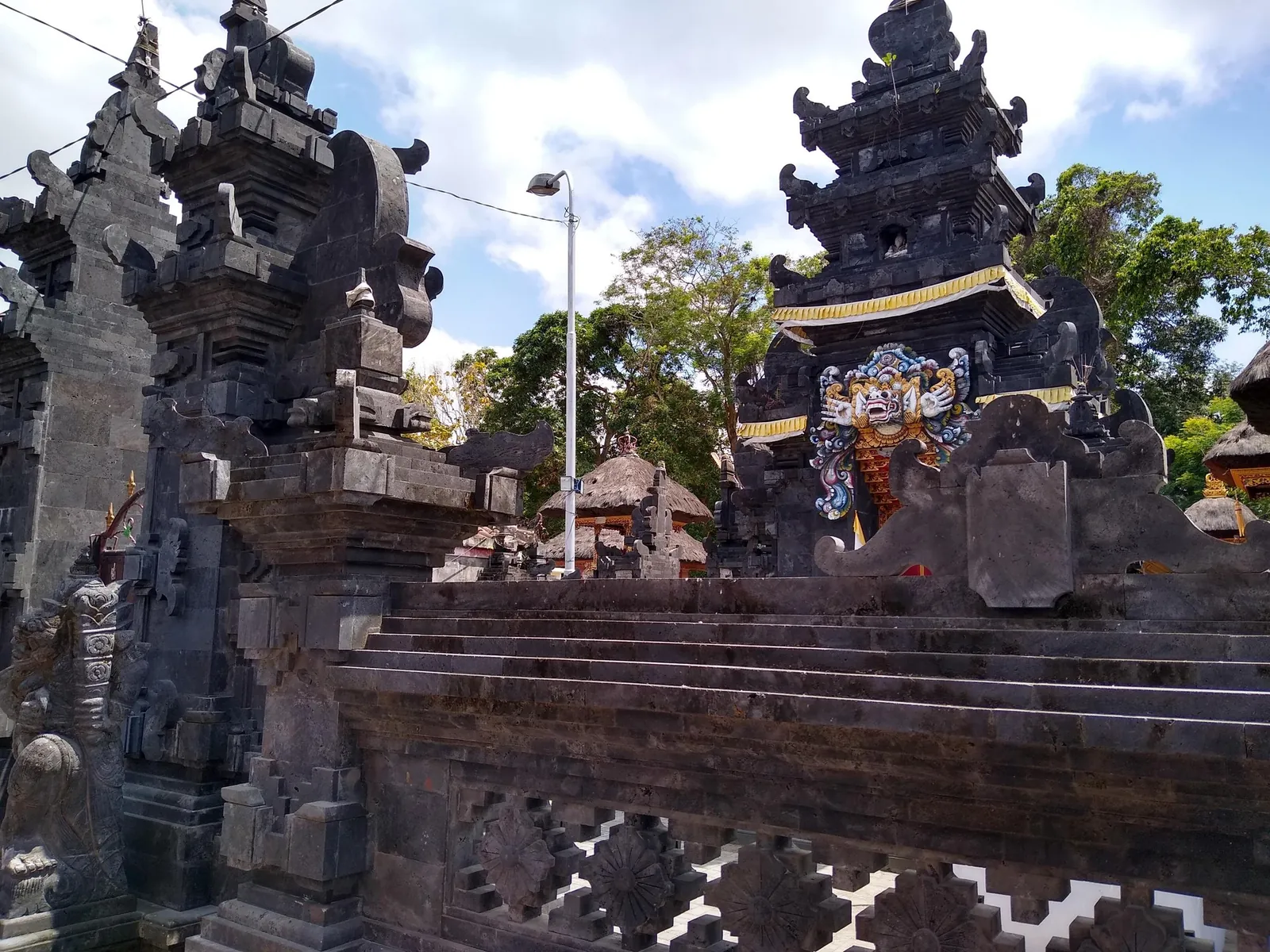
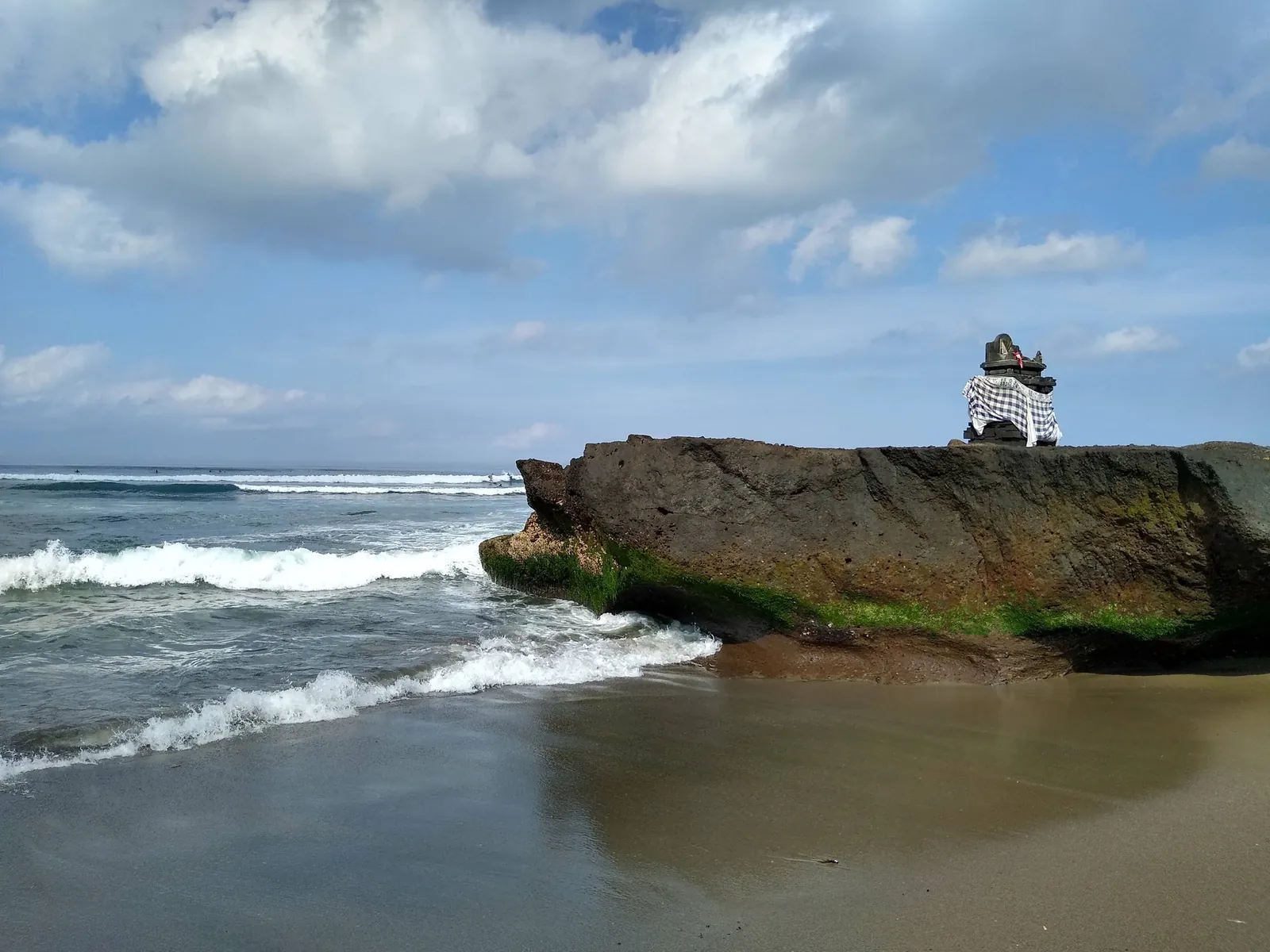
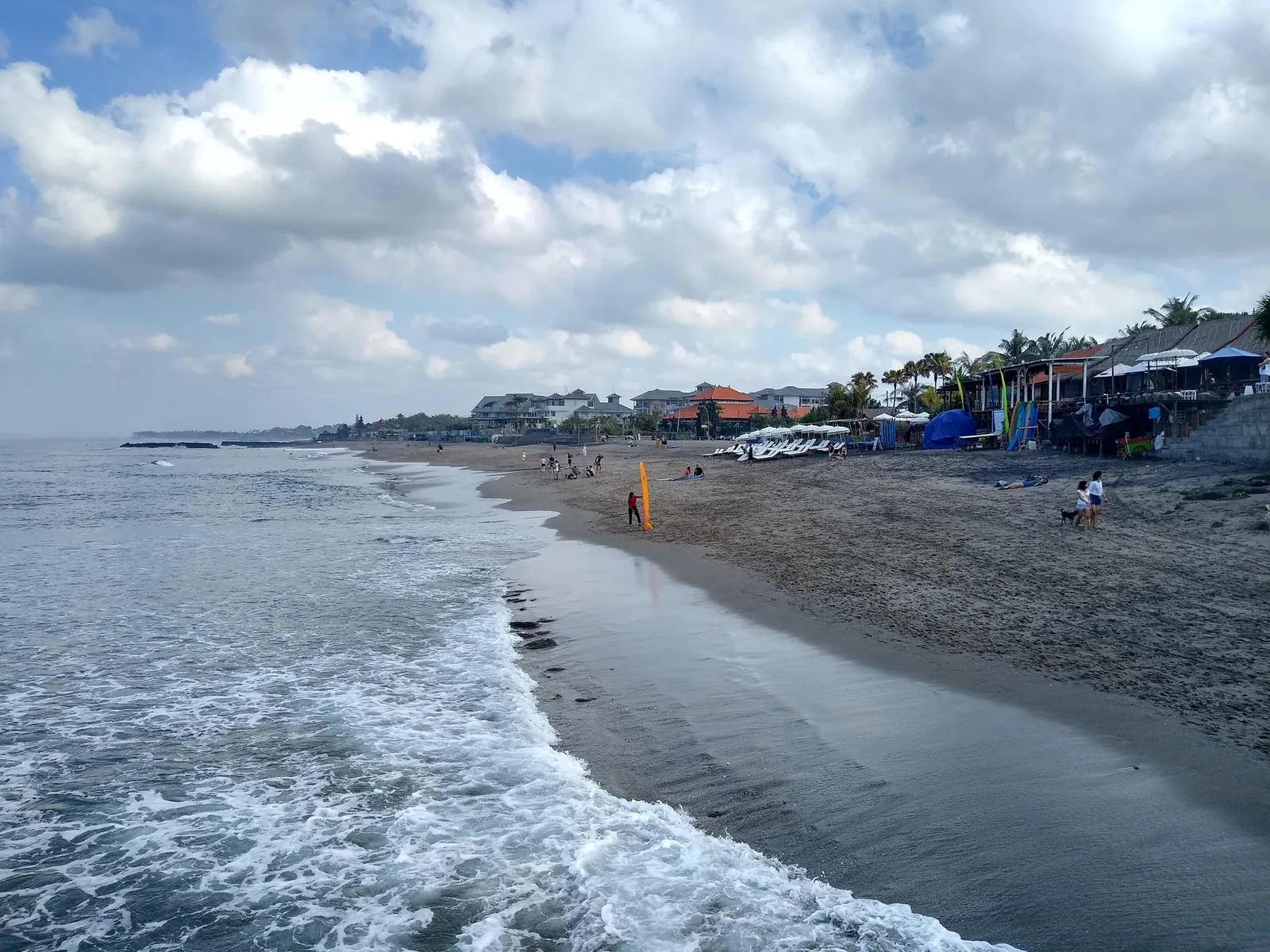
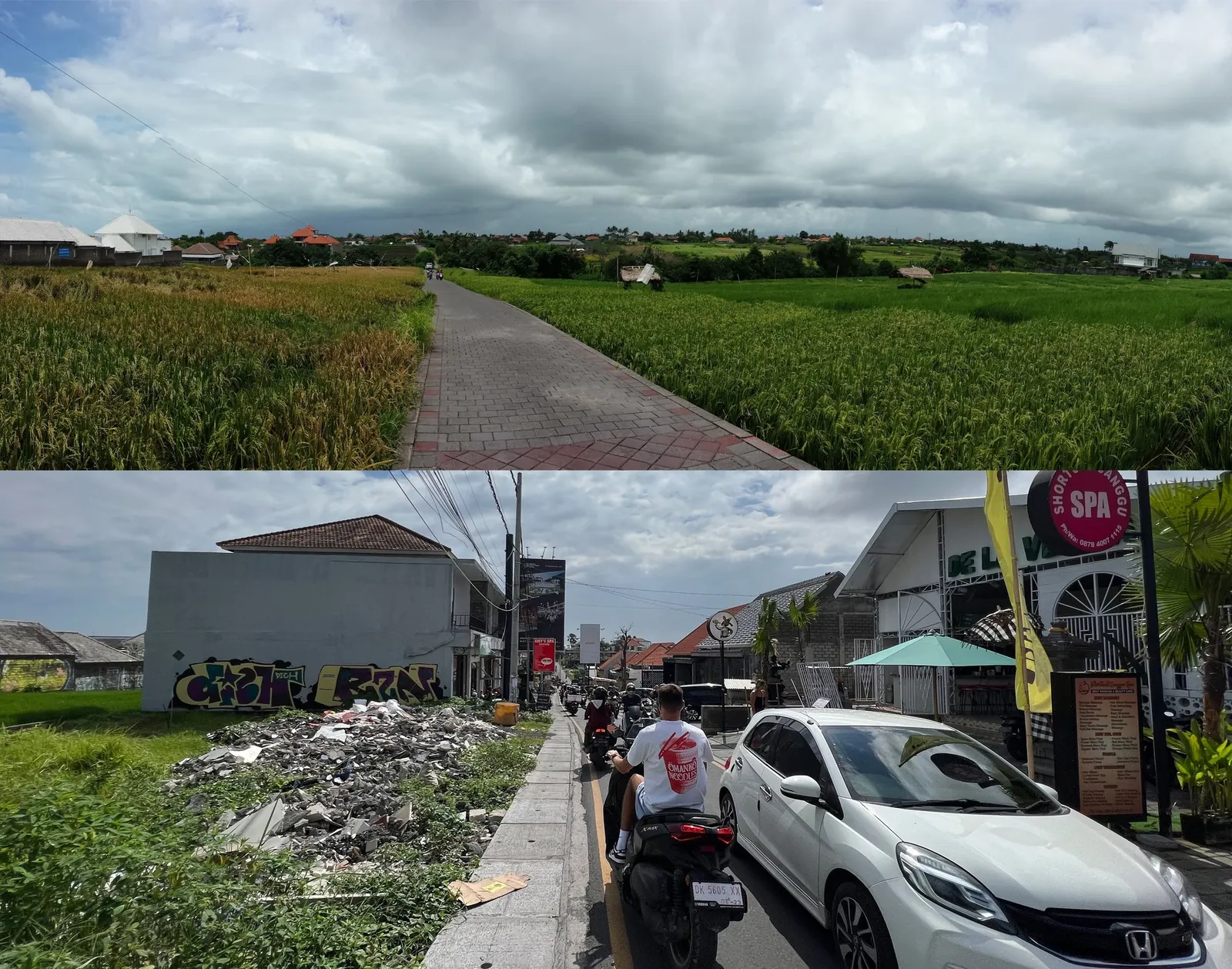
Authentic, unedited photos of Canggu by residents and visitors, taken on ordinary days rather than chosen by a tourist board. Each one shows when it was taken. Browse photos of 105 cities →




.jpg)

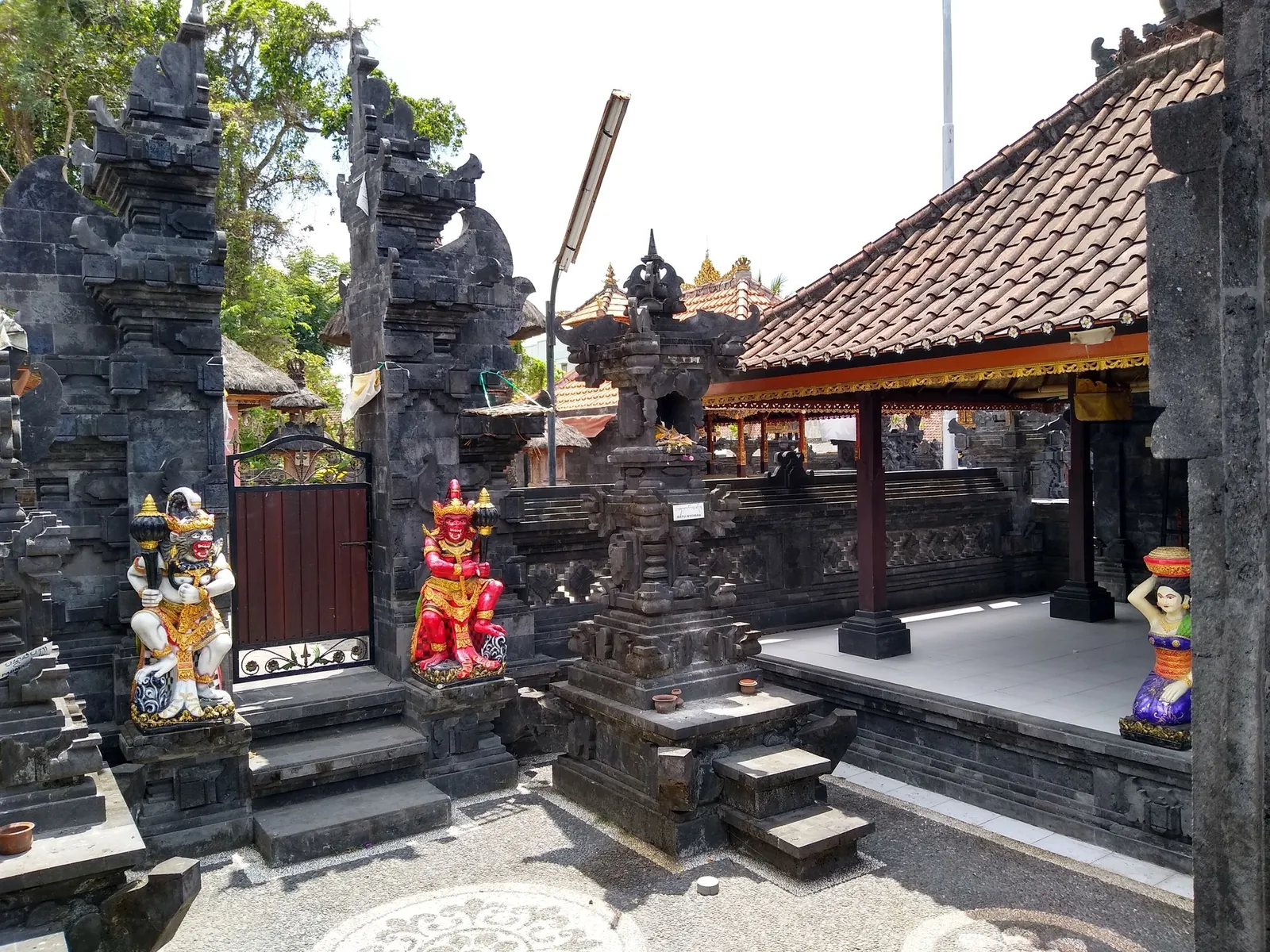

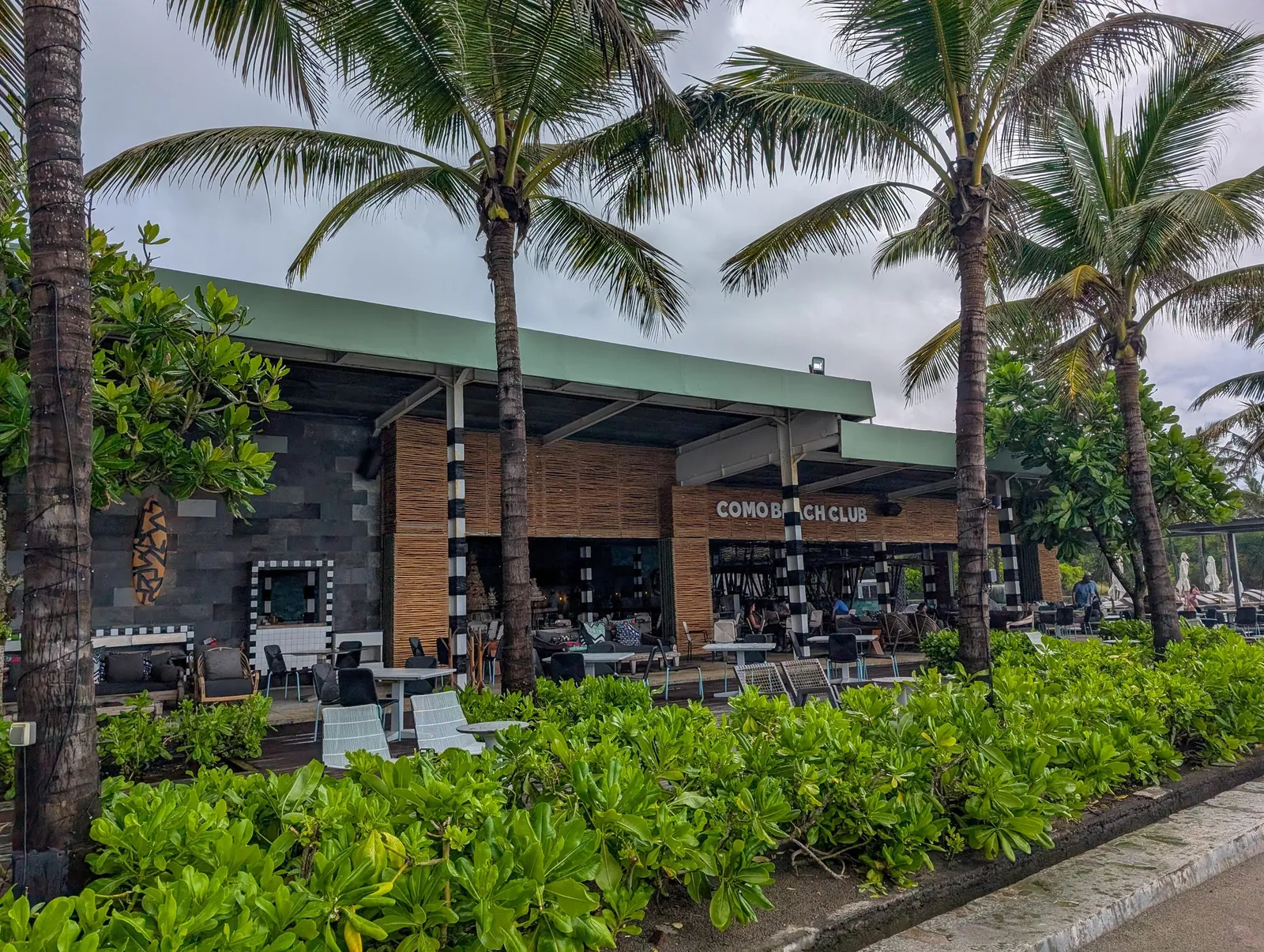

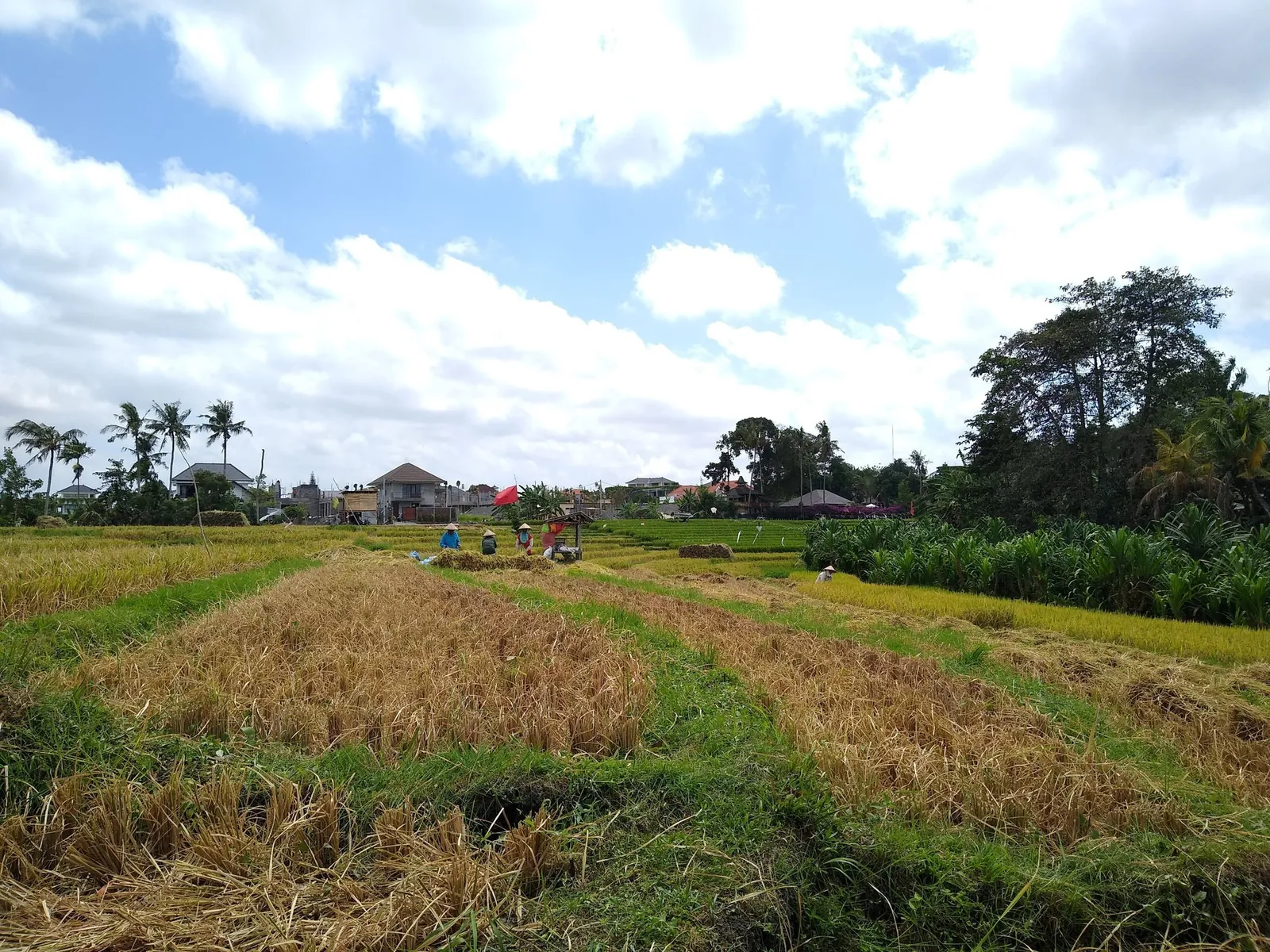

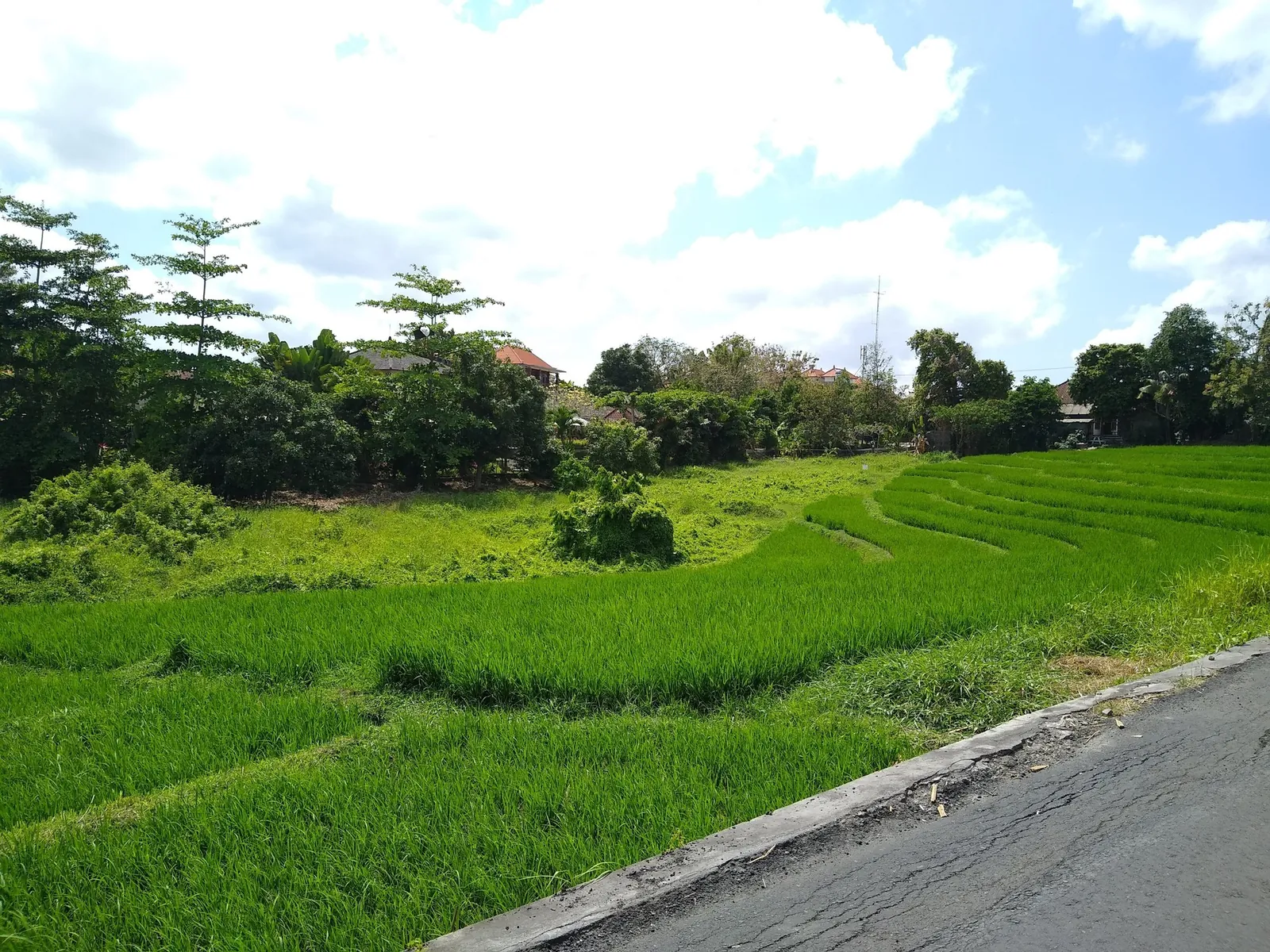



The other side

What does it cost to live in Canggu?
1-Bedroom Rent
$400-$800/month
Local Restaurant Meal
$3-$6 at restaurants
Cup of Coffee
$2-$4
Estimated Monthly Total
$1,200-$2,200
Want a personalized estimate? Use our cost of living calculator
How good is healthcare in Canggu?
Canggu's healthcare is limited to a few clinics including BIMC Kuta (20 minutes away) and several smaller medical practices. For anything beyond basic care, Denpasar's hospitals (30-45 minutes) are the nearest option. The growing population has brought a few new clinics, but this remains one of Canggu's weaker points. Retirees with significant health concerns may prefer Sanur or Denpasar for their proximity to hospitals. Ambulance response times can be affected by Canggu's narrow, congested roads.
What is daily life like in Canggu?
Canggu life revolves around fitness, food, and the beach. Sunrise surf sessions or beach walks, followed by a healthy breakfast at a beachfront cafe, set the tone. The village has an excellent selection of fitness facilities--gyms, boxing, yoga, and Pilates studios. Sunset at Echo Beach or Batu Bolong with a coconut in hand is a daily ritual. The international community is younger than in Sanur or Ubud, but increasingly includes active retirees who enjoy the energetic atmosphere. Weekly markets, film screenings, and community events add variety.
What is the climate like in Canggu?
Canggu shares Bali's tropical climate with temperatures of 27-32°C year-round. The dry season (April-October) is ideal with sunny days and offshore breezes. The wet season (November-March) brings afternoon downpours and higher humidity but remains warm. The surf breaks work best during the wet season, which is a bonus for those who surf. Being on the west coast, Canggu is famous for its spectacular sunsets over the Indian Ocean.
| Month | High | Low | Rain |
|---|---|---|---|
| January | 33.0 °C | 24.1 °C | 345 mm |
| February | 33.4 °C | 24.2 °C | 274 mm |
| March | 33.6 °C | 24.0 °C | 234 mm |
| April | 34.4 °C | 24.8 °C | 88 mm |
| May | 33.1 °C | 24.1 °C | 93 mm |
| June | 31.4 °C | 23.5 °C | 53 mm |
| July | 30.4 °C | 23.0 °C | 55 mm |
| August | 29.6 °C | 22.5 °C | 25 mm |
| September | 31.4 °C | 22.9 °C | 47 mm |
| October | 33.6 °C | 23.7 °C | 63 mm |
| November | 32.7 °C | 23.5 °C | 179 mm |
| December | 33.0 °C | 23.5 °C | 276 mm |
Weather station: Denpasar (12.1 km away). Source: BMKG normals (WMO World Weather Information Service)
What are the pros and cons of retiring in Canggu?
Pros
- Excellent fitness and wellness infrastructure
- Outstanding healthy dining and cafe scene
- Beautiful beaches with dramatic sunsets
- Vibrant, active international community
- Good mix of traditional Bali and modern amenities
Cons
- Severe traffic congestion on narrow roads, especially at peak times
- Limited healthcare--hospitals 30-45 minutes away
- Noisier and more crowded than Sanur or rural Ubud
- Higher cost of living than other Bali areas due to trendiness
Who should retire in Canggu?
Active, health-conscious retirees who want to stay fit, eat well, and be part of a vibrant international community near the beach.
Which neighborhoods suit retirees in Canggu?
Berawa
The southern end of Canggu closest to Seminyak, with a concentration of upscale villas, beach clubs, and brunch spots along Jalan Pantai Berawa. Rent ranges $450-900/month for one-bedroom apartments or small villas. Suits active retirees who enjoy a social atmosphere, fitness studios, and easy access to Finns Beach Club.
Batu Bolong / Echo Beach
The original heart of Canggu's surf culture centered around Batu Bolong temple and the famous surf break. Rent ranges $350-700/month. Lined with cafes, co-working spaces, and surf shops. Best for retirees with an adventurous spirit who enjoy the laid-back beach community atmosphere.
Pererenan
A quieter area north of Echo Beach where rice fields still dominate the landscape. Villas with rice paddy views rent for $300-600/month. Increasingly popular as Canggu's busier areas get crowded. Ideal for retirees who want Canggu's lifestyle benefits without the traffic and noise of the main strip.
Which hospitals serve retirees in Canggu?
Bali Royal Hospital (BROS, Denpasar)
A private hospital approximately 30-40 minutes from Canggu offering emergency services, surgery, and specialty clinics. English-speaking doctors available. Canggu itself has only small clinics; for anything beyond basic care, travel to Denpasar or Kuta-area hospitals is necessary.
BIMC Hospital Kuta
A well-known private international hospital about 25 minutes from Canggu providing 24-hour emergency care, surgery, diagnostics, and dental services. English-speaking staff and international patient services. The most commonly used hospital for Canggu-based expats needing prompt medical attention.
Facility details may change. Verify accreditation status and services directly with each hospital before making healthcare decisions.
What is the food scene like in Canggu?
Canggu has rapidly become Bali's most dynamic food neighborhood, driven by its young international community. The Batu Bolong strip is wall-to-wall with cafes and restaurants; Crate Cafe is famous for its Australian-style brunch ($6-12), while Shady Shack serves plant-based bowls and smoothies in a lush garden. The area around Old Man's bar is a social hub where surfers and digital nomads gather over $3-5 Bintangs.
International dining is Canggu's strength. Ji Terrace by the Sea at Echo Beach offers Japanese-Peruvian fusion with ocean views ($12-25 entrees). The Lawn is an upscale beachfront venue popular for sunset cocktails and seafood. For more casual fare, Warung Dandelion serves Indonesian classics at $3-5, keeping things real amidst the hip cafes. Tacos, ramen, and wood-fired pizza are everywhere, typically priced at $5-12.
Despite the trendy reputation, affordable local food thrives if you know where to look. Warung Bu Mi near Berawa serves nasi campur and ayam betutu at $1-3. The Pasar Canggu community market (held periodically) brings together local vendors and artisan food producers. For groceries and self-catering, Pepito supermarket stocks both local staples and imported products that many long-term residents rely on.
Is retiring in Canggu right for you?
Take our free 3-minute retirement quiz to see how life in Canggu, Indonesia, compares to other destinations based on your preferences, budget, and needs.
Take the Retirement QuizFrequently Asked Questions About Retiring in Canggu
Is Canggu suitable for older retirees?
Canggu works best for active retirees in good health who enjoy fitness and social activities. The village is spread out, roads can be rough, and traffic is heavy--making it less suitable for those with mobility issues. Retirees over 70 or those with significant health concerns may find Sanur more appropriate. However, the quieter northern areas (Pererenan, Seseh) are calmer and less congested.
Why is Canggu more expensive than other parts of Bali?
Canggu's rapid growth and popularity with digital nomads have driven up prices, particularly for dining and accommodation. A meal at a trendy cafe costs $5-$10, compared to $2-$3 at a traditional warung. Rents have increased significantly in the last five years. However, eating at local warungs and living slightly outside the center can reduce costs substantially.
How bad is the traffic in Canggu?
Traffic is Canggu's biggest drawback. The village's narrow roads were not designed for current volumes, and rush hours (8-10 AM, 4-7 PM) can see gridlock. Scooters are the fastest way around but carry risks for older riders. Choosing accommodation near your daily activities, or living in less congested areas like Pererenan, helps mitigate this issue.
Sources & References
- Numbeo, Cost of living index and price data for Bali: rent, groceries, restaurants, and transportation relevant to Canggu
- BIMC Hospital Kuta, Facility services and emergency care serving the Canggu and greater Kuta area
- Indonesian Directorate General of Immigration, Retirement visa (KITAS) requirements and procedures applicable to Bali residents
- Bali Government Tourism Office, Regional infrastructure data, development updates, and visitor resources for Canggu and Bali