
City Retirement Guide
Retire in Paris, France
The City of Light offers unmatched culture, cuisine, and world-class healthcare for retirees
What are the key facts about retiring in Paris?
- Elevation & setting
- ~35 m; Seine river basin, 180 km inland from English Channel
- Climate
- Coolest month January 3–8°C, hottest July 16–26°C; 634 mm of rain a year, most in May (daily low to high, 1991–2020)
- Nearest international airport
- Charles de Gaulle (CDG) ~25 km northeast; Orly (ORY) ~13 km south
- Nearest major hospital
- Hopital de la Pitie-Salpetriere (AP-HP, 13th arrondissement)
- Primary retirement visa (2026)
- France VLS-TS Visiteur: no fixed minimum, ~EUR 1,400/mo SMIC-linked means test + private health cover
- Language environment
- French official; English widespread in central arrondissements, medical, and diplomatic quarters
Paris retirees resident over three months gain access to PUMa (Protection Universelle Maladie) after VLS-TS validation, giving the same statutory reimbursement rates as French citizens at AP-HP hospitals.
What is retirement like in Paris?
Paris sits on the Seine River in the Île-de-France basin roughly 180 kilometers inland from the English Channel coast at Le Havre, with the historic center elevation averaging around 35 meters and the Montmartre butte rising to 130 meters. The UNESCO-inscribed 'Paris, Banks of the Seine' property covers the riverfront from the Eiffel Tower to Île Saint-Louis, while retiree-favoured arrondissements include the 6th (Saint-Germain-des-Prés), 7th (Invalides), and 16th (Passy-Auteuil). Hôpital de la Pitié-Salpêtrière anchors the AP-HP public network as Europe's largest hospital complex. Charles de Gaulle Airport (CDG) is 25 kilometers northeast and Orly (ORY) is 13 kilometers south.
France's healthcare system, consistently ranked among the world's best, is a major draw for retirees. Paris concentrates the country's finest hospitals, including the Pitié-Salpêtrière (Europe's largest hospital), Hôpital Cochin, and the American Hospital of Paris in Neuilly, which provides care entirely in English. Legal residents are enrolled in the French social security system with 70% reimbursement of medical costs, and supplementary mutuelle insurance covers most of the remainder.
While Paris is undeniably expensive, it is also extraordinarily well-served by public transit. The Metro, RER, buses, and trams make car ownership unnecessary and keep transportation costs low. The city's cultural offerings are bottomless: over 200 museums (many free for EU residents over 65), world-class opera and theater, historic cinemas, literary cafés, and some of the finest restaurants on earth. For retirees who crave intellectual and cultural stimulation above all else, Paris is without equal.
What does it really look like in Paris?
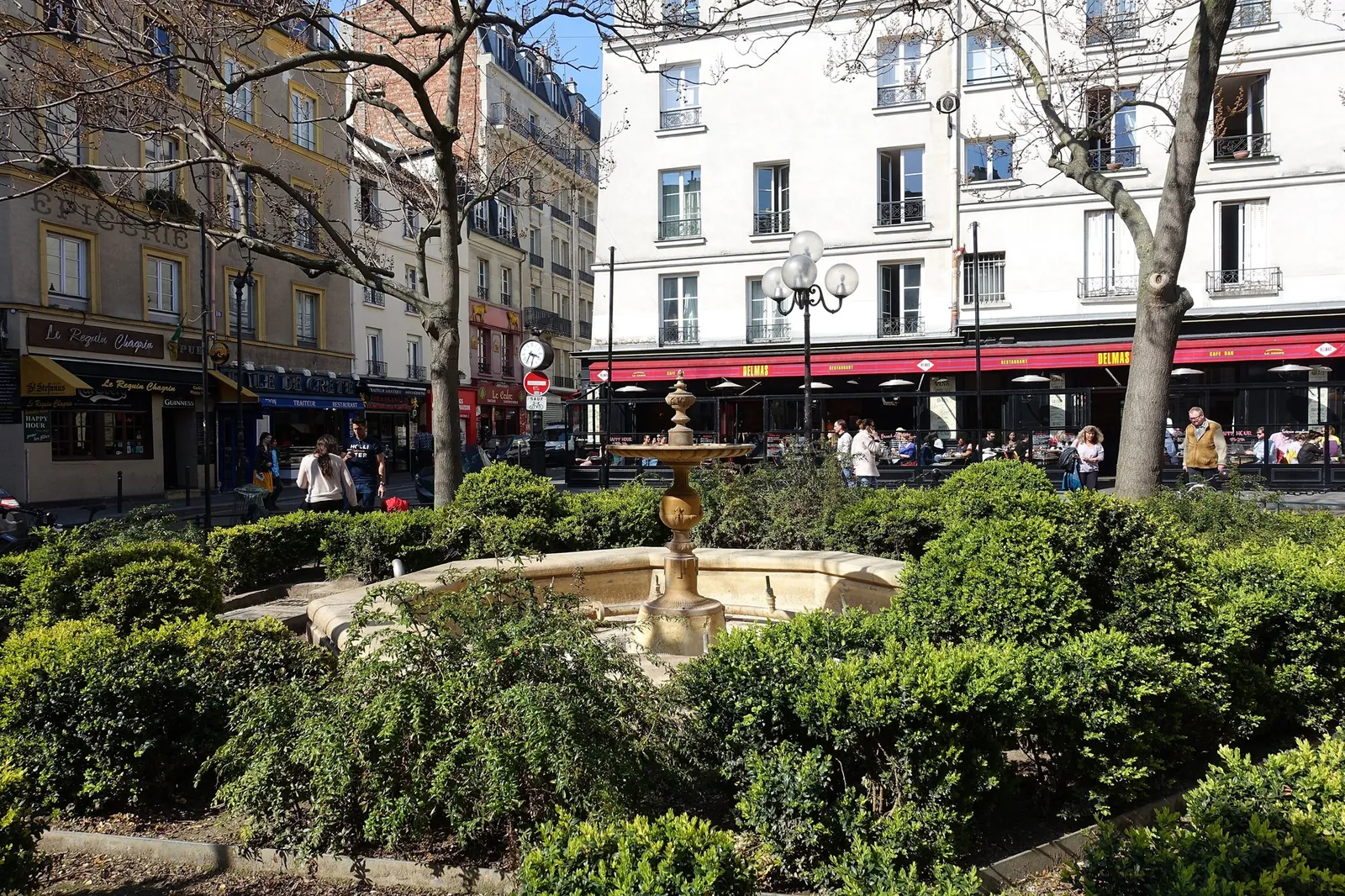
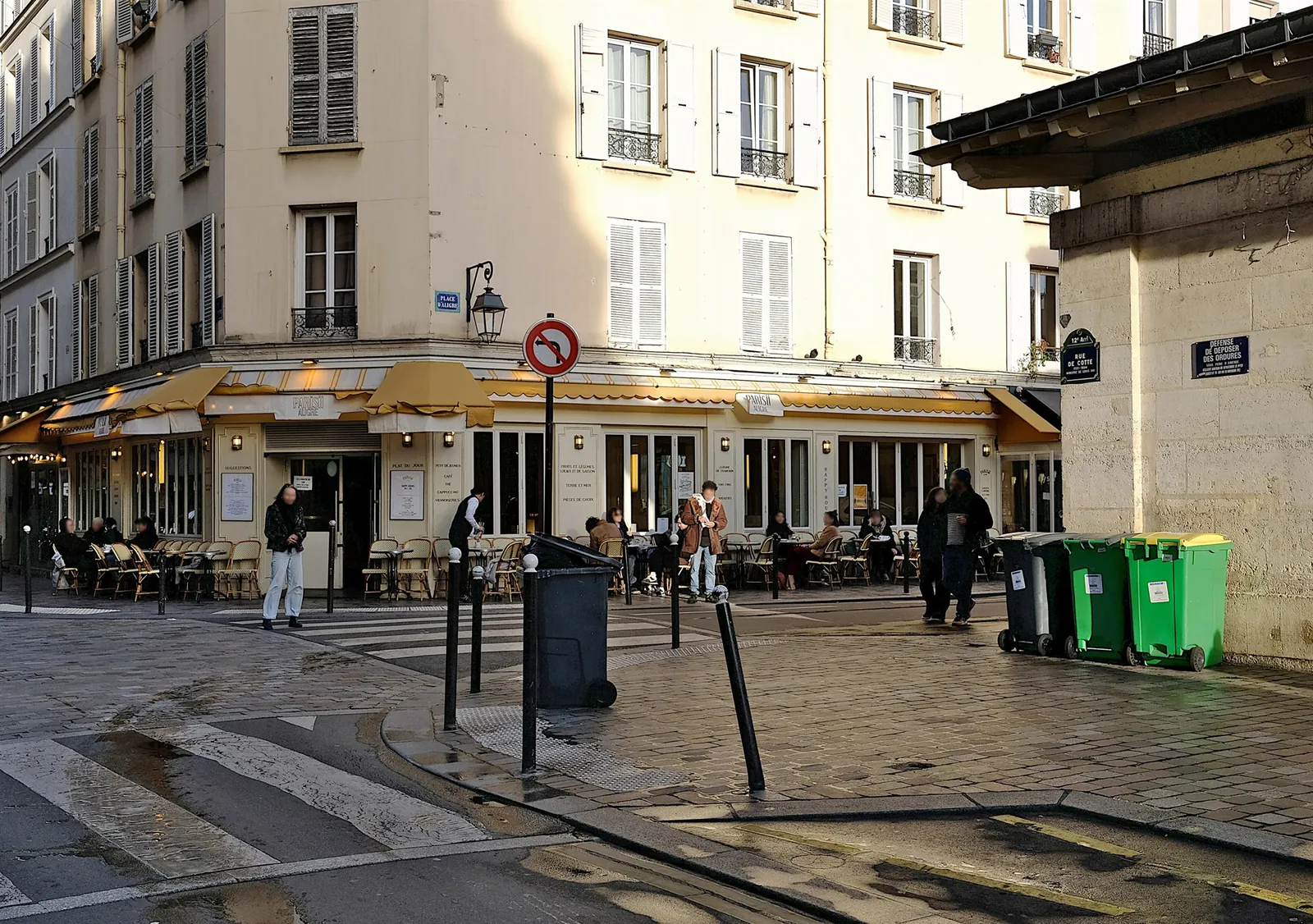
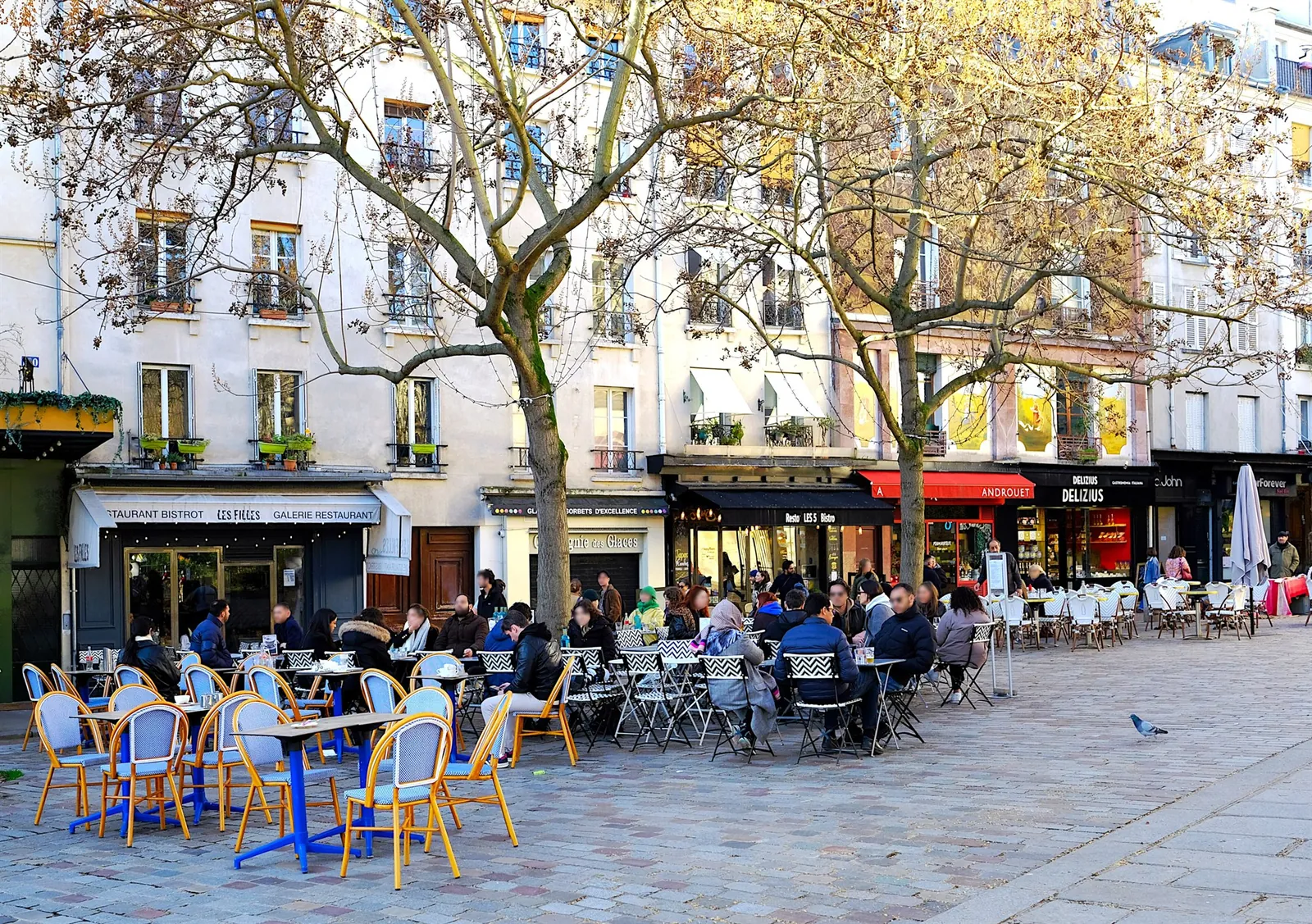
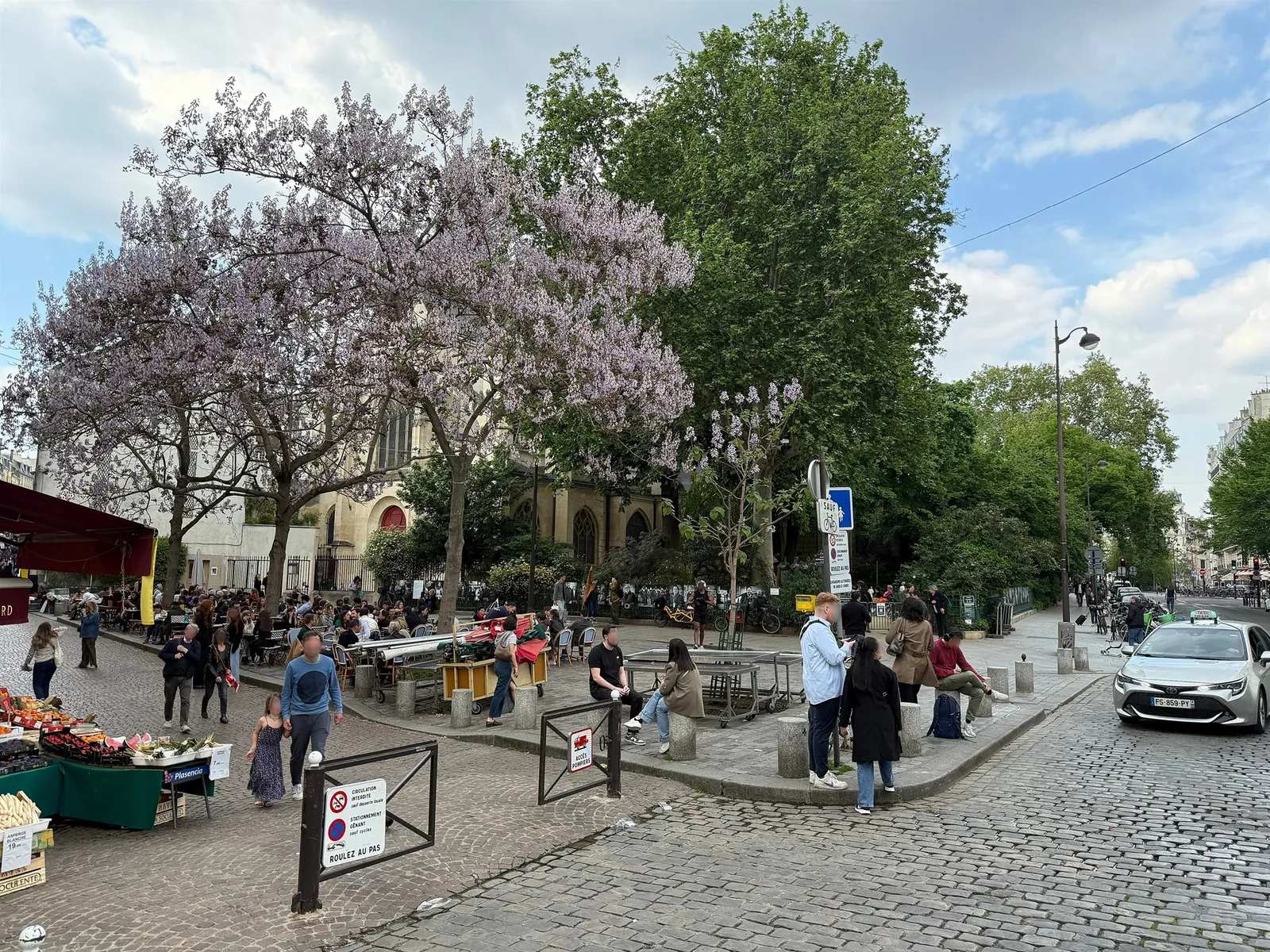
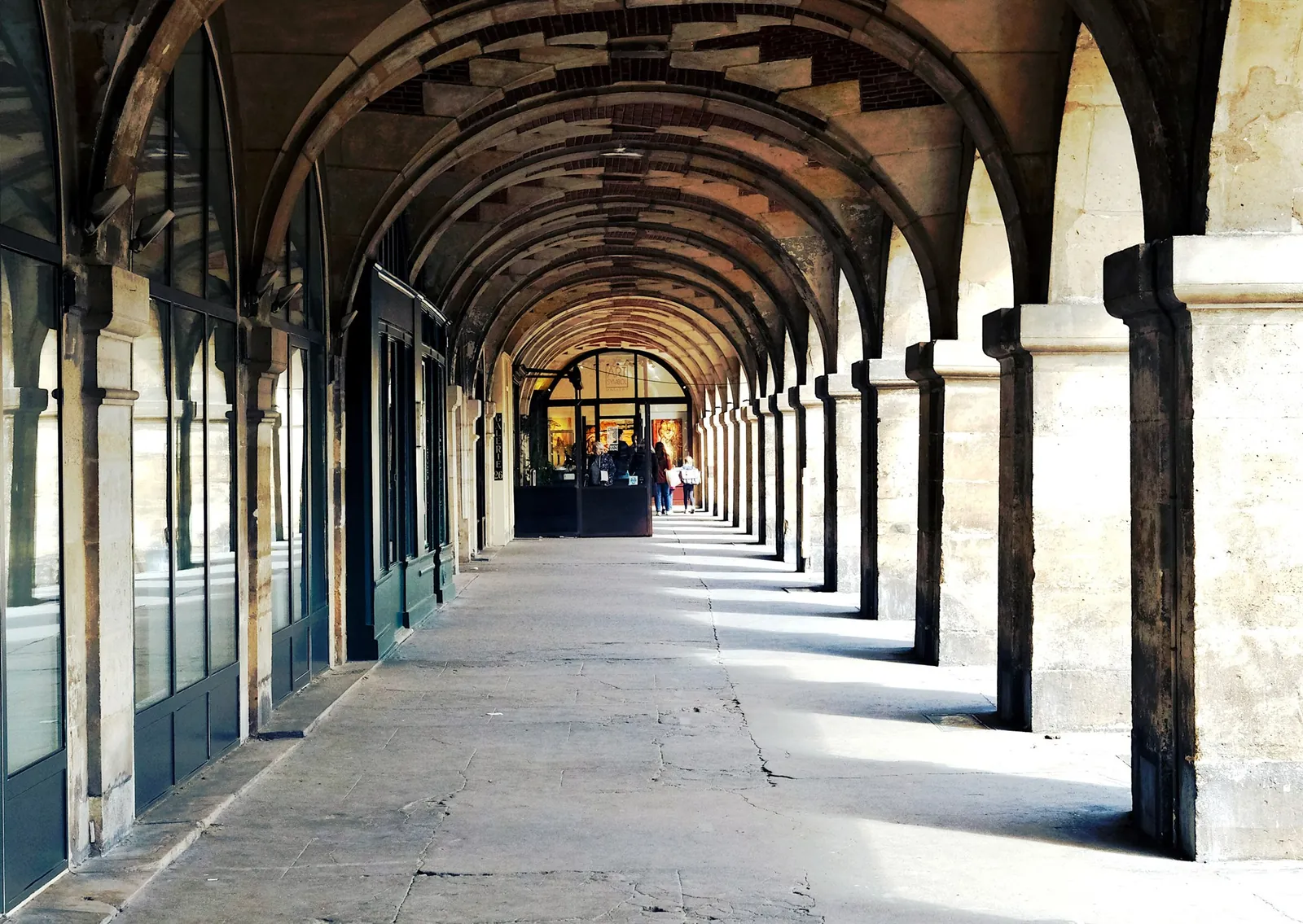
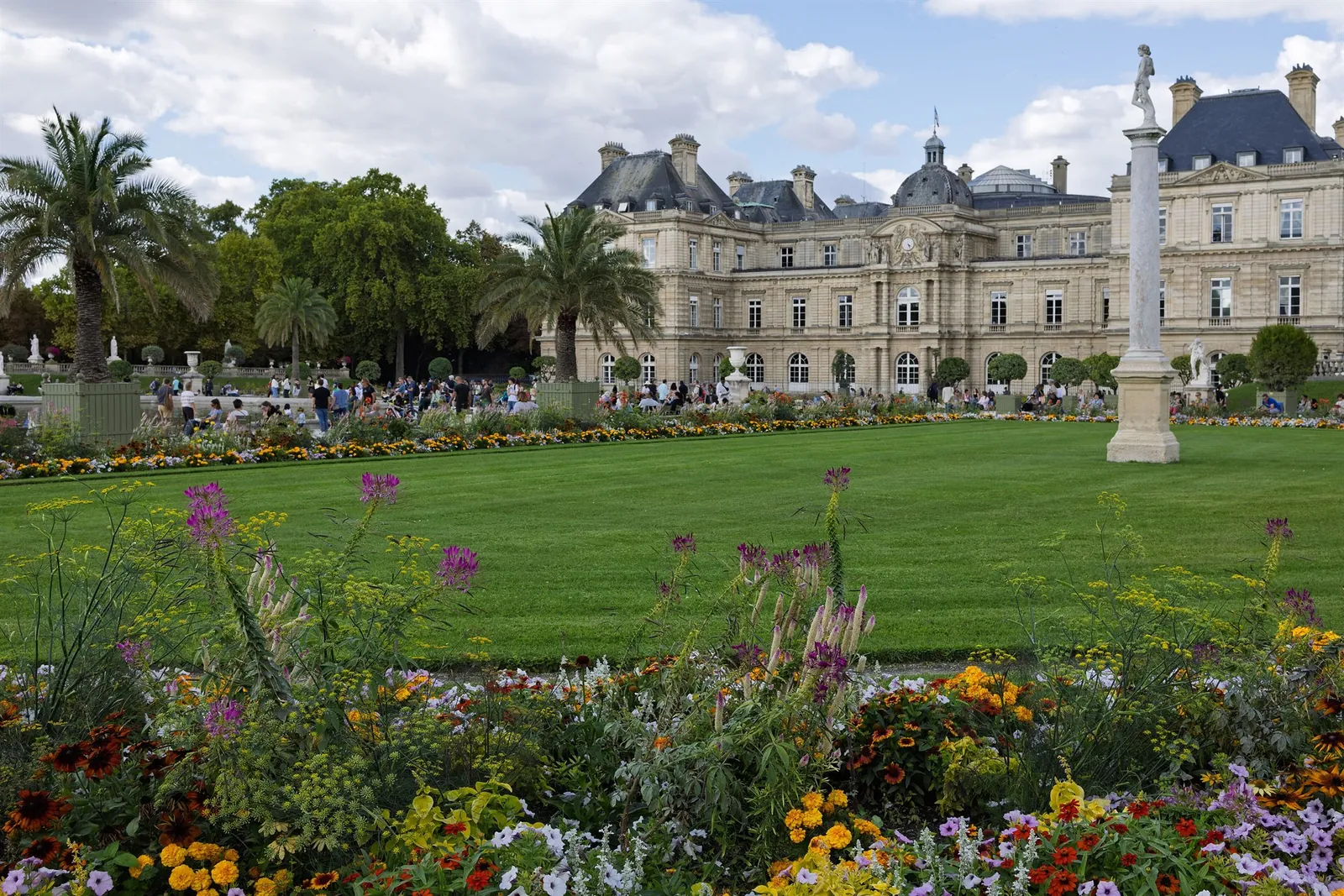
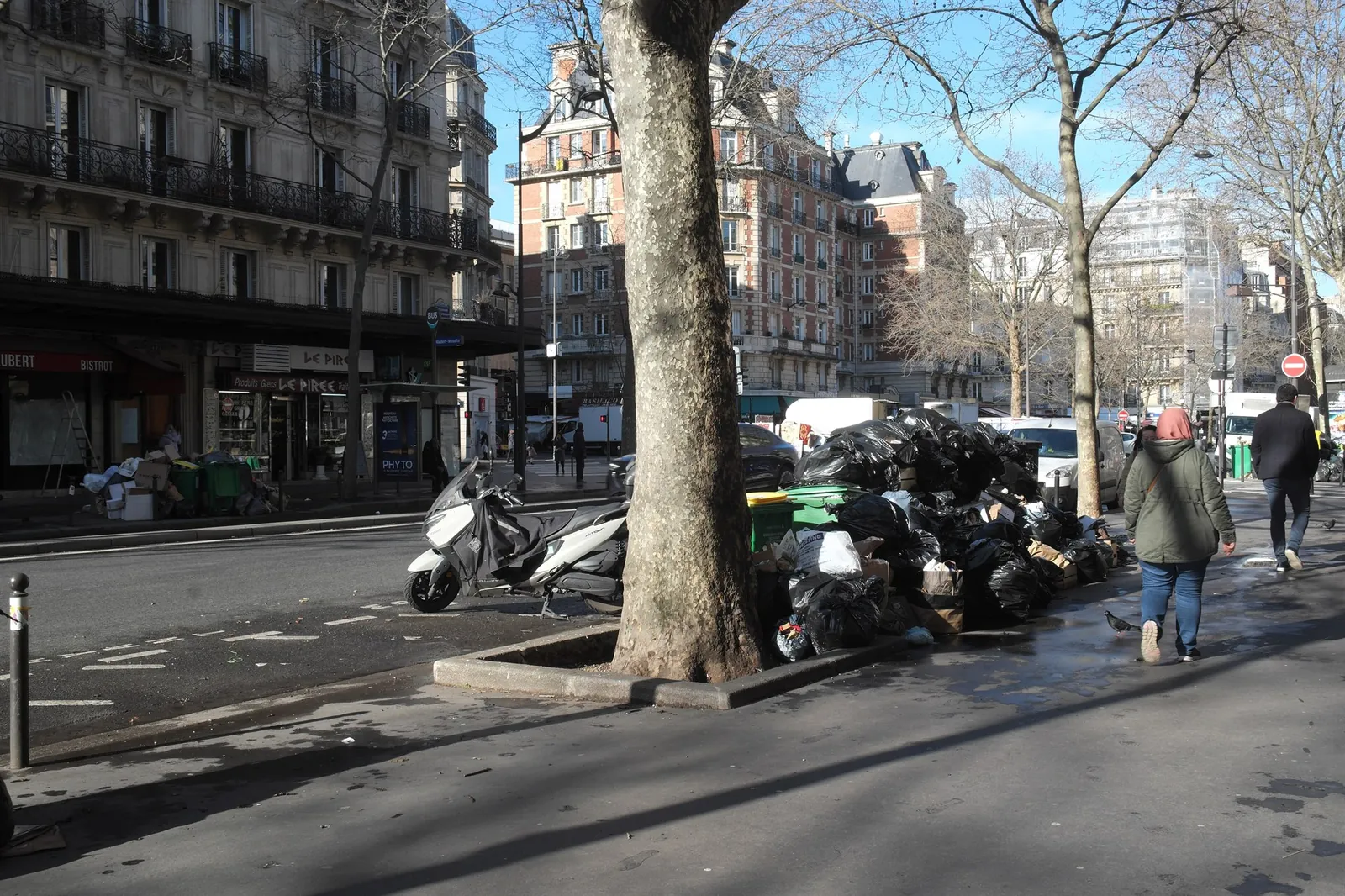
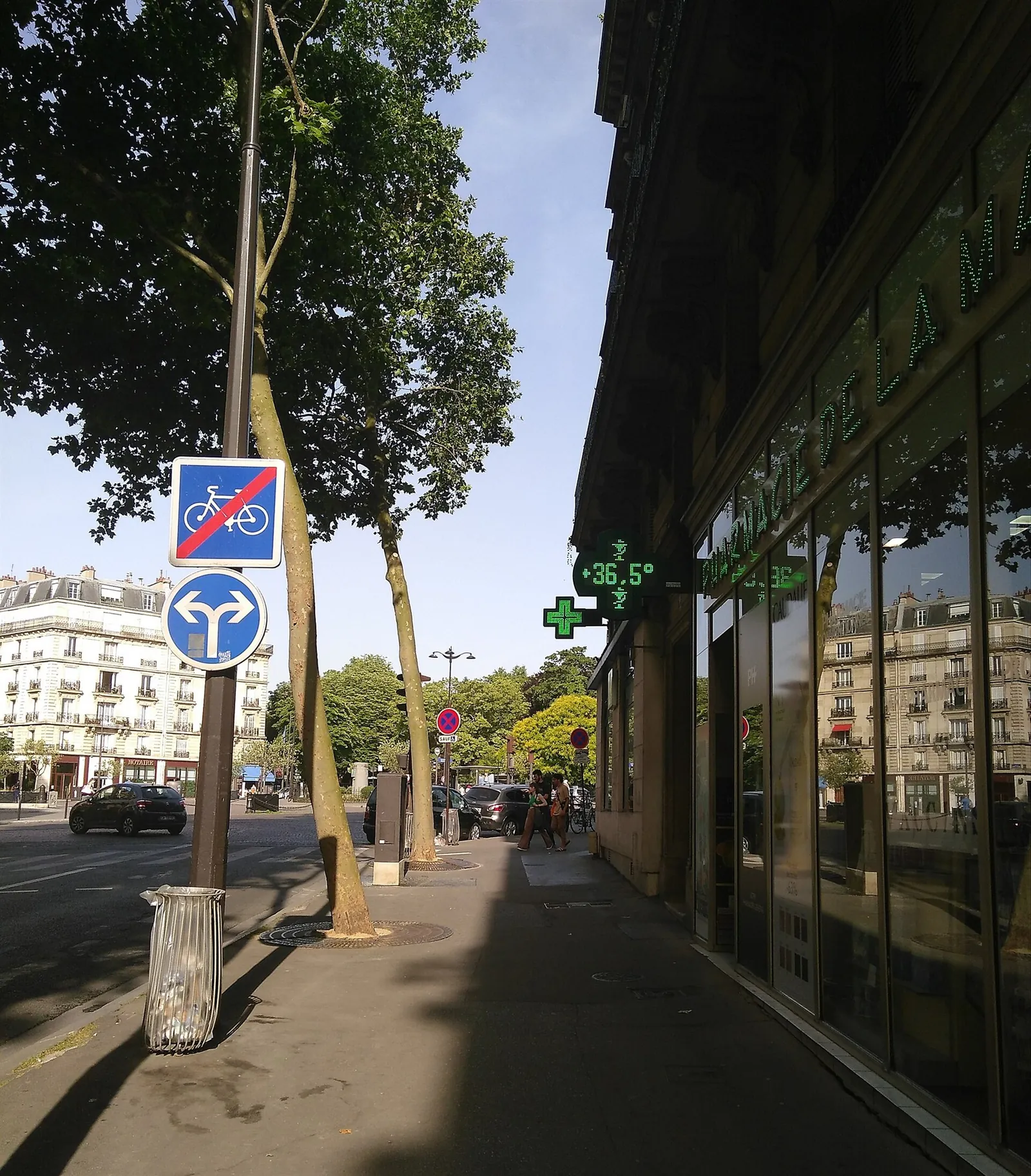
Authentic, unedited photos of Paris by residents and visitors, taken on ordinary days rather than chosen by a tourist board. Each one shows when it was taken. Browse photos of 105 cities →
.jpg)


_-_2025-04-27_-_1.jpg)
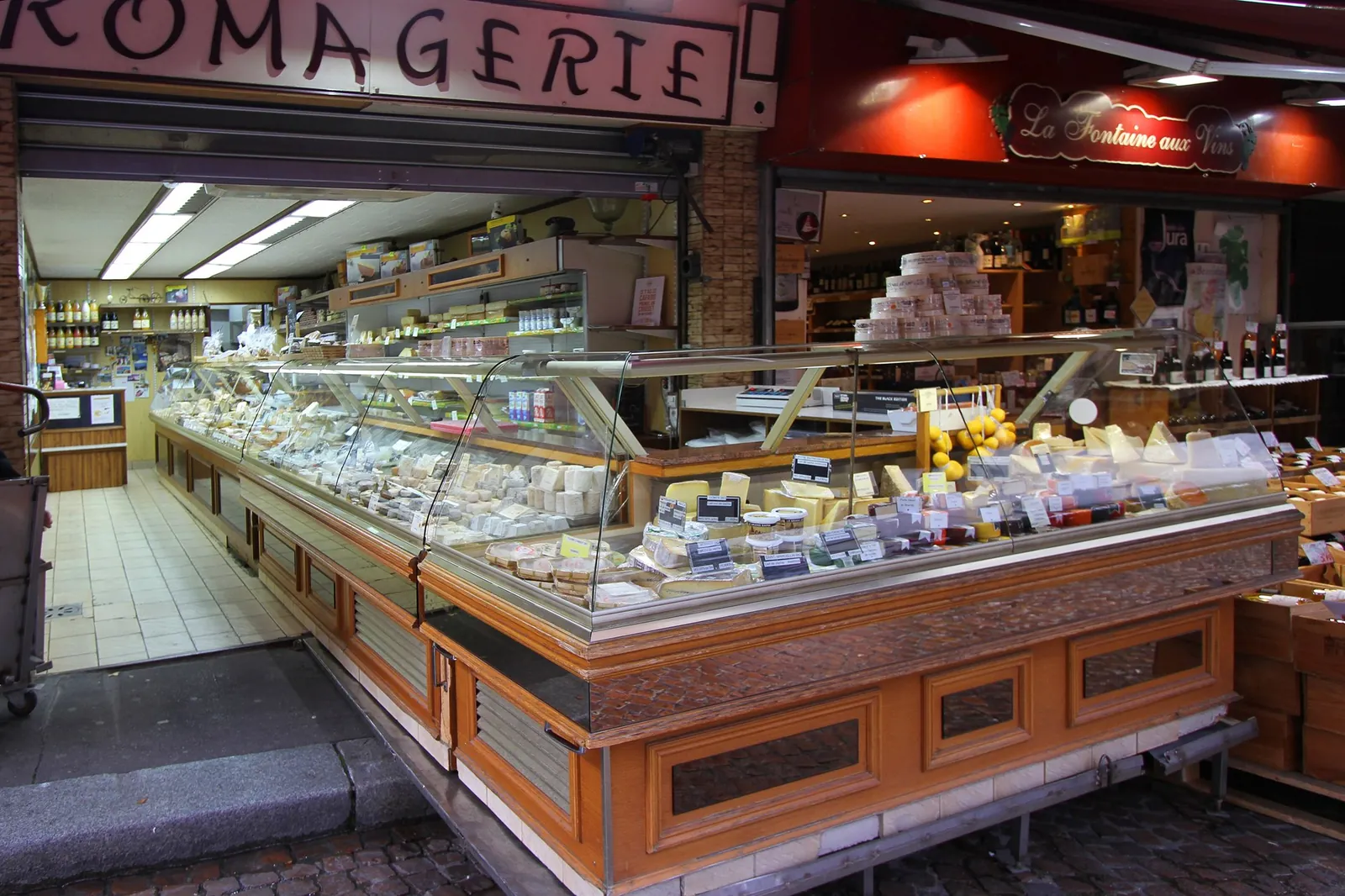

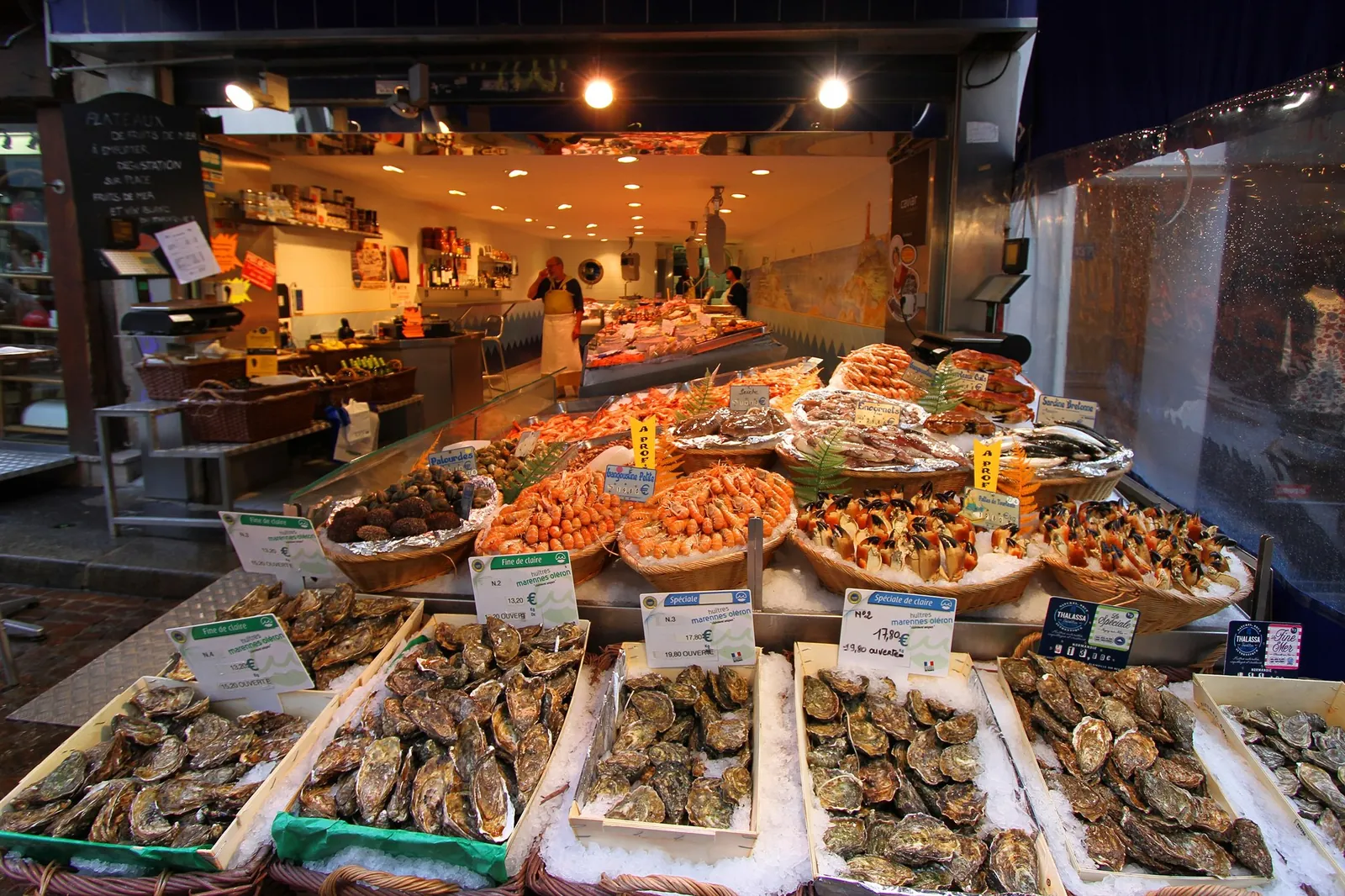

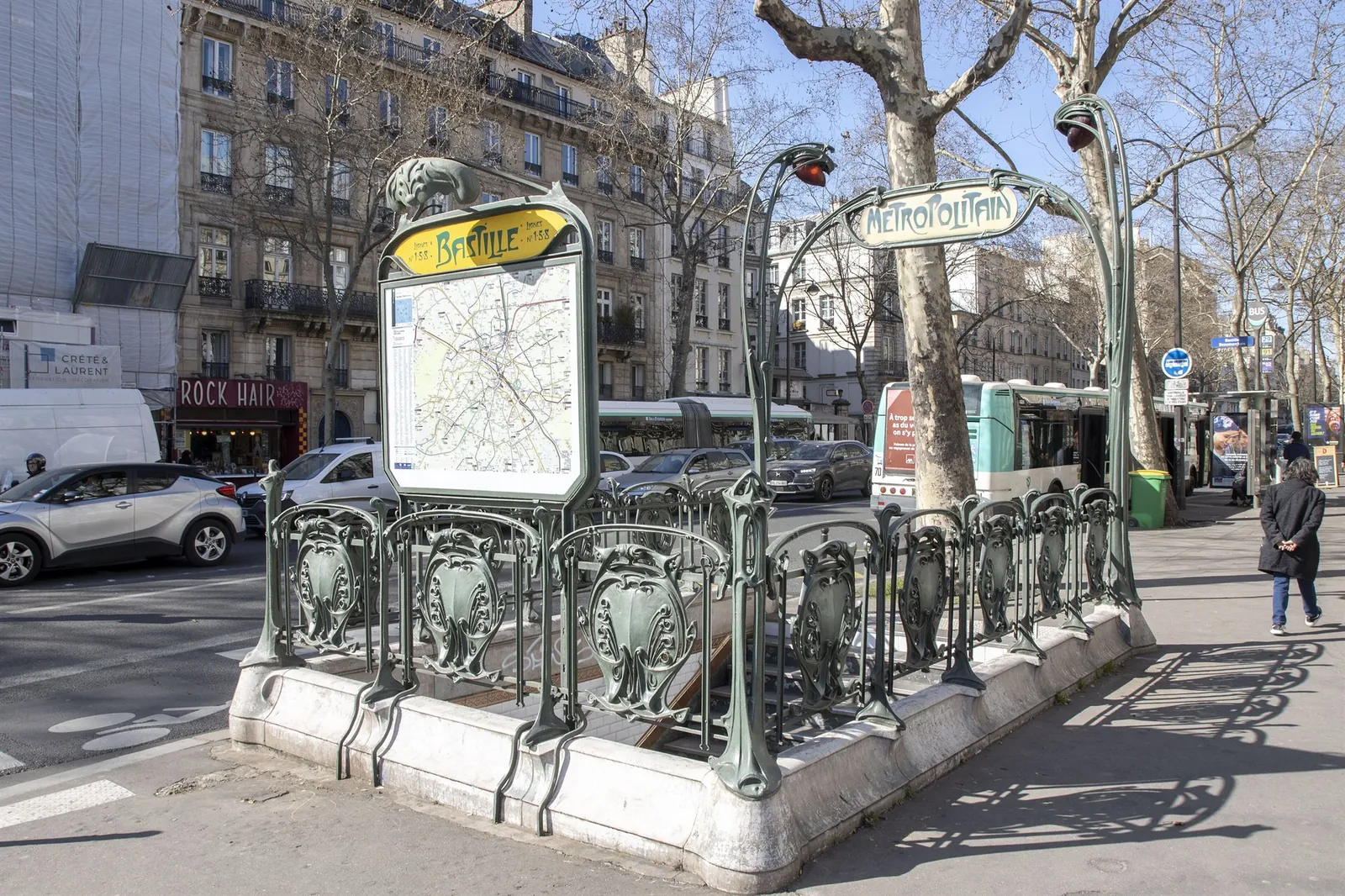

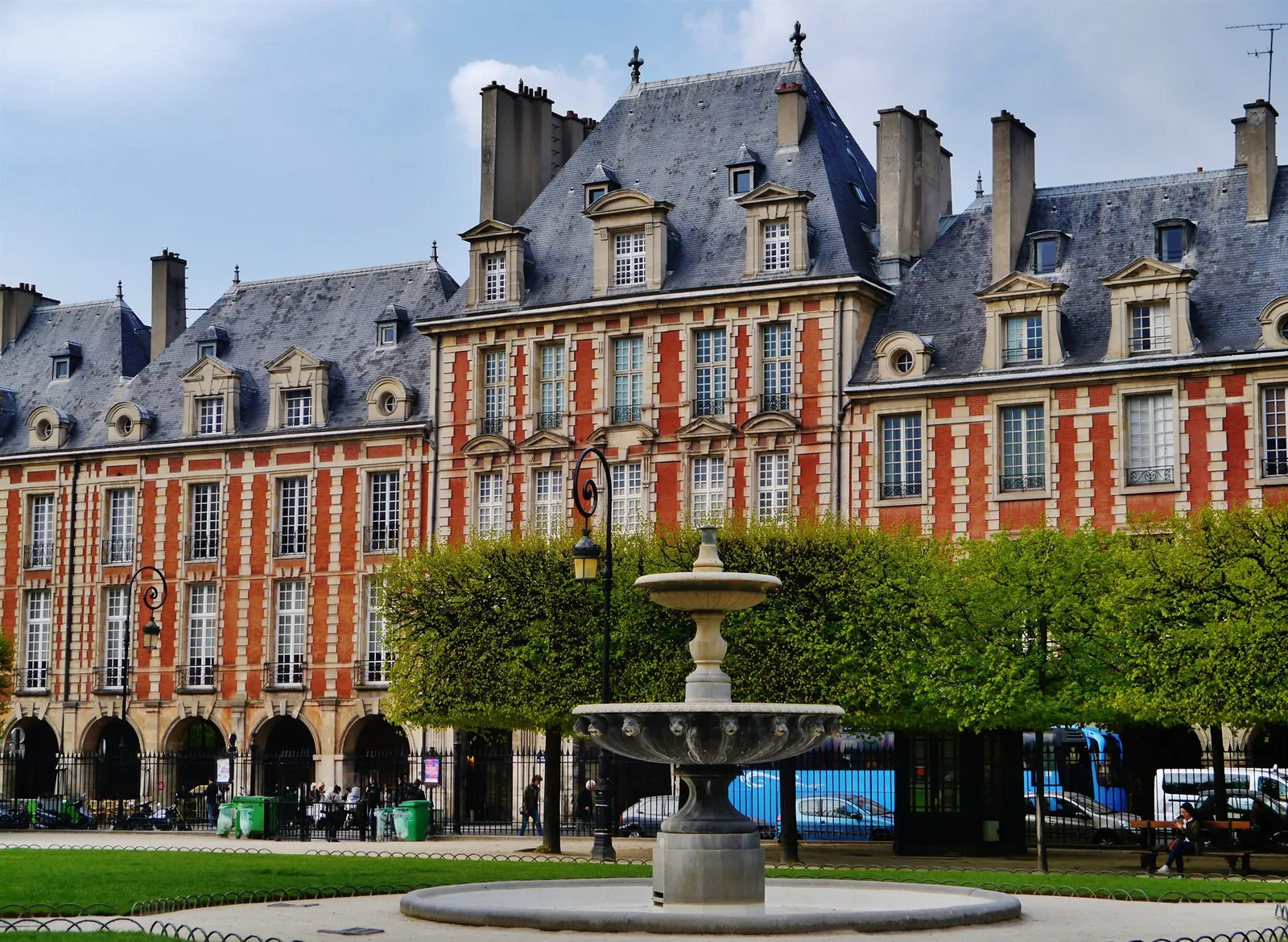


.jpg)
The other side


What does it cost to live in Paris?
1-Bedroom Rent
$1,200-$2,200/month
Local Restaurant Meal
$14-$25 at local restaurants
Cup of Coffee
$2.50-$5
Estimated Monthly Total
$3,000-$4,800
Want a personalized estimate? Use our cost of living calculator
How good is healthcare in Paris?
Paris has the highest concentration of world-class hospitals in Europe. The Assistance Publique-Hôpitaux de Paris (AP-HP) network operates 39 hospitals in the region. The American Hospital of Paris in Neuilly provides bilingual care specifically for English-speaking patients. Private clinics complement the public system. Legal residents join France's Assurance Maladie, which reimburses 70% of costs. A mutuelle covering the rest costs $80-$250/month depending on age and coverage. GP visits cost €25 ($27), and specialist consultations range from $50-$150. Pharmacies are on virtually every block.
What is daily life like in Paris?
Retirement in Paris means living at the cultural center of the world. A single day might include morning coffee and a croissant at a corner café, a visit to the Musée d'Orsay, lunch at a neighborhood bistro, an afternoon walk through the Luxembourg Gardens, and an evening at the Opéra Garnier. The city's 400+ parks and gardens provide green space, while the Seine riverbanks (now partly pedestrianized) offer scenic walking and cycling. Weekly street markets in every arrondissement sell exceptional produce, cheeses, and wines. English-language social clubs, churches, and cultural organizations provide community for anglophone retirees.
What is the climate like in Paris?
Paris has an oceanic climate with mild but variable weather. Summers (June-August) are warm at 20-28°C, occasionally reaching 35°C during heat waves. Winters (December-February) are cool at 2-8°C with occasional frost but rarely snow. Rain is spread evenly throughout the year, averaging about 640mm annually. Spring (April-May) and autumn (September-October) are the most pleasant seasons, with mild temperatures and beautiful light. Paris receives about 1,660 hours of sunshine per year, less than Mediterranean France but adequate for outdoor living.
| Month | High | Low | Rain |
|---|---|---|---|
| January | 7.6 °C | 3.2 °C | 48 mm |
| February | 8.8 °C | 3.3 °C | 42 mm |
| March | 12.8 °C | 5.6 °C | 45 mm |
| April | 16.6 °C | 7.9 °C | 46 mm |
| May | 20.2 °C | 11.1 °C | 69 mm |
| June | 23.4 °C | 14.2 °C | 51 mm |
| July | 25.7 °C | 16.2 °C | 59 mm |
| August | 25.6 °C | 16.0 °C | 58 mm |
| September | 21.5 °C | 13.0 °C | 45 mm |
| October | 16.5 °C | 9.9 °C | 55 mm |
| November | 11.1 °C | 6.2 °C | 54 mm |
| December | 8.0 °C | 3.8 °C | 62 mm |
Weather station: Paris Montsouris (4 km away). Source: WMO Climatological Normals 1991-2020 (NOAA NCEI)
What are the pros and cons of retiring in Paris?
Pros
- Unrivaled cultural, culinary, and intellectual offerings
- World-class healthcare system with top hospitals
- Exceptional public transit eliminates need for a car
- Free museum access for EU residents over 65
- Major international airport hub (CDG) with global connections
Cons
- High cost of living: one of Europe's most expensive cities
- Small apartments for the price compared to other destinations
- Gray, cool winters with limited sunshine
- French language proficiency essential for full integration
Who should retire in Paris?
Culturally engaged retirees with higher budgets who want to live in one of the world's great cities with unmatched healthcare, dining, and arts.
Which neighborhoods suit retirees in Paris?
Le Marais (3rd-4th arrondissements)
Historic quarter with medieval architecture, the Place des Vosges, galleries, and a vibrant social scene. One-bedroom rents range $1,500-$2,500/month. Central, walkable, and culturally rich; appeals to retirees who want to be at the heart of Parisian life.
15th Arrondissement
Paris' most populated arrondissement, offering a residential feel with local markets, parks, and good metro access. One-bedrooms rent for $1,200-$1,800/month. Practical choice for retirees seeking everyday Parisian living at more moderate rents.
5th Arrondissement (Latin Quarter)
Left Bank neighborhood around the Pantheon and Luxembourg Gardens with bookshops, universities, and historic cafes. Rents run $1,400-$2,200/month for a one-bedroom. Suits intellectual, culture-focused retirees who enjoy walking to museums and cinemas.
Which hospitals serve retirees in Paris?
Hopital Europeen Georges-Pompidou
Modern public hospital in the 15th arrondissement, part of the AP-HP network. Specializes in cardiovascular surgery, oncology, and interventional radiology. One of Paris' most technologically advanced facilities.
American Hospital of Paris
Private hospital in Neuilly-sur-Seine serving the international community. Bilingual French-English staff throughout. Comprehensive medical and surgical departments. Accepts most international insurance plans.
Hopital Pitie-Salpetriere
One of Europe's largest hospitals, located in the 13th arrondissement. Part of the AP-HP public network. Major referral center for neurology, cardiology, and emergency medicine. Historic institution with cutting-edge research programs.
Facility details may change. Verify accreditation status and services directly with each hospital before making healthcare decisions.
What is the food scene like in Paris?
Paris remains the global reference for fine dining, but everyday eating is equally rewarding. In Le Marais, bistros like Breizh Cafe (buckwheat crepes, $10-$16) and Chez Janou (legendary chocolate mousse) serve Parisians and visitors alike. The Marche des Enfants Rouges, Paris' oldest covered market, offers diverse lunch stalls for $8-$14.
The Left Bank's 5th and 6th arrondissements host classic establishments like Le Comptoir du Pantheon and Polene, where a two-course lunch menu runs $16-$22. For fine dining, Le Cinq, L'Arpege, and Septime represent the spectrum from grand palace restaurants ($200+) to inventive neo-bistro tasting menus ($80-$120). The 11th arrondissement around Oberkampf has become a hub for natural wine bars and modern bistros.
For daily shopping, the marches volants (roving street markets) in every arrondissement, such as Rue Mouffetard (5th), Marche Bastille (11th), and Marche President-Wilson (16th), offer fresh produce, cheese, and bread at fair prices. Weekly grocery costs for two at Monoprix or Franprix run $90-$130. Paris is expensive by global standards, but the depth of its culinary infrastructure, from $1.20 baguettes to three-star temples, is unmatched.
Is retiring in Paris right for you?
Take our free 3-minute retirement quiz to see how life in Paris, France, compares to other destinations based on your preferences, budget, and needs.
Take the Retirement QuizFrequently Asked Questions About Retiring in Paris
Can I afford to retire in Paris?
Paris requires a higher budget than most retirement destinations. A comfortable retirement costs $3,000-$4,800/month, with rent being the largest expense ($1,200-$2,200 for a one-bedroom). However, healthcare is subsidized, transportation is cheap (€86/month for unlimited metro/bus for seniors), museums are often free for over-65s, and excellent food is available at every price point from market stalls to bistros.
What are the best arrondissements for retirees?
The 7th (near the Eiffel Tower, quiet and elegant), 5th (Latin Quarter, intellectual and walkable), 6th (Saint-Germain, sophisticated), 15th (residential, spacious, affordable), and 16th (quiet, green, near Bois de Boulogne) are popular with retirees. The Marais (3rd/4th) is charming but can be crowded. Many retirees also consider inner suburbs like Neuilly, Boulogne-Billancourt, or Vincennes for more space.
Is the Paris Metro accessible for elderly residents?
The Paris Metro is extensive but accessibility varies. Many older stations lack elevators, requiring stair climbing. However, all bus lines are wheelchair accessible, the newer Metro Line 14 is fully automated and accessible, and the RER trains have step-free access. The city is actively improving accessibility, and ride-hailing apps provide alternatives for difficult stations.
Sources & References
- Numbeo, Cost of living index and price data for Paris: rent, groceries, restaurants, and transportation
- Hopital Americain de Paris, Facility services, English-speaking staff, and international patient programs in Paris
- French Office for Immigration and Integration (OFII), Long-stay visa and residence permit procedures applicable to Paris residents
- WHO France Country Profile, National health system indicators and healthcare quality benchmarks