
City Retirement Guide
Retire in Nice, France
The jewel of the French Riviera with year-round sunshine and Mediterranean elegance
What are the key facts about retiring in Nice?
- Elevation & setting
- Sea level to ~150 m in Cimiez; Baie des Anges, pre-Alps backdrop
- Climate
- Coolest month January 6–13°C, hottest August 21–28°C; 791 mm of rain a year, most in November (daily low to high, 1991–2020)
- Nearest international airport
- Nice Cote d'Azur (NCE), ~7 km west of city center
- Nearest major hospital
- Centre Hospitalier Universitaire de Nice (Pasteur + Archet campuses)
- Primary retirement visa (2026)
- France VLS-TS Visiteur: no fixed minimum, ~EUR 1,400/mo SMIC-linked means test + private health cover
- Language environment
- French official; English and Italian common along Riviera, Nissart heritage
Nice's high-speed rail connects to Monaco in 20 minutes and Genoa in under three hours, giving retirees cross-border Italian specialist access without domestic flights.
What is retirement like in Nice?
Nice occupies a crescent of the French Riviera on the Baie des Anges, with the Promenade des Anglais tracing the Mediterranean shoreline for about 7 kilometers and the pre-Alps rising directly behind the city to elevations above 500 meters within the Parc du Mercantour hinterland. The UNESCO-listed 'Winter Resort Town of the Riviera' designation covers Old Nice, the Cimiez hill, and the Musicians' quarter, while Cimiez, Mont Boron, and the hillside village of Saint-Paul-de-Vence (25 km inland) remain anchor retiree neighbourhoods. CHU de Nice operates the Pasteur and Archet hospital campuses. Nice Côte d'Azur Airport (NCE) sits 7 kilometers west of the city center.
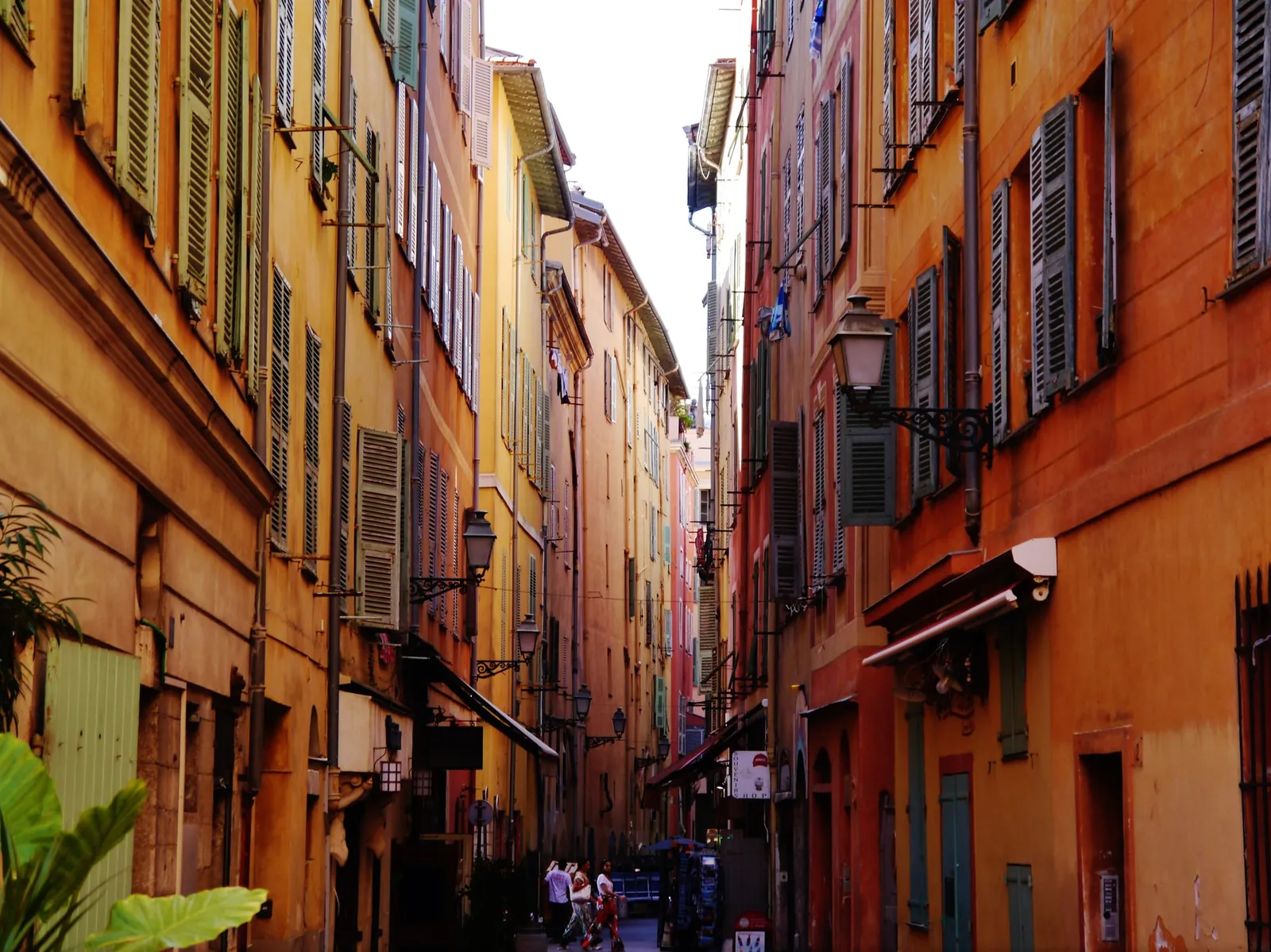
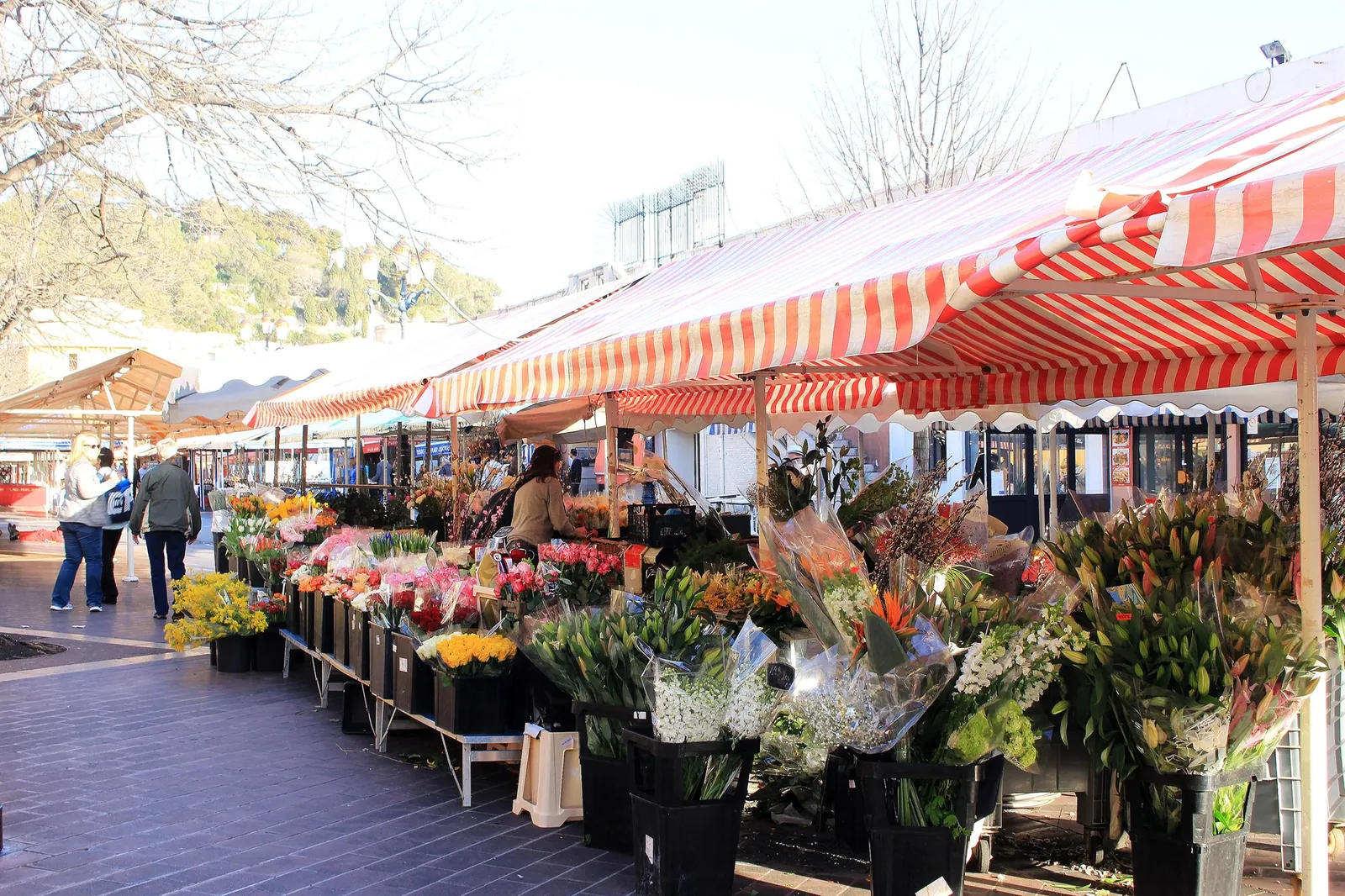
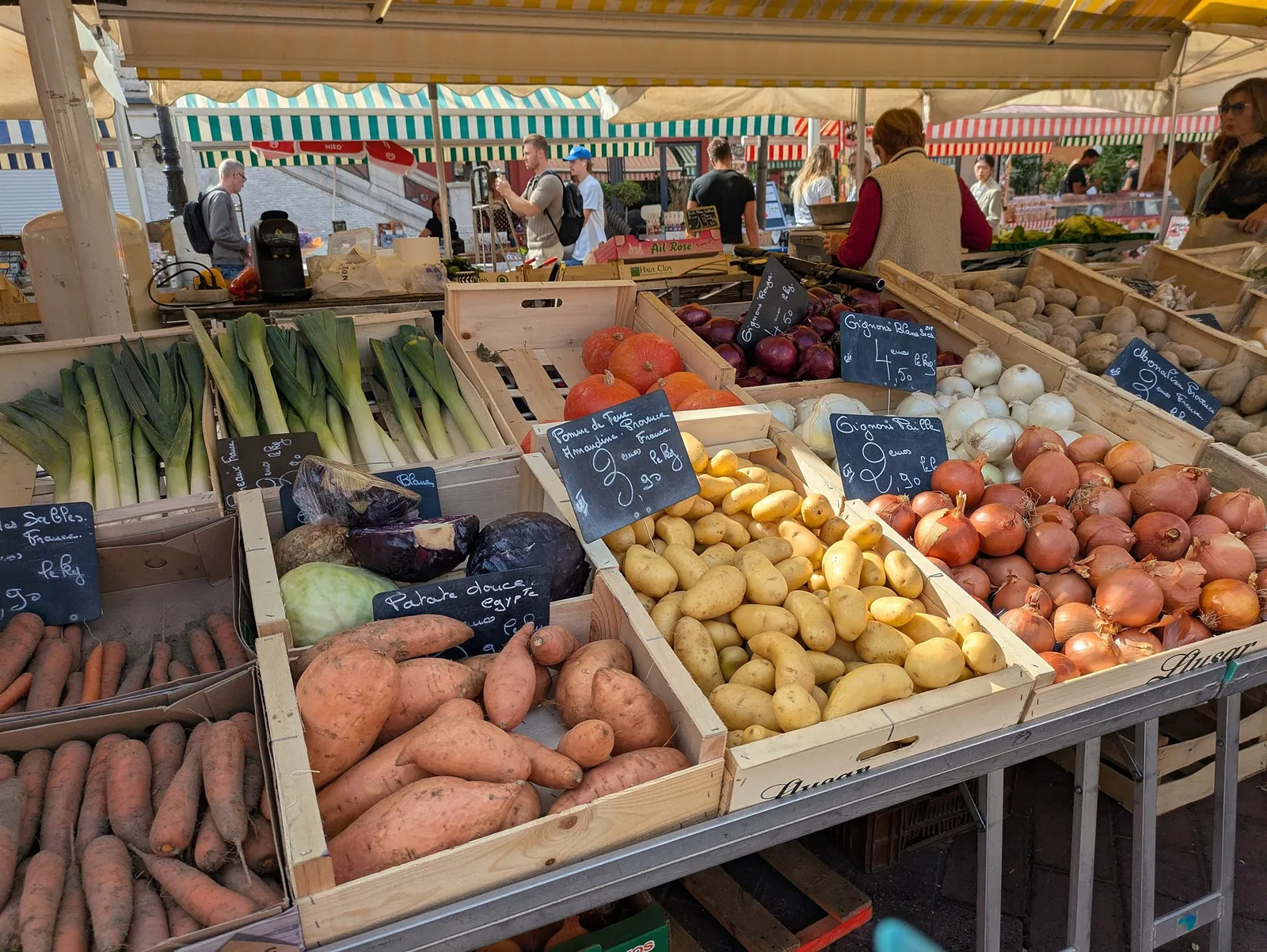
Nice combines French sophistication with Italian warmth; the city was part of the Kingdom of Sardinia until 1860, and its architecture, cuisine, and culture reflect this dual heritage. Neighborhoods like Cimiez (quiet and leafy with Roman ruins), the Vieux Nice old town (vibrant and colorful), the Musiciens quarter (elegant Haussmann-style), and the Port area each offer distinct retirement lifestyles. The Cours Saleya flower and food market in the old town is a daily highlight for retirees who enjoy fresh produce, artisan cheeses, and local olive oils.
Non-EU retirees can apply for a French long-stay visitor visa (visa de long séjour visiteur), which requires proof of sufficient financial means (at least about €1,450 per month, roughly the net minimum wage) and private health insurance. EU citizens settle freely. Nice's international airport is France's second busiest, with direct flights to over 100 destinations worldwide, making it exceptionally convenient for retirees who travel frequently or need to visit family abroad.
What does it really look like in Nice?
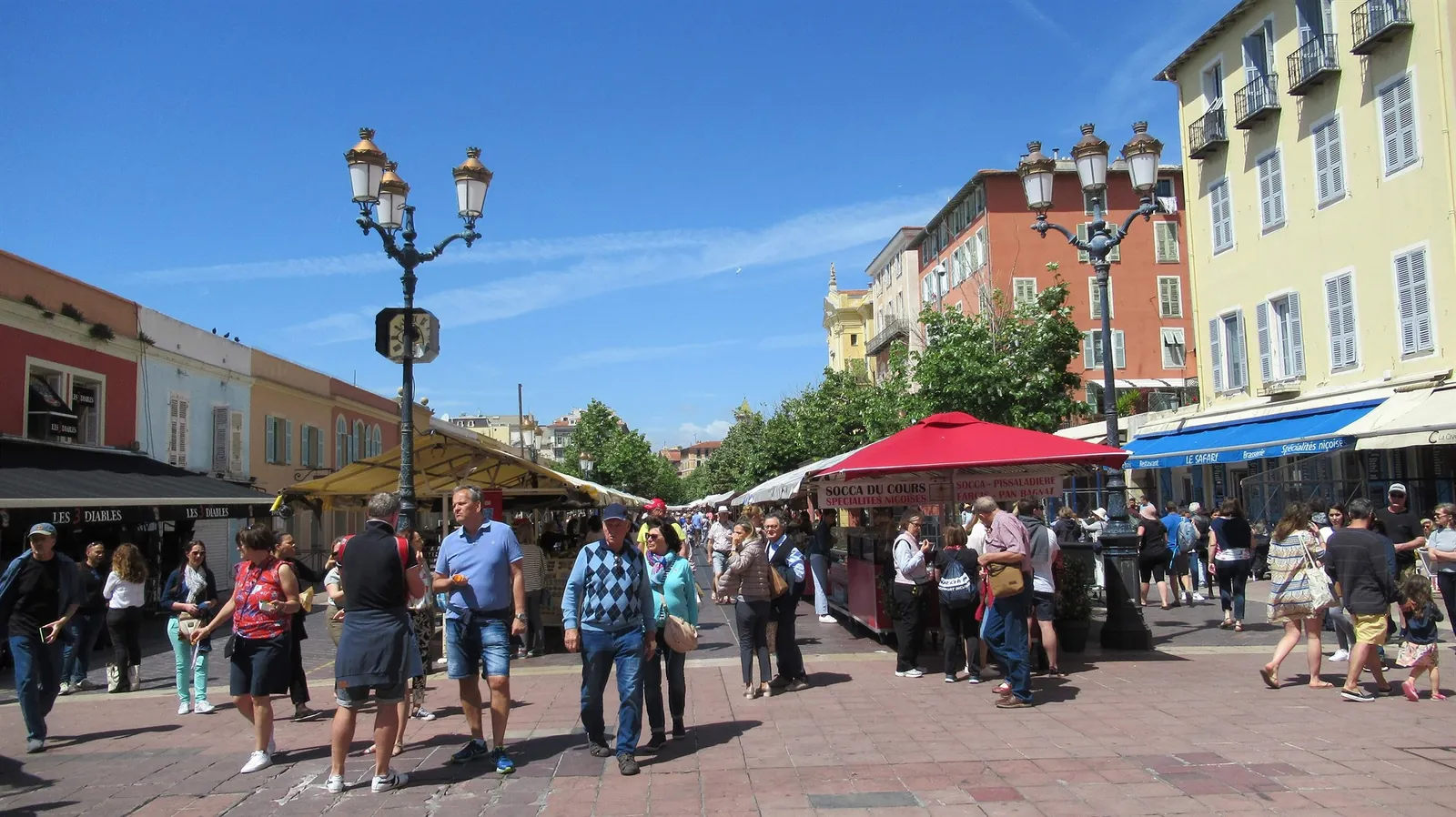
Authentic, unedited photos of Nice by residents and visitors, taken on ordinary days rather than chosen by a tourist board. Each one shows when it was taken. Browse photos of 105 cities →




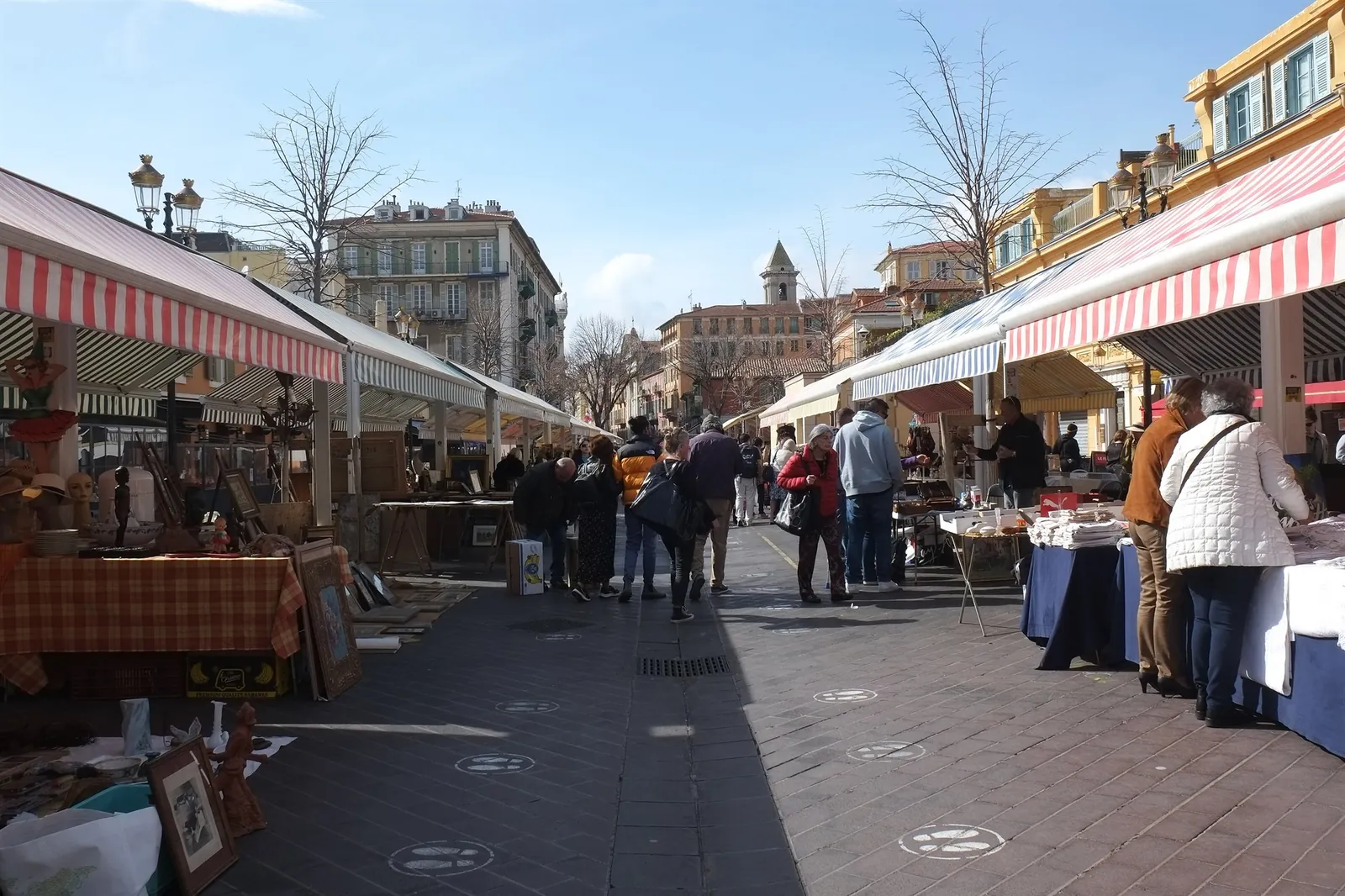
_Cours_Saleya_629.jpg)


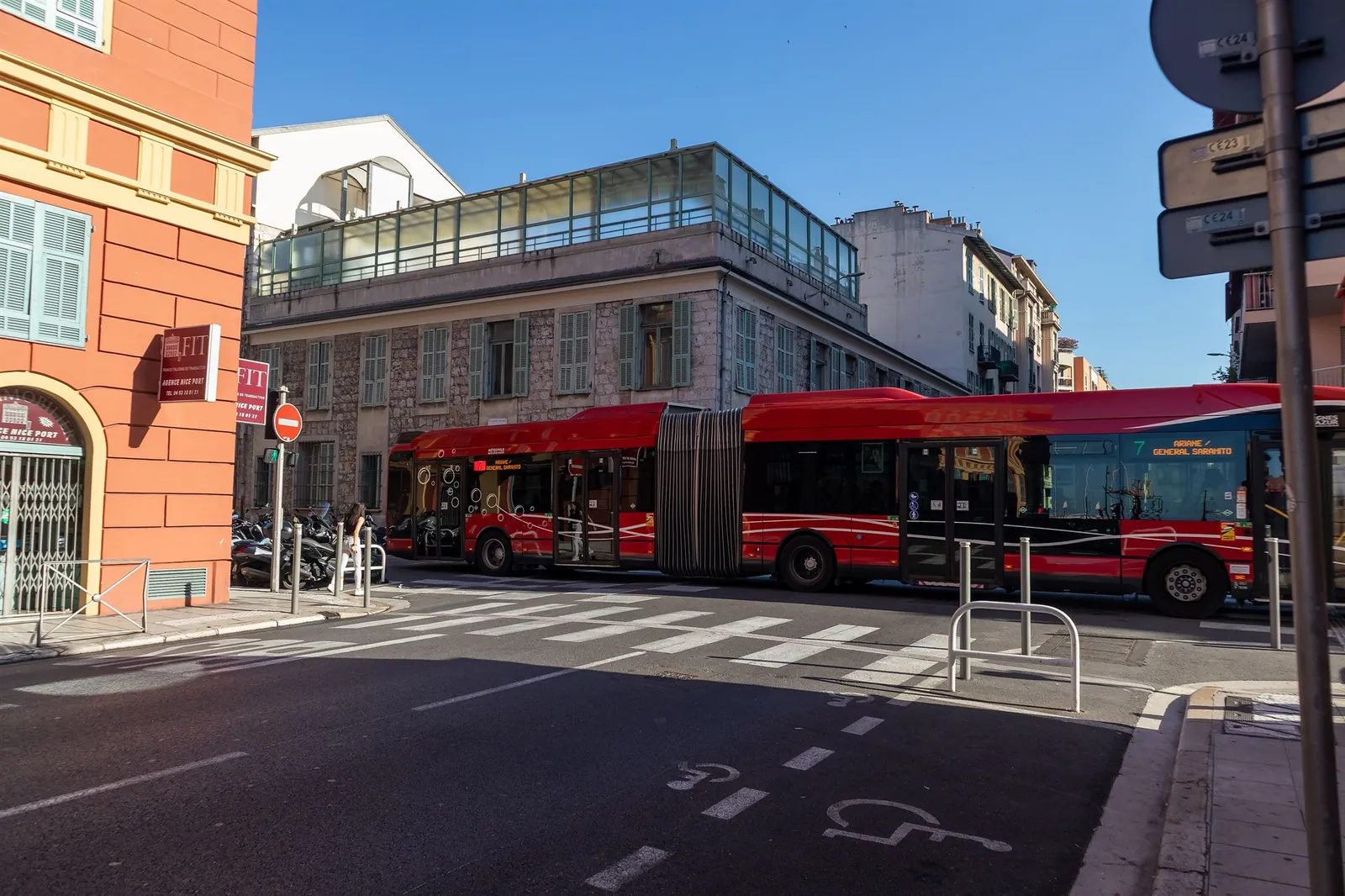
.jpg)
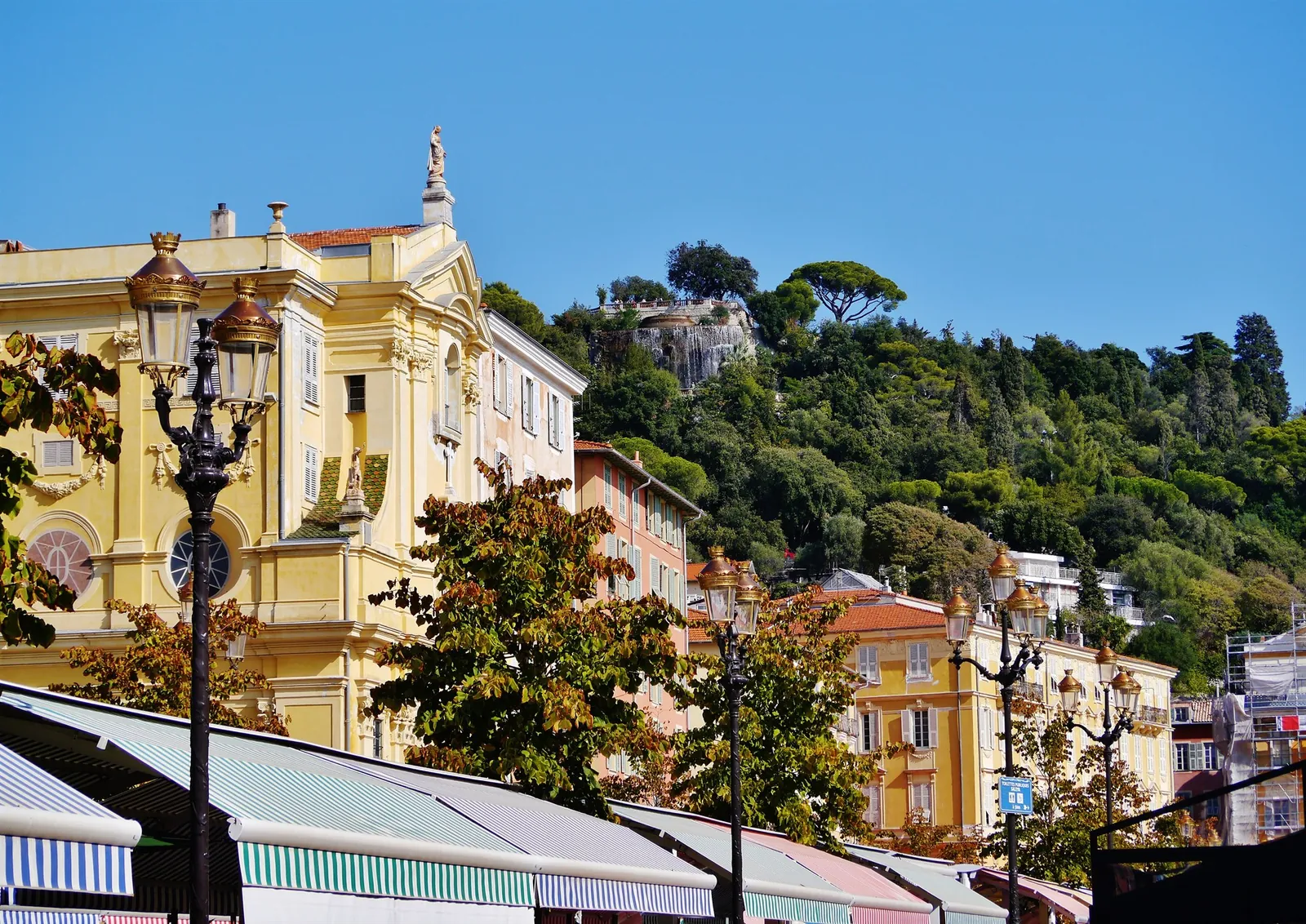

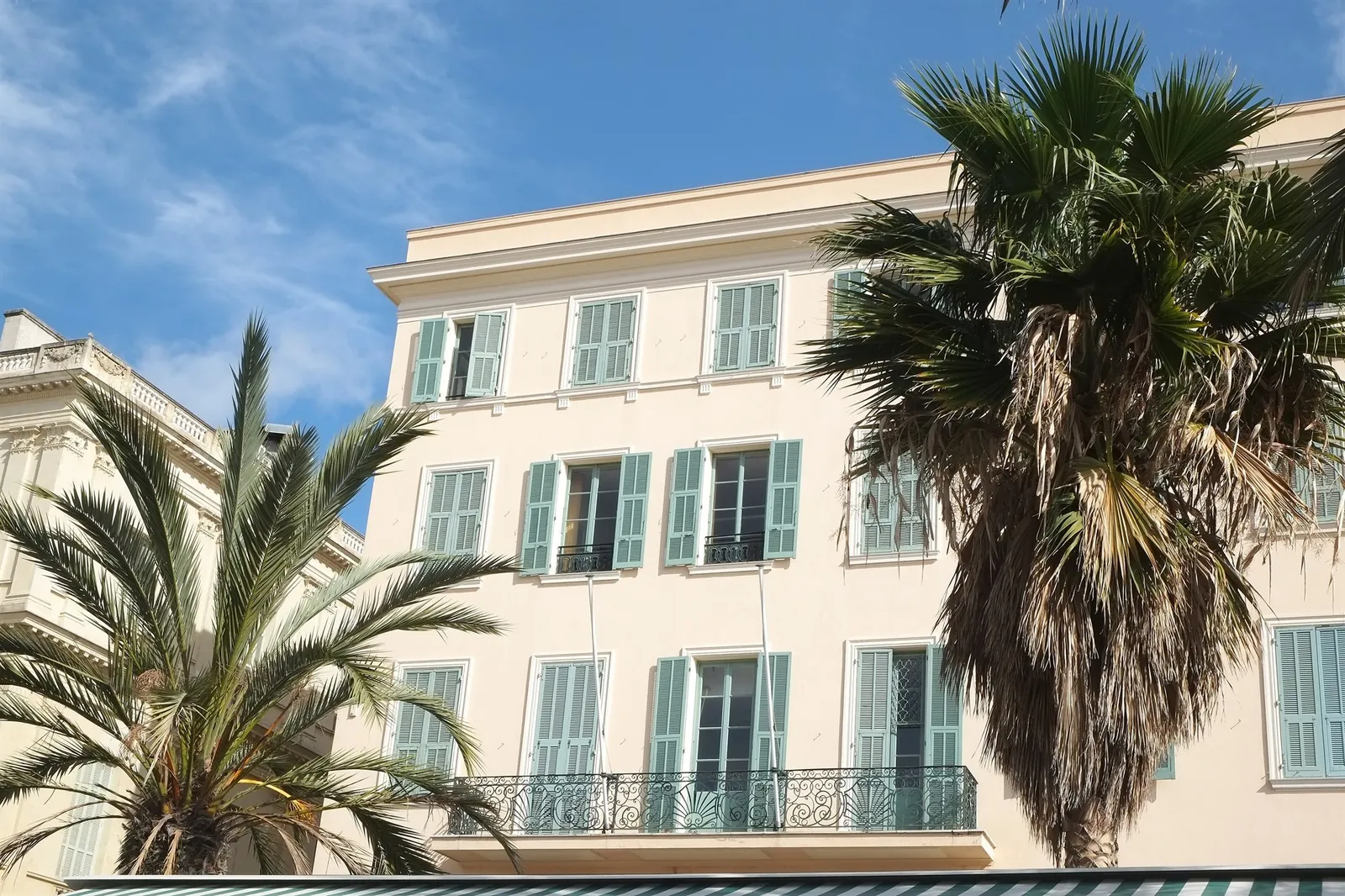
_Quartier_du_Vieux-Nice_Maison_638.jpg)
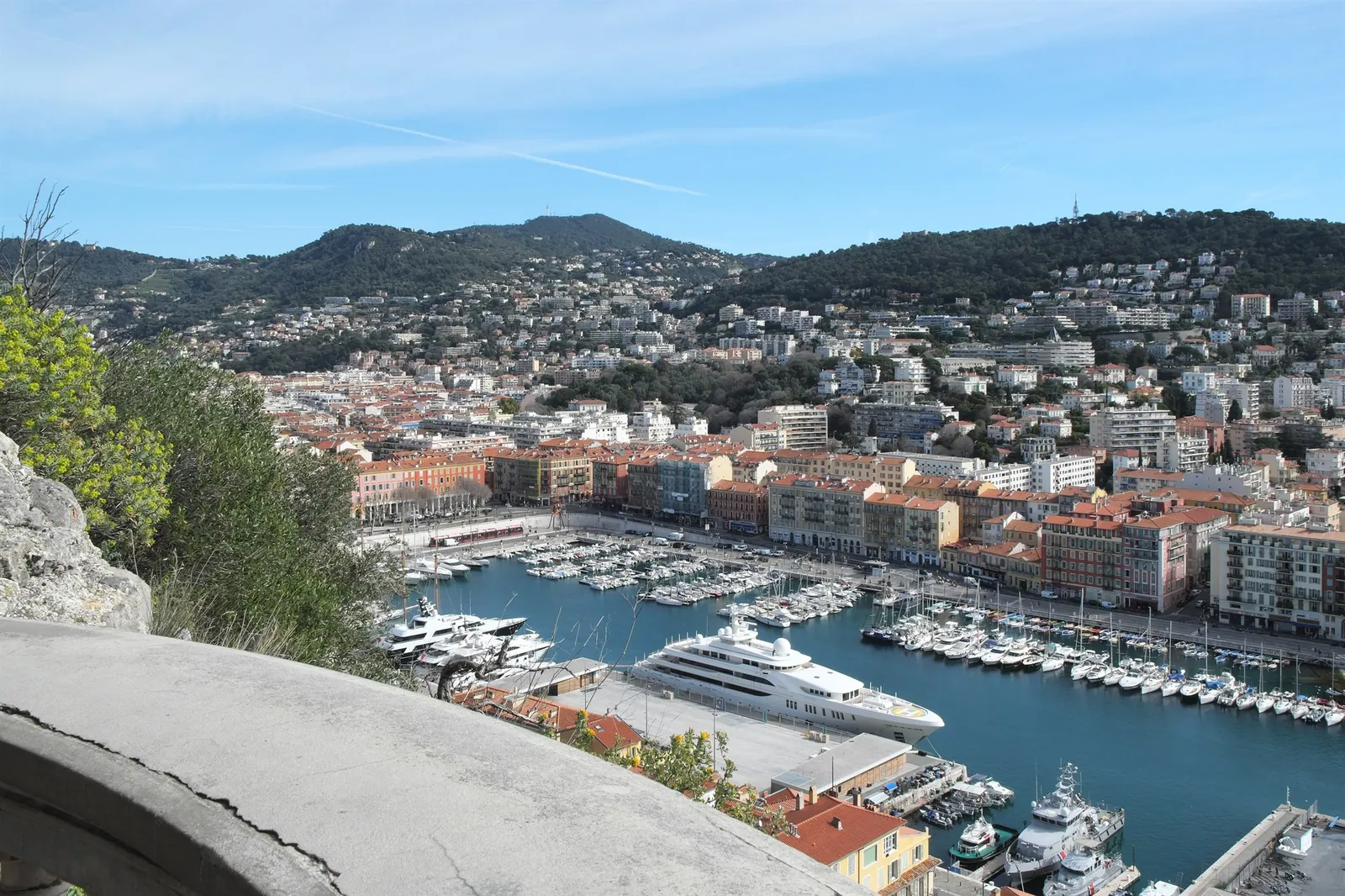
_Port_762.jpg)
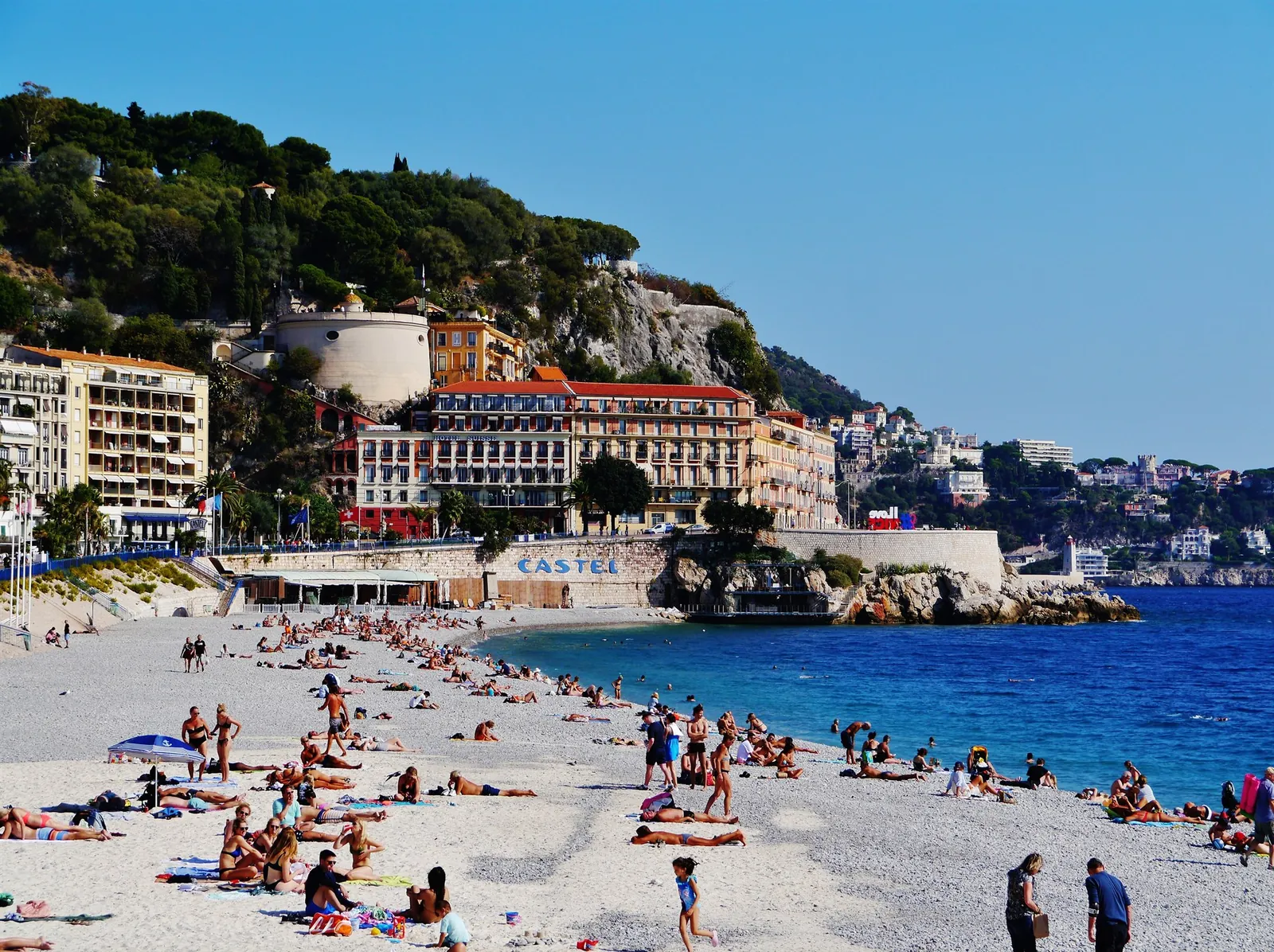

The other side


What does it cost to live in Nice?
1-Bedroom Rent
$900-$1,600/month
Local Restaurant Meal
$12-$20 at local restaurants
Cup of Coffee
$2-$4
Estimated Monthly Total
$2,500-$3,800
Want a personalized estimate? Use our cost of living calculator
How good is healthcare in Nice?
France's healthcare system is consistently ranked among the best in the world, and Nice benefits from excellent facilities. The Centre Hospitalier Universitaire (CHU) de Nice is a major teaching hospital, and private clinics like Clinique Saint-George and Hôpital Privé Arnault Tzanck provide high-quality specialist care. Legal residents are enrolled in France's Assurance Maladie system, which reimburses 70% of medical costs. Most residents also carry a mutuelle (supplementary insurance) costing $80-$200/month to cover the remaining 30%. GP consultations cost $25-$50. English-speaking doctors are available through international patient services.
What is daily life like in Nice?
Nice offers an enviable lifestyle that blends outdoor living with cultural sophistication. Morning swims in the Mediterranean, afternoon strolls through the Matisse and Chagall museums, and evening aperitifs overlooking the Baie des Anges define daily life. The city's restaurant scene ranges from simple socca (chickpea flatbread) stands to Michelin-starred dining. Weekend trips to Monaco (20 minutes by train), Cannes (30 minutes), and the hilltop villages of Èze, Saint-Paul-de-Vence, and Grasse are effortless. The city has an efficient tram system, reducing the need for a car.
What is the climate like in Nice?
Nice enjoys a classic Mediterranean climate with warm, dry summers and mild winters. Summer temperatures (June-September) average 25-30°C with low humidity. Winters (December-February) are mild at 8-14°C. Nice averages just 63 days of rain per year, one of the lowest in France. Snow is virtually unknown at sea level. The mistral wind occasionally brings brief cold spells. Air conditioning is rarely needed thanks to sea breezes. The comfortable climate allows outdoor dining for most of the year.
| Month | High | Low | Rain |
|---|---|---|---|
| January | 13.3 °C | 5.8 °C | 74 mm |
| February | 13.5 °C | 6.1 °C | 54 mm |
| March | 15.4 °C | 8.3 °C | 51 mm |
| April | 17.4 °C | 10.8 °C | 69 mm |
| May | 21.0 °C | 14.5 °C | 40 mm |
| June | 24.7 °C | 18.1 °C | 36 mm |
| July | 27.5 °C | 20.8 °C | 14 mm |
| August | 27.9 °C | 21.1 °C | 17 mm |
| September | 24.8 °C | 17.7 °C | 81 mm |
| October | 21.0 °C | 14.0 °C | 128 mm |
| November | 17.0 °C | 9.7 °C | 138 mm |
| December | 14.1 °C | 6.6 °C | 90 mm |
Weather station: Nice Airport (8 km away). Source: WMO Climatological Normals 1991-2020 (NOAA NCEI)
What are the pros and cons of retiring in Nice?
Pros
- World-class French healthcare system with excellent local facilities
- 300 days of sunshine with mild winters and warm summers
- Outstanding cultural scene with museums, opera, and festivals
- France's second-busiest airport with 100+ direct destinations
- Efficient tram system and walkable city center
Cons
- Higher cost of living than most Mediterranean retirement destinations
- Summer tourist crowds along the coast and in old town
- French bureaucracy can be challenging for visa and residency processes
- French language proficiency important for daily life and integration
Who should retire in Nice?
Retirees who want a sophisticated Mediterranean lifestyle with world-class healthcare, sunshine, and convenient air travel, and are willing to invest in a higher cost of living.
Which neighborhoods suit retirees in Nice?
Vieux Nice (Old Town)
Baroque old quarter with narrow streets, the Cours Saleya flower market, and a lively restaurant scene. One-bedroom rents range $1,100-$1,700/month. Central and walkable, suited for retirees who enjoy being in the cultural heart of the city.
Cimiez
Elevated residential neighborhood with Belle Epoque villas, the Matisse Museum, and Roman ruins. One-bedrooms rent for $900-$1,400/month. Quiet and leafy with panoramic views. Popular with retirees seeking space and tranquility above the coast.
Le Port / Garibaldi
Neighborhood around the old port with antique shops, Italian-influenced architecture, and a growing food scene. Rents run $1,000-$1,500/month for a one-bedroom. Emerging area with character, convenient to both old town and the beach.
Which hospitals serve retirees in Nice?
Centre Hospitalier Universitaire de Nice (CHU)
Nice's main public university hospital with multiple sites (Pasteur, L'Archet). Comprehensive specialist care including cardiac surgery, neurology, and oncology. Teaching hospital affiliated with the Universite Cote d'Azur.
Clinique Saint-George
Private hospital in central Nice offering surgical and diagnostic services. Specialties include orthopedics, ophthalmology, and gastroenterology. Known for efficient scheduling and modern facilities.
Hopital Lenval
Private non-profit hospital on the Promenade des Anglais. Originally pediatric, now also serves adults. Emergency department and specialist outpatient consultations. Convenient beachfront location.
Facility details may change. Verify accreditation status and services directly with each hospital before making healthcare decisions.
What is the food scene like in Nice?
Nice's cuisine reflects its position between Provence and Italy, producing dishes found nowhere else in France. Socca (chickpea crepes) from street vendors in Vieux Nice cost $3-$5 and are best eaten hot from Chez Theresa at the Cours Saleya market. Other Nicois specialties such as pissaladiere (onion tart), salade nicoise, and ratatouille appear on menus citywide for $10-$18.
The Cours Saleya market is the culinary anchor: flowers, produce, and prepared foods fill the square every morning. Surrounding restaurants like Chez Pipo and La Merenda serve authentic Nicois cooking in modest settings for $15-$25 per person. For fine dining, Jan (Michelin-starred, South African-French fusion) offers tasting menus around $80-$100.
Le Port district has emerged as a foodie neighborhood with wine bars and bistros drawing younger crowds. The Marche de la Liberation near the train station offers lower prices than Cours Saleya. Weekly grocery costs for two at Carrefour or Casino run $75-$110. Nice is pricier than most Mediterranean retirement destinations, but its unique Provencal-Italian culinary identity rewards those who explore beyond the Promenade.
Is retiring in Nice right for you?
Take our free 3-minute retirement quiz to see how life in Nice, France, compares to other destinations based on your preferences, budget, and needs.
Take the Retirement QuizFrequently Asked Questions About Retiring in Nice
What visa do non-EU retirees need for Nice?
Non-EU retirees typically apply for a Visa de Long Séjour Visiteur (long-stay visitor visa), valid for one year and renewable. You must demonstrate sufficient financial resources (typically $1,800-$2,500/month minimum), private health insurance, and proof of accommodation. After five years of continuous legal residency, you can apply for a permanent residency card.
Is Nice too expensive for retirement?
Nice is more expensive than many Mediterranean alternatives but considerably cheaper than Paris. A comfortable retirement costs $2,500-$3,800/month. The main expense is rent: a one-bedroom apartment runs $900-$1,600/month depending on neighborhood. However, France's healthcare reimbursement system, affordable fresh food at markets, and free cultural events help offset costs.
Do I need to speak French to retire in Nice?
Basic French is essential for daily life, medical appointments, and administrative tasks. While tourism-facing businesses and some medical professionals speak English, most everyday interactions are in French. Many retirees take intensive French classes upon arrival. The Alliance Française in Nice offers courses at all levels. Learning French significantly enhances the retirement experience.
Sources & References
- Numbeo, Cost of living index and price data for Nice: rent, groceries, restaurants, and transportation
- Centre Hospitalier Universitaire de Nice, Facility services, specialist departments, and healthcare capabilities in Nice
- French Office for Immigration and Integration (OFII), Long-stay visa and residence permit procedures applicable to Nice residents
- WHO France Country Profile, National health system indicators and healthcare quality benchmarks