
City Retirement Guide
Retire in Arenal, Costa Rica
Volcanic highland retreat with hot springs, rainforest, and adventure at every turn
What are the key facts about retiring in Arenal?
- Elevation & setting
- ~250 m (La Fortuna) to ~550 m (Nuevo Arenal); rainforest foothills beside Arenal Volcano and Lake Arenal
- Annual temperature
- Daytime 24-28 C; high rainfall May-November, noticeably wetter than Central Valley
- Nearest international airport
- Juan Santamaria (SJO), ~130 km southeast in Alajuela
- Nearest major hospital
- Hospital San Carlos (CCSS) in Ciudad Quesada, ~45 km east
- Primary retirement visa (2026)
- Pensionado: lifetime pension >=$1,000/month; CCSS enrollment required (~7-11% of income)
- Language environment
- Spanish dominant; English widely used in La Fortuna tourism corridor, less so in lakeside villages
The Arenal area's reliable geothermal activity supplies several hot-spring resorts (Tabacon, Baldi, Ecotermales), giving retirees with arthritis or circulatory conditions daily access to mineral thermal bathing at resident rates.
What is retirement like in Arenal?
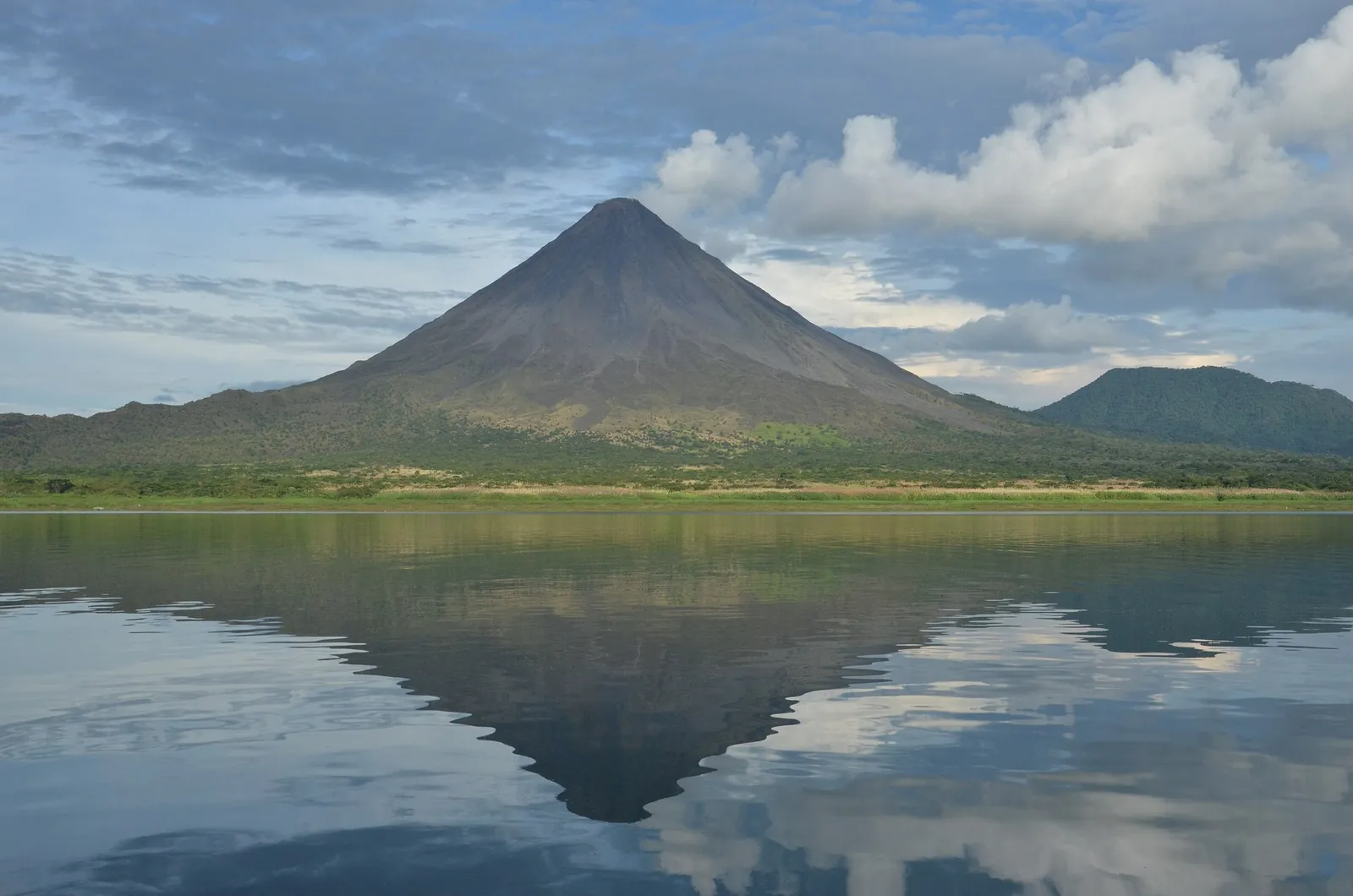
La Fortuna sits at roughly 250 meters elevation in the San Carlos plains of Alajuela Province, about 6 kilometers east of the 1,670-meter Arenal Volcano and the 85-square-kilometer Lake Arenal reservoir. The town is approximately 130 kilometers northwest of San Jose's Juan Santamaria Airport (SJO) by road, with the nearest regional hospital, Hospital San Carlos (CCSS), in Ciudad Quesada about 45 kilometers east. Retirees tend to favor the lakeside villages of Nuevo Arenal and El Castillo, where hillside lots look across the water to the volcano cone. The microclimate produces higher rainfall than the Central Valley, with daytime temperatures typically 24-28 C.
La Fortuna (population ~15,000) is the main service town, with supermarkets, banks, restaurants, pharmacies, and a small medical clinic. The town serves as the gateway to Arenal Volcano National Park and is surrounded by rainforest, waterfalls, and hot springs resorts. The nearby Lake Arenal area, particularly the towns of Nuevo Arenal and Tilarán, attracts a smaller, quieter community of retirees who prefer the lake's breezy climate and stunning views. Housing around the lake ranges from modest homes to architecturally designed villas with panoramic volcano and lake views.
The Arenal region is more remote than the Central Valley, requiring a 3-hour drive from San Jose. Healthcare is limited locally, with the nearest hospital in Ciudad Quesada (45 minutes from La Fortuna). Internet connectivity has improved but can be inconsistent in rural areas. However, for retirees who prioritize nature, outdoor activities, and a genuine connection to the land, Arenal offers a retirement experience unlike anywhere else in the Americas. Costa Rica's Pensionado and Rentista visa programs provide the residency pathway.
What does it really look like in Arenal?
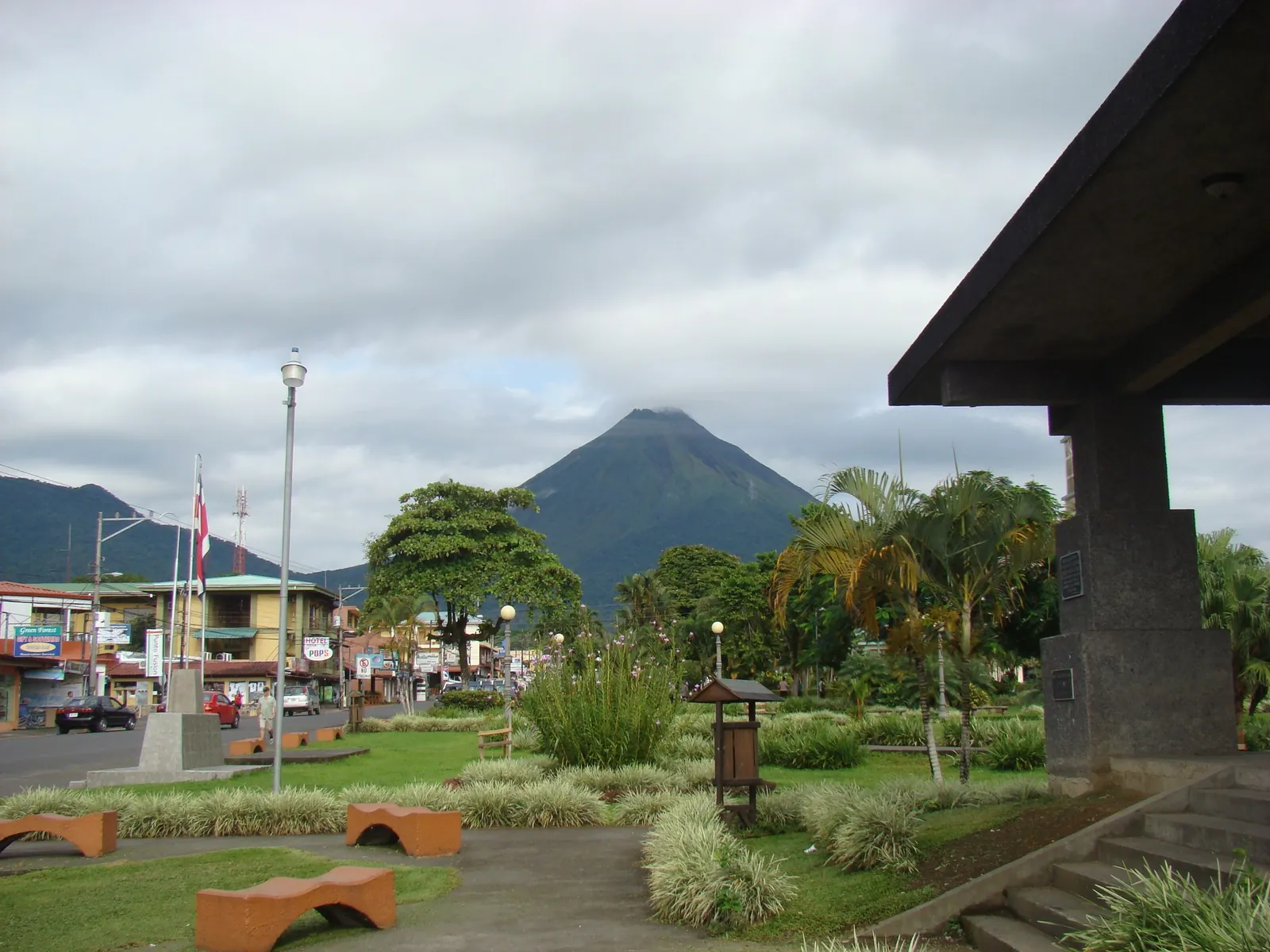
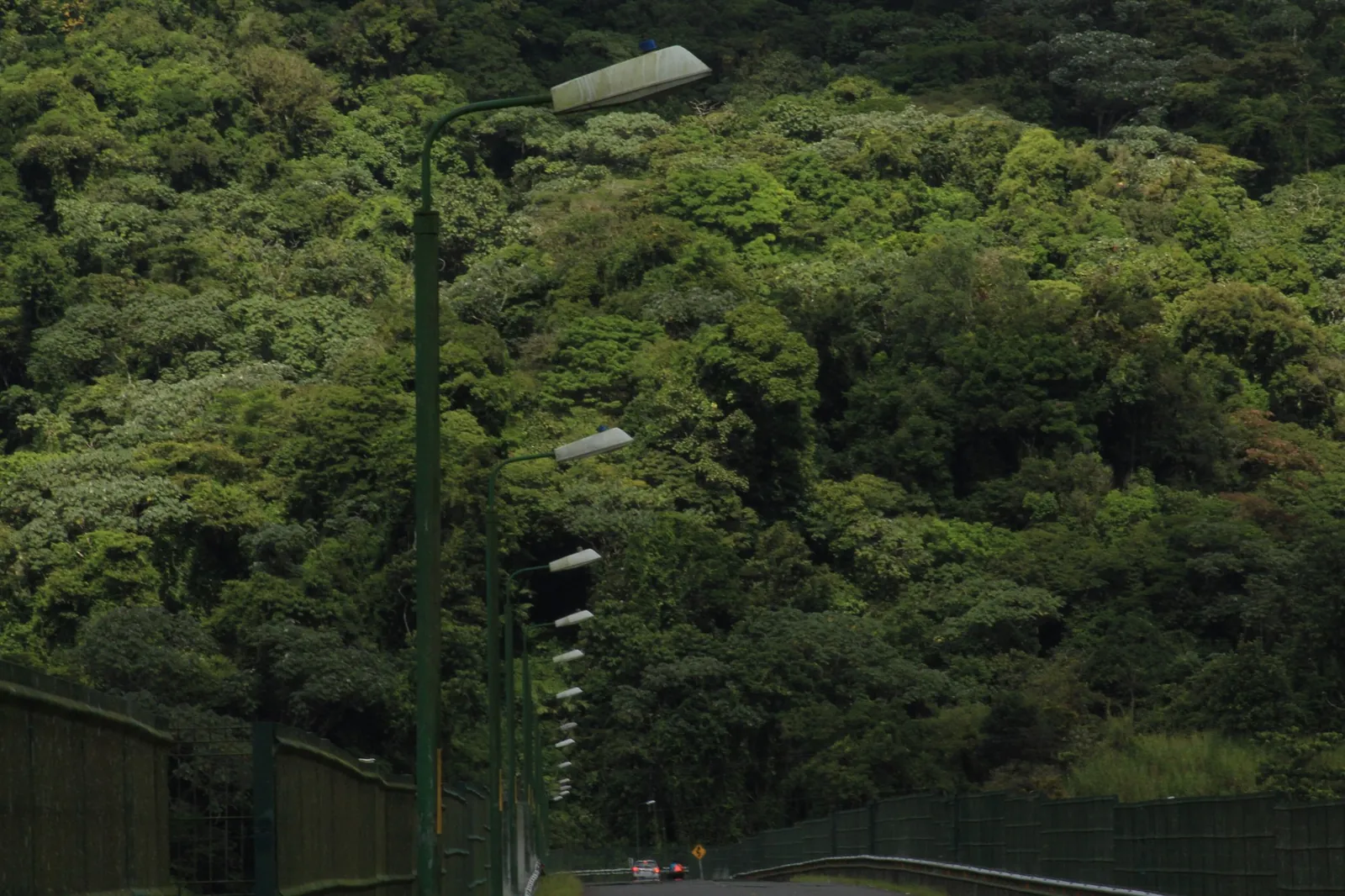
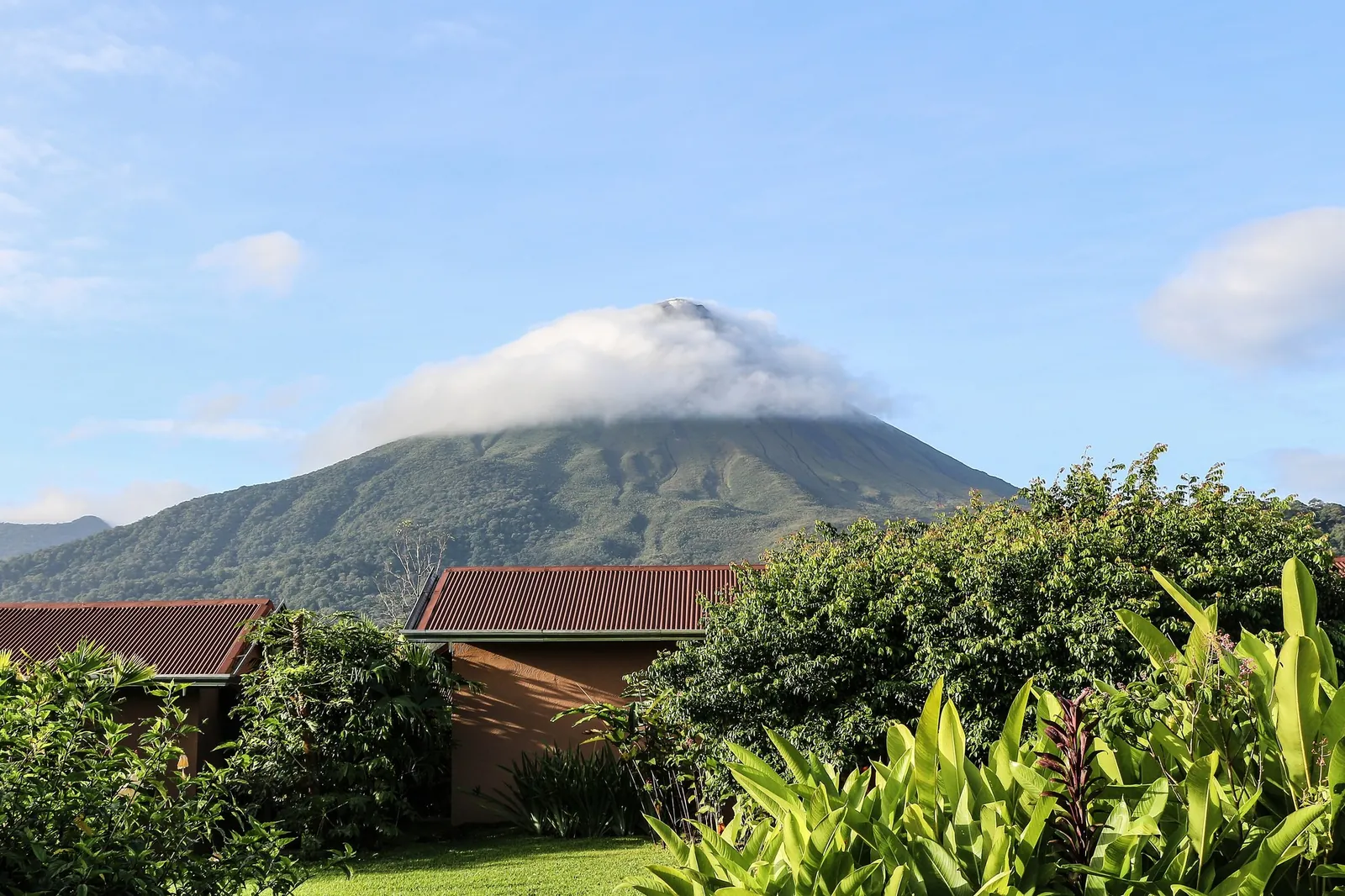
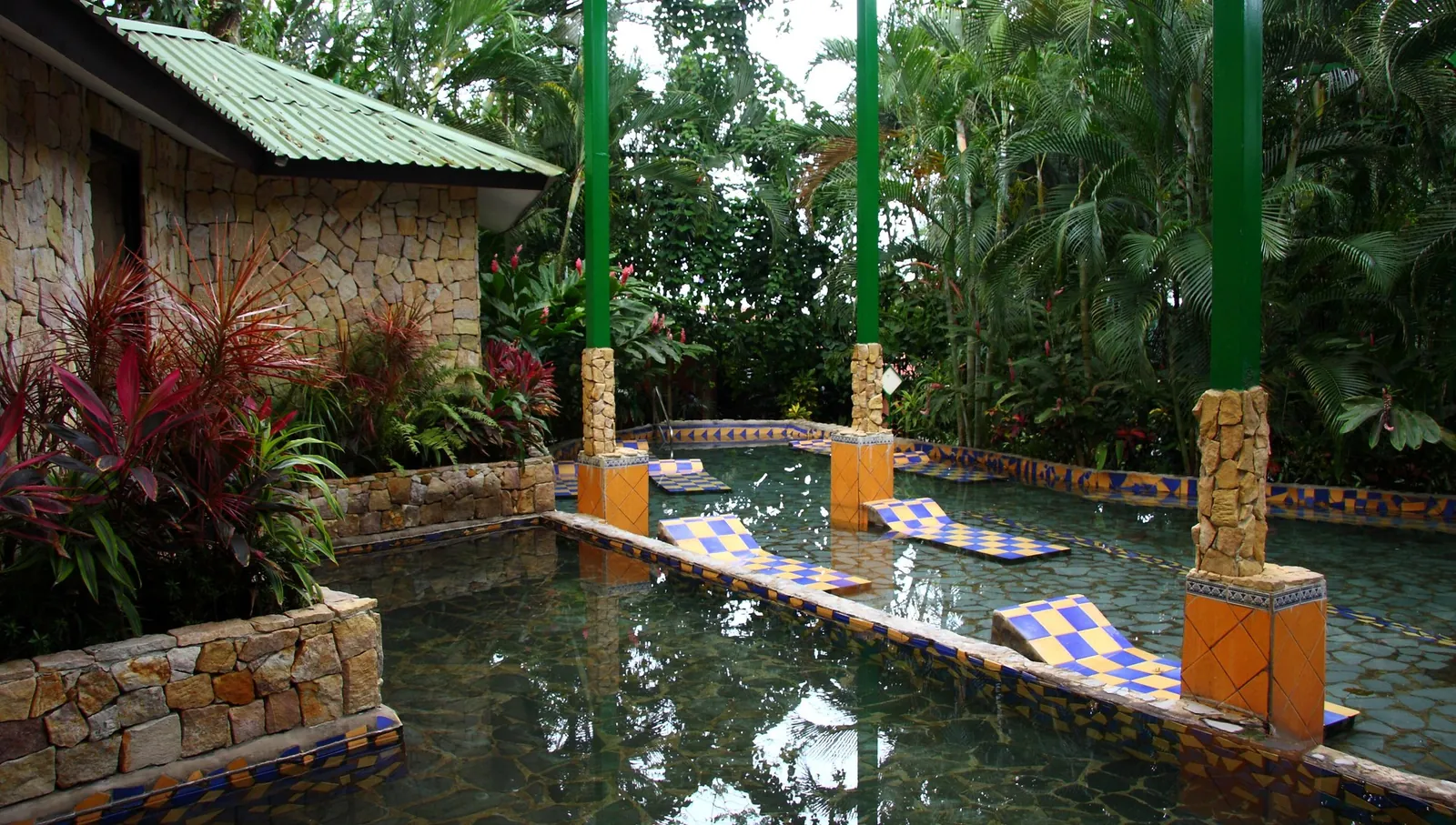
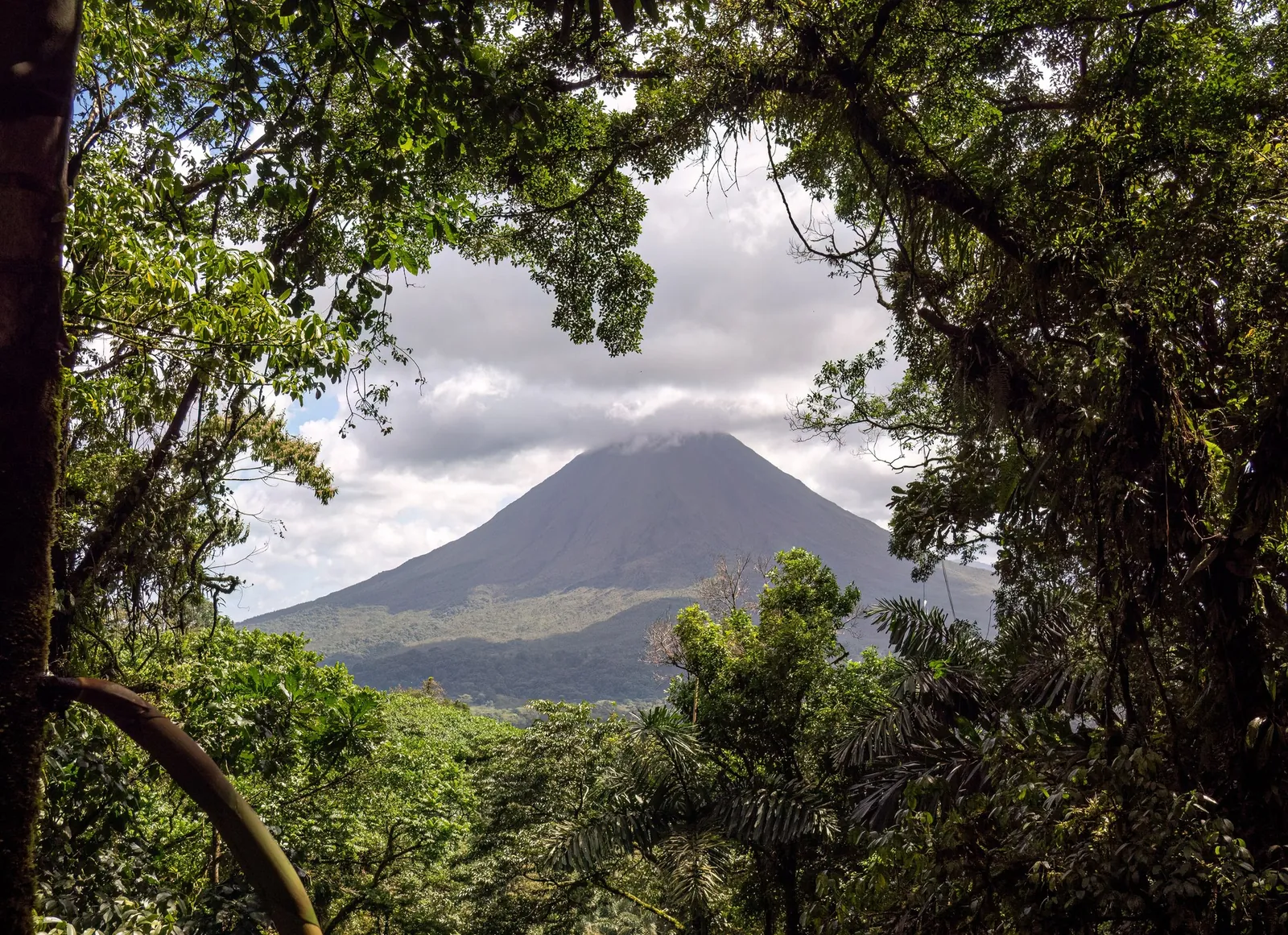
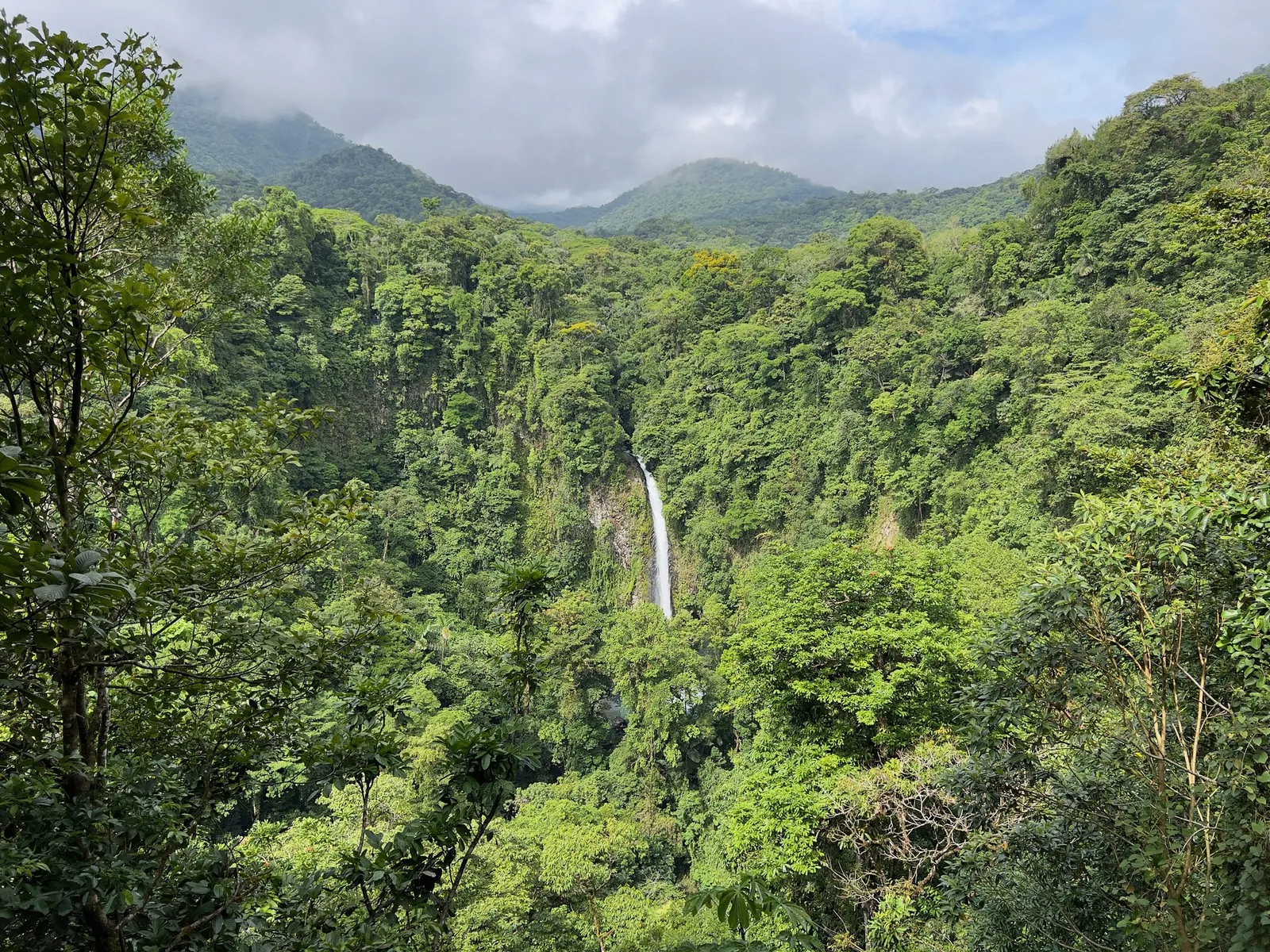
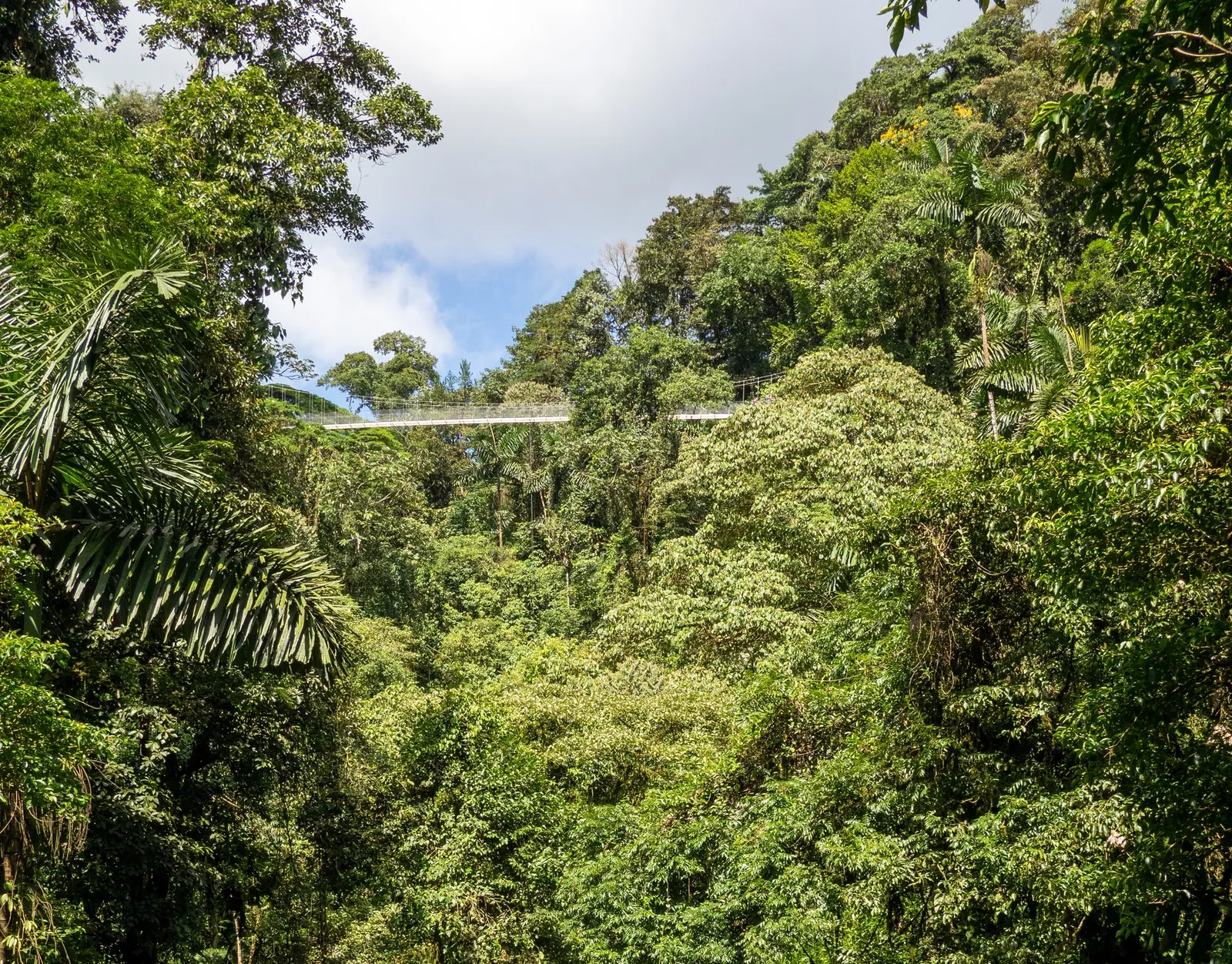
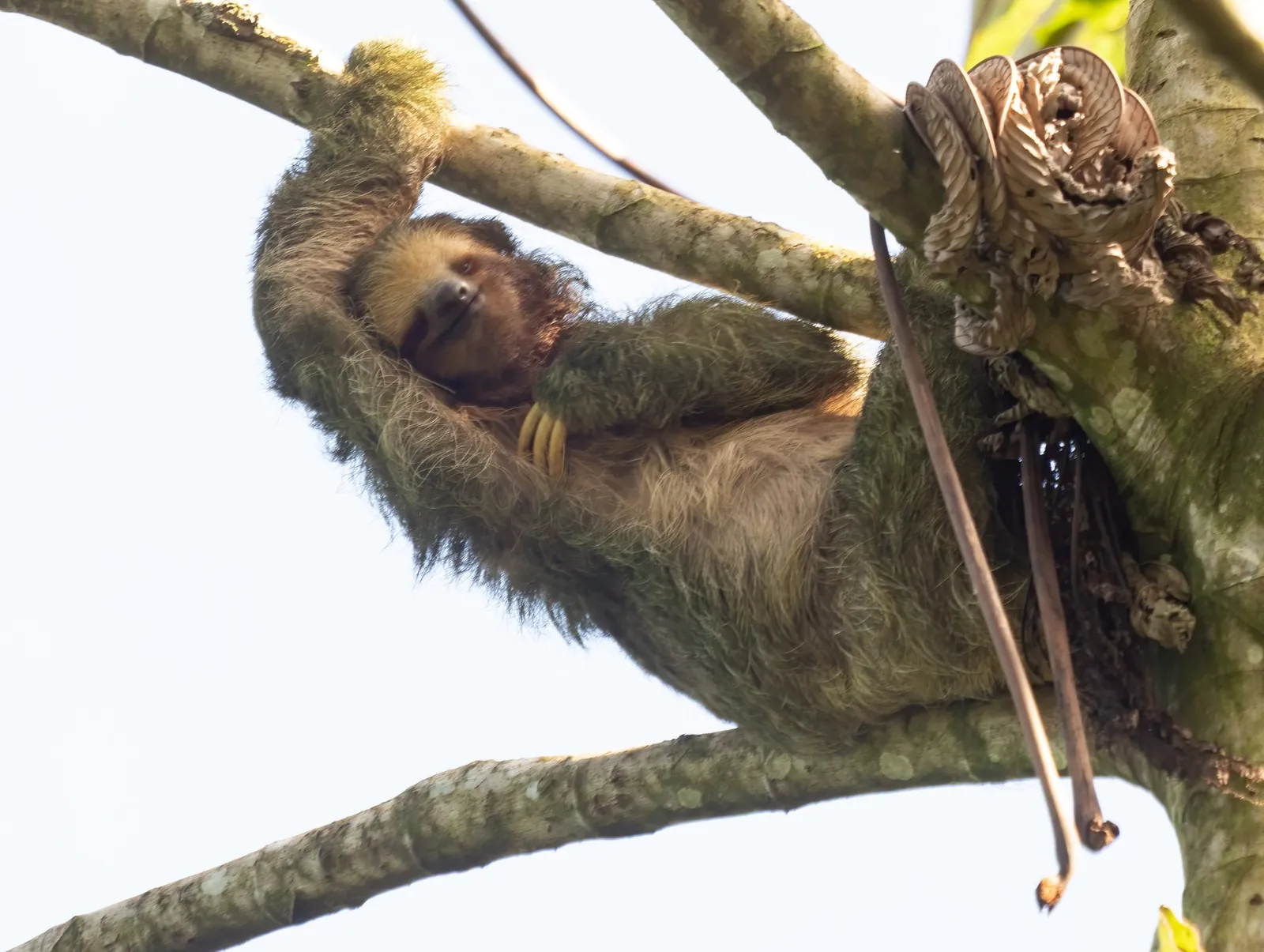
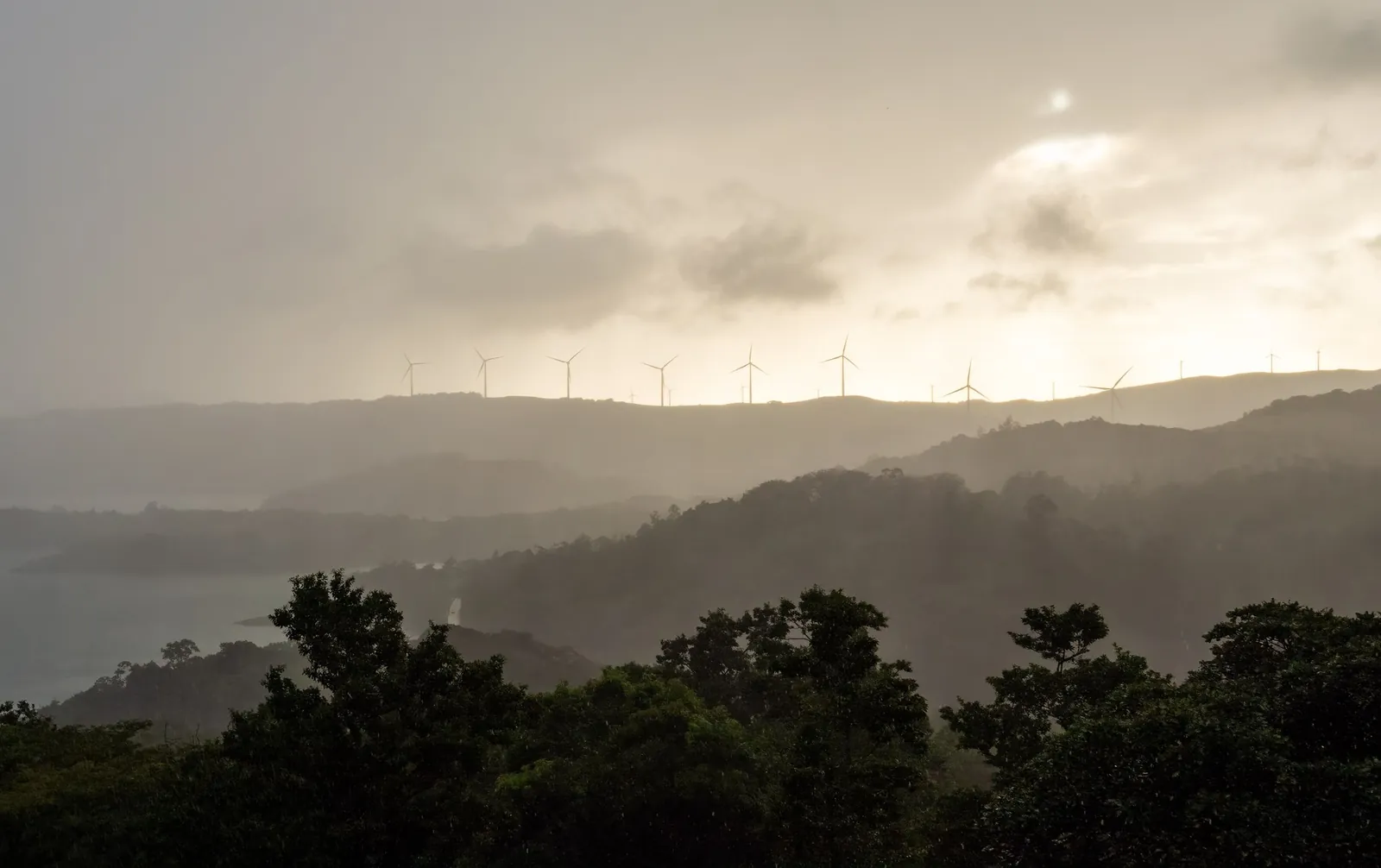
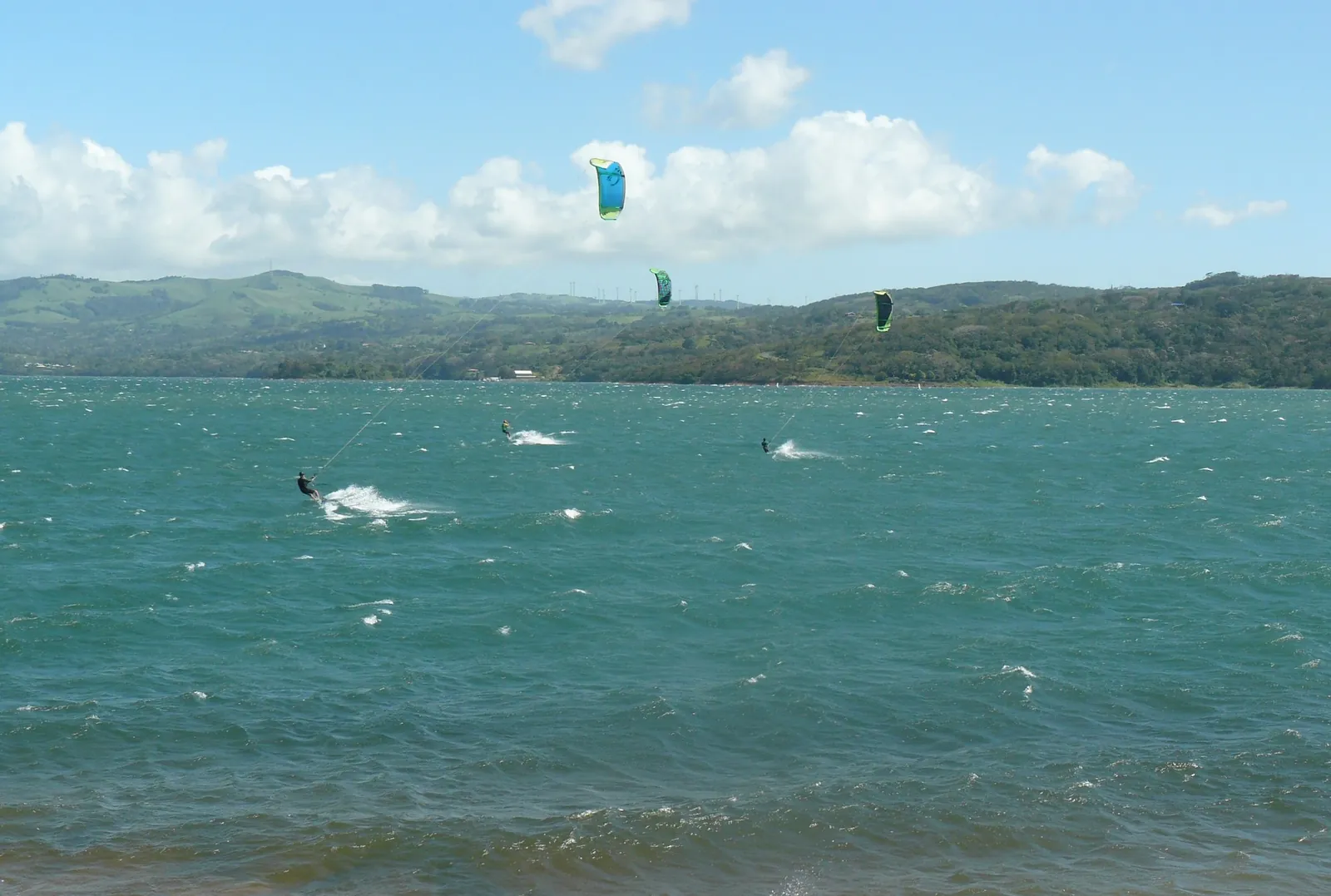
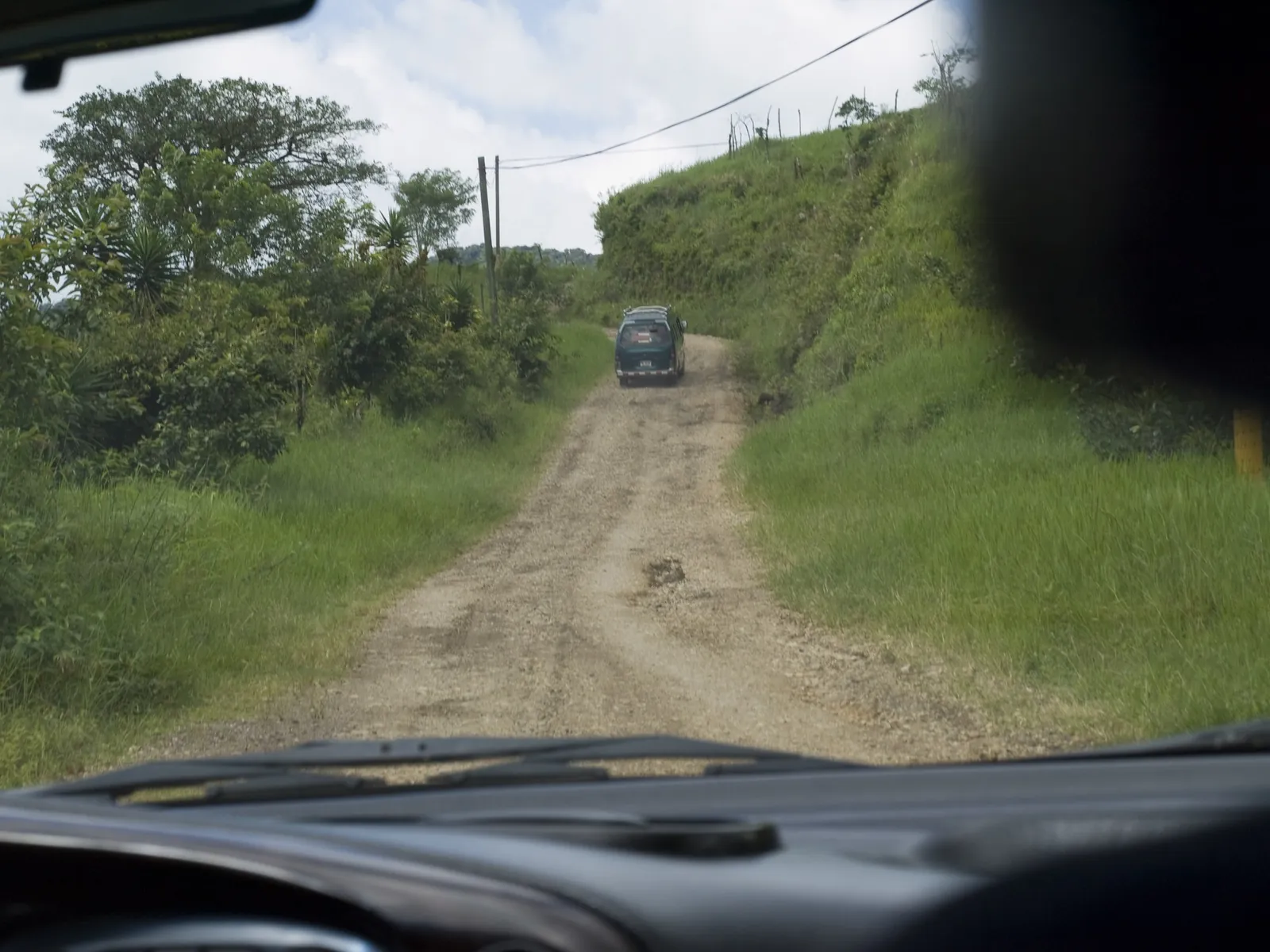
Authentic, unedited photos of Arenal by residents and visitors, taken on ordinary days rather than chosen by a tourist board. Each one shows when it was taken. Browse photos of 105 cities →




.jpg)


.jpg)
.jpg)

.jpg)
.jpg)

The other side
.jpg)
What does it cost to live in Arenal?
1-Bedroom Rent
$400-$800/month
Local Restaurant Meal
$4-$10 at local restaurants
Cup of Coffee
$1-$2.50
Estimated Monthly Total
$1,100-$1,800
Want a personalized estimate? Use our cost of living calculator
How good is healthcare in Arenal?
La Fortuna has a public Caja clinic (EBAIS) for basic care and a few private clinics. The nearest hospital with emergency and specialist services is Hospital de San Carlos in Ciudad Quesada, about 45 minutes by car. For serious medical needs, San Jose's private hospitals (CIMA, Clínica Bíblica) are 3 hours away. Many retirees in the Arenal area maintain relationships with San Jose doctors and travel for checkups. A local GP visit costs $30-$60. Private health insurance ($1,500-$4,000/year) is essential. The limited local healthcare is the primary drawback of retiring in this region.
What is daily life like in Arenal?
Life in the Arenal region is defined by nature. Retirees hike through rainforest trails, soak in natural hot springs (Tabacón, Baldi, free river hot springs), kayak on Lake Arenal, and watch toucans and howler monkeys from their terraces. La Fortuna has a growing restaurant scene with both local sodas and international eateries. The Saturday farmers' market offers fresh tropical fruits and vegetables. Birdwatching is world-class, with over 500 species in the region. The Lake Arenal area is known for windsurfing and kiteboarding. Community events, volunteer opportunities with conservation projects, and small expat gatherings provide social connections.
What is the climate like in Arenal?
The Arenal region has a tropical rainforest climate that is cooler and wetter than the coasts. La Fortuna sits at about 250 meters elevation with temperatures of 24-32°C year-round. The Lake Arenal area, higher at 500-700 meters, is cooler at 20-28°C with consistent breezes. Rain is frequent; this is one of Costa Rica's wetter regions, with some precipitation possible year-round. The "drier" months (February-April) see less rain but it's never truly dry. The lush green environment is a direct result of this rainfall. Nights are pleasantly cool, and air conditioning is rarely needed.
What are the pros and cons of retiring in Arenal?
Pros
- Spectacular natural setting with volcano, lake, hot springs, and rainforest
- Cooler climate than coastal areas with no AC needed
- Affordable cost of living, among the lowest in Costa Rica
- World-class birdwatching and outdoor activities
- Authentic Tico culture with a growing but small expat community
Cons
- Limited healthcare; nearest hospital 45 minutes away
- High rainfall year-round can feel relentless
- Remote location: 3 hours from San Jose and the international airport
- Internet and infrastructure less reliable than the Central Valley
Who should retire in Arenal?
Nature enthusiasts and adventure-loving retirees who want affordable living amid volcanoes, hot springs, and rainforest, and are comfortable with rural healthcare limitations.
Which neighborhoods suit retirees in Arenal?
La Fortuna Town
The main town at the base of Arenal Volcano with restaurants, shops, and tour operators. One-bedroom rents range $450-$750/month. Walkable center with all essential services. Suits retirees who want convenience and easy access to hot springs and hiking.
El Castillo
Small community on the south side of Lake Arenal with a rural, off-the-grid character. One-bedrooms or casitas rent for $350-$600/month. Attracts nature-focused retirees who want immersion in rainforest surroundings with minimal development.
Nuevo Arenal
Quiet lakeside village on the western shore of Lake Arenal with a growing expat community, German bakery, and weekend market. Rents run $400-$700/month for a one-bedroom. Cooler and windier than La Fortuna, with a laid-back rural lifestyle.
Which hospitals serve retirees in Arenal?
Hospital San Carlos (Ciudad Quesada)
Public hospital serving the northern zone, approximately 45 minutes from La Fortuna. Provides emergency, surgical, and inpatient services. Primary referral center for the Arenal area. Can be busy but handles a broad range of medical needs.
Clinica La Fortuna
Private medical clinic in La Fortuna town center. Offers general consultations, urgent care, dental services, and basic laboratory work. English-speaking physicians available. Convenient for routine care without traveling to Ciudad Quesada.
Hospital CIMA San Jose
Leading private hospital in Escazu, approximately 3 hours from the Arenal area. Comprehensive specialist care for planned procedures and complex medical needs. English-speaking staff throughout. Arenal residents plan trips for specialist consultations.
Facility details may change. Verify accreditation status and services directly with each hospital before making healthcare decisions.
What is the food scene like in Arenal?
The Arenal area's dining is anchored by La Fortuna town, where restaurants cater to both tourists and the growing expat community. Don Rufino and Lava Lounge serve Costa Rican and international dishes for $10-$18 per entree, while Soda Viquez and Soda La Parada offer authentic casados for $4-$6. The nightly dinner scene along the main road includes Italian, Mexican, and fusion options.
In Nuevo Arenal, the German Bakery (Panaderia y Pizzeria Tramonto) is a community institution, and the Saturday market brings together local farmers, artisan food producers, and expat bakers. Tom's Pan and Gingerbread Restaurant (El Castillo) serve creative cuisine in dramatic rainforest settings for $12-$20.
The Arenal area benefits from rich volcanic soil that supports local agriculture: roadside stands sell plantains, yuca, pineapples, and citrus for well under supermarket prices. Weekly grocery costs for two at Super La Fortuna or the Mega Super run $50-$75. Fresh tilapia from Lake Arenal and trout from highland streams are local specialties. Dining options are limited compared to San Jose, but the combination of affordable sodas, farm-fresh ingredients, and a handful of creative restaurants satisfies most retirees comfortably.
Is retiring in Arenal right for you?
Take our free 3-minute retirement quiz to see how life in Arenal, Costa Rica, compares to other destinations based on your preferences, budget, and needs.
Take the Retirement QuizFrequently Asked Questions About Retiring in Arenal
Is it too rainy in Arenal?
Arenal is one of Costa Rica's wetter regions, with rain possible any month. February through April are the driest months. The rain usually falls in the afternoon and evening, leaving mornings clear. Many retirees embrace the rain as part of the lush tropical lifestyle; it keeps everything green and fills the hot springs. If you need dry weather, the Guanacaste coast (2 hours away) provides a dry season escape.
Should I choose La Fortuna or the Lake Arenal area?
La Fortuna is a more developed town with shops, restaurants, clinics, and a larger population. It's the practical choice for those wanting amenities within walking distance. The Lake Arenal area (Nuevo Arenal, Tilarán) is quieter, cooler, windier, and more remote, ideal for those seeking solitude and views. Lake residents need a car for everything. Both areas offer stunning natural settings.
Can I access the hot springs regularly as a resident?
Yes. Several hot springs resorts offer annual resident passes at discounted rates. Tabacón Resort, Baldi Hot Springs, and The Springs Resort all have membership or frequent-visit options. There are also free natural hot springs along the Río Cholín accessible to anyone. Many retirees make hot springs visits a regular part of their wellness routine, 2-3 times per week.
Sources & References
- Numbeo, Cost of living estimates for the Arenal and La Fortuna area of Costa Rica
- Hospital San Carlos (Ciudad Quesada), Nearest major hospital to Arenal: facility services and specialist departments
- Costa Rica General Directorate of Migration, Pensionado and rentista visa requirements applicable to Arenal area residents
- CCSS (Caja Costarricense de Seguro Social), National public healthcare system enrollment and rural EBAIS clinic network near Arenal