
City Retirement Guide
Retire in Siem Reap, Cambodia
Temple town with small-town charm and an artistic soul
What are the key facts about retiring in Siem Reap?
- Elevation & setting
- ~18 m; inland plain between the Angkor temple complex and Tonle Sap Lake
- Climate
- Coolest month January 20–31°C, hottest May 25–35°C; 1,376 mm of rain a year, most in September (daily low to high, 1982–2024)
- Nearest international airport
- Siem Reap-Angkor International (SAI), opened 2023, ~40 km east of the city
- Nearest major/accredited hospital
- Royal Angkor International Hospital; serious cases transfer to Bangkok (~1 hr flight)
- Primary retirement visa (2026)
- ER (Retirement) visa extension for age 55+: no minimum income or deposit requirement, renewable 6 or 12 months through any travel agent
- Language environment
- Khmer official; English widely spoken in tourism, medical, and expat contexts
Siem Reap has no tertiary hospital capable of cardiac catheterisation or major oncology care, so the retiree medical pathway relies on a 1-hour flight to Bangkok rather than overland transfer to Phnom Penh, a fact that shapes insurance choices.
What is retirement like in Siem Reap?
Siem Reap lies in northwestern Cambodia on the Siem Reap River, roughly 7 kilometres south of the Angkor Archaeological Park and 15 kilometres north of Tonle Sap Lake, at an elevation of around 18 metres. The new Siem Reap-Angkor International Airport (SAI) opened in 2023 some 40 kilometres east of the city, replacing the former in-town airport to protect the Angkor temples from flight vibration. Royal Angkor International Hospital serves as the city's main international-standard facility, and most foreign retirees cluster in Wat Bo, Sala Kamreuk, and the riverfront blocks between Pub Street and the Old Market.
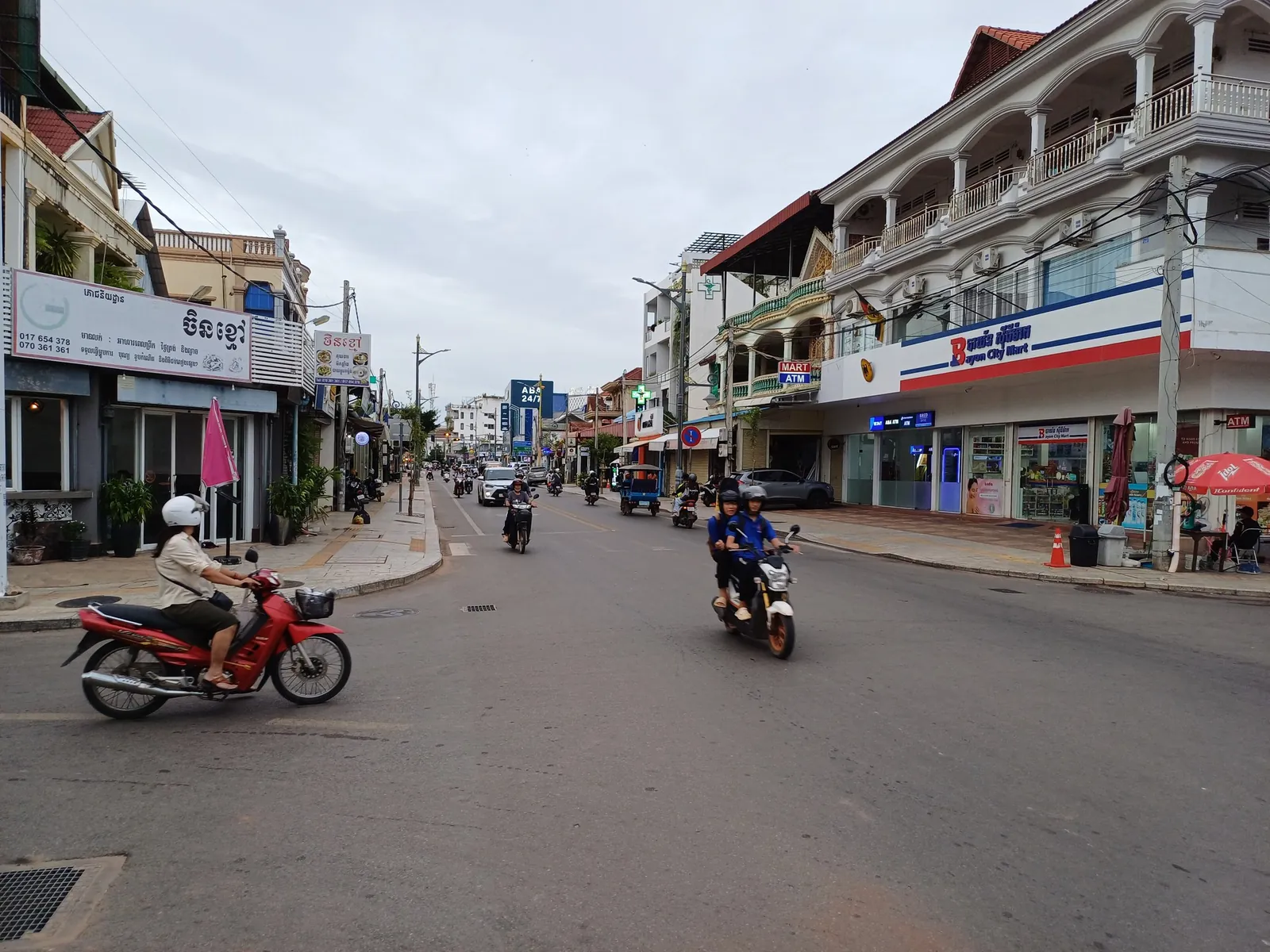
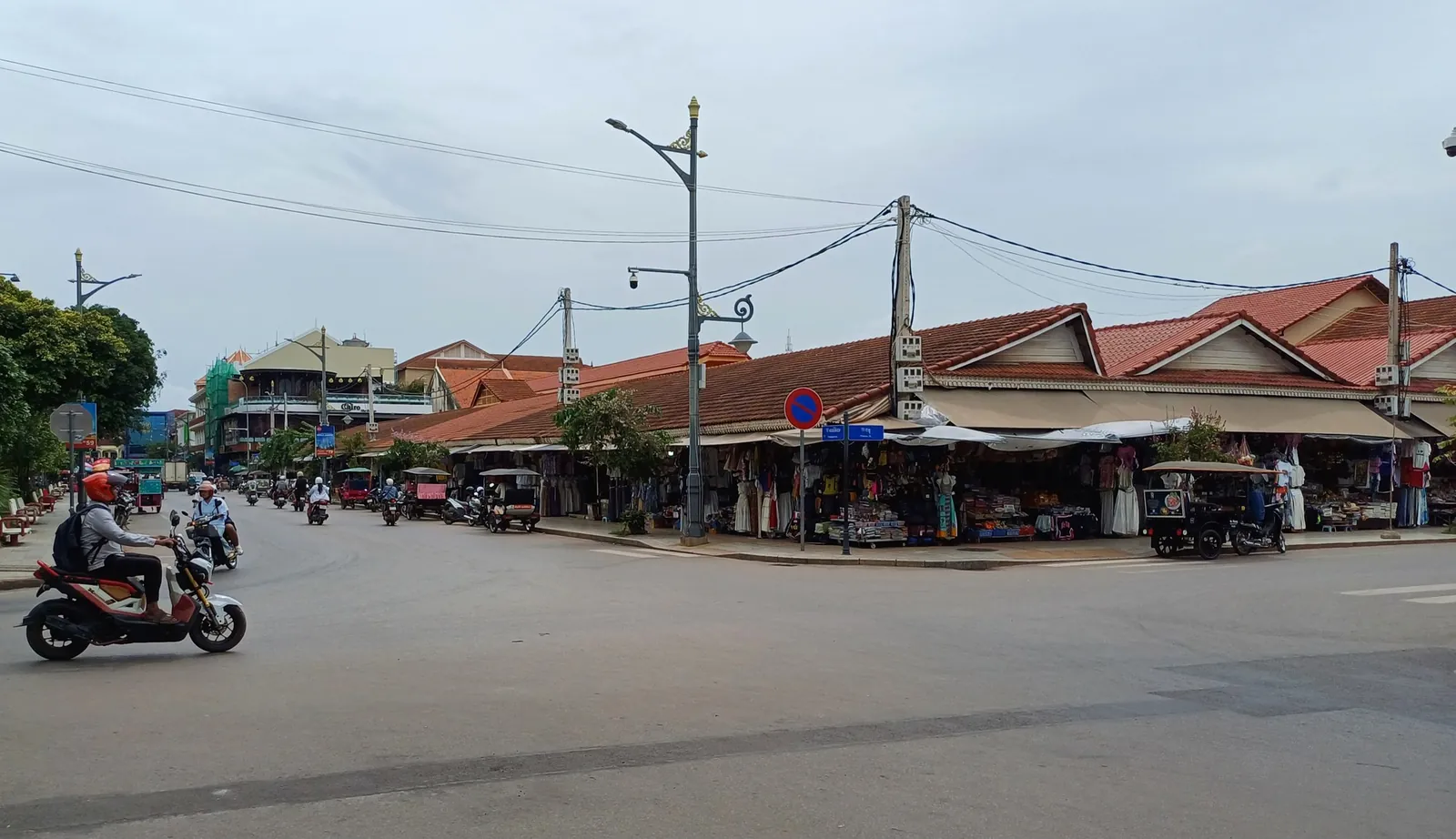
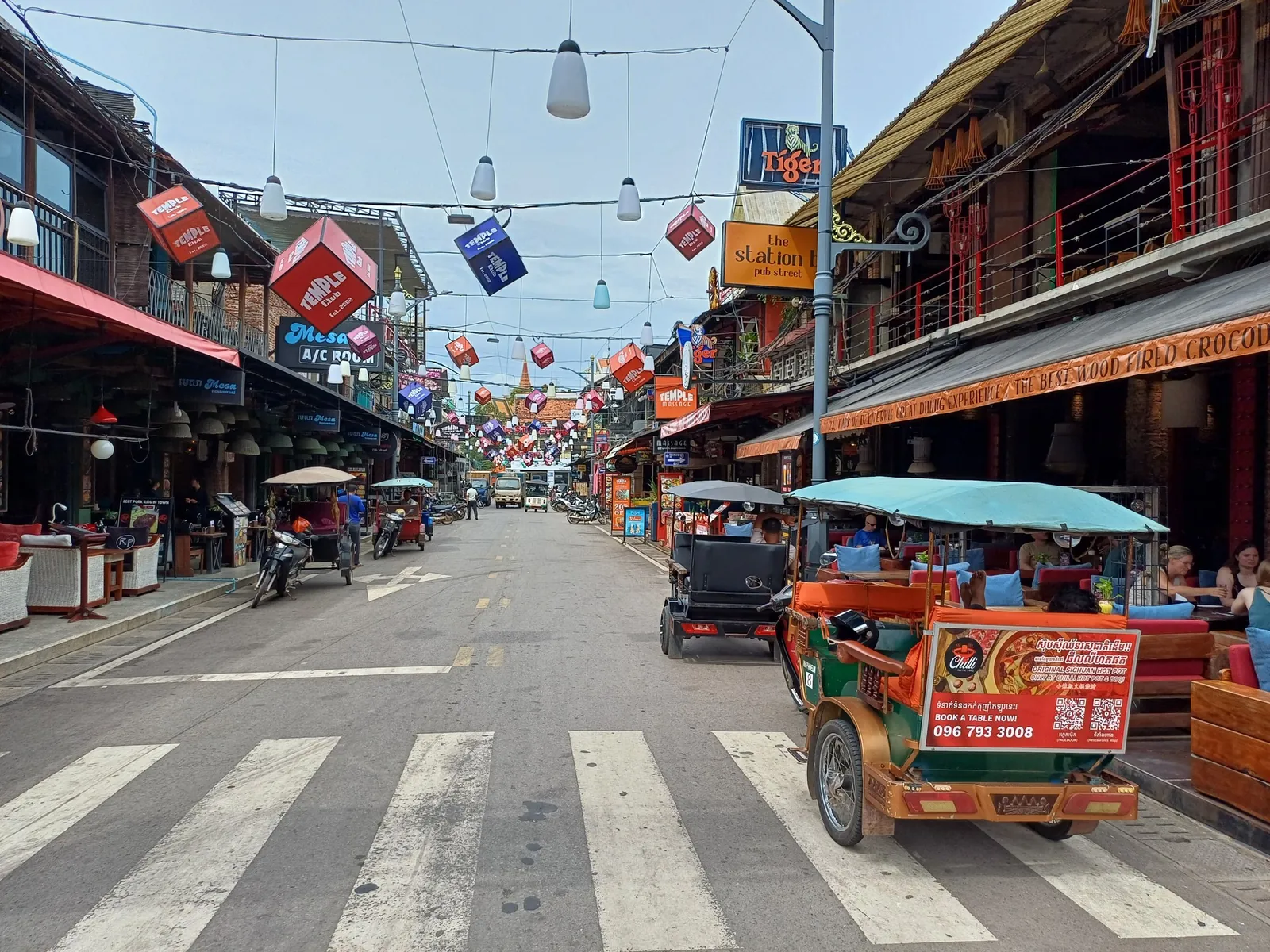
The city center is compact and navigable, with the Old Market area and Pub Street forming the tourist hub. However, residential areas just minutes away offer peaceful tree-lined streets, traditional wooden houses, and rice paddies. The expat community is small but tight-knit, centered around a handful of restaurants, cafes, and social organizations. Many retirees find purpose through volunteer work with local NGOs focused on education, healthcare, and community development.
Living next to the largest religious monument in the world never gets old. Retirees can explore Angkor Wat and the surrounding temple complex at their leisure, often purchasing annual passes that allow unlimited visits. Watching sunrise over Angkor Wat on a quiet Tuesday morning, when tour groups have not yet arrived, is a privilege unique to residents. The temples provide an extraordinary backdrop for a retirement defined by culture, beauty, and simplicity.
What does it really look like in Siem Reap?
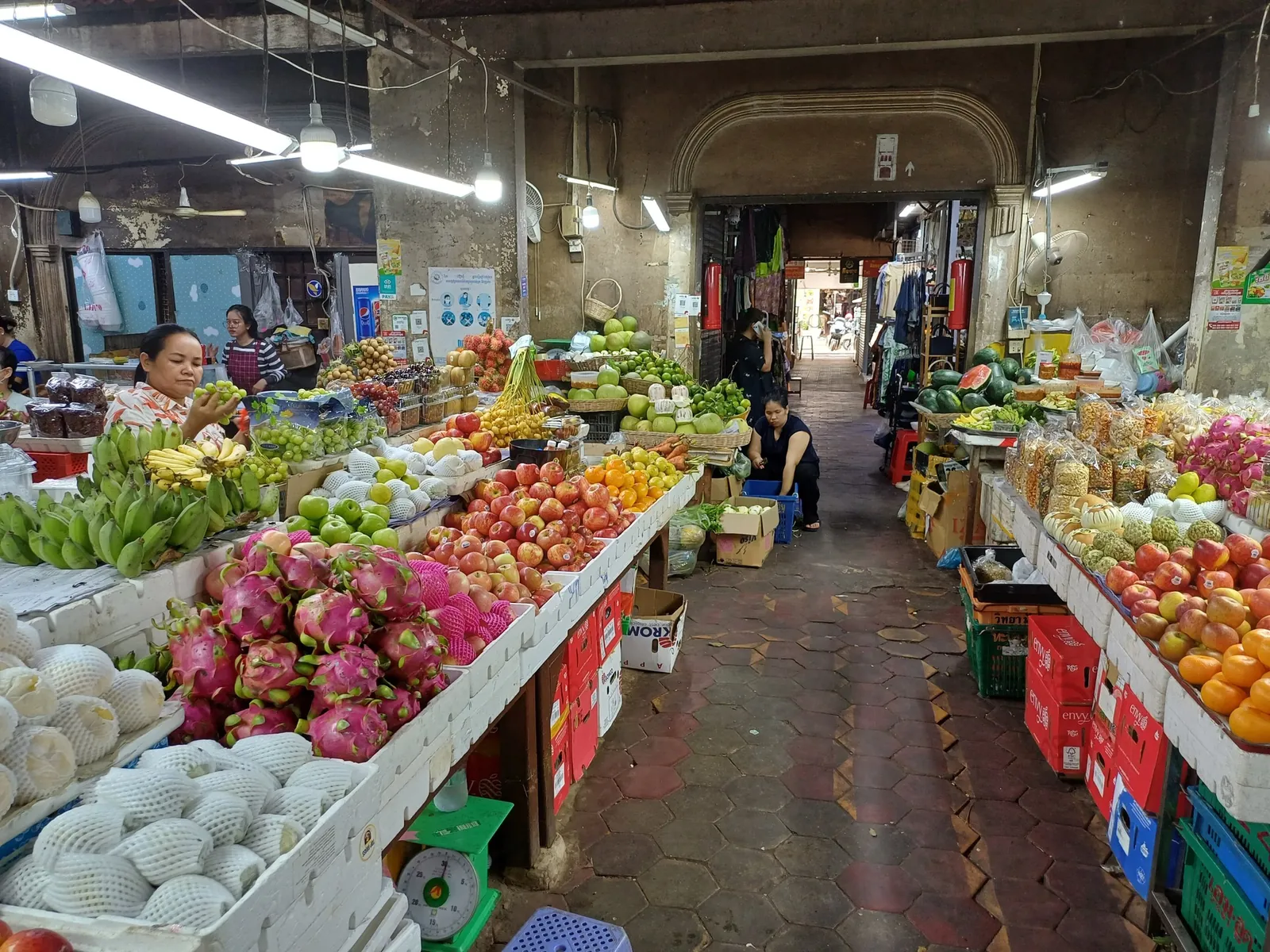
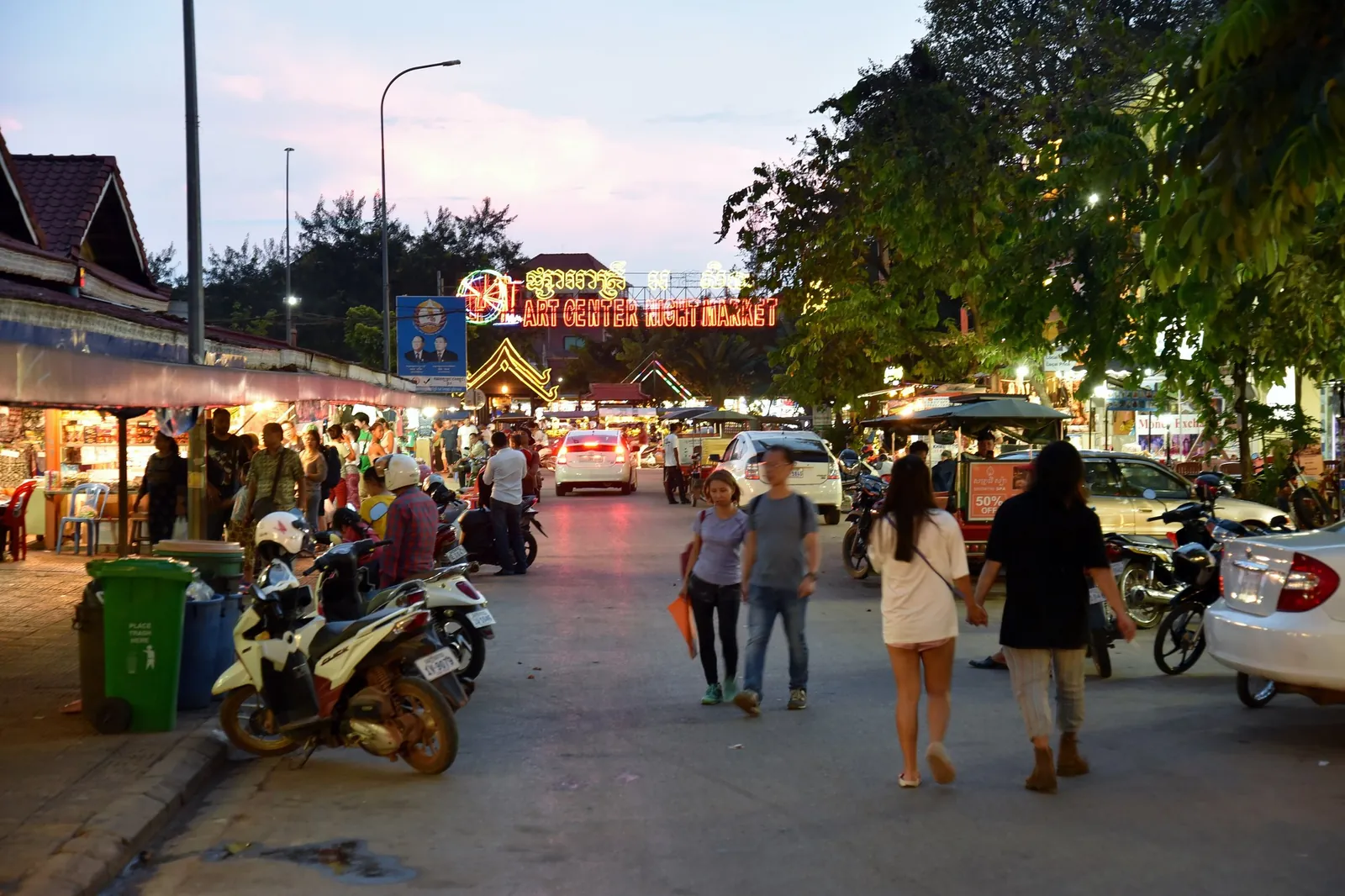
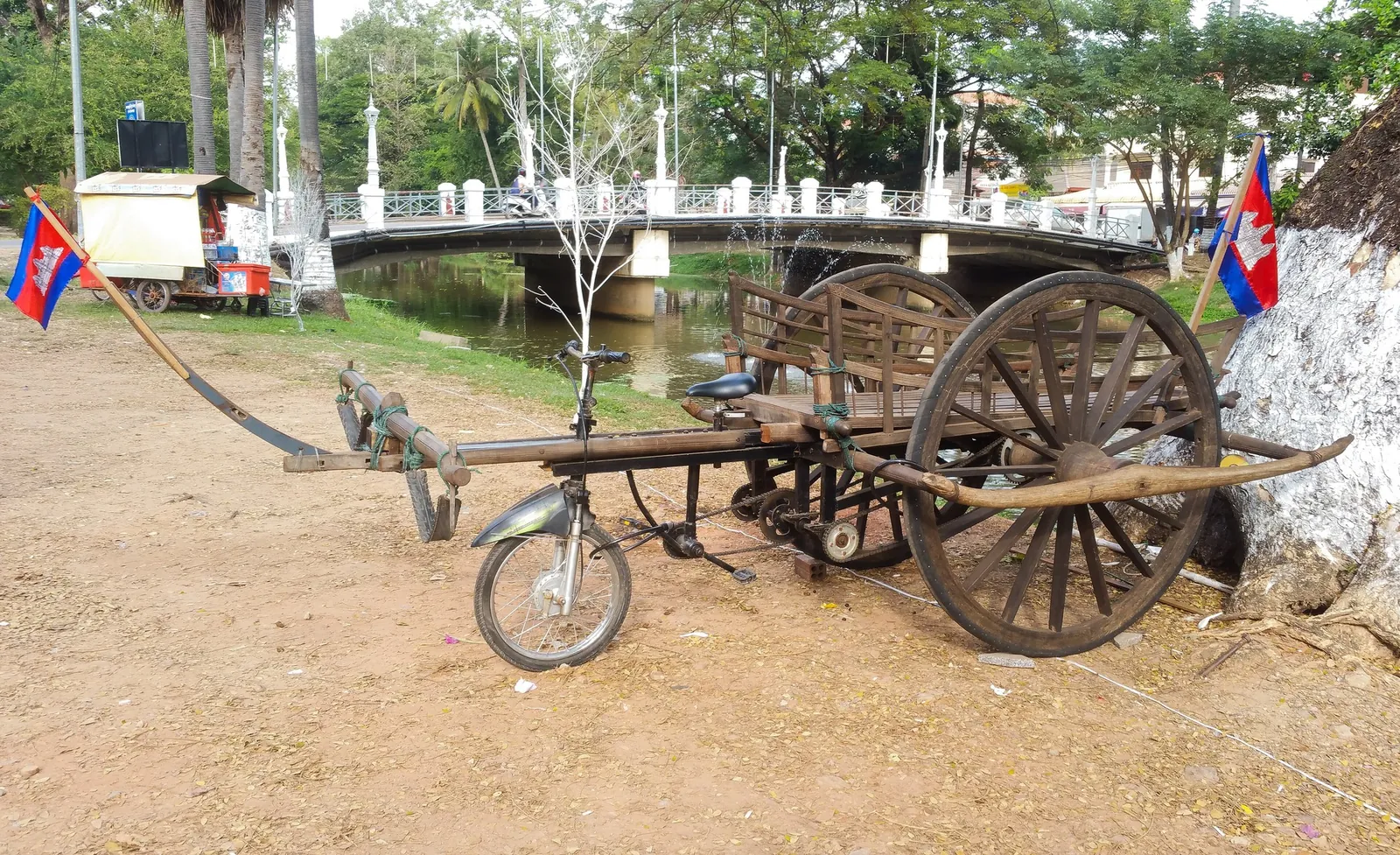
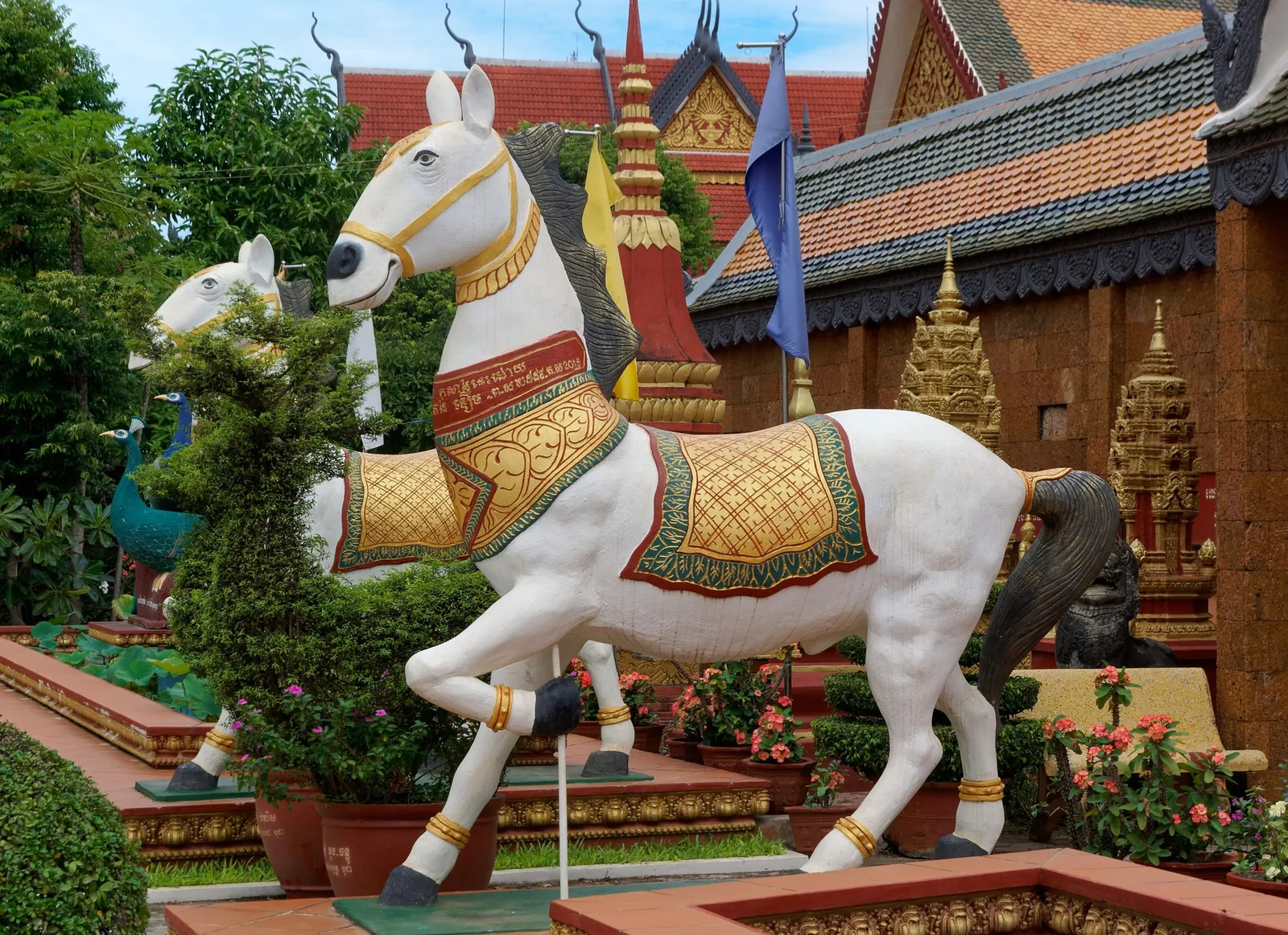
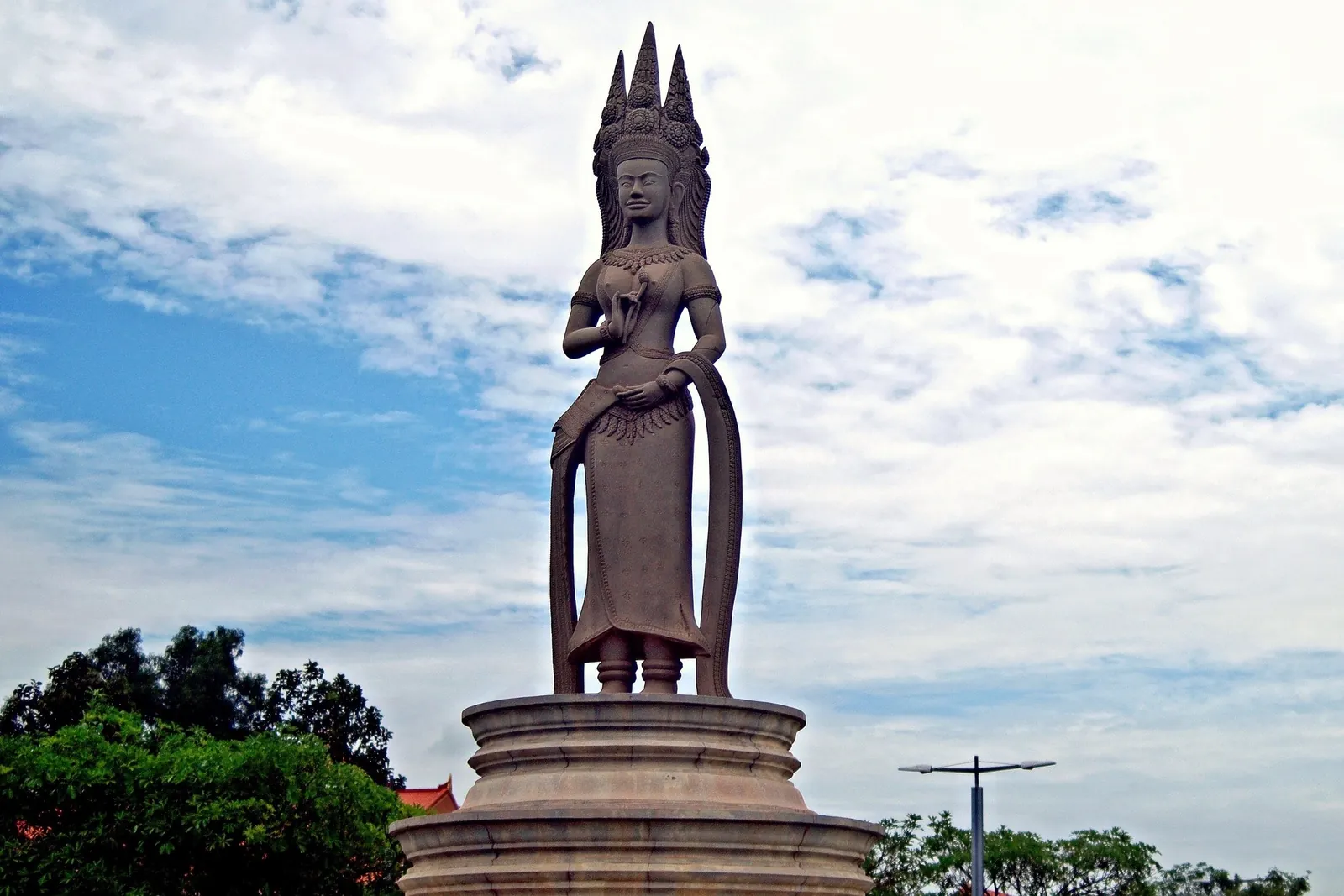
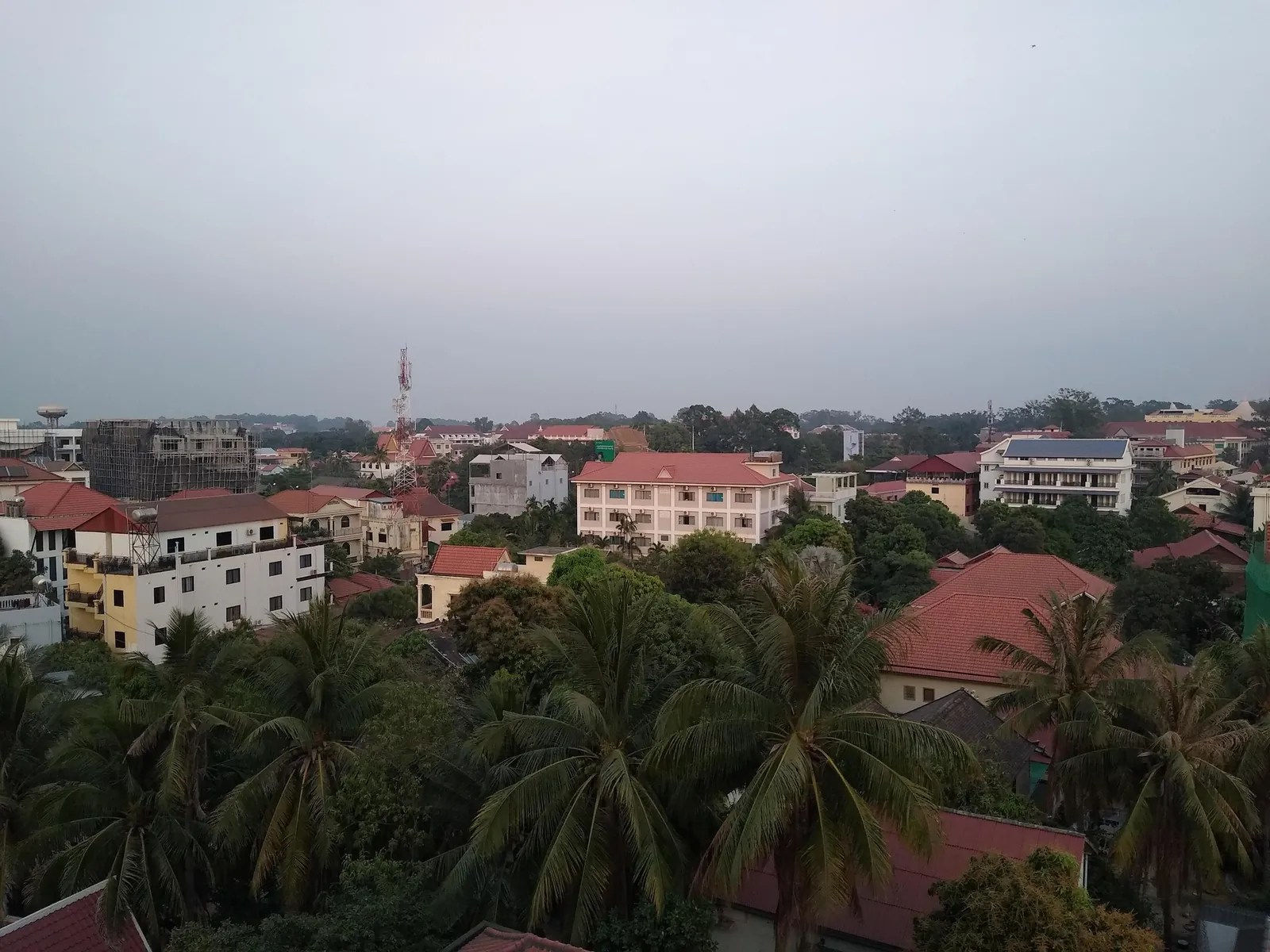
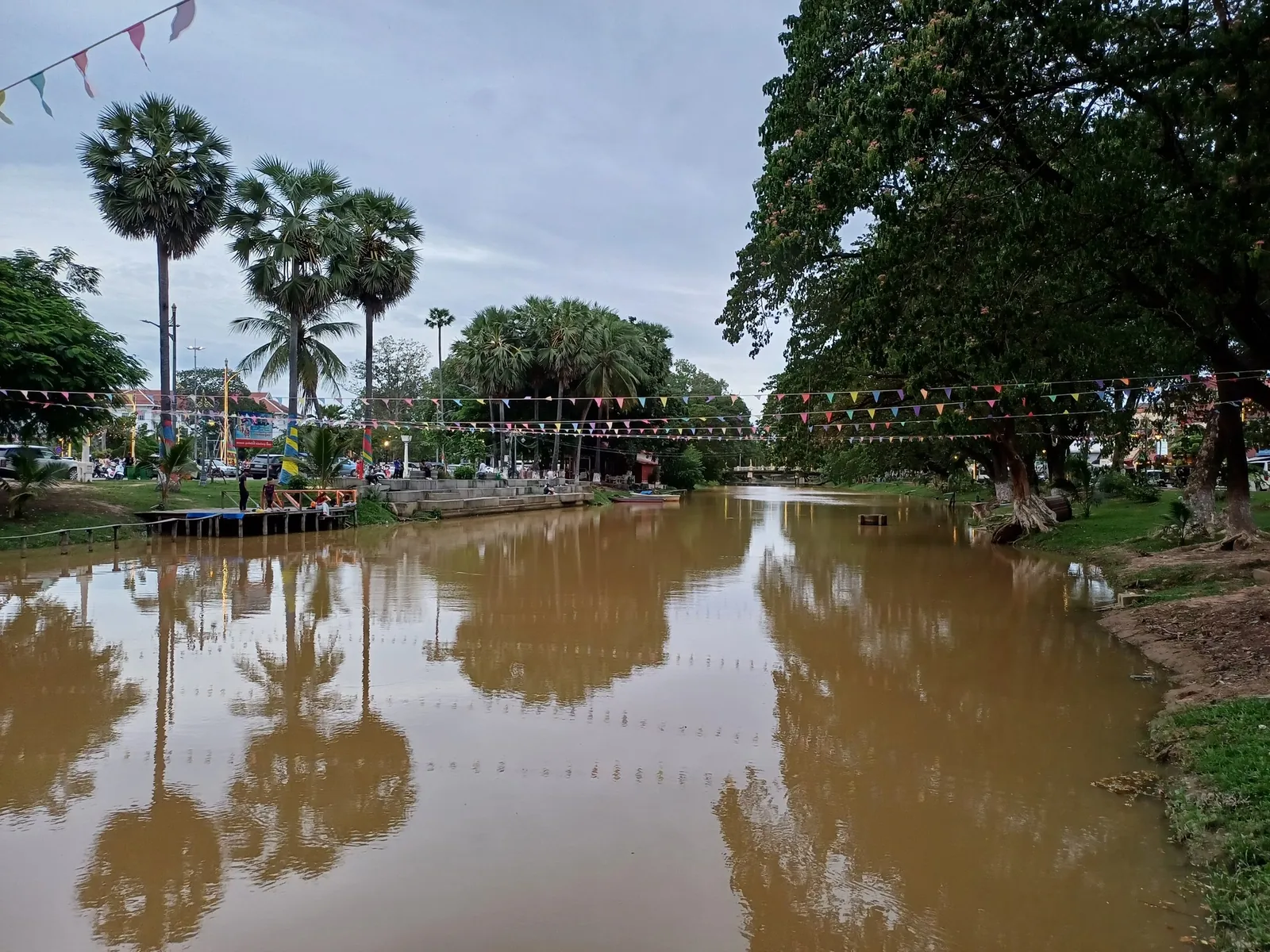
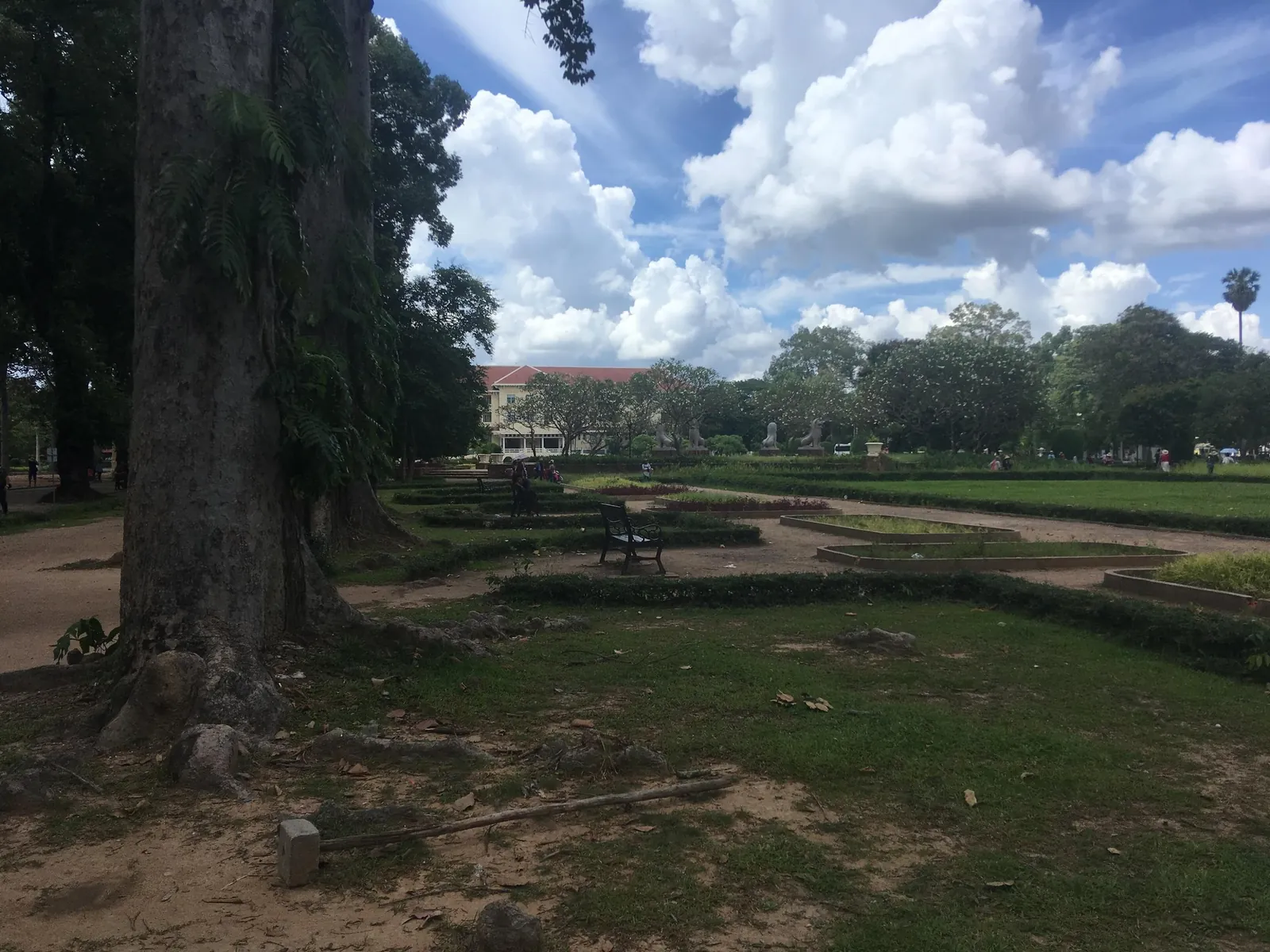
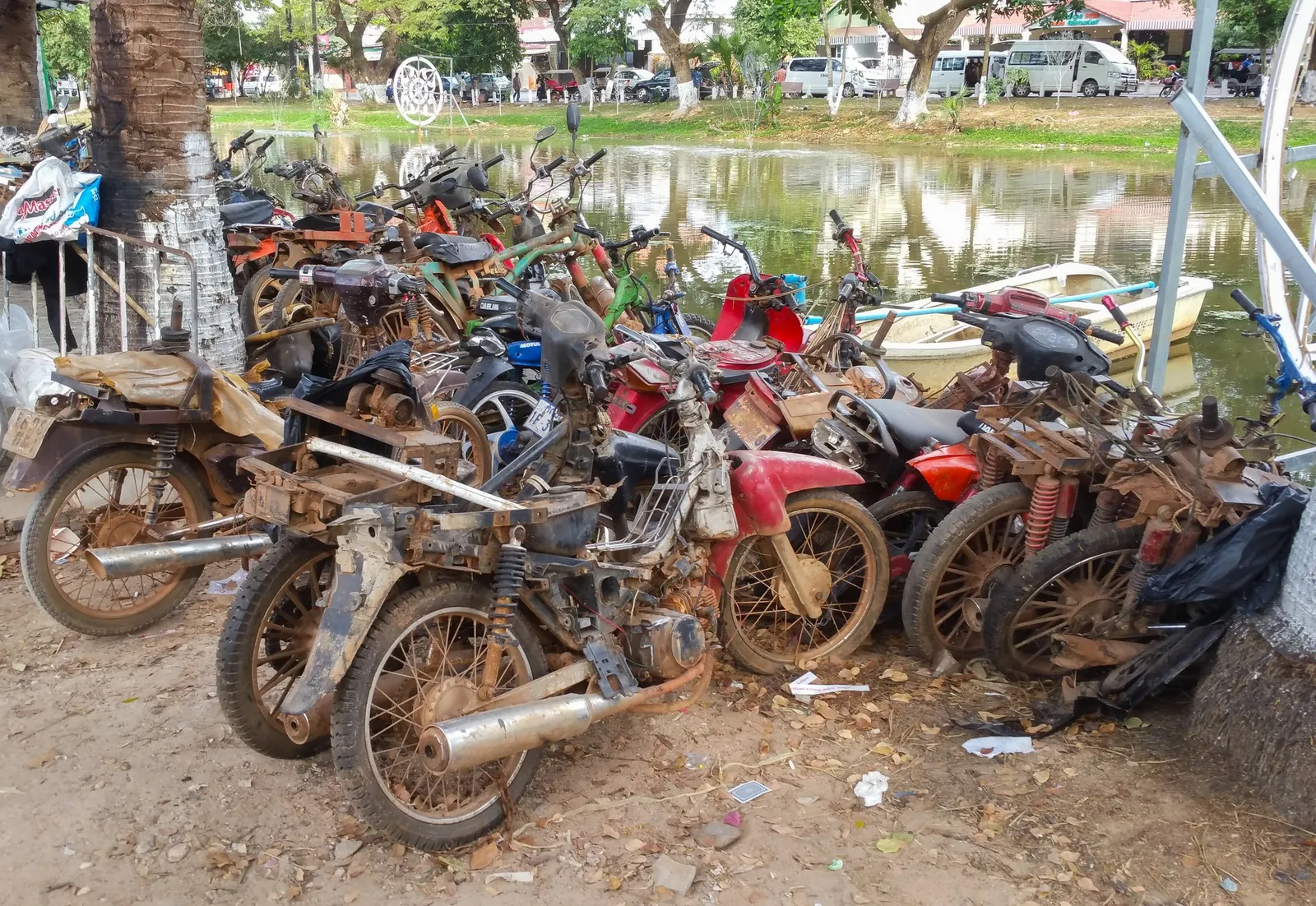
Authentic, unedited photos of Siem Reap by residents and visitors, taken on ordinary days rather than chosen by a tourist board. Each one shows when it was taken. Browse photos of 105 cities →
.jpg)
.jpg)

.jpg)
.jpg)




.jpg)

The other side

What does it cost to live in Siem Reap?
1-Bedroom Rent
$200-$400/month
Local Restaurant Meal
$1.50-$3 at local restaurants
Cup of Coffee
$1-$2
Estimated Monthly Total
$600-$1,100
Want a personalized estimate? Use our cost of living calculator
How good is healthcare in Siem Reap?
Healthcare in Siem Reap is basic. Royal Angkor International Hospital is the best option, with English-speaking doctors and reasonable emergency care. Naga Medical Centre provides general practice services. However, for anything serious, evacuation to Phnom Penh (5-6 hours by road) or Bangkok (1-hour flight) is necessary. The new Siem Reap International Airport improves access to Bangkok. Health insurance with evacuation coverage is absolutely essential.
What is daily life like in Siem Reap?
Life in Siem Reap revolves around the temples, the community, and the arts. Many retirees develop a routine of morning exercise (cycling, swimming, or walking among the temples), brunch at a favorite cafe, and afternoon activities ranging from art classes to volunteer teaching. The Phare Circus, a world-class Cambodian circus, is a local treasure. The Angkor Night Market and Old Market provide shopping and dining. The community is small enough that you quickly know everyone, creating genuine friendships.
What is the climate like in Siem Reap?
Siem Reap has a tropical monsoon climate similar to Phnom Penh, with a dry season (November-April) and wet season (May-October). Temperatures range from 25-36°C, with March-May being the hottest months. The wet season transforms the landscape, filling the moats around Angkor Wat and turning the countryside lush green. December-February is the most pleasant period, with lower humidity and comfortable temperatures.
| Month | High | Low | Rain |
|---|---|---|---|
| January | 30.9 °C | 20.0 °C | 4 mm |
| February | 32.3 °C | 21.3 °C | 4 mm |
| March | 34.6 °C | 22.6 °C | 41 mm |
| April | 34.8 °C | 23.9 °C | 48 mm |
| May | 35.3 °C | 24.6 °C | 143 mm |
| June | 32.7 °C | 25.1 °C | 195 mm |
| July | 32.8 °C | 23.7 °C | 170 mm |
| August | 31.8 °C | 24.8 °C | 170 mm |
| September | 31.9 °C | 24.6 °C | 305 mm |
| October | 31.3 °C | 22.4 °C | 227 mm |
| November | 31.6 °C | 22.3 °C | 62 mm |
| December | 30.7 °C | 20.3 °C | 7 mm |
Weather station: Siem Reap (1.2 km away). Source: Cambodian Ministry of Water Resources and Meteorology (WMO World Weather Information Service)
What are the pros and cons of retiring in Siem Reap?
Pros
- Living next to Angkor Wat--one of the world's greatest cultural sites
- Extremely low cost of living, even cheaper than Phnom Penh
- Small, tight-knit expat community with genuine friendships
- Thriving arts and NGO scene with volunteer opportunities
- Easy visa process, same as elsewhere in Cambodia
Cons
- Very limited healthcare--serious cases require evacuation
- Small town with limited entertainment and shopping
- Hot and dusty during the dry season
- Tourist crowds around Angkor can be overwhelming during peak season
Who should retire in Siem Reap?
Culture-loving retirees on a tight budget who value community, volunteer opportunities, and the incomparable privilege of living next to Angkor Wat.
Which neighborhoods suit retirees in Siem Reap?
Wat Bo / Sala Kamroeuk
A quiet residential area east of the river with a growing number of cafes, guesthouses, and long-term rental options. One-bedroom apartments and small houses rent for $200-450/month. Popular with long-term expats for its village-like calm, proximity to the Old Market, and genuine Cambodian neighborhood character.
Old French Quarter / Pub Street area
The historic center near Pub Street, the Old Market, and the Siem Reap River. Apartments rent for $250-500/month. The most walkable location with restaurants, bars, and shops at your doorstep. Can be noisy at night near Pub Street, but streets just a few blocks away are peaceful.
Svay Dangkum / Ring Road area
The developing outskirts along the ring road with newer housing compounds and larger properties. Rent ranges $150-350/month for houses with gardens. A car or tuk-tuk is needed for errands but the space and value are appealing for retirees who want a quieter lifestyle outside the tourist core.
Which hospitals serve retirees in Siem Reap?
Royal Angkor International Hospital
The main private hospital in Siem Reap operated by Bangkok Hospital Group. Provides emergency services, general practice, diagnostics, and minor surgery. English-speaking staff and international patient services. For complex procedures, patients are often transferred to Phnom Penh or Bangkok.
Neak Tep Clinic
A well-regarded private clinic popular with the expat community for general consultations, vaccinations, and minor treatments. English-speaking doctors available. Smaller than a full hospital but reliable for routine healthcare needs and initial assessments. Affordable consultation fees.
Facility details may change. Verify accreditation status and services directly with each hospital before making healthcare decisions.
What is the food scene like in Siem Reap?
Siem Reap's dining scene has grown remarkably beyond its backpacker origins, now offering everything from $1 street food to acclaimed fine dining. The Old Market (Phsar Chas) area is the culinary heart: Genevieve's serves refined French-Khmer fusion, while Cuisine Wat Damnak (the first Cambodian restaurant on Asia's 50 Best list) offers a seasonal tasting menu at $25-35 featuring foraged and local ingredients.
Pub Street and its surrounding lanes have dozens of restaurants serving Khmer classics (fish amok, beef loc lac, and mango salads) at $3-7 per dish. Sister Srey Cafe is a social enterprise favorite for brunch ($4-8), while Haven is a training restaurant serving excellent international cuisine. The area around Kandal Village has emerged as a hip strip with specialty coffee shops and boutique eateries.
Night markets are a highlight of eating in Siem Reap. The Angkor Night Market and Noon Night Market feature rows of food stalls with grilled meats on sticks, fried noodles, spring rolls, and fresh fruit shakes for $1-3. For self-catering, Lucky Market and Angkor Market stock imported goods alongside local produce. Retirees consistently cite Siem Reap's food quality and low prices as one of the strongest reasons for choosing the city.
Is retiring in Siem Reap right for you?
Take our free 3-minute retirement quiz to see how life in Siem Reap, Cambodia, compares to other destinations based on your preferences, budget, and needs.
Take the Retirement QuizFrequently Asked Questions About Retiring in Siem Reap
Is Siem Reap too touristy to live in?
The tourist areas (Pub Street, temple complex) can be crowded, especially during peak season (November-February). However, residential areas just 5-10 minutes from the center are peaceful and uncrowded. Locals and long-term residents have their own restaurants and routines away from tourist zones. Having an annual temple pass means you can visit Angkor at quiet times when day-trippers have left.
What do retirees do all day in Siem Reap?
Retirees in Siem Reap tend to be active and purposeful. Many volunteer with local NGOs (teaching English, community projects), take art classes, learn Khmer, explore remote temples, cycle through the countryside, or help run community initiatives. The social calendar is full--regular dinners, trivia nights, and cultural events keep life engaging. Boredom is rarely an issue for those who engage with the community.
How do I get to Bangkok from Siem Reap for medical care?
The new Siem Reap International Airport offers direct flights to Bangkok (about 1 hour). Several airlines operate this route daily. For planned medical visits, retirees often combine healthcare trips with shopping in Bangkok. In emergencies, medical evacuation services (included in most expat insurance policies) can arrange transport within hours.
Sources & References
- Numbeo, Cost of living index and price data for Siem Reap: rent, groceries, restaurants, and transportation
- Royal Angkor International Hospital, Facility services, emergency care, and international patient programs in Siem Reap
- General Department of Immigration Cambodia, Visa requirements, long-stay extensions, and residence procedures applicable to Siem Reap
- APSARA National Authority, Angkor region management, cultural heritage data, and regional development information