
City Retirement Guide
Retire in Phnom Penh, Cambodia
Riverside capital with ultra-low costs and easy visas
What are the key facts about retiring in Phnom Penh?
- Elevation & setting
- ~12 m; river-confluence city (Chaktomuk) on the Mekong/Tonle Sap/Bassac junction
- Climate
- Coolest month December 21–30°C, hottest April 25–35°C; 1,316 mm of rain a year, most in September (daily low to high, 1982–2024)
- Nearest international airport
- Phnom Penh International (PNH), 10 km west; Techo International (KTI) replacing it in 2026
- Nearest major/accredited hospital
- Royal Phnom Penh Hospital and Sunrise Japan Hospital (both international-standard)
- Primary retirement visa (2026)
- ER (Retirement) visa extension: ordinary E-class visa on entry, extended under 'ER' category for age 55+ with proof of retirement; renewable 6-month or 12-month terms; no fixed income or deposit threshold
- Language environment
- Khmer official; English widely spoken in business, medical, and expat areas; French among older generations
Cambodia's ER retirement visa has no minimum income or bank-deposit threshold and is renewable for 12 months at a time through any travel agent, making Phnom Penh the lowest-barrier legal-residency option in Southeast Asia for retirees with irregular income.
What is retirement like in Phnom Penh?
Phnom Penh sits at the confluence of the Mekong, Tonle Sap, and Bassac rivers in south-central Cambodia at roughly 12 metres elevation, a hydrological junction known locally as Chaktomuk. The city is served by Phnom Penh International Airport (PNH) 10 kilometres west of the centre, with the new Techo International Airport (KTI) at Kandal scheduled to replace it during 2026. Royal Phnom Penh Hospital and Sunrise Japan Hospital provide the country's most capable tertiary care, and most foreign retirees settle in Boeung Keng Kang 1 (BKK1), Tonle Bassac, or Chroy Changvar across the Japanese Friendship Bridge.
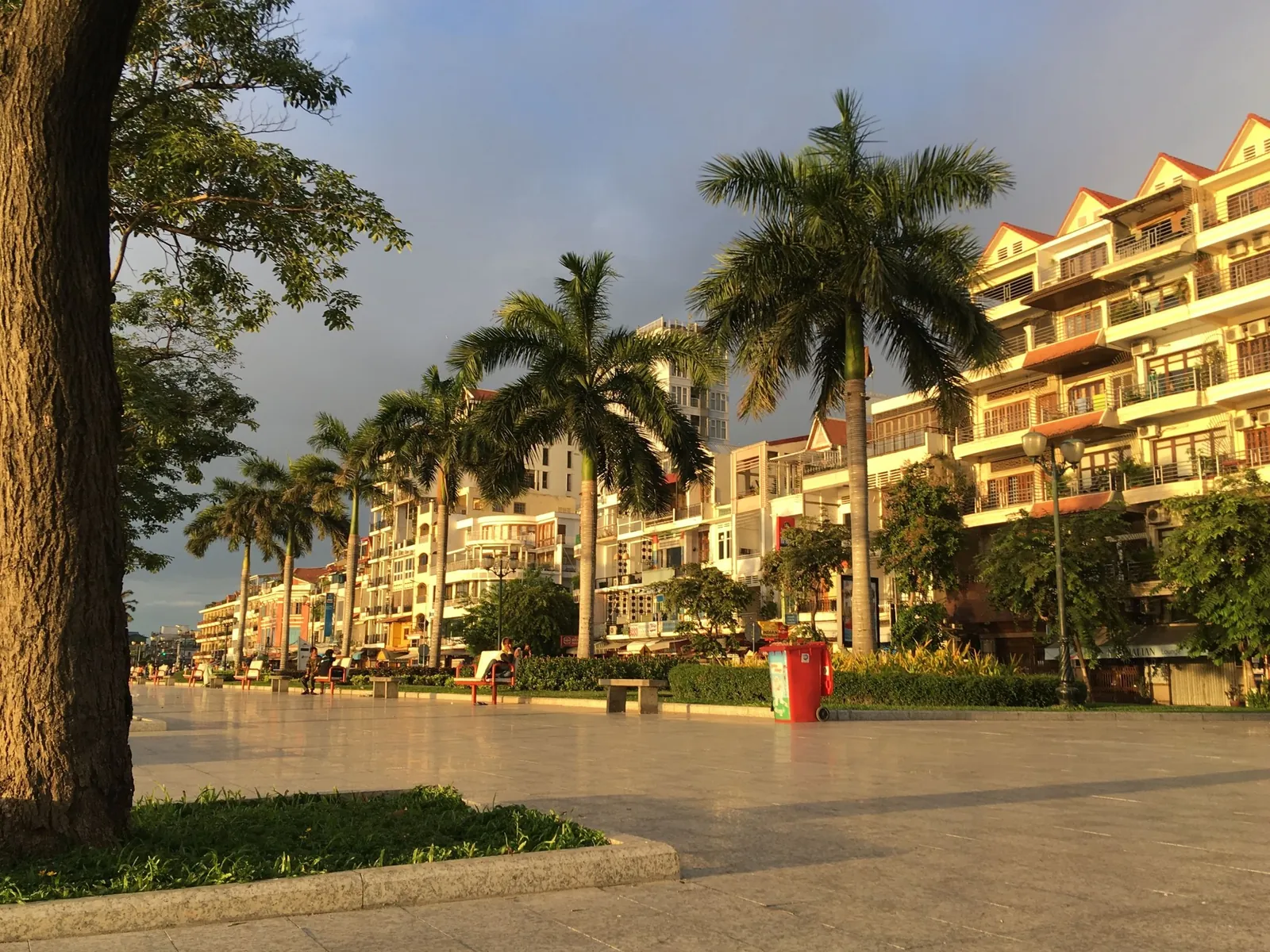
The city's riverside promenade, known as Sisowath Quay, is the social heart of expat life. Lined with restaurants, bars, and cafes, it provides a picturesque setting for evening walks and meals overlooking the Mekong. The BKK1 (Boeung Keng Kang) neighborhood is the most popular residential area for expats, with tree-lined streets, international restaurants, and a walkable layout. Toul Tom Poung (Russian Market area) is another favorite, known for its bohemian charm and lower rents.
Cambodia's visa situation is straightforward. Retirees enter on the Ordinary Visa (E-class), which costs $35 on arrival or as an e-visa, and extend it with the ER retirement extension for ages 55 and over: through a local agent, a 1-year multiple-entry ER costs about $275-300 and can be renewed every year. It is one of the easiest long-term stay arrangements in Southeast Asia. The US dollar is widely used alongside the Cambodian riel, simplifying financial management for American retirees.
What does it really look like in Phnom Penh?
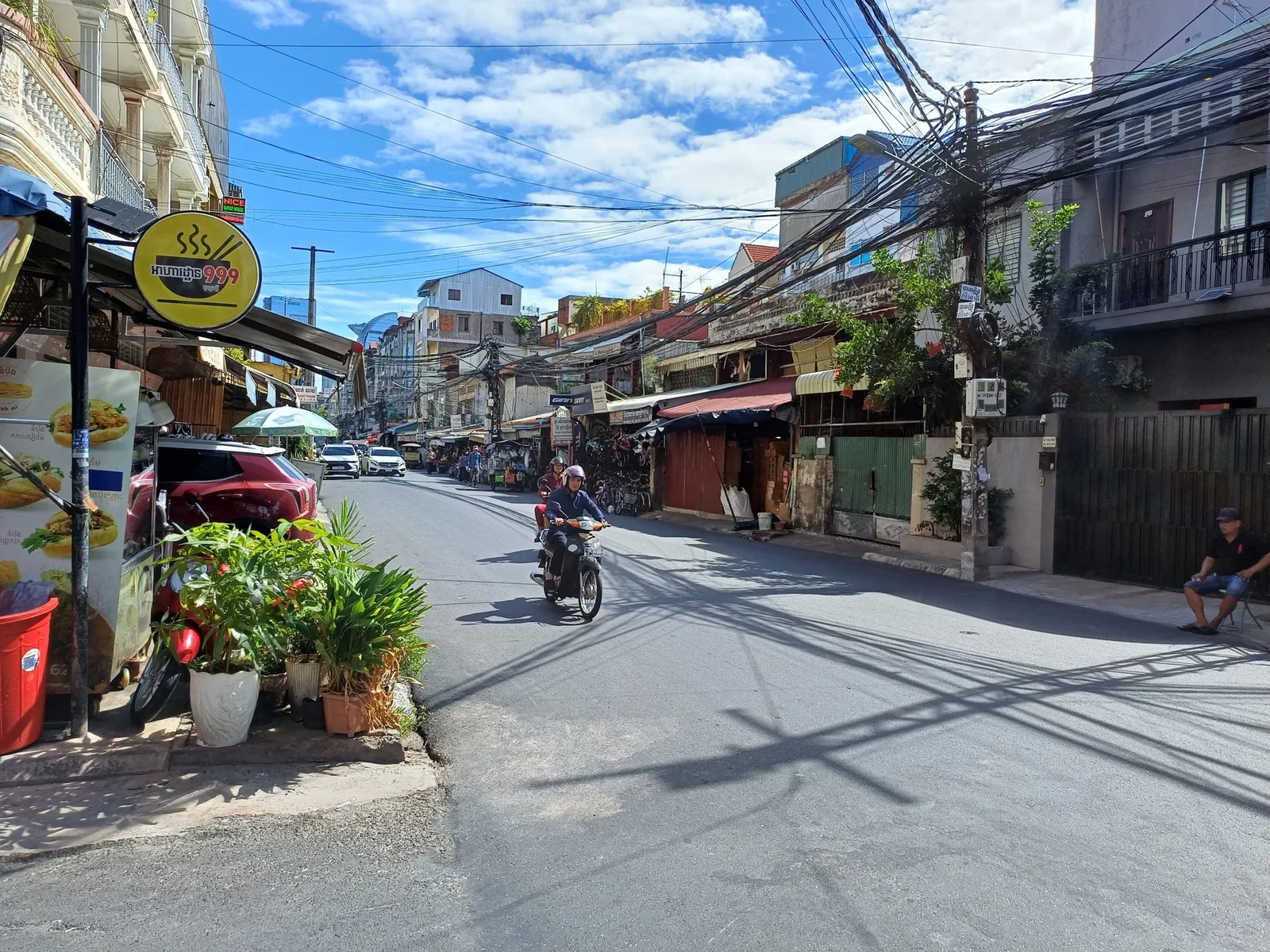
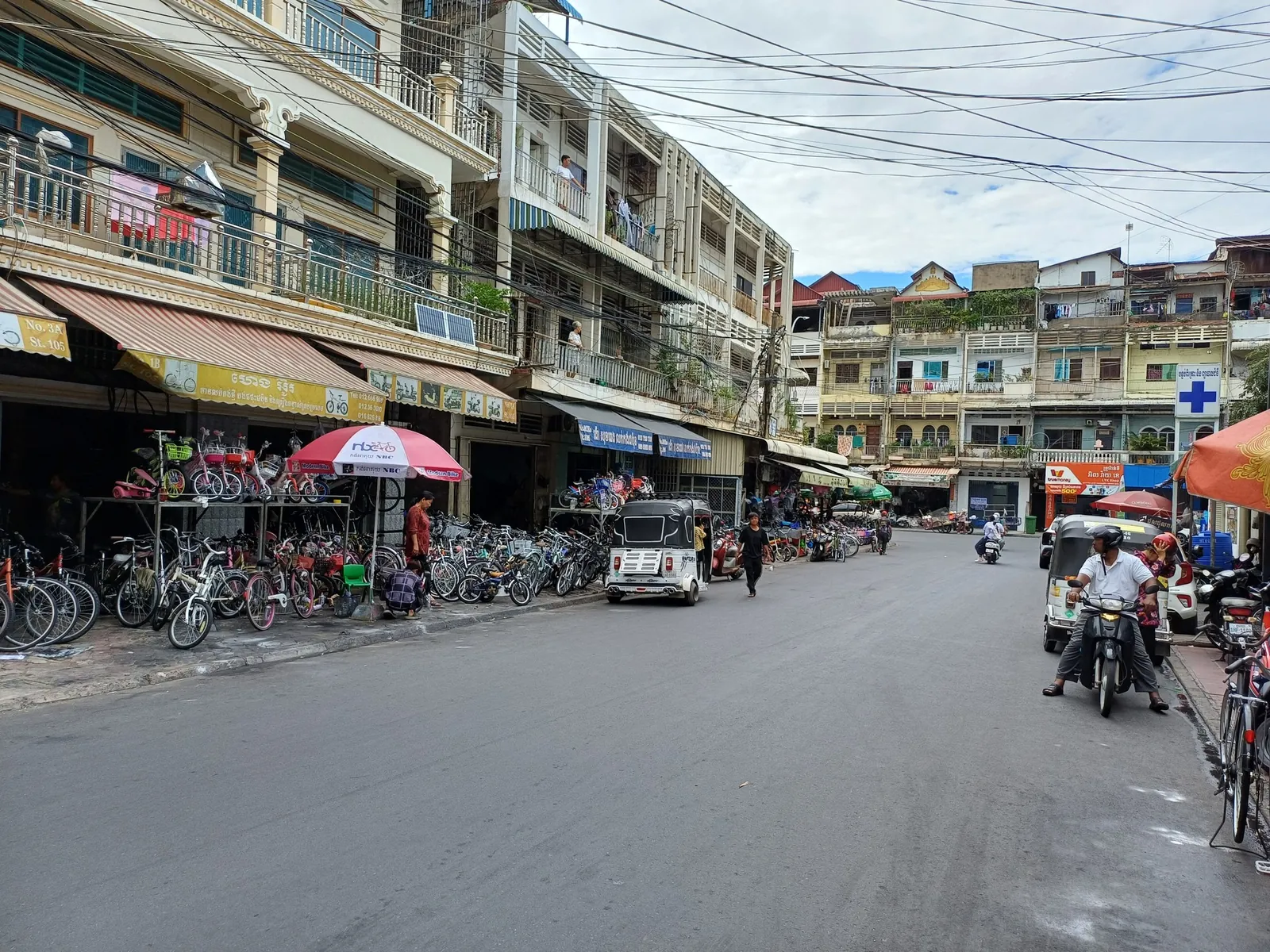
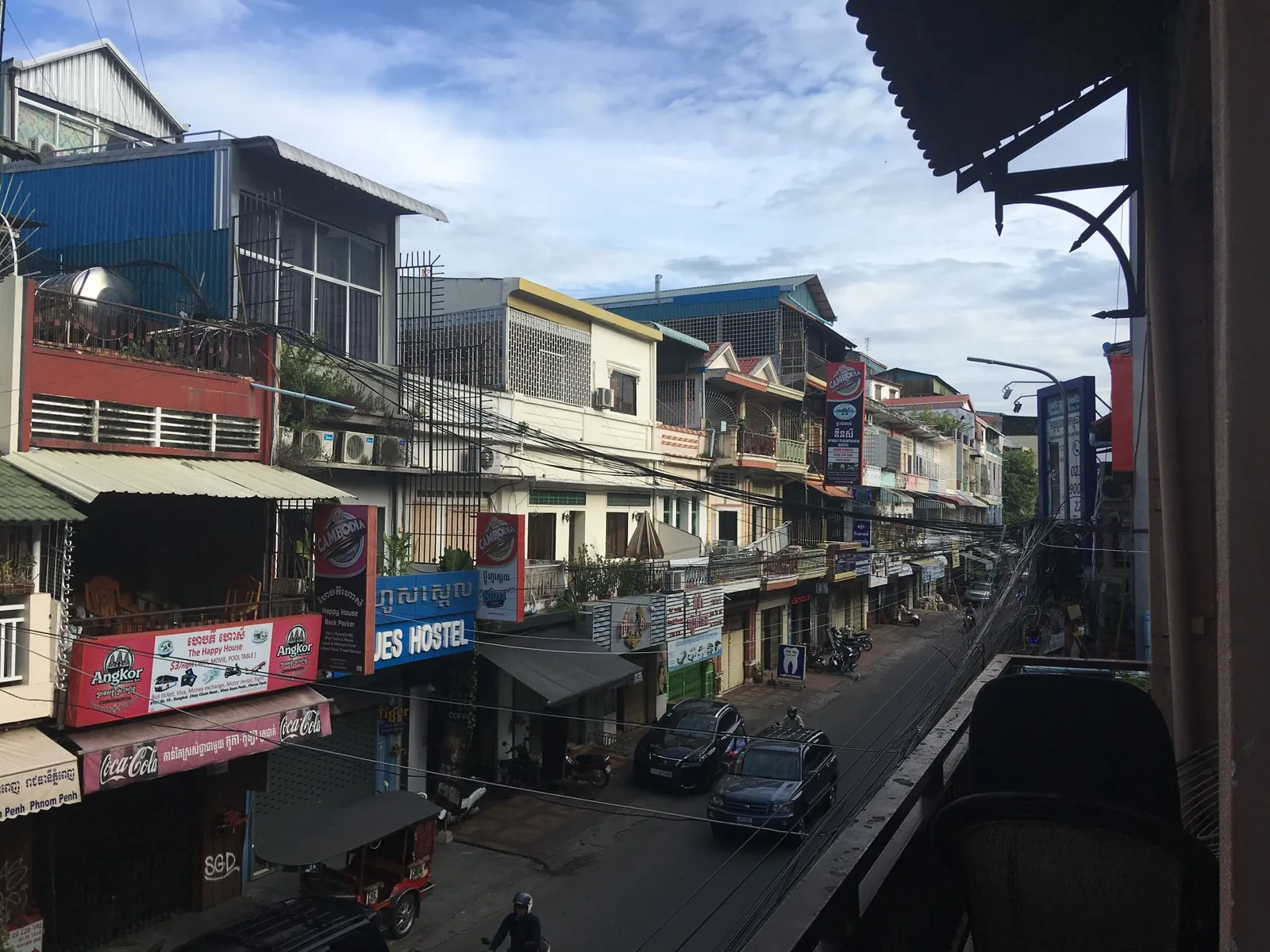
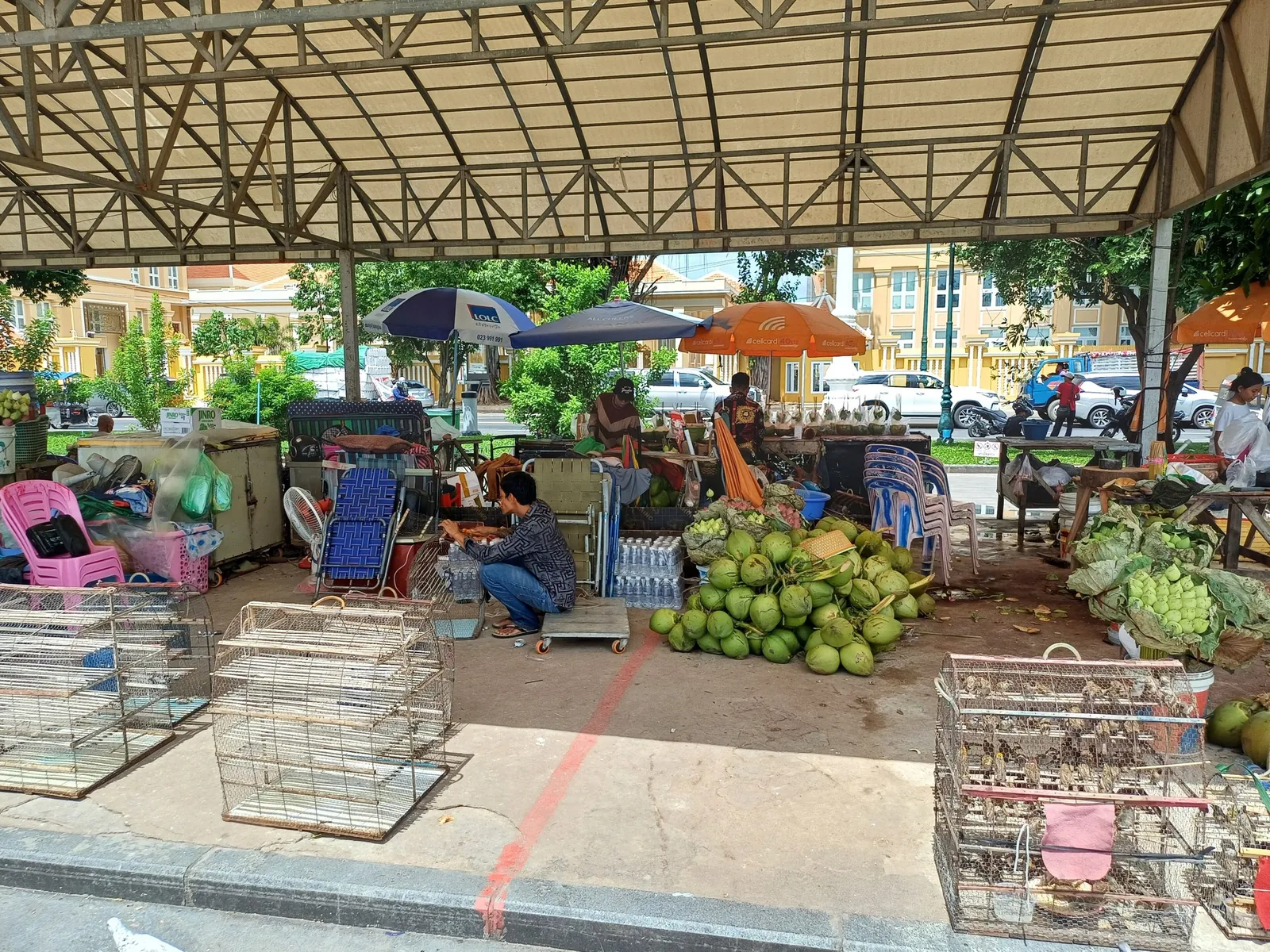
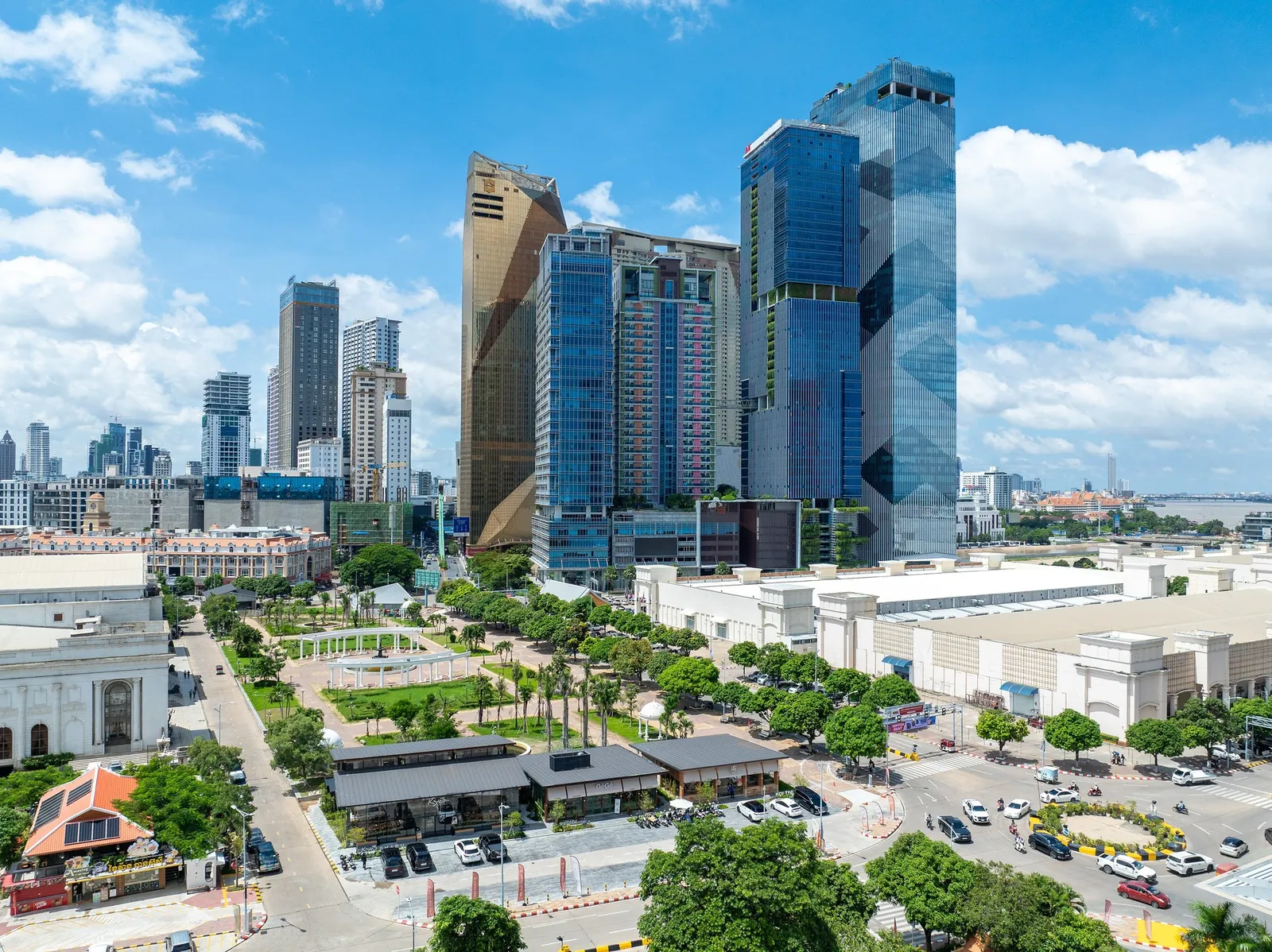
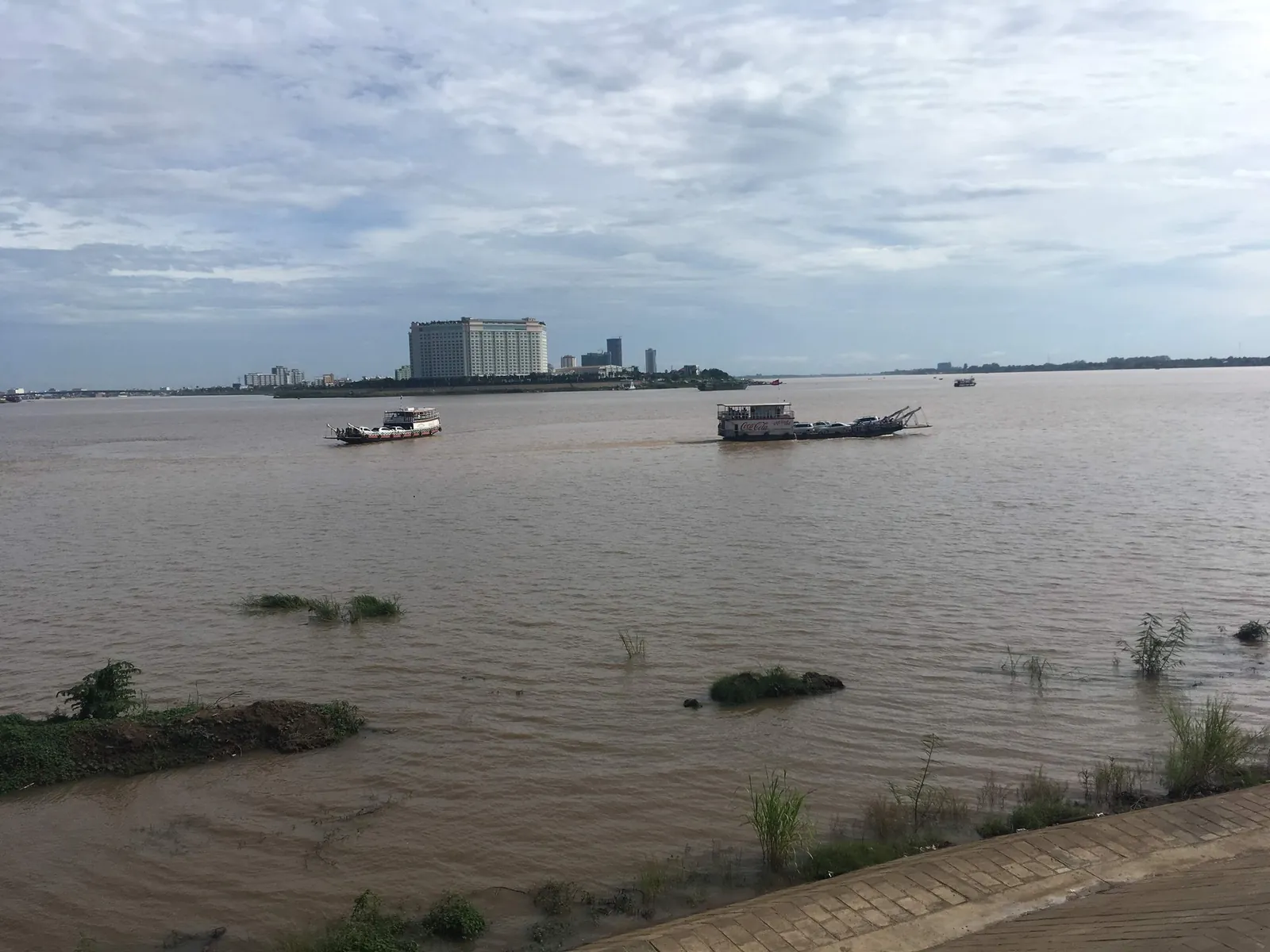
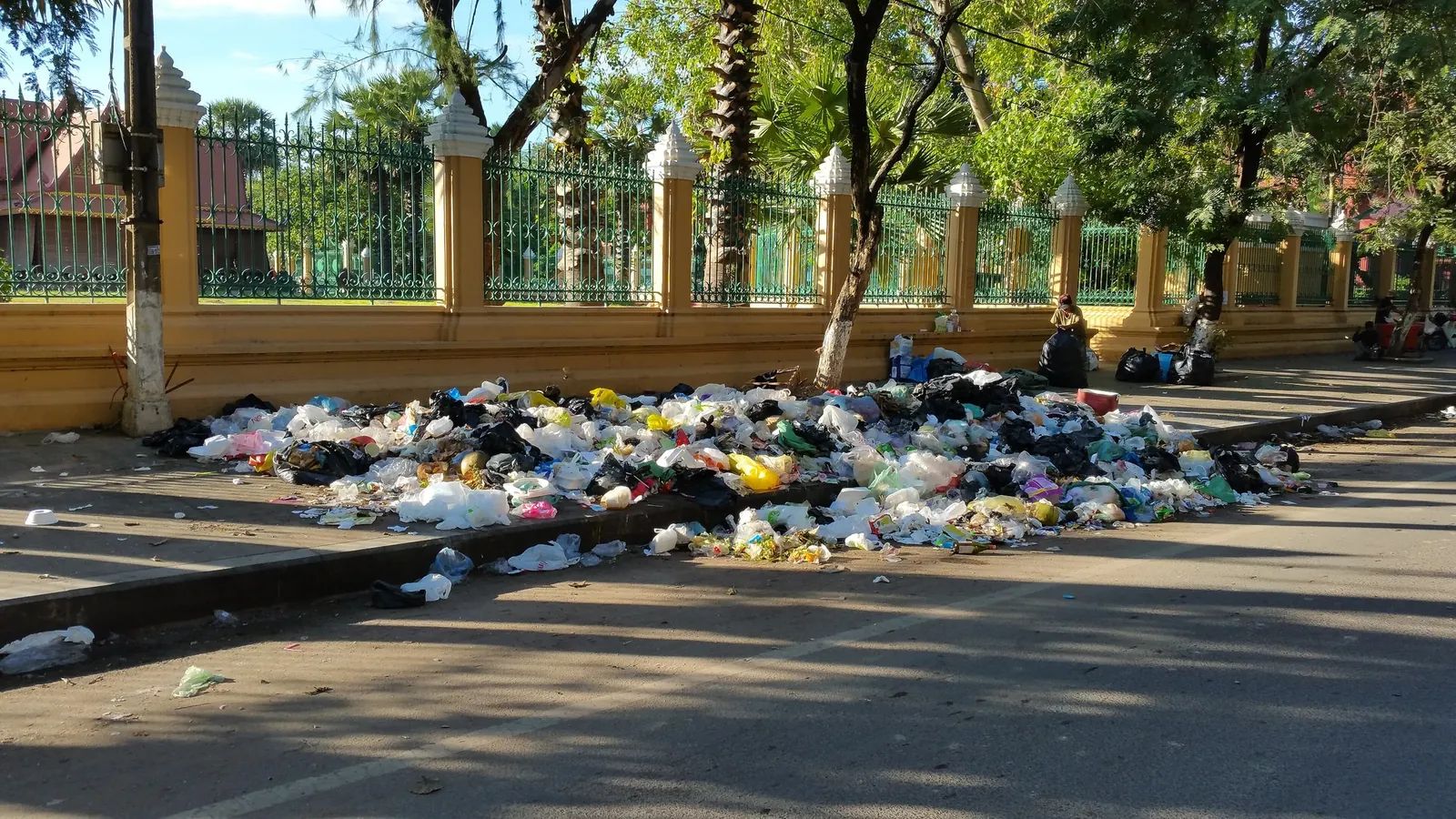
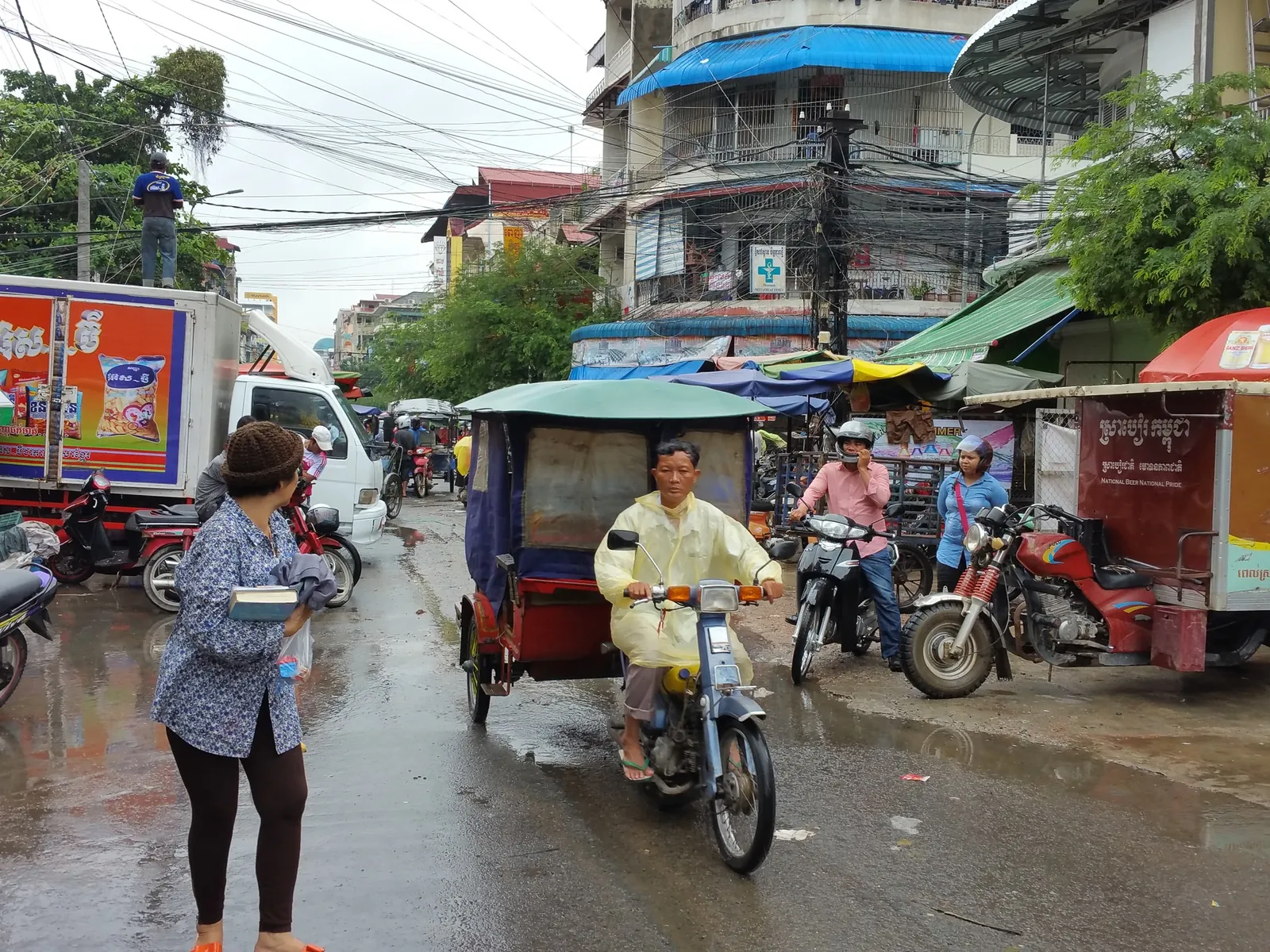
Authentic, unedited photos of Phnom Penh by residents and visitors, taken on ordinary days rather than chosen by a tourist board. Each one shows when it was taken. Browse photos of 105 cities →




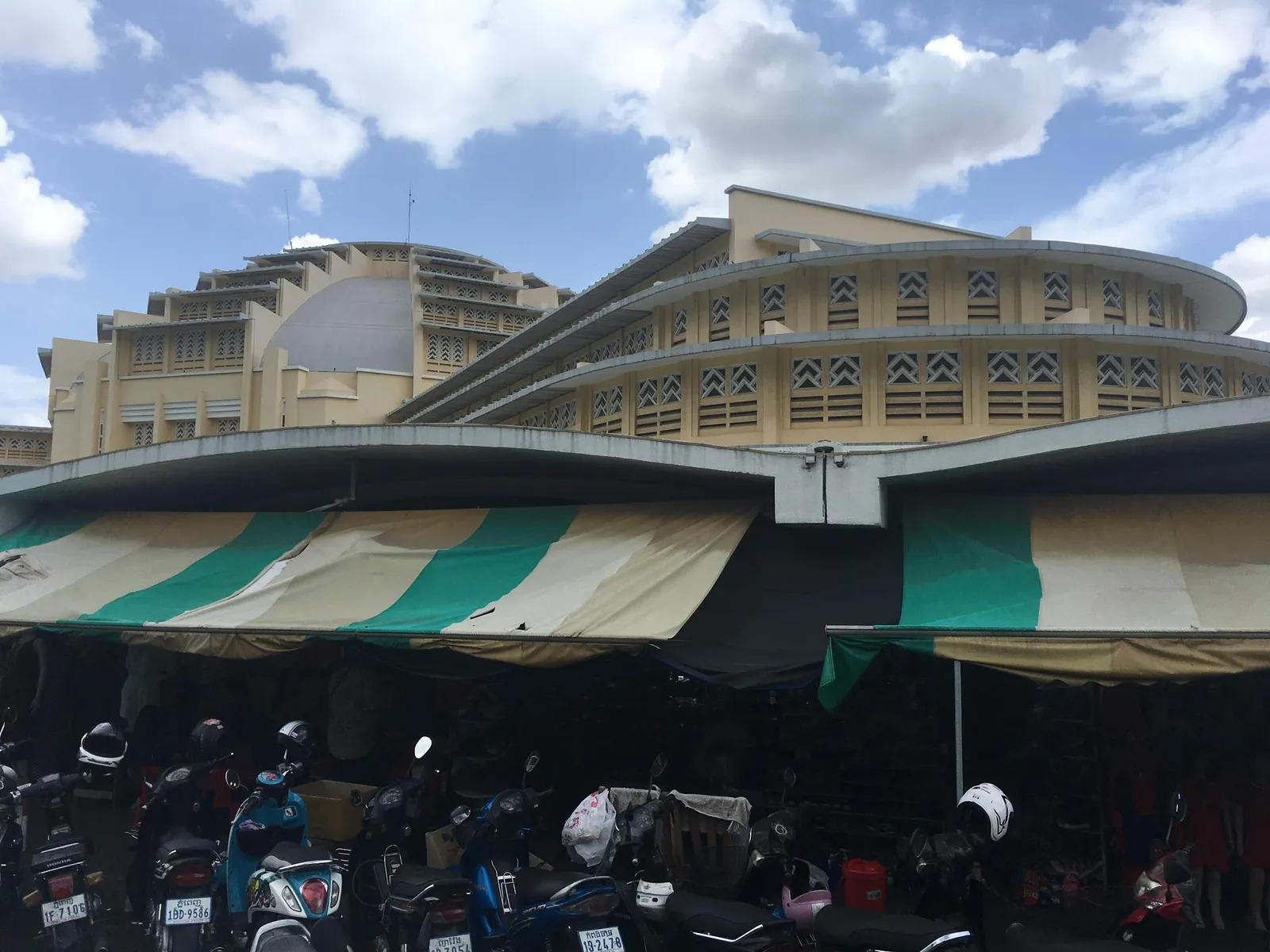

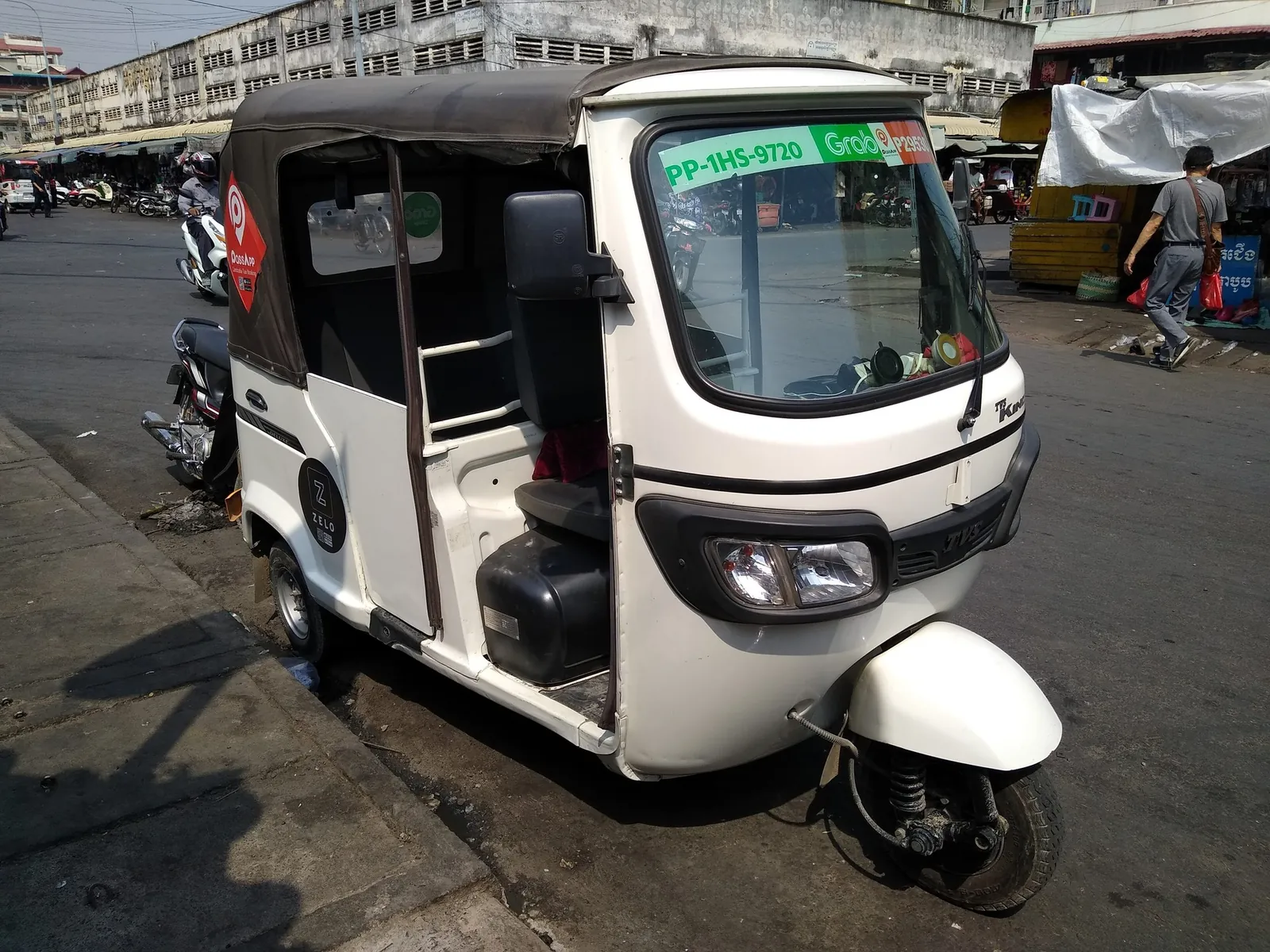

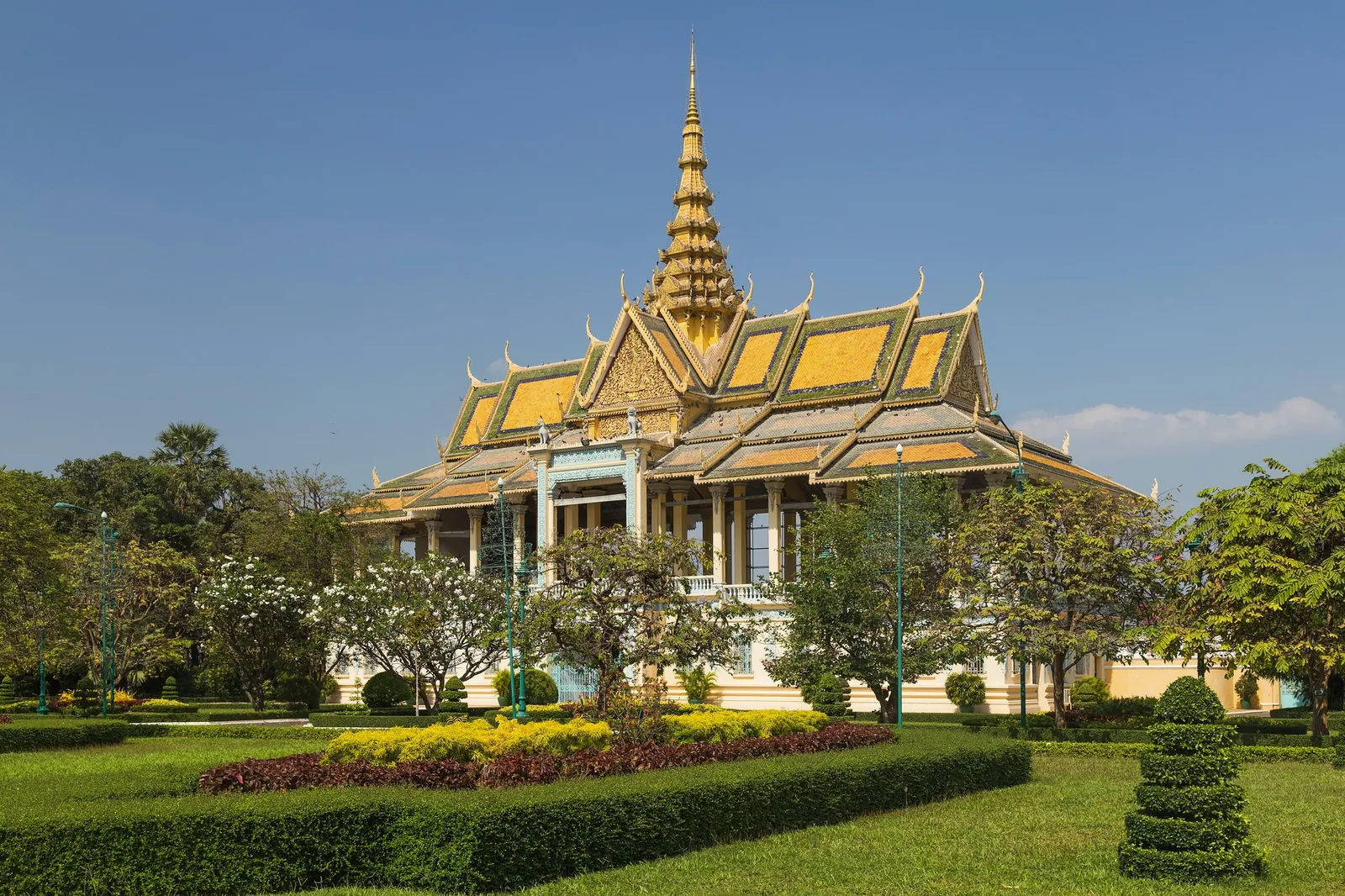
.jpg)
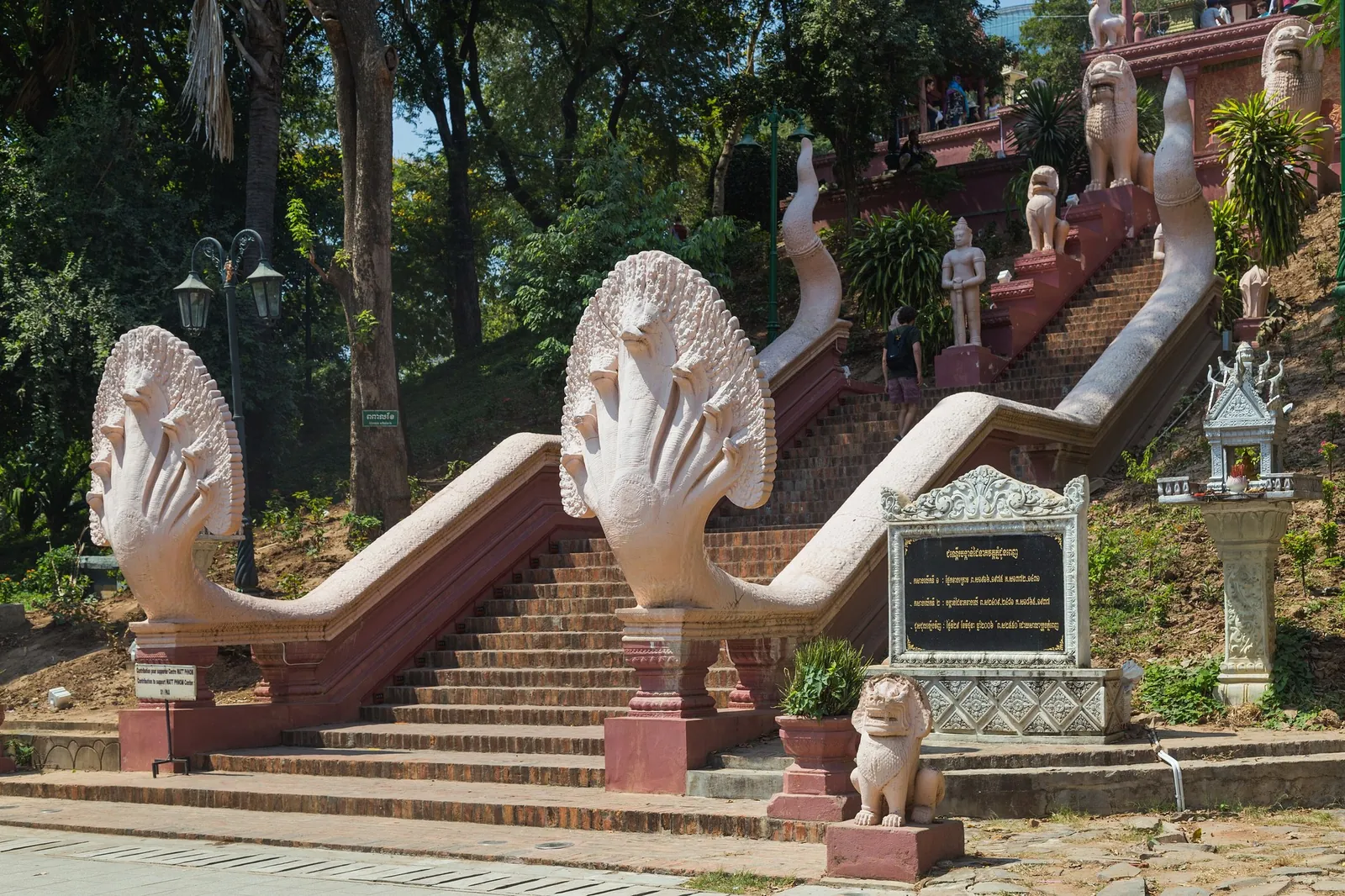
.jpg)



The other side


What does it cost to live in Phnom Penh?
1-Bedroom Rent
$250-$500/month
Local Restaurant Meal
$2-$4 at local restaurants
Cup of Coffee
$1-$2.50
Estimated Monthly Total
$800-$1,400
Want a personalized estimate? Use our cost of living calculator
How good is healthcare in Phnom Penh?
Healthcare in Phnom Penh has improved but remains below regional standards. Royal Phnom Penh Hospital and Sunrise Japan Hospital are the best private options, offering decent care with English-speaking doctors. Raffles Medical (the former International SOS clinic) provides expat-focused primary care. However, for serious medical issues, most expats fly to Bangkok (1 hour) where world-class hospitals are available. Health insurance with medical evacuation coverage is essential. Dental care is affordable but variable in quality.
What is daily life like in Phnom Penh?
Life in Phnom Penh has a laid-back, frontier-town quality that appeals to adventurous retirees. Mornings might begin with riverside tai chi, followed by a $2 breakfast at a local cafe. The city's markets--Central Market and Russian Market--offer fascinating shopping experiences. The expat social scene is active, with regular meetups, trivia nights, and volunteer opportunities. Cultural attractions include the Royal Palace, National Museum, and the sobering Tuol Sleng Genocide Museum. Weekend trips to Kampot, Kep, and the southern coast are easy.
What is the climate like in Phnom Penh?
Phnom Penh has a tropical monsoon climate with a dry season (November-April) and wet season (May-October). Temperatures are hot year-round at 28-36°C, with April being the hottest month. The wet season brings heavy afternoon rainstorms that cool temperatures temporarily. Flooding can occur in low-lying areas during peak monsoon. The dry season, particularly December-February, offers the most comfortable weather.
| Month | High | Low | Rain |
|---|---|---|---|
| January | 31.2 °C | 21.5 °C | 20 mm |
| February | 32.7 °C | 22.5 °C | 3 mm |
| March | 34.5 °C | 24.2 °C | 63 mm |
| April | 34.9 °C | 25.4 °C | 54 mm |
| May | 34.3 °C | 25.4 °C | 117 mm |
| June | 33.1 °C | 25.3 °C | 138 mm |
| July | 32.4 °C | 24.7 °C | 149 mm |
| August | 32.2 °C | 25.0 °C | 153 mm |
| September | 31.7 °C | 24.1 °C | 253 mm |
| October | 30.8 °C | 23.9 °C | 242 mm |
| November | 30.4 °C | 22.8 °C | 94 mm |
| December | 30.2 °C | 21.4 °C | 29 mm |
Weather station: Pochentong (Phnom Penh airport) (8.3 km away). Source: Cambodian Ministry of Water Resources and Meteorology (WMO World Weather Information Service)
What are the pros and cons of retiring in Phnom Penh?
Pros
- Extremely affordable cost of living, even by Southeast Asian standards
- Very easy visa process--one of the simplest in the region
- US dollar widely accepted alongside local currency
- Charming riverside setting with colonial architecture
- Active expat community with regular social events
Cons
- Healthcare is limited--serious cases require evacuation to Bangkok
- Infrastructure is developing (power outages, road quality)
- Hot and dusty during dry season
- Poverty and income inequality are visible and confronting
Who should retire in Phnom Penh?
Adventurous, budget-conscious retirees who are comfortable with developing-country conditions and value simplicity, community, and extremely low costs.
Which neighborhoods suit retirees in Phnom Penh?
BKK1 (Boeung Keng Kang 1)
The most popular expat district in Phnom Penh with tree-lined streets, international restaurants, boutique shops, and embassies. One-bedroom apartments rent for $400-800/month. Everything is walkable and the neighborhood has an established infrastructure of clinics, gyms, and supermarkets. The default choice for most Western retirees.
Tonle Bassac / BKK3
An increasingly popular area south of BKK1 with newer condo developments, riverside dining, and proximity to Aeon Mall. Rent ranges $350-650/month. Offers a slightly quieter atmosphere than BKK1 while maintaining excellent access to amenities and the riverfront promenade.
Toul Tom Poung (Russian Market area)
A lively neighborhood centered around the famous Russian Market (Phsar Toul Tom Poung). Rent is more affordable at $250-500/month. Has a strong expat community with numerous cafes, bars, and restaurants. Appeals to retirees who enjoy local market culture and a more authentic Cambodian neighborhood feel.
Which hospitals serve retirees in Phnom Penh?
Royal Phnom Penh Hospital
The leading private hospital in Cambodia, operated by Bangkok Hospital Group. Offers comprehensive services including cardiology, orthopedics, emergency care, and health screenings. English and Thai spoken by medical staff. The most commonly recommended facility for expats. Check current international accreditation status.
Sen Sok International University Hospital
A modern private hospital in the northern suburbs with international-standard equipment and facilities. Provides general and specialized care across major departments. Growing reputation among the expat community. English-speaking doctors available for consultations.
Calmette Hospital
The main government referral hospital in Phnom Penh with a long history dating back to French colonial times. Provides affordable care across general and specialty departments. Facilities are basic compared to private hospitals. French and some English spoken. Best for budget-conscious routine care.
Facility details may change. Verify accreditation status and services directly with each hospital before making healthcare decisions.
What is the food scene like in Phnom Penh?
Phnom Penh's food scene punches well above its weight for a city of its size, with an eclectic mix of Khmer, French colonial, and modern international cuisines. The riverside (Sisowath Quay) is lined with restaurants where you can eat amok (coconut fish curry steamed in banana leaf), lok lak (stir-fried beef), and other Khmer classics for $3-6. Friends the Restaurant, which trains at-risk youth, serves Khmer and Western dishes and is an expat institution.
BKK1 is the epicenter of international dining. Topaz serves refined French cuisine in an elegant setting ($15-30 entrees), while Malis by celebrity chef Luu Meng offers upscale Cambodian food. The neighborhood has excellent Japanese (Kitagawa), Korean, Indian, and Italian restaurants, with most meals running $6-15. Brown Coffee and Connecting Hands are popular local cafe chains for coffee and pastries.
Street food remains the most affordable and authentic way to eat in Phnom Penh. The Central Market (Phsar Thmei) and Russian Market have food stalls serving noodle soups, grilled meats on sticks, and num pang (Cambodian baguette sandwiches) for $1-2. Night markets along the riverfront come alive at dusk with dozens of vendors. A retiree can eat three full meals of local food daily for $5-8 total.
Is retiring in Phnom Penh right for you?
Take our free 3-minute retirement quiz to see how life in Phnom Penh, Cambodia, compares to other destinations based on your preferences, budget, and needs.
Take the Retirement QuizFrequently Asked Questions About Retiring in Phnom Penh
How easy is it to get a long-term visa for Cambodia?
Easy, if you are 55 or older. Arrive on an Ordinary Visa (E-class, $35 on arrival or as an e-visa), then extend it through a local visa agent with the ER retirement extension: 12 months with multiple entries for about $275-300, renewable every year without leaving the country. The ER asks for proof of retirement and funds but sets no published minimum, and applicants under 55 are decided case by case. Avoid the EB business extension, which now generally requires a work permit for 6- and 12-month renewals.
Is Phnom Penh safe?
Phnom Penh is generally safe for expats, though petty crime (bag snatching from motorbikes, phone theft) does occur. Avoid displaying expensive jewelry or electronics on the street. Use Grab or tuk-tuks at night rather than walking alone. Violent crime against foreigners is uncommon. Most retirees feel safe in their daily routines, particularly in expat-heavy neighborhoods.
Why do people say healthcare in Cambodia requires evacuation?
While Phnom Penh's hospitals can handle routine care and minor procedures, they lack the equipment, specialist expertise, and standards needed for complex surgeries or critical care. Bangkok's excellent hospitals are just a 1-hour flight away, making medical evacuation practical. This is why health insurance with evacuation coverage is considered essential for expats in Cambodia.
Sources & References
- Numbeo, Cost of living index and price data for Phnom Penh: rent, groceries, restaurants, and transportation
- Royal Phnom Penh Hospital, Facility services, international patient programs, and specialist departments in Phnom Penh
- General Department of Immigration Cambodia, Visa requirements, long-stay extensions, and residence procedures for Phnom Penh
- WHO Cambodia Country Profile, National health system indicators and healthcare quality benchmarks