
City Retirement Guide
Retire in Tenerife, Spain
Atlantic island at 28°N where the temperature barely moves all year
Tenerife at a Glance
- Elevation & setting
- Coastal cities at sea level, La Laguna ~550 m; Mount Teide 3,715 m, the highest point in Spain; ~28.5°N
- Annual temperature
- 18-22°C winter, 22-26°C summer on the coast; subtropical, dry south and markedly cloudier north
- Nearest international airport
- Tenerife South (TFS) and Tenerife North (TFN), both with year-round European services
- Nearest major hospital
- Hospital Universitario de Canarias, La Laguna; Hospital Universitario Nuestra Señora de Candelaria, Santa Cruz
- Primary retirement visa
- Spain Non-Lucrative Visa; 2026 minimum ~€2,400/month (400% IPREM), private insurance required, no work permitted
- Language environment
- Spanish official; English very widely spoken in the south and in private healthcare, much less in the north
The Canary Islands sit outside the EU VAT area and charge IGIC at around 7% instead of mainland Spain's 21% — a difference that shows up on almost every purchase.
Overview of Tenerife for Retirees
Tenerife is the largest of the Canary Islands, lying off the north-west coast of Africa at about 28.5°N — far enough south that it has no European season in the ordinary sense. Temperatures on the coast run 18-26°C through the year, which is why the islands have been called the land of eternal spring since long before tourism.
The island is split by Mount Teide, at 3,715 metres the highest point in Spain, and the two sides have genuinely different climates. The south is dry, sunny, and where most international residents settle; the north, around Puerto de la Cruz and La Orotava, is greener, cloudier, and more Spanish. Santa Cruz de Tenerife, the capital, and La Laguna, the UNESCO university town beside it, hold the main hospitals.
For retirees the Canaries also carry a tax difference: the islands use IGIC, a local sales tax currently around 7%, in place of mainland Spain's 21% VAT, which reduces the cost of goods and services noticeably. Two airports connect the island to the mainland and across Europe year-round.
What Tenerife actually looks like
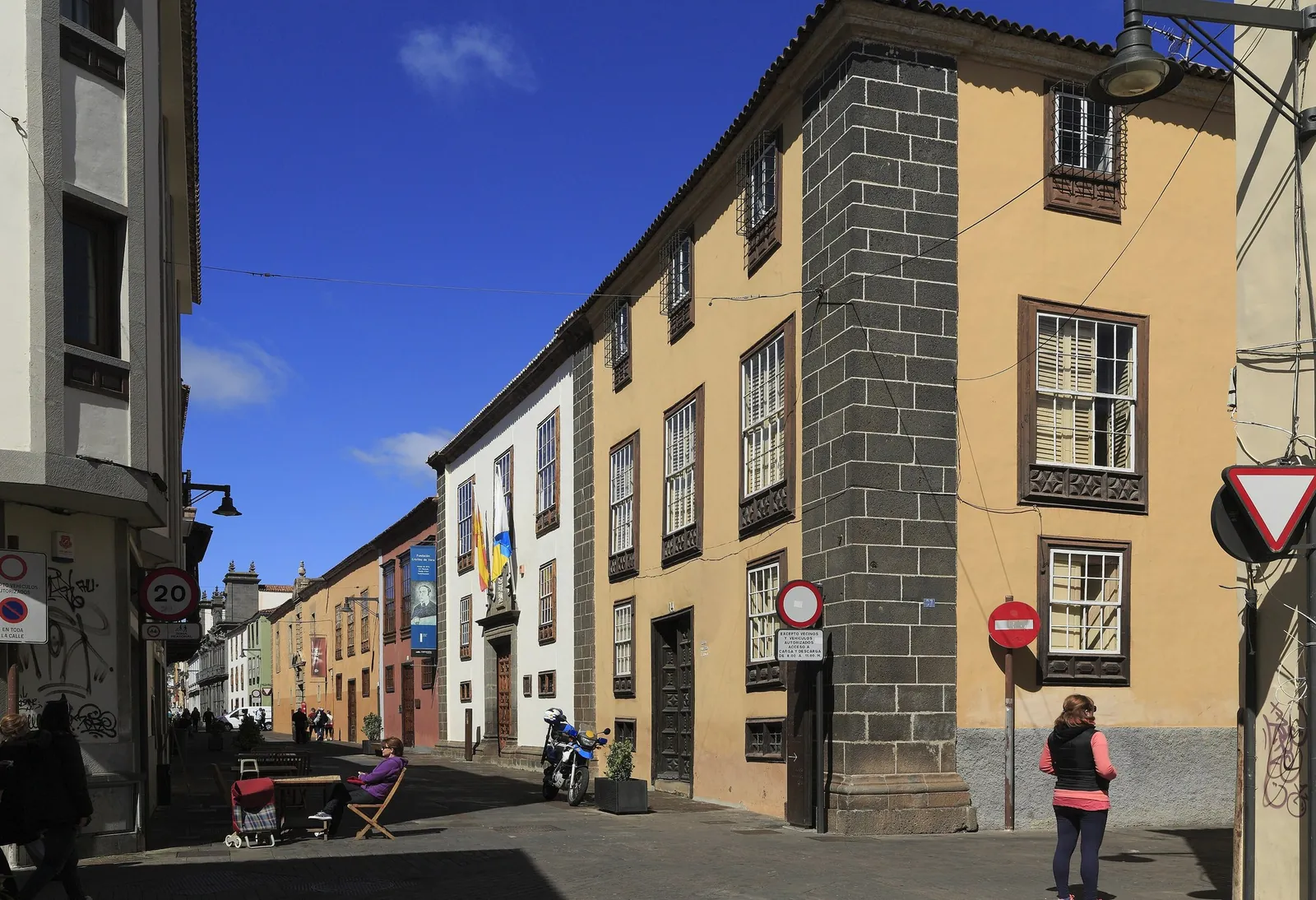
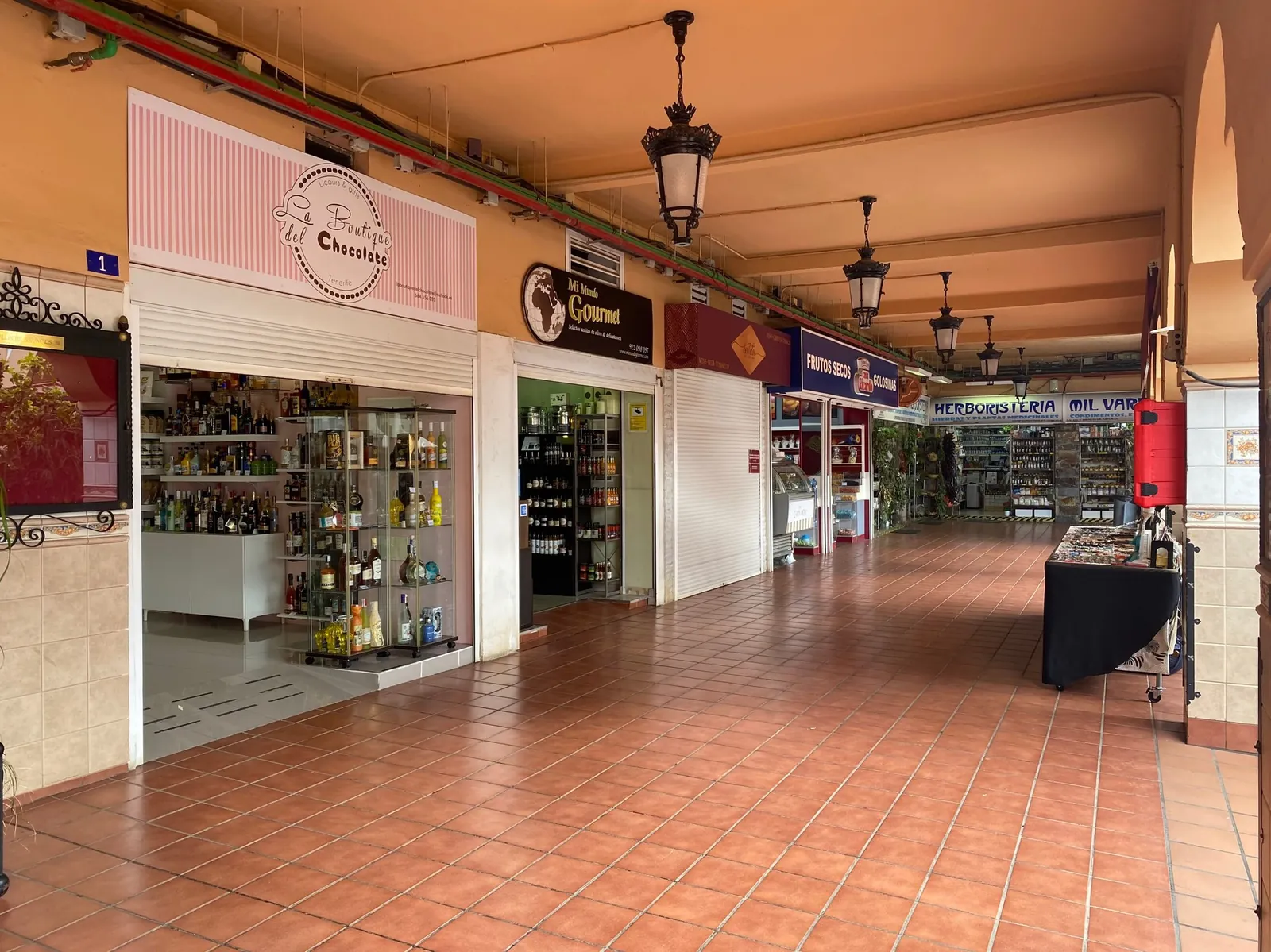
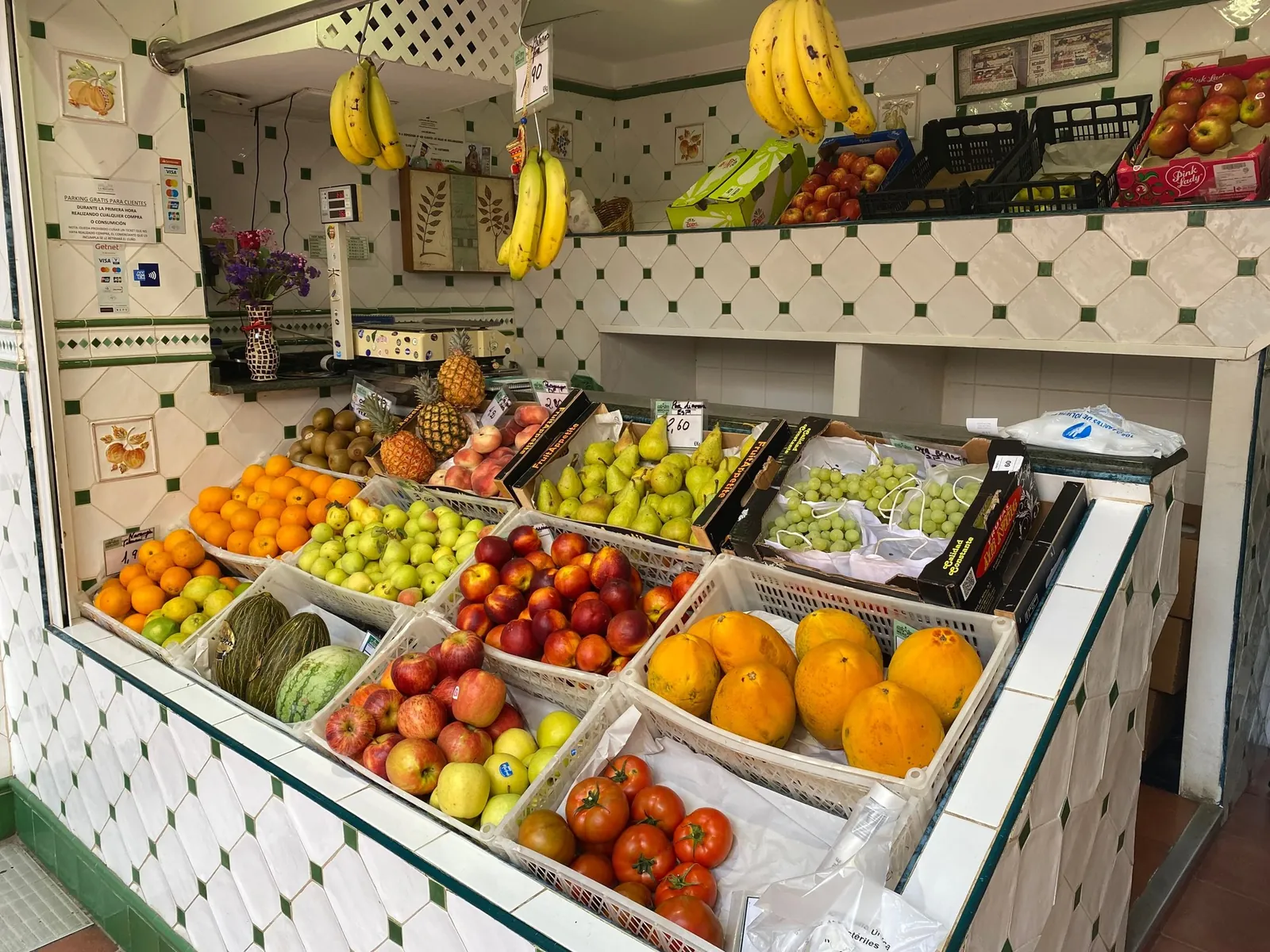
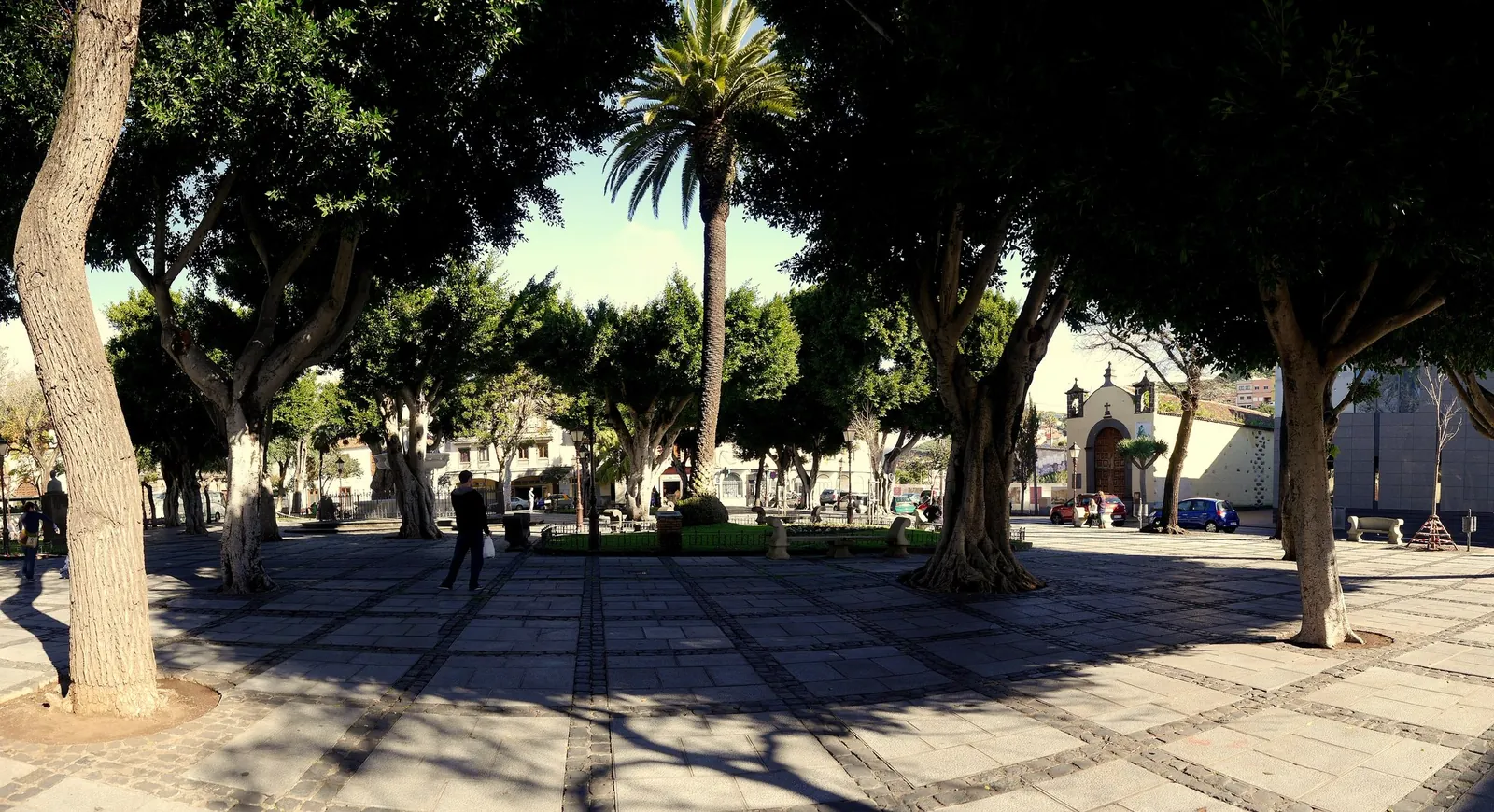
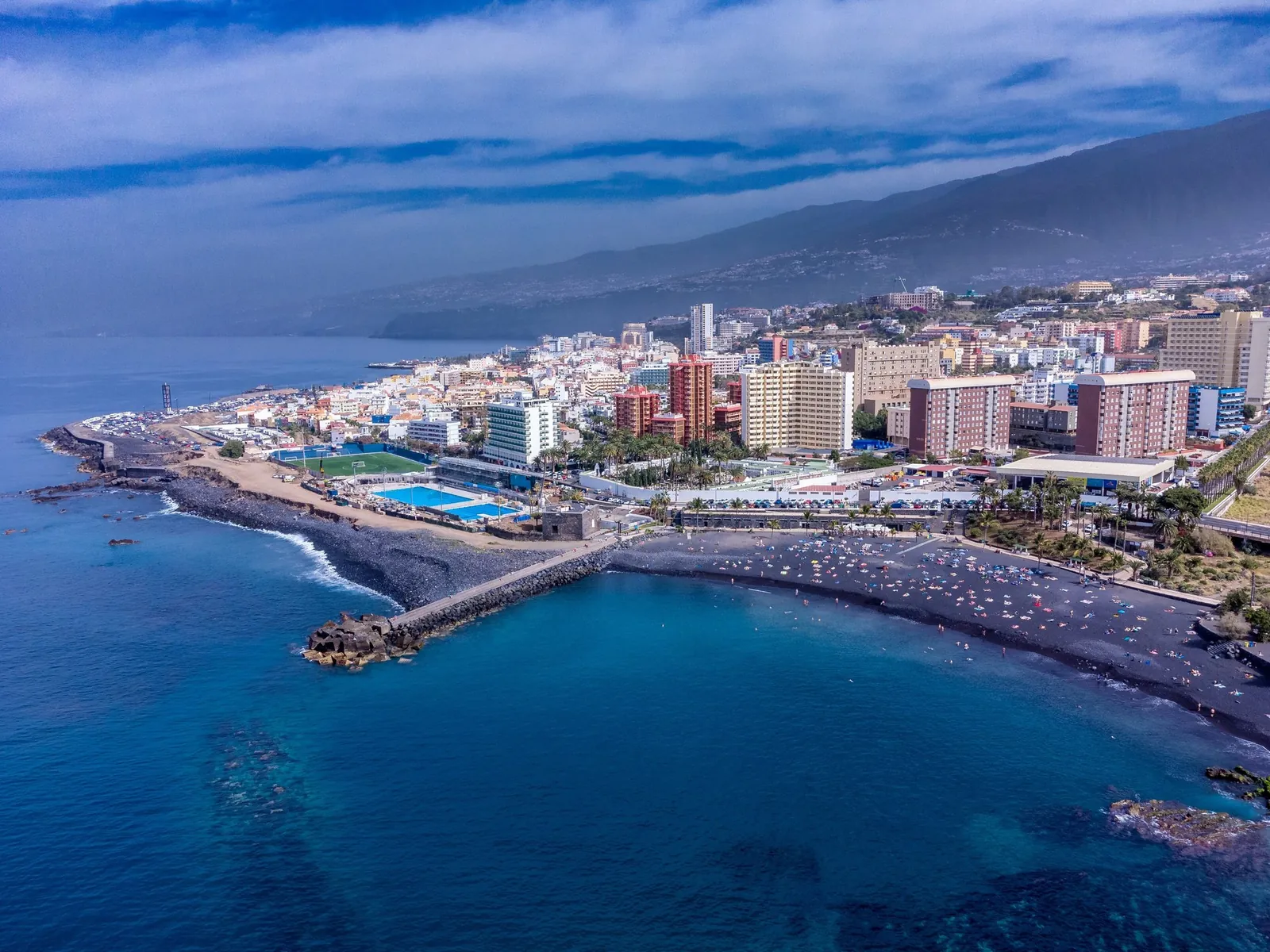
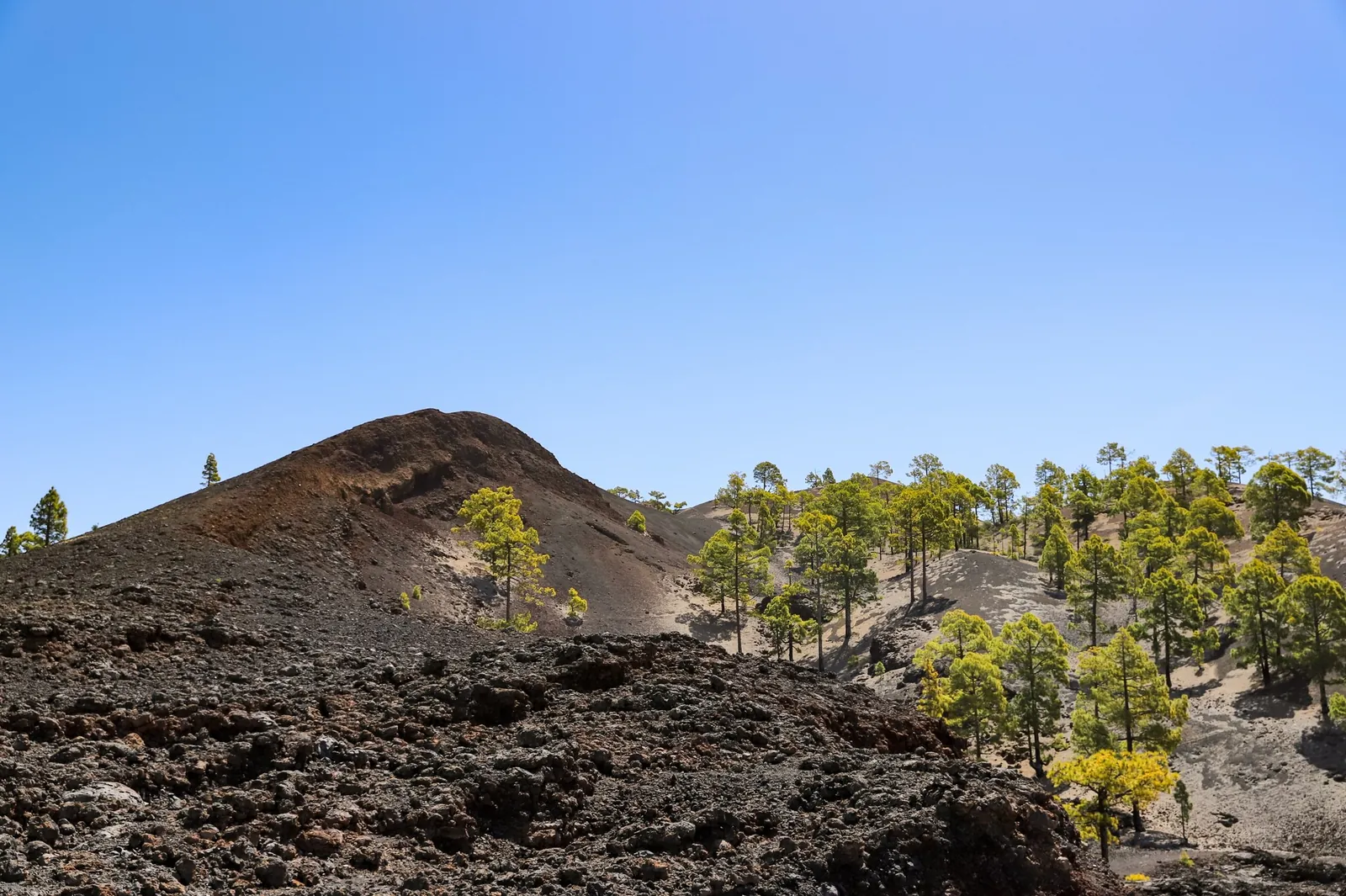
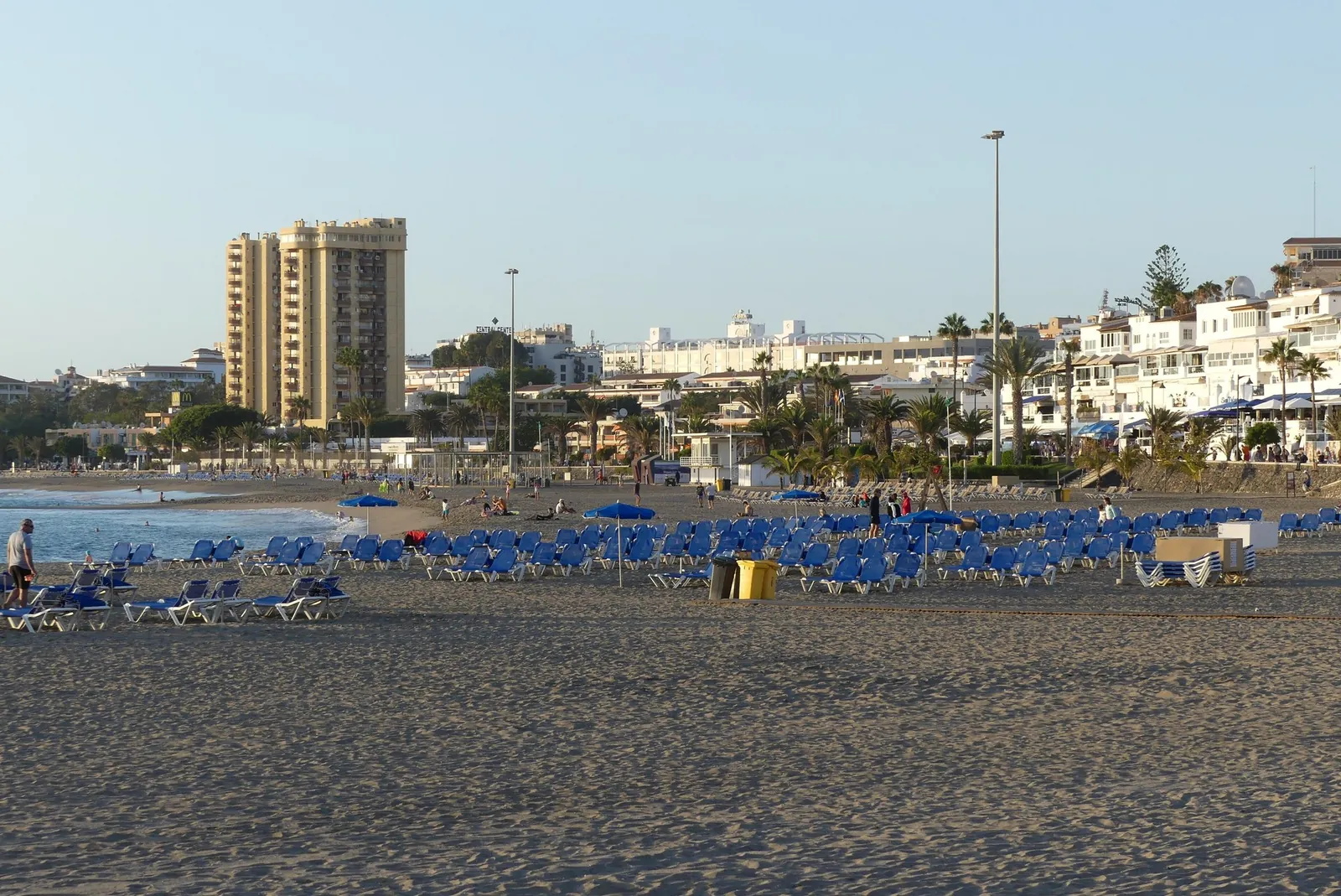
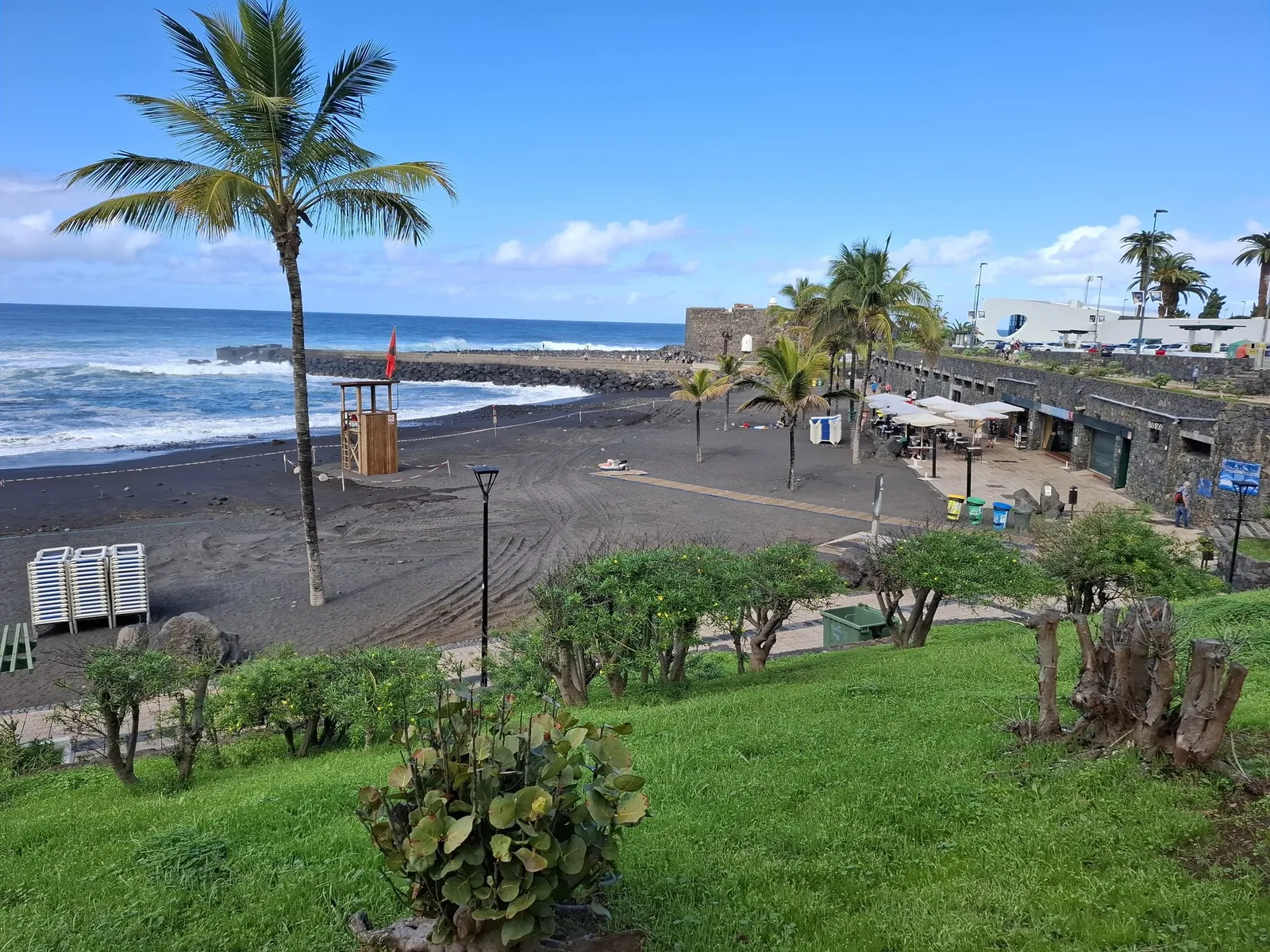
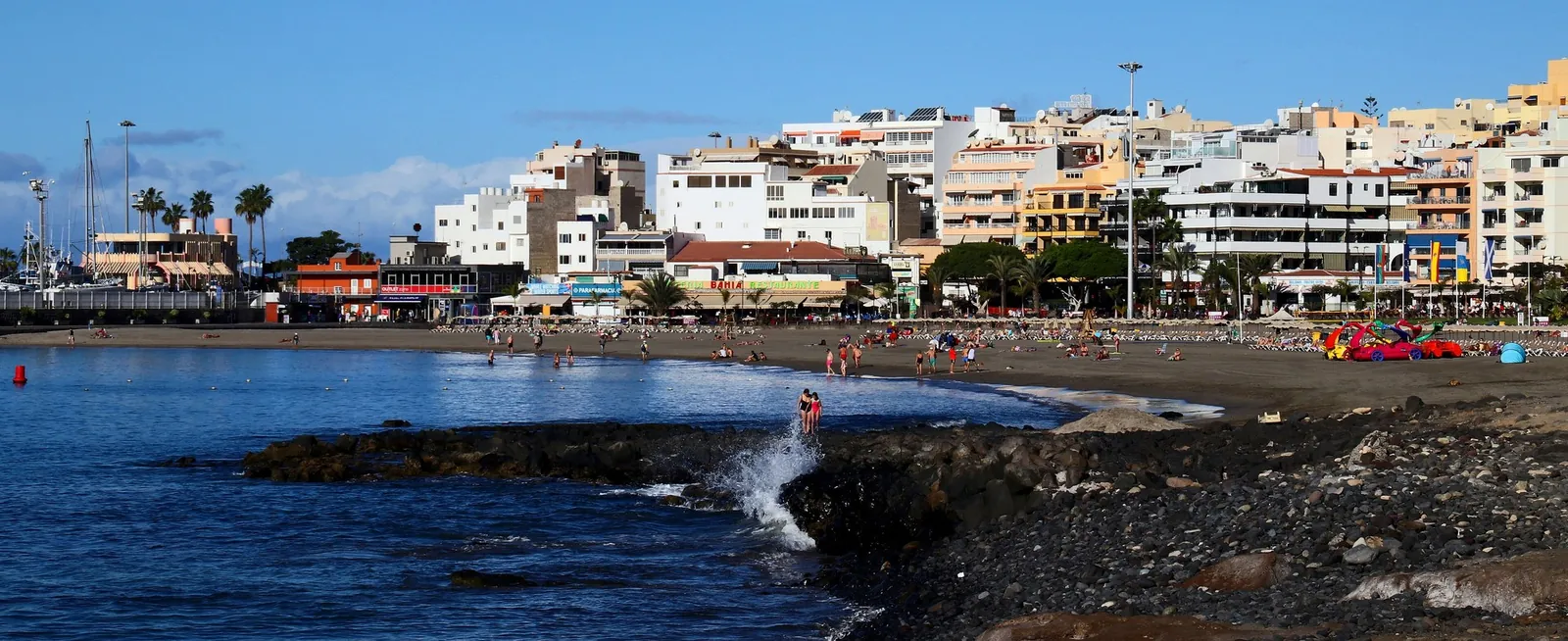
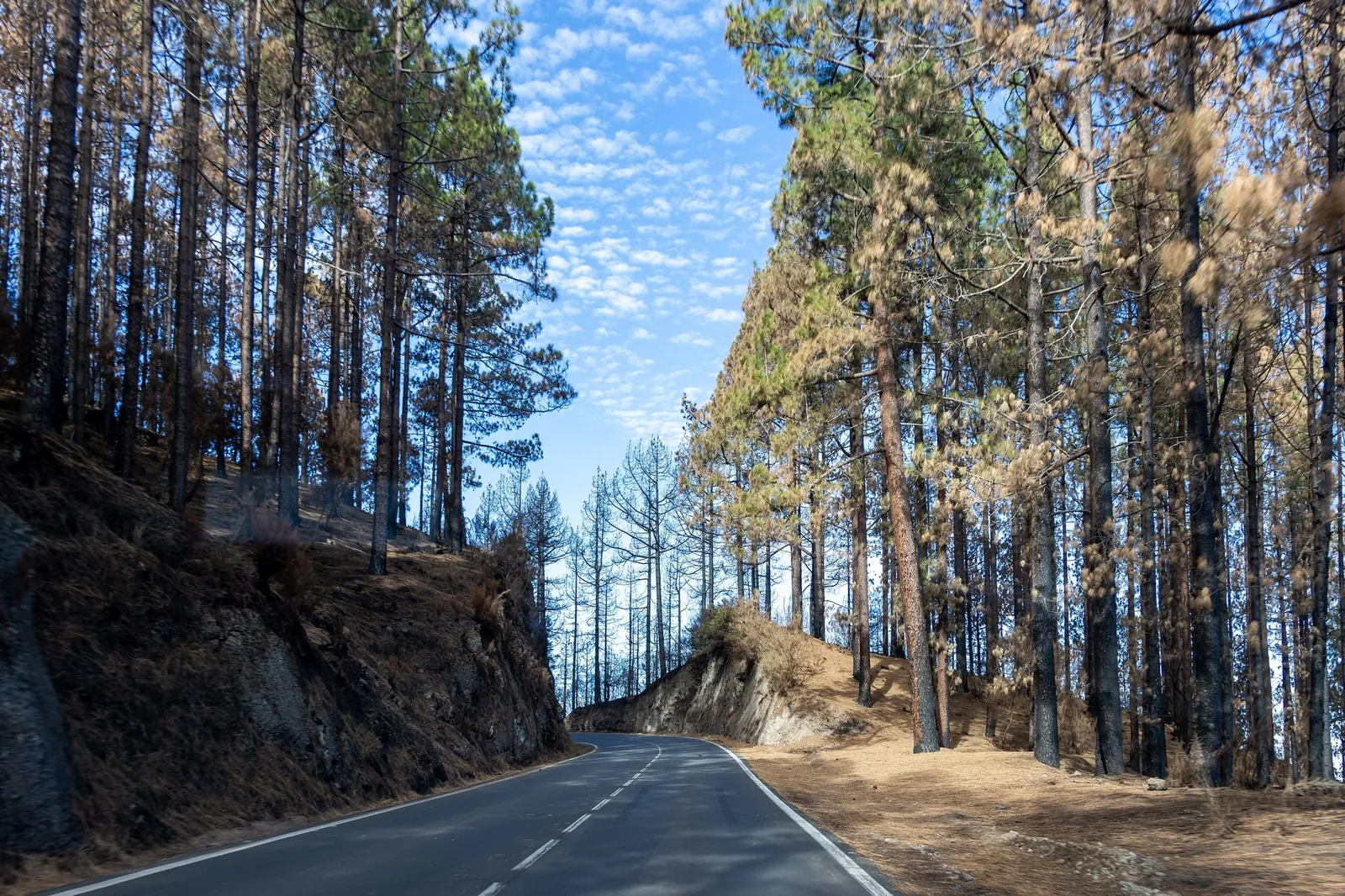
Authentic, unedited photos of Tenerife by residents and visitors, taken on ordinary days rather than chosen by a tourist board. Each one shows when it was taken. Browse photos of all 83 cities →









.jpg)


.jpg)
The other side

Cost of Living in Tenerife
1-Bedroom Rent
$600-$1,100/month
Local Restaurant Meal
$12-$20 at local restaurants
Cup of Coffee
$1.50-$2.50
Estimated Monthly Total
$1,500-$2,400
Want a personalized estimate? Use our cost of living calculator
Healthcare in Tenerife
Tenerife has better hospital provision than its island status suggests, because it serves the whole western Canaries. Hospital Universitario de Canarias in La Laguna and Hospital Universitario Nuestra Señora de Candelaria in Santa Cruz are both large public teaching hospitals with full specialist departments — this is not a small district facility arrangement like Crete or Corfu. On the private side, the Hospiten group operates several hospitals across the island with English-speaking staff, and consultations run $60-$110. That combination means most conditions are handled on the island rather than referred to the mainland, which is unusual for an island destination and a genuine advantage over the Greek islands or Madeira. Non-EU retirees on the Non-Lucrative Visa require private insurance.
Daily Life and Lifestyle in Tenerife
Which side of Tenerife you choose determines what your life looks like. The south — Costa Adeje, Los Cristianos, Golf del Sur — is sunny, dry, developed for tourism, and where most northern European residents live; it is convenient and warm but can feel like a resort. The north — Puerto de la Cruz, La Orotava, Santa Úrsula — is greener, cooler, cloudier, considerably more Spanish, and much cheaper. Santa Cruz and La Laguna together form the island's real urban centre, with the hospitals, the university, theatres, and a proper Spanish city life. Beyond the coasts, Teide National Park is a genuinely extraordinary high-altitude landscape an hour from sea level, and the Anaga laurel forest in the north-east is a UNESCO biosphere reserve. Walking, sailing, and whale watching are the main outdoor activities; the island has year-round conditions for all of them.
Climate and Weather in Tenerife
Tenerife's coastal climate is among the most stable in the world: 18-22°C in winter and 22-26°C in summer, a range of roughly four degrees across the year. The trade winds moderate the heat and keep humidity comfortable. The critical detail is that the island has two climates. The south is dry and sunny with under 200 mm of rain a year; the north catches the trade winds and is greener, cloudier, and several degrees cooler, with cloud often sitting on the northern slopes while the south is clear. Altitude changes everything again — La Laguna at 550 metres is noticeably cooler than the coast, and Teide can be snow-covered while people swim below. Calima, a hot dust-laden wind off the Sahara, occasionally raises temperatures sharply and reduces air quality for a few days at a time.
Pros and Cons of Retiring in Tenerife
Pros
- 18-26°C year-round on the coast — one of the most stable climates anywhere
- Two large public teaching hospitals, so most care stays on the island
- IGIC at around 7% instead of mainland Spain's 21% VAT
- Year-round flights from two airports across Europe and to the mainland
- Spanish healthcare, EU residency rules, and a large established international community
Cons
- The south is heavily developed for tourism and can feel like a resort
- The north is markedly cloudier — the two sides are genuinely different
- Calima dust winds off the Sahara reduce air quality for days at a time
- Island prices on imported goods, despite the lower sales tax
- Mainland Spain is a two-to-three-hour flight, not a drive
Who Is Tenerife Best For?
Retirees who want the steadiest year-round temperature in Europe with real hospital provision and EU residency, and who will choose carefully between the sunny developed south and the green, cloudier, cheaper north.
Where to Live in Tenerife
Costa Adeje & Los Cristianos (south)
The sunny, dry, developed south coast where most international residents live. One-bedrooms run $700-$1,200/month. Warmest and most convenient, with the largest English-speaking community, but distinctly a resort environment.
Puerto de la Cruz & La Orotava (north)
The green northern coast and the historic town above it. Rents run $550-$950/month. Cooler, cloudier, much more Spanish, and considerably cheaper — the choice for residents who want a real town.
Santa Cruz & La Laguna
The capital and the UNESCO university city beside it, together forming the island's urban centre with the hospitals and theatres. Rents run $600-$1,000/month. La Laguna at 550 m is noticeably cooler than the coast.
Hospitals and Healthcare Facilities in Tenerife
Hospital Universitario de Canarias
Large public teaching hospital in La Laguna serving the western Canary Islands, with full specialist departments including oncology and cardiac surgery.
Hospital Universitario Nuestra Señora de Candelaria
The other major public teaching hospital, in Santa Cruz, providing emergency and tertiary care for the island and the wider province.
Hospiten group
Private hospital group with several facilities across Tenerife, including in the southern resort areas, with English-speaking staff and international patient services.
Facility details may change. Verify accreditation status and services directly with each hospital before making healthcare decisions.
Dining and Food Scene in Tenerife
Canarian food is distinct from mainland Spanish cooking and reflects the islands' Atlantic and Latin American connections. Papas arrugadas — small potatoes boiled in heavily salted water until the skins wrinkle — served with mojo verde and mojo rojo sauces are on every table. Fresh fish, particularly vieja and cherne, is the mainstay, at $15-$25 a plate.
Guachinches, informal north-coast eateries that operate seasonally from private houses to sell the family's own wine and a short menu of home cooking, are a genuine Tenerife institution and are among the best value on the island at $10-$18 for a full meal.
Weekly groceries for two run $70-$110. IGIC at around 7% instead of mainland VAT lowers prices noticeably on goods and services, offsetting some of the island shipping premium. Tenerife also produces serious wine — the volcanic soils of the Orotava valley and Vilaflor grow Listán Negro and Listán Blanco on vines that were never touched by phylloxera.
Is Tenerife Right for You?
Take our free 3-minute retirement quiz to see how Tenerife and Spain compare to other destinations based on your preferences, budget, and needs.
Take the Retirement QuizFrequently Asked Questions About Retiring in Tenerife
How different are the north and south of Tenerife?
Genuinely different, and it is the most important decision on the island. The south is dry and sunny with under 200 mm of rain a year, developed for tourism, and where most northern European residents live. The north catches the trade winds: it is green, several degrees cooler, often cloudy, much more Spanish in character, and considerably cheaper. People who visit only the south in winter are frequently surprised by the north.
Is healthcare adequate on Tenerife?
Better than most island destinations. Hospital Universitario de Canarias and Hospital Universitario Nuestra Señora de Candelaria are both large public teaching hospitals serving the whole western Canaries, with full specialist departments, and the private Hospiten group operates several hospitals with English-speaking staff. Most conditions are handled on the island rather than referred to the mainland — a real advantage over Crete, Corfu, or Madeira.
What is the tax advantage of the Canary Islands?
The Canaries sit outside the EU VAT area and apply IGIC, a local sales tax currently around 7%, instead of mainland Spain's 21% VAT. That reduces the cost of goods, services, restaurant meals, and vehicles noticeably. Income tax and residency rules are the same as mainland Spain, so this is a consumption-tax benefit rather than an income-tax one — but over a retirement it adds up.
Sources & References
- Hospital Universitario de Canarias — Public teaching hospital departments and regional referral role for the western Canaries
- Spanish State Meteorological Agency (AEMET) — Temperature, rainfall, and calima data for Tenerife north and south
- Canary Islands Tax Agency — IGIC rates and the Canary Islands' position outside the EU VAT area
- Spanish Ministry of Foreign Affairs — Non-Lucrative Visa requirements, income thresholds, and renewal conditions