
Städte-Ratgeber zum Ruhestand
Ruhestand in Alicante, Spanien
Hauptstadt der Costa Blanca mit Spaniens größter nordeuropäischer Ruheständler-Bevölkerung
Alicante auf einen Blick
- Höhenlage & Umgebung
- Meereshöhe an der Costa Blanca; Burg Santa Bárbara auf dem Monte Benacantil über der Stadt; ~38,3° N
- Jahrestemperatur
- 10–18 °C Dezember–Februar, 28–33 °C Juni–September; heiß-semiarid (Köppen BSh), unter 300 mm Regen im Jahr
- Nächster internationaler Flughafen
- Alicante-Elche (ALC), ~10 km südwestlich; ganzjährige Direktflüge in ganz Nordeuropa
- Nächstes großes Krankenhaus
- Hospital General Universitario Doctor Balmis, in der Stadt
- Wichtigstes Rentnervisum
- Spanisches Non-Lucrative-Visum; Mindestbetrag 2026 ~2.400 €/Monat (400 % IPREM), Privatversicherung erforderlich, keine Arbeit erlaubt
- Sprachumfeld
- Spanisch und Valencianisch Amtssprachen; Englisch an der Costa Blanca und in der privaten Gesundheitsversorgung sehr verbreitet
Alicante-Elche ist einer der verkehrsreichsten Flughäfen Spaniens und fliegt ganzjährig direkt durch Nordeuropa, nicht nur im Sommer — weshalb die Ruheständler-Gemeinschaften der Costa Blanca ganzjährig statt saisonal geblieben sind.
Überblick über Alicante für Ruheständler
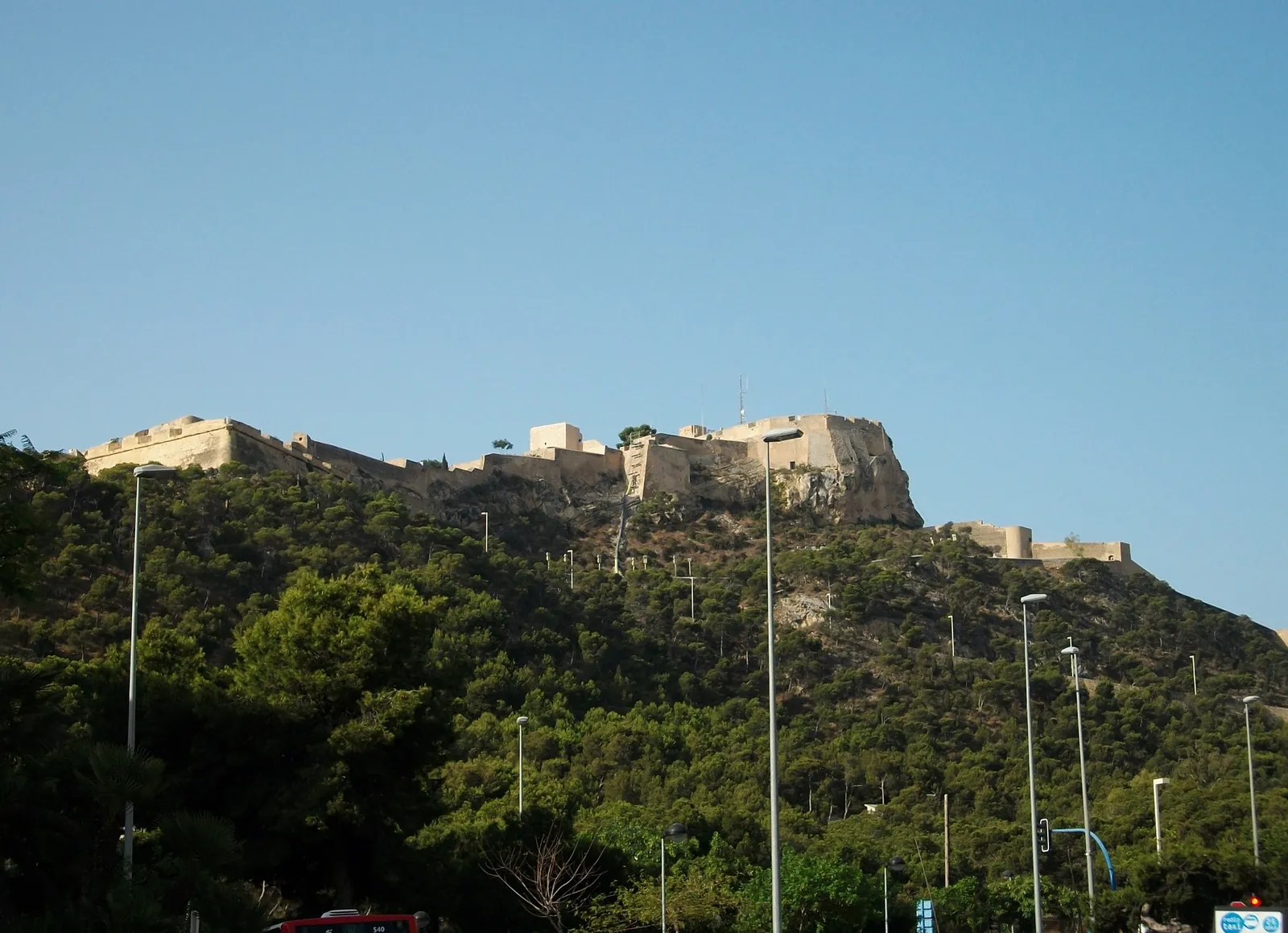
Alicante liegt an der Costa Blanca im Südosten Spaniens bei etwa 38,3° N, unterhalb der Burg Santa Bárbara auf ihrem Felsen über der Stadt. Es bildet das Zentrum jenes Küstenabschnitts, an dem die größte Konzentration nordeuropäischer Ruheständler ganz Spaniens lebt — britische, niederländische, belgische, skandinavische und deutsche Gemeinschaften, die hier seit Jahrzehnten etabliert sind.
Der praktische Fall lautet Preis-Leistung plus Anbindung. Eine Person lebt komfortabel mit 1.200–1.800 € monatlich, kleine Wohnungen kosten ab 350–600 €, und der Flughafen Alicante-Elche (ALC) gehört zu den verkehrsreichsten Spaniens, mit ganzjährigen Direktflügen in weite Teile Nordeuropas statt des saisonalen Angebots griechischer Inseln. Für Ruheständler, deren Familie zu Besuch kommen soll, zählt das mehr als fast alles andere.
Die Gesundheitsversorgung ist gut: das Hospital General Universitario Doctor Balmis und das Hospital Universitario de San Juan öffentlich, HLA Vistahermosa und Quirónsalud privat. Die Kehrseite: Die Costa Blanca ist stark bebaut und stark touristisch, und Teile davon — Benidorm, Torrevieja — sind schlicht unschön. Alicante selbst ist eine arbeitende spanische Stadt statt eines Ferienorts, weshalb sie Ruheständlern besser passt als die Orte ringsum.
So sieht Alicante wirklich aus
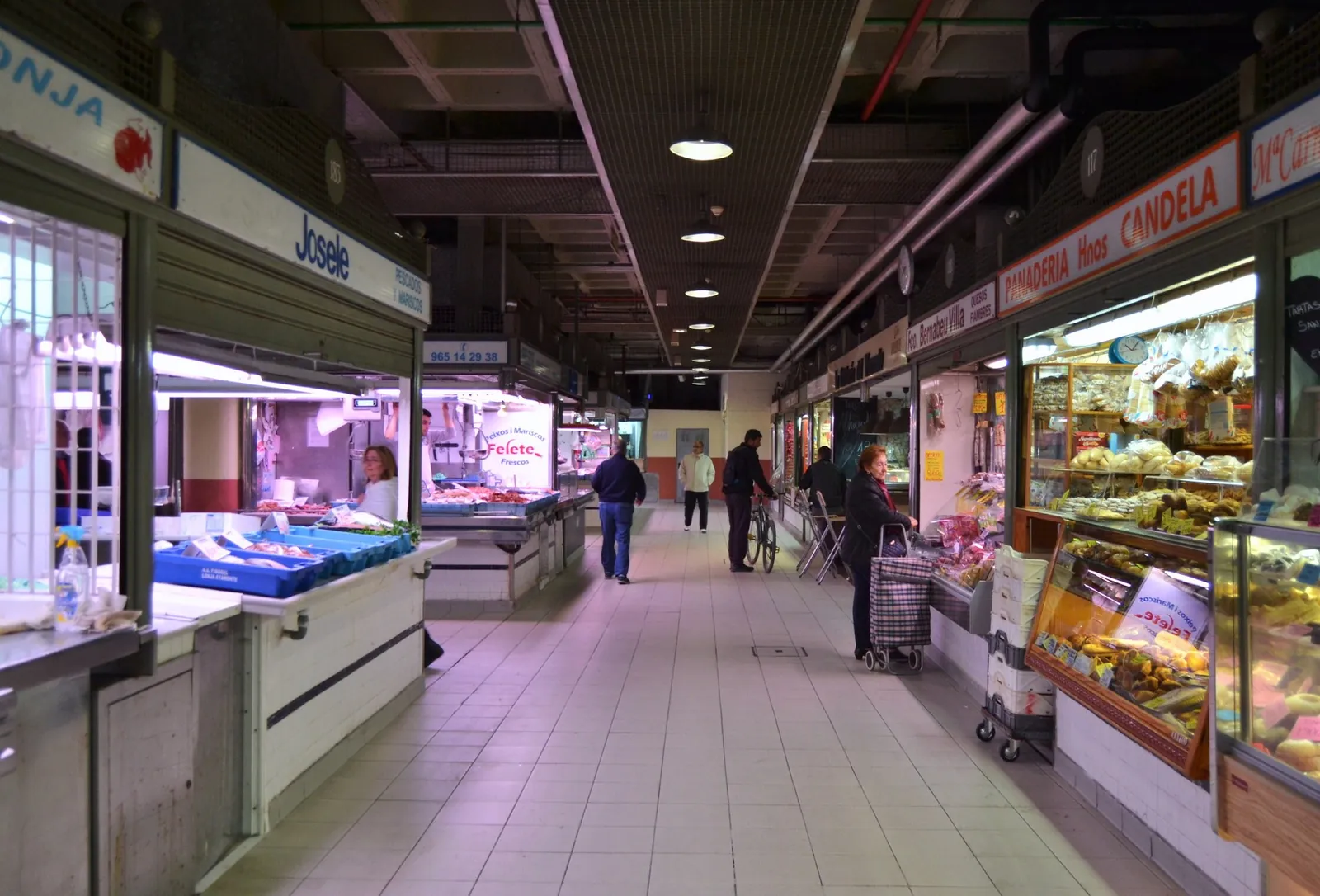
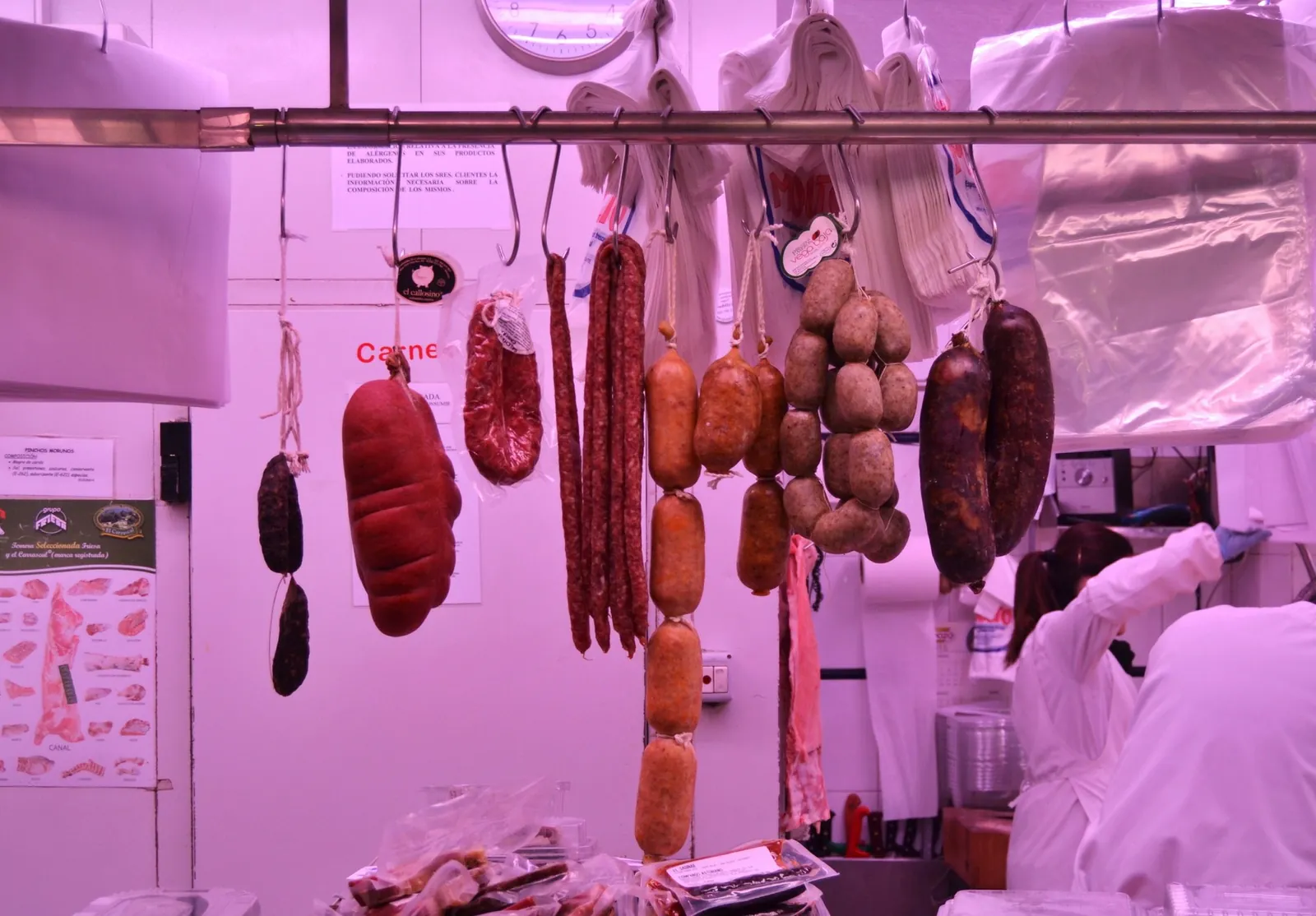
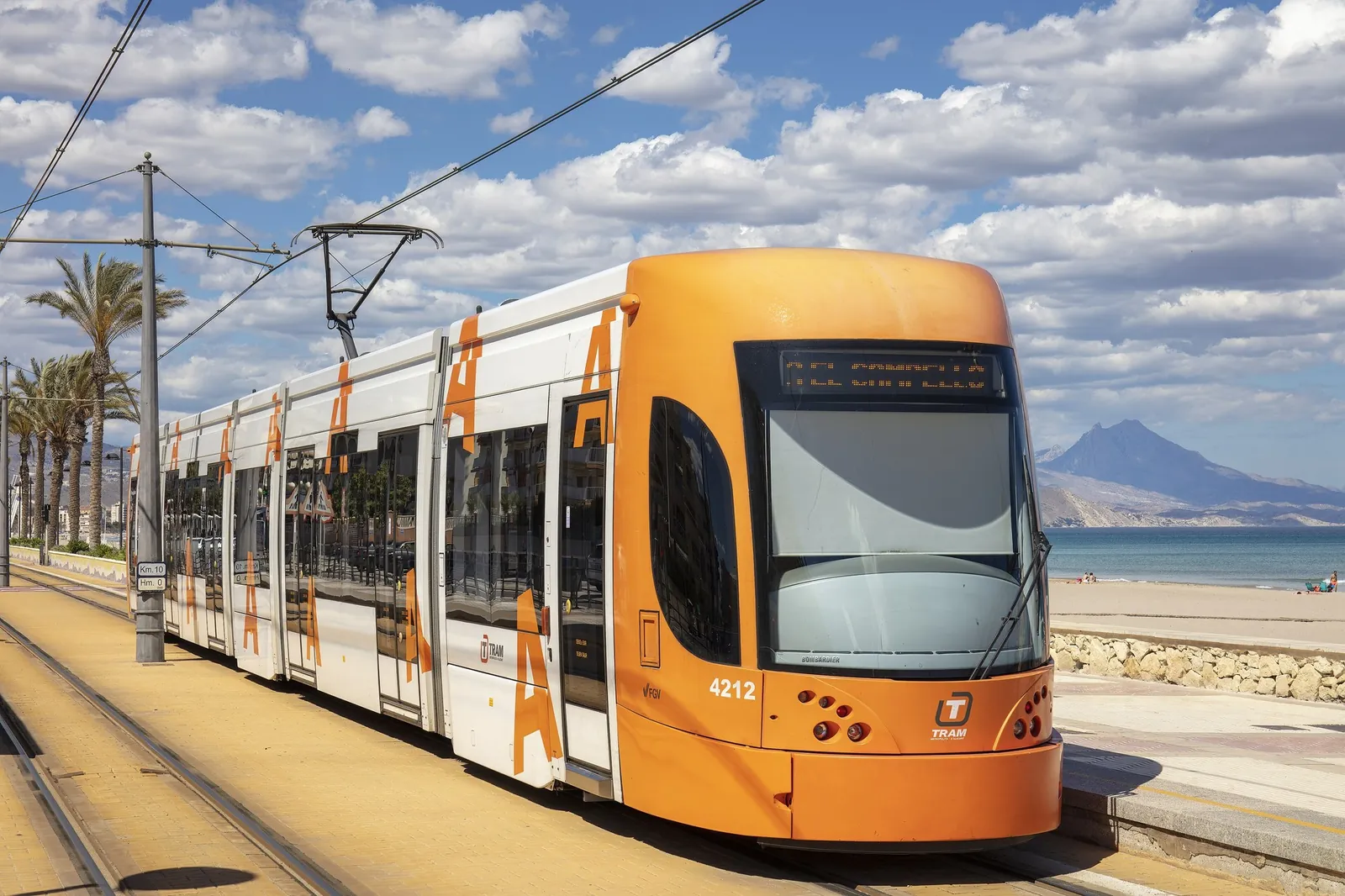
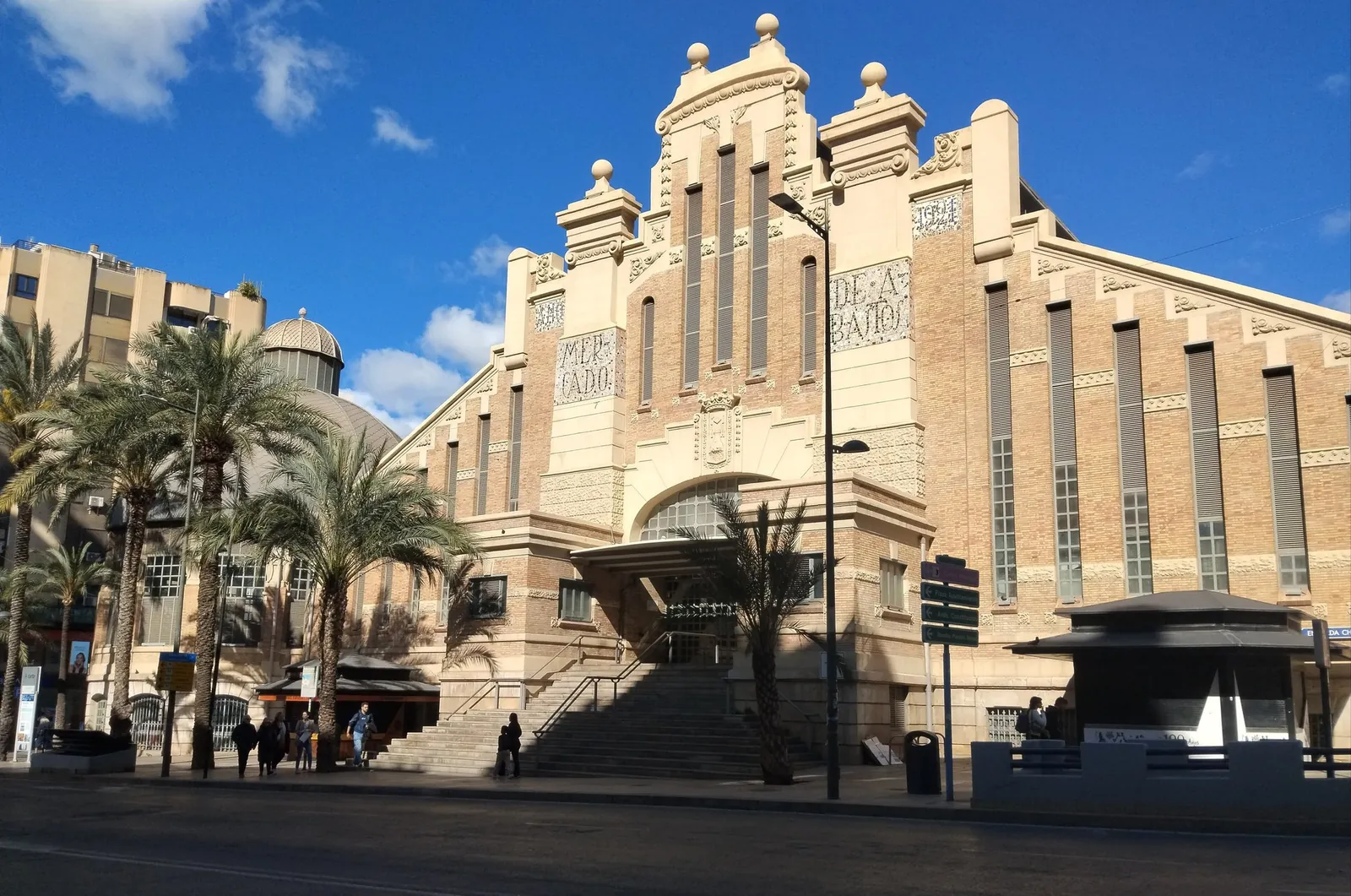
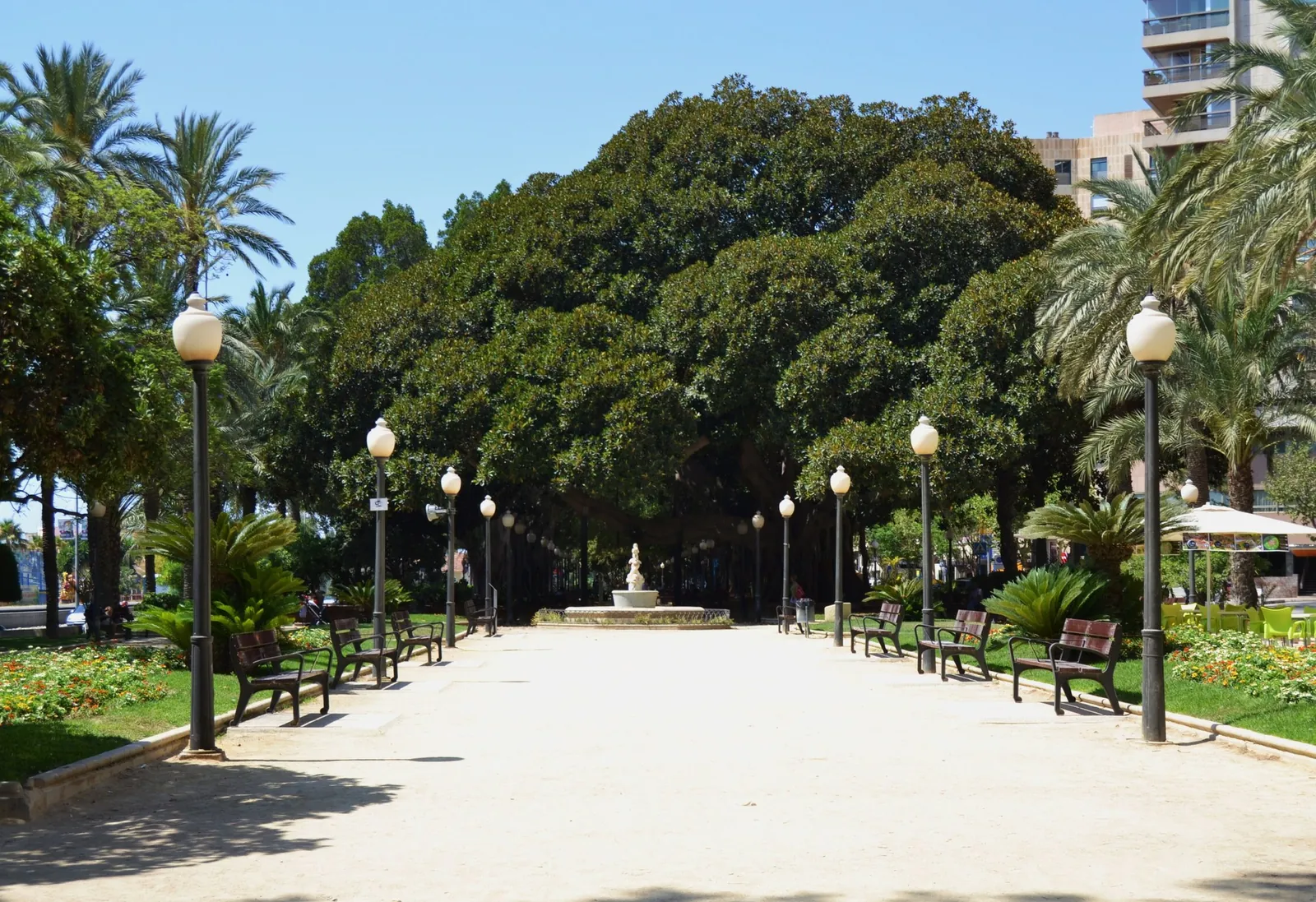
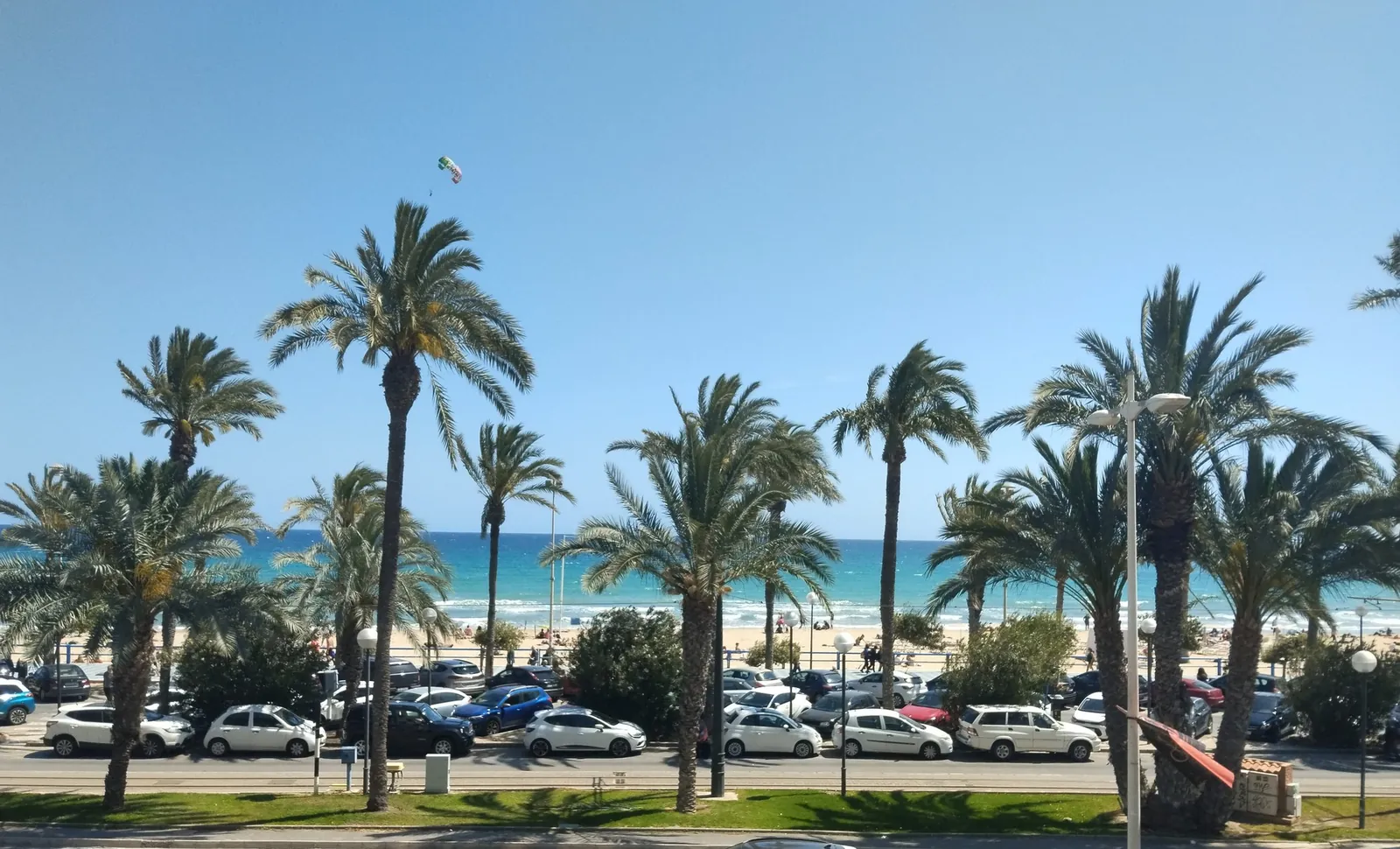
Authentische, unbearbeitete Fotos von Alicante, aufgenommen von Einheimischen und Besuchern an gewöhnlichen Tagen – nicht ausgewählt von einem Tourismusbüro. Bei jedem Foto steht, wann es entstanden ist. Fotos aller 83 Städte ansehen →
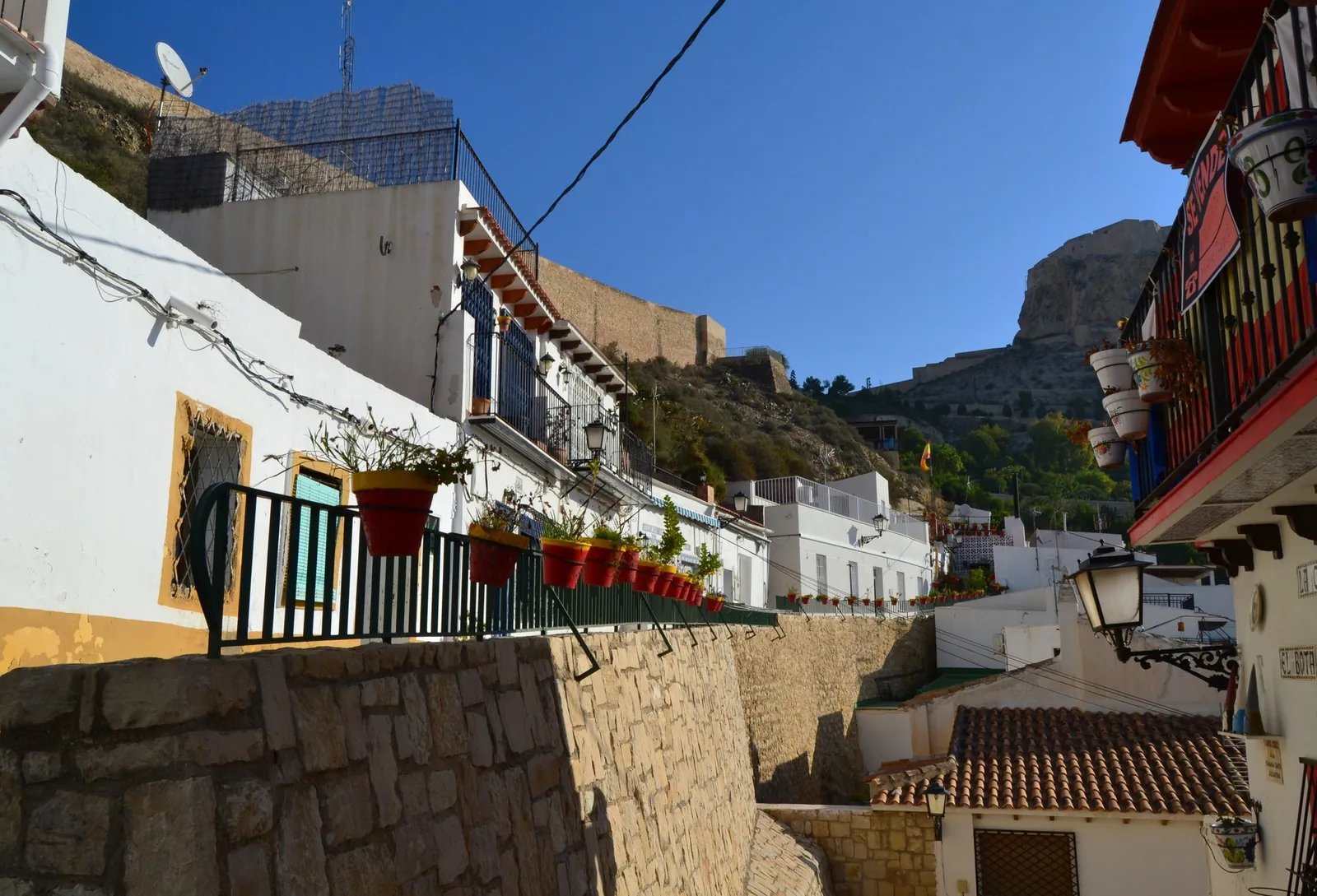

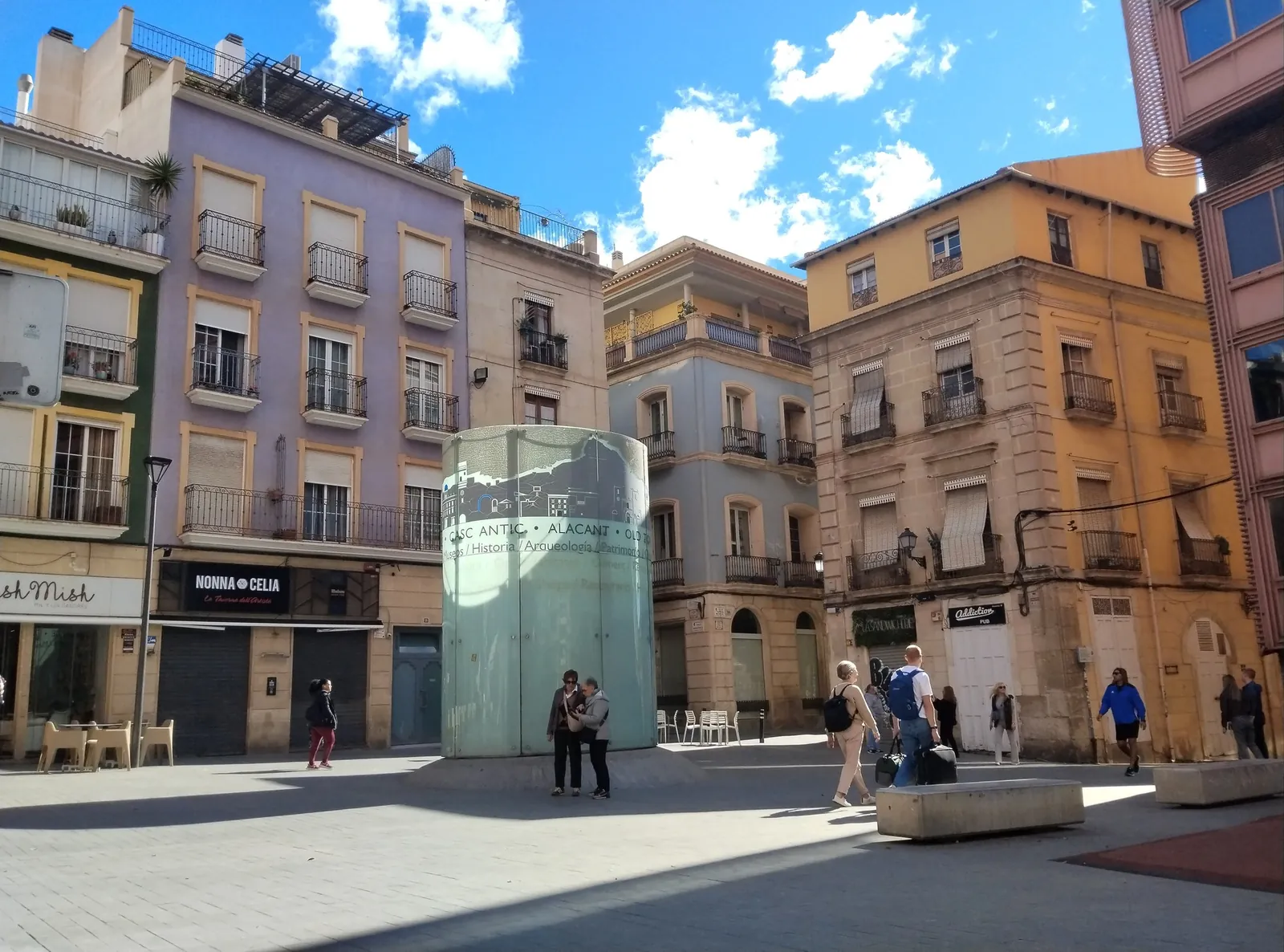

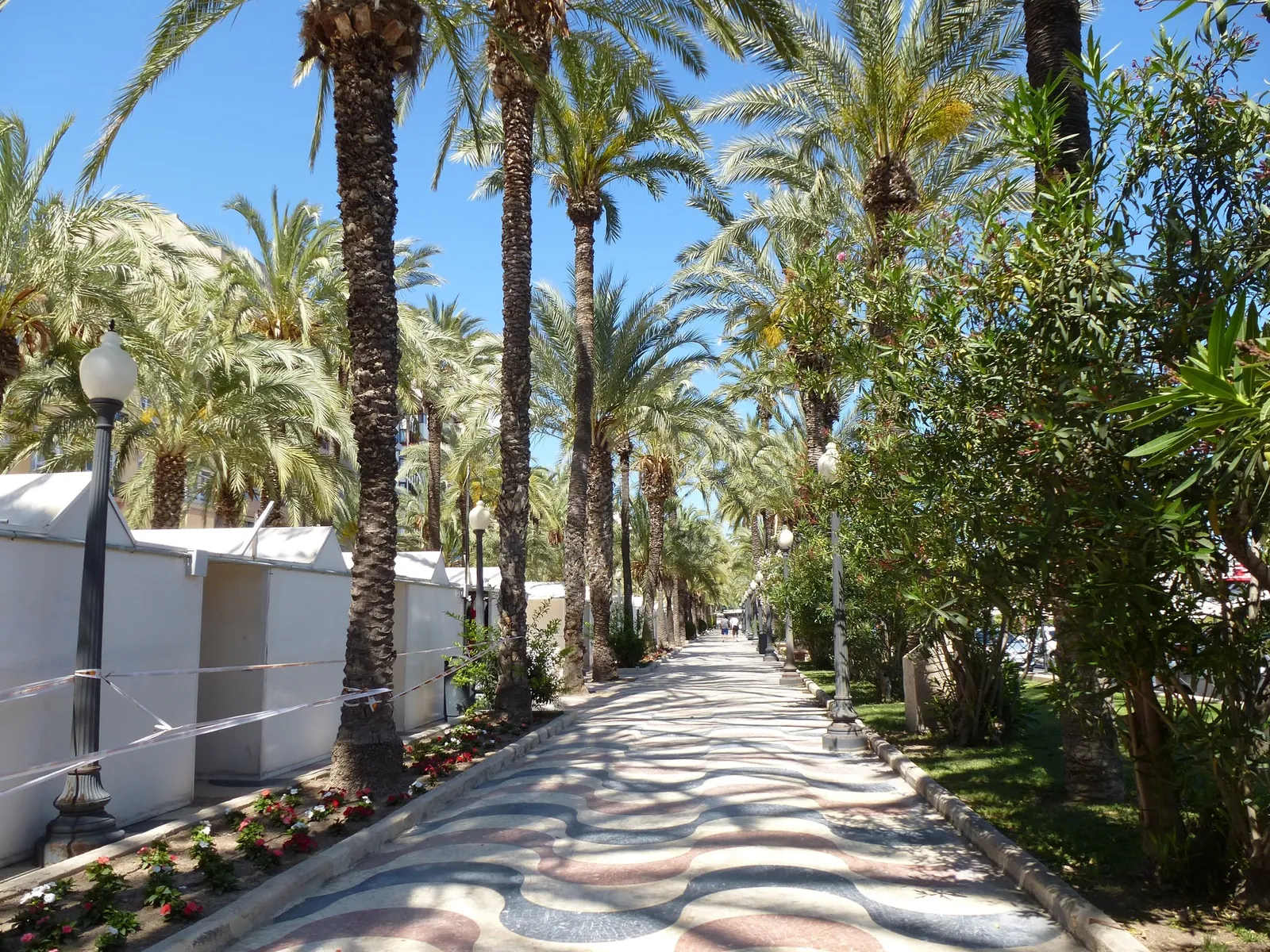
.jpg)
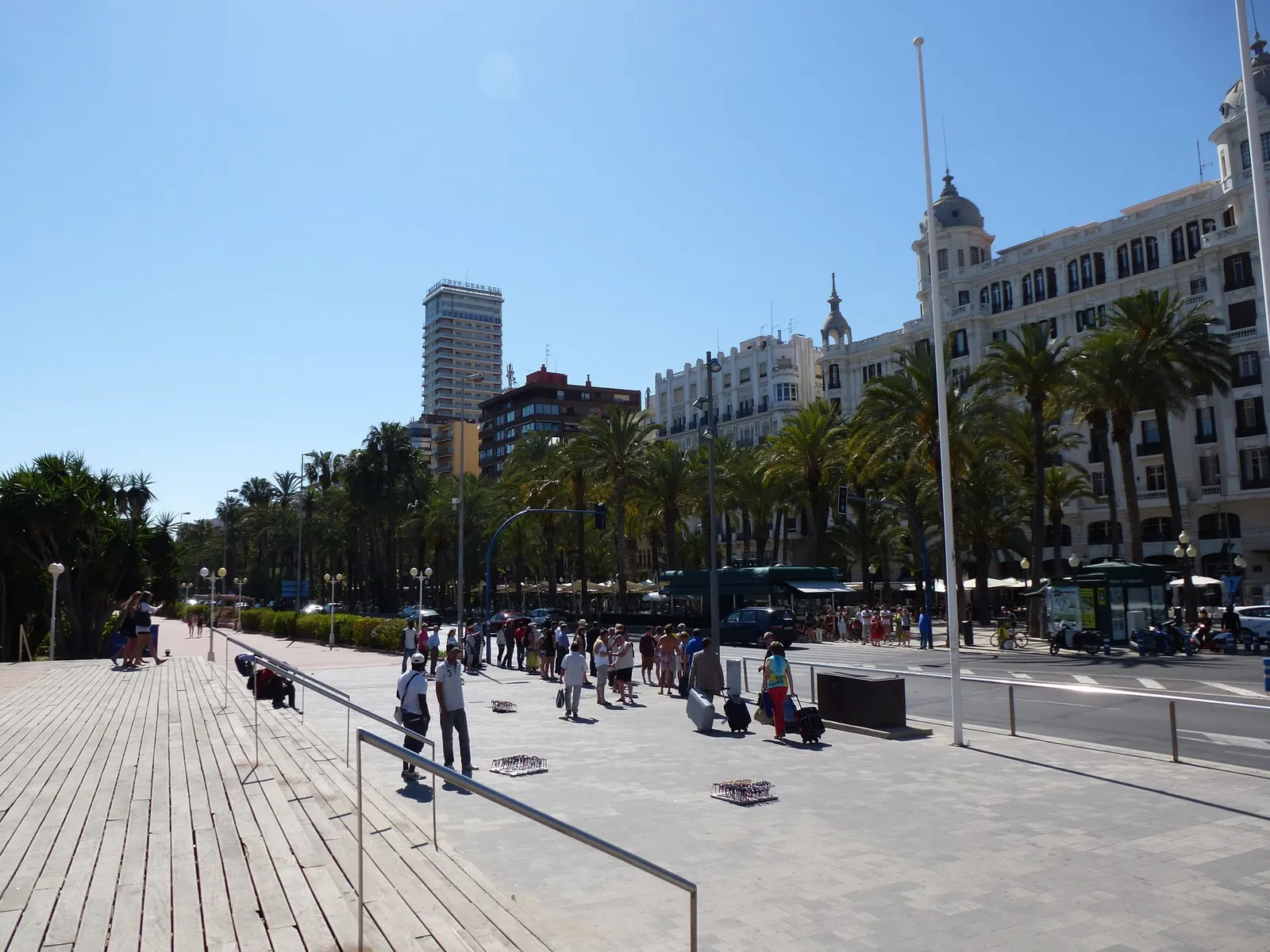
.jpg)







Die andere Seite
Für die Schattenseiten von Alicante haben wir noch kein lizenziertes Foto. Sie stehen vollständig unten bei den Vor- und Nachteilen.
Lebenshaltungskosten in Alicante
Miete für 1-Zimmer-Wohnung
400–725 €/Monat
Mahlzeit im lokalen Restaurant
10–20 €
Tasse Kaffee
1,50–2,50 €
Geschätzte monatliche Gesamtkosten
1.250–2.050 €
Möchten Sie eine individuelle Schätzung? Nutzen Sie unseren Lebenshaltungskosten-Rechner
Gesundheitsversorgung in Alicante
Alicante ist nach spanischen Maßstäben gut versorgt. Das Hospital General Universitario Doctor Balmis ist die wichtigste öffentliche Universitätsklinik, das Hospital Universitario de San Juan deckt den nördlichen Provinzteil ab; beide gehören zum valencianischen Gesundheitsdienst, der allgemein gut bewertet wird. Privat gibt es HLA Vistahermosa und Quirónsalud Alicante, mit Konsultationen für 54–99 € und kurzen Wartezeiten. Der entscheidende praktische Vorteil ist die schiere Größe der internationalen Patientenschaft: Nach Jahrzehnten nordeuropäischer Zuwanderung sind englischsprachige Ärzte, Dolmetscher und Versicherer hier Routine statt Ausnahme. Nicht-EU-Ruheständler mit Non-Lucrative-Visum benötigen eine Privatversicherung; EU-Bürger und Langzeitresidenten nutzen das öffentliche System, und das Convenio Especial steht Residenten offen, die anders nicht qualifiziert sind.
Alltag und Lebensstil in Alicante
Alicante ist eine echte Stadt mit Strand statt eines Ferienorts mit angehängtem Ort, und das prägt den Alltag. Die Explanada de España, eine palmengesäumte Promenade aus gemustertem Marmor, verläuft am Hafen; das Barrio de la Santa Cruz steigt in weiß getünchten Gassen zur Burg; und der Mercado Central versorgt eine spanische und keine touristische Bevölkerung. Der Postiguet-Strand liegt in der Stadt, die längeren Sände von San Juan eine Straßenbahnfahrt nördlich. Die internationale Gemeinschaft ist groß und gut organisiert, mit Clubs, englischsprachigen Diensten und vielen zweisprachigen Fachleuten — doch Alicante ist groß genug, dass dies den Charakter nicht dominiert, anders als in manchen Costa-Blanca-Orten. Die Tapaskultur ist stark und günstig, und die Straßenbahn die Küste hinauf macht ein Leben ohne Auto wirklich praktikabel.
Klima und Wetter in Alicante
Alicante hat ein heißes semiarides Klima — eines der trockensten des europäischen Festlands, mit unter 300 mm Regen im Jahr. Die Sommer (Juni–September) sind heiß bei 28–33 °C, gemildert durch Seebrisen und geringere Luftfeuchtigkeit als an der Atlantikküste. Die Winter (Dezember–Februar) sind auffallend mild bei 10–18 °C, mit die wärmsten des spanischen Festlands, mit viel Sonne und sehr wenig Regen. Frühling und Herbst sind lang und nahezu perfekt bei 18–26 °C. Die wichtigste klimatische Gefahr ist die Gota fría, ein herbstliches Phänomen, bei dem ein abgeschnürtes Tief mehrere Monatsniederschläge an einem Tag bringen kann und Sturzfluten auslöst — ein reales Risiko an der valencianischen Küste, das jeder verstehen sollte, der nahe einer Rambla kauft.
Vor- und Nachteile des Ruhestands in Alicante
Vorteile
- Ganzjährige Direktflüge in weite Teile Nordeuropas von einem großen Flughafen
- Zu den mildesten Wintern des spanischen Festlands bei 10–18 °C
- Sehr große, seit Langem etablierte nordeuropäische Ruheständler-Gemeinschaft
- Englischsprachige Ärzte und zweisprachige Fachleute sind Routine, nicht Ausnahme
- Eine arbeitende spanische Stadt mit Strand statt eines Ferienorts
Nachteile
- Die weitere Costa Blanca ist stark bebaut und stark touristisch
- Heiße Sommer bei 28–33 °C, und die Küste ist im August überfüllt
- Gota-fría-Herbststürme können schwere Sturzfluten verursachen
- Nicht-EU-Ruheständler brauchen beim Non-Lucrative-Visum eine Privatversicherung
- Das Visum verbietet jede Arbeit, auch Fernarbeit
Für wen eignet sich Alicante am besten?
Ruheständler, die milde Winter, niedrige Kosten und eine etablierte englischsprachige Gemeinschaft mit einfachen ganzjährigen Heimflügen wollen — und die Alicante selbst den Ferienorten ringsum vorziehen.
Wo Sie in Alicante wohnen können
Centro & Explanada
Der Stadtkern entlang der Hafenpromenade, mit Markt, Tapasbars und Straßenbahn. Ein-Zimmer-Wohnungen 495–810 €/Monat. Flach, fußläufig und ganzjährig belebt — die praktische Wahl ohne Auto.
Playa de San Juan
Das lange Sandstrandviertel nördlich der Stadt, per Straßenbahn verbunden. Mieten 540–900 €/Monat. Moderne Wohnblöcke, ruhiger als das Zentrum, beliebt bei nordeuropäischen Bewohnern.
Santa Cruz & Casco Antiguo
Das Altstadtviertel aus weiß getünchten Gassen hinauf zur Burg. Mieten 405–720 €/Monat. Charaktervoll und günstig, doch die Gassen sind steil und eng, und das Sommernachtleben ist laut.
Krankenhäuser und Gesundheitseinrichtungen in Alicante
Hospital General Universitario Doctor Balmis
Die wichtigste öffentliche Universitätsklinik Alicantes, mit vollständigen Notfall- und Fachabteilungen im valencianischen Gesundheitsdienst.
HLA Vistahermosa
Etabliertes Privatkrankenhaus in der Stadt mit kurzen Wartezeiten, englischsprachigen Ärzten und Facharztambulanzen. Von der internationalen Gemeinschaft viel genutzt.
Quirónsalud Alicante
Privatkrankenhaus einer der größten privaten Gruppen Spaniens, mit Diagnostik, Chirurgie und Facharztkonsultationen sowie Diensten für internationale Patienten.
Angaben zu Einrichtungen können sich ändern. Bitte prüfen Sie Akkreditierungsstatus und Leistungen direkt bei jedem Krankenhaus, bevor Sie Entscheidungen zur Gesundheitsversorgung treffen.
Restaurants und Küche in Alicante
Alicantes Küche ist valencianisch statt andalusisch, was Reis statt Frittiertem bedeutet. Arroz a banda — Reis in Fischfond gekocht und getrennt vom Fisch serviert — ist das lokale Gericht, ebenso Arroz con costra mit Eierkruste. Ein Reisgericht für zwei kostet 22–36 € und ist ein Mittag-, kein Abendessen.
Die Tapaskultur ist stark und günstig: eine Tapa mit kleinem Bier für 2,70–4,50 € in den Bars um die Calle Castaños und den Mercado Central. Der Markt selbst ist ein monumentaler Bau der 1920er-Jahre und bleibt wirklich für Einheimische, mit ausgezeichnetem Fisch, Wurstwaren und den Salazones — gesalzenem Thunfisch und Rogen —, einer Spezialität Alicantes.
Wocheneinkäufe für zwei Personen kosten 54–85 €. Die Provinz erzeugt eigenen Wein um Monóvar und Pinoso, überwiegend aus Monastrell, und der Turrón von Jijona, wenige Kilometer landeinwärts hergestellt, ist der bekannteste Mandelnougat Spaniens.
Ist Alicante das Richtige für Sie?
Machen Sie unser kostenloses 3-Minuten-Quiz und erfahren Sie, wie Alicante und Spanien im Vergleich zu anderen Zielen zu Ihren Vorlieben, Ihrem Budget und Ihren Bedürfnissen passen.
Zum Ruhestands-QuizHäufig gestellte Fragen zum Ruhestand in Alicante
Wie schneidet Alicante gegenüber Valencia oder Málaga ab?
Alicante ist günstiger als beide und hat mildere Winter als Valencia, mit einer größeren etablierten nordeuropäischen Gemeinschaft als beide. Valencia ist größer und eleganter mit besseren Kliniken und stärkerer Kulturszene; Málaga hat ein ähnliches Klima mit besseren Museen. Alicantes Vorteil ist der Flughafen — Alicante-Elche fliegt ganzjährig direkt in weite Teile Nordeuropas, der praktisch wichtigste Faktor, wenn Familie zu Besuch kommt.
Alicante-Stadt oder Costa Blanca?
Für die meisten Ruheständler die Stadt. Alicante hat ein Krankenhaus, ein Straßenbahnnetz, echtes spanisches Alltagsleben und ganzjährige Dienste. Die Ferienorte nördlich und südlich — Benidorm, Torrevieja, Guardamar — sind günstiger und haben größere ausländische Mehrheiten, sind aber saisonaler, autoabhängiger und deutlich weniger attraktiv. Viele kommen mit der Absicht, an der Küste zu leben, und landen in der Stadt.
Was ist die Gota fría?
Ein abgeschnürtes Tiefdrucksystem, das die spanische Mittelmeerküste im Herbst trifft und gelegentlich mehrere Monatsniederschläge an einem einzigen Tag bringt. Es verursacht Sturzfluten in den Ramblas genannten trockenen Flussbetten, die meist leer sind und wie praktisches Bauland aussehen können. Wer an der valencianischen Küste kauft, sollte die Hochwassergeschichte des konkreten Grundstücks prüfen; es ist ein reales, wiederkehrendes Risiko.
Quellen & Verweise
- Hospital General Universitario Doctor Balmis — Abteilungen und Leistungen der öffentlichen Universitätsklinik für die Provinz Alicante
- Spanische Wetteragentur (AEMET) — Temperatur-, Niederschlags- und Gota-fría-Daten für die valencianische Küste
- Spanisches Außenministerium — Anforderungen an das Non-Lucrative-Visum, Einkommensschwellen und Verlängerungsbedingungen
- Idealista — Miet- und Immobilienpreisdaten für Stadt und Provinz Alicante