
City Retirement Guide
Retire in Coimbra, Portugal
University city with one of Portugal's largest hospital complexes and mainland prices
Coimbra at a Glance
- Elevation & setting
- ~140 m on the river Mondego, central Portugal, ~40 km inland from the Atlantic; ~40.2°N
- Annual temperature
- 6-15°C December-February, 25-32°C June-September; warm-summer Mediterranean (Köppen Csb), wet winters
- Nearest international airport
- Porto (OPO) ~1.5 h; Lisbon (LIS) ~2 h, both by motorway or train
- Nearest major hospital
- Centro Hospitalar e Universitário de Coimbra, in the city
- Primary retirement visa
- Portugal D7 visa; 2026 minimum ~€920/month (Portuguese minimum wage)
- Language environment
- Portuguese; English common among students and academics, less so in shops, services, and administration
Coimbra has its own fado tradition, sung only by men in student capes and distinct from the Lisbon style — it grew out of the university rather than the docks, and is performed in the city year-round.
Overview of Coimbra for Retirees
Coimbra sits on the river Mondego in central Portugal at about 40.2°N and 140 metres, roughly midway between Lisbon and Porto. It was the country's capital in the middle ages, and the University of Coimbra — founded in 1290 and a UNESCO World Heritage site — still defines the city, giving it a young population and a cultural life out of proportion to its size.
For retirees the practical draw is medical. Centro Hospitalar e Universitário de Coimbra is one of the largest hospital complexes in Portugal and a national referral centre for several specialties, including transplantation. Very few cities of this size and cost anywhere in Europe have that level of provision on the doorstep.
Costs are low by Portuguese standards and far below Lisbon, Cascais, or the Algarve, and the city is compact enough to live in without a car. What Coimbra does not have is a beach — Figueira da Foz is about 45 minutes west — or a large international community, and it is roughly an hour and a half from Porto's airport and two from Lisbon's.
What Coimbra actually looks like
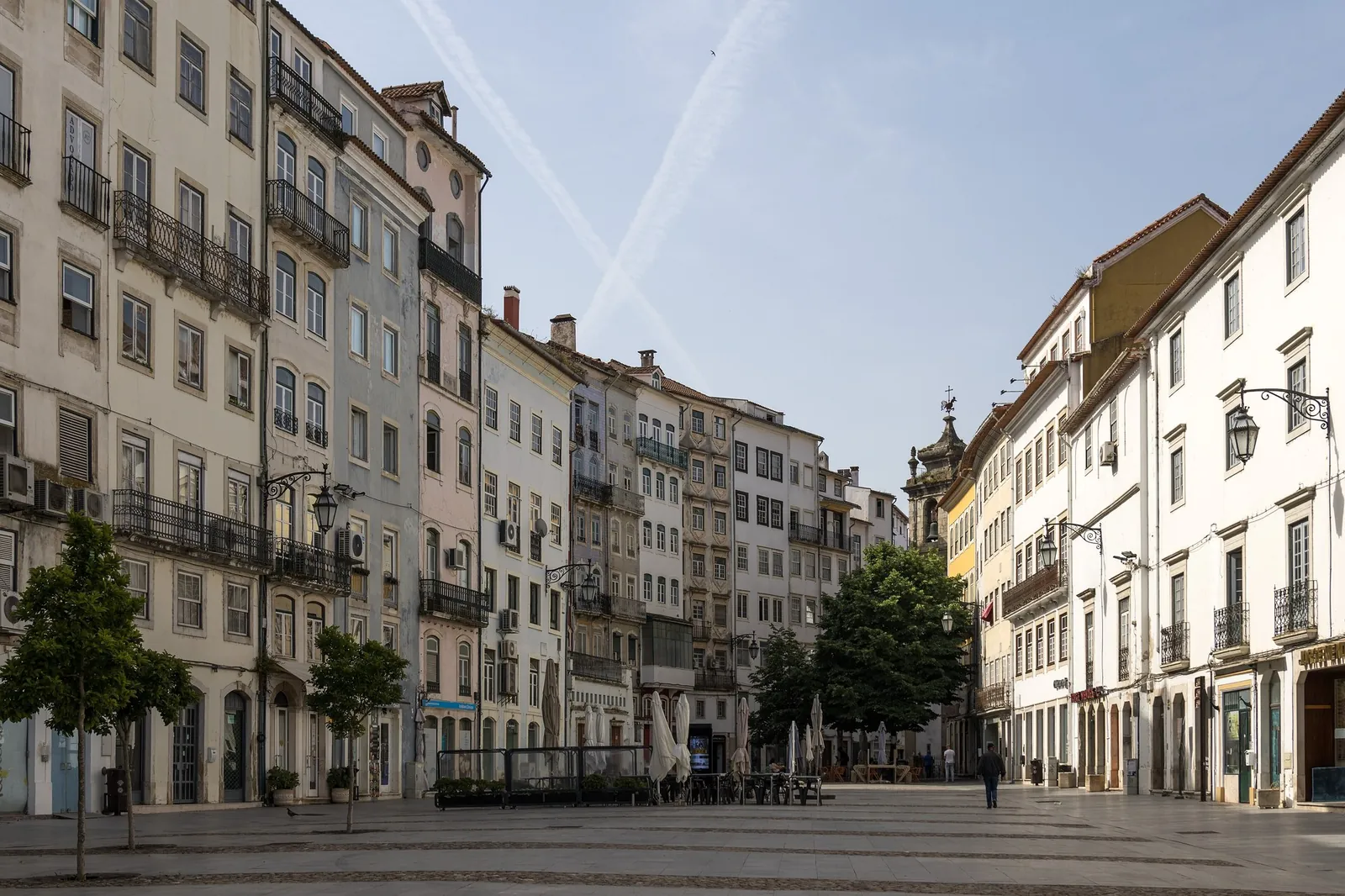
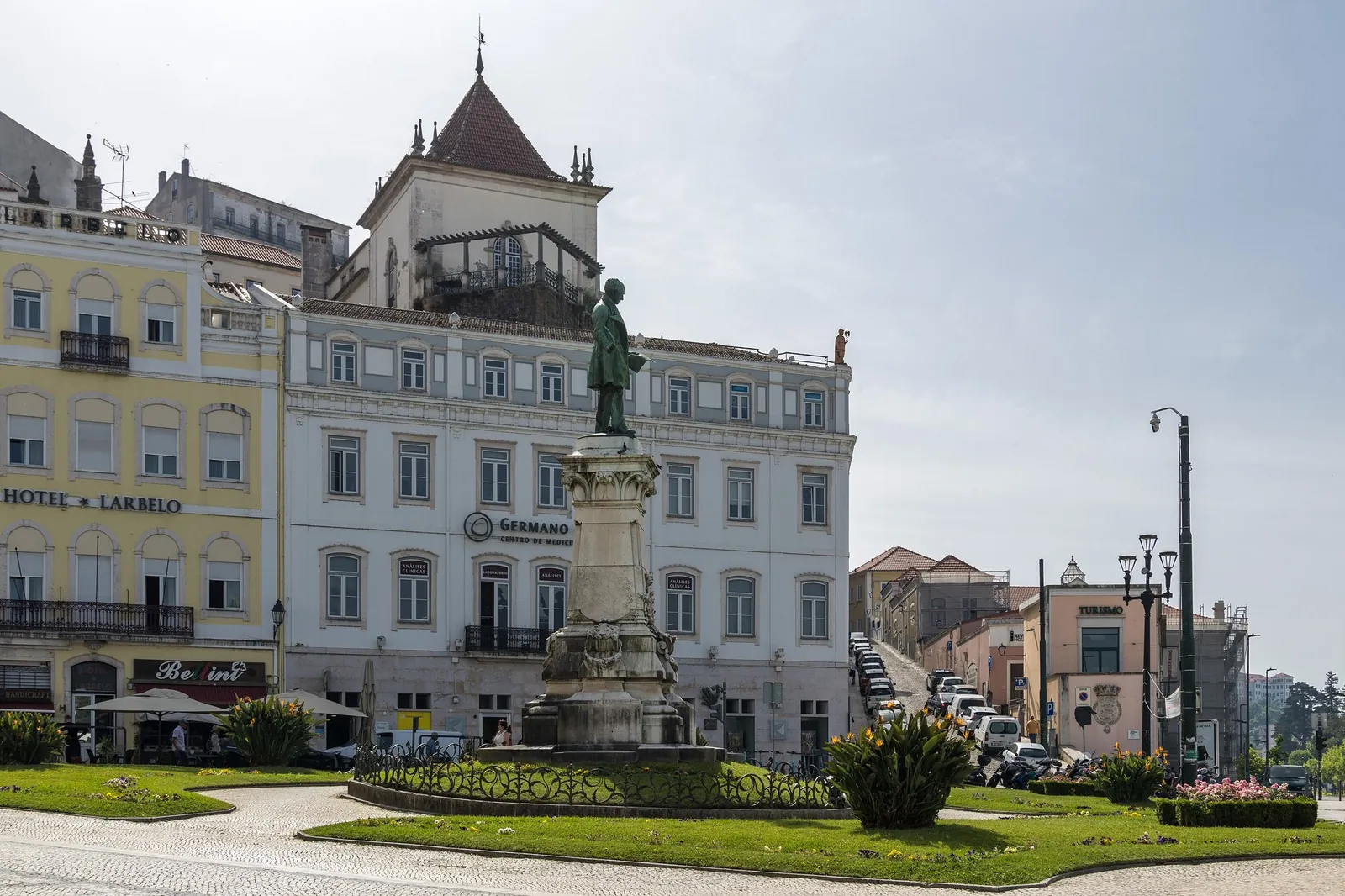
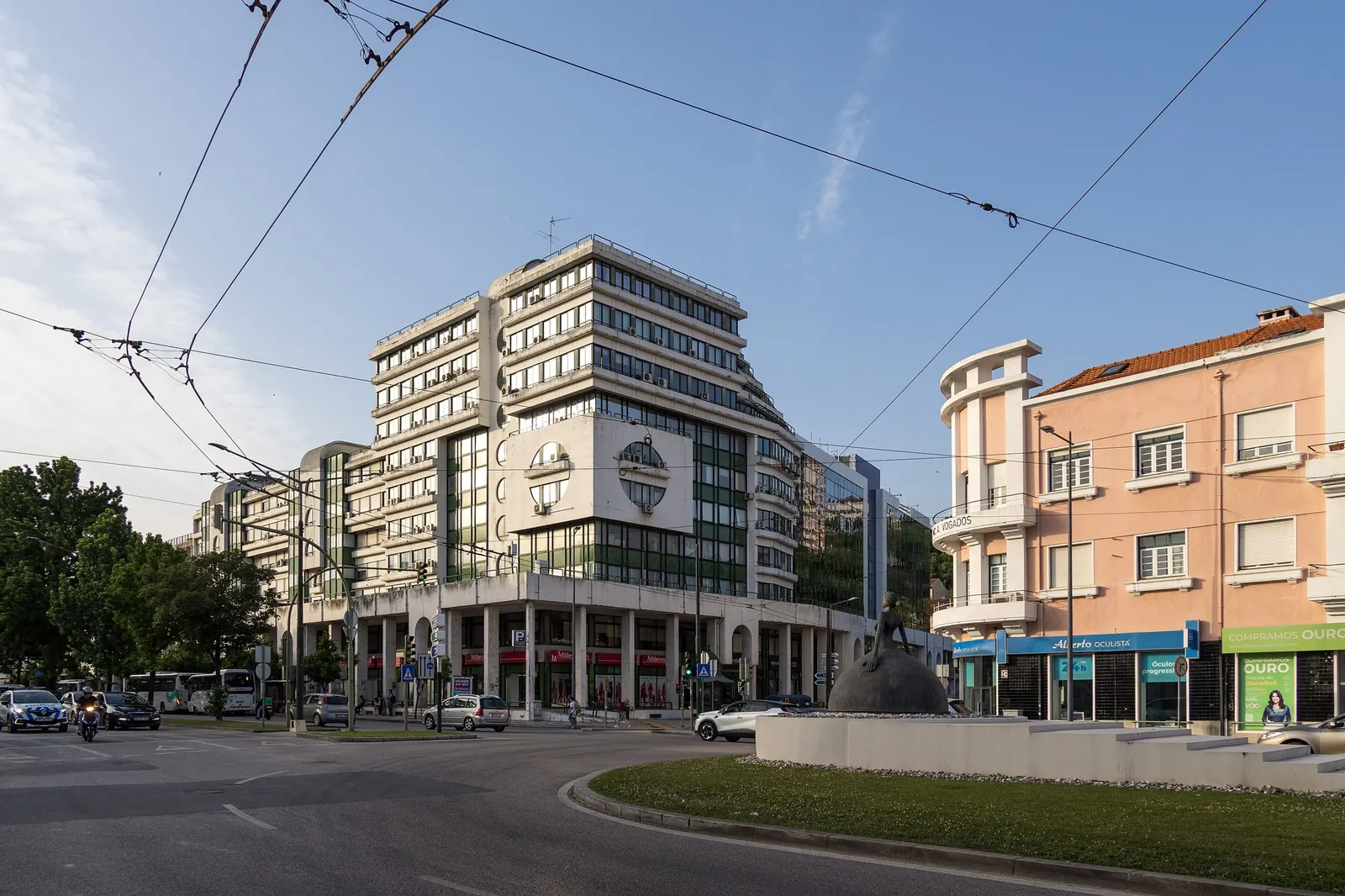
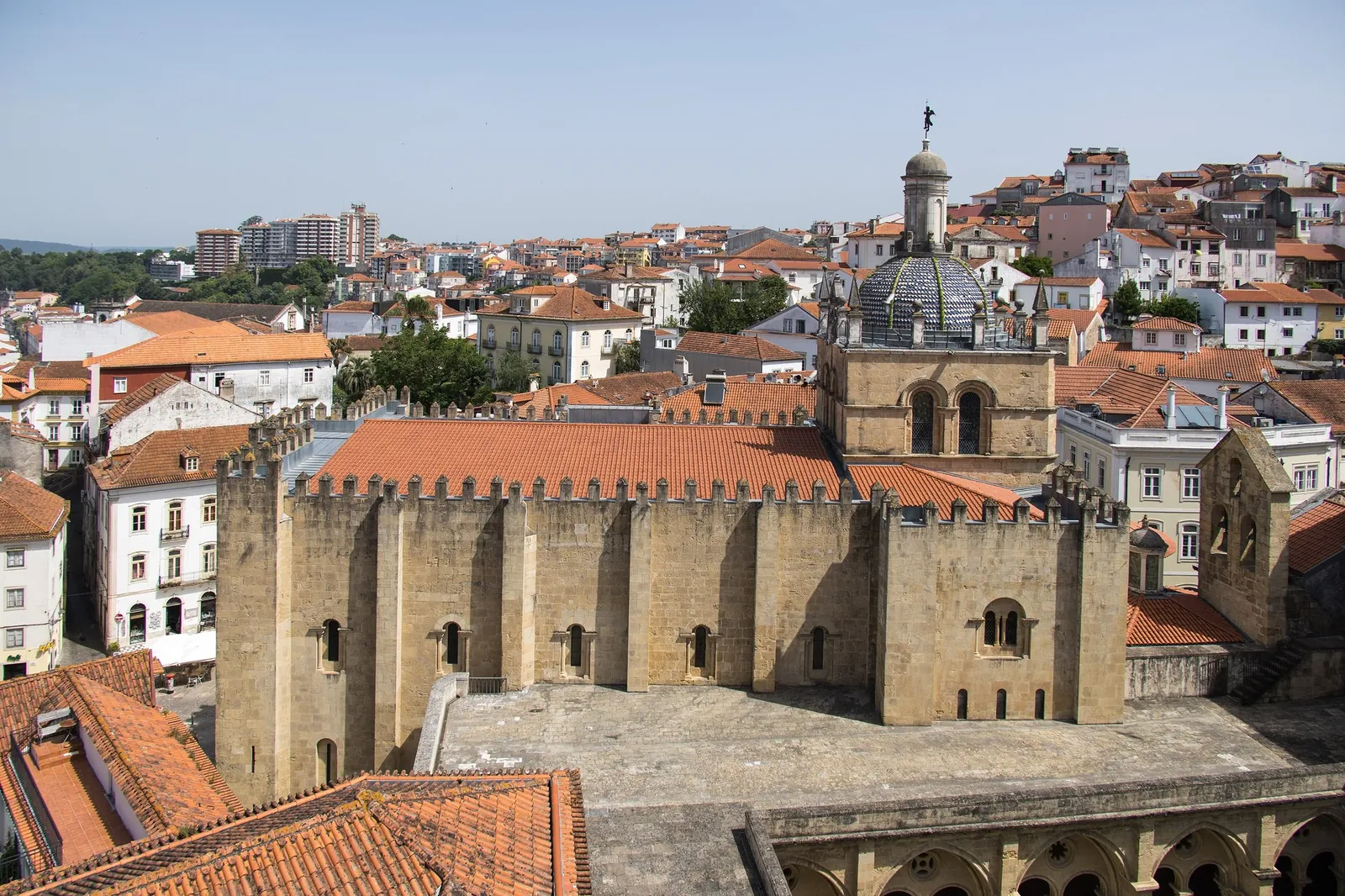
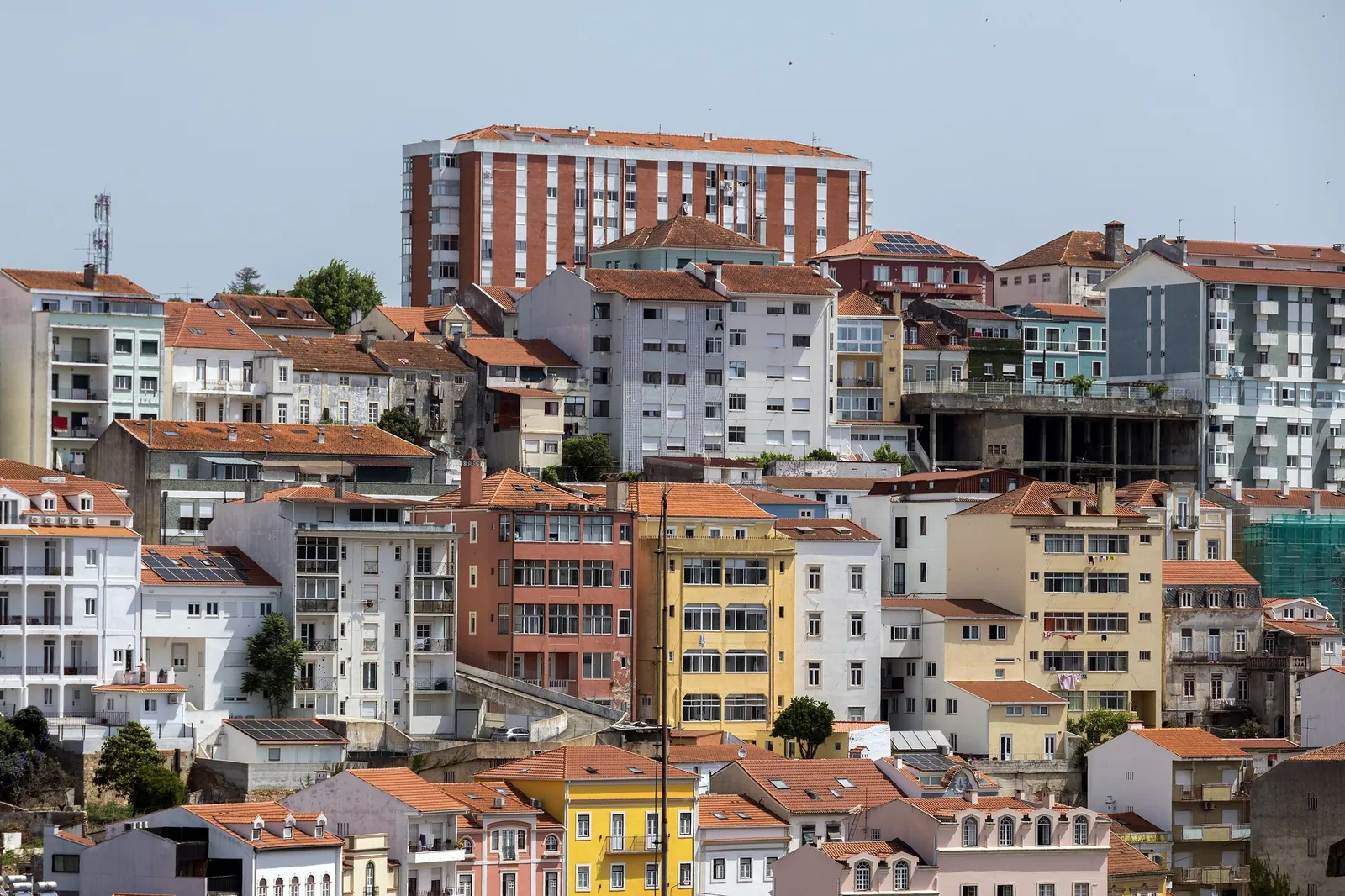
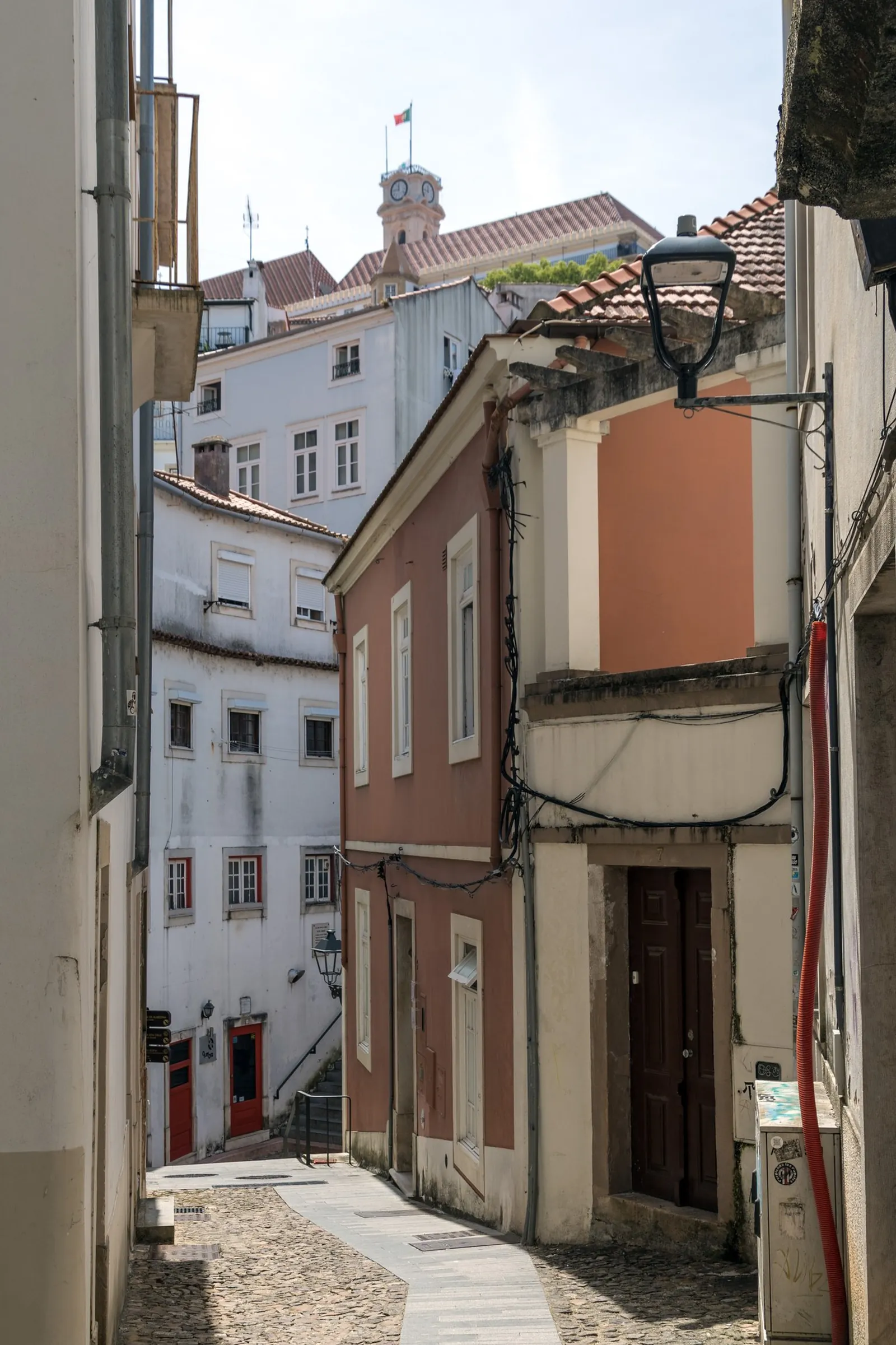
Authentic, unedited photos of Coimbra by residents and visitors, taken on ordinary days rather than chosen by a tourist board. Each one shows when it was taken. Browse photos of all 83 cities →

















The other side

Cost of Living in Coimbra
1-Bedroom Rent
$500-$900/month
Local Restaurant Meal
$9-$15 at local restaurants
Cup of Coffee
$1-$2
Estimated Monthly Total
$1,300-$2,000
Want a personalized estimate? Use our cost of living calculator
Healthcare in Coimbra
Coimbra's healthcare is the strongest argument for living here. Centro Hospitalar e Universitário de Coimbra (CHUC) is among the largest hospital complexes in Portugal, incorporating the university teaching hospital, and serves as a national referral centre for several specialties including organ transplantation, cardiothoracic surgery, and paediatrics. In practical terms that means a retiree in Coimbra has access to tertiary care locally that residents of the Algarve or Madeira must travel to Lisbon for. Private options include Hospital da Luz Coimbra and several clinics, with consultations at $45-$80. Legal residents access the SNS on the same terms as elsewhere in Portugal, and D7 holders are covered. Public waiting lists apply as they do nationally, so most international residents hold private insurance for faster routine access.
Daily Life and Lifestyle in Coimbra
Coimbra is a student city and feels like one — around a third of the population is connected to the university, which supports bookshops, cafés, concerts, and an academic calendar that shapes the year. Coimbra fado, sung by men in student capes and distinct from the Lisbon tradition, is performed regularly and is genuinely local. The old upper town climbs steeply to the university and the Joanina Library; the lower town along the river is flat, commercial, and where most daily life happens. Across the Mondego, the Choupal woods and riverside paths give level walking. The city is small enough to cross on foot in half an hour, and the Serra da Lousã and the Buçaco forest are within an hour for anyone wanting hills. The international community is small and mostly academic, so Portuguese is more necessary here than in the Algarve.
Climate and Weather in Coimbra
Coimbra has a warm-summer Mediterranean climate, moderated by its inland position and the Atlantic 40 kilometres west. Summers (June-September) are warm to hot at 25-32°C, with occasional spells above 35°C, but humidity is low and evenings cool down. Winters (December-February) are mild and wet at 6-15°C, with substantial rainfall between November and March — central Portugal is considerably wetter than the Algarve. Frost occurs occasionally on winter mornings but snow is rare. Spring and autumn are long and pleasant at 15-25°C. As across Portugal, older housing is poorly insulated and winter damp indoors is a more common complaint than the outdoor temperature.
Pros and Cons of Retiring in Coimbra
Pros
- One of Portugal's largest hospital complexes and a national referral centre for several specialties
- Well below Lisbon, Cascais, or Algarve prices
- Compact and walkable — a car is genuinely optional
- University city with a full cultural calendar and its own fado tradition
- Central position: Porto and Lisbon both reachable by train
Cons
- No beach in the city — Figueira da Foz is about 45 minutes away
- Small international community, mostly academic; Portuguese is more necessary
- Wetter winters than southern Portugal, with poorly insulated older housing
- Nearest airports are Porto (~1.5 h) and Lisbon (~2 h)
- The historic upper town is steep
Who Is Coimbra Best For?
Retirees who put healthcare access and value above beaches and an English-speaking community, and who want a walkable Portuguese city with real cultural life rather than an expat enclave.
Where to Live in Coimbra
Baixa (lower town)
The flat commercial centre along the river, with shops, cafés, and the market. One-bedrooms run $500-$850/month. Level, walkable, and practical — the natural choice for car-free living.
Alta & Sé Velha
The historic upper town around the university and old cathedral. Rents run $550-$900/month. Beautiful and atmospheric, but the climb is steep and buildings are old.
Solum & Celas
Modern residential districts east of the centre, close to the hospital complex. Rents run $500-$800/month. Newer apartments, level streets, and good bus links — popular with residents who want hospital proximity.
Hospitals and Healthcare Facilities in Coimbra
Centro Hospitalar e Universitário de Coimbra (CHUC)
One of the largest hospital complexes in Portugal, incorporating the university teaching hospital. National referral centre for several specialties including transplantation and cardiothoracic surgery.
Hospital da Luz Coimbra
Private hospital offering consultations, diagnostics, and surgery with shorter waits than the public system and English-speaking staff available.
Private clinics, Coimbra
Several private clinics across the city handle routine consultations and imaging at $45-$80, generally with same-week availability.
Facility details may change. Verify accreditation status and services directly with each hospital before making healthcare decisions.
Dining and Food Scene in Coimbra
Coimbra's cooking is central Portuguese and hearty: leitão da Bairrada, suckling pig roasted whole from the region just north of the city, is the dish worth travelling for and appears on menus at $14-$22. Chanfana, goat slow-cooked in red wine, is the other regional classic.
The student population keeps everyday prices very low — a full lunch with wine at a tasca runs $9-$14, and the university canteens and cheap restaurants around the Baixa are among the best value in Portugal. The Mercado Municipal Dom Pedro V handles fish, meat, and produce.
Weekly groceries for two run $60-$90. Bairrada, immediately north, is a serious wine region producing structured reds from Baga and good sparkling wine, and bottles that would be expensive elsewhere are everyday prices here. Coimbra also has a strong pastry tradition from its convents, including pastéis de Santa Clara.
Is Coimbra Right for You?
Take our free 3-minute retirement quiz to see how Coimbra and Portugal compare to other destinations based on your preferences, budget, and needs.
Take the Retirement QuizFrequently Asked Questions About Retiring in Coimbra
Why is Coimbra's hospital significant for retirees?
Centro Hospitalar e Universitário de Coimbra is one of the largest hospital complexes in Portugal and a national referral centre for specialties including transplantation and cardiothoracic surgery. For a retiree, that means tertiary care is local rather than a flight or a long drive away — a meaningful difference from the Algarve, Madeira, or the Greek islands, where complex cases are referred to a capital.
Is Coimbra a good choice without Portuguese?
It is harder than the Algarve or Lisbon. Coimbra has a small international community, mostly connected to the university, and English is common among students and academics but less so in shops, services, and public administration. Private healthcare generally has English speakers; the public system less reliably. Retirees who commit to learning Portuguese do well here; those who expect to function entirely in English usually find the Algarve or Cascais easier.
How does Coimbra compare with Porto?
Coimbra is smaller, cheaper, more walkable, and has comparable hospital access thanks to the university complex. Porto has an international airport, a much larger international community, more restaurants and flights, and the coast. Coimbra suits retirees who want a compact city with excellent healthcare at lower cost; Porto suits those who want a bigger city with better connections.
Sources & References
- Centro Hospitalar e Universitário de Coimbra (CHUC) — Complex scale, national referral specialties, and departmental services
- Portuguese Institute for Sea and Atmosphere (IPMA) — Temperature and rainfall normals for Coimbra and central Portugal
- Portuguese Immigration and Borders Service (AIMA) — D7 visa requirements, income thresholds, and residency renewal for retirees
- Numbeo — Cost of living index and price data for Coimbra