
City Retirement Guide
Retire in Cascais, Portugal
Atlantic resort town 30 minutes from Lisbon — Portugal's most comfortable and most expensive option
Cascais at a Glance
- Elevation & setting
- Sea level on the Atlantic coast, ~30 km west of Lisbon; Sintra-Cascais natural park behind; ~38.7°N
- Annual temperature
- 9-16°C December-February, 22-28°C June-September; warm-summer Mediterranean (Köppen Csb), persistently breezy, 2,700+ sunshine hours
- Nearest international airport
- Lisbon (LIS), ~35 km / 30-40 minutes by motorway or train
- Nearest major hospital
- Hospital de Cascais Dr. José de Almeida and CUF Cascais, in the town; Lisbon tertiary hospitals 30-40 min away
- Primary retirement visa
- Portugal D7 visa; 2026 minimum ~€920/month (Portuguese minimum wage)
- Language environment
- Portuguese official; English very widely spoken — a retiree can function entirely in English here
Cascais sheltered exiled European royalty during the Second World War while Portugal stayed neutral, and the resulting concentration of aristocratic residents is why a fishing town ended up with this much grandeur.
Overview of Cascais for Retirees
Cascais sits on the Atlantic coast about 30 kilometres west of Lisbon at 38.7°N, at the end of a suburban rail line that runs along the sea from the capital. It was the summer residence of the Portuguese royal family in the 19th century and a refuge for exiled European royalty during the Second World War, and it has stayed affluent ever since.
For retirees the proposition is comfort. Cascais offers seafront living, a pedestrianised old town, excellent restaurants, international schools, private healthcare, and a 40-minute train ride to central Lisbon and its airport — without the noise, hills, or congestion of the capital. The international community is large and long-established.
The price is that Cascais is the most expensive market in Portugal, more so than Lisbon itself. Anyone budgeting $1,200 a month should look elsewhere; realistic figures start well above that. It also has genuine wind: the Atlantic exposure that makes Guincho a world-class surf beach makes Cascais noticeably breezier and cooler than Lisbon, which some retirees love and others find wearing.
What Cascais actually looks like
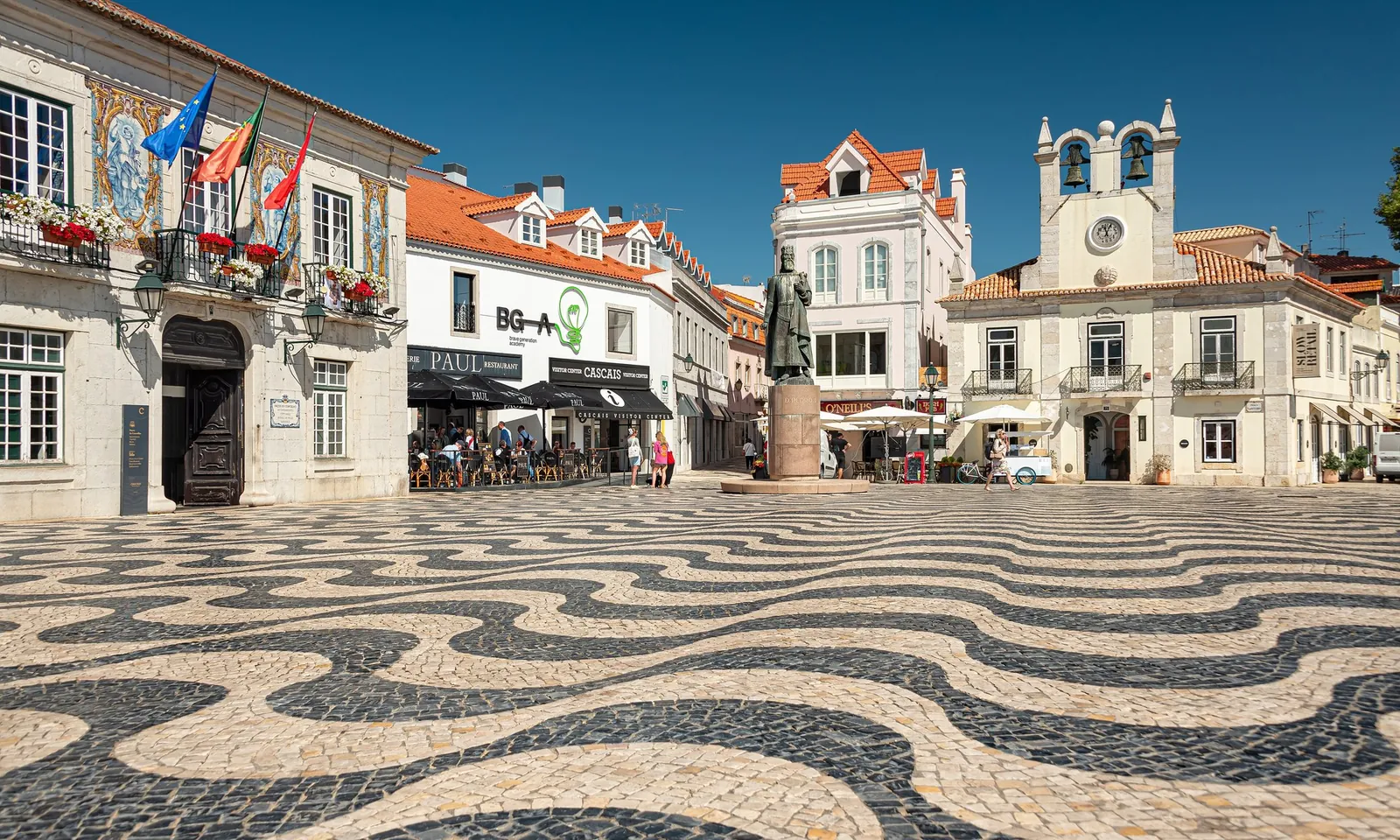
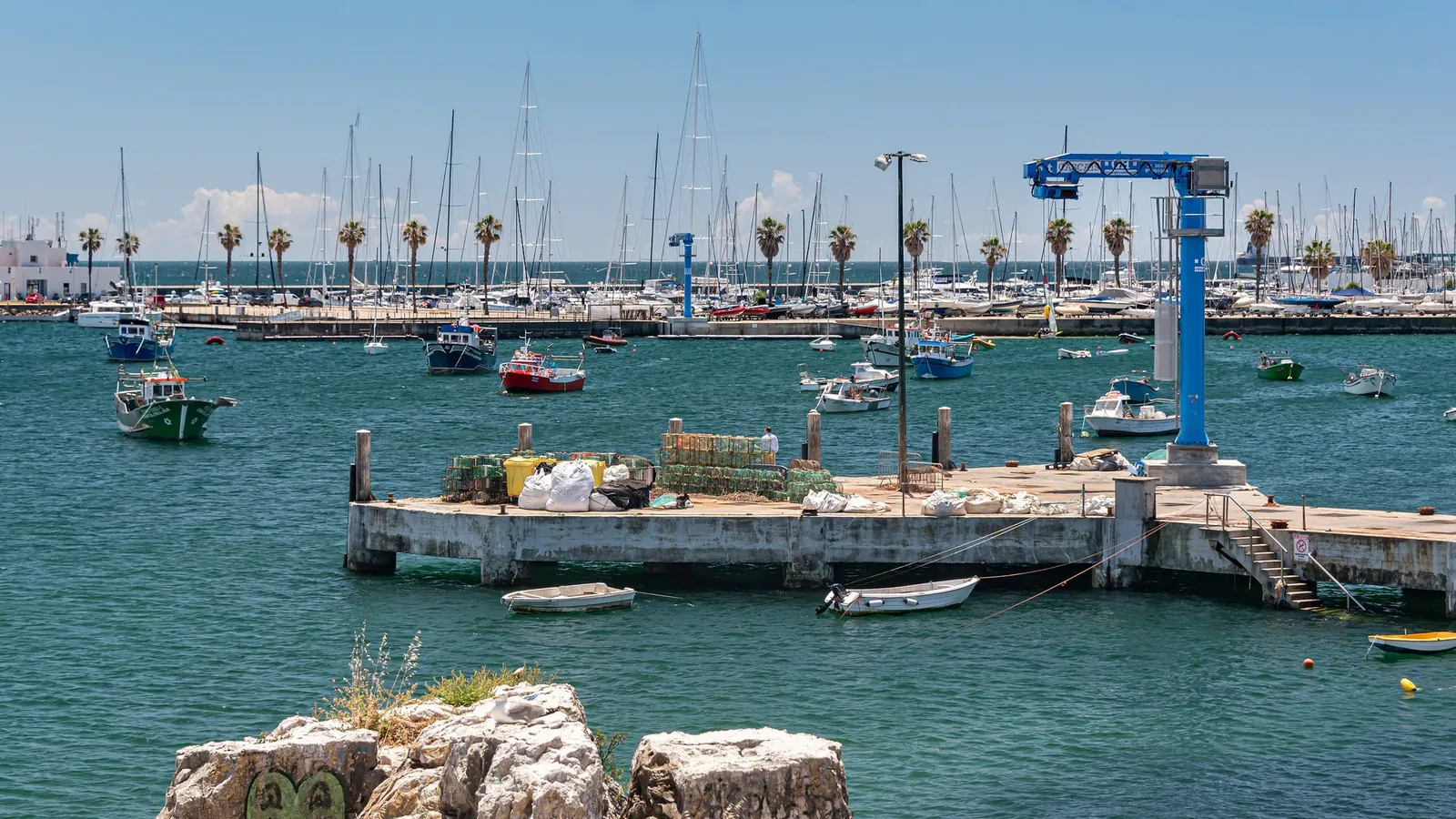
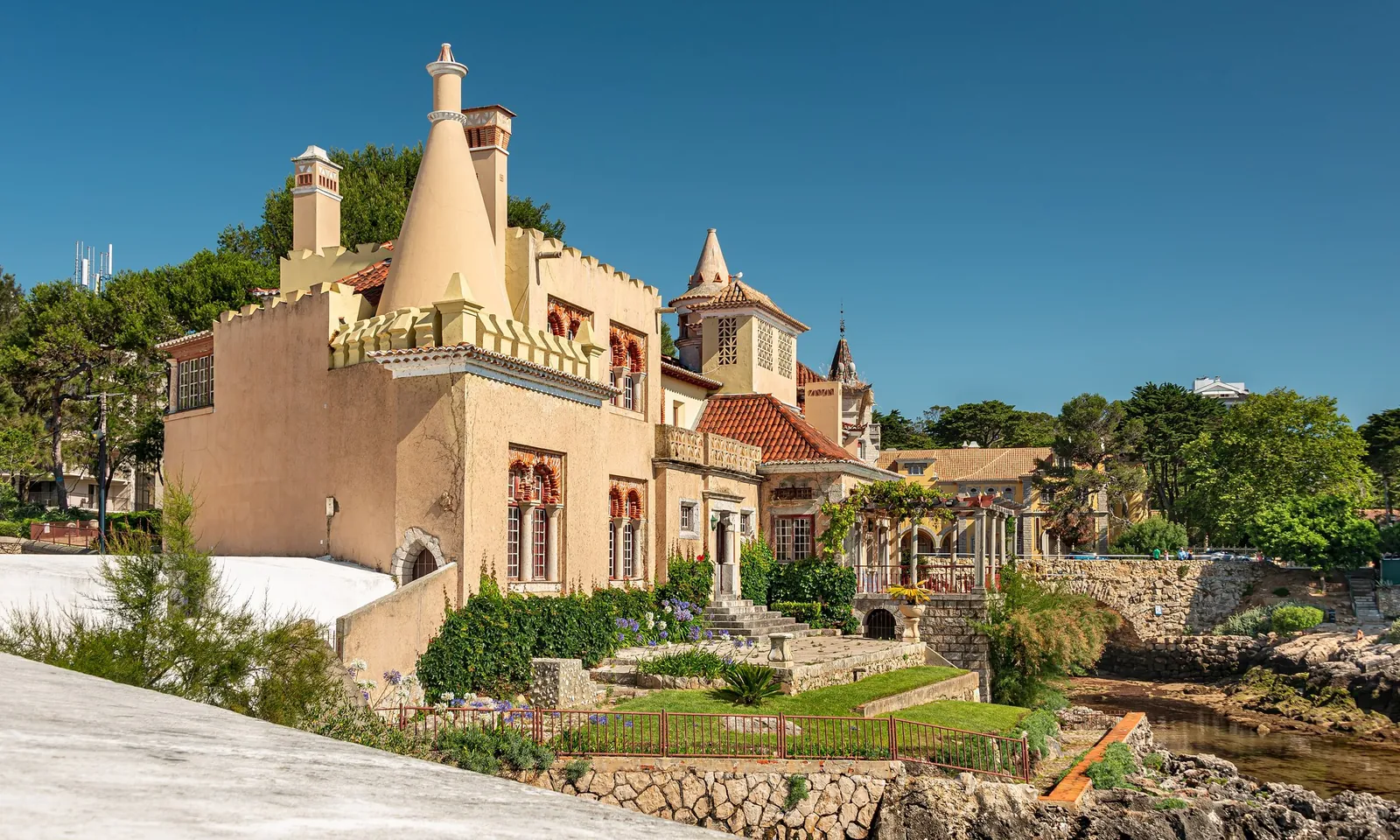
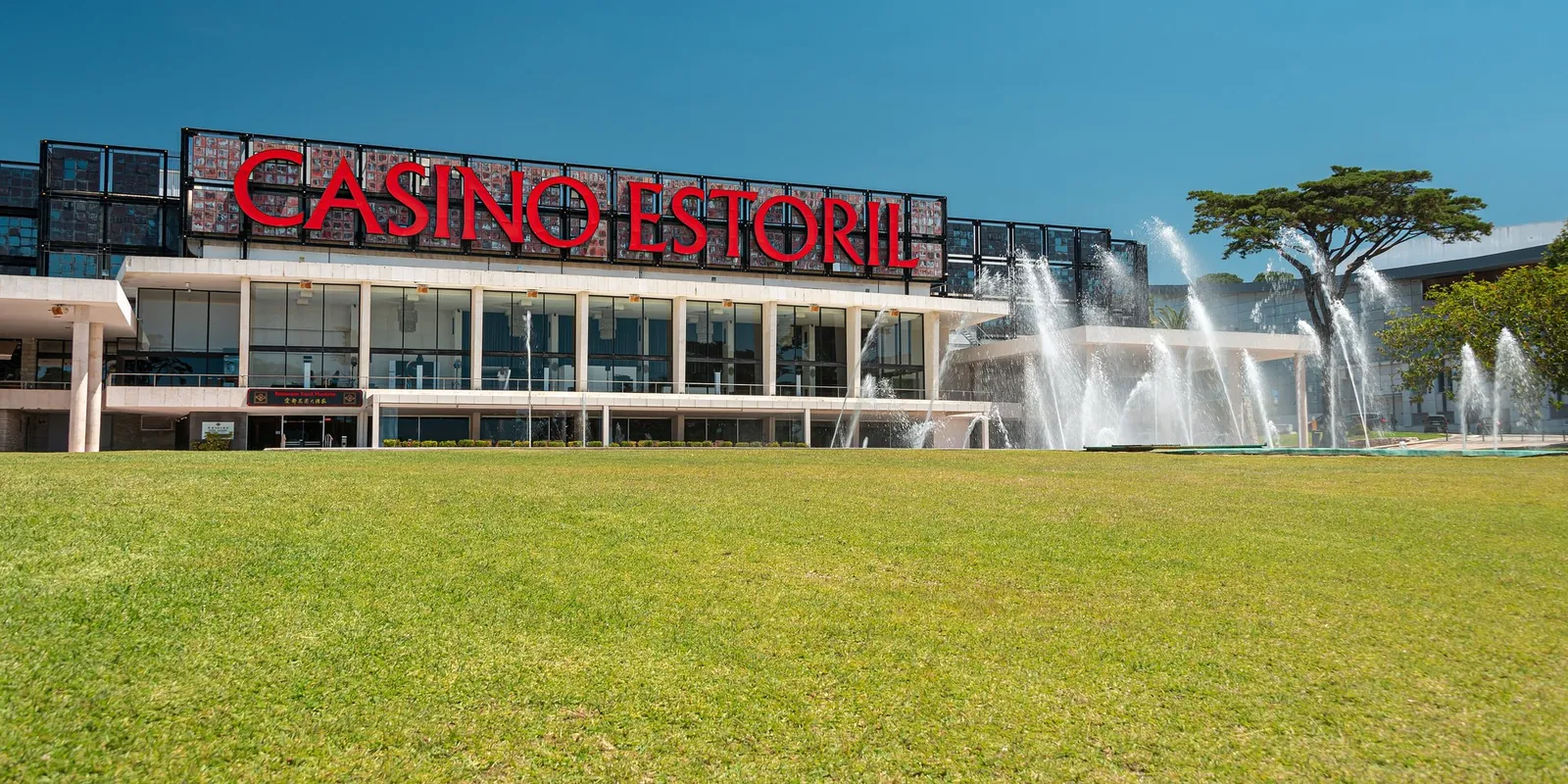
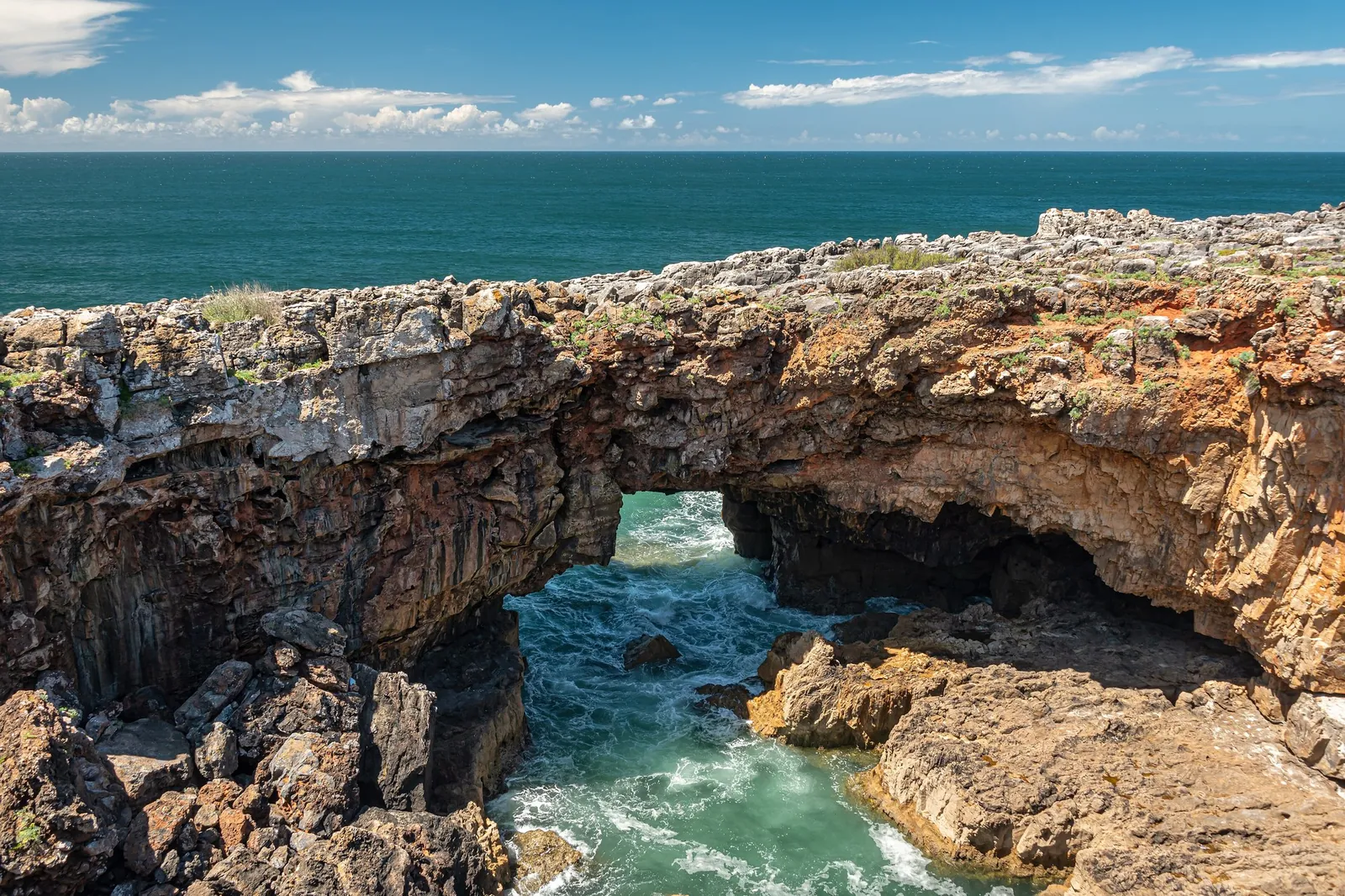
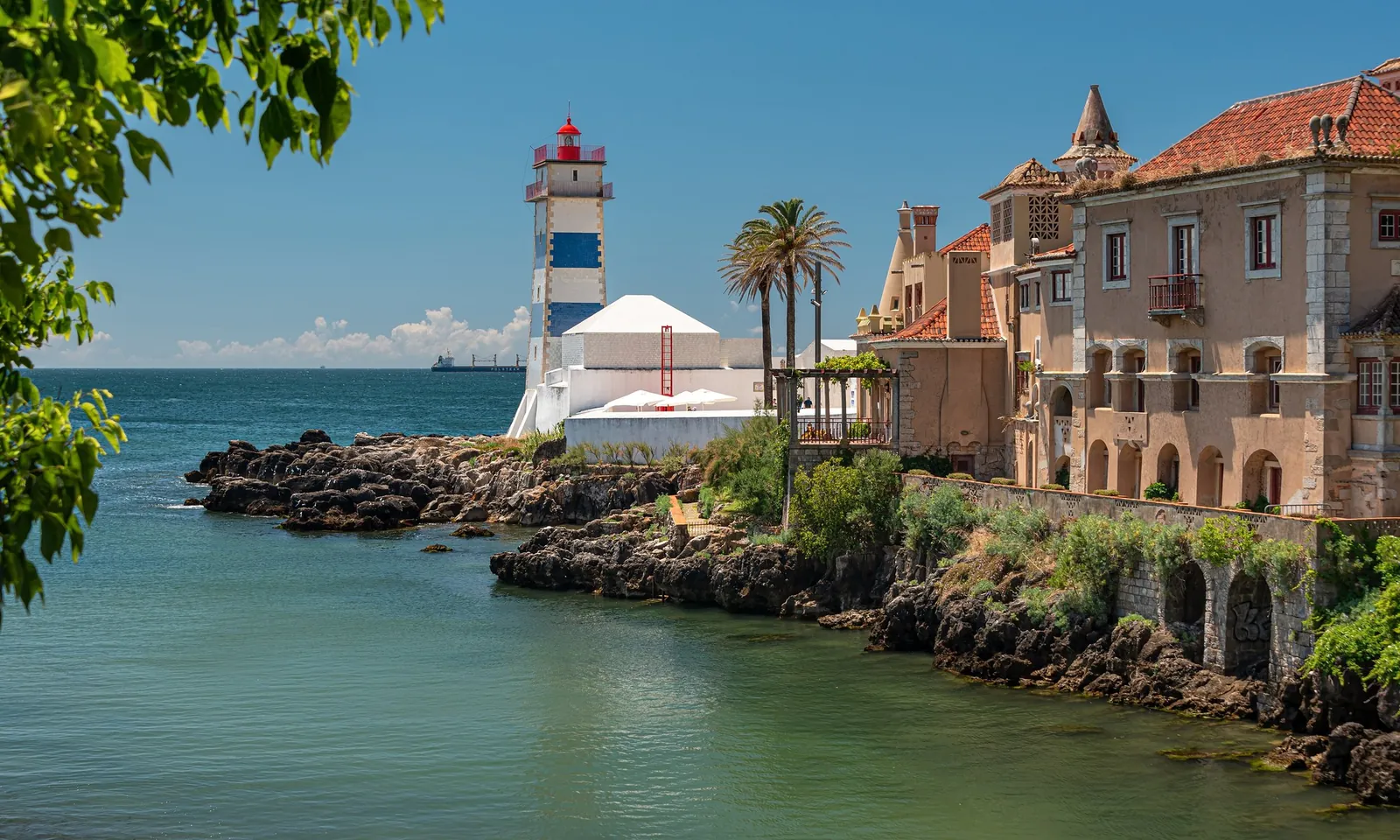
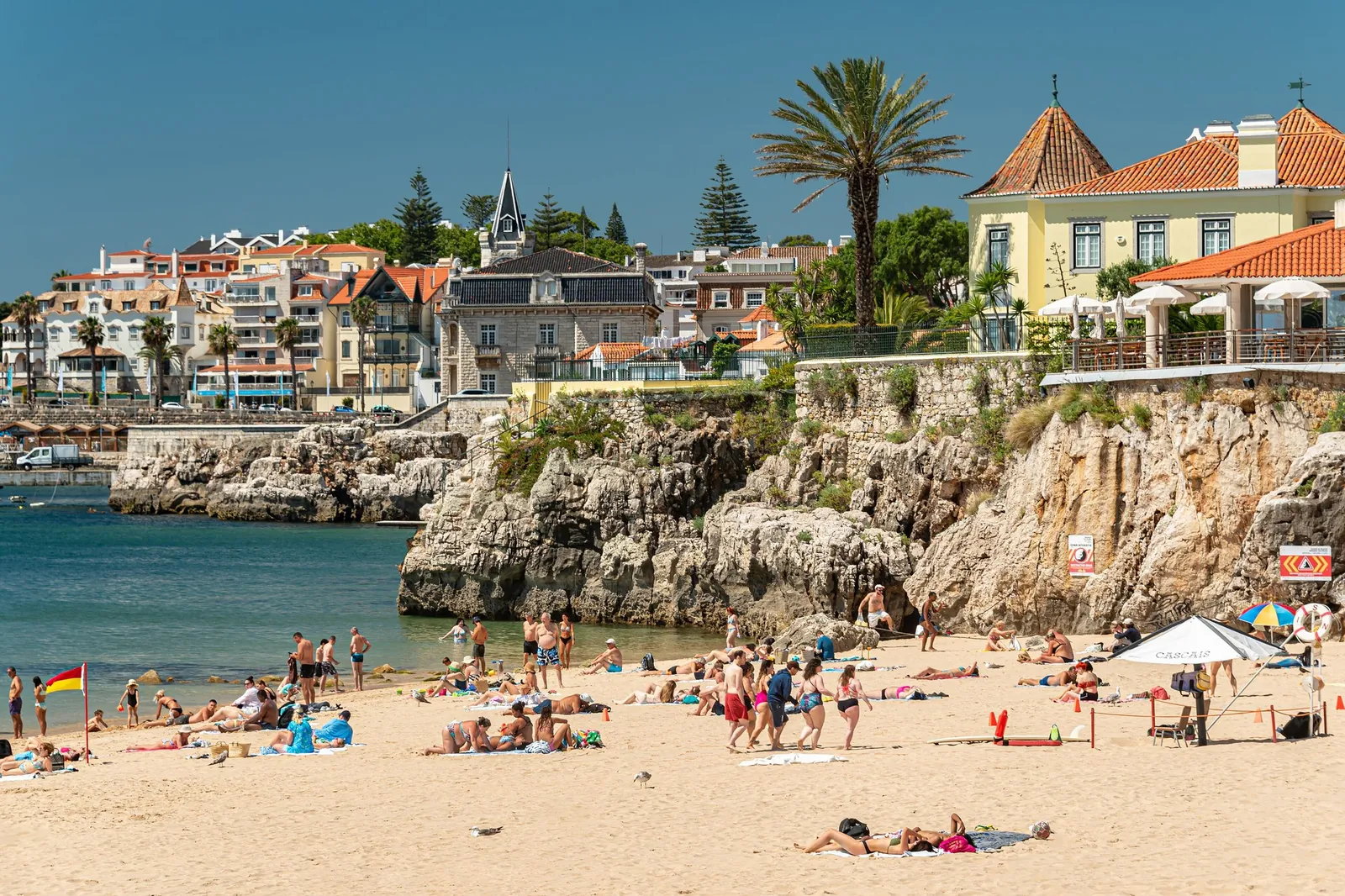
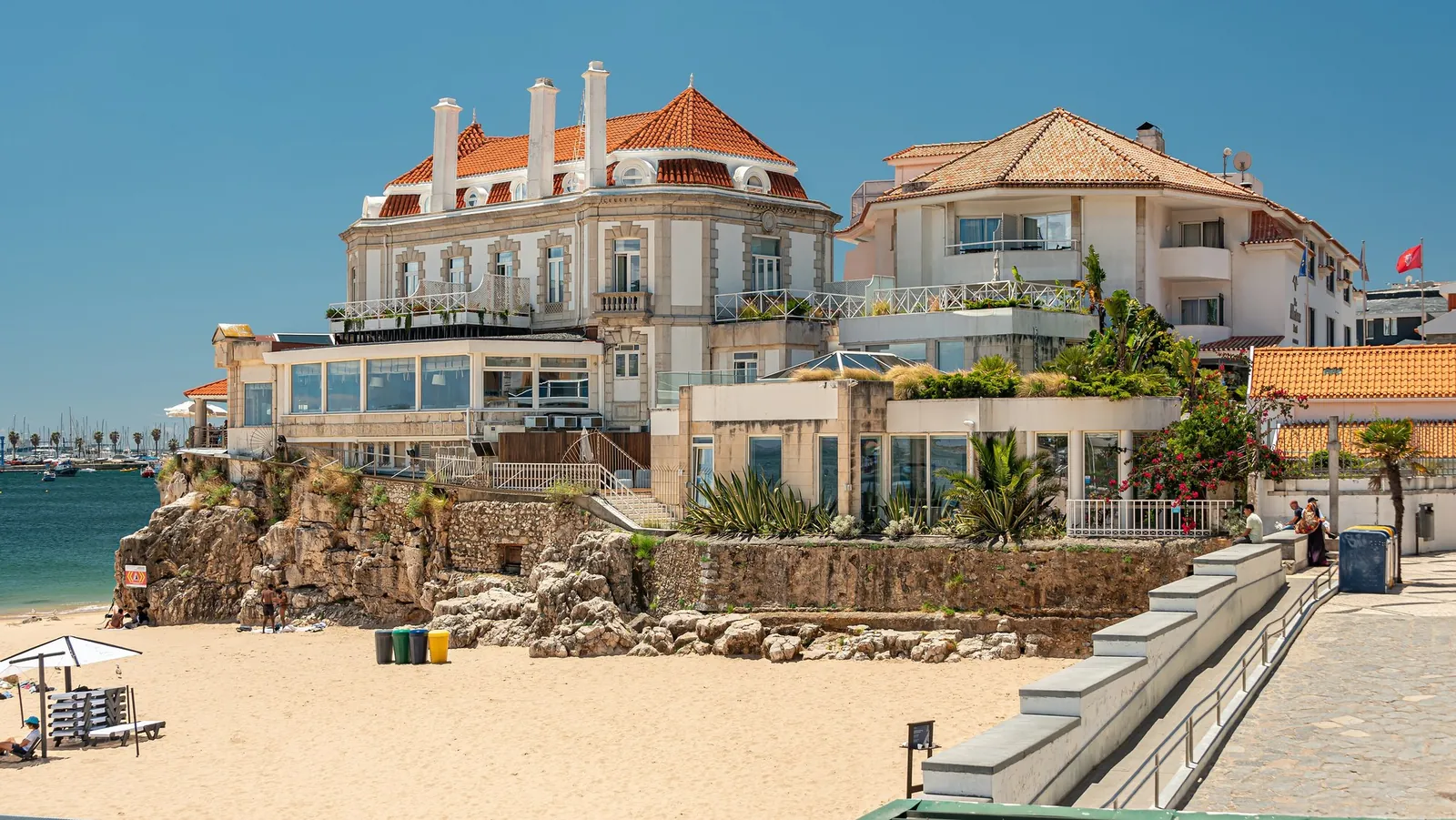
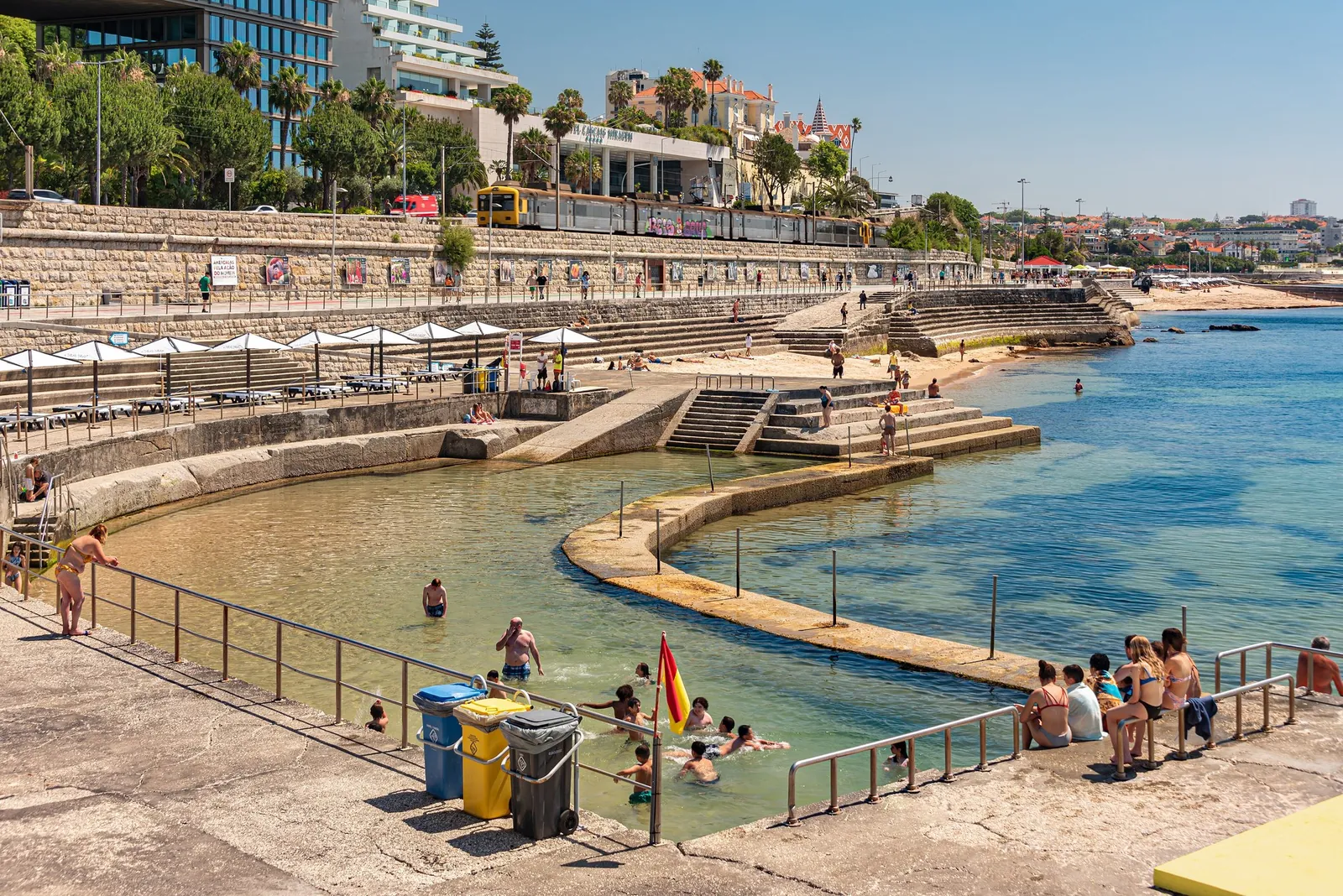
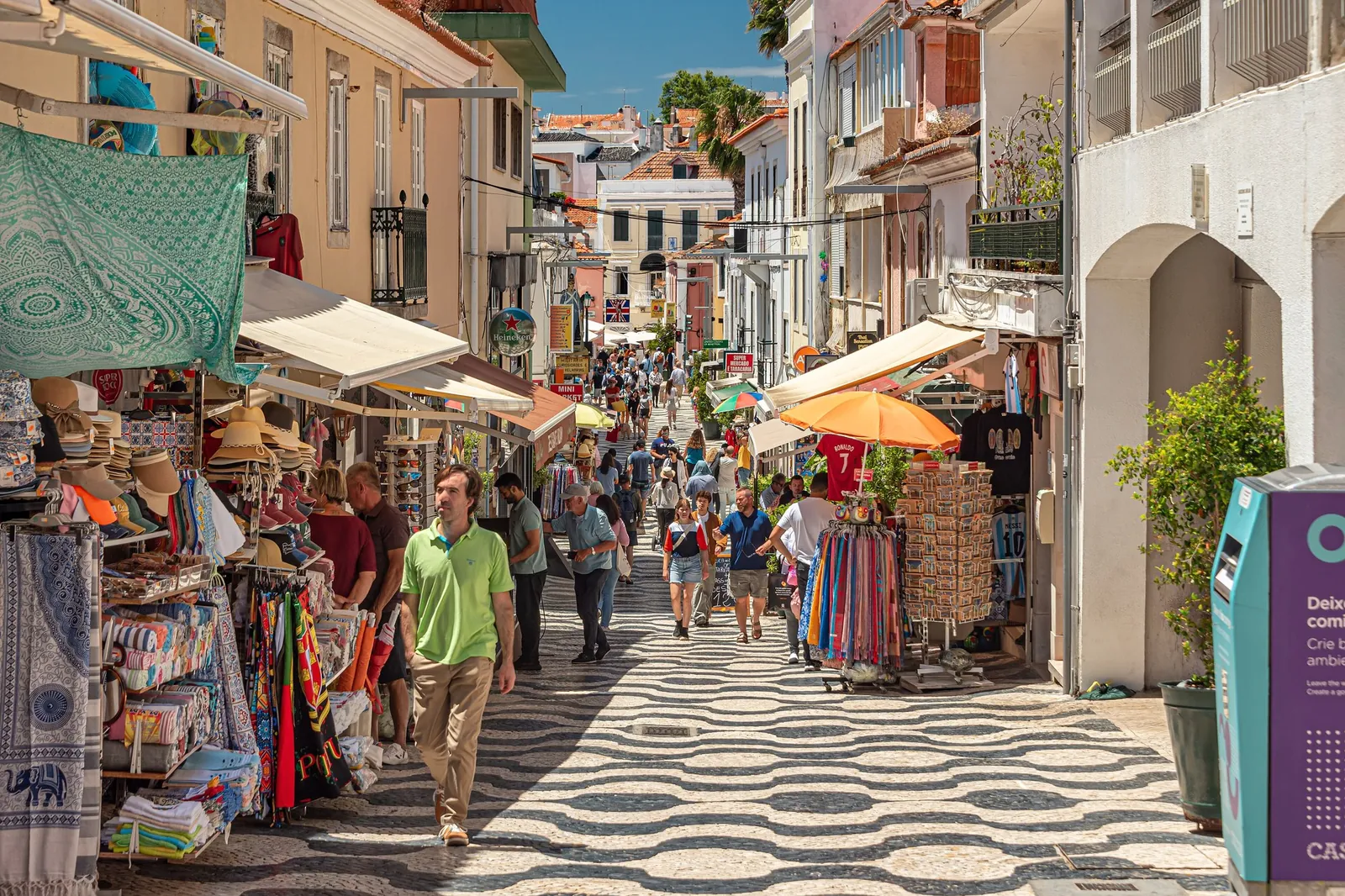
Authentic, unedited photos of Cascais by residents and visitors, taken on ordinary days rather than chosen by a tourist board. Each one shows when it was taken. Browse photos of all 83 cities →
.jpg)

.jpg)

.jpg)
.jpg)
.jpg)
.jpg)
.jpg)
.jpg)
.jpg)
.jpg)
.jpg)
The other side
.jpg)
Cost of Living in Cascais
1-Bedroom Rent
$1,100-$1,900/month
Local Restaurant Meal
$14-$25 at local restaurants
Cup of Coffee
$1.50-$3
Estimated Monthly Total
$2,300-$3,600
Want a personalized estimate? Use our cost of living calculator
Healthcare in Cascais
Cascais is well served for a town of its size. Hospital de Cascais Dr. José de Almeida is the public hospital covering the municipality, and private provision includes CUF Cascais and several clinics with English-speaking doctors and short waits; private consultations run $60-$110. The decisive advantage is proximity: Lisbon's full range of public and private tertiary hospitals — CUF Descobertas, Hospital da Luz, Santa Maria — is 30 to 40 minutes away by motorway or train, which means anything Cascais cannot handle is close rather than a flight. For a retiree with a cardiac history or an ongoing specialist relationship, that combination of a local hospital plus a capital's tertiary network half an hour away is about as good as it gets in southern Europe.
Daily Life and Lifestyle in Cascais
Cascais lives around its bay, its marina, and the coastal path. The pedestrianised old town has restaurants and shops at a scale that stays busy year-round rather than emptying in winter, and the promenade running east to Estoril and on towards Lisbon gives several kilometres of flat seafront walking and cycling. The Sintra-Cascais natural park begins immediately behind the town, with Guincho's dunes and the Sintra hills within twenty minutes. Golf is a serious local industry, with a dozen courses in the area. The international community is large, wealthy, and multinational, with clubs, English-language services, and enough infrastructure that a retiree can function entirely in English if they choose. That is also the main criticism: Cascais can feel more like an international resort than like Portugal.
Climate and Weather in Cascais
Cascais has a warm-summer Mediterranean climate strongly moderated by the Atlantic. Summers (June-September) are warm rather than hot at 22-28°C — several degrees below Lisbon and far below the Algarve — with the sea breeze reliably taking the edge off the afternoon. Winters (December-February) are mild at 9-16°C with moderate rain concentrated between November and March. What distinguishes Cascais is wind: the Atlantic exposure that makes nearby Guincho a world-class surfing and windsurfing beach means Cascais is regularly breezy, and the sea is cold year-round at 15-19°C, noticeably colder than the Algarve. Sunshine is generous, with over 2,700 hours a year.
Pros and Cons of Retiring in Cascais
Pros
- Lisbon's tertiary hospitals and international airport 30-40 minutes away
- Flat seafront promenade running for kilometres towards Estoril
- Cooler summers than Lisbon or the Algarve — 22-28°C rather than 30-35°C
- Large, established, English-speaking international community
- Pedestrianised old town that stays open and busy through the winter
Cons
- The most expensive market in Portugal, dearer than Lisbon itself
- Persistently windy because of Atlantic exposure
- Sea is cold year-round at 15-19°C
- Can feel like an international resort rather than a Portuguese town
- Summer weekends bring heavy crowds from Lisbon
Who Is Cascais Best For?
Retirees with a comfortable budget who want seafront living, cooler summers, and immediate access to a capital's hospitals and airport, and who do not mind wind or paying Portugal's highest prices.
Where to Live in Cascais
Cascais centre & Monte Estoril
The old town, bay, and the seafront running east towards Estoril. One-bedrooms run $1,200-$1,900/month. Flat, walkable, with the rail line, restaurants, and beaches on the doorstep — the most practical base.
Birre & Quinta da Marinha
Low-rise residential areas inland towards Guincho, with houses, gardens, and the golf courses. Rents run $1,400-$2,400/month for houses. Quiet and green, but a car is required.
Carcavelos & Parede
The coastal towns between Cascais and Lisbon on the same rail line, considerably cheaper. Rents run $800-$1,400/month. Less polished than Cascais but with the same beach and train access, and popular with residents priced out of the centre.
Hospitals and Healthcare Facilities in Cascais
Hospital de Cascais Dr. José de Almeida
The public hospital serving the municipality, with an emergency department and the main specialties, operating within the Portuguese SNS.
CUF Cascais
Private hospital in the CUF national group, with English-speaking doctors, short waits, and specialist consultations. The usual first choice for international residents.
Lisbon tertiary hospitals
CUF Descobertas, Hospital da Luz, and Santa Maria in Lisbon are 30-40 minutes away by motorway or train, giving access to the full range of Portuguese tertiary care.
Facility details may change. Verify accreditation status and services directly with each hospital before making healthcare decisions.
Dining and Food Scene in Cascais
Cascais eats well and charges for it. The bay has been a fishing port since long before it was a resort, and the seafood restaurants along the old town and the marina serve the day's catch at $18-$35 for a main — arroz de marisco, grilled robalo, and percebes when in season.
At the everyday end, the tascas behind the centre and in Parede and Carcavelos serve a full lunch with wine for $12-$18, which is where residents rather than visitors eat. The municipal market on Wednesdays and Saturdays is genuinely good for fish, produce, and cheese.
Weekly groceries for two run $90-$140, the highest of any Portuguese location on this site. Pastéis de nata, salt cod, and Portuguese wine remain cheap; imported goods and restaurant meals are where the Cascais premium shows. Colares, the small wine region on the Sintra coast just north, produces distinctive wines from vines grown in sand.
Is Cascais Right for You?
Take our free 3-minute retirement quiz to see how Cascais and Portugal compare to other destinations based on your preferences, budget, and needs.
Take the Retirement QuizFrequently Asked Questions About Retiring in Cascais
How much more expensive is Cascais than the rest of Portugal?
Substantially. Cascais is the most expensive market in the country, ahead of Lisbon: one-bedroom rents run $1,100-$1,900 against $500-$900 in Coimbra and $750-$1,300 in Funchal. A realistic monthly budget starts around $2,300 and rises quickly. What the premium buys is proximity to Lisbon, a cooler summer climate, and a large English-speaking community.
Is the wind really a problem?
It depends on the person, and it is worth testing before committing. The Atlantic exposure that makes Guincho a world-class windsurfing beach means Cascais is regularly breezy, particularly in the afternoons from spring through autumn. Many retirees consider it a benefit — it keeps summers at 22-28°C rather than the 35°C of inland Portugal. Others find constant wind wearing. Spend time there in July before deciding.
Why choose Cascais over Lisbon itself?
Flat terrain, sea air, cooler summers, and quiet. Lisbon is built on hills that become a real obstacle with age, is several degrees hotter in summer, and is noisier and more crowded. Cascais gives seafront living with a flat promenade and a 40-minute train into the capital when you want it. The trade is that Cascais is smaller, and slightly more expensive.
Sources & References
- Hospital de Cascais Dr. José de Almeida — Public hospital services and emergency provision for the Cascais municipality
- Portuguese Institute for Sea and Atmosphere (IPMA) — Temperature, wind, and sunshine normals for the Cascais and Estoril coast
- Portuguese Immigration and Borders Service (AIMA) — D7 visa requirements, income thresholds, and residency renewal for retirees
- Numbeo — Cost of living index and price data for Cascais