
City Retirement Guide
Retire in Bohol, Philippines
Island living with a new international airport and Cebu's hospitals two hours away
Bohol at a Glance
- Elevation & setting
- Tagbilaran and Panglao near sea level; central Visayas island, ~9.8°N
- Annual temperature
- 25-32°C year-round; tropical, drier December-May; within the main Philippine typhoon belt
- Nearest international airport
- Bohol-Panglao International (TAG), opened 2018, on Panglao island
- Nearest major hospital
- Gov. Celestino Gallares Memorial Medical Center, Tagbilaran; tertiary care in Cebu (~2 h by fast ferry)
- Primary retirement visa
- Philippine SRRV (Special Resident Retiree's Visa); deposit varies by tier and pension status
- Language environment
- Boholano-Cebuano and Filipino; English is an official language and used throughout daily life and healthcare
Bohol-Panglao, opened in 2018, was the first Philippine airport built to international standards from scratch — which is what turned Bohol from a ferry-dependent holiday island into a viable place to live.
Overview of Bohol for Retirees
Bohol is a roughly circular island in the central Visayas at about 9.8°N, with Tagbilaran as its capital and the small adjoining island of Panglao holding most of the beach development. It is best known for the Chocolate Hills, the tarsier sanctuaries, and the Loboc river, and for a coastline that is calmer and less developed than Cebu's.
The practical change for retirees came in 2018, when Bohol-Panglao International Airport opened — the first Philippine airport built to international standards from scratch, and the reason the island is now a realistic base rather than a ferry-dependent one. Costs are low: a single retiree can live comfortably under $1,000 a month.
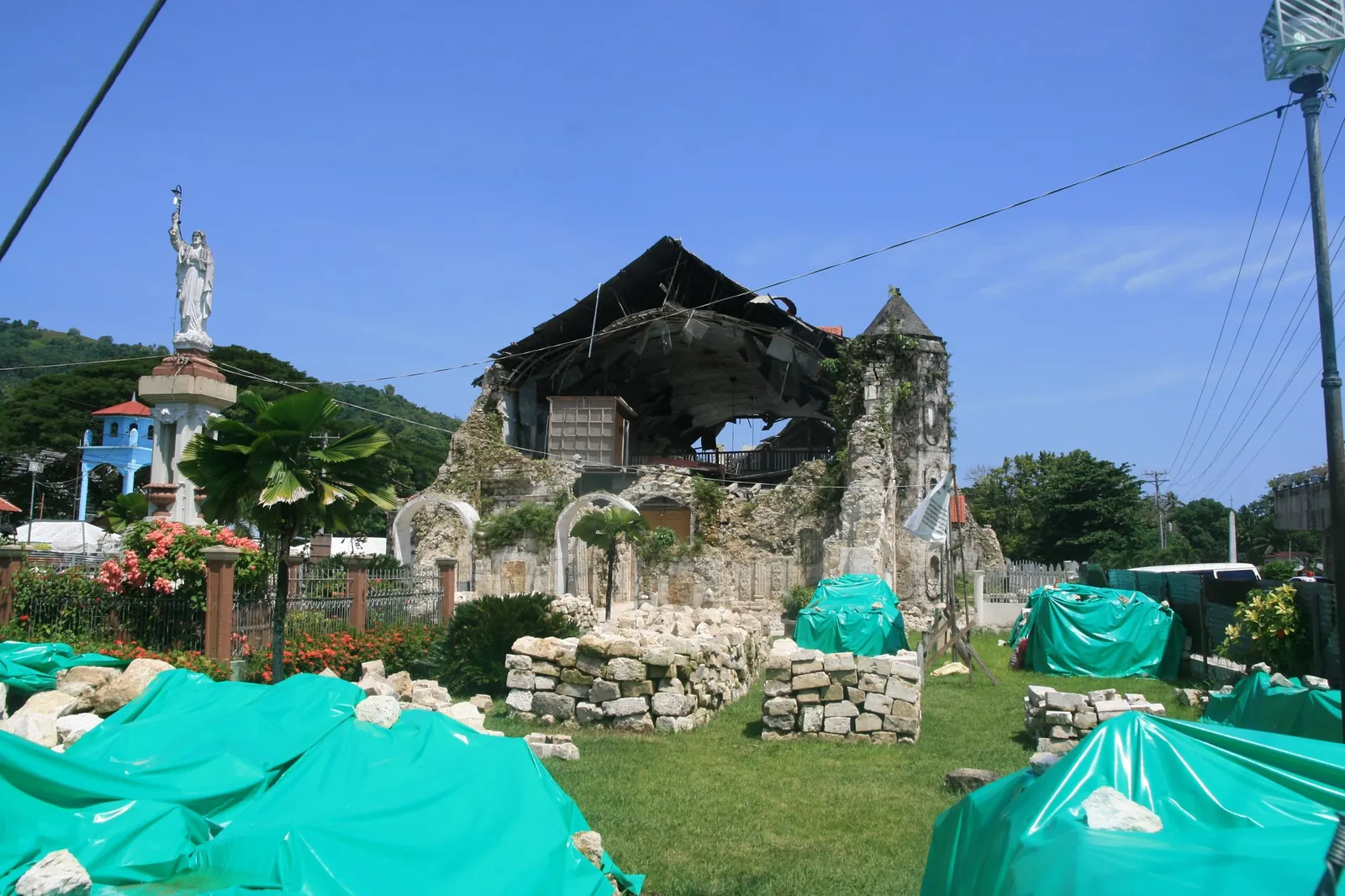
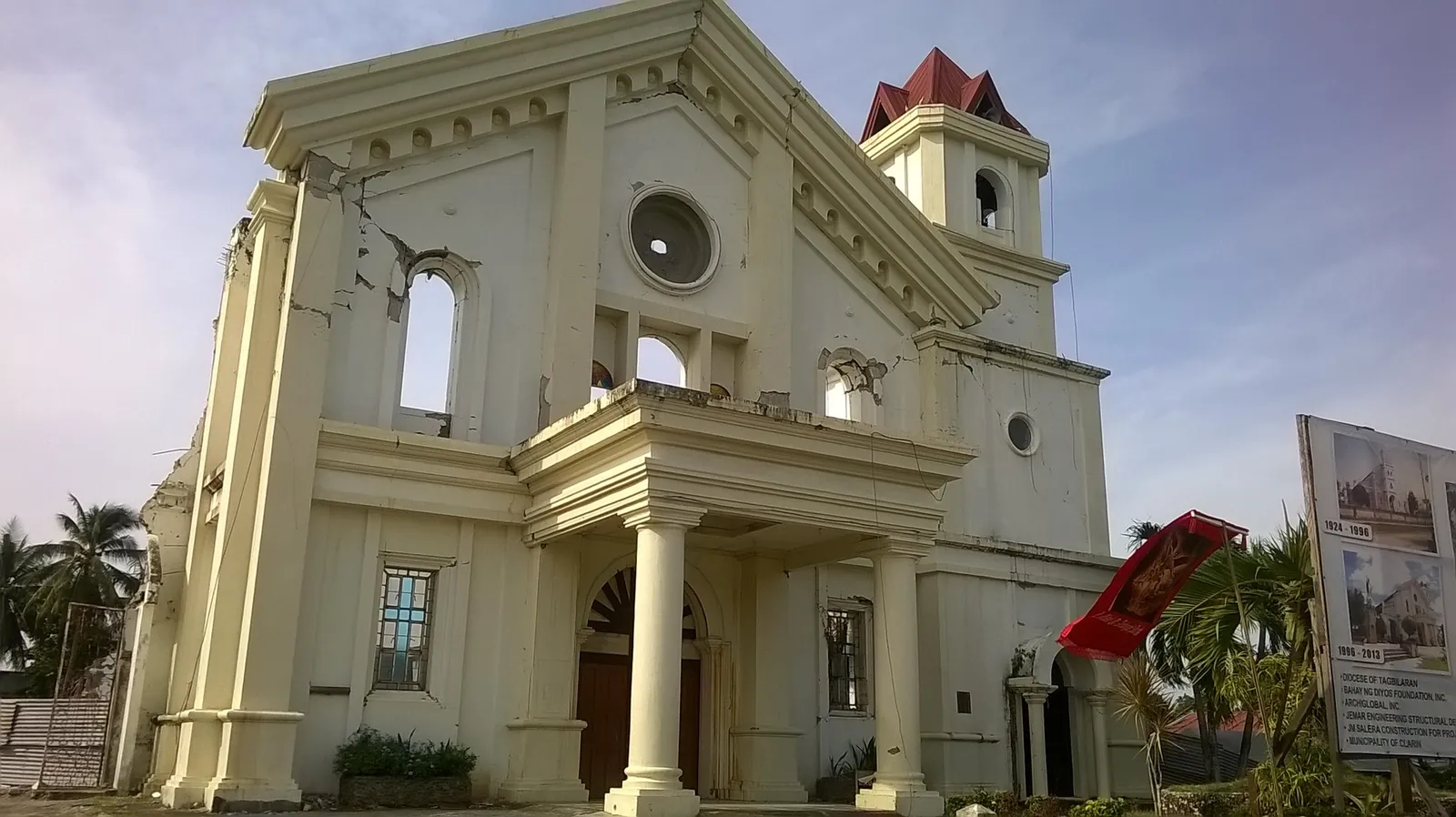
Healthcare is the constraint. Tagbilaran has Gov. Celestino Gallares Memorial Medical Center, the regional public hospital, and Ramiro Community Hospital on the private side, which together cover routine and emergency care. Anything serious means Cebu, about two hours by fast ferry. Bohol also carries real natural-hazard exposure: a magnitude 7.2 earthquake in 2013 destroyed several centuries-old churches, and Typhoon Odette caused severe damage across the island in December 2021.
What Bohol actually looks like
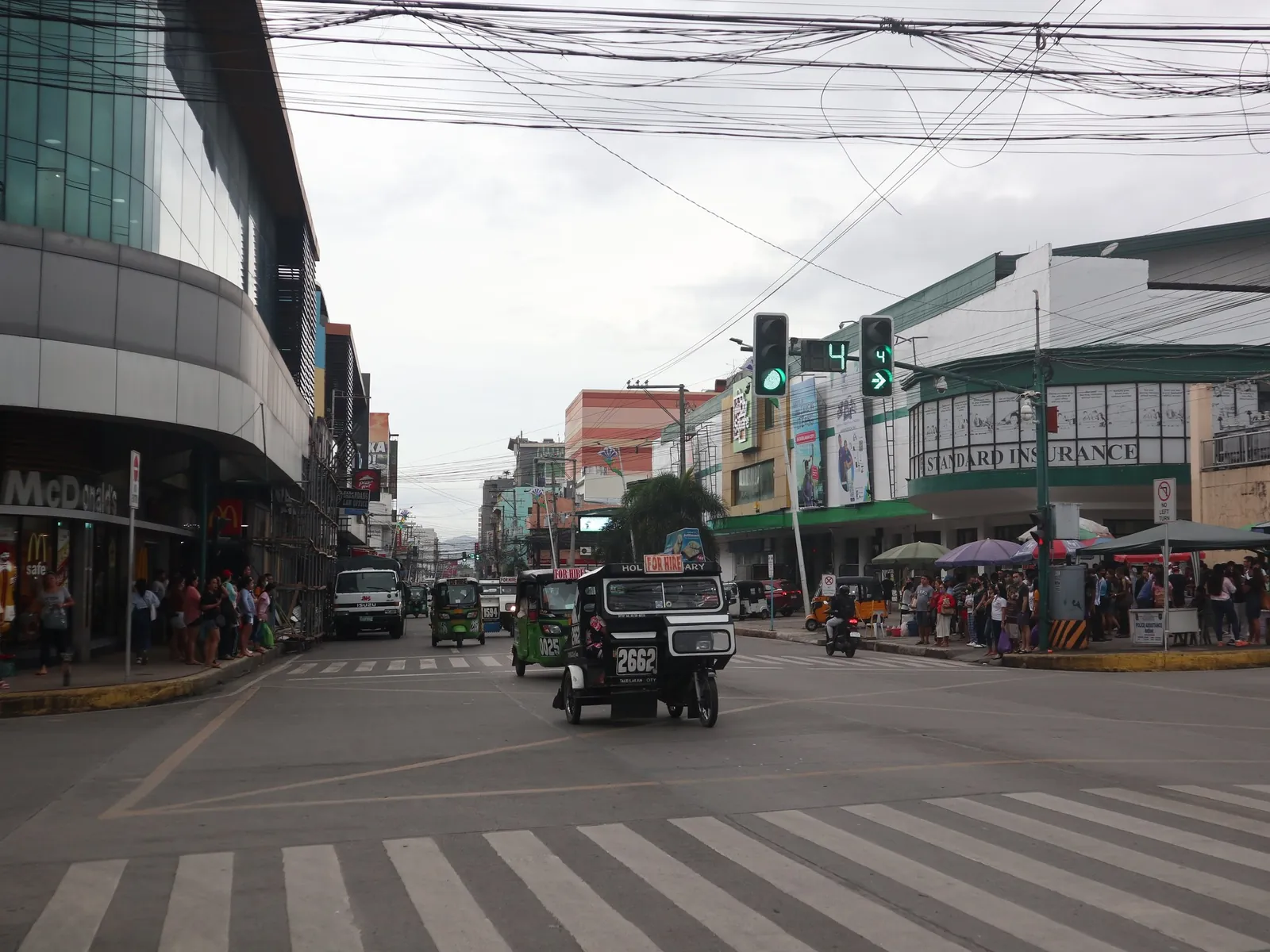
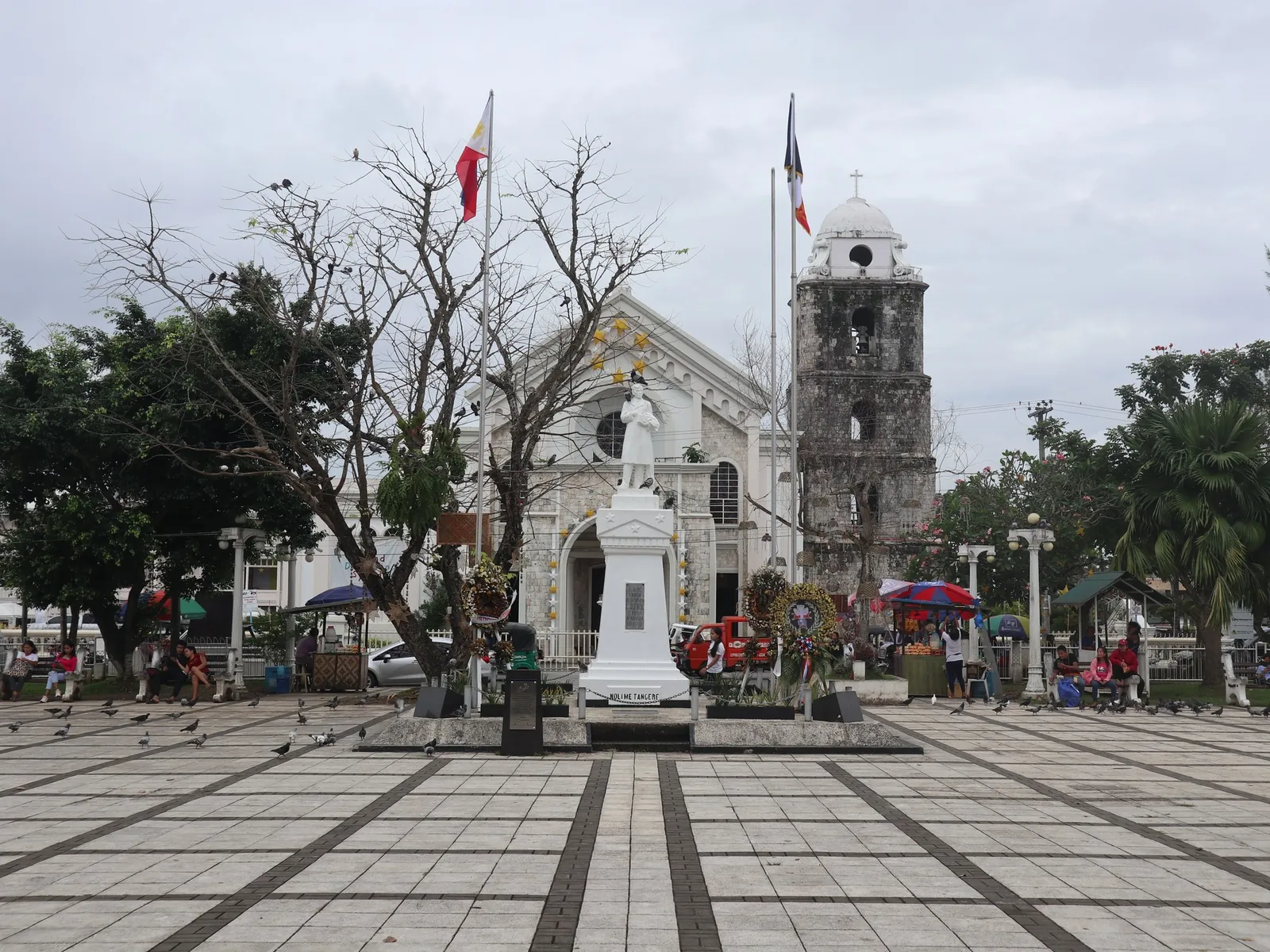
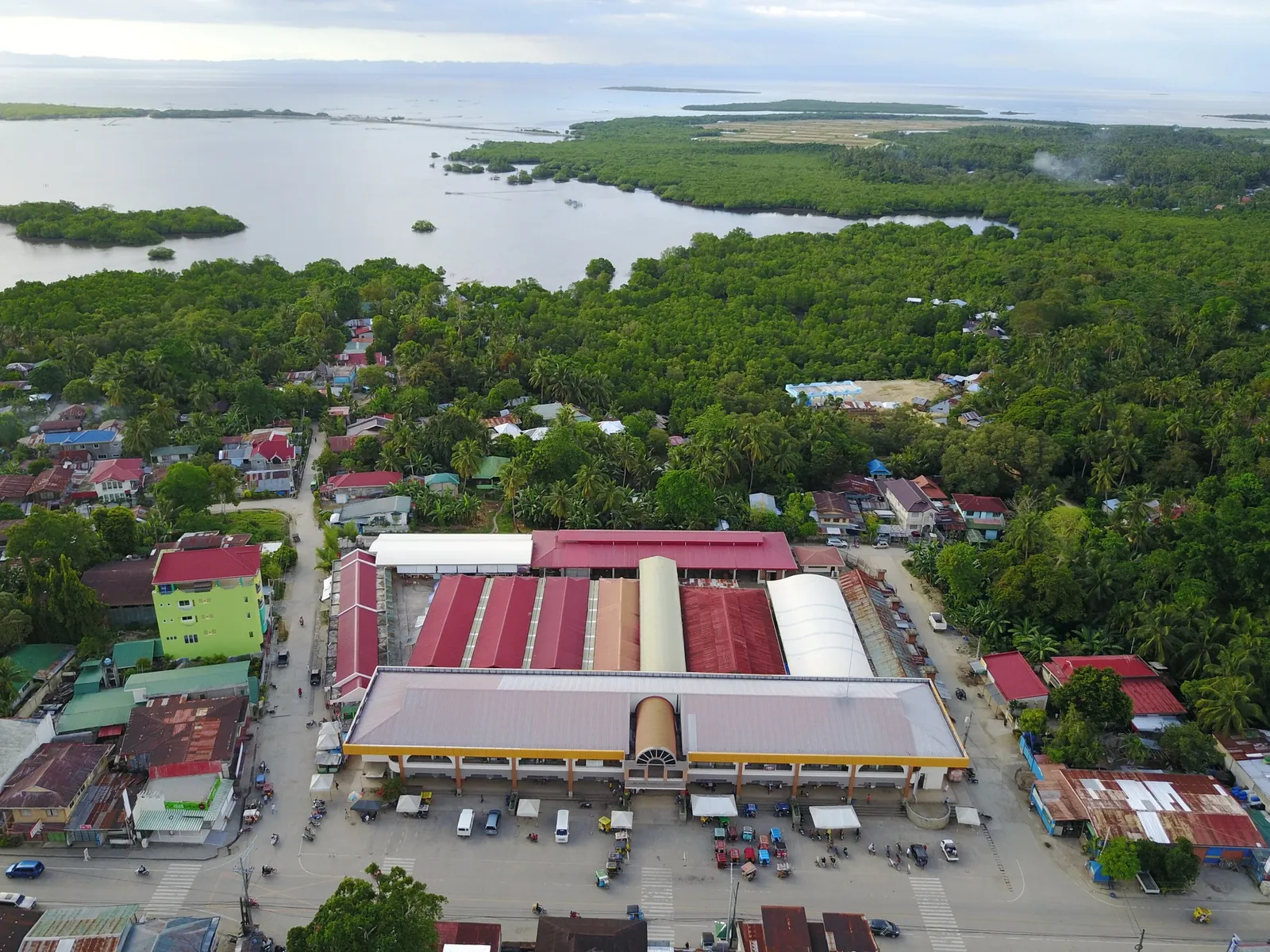
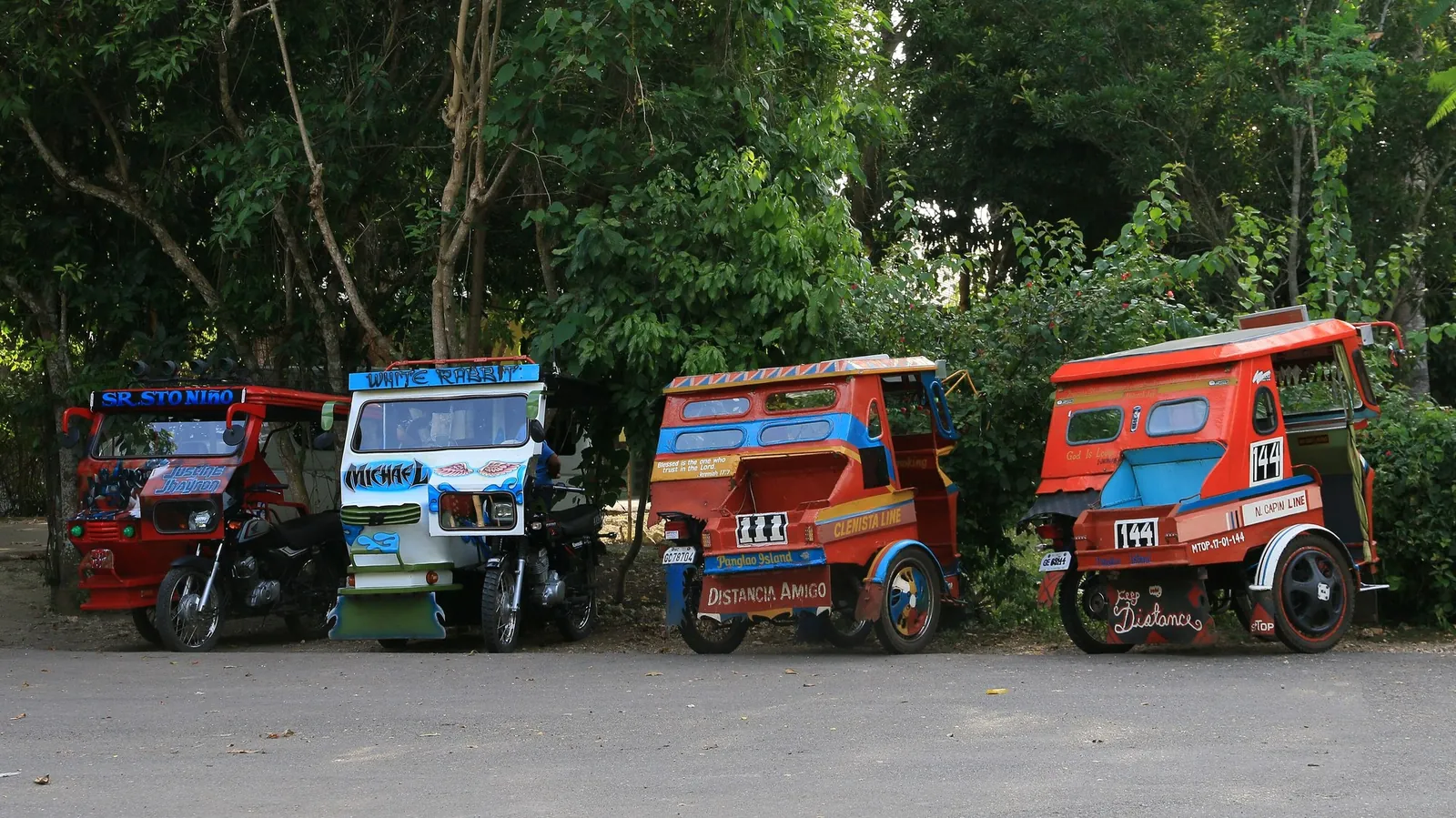
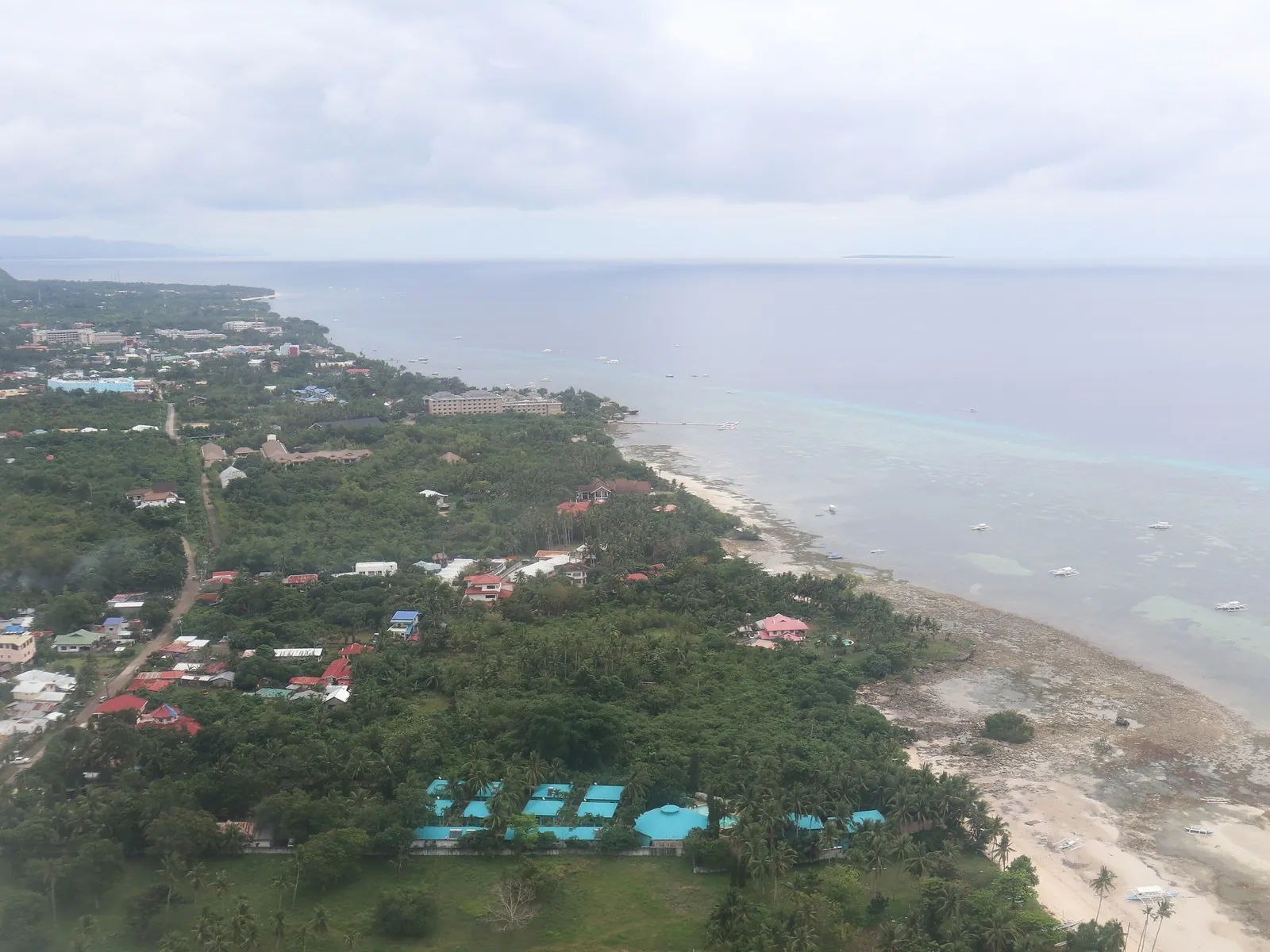
Authentic, unedited photos of Bohol by residents and visitors, taken on ordinary days rather than chosen by a tourist board. Each one shows when it was taken. Browse photos of all 83 cities →
.jpg)
.jpg)
.jpg)

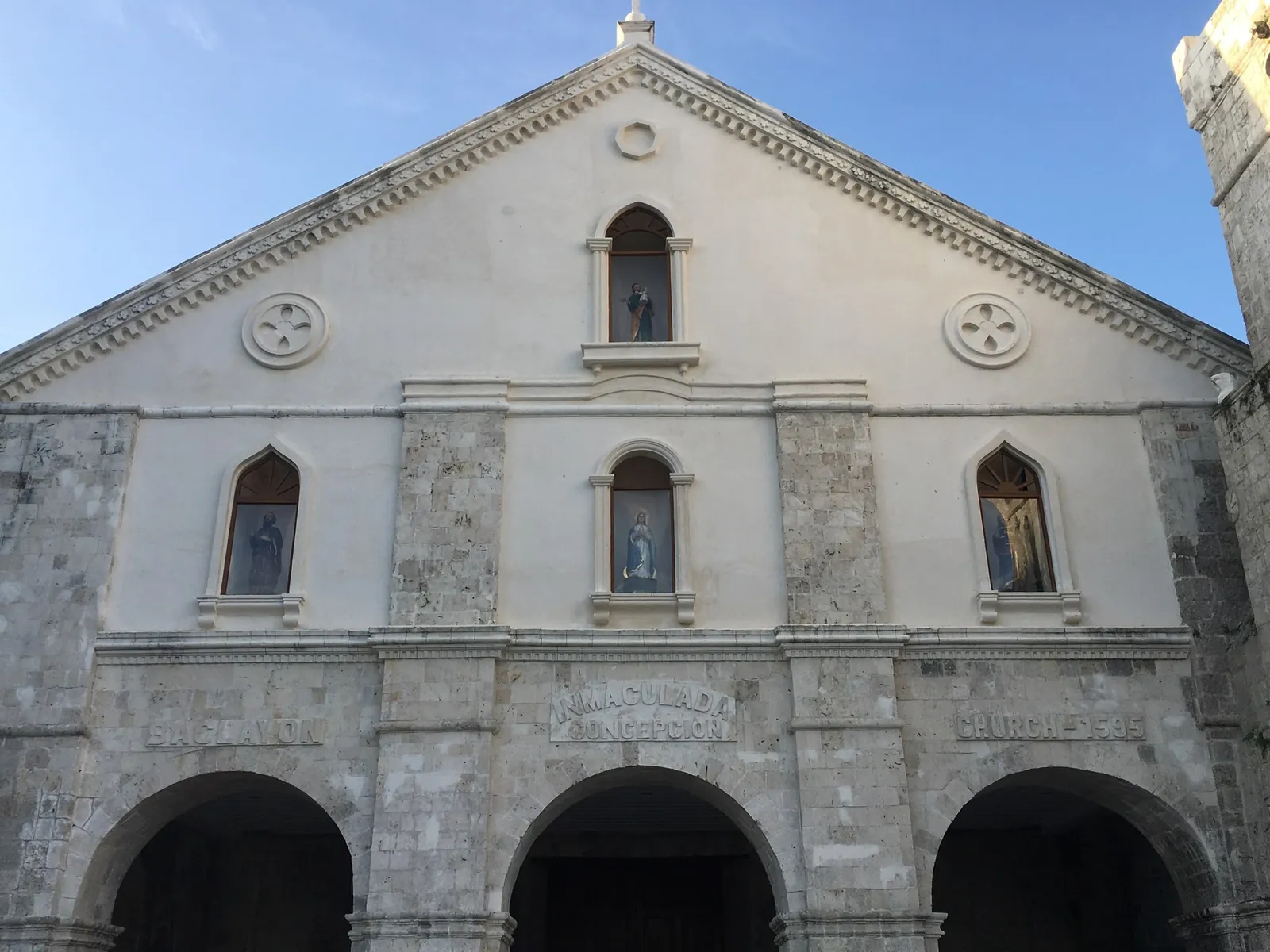
_2018-06-16.jpg)
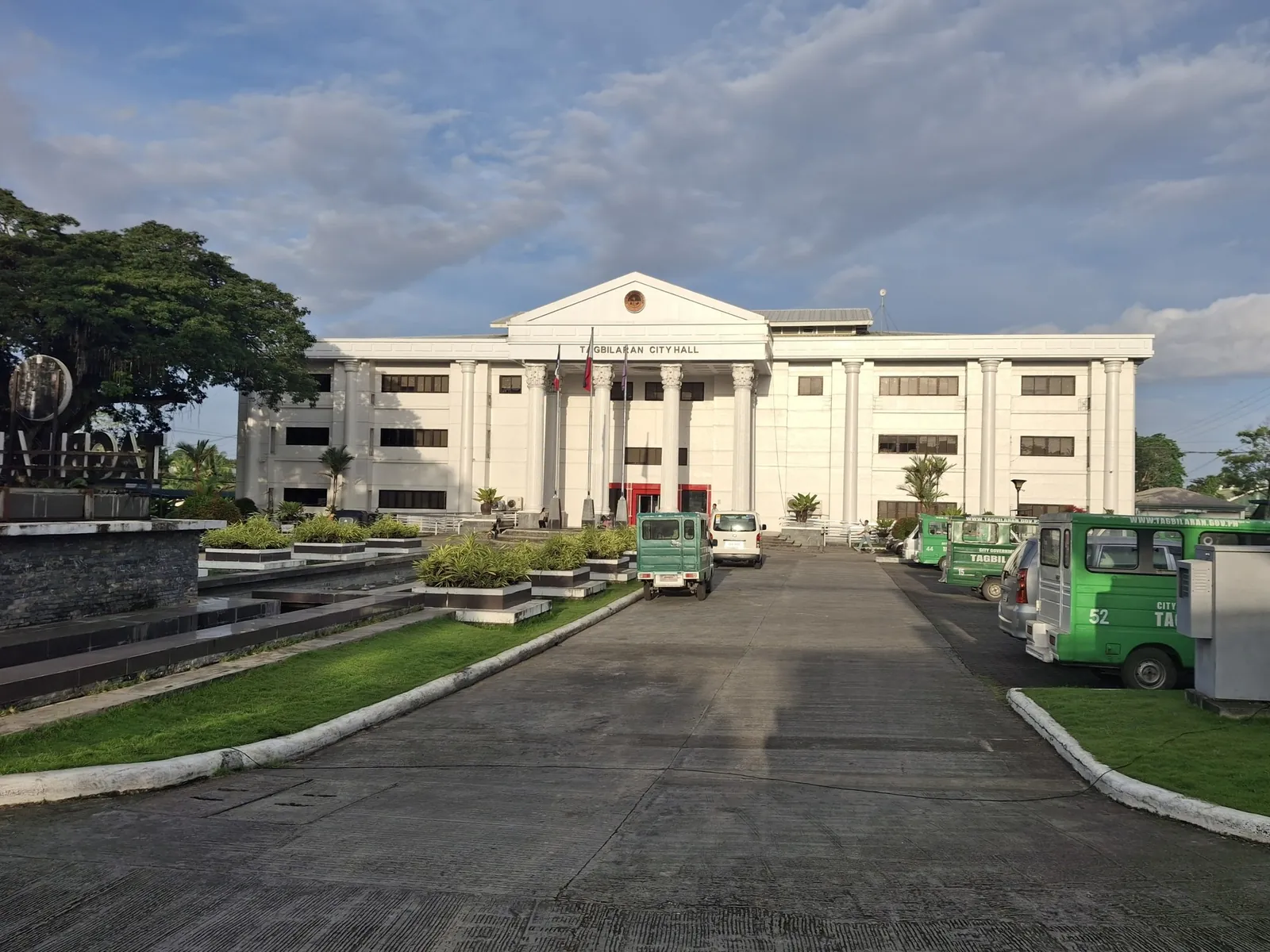

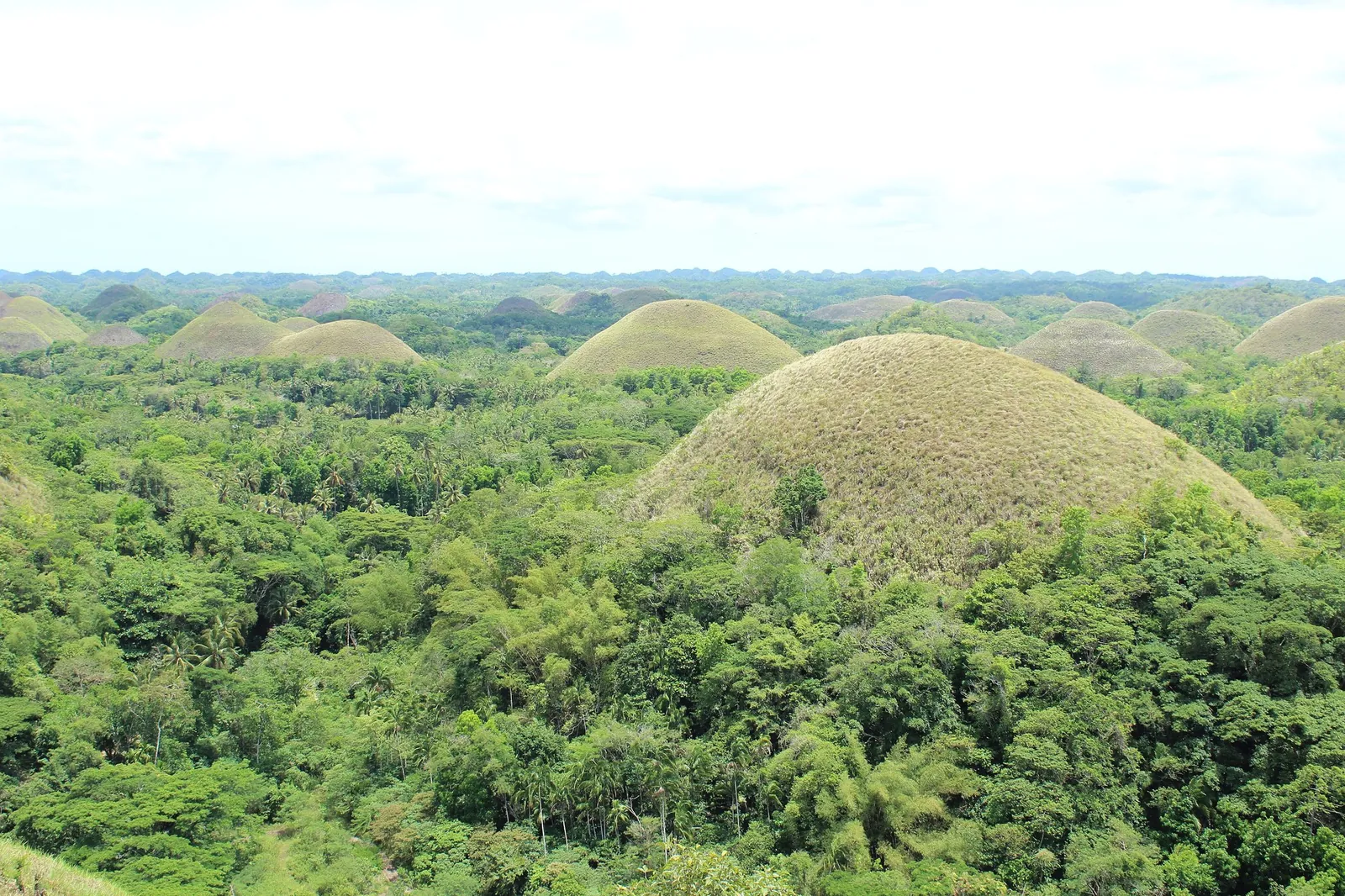



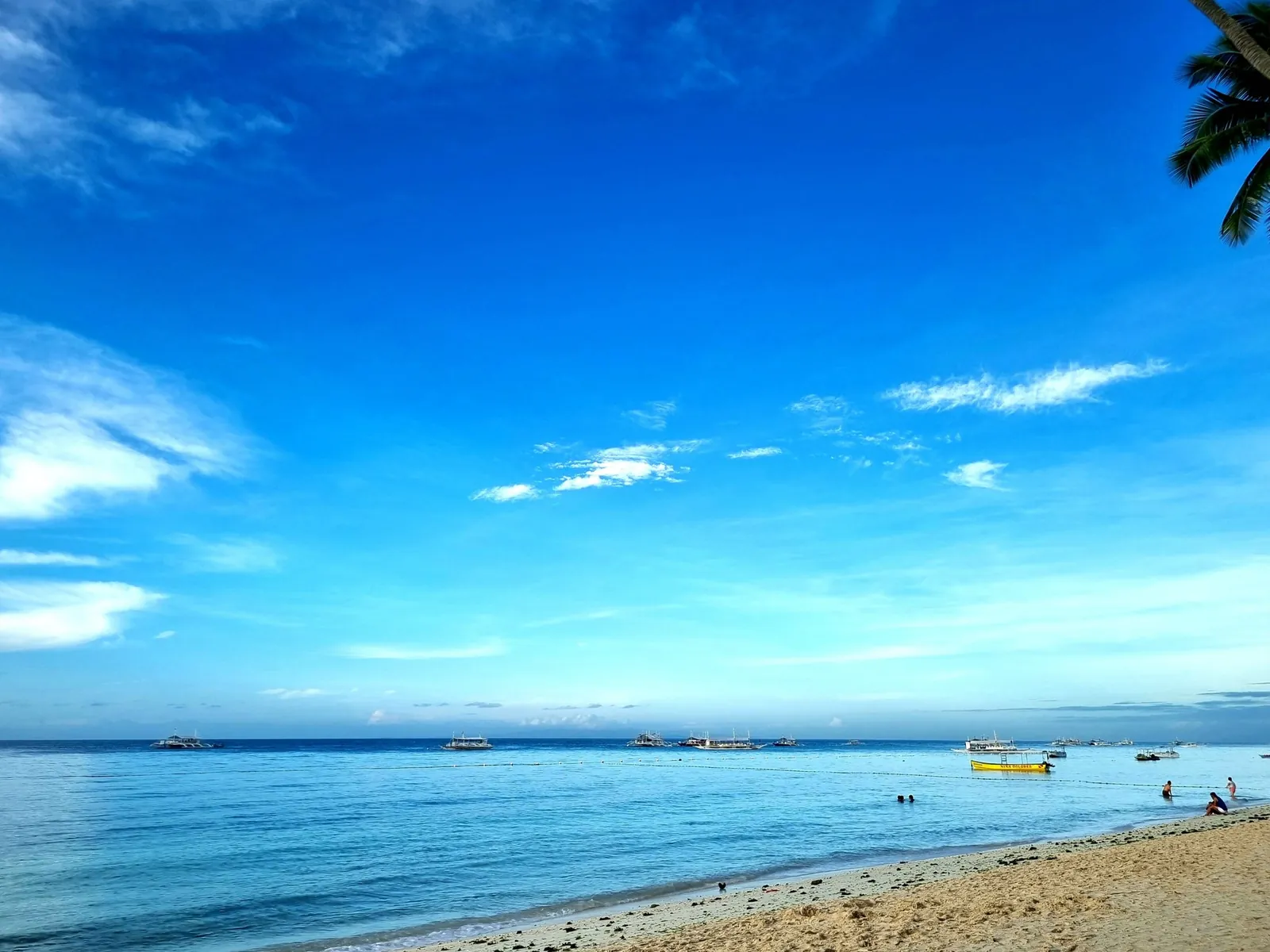

.jpg)
The other side



Cost of Living in Bohol
1-Bedroom Rent
$200-$450/month
Local Restaurant Meal
$2-$5 at local eateries
Cup of Coffee
$1.50-$3
Estimated Monthly Total
$700-$1,200
Want a personalized estimate? Use our cost of living calculator
Healthcare in Bohol
Bohol's medical provision is adequate for everyday needs and thin beyond that. Gov. Celestino Gallares Memorial Medical Center in Tagbilaran is the regional public referral hospital, and Ramiro Community Hospital is the main private option; between them they cover emergencies, general medicine, routine surgery, and diagnostics, with consultations at $15-$40 and no language barrier. For cardiac procedures, complex oncology, neurosurgery, or major trauma, patients go to Cebu — roughly two hours by fast ferry from Tagbilaran, with several daily sailings, or a short flight. That ferry dependency is the key consideration: sailings are suspended in heavy weather, which is precisely when a storm-related emergency is most likely. Retirees with ongoing cardiac or oncological needs are generally better placed in Cebu itself.
Daily Life and Lifestyle in Bohol
Bohol offers a quieter version of Philippine island life than Cebu or Boracay. Panglao's Alona Beach has the diving industry, restaurants, and most of the international residents; Tagbilaran is the working city with the hospitals, banks, and markets; and the island's interior is farmland, forest, and the Chocolate Hills. Diving is exceptional — Balicasag and Pamilacan are among the better sites in the country — and the Loboc river and tarsier sanctuaries are on the doorstep rather than a trip. English is an official language, so daily life, banking, and medical appointments present no barrier. The international community is small but established around Panglao, with enough of a scene for regular social contact without the density of Cebu or Angeles. Roads are generally good and the island is small enough to cross in about two hours.
Climate and Weather in Bohol
Bohol has a tropical climate with temperatures of 25-32°C year-round and relatively even rainfall, without the sharply defined dry season of Luzon. December to May is the drier, calmer half of the year and the best for diving; June to November brings more rain. The critical climatic fact is typhoon exposure: Bohol sits in the Visayas, within the main Philippine typhoon belt, and Typhoon Odette in December 2021 caused severe damage across the island. Storms of that intensity are not annual, but the island is squarely in the track region and any long-term plan should assume periodic serious disruption. Sea temperatures stay swimmable year-round.
Pros and Cons of Retiring in Bohol
Pros
- International airport since 2018 — no longer ferry-dependent for travel
- Very low cost of living, comfortable under $1,000 a month for a single retiree
- English is an official language, so no barrier in daily life or healthcare
- World-class diving at Balicasag and Pamilacan, plus the Chocolate Hills and tarsier sanctuaries
- Quieter and less developed than Cebu, with good roads and a small island scale
Cons
- Serious medical care means Cebu, about two hours by fast ferry
- Within the main typhoon belt — Typhoon Odette caused severe damage in December 2021
- A magnitude 7.2 earthquake struck the island in 2013
- Ferry sailings are suspended in heavy weather, exactly when emergencies are likeliest
- Small international community and limited specialist services
Who Is Bohol Best For?
Retirees in good health who want quiet Philippine island living with English, low costs, and an international airport, and who accept that serious healthcare means a ferry to Cebu.
Where to Live in Bohol
Panglao & Alona Beach
The main beach and diving area on the adjoining island, home to most international residents and the airport. Rents run $300-$600/month. Best amenities and social contact, about 40 minutes from Tagbilaran's hospitals.
Tagbilaran
The provincial capital and working city, with hospitals, banks, markets, and the ferry pier. Rents run $200-$400/month. Least scenic but the practical choice for anyone prioritising medical access.
Loboc & the interior
River and farmland country inland, near the Chocolate Hills and tarsier sanctuaries. Rents run $180-$400/month, usually for houses. Very quiet and very cheap; a vehicle is essential and services are limited.
Hospitals and Healthcare Facilities in Bohol
Gov. Celestino Gallares Memorial Medical Center
The regional public referral hospital in Tagbilaran, covering emergency care, general medicine, and routine surgery for the province at low cost.
Ramiro Community Hospital
The main private hospital in Tagbilaran, handling consultations, diagnostics, and intermediate care with shorter waits than the public system.
Cebu tertiary hospitals
For cardiac, oncology, neurosurgery, or major trauma, patients travel to Cebu — about two hours by fast ferry or a short flight — where Chong Hua and Cebu Doctors' University Hospital provide tertiary care.
Facility details may change. Verify accreditation status and services directly with each hospital before making healthcare decisions.
Dining and Food Scene in Bohol
Boholano cooking is Visayan and seafood-led: grilled fish, kinilaw (raw fish cured in vinegar and calamansi), and the island's own peanut kisses and calamay, a sticky coconut and rice sweet sold in halved coconut shells. A local meal runs $2-$5.
Alona Beach on Panglao has the international restaurants — Italian, German, and Japanese places serving the diving community — at $6-$14 a main, alongside the beachfront seafood grills where the day's catch is sold by weight. Tagbilaran's public market is where residents buy fish, fruit, and vegetables at local prices.
Weekly groceries for two run $30-$50. The island grows rice, coconut, and fruit but imports most packaged goods through Cebu, so branded and Western products cost more than on the mainland. Tagbilaran has the only full-size supermarkets; Panglao's shops are smaller and dearer.
Is Bohol Right for You?
Take our free 3-minute retirement quiz to see how Bohol and Philippines compare to other destinations based on your preferences, budget, and needs.
Take the Retirement QuizFrequently Asked Questions About Retiring in Bohol
How much does the 2018 airport change things?
Substantially. Before Bohol-Panglao International Airport opened, reaching the island meant flying to Cebu and taking a ferry, which made travel slow and weather-dependent. The new airport gives direct domestic connections and some international ones, so visiting family and travelling home are now normal rather than an expedition. It is the single biggest reason Bohol became a realistic retirement base rather than a holiday destination.
How exposed is Bohol to typhoons and earthquakes?
Genuinely exposed to both. Bohol lies in the main Philippine typhoon belt, and Typhoon Odette caused severe island-wide damage in December 2021. A magnitude 7.2 earthquake in 2013 destroyed several centuries-old churches and damaged infrastructure. Neither is annual, but over a twenty-year retirement both are realistic. Property construction standards and insurance are worth more attention here than in, say, Davao, which sits outside the typhoon belt.
Should I choose Bohol or Cebu?
Cebu has the tertiary hospitals, the international flights, and the larger expat community; Bohol is quieter, cheaper, prettier, and better for diving. The deciding factor is usually health. If you have a cardiac or oncological condition, Cebu's hospitals on your doorstep are worth more than Bohol's calm, because the alternative is a two-hour ferry that stops running in bad weather. If you are well, Bohol generally offers the better daily life.
Sources & References
- Gov. Celestino Gallares Memorial Medical Center — Regional referral role and departmental services for Bohol province
- Bohol-Panglao International Airport — Opening, route network, and effect on island accessibility
- Philippine Atmospheric, Geophysical and Astronomical Services Administration (PAGASA) — Typhoon track data for the Visayas, including Typhoon Odette (2021)
- Philippine Retirement Authority — SRRV categories, deposit requirements, and application procedures